Bread, a staple food in many cultures, does indeed contain alcohol due to the fermentation process involving yeast. While most of the alcohol evaporates during baking, trace amounts can remain, with some loaves containing up to 1.9% alcohol by volume.
The Fermentation Process in Bread Making
Alcohol Content in Different Types of Bread
The alcohol content in different types of bread varies significantly due to differences in ingredients and fermentation processes. For instance, white bread can contain up to 1.9% alcohol by volume, while rye bread typically has a much lower alcohol content of about 0.18% due to the unique interaction between rye flour, yeast, and sugar. Pumpernickel bread has the least amount of alcohol, with only 0.03 grams of ethanol per 100 grams. The alcohol content in bread is generally low and not enough to cause intoxication, but it is a notable byproduct of the fermentation process.
The Crabtree Effect and Yeast Behaviour
The Crabtree effect describes the phenomenon where certain yeasts, such as Saccharomyces cerevisiae, produce ethanol even in the presence of oxygen when exposed to high glucose concentrations. This effect occurs because the yeast prioritizes glycolysis over the tricarboxylic acid (TCA) cycle, leading to ethanol production instead of biomass formation through oxidative phosphorylation. The Crabtree effect is believed to have evolved as a competitive mechanism, leveraging the antiseptic properties of ethanol to inhibit other microorganisms. This behavior is observed in various yeast species, including those in the Schizosaccharomyces and Debaryomyces genera. The effect can be mitigated by maintaining glucose concentrations below certain thresholds, such as 150 mg/L for S. cerevisiae, to prevent ethanol production and promote respiratory growth.
What Does This Mean For 0.5% Beers?
The notion that 0.5% ABV beers are alcoholic is a misconception, as many everyday foods, including bread, contain similar or higher levels of alcohol. For instance, bread can have up to 1.9% alcohol by volume due to the fermentation process, which is significantly higher than the 0.5% found in some beers. This level of alcohol is not enough to cause intoxication, and in many countries, beverages with 0.5% ABV are legally classified as alcohol-free. Therefore, consuming 0.5% ABV beers is comparable to eating common foods like bread, which also contain trace amounts of alcohol.
If You're Looking For An Alcohol-Free Beer - Best Overall: IMPOSSIBREW
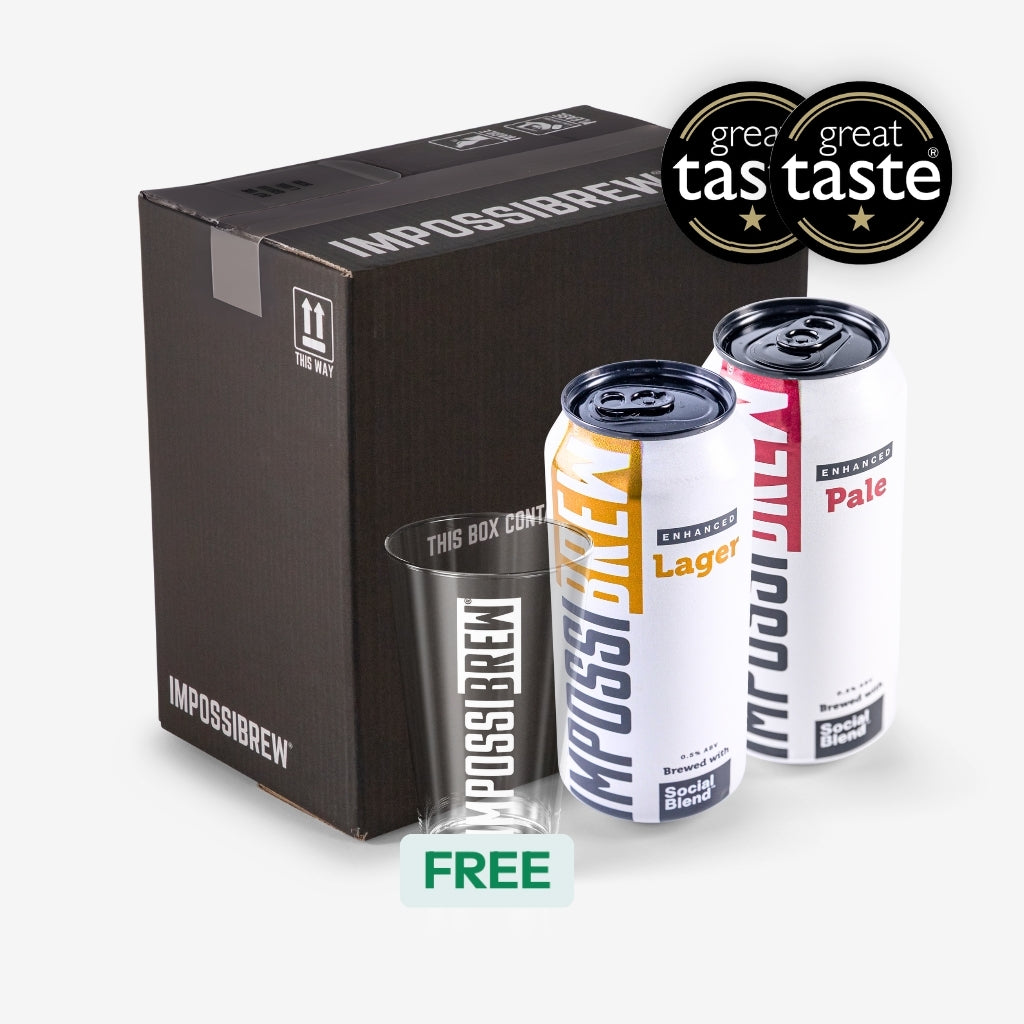
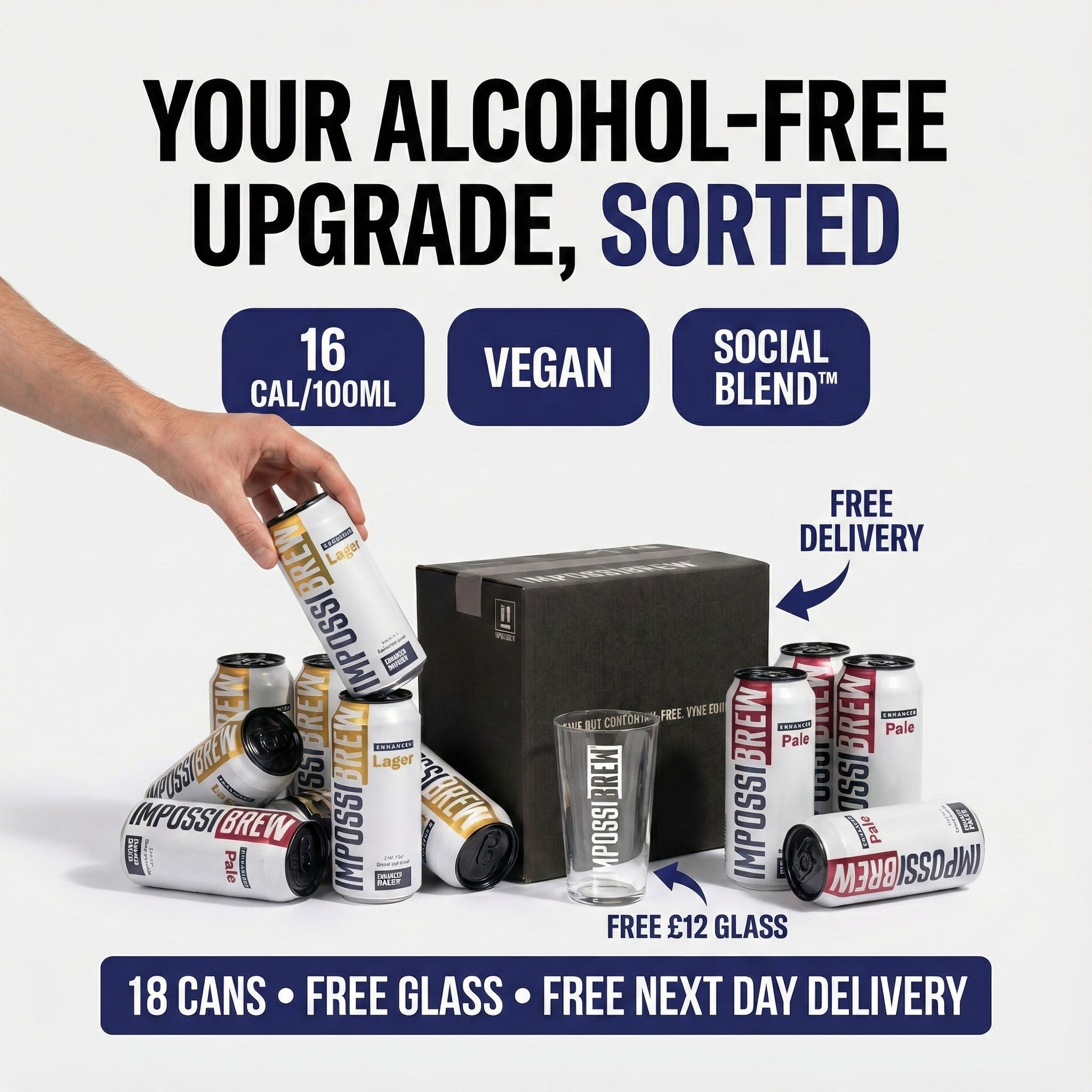
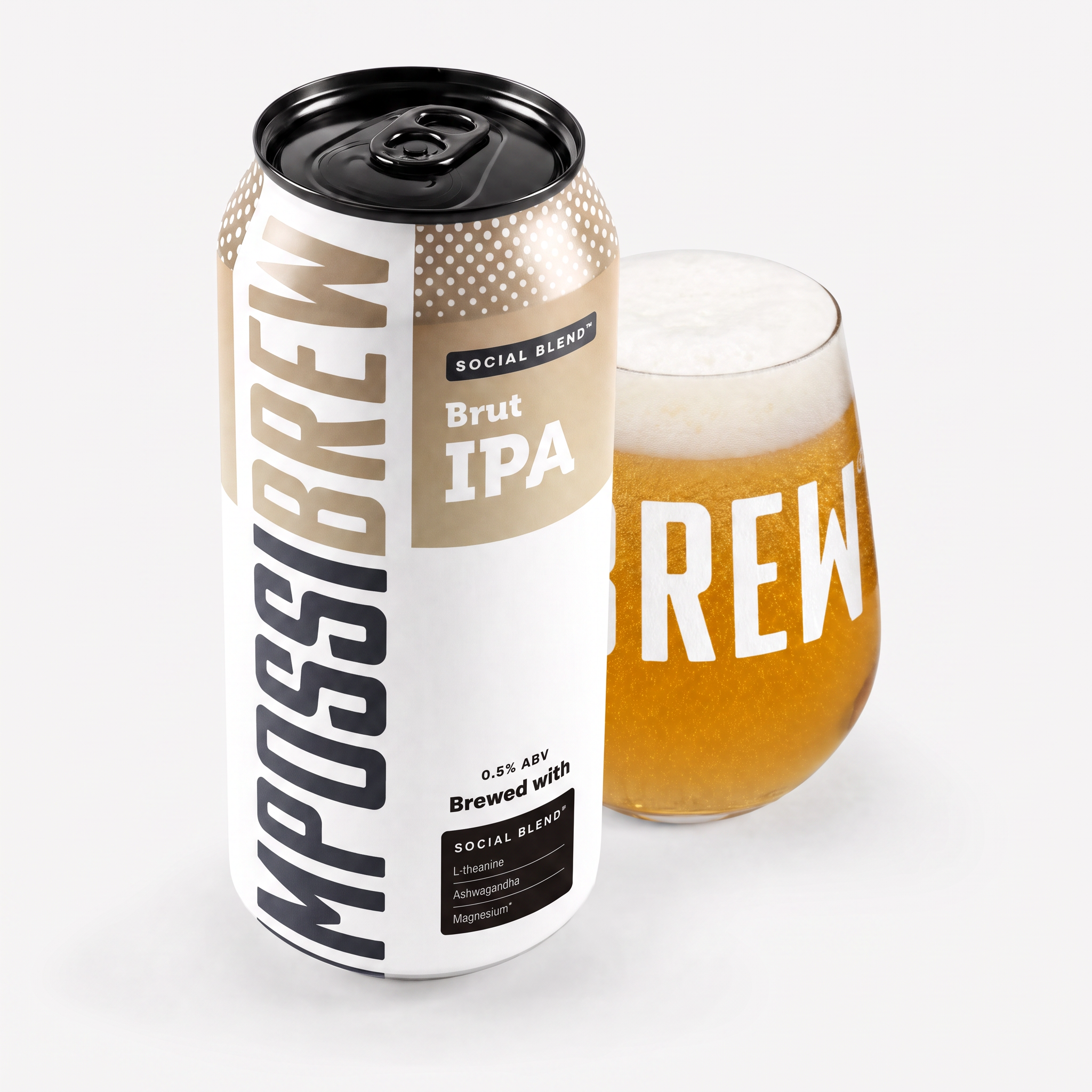
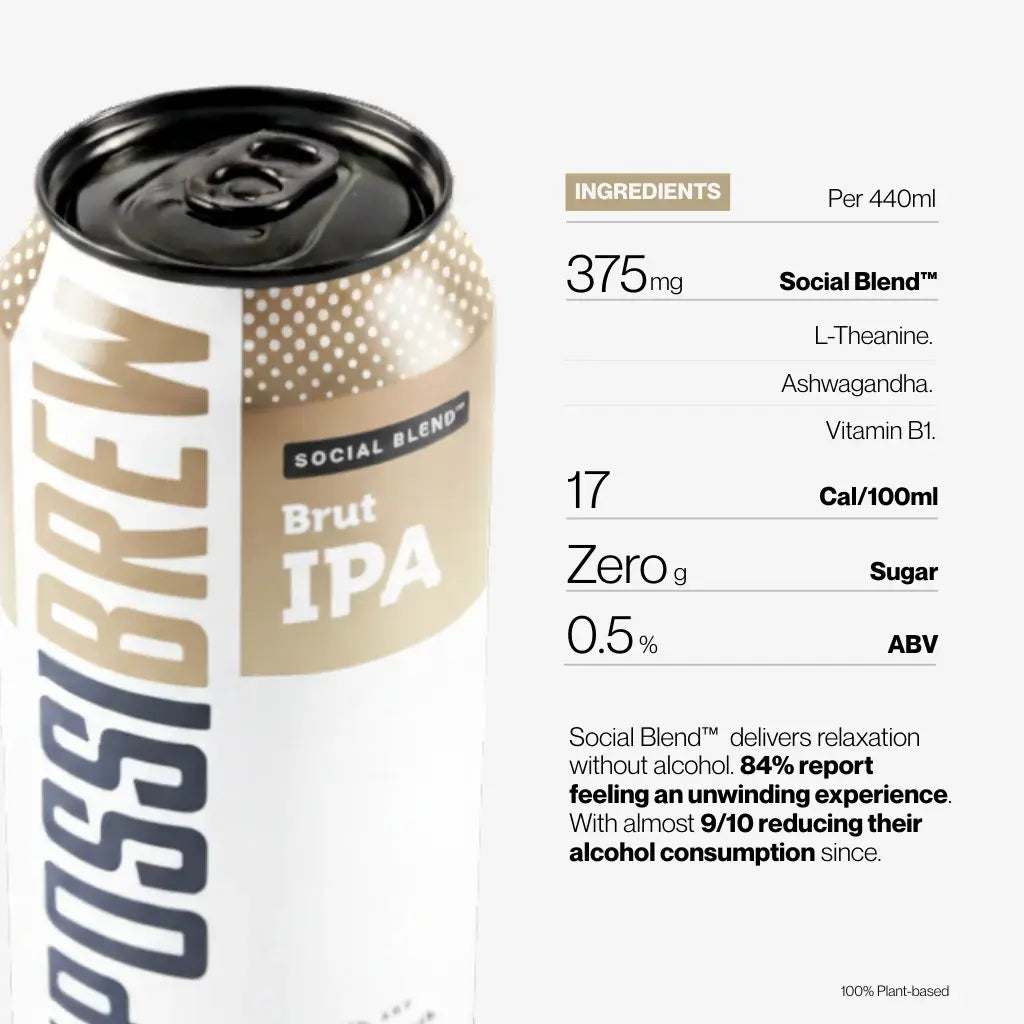
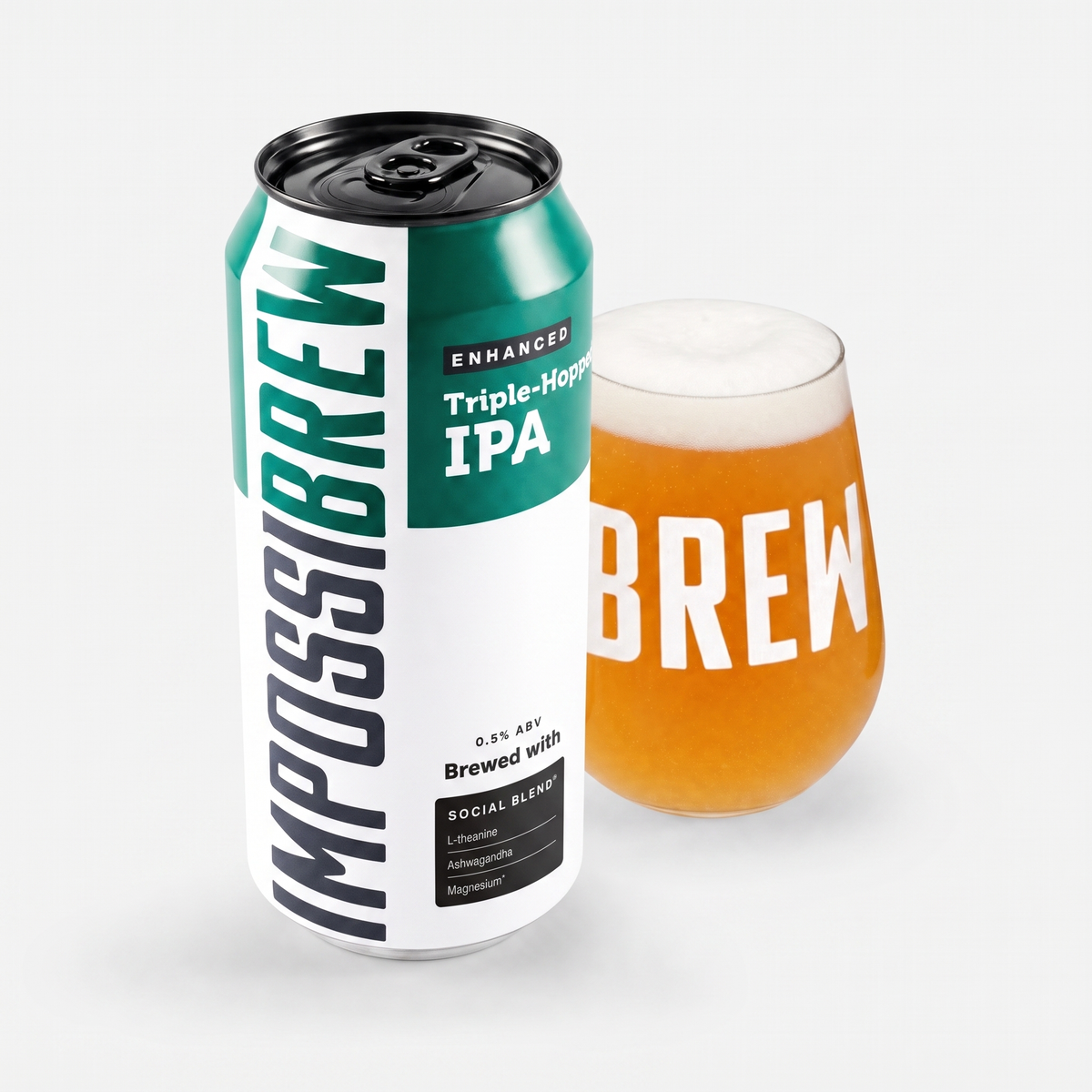
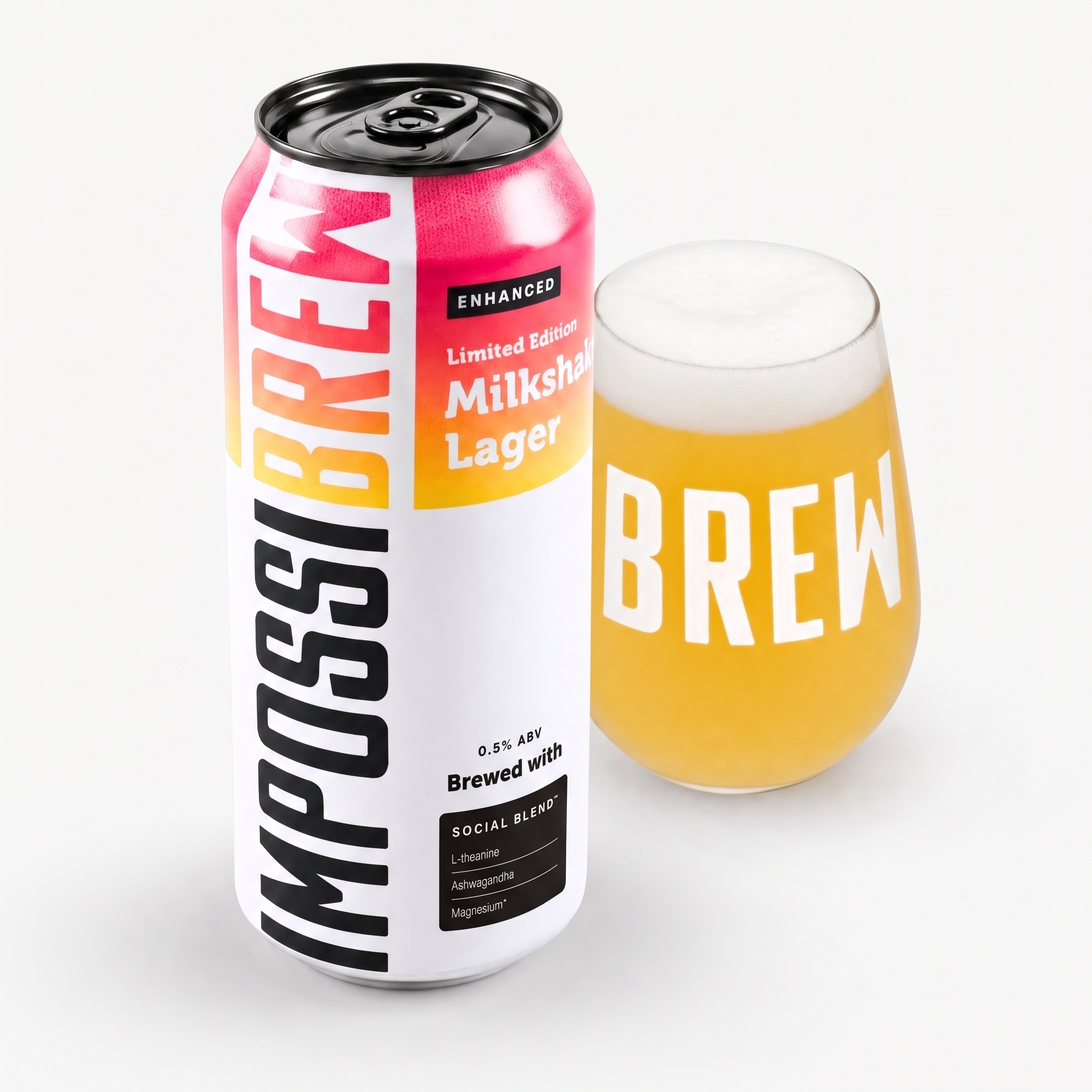
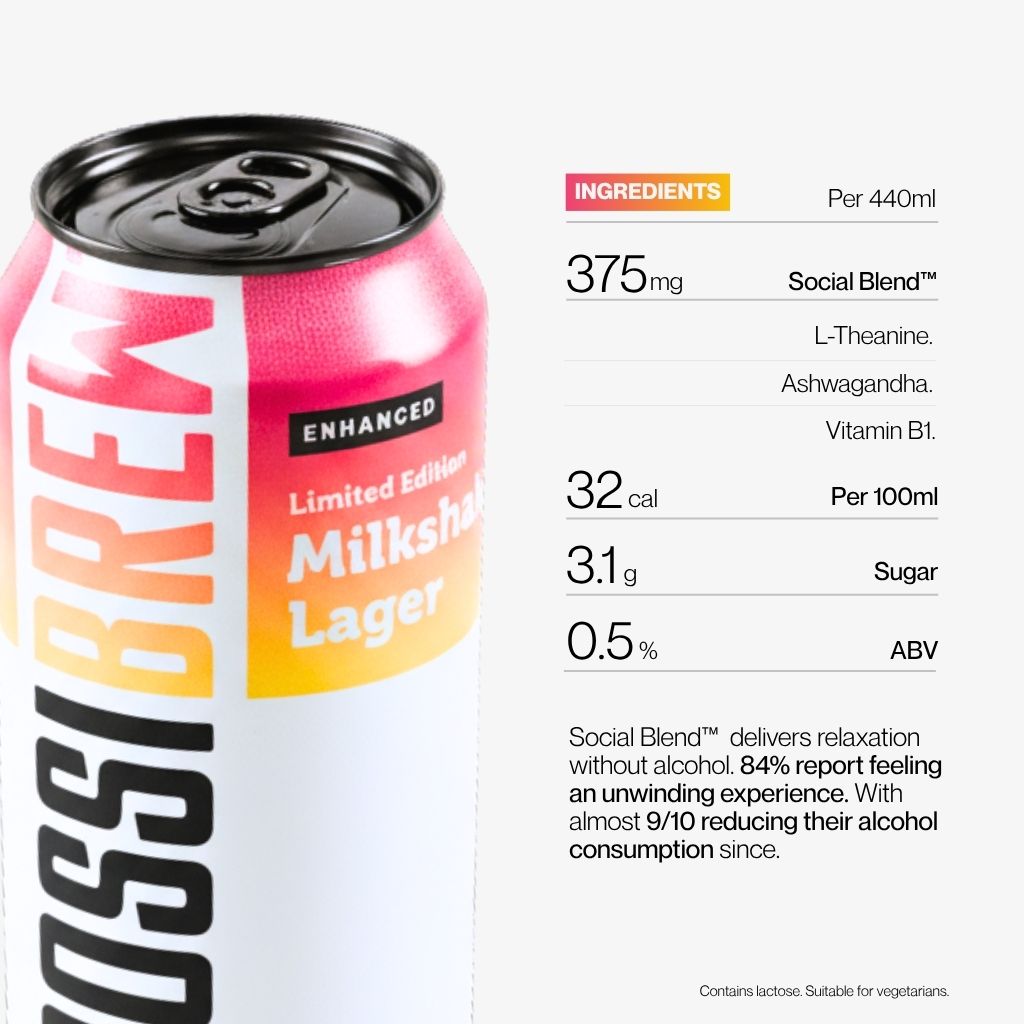
IMPOSSIBREW stands out as the best overall option for those looking to reduce their alcohol intake. Its unique Social Blend™ incorporates nootropic herbs and active plant-based ingredients that promote relaxation and stress relief, providing a satisfying experience without alcohol. With only 27 calories per 440ml can (6 calories per 100ml), it is one of the lowest-calorie alcohol-free beers available. Additionally, it contains no sugar, is 100% vegan, and has been awarded the UK's best-tasting alcohol-free beer by the World Beer Awards, making it an excellent all-around choice.
About IMPOSSIBREW
IMPOSSIBREW makes alcohol-free beer brewed with Social Blend™ (L‑theanine, ashwagandha, magnesium and vitamin B1), developed with pharmacologists at Durham University, for the calm, relaxed feeling of a drink without the alcohol.

Gold Medal for our Lager at the London Beer Competition, the first alcohol‑free beer to win Gold there. Judges noted citrus, light lemon and tropical aromas with a crisp finish.
Voted the UK's best-tasting alcohol‑free lager at the World Beer Awards (Gold and Country Winner). Enhanced Lager and Enhanced Hazy Pale also each hold a Great Taste Award.
60% fewer calories than a standard 5% lager. Enhanced Lager is gluten-free (below 20ppm) and vegan.
As seen on BBC's Dragons' Den, with more than 100,000 customers.
*Highest TrustScore among alcohol‑free beer brands with over 1,000 Trustpilot reviews, checked 28 October 2026. See the scores.