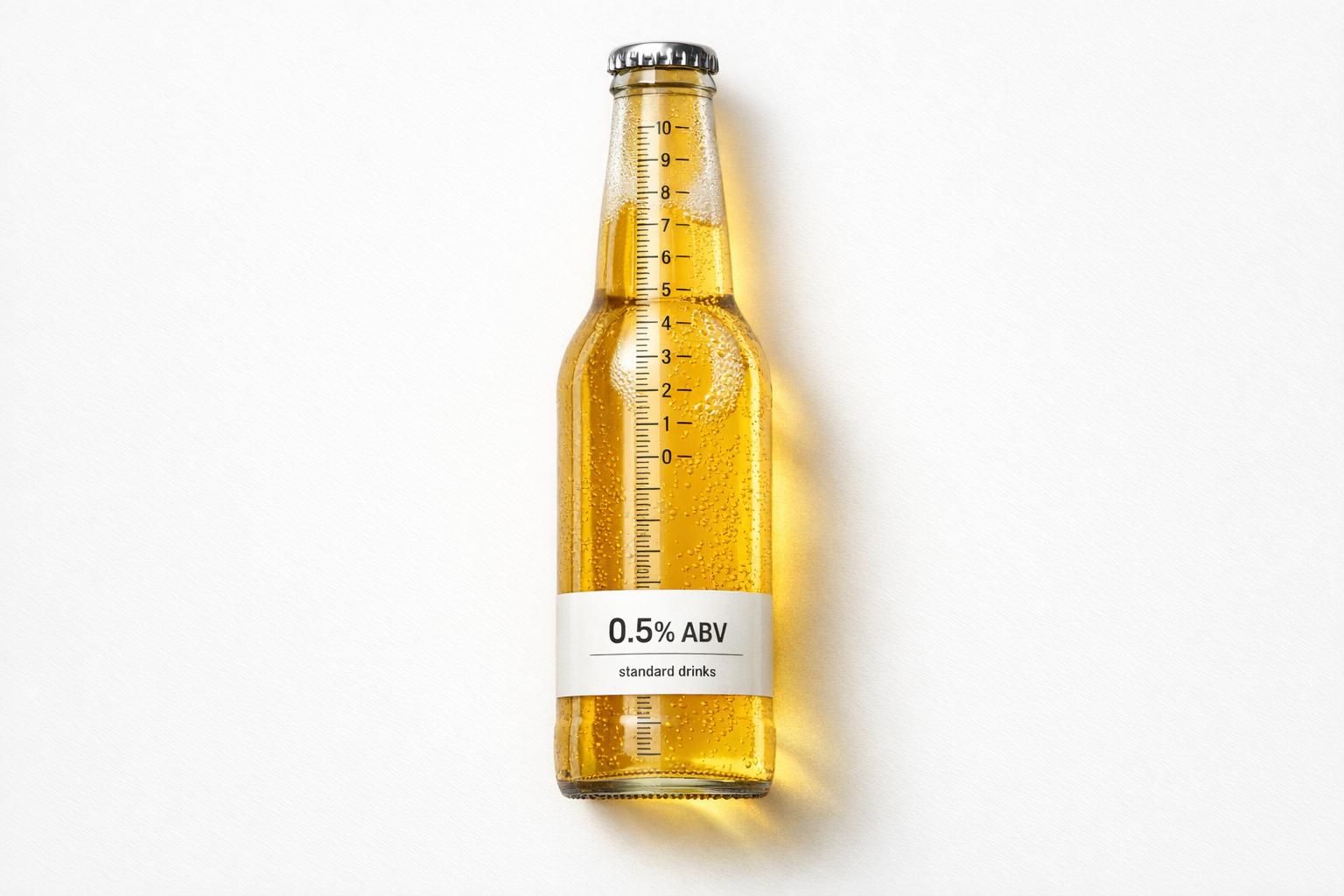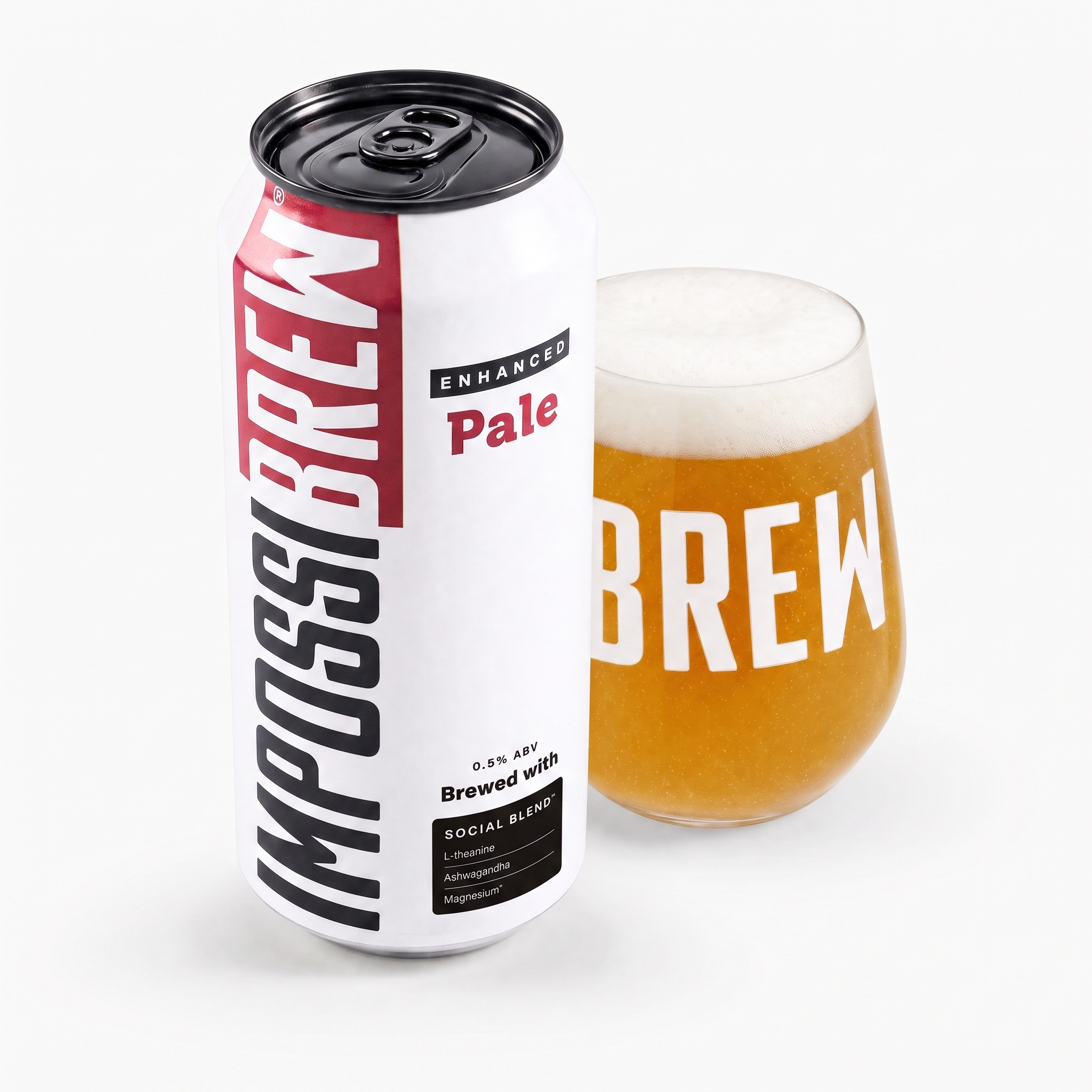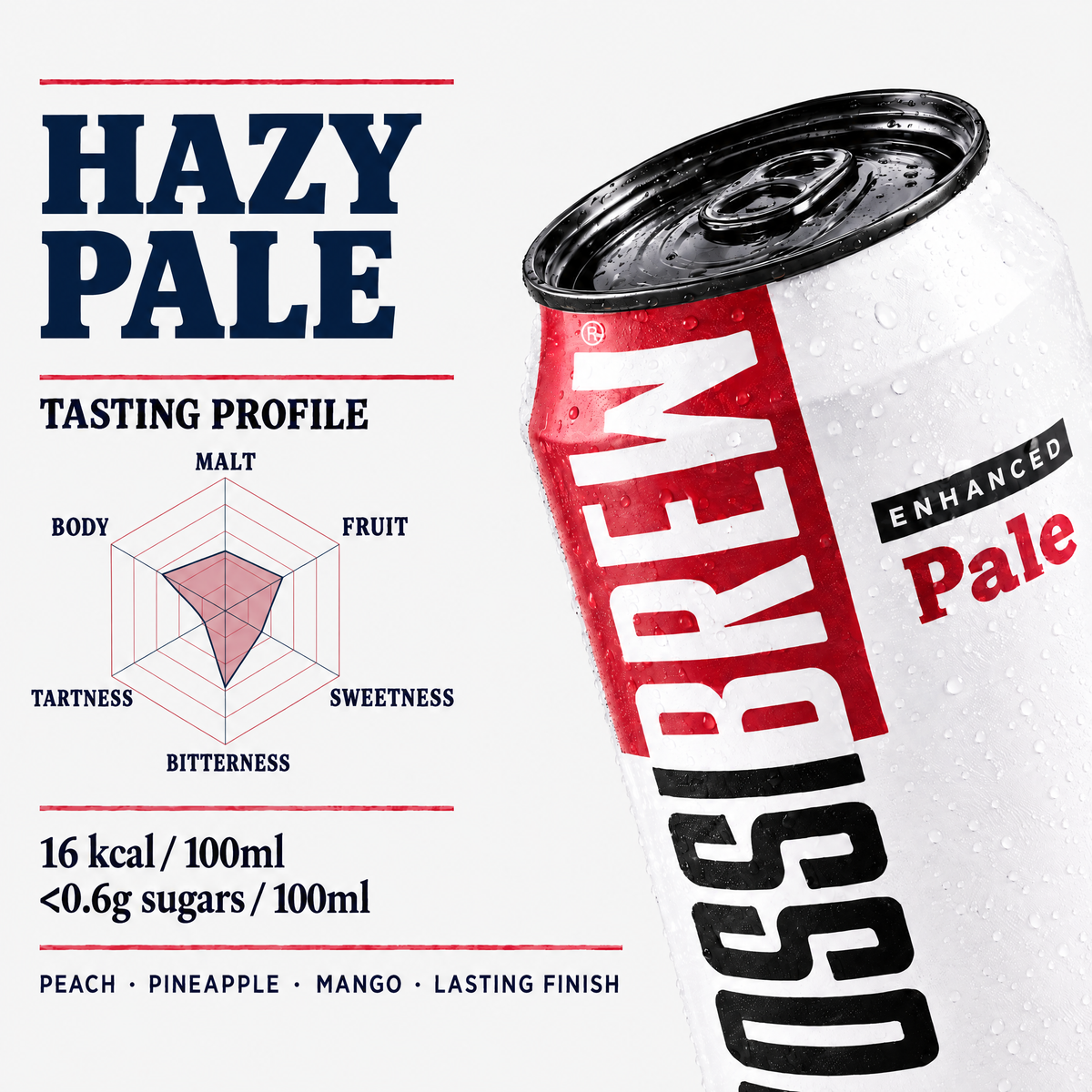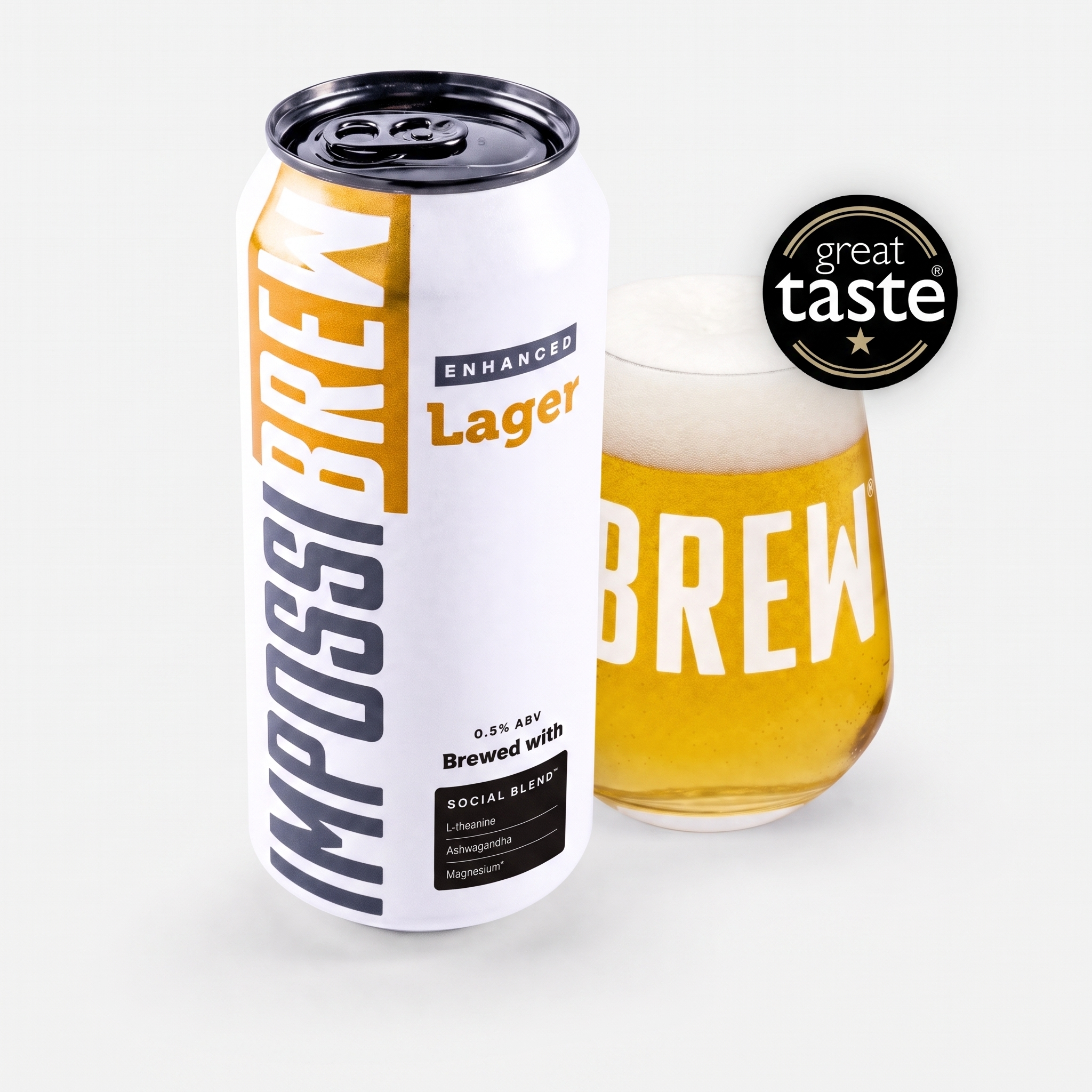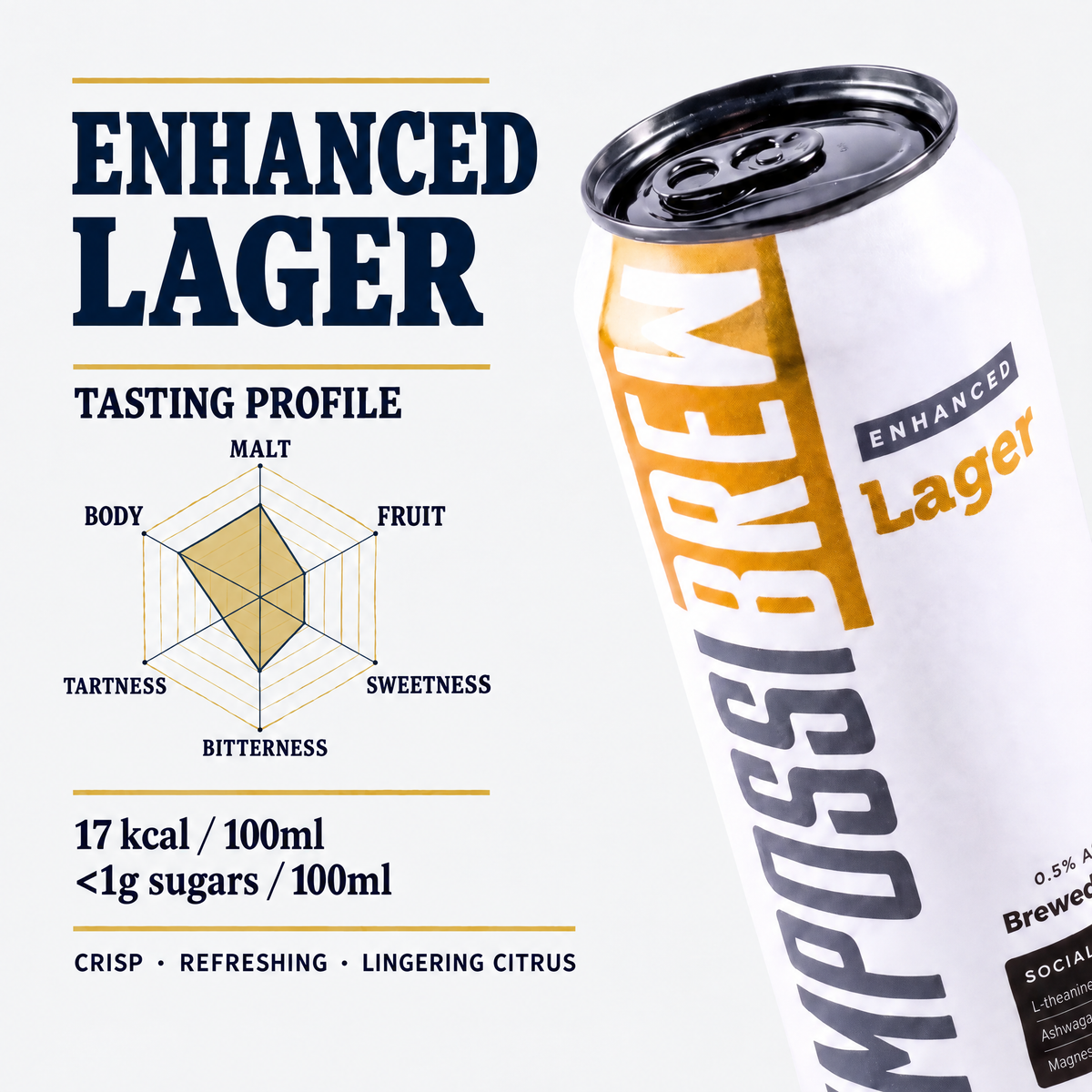
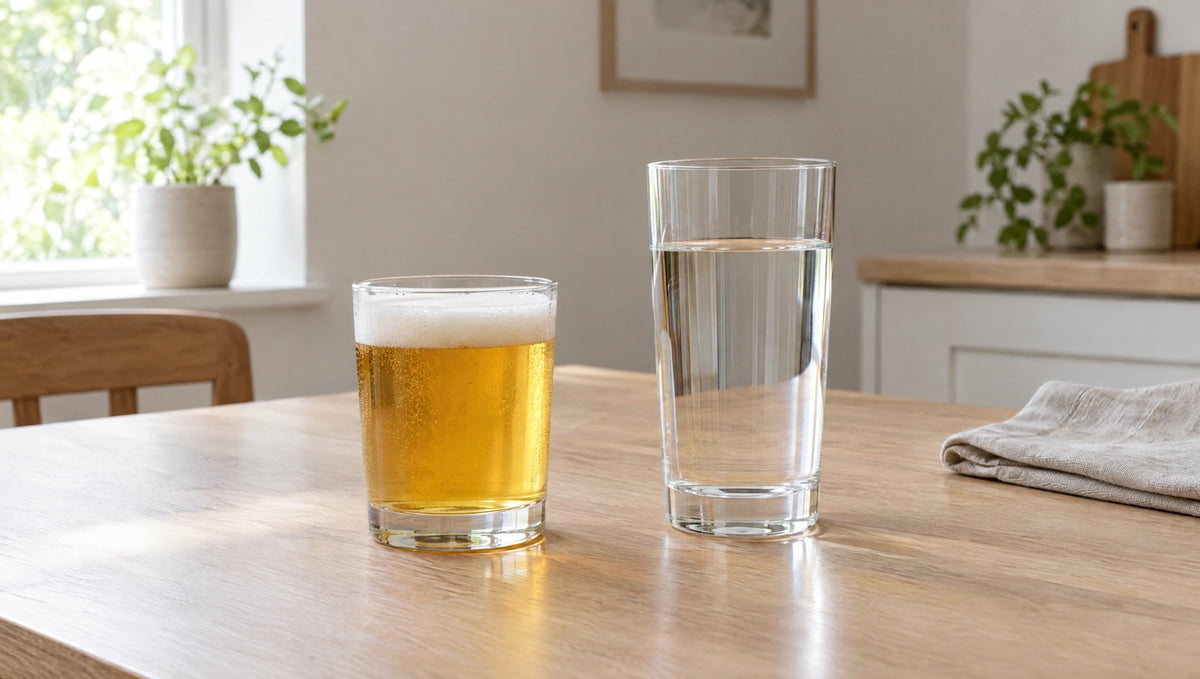
Yes, alcohol-free beer can hydrate you. With a water content of 90–97% and electrolytes like potassium and sodium, it supports hydration effectively. Unlike regular beer, it doesn’t interfere with your body’s fluid retention because its alcohol content is negligible (less than 0.5% ABV). Studies show it hydrates almost as well as water and can aid recovery after exercise, thanks to its isotonic composition and additional nutrients like carbohydrates and polyphenols.
Key Points:
- Water Content: Alcohol-free beer is mostly water (90–97%).
- No Diuretic Effect: Unlike regular beer, it doesn’t disrupt fluid balance.
- Electrolytes: Contains potassium (113–125 mg) and small amounts of sodium.
- Carbohydrates: Helps with water absorption (2–3.2% content).
- Isotonic Nature: Matches the body’s fluid osmolality for efficient absorption.
- Post-Exercise Recovery: Can reduce inflammation and support rehydration.
While it’s a good option for hydration, pairing it with a salty snack can improve sodium intake for better recovery after intense exercise. For everyday hydration, it complements water but shouldn’t replace it entirely.
Is Non-Alcoholic Beer a Healthy Drink?
sbb-itb-a752bf8
Why Hydration Matters and How Alcohol Causes Dehydration
Your body is made up of about 60% water[4]. This water plays a key role in keeping you healthy - it helps regulate body temperature, carries essential nutrients, lubricates your joints, and removes waste[4]. Even slight dehydration can cause issues like dry mouth, fatigue, headaches, or dark-coloured urine[1][4], all of which can impact your ability to think clearly and stay focused. This is where alcohol comes into play.
While both regular and alcohol-free beers have a high water content (around 90–97%)[2], the alcohol in regular beer works against its ability to hydrate. The diuretic nature of alcohol can lead to a net fluid loss, despite the water content.
How Alcohol Affects Fluid Retention
Alcohol's effect on your body's hormones explains much of its dehydrating impact. Specifically, it interferes with the normal functioning of your kidneys, making dehydration worse.
Alcohol inhibits the release of antidiuretic hormone (ADH), or vasopressin, from the pituitary gland[6]. Normally, ADH signals your kidneys to conserve water by reabsorbing it into your bloodstream. When alcohol suppresses this signal, your kidneys release water more quickly, increasing both the frequency and volume of urination.
The extent of this diuretic effect depends on the alcohol content. Drinks with less than 2% ABV act like water, but once the ABV reaches around 4% - the strength of most beers - the diuretic effect becomes much stronger[2]. For example, in a clinical study, well-hydrated participants who drank 1 litre of 4% ABV beer produced about 1,279 ml of urine, compared to 1,121 ml for those drinking alcohol-free beer[5]. With beers above 4% ABV, the body can lose more fluid than it takes in, pulling water from muscles and fat cells to compensate[3]. This process can start within 20 minutes and last up to four hours[6][7].
What Makes Alcohol-Free Beer Different?
The key difference between alcohol-free beer and regular beer comes down to the absence of ethanol. Without alcohol, this type of beer avoids the diuretic effects that lead to fluid loss, making it a better option for hydration. Let’s break down what makes alcohol-free beer an effective choice for staying hydrated.
Key Components of Alcohol-Free Beer
Alcohol-free beer is made from water, malted barley or wheat, yeast, and hops. The water content forms the majority of the drink, providing essential hydration. Combined with the other ingredients, it works to support your body’s ability to absorb and retain water.
One standout feature is its carbohydrate content, which ranges from 2% to 3.2% in alcohol-free beer. These carbohydrates help with water absorption, improving hydration efficiency[10]. Additionally, alcohol-free beer contains electrolytes, such as potassium (approximately 113–125 mg per serving) and small amounts of sodium (1–20 mg/L in standard varieties)[9][10]. For example, a 2024 analysis by Accredited Practising Dietitian Ashley Thomas revealed that Athletic Brewing Company products offered 11.5–14g of carbohydrates and 125mg of potassium per serving, while Zero+ Sports Beer contained 7g of carbohydrates, 71mg of sodium, and 113mg of potassium per 375ml[10].
Another critical factor is osmolality, which refers to the concentration of dissolved particles in a liquid. Alcohol-free beers generally fall within the isotonic range of 270–330 mOsm/kg, closely matching the natural osmolality of blood (280–295 mOsm/kg)[9]. This alignment allows your body to absorb the liquid efficiently. For example, a 2016 study from the University of Applied Sciences in Austria measured Beck's Blue at 307 mOsm/kg and Weihenstephaner at 324 mOsm/kg - both within the isotonic range[9]. In contrast, regular beer is hypertonic (928–1,027 mOsm/kg), which can actually draw water out of your cells instead of hydrating you[9].
"Non-alcoholic beverages do not enhance further water loss after bouts of dehydration and may assist the rehydration process by the endogenous consumption of water with small electrolytes quantities." - Ashley Thomas, Accredited Practising Dietitian[10]
Nutritional Profiles Compared
| Component | Water | Alcohol-Free Beer | Sports Drinks (Optimal) |
|---|---|---|---|
| Osmolality | 13–119 mOsm/kg (Hypotonic)[9] | 270–330 mOsm/kg (Isotonic)[9] | Isotonic or Hypotonic[9] |
| Carbohydrates | 0% | ~2%–3.2%[10] | 3%–4%[10] |
| Sodium | Trace | 1–20 mg/L (Standard)[9] | 180–225 mg/L[10] |
| Potassium | 0 mg | ~113–125 mg per serving[10] | 60–75 mg/L[10] |
| Additional Nutrients | None | B Vitamins, Polyphenols[8][11] | Often none (unless fortified) |
One area where alcohol-free beer falls short compared to sports drinks is sodium content. Most alcohol-free beers contain far less sodium than the 180–225 mg/L recommended for optimal recovery after intense exercise[10]. To address this, pairing alcohol-free beer with a salty snack or meal can help make up for the lower sodium levels, ensuring better post-workout recovery and fitness goals.
What Science Says About Alcohol-Free Beer and Hydration
Research on Hydration and Recovery
Studies suggest that alcohol-free beer can hydrate the body almost as effectively as water. A 2016 crossover study conducted by Wageningen University tested 11 healthy males who lost 1% of their body mass through exercise. The results showed that alcohol-free beer retained 36% of fluids over five hours, which was comparable to water's 34% and significantly better than the 21% retention seen with 5% ABV beer [15].
Another 2016 study looked at seven male football players and found that drinking 0.7 litres of alcohol-free beer 45 minutes before exercise helped maintain their electrolyte balance. In comparison, water caused a 3.9% drop in plasma sodium, while 4.6% ABV beer led to a 3.7% sodium decrease and an 8.5% rise in potassium [12][17].
"Non-alcoholic beer before exercise could help maintain electrolyte homeostasis during exercise." – Mauricio Castro-Sepulveda, Exercise Science Laboratory, Universidad Finis Terrae [12]
The isotonic nature of alcohol-free beer facilitates water absorption, making it a practical hydration choice. However, achieving full rehydration after exercise requires consuming about 150% of the fluids lost. One limitation is that the sodium content in most alcohol-free beers (around 1.3–6 mmol/L) is much lower than the 20–30 mmol/L recommended for optimal rehydration [15][18].
These findings highlight alcohol-free beer as a solid hydration option, particularly when paired with its benefits of non-alcoholic beer. But hydration isn't its only strength.
Other Benefits Beyond Hydration
Alcohol-free beer isn't just about fluids - it also contains bioactive compounds that aid recovery. It provides B-complex vitamins like folate, flavonoids, phenolic acids, and essential minerals such as potassium, silicon, and magnesium [16]. The polyphenols and phenolic acids in alcohol-free beer are thought to have anti-inflammatory properties, which may assist in post-exercise recovery. However, more research is needed to explore their full effects, including any potential benefits for respiratory function [16].
For those monitoring blood sugar, traditional alcohol-free beer has a glycaemic index of about 80 due to its maltose and maltotriose content. But there's good news: a February 2022 randomised trial led by Itziar Lamiquiz-Moneo found that modified alcohol-free beers containing isomaltulose and resistant maltodextrin resulted in a smaller postprandial rise in glucose and insulin. This suggests these modified beers may offer improved metabolic responses compared to standard formulations [16].
How to Use Alcohol-Free Beer for Hydration
When to Drink Alcohol-Free Beer for Hydration
The timing of when you drink alcohol-free beer plays a role in its hydration benefits. Consuming around 0.7 litres (roughly 1% of your body mass) about 45 minutes before exercise has been shown to help maintain stable levels of plasma sodium and potassium. A 2016 study from the Exercise Science Laboratory in Chile observed that seven male footballers (average age 19.1) who drank 0.7 litres of alcohol-free beer before a 45-minute treadmill run managed their electrolyte levels better compared to those drinking water or alcoholic beer [20].
"Non-alcoholic beer, but not alcoholic beer or water, may be an effective sports drink before exercise." – Mauricio Castro-Sepulveda et al., Universidad Finis Terrae [20]
After exercise, alcohol-free beer can also serve as a recovery drink. Its polyphenols may help reduce muscle inflammation. For instance, in the 2009 Munich Marathon "Be-MaGIC" study, 277 runners drank 1.5 litres of alcohol-free Erdinger beer daily for three weeks leading up to the event and two weeks after. This resulted in a 20% drop in inflammation markers and fewer upper respiratory infections [20, 32]. Mario Schmidt-Wendling, a triathlon coach from SISU Training, shared:
"After having several hours of sweet and sugar in a race, something harsh is often preferred by athletes afterwards. I think that plays a big part in its appeal" [14]
In social settings, alcohol-free beer offers a hydrating option that allows you to enjoy the moment without the dehydration effects of regular beer [28, 29].
Next, let's look at how much you should be drinking to get the most out of these benefits.
How Much to Consume
Building on the timing recommendations, here’s how much alcohol-free beer works best for different scenarios. For pre-workout hydration, aim for 0.7 litres about 45 minutes before exercising [20]. For recovery and to take advantage of its anti-inflammatory properties, some athletes have achieved results with up to 1.5 litres daily [20, 32].
That said, most alcohol-free beers contain only 80–100 mg/L of sodium, which is far less than the 300–400 mg/L found in specialised sports drinks [18, 19]. To improve fluid retention, pair your beer with a salty meal or an electrolyte supplement like SaltStick FastChews [13]. Ashley Thomas, an Accredited Practising Dietitian, recommends:
"To ensure optimal rehydration, if you choose to drink non-alcoholic beers straight after endurance events or bouts of intense exercise, I would advise to have them with a salty meal to ensure optimal sodium intake" [13]
Where Alcohol-Free Beer Fits in Your Hydration Plan
Thanks to its electrolytes and polyphenols, alcohol-free beer can be a useful addition to your hydration routine. It works best as a supplement to water rather than a complete substitute. Use it strategically when you need an extra boost of electrolytes, carbohydrates, or polyphenols [19]. For example, it’s particularly effective at the finish line of endurance events [13]. During casual social occasions, stick to beers with less than 0.5% ABV to maintain hydration [2].
However, don’t rely solely on alcohol-free beer during high-intensity activities that require rapid glycogen replenishment. In such cases, high-sugar sports drinks are often more effective [21]. Also, keep in mind that the carbonation in alcohol-free beer might cause stomach discomfort if consumed in large amounts right before or during intense exercise [20]. For everyday hydration, water remains the go-to option, with alcohol-free beer offering additional nutritional perks alongside your fluid intake, making many wonder if non-alcoholic beers are healthy for long-term consumption.
Conclusion
Alcohol-free beer can hydrate effectively. Research shows that beverages with 2% ABV or less hydrate the body in a way that's comparable to water [2]. Since alcohol-free beer usually contains less than 0.5% ABV, it doesn't interfere with antidiuretic hormone (ADH) function, allowing the body to retain fluids normally [13][2][1].
Beyond hydration, alcohol-free beer also provides electrolytes and carbohydrates, which can support recovery after exercise [13][1]. For instance, one study revealed that footballers who drank 0.7 litres of alcohol-free beer before a 45-minute run maintained stable plasma sodium levels. In contrast, those who drank water or alcoholic beer experienced notable declines [12]. Additionally, five hours after consumption, alcohol-free beer showed better fluid retention compared to regular beer [15].
That said, it’s important to consider the broader context. Alcohol-free beer works best when used as part of a comprehensive hydration strategy rather than as a sole substitute for water. Most alcohol-free beers contain around 80–100 mg/L of sodium, which is much lower than the 180–225 mg/L found in sports drinks [13]. If you're using alcohol-free beer for post-exercise hydration, pairing it with a salty meal can enhance fluid retention. This makes alcohol-free beer a useful addition to your hydration routine.
Key Takeaways
- Alcohol-free beer is a reliable hydration choice, especially for athletes or those looking for a refreshing option in social settings.
- Drinking about 0.7 litres of alcohol-free beer 45 minutes before exercise may help maintain electrolyte balance [12].
- Choose beers with less than 0.5% ABV to avoid diuretic effects [2].
- While alcohol-free beer offers hydration and recovery benefits, it should complement water rather than replace it as your primary source of fluids.
FAQs
Can alcohol-free beer replace water for hydration?
Alcohol-free beer includes water and electrolytes, which can contribute to hydration. While it might be helpful in specific scenarios, it’s not a perfect replacement for water. For the best hydration, it’s important to drink water alongside it, as water remains the top choice for keeping properly hydrated.
How much alcohol-free beer is safe to drink for hydration?
There isn’t a universally agreed-upon "safe" amount of alcohol-free beer when it comes to hydration. That said, drinking around 1.5 litres per day has been associated with potential benefits, such as better electrolyte balance and enhanced recovery for athletes. However, hydration needs vary from person to person, so it’s always wise to consider your own requirements and seek advice from a professional if you’re uncertain.
Is alcohol-free beer good for rehydration after exercise?
Yes, alcohol-free beer can play a role in rehydration after exercise. It’s packed with water and electrolytes, both of which are crucial for staying hydrated. Its makeup is surprisingly close to that of sports drinks, making it a helpful option for replacing fluids lost during a workout.