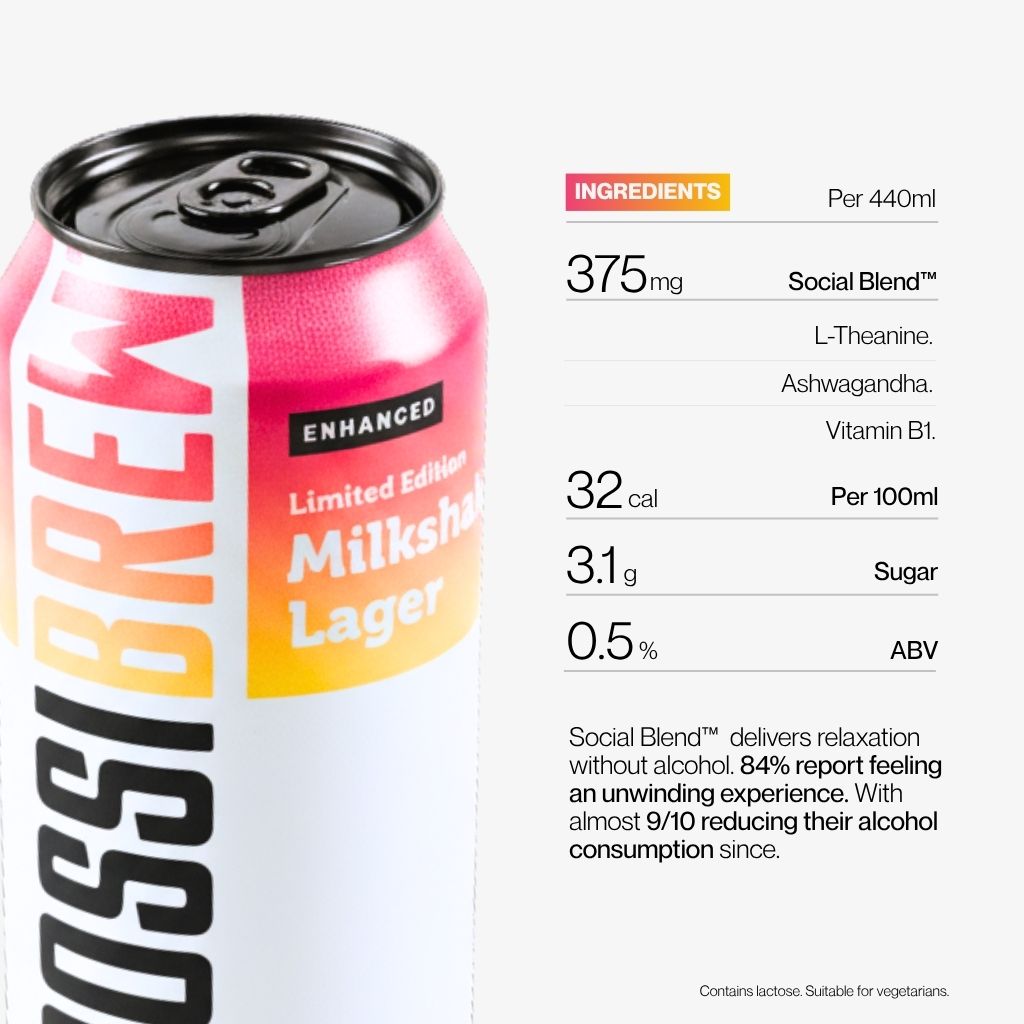
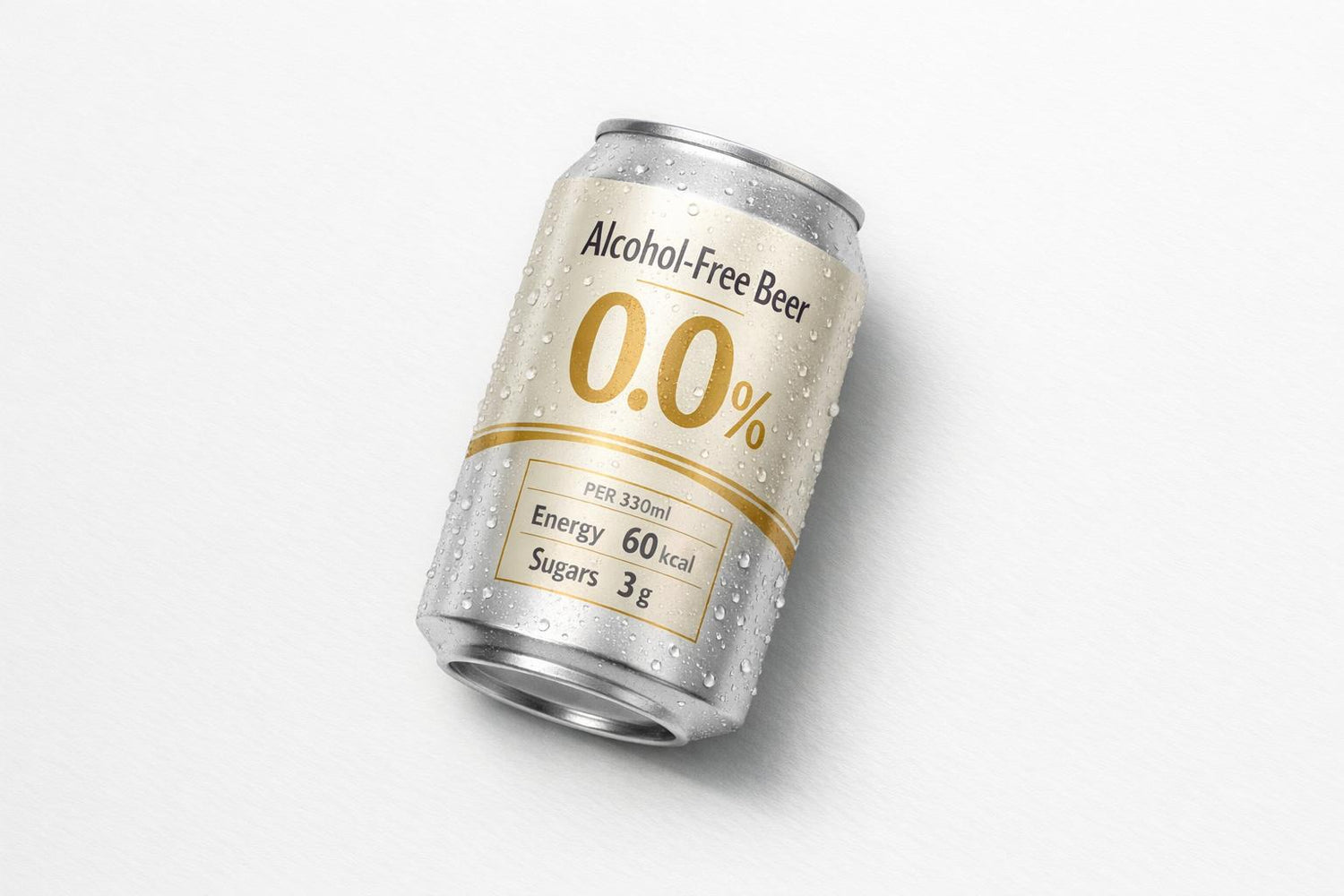
Switching to alcohol-free beer can help you cut calories and still enjoy the experience of drinking beer. Regular beer is high in calories due to its alcohol content, which provides 7 calories per gram. Alcohol-free options, however, often have fewer calories - sometimes as low as 27 calories per can.
Here’s what you need to know:
- Regular beer slows fat burning and adds "empty" calories, making weight loss harder.
- Alcohol-free beer reduces calorie intake without the metabolic disruptions caused by alcohol.
- Some alcohol-free beers may contain added sugars, so check the label to avoid hidden calories.
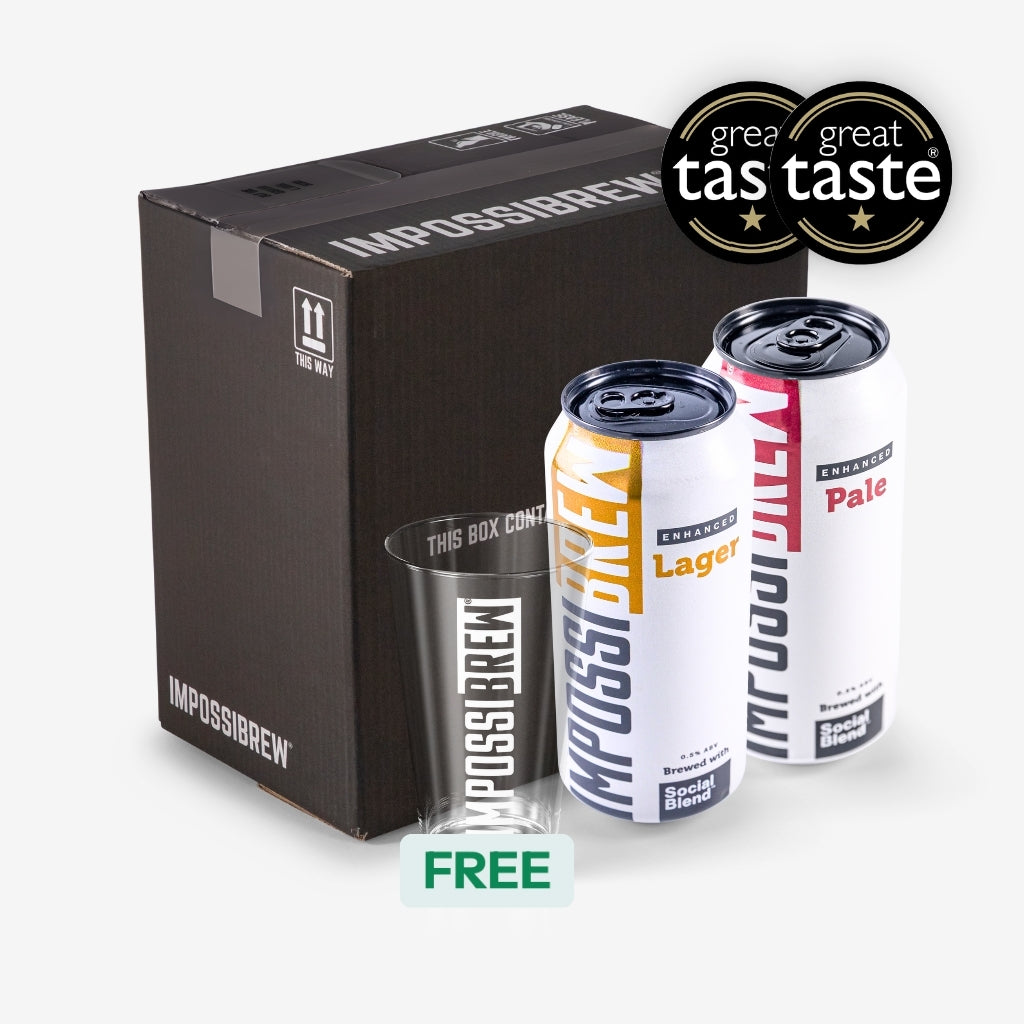
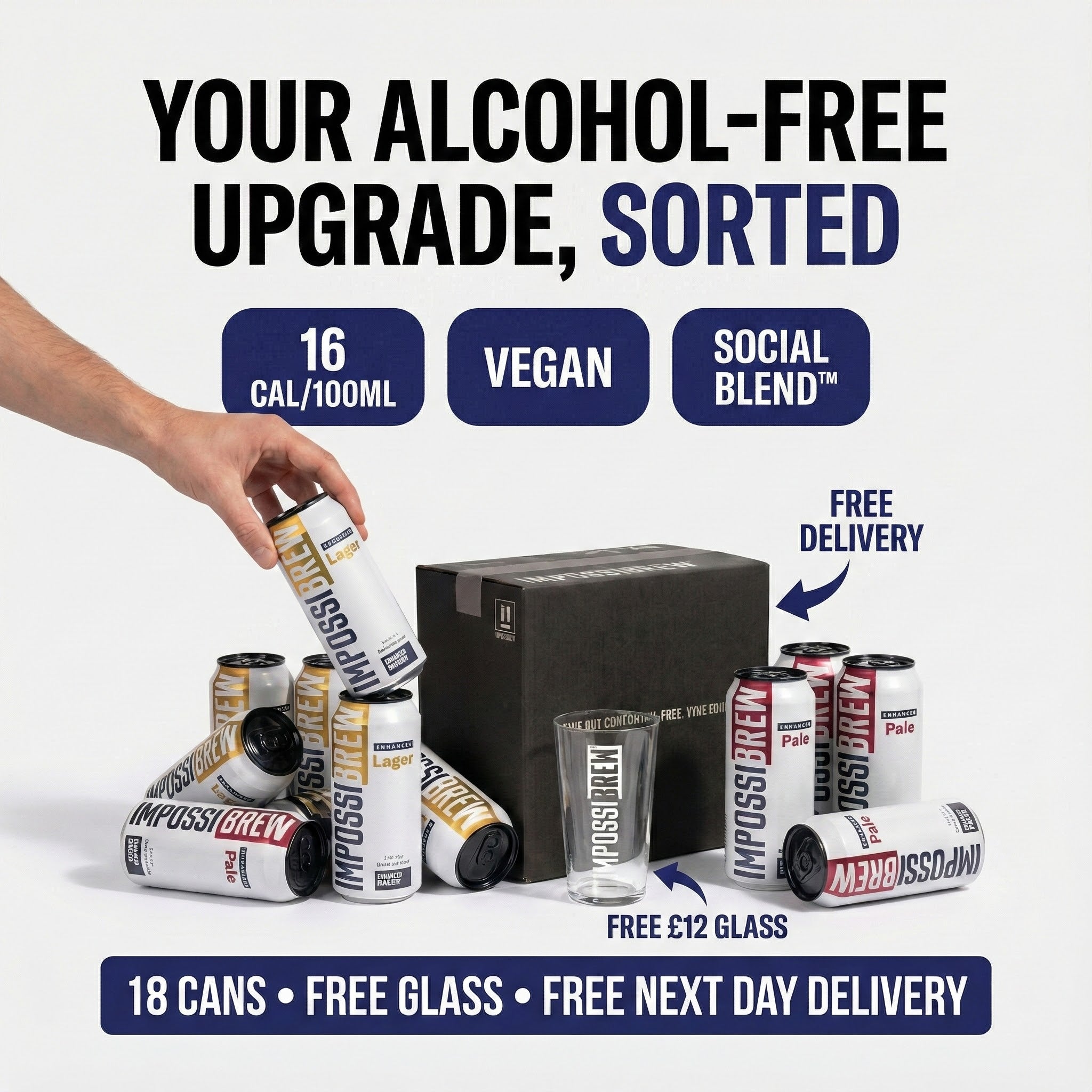
- Options like IMPOSSIBREW® are low in calories (27 per 440ml), sugar-free, and even offer functional ingredients to support relaxation and recovery.
While alcohol-free beer isn’t a magic solution, it can be a helpful part of a balanced diet when paired with exercise and mindful eating.
Is Non-Alcoholic Beer Healthy? (Full Calorie Breakdown)
sbb-itb-a752bf8
How Regular Beer Affects Weight Loss
Regular beer can make weight loss harder by interfering with your metabolism and encouraging fat to build up around your midsection.
Calories in Regular Beer
A typical pint of lager contains around 200 to 250 calories, and premium options can go as high as 338 calories - more than a doughnut [8]. These calories are often called "empty" because they provide little nutritional benefit and are usually consumed on top of your regular meals [6]. For frequent drinkers, alcohol can make up nearly 10% of their daily calorie intake [6].
"Alcohol has almost the same amount of calories as fat." - Drinkaware [6]
To put it into perspective, burning off a 180-calorie pint of bitter would require about 14 minutes of running or 44 minutes of walking [8]. Many people overlook these liquid calories, making it tough to maintain a calorie deficit.
Adding to the problem, a February 2026 study of 5,761 participants from the Oxford Biobank revealed a clear link between alcohol consumption and visceral fat. Men drinking a median of 24 units weekly had over 10% more visceral fat than those consuming 12 units, while women drinking 14 units had similar increases compared to those consuming 7 units. This pattern held true even when factors like age, smoking, and physical activity were accounted for [9].
But it’s not just the calories - alcohol also directly disrupts your body’s ability to burn fat, making weight loss even more difficult.
How Alcohol Disrupts Metabolism
When you drink alcohol, your liver focuses on breaking it down because it’s toxic, putting fat-burning on hold. This means calories from food are stored instead of being used for energy [6][7].
"While your body can store many nutrients, protein, carbohydrates and fat, it needs to prioritise getting rid of the alcohol, which is toxic, which in turns interrupts all the other processes that should be taking place, like absorbing nutrients and processing fat." - Drinkaware [6]
Alcohol also slows down fat oxidation - a process known as "fat sparing" - which leads to more fat being stored in your body over time [10].
On top of that, alcohol messes with hormones that regulate hunger and fullness, like leptin and GLP-1 [10]. It can make you feel hungrier and lower your self-control, causing you to eat more and make less healthy food choices [6][7]. The weight gained from alcohol often settles in the midsection as visceral fat, a harmful type of fat associated with higher risks of type 2 diabetes and heart disease [6][9].
"Ethanol, or its metabolites, may directly influence adipose tissue by both inhibiting lipolysis, and providing substrates for de novo lipogenesis." - International Journal of Obesity [9]
These metabolic effects highlight why switching to alcohol-free options can be a smarter choice for managing your weight.
Alcohol-Free Beer vs Regular Beer: Nutritional Comparison
Switching to alcohol-free beer can help reduce calorie intake without compromising on taste.
Calorie and Nutritional Content
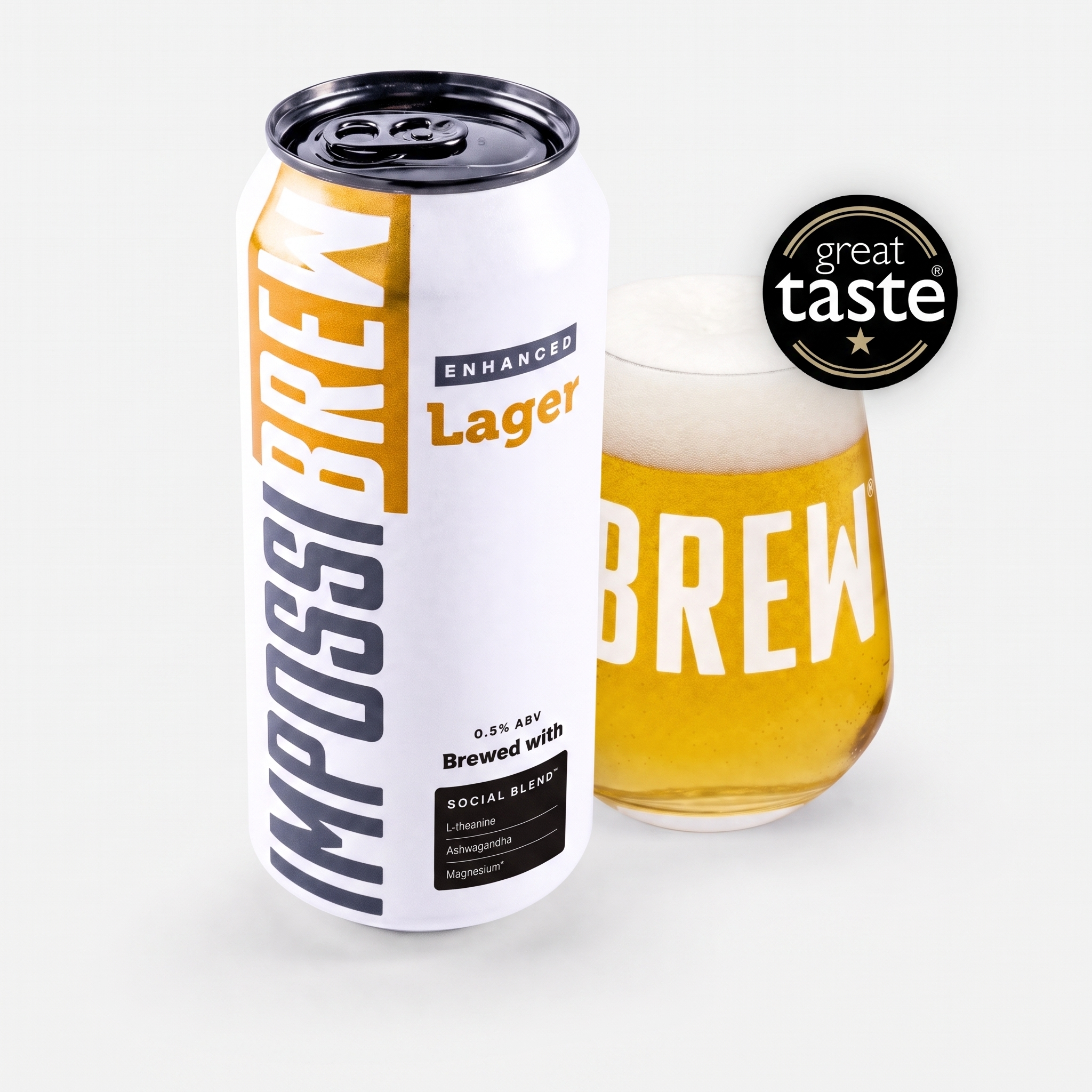
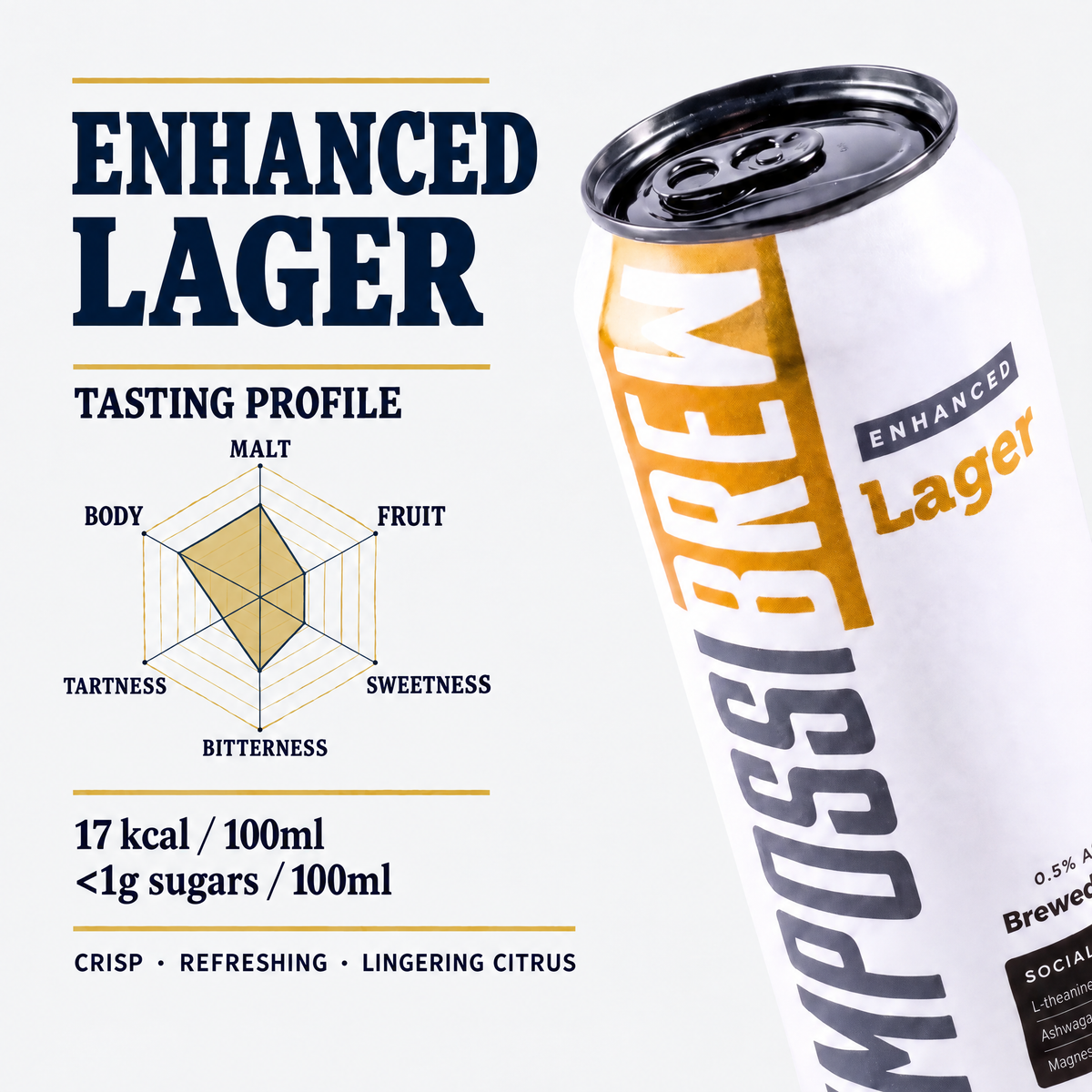
One of the key reasons alcohol-free beer is lower in calories is its minimal or non-existent alcohol content, often achieved through specialized brewing processes. Alcohol itself contributes 7 calories per gram[11]. For comparison, a standard 330ml bottle of regular beer contains around 130 to 180 calories, while alcohol-free options typically fall between 50 and 80 calories[5]. Some ultra-low-calorie choices, like IMPOSSIBREW® Enhanced Lager, contain as few as 6 calories per 100ml - equating to approximately 20 calories per 330ml serving[11].
| Beer Type (330ml Serving) | Calories (kcal) | Carbohydrates (g) | Sugars (g) | ABV (%) |
|---|---|---|---|---|
| Regular Lager (Standard 5%) | 140–150 | 10.5–12.0 | 0 | ~5.0% |
| Generic Alcohol-Free Lager | 60–75 | 15.0–18.0 | 4.0–10.0 | <0.5% |
| IMPOSSIBREW® Enhanced Lager | ~20–50 | ~9.5 | 0 | 0.5% |
Although alcohol-free beers are lower in calories, they can contain more carbohydrates and sugars. This is because the sugars in these beers often remain unfermented[3]. For example, Heineken 0.0 has 15.8g of carbohydrates and 4.3g of sugar per 330ml, compared to regular Heineken, which contains 10.5g of carbohydrates and 0g of sugar[3].
Interestingly, alcohol-free beer retains beneficial compounds like polyphenols, which are known to support gut health and reduce inflammation. Unlike regular beer, these benefits come without the metabolic disruptions caused by alcohol[12]. Around 70–80% of the polyphenols in beer come from malt[12].
"Consuming polyphenols in alcohol-free form eliminates the negative effects associated with alcohol consumption, whilst potentially providing some benefits." – Kerry Torrens, Registered Nutritionist[12]
This nutritional profile makes alcohol-free beer a good choice for those aiming to manage their weight while still enjoying a cold brew.
Weight Loss Benefits of Alcohol-Free Beer
Choosing alcohol-free beer over its regular counterpart can significantly cut calorie intake. For instance, a pint of 4% ABV beer contains 129 calories from alcohol alone[3]. Switching to an alcohol-free option can reduce these calories by 50–70%[5][12], all while maintaining a similar drinking experience.
However, it’s worth noting that some alcohol-free beers include added sugars or high-fructose corn syrup to improve flavour[11]. To maximise weight loss benefits, opt for "zero sugar" options and always check the label. The NHS advises adults to limit their intake of free sugars to 30g per day, yet some alcohol-free beers can contain up to 19.6g of sugar per pint[3].
Brands like IMPOSSIBREW® Enhanced Lager manage to deliver full flavour while maintaining zero sugar content, making it a standout choice for those focused on weight management[11].
Scientific Research on Alcohol-Free Beer and Weight Management
Recent studies have shown that alcohol-free beer can support weight loss, though the benefits largely depend on the ingredients and brewing methods used.
Studies on Calorie Reduction
A randomised, double-blind trial conducted at Hospital Universitario Miguel Servet in Spain explored the effects of alcohol-free beer on 41 overweight or obese individuals with type 2 diabetes. Over a 10-week period, participants consumed 66 cL of alcohol-free beer daily, resulting in a weight reduction of about 1.7% to 1.8% of their body weight[14]. Additionally, a modified version of this beer, enriched with 16.5 g of isomaltulose and 5.28 g of resistant maltodextrin per day, provided further benefits. It decreased insulin levels by 11.1% and improved insulin resistance.
"An alcohol-free beer including the substitution of regular carbohydrates for low doses of isomaltulose and the addition of a resistant maltodextrin within meals led to an improvement in insulin resistance in subjects with T2DM and overweight or obesity." – Rocio Mateo-Gallego et al., Hospital Universitario Miguel Servet[14]
The brewing style also plays a significant role in the metabolic effects of alcohol-free beer. A 2025 study from Knappschaft Kliniken University Hospital Bochum examined 44 healthy young men who consumed 660 mL of various non-alcoholic beers daily for four weeks. Wheat beer was found to reduce body fat percentage but raised insulin and triglyceride levels. On the other hand, pilsener-style beer lowered LDL cholesterol without negatively impacting glucose metabolism[17].
"Consumption of NABs, especially mixed and wheat beers, exerts an unfavourable metabolic impact on glucose and fat, while pilsener and water are more favourable from a metabolic perspective." – Henriette Kreimeyer et al., Knappschaft Kliniken University Hospital Bochum[13]
These findings underline the importance of choosing the right type of alcohol-free beer for metabolic health.
Metabolism and Exercise Recovery
Standard alcohol-free beers often have a high glycaemic index (around 80) due to their starch and oligosaccharide content, leading to rapid blood sugar spikes[16]. However, modified versions with functional carbohydrates can help reduce these spikes[15]. These enhanced beers also promote satiety, making drinkers feel fuller for longer[14]. Additionally, their natural electrolytes and minerals make them a useful option for post-exercise recovery, helping to stabilise blood sugar levels.
Among the various styles, pilsener-style alcohol-free beers with minimal added sugars stand out as the best choice for those mindful of their weight. In contrast, wheat and mixed beers may have less favourable effects on metabolism[17]. These advantages make modified alcohol-free beers a practical option for weight-conscious individuals looking for metabolic and recovery benefits.
Why IMPOSSIBREW® Works for Weight-Conscious Drinkers
IMPOSSIBREW® tackles the challenge of weight management by offering a beer experience without the calorie burden of alcohol. With ultra-low calorie content and ingredients designed to promote relaxation and recovery, it provides a smart alternative for those mindful of their weight. These features align with earlier discussions on metabolic benefits, making IMPOSSIBREW® particularly appealing for weight-conscious drinkers.
Low-Calorie, Functional Drinks
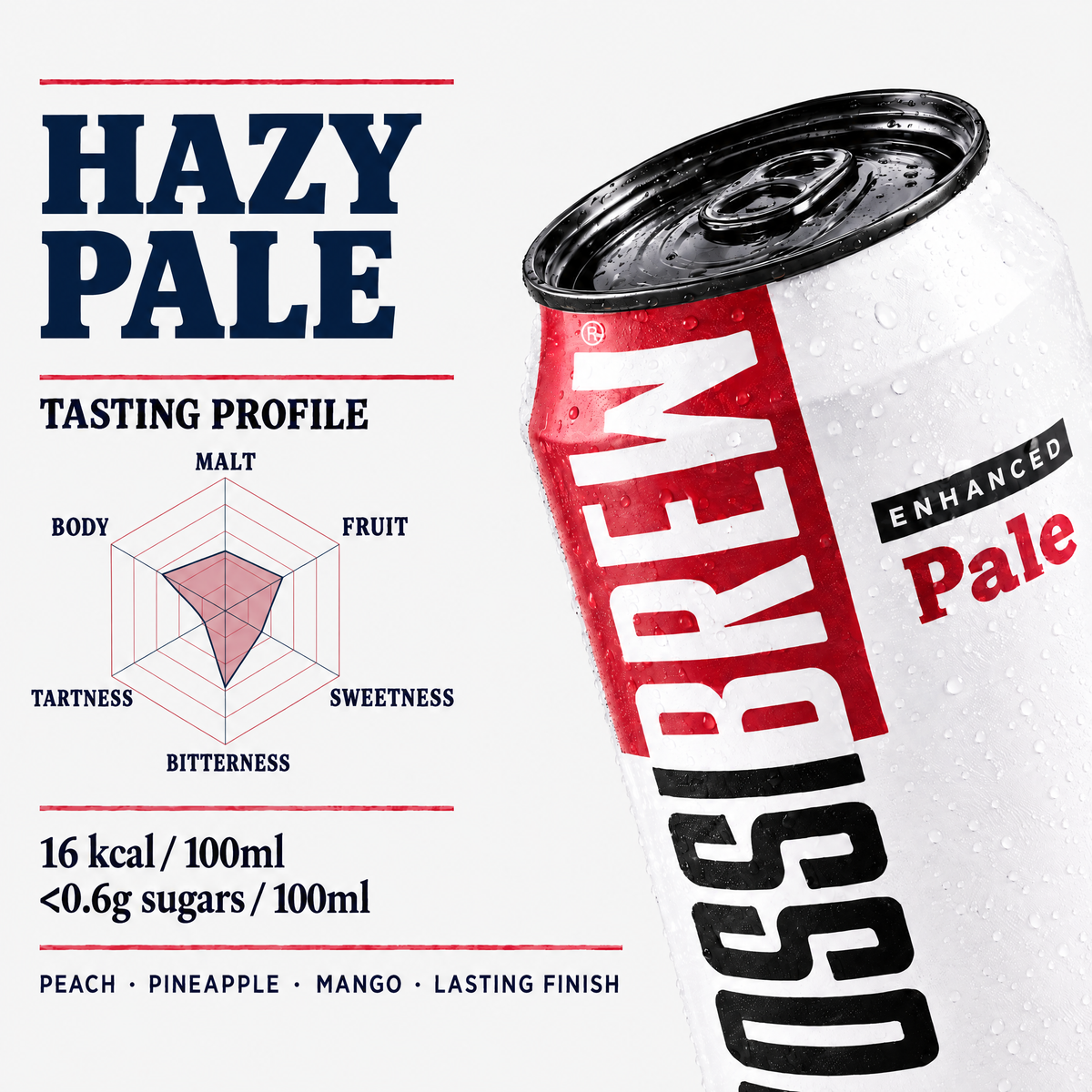
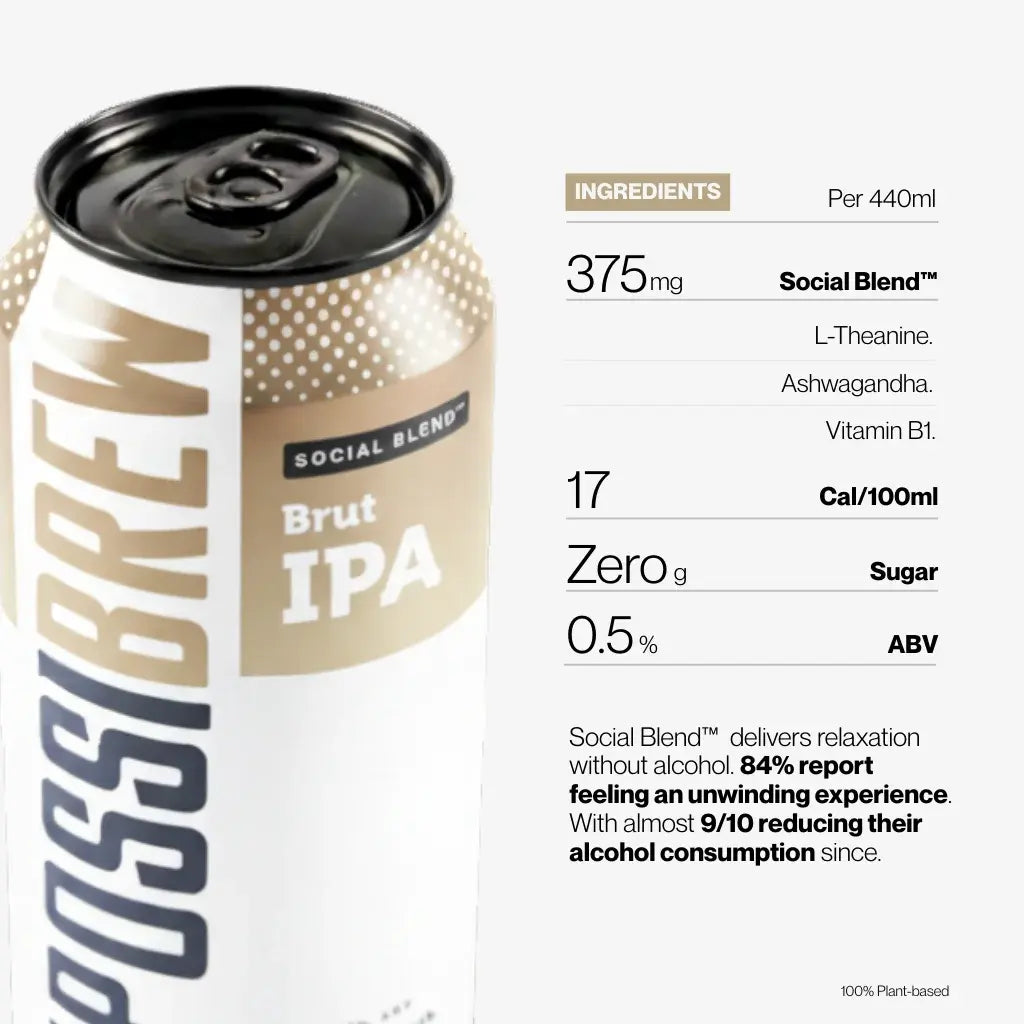
IMPOSSIBREW® beers contain just 27 calories per 440ml can - equivalent to 6 calories per 100ml - making them one of the lightest options available[1][19]. For comparison, a standard 5% ABV lager contains around 150 calories in a 330ml bottle. This means you could enjoy five cans of IMPOSSIBREW® Enhanced Hazy Pale for the same caloric intake as one regular beer[2].
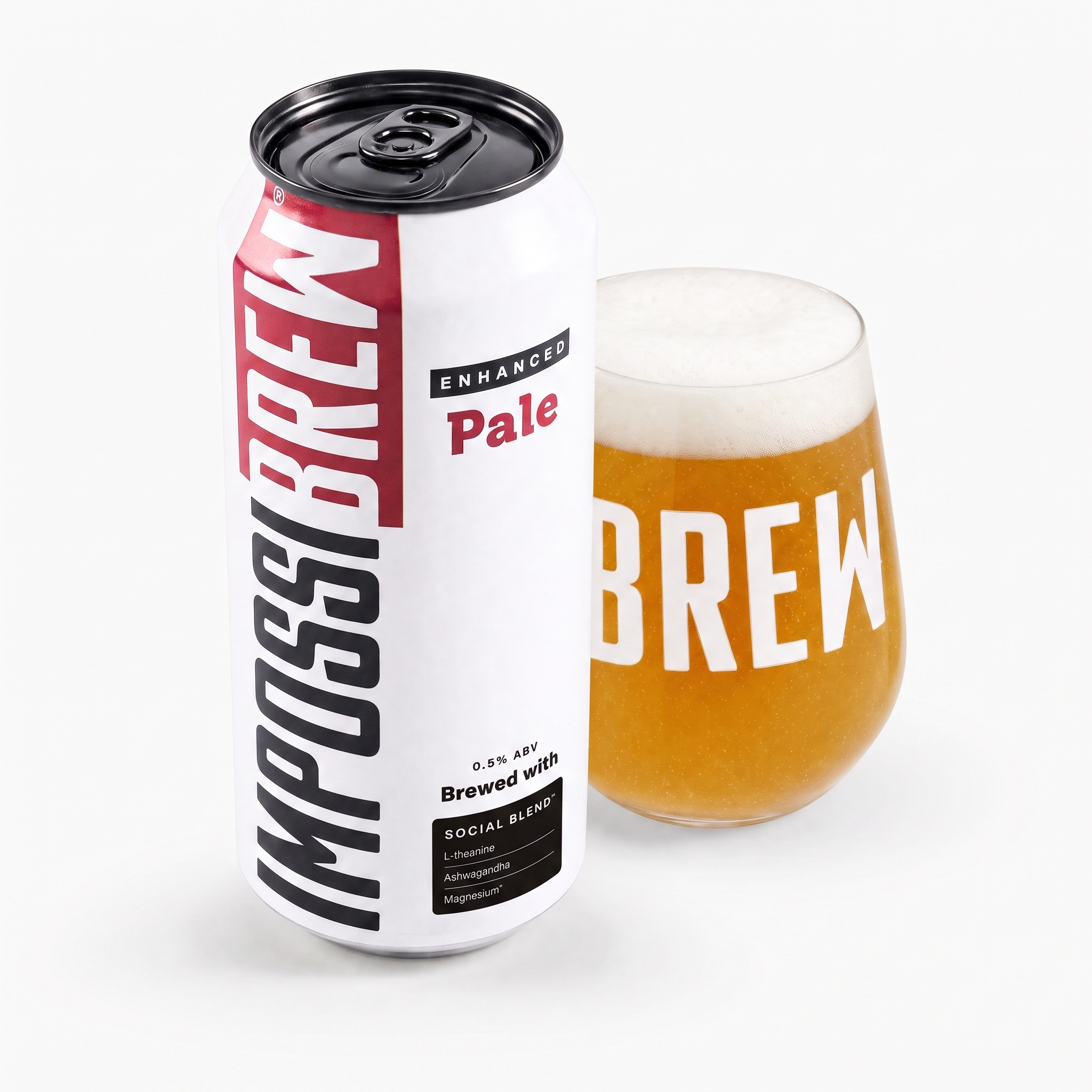
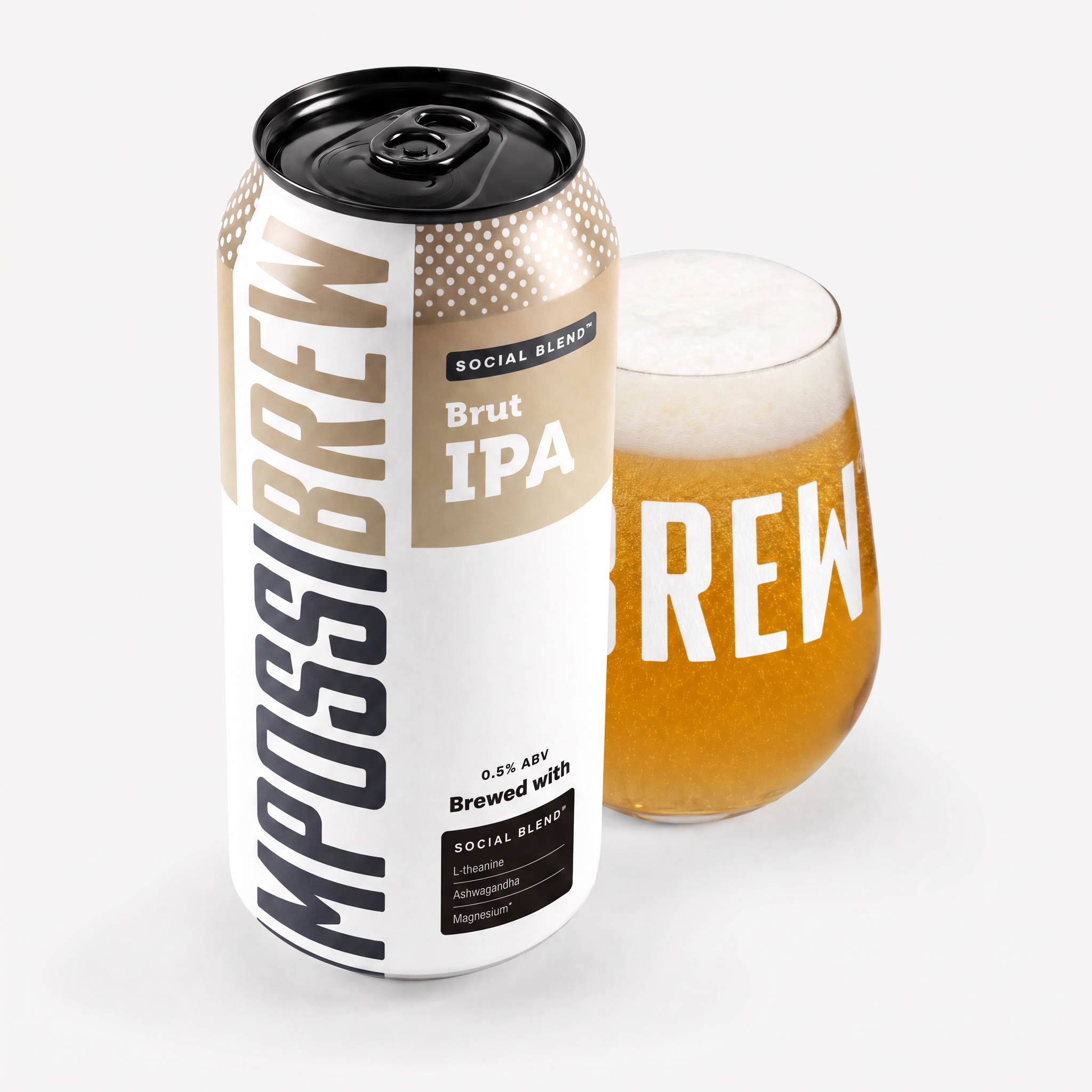
The brand's unique Social Blend™ combines functional ingredients like L-Theanine, Ashwagandha, soluble plant fibre, and Vitamin B1. These ingredients are designed to promote relaxation by increasing alpha brain wave activity and serotonin levels, all without alcohol's sedative effects or added calories[1]. Beyond relaxation, the soluble plant fibre supports improved metabolic function, aiding in better blood sugar control and reduced insulin resistance - two key factors in managing body fat[1]. In a study of over 1,000 participants, more than 70% reported feeling relaxed after drinking IMPOSSIBREW®, while 88% reduced their alcohol consumption after discovering the brand[1][19].
The sugar-free formula further helps maintain stable blood sugar levels, avoiding the fat-storage response often triggered by high-glycaemic drinks[18]. With just 0.5% ABV, these beers eliminate ethanol's 7 calories per gram while offering isotonic properties and polyphenols to support post-exercise recovery. Unlike traditional beers, they avoid the diuretic effects that can interfere with hydration[1][2].
Vegan and Gluten-Free Options
IMPOSSIBREW® is 100% vegan-friendly and meets strict gluten-free standards. The Enhanced Lager, for instance, has been third-party tested to contain less than 10ppm of gluten, surpassing the 20ppm threshold required for gluten-free labelling[18][2]. This makes it accessible for individuals with coeliac disease, gluten intolerance, or plant-based diets, ensuring they can enjoy the same low-calorie benefits without worrying about hidden ingredients. The brand’s recognition as the UK's best-tasting alcohol-free beer by the World Beer Awards proves that dietary restrictions don’t mean sacrificing flavour[1].
Pricing and Convenience
Starting at £1.97 per can, IMPOSSIBREW® offers an affordable option for those pursuing a weight-conscious lifestyle[1]. Free UK Express Delivery on orders over £35 and a 30-day "love it or return it" policy make it easy to try. With online availability at impossibrew.co.uk, maintaining a healthier beverage choice is both convenient and sustainable[18]. Additionally, the 88% of users who reduced their alcohol intake after switching to IMPOSSIBREW® also benefited from long-term savings - not just in calories, but in overall beverage costs[1][19].
How to Use Alcohol-Free Beer for Weight Loss
Switching from regular beer to alcohol-free alternatives can help cut calories as part of a broader weight-loss plan.
Swap Regular Beer for Alcohol-Free Options
Making this simple swap can have a big impact. A standard 330ml bottle of 5% ABV lager contains around 150 calories, with about 60% of those calories coming from alcohol[1][7]. On the other hand, a 440ml can of IMPOSSIBREW® contains just 27 calories, allowing you to eliminate these "empty" alcohol calories while still enjoying the social aspect of drinking[1].
Drinking alcohol also slows down fat burning because your body prioritises processing ethanol over metabolising fat[7]. Choosing alcohol-free beer means your metabolism can keep working as it should. To maximise the benefits, pair this change with a healthy, balanced diet.
Combine with a Balanced Diet
Alcohol-free beer works best as part of a nutritious diet. Look out for hidden sugars in some alcohol-free options, as pilsner-style beers with 0.5% ABV or less are generally less likely to disrupt your metabolism[4].
IMPOSSIBREW® avoids added sugars, helping to maintain stable blood sugar levels throughout the day[1]. Its Social Blend™ includes soluble plant fibre, which can improve insulin sensitivity and support better blood sugar control after meals[1]. However, moderation is key. Even low-calorie drinks contribute to your daily intake, so keep track of what you consume to ensure you stay in a calorie deficit.
Drink After Exercise
Alcohol-free beer can also serve as a recovery drink after exercise. It contains electrolytes like sodium and potassium, which help maintain fluid balance and replenish glycogen stores[1][2]. Unlike regular beer, which dehydrates the body, alcohol-free options support rehydration and provide polyphenols with anti-inflammatory and antioxidant properties. These can help reduce muscle soreness and support your immune system[1][2].
That said, alcohol-free beer doesn’t provide enough protein for full muscle recovery. To get the most out of it, pair it with a protein-rich meal or shake after your workout. This way, you’ll get the hydration and anti-inflammatory benefits while giving your muscles the nutrients they need to repair and grow[2].
Conclusion
Alcohol-free beer can help with weight management when consumed thoughtfully. By eliminating alcohol, you cut out "empty" calories that can hinder fat metabolism. For example, a standard 5% ABV lager contains far more calories compared to a can of IMPOSSIBREW® Hazy Pale.
That said, moderation still matters. Even low-calorie drinks contribute to your overall energy intake. While alcohol-free beer isn't a quick fix, it can be a helpful part of a weight-conscious lifestyle when combined with a balanced diet full of nutrient-rich whole foods and regular exercise.
The formulation of the product also plays an important role in reaping the benefits. Look for options without added sugars. IMPOSSIBREW® stands out by offering zero added sugar and including soluble plant fibre, which may support insulin sensitivity.
Whether you're replacing traditional beer, enjoying a refreshing post-workout drink, or unwinding without the risk of a hangover, alcohol-free beer has its perks. With IMPOSSIBREW® starting at just £1.97 per can, you can enjoy a weight-friendly choice without compromising on flavour or social occasions.
FAQs
How many alcohol-free beers can I drink and still lose weight?
When it comes to alcohol-free beers and weight loss, the key lies in their calorie count and how they fit into your daily intake. For example, a 440ml can of IMPOSSIBREW® Enhanced Lager contains approximately 75 calories - making it a potential option for those following a calorie-controlled diet. The trick is to enjoy these drinks in moderation and stay mindful of your overall consumption to maintain a balance within your weight management goals.
Will alcohol-free beer spike my blood sugar?
Alcohol-free beer can influence blood sugar levels, largely due to its carbohydrate content. If a beer contains higher levels of carbohydrates or added sugars, it could lead to an increase in blood glucose and insulin levels. For those managing diabetes or insulin sensitivity, it's wise to choose options with lower carbohydrate content and minimal added sugars. However, because individual reactions can differ, it's a good idea to keep an eye on your blood sugar levels when sampling new alcohol-free beers.
Is alcohol-free beer OK for a post-workout drink?
Yes, alcohol-free beer can work well as a post-workout drink. It contains water to rehydrate, polyphenols that may support recovery, and carbohydrates to help replenish energy stores. Some research even suggests it could reduce inflammation and assist recovery when consumed consistently. Plus, as an isotonic drink, it helps replace fluids and electrolytes lost during exercise, offering a refreshing way to recover after a workout.