In non-alcoholic beer production, temperature control is a make-or-break factor for quality and safety. Without alcohol's natural preservation, brewers face challenges like unwanted flavours, microbial contamination, and higher production costs due to extra heating and cooling steps. Key issues include:
- Fermentation Sensitivity: Low temperatures slow yeast activity, altering pH and risking incomplete fermentation or spoilage.
- Cooling and Pasteurisation: Quick, controlled cooling and precise pasteurisation are critical to avoid off-flavours and maintain stability.
- Storage: Cold, stable storage prevents oxidation and ensures freshness.
Solutions include advanced brewing methods (e.g., cold mashing, low-alcohol yeast), precision cooling systems, and sustainable energy practices like heat recovery. Modern tools, such as AI-powered sensors and smart monitoring, are transforming temperature management while reducing energy use. Breweries investing in these technologies can produce high-quality non-alcoholic beers that meet growing consumer demand.
Brewing a Non Alcoholic Beer | Hazy Pale Ale | Low & No Alcohol Brewing with Ultralow Brewing
Main Temperature Problems in Non-Alcoholic Brewing
Crafting non-alcoholic beer comes with its own set of temperature-related hurdles, largely due to the unique methods used to limit alcohol content.
Yeast Activity and pH Levels
When fermentation takes place at lower temperatures, yeast metabolism slows down significantly. This not only delays the reduction of pH but can also result in incomplete fermentation. The result? A beer that’s overly sweet and less stable on a microbial level. Additionally, the altered pH makes the product more prone to contamination by unwanted organisms, which can introduce unpleasant flavours.
Keeping Fermentation Temperatures in Check
Given the impact on yeast activity and pH, maintaining consistent fermentation temperatures becomes a top priority. With reduced yeast activity generating less heat naturally during fermentation, breweries have to depend heavily on precise cooling systems to keep things steady. The challenge grows when the brewing process is deliberately slowed down, making temperature control even trickier.
Cooling and Pasteurisation Challenges
Post-fermentation, cooling the beer quickly and in a controlled manner is critical. Non-alcoholic beer lacks the natural stability provided by alcohol, so swift cooling prevents any remaining yeast cells from producing off-flavours. Pasteurisation, too, requires a delicate touch. Non-alcoholic beer is especially heat-sensitive, meaning any misstep during pasteurisation could lead to issues like haze or a “cooked” taste that detracts from the beer’s intended flavour.
These temperature challenges highlight the need for advanced brewing techniques and reliable temperature control systems to ensure quality and consistency in non-alcoholic beer.
How to Fix Temperature Problems
Tackling temperature issues in non-alcoholic beer brewing requires a mix of improved brewing techniques, precise temperature control tools, and proper storage practices. When combined, these strategies help brewers maintain consistent quality while addressing the unique challenges of crafting alcohol-free beer.
Improved Brewing Techniques
Brewers can adjust their methods to better manage temperature-related challenges. For example, cold mashing can be used to limit enzyme activity, which reduces the production of fermentable sugars, helping achieve consistent flavours with minimal alcohol content. Additionally, using specialised low-alcohol yeast strains and rapidly cooling the wort during critical stages of fermentation allows better control over yeast activity and flavour development.
Advanced Temperature Control Tools
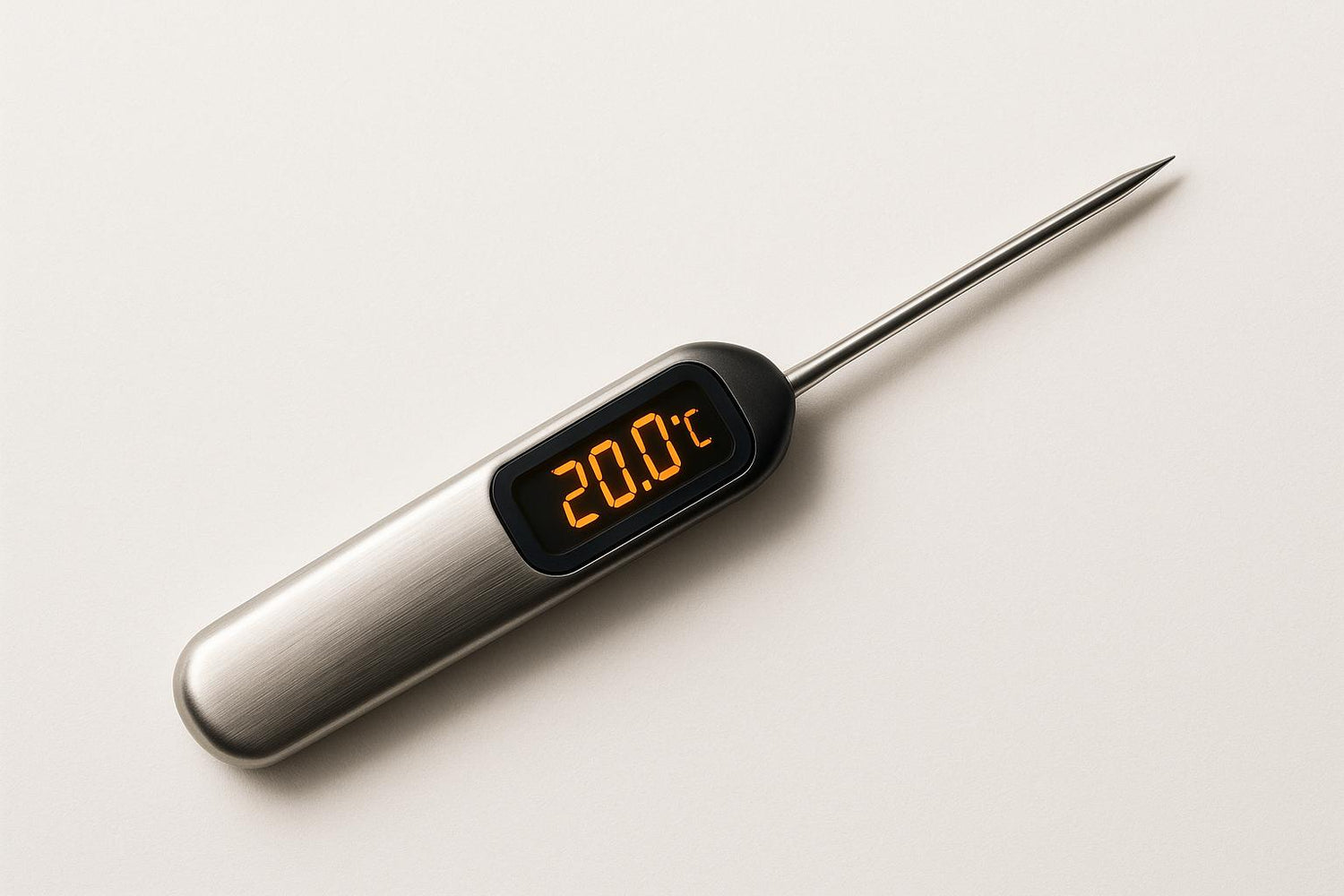
Investing in advanced temperature control systems can make a significant difference. Digital precision-controlled cooling systems help maintain stable brewing temperatures, while heat exchangers and wireless multi-sensor monitors enable real-time adjustments. These tools ensure that sudden temperature fluctuations, which can impact the final product, are avoided.
Optimal Storage Practices
Proper storage is essential to preserve the quality of non-alcoholic beer. Storing the beer in cold, controlled environments immediately after production prevents any residual yeast activity. Techniques like nitrogen flushing can minimise oxygen exposure, reducing the risk of oxidation. During distribution, using insulated transport containers ensures that the beer remains at a stable temperature, safeguarding its flavour and freshness.
sbb-itb-a752bf8
What's Next for Temperature Management in Non-Alcoholic Brewing
The brewing world is seeing exciting strides in temperature management for non-alcoholic beer production. These developments focus on improving precision, automation, and energy efficiency - key factors for creating a more streamlined and eco-friendly brewing process. This shift is opening doors to advanced digital tools and hardware solutions that could redefine brewing practices.
New Brewing Technologies
Digital advancements like artificial intelligence (AI) and machine learning are transforming how temperature is controlled. Predictive algorithms can now fine-tune heating and cooling processes, ensuring stable conditions throughout critical brewing stages. Meanwhile, smart sensor networks are becoming a game-changer, monitoring temperature at multiple points across fermentation tanks and storage facilities. This real-time data gives brewers a clearer picture of thermal conditions, enabling quick adjustments to maintain product quality.
On the hardware side, precision brewing equipment is evolving rapidly. Modern systems are offering unmatched temperature accuracy, which is crucial for consistent fermentation and flavour profiles. Researchers are also exploring advanced cooling and monitoring techniques that can react swiftly to temperature fluctuations, making the brewing process even more reliable.
Environmental Impact and Energy Efficiency
Sustainability is now a driving force behind innovations in temperature management. Breweries are increasingly focusing on energy-efficient systems to reduce their carbon footprint. For instance, heat recovery systems are being implemented to capture waste heat from cooling processes and redirect it to other parts of the operation, cutting down overall energy use.
Renewable energy is also playing a major role. Solar-powered refrigeration and battery storage solutions are being tested to ensure cooling systems can run even during periods of low sunlight. In regions with suitable conditions, geothermal systems are being considered as a way to stabilise brewing temperatures while using less energy.
Other forward-thinking approaches include the adoption of smart grid technologies, which optimise energy consumption by scheduling energy-intensive tasks during periods of high renewable energy availability. New insulation materials that naturally store and release thermal energy are also under review, offering a way to reduce reliance on active heating and cooling. Additionally, IoT sensor networks are being deployed across brewing facilities, enabling real-time monitoring and adjustments to temperature settings. These systems not only improve energy efficiency but also help maintain consistent product quality.
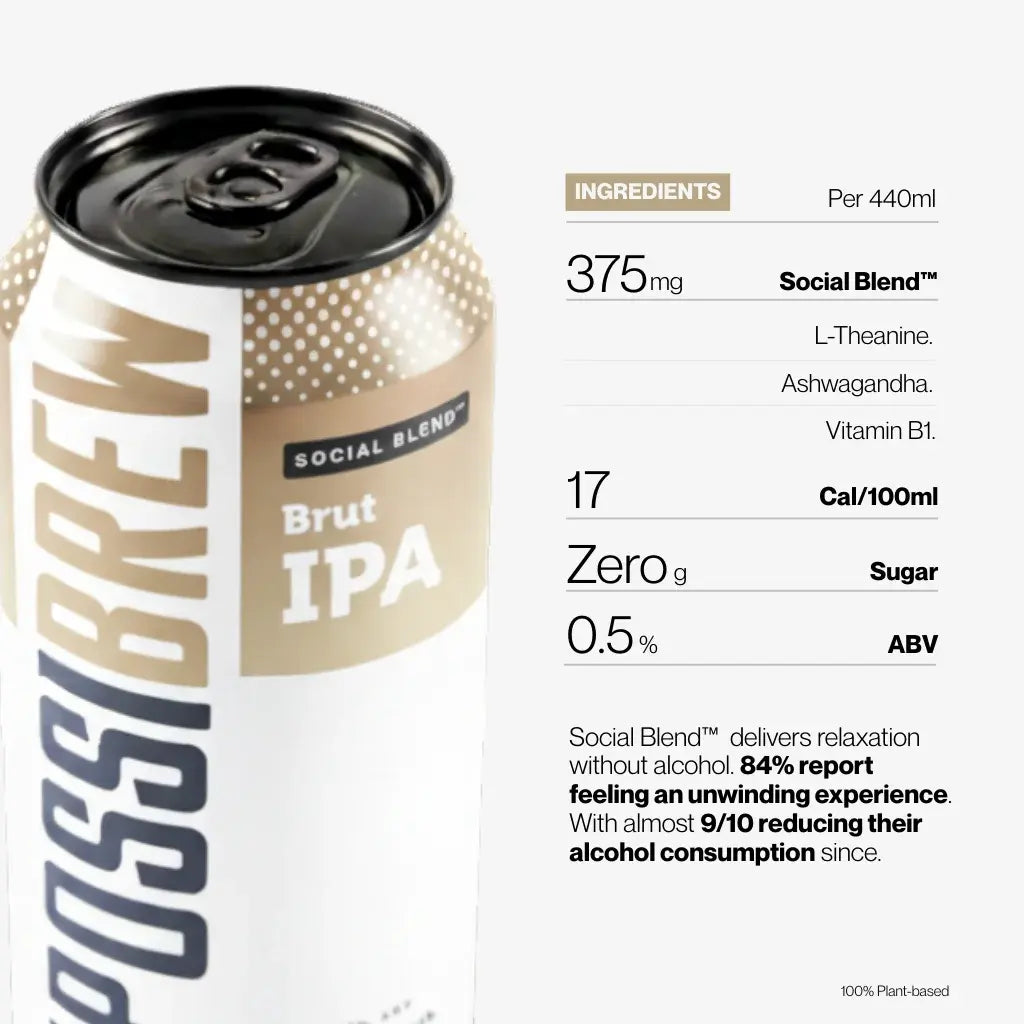
At IMPOSSIBREW®, we’re thrilled by these advancements. They align perfectly with our mission to embrace modern, sustainable brewing practices. By adopting these cutting-edge temperature management technologies, we’re continually refining our methods to craft non-alcoholic beers that deliver the rich flavours of traditional brews - without compromise.
Conclusion: Getting Temperature Control Right
Precision in temperature control is the cornerstone of turning raw ingredients into outstanding non-alcoholic beer. At every stage of brewing - from fermentation to storage - maintaining the right temperature is key to achieving the desired flavour, optimising yeast activity, and ensuring consistent quality.
As we've seen, traditional brewing methods often fall short when it comes to the precision needed for non-alcoholic beer production. This gap has paved the way for more advanced solutions. Leading breweries understand that tighter temperature control and advanced monitoring systems aren't optional - they're essential.
Modern brewing technologies, such as real-time monitoring systems, AI-powered controls, and energy-efficient cooling solutions, address temperature fluctuations while also reducing environmental impact. These innovations are reshaping the brewing process, ensuring reliable production and aligning with the demand for more eco-friendly practices.
Emerging tools like smart sensor networks and renewable energy integration are taking this a step further. They offer sustainable ways to maintain precise temperature control, which is becoming increasingly important as consumers seek products that align with their environmental values.
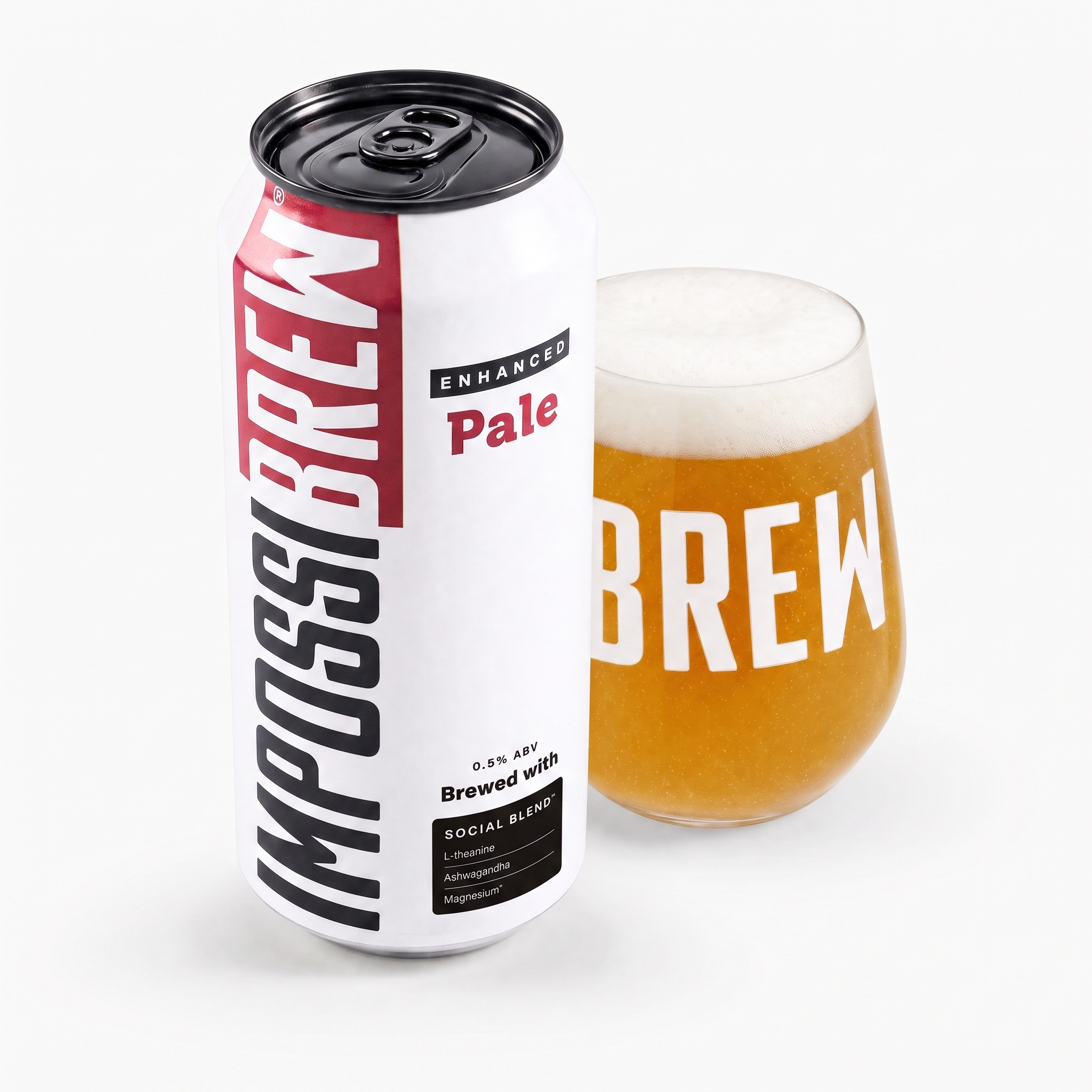
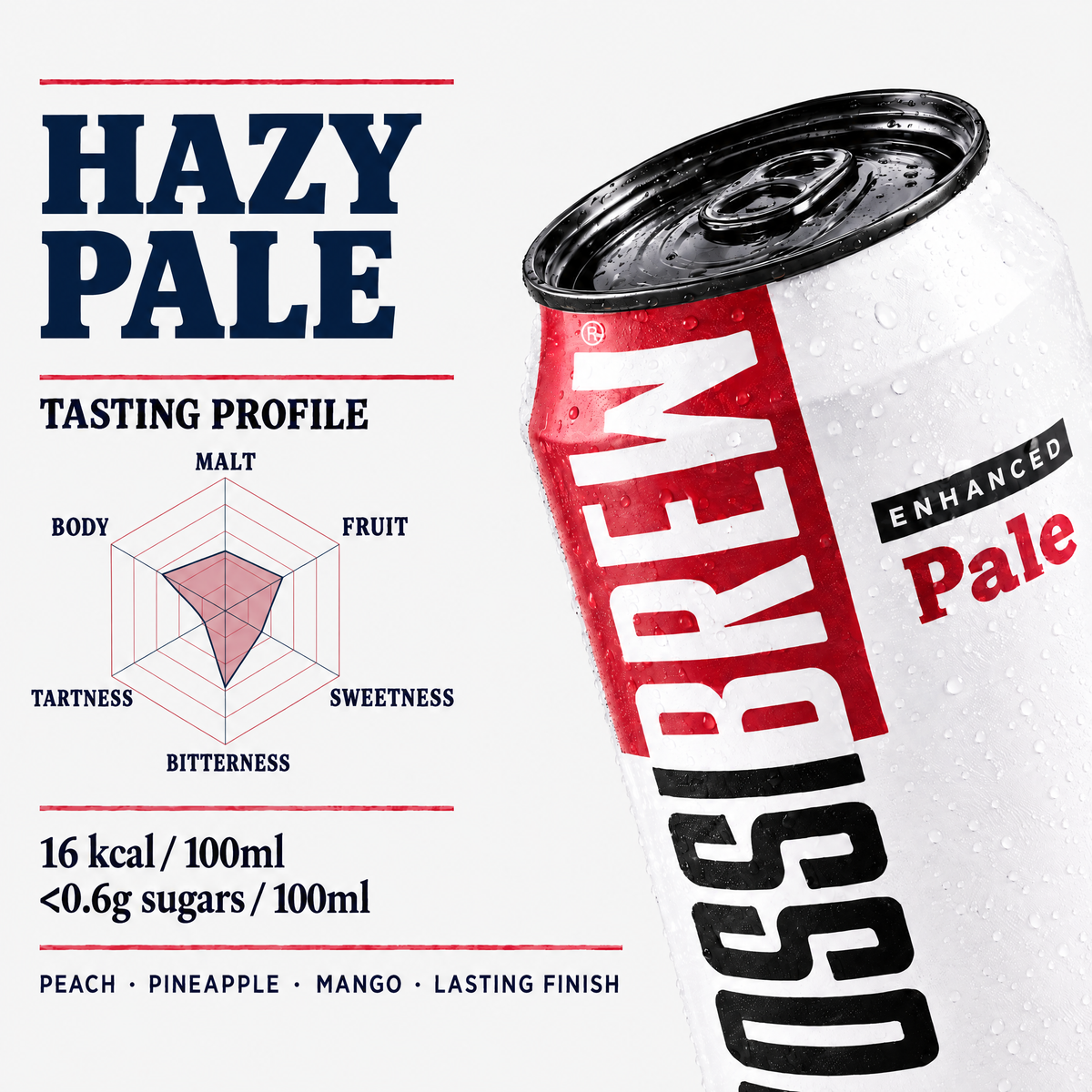
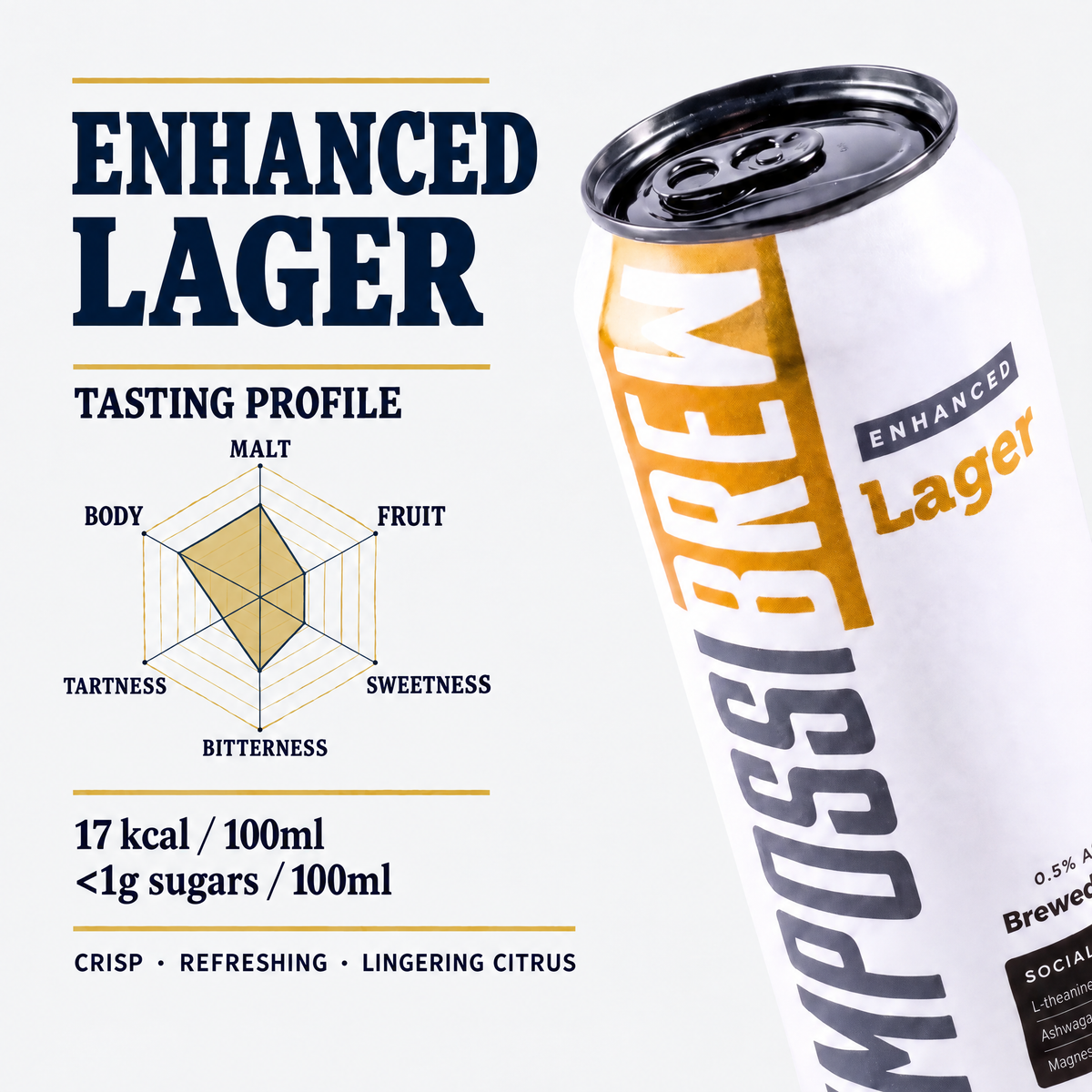
Take IMPOSSIBREW® as an example. Their dedication to temperature management has allowed them to craft exceptional non-alcoholic beers like their Enhanced Lager and Enhanced Pale Ale. By using advanced brewing techniques and maintaining strict temperature standards, they’ve managed to deliver authentic beer flavours without compromise. Their success shows that when temperature challenges are tackled head-on, non-alcoholic beers can match the complexity and satisfaction of traditional options.
For breweries venturing into the non-alcoholic market, the takeaway is clear: invest in advanced temperature control systems from the beginning. While these systems may require a higher initial investment, the benefits - consistent product quality, reduced waste, and happier customers - far outweigh the costs. As the demand for non-alcoholic beer continues to rise, those who prioritise temperature precision will be well-positioned to meet consumer expectations for both taste and quality.
In the world of non-alcoholic beer, getting temperature control right is the foundation for creating brews that stand shoulder to shoulder with their alcoholic counterparts.
FAQs
What challenges does removing alcohol create during the fermentation of non-alcoholic beer?
Removing alcohol from beer has a noticeable impact on the fermentation process. Brewers often turn to methods like arrested fermentation, vacuum distillation, or reverse osmosis to either prevent or remove ethanol. These processes, however, don't just take out the alcohol - they also influence the beer's texture and flavour profile. Plus, without alcohol's built-in antimicrobial properties, ensuring the beer stays microbiologically stable becomes a more intricate task.
To tackle these challenges, precise temperature control is essential. Brewers have to fine-tune every step to retain the beer's intended flavour and quality, striking a careful balance to create a non-alcoholic beer that still offers a satisfying drinking experience.
How do breweries tackle temperature challenges when brewing non-alcoholic beer?
Brewing non-alcoholic beer presents some tricky temperature hurdles, but modern breweries have found smart ways to tackle them. One key method is vacuum distillation, which lowers alcohol's boiling point. This allows breweries to remove the alcohol while keeping the beer’s flavour intact. On top of that, fermentation is carefully managed using specialised yeast strains and advanced monitoring systems to maintain precise temperature control.
These techniques help safeguard the beer’s character, ensuring it meets the high standards of non-alcoholic brewing. The result? A beverage that’s both satisfying and packed with flavour.
Why is temperature control so important when brewing non-alcoholic beer?
Temperature control plays a key role in brewing non-alcoholic beer, as it directly influences the flavour, carbonation, and overall quality of the brew. Since non-alcoholic beers tend to have a more subtle flavour profile, they're particularly sensitive to changes in temperature. If not managed properly, fluctuations can lead to undesirable flavours, lower carbonation, or even spoilage.
Maintaining precise temperatures during production also helps to prevent unwanted fermentation or microbial growth, keeping the beer safe and consistent. This careful management is essential for crafting a non-alcoholic beer that’s both enjoyable and of high quality.