
Non-alcoholic beer has become an increasingly popular alternative for those looking to avoid the negative effects of alcohol consumption. However, while it may seem like a healthier choice, there are still potential side effects and considerations to keep in mind when consuming non-alcoholic beer.
Impact of Non-Alcoholic Beer on Blood Sugar Levels
Non-alcoholic beer can have varying effects on blood sugar levels, depending on its composition and the individual consuming it. While non-alcoholic beer typically contains less alcohol and fewer calories than regular beer, it's important for diabetics to consider the carbohydrate and sugar content. Some non-alcoholic beers are crafted with modified carbohydrate compositions, such as the inclusion of soluble plant fibre, like this one, which can lead to a more favourable postprandial response compared to conventional non-alcoholic beers. Studies have shown that consuming these specially formulated non-alcoholic beers results in a significantly lower increase in glucose and insulin levels compared to regular non-alcoholic beers. However, it's crucial for individuals with diabetes to carefully review the nutritional information of their chosen non-alcoholic beer and to consume it in moderation, as even low levels of carbohydrates and sugars can impact blood glucose control. Consulting with a healthcare provider can help diabetics make informed decisions about incorporating non-alcoholic beer into their diet plan.
Potential Allergens in Non-Alcoholic Beer
Non-alcoholic beer may still contain potential allergens found in regular beer, as it is typically made using the same ingredients before the alcohol is removed. Common allergens include gluten from grains like barley, wheat, and rye, as well as proteins from yeast and hops. Individuals with sensitivities to these ingredients may experience typical allergic symptoms. Additionally, some non-alcoholic beers may contain traces of sulfites or histamines, which can trigger reactions in sensitive individuals. It is important for those with known allergies or intolerances to carefully read labels and research the specific ingredients used in their chosen non-alcoholic beer to avoid potential adverse reactions, and select reputable non-alcoholic beers that are gluten-free, for example, if you are gluten intolerant - like this one.
Non-Alcoholic Beer and Digestive Health
Non-alcoholic beer may have a positive impact on gut health and digestion. A recent study found that drinking non-alcoholic beer daily for 4 weeks increased gut microbiota diversity, which has been associated with various health benefits. The polyphenols found in the hops, malt, and yeast used to make beer are thought to be responsible for these gut-friendly effects, suggesting that the benefits are independent of the alcohol content. Increased gut bacterial diversity has been linked to improved digestion, enhanced immune function, and a reduced risk of certain diseases and infections. While more research is needed, these findings suggest that moderate consumption of non-alcoholic beer may support digestive health and overall well-being.
Best Overall: IMPOSSIBREW
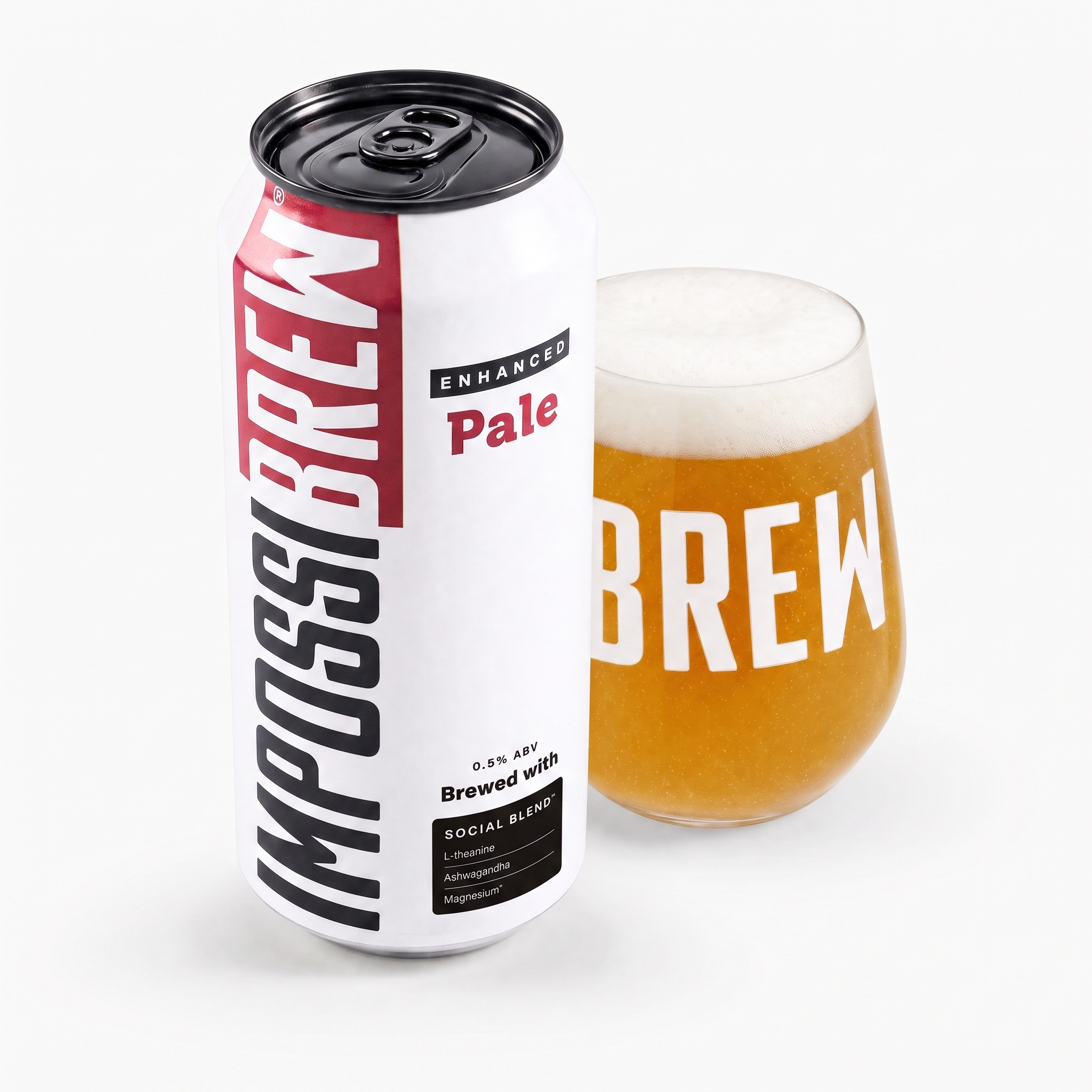
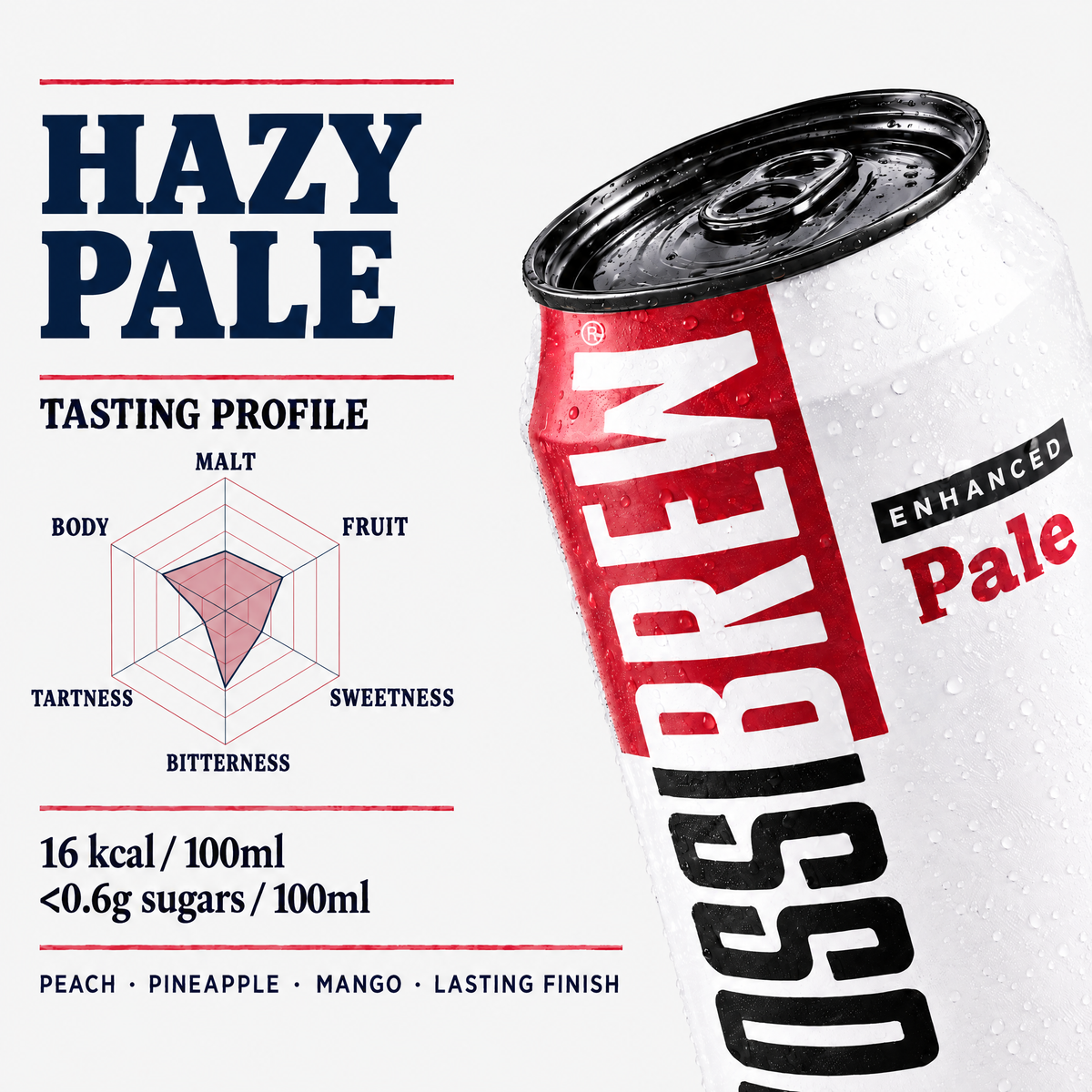
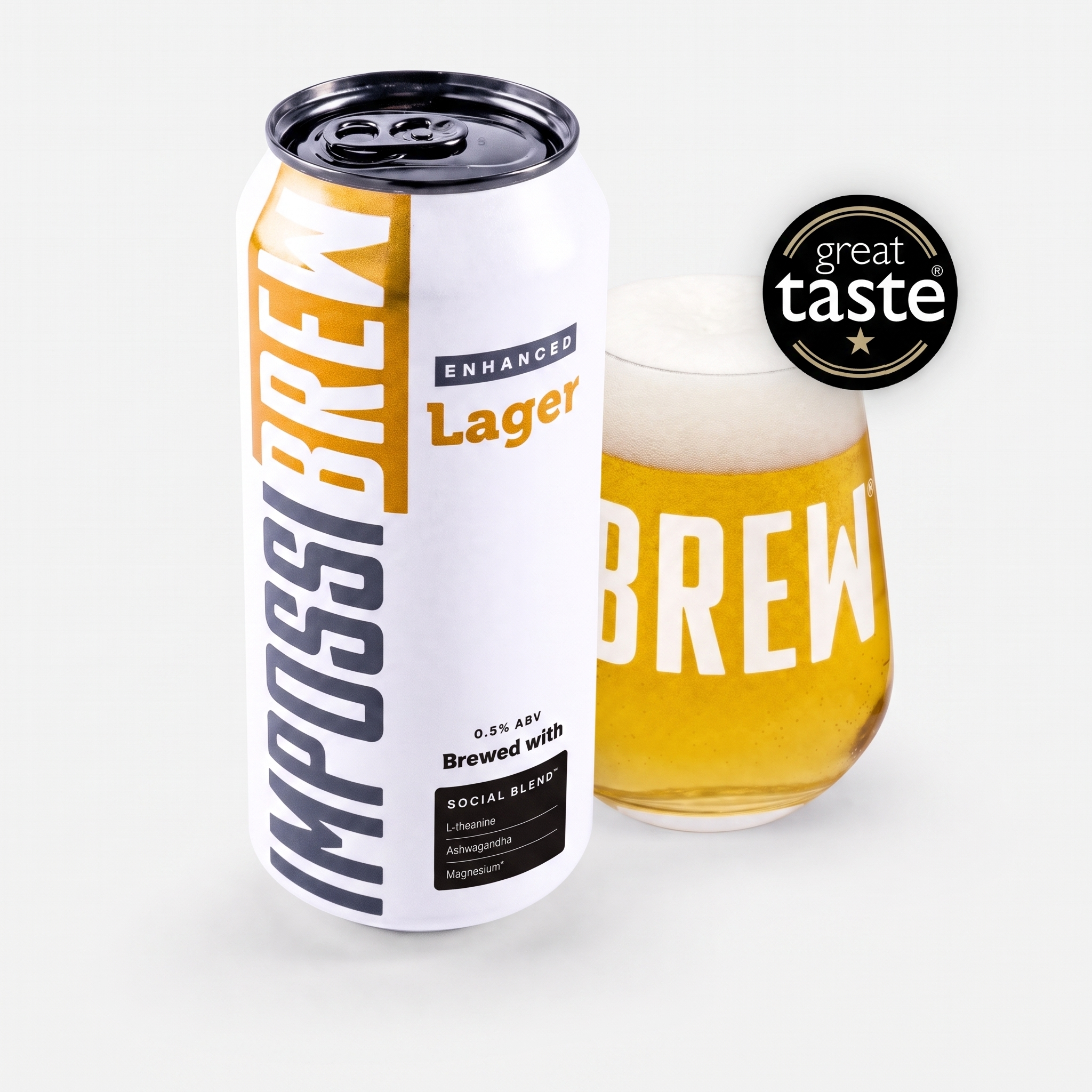
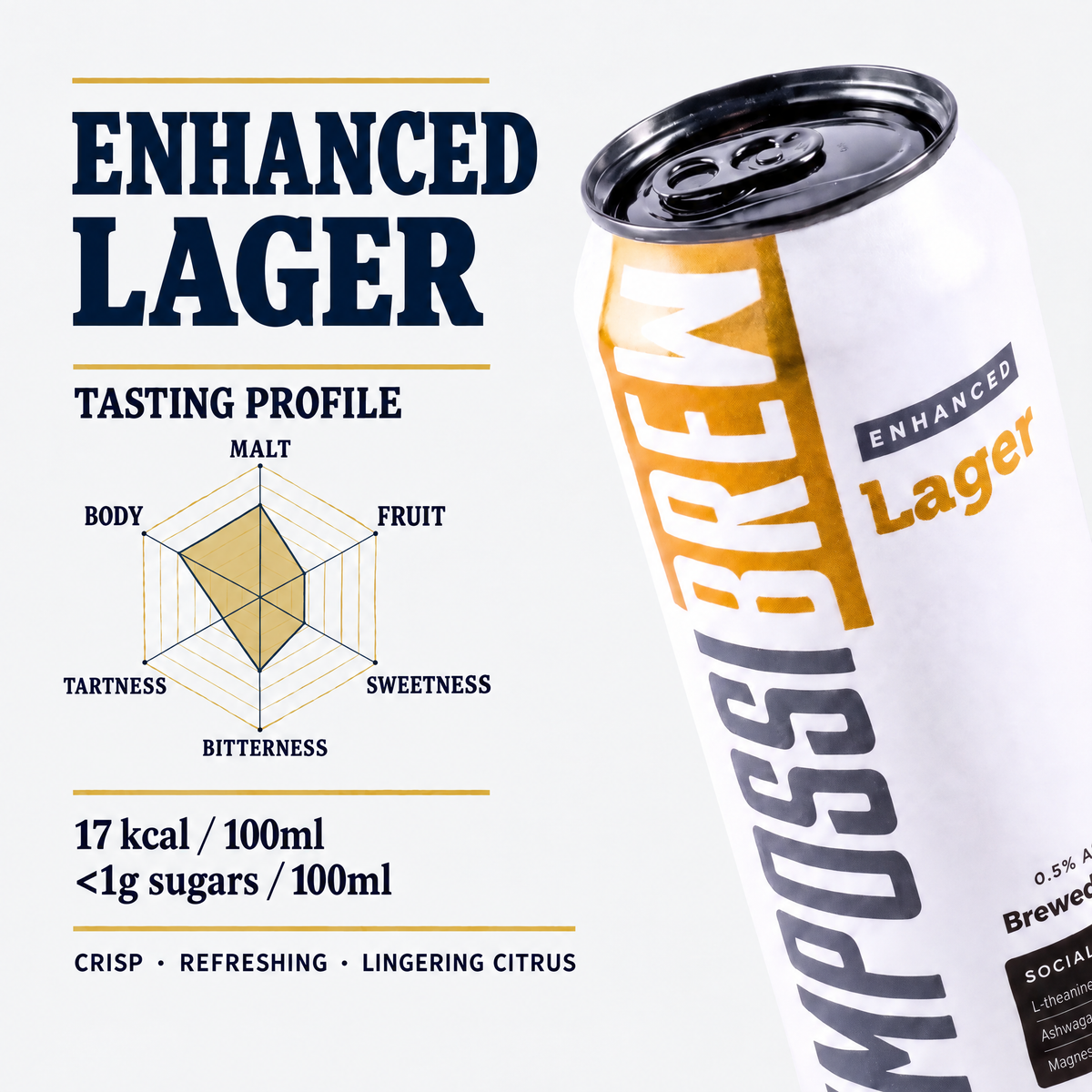
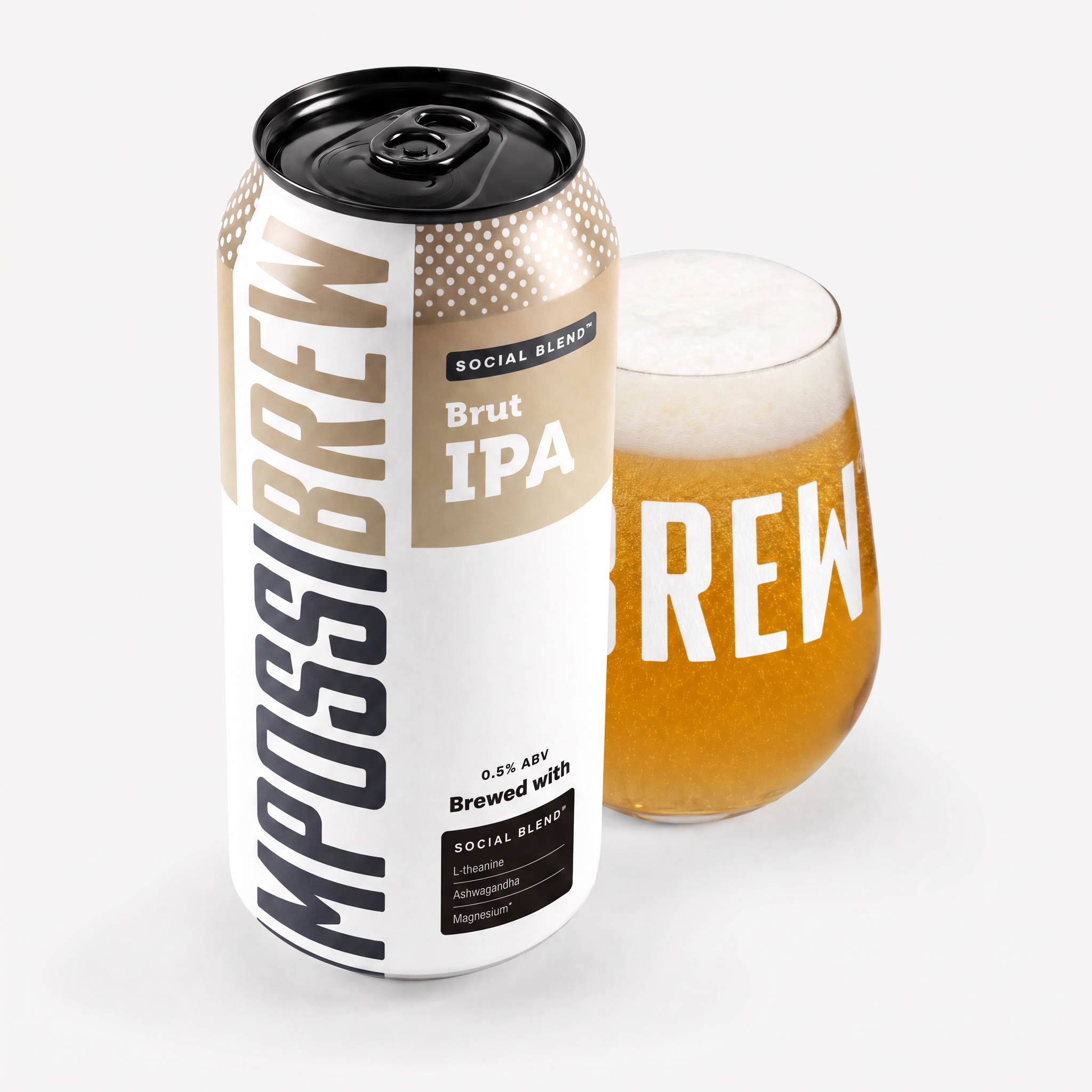
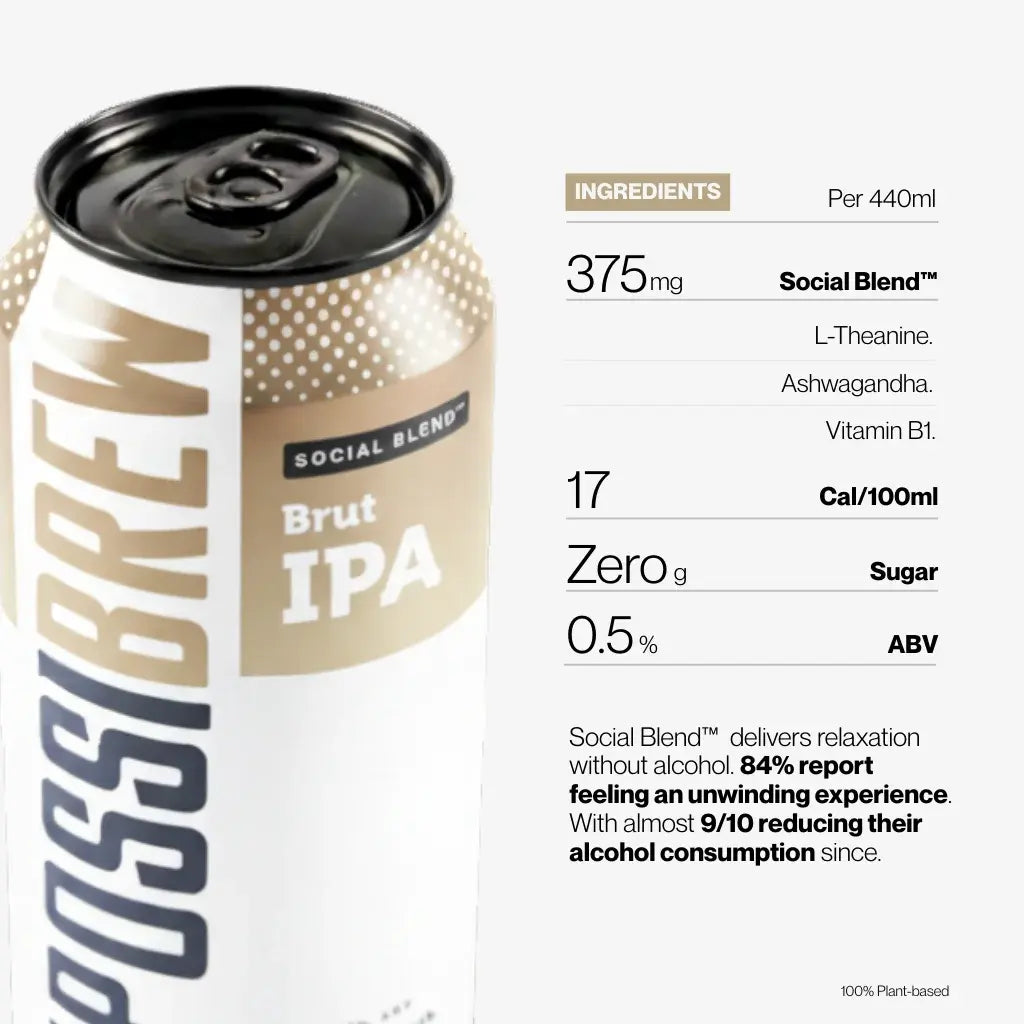
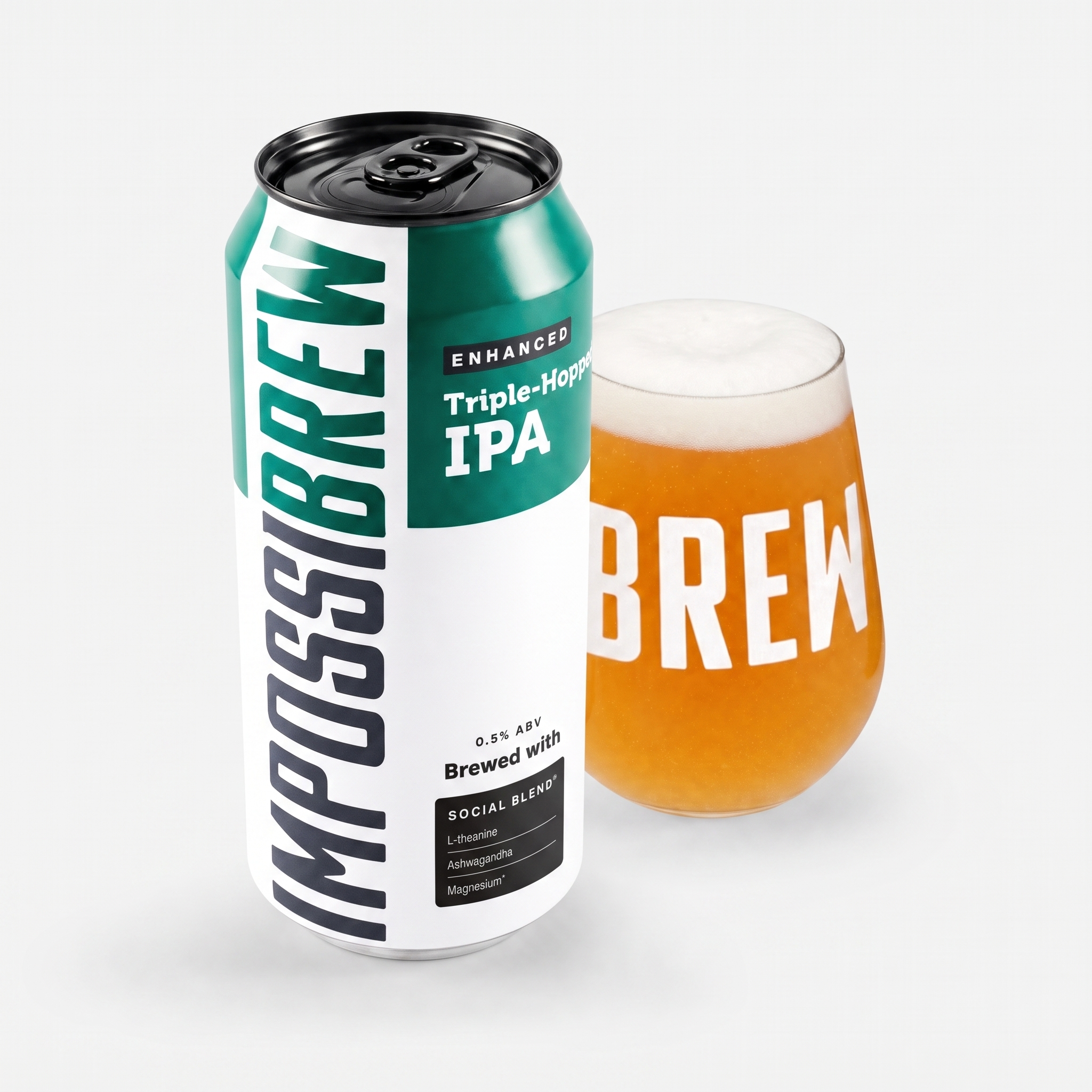
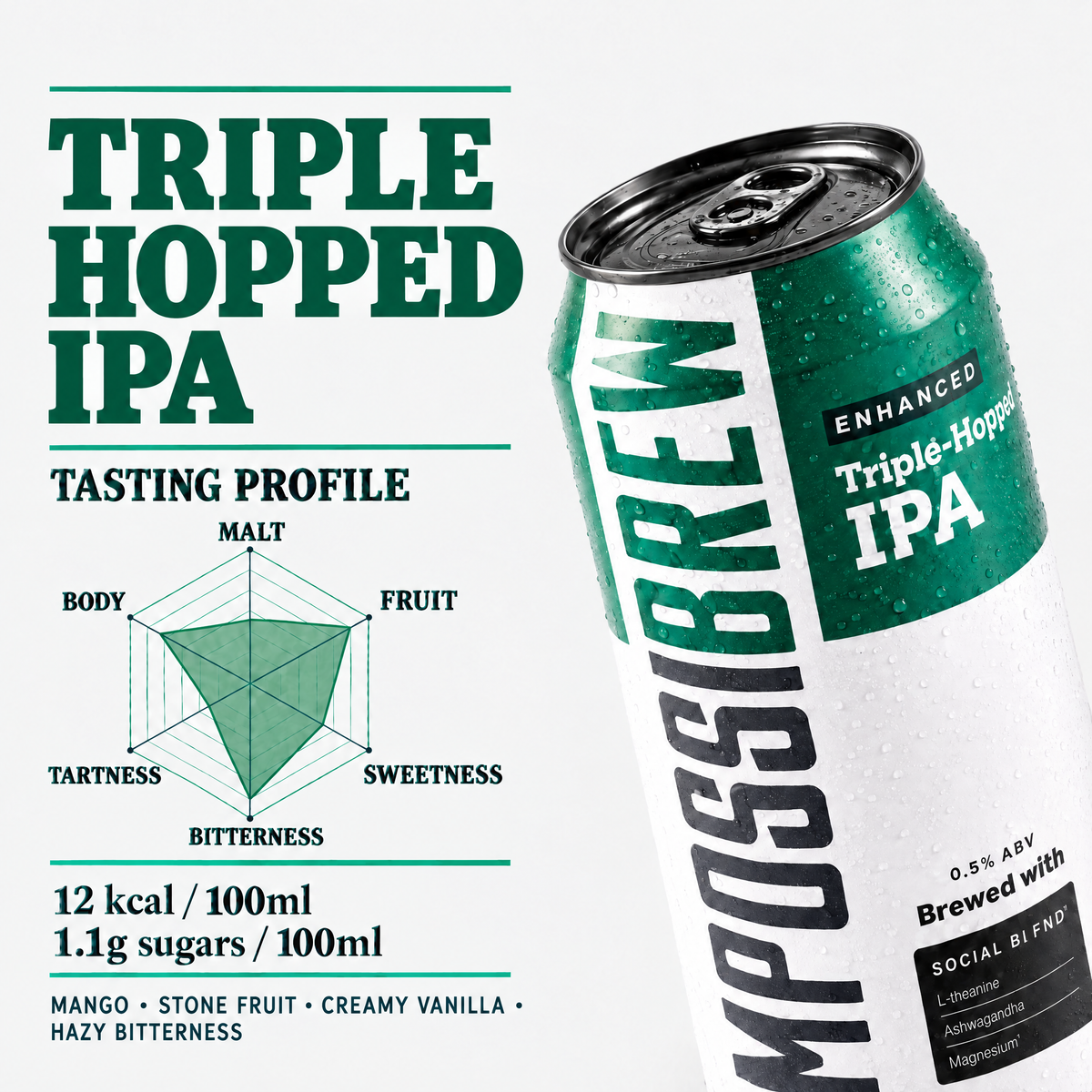
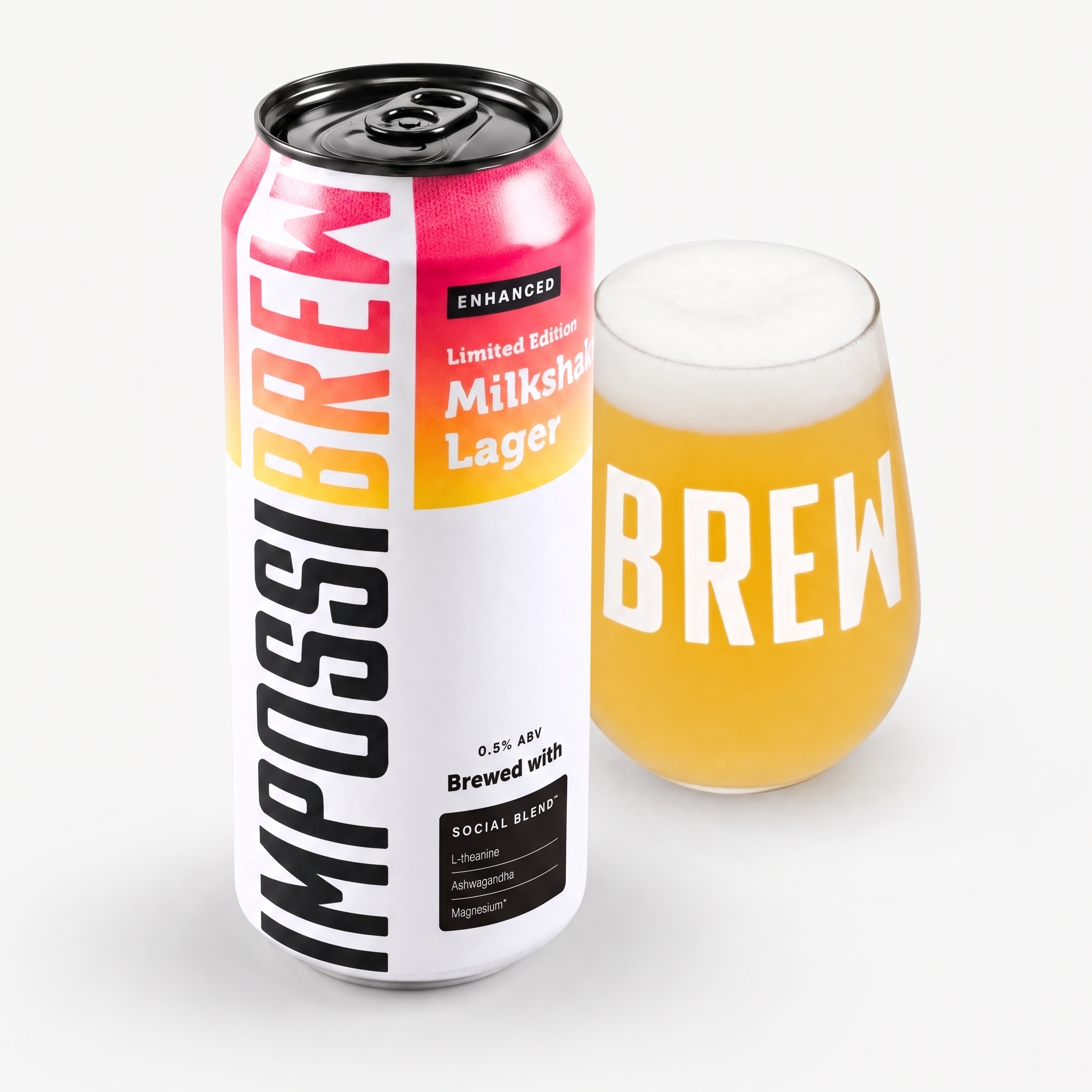
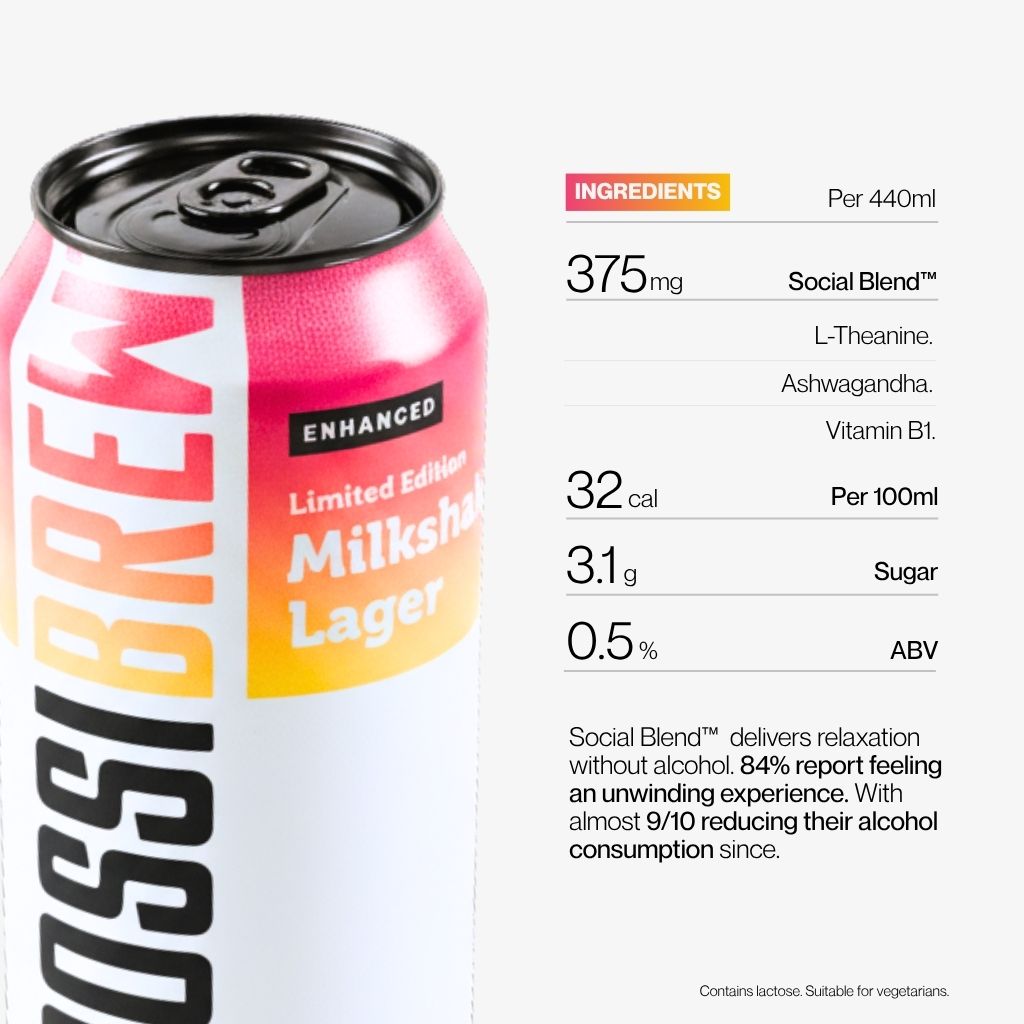
IMPOSSIBREW stands out as the best overall option for those looking to reduce their alcohol intake. Its unique Social Blend™ incorporates nootropic herbs and active plant-based ingredients that promote relaxation and stress relief, providing a satisfying experience without alcohol. With only 27 calories per 440ml can (6 calories per 100ml), it is one of the lowest-calorie alcohol-free beers available. Additionally, it contains no sugar, is 100% vegan, and has been awarded the UK's best-tasting alcohol-free beer by the World Beer Awards, making it an excellent all-around choice.
If you fancy a taste, try their Welcome Bundle with a love-it-or-return-it guarantee today at https://impossibrew.co.uk/welcome
For a practical look at what switching to AF beer is actually like, see this comparison of 6 popular alcohol-free beers.