If you want a beer that is both alcohol-free and gluten-free, the label matters more than the marketing. In the UK, a beer can only be labelled gluten-free if it contains 20 parts per million of gluten or less. Some beers are brewed without gluten-containing grains. Others start with barley or wheat, then reduce gluten through processing and testing.
If you want the wider shopping basket, not just beer, see our guide to the best gluten free products in the UK in 2026.
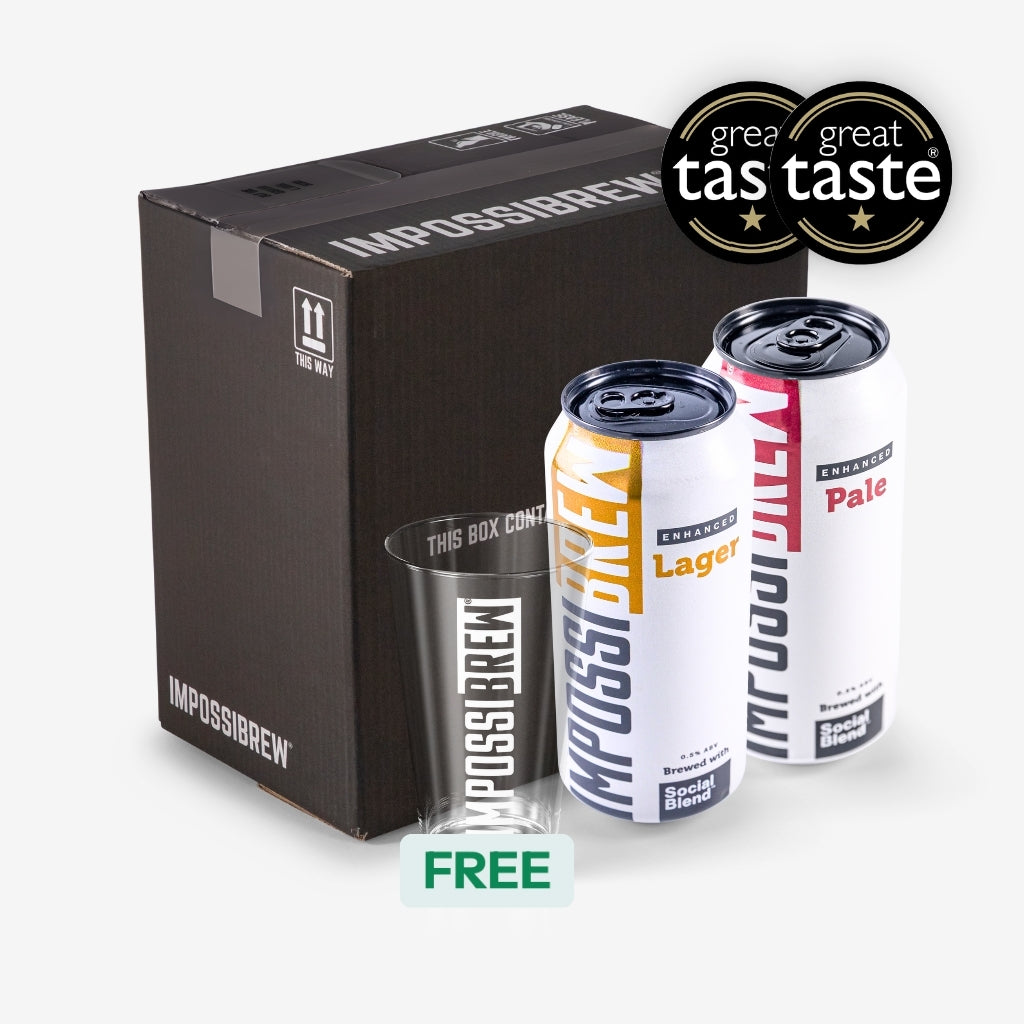
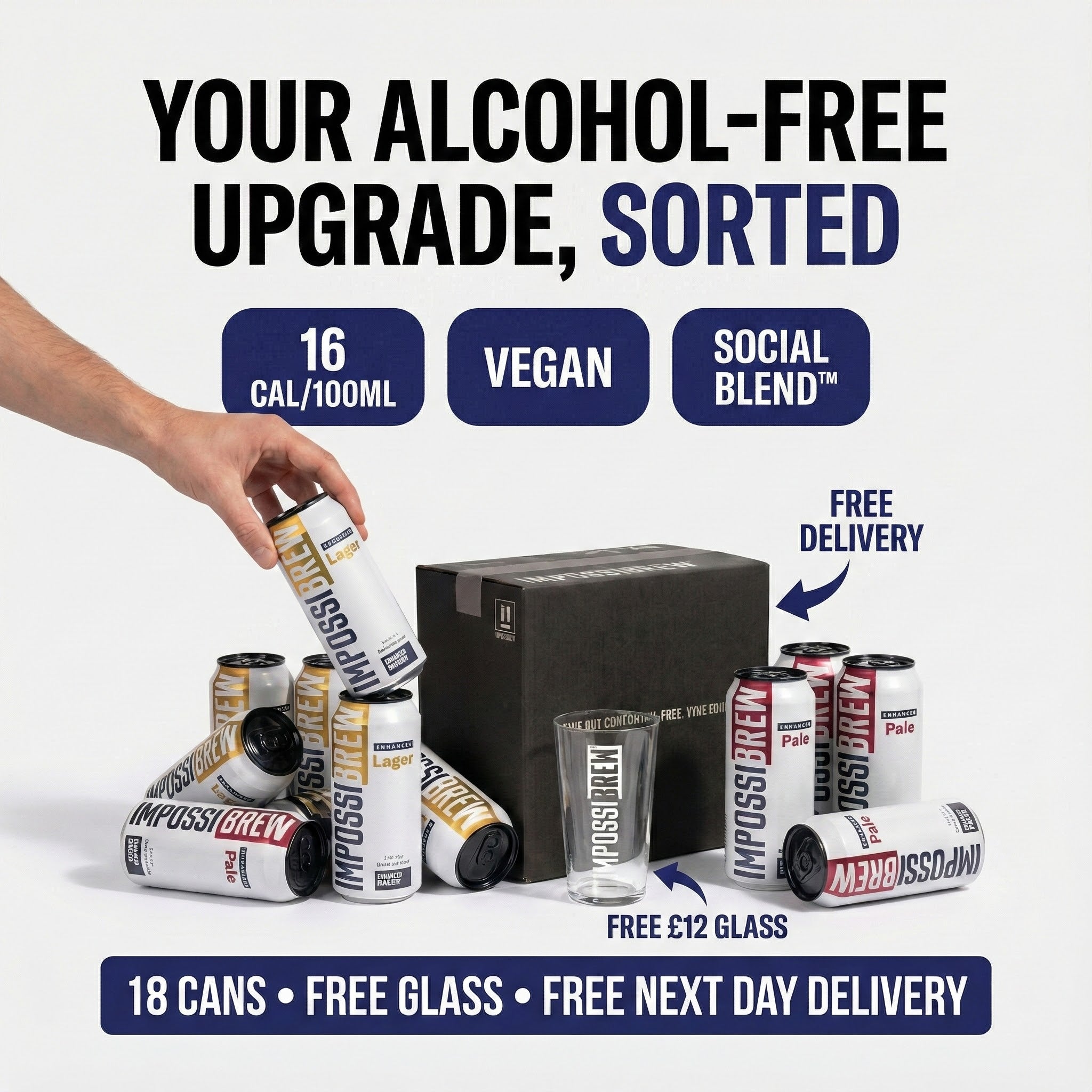
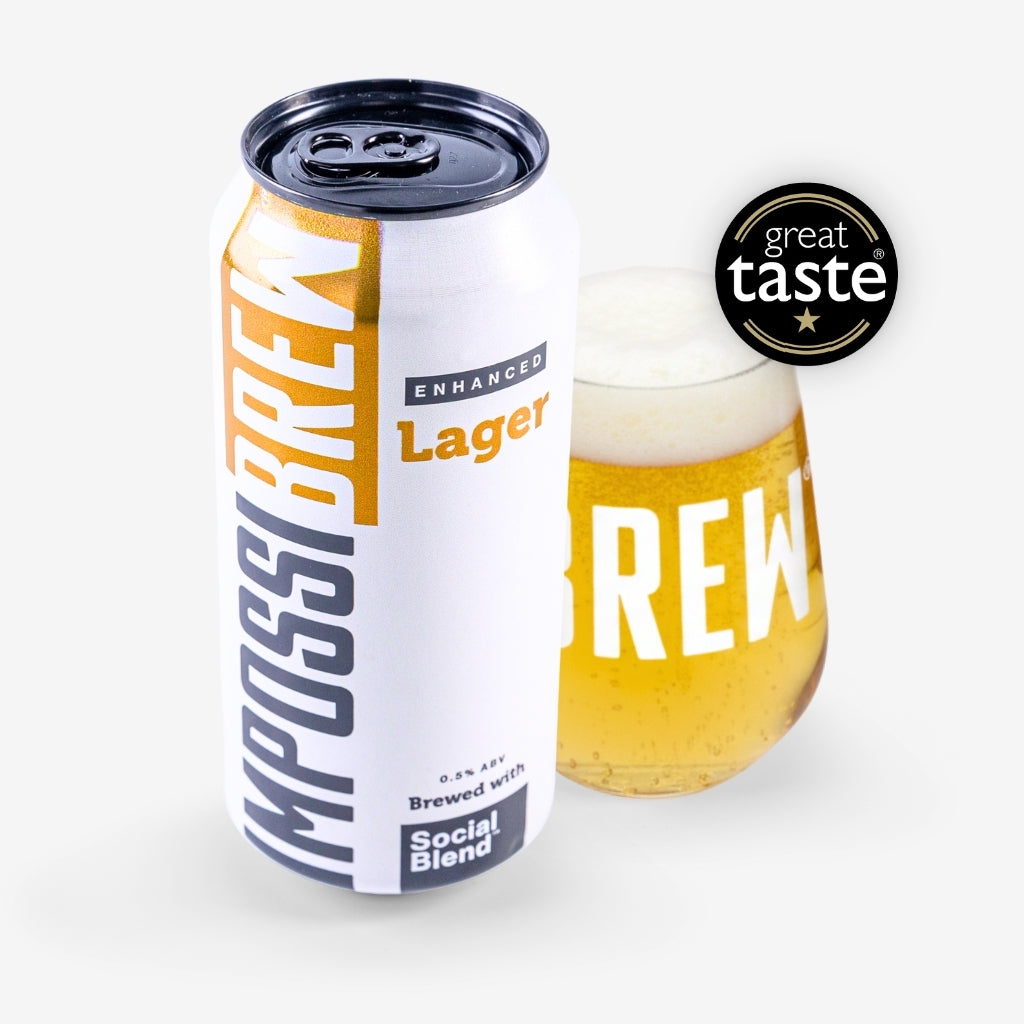
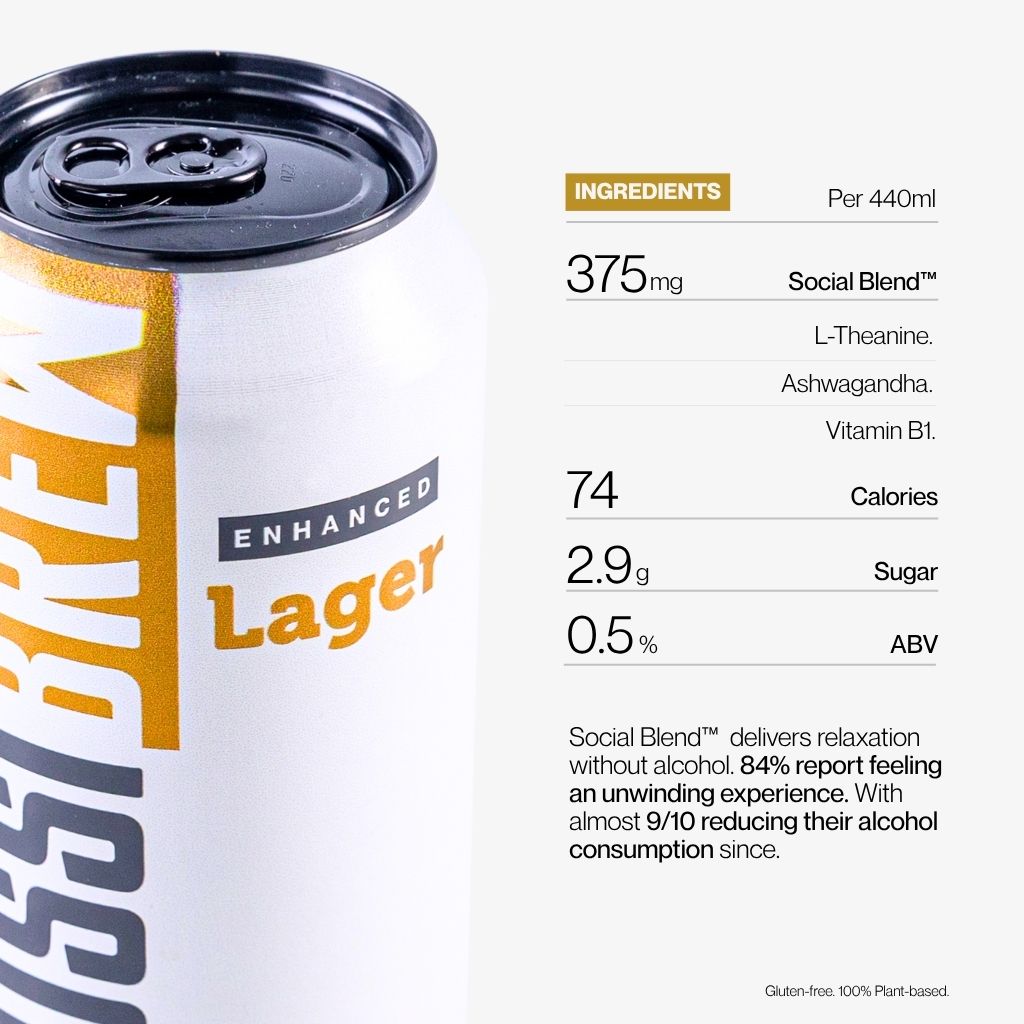
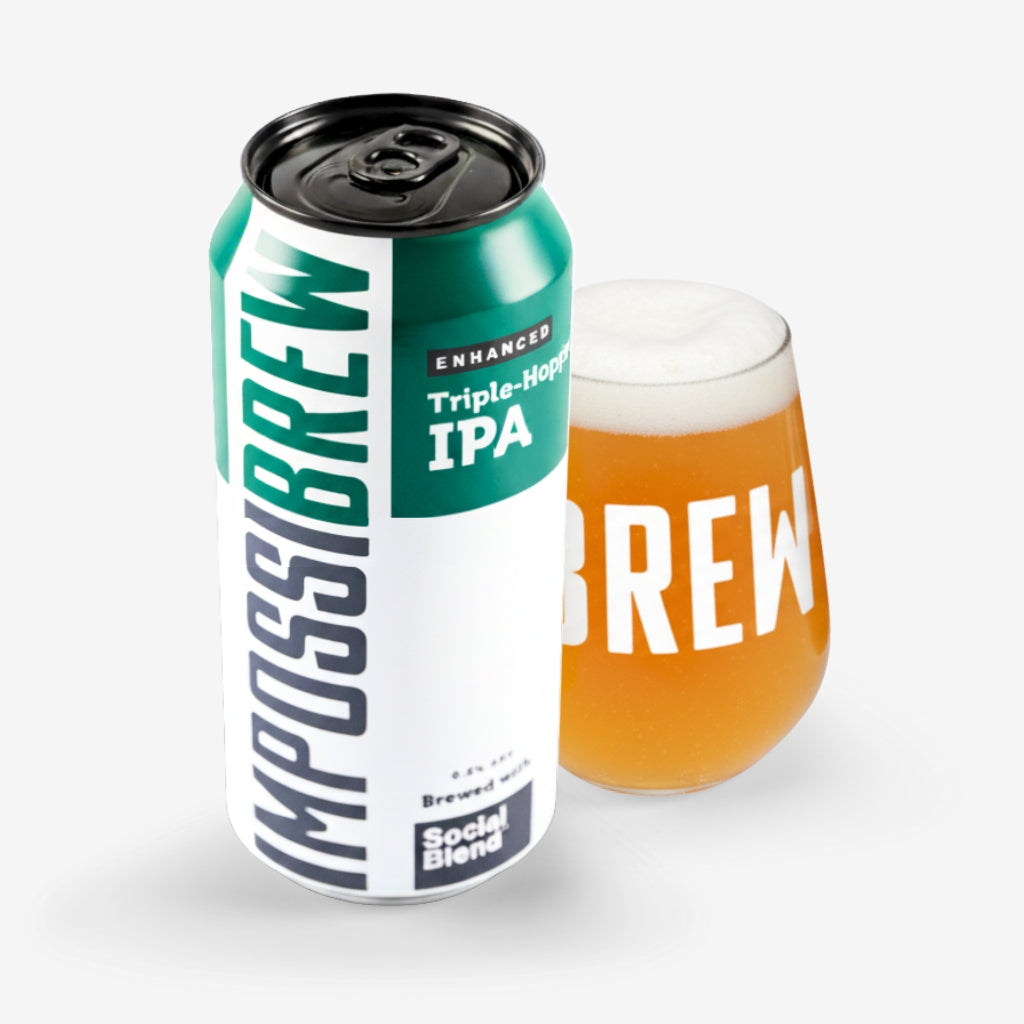
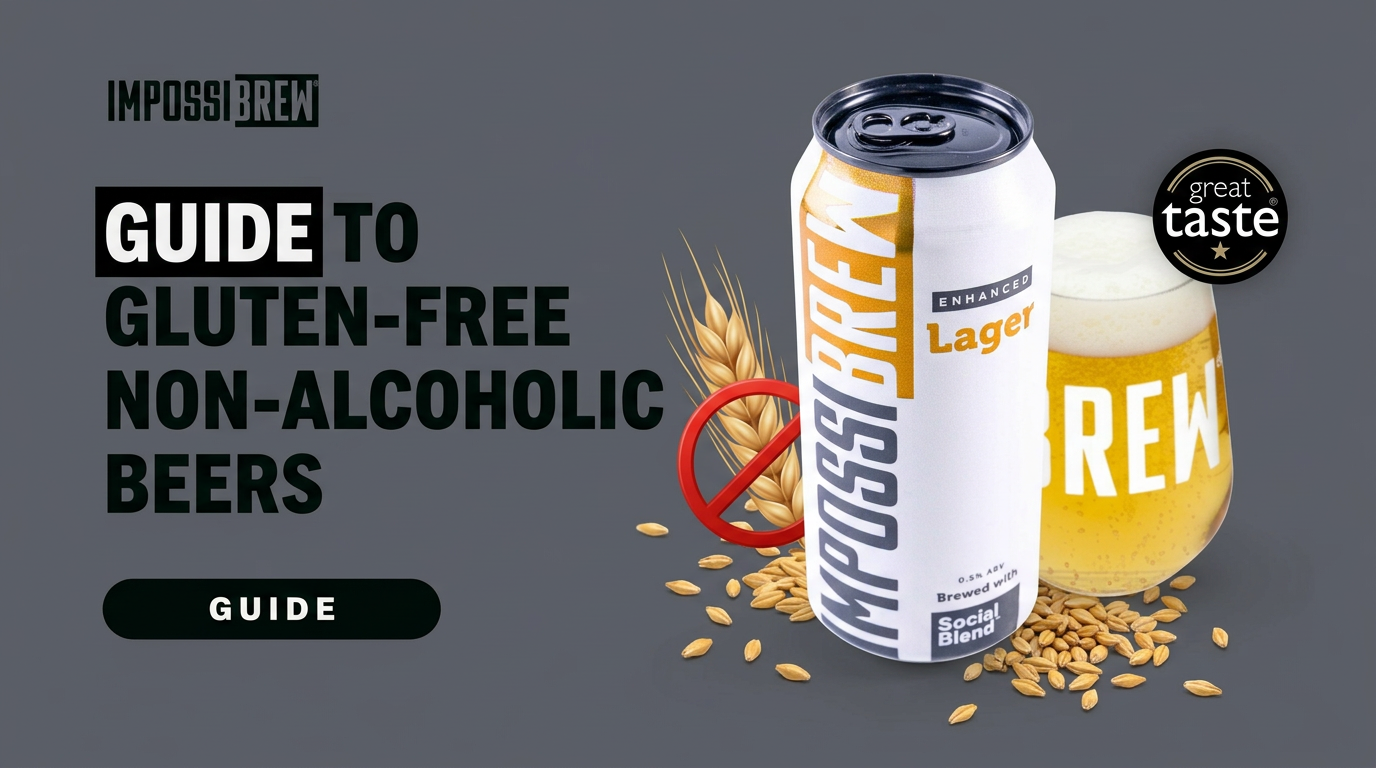
Quick answer: look for a clear gluten-free label, check whether the beer contains barley or wheat, and check the brewery's testing notes if you are coeliac or highly sensitive. IMPOSSIBREW Enhanced Lager is alcohol-free at 0.5% ABV, vegan, and gluten-free. It is brewed with barley and wheat, then third-party tested below 10 ppm according to IMPOSSIBREW's nutritional information.
This guide compares the main UK options and explains the difference between naturally gluten-free beer and gluten-removed beer, so you can choose with less label confusion.
Quick answer: what counts as gluten-free beer in the UK?
In the UK, the phrase gluten-free has a legal meaning. It can only be used when the final food or drink contains no more than 20 ppm of gluten. That threshold is used for gluten-free labelling. It does not mean the product was necessarily made without barley, wheat, rye, or oats.
That point matters with beer. Standard beer is usually brewed from barley, wheat, or both. A gluten-free beer can be made in two broad ways:
- Naturally gluten-free beer: brewed from grains such as rice, millet, maize, buckwheat, or sorghum instead of barley, wheat, rye, or oats.
- Gluten-removed beer: brewed with gluten-containing grains, then processed and tested so the finished beer is below the gluten-free threshold.
If you have coeliac disease, a wheat allergy, or a strict medical reason to avoid gluten-containing grains, use the label and your own dietary guidance as the final authority.
Best gluten-free non-alcoholic beers in the UK
Availability and recipes can change, so always check the current label before buying. Use this table as a practical starting point, not a permanent allergy guarantee.
| Beer | Gluten-free status | Contains barley or wheat? | ABV | Calories | Best for |
|---|---|---|---|---|---|
| IMPOSSIBREW Enhanced Lager | Gluten-free, third-party tested below 10 ppm according to IMPOSSIBREW | Yes, barley and wheat are declared | 0.5% | 17 kcal per 100ml, 75 kcal per 440ml | Proper lager taste with Social Blend built in |
| Big Drop gluten-free-labelled options | Check the current SKU label | Depends on SKU | Usually 0.5% or below | Check label | Craft-style alcohol-free beer |
| Nirvana gluten-free-labelled options | Check the current SKU label | Depends on SKU | Usually 0.5% or below | Check label | Dedicated alcohol-free brewery choice |
| Athletic Brewing gluten-free-labelled options | Check UK availability and current SKU label | Depends on SKU | Usually 0.5% or below | Check label | US-style craft alcohol-free option |
1. IMPOSSIBREW Enhanced Lager
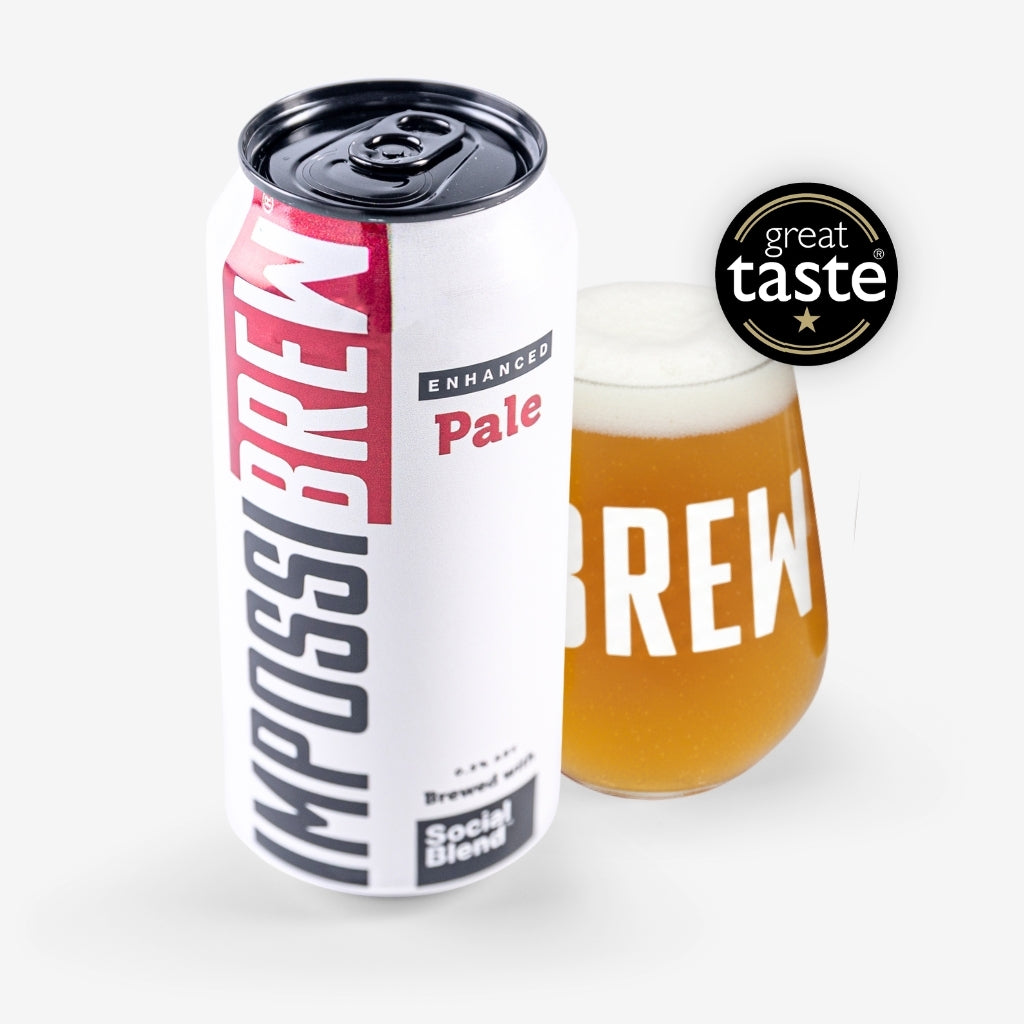
IMPOSSIBREW Enhanced Lager is the obvious place to start if you want a proper lager ritual, a gluten-free label, and an alcohol-free beer that is not just a flat soft drink in disguise.
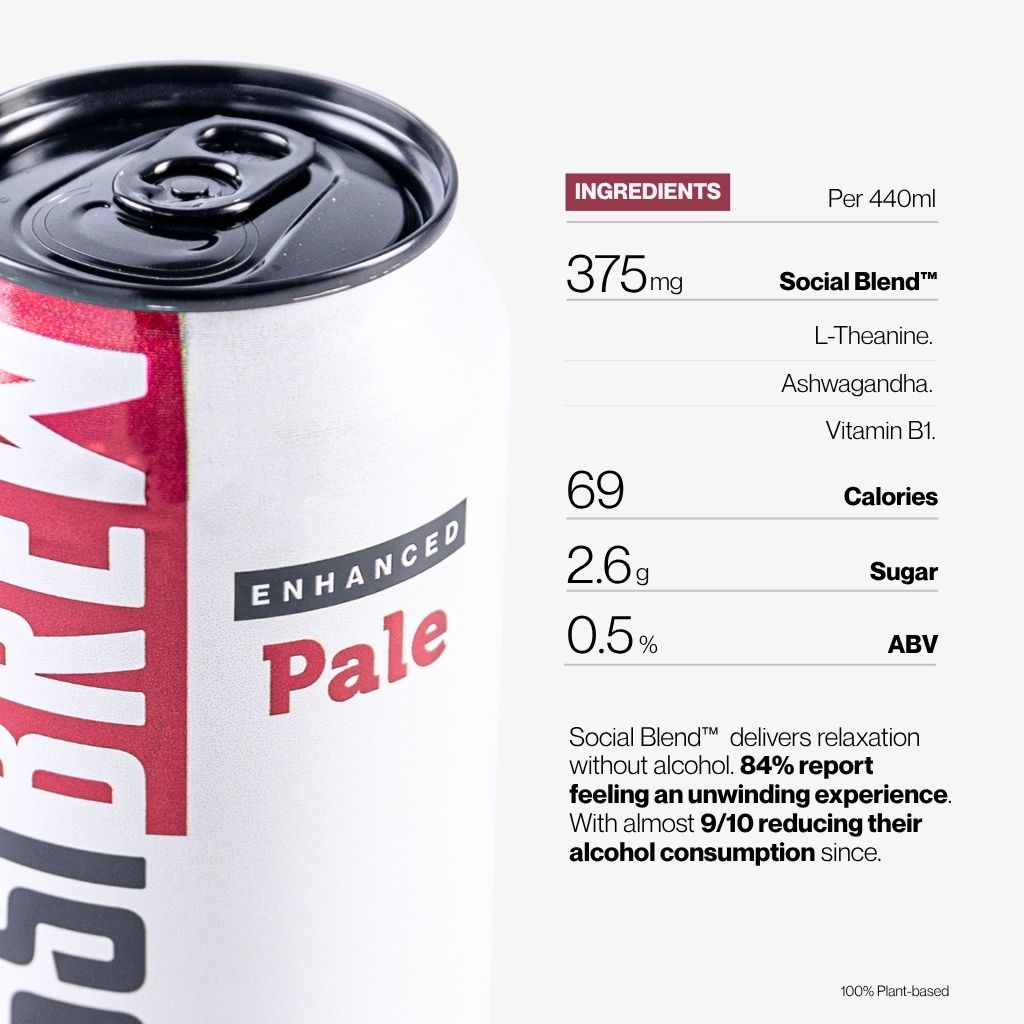
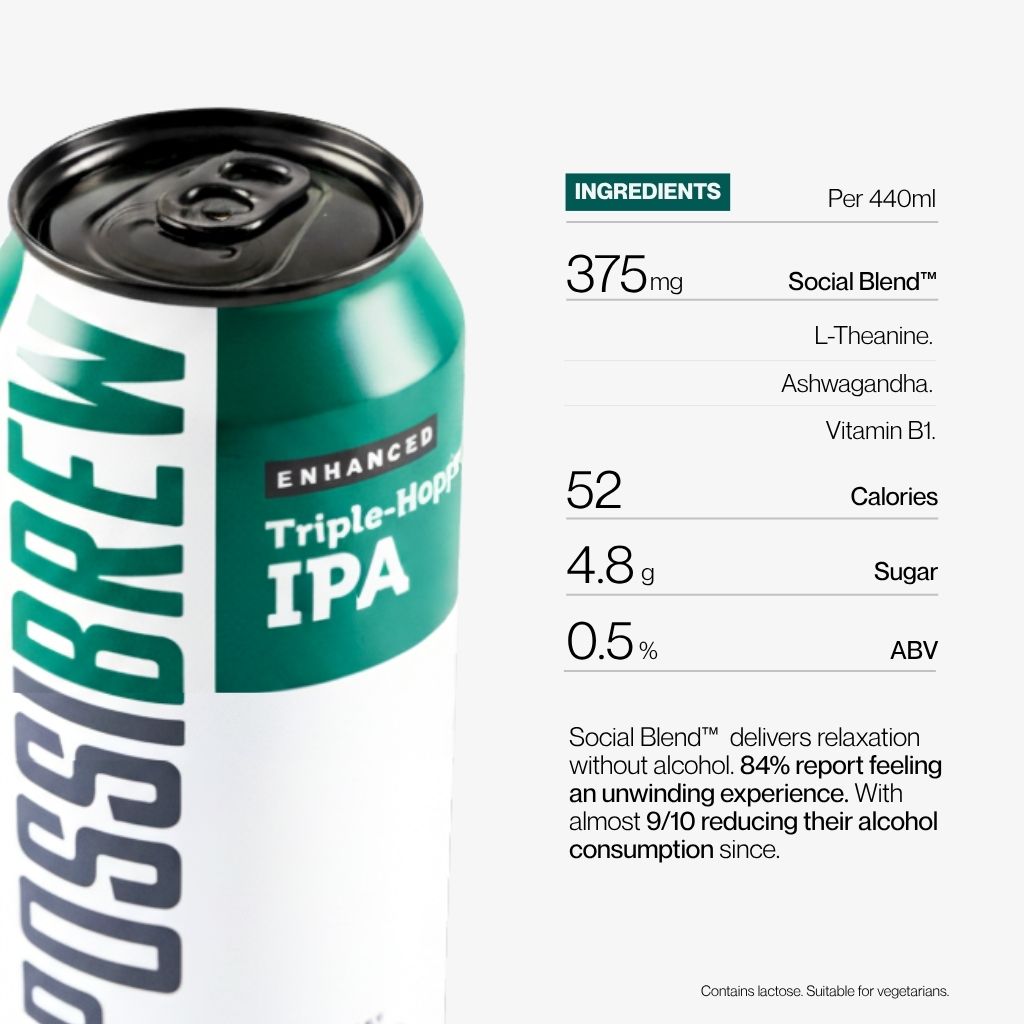
It is brewed with barley and wheat, so those ingredients are declared, but IMPOSSIBREW states that the finished beer is third-party tested below 10 ppm of gluten. That sits below the UK gluten-free labelling threshold of 20 ppm. It is also vegan, 0.5% ABV, 17 kcal per 100ml, and 75 kcal per 440ml can.
The other difference is Social Blend. IMPOSSIBREW is built for the same moment as a normal beer: laptop closed, can open, evening started. The Social Blend is designed to give a smooth alcohol-alternative buzz without the hangover, while keeping the product alcohol-free.
Try IMPOSSIBREW
Try the functional alcohol-free beer made with Social Blend. Proper beer ritual, gluten-free Lager, and no hangover.
2. Big Drop gluten-free-labelled options
Big Drop has historically been a useful name to check in the alcohol-free craft space because some of its beers have carried gluten-free positioning. The important bit is not the brand name alone. It is the exact SKU and the current label.
If you are buying for gluten reasons, check the can or product page for the words gluten-free, then check the ingredients and allergen line. Do not assume every beer from the same brewery has the same gluten status.
3. Nirvana gluten-free-labelled options
Nirvana is another alcohol-free brewery worth checking if you want more than one gluten-free option in the fridge. Again, treat this as a label-check exercise. Look for the explicit gluten-free statement, then check the ingredient and allergen wording on the current product.
This is especially important for mixed packs, seasonal beers, and limited releases, where recipes can differ from the core range.
4. Athletic Brewing gluten-free-labelled options
Athletic Brewing is well known in the alcohol-free category and has had gluten-free-labelled beers in some markets. UK availability can vary, so check the exact product sold in the UK rather than relying on a US product page or old review.
If the label is not clear, choose another beer with clearer gluten-free testing information.
Naturally gluten-free vs gluten-removed beer
| Type | How it is made | What to check |
|---|---|---|
| Naturally gluten-free | Brewed without barley, wheat, rye, or oats | Check for gluten-free grains and cross-contamination controls |
| Gluten-removed | Brewed with gluten-containing grains, then processed to reduce gluten | Check the gluten-free label, allergen declaration, and testing information |
| Standard beer | Usually brewed with barley, wheat, rye, or oats | Not suitable for a gluten-free diet unless specifically labelled gluten-free |
Why can a gluten-free beer still say it contains barley or wheat?
The allergen line and the gluten-free claim are doing different jobs. The allergen line tells you if barley, wheat, rye, or oats were used as ingredients. The gluten-free claim tells you the measured gluten level in the finished beer.
That is why a gluten-removed beer can be labelled gluten-free and still say it contains barley. If you want the deeper version, read our explainer: how can beer be gluten-free but still contain wheat and barley?
How to check a beer label if you are coeliac or gluten-sensitive
- Look for the words gluten-free. Do not rely on vague wording such as light, clean, low-carb, or natural.
- Check the allergen line. Barley, wheat, rye, and oats should be declared if used.
- Look for testing information. The clearest brands explain the ppm level or testing route.
- Separate gluten from alcohol level. 0.0% and 0.5% are alcohol statements, not gluten statements.
- Be stricter if you need to be. Coeliac disease, wheat allergy, pregnancy, medication, and personal tolerance can all change what is right for you.
For a dedicated checklist, read which alcohol-free beers are actually gluten-free?
FAQ
Is all non-alcoholic beer gluten-free?
No. Most beer is made with barley, wheat, rye, or oats. A non-alcoholic beer is only gluten-free if it meets the gluten-free threshold and is labelled accordingly.
Does 0.0% ABV mean gluten-free?
No. 0.0% ABV describes alcohol content. Gluten-free describes gluten content. They are separate claims.
Is gluten-removed beer the same as naturally gluten-free beer?
No. Naturally gluten-free beer avoids gluten-containing grains from the start. Gluten-removed beer starts with grains such as barley or wheat, then uses processing and testing to reduce gluten in the finished beer.
Can coeliacs drink gluten-free beer?
Coeliac UK explains that gluten-free beer must contain 20 ppm of gluten or less, but personal dietary guidance still matters. If you are unsure, use Coeliac UK guidance, the product label, and your clinician's advice.