Non-alcoholic beer might help you sleep better. Research shows it can reduce the time it takes to fall asleep, improve sleep quality, and lower anxiety. Key ingredients like hops boost relaxation by increasing GABA levels in the brain. Studies involving college students and nurses found significant improvements in sleep when they drank around 11 ounces of non-alcoholic beer with dinner.
Key Benefits:
- Fall asleep faster: Sleep latency reduced by 41% in one study.
- Better sleep quality: Measured improvements using the Pittsburgh Sleep Quality Index (PSQI).
- Lower anxiety: Anxiety scores dropped after regular consumption.
- Relaxing compounds: Ingredients like xanthohumol and myrcenol promote calmness.
If you're looking for a natural way to improve sleep, non-alcoholic beer could be worth considering.
Research on Sleep Effects
Main Study Results
Research shows that drinking non-alcoholic beer at dinner can improve sleep. It has been linked to better subjective sleep quality and shorter time to fall asleep. These benefits were observed in various groups, including college students and nurses working night or rotating shifts .
This opens up opportunities to investigate what drives these effects.
Research Methods Used
Researchers used three main methods to measure sleep quality:
| Method | Purpose | How It Was Done |
|---|---|---|
| Actigraphy | Tracks sleep patterns | Overnight monitoring with Actiwatch® |
| STAI Assessment | Measures anxiety levels | Evaluated before and after consumption |
| PSQI Evaluation | Assesses sleep quality | Conducted over three weeks |
These detailed approaches ensure the findings are reliable.
Sleep Quality Changes
In all groups studied, moderate evening consumption of non-alcoholic beer consistently reduced restlessness and the time it took to fall asleep. During stressful periods, drinking about 330 ml (11 ounces) of non-alcoholic beer was linked to shorter sleep latency and better sleep quality .
This suggests non-alcoholic beer could be a helpful option for improving sleep, fitting into broader wellness practices.
Is Non-Alcoholic Beer Better For You?
Sleep-Supporting Ingredients
Certain compounds in non-alcoholic beer, particularly from hops, can help with relaxation and reduce the time it takes to fall asleep.
Hops and Sleep
Hops are known to increase GABA levels in the brain, which helps promote relaxation. For example, a study involving nurses working rotating shifts showed that drinking about 333 mL of non-alcoholic beer with dinner reduced their sleep latency from 20.50 minutes to 12.01 minutes. This highlights the role of hops in improving sleep quality.
Active Sleep Compounds
In addition to hops, several active compounds contribute to sleep-related benefits:
| Compound | Function | Sleep Effect |
|---|---|---|
| Xanthohumol | Flavonoid | Influences GABA receptors |
| Myrcenol | Terpene | Acts as a sedative |
| α-acid derivatives | Bitter acids | Encourages relaxation |
| 2-methyl-3-buten-2-ol | Degradation product | Boosts sedative effects |
These compounds work through different mechanisms to influence brain chemistry connected to sleep. For instance, bitter acids, which make up about 0.3% of traditional beer, are noted for their calming effects. Studies also found that participants consuming these compounds had lower anxiety scores (measured by the State-Trait Anxiety Inventory) and experienced quicker sleep onset compared to control groups.
sbb-itb-a752bf8
Sleep Quality Measurements
Research has identified several ways non-alcoholic beer can improve sleep, as shown by the following metrics.
Time to Fall Asleep
In a study involving 17 female nurses working rotating shifts, drinking 11.3 fl oz (333 mL) of non-alcoholic beer with dinner for 14 days significantly reduced the time it took to fall asleep. Participants fell asleep in an average of 12.01 minutes, compared to 20.50 minutes in the control group - a 41% decrease. This shorter sleep latency contributes to better overall sleep.
Sleep Length and Quality
Key findings highlight improvements in other sleep-related metrics:
| Sleep Parameter | Improvement | Measurement Method |
|---|---|---|
| Sleep Movement Reduction | 27% reduction | Actigraphy monitoring |
| Overall Sleep Quality | Improved (p < 0.05) | Pittsburgh Sleep Quality Index |
| Sleep Duration | Consistent | Sleep diary tracking |
For instance, students who consumed non-alcoholic beer with their evening meals reported better sleep quality scores using the Pittsburgh Sleep Quality Index (PSQI).
User Sleep Reports
Practical experiences back up these findings. In one study, nurses working demanding shifts noted better sleep and reduced anxiety when they regularly consumed non-alcoholic beer. Additionally, customer feedback from IMPOSSIBREW® shows that 71% of users feel more relaxed after drinking non-alcoholic beer. These personal accounts further support the clinical evidence, suggesting non-alcoholic beer may play a helpful role in improving sleep.
Other Health Effects
Non-alcoholic beer doesn’t just help with sleep - it also has other perks that can support overall health.
Stress Relief
Studies suggest that non-alcoholic beer can lower stress levels. For instance, one study found that drinking non-alcoholic beer with 35 mg of matured hop bitter acids (MHBAs) daily for three weeks improved mood by decreasing anxiety and fatigue.
Mental Health Benefits
A three-week routine of drinking non-alcoholic beer has been linked to better mental health. It can reduce anxiety, depression, and fatigue while increasing mental energy. The natural compounds in non-alcoholic beer may also boost dopamine levels, which can help improve motivation and mood. This is a stark contrast to the long-term risks tied to alcohol consumption.
Alcohol vs. Non-Alcoholic Options
While alcoholic drinks may temporarily ease stress, they can negatively affect mental health over time. Alcohol can interfere with serotonin production and receptor sensitivity, leading to mood instability. Non-alcoholic beer, on the other hand, provides a steady mood lift without these downsides. Brands like IMPOSSIBREW® highlight these benefits, with 70% of users reporting a similar relaxation effect to traditional beer and 88% cutting back on their alcohol intake.
IMPOSSIBREW® Products
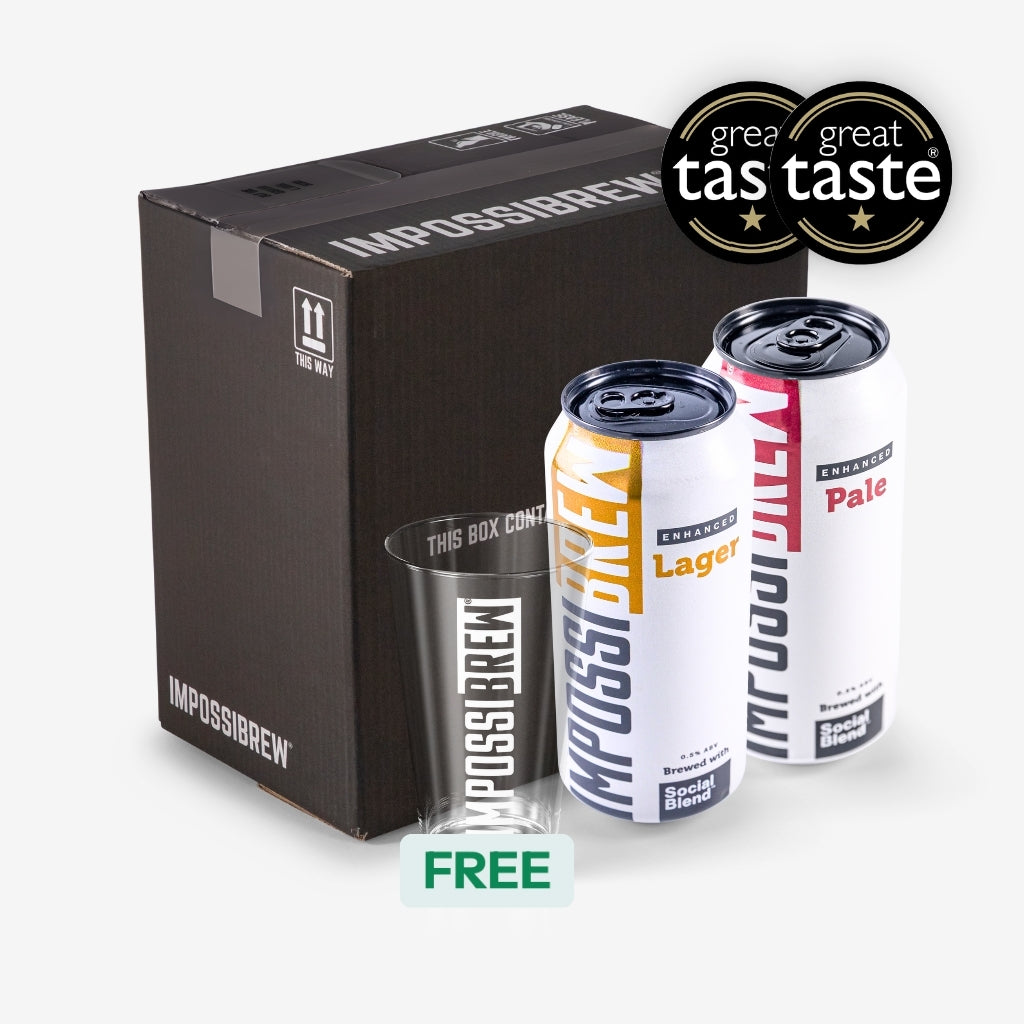
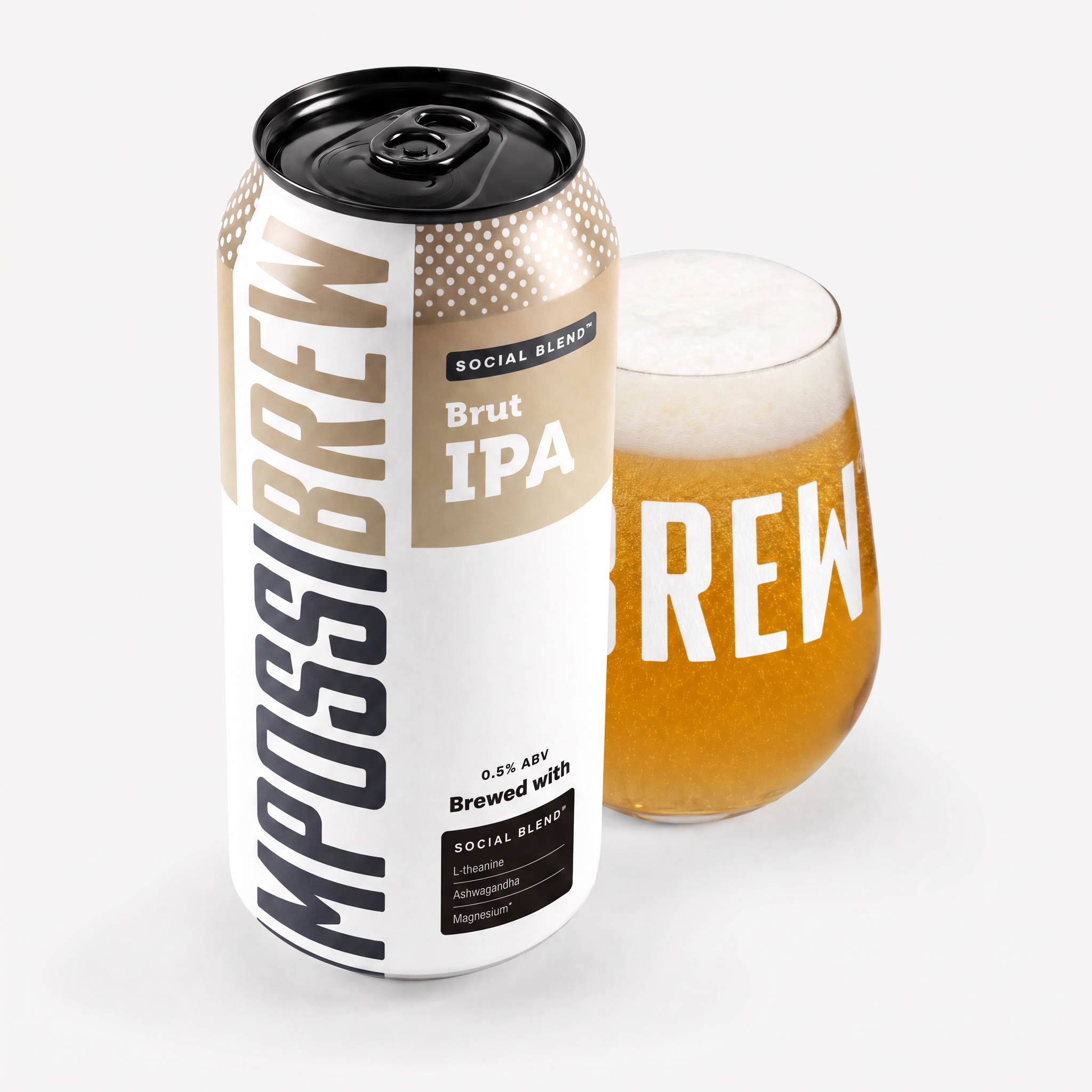
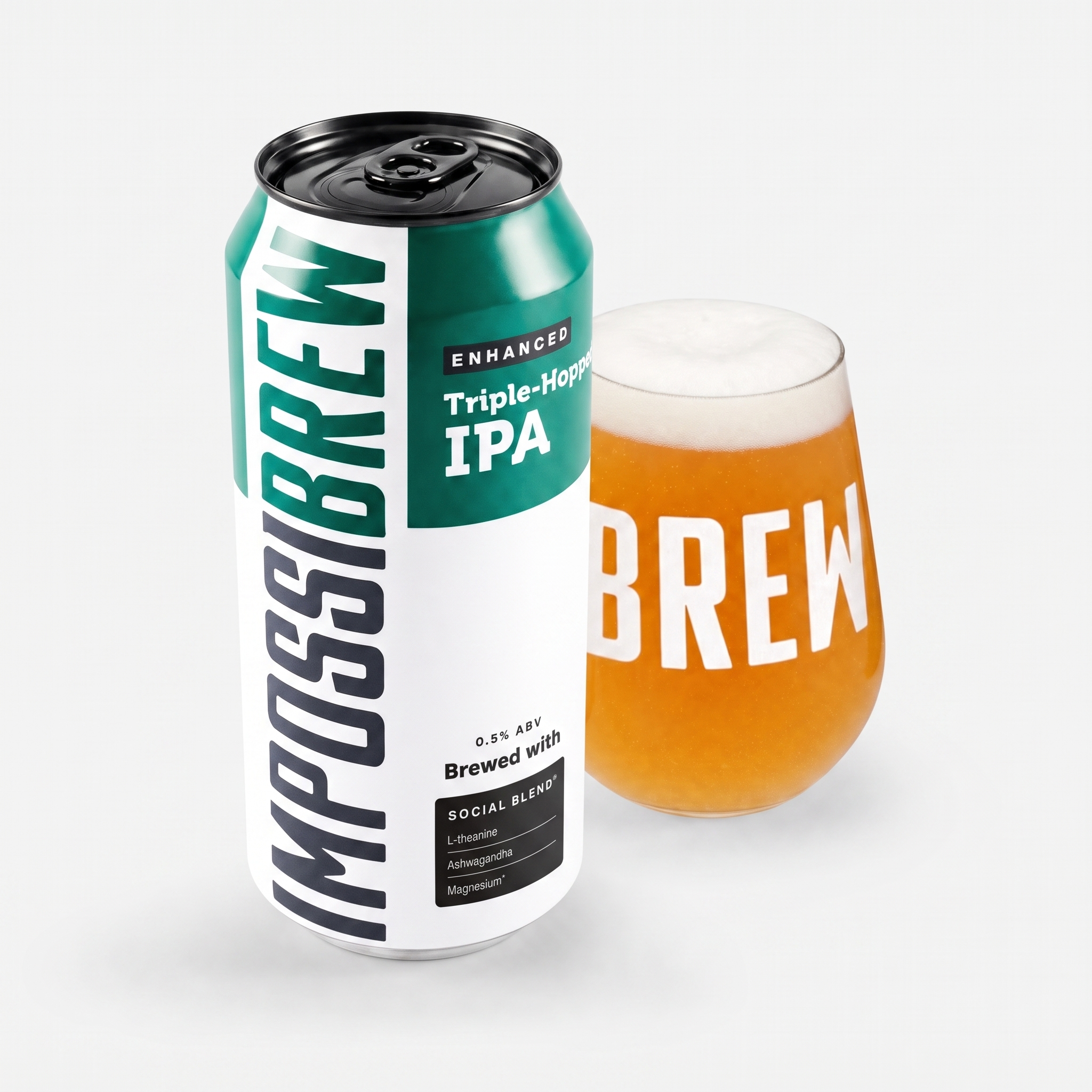
IMPOSSIBREW® combines sleep science and brewing expertise to create a range of non-alcoholic beers designed for relaxation.
About IMPOSSIBREW®
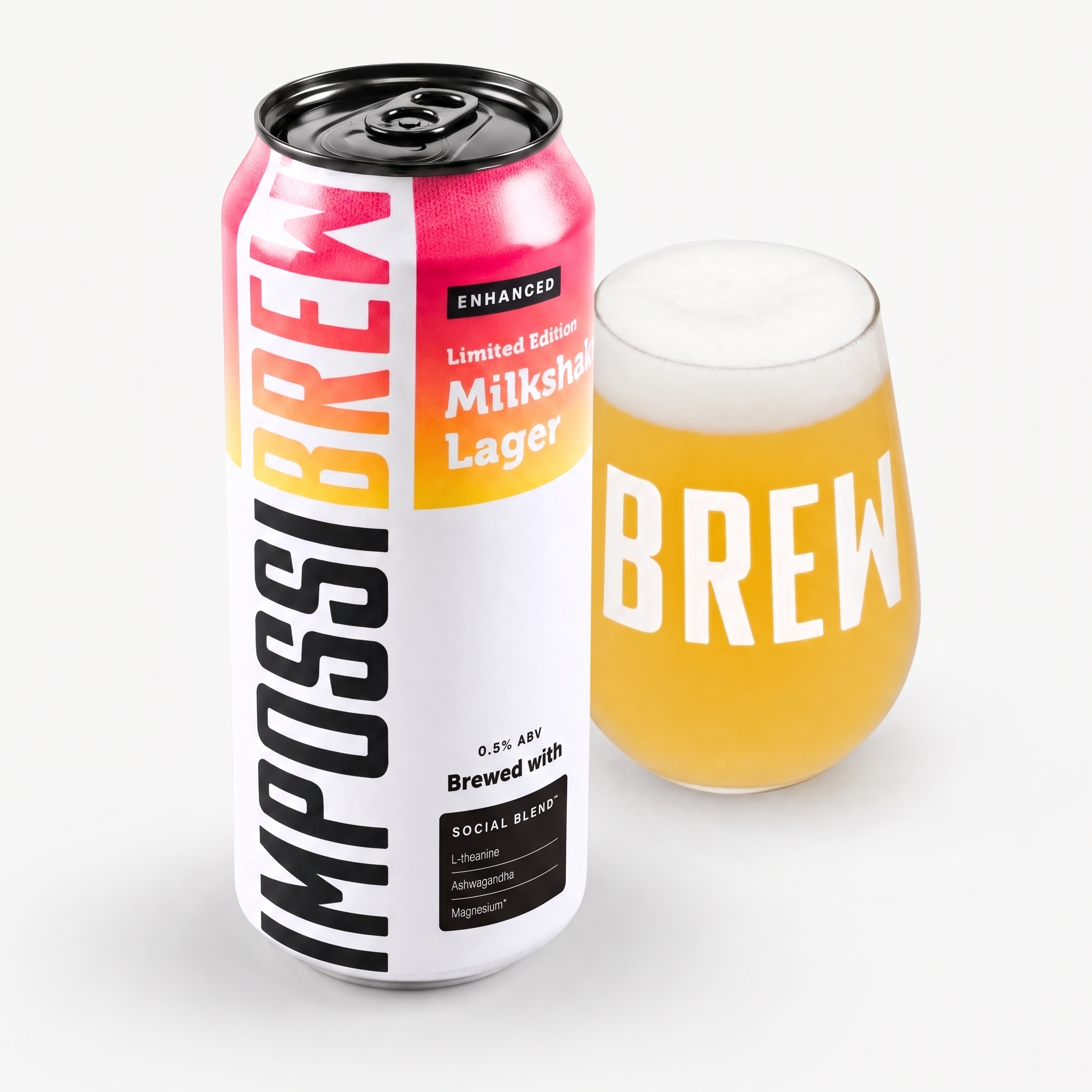
IMPOSSIBREW® has made a name for itself in the non-alcoholic beer industry. Its standout feature is the Social Blend™, a formula developed with the help of Dr. Paul Chazot, a Bioscience Professor and Chair of Pharmacology at Durham University. This blend mimics the calming effects of traditional beer while skipping the downsides.
Product Details
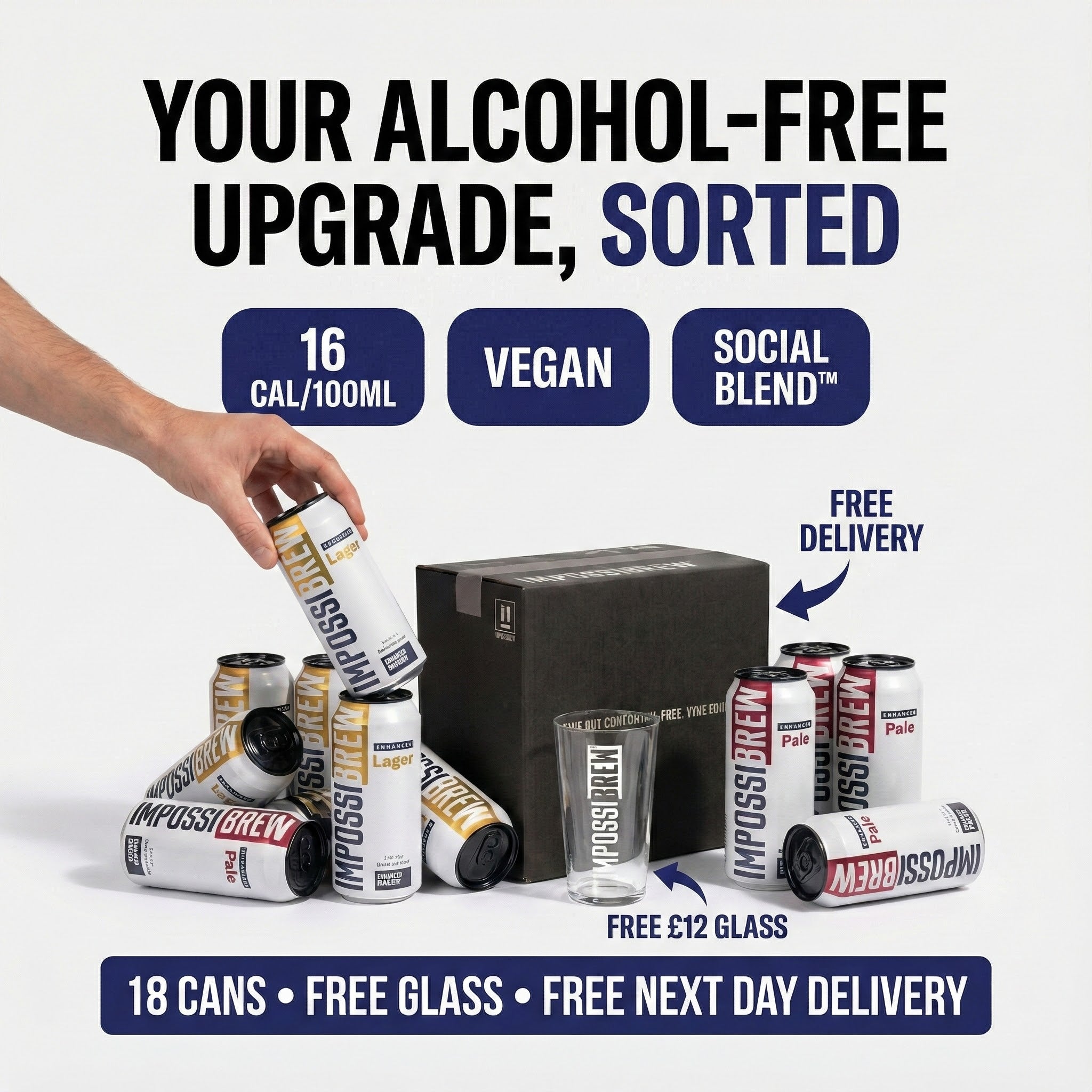
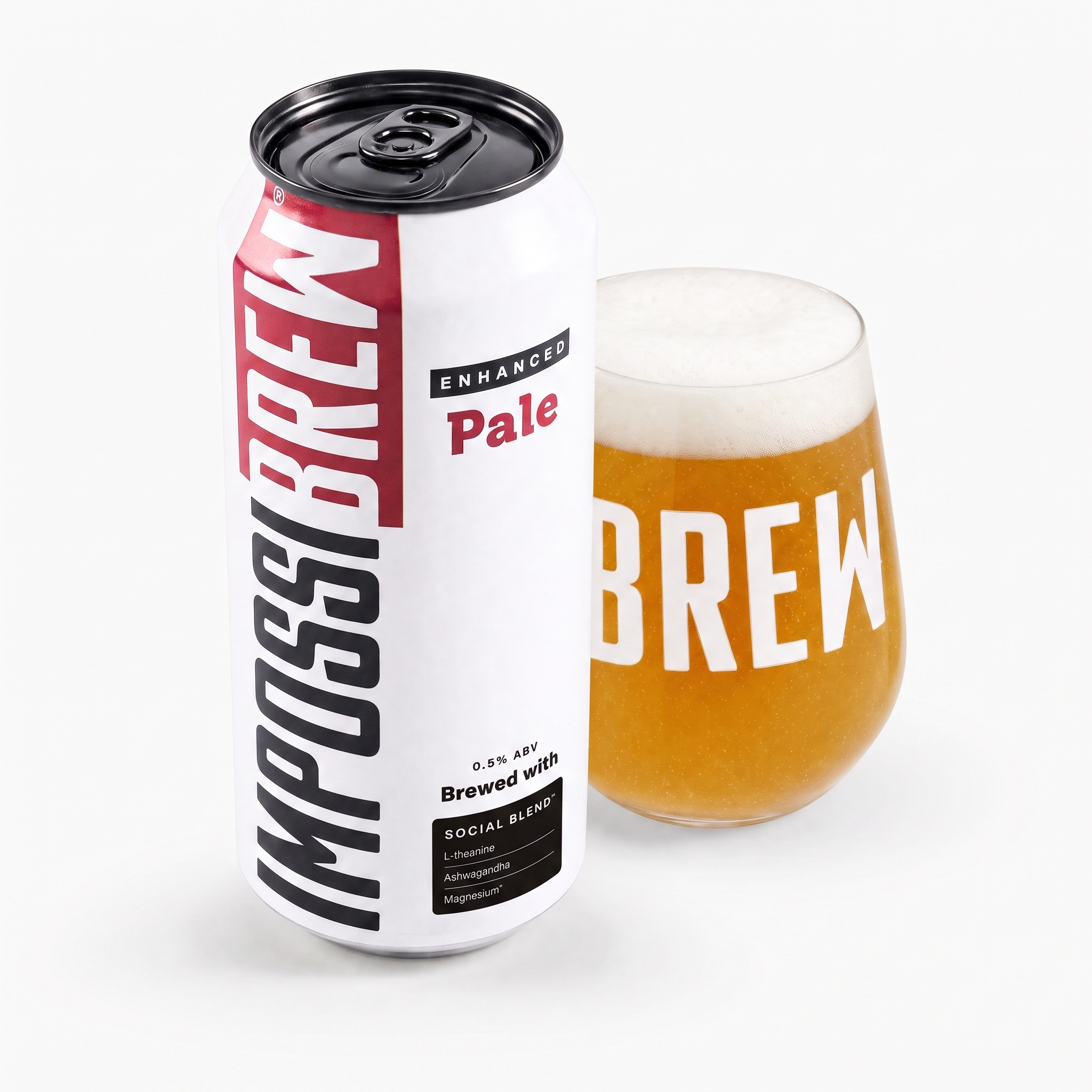
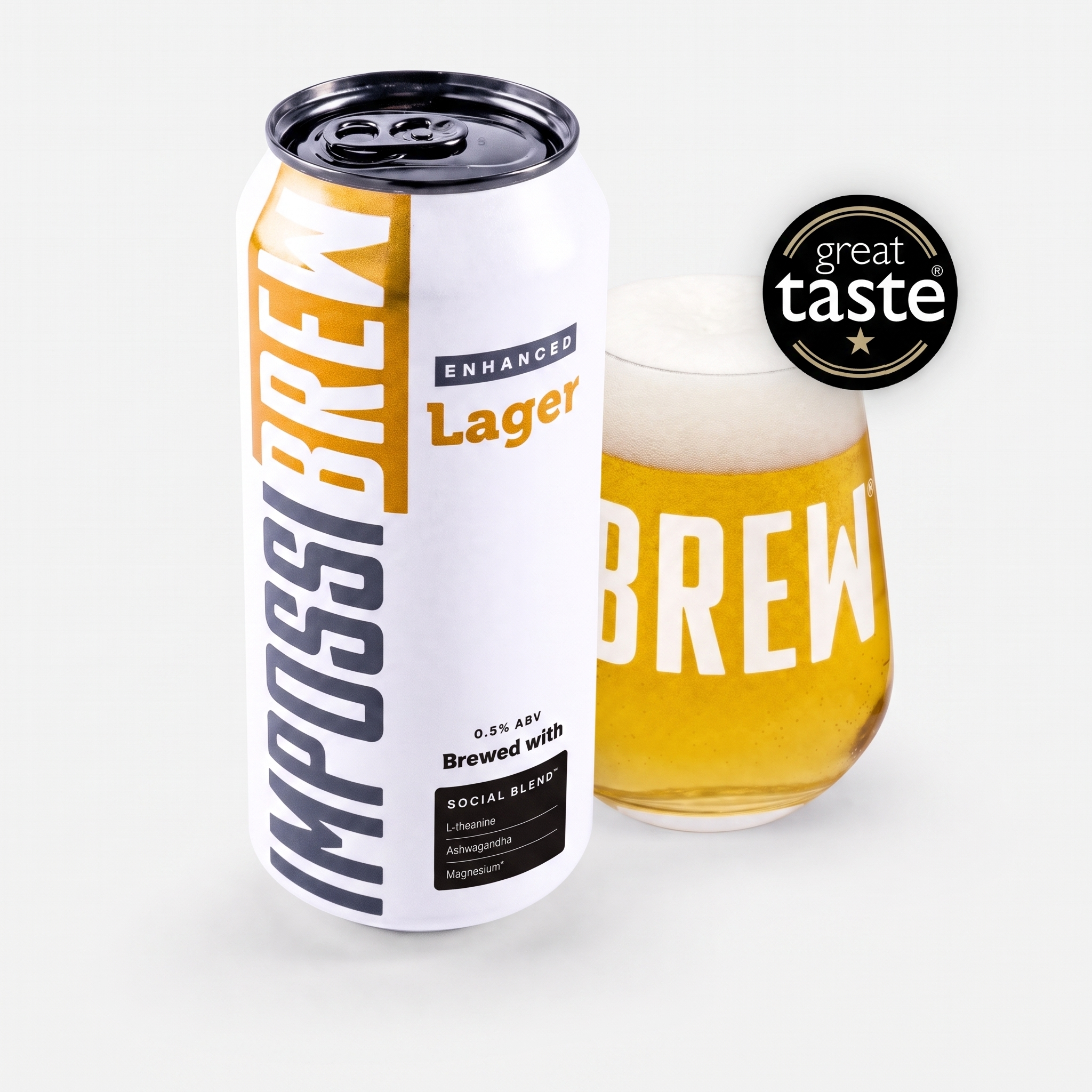
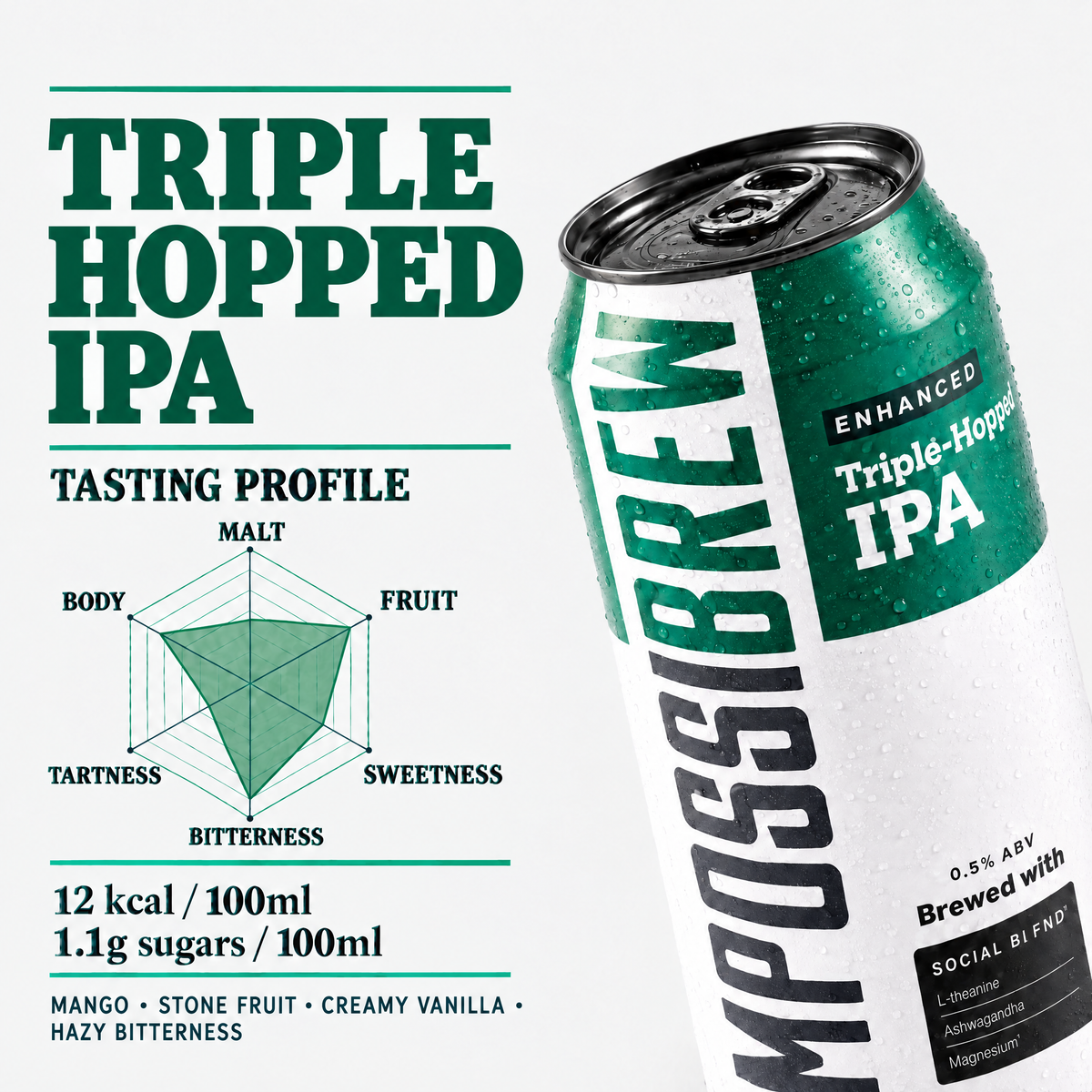
IMPOSSIBREW® offers a selection of non-alcoholic beers with added benefits:
| Product | Features | Price | Highlights |
|---|---|---|---|
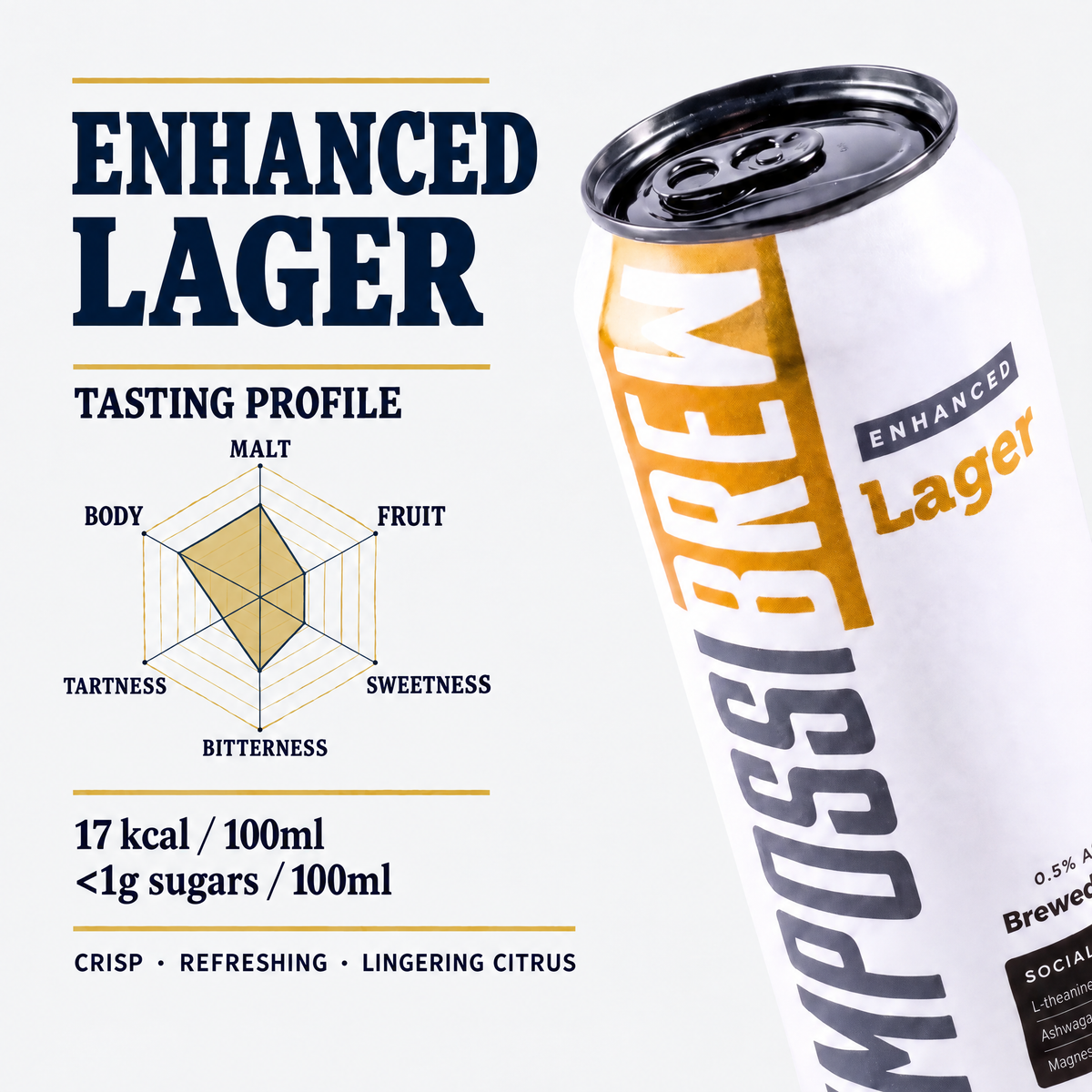
| Enhanced Lager | <0.5% ABV, Gluten-free, Vegan | From $3.75 | Crisp citrus notes with relaxing effects |
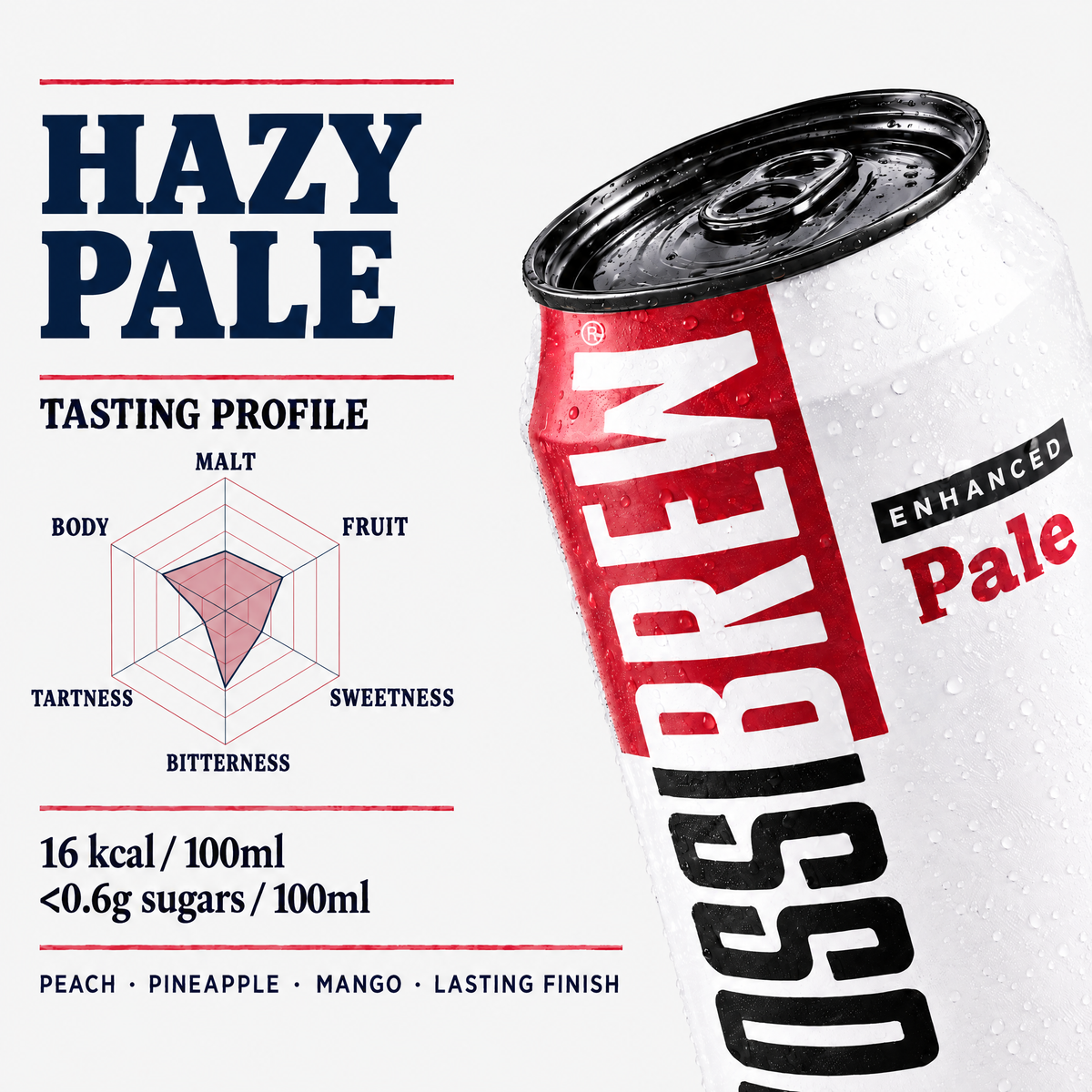
| Enhanced Hazy Pale | <0.5% ABV, Vegan | From $3.75 | Tropical, fruity flavors with calming benefits |
| Bestseller Bundle | 18 beers + free glass | $62.99 | A mix of varieties with a tasting guide included |
These beers are made using cryogenic fermentation, which keeps the natural ingredients intact while delivering an authentic taste. They’re crafted to offer the flavors of traditional beer while promoting relaxation and better sleep.
Sleep Benefits
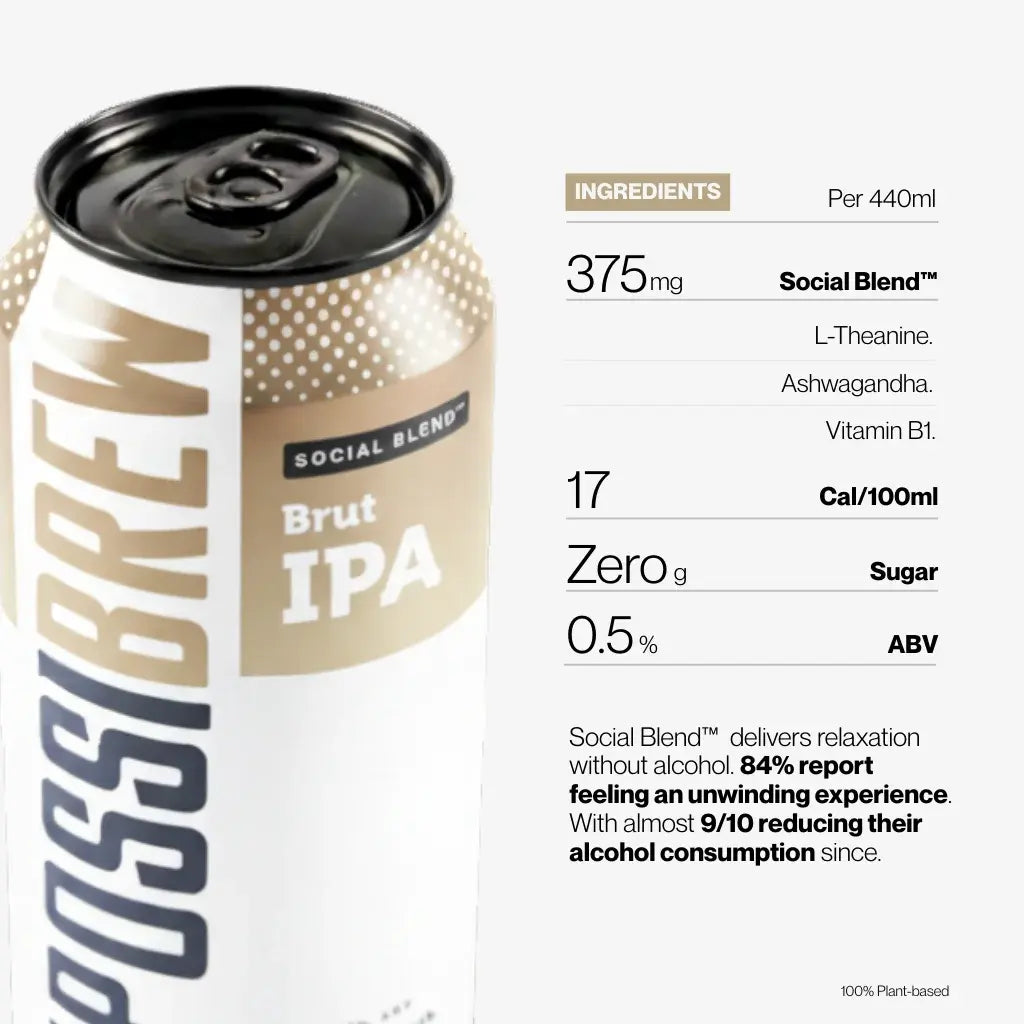
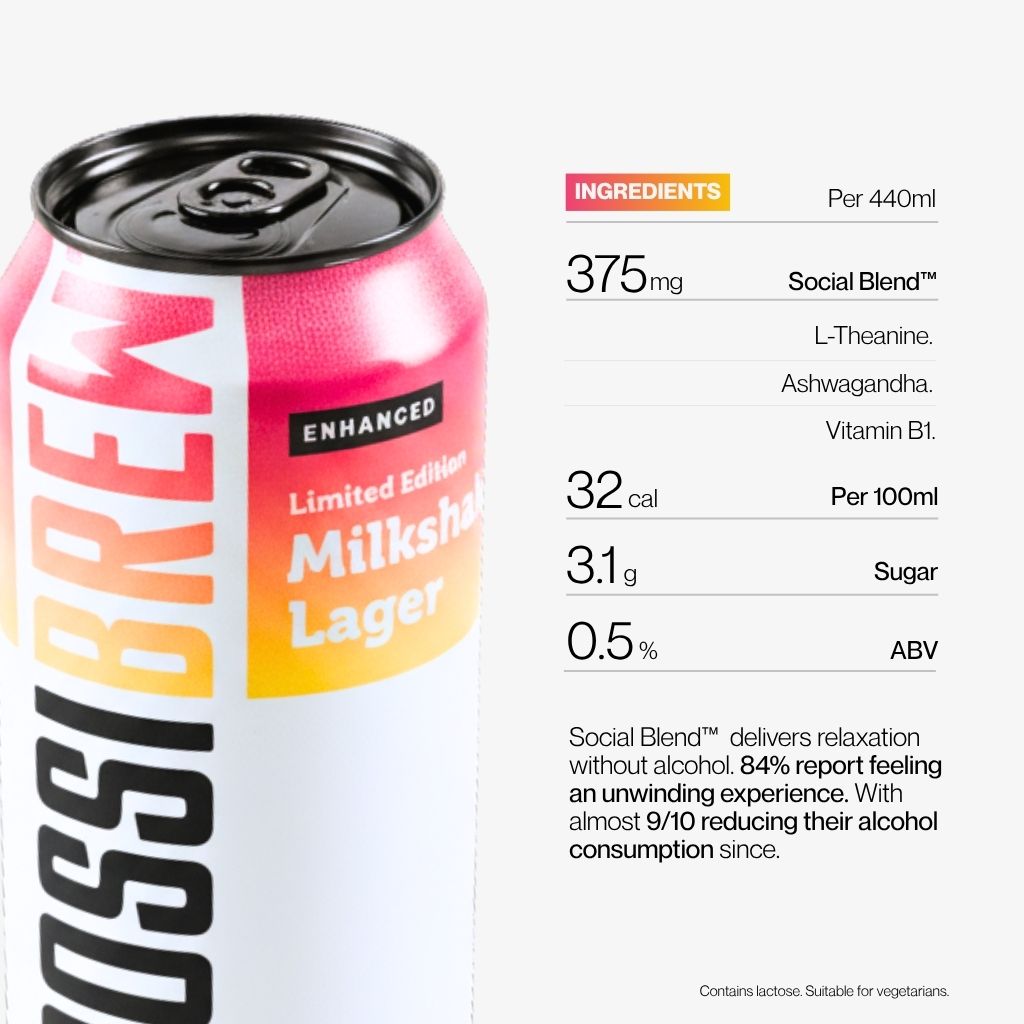
The Social Blend™ formula includes key ingredients that support relaxation and sleep:
- L-Theanine: An amino acid that encourages alpha brain wave activity, helping you relax while staying alert.
- Ashwagandha Root: A herb known for reducing stress and supporting restful sleep.
- Vitamin B1: Helps with natural energy metabolism, aiding overall well-being.
A survey of 775 people revealed that 70.6% felt noticeable relaxation effects. With over 1,000 reviews, IMPOSSIBREW® maintains a customer satisfaction score of 4.8/5.
Summary
A study involving rotating-shift female nurses revealed that drinking 330 mL (11 oz) of non-alcoholic beer with dinner for 14 days reduced the time it took to fall asleep from 20.50 to 12.01 minutes. It also decreased sleep activity, pointing to more restful nights. These findings highlight several sleep-related benefits, which are outlined below.
Research has identified three main ways non-alcoholic beer can improve sleep:
- Shorter time to fall asleep (p < 0.05)
- Lower anxiety levels (scores dropped from 20.69 to 18.09)
- Better overall sleep quality
These effects are largely attributed to hops, which contain compounds that increase GABA levels, promoting relaxation. One study participant summarized this well:
"The moderate consumption of non-alcoholic beer will favor night-time rest, due in particular to its hop components, in addition to its other confirmed benefits for the organism."
Unlike alcoholic beer, non-alcoholic options encourage relaxation without compromising hydration. Another study showed that drinking non-alcoholic beer with 35 mg of matured hop bitter acids for three weeks significantly improved mood, reducing anxiety and fatigue levels.
For those dealing with high stress or irregular schedules, these findings suggest that adding non-alcoholic beer to an evening routine may naturally improve sleep. This aligns with earlier discussions on its active ingredients and overall health perks, further emphasizing its potential to support better rest.