Functional beverages are changing the way we think about drinks. These non-alcoholic options are designed not just to hydrate but to support mood, focus, and overall mental wellbeing. By targeting specific brain pathways using ingredients like caffeine, L-Theanine, and Ashwagandha, they help regulate neurotransmitters responsible for relaxation, alertness, and memory.
Key insights:
- Market Growth: The global functional beverage market is expected to reach $208.13 billion by 2024, with the UK market growing steadily.
- Brain Boosting Ingredients: Ingredients like flavonoids, B vitamins, and nootropics are used to enhance cognitive performance and mood.
- UK Trends: Non-alcoholic options are gaining popularity, with younger consumers leading the demand for drinks that improve focus and relaxation.
- Safety: Clear labelling and guidelines ensure these drinks align with UK health standards.
Functional beverages are becoming a preferred choice for those looking to replace alcohol or traditional energy drinks with science-backed, health-focused alternatives.
Beverage companies creating functional drinks using healthy ingredients that alter moods
Active Ingredients in Functional Beverages and Brain Effects
The magic behind functional beverages lies in their carefully selected active ingredients, each chosen for its ability to influence specific neurochemical pathways. These ingredients work both individually and in harmony, offering benefits that range from improved focus to a sense of calm.
Ingredients Backed by Science for Brain and Mood Support
Functional beverages often combine a mix of adaptogens, nootropics, vitamins, and herbal extracts to interact with brain chemistry. The global market for food and drinks claiming brain health benefits grew at an impressive compound annual growth rate of 12% between 2017 and 2022 [2].
- Adaptogens, like Ashwagandha, help the body manage stress. Ashwagandha, in particular, has seen a five-year growth rate of 115.8% in brain and mood-related product launches [2].
- Nootropics are known for enhancing cognitive functions, such as focus and mental clarity [2].
- B vitamins, especially Vitamin B1 (thiamine), play a key role in neurotransmitter production and energy metabolism [2].
- Berberine, as suggested by animal studies, may help increase dopamine levels and alleviate symptoms of depression and anxiety [3].
The growing trend of combining these ingredients highlights their potential to work better together. As Glanbia Nutritionals puts it:
"Mood food" is a term for foods and beverages with mood support benefits. These benefits can range from focus and energy to relaxation and stress relief. [2]
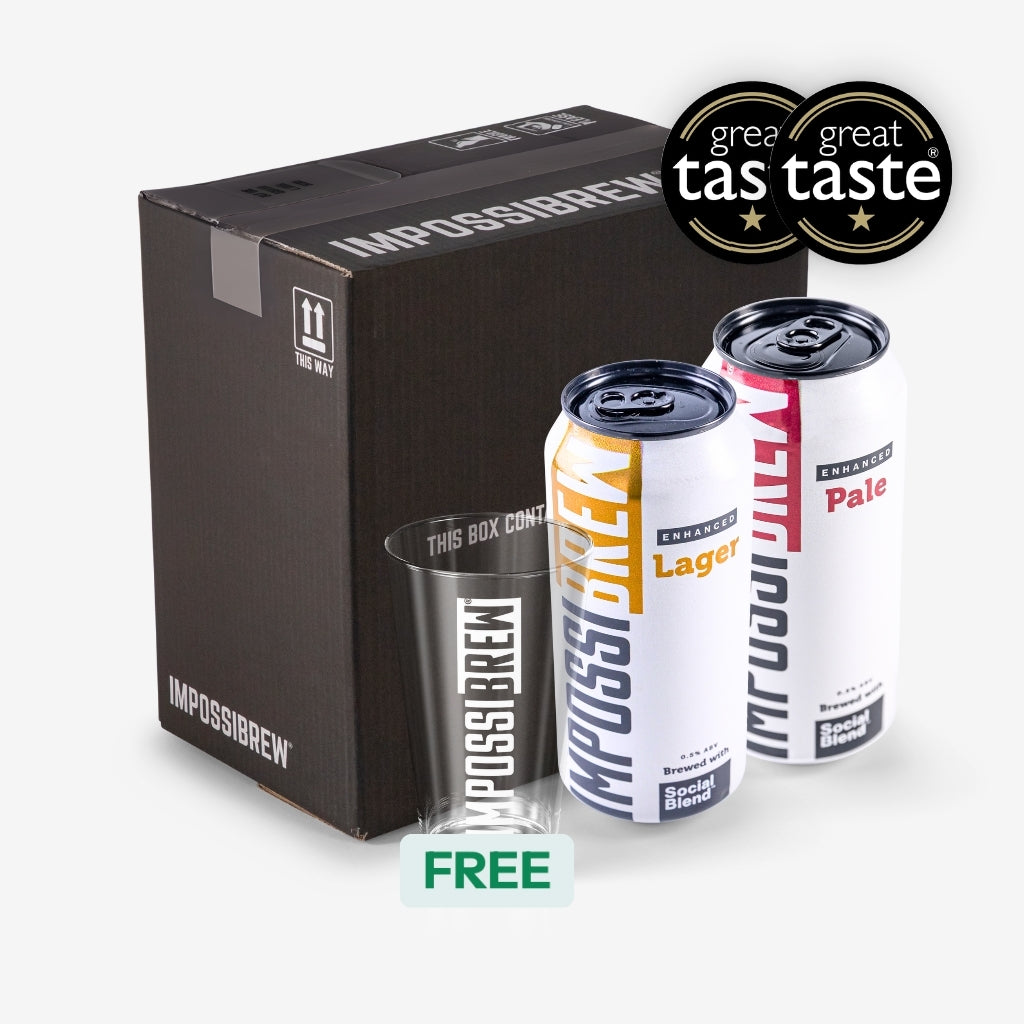
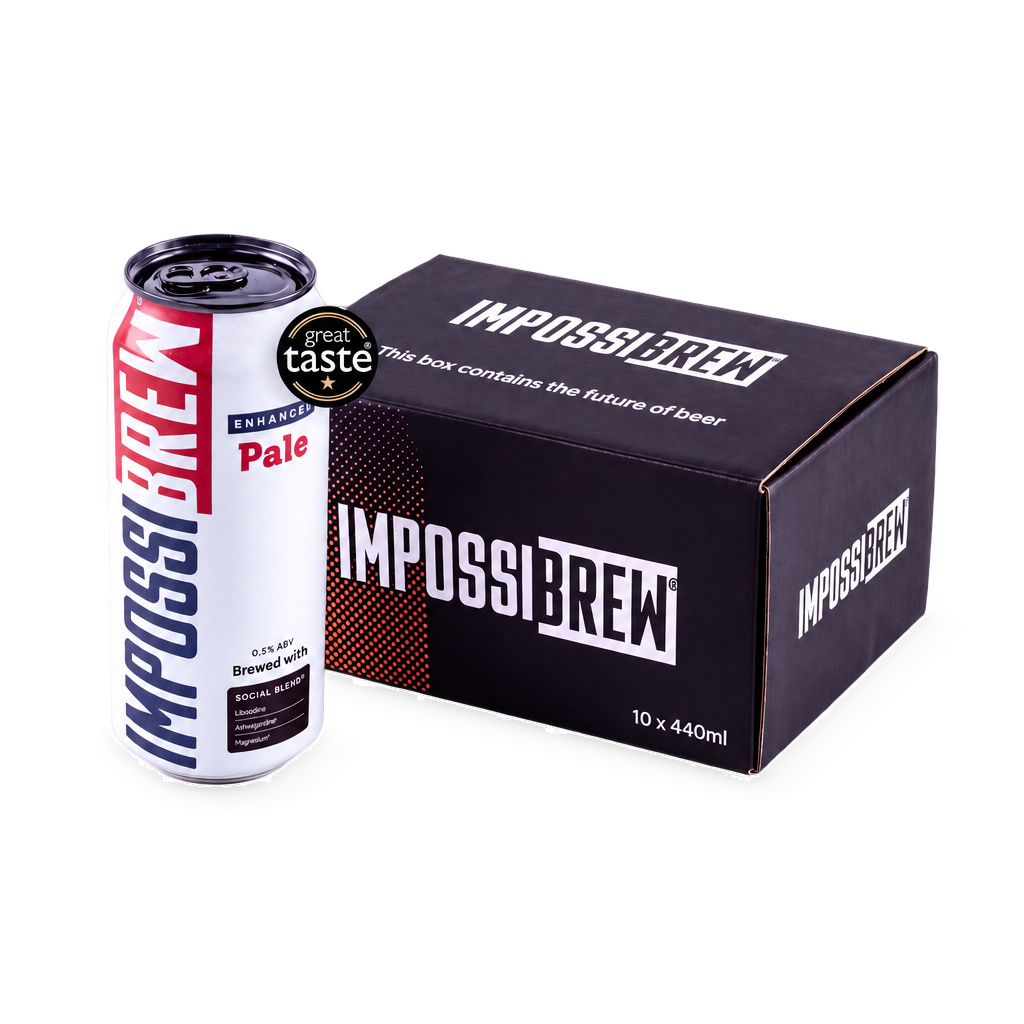
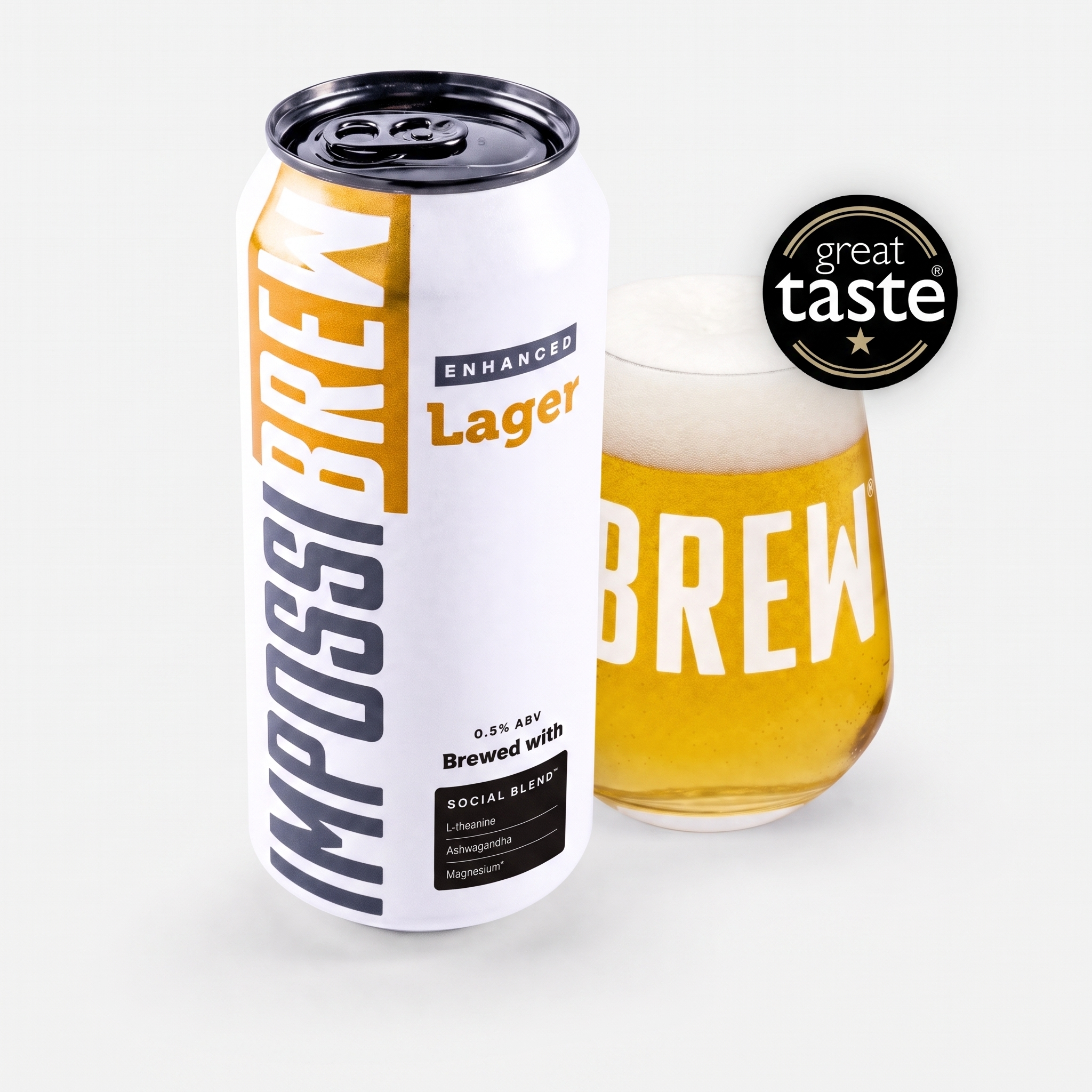
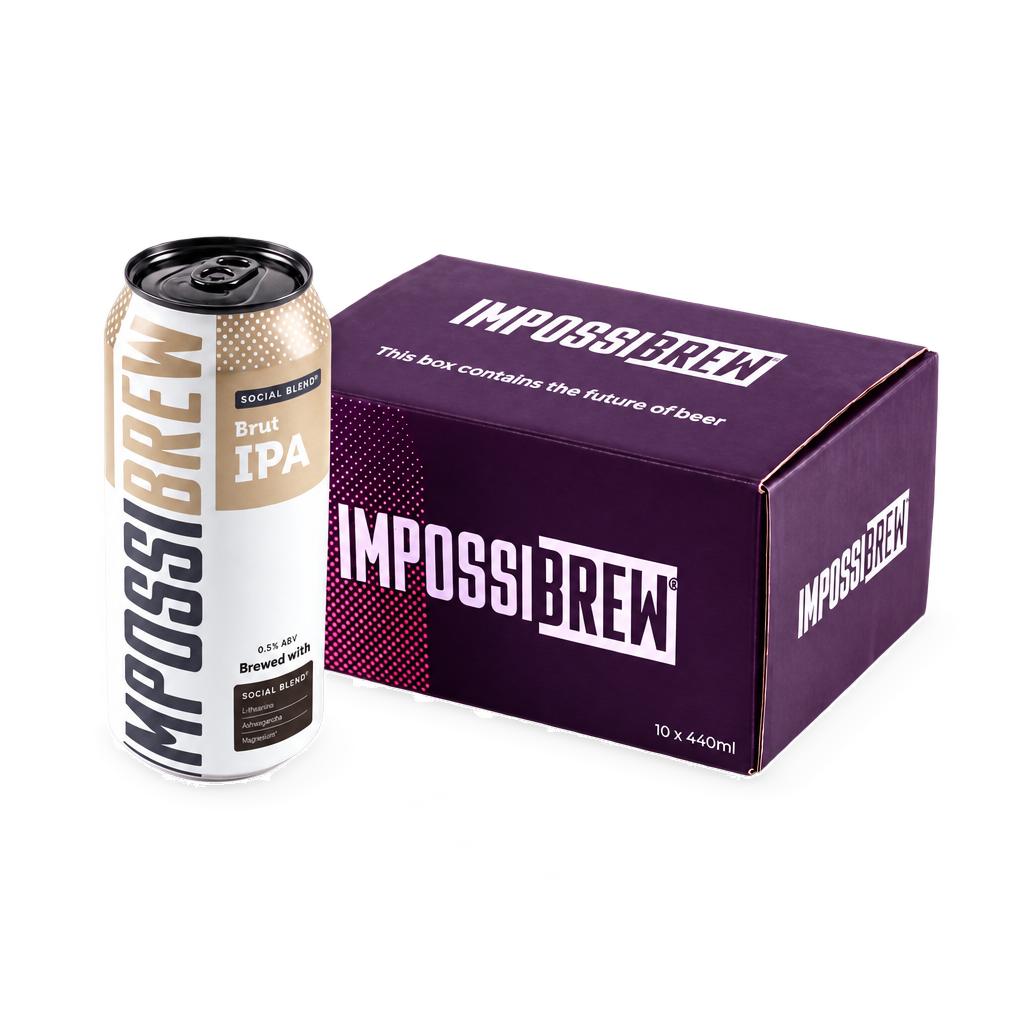
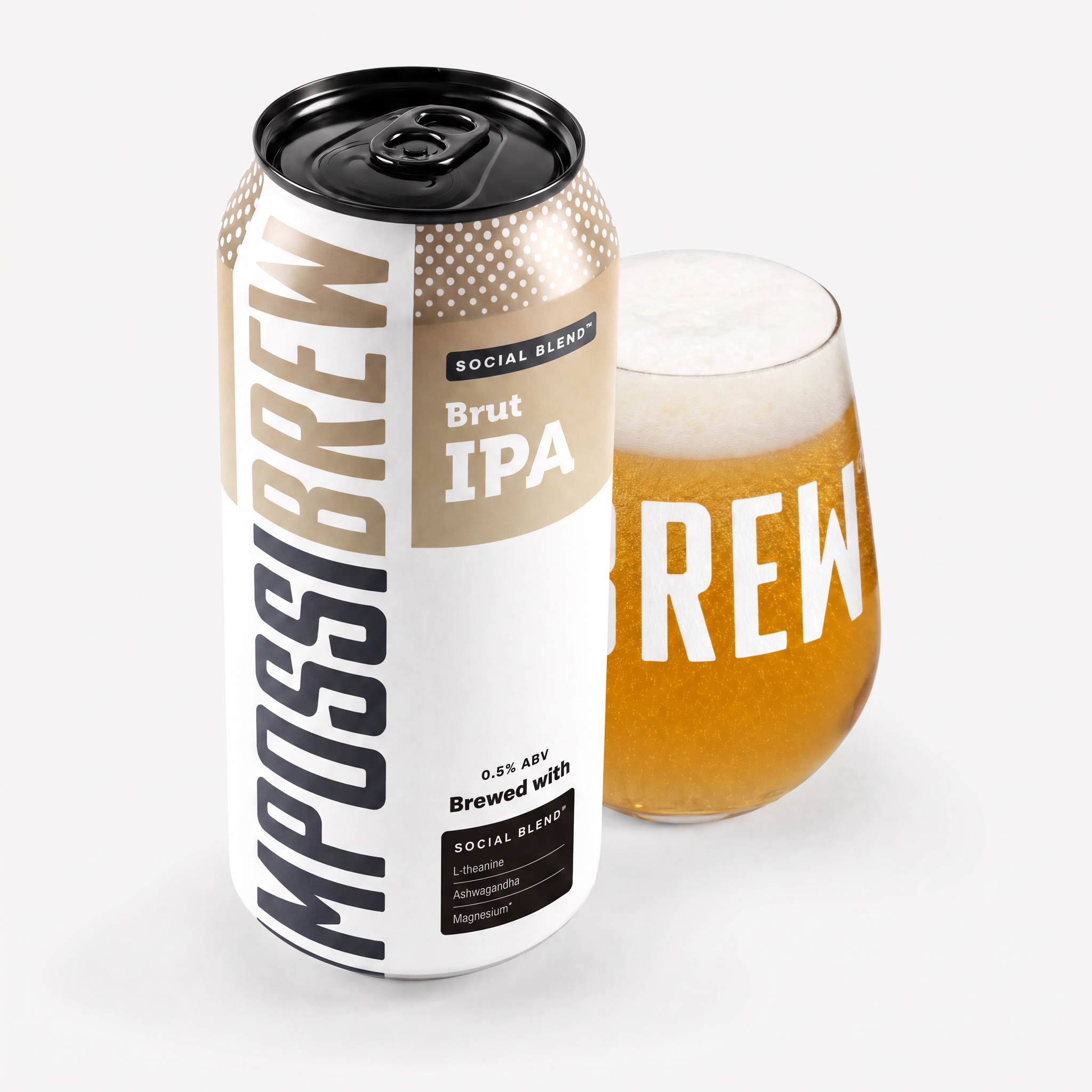
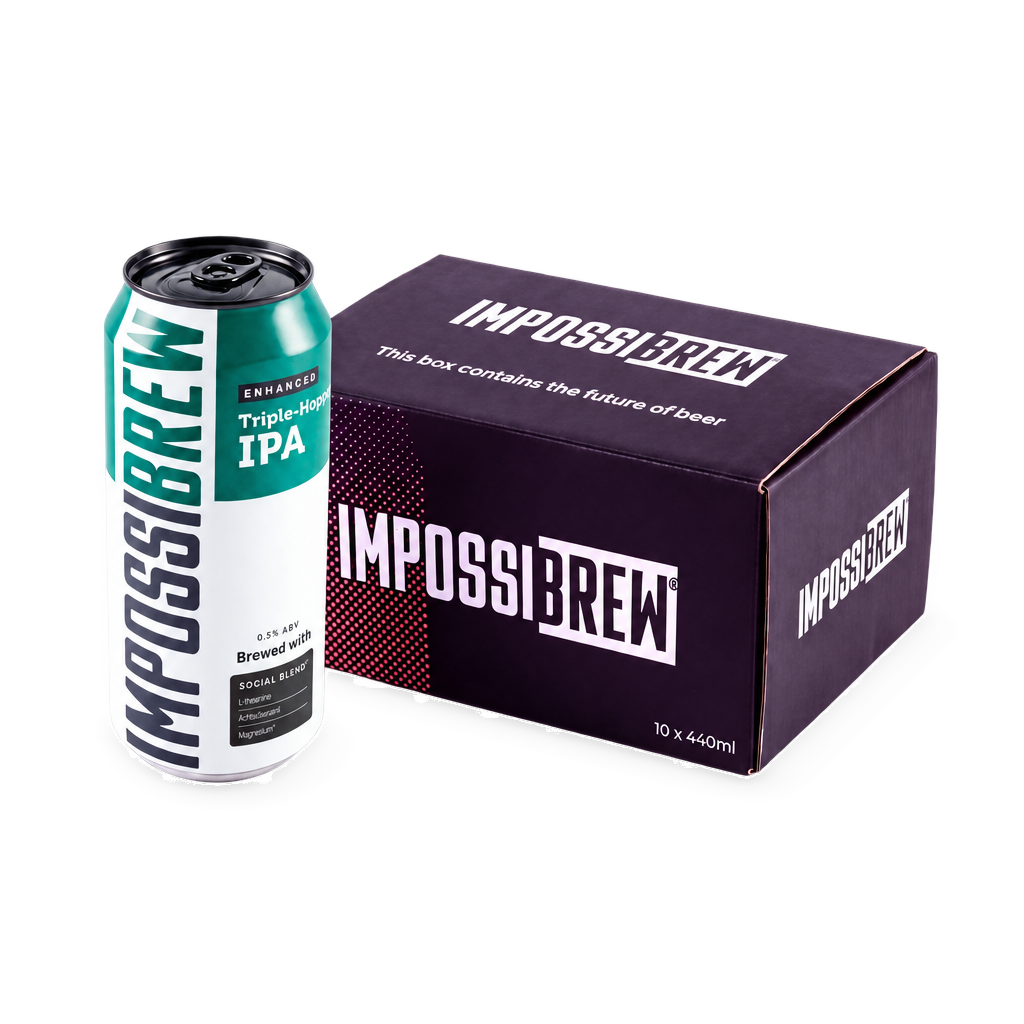
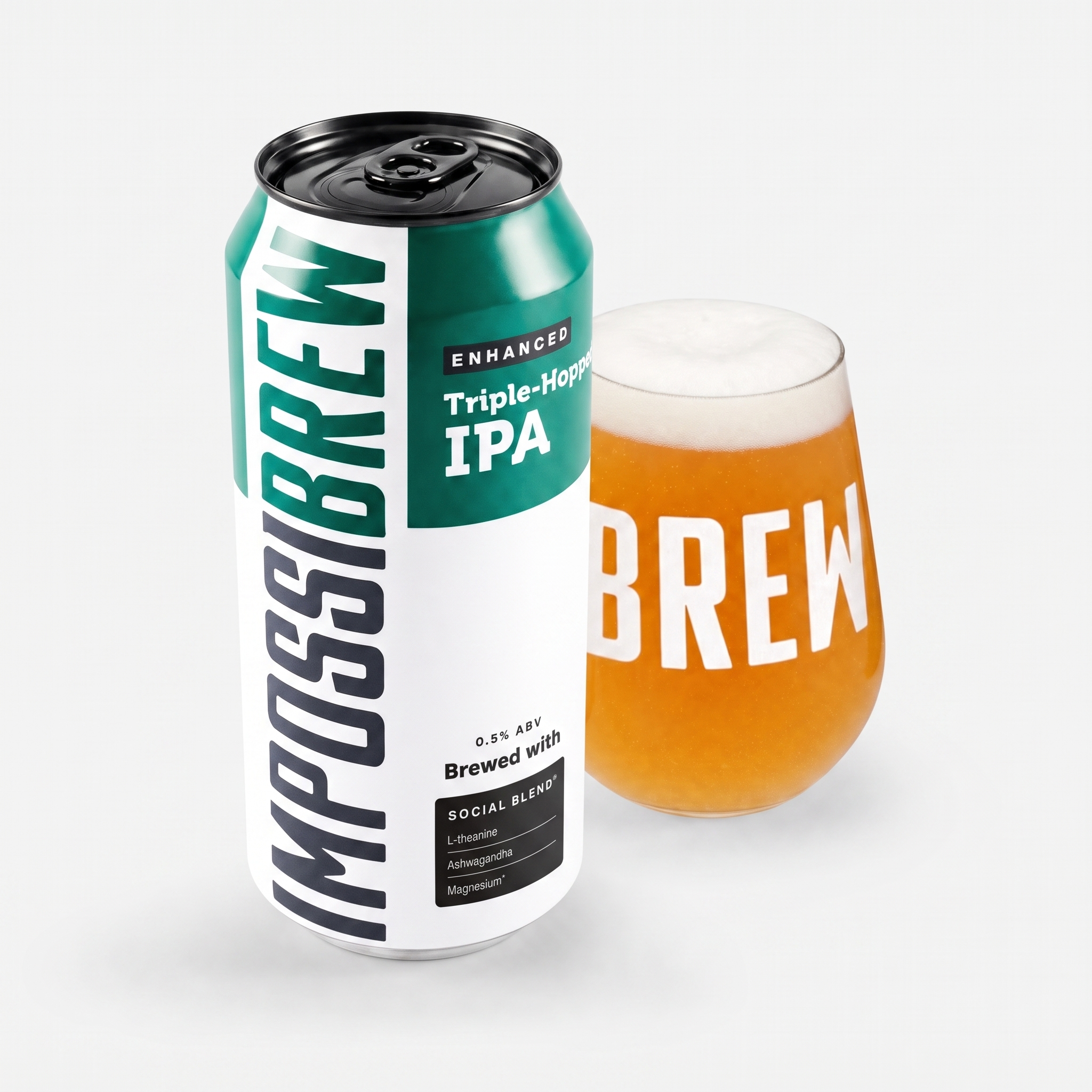
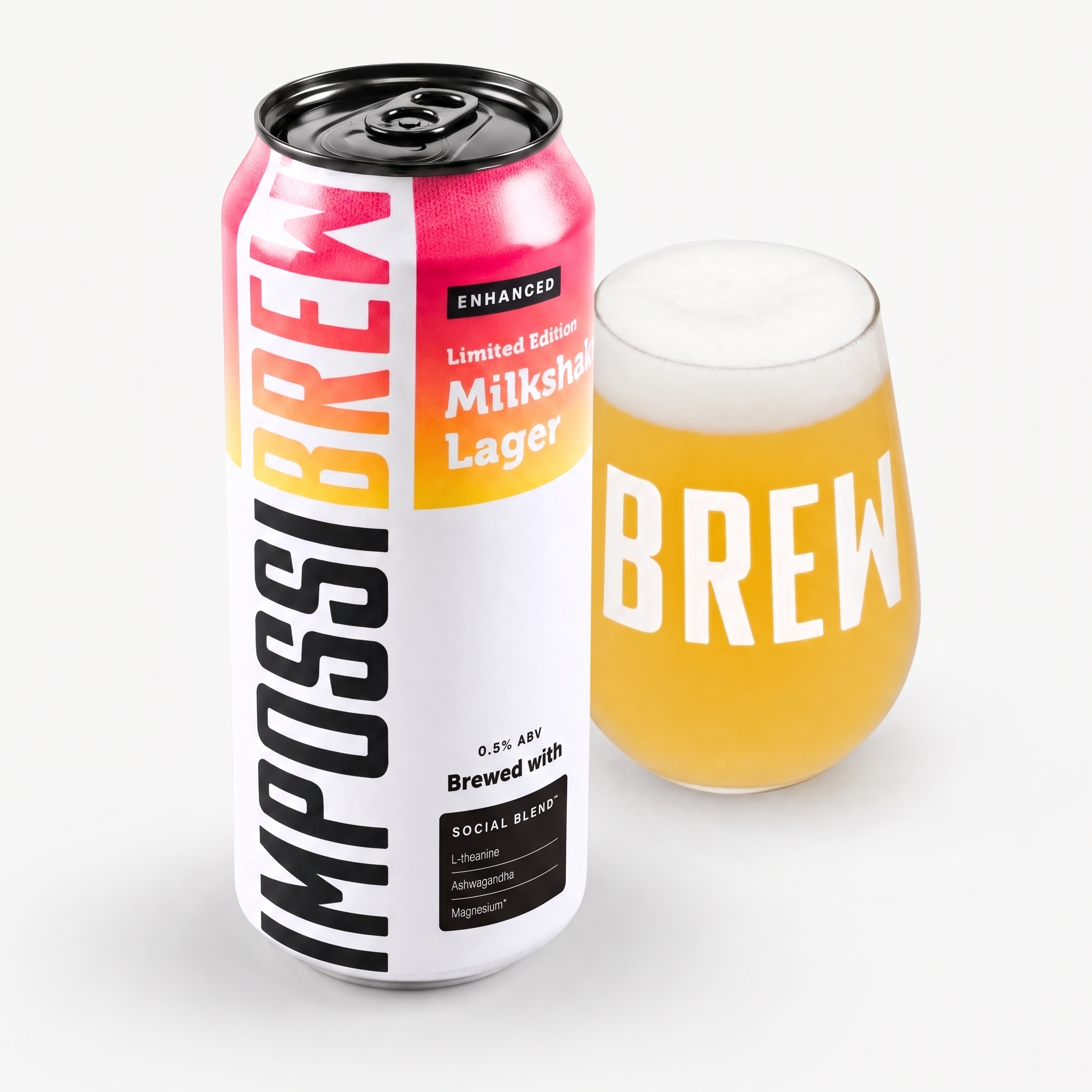
This scientific approach is the foundation of the Social Blend™ formula featured in IMPOSSIBREW® products.
How Social Blend™ Powers IMPOSSIBREW® Beers
IMPOSSIBREW®'s Social Blend™ is designed to mimic the relaxing effects of alcohol, minus the downsides. Developed with the expertise of Dr. Paul Chazot, a Bioscience Professor at Durham University, this formula is built on solid scientific research [4]. The ingredients are carefully chosen to support cognitive performance and relaxation by targeting specific neurochemical pathways.
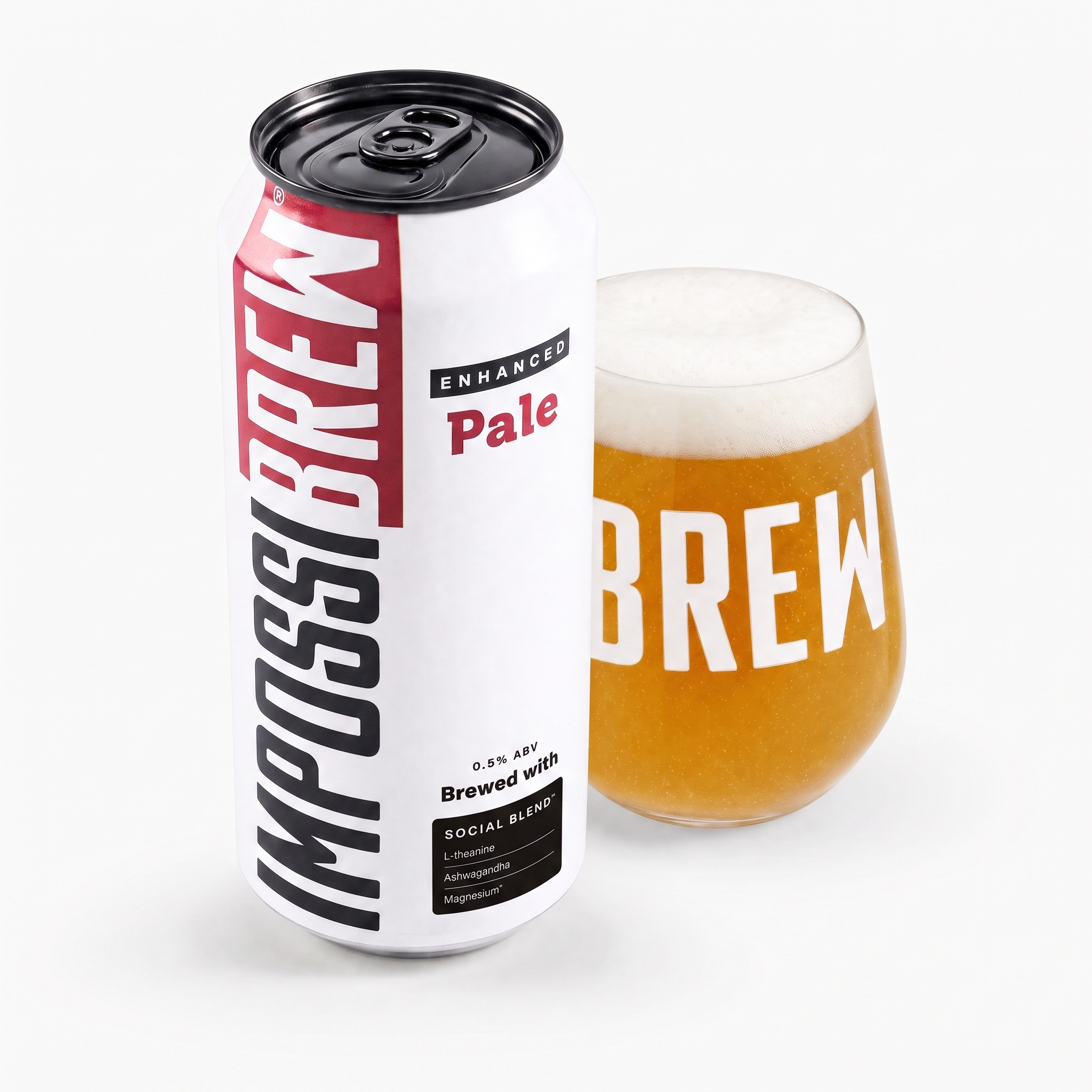
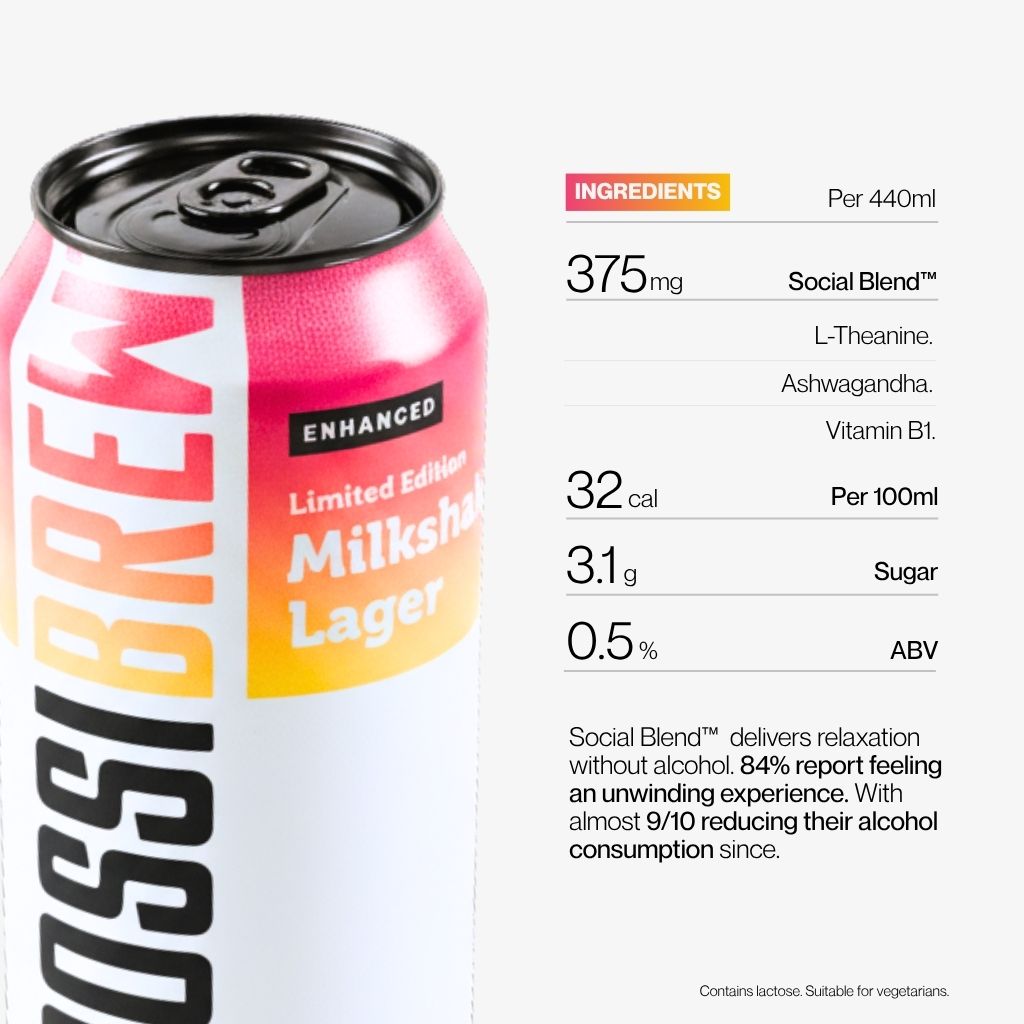
Each can of Social Blend™ contains 375mg of active ingredients [5], including L-Theanine, Ashwagandha, soluble plant fibres, Vitamin B1, and various plant extracts [4].
- L-Theanine, an amino acid found in tea leaves, enhances alpha brain waves, helping you feel calm yet alert. It achieves this by modulating GABA, serotonin, and dopamine levels.
- Ashwagandha plays a key role in managing stress.
The formula is crafted to naturally enhance alpha brain wave activity and promote a state of balanced relaxation [4]. As IMPOSSIBREW® explains:
"While alcohol works against your brain, Social Blend™ works with it." [4]
Research involving over 7,000 participants found that around 70% experienced relaxation, while 88% reduced their alcohol intake after consuming Social Blend™ [6]. By activating the brain's natural pathways, Social Blend™ offers a meaningful alternative to traditional alcoholic beverages.
Safety and UK Market Standards
While these bioactive ingredients offer clear benefits, their use is tightly regulated in the UK. The Health Claims Regulation (EC) No 1924/2006 ensures that health claims are neither misleading nor unverified, while the Advertising Standards Authority oversees promotional practices [9].
Although the UK lacks national legislation on maximum levels of vitamins and minerals in food supplements, voluntary guidelines based on the Expert Group on Vitamins and Minerals (EVM) recommendations are in place [7]. Some products available internationally may be classified as medicinal or novel in the UK [7].
Caffeine levels also require careful monitoring. Energy drinks typically contain between 80mg and 200mg of caffeine [8]. The British Soft Drinks Association advises including a "Consume Moderately" label and recommends avoiding marketing such products to individuals under 16 years old [8].
For Social Blend™, IMPOSSIBREW® advises against use by pregnant or breastfeeding women, individuals with gastrointestinal disorders or hypertension, and those taking antidepressants or blood thinners [4]. Additionally, Ashwagandha may interact with thyroid medication, potentially causing overstimulation [4]. To address these concerns, IMPOSSIBREW® includes clear labelling and encourages anyone with pre-existing health conditions or on medication to consult a healthcare provider before use [6].
Brain Pathways Activated by Functional Beverages
To understand how functional beverages influence the brain, it's essential to look at the specific neural pathways they interact with. These drinks don’t just give you a quick energy boost - they actively engage neurochemical systems to enhance alertness, mood, and cognitive performance.
Adenosine Receptors and Mental Alertness
Adenosine is a natural compound in the brain that promotes drowsiness by binding to specific receptors in the central nervous system. This process signals the brain to slow down and prepare for rest [10]. Caffeine, with its structure resembling adenosine, competes for these receptor sites. By blocking adenosine, caffeine reduces its sleep-inducing effects and keeps you alert.
Caffeine, along with its metabolite paraxanthine, blocks A1 and A2 receptors, indirectly increasing the activity of neurotransmitters like norepinephrine, dopamine, acetylcholine, serotonin, glutamate, and GABA [11]. Its rapid absorption and relatively long half-life make it a reliable tool for maintaining focus and energy [10][11].
Now, let’s dive into how these beverages influence mood-regulating neurotransmitters.
Serotonin, GABA, and Glutamate System Effects
Functional beverages also play a role in balancing neurotransmitters that regulate mood. Serotonin, for instance, is vital for mood stability, appetite, social interactions, sleep, memory, and even gut health - about 95% of it is produced in the gut [12].
GABA, the brain’s primary inhibitory neurotransmitter, helps reduce stress and promote relaxation by slowing down neural activity [12][13]. On the other hand, glutamate, the main excitatory neurotransmitter, is essential for learning, memory, and overall brain function [12][14]. A balanced interaction between glutamate and GABA is crucial for preventing anxiety and overstimulation.
Interestingly, GABA is synthesised from glutamate with the help of the enzyme glutamic acid decarboxylase and vitamin B6 [12]. Ingredients like L-Theanine, found in products such as Social Blend™, can help regulate these neurotransmitter levels, creating a state of calm focus [12][15].
Cholinergic and Dopaminergic Pathways for Focus
Beyond the effects on adenosine, serotonin, GABA, and glutamate, functional beverages also tap into the cholinergic and dopaminergic systems to sharpen focus and enhance executive functions. The cholinergic system, originating in the basal forebrain, is crucial for cognitive processing and memory [17]. Activation of M1 receptors in the hippocampus, combined with increased T-type calcium channel activity, further supports these cognitive processes [17].
Caffeine also influences the dopaminergic system, particularly in the frontal and prefrontal brain regions responsible for decision-making, attention, and executive functions [16]. By targeting A1 receptors in the basal forebrain and A2A receptors in the hypothalamus, caffeine helps activate cholinergic pathways without causing overstimulation [16].
Together, these pathways explain why functional beverages do more than just keep you awake. By interacting with multiple neurochemical systems, they enhance alertness, improve mood, reduce stress, and support overall cognitive performance.
sbb-itb-a752bf8
Combined Ingredient Effects
The true strength of functional beverages lies in how their ingredients interact. When combined thoughtfully, these ingredients work together to amplify their cognitive and mood-boosting properties. By building on the neurochemical pathways we've already explored, these combinations take the benefits to the next level. This scientific approach to blending explains why products like IMPOSSIBREW®'s Social Blend™ are so effective at delivering well-rounded cognitive and emotional support.
How Ingredient Combinations Enhance Brain Function
Crafting effective functional beverages requires more than just throwing in multiple compounds. The secret lies in understanding how different ingredients complement each other. Strategic pairings can strengthen neurochemical pathways while minimising any unwanted side effects.
Take caffeine and L-theanine, for example. Together, they not only maintain alertness but also boost serotonin, dopamine, and GABA levels. A study published in Frontiers in Nutrition (January 2025) highlights this synergy. Researchers tested a functional energy shot containing caffeine, ginseng, vitamins, and taurine on 37 healthy adults aged 18–30. Compared to a placebo, the participants experienced significant improvements in cognitive performance, including better accuracy, faster task completion, reduced mental fatigue, and heightened energy levels [18].
Another example is the pairing of GABA with L-theanine, which has been shown to improve sleep quality and reduce anxiety more effectively than when used individually. This combination also increased GABAA receptor transcript levels by 1.53 times compared to control levels [19].
Similarly, combining tryptophan-rich ingredients with carbohydrates and vitamin B6 boosts serotonin production. Vitamin B6 is essential for converting tryptophan into serotonin, making this trio particularly effective for enhancing mood [20]. Meanwhile, GABA paired with glycine strengthens inhibitory signals in the brain, and taurine adds to GABA's calming effects [21].
The functional beverage industry has caught on to these synergies. Between 2017 and 2022, there was a 12% annual growth rate in global food and beverage launches with brain health claims, compared to just 4% for products with general health claims. Ashwagandha, often paired with other adaptogens, saw a staggering five-year annual growth rate of 115.8% [2].
This trend reflects a growing focus on multi-ingredient formulations that target multiple neurochemical pathways for enhanced cognitive and emotional benefits.
Single vs Combined Ingredients: A Comparison
Here’s a breakdown of how single ingredients compare to their combinations in terms of brain pathways, benefits, and side effects:
| Ingredient/Combination | Primary Brain Pathways | Cognitive Benefits | Potential Side Effects | Synergistic Effects |
|---|---|---|---|---|
| Caffeine (Single) | Adenosine receptor blockade | Boosts alertness, improves reaction time | Jitters, energy crashes, sleep disruption | None |
| Caffeine + L-Theanine | Adenosine + GABA/Serotonin pathways | Calm focus, steady alertness | Reduced jitters, smoother energy | Balances caffeine’s drawbacks while keeping its benefits |
| GABA (Single) | GABA receptor activation | Promotes relaxation, reduces stress | Limited bioavailability | None |
| GABA + L-Theanine | Enhanced GABA + Serotonin action | Better sleep quality, less anxiety | Minimal | 87.3% longer sleep duration compared to single use [19] |
| Taurine (Single) | Supports GABA, protects cells | Reduces oxidative stress | Minimal | None |
| Caffeine + Taurine + Ginseng | Multiple pathways | Improves working memory, lowers fatigue | Fewer side effects than caffeine alone | Enhanced cognitive performance [18] |
| Ashwagandha (Single) | Cortisol regulation | Lowers stress levels | May cause mild drowsiness | None |
| Ashwagandha + Rhodiola | Dual adaptogen pathways | Builds stress resilience, stabilises mood | Minimal | Complements stress-response mechanisms [2] |
The evidence is clear: ingredient combinations consistently outperform single compounds. Products that use multi-ingredient strategies, like those with Social Blend™ technology, harness these synergies to provide comprehensive neurochemical support.
This shift towards multi-ingredient formulations is reshaping the functional beverage market. By targeting multiple neurochemical pathways at once, these advanced blends are setting a new standard for cognitive and mood enhancement.
Daily Use Guidelines and Consumer Considerations
To get the most out of functional beverages, timing and dosage are everything. As the UK's no- and low-alcohol drinks market is set to hit £800 million by 2028, more people are turning to these scientifically designed options for improving mood and cognitive performance [22]. Below are some practical tips to help you incorporate these drinks into your routine effectively.
Best Timing and Amounts for Cognitive Benefits
When you drink these beverages can make a big difference, as they work by activating specific neurochemical pathways at optimal times of the day.
- Morning: Start your day with drinks that provide clean energy and sharpen focus [24]. Since cortisol levels naturally peak in the morning, beverages containing caffeine and L-theanine are a great choice for boosting alertness without the jitters [25].
- Mid-afternoon: Struggling with the 2-4 PM slump? Drinks with Bacopa Monnieri, Ginkgo Biloba, or Panax Ginseng can combat fatigue, enhance focus, and even spark creativity during this low-energy period [24][25].
- Post-workout: After exercise, hydration and mental clarity are key. Drinks formulated for recovery can help your body and mind bounce back [24].
- Evening: Skip the stimulants and opt for calming ingredients like magnesium or melatonin [25]. For instance, IMPOSSIBREW® uses Social Blend™ technology to promote relaxation without the downsides of alcohol.
Moderation is essential, especially when it comes to caffeine. Consuming more than 200mg a day can pose risks for sensitive individuals [26]. Functional drinks, such as those from IMPOSSIBREW®, typically contain less than 0.5% ABV, making them a good fit for a balanced lifestyle. Always check labels to ensure the drink aligns with your health goals and avoid options loaded with added sugars, artificial flavours, or preservatives [23].
Special Considerations for Different Groups
While timing is important, personal health factors also play a role in how functional beverages affect you.
- Pregnant and breastfeeding women: Limit caffeine intake to under 200mg daily, as higher amounts may lead to complications [26][27]. Herbs in some drinks may also pose risks during early pregnancy, so IMPOSSIBREW® includes warnings for these groups.
- Children and caffeine-sensitive individuals: Caffeine should be consumed sparingly [8]. Those with specific conditions, such as phenylketonuria, should avoid aspartame-based ingredients [8]. Similarly, individuals with heart issues, anxiety, or sleep disorders should consult a healthcare provider before trying stimulating drinks.
- Older adults: Age-related changes in metabolism can make functional ingredients, like caffeine, linger in the system longer. Adjusting both timing and dosage can prevent unwanted effects.
Ultimately, understanding your health profile is crucial. If you’re on medication or managing chronic conditions, it’s always wise to consult a healthcare professional before making any changes.
UK Market Preferences and Trends
In the UK, functional beverages are gaining traction as more people prioritise their health and wellbeing. Over half of global consumers have taken steps to improve their emotional health in the past year [22], and the UK is leading this wellness-focused movement.
- Stress relief: Many consumers are drawn to drinks that promote relaxation and mental balance [22]. Products like IMPOSSIBREW® are popular for their ability to provide these benefits without the drawbacks of alcohol.
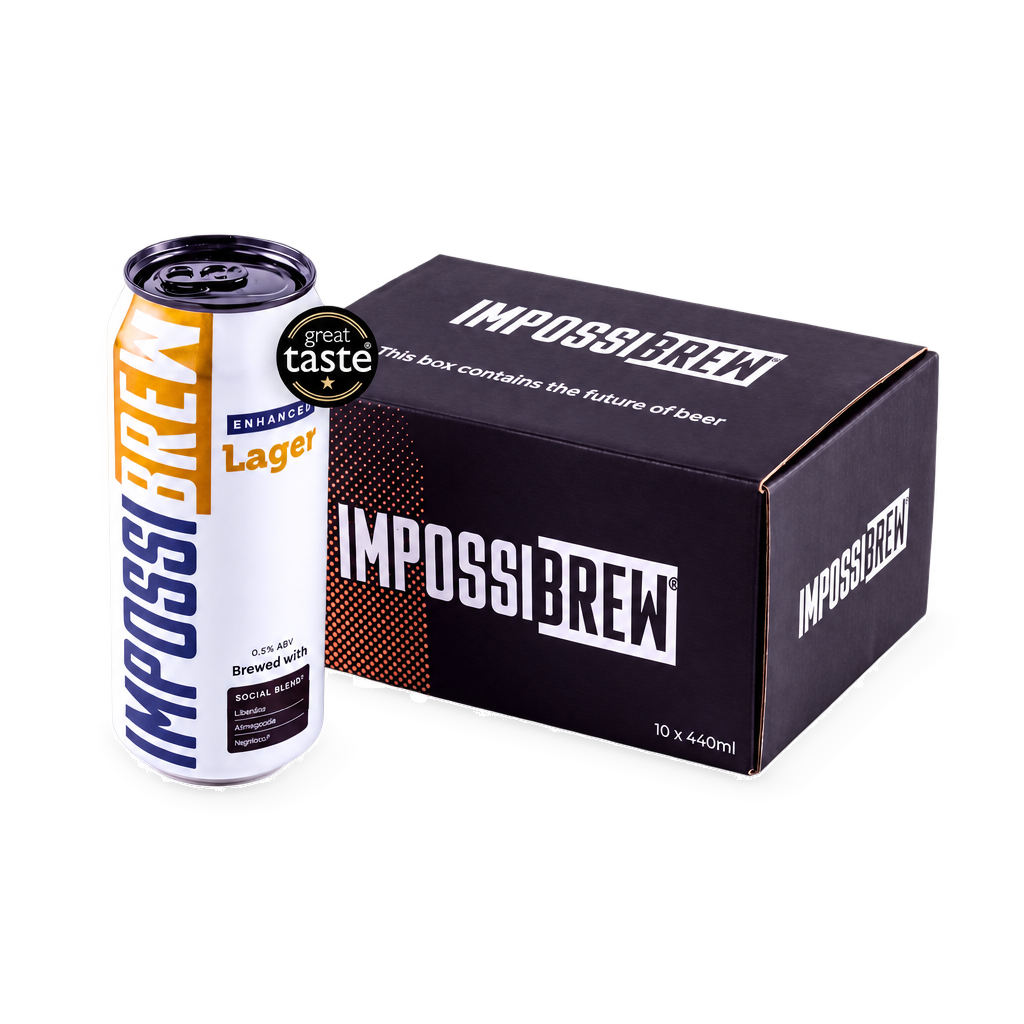
- Dietary needs: Vegan-friendly and gluten-free options are in high demand, and IMPOSSIBREW® caters to these preferences with offerings like its Enhanced Lager and Enhanced Hazy Pale Ale.
- Low-calorie options: With weight management in mind, low-calorie functional drinks that still deliver on benefits are especially appealing.
- Scientific credibility: UK consumers increasingly favour brands that back their claims with research or clinical studies [23]. This makes technologies like IMPOSSIBREW®'s Social Blend™ particularly attractive.
- Premium appeal: Priced from £2.99 per unit, drinks that combine great taste, functionality, and health benefits are outperforming those that focus on just one aspect. UK shoppers are thorough, often reading labels and researching ingredients to ensure quality and transparency.
These trends highlight the growing demand for well-researched, thoughtfully formulated products like IMPOSSIBREW®, which pair ingredients strategically to meet consumer needs.
Conclusion: The Science and Future of Functional Beverages
Functional beverages sit at the fascinating crossroads of neuroscience and nutrition, where carefully chosen ingredients can positively influence both mental performance and mood. For instance, research highlights caffeine's ability to sharpen executive control, boost working memory, and reduce reaction times [16]. Meanwhile, cocoa flavanols have been linked to improvements in cognitive and visual tasks [1]. These findings underline the tangible effects these drinks can have on the brain.
The market reflects this growing interest. Globally, the functional beverages sector is valued at an impressive US$131 billion, with projections placing it at US$174 billion by 2030 [29]. In the UK alone, the market is expected to reach £8.1 billion by 2030, growing at an annual rate of 8.3% [30]. Health-focused drinks have seen a 54% year-on-year sales increase, driven largely by Gen Z consumers [31]. Clearly, there's a strong appetite for scientifically crafted drinks that enhance wellbeing.
"Functional beverages are a great way to supplement your diet with nutrients or compounds you might not get enough of otherwise", says Dr Niby Mathew, Primary Care Provider at the Riverside Frankfort Campus [28].
This consumer demand aligns perfectly with broader wellness trends, particularly the growing no-alcohol movement. For example, the no-alcohol beer market saw a 20% increase in 2024 compared to 2023 [32], and 60% of Gen Z consumers are actively reducing their alcohol intake [31]. This creates a unique opportunity for science-backed brands like IMPOSSIBREW® and its Social Blend™ to cater to this shift.
Modern functional beverages are more sophisticated than ever, targeting various neurochemical systems. From adenosine receptors that boost alertness to GABA pathways that encourage relaxation, these drinks are designed with precision. IMPOSSIBREW® is a prime example of how the industry is evolving, combining established scientific principles with innovative formulations.
As consumers increasingly prioritise transparency, clean labels, and evidence-based ingredients, functional beverages are proving to be more than a fleeting trend. With 22% of UK adults swapping their morning tea or coffee for functional drinks [31] and nearly two-thirds of Gen Z purchasing these beverages multiple times a month [31], this category is reshaping the way we think about what we consume. It’s no longer just about taste - it’s about intentional choices that balance flavour and function.
In this rapidly expanding market, brands like IMPOSSIBREW® are well placed to lead the charge, offering products that deliver on both sensory appeal and wellness benefits. The future of functional beverages is here, and it’s redefining what we expect from what we drink.
FAQs
What makes functional beverages different from traditional energy drinks in how they affect the brain?
Functional beverages take a different approach compared to traditional energy drinks, prioritising long-term health over a quick jolt of energy. While energy drinks often depend on caffeine and sugar to deliver a short-lived burst of alertness, functional beverages are formulated with ingredients like adaptogens, vitamins, and natural herbs. These components are designed to support cognitive performance, mood stability, and stress management.
Instead of providing a temporary energy spike, these drinks offer benefits that build over time, promoting mental clarity and brain health in a more sustainable way. For those looking for steady mental and emotional support, functional beverages provide a more balanced alternative to the caffeine-heavy options on the market.
Are there any potential side effects or health risks associated with the active ingredients in functional beverages?
The ingredients in functional beverages can sometimes lead to side effects or interact with certain health conditions. Take probiotics, for example - they might not be the best choice for people with weakened immune systems, as they could potentially increase the risk of infections. Similarly, caffeine, a common ingredient in energy drinks, can elevate heart rate and blood pressure, which might be risky for individuals with cardiovascular problems. And let's not overlook drinks with high sugar levels, which can contribute to weight gain and worsen conditions like diabetes or heart disease.
If you’re dealing with specific health concerns, it’s always wise to check with a healthcare professional before adding functional beverages to your routine. This ensures they’re a safe option for you.
What is the best time of day to enjoy functional beverages for optimal cognitive and mood benefits?
The right time to enjoy functional beverages largely depends on your goals and daily habits. If you're looking to boost focus and energy, drinks with caffeine or other energising ingredients work best in the morning. They can give you that much-needed push to start your day. Meanwhile, beverages infused with adaptogens or calming botanicals are better suited for the afternoon or evening, as they may help promote relaxation and ease stress.
Your sleep schedule and caffeine sensitivity also play a big role. For instance, having stimulating drinks late in the day might disrupt your sleep, while sipping on mood-enhancing blends earlier can help you stay balanced and productive. By aligning your beverage choices with your daily rhythm, you can make the most of their benefits.