Introduction
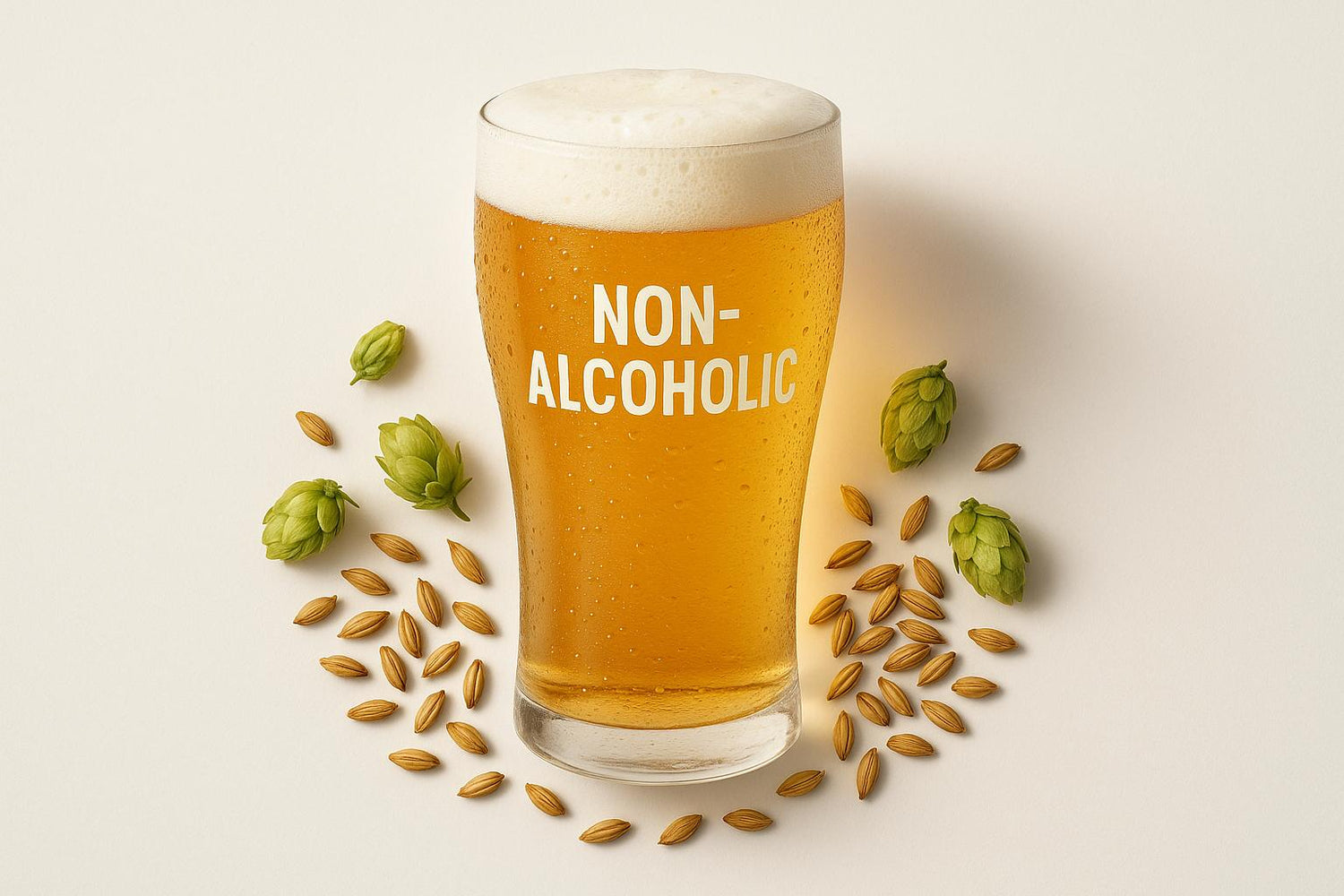
The growing popularity of non-alcoholic beer is more than just a trend - it’s an evolution in both lifestyle and brewing science. For health-conscious adults in the UK who enjoy social drinking but wish to minimise alcohol consumption, non-alcoholic beer offers a compelling alternative. But how do you create a beverage so synonymous with fermentation and alcohol, without the alcohol? This article delves into the intricate science behind non-alcoholic beer production, the challenges faced by brewers, and why this industry is thriving. By the end, you’ll gain an appreciation for the innovation and expertise redefining the craft of brewing.
The Rise of Non-Alcoholic Beer: A Cultural Shift
In recent years, the demand for non-alcoholic beer has skyrocketed, reflecting a broader societal shift towards healthier choices. The World Health Organization’s 2023 statement that no level of alcohol consumption is safe highlighted the long-term risks of even moderate drinking, including links to seven types of cancer. Younger generations seem particularly attuned to these concerns, with studies showing a notable decline in alcohol consumption among teenagers.
These trends are not confined to younger demographics. Many older adults are also re-evaluating their drinking habits, driven by health optimisation, lifestyle balance, and the desire for high-quality alternatives. This aligns perfectly with the rise of functional beverages, including non-alcoholic beers, as brewers innovate to meet the needs of a changing market. The Brewers Guild of New Zealand, for instance, reported a 750% increase in the production of low and no-alcohol beer since 2019. The UK market mirrors this surge, with pubs, supermarkets, and craft brewers increasingly offering sophisticated alcohol-free options that go far beyond the bland offerings of the past.
The Science of Brewing Non-Alcoholic Beer
The Basics of Beer Brewing
To understand non-alcoholic beer, it’s essential to start with traditional beer brewing. Beer requires just four core ingredients: malted grains (such as barley, wheat, or rye), hops, yeast, and water. Brewing involves several key steps:
- Malting and Mashing: Grains are soaked to encourage germination (malting), then heated to break down starches into fermentable sugars during the mashing process.
- Boiling and Hopping: The liquid extract, known as wort, is boiled. Hops are added to provide bitterness, aroma, and flavour.
- Fermentation: Yeast converts sugars in the wort into ethanol (alcohol) and carbon dioxide, producing the distinct flavours of beer.
- Finishing: After fermentation, the beer is filtered, carbonated, and packaged for consumption.
The trick for non-alcoholic beer lies in altering this process to minimise or eliminate the alcohol while preserving the familiar taste and mouthfeel.
Brewing Without Alcohol: Two Methods
1. Removing Alcohol Post-Brewing
One method involves brewing beer as usual and then removing the alcohol using specialised equipment like vacuum distillation or reverse osmosis. However, this approach typically requires expensive machinery and often results in a less flavourful product, making it less viable for craft breweries.
2. Low-Alcohol Fermentation with Specialised Yeast
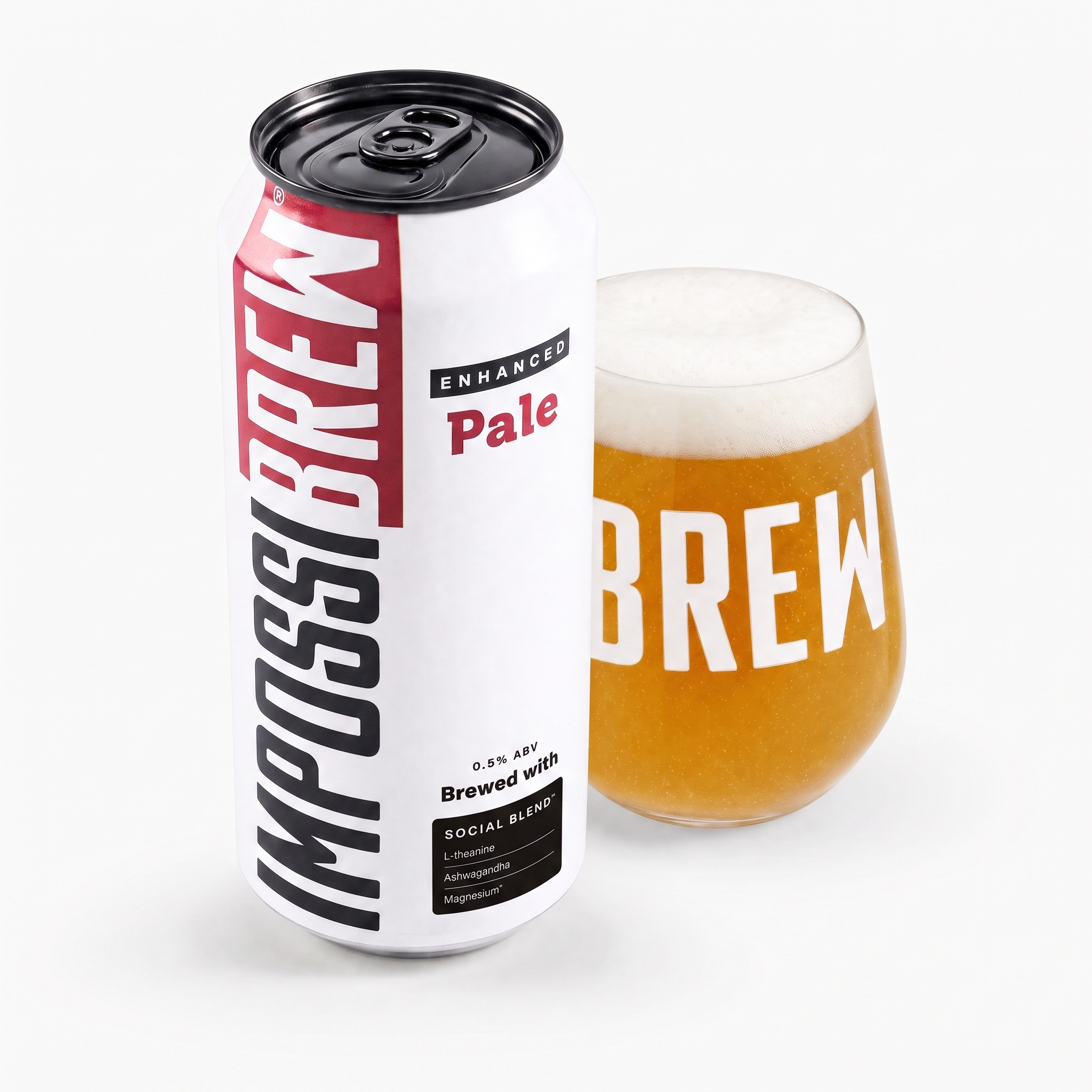
The more innovative method is to use yeast strains that naturally produce minimal alcohol. These yeast varieties ferment only simple sugars, leaving the more complex carbohydrates untouched. This approach not only reduces alcohol content to below 0.5% ABV (alcohol by volume) but also preserves the complexity of flavours that beer lovers expect.
The Role of Yeast: A Microbial Powerhouse
Yeast is the unsung hero of beer brewing, responsible not only for fermentation but also for shaping flavour profiles. Over centuries, brewers domesticated yeast strains to optimise alcohol production and flavour balance. However, creating non-alcoholic beer demands a different set of characteristics. Dr. Peter Burcham, a molecular biologist and head of research at Garage Project Brewery, explains how researchers are reimagining yeast strains for this new frontier.
Garage Project’s non-alcoholic beers rely on a specialised yeast strain developed by Dr. Burcham during his postdoctoral research in Belgium. This yeast ferments only the simplest sugars while leaving the majority of carbohydrates intact, resulting in a beer with full-bodied flavour but negligible alcohol. However, this process is not without challenges. Non-alcoholic yeast is delicate, expensive, and must be replaced with every brew to avoid contamination - a significant departure from traditional brewing practices.
Innovation Through Science: The Next Frontier
Garage Project and their academic collaborators, including researchers at Victoria University of Wellington, are working to develop entirely new yeast strains tailored to non-alcoholic brewing. There are two promising approaches:
- Reverse Domestication: By applying selective pressure to existing beer yeast, researchers aim to ‘undo’ centuries of domestication, forcing the yeast to evolve traits suited to non-alcoholic brewing.
- Wild Yeast Exploration: New Zealand’s unique biodiversity offers untapped potential. By isolating wild yeast from the environment, researchers hope to discover strains that naturally produce complex flavours without fermenting maltose (a key sugar in beer).
These efforts exemplify the intersection of tradition and innovation, as brewers leverage cutting-edge molecular biology to pioneer a new era of brewing.
Overcoming Challenges in Non-Alcoholic Brewing
Sweetness and Caloric Concerns
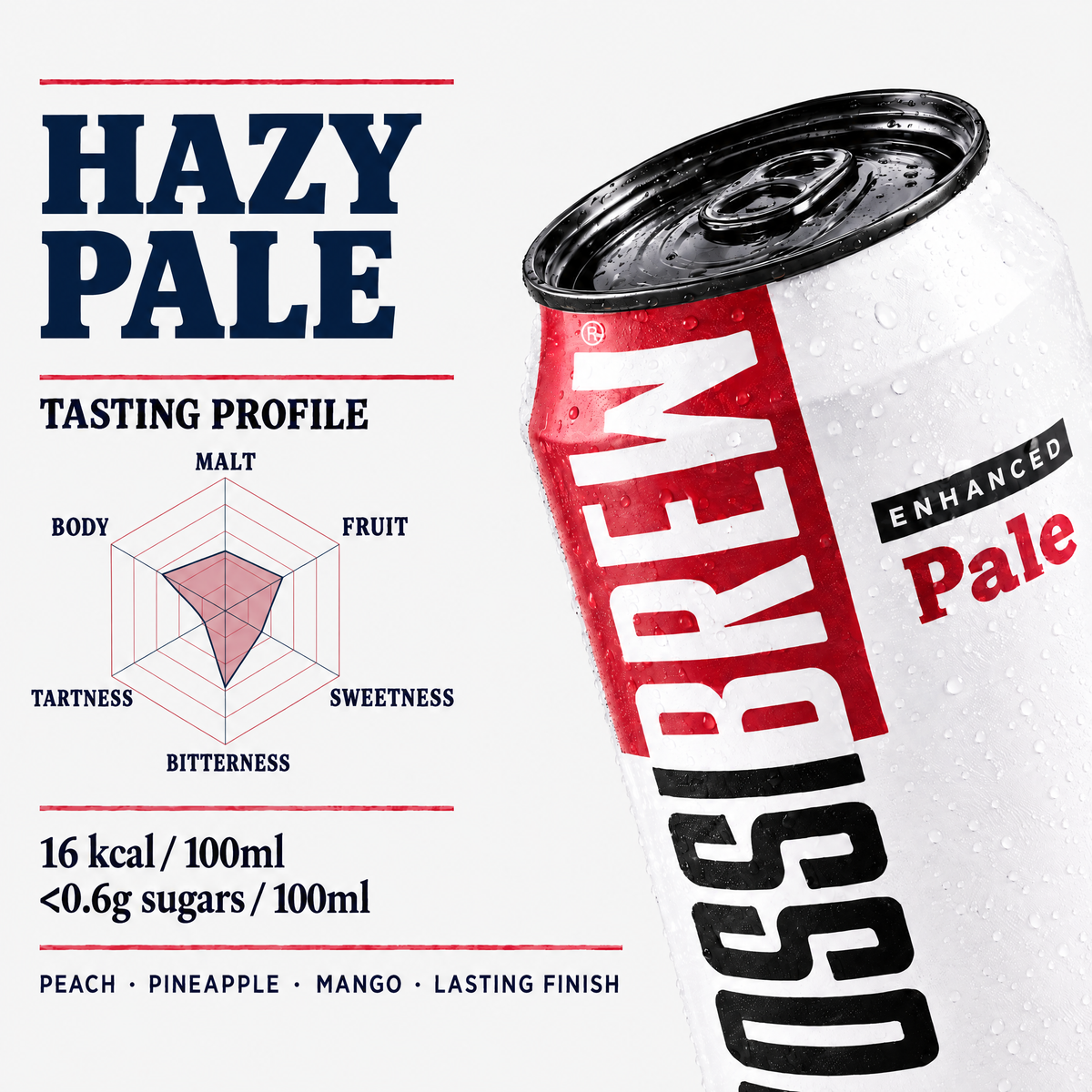
Non-alcoholic beers often contain higher levels of residual sugars, leading to a slightly sweeter taste and higher carbohydrate content. However, they remain lower in calories than alcoholic beers due to the absence of calorie-dense ethanol. Brewers continually experiment with mashing temperatures and malt composition to balance sweetness and mouthfeel.
Safety and Shelf Stability
Without alcohol’s natural preservative properties, non-alcoholic beers are more susceptible to bacterial contamination. This has prompted breweries to adopt rigorous pasteurisation and pH control protocols. Dr. Burcham advises consumers to inquire about their favourite brewery’s safety measures to ensure quality and health compliance.
Why Non-Alcoholic Beer Is Here to Stay
Non-alcoholic beer is not a fleeting trend but a reflection of deeper societal changes. Today’s consumers demand products that align with their health goals, sustainability values, and social habits. For many, non-alcoholic beer offers a way to enjoy the sensory experience of drinking without the health trade-offs of alcohol.
Moreover, the craft beer industry has embraced this challenge with enthusiasm. Breweries like Garage Project are proving that non-alcoholic options can be just as complex and enjoyable as their alcoholic counterparts, attracting a diverse range of drinkers from young professionals to health-conscious parents.
Key Takeaways
- Health Trends Drive Demand: Increasing awareness of alcohol’s health risks has led to a surge in non-alcoholic beer consumption, especially among younger generations and moderate drinkers.
- Innovative Brewing Techniques: Brewers are using specialised yeast strains and advanced fermentation techniques to produce flavourful non-alcoholic beers without compromising quality.
- Yeast as a Key Player: Research into yeast genetics and wild strains is opening exciting possibilities for new non-alcoholic beer varieties.
- Challenges Exist: Brewers face obstacles such as higher production costs, safety concerns, and sweetness management, but advancements in brewing science are addressing these issues.
- Cultural Shift Towards Moderation: Non-alcoholic beer reflects a broader move towards mindful drinking, appealing to those who value health optimisation and social connection.
Conclusion
Non-alcoholic beer is not merely a substitute for traditional beer - it’s a bold reimagining of what beer can be. Through innovation, collaboration, and a commitment to quality, brewers are creating products that resonate with today’s health-conscious consumers. Whether you’re a seasoned craft beer enthusiast or new to the world of brewing, there’s never been a better time to explore the exciting flavours and possibilities of non-alcoholic beer. Cheers to the future of brewing!
Source: "The science of non-alcoholic beer | Our Changing World | RNZ" - RNZ Podcasts, YouTube, Aug 11, 2025 - https://www.youtube.com/watch?v=w4kOoUNZVA4
Use: Embedded for reference. Brief quotes used for commentary/review.