Alcohol in beer can interfere with nutrient absorption and gut health, while non-alcoholic functional beers are designed to avoid these issues and support digestion.
Here's what you need to know:
- Alcohol's Impact: Regular beer (3–12% ABV) contains alcohol, which can hinder the absorption of B vitamins, minerals, and disrupt gut bacteria. It may also weaken the gut lining, leading to digestive problems.
- Non-Alcoholic Functional Beers: These beers (<0.5% ABV) focus on health. They retain nutrients like B vitamins and minerals, include prebiotic fibres for gut health, and avoid alcohol's negative effects.
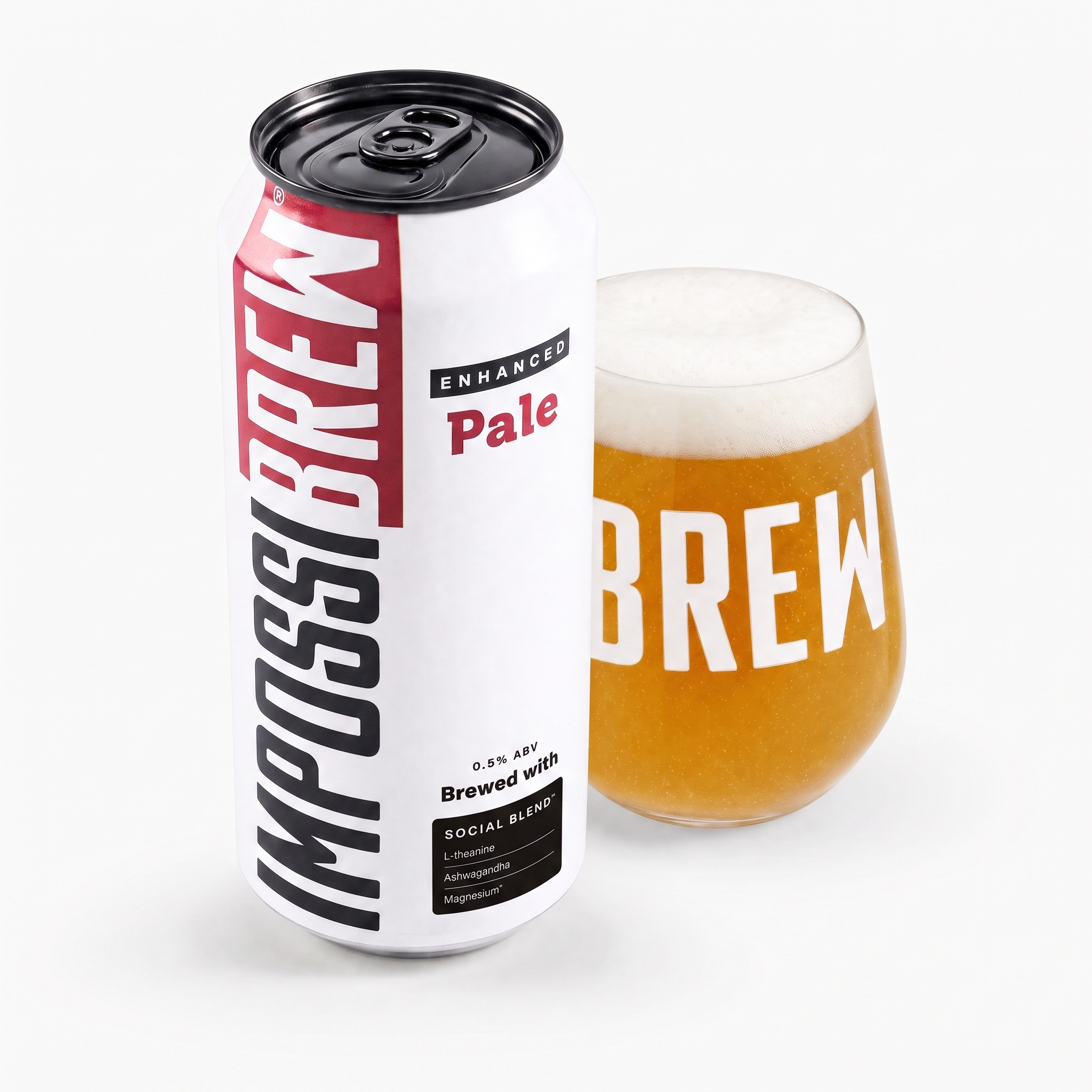
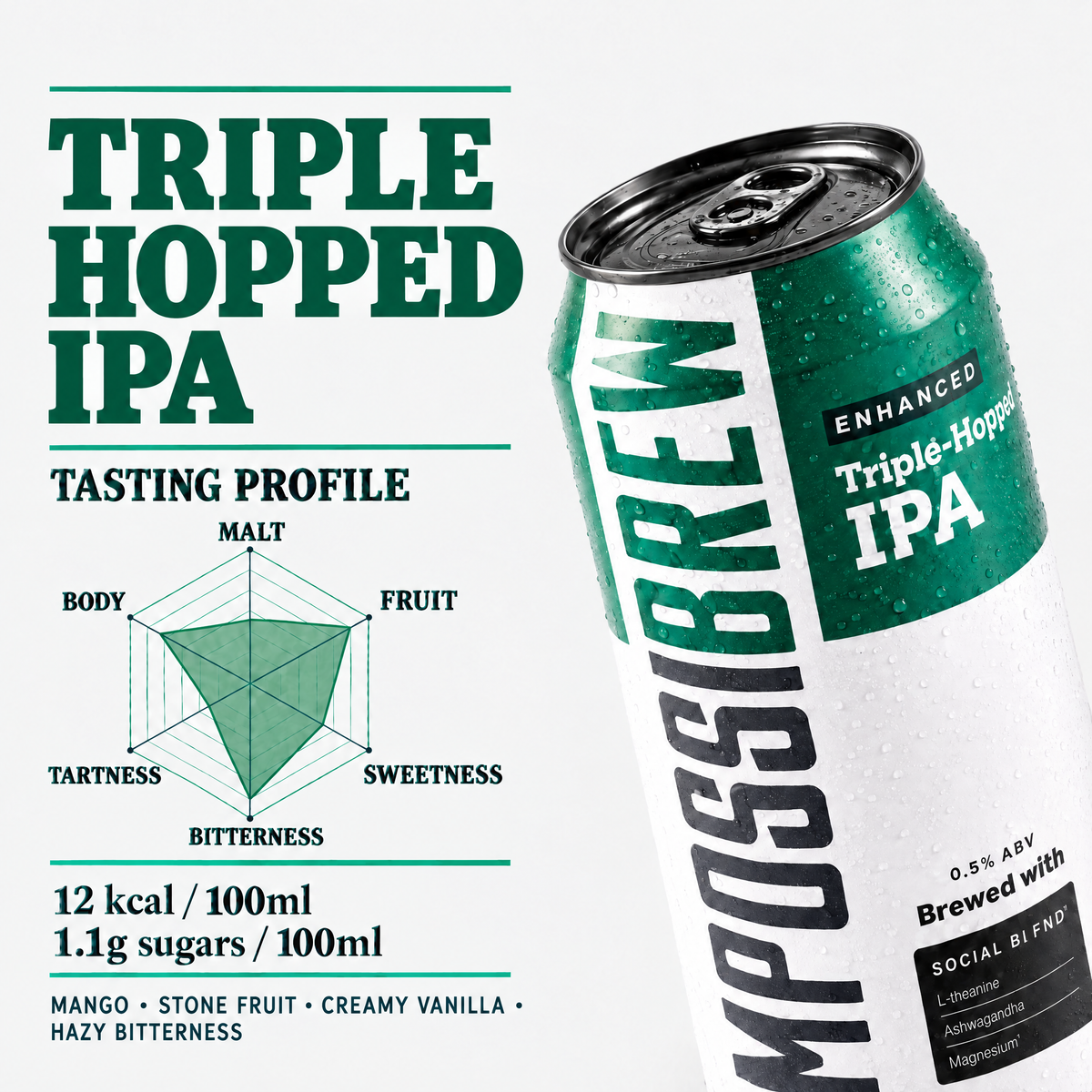
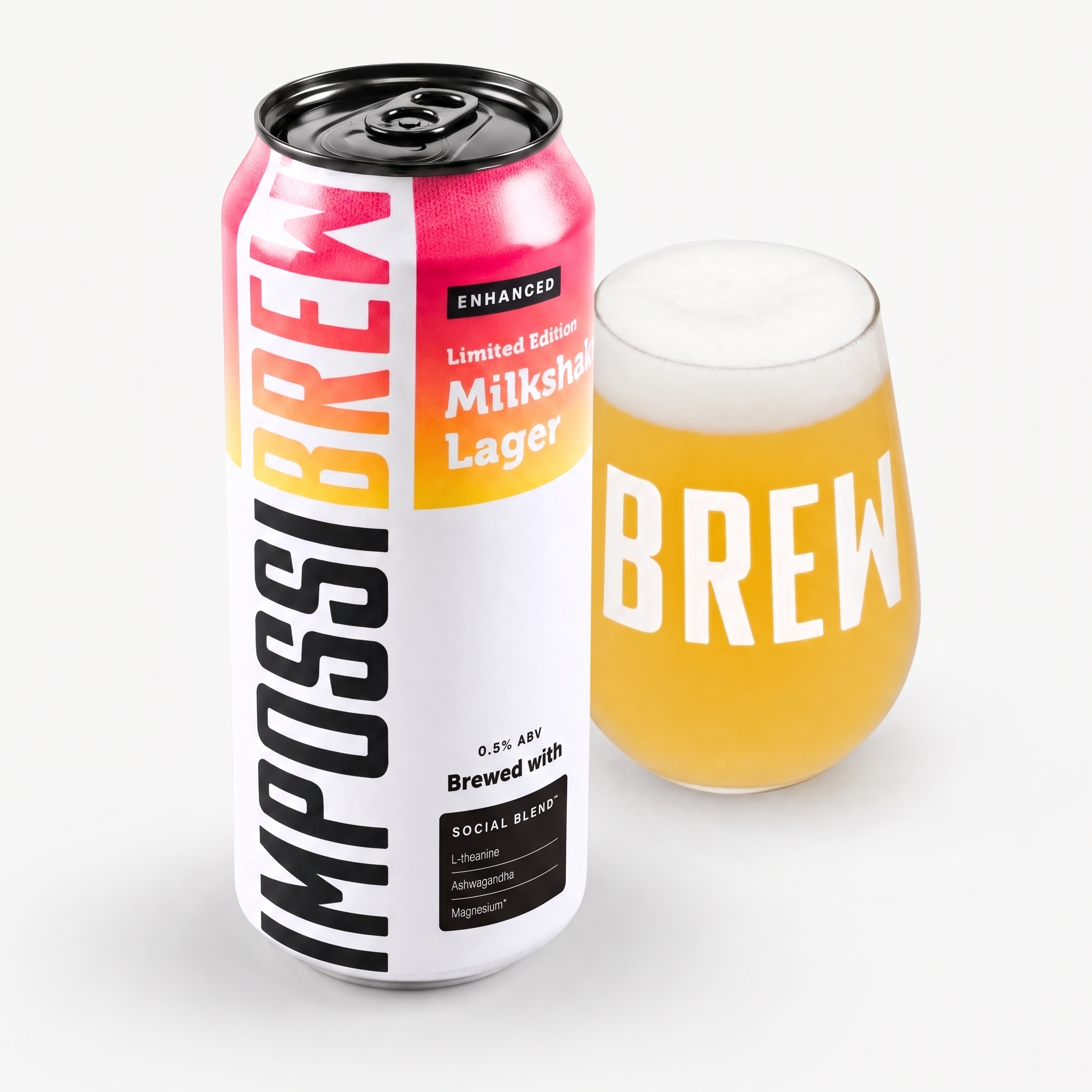
- Key Features: Non-alcoholic options are often lower in calories, vegan, and gluten-free. For example, brands like IMPOSSIBREW® enhance their beers with ingredients like L-Theanine and ashwagandha to promote relaxation and digestion.
- Gut Microbiota: Non-alcoholic beers support gut bacteria diversity, unlike alcoholic beer, which can disrupt it.
Quick Comparison
| Factor | Regular Beer | Non-Alcoholic Functional Beer |
|---|---|---|
| Alcohol Content | 3–12% ABV | <0.5% ABV |
| Calories (330ml) | 150–250 | 25–50 |
| Gut Health | Can disrupt bacteria | Supports gut bacteria |
| Nutrient Absorption | Alcohol hinders absorption | Prebiotics improve absorption |
| Dietary Options | Often contains gluten | Vegan, gluten-free options |
Non-alcoholic functional beers are a better choice for those prioritising health while enjoying the beer experience. They offer fewer calories, no hangovers, and ingredients that support digestion and gut health.
The Truth About Alcohol: Risks, Benefits, and Everything In-Between
Nutritional Content of Traditional Beer
Traditional beer isn't just a refreshing beverage - it also contains a range of nutrients thanks to its core ingredients: malted grains, hops, yeast, and water. While it's not a nutritional powerhouse, traditional beer does offer certain benefits for digestion and nutrient absorption.
Main Nutrients in Traditional Beer
Traditional beer is a source of various B vitamins, including thiamine (B1), riboflavin (B2), niacin (B3), pantothenic acid (B5), pyridoxine (B6), biotin (B7), and folate (B9). These vitamins are essential for energy production and maintaining a healthy nervous system.
It also contains minerals like calcium, magnesium, phosphorus, potassium, and zinc. The levels of these minerals can vary based on the water quality and brewing process, but they play vital roles in supporting bone health, muscle function, and enzyme activity throughout the body.
Additionally, amino acids from malted grains contribute a small amount of protein. While beer isn’t a significant protein source, these amino acids can complement daily nutritional needs.
Polyphenols, including flavonoids and phenolic acids, are another component of beer. Extracted from hops and malted grains, these compounds act as antioxidants, with their levels depending on the brewing process and the varieties of hops used.
Lastly, small amounts of dietary fibre - mainly from grain husks - may remain in the beer after brewing. This fibre can provide minor digestive benefits.
Next, let’s look at how alcohol itself influences the nutritional value of traditional beer.
How Alcohol Affects Nutritional Value
Alcohol, or ethanol, contributes 7 calories per gram, which is more calorie-dense than carbohydrates or proteins (4 calories/g) but less than fats (9 calories/g). However, these alcohol-derived calories are often called "empty calories" because they lack essential nutrients.
The body’s metabolism of alcohol can interfere with nutrient absorption. For example, processing alcohol depletes B vitamins like thiamine and folate, increasing the body’s demand for these nutrients while providing no additional benefit. Alcohol also acts as a diuretic, which can lead to the loss of water-soluble vitamins and minerals through increased urination.
These effects highlight how alcohol can diminish the overall nutritional profile of traditional beer, setting the stage for its broader impact on digestion.
Effects on Digestive Health
The relationship between traditional beer and digestive health is complex. On one hand, the carbonation in beer can stimulate gastric acid production, aiding digestion. However, too much carbonation may lead to bloating and discomfort.
Moderate alcohol consumption has been associated with increased gastric acid production, which can support the early stages of digestion. On the other hand, higher alcohol levels may irritate the stomach lining, potentially causing discomfort or even contributing to conditions like gastritis.
Hops, one of beer’s key ingredients, contain antimicrobial compounds that can influence gut bacteria. However, the alcohol in beer may counteract these benefits by disrupting the balance of the gut microbiome.
Alcohol can also affect intestinal permeability, sometimes referred to as "leaky gut syndrome." This condition allows toxins or partially digested food to pass through the intestinal wall, potentially triggering inflammation and impairing the body’s ability to absorb nutrients.
Additionally, alcohol can slow gastric emptying, which may lead to a feeling of fullness and delay nutrient absorption in the small intestine.
This balance between potential benefits and drawbacks sets traditional beer apart from non-alcoholic options, which are designed to maximise nutrient uptake - something explored further in the next section.
Nutritional Content of Non-Alcoholic Functional Beer
Non-alcoholic functional beer has brought a new twist to the brewing world, combining the social charm of traditional beer with added health benefits. These beverages are crafted to deliver more than just taste, offering a nutritional edge over their alcoholic counterparts.
Key Nutrients and Active Compounds
Non-alcoholic functional beers are packed with B-complex vitamins, particularly folate, which is essential for DNA synthesis and red blood cell production[2]. Unlike alcoholic beer - which can deplete these vitamins due to alcohol metabolism - non-alcoholic versions retain and sometimes even boost their B vitamin levels.
They also come with an impressive mineral lineup, including potassium, silicon, and magnesium. These minerals contribute to bone strength, collagen production, and maintaining healthy blood pressure[2]. This nutrient-rich profile sets the stage for the added health perks found in non-alcoholic options.
Another standout feature is the abundance of polyphenols and flavonoids, plant-based antioxidants sourced from malt and hops[2][4]. These compounds are linked to reduced inflammation, better circulation, and even improvements in gut microbiota diversity, which can positively impact overall health[3]. What’s more, the process of removing alcohol doesn’t reduce the levels of these beneficial compounds, preserving their health-promoting properties.
Innovative Nutritional Additions
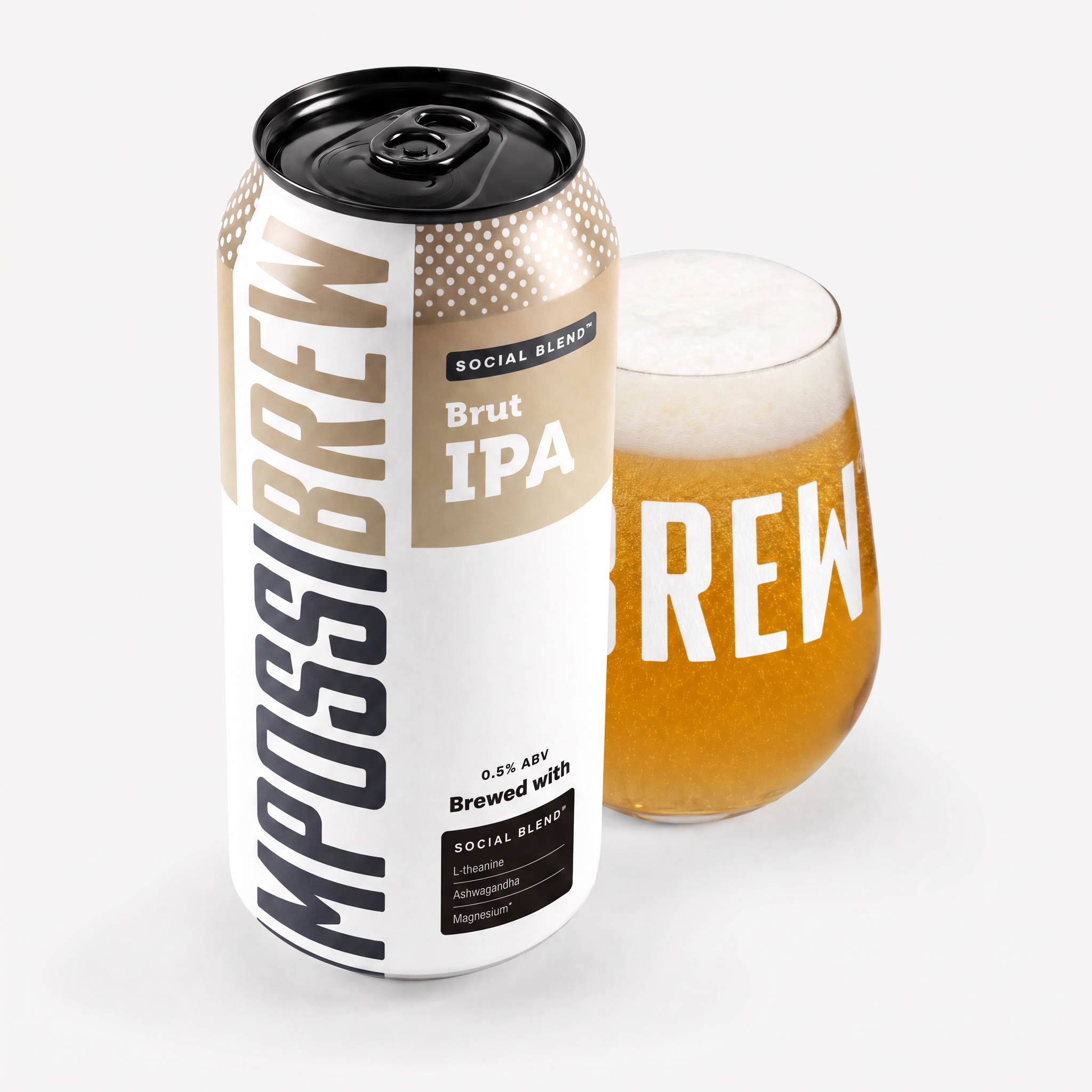
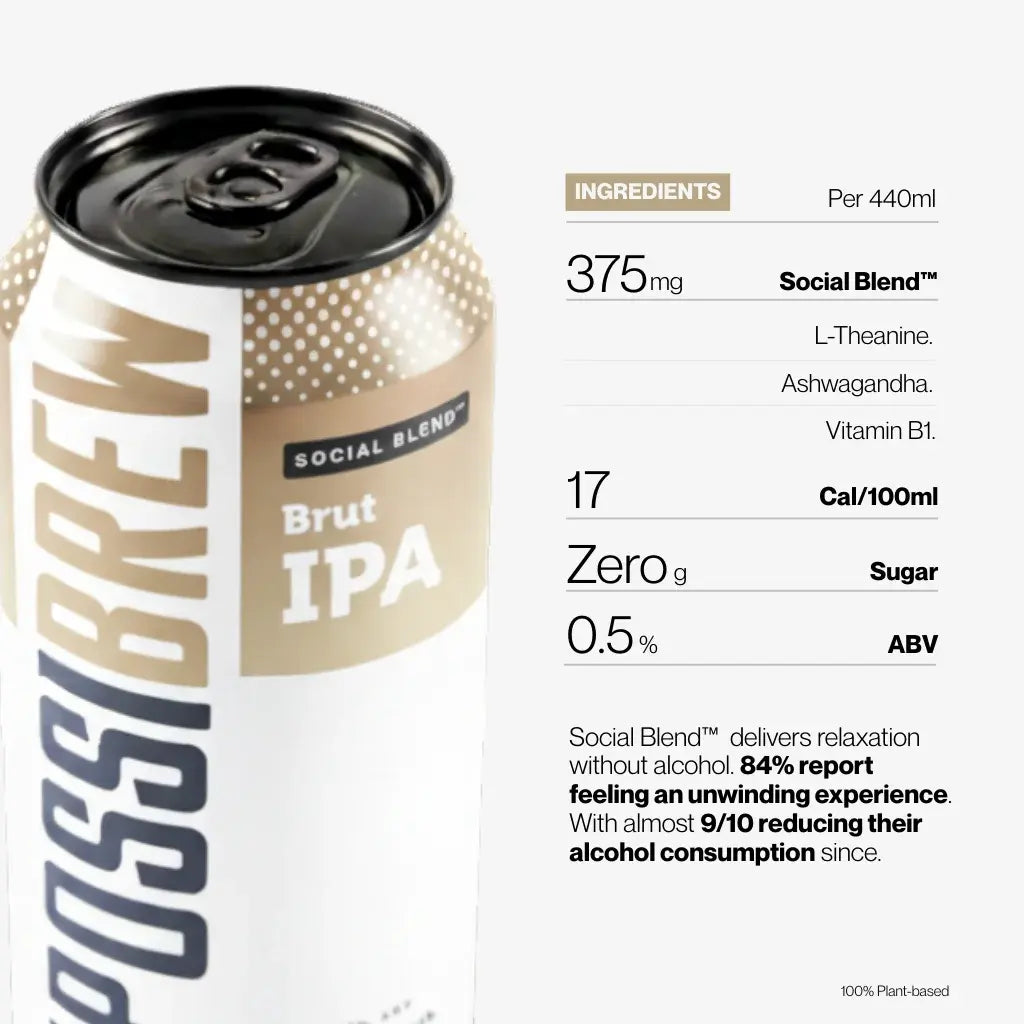
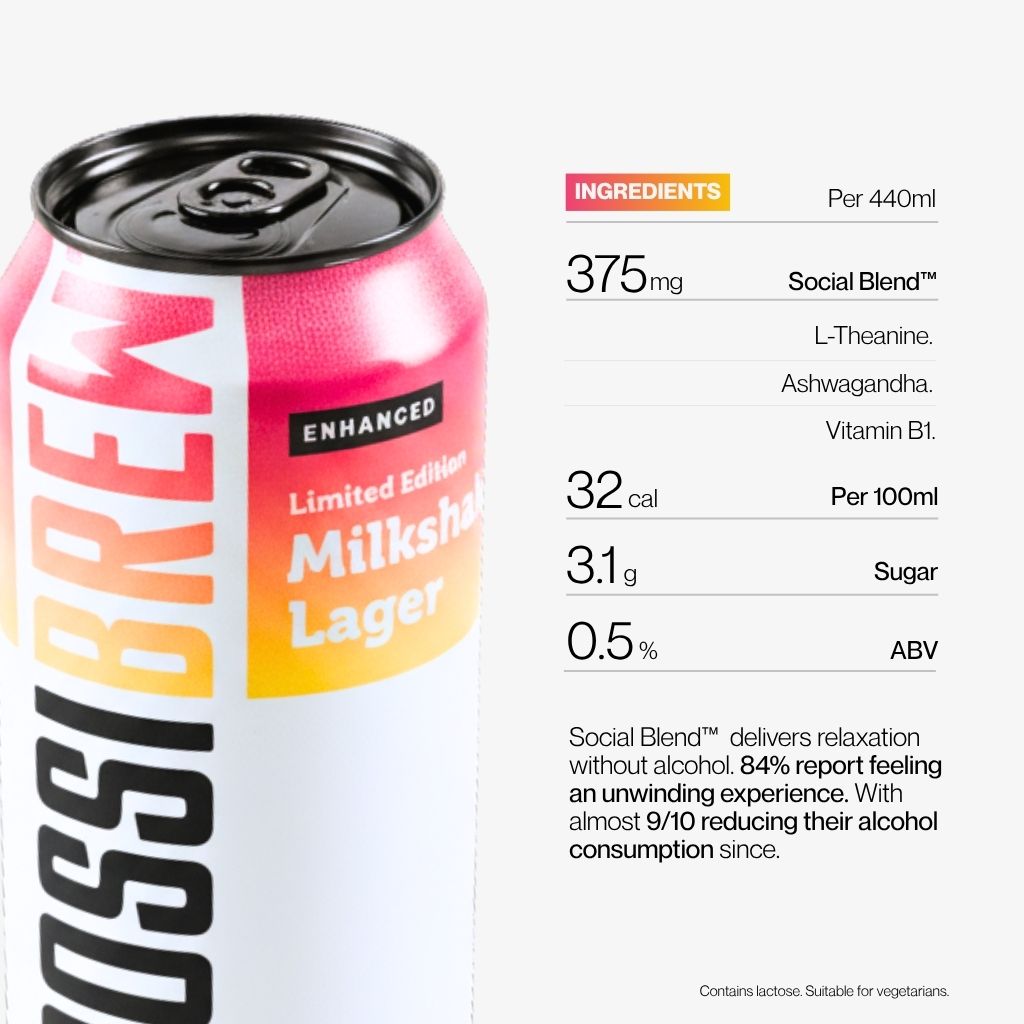
What makes functional non-alcoholic beers truly special is the inclusion of additional ingredients tailored for specific health benefits. For instance, IMPOSSIBREW®'s Social Blend™ introduces nootropics, adaptogens, soluble fibres, and Vitamin B1 to its recipe. This unique mix is designed to promote relaxation and support digestion, delivering that familiar ‘one or two pint feeling’ - but without the downsides of alcohol[1].
Key components of the Social Blend™ include L-Theanine, known for encouraging relaxation without causing drowsiness, and ashwagandha root (Withania somnifera), a traditional herb used in Ayurvedic medicine to help manage stress[1]. Together, these ingredients work to increase serotonin levels and promote a sense of calm, with clinical trials backing their effects[1].
How It Compares to Traditional Beer
Non-alcoholic beers not only avoid the negative digestive effects of traditional beer but also boast a more balanced nutrient profile. A standard 330 mL beer contains about 140 kcal and 11.8 g of carbohydrates, while non-alcoholic options range between 50–80 kcal for the same serving size[2].
However, it’s worth noting that some non-alcoholic beers have a high glycaemic index (around 80), which could be a concern for people with glucose intolerance or type 2 diabetes. For these individuals, selecting products with alternative sugars and added fibre is a smarter choice[2].
Research has shown that drinking 330 mL of non-alcoholic beer daily for four weeks doesn’t lead to weight gain or increased body fat. In fact, it can enhance gut microbiota diversity[3]. This contrasts sharply with traditional beer, which is often linked to weight gain and imbalances in gut bacteria.
Another notable difference is hydration. While traditional beer acts as a diuretic due to its alcohol content, non-alcoholic beers provide hydration along with essential nutrients and functional compounds. This makes them an excellent choice for post-workout recovery or anyone looking to maintain a health-conscious lifestyle.
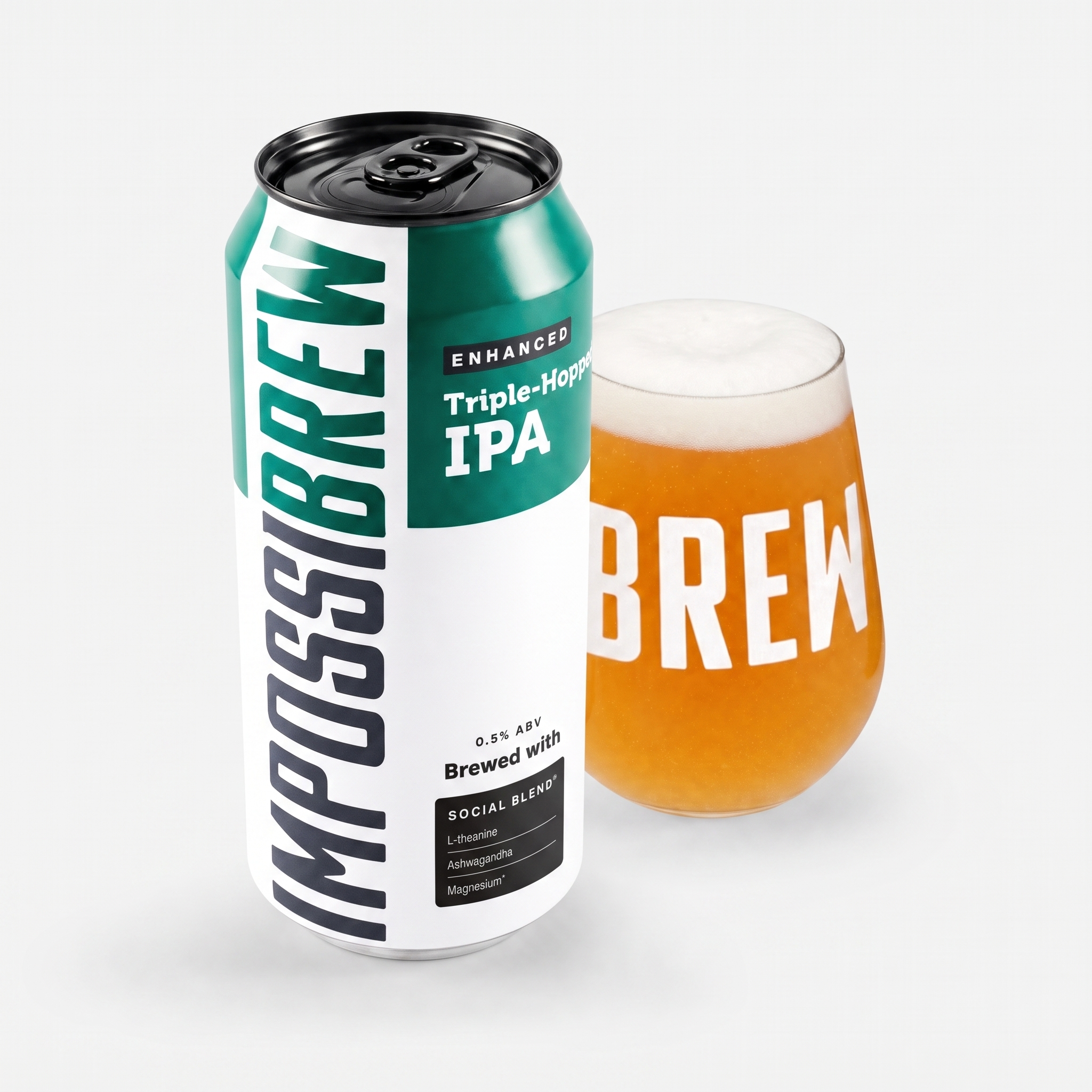
IMPOSSIBREW®’s offerings are a perfect example of these benefits, featuring low-calorie, vegan, and gluten-free options. They preserve the sensory experience of traditional beer while delivering added nutritional value through their innovative Social Blend™ formula.
sbb-itb-a752bf8
Effects on Nutrient Absorption and Digestive Health
Now that we've explored the nutritional makeup of different beers, let’s dive into how they influence nutrient absorption and digestive health. The way your body handles nutrients can vary depending on whether you opt for traditional beer or a non-alcoholic functional alternative. Understanding these differences can help you make better choices for your gut and overall wellbeing.
How Alcohol Affects Nutrient Absorption
Alcohol can interfere with your body’s ability to absorb essential nutrients. It disrupts the uptake of B vitamins - critical for energy production - and affects digestive enzymes and stomach acid levels. Over time, regular alcohol consumption can damage the gut lining, leading to what's often called a "leaky gut." This condition increases intestinal permeability, making it harder for your body to absorb nutrients properly. These effects highlight the contrast between traditional beer and non-alcoholic options when it comes to gut health.
Gut Bacteria Diversity and Health
Alcohol doesn’t just affect nutrient absorption - it also throws off the balance of your gut’s beneficial bacteria. On the other hand, non-alcoholic functional beers, especially those enriched with polyphenols and soluble fibres, can actually promote a healthy gut microbiome. For instance, the soluble fibres in IMPOSSIBREW®'s Social Blend™ act as prebiotics, feeding the good bacteria in your gut. These bacteria produce short-chain fatty acids (SCFAs), which are vital for colon health and help improve the absorption of minerals.
Clinical Research on Non-Alcoholic Beer
Research backs up the benefits of non-alcoholic functional beers. Unlike their alcoholic counterparts, these beers support the integrity of the gut lining and enhance nutrient absorption. Many are crafted with natural ingredients and functional fibres, offering not just digestive benefits but also a sensory and social experience that mirrors traditional beer - without the drawbacks of alcohol.
Side-by-Side Comparison: Traditional Beer vs Non-Alcoholic Functional Beer
When deciding between traditional beer and non-alcoholic functional beer, the latter offers a modern twist on a classic beverage. These drinks allow you to enjoy the social and sensory experience of beer while also supporting gut health. Here's a quick breakdown of how they compare in terms of nutrition and digestive health benefits.
Comparison Table
| Factor | Traditional Beer | Non-Alcoholic Functional Beer |
|---|---|---|
| Alcohol Content | 3–12% ABV | <0.5% ABV |
| Calories per 330ml | 150–250 calories | 25–50 calories |
| Carbohydrates | 10–15g | 2–8g |
| Sugar Content | 2–12g | 1–3g |
| Gut Microbiota Impact | May increase diversity, but alcohol can disrupt bacterial balance | Promotes diversity and supports beneficial bacteria growth |
| Nutrient Absorption | Alcohol can hinder B-vitamin and mineral absorption | Prebiotic fibres enhance nutrient uptake |
| Intestinal Barrier Function | Excessive alcohol can weaken gut integrity | Helps maintain a healthy gut barrier |
| Hangover Risk | High | None |
| Dietary Restrictions | Often contains gluten and may not be vegan | Vegan and gluten-free options available |
Why Choose Non-Alcoholic Functional Beers?
Non-alcoholic functional beers, such as those offered by IMPOSSIBREW®, go far beyond simply eliminating alcohol. The Social Blend™, a key ingredient in these beers, includes soluble plant fibres that act as prebiotics. These fibres encourage the production of short-chain fatty acids, which support colon health and improve mineral absorption.
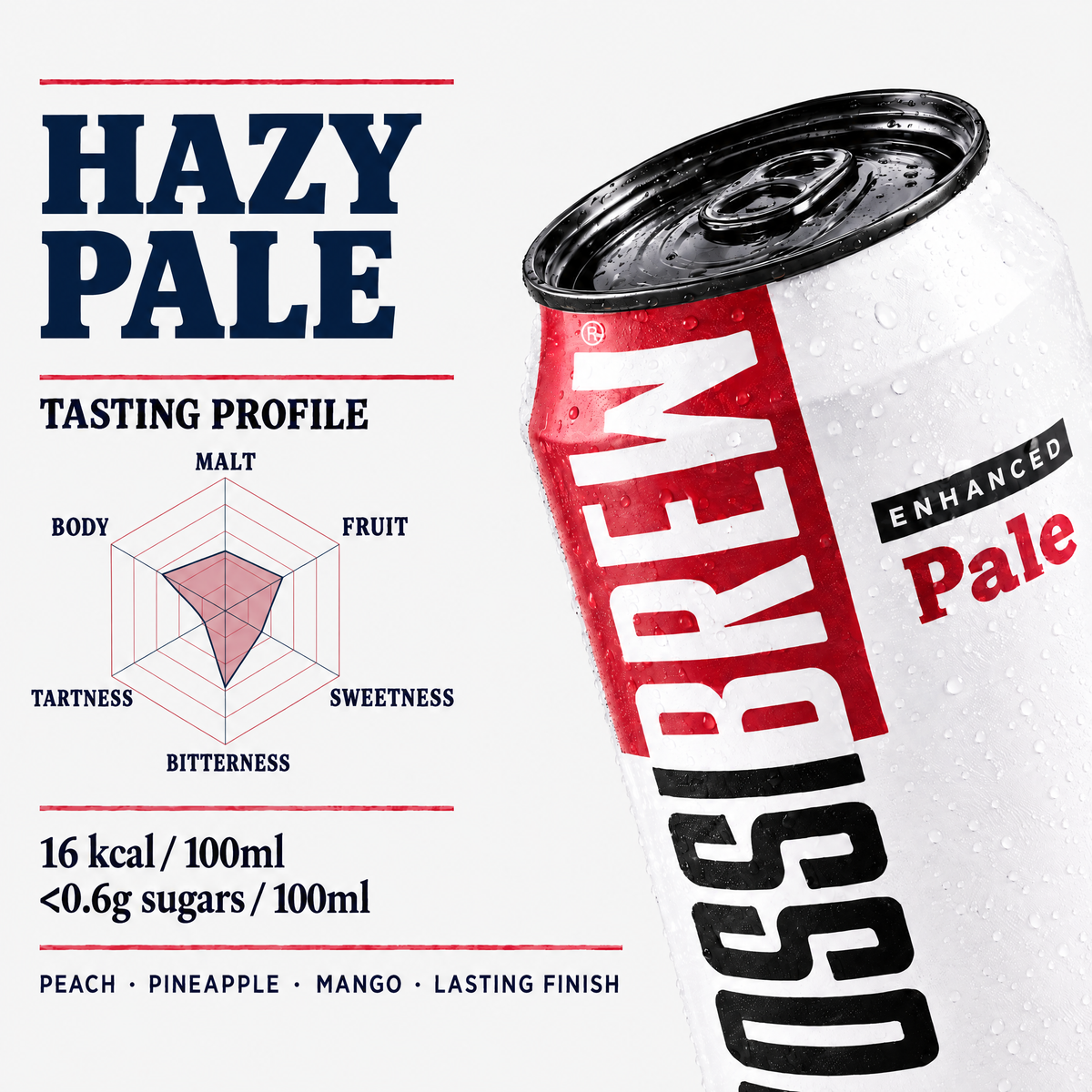
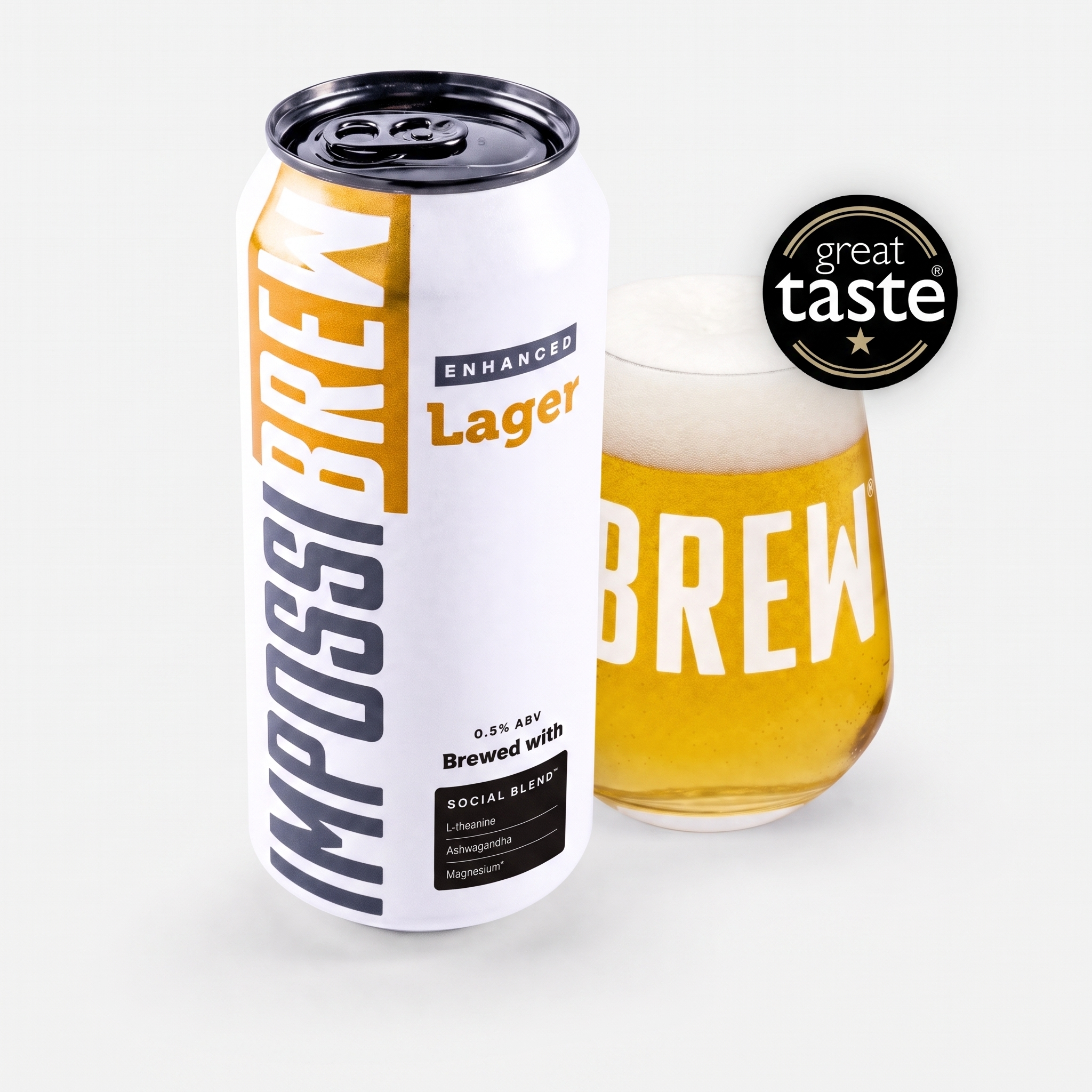
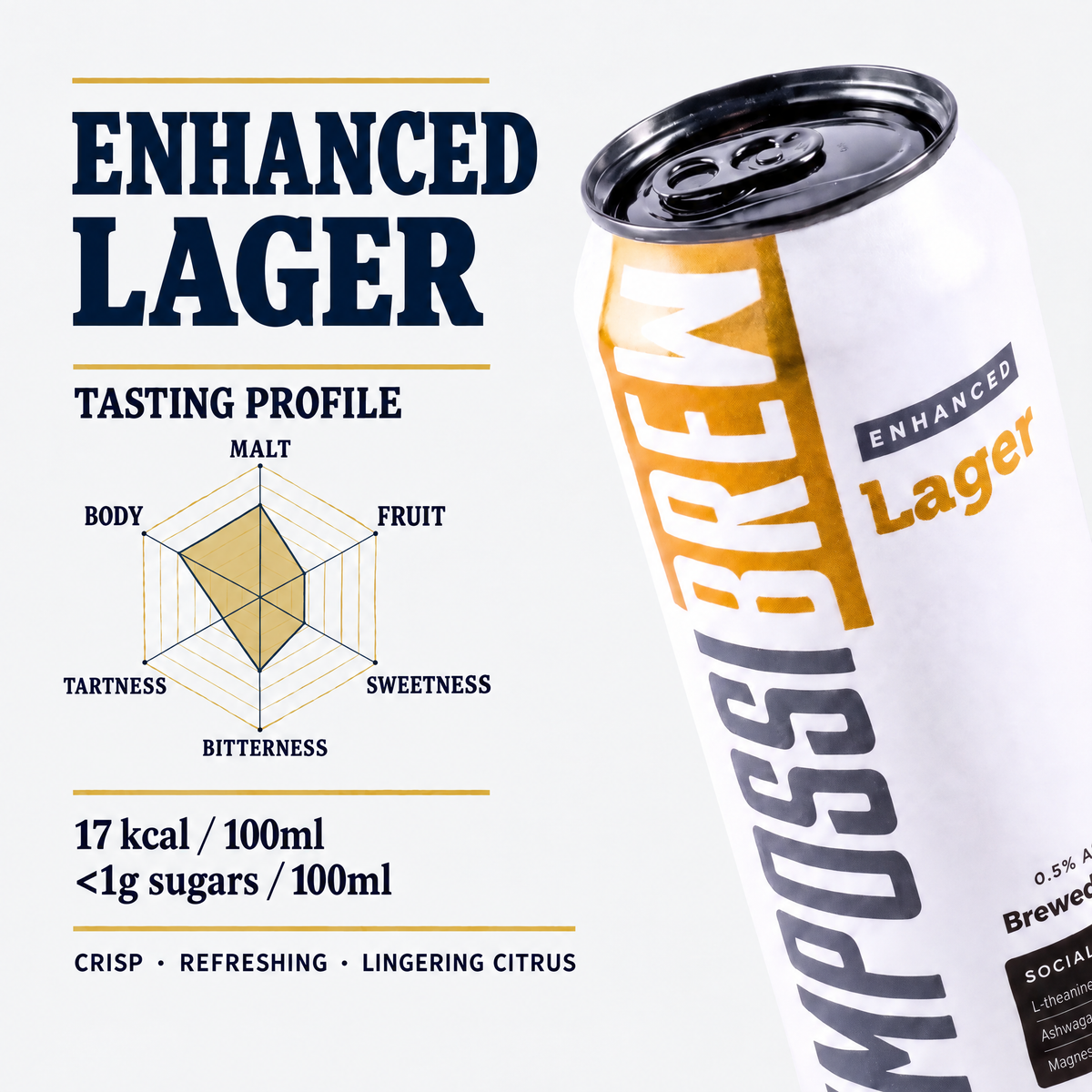
But that's not all - these beers also incorporate nootropics and adaptogens, ingredients known for their calming and stress-reducing properties. Traditional beers can't typically offer these added benefits. IMPOSSIBREW® has crafted options like the Enhanced Lager and Enhanced Hazy Pale, available from just £1.97 per can. These drinks deliver the authentic taste of beer while catering to health-conscious consumers. For example, the Enhanced Lager is both vegan and gluten-free, making it suitable for a variety of diets.
Another standout feature is the presence of polyphenols, which further support gut health. Unlike traditional beer, non-alcoholic functional beers provide these benefits without the downsides of alcohol, making them a great choice for anyone looking to enjoy beer while prioritising their wellness goals.
Conclusion: Digestive Health and Nutrient Absorption Benefits
Main Points
Research highlights that non-alcoholic functional beers provide distinct advantages for digestive health and nutrient absorption compared to traditional beer. These beverages deliver the familiar beer experience without the drawbacks of alcohol. While alcohol in traditional beer can hinder nutrient absorption, non-alcoholic functional beers come with fewer calories and added benefits for digestion.
Why Choose Non-Alcoholic Functional Beer?
When considering the nutritional and digestive differences, non-alcoholic functional beers stand out as a practical choice. As shown in our comparisons, they not only support nutrient absorption but also promote digestive health. IMPOSSIBREW®'s range of non-alcoholic beers represents a forward-thinking approach to enjoying beer. Their unique Social Blend™ technology incorporates science-backed ingredients, including nootropic and adaptogenic compounds, offering a drink that avoids alcohol's downsides while enhancing overall wellness.
What sets these beers apart is that the Social Blend™ doesn’t just eliminate the harmful effects of alcohol - it actively contributes to gut health. With options like the Enhanced Lager and Enhanced Hazy Pale, available from just £1.97 per can, IMPOSSIBREW® caters to various dietary needs. The Enhanced Lager, for instance, is vegan and gluten-free, making it an inclusive choice for many.
For anyone looking to savour a beer without sacrificing their health, non-alcoholic functional beers offer a solution that delivers on both taste and experience.
FAQs
How does alcohol in traditional beer impact gut health compared to non-alcoholic functional beers?
Alcohol in traditional beer can negatively affect gut health by harming the stomach and intestinal lining. This damage can interfere with nutrient absorption, raise inflammation levels, and increase gut permeability. Over time, these issues may lead to tissue damage and other digestive complications.
Non-alcoholic functional beers, like those from IMPOSSIBREW®, sidestep these risks entirely. Instead, they can actually promote gut health by encouraging a balanced microbiota and supporting healthy metabolic functions. This makes them a gentler option for your digestive system, offering benefits without the drawbacks of alcohol.
What ingredients in non-alcoholic functional beers make them beneficial for health, and how do they work?
Non-alcoholic functional beers are packed with polyphenols like kaempferol, quercetin, ferulic acid, xanthohumol, and isoxanthohumol. These natural compounds are celebrated for their anti-inflammatory, antioxidant, and anti-cancer benefits. They work by lowering oxidative stress, maintaining cellular health, and encouraging a healthy gut microbiome. This, in turn, supports better metabolic function and cardiovascular health.
On top of that, some functional beers include matured hop bitter acids, which are thought to influence brain chemistry. These acids may help to lift mood, ease stress, and promote emotional well-being. Altogether, these elements not only contribute to improved digestive and mental health but also make for a satisfying and enjoyable drink.
What should I consider when choosing non-alcoholic functional beers instead of traditional beer?
Non-alcoholic functional beers offer an interesting alternative to traditional brews, but there are a few things to consider before cracking one open. For starters, some of these beers might have higher carbohydrate content, thanks to added sugars or flavour enhancers. This could lead to potential weight gain or even digestive issues for some people.
Another point to note: even though they’re labelled as non-alcoholic, these beers can contain trace amounts of alcohol. That’s something to keep in mind, especially for those in recovery from alcohol dependency.
If you’re sensitive to gluten, it’s also a good idea to double-check if the beer is gluten-free. Not all non-alcoholic beers are suitable for those with gluten intolerances. And, like any food or drink, proper storage is key to avoiding microbial contamination. Always take a moment to read the label to make sure the product fits your dietary and health requirements.