Alcohol-free beer often carries a price tag comparable to or even higher than its alcoholic counterparts, despite the absence of alcohol duties. This cost disparity arises from the complex production processes, specialised ingredients, and additional technology required to maintain the taste and quality of non-alcoholic beer, as well as the smaller production volumes.
Quick answer: why is non-alcoholic beer often more expensive?
Good non-alcoholic beer can cost more because it often requires extra brewing control, alcohol reduction or specialist fermentation methods, quality testing, smaller production runs, and better ingredients than mass-market lager.
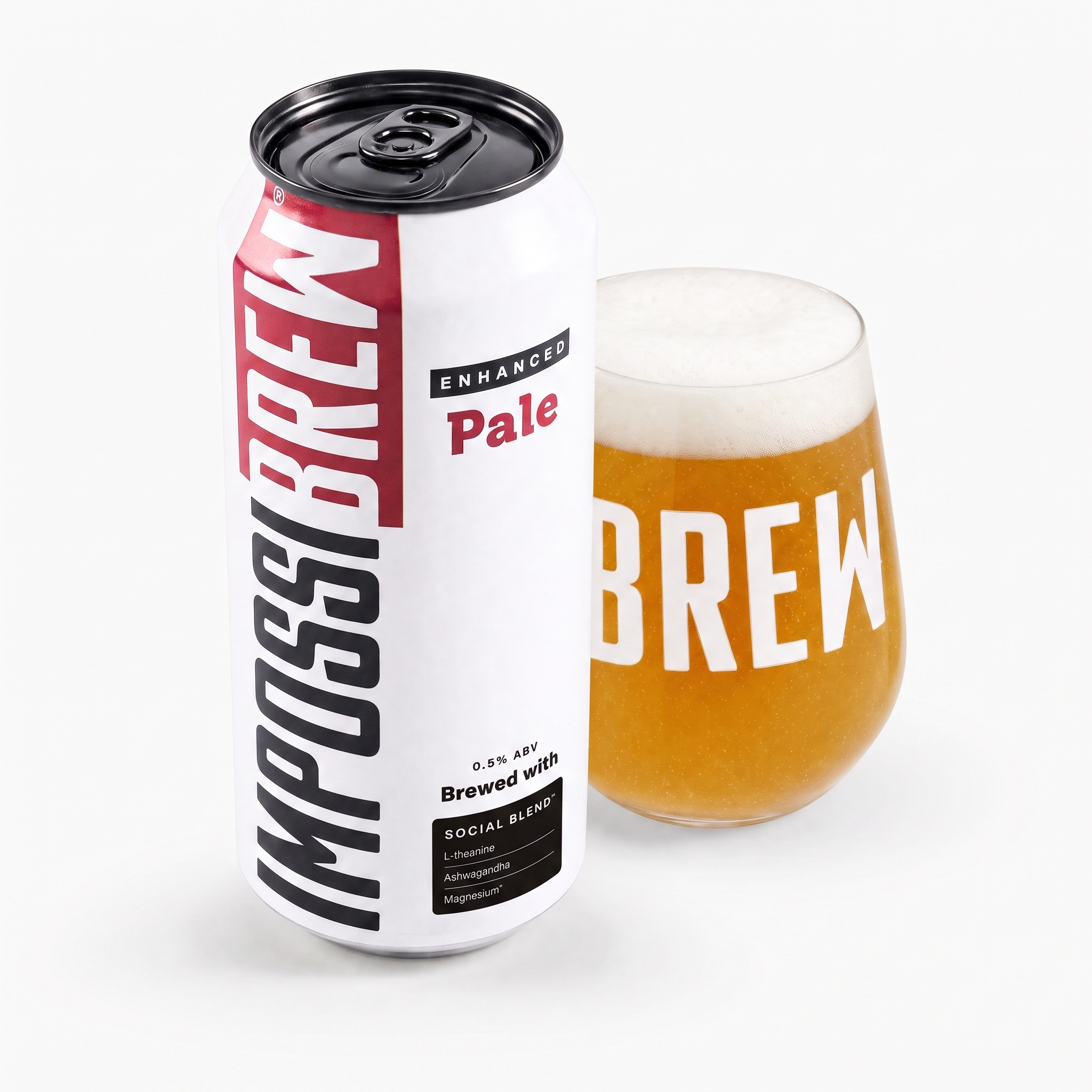
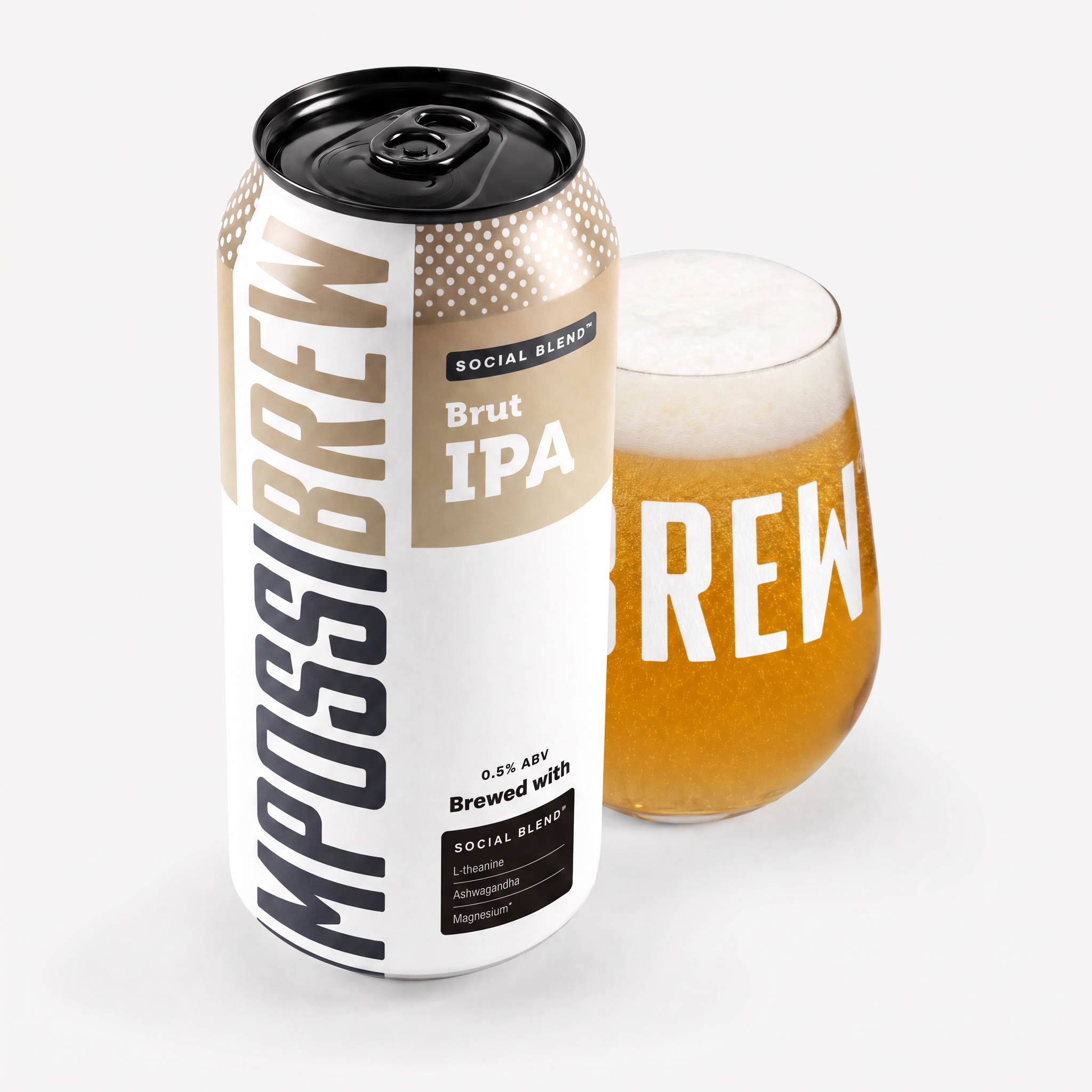
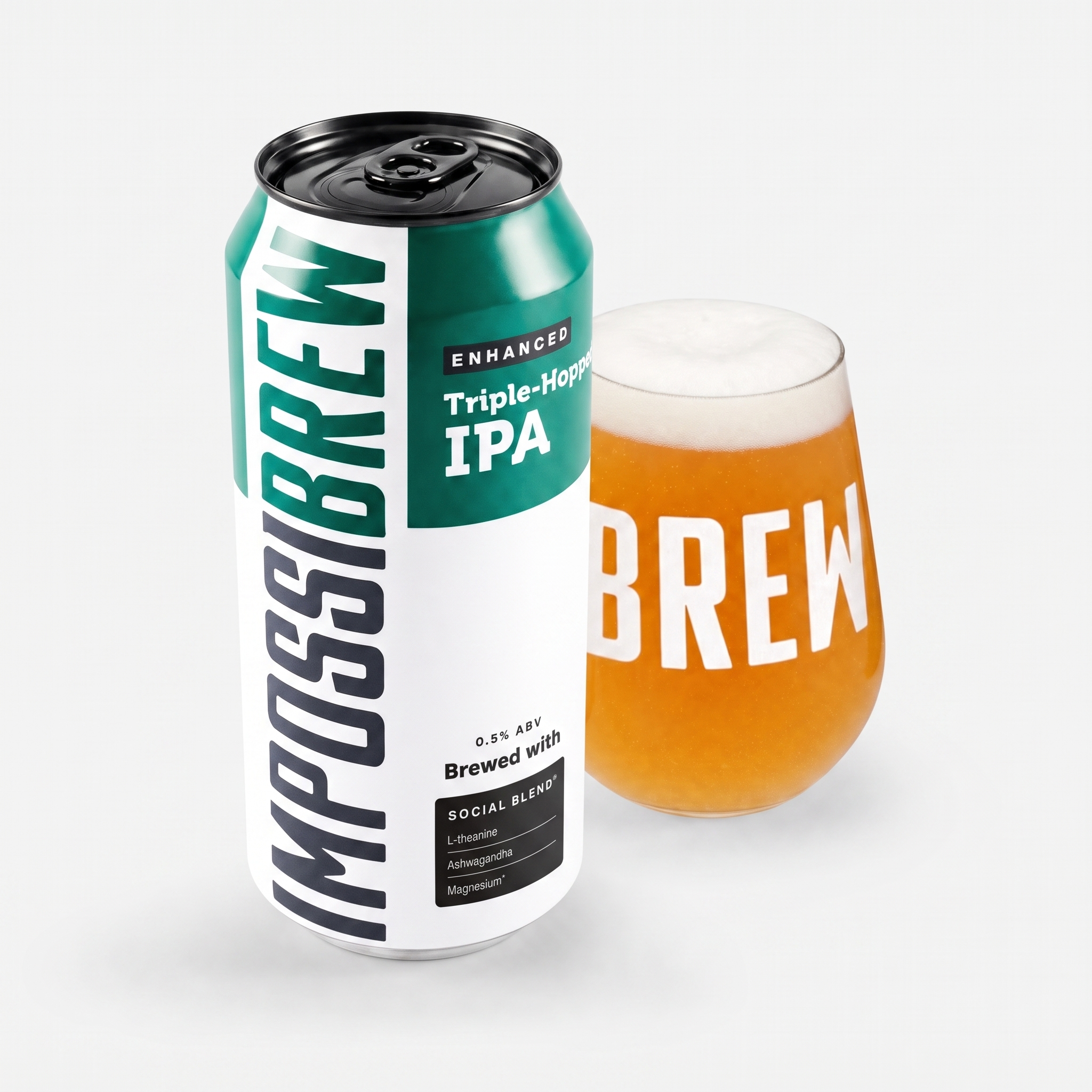
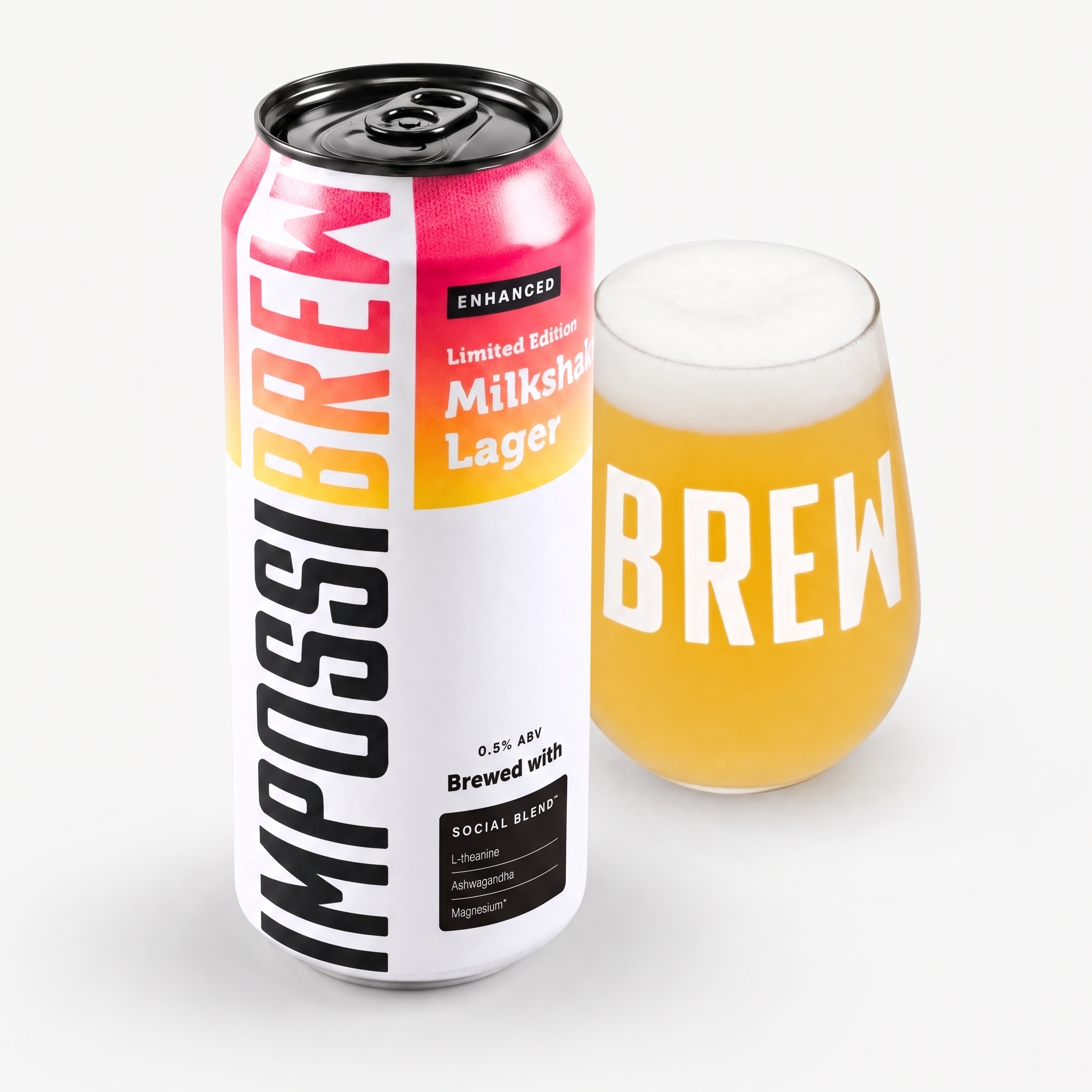
IMPOSSIBREW sits at the premium end of the category because it combines proper beer-style flavour with functional ingredients in 440ml cans. The price reflects both the brewing process and the added Social Blend, not just “beer with the alcohol removed”.
The Complex Production Process
Producing alcohol-free beer involves several intricate methods to ensure the final product retains the taste and quality of traditional beer. One common approach is de-alcoholisation, where alcohol is removed from the beer post-fermentation through techniques like boiling, vacuum distillation, or reverse osmosis.
These methods can affect flavour due to the removal of volatile compounds that come with the removal of alcohol, which negatively affects taste. Another method is dilution, where water is added to reduce alcohol content.
Some brands eliminating fermentation altogether ensures a 0.00% ABV but results in a sweeter taste, somewhat like a beer flavoured soft drink. These options are typically cheaper than the following one.
The most expensive option is cryogenic fermentation, as it involves restricting fermentation through sub-zero temperatures. This method, known as natural cryogenic fermentation, ensures that the beer is brewed 1 to 1, maintaining the full flavour profile without the need for dilution.
Although this process is time-consuming and costly due to the specialised equipment and energy required, it is considered the best option for preserving the beer's body, taste, and overall quality. This technique avoids the flavour compromises associated with other methods like boiling or reverse osmosis, making it a preferred choice for premium non-alcoholic beers, like this one.
Economies of Scale
Economies of scale play a significant role in the alcohol-free beer market, allowing established players to reduce production costs per unit and offer competitive pricing. As production volumes increase, the cost advantages become more pronounced, benefiting larger manufacturers who can invest in advanced technologies to reduce costs and increase profitability. However, this is not available for small, independent producers.
The Role of Premium Ingredients
The role of premium ingredients in alcohol-free beer production is pivotal in achieving a high-quality product that can compete with traditional beers. Premium ingredients, such as specialty malts, organic oats, and high-quality hop extracts, are often used to enhance the flavour, aroma, and mouthfeel of non-alcoholic beers. Additionally, the use of unmalted oats can provide a smooth, creamy texture, while specialty grains like light crystal can add body and balancing sweetness to the beer.
These high-quality ingredients not only improve the sensory attributes of the beer but also contribute to its stability and shelf life, making premium non-alcoholic beers a desirable choice for discerning consumers.
Large beer companies often avoid using premium ingredients due to cost considerations and the scale of their production. Premium ingredients, such as specialty malts and high-quality hop extracts, are more expensive and can significantly increase production costs.
For mass-produced beers, maintaining a low cost per unit is crucial to remain competitive in the market. Instead, these companies frequently use cheaper alternatives like hop extracts and caramel colouring to achieve desired flavours and appearances without the higher expenses associated with premium ingredients.
Additionally, the lack of regulatory requirements for ingredient disclosure allows these companies to use cost-effective additives without informing consumers, further reducing production costs. This approach enables large beer manufacturers to maximise profits while maintaining a broad market presence.
Next Generation Ingredients: Social Blend™
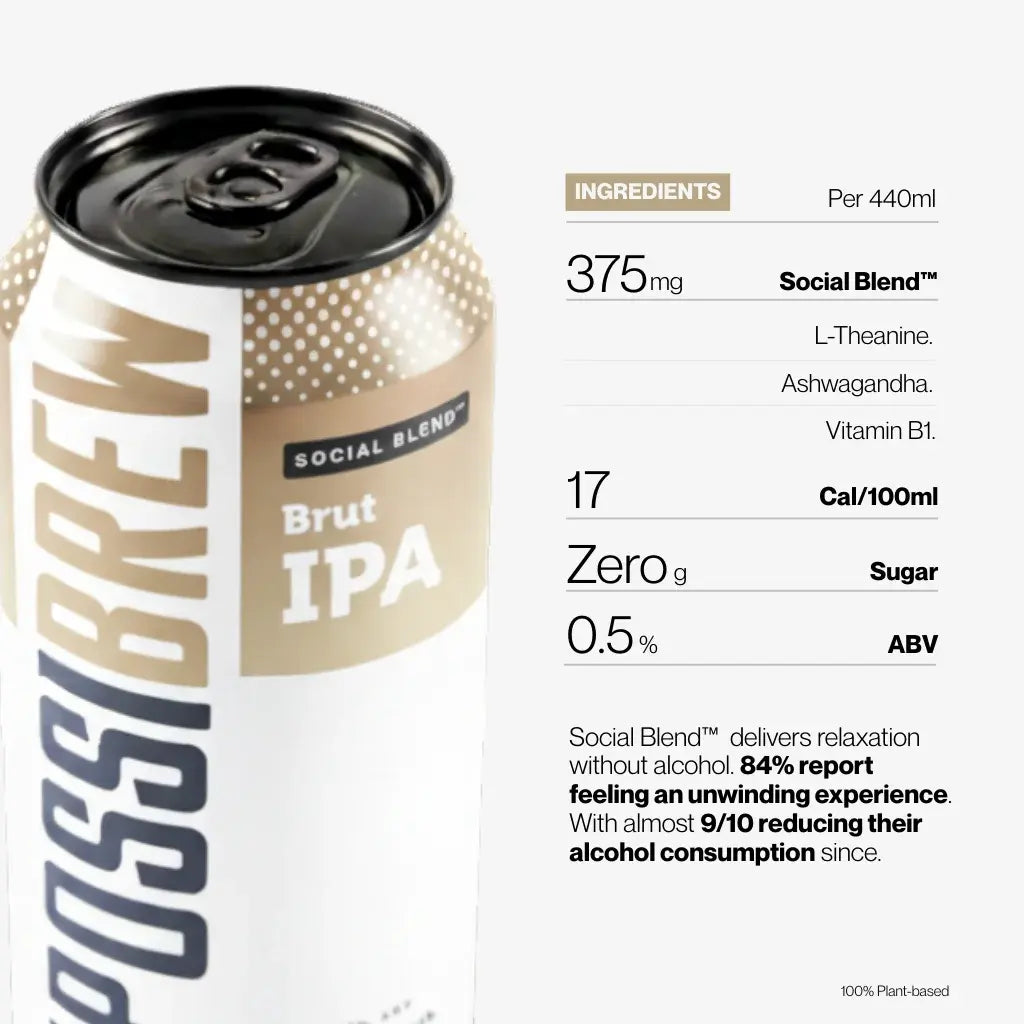
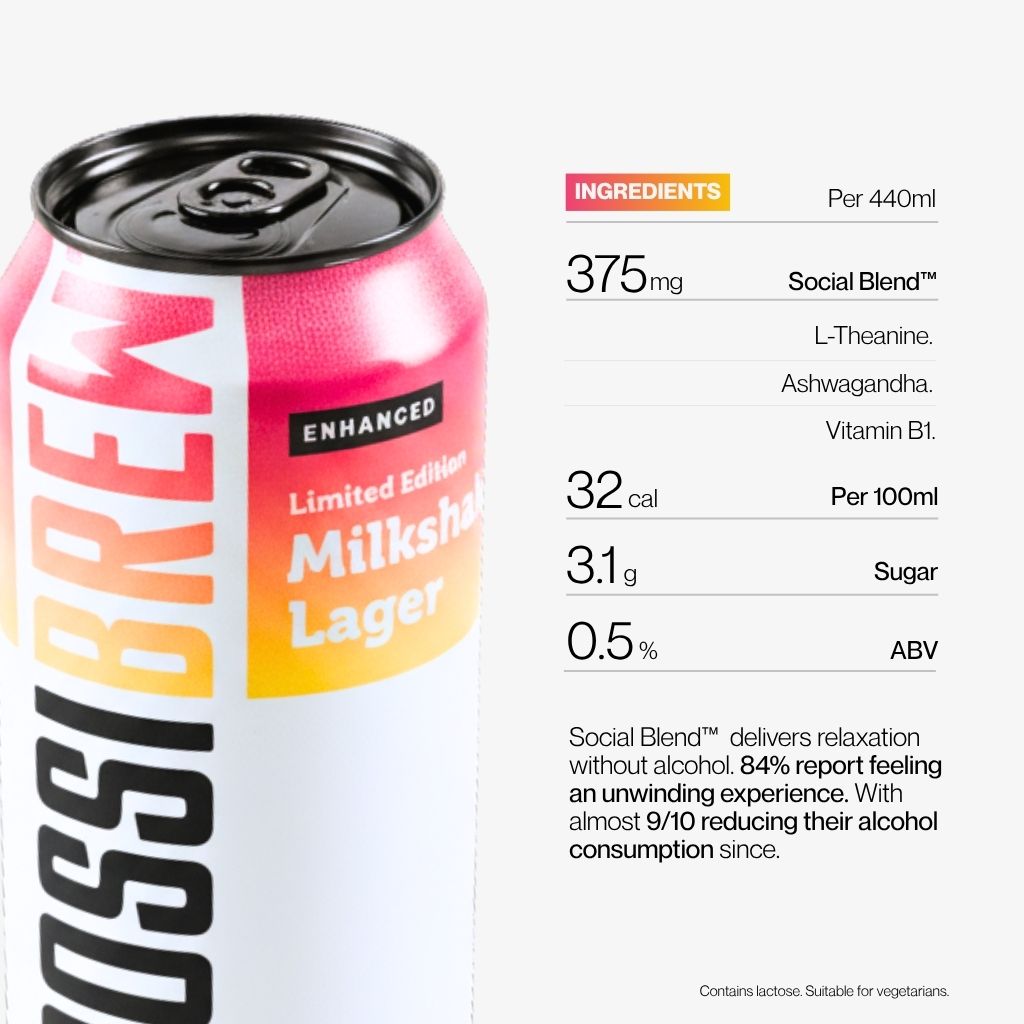
Some non-alcoholic beers incorporate a proprietary blend known as Social Blend™, which includes nootropic and adaptogenic ingredients like L-Theanine, Ashwagandha root and many others, designed to replicate the relaxing effects of alcohol without its negative consequences. This blend aims to enhance relaxation, mental calm, and stress relief by interacting positively with brain receptors and boosting alpha brain waves.
Despite the potential benefits, such as improved mood and reduced stress, the inclusion of these specialised ingredients increases production costs, making these beers more expensive.
Best Overall Alcohol-Free Beer
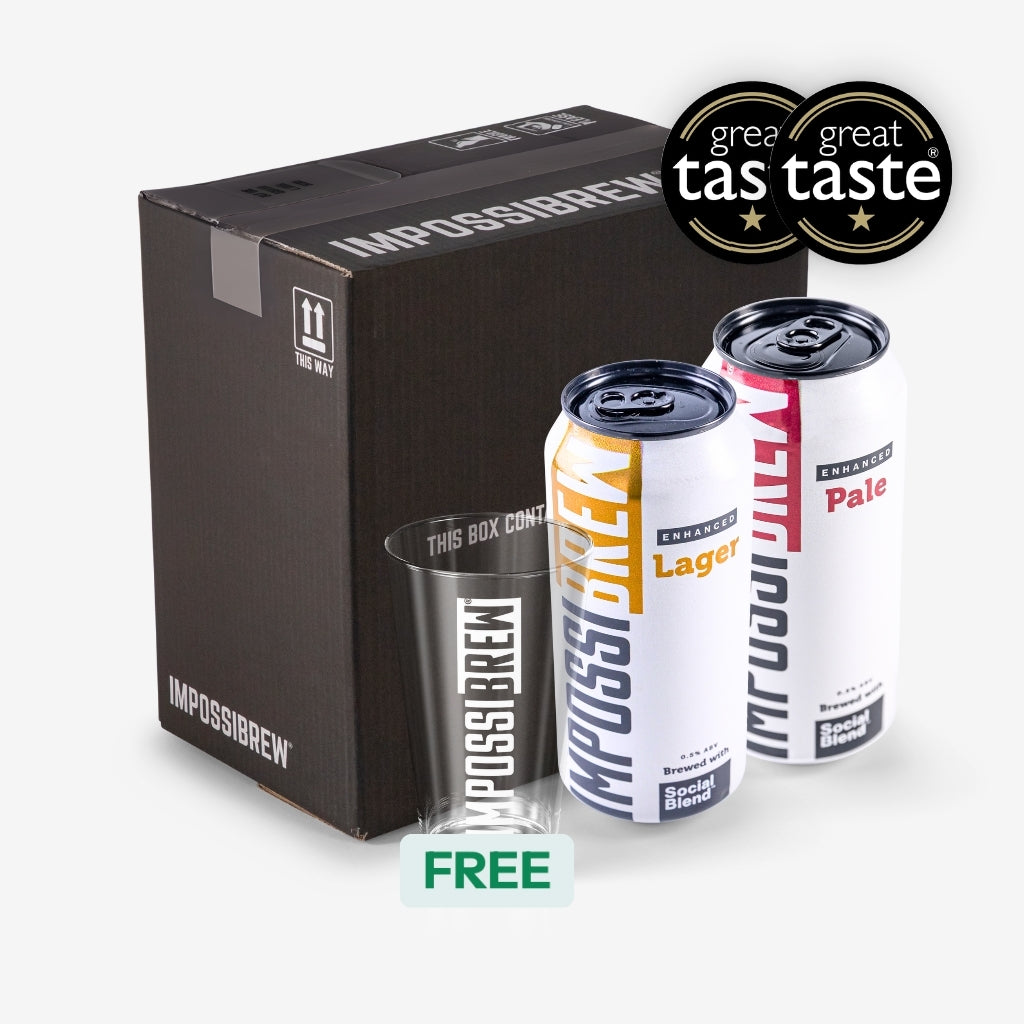
IMPOSSIBREW® stands out as the best overall option for those looking to reduce their alcohol intake due to several key factors. Its unique Social Blend™ aids relaxation, providing a satisfying experience without the need for alcohol.
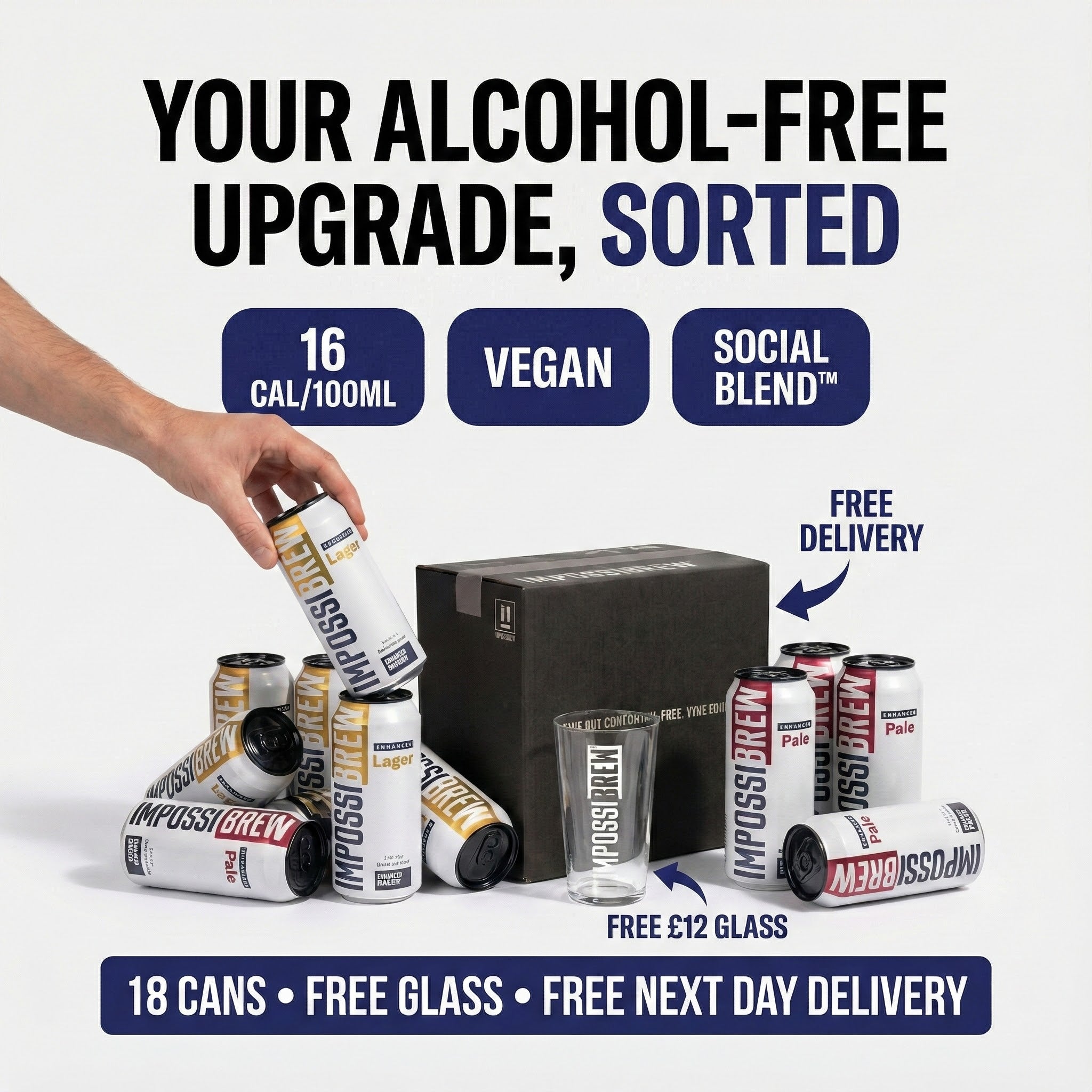
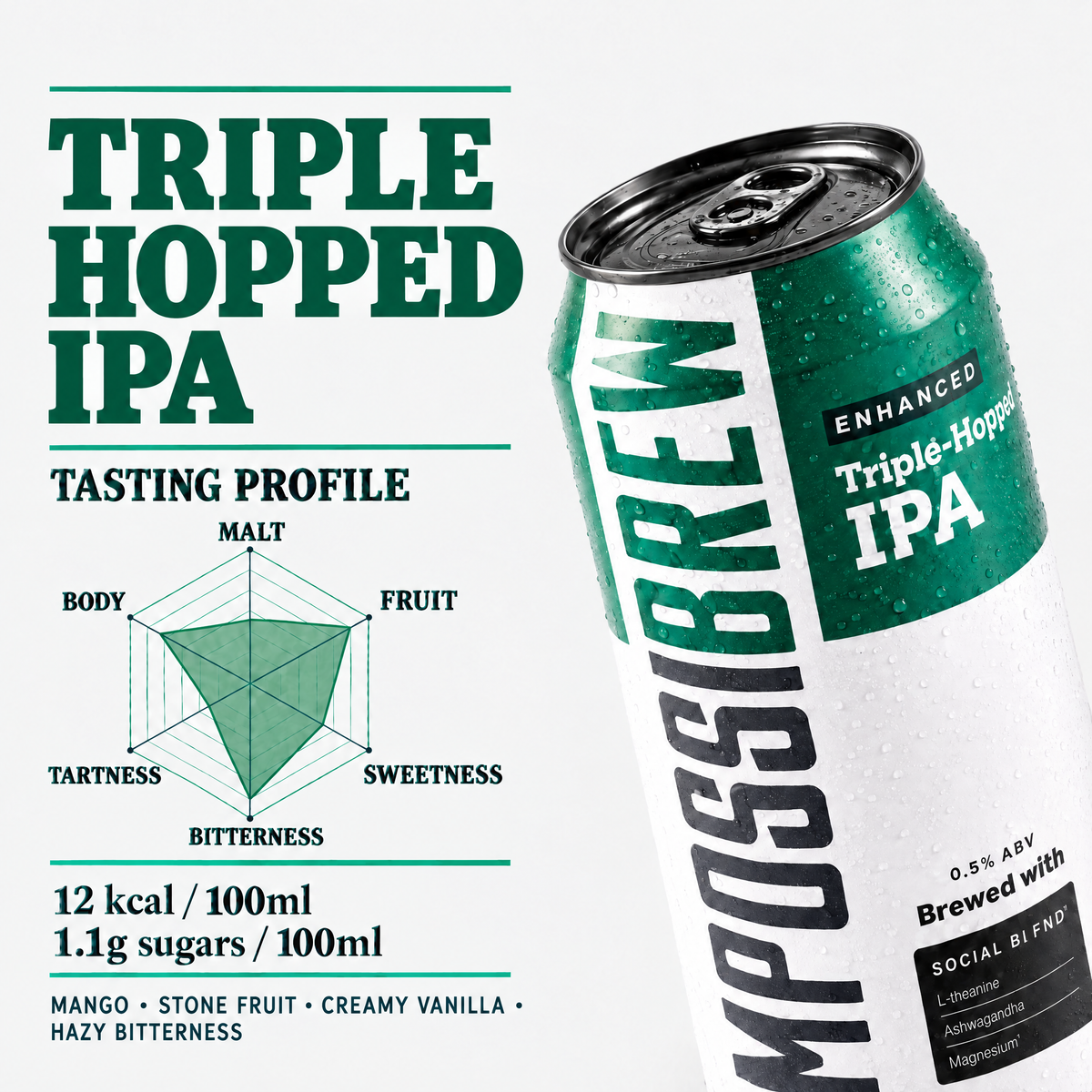
With only 27 calories per 440ml can, equivalent to 6 calories per 100ml, it is one of the lowest-calorie alcohol-free beers available. Additionally, it contains no sugar, is 100% vegan, and has been awarded the UK's best-tasting alcohol-free beer by the World Beer Awards.
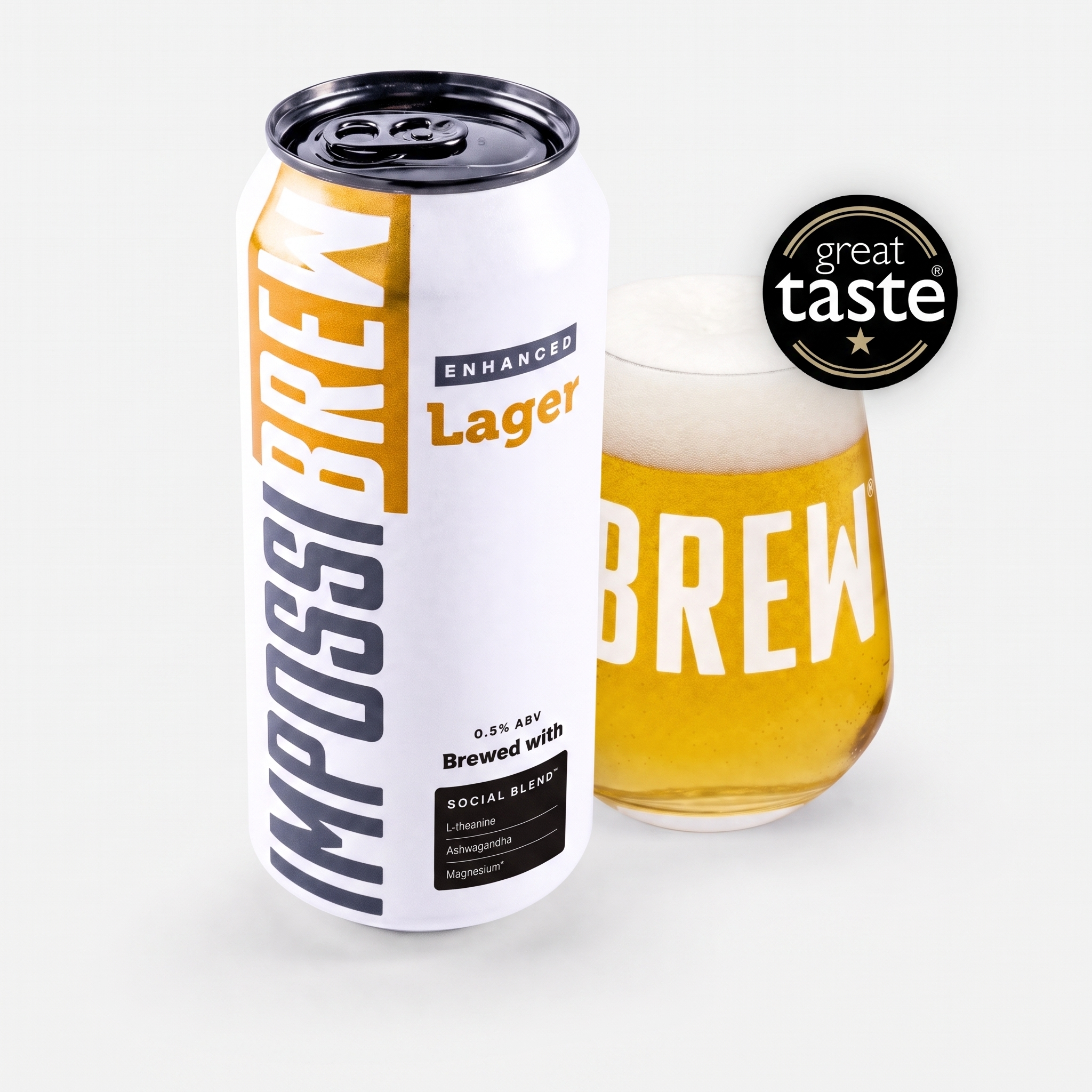
IMPOSSIBREW also has a minimal alcohol content of 0.5% ABV, which is less than that found in a ripe banana or orange juice, making it a safe choice for those avoiding alcohol.Furthermore, they offer a gluten-free option with their lager, catering to a wider range of dietary needs, and works out at £2.24 when you go on a flexible plan per 440ml can, making it a good brand for value, including all their additional benefits.
The use of cryogenic fermentation further enhances the flavour and quality of their beers, solidifying IMPOSSIBREW as a top choice in the non-alcoholic beer markets.
If you fancy a taste, try their Welcome Bundle with a love-it-or-return-it guarantee today at https://impossibrew.co.uk/welcome