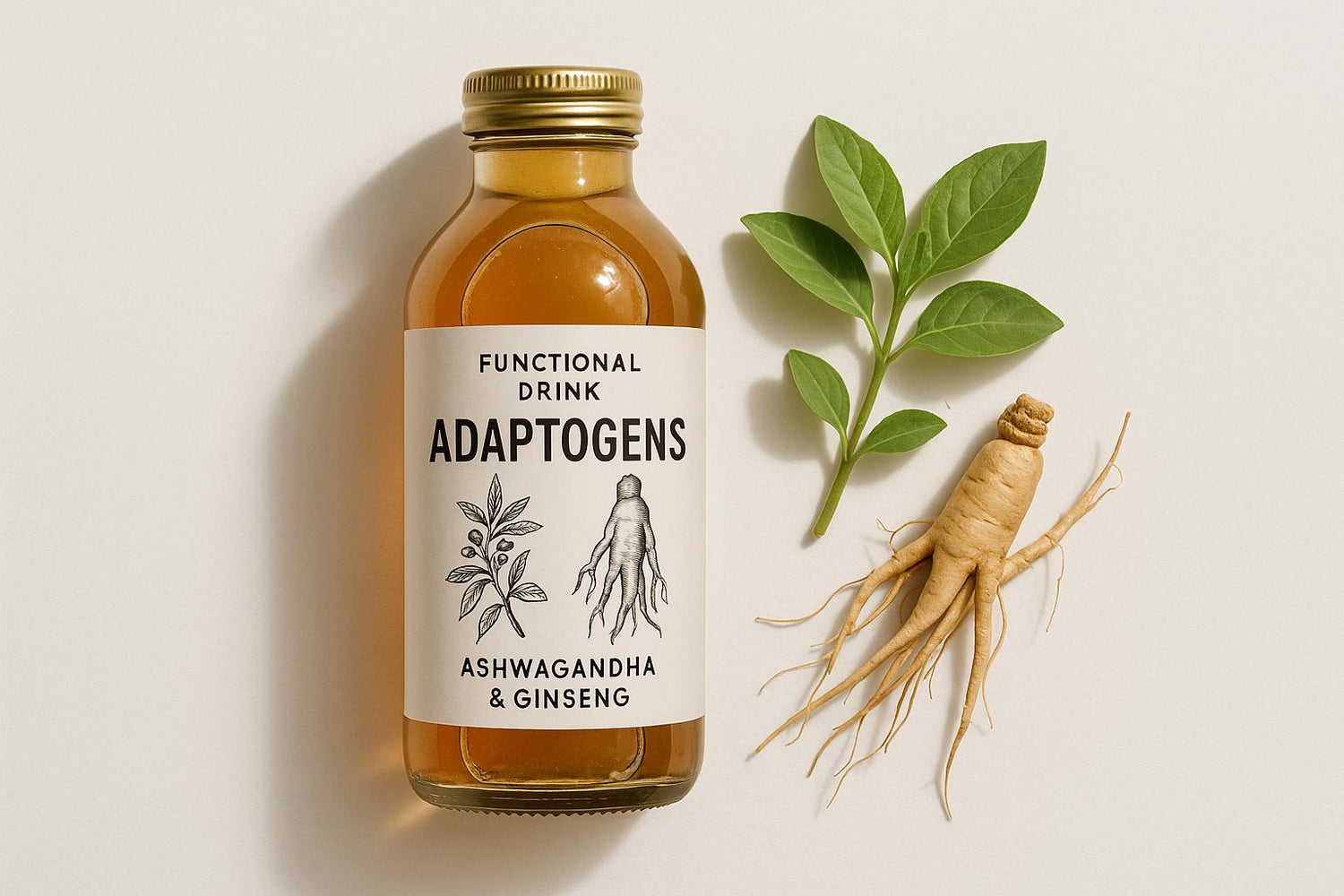
Adaptogens are natural substances that help the body manage stress and improve balance. They are now being added to functional drinks, offering potential benefits for brain health, focus, and mental resilience. These plant-based ingredients, like ashwagandha and rhodiola, influence neurotransmitters such as serotonin and dopamine, which play roles in mood and cognition. Unlike stimulants, adaptogens provide steady energy and reduce stress without causing crashes or dependency.
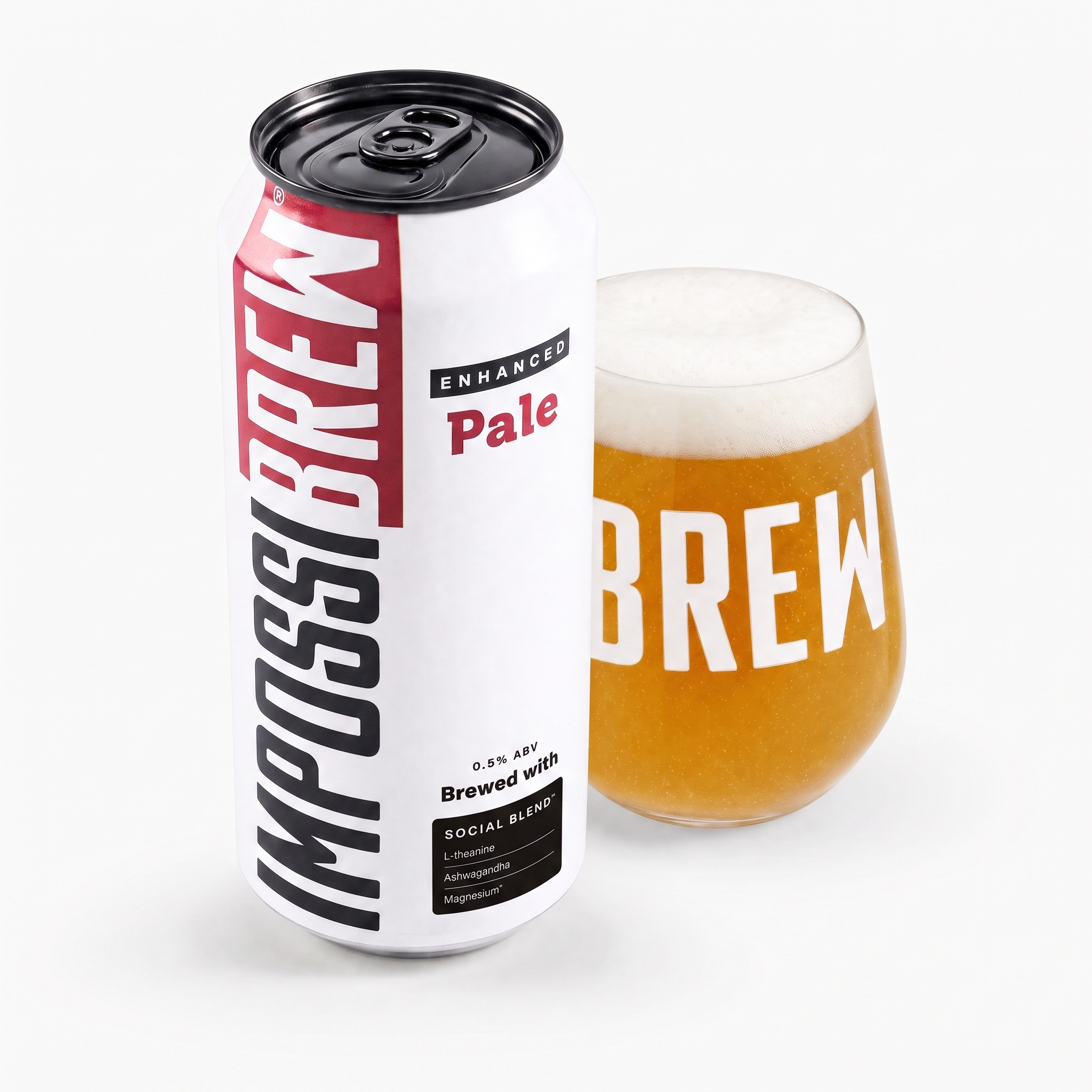
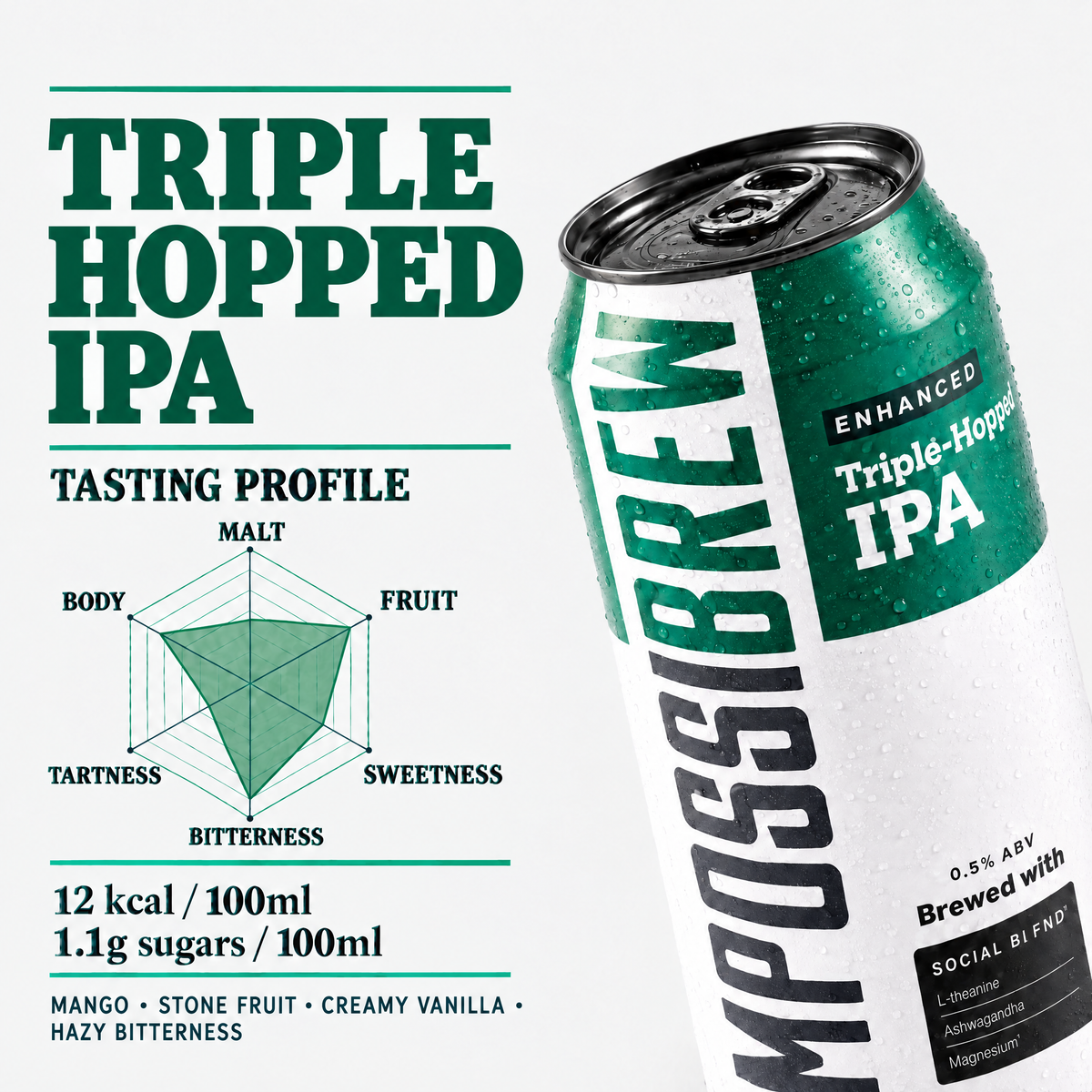
Functional drinks, including non-alcoholic options like IMPOSSIBREW®, combine adaptogens with other active ingredients to support mental clarity and overall well-being. Key adaptogens, such as Rhodiola rosea for focus or Ashwagandha for calm, are carefully formulated for both immediate and long-term brain support. These beverages are designed to offer a healthier alternative to traditional stimulants, with fewer side effects and broader benefits for cognitive performance.
Key Points:
- Adaptogens regulate stress and support brain health.
- Functional drinks with adaptogens improve focus, memory, and mood.
- Non-alcoholic options like IMPOSSIBREW® combine taste with cognitive support.
- Adaptogens are safer than stimulants, offering steady energy without crashes.
This growing trend reflects a shift towards natural, brain-supporting solutions in daily life.
Main Adaptogens in Functional Beverages
Top Adaptogens and Their Benefits
Functional beverages have embraced adaptogens for their ability to support mental clarity, manage stress, and promote overall brain health. Each adaptogen works through unique biochemical pathways to deliver these benefits.
Rhodiola rosea, often called Arctic root, is among the most studied adaptogens for boosting cognitive performance. It helps regulate cortisol levels and supports neurotransmitter balance. Its key compounds, rosavin and salidroside, protect against oxidative stress, enabling better focus and mental clarity during demanding situations.
Ashwagandha (Withania somnifera) is well-known for its calming properties. By lowering cortisol levels and soothing the nervous system, it can improve sleep quality and reduce anxiety. Its withanolides also encourage neuroplasticity, which supports the formation of new neural connections, making it beneficial for memory and long-term brain health.
Schisandra chinensis offers neuroprotective benefits through its lignans, which also support liver health and enhance mental stamina. This adaptogen influences neurotransmitter activity, contributing to improved learning and memory.
Eleutherococcus senticosus, sometimes referred to as Siberian ginseng, is valued for boosting both physical and mental endurance. Its eleutherosides support the adrenal system, helping improve cognitive performance, particularly in areas like working memory and attention, even under stress.
While each adaptogen has its own strengths, they share common effects such as regulating stress hormones, balancing neurotransmitters, and protecting brain health. This overlap explains why functional beverages often combine multiple adaptogens, aiming to amplify their benefits through synergy. These tailored formulations take into account the unique properties of each adaptogen to optimise their impact.
Comparison of Adaptogenic Properties
Adaptogens differ in how quickly they take effect and how long their benefits last, which makes it possible to create blends tailored for specific needs. For example, Rhodiola acts quickly, making it ideal for beverages meant to provide a mental boost in the morning. On the other hand, Ashwagandha's longer-lasting effects make it perfect for evening drinks that promote relaxation and recovery. By combining these adaptogens, manufacturers can offer both immediate cognitive support and long-term brain health benefits.
A good example of this approach is IMPOSSIBREW®, which incorporates adaptogens into non-alcoholic beers. These beverages are designed to enhance cognitive function while maintaining a great taste, delivering an enjoyable experience alongside mental performance support.
ADAPTOGENS EXPLAINED: Ginseng, Ashwagandha, Rhodiola + Science of Stress
How Adaptogens Affect the Brain
Adaptogens interact with multiple brain systems, working in harmony to support cognitive abilities and mental well-being. These natural compounds provide a holistic approach to brain health by targeting various pathways simultaneously.
Neurotransmitter Regulation
Rather than focusing on a single pathway, adaptogens influence several key neurotransmitter systems. For example, Rhodiola rosea has been shown to enhance dopamine activity in brain regions linked to executive functions like focus and decision-making. Similarly, Ashwagandha interacts with serotonin pathways, promoting a state of calm alertness that helps maintain cognitive performance, even under stress.
Adaptogens also play a role in balancing cortisol levels, which protects neural connections and supports memory. They help regulate the body's stress-response system, known as the hypothalamic-pituitary-adrenal (HPA) axis, ensuring that stress is managed effectively without compromising cognitive function.
Additionally, some adaptogens encourage the natural production of GABA, a neurotransmitter that has a calming effect. Unlike substances that bind directly to GABA receptors, adaptogens provide relaxation without the risks of tolerance or dependency.
These multi-faceted effects set adaptogens apart, making them a unique alternative to conventional stimulants.
Comparison with Standard Stimulants
To understand the appeal of adaptogens, it’s helpful to compare them with traditional stimulants. The table below highlights the key differences between the two:
| Aspect | Adaptogens | Standard Stimulants |
|---|---|---|
| Mechanism | Modulates multiple pathways | Directly targets neurotransmitters |
| Onset | Gradual and steady | Rapid onset |
| Duration | Long-lasting, balanced effects | Short-term boost, followed by a crash |
| Tolerance | Minimal risk of tolerance | Tolerance builds quickly |
| Withdrawal | Mild or negligible symptoms | Noticeable fatigue and mood swings |
| Sleep Impact | Enhances sleep quality | Often disrupts sleep patterns |
| Anxiety Effects | Reduces anxiety and promotes calm | Can trigger anxiety or jitters |
Adaptogens work by supporting natural metabolic processes to boost energy, rather than causing a sudden surge in neurotransmitter activity. This results in a steady, sustainable boost in energy levels, unlike the quick spike and subsequent crash often associated with stimulants.
When it comes to cognitive enhancement, the two approaches differ significantly. Stimulants may temporarily heighten focus and alertness but can sometimes impair working memory and creative thinking. Adaptogens, on the other hand, provide broader cognitive support, aiding problem-solving, mental flexibility, and overall clarity.
Another critical distinction lies in the risk of addiction. While traditional stimulants can activate reward pathways and lead to dependency, adaptogens help maintain a natural neurotransmitter balance without the risk of tolerance or withdrawal. Moreover, stimulants often elevate heart rate and blood pressure, whereas adaptogens tend to have neutral or even positive effects on cardiovascular health.
This is why IMPOSSIBREW® incorporates adaptogens into its functional beverages. By leveraging these botanicals, IMPOSSIBREW® aims to deliver cognitive benefits and relaxation without the drawbacks of alcohol or synthetic stimulants. The result? A more balanced and sustainable way to enjoy functional drinks.
sbb-itb-a752bf8
Scientific Evidence Supporting Cognitive Benefits
Research has consistently highlighted the potential of adaptogens to support cognitive function. Clinical studies suggest that these natural compounds may enhance mental performance and help the brain adapt to stress more effectively.
Key Research Findings
Recent investigations provide compelling evidence of the cognitive benefits offered by specific adaptogens:
- Rhodiola rosea: Found to reduce mental fatigue and improve focus, particularly in demanding professional environments or during lengthy work shifts.
- Ashwagandha: Shown to lower stress levels while enhancing memory and cognitive processing in individuals dealing with chronic stress.
- Lion's Mane mushroom: Early studies suggest it may promote cognitive function by encouraging the production of nerve growth factor, a key player in brain health.
- Panax ginseng: Associated with improvements in working memory, attention, and mental arithmetic skills across various groups.
- Bacopa monnieri: Demonstrated benefits in boosting verbal learning, memory retention, and recall abilities.
Cognitive Benefits at a Glance
These findings collectively point to the potential of adaptogens to positively impact cognitive performance. Unlike synthetic stimulants, they are generally well tolerated, making them a safer option for long-term use. This favourable safety profile has led to their inclusion in functional beverages, offering a natural way to support mental clarity and resilience.
Such research underpins the use of adaptogens in products like non-alcoholic beverages, including IMPOSSIBREW®, as part of a science-driven approach to balanced cognitive support.
Adaptogens in Non-Alcoholic Beverages: Practical Considerations
Bringing adaptogen-infused beverages from the lab to store shelves involves a careful look at how they're made, the right dosage, and ensuring safety. Understanding these aspects helps consumers make better choices when picking drinks with adaptogens.
Formulation and Dosage
To make adaptogen drinks effective, manufacturers must strike a balance between how well the body absorbs the compounds, how the drink tastes, and how long it stays fresh. The concentration of adaptogens is carefully calibrated to support cognitive health while keeping the flavour enjoyable and the product stable over time.
The way adaptogens work can differ depending on the ingredient. Some adaptogens show effects fairly quickly, while others need regular use over a longer period to deliver noticeable benefits. To preserve these compounds, many producers use advanced methods like encapsulation, ensuring the adaptogens remain effective throughout the product's shelf life. This precise approach opens up room for creative and functional beverage designs.
Features of Enhanced Non-Alcoholic Beers
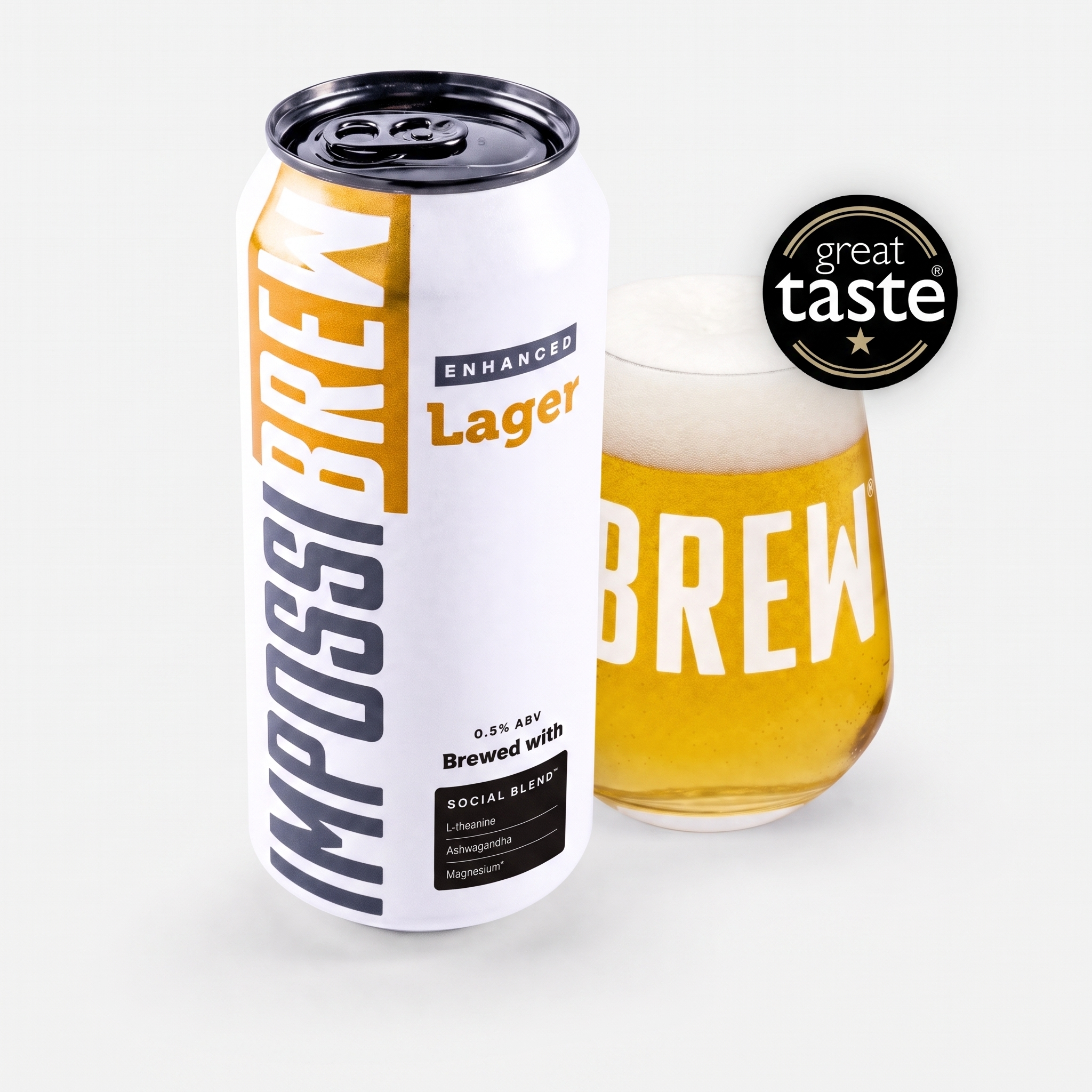
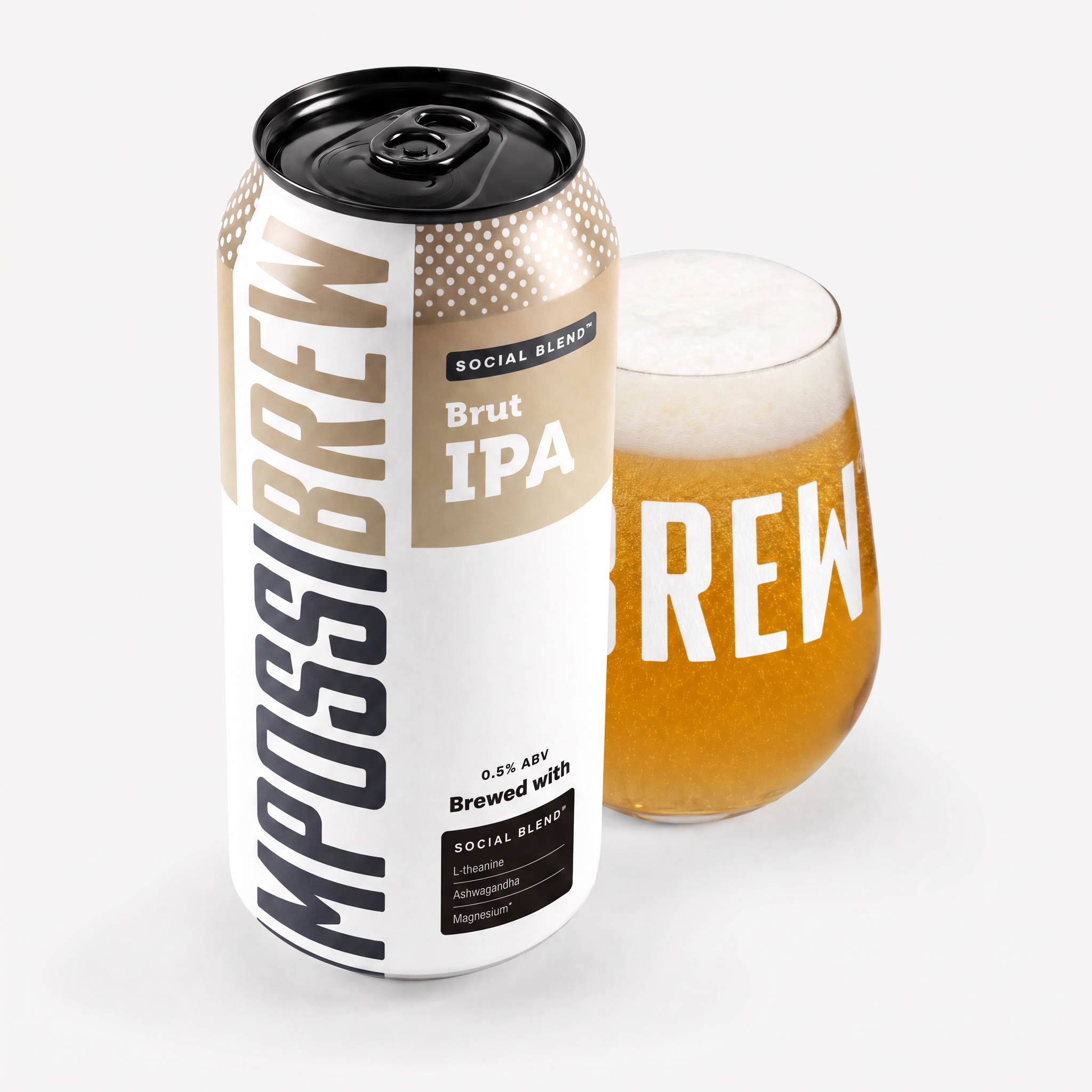
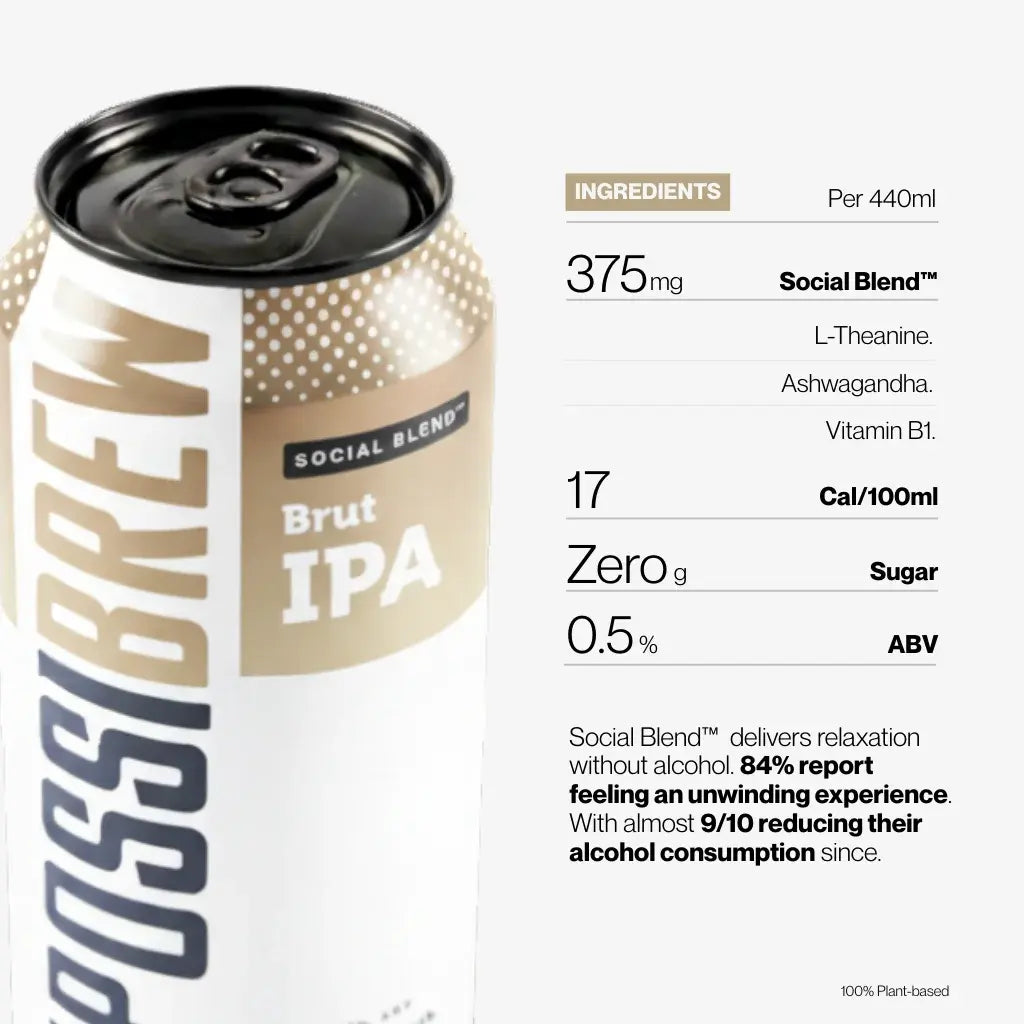
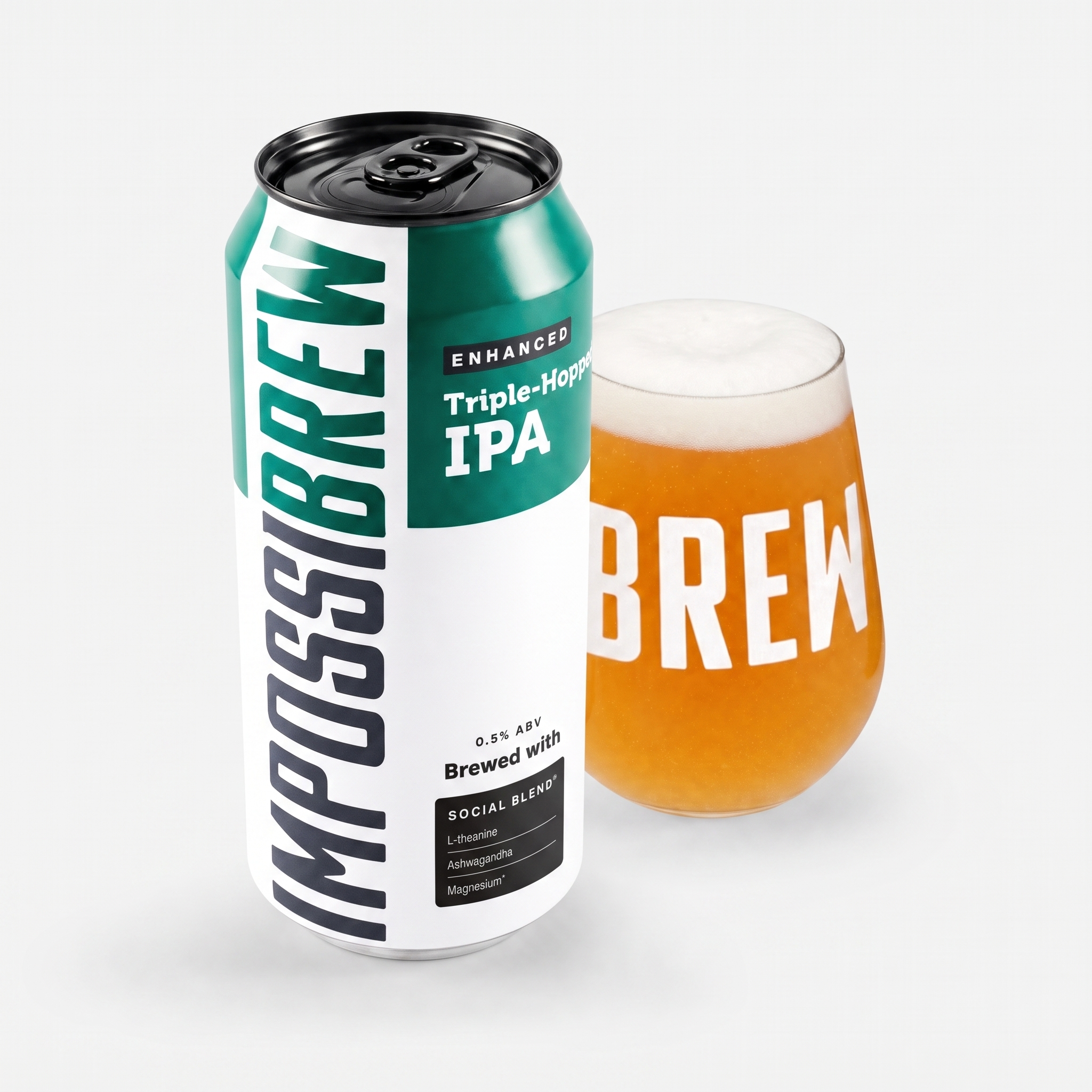
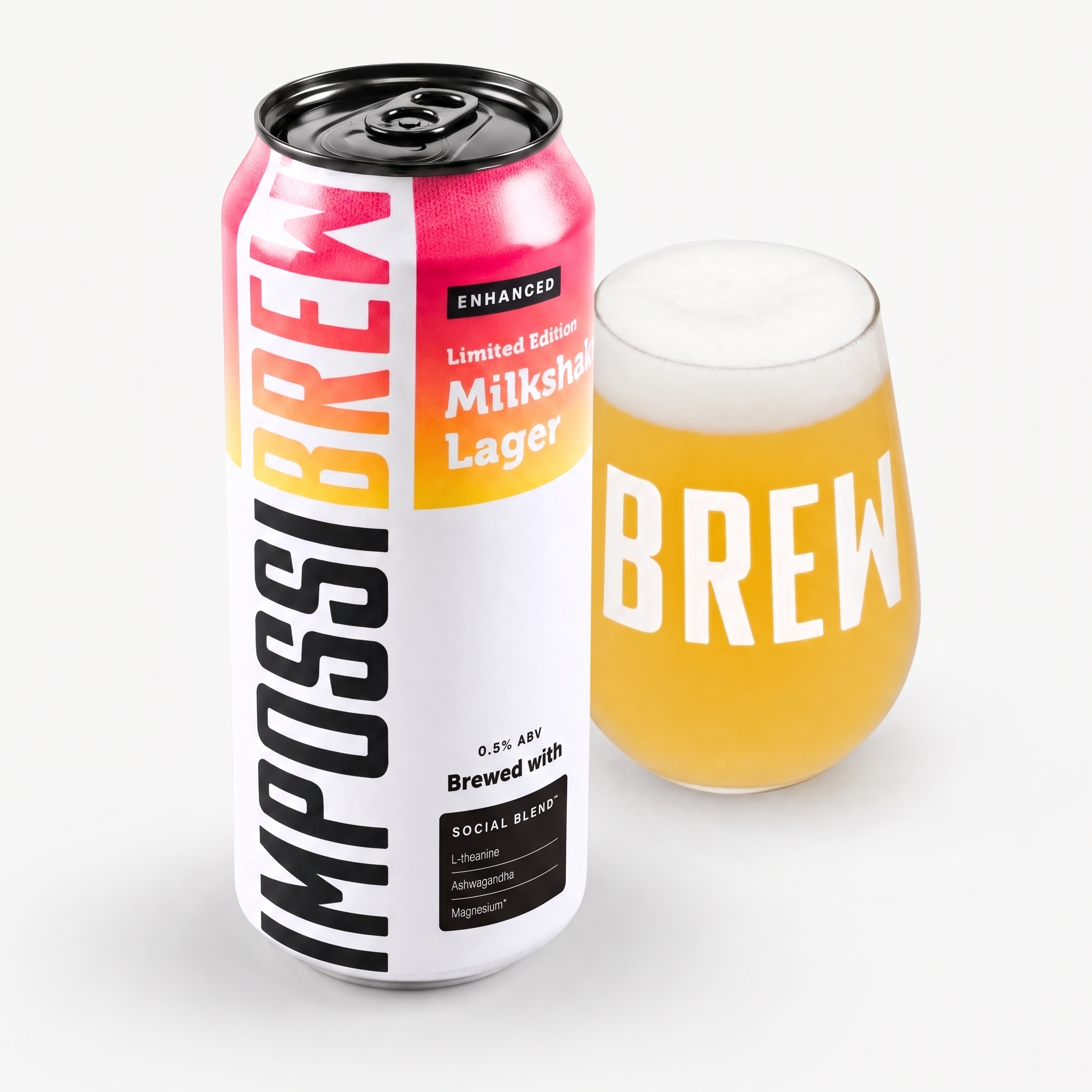
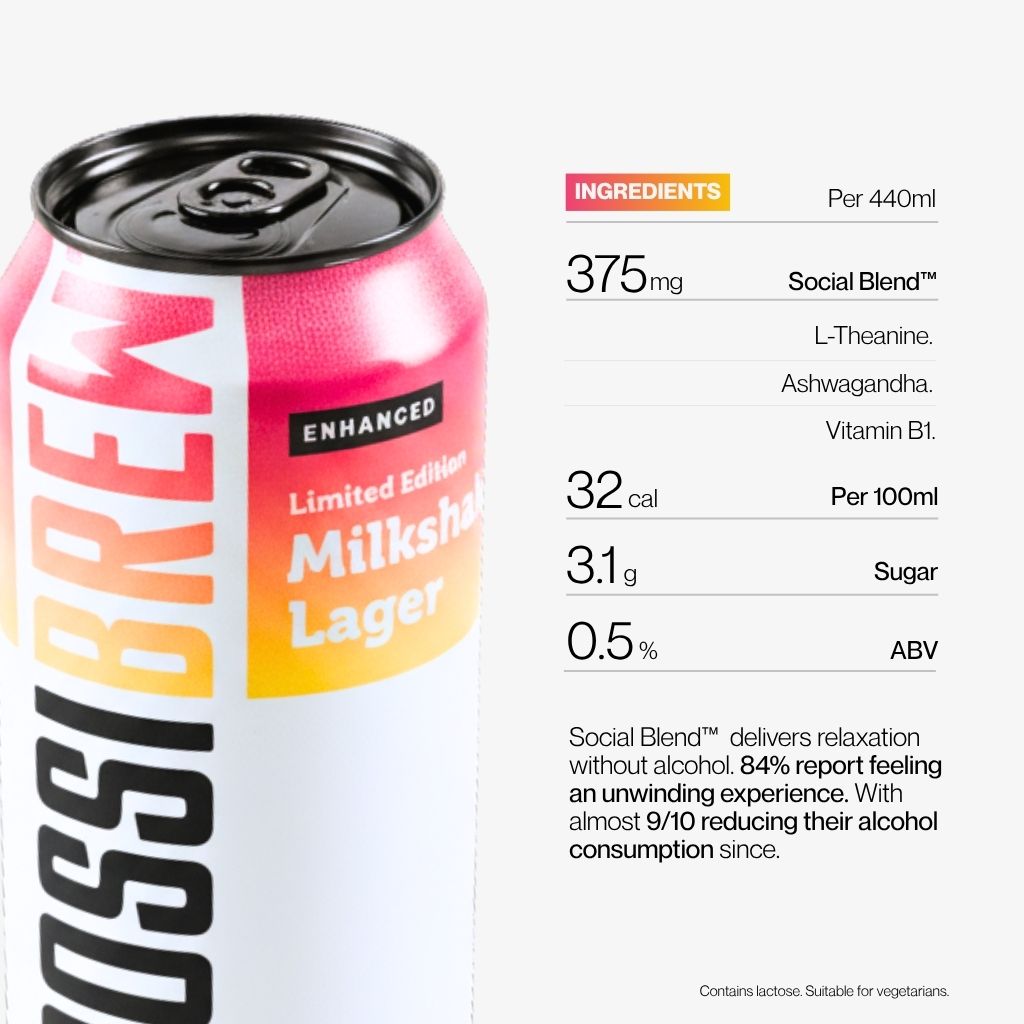
Adding adaptogens to non-alcoholic beers is a standout development in the functional beverage world. One example is IMPOSSIBREW®, which has introduced its Social Blend™, a mix of adaptogenic and nootropic ingredients designed to offer relaxation without the downsides of alcohol. This thoughtful integration ensures that products like IMPOSSIBREW®’s drinks deliver on their promise of functional benefits.
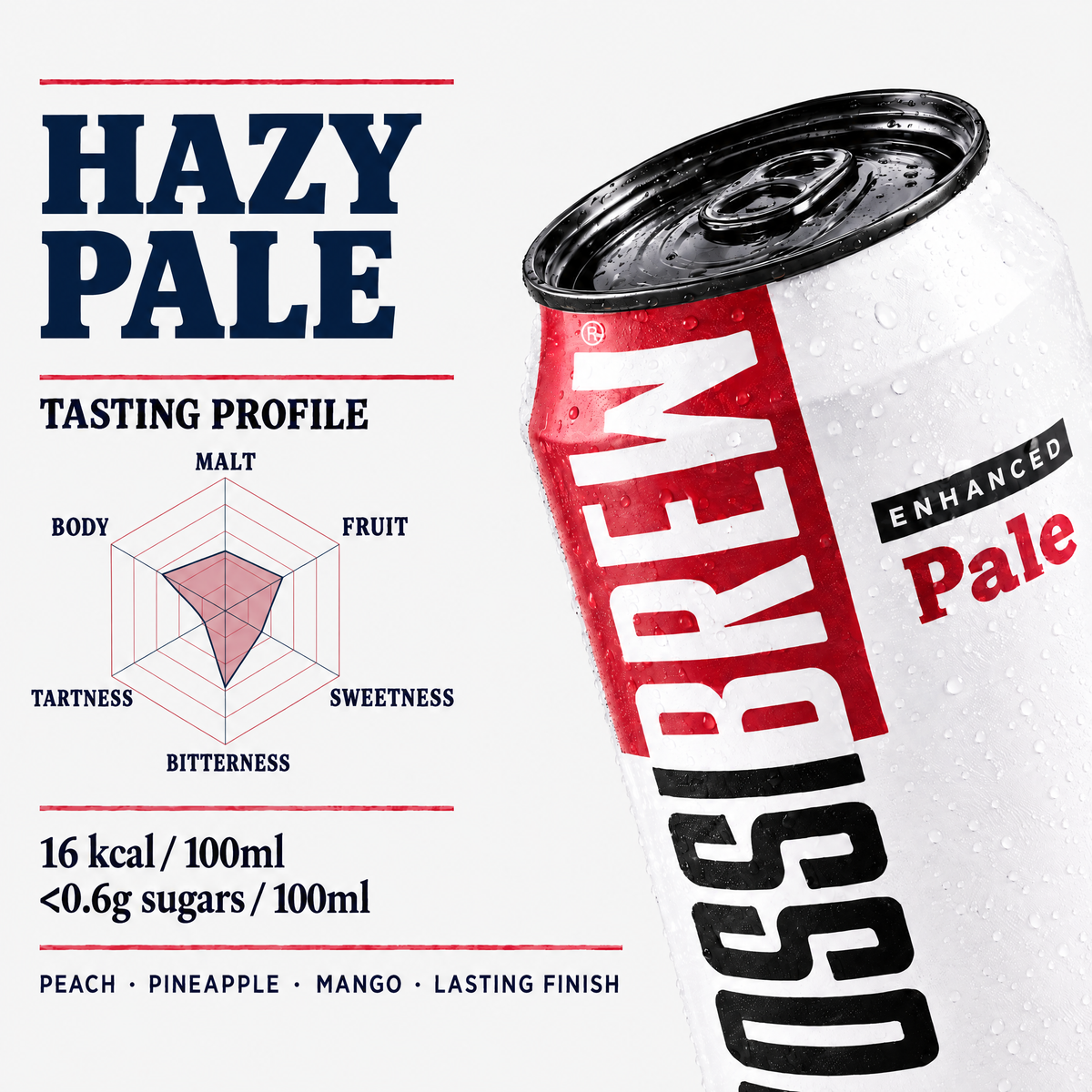
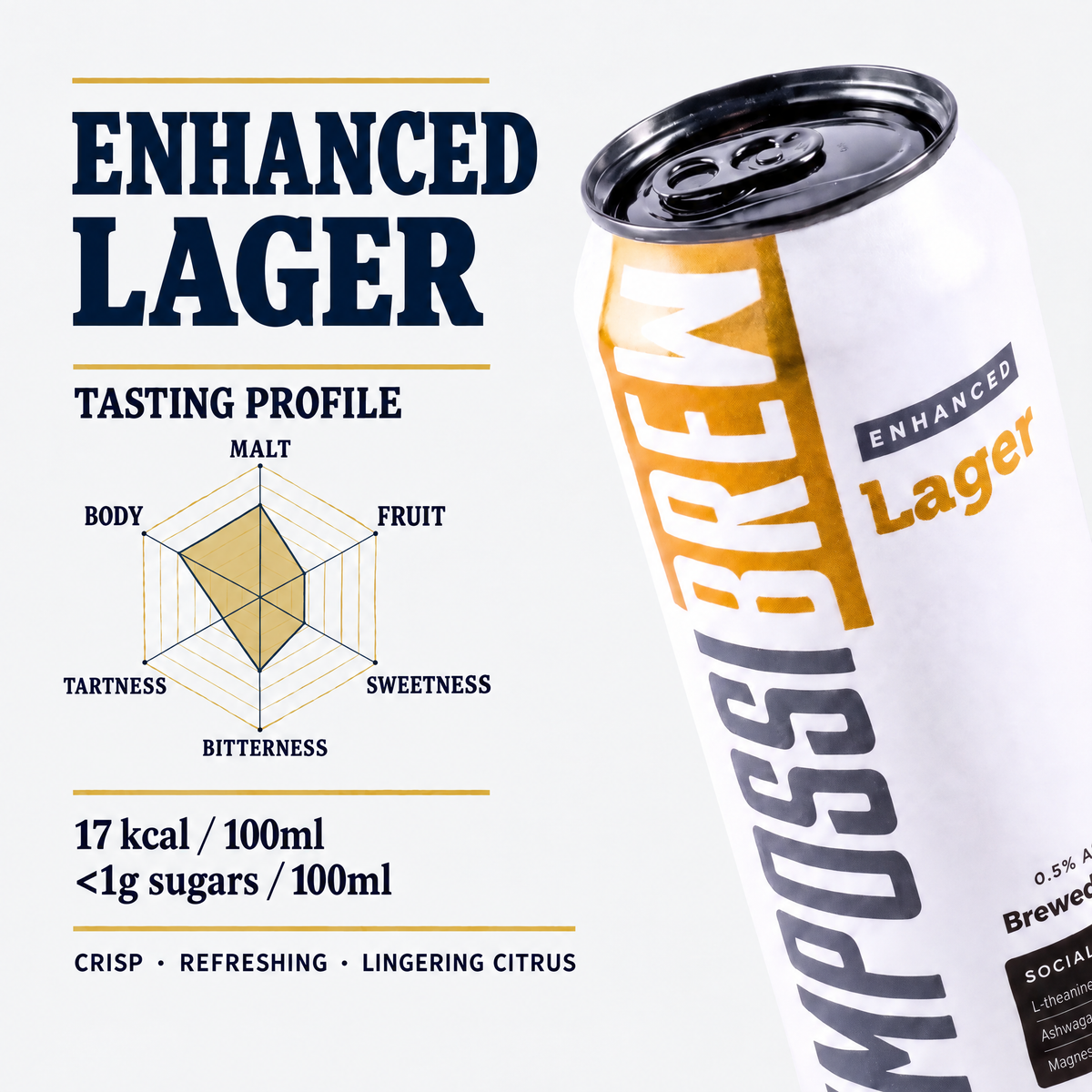
Their Enhanced Lager and Enhanced Hazy Pale Ale feature less than 0.5% ABV, offering the familiar feel of traditional beer. Starting at £1.97 per can, they’re low in calories, vegan-friendly, and available in gluten-free options, appealing to a wide range of dietary needs while providing genuine physiological effects.
While these innovations in formulation are exciting, ensuring that these products are safe for everyone remains a top priority.
Safety and Tolerability
Adaptogens are generally well-tolerated when consumed in moderation, but certain groups should be cautious. Pregnant or breastfeeding individuals are advised to avoid most adaptogens due to limited research on their safety. Similarly, those taking medications for conditions like diabetes, high blood pressure, or autoimmune disorders should consult a healthcare provider before adding adaptogen-infused drinks to their routine.
It's wise to start with smaller doses and gradually increase intake, observing how your body reacts. Trustworthy brands prioritise safety by conducting strict quality checks, including third-party testing, to confirm ingredient levels and ensure products are free from harmful contaminants.
Conclusion: The Brain-Boosting Potential of Adaptogens
Research into adaptogens is uncovering their promising role in supporting cognitive health. Unlike quick fixes that merely stimulate the brain, adaptogens work by balancing the body’s stress response systems and maintaining neurotransmitter harmony. This comprehensive approach can lead to noticeable improvements in managing stress and enhancing cognitive functions.
One of the standout benefits of adaptogens is their ability to reduce stress and improve mood. By helping the body regulate its stress response, they create an environment where memory, focus, and emotional stability can thrive. Their impact on neurotransmitters like serotonin, dopamine, and GABA contributes to emotional resilience and steadier moods throughout the day.
When it comes to mental performance, adaptogens seem to offer both immediate and long-term benefits. This unique dual action makes them especially appealing for those looking to enhance their cognitive abilities in a sustainable way.
The inclusion of adaptogens in functional beverages, such as the enhanced non-alcoholic beers by IMPOSSIBREW®, highlights a practical and enjoyable way to incorporate cognitive support into everyday life. These drinks combine the benefits of adaptogens with the sociability of a good brew, offering a thoughtful balance of wellness and pleasure.
With the functional beverage market evolving, adaptogens are set to take centre stage in brain health support. Their natural origins, safety profile, and wide-ranging benefits make them an appealing choice for anyone looking for accessible, science-backed ways to boost their cognitive well-being.
FAQs
How do adaptogens in functional drinks support cognitive performance differently from traditional stimulants?
Adaptogens in functional drinks offer a natural way to support cognitive performance by focusing on long-term balance and resilience in the body. Unlike traditional stimulants that deliver a quick energy spike, adaptogens work more steadily. They interact with the central nervous system, helping to reduce stress, regulate neurotransmitters, and gradually enhance focus, mental clarity, and endurance.
What sets adaptogens apart is their sustainable approach. While stimulants can sometimes cause dependency or lead to energy crashes, adaptogens provide consistent support without those drawbacks. Thanks to their neuroprotective and anti-fatigue qualities, they help maintain alertness and cognitive function over time, making them a great option for those looking to naturally nurture their brain health.
Are adaptogen-infused drinks safe for people with existing health conditions?
Adaptogen-infused drinks aren't for everyone, especially if you have specific health conditions. These ingredients can affect blood pressure, blood sugar levels, and immune system responses, which might conflict with medications for conditions like hypertension, diabetes, or autoimmune disorders. For example, they could potentially increase blood pressure or overly stimulate the immune system.
If you're managing a medical condition or taking prescribed medications, it's wise to check with a healthcare professional before adding adaptogen-infused beverages to your routine. This ensures they won’t cause any unwanted effects.
Can combining different adaptogens in a drink enhance their effects, and how do manufacturers get the balance right?
Combining adaptogens in a single drink can amplify their benefits by targeting various aspects of well-being, including stress reduction, improved energy, and mental clarity. Together, these natural substances can work in harmony, offering a more rounded and balanced effect.
To achieve this, manufacturers carefully select adaptogens with properties that complement one another. They also rely on scientific research to ensure these combinations are both effective and safe. This thoughtful approach not only maximises their impact but also helps minimise any potential side effects, providing a reliable and enjoyable experience for users.