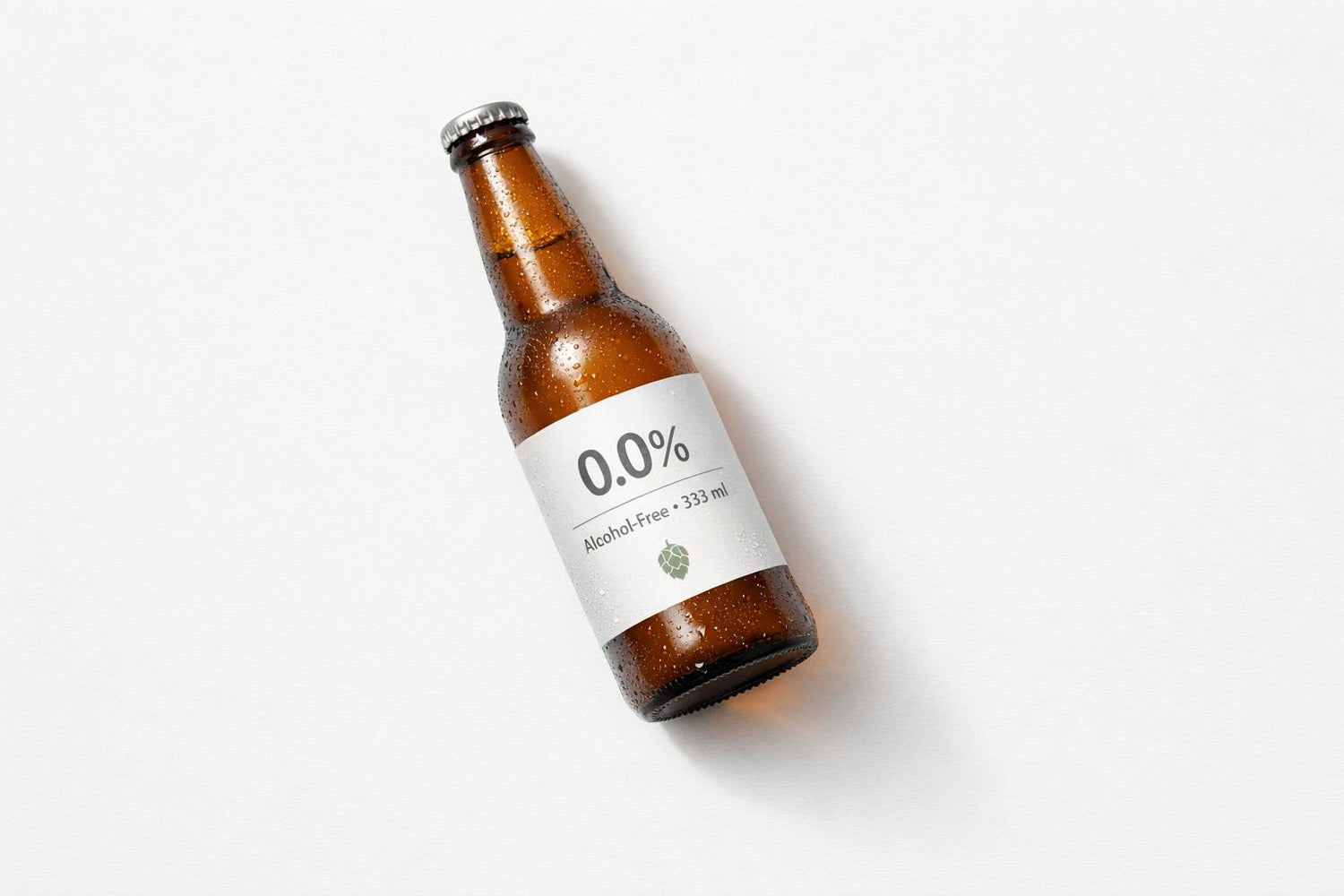
Yes, alcohol-free beer may help improve sleep quality. This is due to the calming properties of hops, a key ingredient in beer, which interact with the brain's GABA receptors to reduce neural activity and promote relaxation. Unlike regular beer, alcohol-free options avoid the sleep-disrupting effects of alcohol, making them a better choice for restful nights.
Key points:
- Hops contain compounds like humulone and xanthohumol, which support relaxation and better sleep.
- Studies show that drinking one 333ml alcohol-free beer with dinner for 14 days can improve sleep quality and reduce the time it takes to fall asleep.
- Stress and anxiety, common sleep disruptors, can also be eased by hops' calming effects.
While alcohol-free beer can support sleep, it's not suitable for everyone, such as those with certain medical conditions or during pregnancy. For best results, drink alcohol-free beer moderately and consistently as part of your evening routine.
Sleep Better WITHOUT Alcohol: Try This Natural Drink!
sbb-itb-a752bf8
Common Sleep Problems in the UK
Sleep issues are a prevalent concern across the UK. Approximately 48% of UK adults struggle to fall asleep at least once a week, with women (54%) reporting more difficulty than men (40%) [7]. Even more concerning, 12% of Britons face nightly difficulties with sleep onset [7].
The impact of poor sleep extends beyond restless nights, affecting both mental and physical health. It contributes to daytime fatigue, memory problems, emotional instability, and a weakened immune system [8]. While only 5% of the UK population has a formal diagnosis of insomnia, far more individuals experience ongoing sleep challenges [7].
In an attempt to improve sleep, 36% of Britons occasionally rely on an alcoholic "nightcap", with this figure rising to 42% among those aged 60 and over [7]. However, alcohol disrupts sleep patterns, causing frequent awakenings during the second half of the night, which undermines the restorative benefits of sleep [8]. These challenges are further compounded by stress and anxiety, which play a significant role in sleep disruption.
How Stress and Anxiety Disrupt Sleep
Modern life often fuels stress and anxiety, creating a perfect storm for sleep disturbances. Work demands, financial struggles, housing issues, and relationship tensions activate the hypothalamic-pituitary-adrenal (HPA) axis, flooding the body with stress hormones like cortisol and adrenaline [10][11]. This keeps the body in a heightened state of alertness, making it difficult to relax.
"If our brains sense danger, if we feel anxious or threatened... we ramp up our 'fight or flight' stress response. This is designed to keep us on high alert and ready to run." - Dr Sophie Bostock, Scientist [11]
This stress response interferes with melatonin production, the hormone responsible for signalling the body to prepare for sleep [11]. As a result, people take longer to fall asleep and experience lighter, less refreshing sleep. Research shows that up to 75% of patients with Generalised Anxiety Disorder suffer from insomnia, and those with insomnia are over 6 times more likely to develop an anxiety disorder compared to those who sleep well [9].
"The amygdala, the part of the brain which switches on our 'fight or flight' stress response, becomes more sensitive after a restless night. It's as if the brain interprets a lack of sleep as a signal that we could be in danger." - Dr Sophie Bostock [11]
Given the widespread impact of stress and anxiety on sleep, many are now turning to natural options to improve their rest.
The Growing Interest in Natural Sleep Solutions
With growing awareness of the drawbacks associated with conventional sleep aids, many Britons are exploring natural alternatives. While 24% of Britons use some form of sleeping aid, there is a noticeable shift towards solutions that avoid the side effects of pharmaceuticals and the sleep-disrupting properties of alcohol [7].
Rachel Davies, a nutritionist, explains the issue with alcohol:
"Alcohol disrupts our sleep architecture such that we are not getting optimal rest" [8]
In addition to fragmenting sleep, alcohol reduces melatonin levels by up to 20% and acts as a diuretic, prompting more frequent trips to the bathroom during the night [8][4].
This has led to a rise in the popularity of functional drinks containing natural ingredients like hops. Unlike alcohol, these drinks provide the calming effects of hops without the negative consequences. Hops, found in non-alcoholic beer, enhance GABA activity - a neurotransmitter that soothes the central nervous system - helping to ease anxiety and promote better sleep quality [12][2]. For those seeking a restful night's sleep without grogginess or harm to REM cycles, natural solutions are becoming the go-to choice [4].
Hops as a Sleep Aid in Alcohol-Free Beer
Hops (Humulus lupulus) are packed with compounds that can help promote relaxation and improve sleep quality. Research has pinpointed specific molecules in hops that interact with the body's natural calming systems, making them a natural ally for better rest.
The standout compounds are alpha acids - especially humulone, which makes up 35–70% of the total alpha acids in hops - and prenylflavonoids like 6‑prenylnaringenin. Together, these components create a calming effect that may help ease anxiety [5].
How Hops Work on the Brain and Body
Hops primarily influence the brain by interacting with GABAA receptors. GABA (gamma‑aminobutyric acid) is the brain's main inhibitory neurotransmitter, responsible for reducing neural activity and promoting a sense of calm [6]. When compounds like humulone interact with these receptors, they enhance GABA's calming effects, acting as positive allosteric modulators.
"The main mechanism of action of hops is to modulate the activity of the neurotransmitter γ-aminobutyric acid (GABA) through modulation of brain GABA(A) receptors."
- Javier Cubero Juanez, Assistant Professor, University of Extremadura [6]
Studies show that humulone is effective even at low concentrations, with measurable activity starting at just 3.2 μM. Similarly, 6‑prenylnaringenin shows activity at around 3.7 μM [13]. Animal studies have demonstrated that a dose of humulone at 20 mg/kg can reduce movement and extend sleep duration [5]. Hops also engage with the serotonergic system, which helps stimulate melatonin production, and adenosine receptors, which are key players in natural sleep regulation [6]. These interactions highlight why hops' calming properties remain effective in alcohol-free beer.
Why Alcohol-Free Beer Keeps Hops' Benefits
Alcohol-free beer retains the calming qualities of hops, making it a functional choice for those seeking better sleep. During the alcohol removal process, beneficial hop compounds - like bitter acids, flavonoids, and essential oils - are preserved. This allows alcohol-free beer to maintain its sedative properties without the sleep-disrupting effects of alcohol [14].
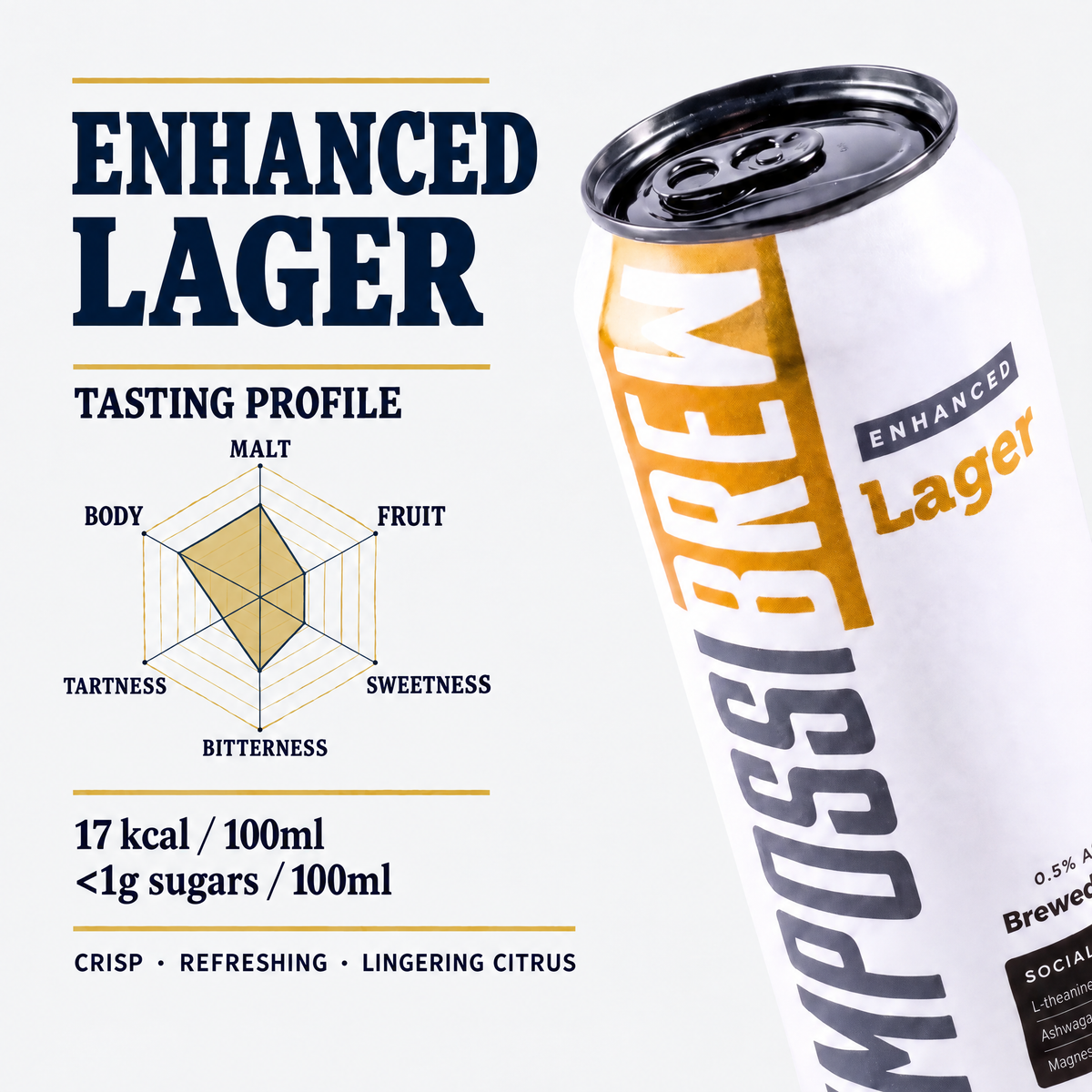
Regular beer, despite containing hops, can interfere with sleep due to alcohol's impact on sleep architecture. Alcohol-free beer, on the other hand, avoids these disruptions while offering fewer calories - 17 kcal per 100 ml compared to 45 kcal per 100 ml in standard beer - all while keeping key compounds like humulone and xanthohumol intact [6].
"Xanthohumol and humulone contained in the Saaz–Saphir mixture showed sleep‑promoting activity mediated by the GABAA receptors."
- B. Min et al., Korea University [14]
Interestingly, hops compounds often work together, creating a stronger effect than any single compound on its own. This synergy, preserved in alcohol-free beer, taps into multiple calming mechanisms at once, which helps explain the sleep improvements seen in clinical studies.
Research on Alcohol-Free Beer and Sleep Quality
Studies Showing Sleep Improvements
Two clinical trials have explored how alcohol-free beer impacts sleep in individuals dealing with stress - a common factor that disrupts restful sleep.
In July 2012, researchers from the University of Extremadura in Spain studied 17 healthy female nurses working rotating night shifts. Over 14 days, these participants drank one 333ml bottle of alcohol-free beer with their evening meal. Using actigraphy to monitor sleep, the study revealed a decrease in sleep latency (the time it takes to fall asleep) and reduced nocturnal movement compared to a control period [15][16].
"Drinking the non‐alcoholic beer reduced the time it took the women to fall asleep and reduced nocturnal movement."
- Dennis Rosen M.D., Paediatric Pulmonologist and Sleep Specialist, Boston Children's Hospital [15]
In another trial conducted in September 2014, researchers examined 30 stressed university students over three weeks. After a 7-day baseline measurement, participants consumed one 333ml bottle of alcohol-free beer with dinner for 14 days. Using the Pittsburgh Sleep Quality Index (PSQI), researchers found that subjective sleep quality improved, and sleep latency significantly decreased (p < 0.05) [1][2].
Sleep Metrics: Control vs Treatment Groups
The table below highlights the key findings from these studies. Both groups - nurses and students - experienced quicker sleep onset and better overall sleep quality after consuming alcohol-free beer.
| Study Group | Metric | Control Group | Treatment Group | Significance |
|---|---|---|---|---|
| University Students (n=30) | Sleep Latency | Higher baseline | Significantly lower | p < 0.05 [2] |
| University Students (n=30) | PSQI Global Score | Poorer quality | Significantly improved | p < 0.05 [1] |
| Stressed Nurses (n=17) | Sleep Latency (minutes) | Higher baseline | Significantly lower | p < 0.05 [17] |
| Stressed Nurses (n=17) | Nocturnal Movement | Standard activity | Significantly reduced | - [15][16] |
Further supporting these findings, animal studies with common quail demonstrated that a 2 mg dose of hop extract - matching the concentration in standard beer - reduced nocturnal activity pulses from 38.56 ± 2.79 to 23 ± 3.0 (p < 0.05) [2]. Interestingly, higher doses delayed the sedative effect into the next day, suggesting that moderation is key for optimal results.
These studies provide a solid foundation for understanding how alcohol-free beer might serve as a natural aid for improving sleep quality.
IMPOSSIBREW® Enhanced Beers for Relaxation
What Makes IMPOSSIBREW® Different
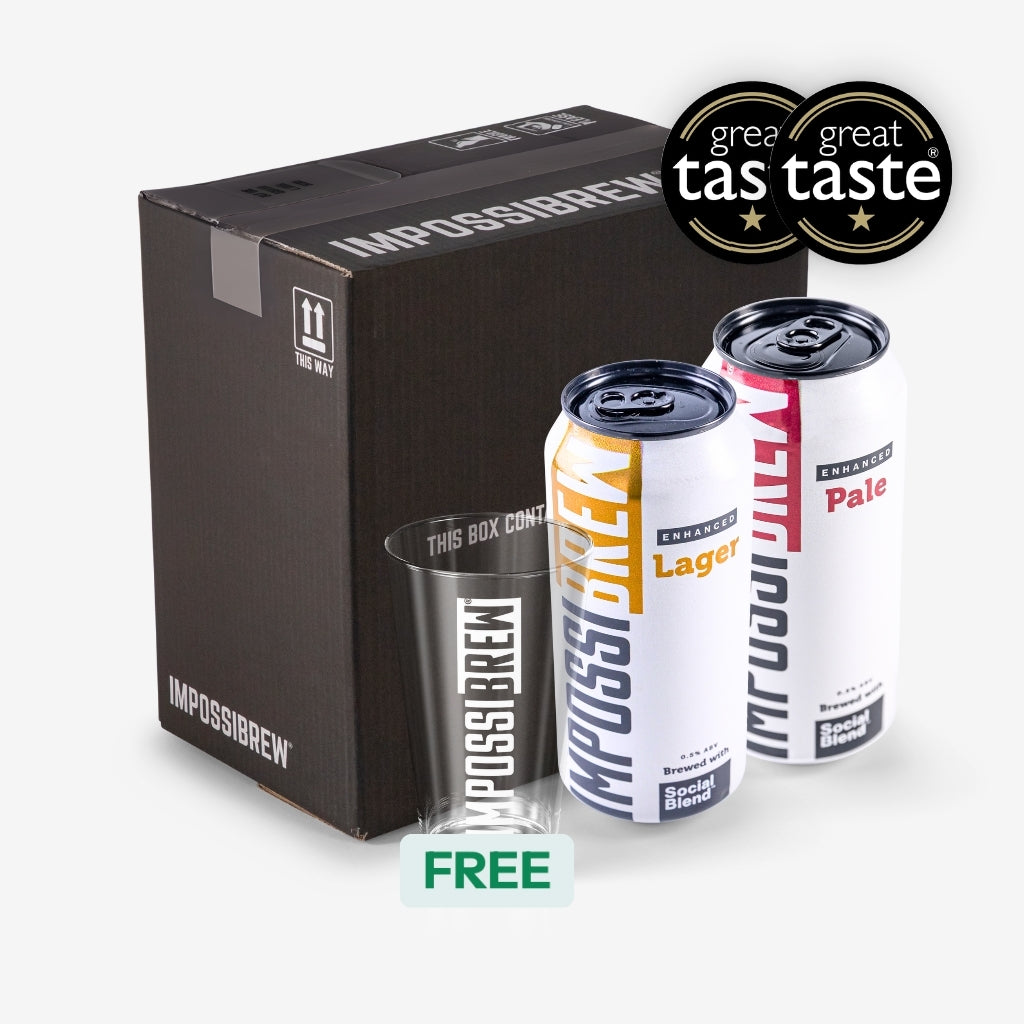
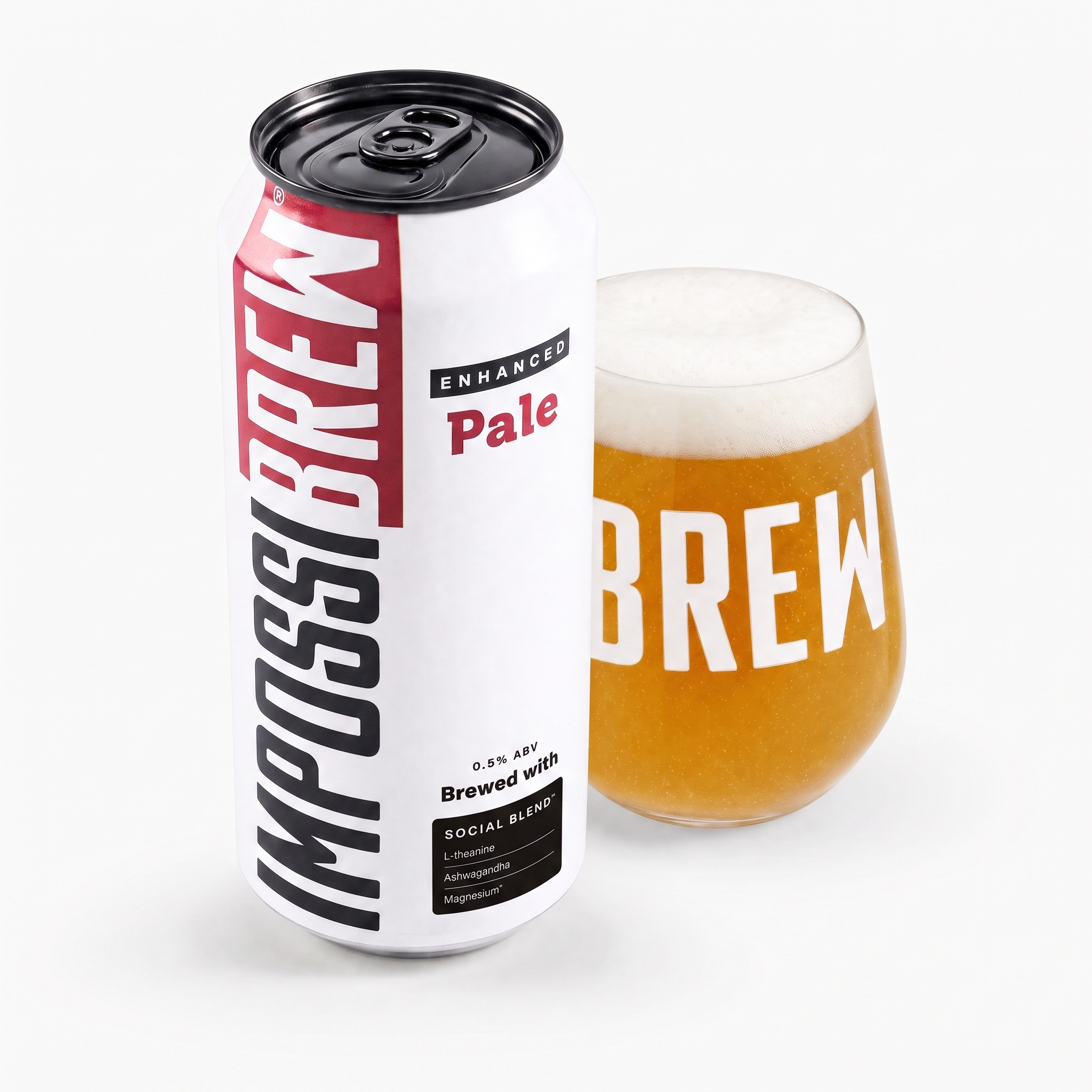
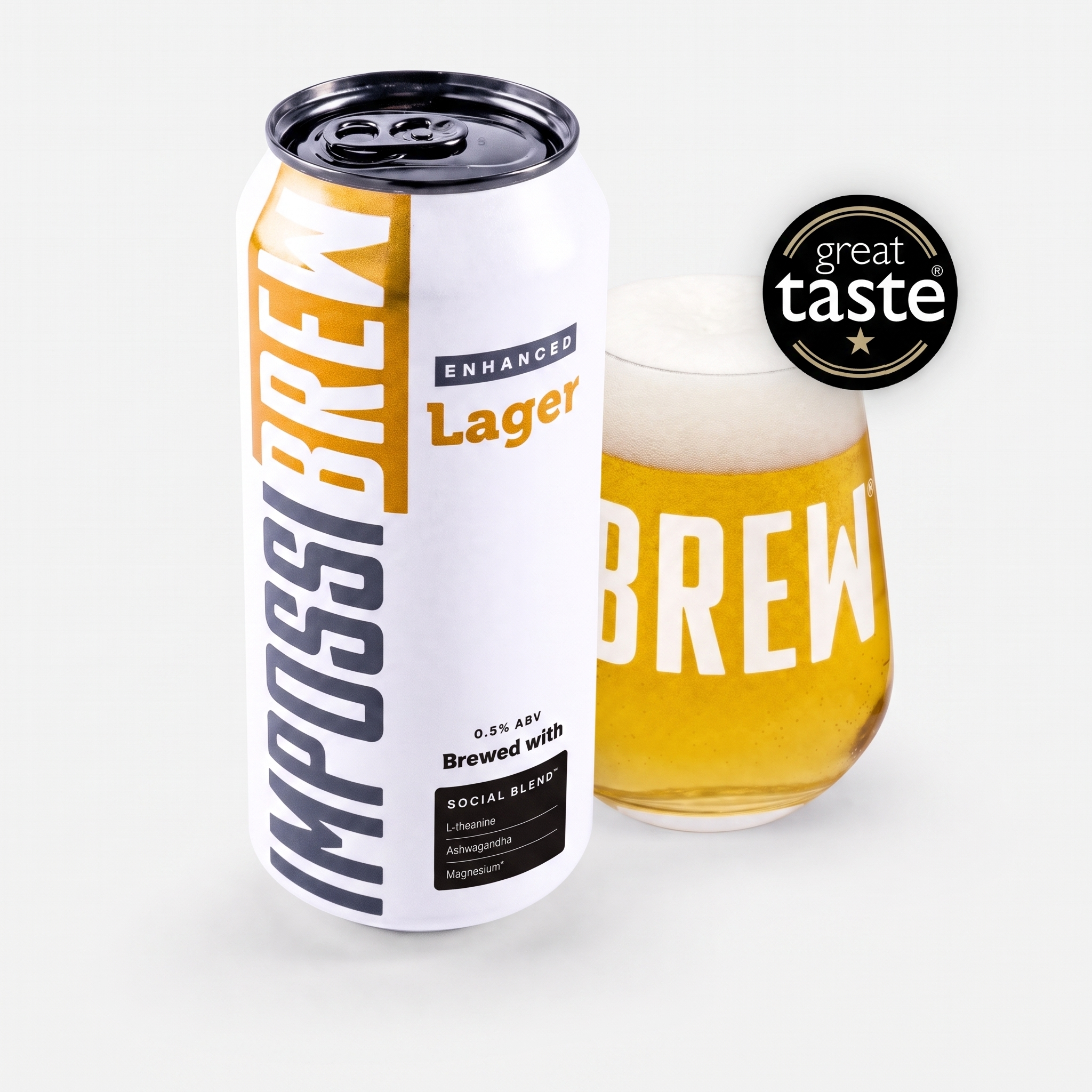
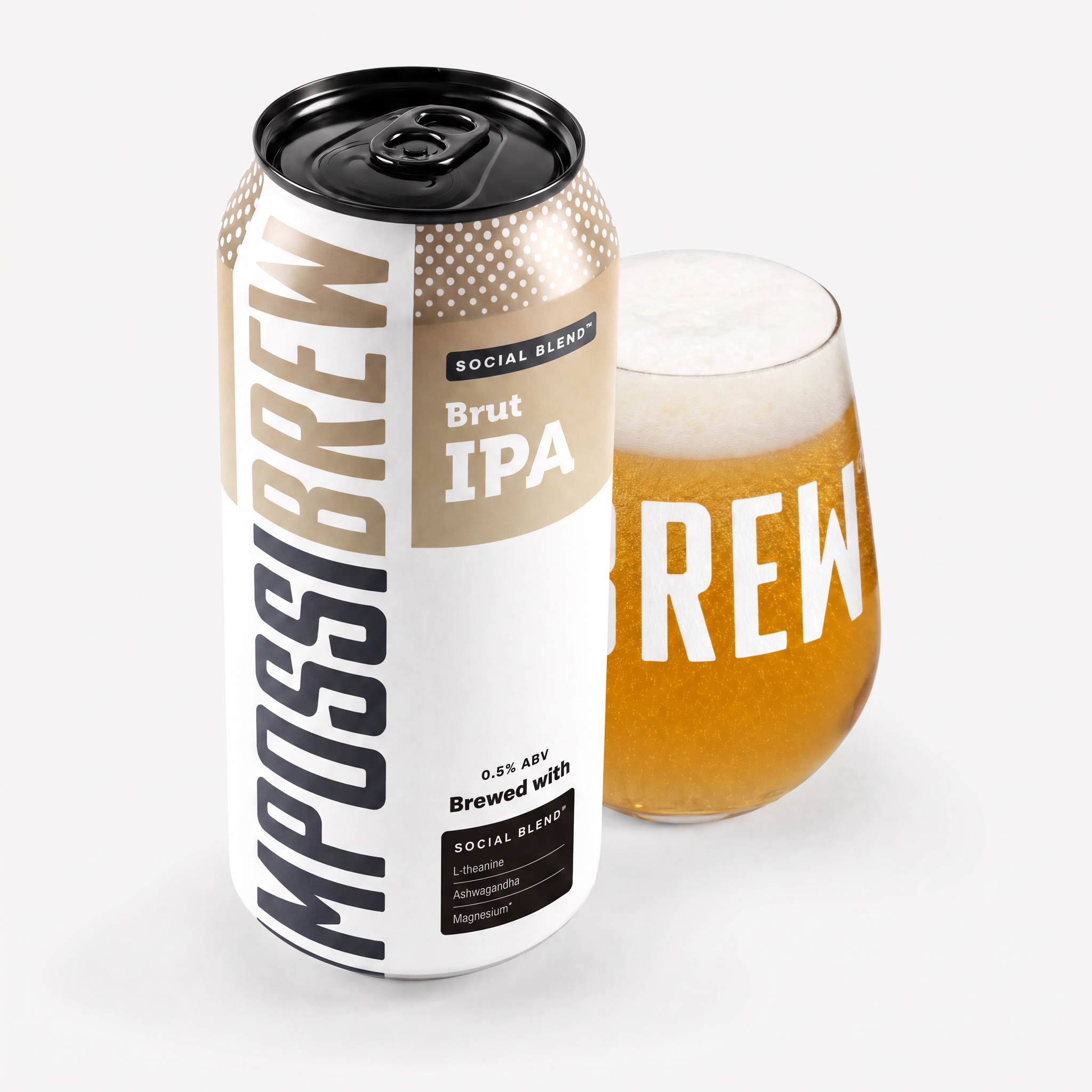
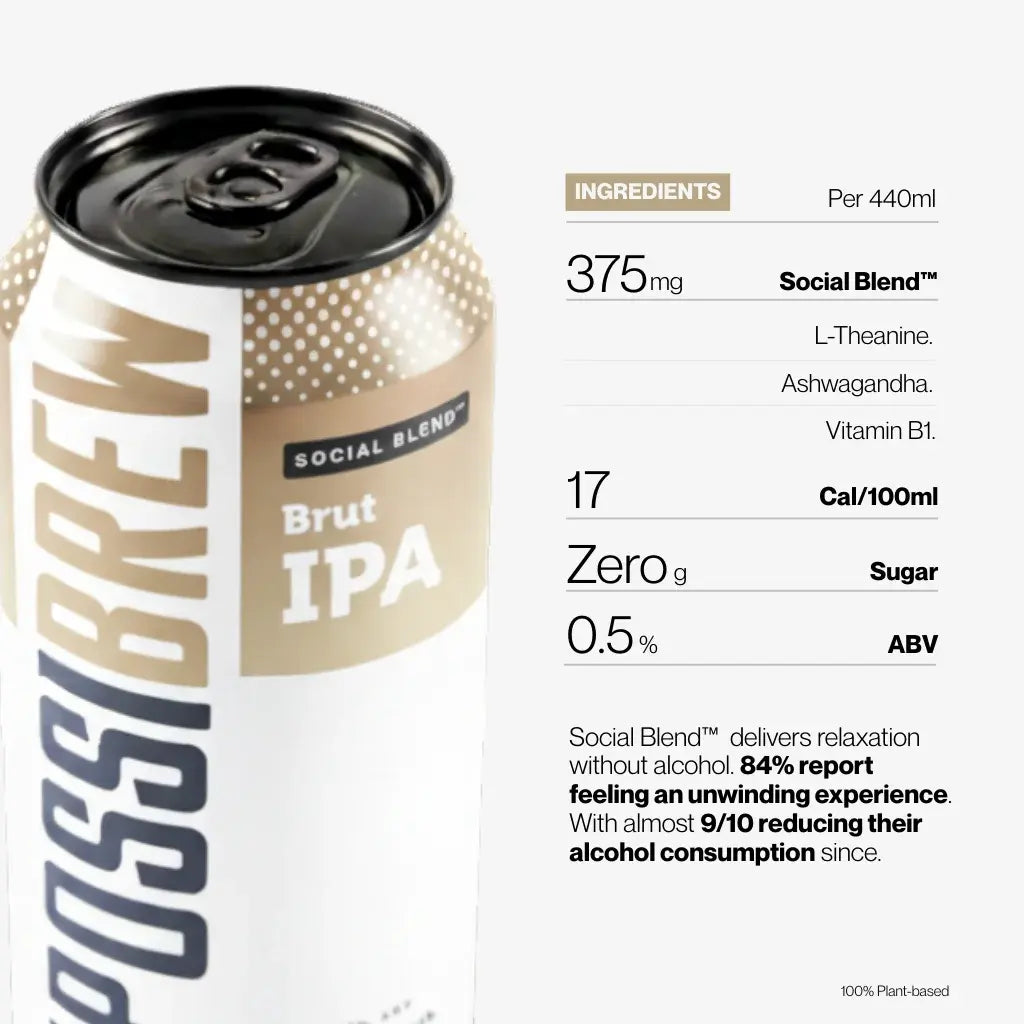
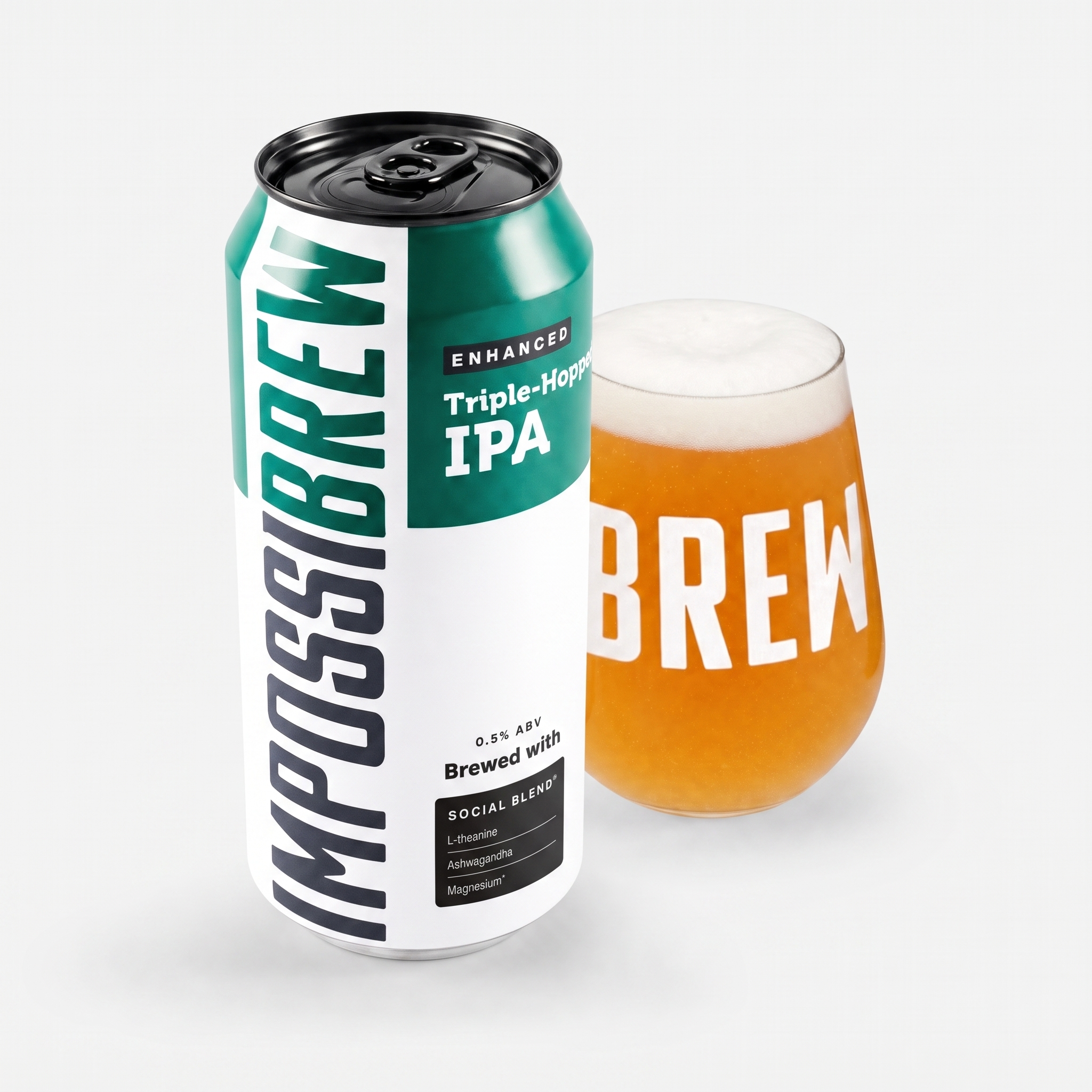
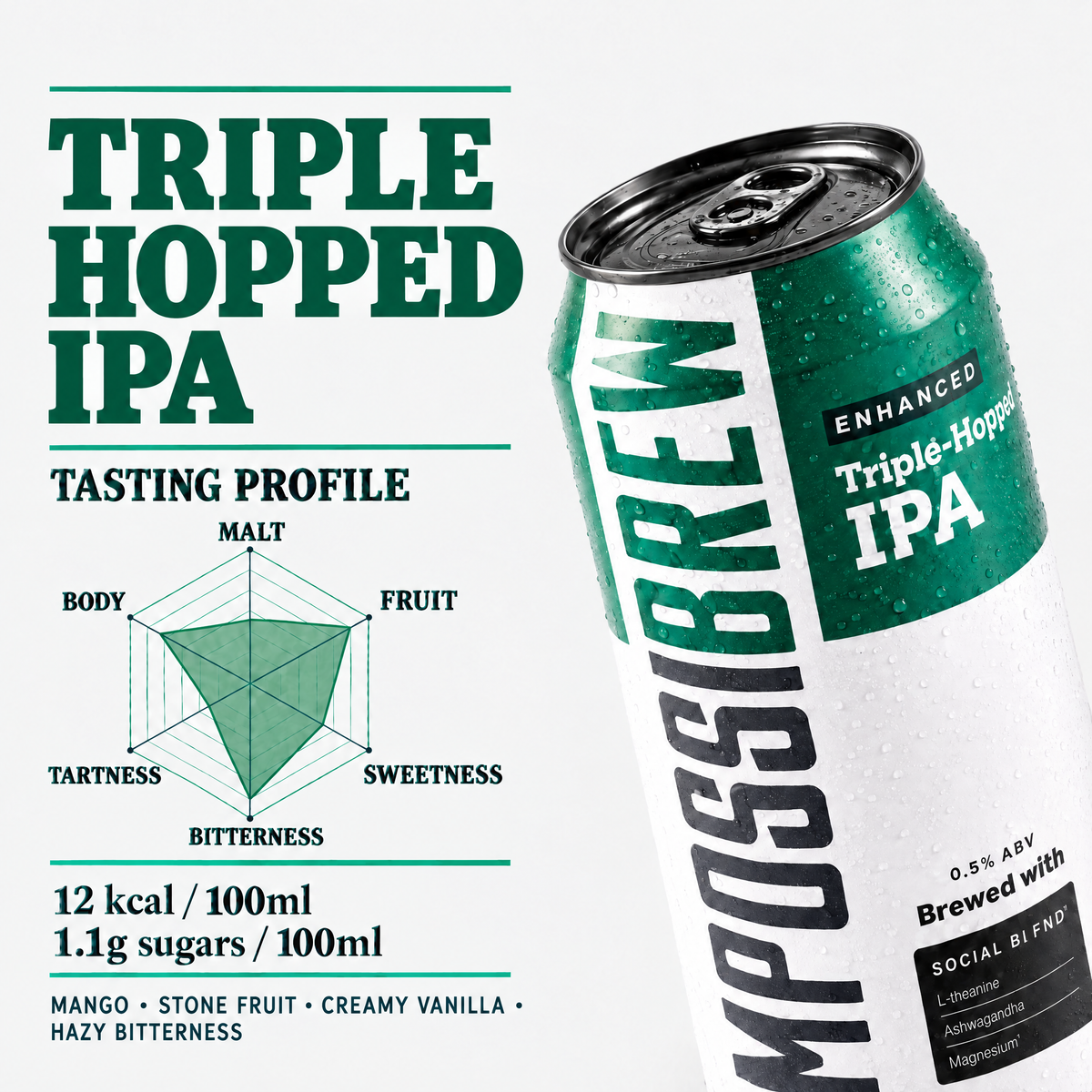
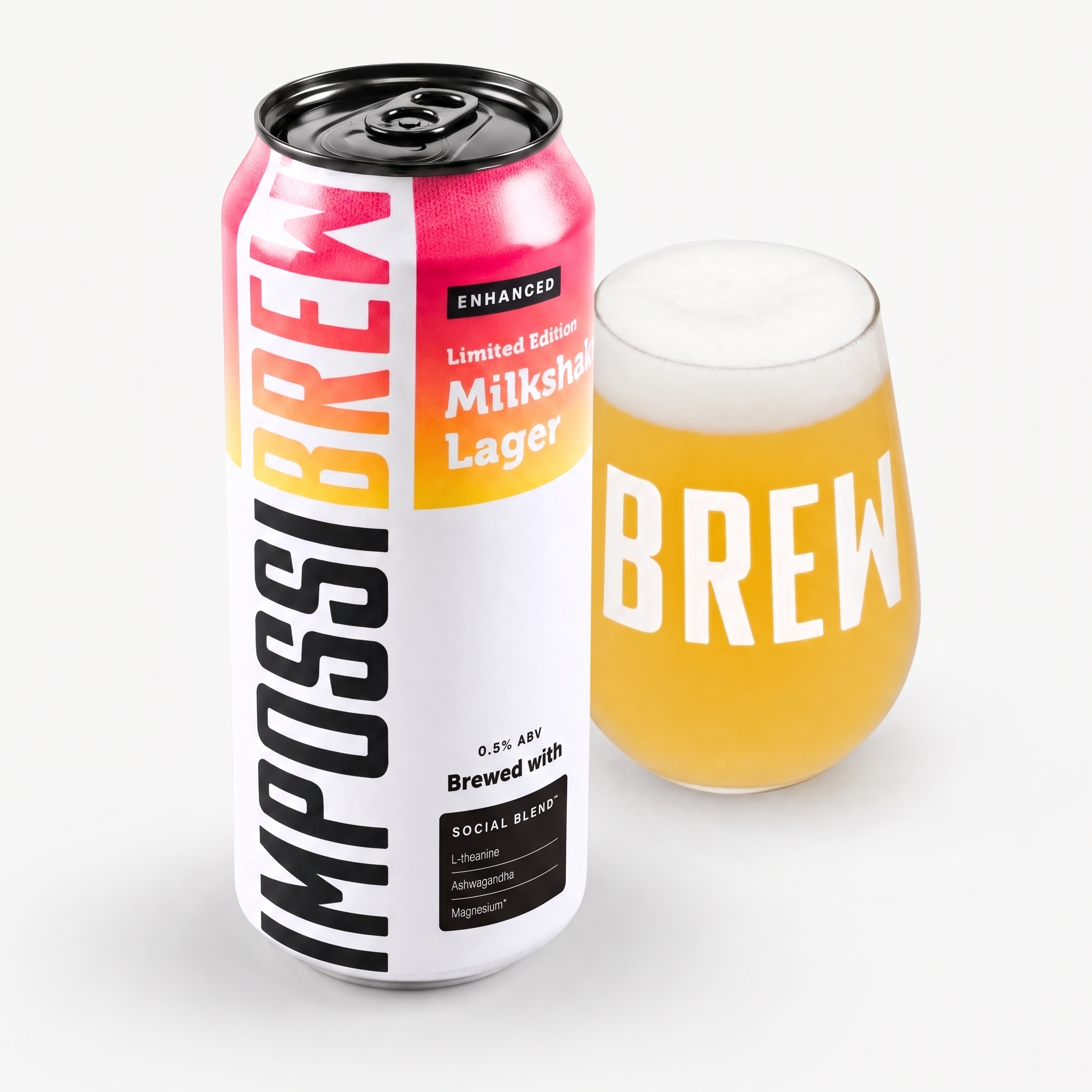
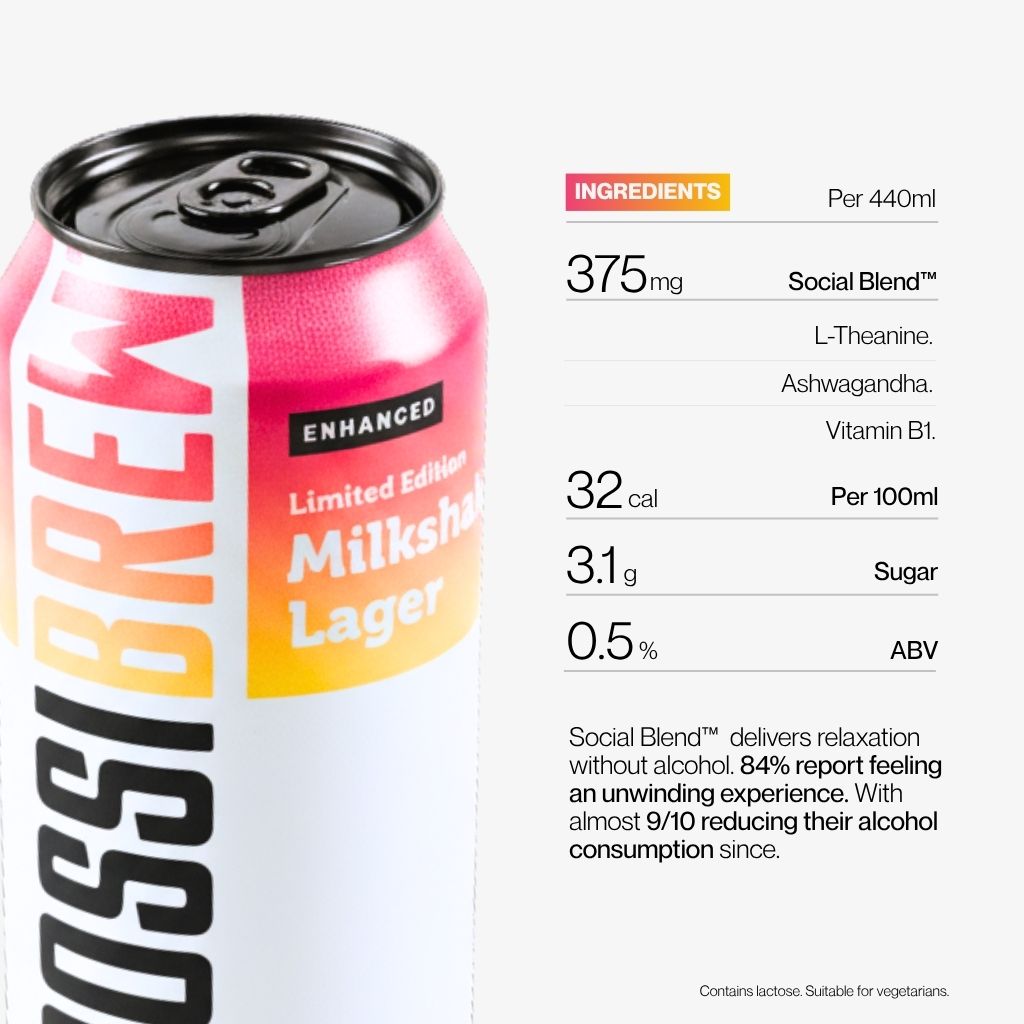
IMPOSSIBREW® takes the relaxing qualities of hops and gives them a boost with its patent-pending Social Blend™. This formula, created in collaboration with Dr Paul Chazot, is designed to enhance alpha brain waves and serotonin levels. By combining ingredients like L-Theanine, Ashwagandha, Vitamin B1, and carefully selected botanical extracts, it helps reduce anxiety while encouraging a state of calm focus. The science behind this blend is solid, supported by 52 peer-reviewed trials.
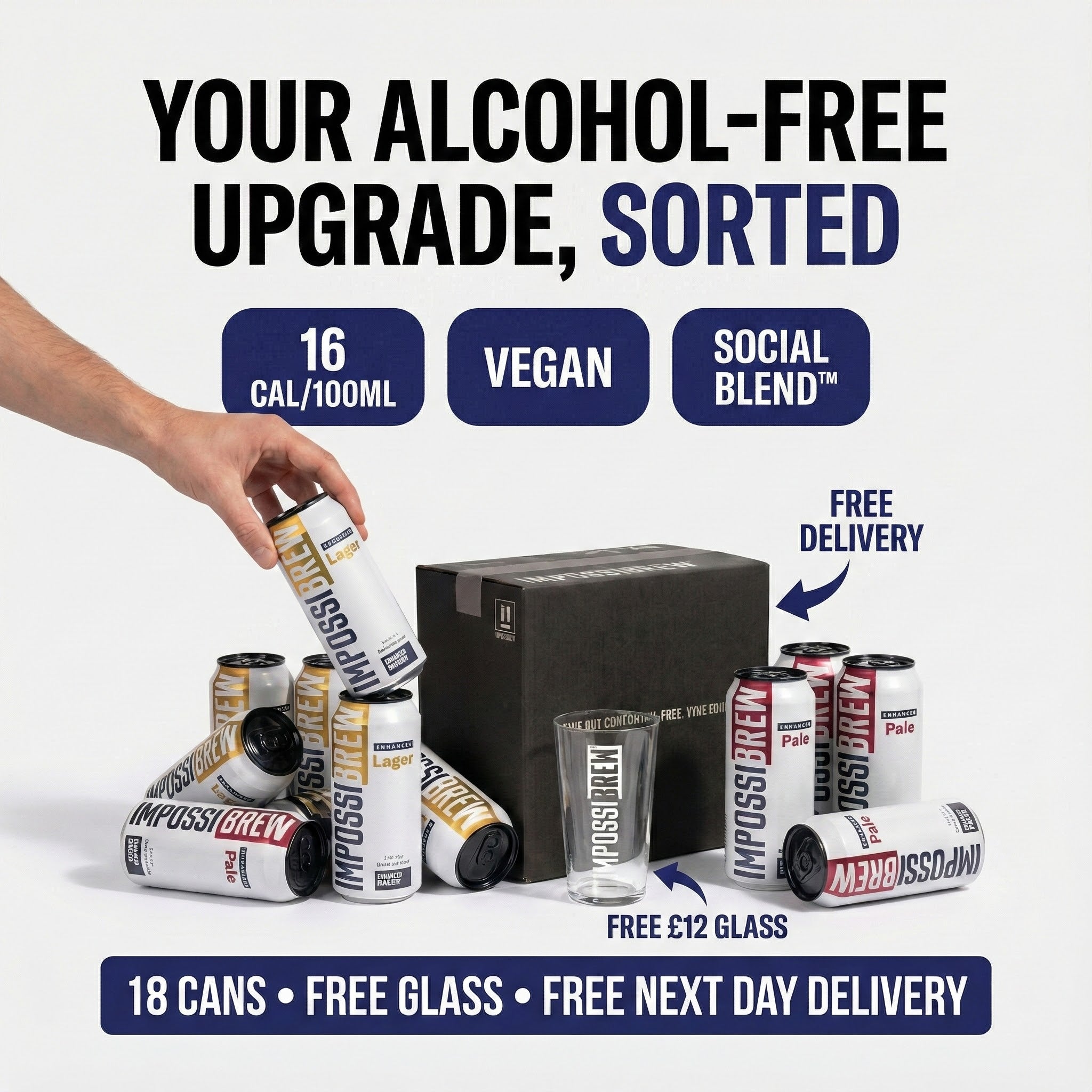
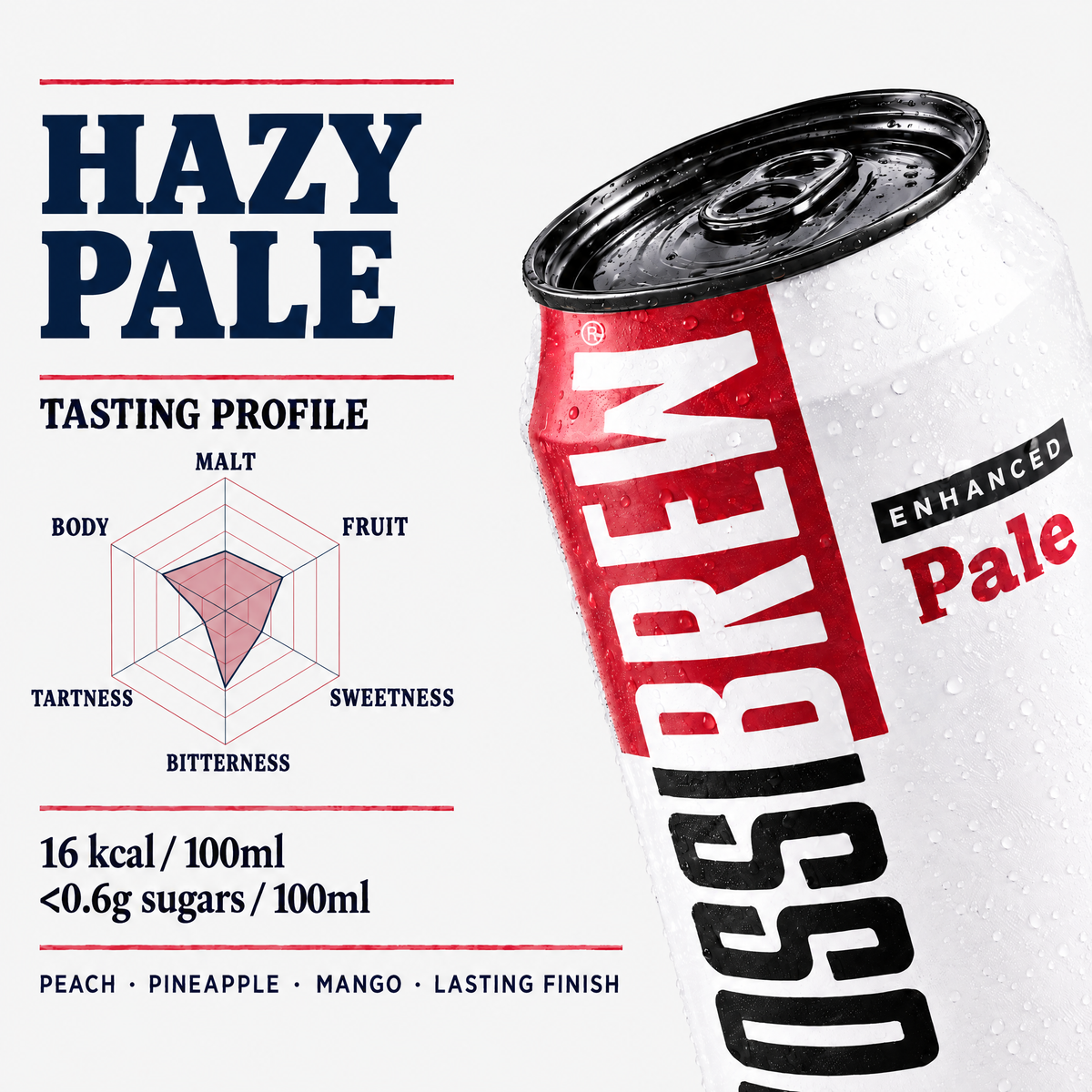
Ashwagandha, a key ingredient, helps regulate cortisol levels, which plays a role in managing stress. Every beer in the range is vegan-friendly, and the Enhanced Lager is also gluten-free. With less than 0.5% ABV, only 16–17 kcal per 100ml, and under 0.1g of sugar, these beers are a light and mindful choice. In a study involving over 700 participants, more than 70% reported feeling relaxed after drinking IMPOSSIBREW®, and 84% noticed an overall increase in relaxation. The brand's quality has been recognised with awards, including "UK's Best Non-Alcoholic Beer" at the World Beer Awards 2023.
Next, let’s take a look at the product range and pricing that make IMPOSSIBREW® an appealing addition to your evening routine.
Products and Prices
IMPOSSIBREW® offers two standout options: the Enhanced Lager and the Enhanced Hazy Pale, starting at just £1.97 per can. The Enhanced Lager boasts a crisp, Japanese-inspired flavour with a refreshing citrus finish, while the Enhanced Hazy Pale delivers fruity notes of peach, pineapple, and mango.
For those looking to try both, the Bestseller Bundle is available for £49.99. This includes 18 × 440ml cans (9 of each variety), a free glass, and a tasting guide to enhance the experience. Orders over £35 come with free UK Express Delivery, making it even easier to enjoy. With an impressive 4.7/5 rating from 1,224 customer reviews, three-quarters of buyers have called it the "most complete alcohol alternative" on the market.
How to Use Alcohol-Free Beer for Better Sleep
When and How Much to Drink
The timing and amount of alcohol-free beer you consume can play a role in improving your sleep. Research suggests that drinking one 333 ml can during your evening meal can help enhance sleep quality[18].
A study led by Dr Javier Cubero and Lourdes Franco from the University of Extremadura in July 2012 explored this idea. They worked with 17 female nurses who drank a 333 ml serving of alcohol-free beer with their dinner for 14 days straight. The results showed a noticeable decrease in the time it took them to fall asleep and less movement during the night[18].
"A moderate consumption of non-alcoholic beer will favour night-time rest, due in particular to its hop components, in addition to its proven benefits." – Javier Cubero, Assistant Professor, Health Education Lab, University of Extremadura[18]
This research highlights the potential of alcohol-free beer as a natural way to support better sleep. To see results, stick to this routine for 14 consecutive days, helping your body establish a relaxing evening rhythm[18].
While timing and dosage are essential, it’s equally important to consider safety and health factors.
Safety and Health Considerations
Though alcohol-free beer can offer natural sleep benefits, it may not be suitable for everyone. If you’re pregnant or breastfeeding, it’s best to check with your doctor before adding it to your routine. This is because hops contain phytoestrogens (like 8‑prenylnaringenin), which may not be safe for individuals with oestrogen-sensitive conditions or thyroid issues[3].
If you’re on medications that affect your central nervous system or have specific health concerns, consult your GP before using alcohol-free beer as a sleep aid[19]. Additionally, opt for a truly alcohol-free option (0.0% ABV) to ensure you get the sleep-enhancing benefits without any potential interference with REM sleep.
Conclusion
Alcohol-free beer can genuinely support better sleep, thanks to the calming properties of hops on the central nervous system. Hops interact with GABA(A) receptors in the brain, helping to ease neural activity while also affecting serotonin and melatonin pathways - key regulators of your body's sleep-wake cycle[6][18].
Studies back this up. For example, research led by Dr Javier Cubero at the University of Extremadura found that drinking a 333ml serving of alcohol-free beer with dinner for 14 days significantly improved sleep quality. Stressed nurses who participated in the study reported falling asleep faster and experiencing less restlessness during the night[18].
Unlike regular beer, alcohol-free beer skips the negative effects of alcohol on REM sleep, the stage of sleep that’s essential for feeling refreshed. By avoiding alcohol, it helps prevent the grogginess and disruptions often linked to drinking before bed[4].
Some brands go even further. IMPOSSIBREW® has developed a unique Social Blend™ to amplify relaxation. In a 2025 study involving over 2,000 participants, 84% reported feeling more relaxed after using this enhanced formulation[20].
FAQs
Will 0.5% ABV beer affect my REM sleep?
A beer with 0.5% ABV contains only a minimal amount of alcohol, making it unlikely to disrupt REM sleep in any meaningful way. Interestingly, the hops in such beer might actually promote relaxation. This is due to its GABAergic effects, which work to calm the body and potentially improve sleep quality.
How long before bed should I drink alcohol-free beer?
It’s often recommended to enjoy alcohol-free beer roughly an hour before bedtime. This timing could support relaxation and potentially improve sleep quality, thanks to the soothing effects of ingredients such as hops.
Who should avoid alcohol-free beer for sleep?
People with allergies or sensitivities to hops or other ingredients in alcohol-free beer should steer clear of it, especially when considering it for sleep. Similarly, individuals with specific medical conditions or those on medications that might interact negatively with compounds in hops or other ingredients should seek advice from a healthcare professional before drinking non-alcoholic beer.
Related Blog Posts
- How Non-Alcoholic Beer Improves Mood Naturally
- How Non-Alcoholic Beer Affects Sleep
- Alcohol-Free Beer vs. Sleep Aids: Which Works Better?
- Hops and Sleep: What Science Says
Frequently Asked Questions
Does alcohol-free beer actually help you sleep?
There is a genuine reason people associate beer with sleep relaxation, and some of it carries over into alcohol-free options. Hops contain compounds that may have mild calming effects, which could support winding down before bed. The difference with alcohol-free beer is you avoid the sleep disruption that regular alcohol causes in the second half of the night, when quality of deep sleep matters most.
Is alcohol-free beer better than regular beer for sleep?
In most cases, yes. Alcohol disrupts sleep architecture, particularly REM sleep, even if it makes you fall asleep faster. Alcohol-free beer removes that trade-off, so if hops or a functional ingredient help you relax, you get that benefit without the sleep-quality penalty of actual alcohol.
Which alcohol-free beer is best for sleep?
If sleep is a specific goal, look for alcohol-free beers that include calming ingredients beyond hops alone. IMPOSSIBREW® contains L-Theanine and Ashwagandha as part of its Social Blend™, both of which have evidence for relaxation support. Standard alcohol-free beers without added ingredients may still help with the pre-bed ritual, but the functional benefits are weaker.
Does L-Theanine in alcohol-free beer help sleep?
L-Theanine is an amino acid found naturally in tea and used in functional supplements. It is associated with promoting a calm, focused state without drowsiness. Whether that translates meaningfully through a single drink depends on the dose and the individual, but it is a legitimate ingredient and has more evidence behind it than most generic "relaxing" claims.
Can alcohol-free beer be part of a better night routine?
For many people, yes. The ritual of a cold beer in the evening is part of unwinding — and switching to alcohol-free keeps that routine without the sleep penalty. If you add functional ingredients into the mix, there may be a mild compound effect. That is not a medical treatment, but as a sleep-friendly habit it makes more sense than ending the night with alcohol.