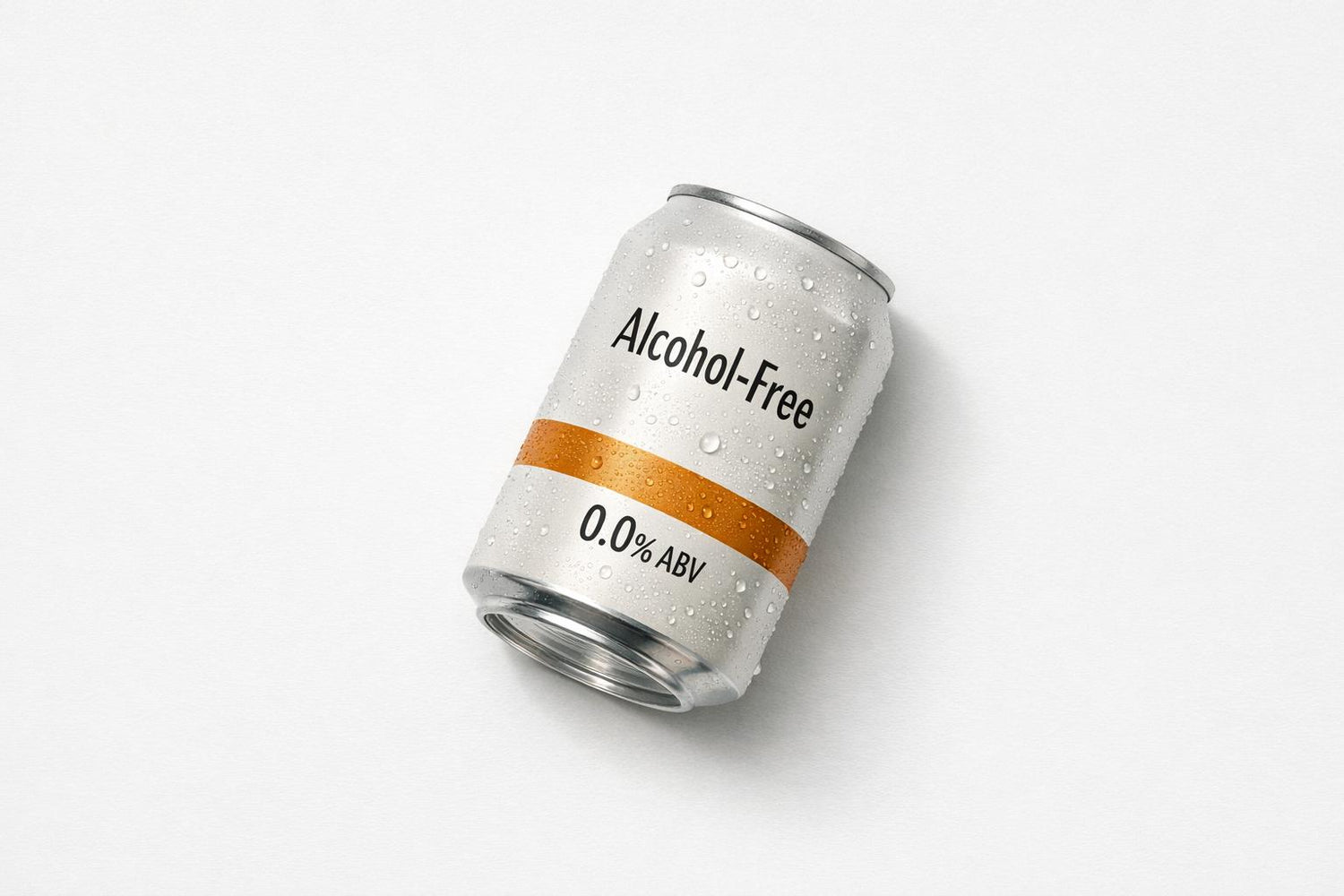
No, you cannot get drunk on alcohol-free beer. Even beers labelled as "alcohol-free" may contain trace amounts of alcohol (up to 0.5% ABV in some cases), but these levels are far too low to cause intoxication. Here's why:
- Alcohol Content: A 500ml can of 0.5% ABV beer contains just 0.25 units of alcohol, compared to 2.2 units in a standard 4.4% ABV beer. Your body processes these small amounts almost as quickly as you consume them.
- Metabolism: The liver can handle about 10g of alcohol per hour. A pint of 0.5% beer (2.2g of alcohol) would take roughly 16 minutes to metabolise.
- Studies: Research shows drinking large amounts of low-alcohol beer (e.g., 1.5 litres of 0.4% ABV beer in an hour) results in negligible blood alcohol levels, far below legal drink-driving limits.
For those avoiding alcohol entirely, opt for 0.0% ABV beers, which contain no alcohol at all. Always check labels, as definitions of "alcohol-free" differ between regions. Alcohol-free beer is safe for driving and fits well into health-conscious lifestyles.
Why non-alcoholic beer won’t get you drunk - even if you drink a lot of it. #nonalcoholic
sbb-itb-a752bf8
The Science of Alcohol-Free Beer and Intoxication
Alcohol Content in Alcohol-Free Beer
Beers labelled as "alcohol-free" typically contain up to 0.5% ABV, though in the UK, the legal definition is stricter, capping it at 0.05% ABV or less [3][9]. To put this into perspective, a 500ml can of 0.5% ABV beer contains just 0.25 units of alcohol, compared to the 2.2 units found in a standard 4.4% ABV beer [5][6]. That’s roughly one-tenth of the alcohol content. In terms of pure alcohol, a pint of 0.5% beer contains about 2.2g, while a pint at 0.05% ABV has only 0.2g [3][2].
How Your Body Processes Small Amounts of Alcohol
Now, let’s look at how the body handles these trace amounts of alcohol. The liver processes about one standard unit (10g) of alcohol per hour [8][5]. A pint of 0.5% beer, which contains just 2.2g of alcohol, would take around 16 minutes to metabolise [2]. Compare this to a 5% ABV pint, which takes nearly three hours to clear from your system [2].
Research backs this up. A 2012 study at the University of Freiburg tested 67 participants who drank 1.5 litres of 0.4% ABV beer in one hour. The highest blood alcohol content (BAC) recorded was 0.0056% - 14 times lower than the English legal drink-drive limit of 0.08% and well below the 0.04% threshold where minor impairment might begin [2][5]. Dr. Volker Auwärter, who led the study, stated: “In the mental and physical tests we conducted, there was no measurable impairment” [7].
"The main reason why your blood alcohol content can't build up to a level that makes you feel drunk is because your body processes the alcohol in a low-alcohol beer almost as quickly as you drink it." - Tom Hallett, Founder, Steady Drinker [2]
Factors That Could Affect Intoxication
Although the body processes these small amounts of alcohol quickly, individual factors like body weight, metabolism, and overall health can slightly influence this process. However, for a healthy adult, intoxication from 0.5% ABV beer is impossible, as your body eliminates the alcohol faster than you can consume it [2][8].
To consume the same amount of alcohol found in one pint of 4.4% ABV beer, you’d need to drink 4.4 litres of 0.5% beer in the same amount of time. Even under such extreme conditions, your body would still metabolise the alcohol faster than it enters your bloodstream [5]. These trace levels of alcohol are so minimal that personal variations in metabolism make no meaningful difference, ensuring that alcohol-free beers are a safe choice for those avoiding intoxication [2][5].
Legal and Practical Considerations in the UK
UK Regulations and Labelling Requirements
In the UK, beverages with an ABV (alcohol by volume) of 0.5% or below are not legally considered alcoholic. This means they can be sold without a licence under the Licensing Act 2003 (Section 191) [4]. Voluntary guidelines in the UK define "alcohol-free" as having an ABV of 0.05% or less, while "de-alcoholised" drinks are those with an ABV of up to 0.5% [4][9]. However, some producers label drinks with up to 0.5% ABV as "alcohol-free" to align with EU and US standards [4][9]. If avoiding alcohol entirely is a priority - whether for health, recovery, or personal reasons - it's always best to check the exact ABV on the label rather than relying solely on terms like "alcohol-free" [9][10].
Since April 2022, UK regulations also require drinks with an ABV of 1.2% or less to display full nutritional information, including calorie content, on their packaging [6][9].
Effects on Breathalysers and Driving
Despite the trace alcohol levels in some of these beverages, UK laws and breathalyser tests confirm that they pose no risk to drivers. So, can alcohol-free beer cause you to fail a breathalyser test? The answer is no - it’s virtually impossible. A 2012 study found that drinking 1.5 litres of beer with 0.4% ABV in an hour resulted in a maximum blood alcohol content of just 0.0056% [2]. To put that into perspective, this is 14 times lower than England’s drink-driving limit of 0.08% and 9 times lower than Scotland’s stricter limit of 0.05% [2].
The body processes these minimal alcohol levels faster than they are consumed, keeping blood alcohol content negligible. That said, drivers should be mindful of open container laws. Carrying an open can of alcohol-free beer that looks similar to an alcoholic one could cause confusion during roadside checks, even if you’re well within legal limits [11]. It’s worth avoiding such situations to steer clear of unnecessary complications.
How to Choose and Enjoy Alcohol-Free Beer
Consumption Guidelines
When it comes to enjoying alcohol-free beer, there are a few practical points to keep in mind. For healthy adults, these drinks pose no risk of intoxication. Your body processes the small amount of alcohol in beverages with up to 0.5% ABV almost as quickly as you consume them. To put it into perspective, a standard pint of 0.5% ABV beer is metabolised in about 16 minutes, compared to nearly three hours for a typical 5% pint [2].
To match the alcohol content of one pint of 4% beer, you’d have to drink eight pints of 0.5% beer in just one hour [1]. A 2012 study backs this up, showing that participants drinking 1.5 litres of 0.4% ABV beer in an hour only reached a maximum blood alcohol concentration (BAC) of 0.0056%, with no noticeable impairment [2].
If you're looking to cut back on alcohol, these beers work best as replacements rather than additions to your usual intake. For instance, swapping a 4.4% ABV pint for a 0.5% version saves about 2.2 alcohol units per drink, helping you stay within the UK Chief Medical Officers' recommendation of no more than 14 units per week [6]. If you have specific health concerns, it's best to stick to 0.0% ABV options [1][9].
With these tips in mind, you can explore the growing variety of alcohol-free beers and find one that suits your preferences and lifestyle.
Alcohol-Free Beer Options in the UK
The UK has a diverse selection of alcohol-free beers, ranging from affordable supermarket brands to high-end craft brews. Here are some popular choices:
| Brand | ABV | Calories (per 100ml) | Flavour Profile |
|---|---|---|---|
| Lucky Saint | 0.5% | 16 kcal | Unfiltered, hazy lager with a smooth malt profile [1] |
| Peroni Nastro Azzurro 0.0 | 0.0% | - | Clean, crisp Italian-style refreshment [1] |
| Adnams Ghost Ship | 0.5% | 21 kcal | Citrus zest with malty depth [1] |
| Big Drop Paradiso Citra IPA | 0.5% | - | Zesty citrus and tropical hops [1] |
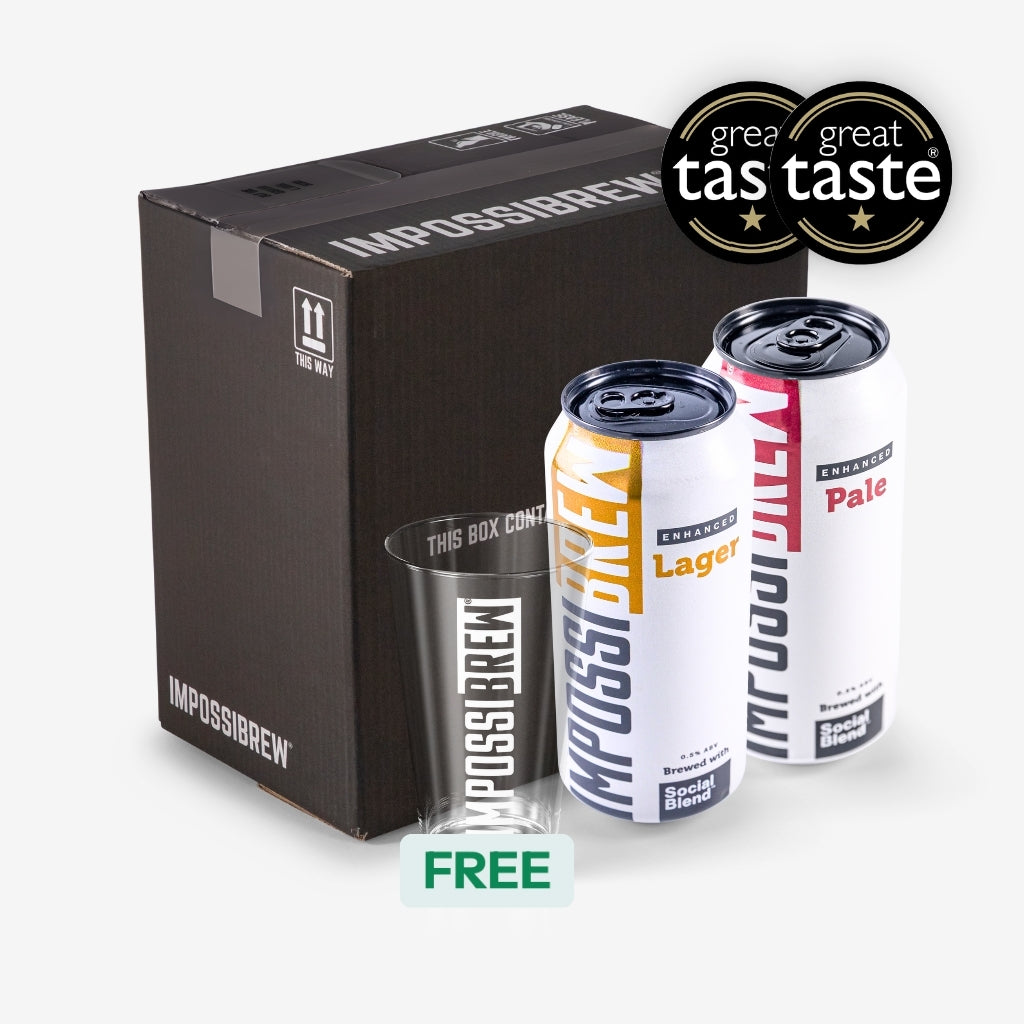
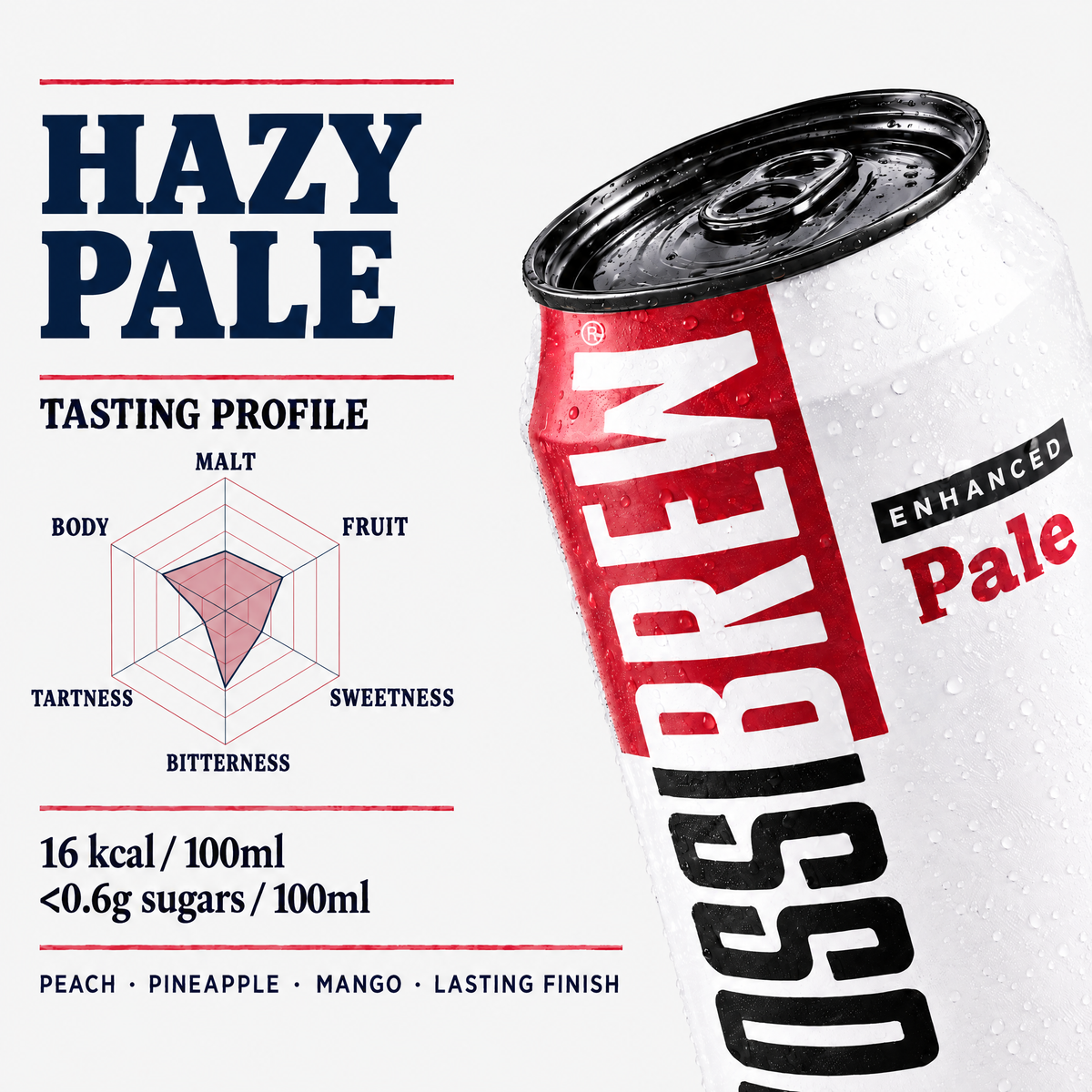
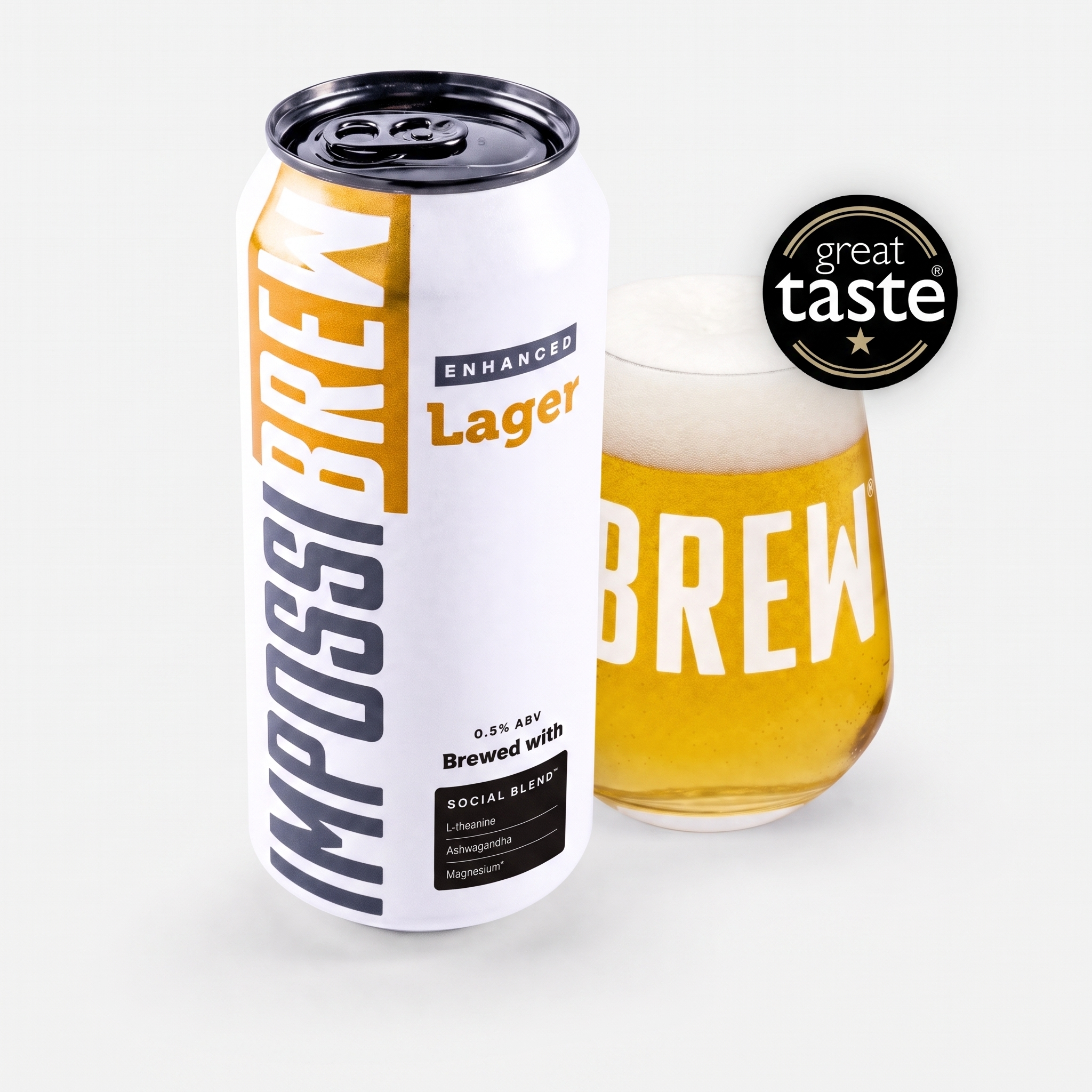
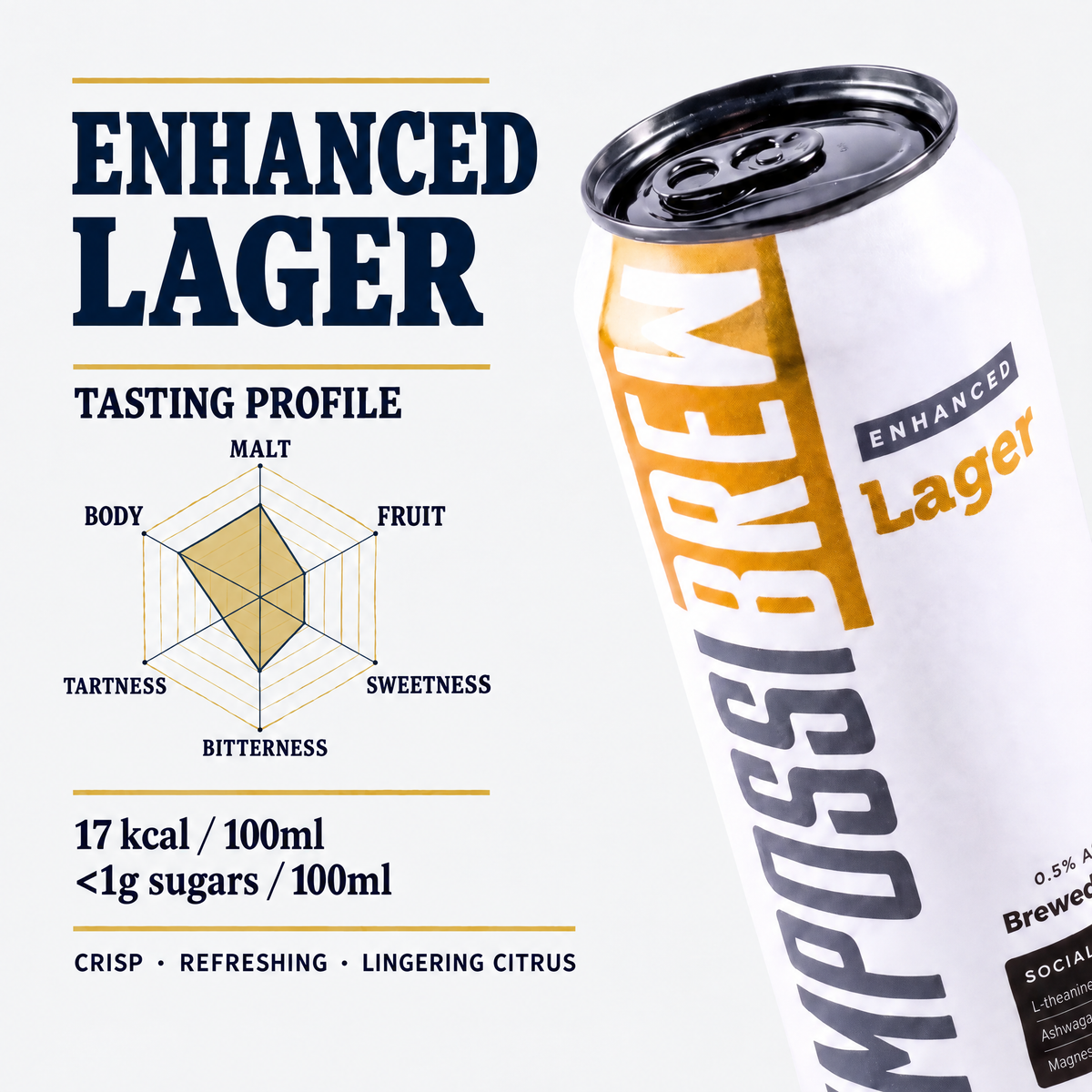
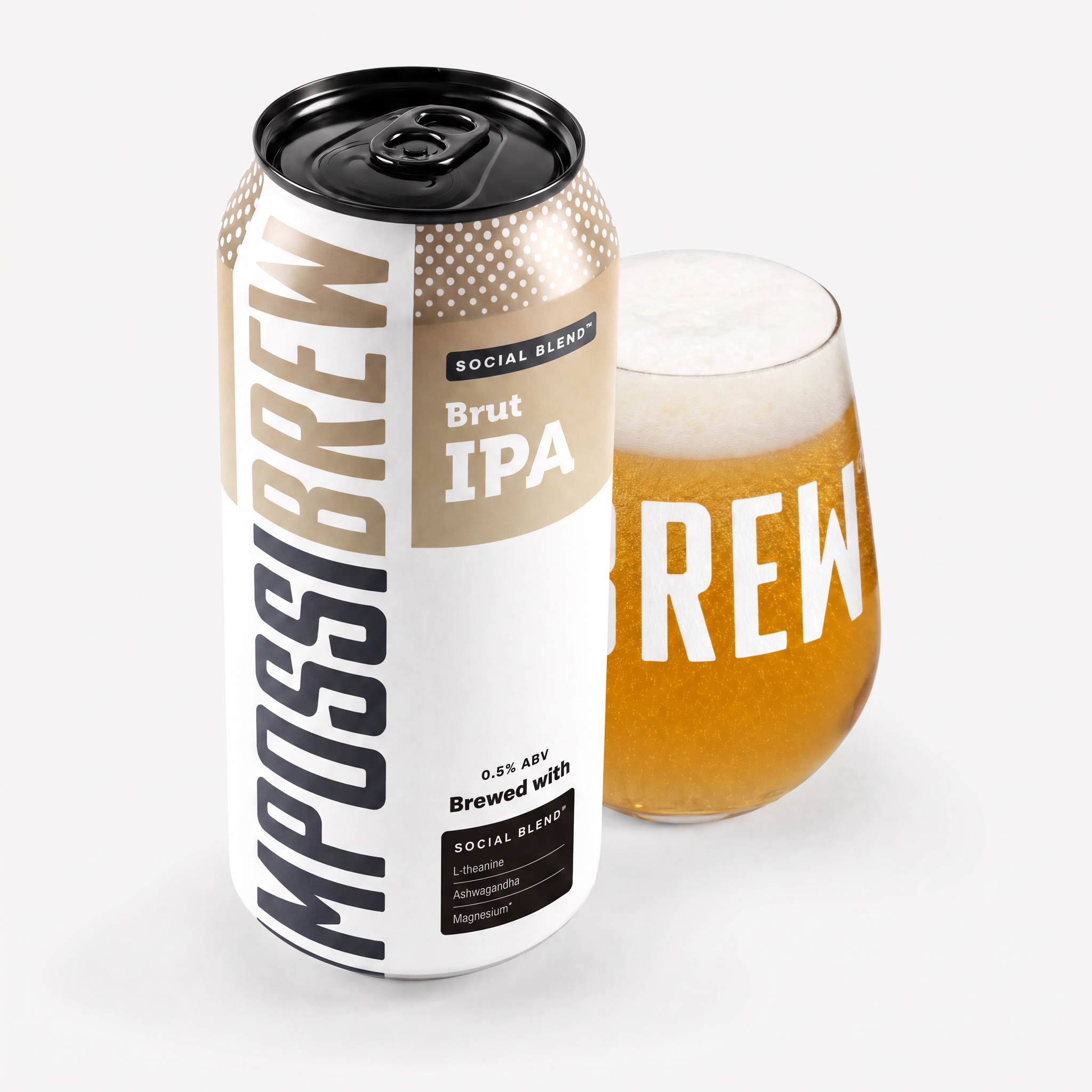
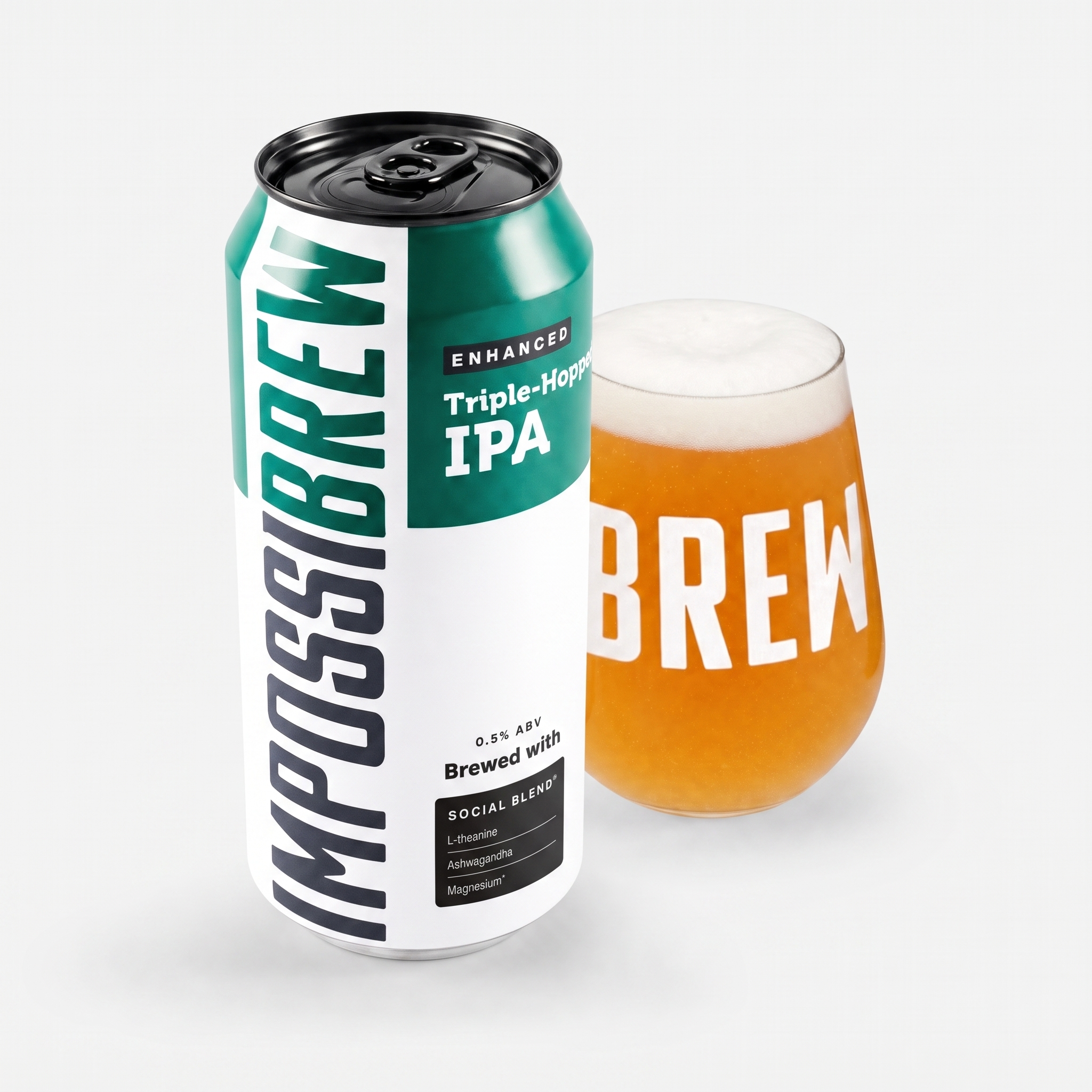
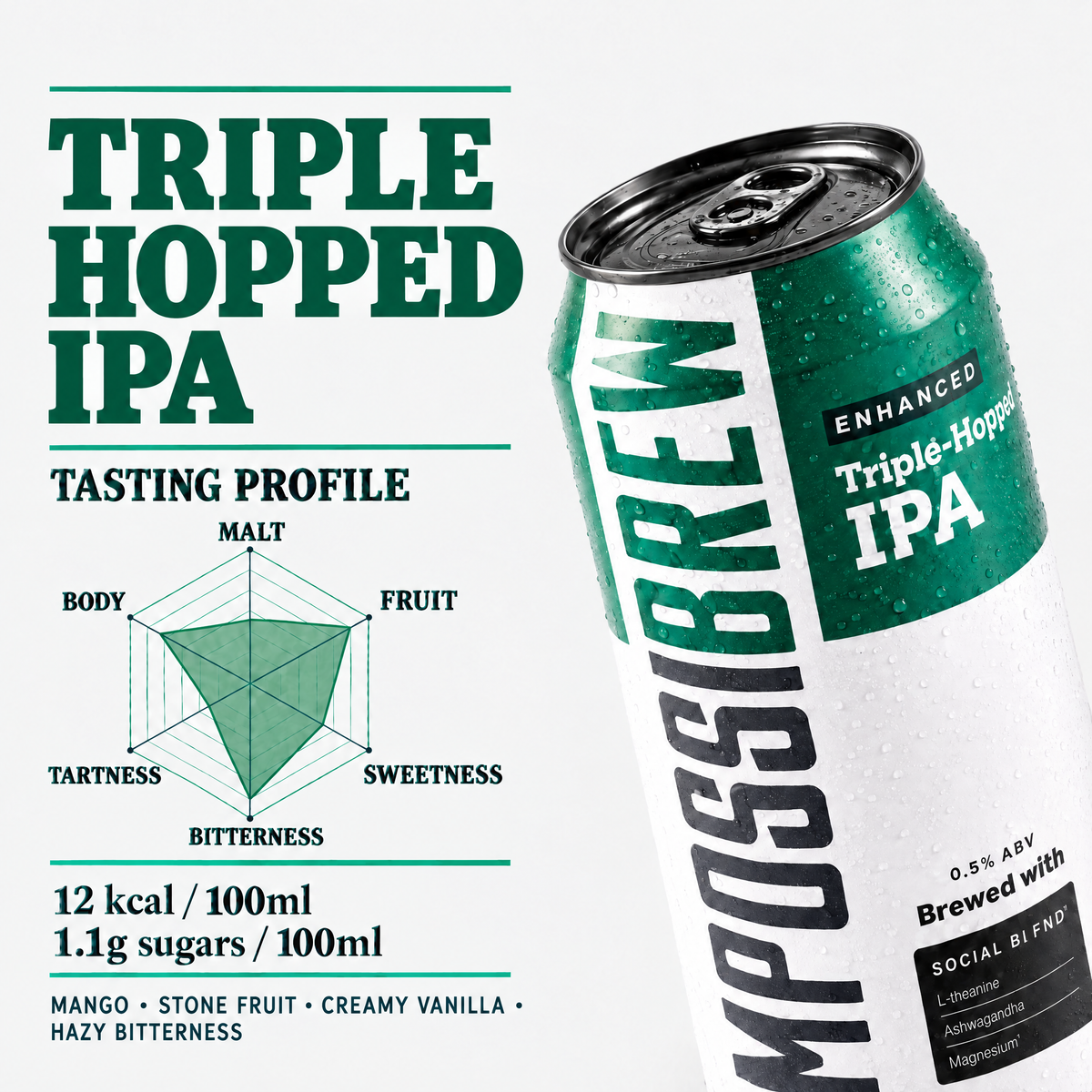
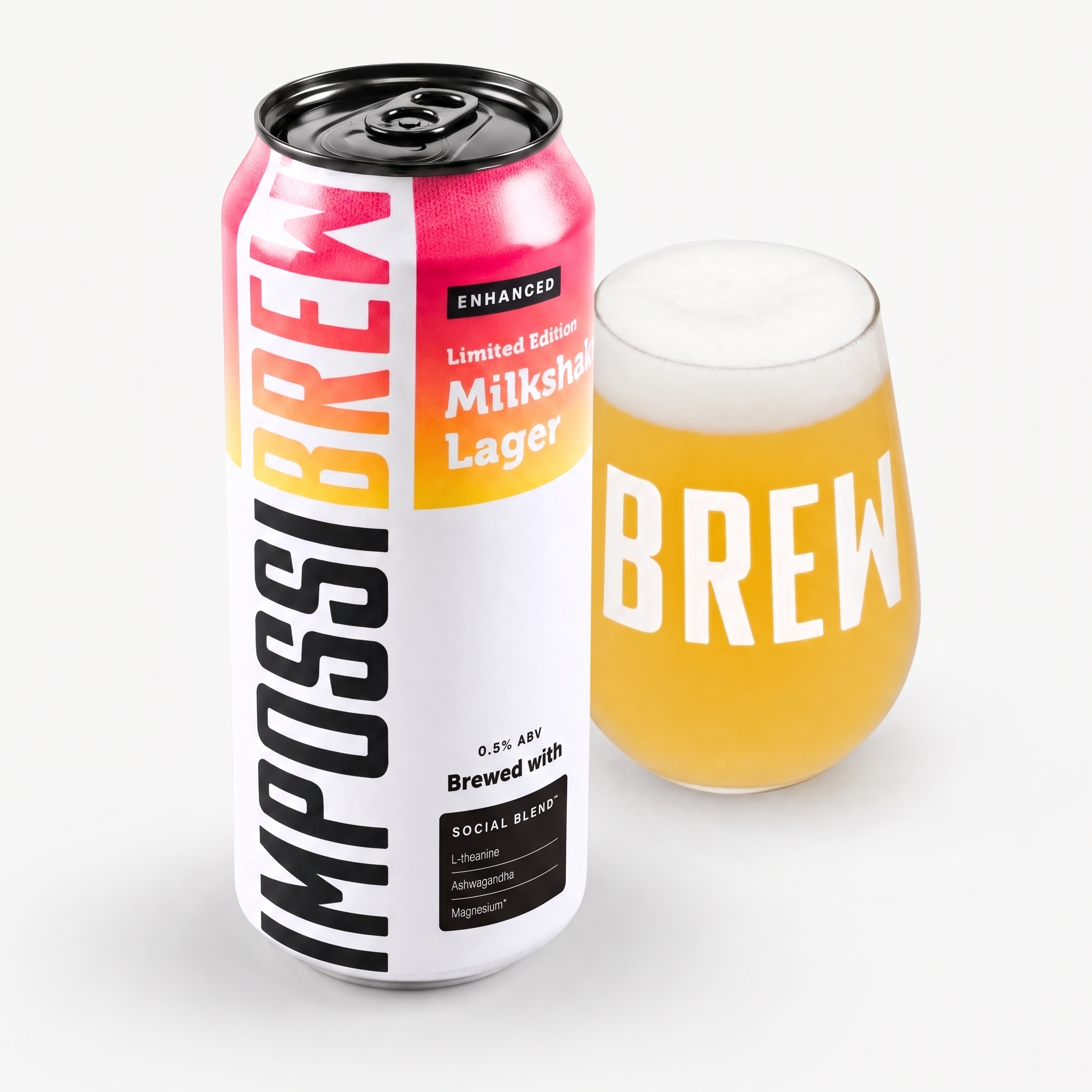
| IMPOSSIBREW® Enhanced Pale Ale | 0.5% | - | Light, citrusy; brewed with adaptogens for relaxation [1] |
| Guinness 0.0 | 0.0% | 17 kcal | Coffee, chocolate, smooth and creamy [14] |
| Stella Artois 0.0 | 0.0% | 18 kcal | Crisp, clean with slight caramel notes [14] |
For those on a budget, supermarkets offer great deals: Aldi’s Rheinbacher Pilsner 0.0% costs £3.29 for six 330ml bottles, while Lidl’s Perlenbacher 0.0% is priced at £2.99 for the same quantity [13]. Mid-range options like Stella Artois 0.0% (£3.50 for four 330ml bottles) and Budweiser Zero (£3.75 for four) provide familiar flavours at reasonable prices [13]. If you're after something more refined, craft beers like Lucky Saint (£6 for four 330ml bottles) offer complex and satisfying flavour profiles [13][14].
Matching Choices to Your Health Goals
Your health priorities can guide your alcohol-free beer choices. For those watching their calorie intake, these beers are a smart alternative. Alcohol-free versions generally have about half the calories of regular beers - roughly 20 kcal per 100ml compared to around 40 kcal in their alcoholic counterparts [13]. This calorie difference is due to alcohol itself, which contains about 7 calories per gram, almost as much as fat [6][9]. However, always check the labels since some brands add sugar to compensate for the lack of alcohol, which could negate the calorie savings [9][14].
If you need to avoid alcohol entirely, stick with 0.0% ABV beers like Peroni Nastro Azzurro 0.0, Heineken 0.0, or Guinness 0.0. This is especially important for those who are pregnant, in recovery, or managing specific medical conditions [1][9]. Since April 2022, UK regulations require all drinks with an ABV of 1.2% or less to display full nutritional information, making it easier to monitor calorie and sugar content [6][9].
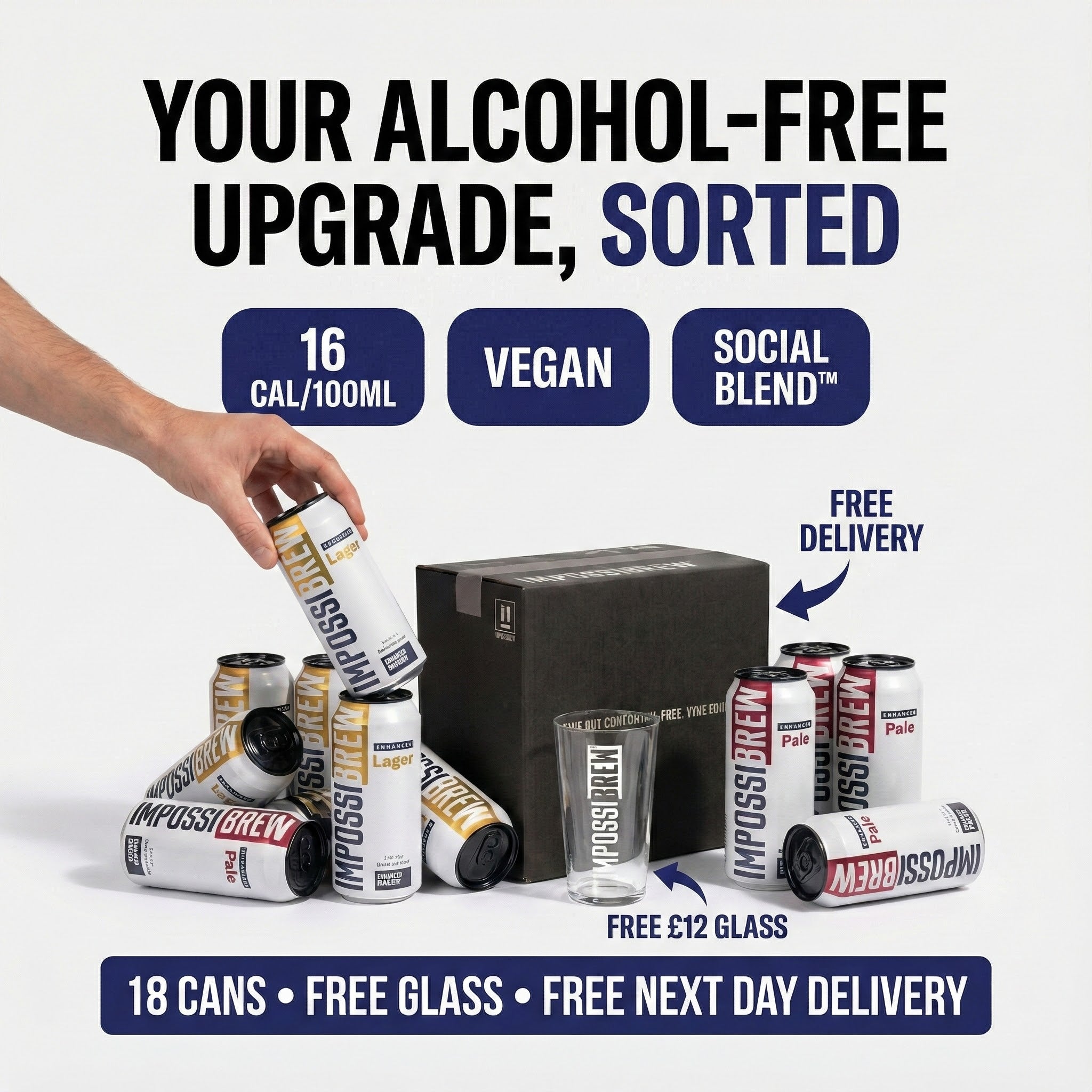
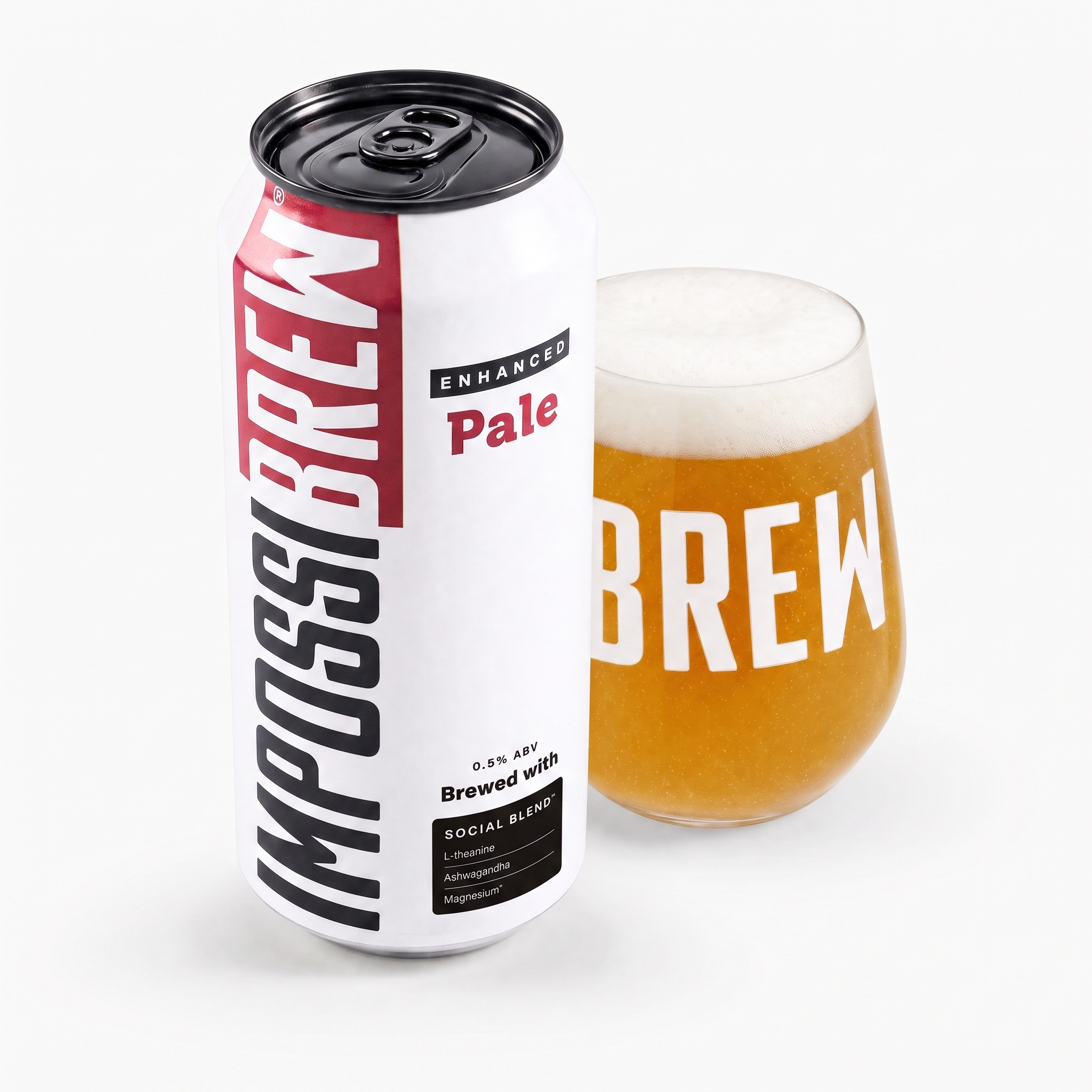
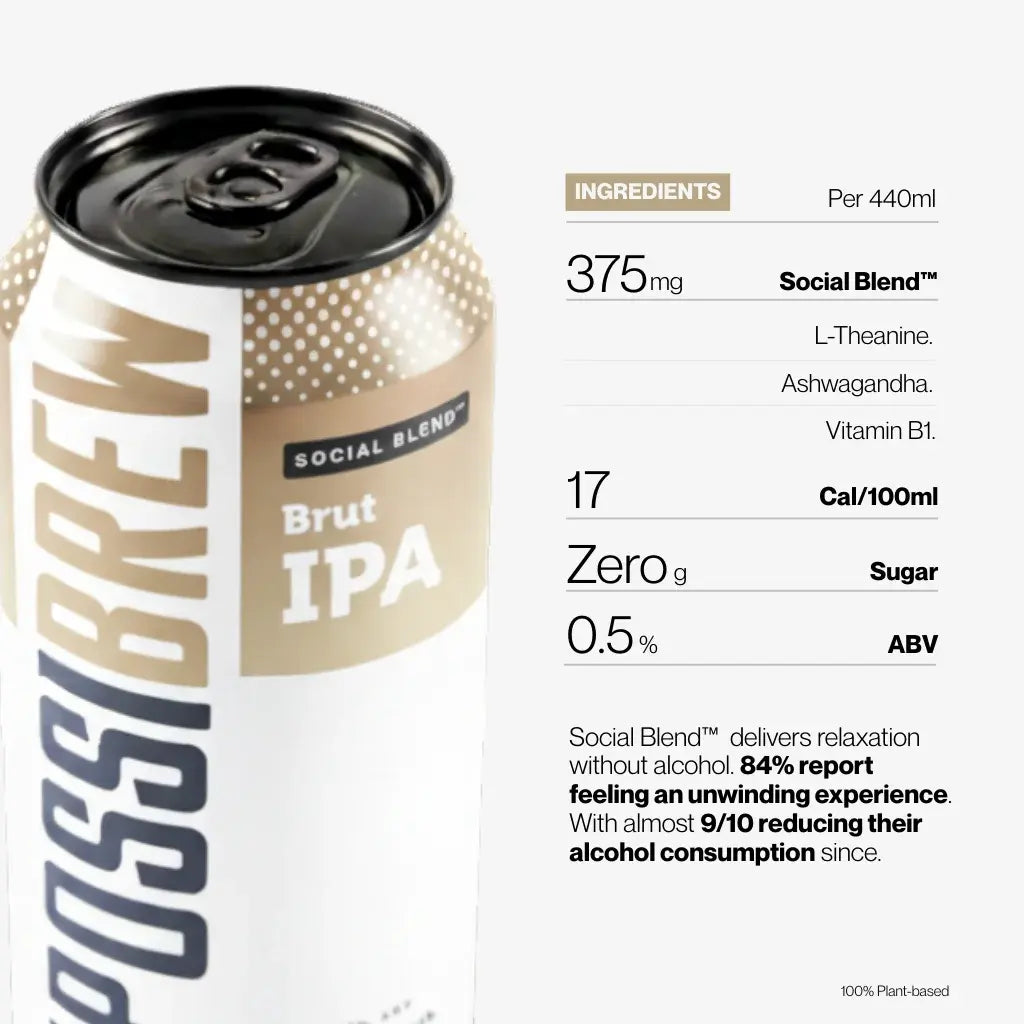
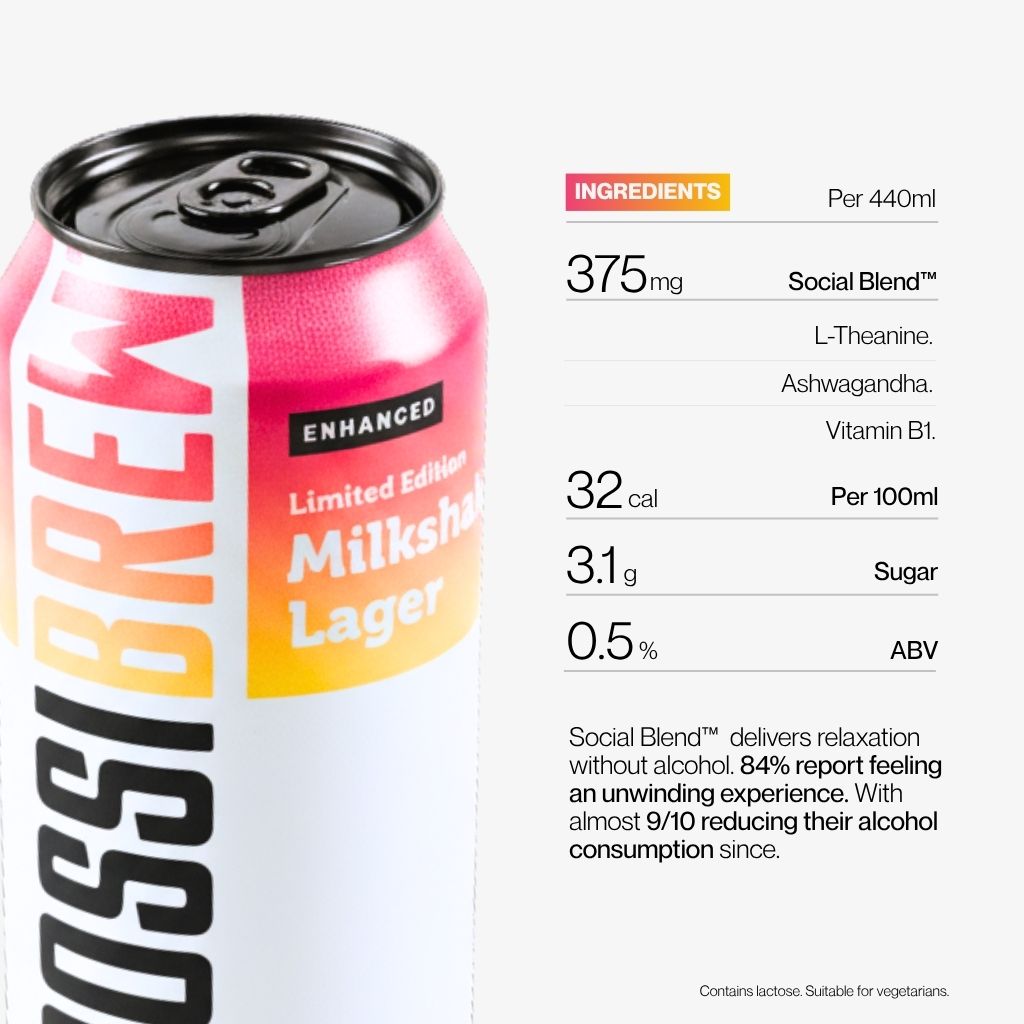
For a relaxing experience without alcohol, consider functional beers like IMPOSSIBREW®, which include adaptogens like Ashwagandha and L-Theanine. These ingredients mimic the calming effects of alcohol without the ethanol [12][14]. According to the brand, 84% of customers reported feeling more relaxed after trying their Social Blend™ [12]. This trend reflects the growing interest in beverages that offer added benefits, particularly among the sober-curious community.
"Ten years ago, nonalcoholic beers were what you drank when you had no other choice. Today? It's often something I actually recommend, not as a substitute, but as a legit beer in its own right."
– Tomas Josas, Beer Historian [7]
Interestingly, 42% of UK drinkers now use alcohol-free drinks as a way to moderate their alcohol intake, a significant jump from 18% in 2021 [9]. This growing interest highlights how alcohol-free beers can be a practical and enjoyable strategy for those looking to cut back.
Conclusion
Can you get drunk on alcohol-free beer? The simple answer is no - it's practically impossible for a healthy adult to become intoxicated from drinking beer with up to 0.5% ABV. Your body processes the tiny amount of alcohol (about 2.2g per pint) in just 16 minutes, far quicker than you could drink enough to significantly raise your blood alcohol concentration (BAC) [2]. To put it into perspective, a 2012 study showed that even after consuming 1.5 litres of 0.4% ABV beer in an hour, participants only reached a maximum BAC of 0.0056% - a level 14 times lower than England's drink-driving limit of 0.08% [2].
The trace alcohol in these beers is similar to what you'd find naturally in foods like ripe bananas, orange juice, or certain breads [3]. Dr. Volker Auwärter from the University of Freiburg backs this up, stating: "In the mental and physical tests we conducted, there was no measurable impairment" [7].
For those who need to completely avoid alcohol - whether you're pregnant, in recovery, or dealing with specific medical concerns - 0.0% ABV beers are a reliable option. The UK market offers a wide selection of these drinks, all clearly labelled to meet regulations requiring full nutritional information for beverages with 1.2% ABV or less [9].
Whether you're cutting calories, steering clear of hangovers, or just enjoying the flavour of beer without the alcohol, alcohol-free options are an easy fit for a health-conscious lifestyle. With 42% of UK drinkers now turning to these beverages to moderate their alcohol intake - up from just 18% in 2021 - it’s clear this trend is growing [9].
The key is understanding the labels and aligning your choice with your personal goals. With these facts in hand, you can enjoy alcohol-free beer with confidence, knowing exactly what you're drinking and how it fits into your lifestyle.
FAQs
How many alcohol-free beers can I drink before it affects me?
The impact of alcohol-free beer (containing up to 0.5% ABV) varies based on factors like your body weight, metabolism, and how quickly you drink it. For most people, you'd have to drink several litres in a short period to notice any effects. Even then, the body processes alcohol at such low levels very quickly, so the chances of intoxication remain extremely slim, even with larger amounts. Drinking it in moderation is unlikely to have any noticeable effect.
Can alcohol-free beer trigger a positive breath test?
Yes, alcohol-free beer can sometimes result in a positive breath test because it may contain up to 0.5% ABV (alcohol by volume). This minimal alcohol content can be picked up by a breathalyser, depending on how much is consumed and personal factors like your metabolism.
What’s the difference between 0.0% and 0.5% ABV?
The distinction comes down to the alcohol content and how the drinks are categorised. Beverages marked as 0.0% ABV contain no detectable alcohol at all. On the other hand, drinks with 0.5% ABV have a tiny trace of alcohol but are still legally considered 'alcohol-free' in the UK.
Drinking something with 0.5% ABV won't lead to intoxication since the body processes such a small amount of alcohol very quickly.
Related Blog Posts
- Best Functional Alcohol-Free Beer UK
- 7 Myths About Alcohol-Free Beer Debunked
- 10 Social Situations Made Better by Alcohol-Free Beer
- Can You Drink Alcohol-Free Beer While Driving UK
Frequently Asked Questions
Can you get drunk on alcohol-free beer?
In normal drinking situations, no. True alcohol-free beer contains either no alcohol or only trace amounts, so it does not affect you in the same way as regular beer. You would need an unrealistic amount for the alcohol content alone to become comparable to standard beer.
Can 0.5% ABV beer get you drunk?
For most people, 0.5% ABV beer is still far too low to cause intoxication under normal circumstances. It contains only a fraction of the alcohol found in standard beer, and the body is usually processing small amounts continuously. That is why low and no drinks are widely used by people cutting back on alcohol.
Why do some people say they feel something from alcohol-free beer?
Sometimes that feeling is psychological, because the taste, setting, and ritual are similar to drinking regular beer. In functional alcohol-free beers like IMPOSSIBREW®, the experience may also come from non-alcoholic ingredients such as L-Theanine, Ashwagandha, Magnesium, Vitamin B1, and citrus extracts. That is different from being drunk, but it can still feel relaxing or social.
Can alcohol-free beer give you a buzz without making you drunk?
Some alcohol-free beers can create a mild relaxed feeling without causing intoxication, especially if they contain functional ingredients designed for mood or calm. That is not the same as being drunk, and it should not be confused with alcohol impairment. Standard alcohol-free beer without added ingredients is mostly about taste and ritual rather than effect.
Can alcohol-free beer give you a hangover?
Alcohol-free beer should not give you a true alcohol hangover because the alcohol content is absent or extremely low. If you feel off afterwards, it is more likely to be down to sugar, dehydration, carbonation, or specific ingredients rather than intoxication. As always, the label matters.