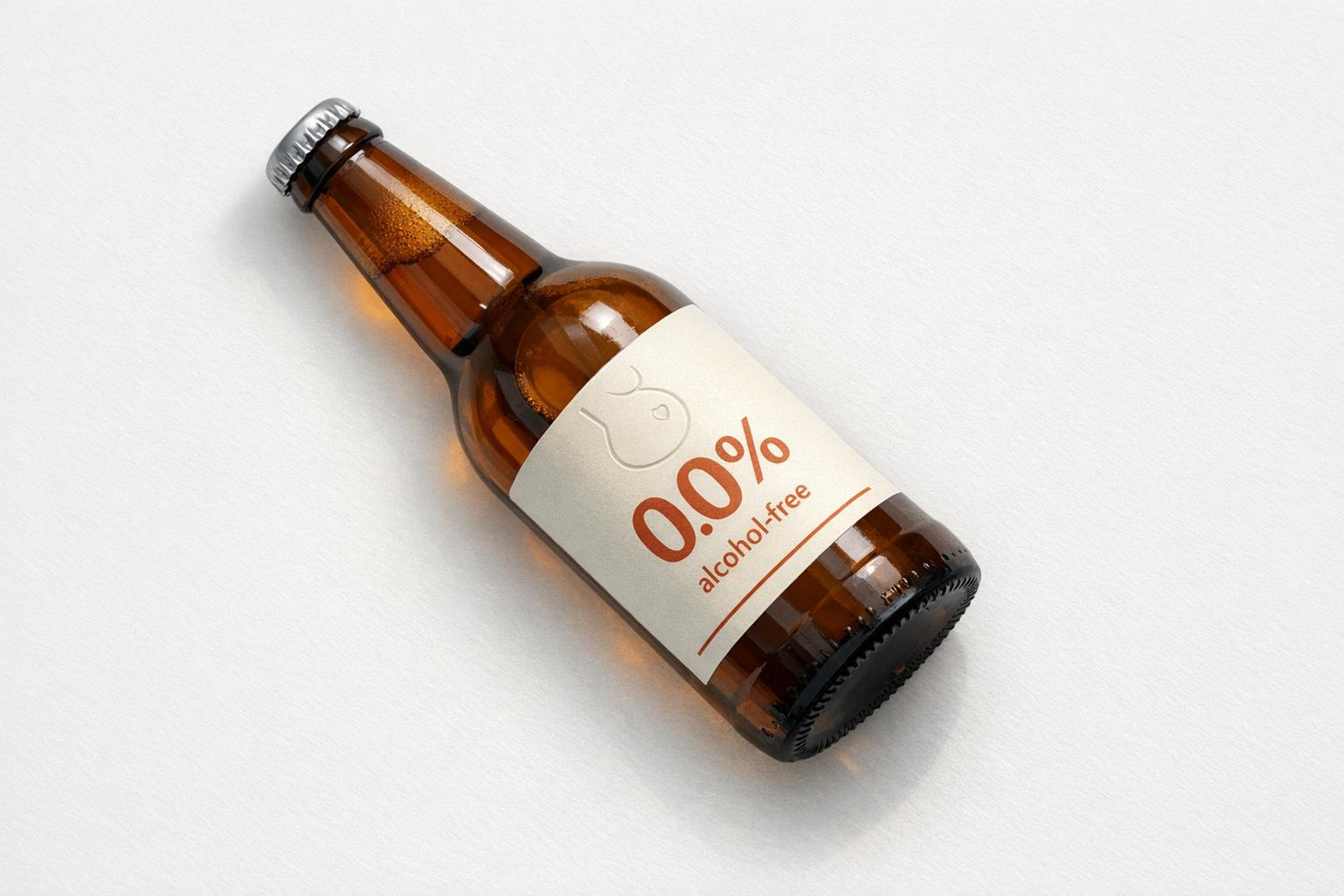
Alcohol-free beer is a popular choice among pregnant women in the UK, with 71.3% reporting they consume these beverages during pregnancy. But are they truly safe? The short answer: not all alcohol-free beers are created equal, and understanding labels is key.
- Alcohol-Free Isn't Always 0.0%: In the UK, "alcohol-free" can contain up to 0.05% ABV, and "de-alcoholised" up to 0.5% ABV. Some products labelled "0.0%" may still contain trace alcohol due to labelling tolerances.
- Trace Alcohol Risks: Experts advise avoiding any alcohol during pregnancy, as even small amounts can potentially affect a baby’s development.
- Labelling Issues: Studies show 29% of alcohol-free drinks may have higher alcohol content than stated, with some "0.0%" products containing up to 1.8% ABV.
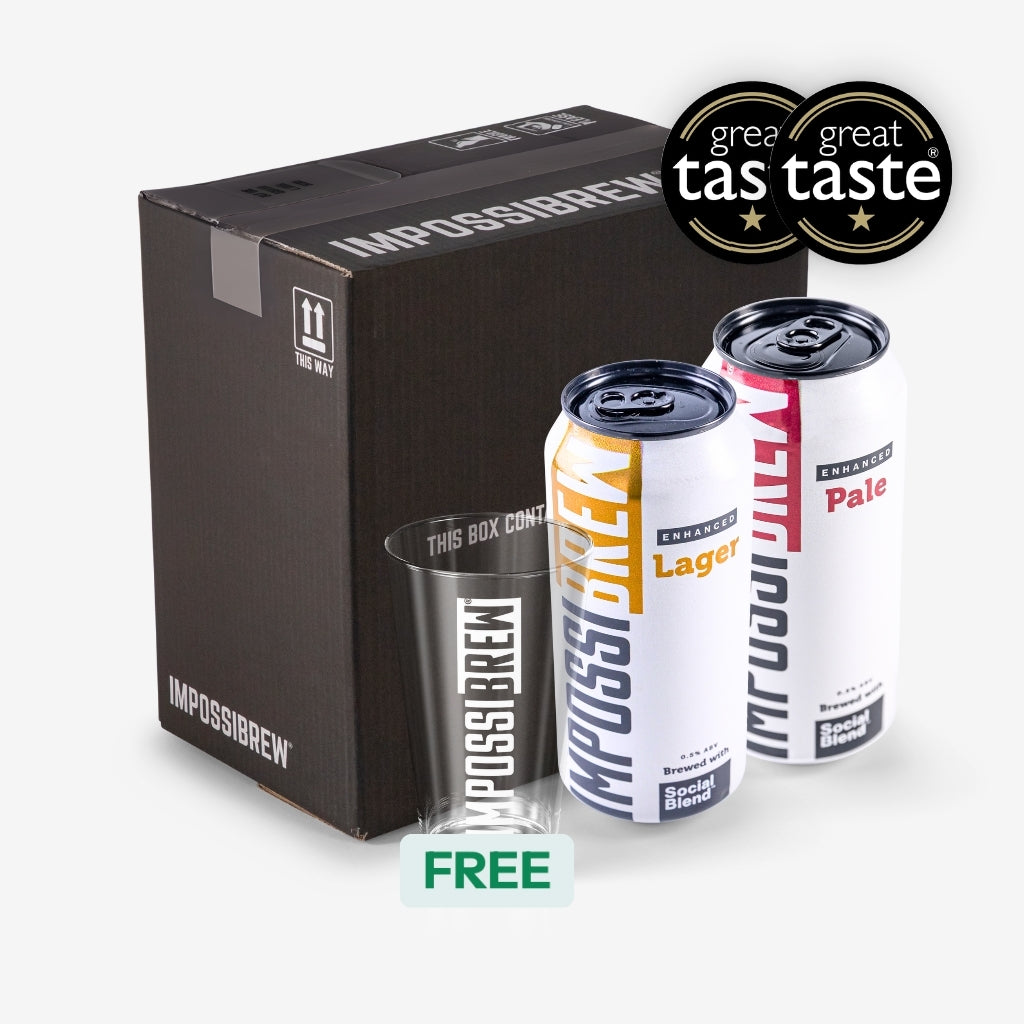
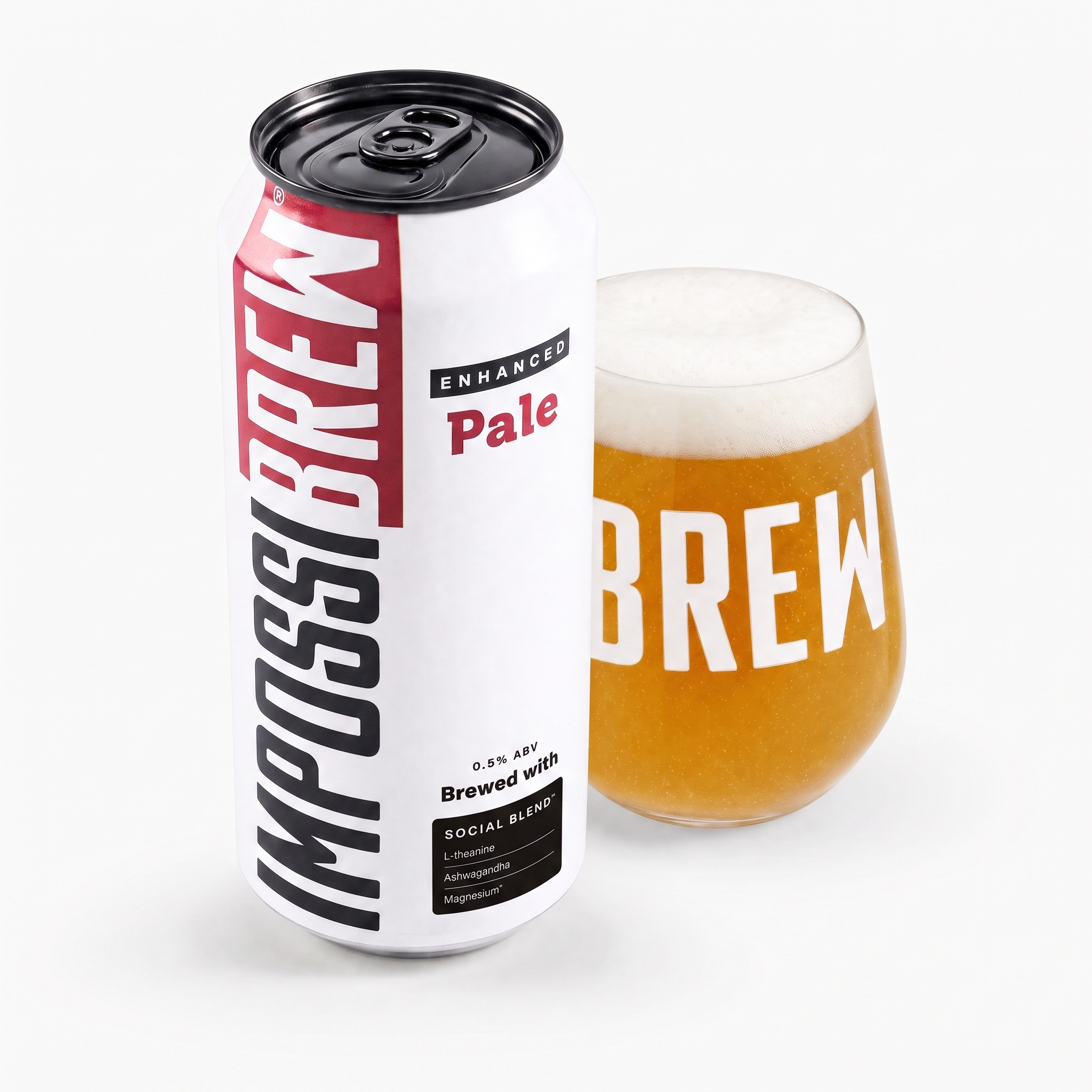
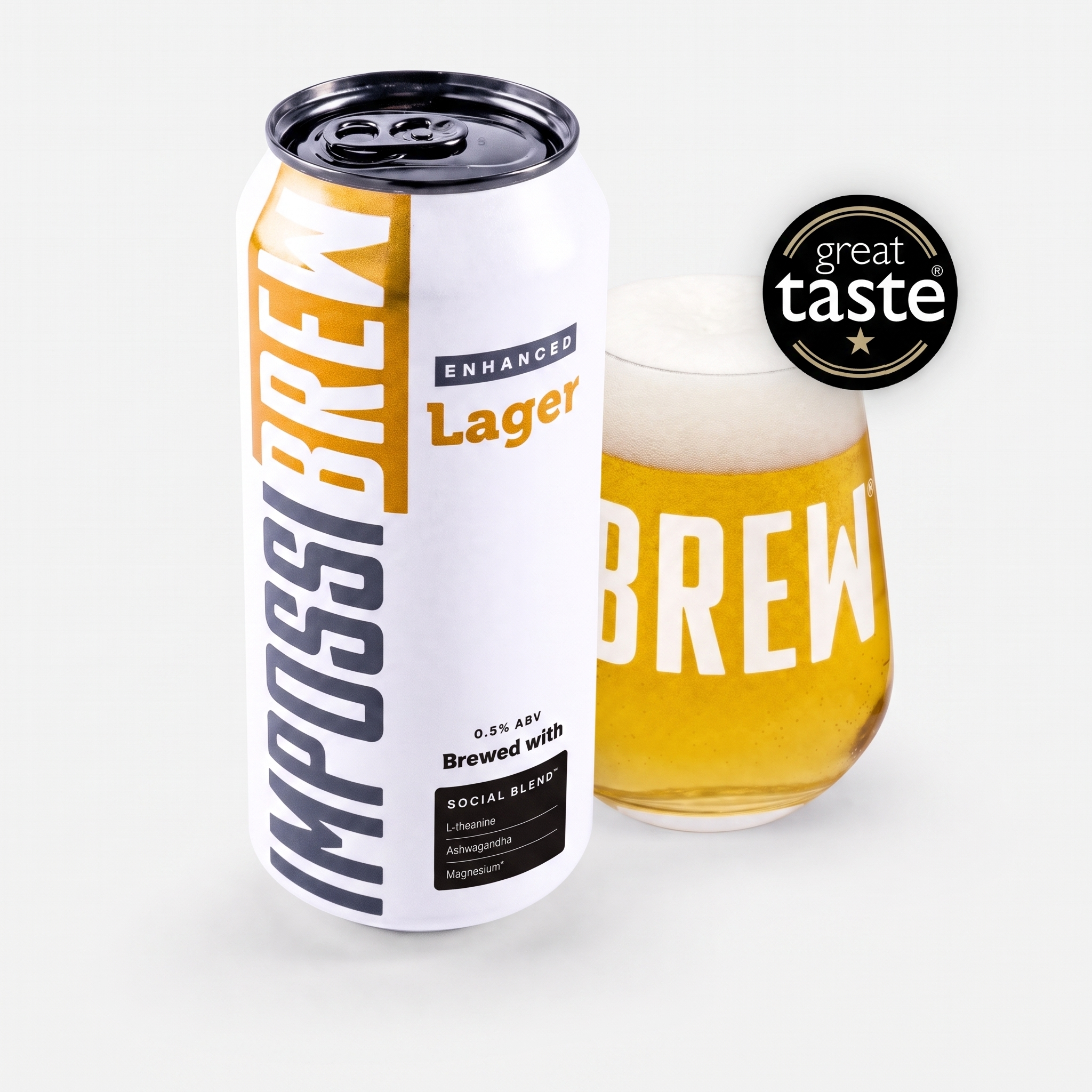
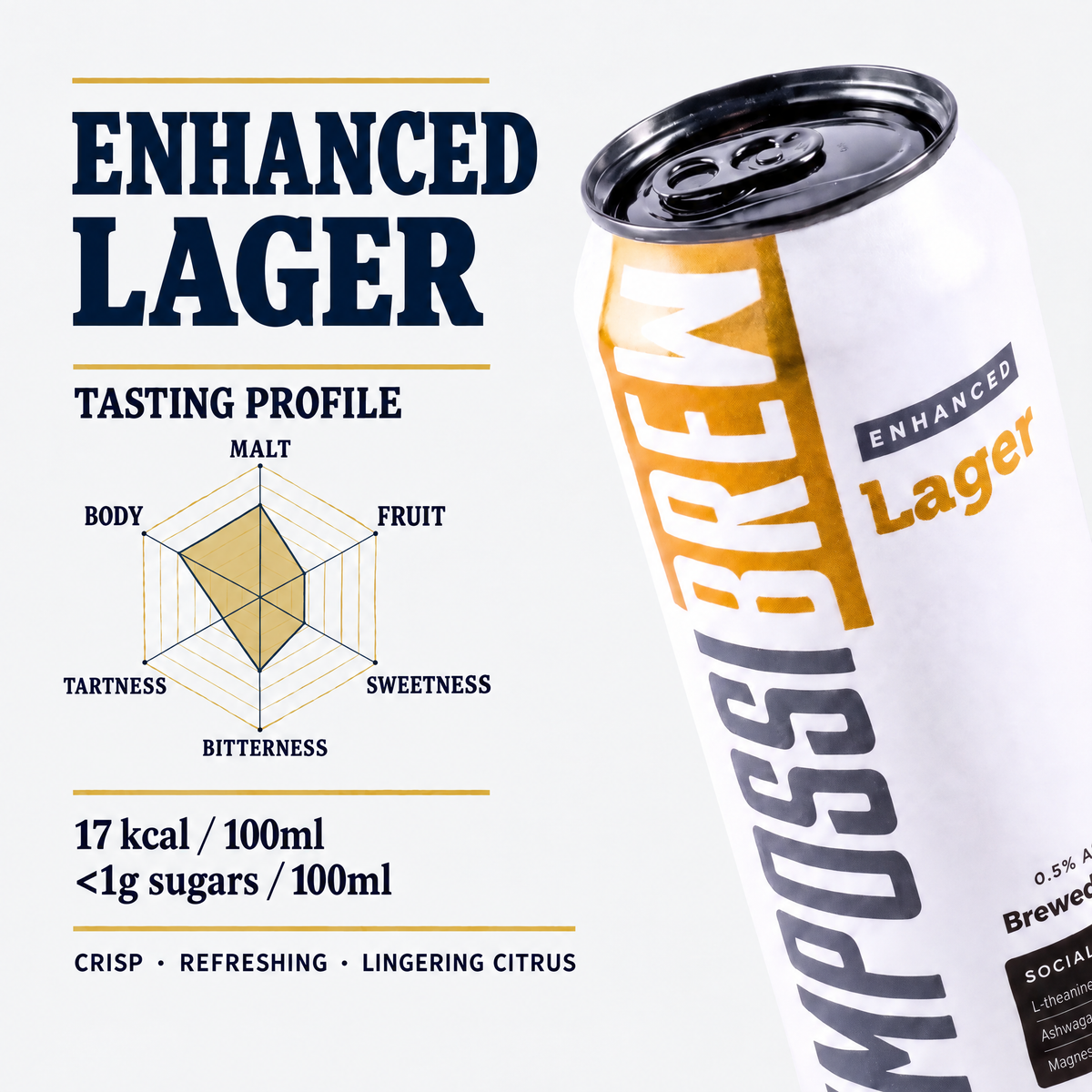
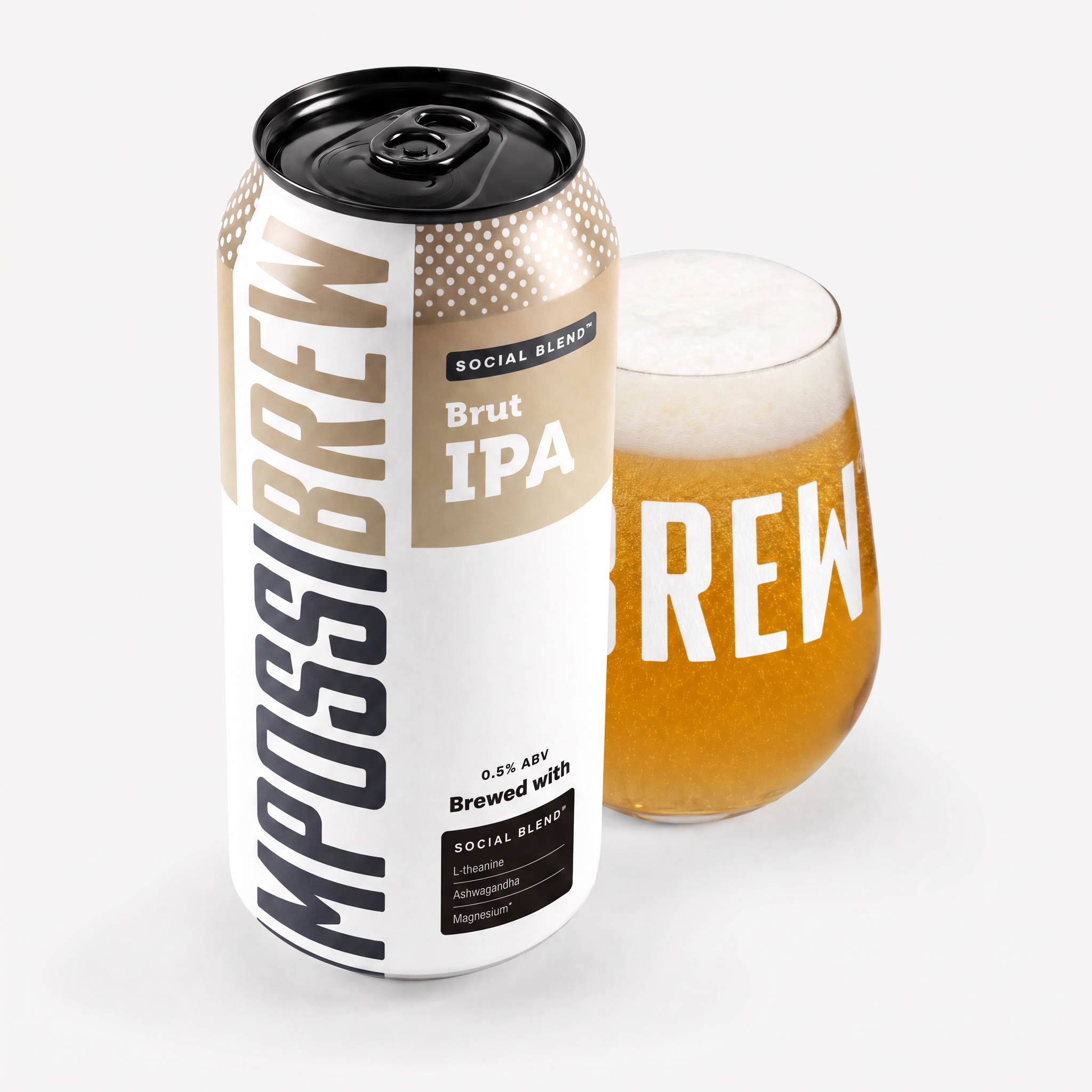
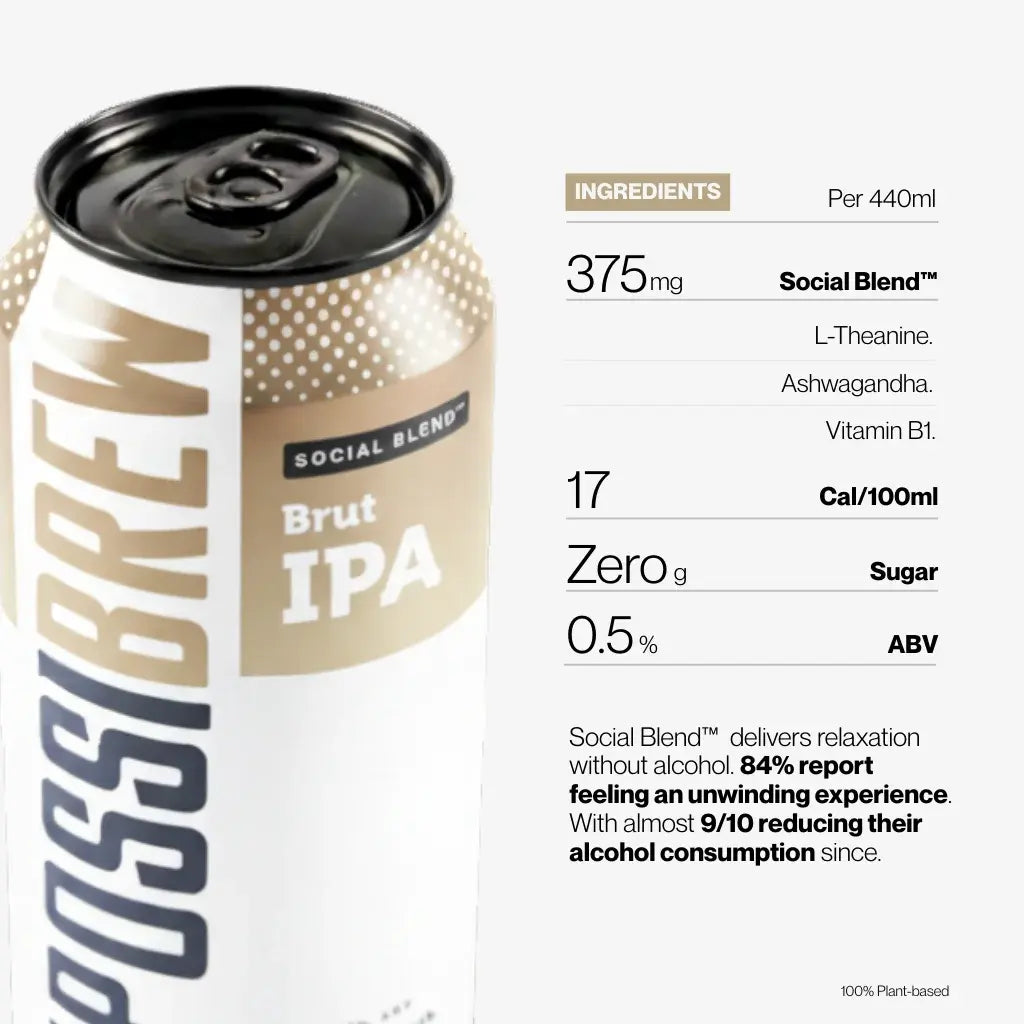
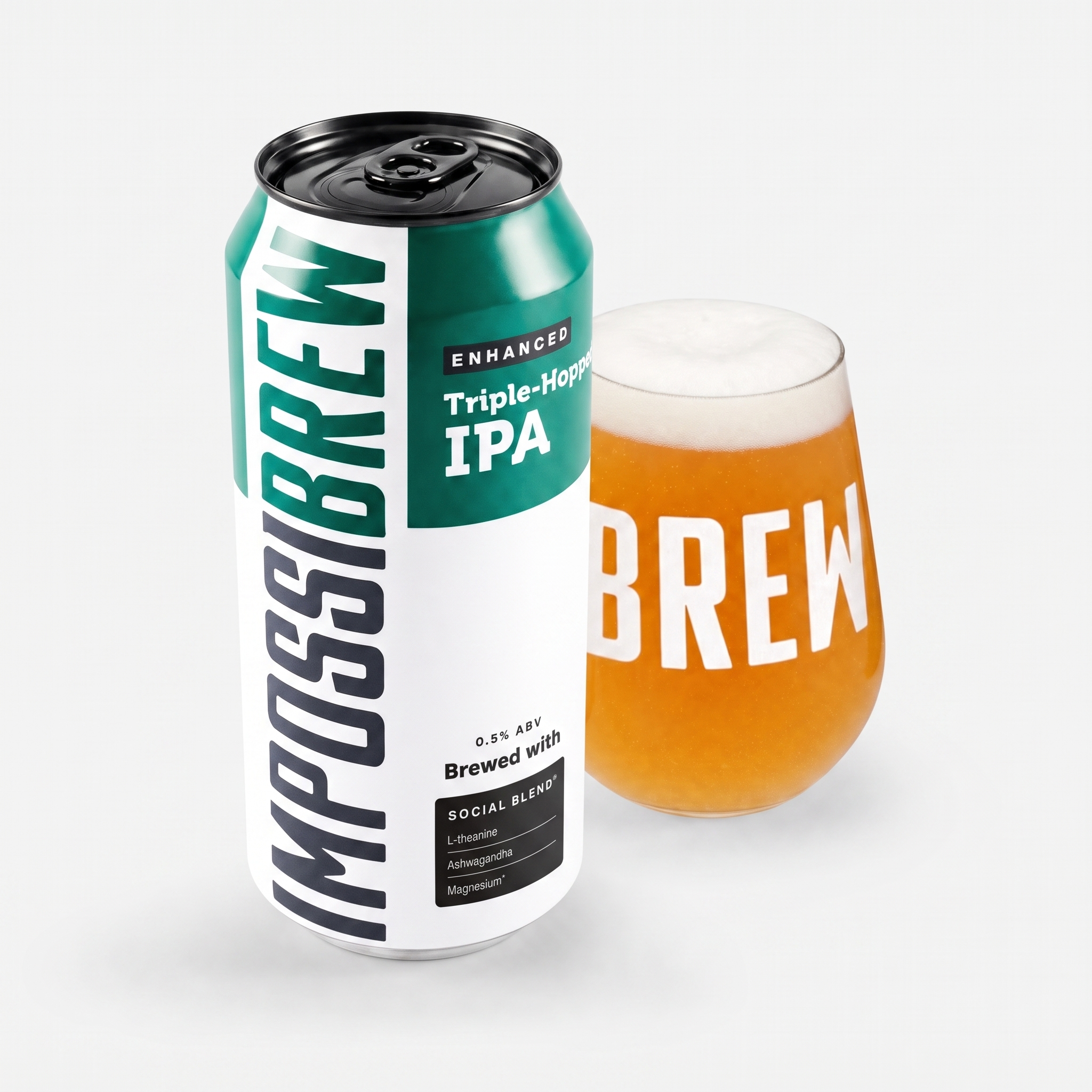
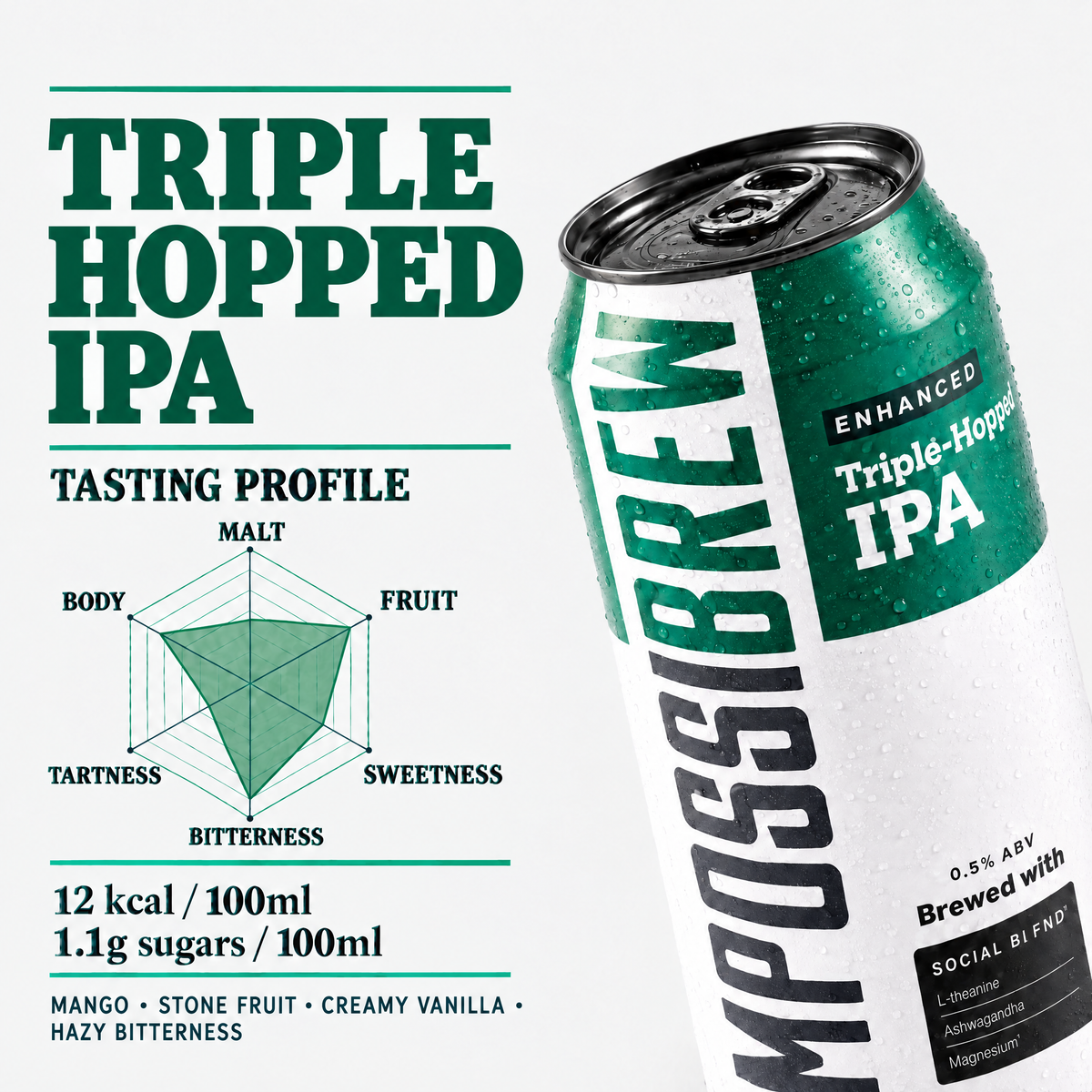
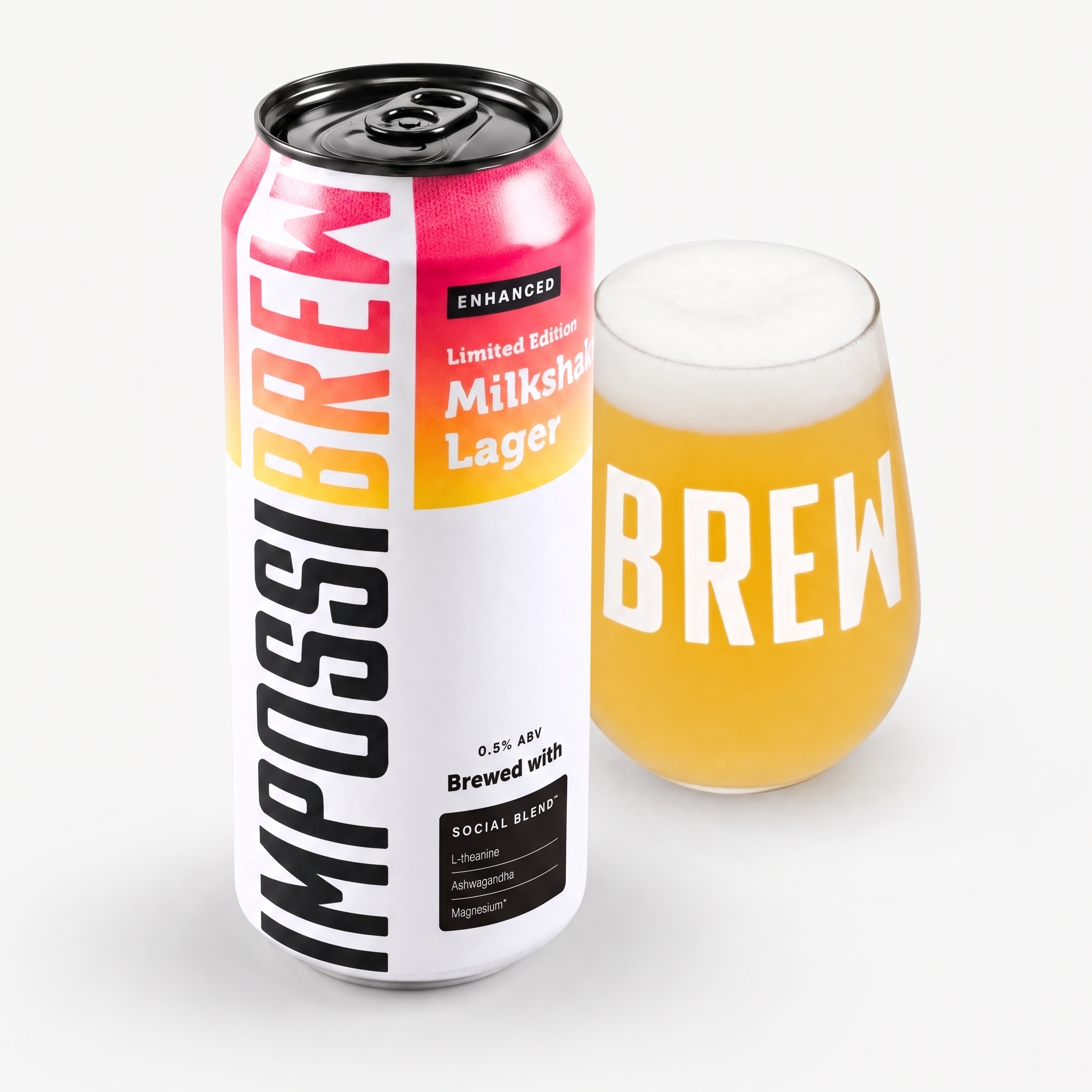
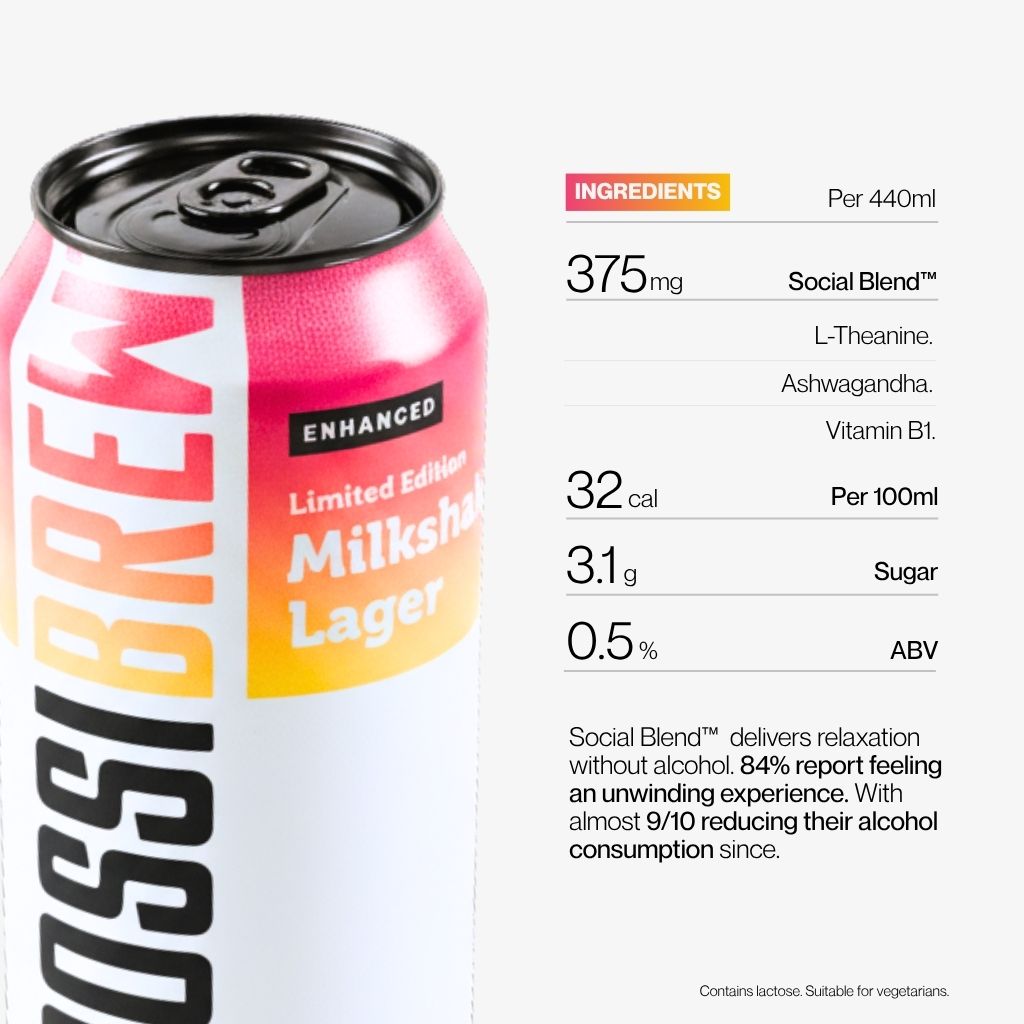
- Added Ingredients: Some alcohol-free beers include extra sugar or botanicals like Ashwagandha, which may not be recommended during pregnancy.
If you’re pregnant, the safest choice is to stick to drinks explicitly labelled "0.0% ABV" or opt for naturally alcohol-free alternatives like sparkling water, coconut water, or diluted fruit juices. Always check labels and consult your midwife or GP if unsure.
Can I drink nonalcoholic and low alcohol drinks in pregnancy?
sbb-itb-a752bf8
Safety Concerns of Alcohol-Free Beer During Pregnancy
Labels on alcohol-free beer might seem reassuring, but they can sometimes hide risks. Issues with how these drinks are made and inconsistencies in labelling mean that some products may still contain trace amounts of alcohol or other ingredients that require caution. This adds to the uncertainty for pregnant women trying to make safe choices.
Trace Alcohol Content in Alcohol-Free Beers
Alcohol-free beers are typically brewed like regular beer and then undergo a process to remove alcohol. However, this process often leaves small amounts of alcohol behind. Even these trace amounts can pose a risk, as a developing baby processes alcohol much more slowly than an adult does.
Dr. Kecia Gaither, Director of Perinatal Services at NYC Health + Hospitals/Lincoln, highlights this concern:
"No amount of alcohol is deemed safe during pregnancy, given its link to fetal alcohol syndrome."[8]
Liza Janda, IBCLC, also points out:
"The fetus' body does not have the ability to metabolize in the same way, so there will be higher concentrations of alcohol in the baby's body and for a longer period."[8]
This makes accurate labelling crucial to ensure pregnant women can avoid even small amounts of alcohol.
Labelling and Transparency Problems
Labelling inconsistencies further complicate matters. A study of 45 drinks marketed as non-alcoholic or low-alcohol found that 29% had higher ethanol levels than stated on the label[8]. Some products claiming to be 0.0% alcohol were found to contain as much as 1.8% ABV[8].
In the UK, labelling regulations allow for some tolerance in alcohol levels, which can result in products containing more alcohol than expected[7]. Similarly, research from Canada in 2010 revealed that about one-third of low-alcohol and alcohol-free beers had higher alcohol content than indicated[7]. This "hidden" alcohol could lead to unintentional consumption, posing risks during pregnancy.
Beyond alcohol content, misleading labels may also fail to highlight other potential health concerns.
Other Health Considerations
Alcohol-free beers often contain more sugar and carbohydrates than their alcoholic counterparts. Extra sweetness is frequently added to make up for the flavour lost during the dealcoholisation process[8]. For women managing or at risk of gestational diabetes, this added sugar can be problematic.
Liza Janda notes:
"There is also much more sugar in these types of non-alcoholic drinks."[8]
Additionally, some alcohol-free beers now include ingredients like nootropics or adaptogens, such as Ashwagandha, which are generally not recommended for pregnant or breastfeeding women[5]. To stay safe, it's essential to read labels carefully and consult with a midwife or GP before consuming alcohol-free beers with added functional ingredients.
What Research Shows About Alcohol-Free Beer During Pregnancy
When it comes to alcohol-free beer and pregnancy, research reveals a striking gap in knowledge. Despite the growing popularity of these beverages, there’s no direct study assessing their safety during pregnancy[10]. This lack of information often leaves expectant mothers searching for answers online or on social media, rather than relying on clinical advice.
One major concern raised by researchers is the accuracy of labelling. Studies show that some alcohol-free drinks may contain more ethanol than their labels suggest[10]. While health organisations stress that no level of alcohol is guaranteed safe during pregnancy[7], it’s worth noting that trace alcohol naturally occurs in everyday foods. For example, ripe bananas can contain up to 0.5% ABV, burger rolls up to 1.2% ABV, and grape juice around 0.86% ABV - levels that sometimes exceed the alcohol content in certain alcohol-free beers[5][3]. This highlights the need for more research into how these drinks are consumed by pregnant women.
How Many Pregnant Women Drink Alcohol-Free Beer
A groundbreaking 2025 study surveyed 2,092 pregnant or recently pregnant women in the UK and found that 71.3% consumed alcohol-free or low-alcohol beverages during pregnancy[1]. Among those who were higher-risk drinkers before pregnancy (consuming over 14 units weekly), the figure rose to 91.4%, compared to 69.9% among lower-risk drinkers[1].
The study also uncovered a significant information gap. More than half (56.7%) of women felt there wasn’t enough information available about these drinks, and 55% reported receiving no guidance from their midwife or GP[1][6][11].
Perceptions of safety also vary widely. While 78% of respondents deemed "0.0%" drinks acceptable, only 11% felt the same about "low-alcohol" beverages (0.5%–1.2% ABV)[11]. Without clear advice from healthcare professionals, many women turn to other sources for information - 22% through internet searches, 14% from advertising, and 13% via social media[6]. These findings highlight the need for clearer communication and guidance.
Healthcare Guidelines and Expert Advice
Health authorities consistently recommend avoiding all alcohol during pregnancy, as no safe level has been established[2][4]. However, the NHS does acknowledge alcohol-free drinks as an alternative for those who enjoy the social aspect of drinking, advising consumers to look for a 0.0% ABV label[4].
Dr Kate Maslin, a Senior Research Fellow in Maternal and Child Health at the University of Plymouth, points out the disconnect between the growing popularity of alcohol-free options and the lack of professional guidance:
"Alcohol-free drinks have clearly found favour among pregnant and recently pregnant women as they look to make safer choices when socialising during pregnancy. Yet... information about the safety and suitability of these alternatives, particularly from healthcare and pregnancy professionals, has not kept pace."[11]
Ailar Hashemzadeh, Director of Research and Public Affairs at Alcohol Change UK, echoes this concern:
"Many people try to avoid alcohol when pregnant... what this research has found, however, is that there is a lot of uncertainty and a lot of guesswork going on, particularly with drinks that aren't completely alcohol-free."[11]
In response to these challenges, the UK Government is considering raising the "alcohol-free" threshold from 0.05% to 0.5% ABV to align with international standards[2][6]. Experts are calling for clearer labelling to help pregnant women make informed decisions about these beverages.
Safer Drink Options During Pregnancy
How to Find Beverages with 0.0% ABV
When you're pregnant, checking drink labels carefully is a must. In the UK, "alcohol-free" can mean the beverage contains less than 0.05% ABV, while in the EU and US, the threshold is higher at 0.5% ABV [5][7]. To completely avoid alcohol, look for drinks specifically labelled "0.0%". This small distinction matters - only 11% of pregnant women consider drinks with 0.5–1.2% ABV acceptable, compared to 78% who prefer those marked 0.0% [2][11].
This attention to detail opens the door to exploring other safe, non-alcoholic drink options.
Non-Beer Drink Options for Pregnant Women
If you're looking beyond beer alternatives, there are plenty of safe and refreshing choices. Sparkling water, flavoured water, coconut water, and milk are excellent for hydration and come with added nutritional benefits [12]. Smoothies, protein drinks, and caffeine-free teas can also support your health during pregnancy [12]. Fruit juices are fine too, but consider diluting them with water to reduce sugar intake [12].
It's wise to avoid drinks containing certain botanicals, like Ashwagandha, as they may interfere with hormones during pregnancy [5]. Always read ingredient lists carefully before trying any functional or herbal drinks.
Comparison: Alcohol-Free Beer vs Safer Alternatives
To make informed choices, it's helpful to compare alcohol-free beer with other safer drink options. Here's a quick breakdown:
| Option | ABV | Carbs per Serving | Calories per Serving | Pregnancy Safety |
|---|---|---|---|---|
| Alcohol-Free Beer | <0.05% | Varies (Higher) | Varies (Higher) | Trace alcohol risk [3] |
| 0.0% ABV Drinks | 0.0% | Low | Low | Considered safe [12] |
| Functional Beverages | Typically 0.5% | Low | Low | Often not recommended due to botanicals [5] |
While alcohol-free beer might seem like a reasonable choice, its trace alcohol content and inconsistent labelling make beverages guaranteed to be 0.0% ABV the safer option. Dr Sherry Ross, an OB-GYN, explains:
"The 0.5 per cent ABV in non-alcoholic beverages hasn't been studied in pregnancy to know how safe it is to consume" [12].
When unsure, it’s always best to consult your midwife or GP before adding any new drink to your routine [2][3].
Conclusion
Navigating the choice of alcohol-free beer during pregnancy can be tricky due to inconsistent labelling and the presence of residual alcohol. The UK government is currently consulting on whether to increase the "alcohol-free" threshold from 0.05% to 0.5% ABV, aligning it with standards in the US and EU [2][5]. However, studies reveal that 29% of products contain more ethanol than stated, with some "0.0%" drinks registering up to 1.8% ABV [9][10].
In the UK, drinks labelled "0.0%" can legally contain up to 0.5% ABV, which adds to the confusion when assessing their safety [7]. This lack of clarity leaves many pregnant women unsure about which options are genuinely safe. Dr Kate Maslin, Senior Research Fellow in Maternal and Child Health at the University of Plymouth, notes:
"What really shone through... was a feeling that information about the safety and suitability of these alternatives, particularly from healthcare and pregnancy professionals, has not kept pace" [2].
Given these issues, the safest approach is to choose beverages explicitly labelled "0.0%" while carefully checking labels and comparing calorie counts. For complete peace of mind, naturally alcohol-free options like sparkling water or fresh fruit juices are excellent alternatives. It's also wise to avoid functional drinks containing botanicals such as Ashwagandha during pregnancy [5].
As research and guidelines work to address these labelling challenges, pregnant women are advised to consult their midwife or GP. A healthcare professional can provide tailored advice, helping you make informed decisions about alcohol-free beverages and ensuring the best outcomes for both you and your baby.
FAQs
How can I tell if a “0.0%” beer is really alcohol-free?
To determine if a "0.0%" beer is genuinely alcohol-free, check that it contains less than 0.1% alcohol. Despite the "0.0%" label, some beers may still hold trace amounts due to how they're produced. Look for labels that indicate testing or certification by recognised authorities to confirm its alcohol-free status. In the UK, drinks with less than 0.05% alcohol are typically regarded as alcohol-free.
How much alcohol might I get from alcohol-free beer compared with everyday foods?
Alcohol-free beer typically contains up to 0.5% alcohol by volume - a tiny amount, comparable to what you might find in ripe bananas or certain fermented foods. While this is minimal, it’s important to note that it’s not completely alcohol-free. Experts generally agree that no level of alcohol is entirely risk-free during pregnancy. Given the limited research on how trace amounts of alcohol might affect pregnancy, it’s wise to check with your healthcare provider before drinking non-alcoholic beer.
What ingredients in alcohol-free beers should I avoid while pregnant?
When you're pregnant, steer clear of alcohol-free beers that include extracts, herbs, or additives that might not be safe during pregnancy. Some of these ingredients could contain substances unsuitable for expecting mothers. Also, keep in mind that even non-alcoholic beers can have up to 0.5% alcohol. To be on the safe side, it's a good idea to check with your healthcare provider before drinking them to make sure they fit within pregnancy recommendations.
Related Blog Posts
- 7 Myths About Alcohol-Free Beer Debunked
- 10 Social Situations Made Better by Alcohol-Free Beer
- Is Non-Alcoholic Beer Good for You
- Can You Get Drunk on Alcohol-Free Beer
Frequently Asked Questions
Can you drink alcohol-free beer while pregnant?
Many people choose alcohol-free beer during pregnancy as an alternative to regular beer, but the right choice depends on the exact product. If you are pregnant and want the lowest-risk option, look for drinks clearly labelled 0.0% ABV and read the ingredients carefully. If you are unsure, speak to your midwife or doctor before making it a regular habit.
Is 0.0% beer different from 0.5% beer in pregnancy?
Yes. A 0.0% beer is designed to contain no more than 0.05% ABV, while some other low and no beers may contain up to 0.5% ABV. If you want to be especially cautious during pregnancy, 0.0% products are the clearer choice.
Are functional alcohol-free beers OK during pregnancy?
That depends on the ingredients. Some alcohol-free beers include added botanicals, adaptogens, vitamins, or other active compounds, and those may not all be appropriate during pregnancy. If a beer contains ingredients beyond the standard water, barley, hops, and yeast base, it is worth checking with a healthcare professional first.
What ingredients should you check in alcohol-free beer when pregnant?
Start with the ABV, then look at the full ingredient list. Added herbs, adaptogens, stimulants, or mood-focused ingredients deserve extra caution during pregnancy, even if the drink is alcohol-free. If a product is functional rather than just alcohol-free, do not assume pregnancy suitability without checking.
What is the safest option if you want beer flavour during pregnancy?
The safest practical option is usually a clearly labelled 0.0% beer with a simple ingredient list and no extra functional ingredients. That gives you the flavour ritual with less ambiguity. If you want full reassurance, check the label with your midwife or doctor.