Alcohol-free beer offers several advantages over regular beer, particularly for those focused on health and moderation. It has fewer calories, significantly less alcohol, and can help reduce risks associated with excessive drinking. However, some alcohol-free options may contain added sugars and carbohydrates, so choosing the right brand is crucial. Modern brewing techniques have improved the taste and drinking experience, making alcohol-free beer a viable alternative for social and health-conscious drinkers.
Here’s a quick breakdown:
- Alcohol Content: Regular beer (~4.4% ABV) contains ~2.5 alcohol units per pint, while alcohol-free beer (≤0.5% ABV) has only ~0.28 units.
- Calories: Alcohol-free beer typically has about half the calories of regular beer.
- Sugar Levels: Some alcohol-free beers contain more sugar than regular beer, so check labels carefully.
- Health Benefits: Alcohol-free options may support weight management, reduce alcohol-related health risks, and provide antioxidants and other health benefits.
- Production: Advanced brewing methods preserve flavour while minimising alcohol.
Quick Comparison
| Feature | Regular Beer | Alcohol-Free Beer |
|---|---|---|
| Alcohol Units (per pint) | ~2.5 | ~0.28 |
| Calories (per pint) | ~200–250 | ~100–125 |
| Sugar Content | Low (<1g/pint) | Varies (can be higher) |
| Health Impact | Higher alcohol risks | Lower alcohol risks, but check sugar levels |
| Taste | Traditional flavours | Improved options available |
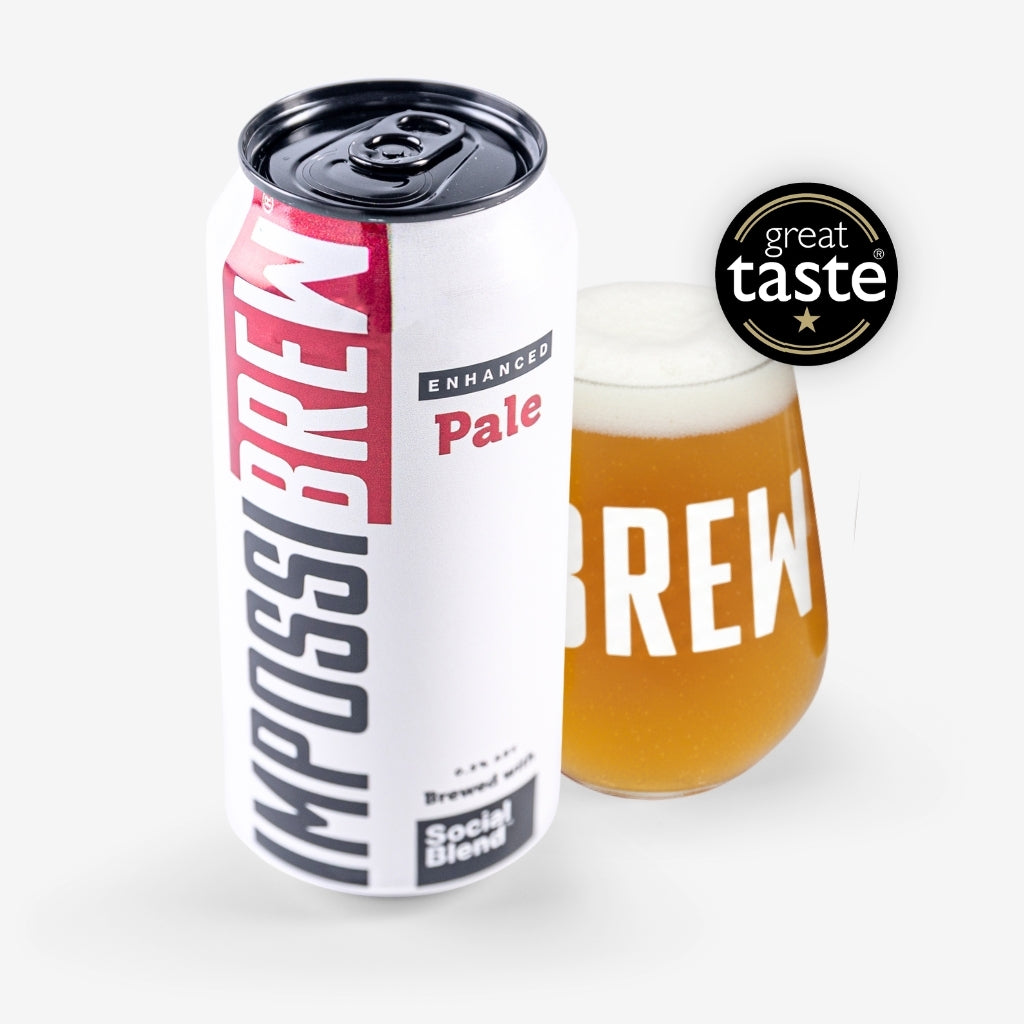
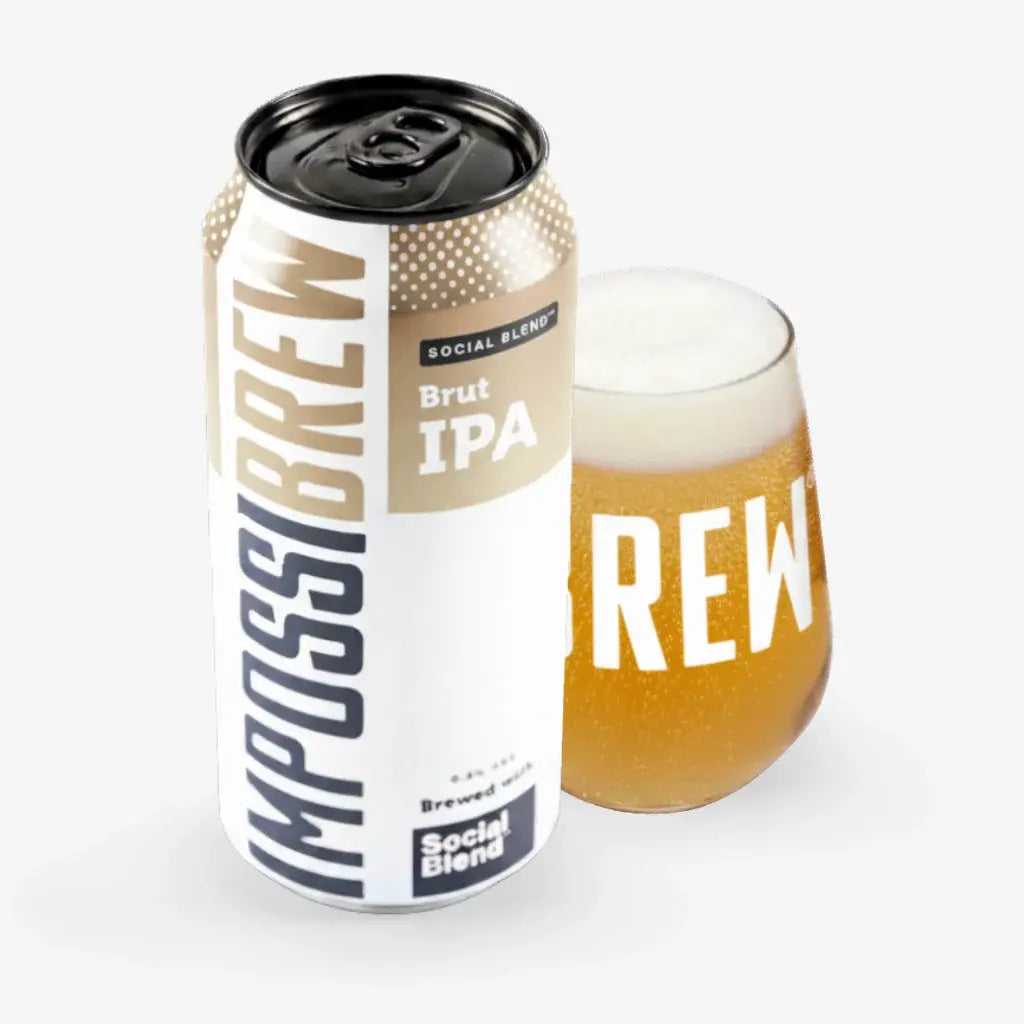
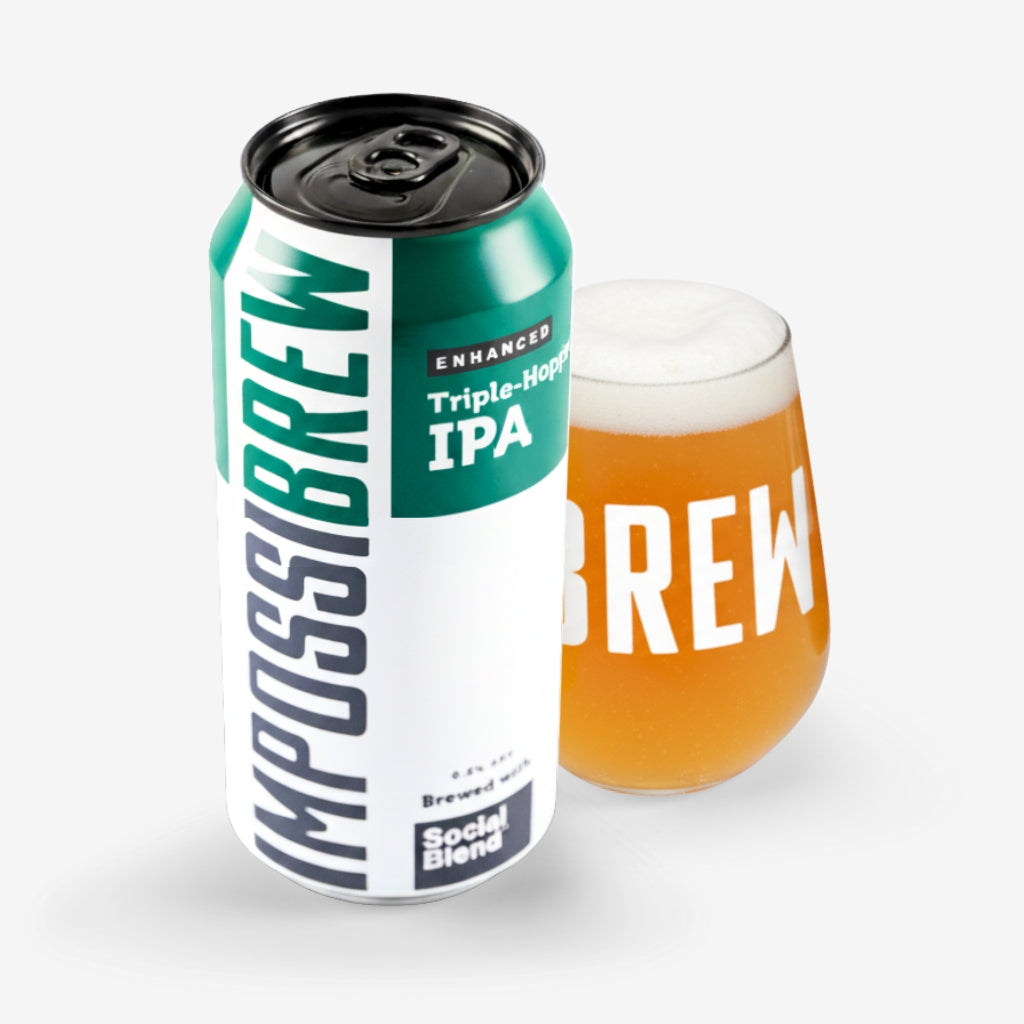
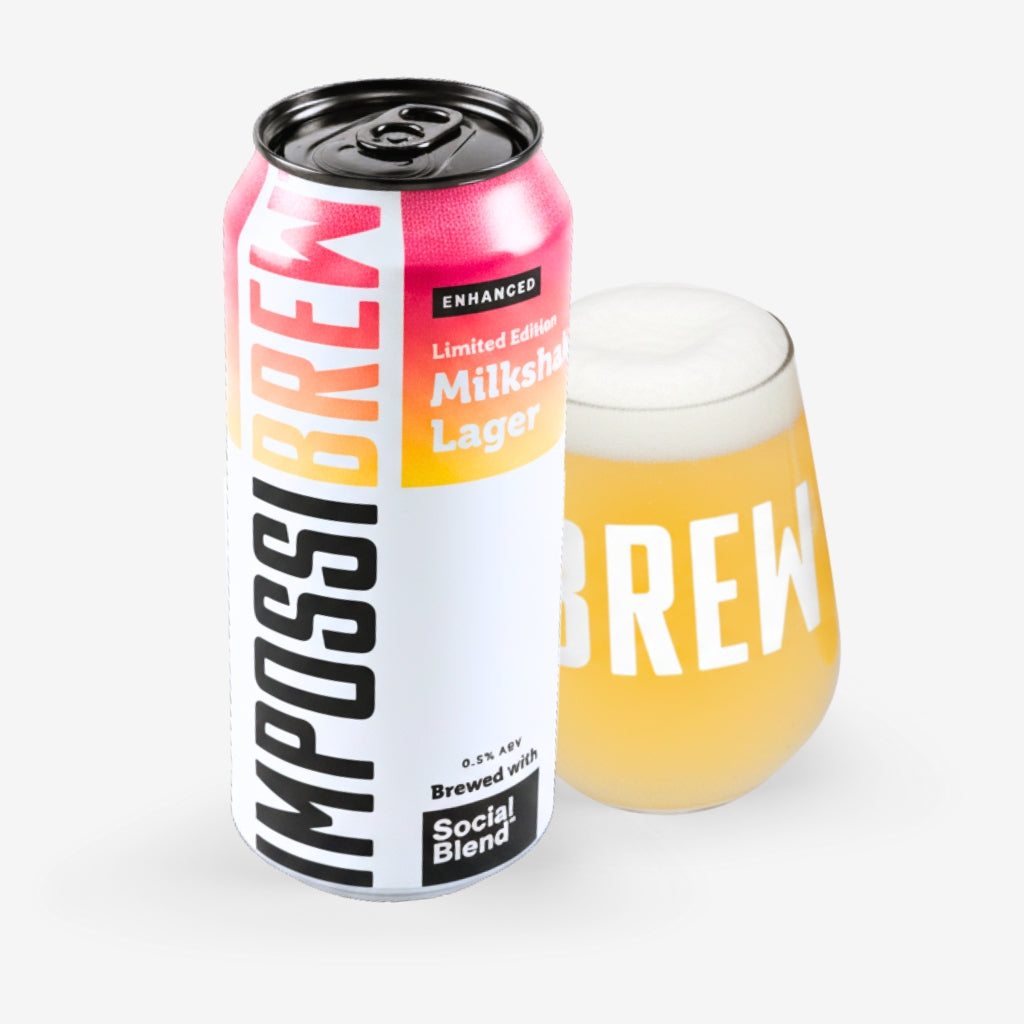
Alcohol-free beers, like those from brands such as IMPOSSIBREW®, also include functional ingredients to mimic relaxation effects, offering a unique option for mindful drinking. Whether you're reducing alcohol intake or exploring healthier alternatives, alcohol-free beer can be a smart choice when selected carefully.
Zero Alcohol vs. Regular Beer: Can Tasters Tell The Difference?
sbb-itb-a752bf8
Alcohol Content and How They're Made
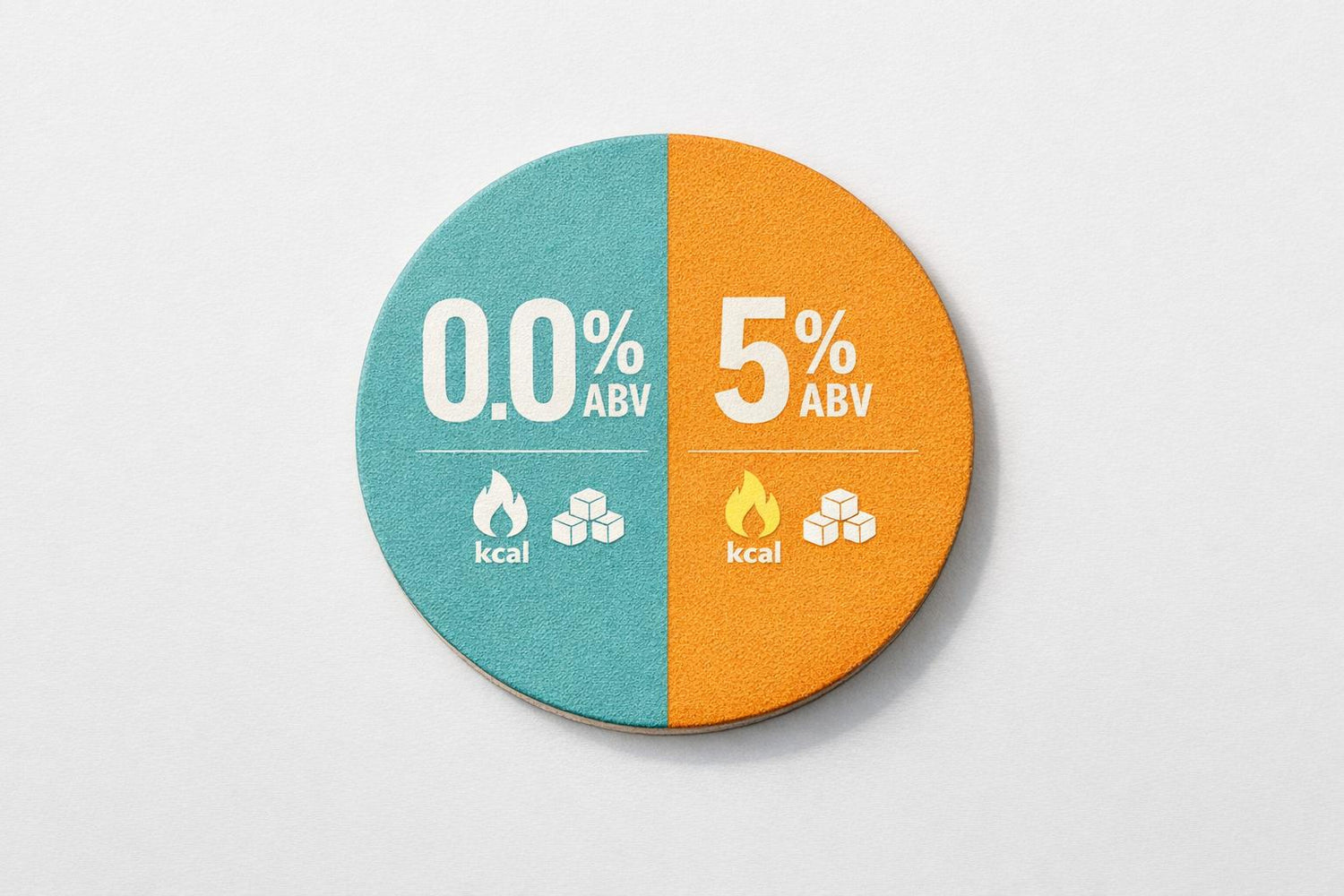
One of the clearest distinctions between alcohol-free and regular beer lies in their alcohol by volume (ABV) - the percentage of pure ethanol in the drink. In the UK, the average ABV of regular beer is around 4.4%. This means a standard pint (568 ml) delivers about 2.5 units of alcohol. By comparison, a pint of beer with 0.5% ABV contains only about 0.28 units - over an 88% reduction in alcohol content [3].
Under UK government guidelines, "alcohol-free" refers to drinks with an ABV of 0.05% or less. However, many beverages marketed as alcohol-free can contain up to 0.5% ABV, a threshold widely accepted internationally [3][6][12]. At such low levels, the body processes the alcohol almost as quickly as it is consumed, making intoxication virtually impossible. Beers with an ABV between 0.5% and 1.2% are classified as "low alcohol" [3][7].
Production Methods for Alcohol-Free Beer
Creating alcohol-free beer involves halting or reversing fermentation while retaining the beer's flavour. Brewers use several advanced techniques to achieve this. One popular approach is arrested fermentation, where yeast activity is stopped early - often by rapidly cooling the brew to near-freezing temperatures - before significant alcohol can form [7][10]. A notable example comes from Shiny Brewery in Derby, which, in May 2025, used a specialised yeast strain to produce a beer with just 0.3% ABV. As manager Chris Butcher explained:
"The key is controlling fermentation to preserve an authentic beer flavour without the alcohol" [8].
Other methods include vacuum distillation and reverse osmosis. Vacuum distillation involves heating the beer under reduced pressure, lowering ethanol's boiling point to around 30°C. This allows the alcohol to evaporate without damaging the beer's delicate flavours [7][9]. Reverse osmosis, on the other hand, uses high pressure to push the beer through a semi-permeable membrane, separating water and alcohol from the larger flavour molecules. The flavour-rich concentrate is then blended with fresh water to recreate the beer [7][9][10].
Thornbridge Brewery in Bakewell has also developed its own technique. By using less malted barley, they limit alcohol production while enhancing the hops for a more flavourful beer. Brewer Ben Wood highlighted the complexity of the process:
"It costs more to produce an alcohol-free beer because it involves more processes, more technology, more time and more ingredients" [8].
Comparing Alcohol Levels
| Beer Type | ABV Limit | Alcohol Units (per 568 ml pint) |
|---|---|---|
| Alcohol-free | ≤ 0.05% | ~0.03 units |
| De-alcoholised | ≤ 0.5% | ~0.28 units |
| Low-alcohol | ≤ 1.2% | ~0.68 units |
| Regular Beer | ~4.4% | 2.5 units |
These additional production steps help explain why alcohol-free beer often costs as much as its regular counterpart. While brewers save about 30–40p per can in beer duty, the higher processing costs largely offset these savings. For instance, at Shiny Brewery, a pint of 0.3% ABV beer wholesales at £1.90, compared to £2.10 for their 4.5% lager [8]. These precise differences in alcohol content pave the way for examining their respective impacts on health.
Health Impacts: Alcohol-Free vs Regular Beer
The differences between alcohol-free and regular beer go far beyond just the absence of alcohol. From calorie counts to sugar content, these variations can influence your daily diet and your ability to stick to health recommendations.
Fewer Calories and Less Alcohol
Alcohol is a major contributor to the calorie count in regular beer, with each unit of alcohol adding about 56 calories. A standard pint of beer with 4.4% ABV contains approximately 2.5 units, which translates to a significant calorie load. By comparison, a 0.5% ABV beer contains just 0.28 units of alcohol - an 88% reduction, saving around 124 calories per pint.
However, alcohol-free beers often compensate for the loss of alcohol with added sugars and carbohydrates to maintain flavour. For example, a 330ml bottle of Peroni 0.0% contains 18g of carbohydrates, nearly double the 9.9g found in its regular counterpart. Similarly, Erdinger's alcohol-free wheat beer has 26.5g of carbs per 500ml, compared to 13g in the alcoholic version.
A study conducted in June 2025 at Ruhr-University Bochum examined the impact of alcohol-free beer on 44 non-smoking men aged 18–30. Over four weeks, participants consumed 660ml daily of different alcohol-free beer styles. Results showed that while wheat and mixed beer varieties had a negative effect on glucose and fat metabolism, alcohol-free pilsners had minimal impact, comparable to water [2][5].
For those managing their weight and fitness goals, alcohol-free beer works best as a replacement rather than an addition to your diet. UK regulations require drinks with 1.2% ABV or less to display full nutritional information, making it easier to make informed choices [3].
Staying Within UK Drinking Guidelines
The UK Chief Medical Officers recommend limiting alcohol consumption to no more than 14 units per week, spread across at least three days [3]. Switching to alcohol-free beer can help you stay within these limits. For instance, replacing a pint of 4.4% ABV beer with a 0.5% ABV option saves around 2.2 units per pint.
This approach is becoming increasingly popular. A June 2025 Drinkaware Monitor survey by YouGov Plc found that 42% of UK drinkers now use alcohol-free drinks as a way to moderate their intake, up from 18% in 2021 [13]. Karen Tyrell, CEO of Drinkaware, highlighted this shift:
"One in five UK adults now drink AF as a deliberate way of moderating their alcohol consumption. Younger adults have led the way but the trend is really growing in older adult populations, too." [5]
Reducing alcohol intake through alcohol-free options can also lead to health benefits like lower blood pressure, reduced cholesterol, and a decreased risk of major illnesses such as stroke, cancer, and liver disease [5]. The specific brewing process used to remove alcohol often dictates these final nutritional values. Beyond alcohol content, sugar levels play a crucial role in overall health outcomes.
Sugar and Ingredient Comparisons
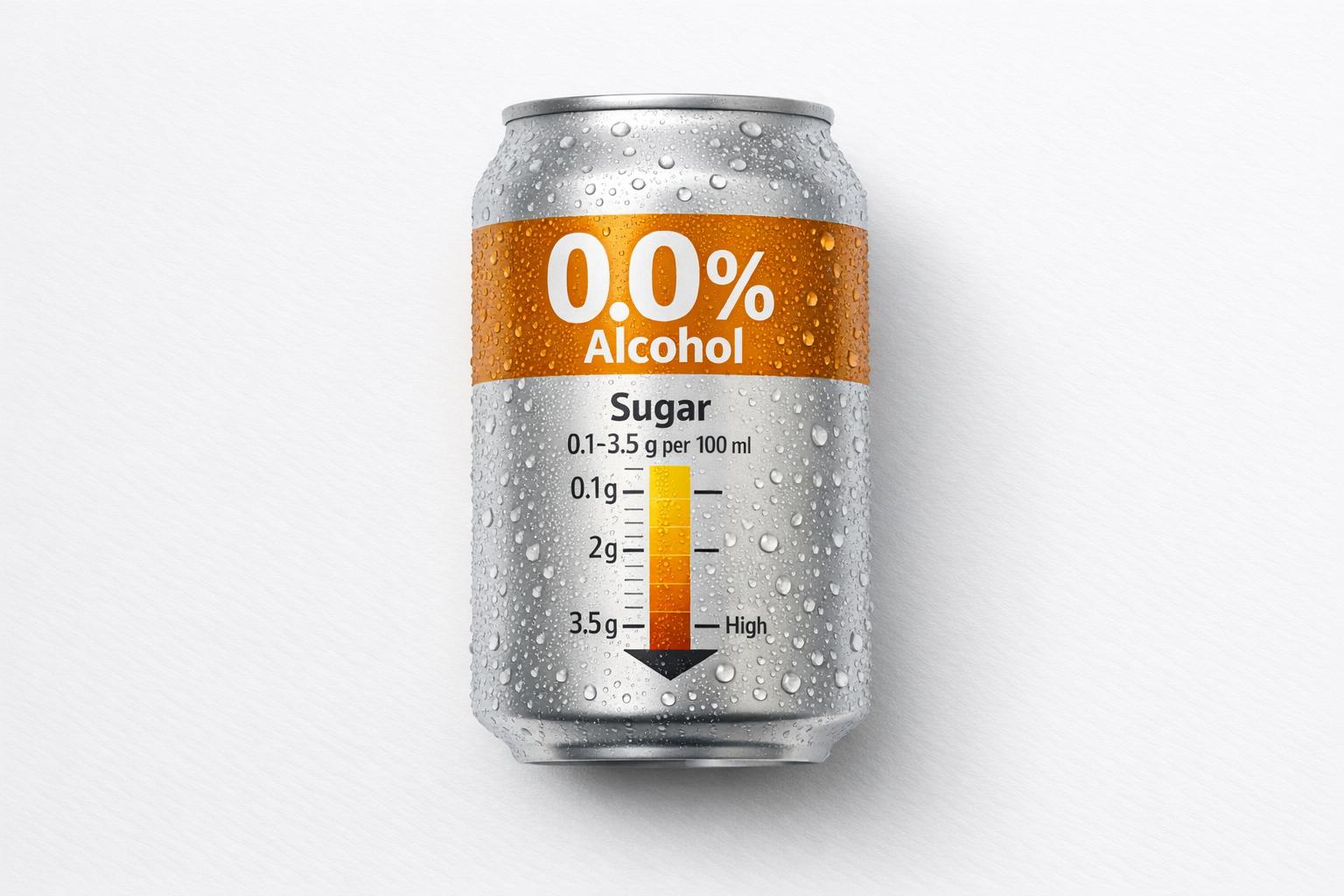
Sugar levels in regular beer are typically very low - less than 1g per pint - because most sugars are converted into alcohol during fermentation [15]. Alcohol-free beers, on the other hand, often retain more sugar or have additional sugars like lactose or glucose added to enhance flavour and body [14][15].
The sugar content in alcohol-free beers varies widely by brand. For instance, Lucky Saint contains just 0.1g of sugar per 100ml, while Erdinger Alkoholfrei has 3.6g per 100ml. A single 330ml bottle of Erdinger Alkoholfrei contains 11.9g of sugar - over a third of the NHS's recommended daily limit of 30g for free sugars [14][16].
| Beer Brand | Regular Version Sugar (per 100ml) | AF Version Sugar (per 100ml) | AF Version Calories (per 100ml) |
|---|---|---|---|
| Heineken | 0g | 1.3g | 21 kcal |
| Peroni Nastro Azzurro | 0g | 0.8g | 23 kcal |
| Birra Moretti | 0g | 1.2g | 20 kcal |
| Becks Blue | N/A | 0.2g | 14 kcal |
| Lucky Saint | N/A | 0.1g | 16 kcal |
| Erdinger Alkoholfrei | 1.65g | 3.6g | 25 kcal |
Pilsner-style alcohol-free beers tend to have a better metabolic profile compared to wheat or mixed beers [2][5]. Dr. Richard Piper, Chief Executive of Alcohol Change, emphasised the benefits of choosing low-sugar options:
"If you choose wisely you can have a low‐alcohol drink with 135 times less sugar than the same volume of fruit juice." [16]
Some alcohol-free beers even offer added nutritional perks, such as higher levels of B vitamins, potassium, and polyphenols - compounds that can improve circulation and reduce inflammation [5]. Reading labels carefully can help you find options that align with your dietary goals.
Taste and Drinking Experience
Alcohol-free beer needs to offer the same flavour and mouthfeel as a traditional pint. Thanks to modern brewing techniques, alcohol-free options can now deliver the complexity and satisfaction beer lovers expect.
Flavour Development in Alcohol-Free Beer
Some methods, like vacuum distillation, can remove important flavour compounds. However, cryogenic fermentation preserves these delicate nuances. IMPOSSIBREW® uses this advanced method, which involves fermenting beer at extremely low temperatures. By slowing down yeast activity, this process limits alcohol production while still creating the authentic flavours and aromas of traditional beer [17][18].
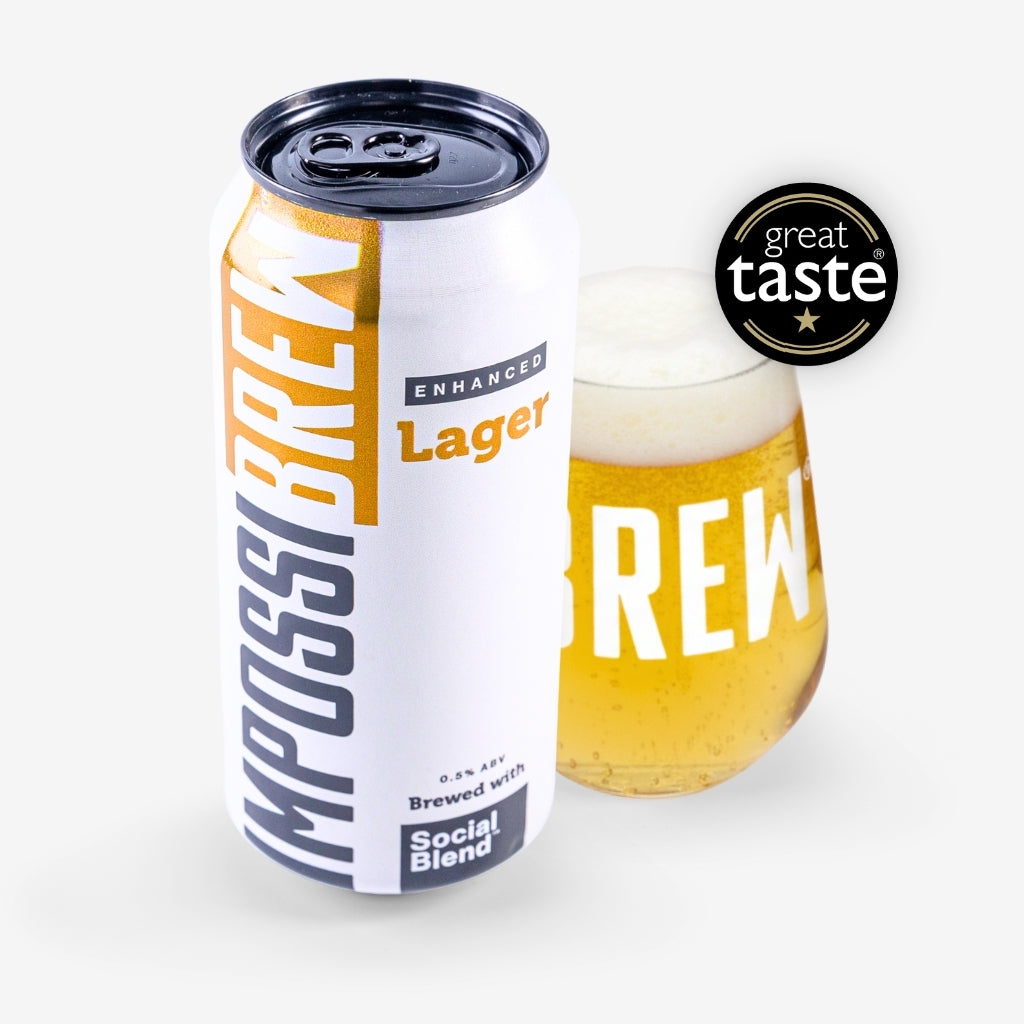
This "one-to-one" brewing process means the beer is brewed to its final alcohol level from the start, avoiding the flavour loss that often occurs during dealcoholisation [17]. For example, the Enhanced Lager delivers a crisp, dry-hopped profile with a clean citrus finish, while the Enhanced Hazy Pale offers tropical fruit notes like peach, pineapple, and mango. Both maintain 0.5% ABV, which research suggests enhances flavour and mouthfeel compared to 0.0% options [17]. Using malts like Vienna, Munich, or caramel and mashing at temperatures above 72°C creates dextrins, adding to the beer's satisfying body [18].
Functional Ingredients for Relaxation
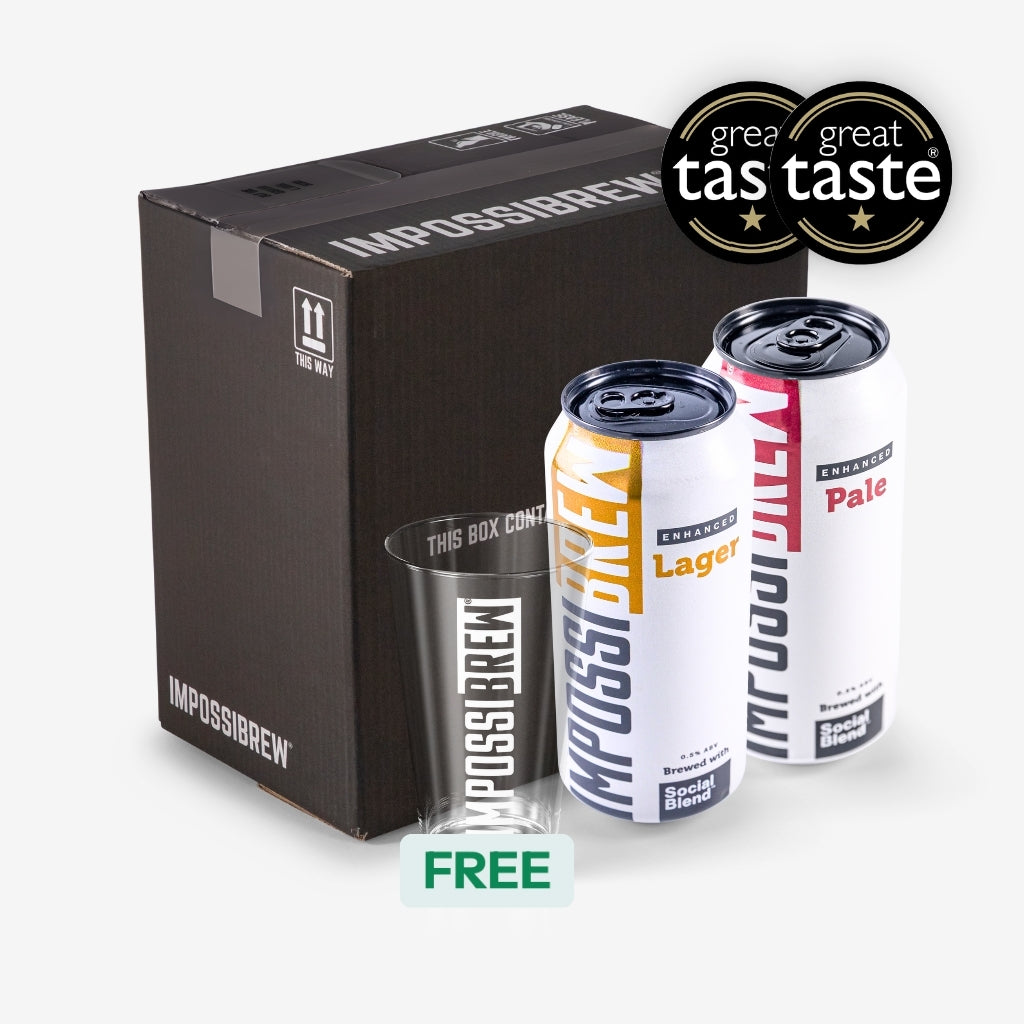
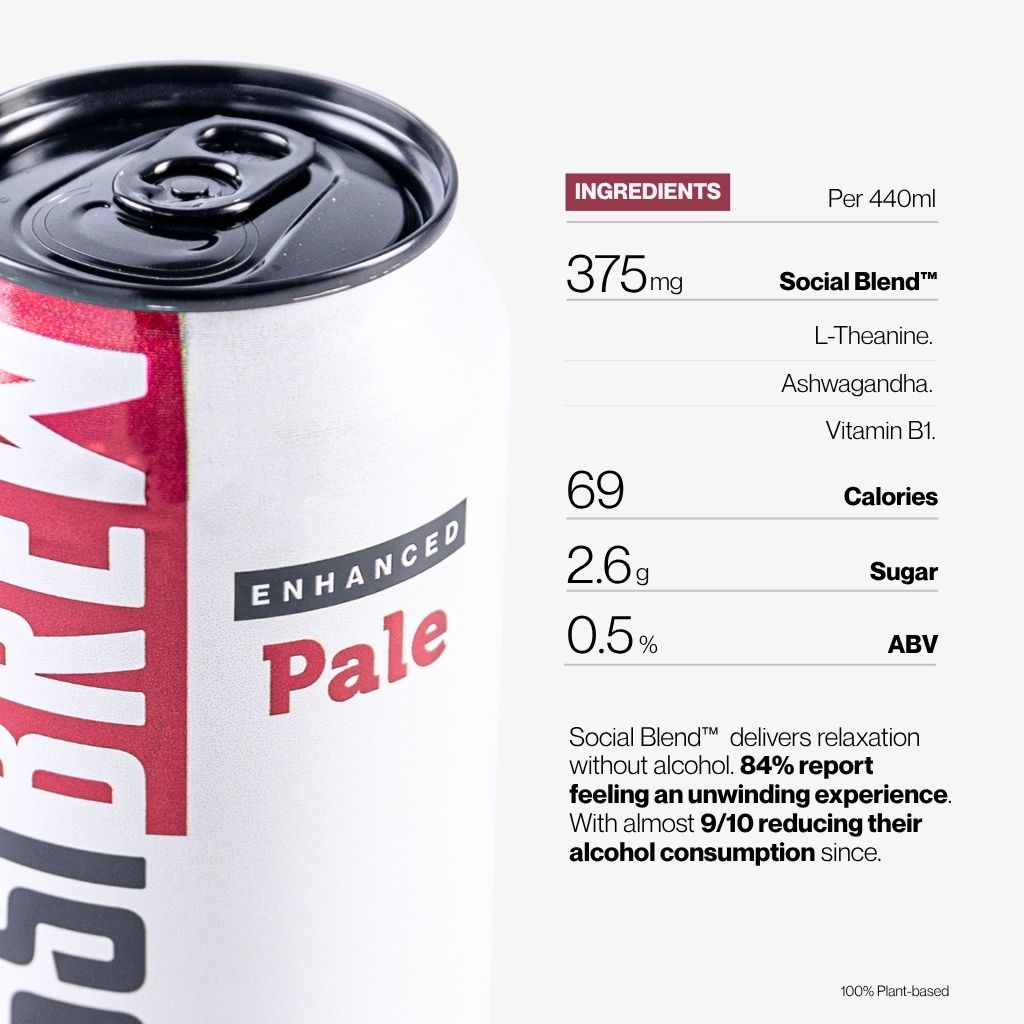
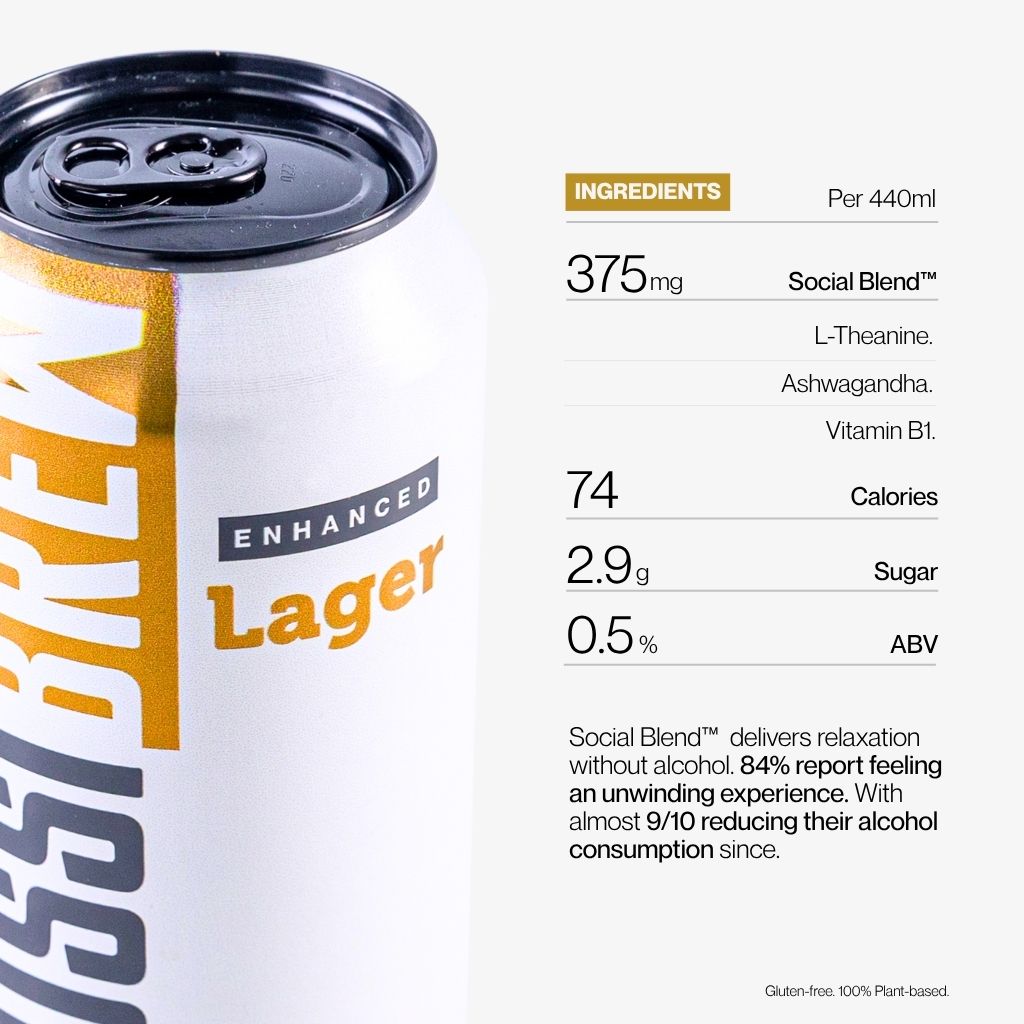
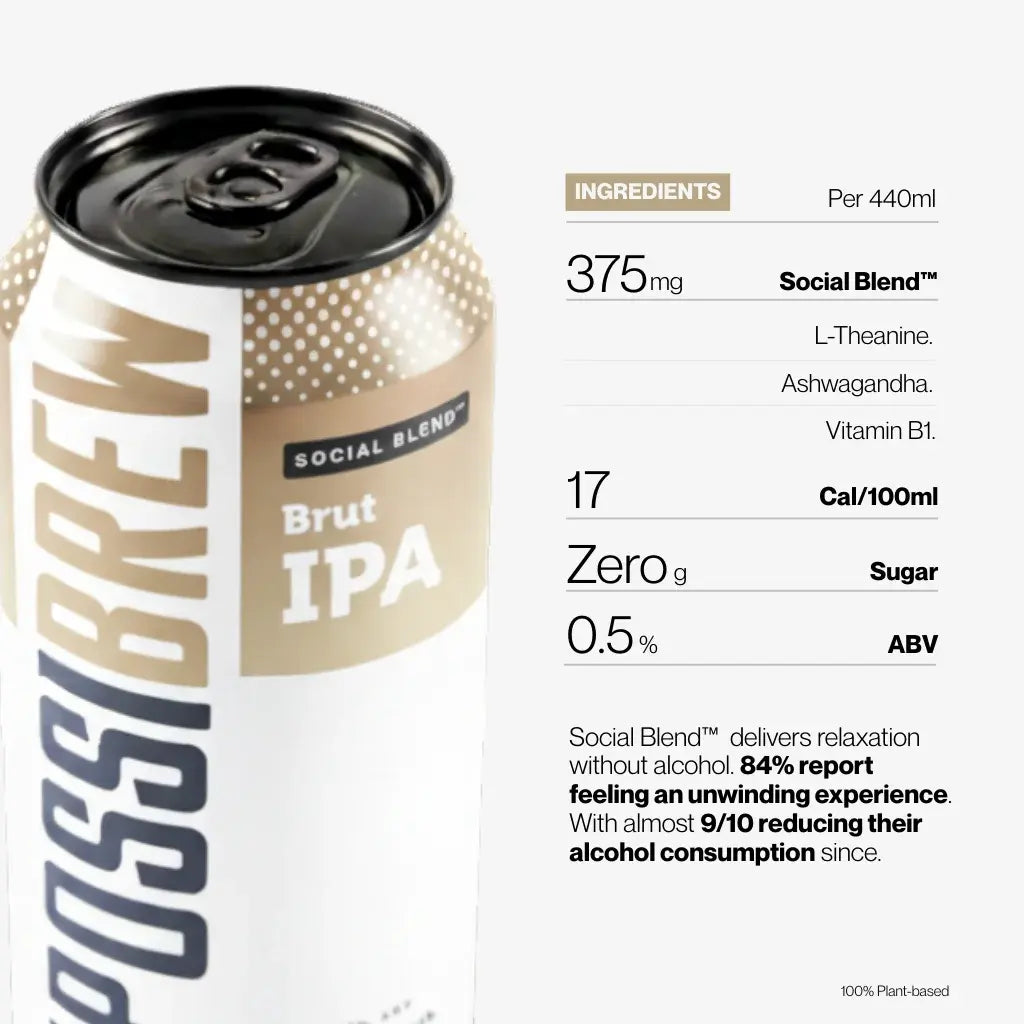
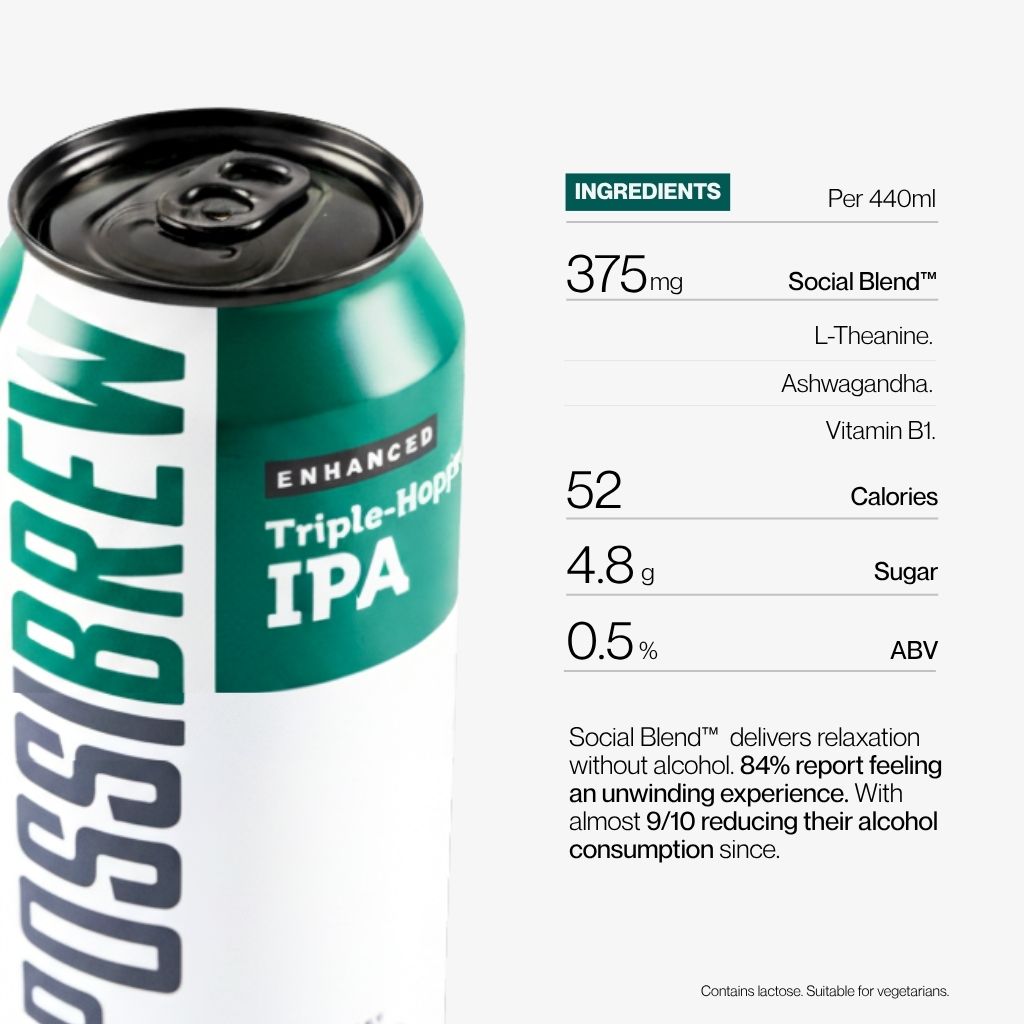
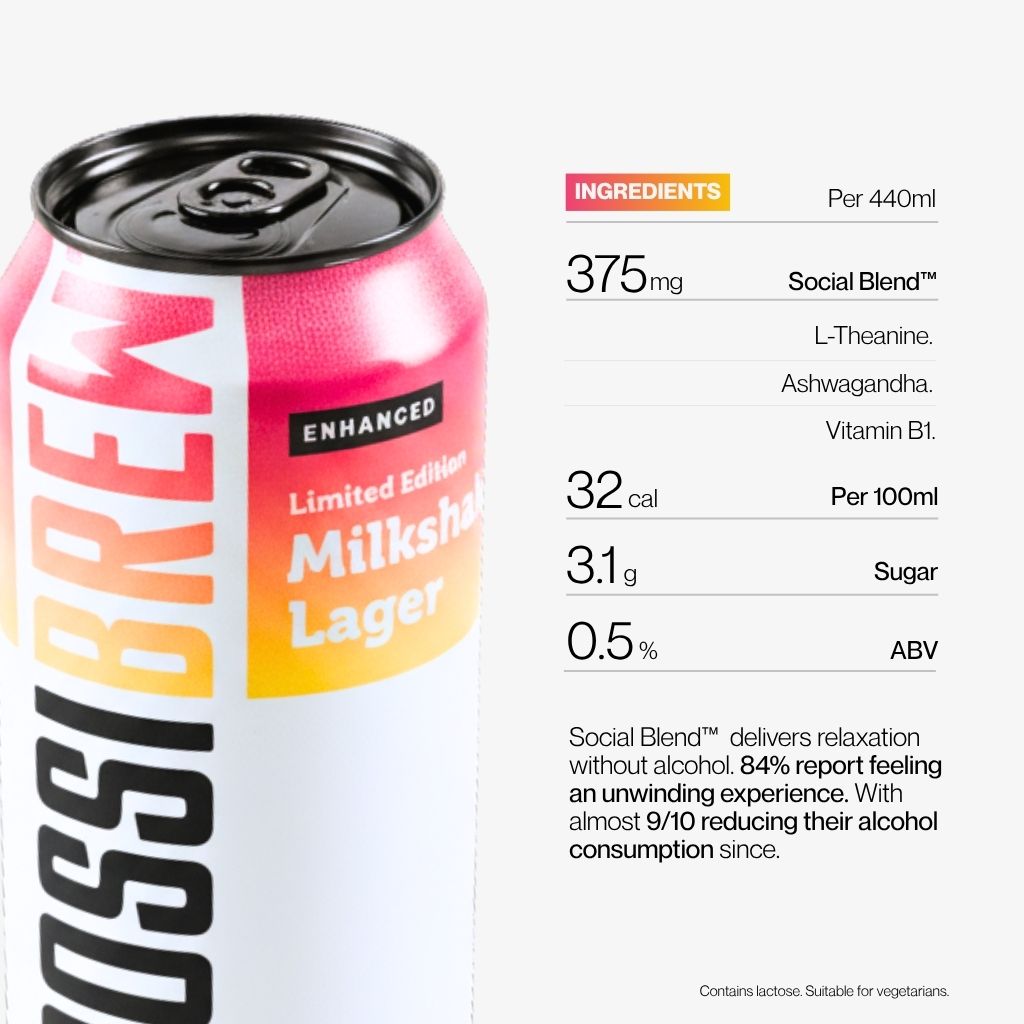
IMPOSSIBREW® takes things a step further by incorporating ingredients designed to promote relaxation. Their proprietary Social Blend™ combines nootropics and adaptogens such as L-Theanine, Ashwagandha, and Vitamin B1. These ingredients mimic the calming effects of alcohol, offering the relaxing sensation of a couple of pints without the downsides of ethanol [17]. Developed with Dr. Paul Chazot, Chair of Pharmacology at Durham University, this blend is designed to increase serotonin levels and encourage a calm, focused state of mind [19][20].
In a 2025 study involving over 2,000 participants, 84% reported feeling more relaxed after consuming Social Blend™ [19]. A previous study with 775 customers found that 70.6% experienced similar effects [20]. As IMPOSSIBREW® explains:
"Our Social Blend™ technology isn't an accident. It's the result of questioning everything we thought we knew about social drinking... working with scientists to understand what we're really seeking in these moments of connection." [19]
Benefits for Health-Conscious Lifestyles
Alcohol-free beer aligns well with wellness goals, sobriety, and healthier living without giving up the social aspects of drinking. Beyond its production and nutritional features, it promotes mindful drinking and supports those choosing sobriety.
Enabling Mindful Drinking and Supporting Sobriety
Alcohol-free beer lets you enjoy the experience of drinking in social settings, minus the intoxicating effects or dreaded hangovers [21][22]. This resonates strongly with the "sober curious" movement, especially among younger adults. For instance, 43% of people aged 25–34 express concerns about the long-term effects of alcohol, compared to just 18% of those aged 55 and older [11].
Some alcohol-free options go a step further by incorporating nootropics to mimic the relaxing effects of alcohol without using ethanol. Without alcohol, these drinks reduce strain on the liver, aid in its repair, and help maintain healthy sleep patterns [22]. A compelling statistic: 88% of IMPOSSIBREW® users reported cutting back on their alcohol intake after discovering the brand [21]. This highlights how alcohol-free alternatives can encourage meaningful lifestyle changes rather than simply substituting one habit for another.
Low-Calorie and Special Diet Options
While some alcohol-free beers rely on added sugars to make up for lost body and flavour, IMPOSSIBREW® Enhanced Lager stands out as a low-calorie, zero-sugar choice, with just 27 calories per 440ml [21]. It’s a great fit for those with specific dietary needs. Despite being brewed with barley and wheat, it’s third-party tested to contain less than 10 parts per million of gluten, qualifying it for gluten-free labelling [21]. Additionally, the entire range is vegan-friendly, catering to plant-based diets and those mindful of carbohydrate intake.
Antioxidants and Health Benefits
Alcohol-free beer isn’t just about fewer calories; it also retains natural antioxidants that can benefit overall health. Beer contains over 50 polyphenol compounds from hops and barley, which act as antioxidants [23]. Alcohol-free versions preserve these compounds while avoiding the immunosuppressive effects of ethanol [21][23]. These polyphenols help lower inflammation markers like interleukin-6 and support a stronger immune system, especially after intense physical activity [21].
The research is compelling. In one study, marathon runners who consumed 1–1.5 litres of non-alcoholic beer daily for five weeks experienced a 3.25-fold lower risk of upper respiratory tract infections compared to a placebo group [21]. Another study found that 44 young men who drank 660ml of alcohol-free pilsner daily over four weeks showed reduced LDL cholesterol and lower indicators of liver damage [5][2]. Dr Duane Mellor, a dietitian at Aston University, adds:
"Non-alcoholic beer can be probiotic – that is, it contains live beneficial bacteria that have been shown to play a role in managing gastrointestinal disorders." [5]
If you're choosing alcohol-free beer for its health benefits, pilsner styles are a better option than wheat or mixed varieties for managing blood sugar. Always check labels for added sugars [5][2]. These advantages, combined with the nutritional and production differences, make alcohol-free beer a fitting choice for a health-conscious lifestyle.
Choosing IMPOSSIBREW®: What You Need to Know
Building on the health and taste benefits outlined earlier, let’s explore how IMPOSSIBREW® redefines alcohol-free beer with its science-driven approach and functional advantages.
Pricing and Delivery Options
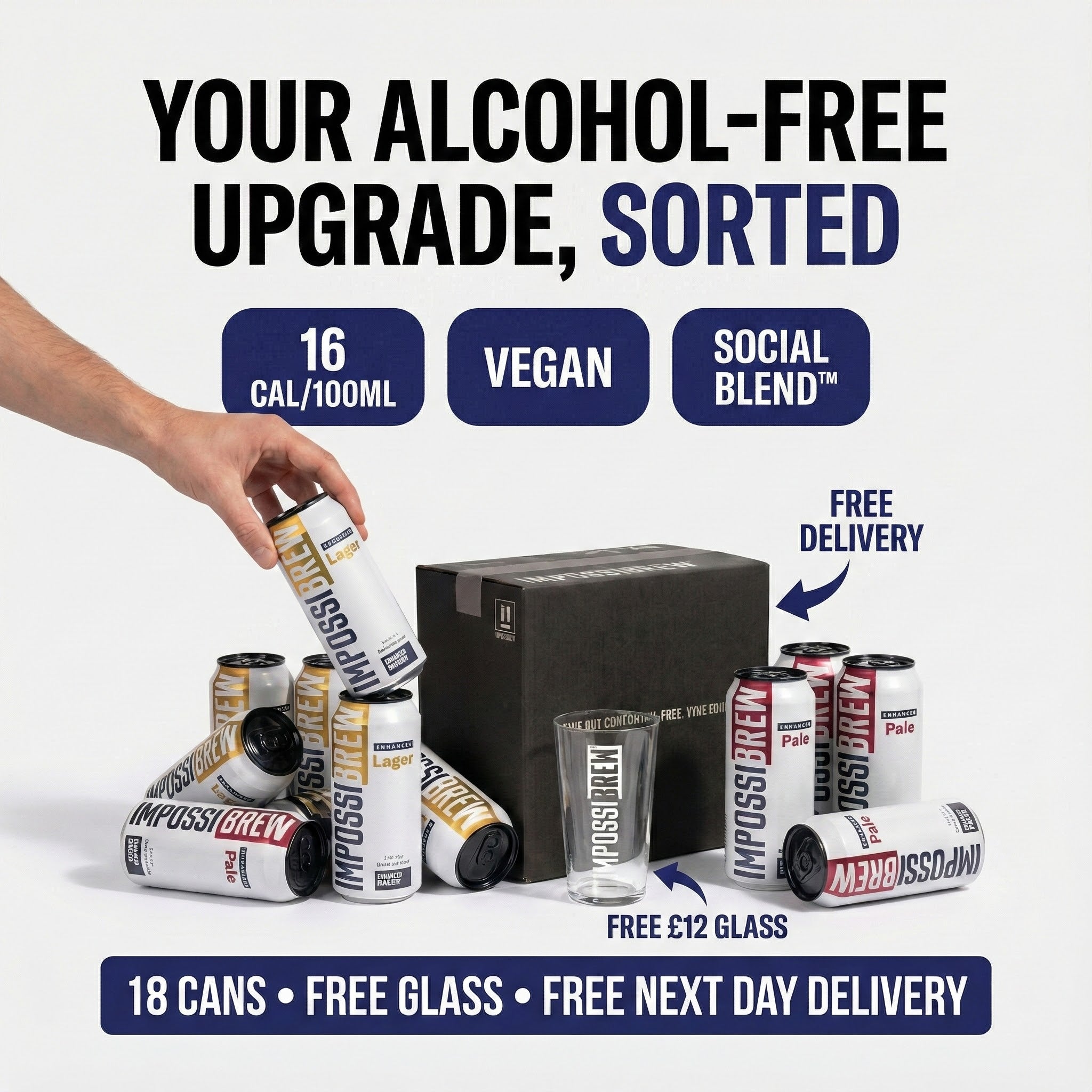
IMPOSSIBREW® cans are priced from £1.97 each, with the Bestseller Bundle available for £49.99. This bundle includes 18 cans, a complimentary glass, and a tasting guide, and qualifies for free UK Mainland delivery on orders over £35. Standard delivery typically takes 1–3 working days, while next-day delivery is an option if you order before 12pm. Individual packs start at £29.99 and come with the reassurance of a 30-day money-back guarantee.
Beyond fair pricing, IMPOSSIBREW® offers a product that truly stands out.
What Makes IMPOSSIBREW® Different
IMPOSSIBREW® sets itself apart with its unique Social Blend™ technology. This blend, created in collaboration with top scientists, includes L-Theanine, Ashwagandha, and Vitamin B1. According to a 2025 study, 84% of customers reported feeling more relaxed after trying Social Blend™, with over 70% experiencing relaxation after just one drink.
The brewing process also plays a key role. Using cryogenic fermentation, IMPOSSIBREW® preserves authentic beer flavours without removing the alcohol, ensuring a full-bodied taste.
From a health perspective, the numbers speak for themselves. IMPOSSIBREW® Enhanced Lager contains just 17 calories per 100ml, is certified gluten-free (less than 10 ppm), vegan-friendly, and low in carbohydrates. With an ABV of 0.5% - similar to levels found in some everyday foods - these beers align perfectly with UK drinking guidelines.
Recognition for the brand has been exceptional. IMPOSSIBREW® was named the UK’s best non-alcoholic beer at the World Beer Awards 2023 and is the first in its category to win a Gold Medal at the London Beer Competition. Customers have also shown their appreciation, with over 1,200 reviews giving an average rating of 4.8/5 stars. Impressively, 88% of users reported cutting back on alcohol since discovering the brand. As customer Connor W. shared:
"Worth every penny... Tastes incredible, gave me a really nice buzz and then I had the best night's sleep ever."
These achievements highlight how IMPOSSIBREW® combines exceptional taste, scientific innovation, and a commitment to health-conscious living.
Conclusion
Deciding between alcohol-free and regular beer ultimately comes down to your health priorities and lifestyle goals. Regular beer contains around 2.5 units per pint, while alcohol-free options (with 0.5% ABV or less) provide just 0.28 units. This means a significant reduction in both alcohol and calorie intake, all while retaining key nutrients [3][1][4].
These differences can lead to noticeable health advantages. For those focused on wellness, alcohol-free beer aligns with UK health guidelines, aids in weight management, and offers antioxidants that support healthy circulation and help reduce inflammation [3][4].
IMPOSSIBREW® takes this a step further by combining traditional brewing methods with functional ingredients. Instead of merely removing alcohol, its Social Blend™ formula includes L-Theanine, Ashwagandha, and Vitamin B1 to encourage relaxation. With its consistent 0.5% ABV and low-calorie content, IMPOSSIBREW® provides the taste and ritual of beer while catering to modern health-conscious lifestyles [21].
Whether you’re aiming for sobriety, moderation, or just a healthier way of living, alcohol-free beer offers clear benefits that support your goals. For those prioritising wellness, the evidence points to alcohol-free options as the smarter choice.
FAQs
Can alcohol-free beer trigger a hangover?
Alcohol-free beer is very unlikely to give you a hangover. Why? Because it contains little to no alcohol - the main culprit behind hangovers. Without enough alcohol in the mix, the typical symptoms like headaches, nausea, or fatigue simply don’t have a reason to show up.
Is alcohol-free beer safe in pregnancy?
Non-alcoholic beer can contain up to 0.5% alcohol, meaning it’s not completely alcohol-free. Health experts often emphasise that no level of alcohol is considered safe during pregnancy. To make the best decision for your health, it’s wise to consult a healthcare professional before drinking alcohol-free beer.
How do I choose a low-sugar alcohol-free beer?
To choose a low-sugar, alcohol-free beer, focus on options containing less than 2.5g of sugar per 100ml. Look for labels that say low sugar or sugar-free, and always double-check the product descriptions for detailed sugar content. Sticking to well-known or highly rated brands can also be a good way to balance quality with flavour.