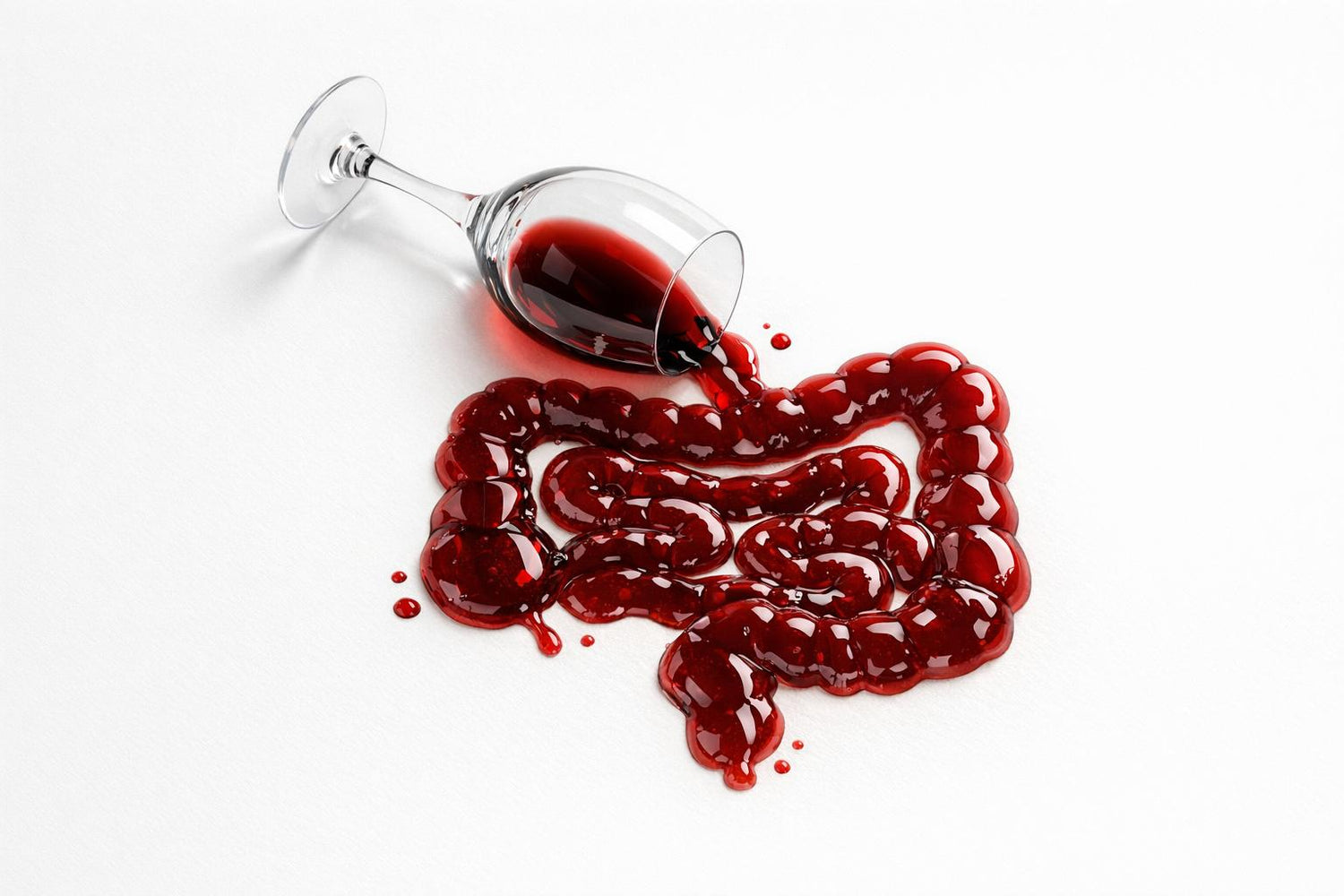
Alcohol can disrupt your gut microbiome in under two weeks. It reduces helpful bacteria, promotes harmful ones, and weakens the gut lining, potentially causing "leaky gut" and systemic inflammation. These changes are linked to chronic conditions like liver disease, diabetes, and even mental health issues through the gut-brain axis.
Key points:
- Alcohol decreases good bacteria (Lactobacillus, Bifidobacterium) and fosters harmful ones (Proteobacteria).
- It lowers bacterial diversity, weakening gut defences.
- This imbalance can lead to inflammation, liver damage, and increased risks of chronic illnesses.
To repair your gut:
- Avoid alcohol or reduce consumption.
- Eat fibre-rich foods, prebiotics (garlic, bananas), and probiotics (yoghurt, kefir).
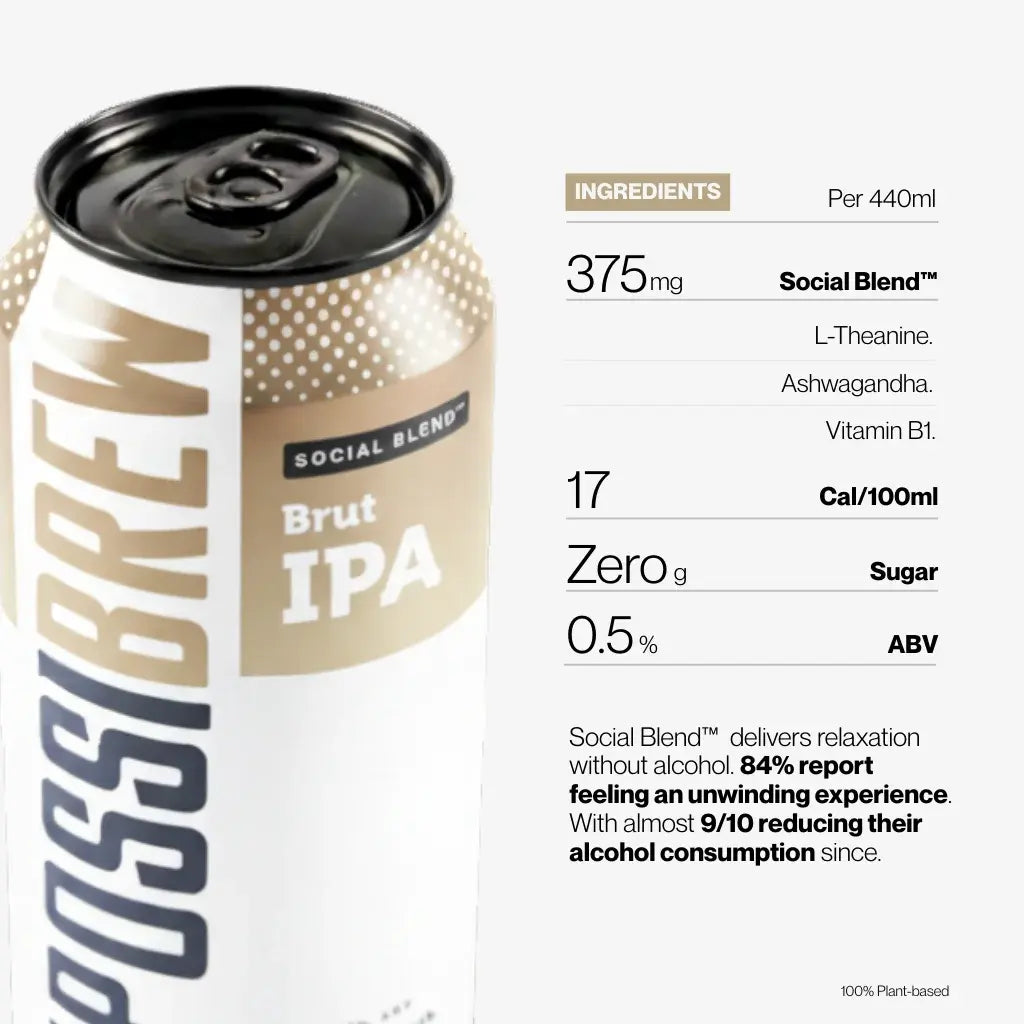
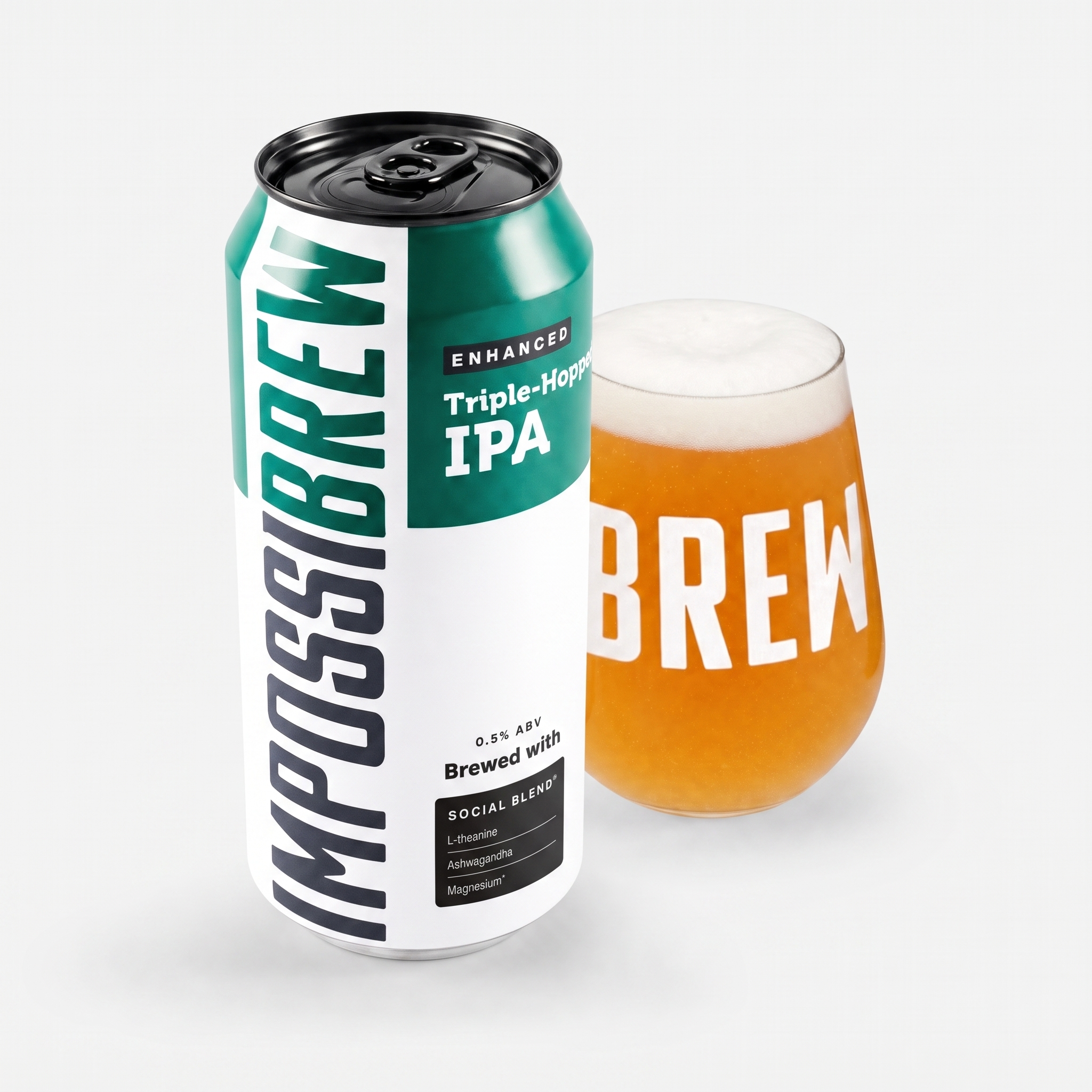
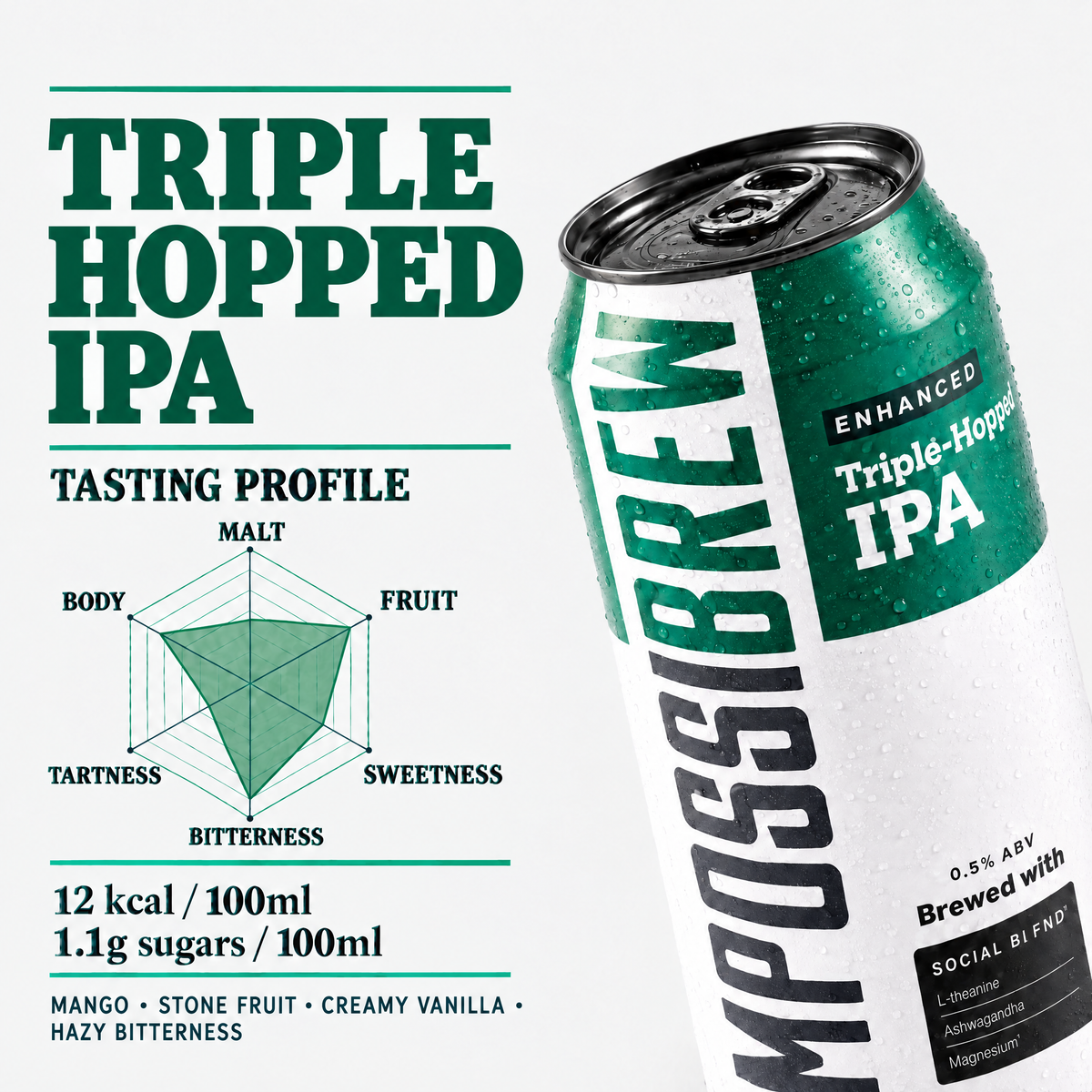
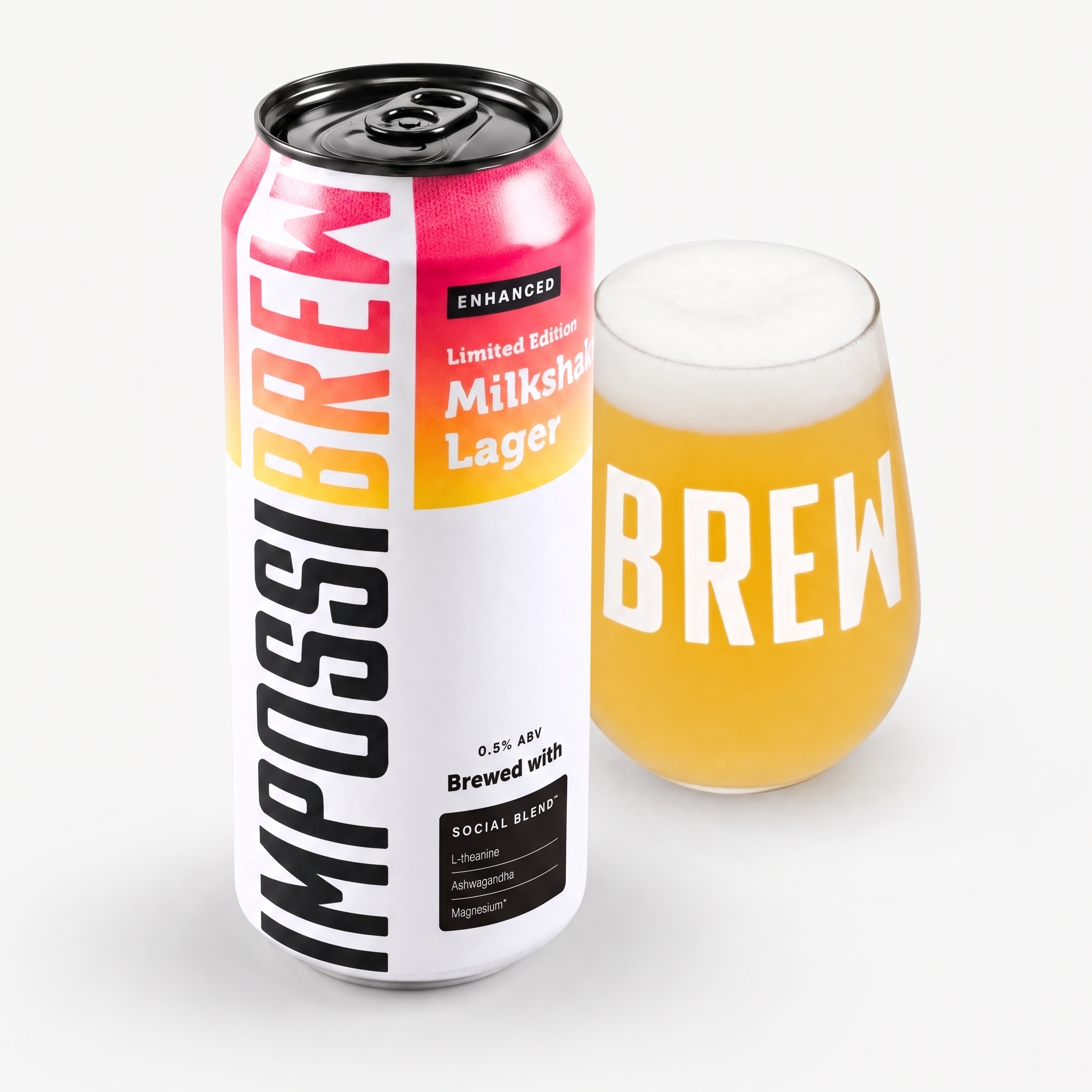
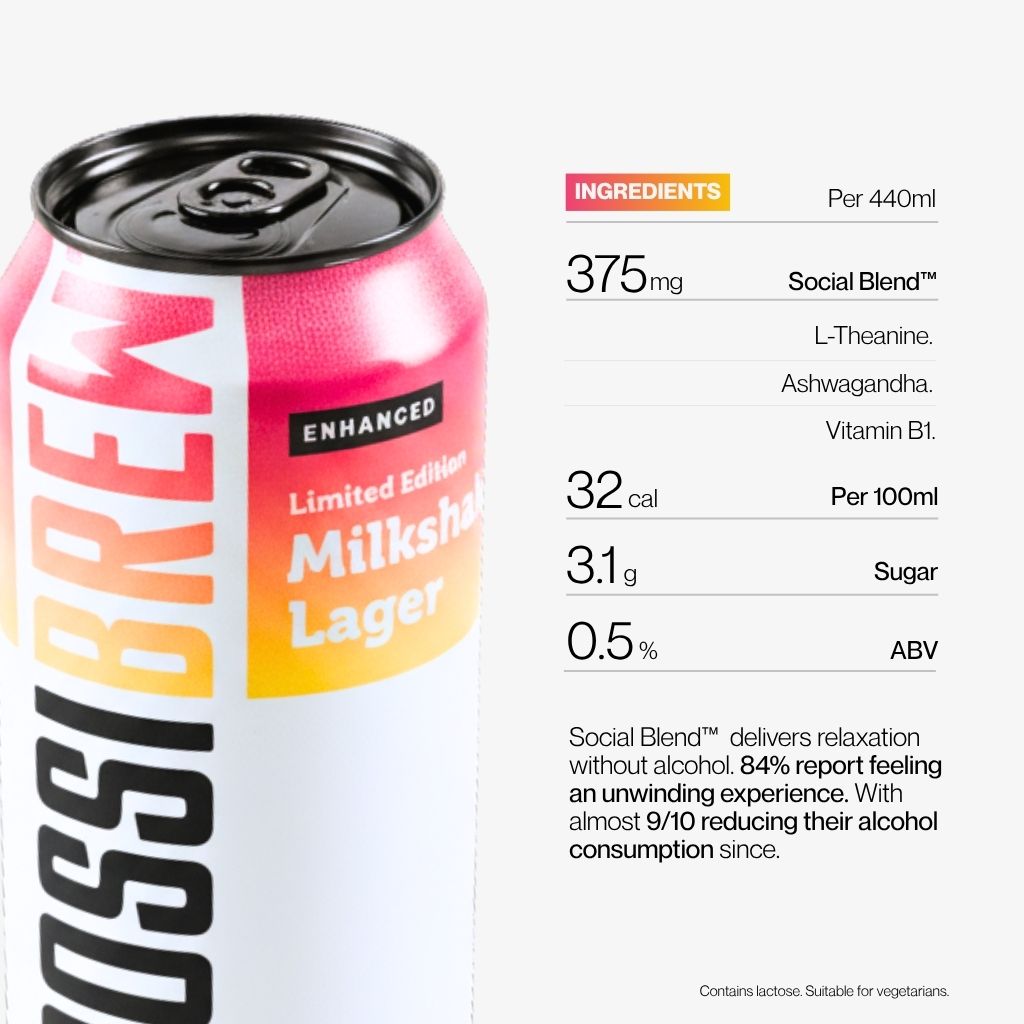
- Consider non-alcoholic options like IMPOSSIBREW® beers, which support gut health without ethanol's harmful effects.
Your gut can recover with the right diet and lifestyle changes.
How Does Alcohol Impact Your Gut Microbiome & Leaky Gut? | Dr. Andrew Huberman
How Alcohol Disrupts Gut Bacteria
When alcohol enters your digestive system, it throws the balance of your gut's microbial community into disarray. This disruption happens quickly and has far-reaching effects on the types and numbers of bacteria in your gut, creating a cascade of potential health issues.
Loss of Beneficial Bacteria
Your gut microbiome plays a vital role in defending your health, and alcohol consumption weakens this defence by reducing the number of beneficial bacteria. Chronic drinking significantly diminishes populations of Lactobacillus, Bifidobacterium, Akkermansia, and Faecalibacterium - key players in maintaining the intestinal barrier and managing inflammation [5][6]. The main issue here is oxidative stress. When alcohol is metabolised, it produces reactive oxygen species (ROS), which are toxic to these helpful microbes. Since these bacteria thrive in oxygen-free environments (they're obligate anaerobes), the oxidative damage from alcohol essentially wipes them out.
Rise of Harmful Bacteria
As the "good" bacteria decline, harmful bacteria take advantage of the imbalance. Alcohol encourages the growth of Gram-negative Proteobacteria (including the Enterobacteriaceae family), Streptococcus, and Actinobacteria [5][6]. This shift occurs partly because alcohol weakens your gut's natural defences, such as α-defensins that usually keep harmful bacteria in check [6]. These harmful bacteria produce toxic by-products like acetaldehyde (a carcinogen) and endotoxins such as lipopolysaccharides. These substances trigger widespread inflammation and directly damage the tight junctions in your gut lining, compromising its integrity [4][6].
Decline in Bacterial Diversity
Alcohol doesn't just reduce the number of beneficial bacteria - it also decreases overall bacterial diversity. A study involving 4,575 Finnish adults, published in April 2025, revealed that high-risk drinkers had a bacterial diversity score (Shannon index) of 4.04, compared to 4.11 in low-risk drinkers. The study also found significant differences in 344 bacterial species between the two groups [5]. Why does this matter? A diverse microbiome is better equipped to handle stress, fend off harmful pathogens, and perform essential metabolic functions. When alcohol disrupts this diversity, it reduces the production of short-chain fatty acids, which are crucial for maintaining the gut's protective mucus lining [6]. Without this layer, your gut becomes more vulnerable and struggles to defend itself.
Dr Carrie Daniel-MacDougall explains the consequences of prolonged stress on the microbiome:
"If you put your microbiome in a state of stress for an extended period of time, it's actually pretty selfish and it will put its own needs over yours. That's why it starts to eat things like the mucus layer. It doesn't want to starve and die, so it starts taking from you" [1].
Health Problems from Alcohol-Damaged Gut Bacteria
When alcohol disrupts the balance of your gut microbiome, the effects don’t just stop at your digestive system. This imbalance can trigger a ripple effect, impacting various organs and systems throughout your body.
Leaky Gut Syndrome
Alcohol-related gut issues often start with a condition known as leaky gut syndrome. Here’s what happens: alcohol-induced gut imbalance weakens the gut barrier. It does so by breaking down tight junction proteins (thanks to acetaldehyde) and eroding the protective mucus layer. This allows harmful bacteria and toxins to leak into the bloodstream, sparking inflammation. One key player in this process is lipopolysaccharides, which enter the circulation, activate liver Kupffer cells, and stimulate the release of pro-inflammatory cytokines like TNF-α [4]. Essentially, this compromised gut lining opens the door to widespread inflammatory reactions.
Inflammation and Chronic Disease
Once bacterial toxins make their way into the bloodstream, they can fuel systemic inflammation, which is linked to a range of serious conditions. For instance, this inflammation can lead to fatty liver, cirrhosis, and even liver cancer. In fact, liver cirrhosis is the 12th leading cause of death in the United States, with around half of these cases tied to alcohol consumption [4]. Beyond liver issues, alcohol-induced gut imbalance has been connected to broader health problems like type 1 and type 2 diabetes, obesity, cardiovascular diseases (such as cardiomyopathy and arrhythmia), and an increased risk of cancers, including oesophageal, colorectal, breast, and stomach cancers [1][2][7]. Notably, in patients with Alcoholic Liver Disease, higher levels of endotoxins in the blood are directly linked to the severity of the disease and elevated TNF-α levels [4].
The Gut-Brain Connection and Alcohol Cravings
The damage doesn’t stop at physical health. Alcohol-induced gut imbalance also impacts the gut-brain axis, disrupting communication between the gut and the brain. This disruption reduces beneficial bacteria that produce GABA, a neurotransmitter that helps regulate mood, and alters tryptophan metabolism, which can lead to increased anxiety, depression, and even stronger alcohol cravings [8][9]. Fascinatingly, research has shown that microbiota from individuals with alcohol dependence can induce depression-like behaviours and social withdrawal in mice [8]. Additionally, people with alcohol dependence and high gut permeability often experience more severe withdrawal symptoms, including heightened depression, anxiety, and cravings [8].
sbb-itb-a752bf8
How to Repair Your Gut After Drinking Alcohol
Alcohol can disrupt your gut's delicate balance, but with the right steps, recovery is within reach. Research suggests that as little as three weeks of abstinence can allow your gut barrier to fully heal [12]. Here are three practical strategies to help restore your gut health.
Probiotics and Prebiotics
Certain probiotic strains can help counteract alcohol-related gut damage. Strains like Lactobacillus rhamnosus GG (LGG), Lactobacillus plantarum, and Bifidobacterium bifidum have been shown to reduce alcohol-induced endotoxemia and lower liver enzymes such as ALT and AST [4][13]. These beneficial bacteria can help shift your gut from an imbalanced state back to normal.
Prebiotics, on the other hand, feed the good bacteria already in your gut. Foods rich in fructooligosaccharides (FOS) - like garlic, onions, leeks, bananas, and asparagus - can support the production of antimicrobial proteins that protect your gut lining [4][13]. Fermented foods such as yoghurt, kefir, sauerkraut, and kimchi are also excellent sources of probiotics. Together, probiotics introduce helpful bacteria, while prebiotics nourish them.
Diet Changes for Gut Health
A diet rich in fibre can do wonders for gut repair. High-fibre foods like oats and vegetables encourage the production of short-chain fatty acids (SCFAs), such as butyrate, which help maintain the integrity of your gut lining and prevent "leaky gut" [4][6]. Alcohol consumption often reduces SCFA-producing bacteria like Faecalibacterium and Roseburia, so replenishing these populations is crucial.
Polyphenol-rich foods can also act as prebiotics. While red wine contains polyphenols, its ethanol content negates the benefits. Instead, try de-alcoholised wine, olive oil, green tea, or colourful fruits and vegetables to promote beneficial bacteria like Bifidobacterium and Prevotella [3][12]. Chronic alcohol use can deplete vital nutrients, including zinc, selenium, folate, and vitamins A, B1, B6, C, D, and E. Zinc, in particular, plays a key role in supporting the gut barrier [6]. Alongside these dietary changes, cutting back on alcohol is essential for long-term gut health.
Cutting Back on Alcohol
Reducing alcohol consumption is the most effective way to heal your gut and restore microbial balance [4][6]. Carrie Daniel-MacDougall, Ph.D., from MD Anderson Cancer Centre, explains:
"The good news is that, typically, if you make an effort to go back to healthier ways, the microbiome will go back to the same state it was in before" [11].
While it may take up to eight weeks of healthy habits to rebuild a strong microbiome, damage from poor choices can happen in just two weeks [11]. Switching to non-alcoholic alternatives can also help, as it eliminates the harmful reactive oxygen species produced during alcohol metabolism [6][10]. Giving your gut this break is key to helping it recover and thrive.
IMPOSSIBREW® Non-Alcoholic Beers for Gut Health
Why IMPOSSIBREW® Enhanced Beers Support Your Gut
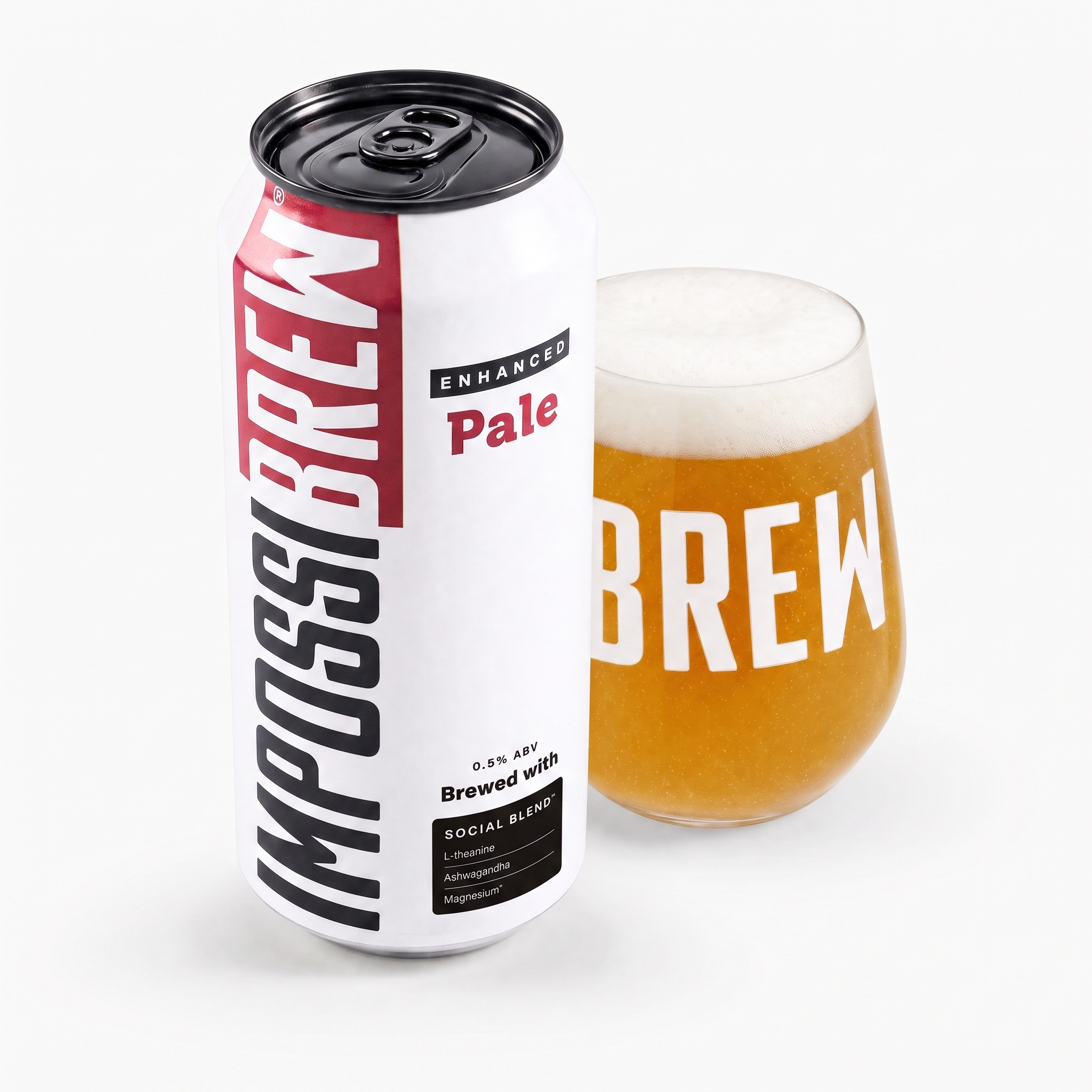
IMPOSSIBREW® offers a gut-friendly option for social drinkers looking to avoid the negative effects of alcohol on gut health. With less than 0.5% ABV, these beers steer clear of ethanol-induced damage, which can disrupt tight junction proteins and lead to intestinal hyperpermeability [6]. Unlike traditional alcoholic drinks, which deplete beneficial gut bacteria like Lactobacillus, Bifidobacterium, and Akkermansia, IMPOSSIBREW®'s low-alcohol formula helps maintain a balanced microbiome [5][13].
Non-alcoholic beers also retain polyphenols such as xanthohumol and isoxanthohumol, naturally occurring compounds from hops and grains that are thought to enhance gut microbiota diversity [14]. Research supports this: a four-week study found that daily consumption of 330 ml of non-alcoholic beer increased the Shannon diversity index from 2.7 to 2.9, while boosting faecal alkaline phosphatase activity, a marker of a healthy intestinal barrier [14][15]. With its Social Blend™ formula, IMPOSSIBREW® combines these benefits with nootropic ingredients that promote relaxation, offering a satisfying drinking experience without the inflammatory effects of ethanol. It’s a thoughtful way to support your gut health while enjoying the social ritual of drinking, seamlessly aligning with other dietary and lifestyle changes.
IMPOSSIBREW® Product Options
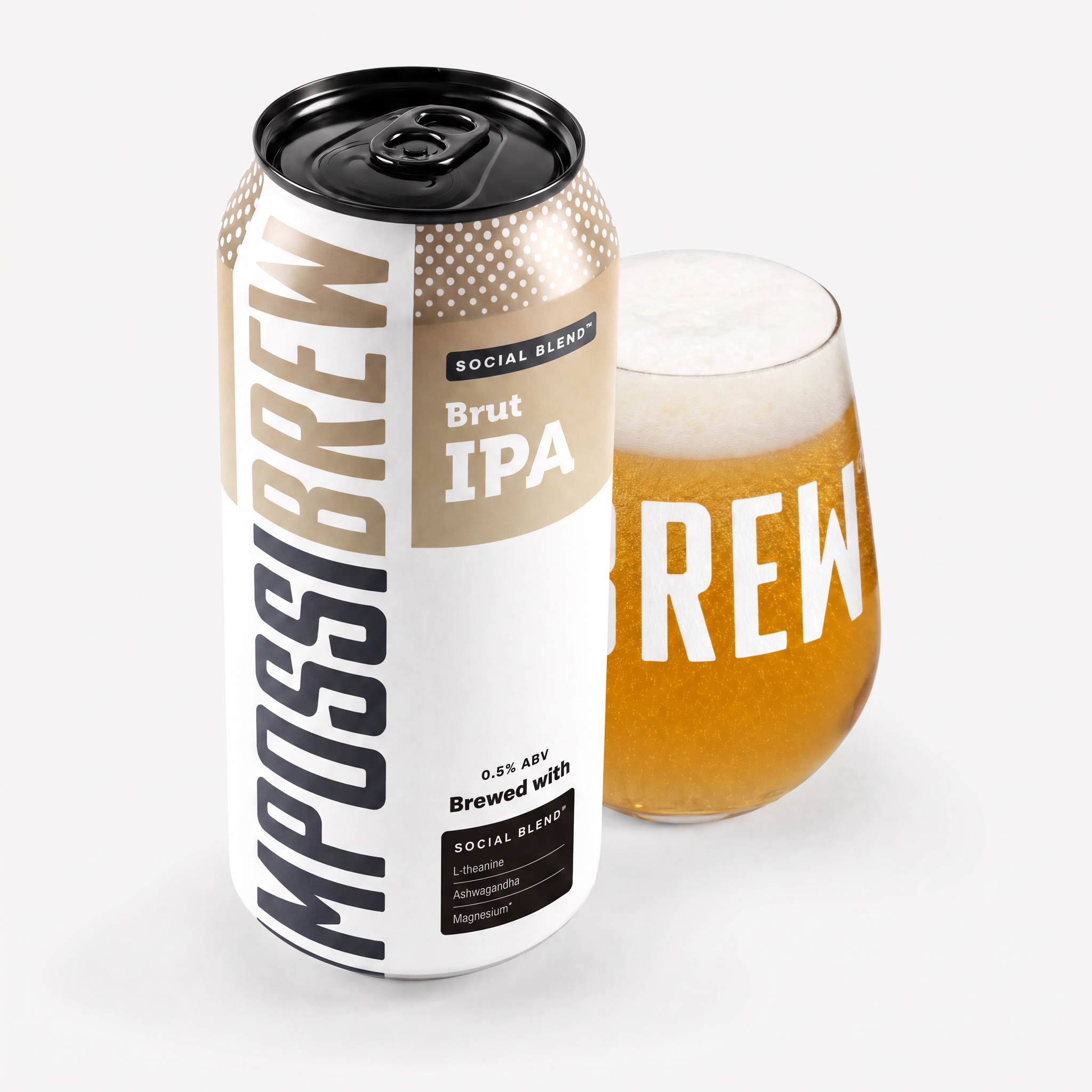
IMPOSSIBREW® has crafted its products with health-conscious drinkers in mind. The range includes two standout options:
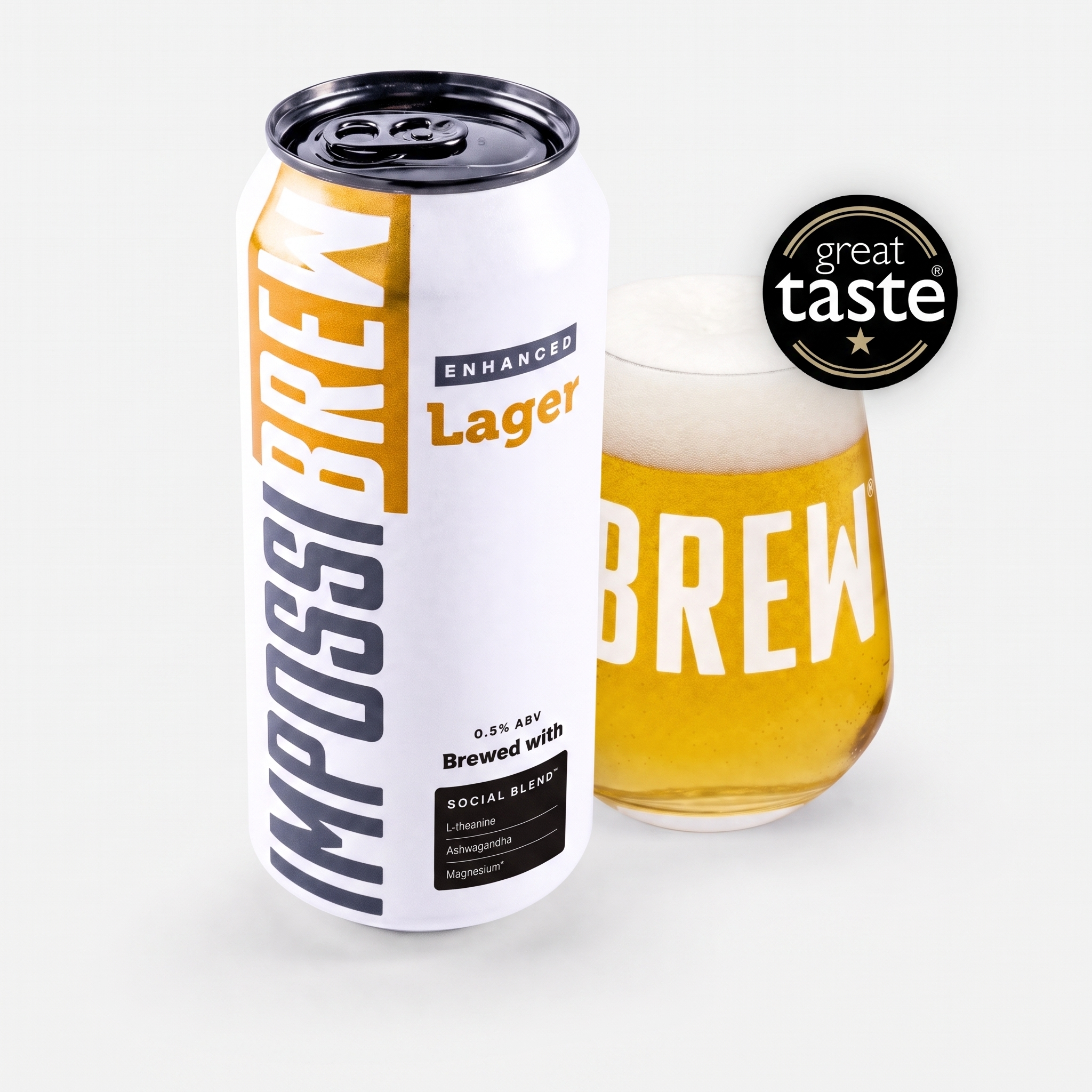
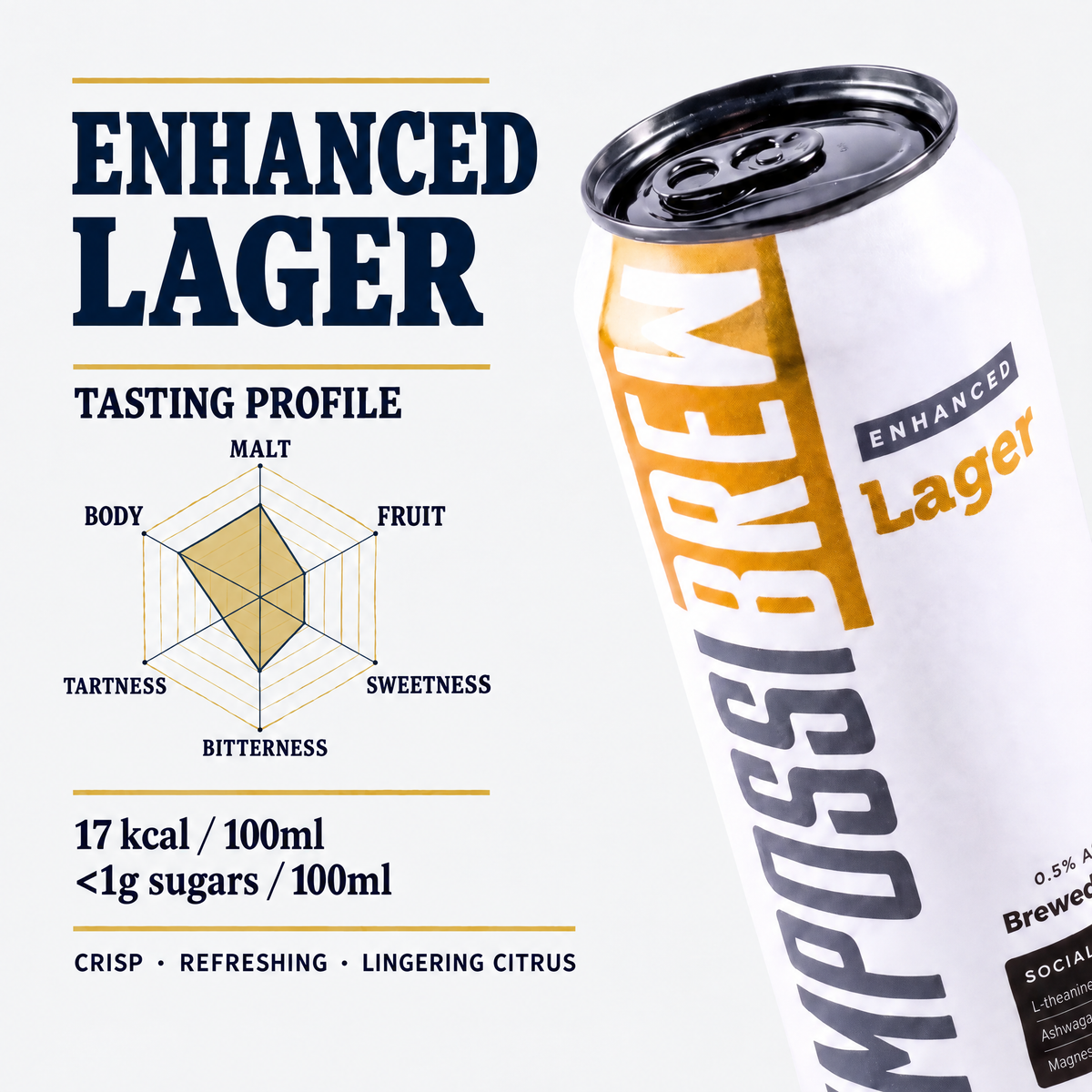
- Enhanced Lager: A crisp, dry beer with refreshing citrus notes.
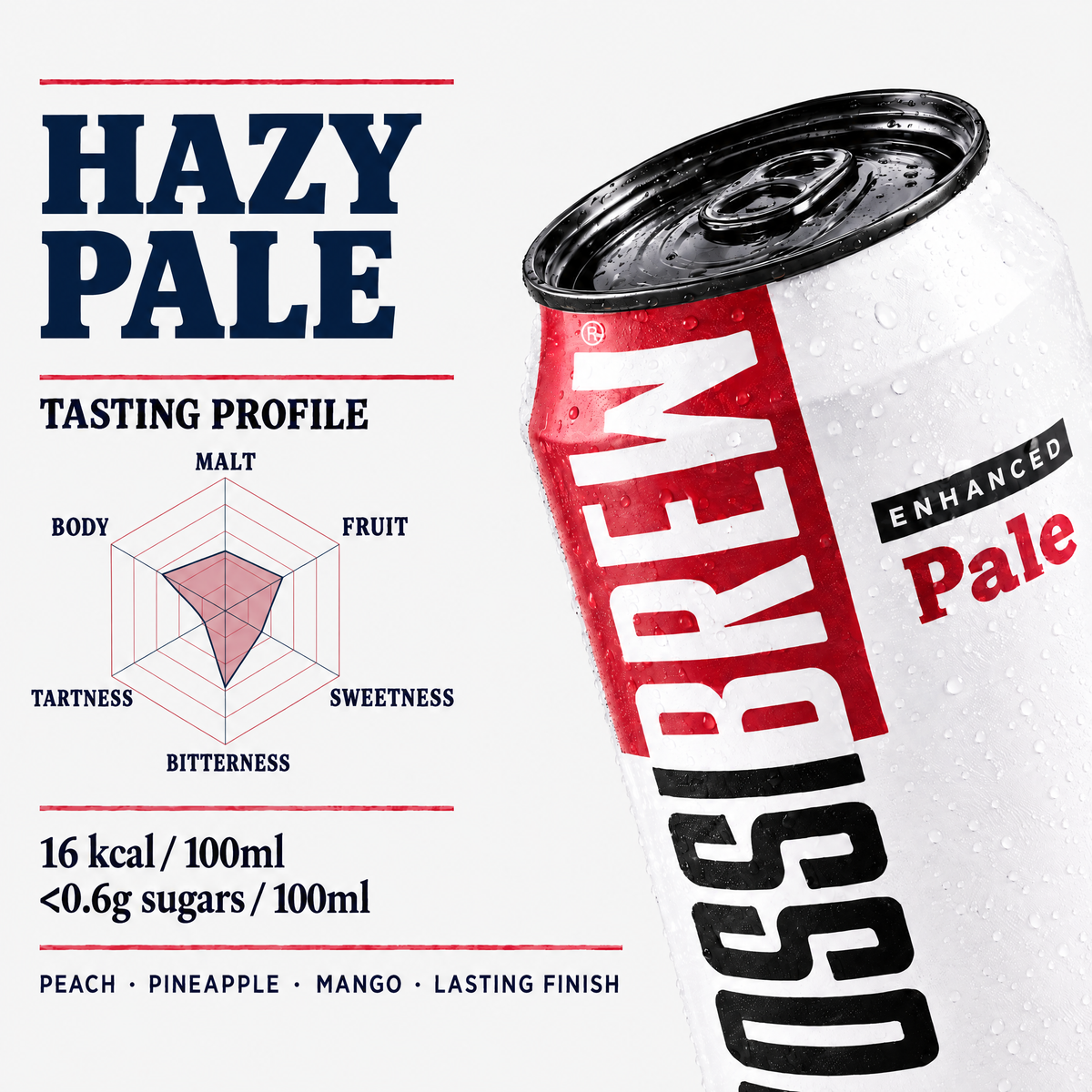
- Enhanced Hazy Pale: A tropical, fruity alternative with a vibrant flavour profile.
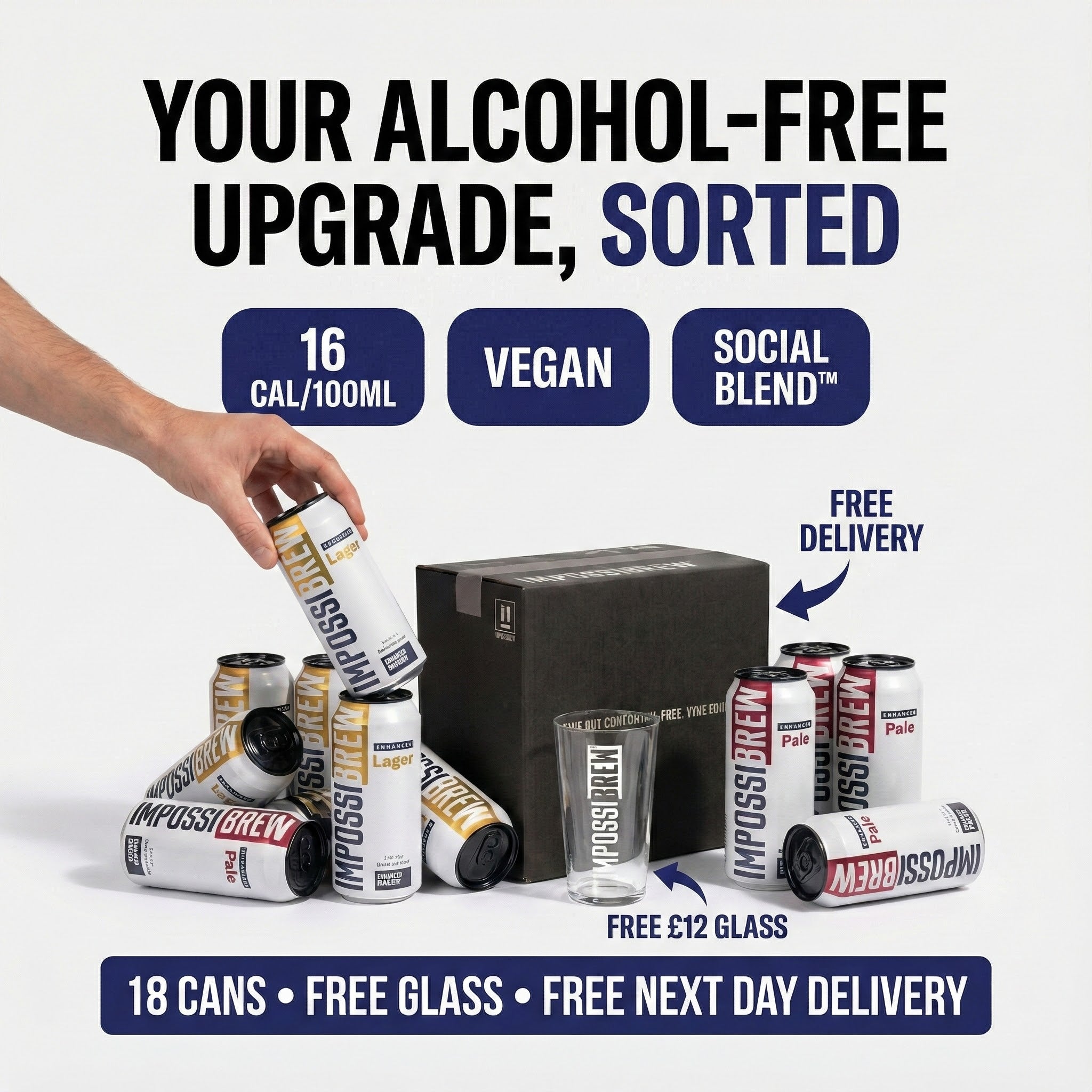
Both beers are vegan-friendly, low in calories, and brewed with the Social Blend™ formula. Prices start from £1.97 per can, making them an accessible choice for those prioritising gut health. For a more comprehensive experience, the Bestseller Bundle is available for £49.99. It includes 18 beers (nine Lager and nine Hazy Pale), a free glass, complimentary delivery, and a tasting guide.
How IMPOSSIBREW® Fits Your Gut Health Plan
Switching to IMPOSSIBREW® can be a meaningful step in supporting gut health. By eliminating ethanol, you reduce the risk of promoting Gram-negative bacteria like Proteobacteria, which release proinflammatory endotoxins into the bloodstream [5][6]. At the same time, the polyphenols in these beers encourage a thriving gut microbiome, potentially increasing the population of bacteria that produce beneficial polyphenols and phenolic acids [17].
"If someone is genuinely interested in improving their gut health with beer, then this study shows that the nonalcoholic variety will do the job." - Elizabeth Ko, MD and Eve Glazier, MD, UCLA Health [16]
When paired with a diet rich in fibre, probiotics, and prebiotics, IMPOSSIBREW® becomes a valuable part of a holistic gut health strategy. It supports the growth of SCFA-producing bacteria like Faecalibacterium [6], all while allowing you to enjoy a social drink without compromising your health goals.
Conclusion
Your gut microbiome is a resilient system, but alcohol can seriously disrupt its balance. Research shows that ethanol harms beneficial bacteria like Lactobacillus and Bifidobacterium, encourages the growth of harmful microbes, and weakens the intestinal barrier in under two weeks [1]. These changes don’t just affect digestion - they can lead to leaky gut, chronic inflammation, and even gut-brain axis disruptions that may fuel alcohol cravings.
The good news? Your gut can bounce back. Carrie Daniel-MacDougall, Ph.D., from MD Anderson Cancer Centre, offers reassurance:
"The good news is that, typically, if you make an effort to go back to healthier ways, the microbiome will go back to the same state it was in before" [1].
Restoring gut health takes effort, but it’s achievable with the right approach. A high-fibre diet, targeted probiotics like Lactobacillus rhamnosus GG, and cutting back on alcohol - or eliminating it entirely - are crucial steps. Non-alcoholic alternatives, such as IMPOSSIBREW® beers, offer a practical solution. These beers contain no ethanol, reducing the risk of intestinal damage, and their polyphenols may help support microbial diversity. At £1.97 per can, they provide a gut-friendly way to enjoy the social aspects of drinking.
Caring for your microbiome isn’t just about avoiding digestive issues. It’s about protecting your immune system, preventing chronic illnesses, and maintaining the gut-brain connection that impacts mood and cravings. By making healthier drinking choices today, you can help prevent long-term inflammation and metabolic challenges.
FAQs
How quickly does alcohol impact the gut microbiome?
Alcohol has a knack for shaking up your gut microbiome faster than you might think. In fact, just one bout of binge drinking can throw things off balance, with shifts in gut bacteria showing up within mere hours or a couple of days.
This imbalance, referred to as dysbiosis, can interfere with digestion, weaken immune responses, and take a toll on overall gut health. If drinking becomes a habit, it can make it increasingly difficult for the gut to keep its microbial ecosystem in check, potentially paving the way for long-term health challenges.
How can I help my gut recover after drinking alcohol?
To help your gut recover after drinking alcohol, there are a few straightforward steps you can take. Start by cutting back or taking a break from alcohol to allow your gut microbiome to restore its balance. Make sure to stay hydrated - drinking around 2 litres of water or electrolyte drinks throughout the day can help combat the dehydrating effects of alcohol.
Focus on eating a diet rich in fibre and plant-based foods, including whole grains, fruits, and vegetables. These provide essential nourishment for the good bacteria in your gut. You could also think about adding a probiotic supplement with at least 10 billion CFU to promote a healthier microbial environment. Since alcohol can deplete vital nutrients, ensure you're replenishing B-vitamins, zinc, and magnesium either through your meals or supplements.
Lastly, prioritise getting quality sleep and incorporate some gentle exercise, like a brisk 30-minute walk, into your routine. These simple lifestyle adjustments can go a long way in helping your gut recover and thrive.
How does drinking alcohol affect mental health through the gut-brain connection?
Alcohol consumption can interfere with the gut-brain axis, the vital communication network linking your gut and brain. This disruption can have a serious impact on mental health. Regular drinking often leads to gut dysbiosis, a condition where the balance of gut bacteria is thrown off. Beneficial bacteria decline, while harmful, inflammatory microbes thrive. This imbalance weakens the gut lining, allowing toxins to leak into the bloodstream. Once in circulation, these toxins can spark inflammation in the brain, potentially triggering mood disorders like anxiety and depression.
Alcohol also disrupts the production of key neurotransmitters, such as serotonin and GABA, which play a crucial role in managing mood and stress. Over time, chronic alcohol use can damage the blood-brain barrier, leaving the brain more susceptible to inflammation and impairing cognitive abilities. Cutting back on alcohol, incorporating a gut-friendly diet, and exploring probiotics are steps that can help rebalance the gut and support mental health.