
When you drink alcohol, it seems to help you relax by temporarily lowering cortisol, your body's main stress hormone. But here's the catch: over time, alcohol disrupts your body's stress system, keeping cortisol levels too high and causing lasting harm. This imbalance can lead to issues like high blood pressure, poor sleep, weakened immunity, and mental health struggles such as anxiety and depression.
- Short-term effects: Alcohol may briefly reduce cortisol, giving a false sense of calm. However, higher blood alcohol levels actually trigger stress hormones, spiking cortisol.
- Long-term effects: Regular drinking keeps cortisol levels elevated, damaging your stress response, brain function, and overall health.
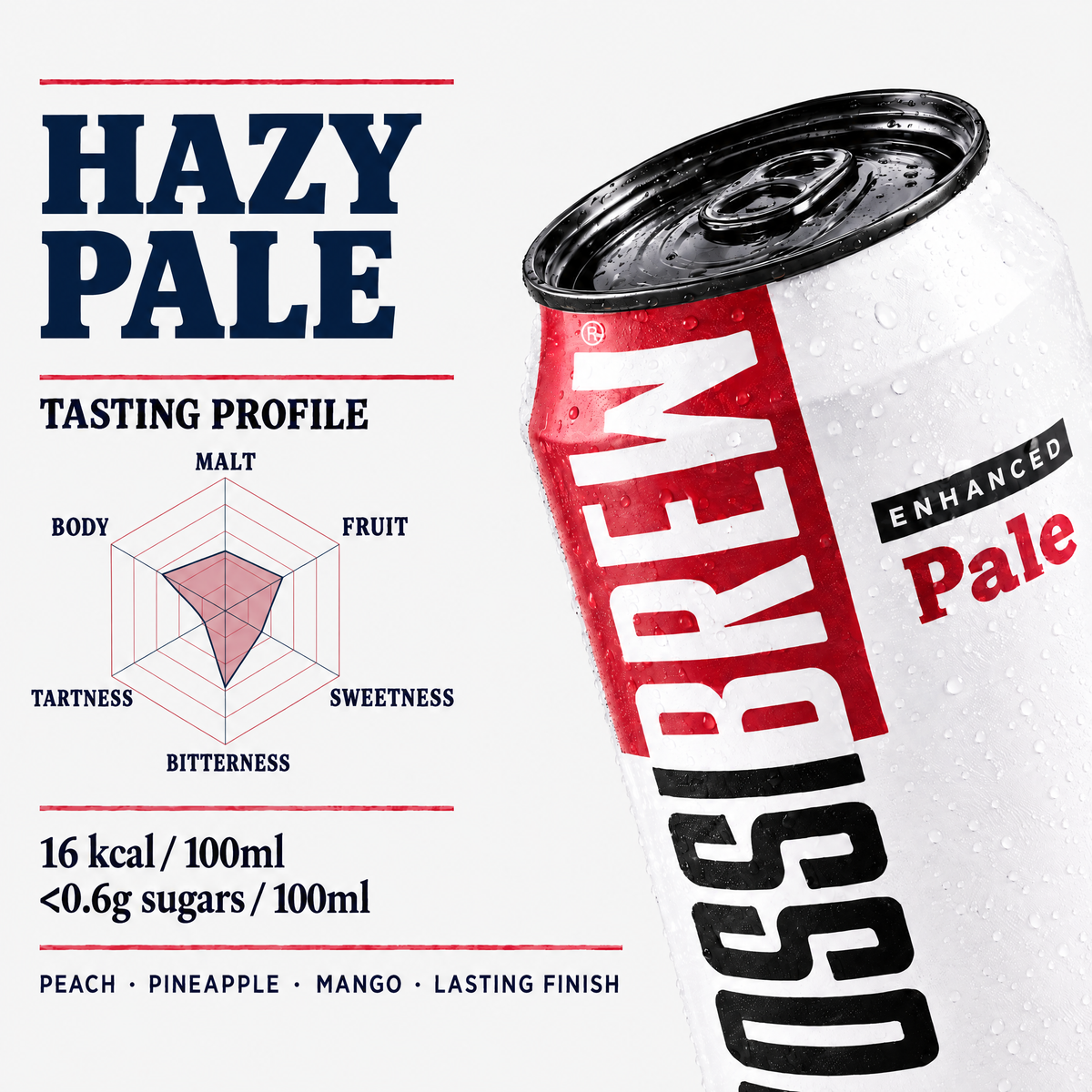
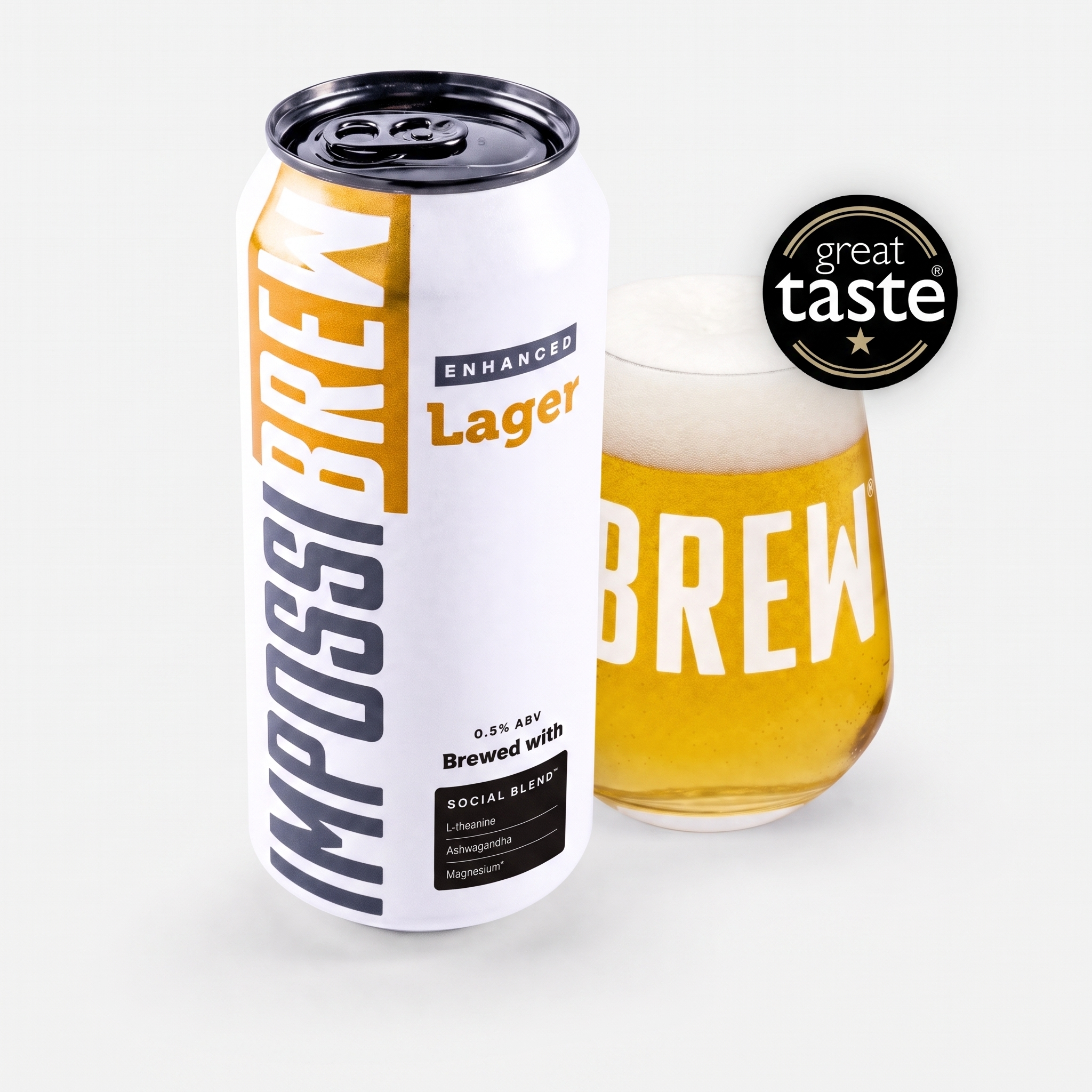
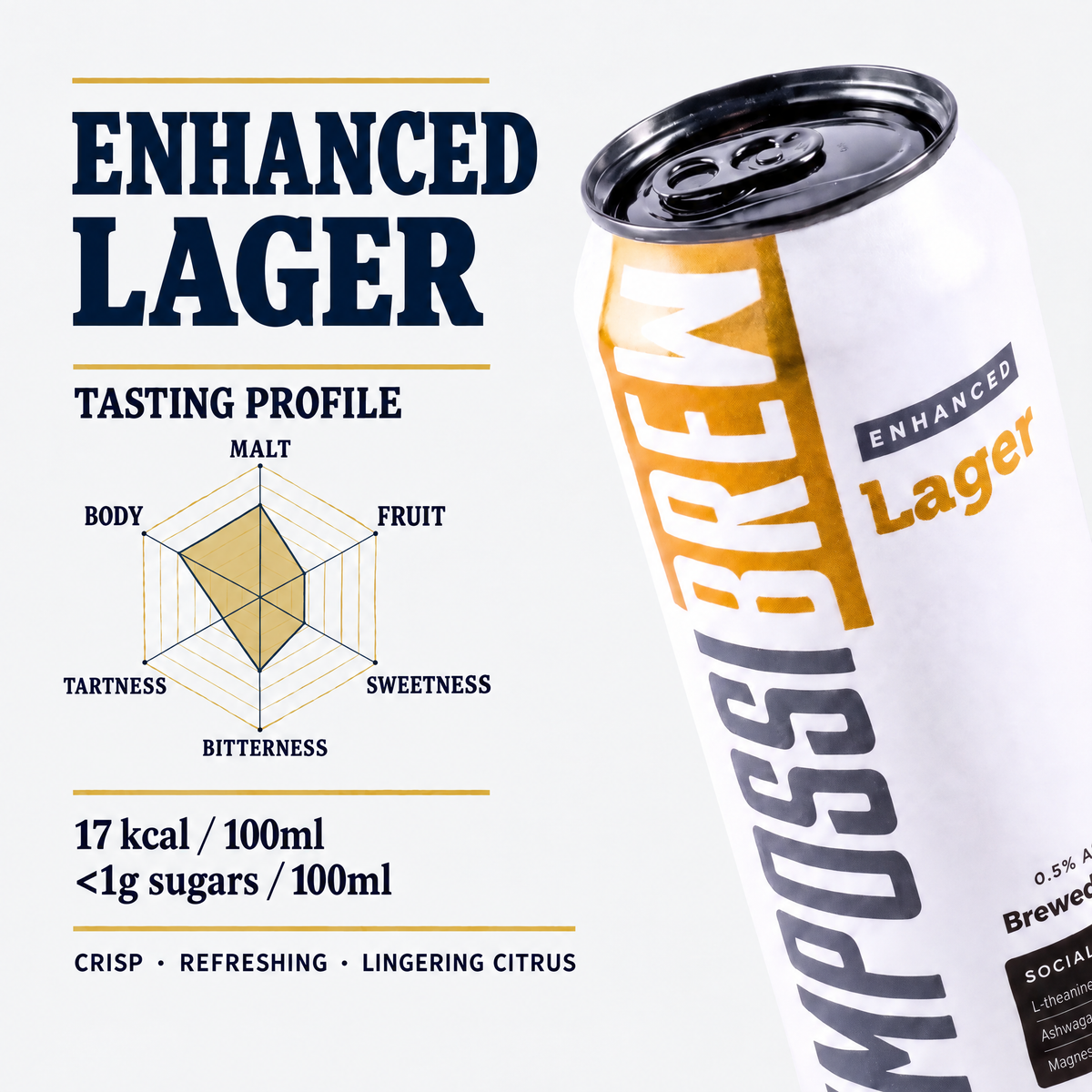
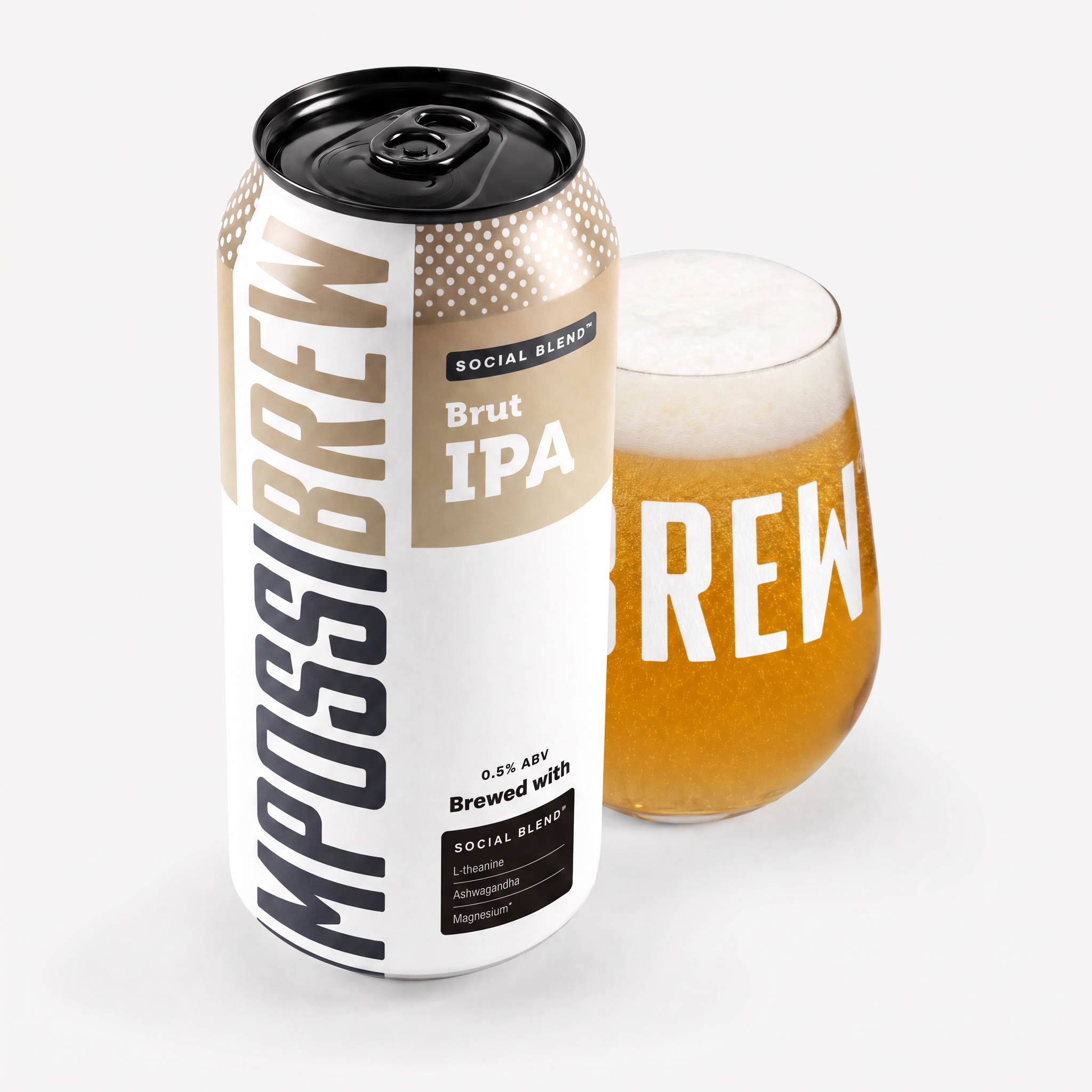
Cutting back on alcohol can help restore cortisol balance, improving sleep, mood, and physical health. Alternatives like IMPOSSIBREW® offer a way to unwind without disrupting your hormones, supporting relaxation without the negative effects of alcohol.
How Alcohol Actually Increases Stress Levels, Rather Than Relaxing You | Dr. Andrew Huberman
How Alcohol Disrupts Cortisol Regulation
To understand alcohol's impact on cortisol, we need to look at the hypothalamic-pituitary-adrenal (HPA) axis. This system starts with the hypothalamus releasing corticotropin-releasing hormone (CRH), which signals the pituitary gland to produce adrenocorticotropic hormone (ACTH). ACTH then prompts the adrenal glands to release cortisol [11]. Normally, cortisol levels rise during stress and then drop back down through a negative feedback loop. Alcohol throws a wrench in this process, affecting stress regulation differently in the short and long term.
Alcohol disrupts the HPA axis in two main ways. In the short term, it can temporarily lower cortisol levels, creating a false sense of calm. Over time, though, regular drinking keeps the body in a prolonged state of stress, with cortisol levels staying elevated even when no alcohol is present. Let’s explore these short- and long-term effects in more detail.
Short-Term Effects: Cortisol Suppression
Having a drink may briefly lower cortisol, which is why people often feel relaxed after a glass of wine or a beer. This temporary suppression dampens the body's immediate stress response [5].
"In the short-term, alcohol can cause a decrease in cortisol levels... It lessens the body's response to stress by reducing the release of cortisol" – Dr Michael DeShields, MD [5]
But this calming effect is short-lived and can be misleading. When blood alcohol levels rise above 0.08% to 0.1%, alcohol starts acting as a stressor. It activates the HPA axis, leading to rapid spikes in ACTH and cortisol [8][3]. Interestingly, cortisol surges at these levels can exceed those triggered by major physical or psychological stressors [3]. To make matters worse, alcohol prolongs cortisol elevation, meaning it takes longer for stress markers to return to normal after a stressful event [7].
Long-Term Effects: Chronic Cortisol Elevation
With chronic alcohol use, the HPA axis shifts into a state of constant overdrive, maintaining higher baseline levels of stress hormones [11]. For instance, research from University College London found that cortisol levels in men increase by 3% for every unit of alcohol consumed per week [6].
"Heavy drinkers have greater amounts of the hormone, indicating reduced control and chronic changes of the hypothalamic-pituitary-adrenal axis" – Ellena Badrick, M.Sc. [6]
Long-term alcohol use can also lead to a pseudo-Cushing's state in 6% to 40% of chronic drinkers. This condition involves excessive cortisol production and symptoms like high blood pressure, muscle weakness, and fat accumulation around the torso [3]. Over time, the HPA axis becomes less responsive to everyday stressors, a condition known as hyporesponsiveness, while baseline cortisol levels remain abnormally high or erratic [1]. During alcohol withdrawal, the HPA axis may overreact, causing sharp increases in cortisol and ACTH. These surges can lead to withdrawal symptoms such as anxiety, tremors, and high blood pressure [11][3].
Health Consequences of Disrupted Cortisol Levels
When alcohol interferes with cortisol regulation, the effects ripple through both physical and mental health, creating challenges that extend far beyond temporary stress.
Physical Health Effects
Regular alcohol consumption can keep cortisol levels chronically elevated, leading to a variety of physical problems. For instance, higher cortisol makes blood vessels more reactive to stress hormones like catecholamines, which can result in high blood pressure, an increased resting heart rate, and reduced heart rate variability [1][9].
Metabolic issues are another concern. Elevated cortisol stimulates gluconeogenesis, causing the liver to produce too much glucose, which significantly raises the risk of type 2 diabetes [1][3]. Chronic drinkers may even show signs of pseudo-Cushing's syndrome, a condition characterised by fat accumulation around the torso, muscle weakness, and fragile bones [3]. The immune system also takes a hit, as the cumulative stress - referred to as "allostatic load" - weakens its defences, making the body more vulnerable to infections [1][3].
Cortisol's impact on the brain is equally troubling. High levels can lead to excitotoxicity, which damages neurons by shortening dendrites and reducing spine density in the prefrontal cortex [9]. This can impair memory, weaken impulse control, and diminish executive functioning [1][9]. Dr Robert L. Spencer, Associate Professor at the University of Colorado at Boulder, explains:
"Chronic alcohol consumption, as well as chronic glucocorticoid exposure, can result in premature and/or exaggerated ageing." [3]
Additionally, heavy drinking disrupts the natural daily rhythm of cortisol, affecting sleep quality and keeping stress hormone levels elevated throughout the day [6].
Mental Health and Emotional Effects
The impact of cortisol dysregulation isn’t limited to the body - it also takes a toll on mental health. Elevated cortisol impairs the prefrontal cortex, which is crucial for regulating emotions and maintaining cognitive flexibility. This impairment encourages habitual, automatic behaviours over thoughtful decision-making, increasing the likelihood of anxiety and depression [9][4][1].
The interaction between cortisol and dopamine in the brain's reward system worsens the problem. It makes alcohol feel more rewarding while simultaneously eroding self-control [12][3]. During withdrawal or periods of abstinence, the dysregulation of the HPA axis (hypothalamic-pituitary-adrenal axis) contributes to negative emotional states like irritability, anxiety, and depression [4].
Research also shows that individuals with alcohol dependence and high morning cortisol-to-ACTH ratios are more than twice as likely to relapse [9]. This creates a destructive cycle: drinking to manage stress ultimately weakens the body's ability to cope, reinforcing what experts call the "dark side" of dependence [4].
sbb-itb-a752bf8
Why Balanced Cortisol Levels Matter
Cortisol plays a central role in keeping your body running smoothly. It helps regulate blood sugar, blood pressure, immune responses, and inflammation [2][3]. When cortisol levels are balanced, your body can handle challenges and return to a stable state. But when cortisol is consistently too high or too low, it can disrupt nearly every aspect of your health.
One crucial area where balanced cortisol levels make a difference is brain function. The prefrontal cortex - responsible for decision-making, planning, and emotional control - relies on steady cortisol levels to operate effectively [9][4]. Chronic cortisol imbalances can impair this part of the brain, leading to impulsive decisions, emotional difficulties, and poor judgement. For instance, individuals with high morning cortisol-to-ACTH ratios are more than twice as likely to experience relapse [9].
Reducing alcohol intake can help reset your body's stress regulation system. Cutting back on alcohol allows the hypothalamic-pituitary-adrenal (HPA) axis to return to its natural rhythm, enabling your body to respond appropriately to real stressors [9]. This process reverses "neuroendocrine tolerance", a state where your stress system becomes dulled to normal challenges yet remains overly active at baseline [9].
Beyond its impact on the brain, balanced cortisol levels are vital for physical and mental health. Healthy cortisol levels support bone density, muscle repair, and efficient wound healing [2][10]. They also influence the production of neurotransmitters like dopamine and serotonin, which play key roles in mood and motivation [4][10]. These hormonal effects touch on everything from mood and fertility to cognitive function and weight management [10].
Restoring cortisol balance by reducing alcohol consumption can lead to noticeable improvements: better sleep as your natural rhythm is restored, sharper mental clarity, steadier emotions, and greater physical resilience [2][5][6]. Many of the disruptions caused by alcohol can be reversed, giving you the chance to regain control over your stress response and overall health.
IMPOSSIBREW® as a Healthier Alternative
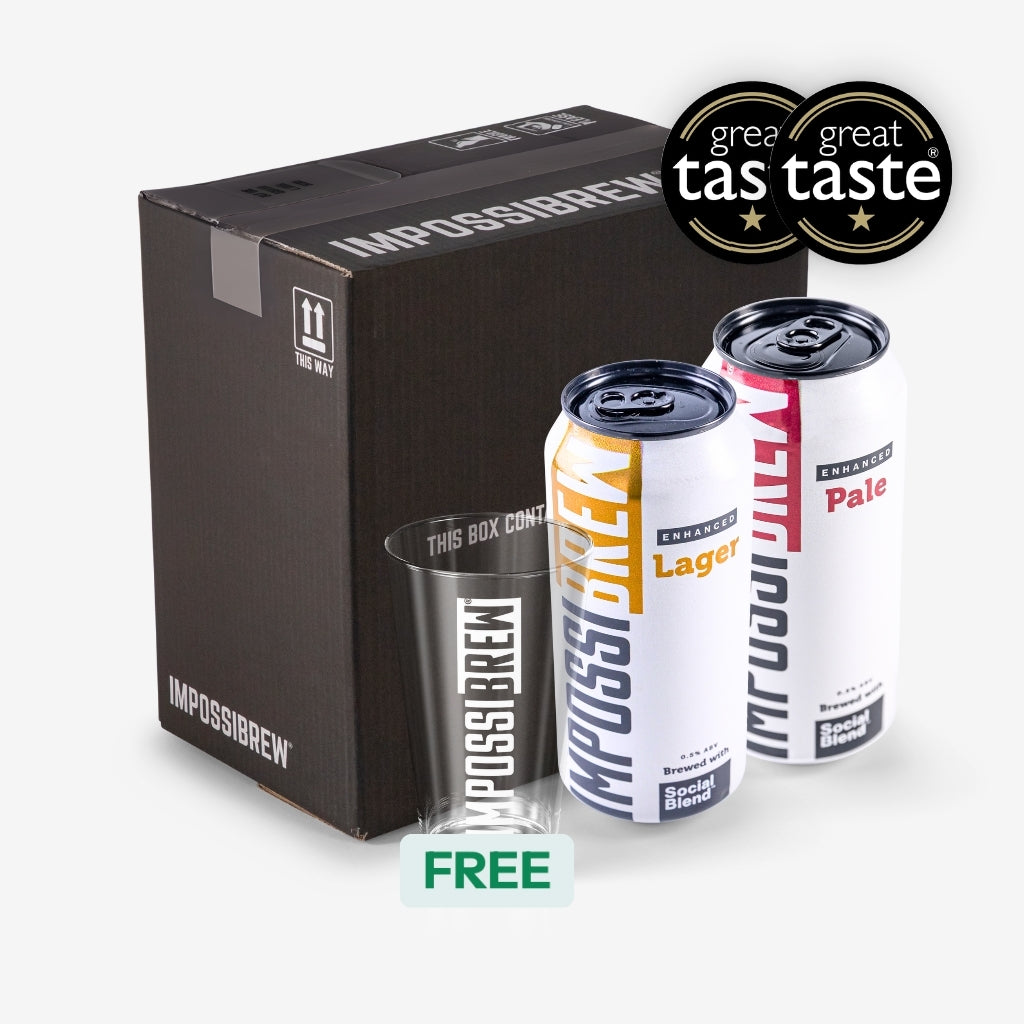
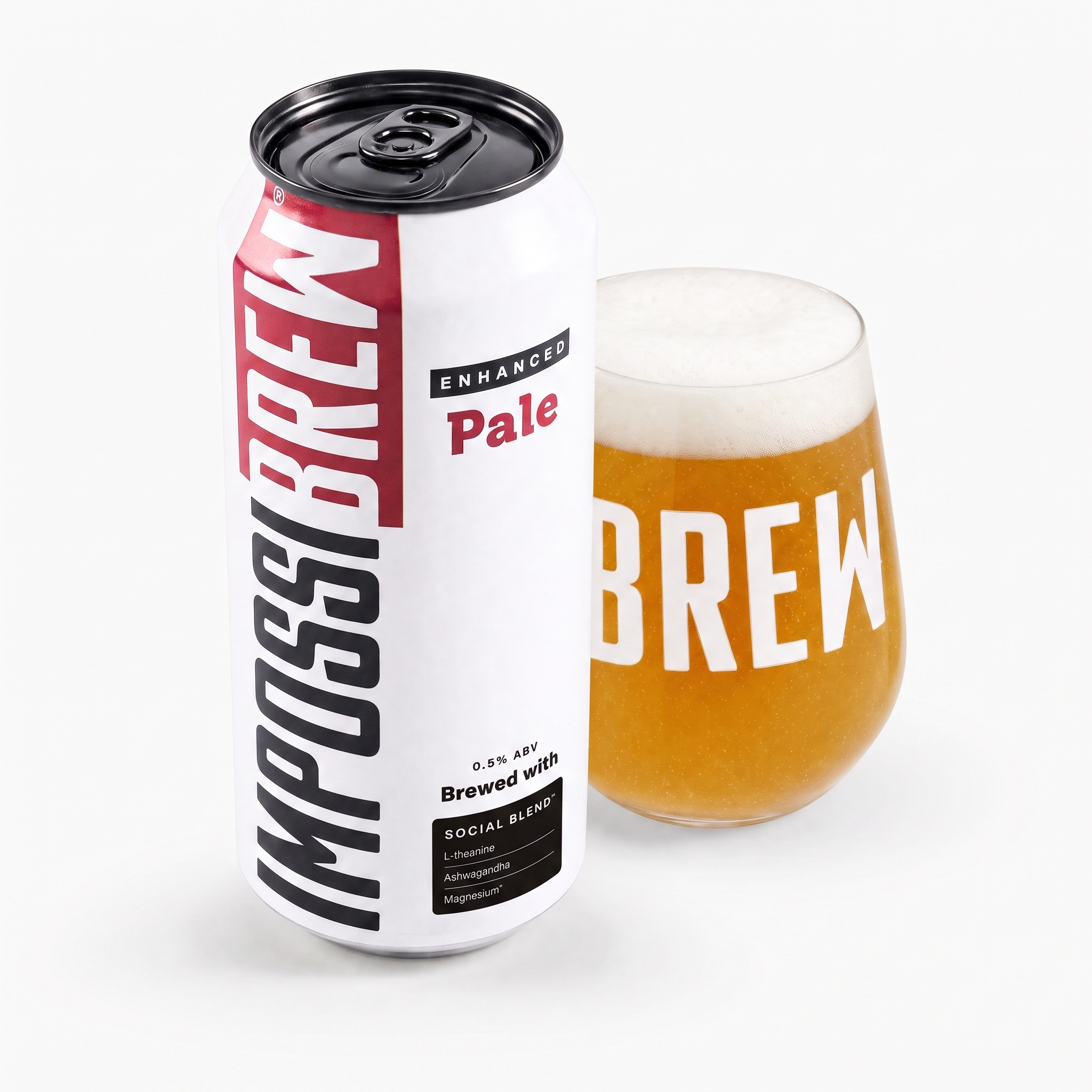
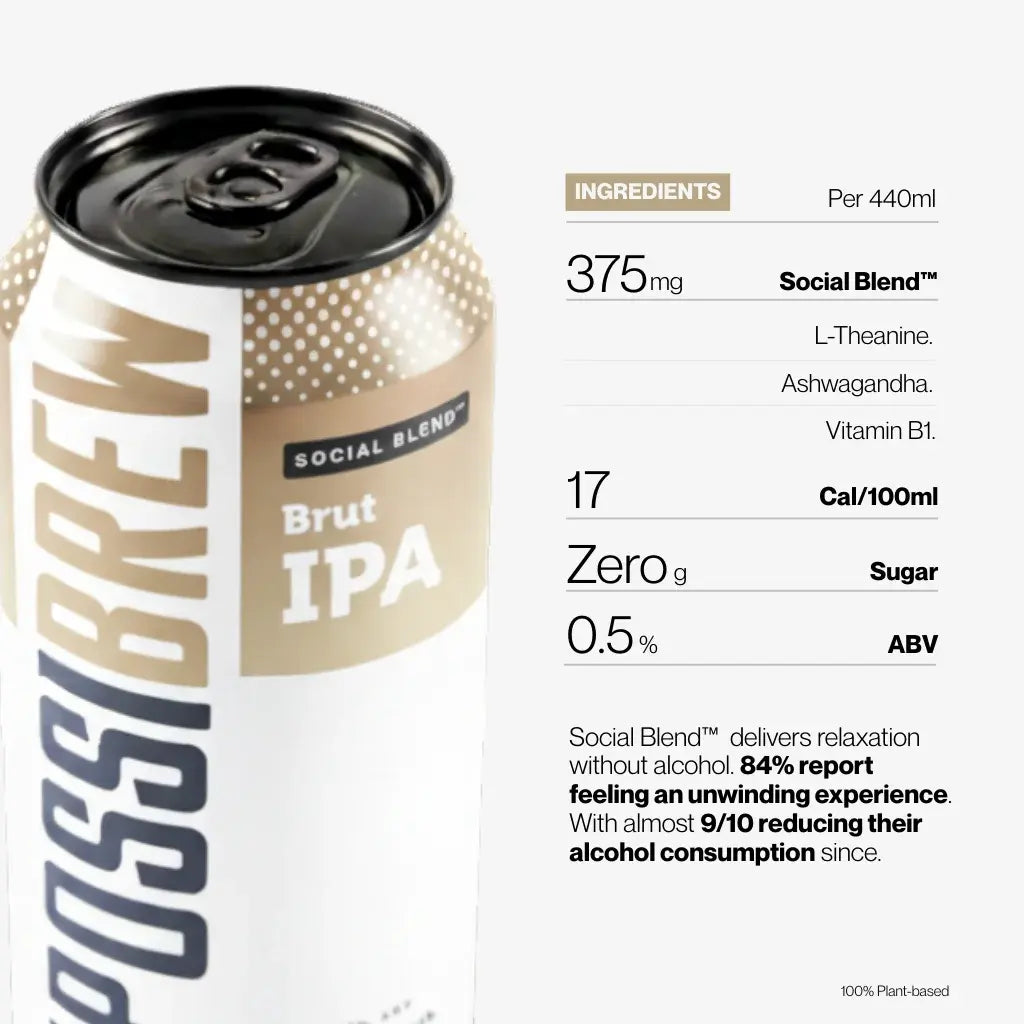
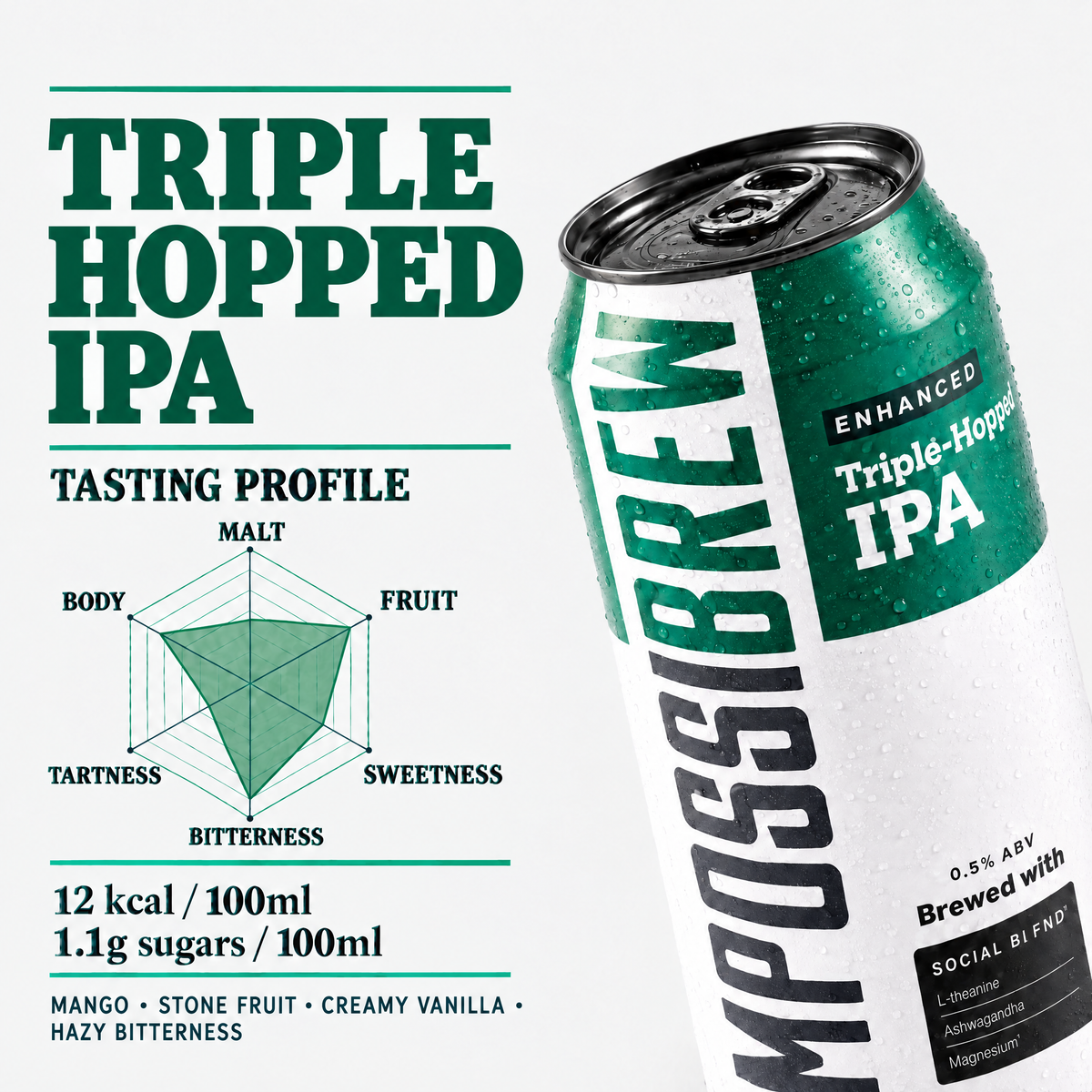
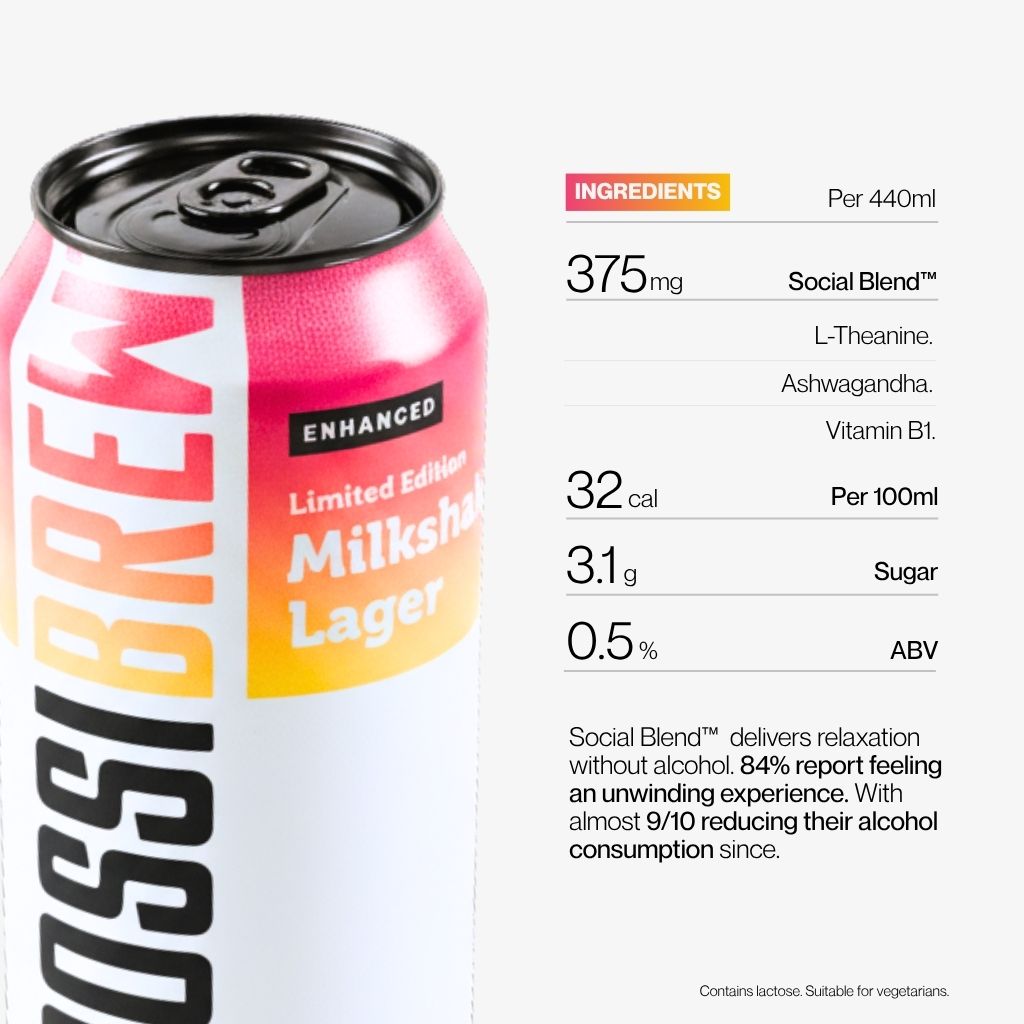
If you’re looking for a way to unwind without the hormonal rollercoaster that often comes with alcohol, IMPOSSIBREW® might just be what you need. These non-alcoholic functional beers are crafted to help you relax while keeping your cortisol levels in check. Thanks to their unique Social Blend™ - a mix of nootropic and adaptogenic ingredients - they deliver the social and sensory experience of drinking without messing with your HPA (hypothalamic-pituitary-adrenal) axis. This makes them a refreshing contrast to alcohol, which is known to disrupt this vital stress-regulation system.
How IMPOSSIBREW® Promotes Relaxation Without Cortisol Spikes
Alcohol has a two-faced relationship with cortisol. Initially, it suppresses cortisol levels, but this is quickly followed by a significant spike, as it acts as a stressor on your body. It stimulates the paraventricular nucleus of the hypothalamus, triggering the release of corticotropin-releasing factor (CRF) [9][1]. This cycle can leave you feeling more stressed in the long run, not to mention craving more alcohol.
IMPOSSIBREW®, on the other hand, works with your body. Its Social Blend™ is packed with nootropic and adaptogenic ingredients, which are designed to promote emotional balance and relaxation. Unlike alcohol, it doesn’t suppress cortisol only to cause a rebound effect later. Instead, it supports your natural stress response, helping you unwind without the hormonal chaos.
Alcohol vs. IMPOSSIBREW®: A Side-by-Side Look
| Factor | Alcohol | IMPOSSIBREW® |
|---|---|---|
| Cortisol Impact | Initial suppression, followed by chronic elevation [13][14] | Maintains natural HPA axis regulation |
| Stress Relief | Temporary relief with rebound stress | Balanced relaxation without rebound |
| HPA Axis Effect | Activates and disrupts regulation (especially at BAC > 0.1%) [3] | Supports natural stress response |
| Long-Term Risks | Neuroendocrine tolerance, anxiety, sleep issues [9] | No hormonal interference |
| ABV Level | Typically 4–7% | Less than 0.5% |
| Calorie Content | High (150–200+ per serving) | Low |
The standout difference is how each impacts your body’s stress management. Alcohol might feel like a quick fix for relaxation, but it often comes at the cost of long-term cortisol imbalance. IMPOSSIBREW®, however, delivers the same social and sensory benefits without compromising your hormonal health.
Conclusion
Understanding how alcohol influences cortisol levels is key to making better health choices. While alcohol might feel like a quick way to unwind, it actually triggers your body's main stress system, the HPA axis, leading to higher levels of stress over time [5][3]. This creates a puzzling contradiction: the very thing you turn to for relaxation ends up increasing your stress in the long run.
Regular alcohol consumption gradually raises cortisol levels and, in chronic drinkers, can mimic the symptoms of Cushing's syndrome [6][3]. Heavy drinking is also linked to a diminished cortisol awakening response and a disrupted daily rhythm, showing a clear loss of healthy hormonal regulation [6]. These findings highlight the significant strain alcohol places on your hormonal balance.
"Your endocrine system especially, can be seriously affected by your drinking habits. When you consider the fact that your hormones play a significant role in your mood, your fertility levels, your weight, your cognitive function, it's vital that you take proper care of them." - Doctor Shashi Prasad, Marion Gluck Clinic [10]
This disruption to hormonal balance makes it even more important to explore healthier ways to manage stress. Focus on strategies that tackle stress at its root rather than masking it with alcohol. Aim for 7–8 hours of restful sleep, stay active with regular exercise, and explore functional options like IMPOSSIBREW®, which promote relaxation and support your body's natural stress regulation - without the hormonal side effects. By recognising the link between alcohol and cortisol, you can break free from this harmful cycle and nurture your body's stress response the right way.
FAQs
What impact does alcohol have on cortisol levels over time?
Alcohol has a notable impact on cortisol, the hormone your body produces in response to stress. When you drink, alcohol temporarily slows down the recovery of cortisol levels, keeping them elevated for an extended period after consumption. If drinking becomes frequent or excessive, it can lead to persistently higher cortisol levels throughout the day.
These prolonged cortisol spikes can interfere with the body’s natural ability to manage stress. Over time, this disruption may contribute to problems like increased anxiety, trouble sleeping, and a weakened immune system. Recognising this link underscores the importance of moderating alcohol consumption to maintain both your physical and mental health.
How does drinking alcohol impact cortisol levels and overall health?
Drinking alcohol triggers a rise in cortisol, the body's main stress hormone, which can impact your health in several ways. High cortisol levels can weaken your immune system, interfere with your metabolism, and raise blood pressure. Over time, this may result in challenges like weight gain, fatigue, inflammation, and trouble focusing.
The effects don't stop at the physical level. Elevated cortisol can also take a toll on your mental health, leading to irritability, brain fog, and increased stress. By recognising the connection between alcohol and cortisol, you can make better decisions to manage stress and maintain your overall well-being.
Can drinking less alcohol help with managing stress and improving overall health?
Reducing how much alcohol you drink can play a big role in managing stress and boosting your overall health. Alcohol interferes with the balance of cortisol - the body's main stress hormone - which can actually increase stress levels, especially in those who drink heavily. By cutting back, cortisol levels can normalise, which helps lower the chances of developing both physical and mental health problems.
Drinking less doesn’t just help with stress - it can also lead to better sleep, a more stable mood, and an overall sense of well-being. Choosing to limit your alcohol intake is a straightforward but powerful way to support a healthier lifestyle.