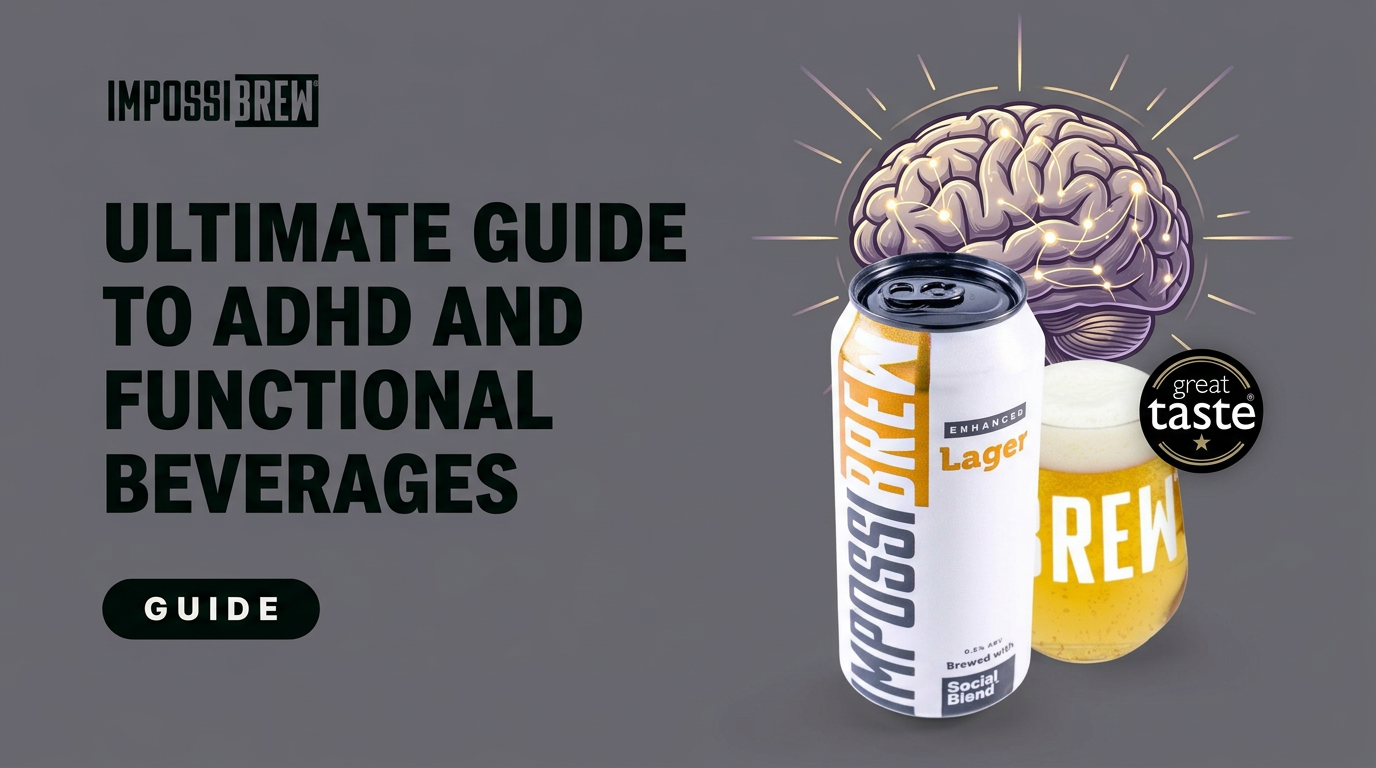
Ashwagandha, a herb long used in Ayurvedic medicine, is now a popular ingredient in the UK's functional beverage market. Known for its stress-relieving properties, it helps reduce cortisol levels, improve mental clarity, and support better sleep. Non-alcoholic beer brands like IMPOSSIBREW® have integrated ashwagandha into their drinks, offering a relaxing alternative to alcohol without the negative side effects. These beverages appeal to health-conscious consumers seeking stress relief, focus, and improved mood in a convenient, drinkable format.
Key takeaways:
- Stress reduction: Ashwagandha lowers cortisol levels by 23–33%.
- Mental clarity: Encourages calm focus without drowsiness.
- Sleep support: Promotes relaxation for better sleep patterns.
- Non-alcoholic beers: Brands like IMPOSSIBREW® use ashwagandha to replicate the social benefits of drinking without alcohol.
- Consumer feedback: 84% of users report feeling more relaxed after consuming ashwagandha-infused drinks.
Ashwagandha beverages are safe for most but should be avoided by pregnant women, individuals with autoimmune conditions, or those on certain medications. UK regulations ensure clear labelling and safety standards, making these drinks a trusted option for relaxation and wellness. As demand grows, expect more ashwagandha-based products to enter the market.
The Amazing Benefits of Ashwagandha | Latest Research
What Is Ashwagandha and Why Use It in Beverages?
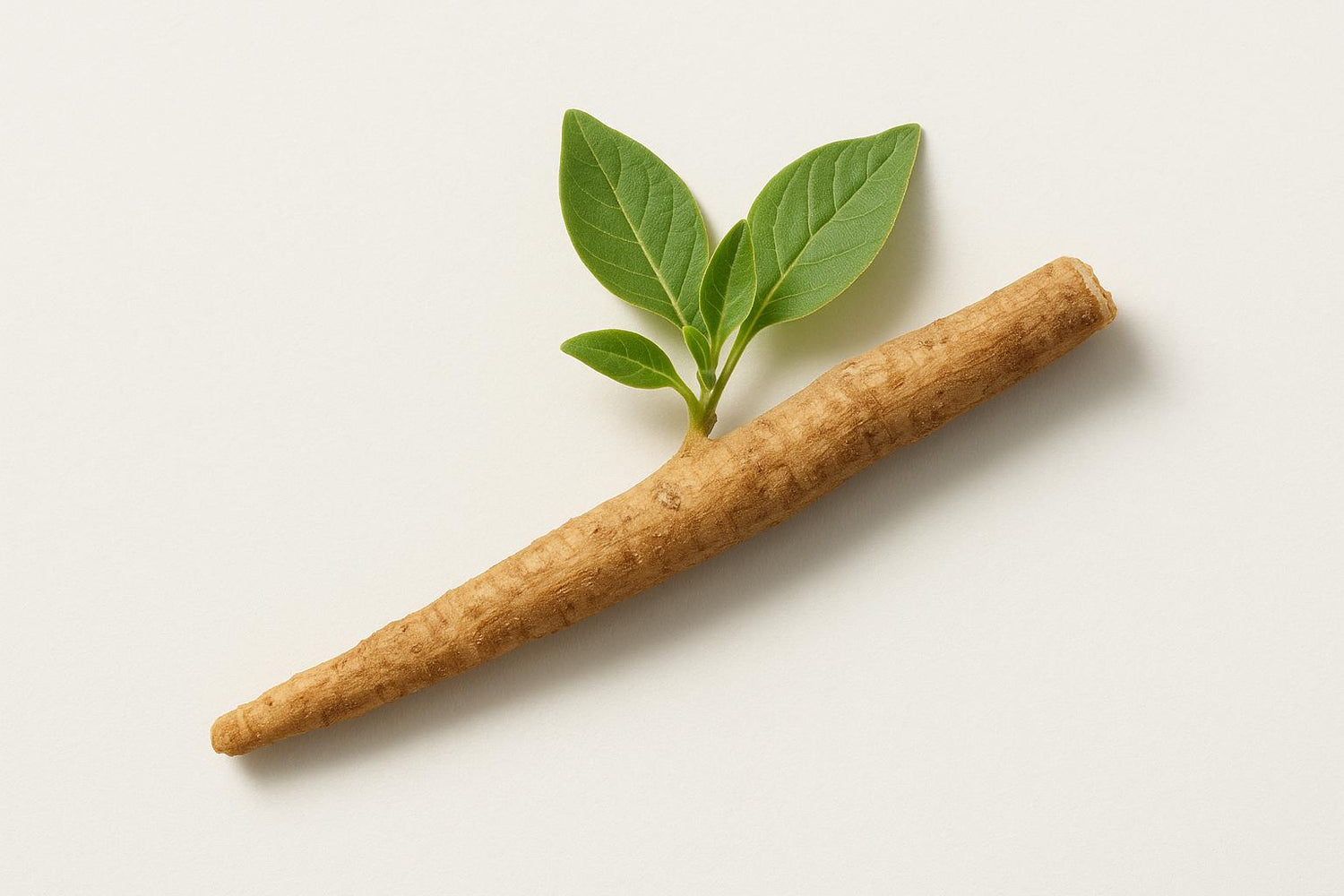
Ashwagandha (Withania somnifera) has long been celebrated in Ayurvedic medicine for its stress-relieving and mood-enhancing properties. Known as an adaptogen, this herb helps the body manage stress more effectively. Its Sanskrit name translates to 'smell of horse', reflecting traditional beliefs in its strength-boosting powers. Modern research backs these claims, showing that ashwagandha can help balance stress without the side effects often linked to conventional sedatives. With this in mind, it’s easy to see why ashwagandha is becoming a popular ingredient in beverages aimed at promoting relaxation and well-being.
How Ashwagandha Works as an Adaptogen
Adaptogens, like ashwagandha, are known for helping the body adjust to stress and maintain equilibrium. Ashwagandha works by regulating cortisol, the stress hormone, which can become elevated during periods of physical or emotional strain. Studies have shown that taking ashwagandha can reduce cortisol levels by 23–33%, depending on the dosage and length of use [6]. Beyond stress relief, it has also been linked to better mood regulation and improved cognitive performance. Clinical research has demonstrated significant reductions in stress and anxiety levels, measured using validated scales [3], all without the sedative side effects or dependency risks associated with pharmaceutical options.
Why Beverages Work Well for Ashwagandha
Beverages are an excellent way to enjoy the benefits of ashwagandha. Unlike capsules or tablets, drinks fit seamlessly into daily routines, making it easier to incorporate the herb into your lifestyle. Plus, liquid formats are absorbed more efficiently by the body compared to solid supplements, ensuring you get the most out of every serving.
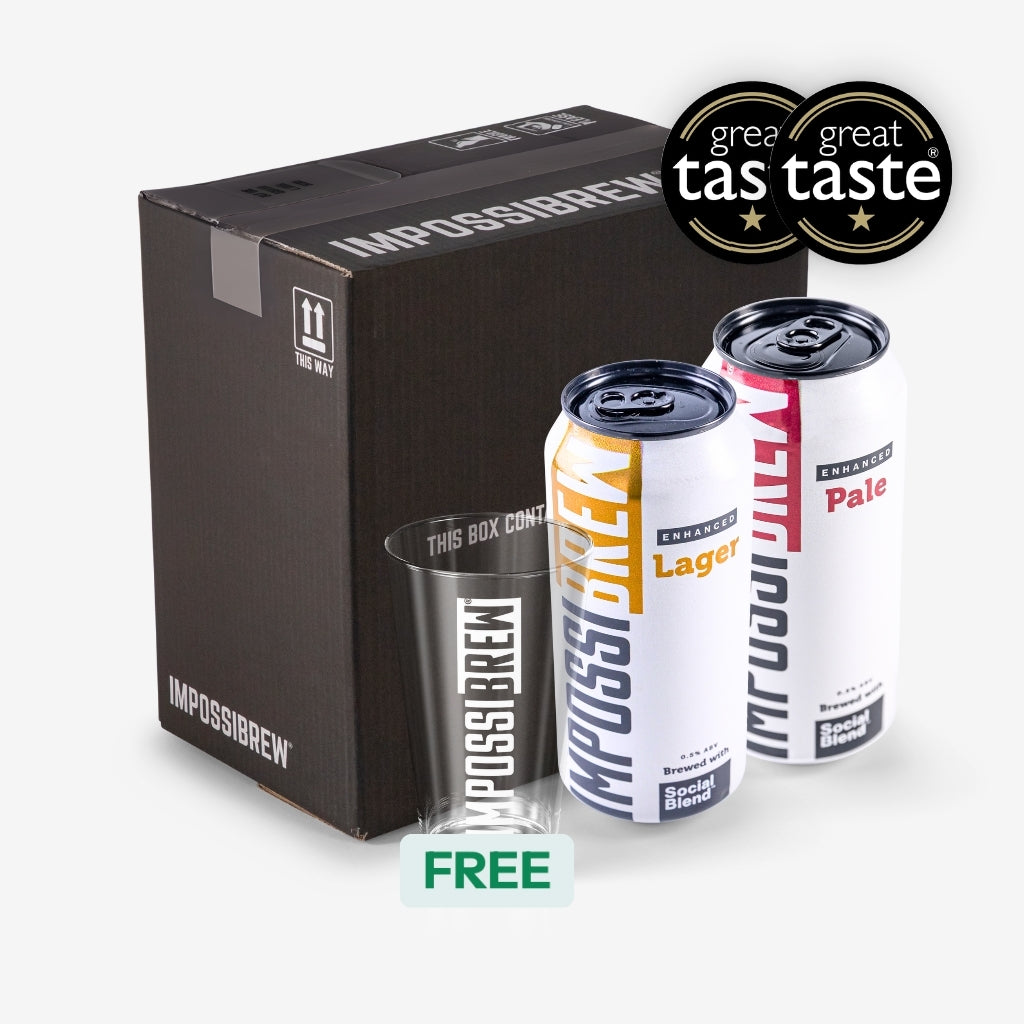
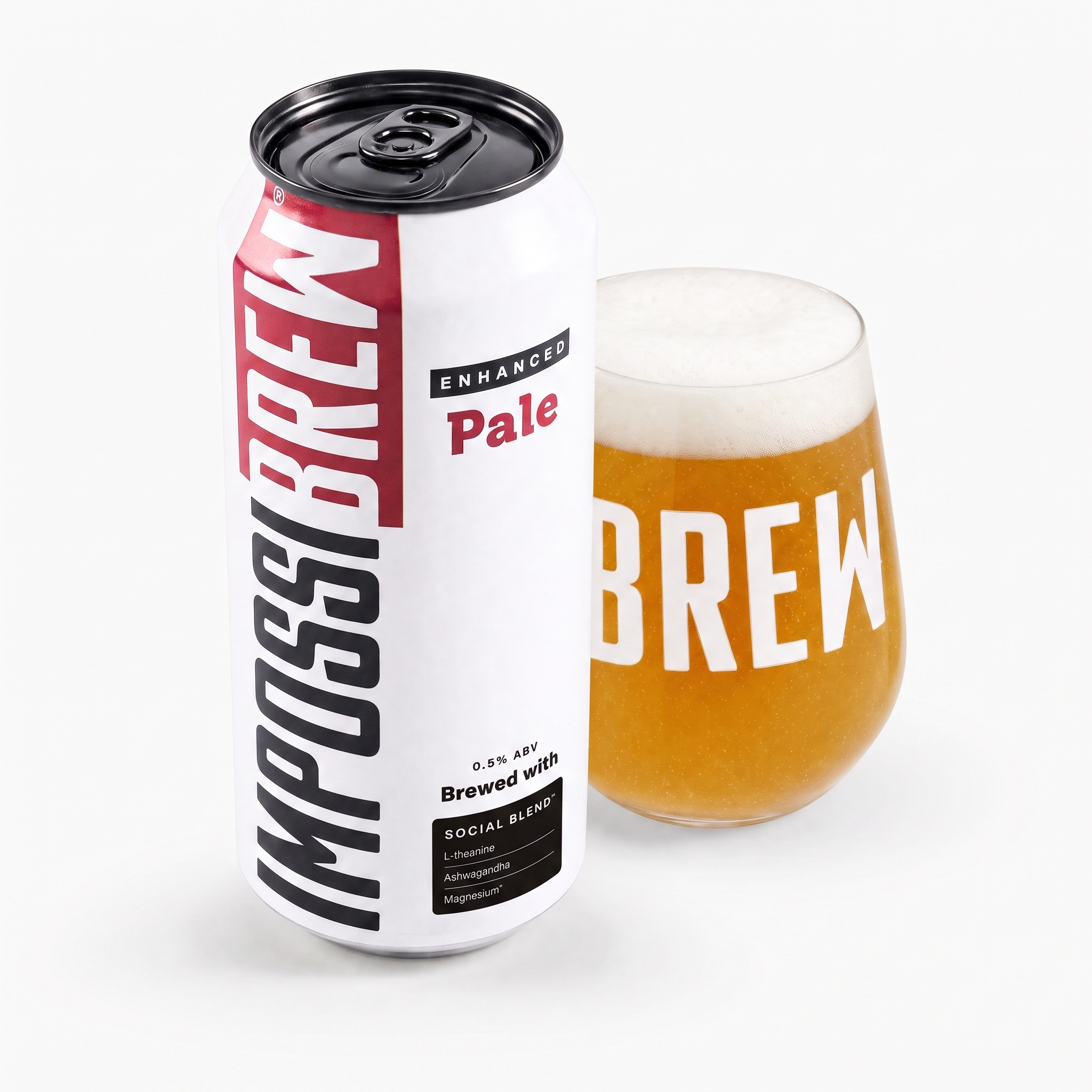
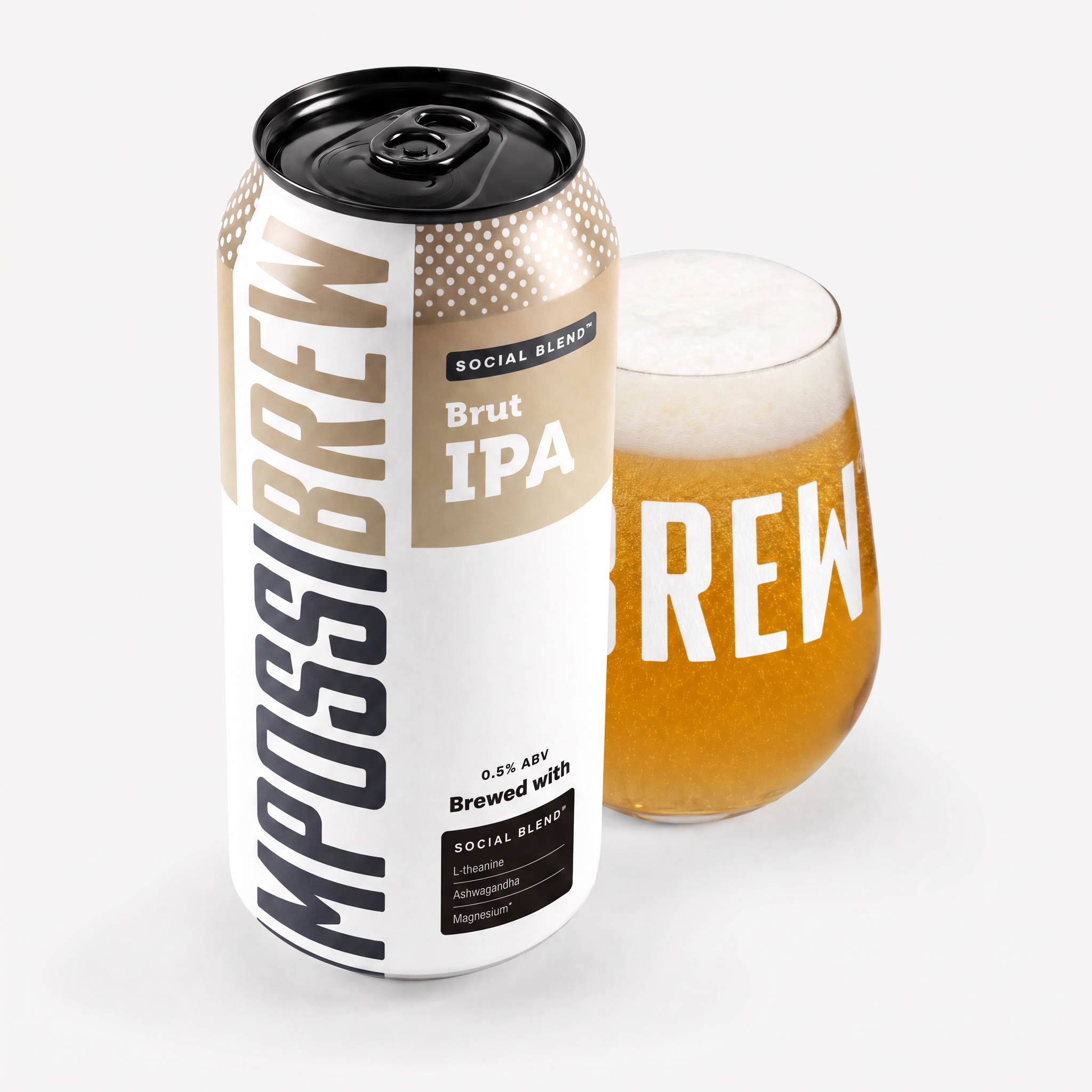
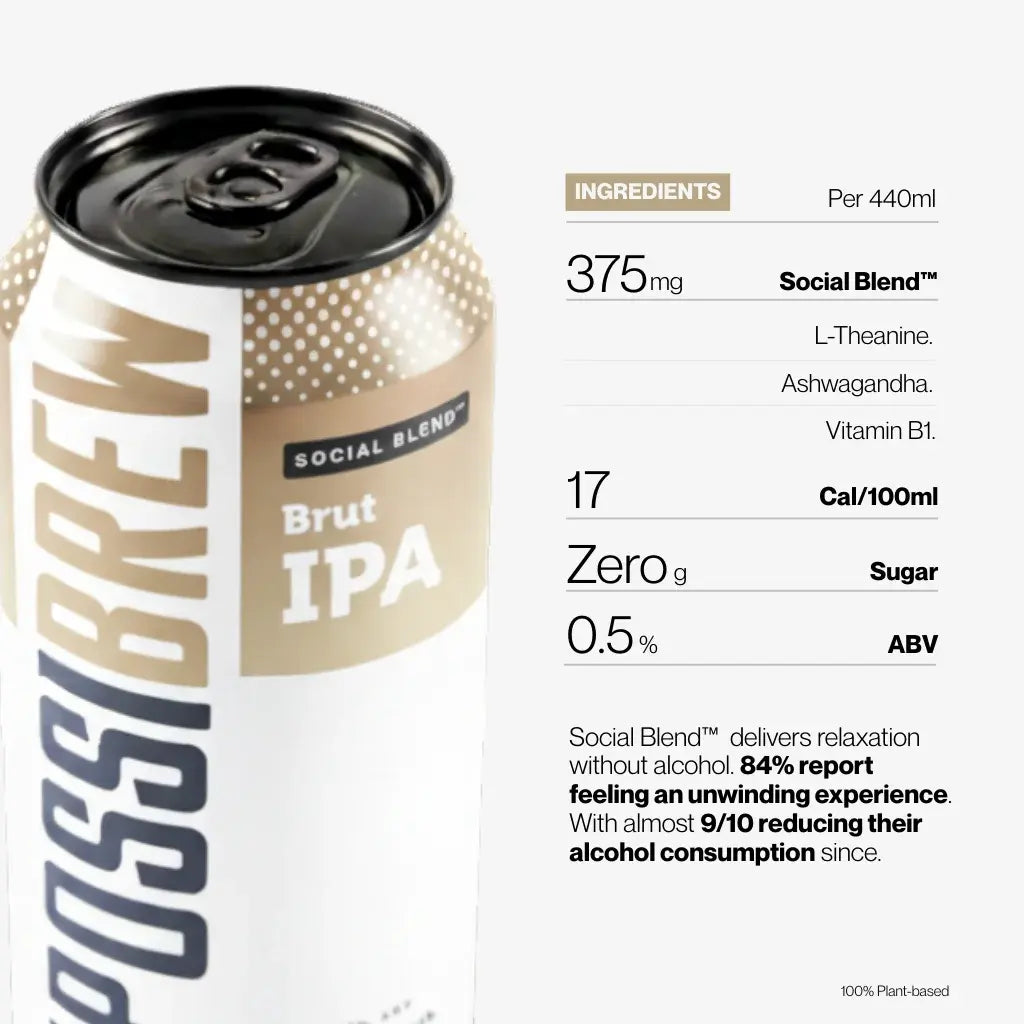
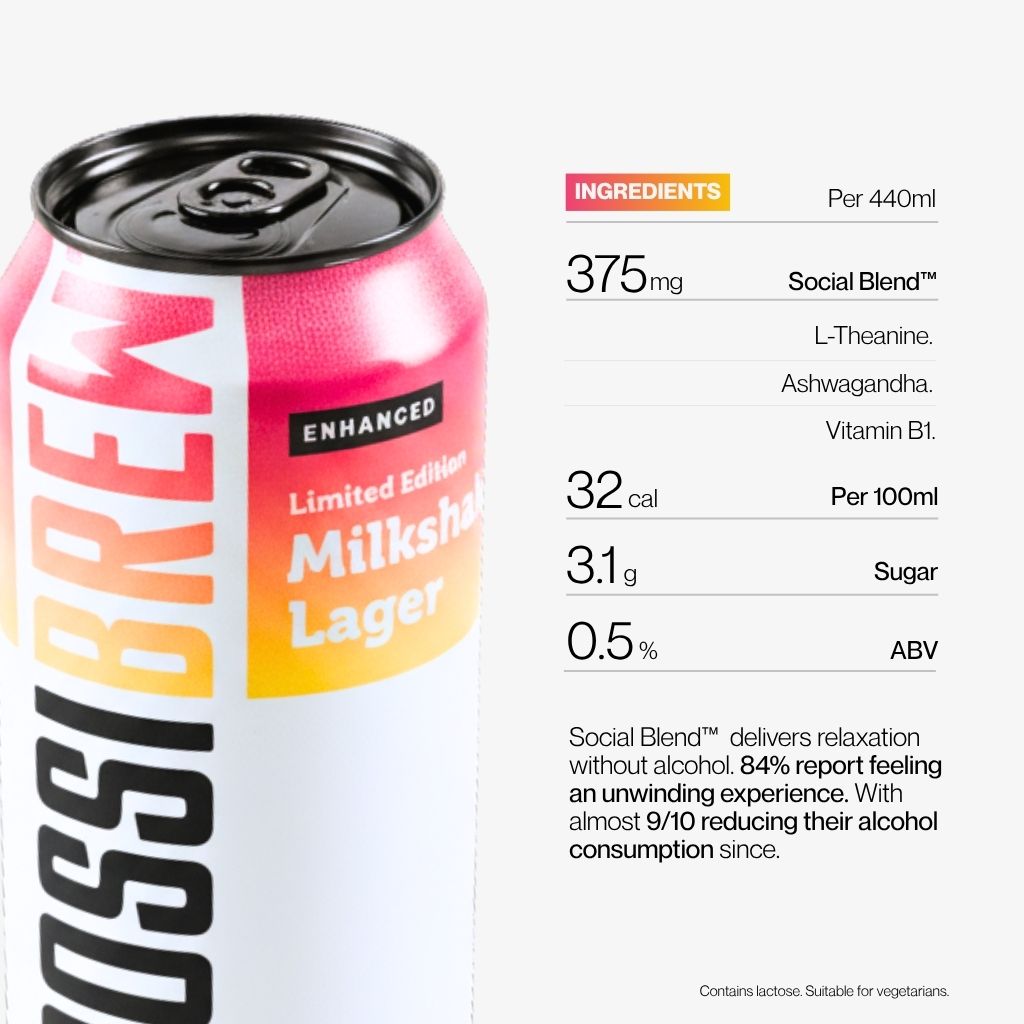
Another advantage of beverages is the ability to deliver consistent and precise doses of ashwagandha. Take non-alcoholic beers from brands like IMPOSSIBREW® [1], for example. They combine ashwagandha with ingredients like L-Theanine and Vitamin B1 in their Social Blend™, offering a relaxing, social experience similar to traditional beer - without the unwanted effects of alcohol.
The rising popularity of functional beverages in the UK highlights a growing interest in drinks that go beyond taste, providing benefits like mood enhancement and stress relief. These drinks align perfectly with the health-conscious lifestyles of modern consumers, offering a reliable and enjoyable way to experience the calming effects of ashwagandha.
Benefits of Ashwagandha in Functional Beverages
Adding ashwagandha to functional beverages brings a range of benefits, from easing stress to improving focus and enhancing sleep. By incorporating this adaptogen into drinks, it becomes an effortless way to experience its calming and clarifying effects.
Stress Reduction and Relaxation
Ashwagandha is best known for its ability to combat stress. Research shows it can lower cortisol levels by 23–33%, depending on the dosage and duration of use [6][3]. A review by the US National Institutes of Health also confirms its consistent effectiveness in reducing stress and anxiety in adults [3].
In 2025, IMPOSSIBREW® conducted a study involving over 2,000 participants, with 84% reporting feeling more relaxed after consuming the Social Blend™, which features ashwagandha as a key ingredient [1]. One press feature for IMPOSSIBREW® highlighted the experience:
"I really did feel chilled out after drinking it (and also slept remarkably well)" [1].
Customer testimonials further illustrate its calming effects. Connor W. shared:
"Tastes incredible, gave me a really nice buzz and then I had the best night's sleep ever" [1].
Ashwagandha not only relieves stress but also enhances mental clarity.
Better Focus and Mental Clarity
Ashwagandha provides a steady, calm energy that doesn't cause drowsiness, making it ideal for busy individuals juggling multiple tasks [6]. In functional beverages, it not only reduces stress but also supports mental sharpness by regulating neurotransmitters like GABA and serotonin, which play key roles in mood and cognitive function [6][7]. Studies suggest that ashwagandha can encourage a "calm and focused mental state" by increasing alpha brain waves and serotonin levels [1].
Customer feedback reflects this benefit as well. Dave A. noted:
"Both Lager and Pale taste amazing and you do definitely feel 'different', in a good way after drinking" [1].
But the benefits don’t stop there - ashwagandha also supports better sleep and emotional balance.
Better Sleep and Mood Balance
Stress, mood, and sleep are deeply interconnected, and ashwagandha-infused drinks tackle all three. By supporting neurotransmitters that regulate mood, ashwagandha helps create a balanced emotional state during the day and encourages natural sleep patterns at night [3][5].
Unlike alcohol, which can disrupt sleep cycles, ashwagandha promotes genuine relaxation, helping the body transition into restful sleep. Many customers have reported noticeable improvements in their sleep quality after making these beverages part of their evening routine.
For those with busy lives, regularly consuming ashwagandha-based drinks may help manage daily stress, enhance mental performance, and improve sleep over time, offering benefits that build with consistent use.
sbb-itb-a752bf8
Ashwagandha in Non-Alcoholic Beers and Functional Drinks
The rise of ashwagandha in the functional beverage market is hard to miss, especially in non-alcoholic beers that offer relaxation without the downsides of alcohol. This trend aligns with a growing consumer interest in drinks that not only reduce stress and enhance mental clarity but also preserve the social enjoyment of drinking. Below, we explore the growth of ashwagandha-infused beverages and the role of IMPOSSIBREW® in shaping this market.
The Rise of Ashwagandha-Infused Beers
Ashwagandha-based beverages are gaining momentum as people seek alternatives for stress relief, better focus, and a boost to their immune systems [4]. Non-alcoholic beer brands have latched onto ashwagandha’s ability to mimic the relaxing effects of alcohol - minus the hangovers and other drawbacks.
Scientific studies have further solidified the role of ashwagandha in these drinks, backing its stress-reducing properties and encouraging manufacturers to use it as a legitimate wellness ingredient [6]. Unlike alcohol, which can disrupt sleep and impair cognitive function, ashwagandha provides a sense of calm focus without sedation, making it a standout ingredient for those prioritising overall wellbeing.
IMPOSSIBREW®: Leading the Charge
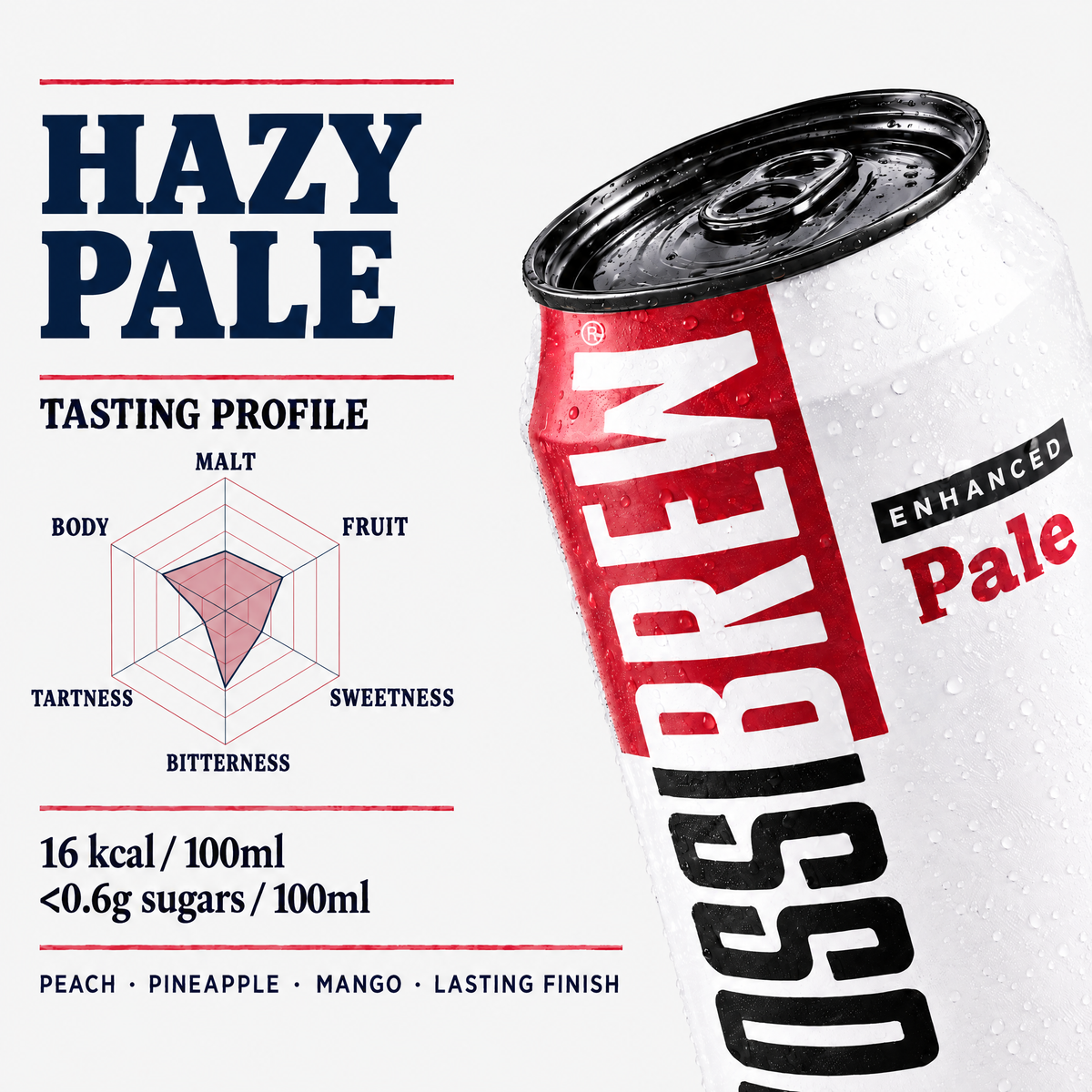
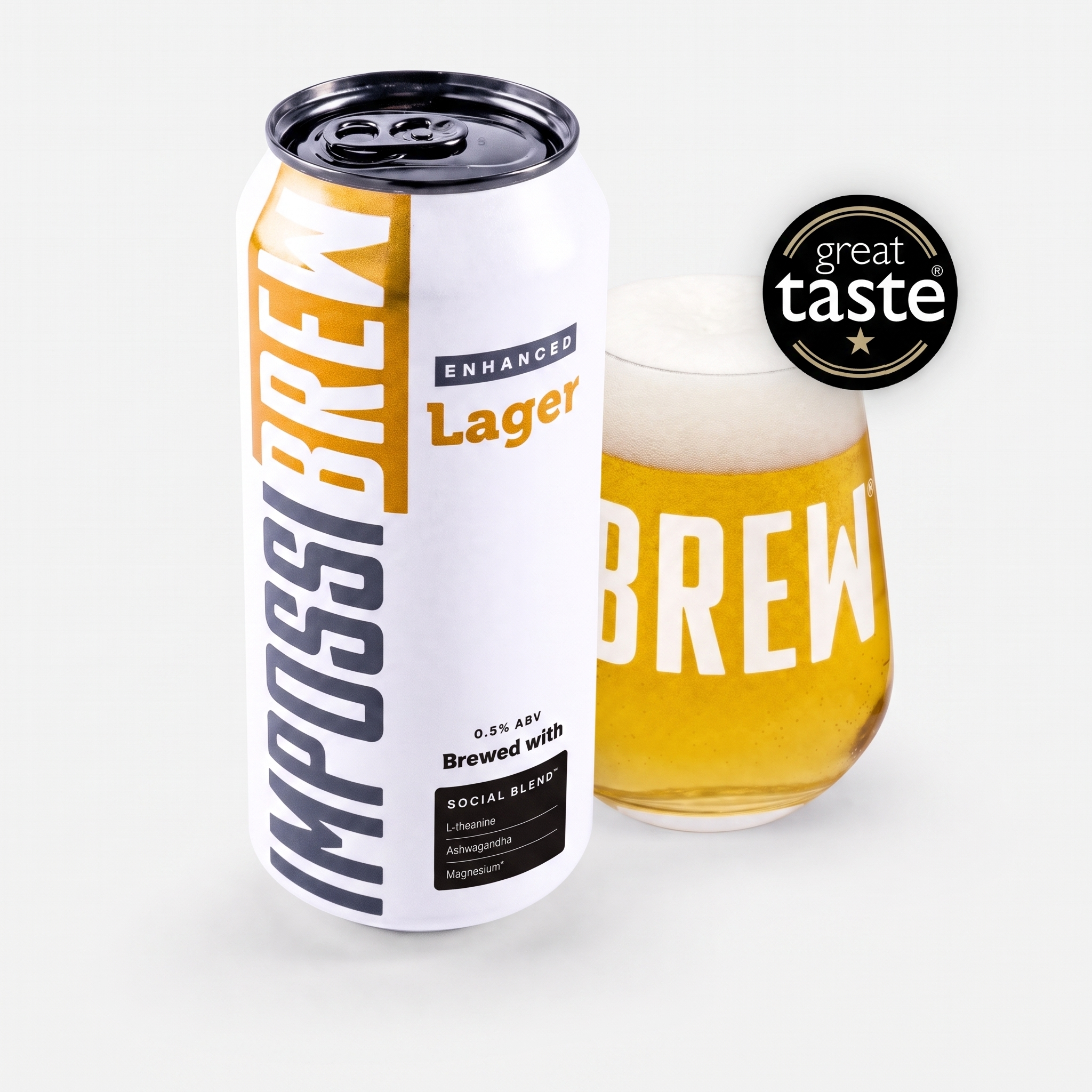
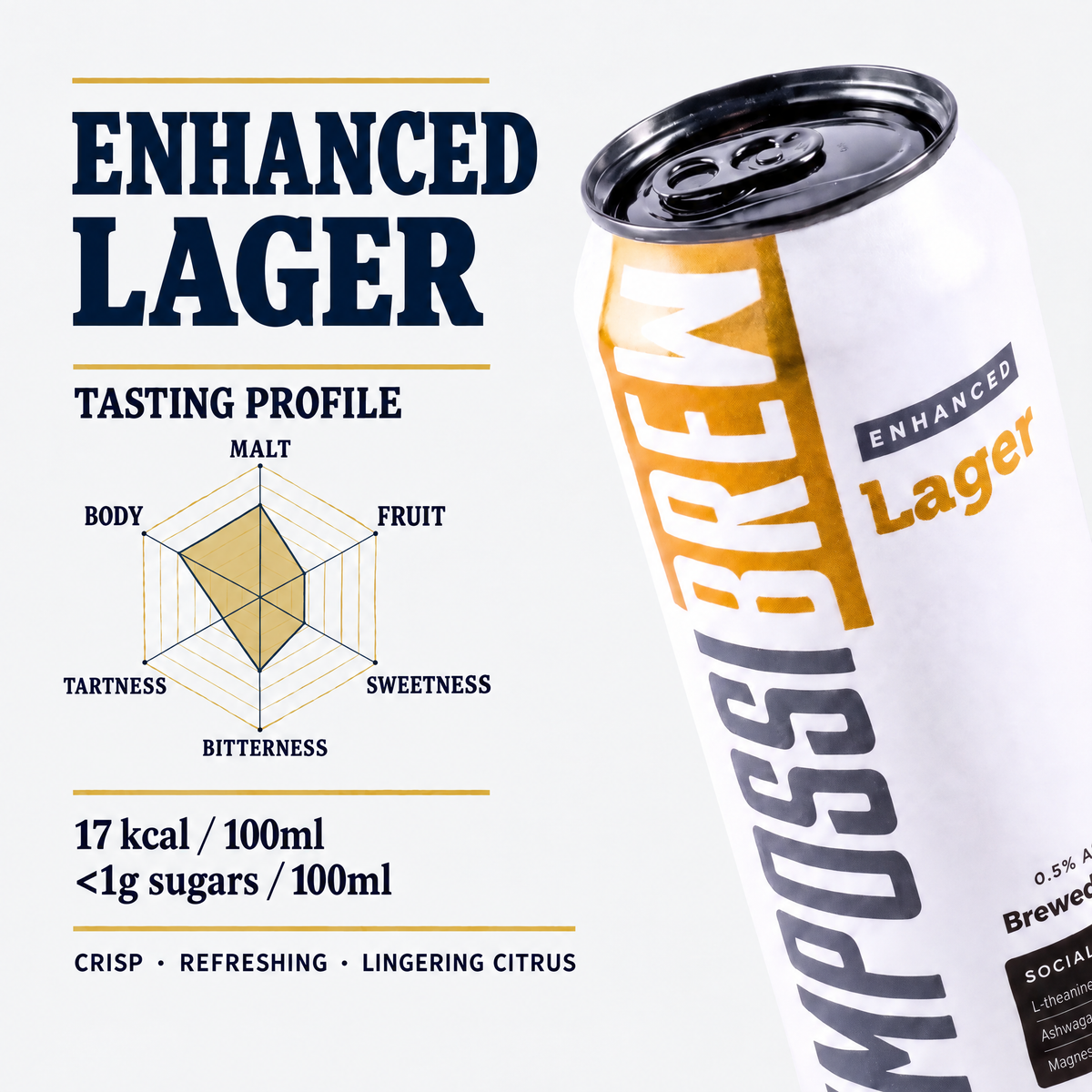
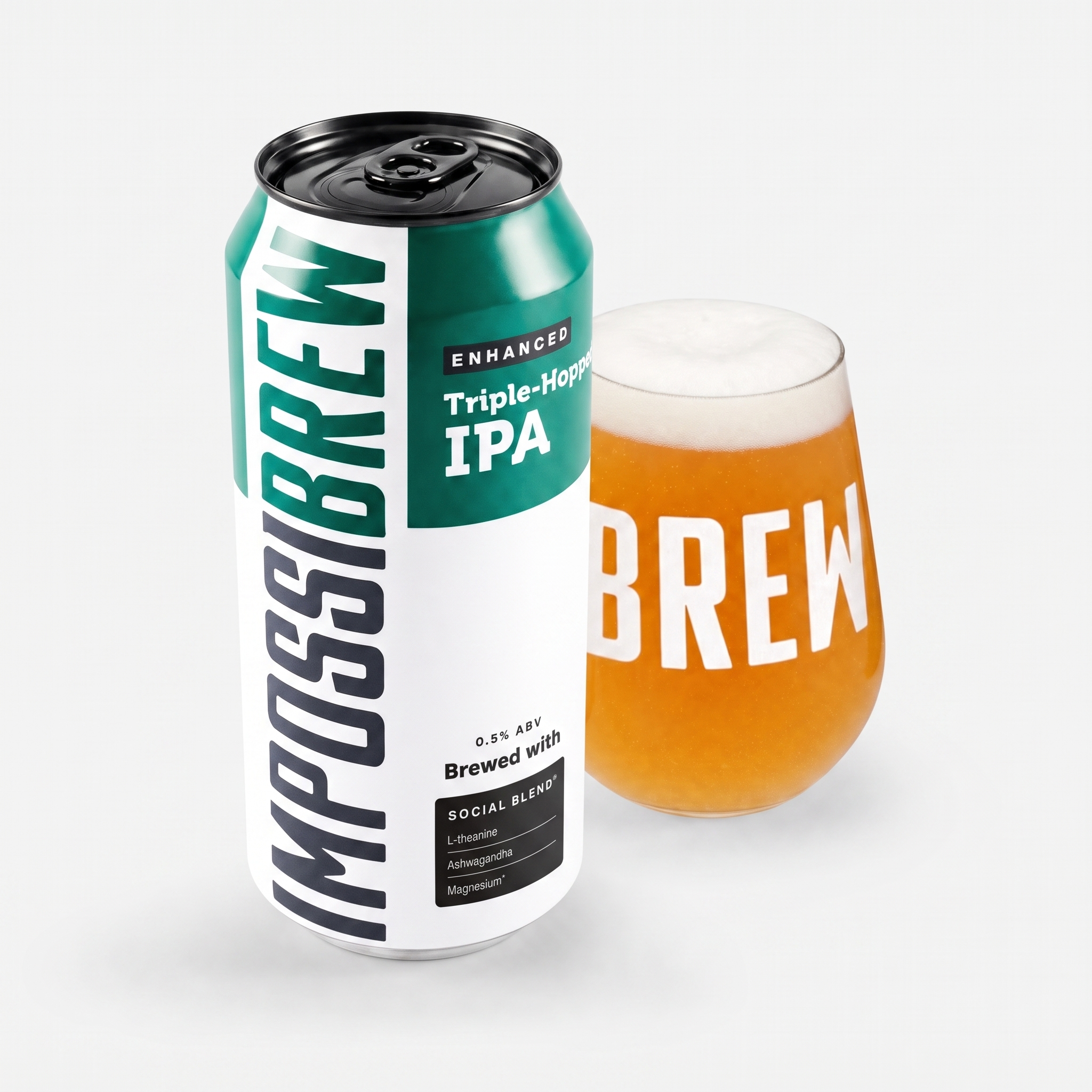
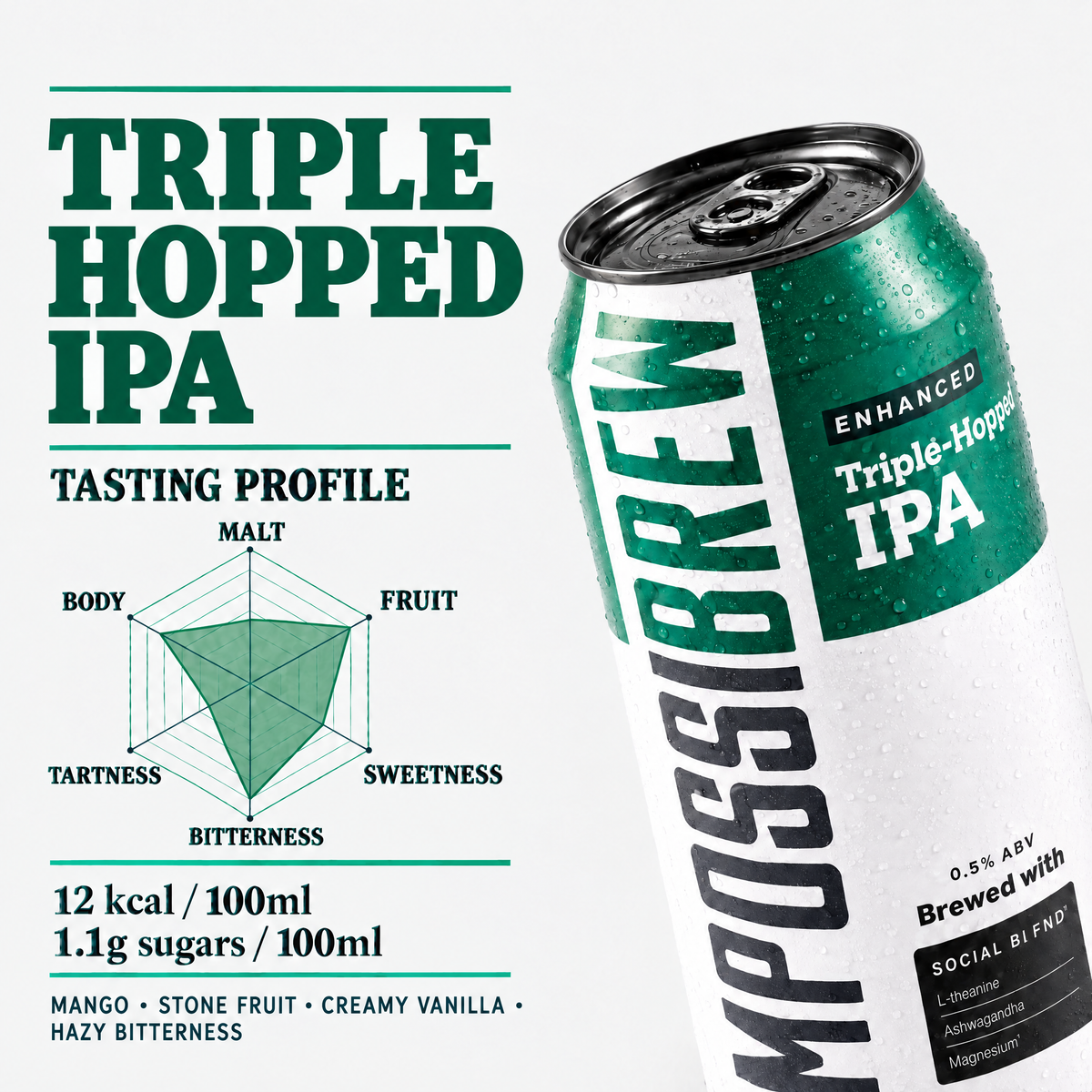
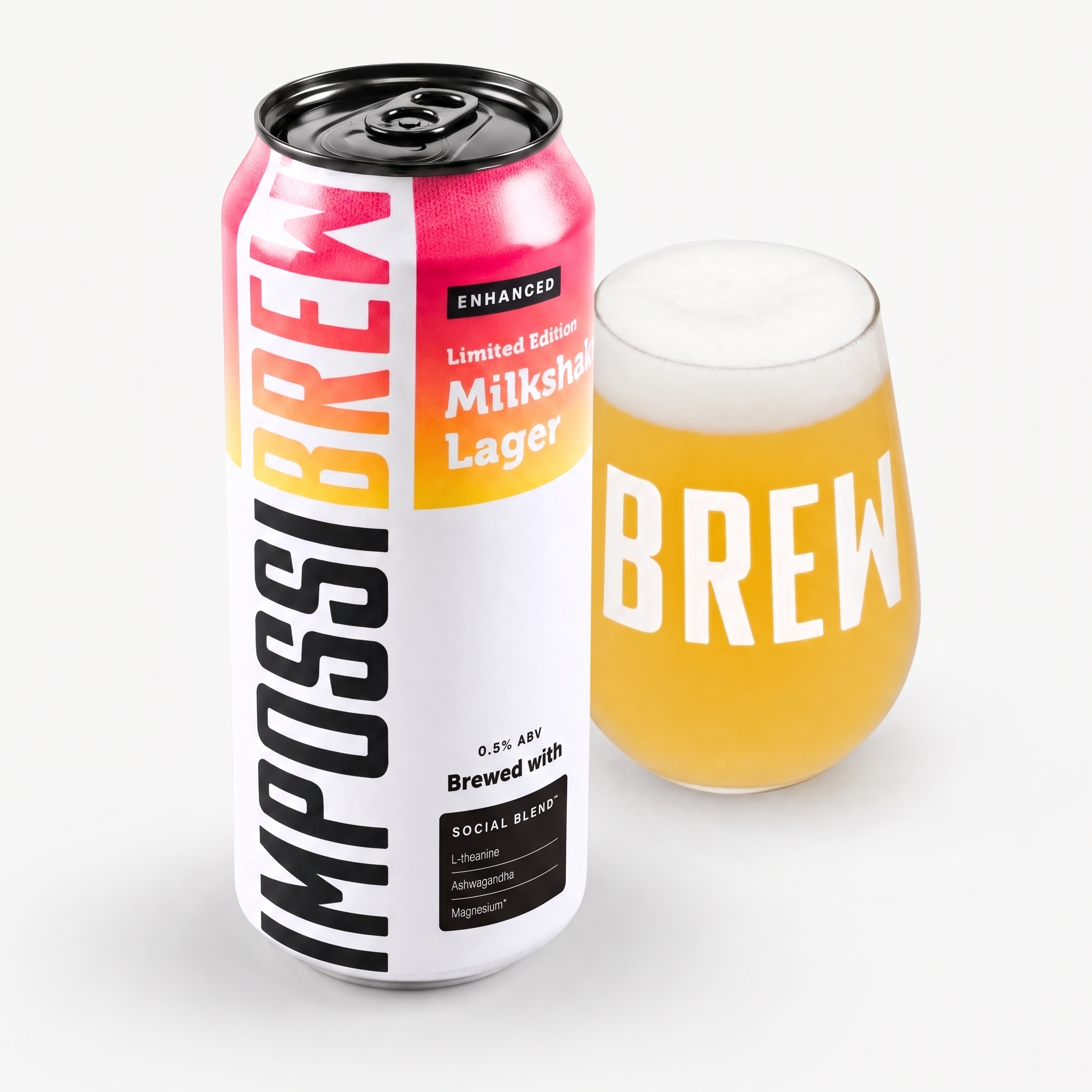
One standout in this growing field is IMPOSSIBREW®, a brand that’s taken an innovative approach to non-alcoholic beers. Founded by Mark Wong [1], the company has made waves with its proprietary Social Blend™, which prominently features ashwagandha. Drawing on its roots in Ayurvedic medicine, ashwagandha is central to their Enhanced Lager and Enhanced Hazy Pale Ale, designed to replicate the relaxing and social qualities of alcohol without its negative effects.
IMPOSSIBREW®’s efforts haven’t gone unnoticed. The brand was crowned "UK's Best Alcohol-Free Beer" by the World Beer Awards 2023 and earned the first-ever Gold Medal in the No/Low beer category at the London Beer Competition [1]. These accolades underscore not only the quality of their brewing but also the effectiveness of their ashwagandha-infused Social Blend™.
Consumer feedback has been overwhelmingly positive. A 2025 study involving over 2,000 participants revealed that 84% felt more relaxed after trying the Social Blend™, and more than 70% reported a sense of overall relaxation after consuming IMPOSSIBREW® products [1].
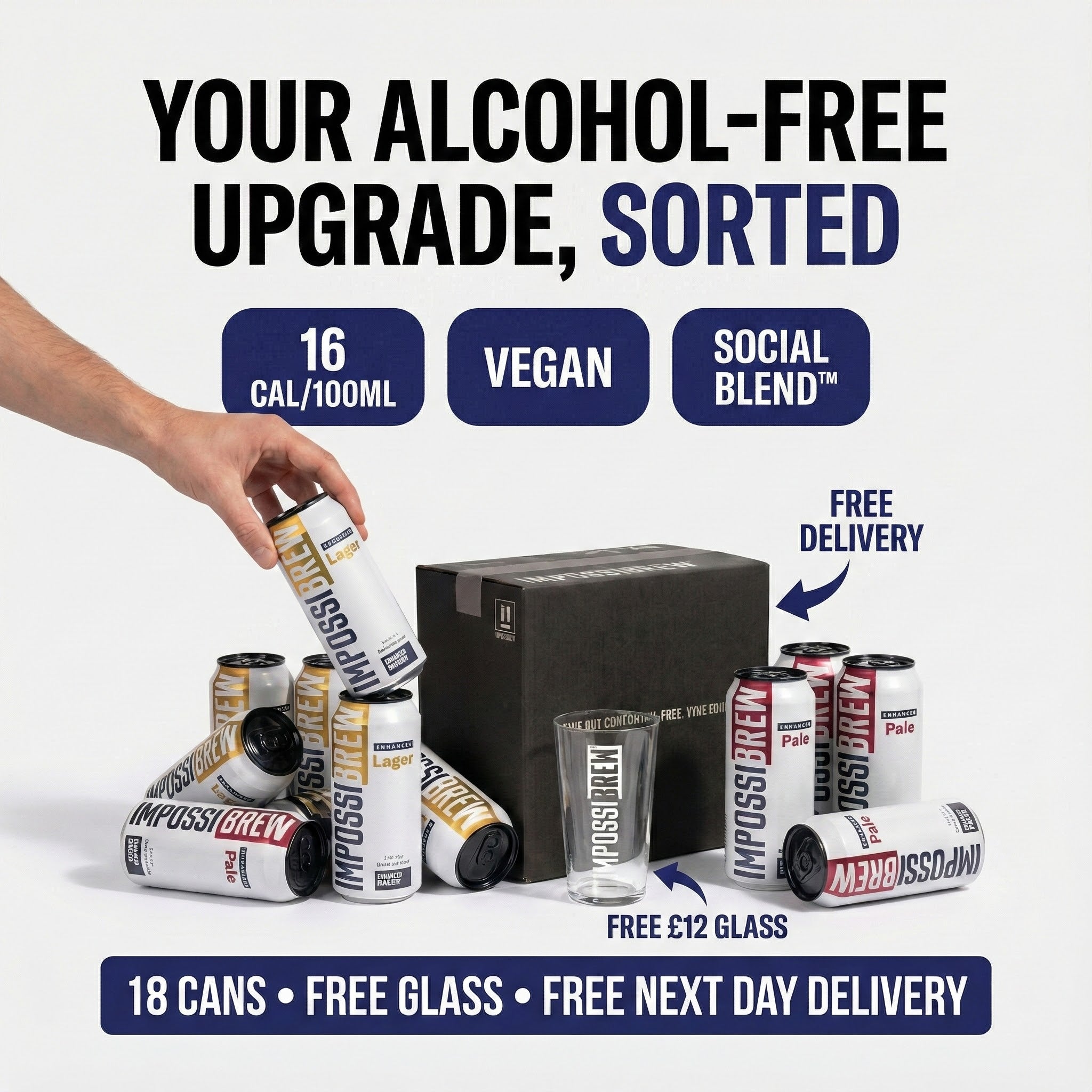
Their beers, including the Enhanced Lager and Enhanced Hazy Pale Ale, are crafted to meet modern dietary preferences - they’re gluten-free (under 10 PPM), low calorie (from 16 calories per 100ml), low carb, vegan-friendly, and start at £1.97 per can [1].
IMPOSSIBREW® has also built a strong digital presence, becoming the most-followed No/Low Alcohol brand on TikTok worldwide. This popularity reflects its appeal to younger consumers who are actively seeking healthier, more mindful alternatives to traditional alcoholic drinks [1].
What truly sets IMPOSSIBREW® apart is its focus on creating a genuine "one or two pint feeling" of relaxation. Their science-backed blend of ashwagandha, combined with other nootropic and adaptogenic ingredients, promotes relaxation without drowsiness, helps manage stress and anxiety, supports mood balance, and keeps the mind calm yet focused [1]. This seamless combination of wellness and social enjoyment represents the next evolution in functional beverages.
Safety, Dosage, and UK Regulations for Ashwagandha
Understanding the safety, proper dosing, and regulatory framework for ashwagandha is crucial for both consumers and manufacturers. Below, we delve into recommended dosages, safety considerations, and the regulatory landscape in the UK.
Recommended Dosages in Beverages
Functional beverages generally contain 100–300 mg of ashwagandha per serving. This is notably lower than the 250–600 mg daily doses studied in clinical trials for stress relief and cognitive enhancement [3][8]. The beverage industry favours these lower doses to offer gentle, everyday wellness support rather than aiming for therapeutic effects.
For instance, products like IMPOSSIBREW®'s Social Blend™ are formulated with smaller amounts of ashwagandha to allow regular consumption without the risk of overstimulation. These beverages aim to promote relaxation and support daily wellbeing while maintaining safety.
To ensure accurate dosing, manufacturers use rigorous quality testing. High-Performance Liquid Chromatography (HPLC) is commonly employed to verify the presence and concentration of withanolides, the active compounds in ashwagandha. Many reputable brands also rely on third-party testing to confirm their products meet the declared potency and safety standards.
Who Should Avoid Ashwagandha?
While ashwagandha can offer wellness benefits, certain groups should avoid it or proceed with caution. Pregnant and breastfeeding women should steer clear of ashwagandha, as its safety during pregnancy is not well-established, and there is a potential risk to foetal development [2].
Similarly, individuals with autoimmune conditions like rheumatoid arthritis, lupus, or Hashimoto's thyroiditis should consult a healthcare provider before use. Ashwagandha may stimulate the immune system, potentially worsening these conditions [2]. Those taking sedatives, thyroid medications, or immunosuppressants should also seek medical advice due to possible interactions.
Additionally, ashwagandha-containing drinks are unsuitable for individuals with gastrointestinal disorders, high blood pressure, or those on medications like antidepressants, blood thinners, or immunosuppressants. People on thyroid medication should avoid these drinks as they may cause overstimulation or restlessness [1].
Pre-surgical considerations are also essential. Ashwagandha should be discontinued at least two weeks before surgery, as it may interfere with anaesthesia. Those with thyroid disorders should monitor their hormone levels if they consume ashwagandha regularly since it can affect thyroid function.
UK Regulatory Guidelines
In the UK, ashwagandha beverages are classified as food products. This means they can make general wellness claims such as "supports relaxation" but cannot advertise medical benefits like "treats anxiety" [2].
The Food Standards Agency (FSA) ensures compliance with the Food Safety Act 1990, which mandates accurate labelling and adherence to safety standards. If a product claims specific potency, it must list ashwagandha as an ingredient along with its percentage composition. EU Regulation 1169/2011, still relevant under UK law, requires health claims to be backed by solid scientific evidence.
Labels must include allergen warnings and clear advisories, such as avoiding the product during pregnancy or when taking certain medications. The FSA actively monitors the market for unauthorised claims and can take action against non-compliant products. Manufacturers are also required to maintain detailed records of ingredient sourcing, quality testing, and safety data.
To meet British standards, manufacturers conduct various tests, including HPLC analysis, microbiological checks, and heavy metal and pesticide screenings. These measures ensure product safety, build consumer trust, and maintain compliance with UK regulations.
The UK's regulatory framework strikes a balance between ensuring consumer safety and allowing access to functional beverages that promote general wellbeing. This approach ensures that ashwagandha beverages remain an accessible, natural option for relaxation without venturing into pharmaceutical territory.
The Future of Ashwagandha in Functional Beverages
Ashwagandha is carving out a strong position in the world of functional beverages, bridging the gap between ancient remedies and modern lifestyles. With its roots in Ayurvedic medicine, this adaptogenic herb has successfully made its way into mainstream wellness drinks, driven by a growing consumer preference for natural stress-relief solutions [9].
The functional beverage market is evolving rapidly, and ashwagandha is at the forefront of this transformation. Companies are introducing a variety of ashwagandha-infused drinks, including herbal blends, energy drinks, and functional waters, catering to a wide range of consumer tastes [9][10][4]. This variety reflects the herb's flexibility and the increasing interest among UK consumers in natural alternatives for managing stress.
One particularly exciting development is within the non-alcoholic beer category. Brands like IMPOSSIBREW® are leading the charge with products such as their Enhanced Lager and Enhanced Hazy Pale, which incorporate ashwagandha through their proprietary Social Blend™. Impressively, 71% of users have reported relaxation benefits from these beverages, showcasing how traditional adaptogens can be seamlessly integrated into familiar formats. This approach highlights the potential for blending age-old botanical wisdom with modern brewing techniques.
The shift in consumer behaviour towards science-supported wellness products is clear. The success of enhanced non-alcoholic beers underscores the willingness of UK consumers to pay a premium for functional beverages that offer both health benefits and enjoyable flavours.
Regulatory frameworks in the UK are also bolstering confidence in the market. By allowing general wellness claims while upholding strict safety standards, these regulations ensure that consumers can trust the safety and quality of ashwagandha-infused drinks.
Looking forward, ashwagandha's role in functional beverages is set to grow even further. With ongoing research supporting its stress-reduction and cognitive benefits, we can anticipate more specialised products designed to meet specific wellness needs. Future innovations will likely blend scientific precision with consumer-focused creativity, making wellness an integral part of everyday social experiences. Ashwagandha is well on its way to becoming a staple in the UK’s functional beverage scene.
FAQs
Is ashwagandha in functional beverages as effective as taking it in capsules or tablets?
Ashwagandha in functional beverages offers a more enjoyable and practical alternative to capsules or tablets. While capsules deliver a concentrated dose, beverages provide a sensory experience that pairs well with ashwagandha's calming and focus-boosting effects. This makes them particularly suited for social or laid-back occasions.
The effectiveness and absorption of ashwagandha can depend on the beverage's formulation and individual factors, such as metabolism. Brands like IMPOSSIBREW® often craft their functional drinks by blending ashwagandha with complementary ingredients, creating a well-rounded experience aimed at promoting relaxation and mental clarity.
Are there any side effects of drinking ashwagandha-infused beverages regularly?
For most individuals, consuming ashwagandha in moderation, including through functional beverages, is generally considered safe. That said, some people might encounter mild side effects like an upset stomach, drowsiness, or headaches - especially if taken in excessive amounts or combined with certain medications.
If you’re pregnant, breastfeeding, managing any health conditions, or on prescribed medication, it’s wise to consult your GP or healthcare provider before adding ashwagandha to your routine.
How can consumers ensure ashwagandha beverages meet safety and quality standards in the UK?
To ensure you're choosing safe and high-quality ashwagandha beverages in the UK, start by carefully reading the product labels. Pay attention to the ashwagandha content, including its concentration or dosage, and make sure it falls within the recommended safe levels. It's also important to look for certifications or approvals from recognised regulatory bodies like the Food Standards Agency (FSA), which confirm the product meets UK safety standards.
Check the ingredient list for a full breakdown, noting any allergens or additives. This is particularly helpful if you have dietary restrictions. Also, look for brands that make honest, well-supported claims about the benefits of their products. Choosing companies that are transparent about their sourcing and production methods can provide extra confidence in your purchase.