Dry January can improve your health and reset your relationship with alcohol, but it may trigger anxiety in the early days. This is due to how alcohol affects brain chemistry, creating a temporary imbalance when you stop drinking. Symptoms like restlessness, irritability, and disrupted sleep are common in the first week. However, by mid-month, things get easier as your brain stabilises, leading to better mood, sleep, and focus.
Key Points:
- Why Anxiety Peaks Early: Alcohol alters dopamine and GABA levels. When you quit, your brain struggles to rebalance, causing heightened anxiety.
- First Week Challenges: Symptoms like headaches, tremors, and low mood peak within 24–72 hours but ease by day 7.
- Weeks 2–3 Improvements: Anxiety decreases, sleep improves, and mental clarity returns.
- Managing Anxiety: Stay hydrated, eat well, and try grounding techniques like the 5-4-3-2-1 method or box breathing.
- Long-term Benefits: By the end of the month, 70% report better health, sleep, and concentration.
If anxiety persists or withdrawal symptoms worsen, seek medical advice. Dry January can be a powerful step towards better mental and physical health, but knowing what to expect makes the journey smoother.
How Alcohol Affects Anxiety
Why Alcohol Seems to Ease Stress
Alcohol acts as a depressant on the central nervous system, slowing down brain activity and reducing inhibitions. This can create a temporary sense of calm by triggering a surge of dopamine and increasing levels of GABA - a neurotransmitter responsible for relaxation. As Tyler Trahan, M.D., from Henry Ford Health, puts it:
"Drinking alcohol dumps a flood of dopamine into the pleasure centre of the brain... When dopamine levels dip back down, feelings of anxiety rebound." [11]
But this sense of relief doesn’t last. As the effects of alcohol fade, the brain tries to rebalance its chemistry, often triggering a "fight or flight" response. This can leave you feeling on edge, with symptoms that mimic anxiety.
The Drinking-Anxiety Cycle
For many, drinking to ease anxiety can lead to a harmful cycle. Over time, the brain adjusts to alcohol's effects by producing less dopamine naturally, leaving you feeling down or anxious when sober. While moderate drinking might temporarily boost GABA levels, heavy or long-term drinking can deplete them, leading to physical tension and even panic attacks.
This cycle - using alcohol to mask anxiety, followed by withdrawal and chemical imbalances - can worsen existing anxiety issues. Studies show that up to 50% of people treated for problematic alcohol use also meet the criteria for one or more anxiety disorders [12]. These chemical shifts in the brain can pave the way for long-term changes, which are explored further below.
What Happens in Your Brain When You Drink
Alcohol’s effects on neurotransmitters provide further insight into why anxiety rebounds after drinking. It enhances GABA's calming influence while suppressing glutamate, a neurotransmitter that stimulates brain activity. When drinking stops, this balance reverses, leading to overstimulation that can cause symptoms like shaking, irritability, and heightened anxiety.
Chronic alcohol use can also affect the brain's emotional and regulatory centres. It may overstimulate the amygdala, the part of the brain associated with fear, while weakening the prefrontal cortex, which helps regulate emotions. On top of this, alcohol interferes with the body's ability to absorb essential nutrients like thiamine (Vitamin B1) and magnesium - both crucial for healthy brain function and mood stability. Research estimates that up to three in ten individuals dependent on alcohol may suffer from some form of alcohol-related brain damage [10].
The mental health benefits of participating in Dry January
Week 1: What Happens When You Stop Drinking
The first week without alcohol can be tough, as your body and mind start adjusting to the absence of alcohol. Withdrawal symptoms typically kick in within 6 to 24 hours after your last drink. This happens because your central nervous system, which has adapted to alcohol’s depressant effects, suddenly becomes overactive. As Drinkaware puts it:
"You can go straight into 'fight or flight' mode as the alcohol leaves your system" [14].
This heightened stress response is your body’s way of recalibrating itself.
During these early days, physical symptoms are common. You might notice headaches, hand tremors, excessive sweating, nausea, or even heart palpitations. Many people feel run-down as their bodies work to replenish lost minerals and glycogen [13]. Sleep can also take a hit - without alcohol’s sedative effects, insomnia may creep in. By days 4 to 7, you might experience vivid or intense dreams as your REM sleep, typically suppressed by alcohol, starts to normalise [13].
While the physical effects can be draining, the mental and emotional changes can feel even more overwhelming. Anxiety, irritability, restlessness, and low mood are all common during this period. Alcohol consumption depletes certain neurotransmitters, which can make withdrawal anxiety worse [9, 16]. These symptoms usually peak within 24 to 72 hours before they begin to ease [17, 18].
To manage these early challenges, focus on self-care. Stay hydrated, avoid caffeine, stick to a consistent sleep schedule, and limit screen time before bed [16, 17]. Activities like exercise, creative hobbies, or breathing exercises can help calm your overactive nervous system [1, 9]. And remember, any sluggishness or irritability you feel should start to fade within a few days [13].
It’s important to note: if you experience severe symptoms such as seizures, hallucinations, or uncontrollable shaking, seek medical attention immediately. These could indicate alcohol dependence, and stopping abruptly without professional help can be dangerous [16, 17].
Week 1: The Reality of Early Days
This section takes a closer look at the physical and mental hurdles you might encounter during your first week without alcohol, building on the initial overview of withdrawal symptoms.
Physical and Mental Symptoms to Expect
The first few days after giving up alcohol can feel like a rollercoaster, both physically and mentally, as your body begins to adjust. Within 6 to 12 hours of your last drink, you might experience headaches, mild anxiety, and disrupted sleep patterns [15].
Between 24 and 72 hours, symptoms usually hit their peak [15]. Physically, you might notice sweating, nausea, heart palpitations, tremors, and elevated blood pressure [15]. On the mental and emotional side, it's common to feel heightened anxiety, restlessness, irritability, and difficulty focusing [7][15]. Many people also report feeling sluggish and low in mood during this period [13].
By days 4 to 7, the physical symptoms generally start to subside as your body begins to stabilise. Energy levels and focus often improve, though your sleep may still feel unsettled [13]. You might also experience vivid dreams during this time as your REM sleep, previously suppressed by alcohol, starts to normalise [13].
Why Anxiety Gets Worse Before It Gets Better
The spike in anxiety during the first week is directly tied to changes in your brain's chemistry. Alcohol artificially boosts dopamine and GABA levels - two chemicals that regulate mood and calmness. When you stop drinking, your brain temporarily struggles with a dopamine shortage and low GABA levels, leading to irritability, tension, and a low mood [9][7]. As Alcohol Change UK explains:
"For the first few days of your dry month you may feel a bit under the weather as dopamine... is still depleted... this will only last a few days at most and the good stuff is just around the corner" [13].
This adjustment period is temporary, and most people notice their anxiety easing significantly within two weeks as their brain chemistry rebalances [7]. While the sluggishness and discomfort can feel draining, it’s a short-lived phase that paves the way for better days ahead.
How to Manage Early Discomfort
Navigating the first week successfully involves practical steps to support your body and mind. One of the simplest yet most effective actions is to stay hydrated and eat balanced, nourishing meals. This helps replenish the glycogen and minerals your body loses when you stop drinking [13][7].
For moments when anxiety spikes, try the 5-4-3-2-1 grounding technique: name 5 things you see, 4 you can feel, 3 you can hear, 2 you can smell, and 1 you can taste. This method helps shift your focus away from anxious thoughts. If you’re feeling overwhelmed, stepping outside into a wide, open space can also help calm your nerves by engaging your parasympathetic nervous system.
Incorporating physical activities like deep breathing, gentle stretching, or even shaking out tension can release built-up stress and soothe your nervous system. Mark from Alcohol Change UK offers a helpful analogy:
"Think about your mental health as a bucket, and life stressors can fill it up. We want to stop the bucket from overflowing so we have a tap that we can turn on to release the building stress" [1].
Consider replacing alcohol with healthier "taps" such as exercise, creative hobbies, or spending time outdoors. These activities not only help manage discomfort in the early days but also set the foundation for long-term well-being as your symptoms start to fade in the weeks ahead.
sbb-itb-a752bf8
Weeks 2-3: When Things Start to Improve
As you move past the initial withdrawal hurdles, weeks two and three bring noticeable progress. This is when mood, sleep, and mental sharpness start to improve, marking a clear shift from the early challenges to more positive changes.
Better Mood and Restful Sleep
During this phase, your brain chemistry begins to stabilise. Natural neurotransmitters like GABA, which helps calm the mind, and serotonin, often called the "happiness" chemical, start to balance out again [5]. This process helps lift low moods and reduces irritability.
Sleep also improves significantly. With alcohol no longer disrupting your sleep cycles, REM sleep - a crucial stage for emotional processing and memory - gets a chance to function properly [13]. Dr Maher Karam-Hage, a psychiatrist and addiction expert, explains:
"Alcohol suppresses stages 3 and 4 of sleep, which is the restorative sleep for the muscles and other parts of the brain and body" [6].
In fact, a 2019 study involving over 6,000 people participating in Dry January found that 70% of them reported better sleep by the end of the month [2].
Sharper Focus and Mental Clarity
As your sobriety continues, your memory, judgement, and ability to concentrate all improve. The same 2019 study revealed that 67% of participants experienced enhanced focus, and 66% felt more energised during their alcohol-free month [2]. Alcohol Change UK highlights this mental shift:
"Not having alcohol in your system for four weeks will clear some of the fog in your head and allow you to assess how you're really feeling" [5].
This newfound clarity helps you reconnect with yourself, free from the numbing effects of alcohol. It also lays the groundwork for managing anxiety more effectively.
Anxiety Begins to Ease
By the middle of Dry January, you'll likely notice a drop in anxiety levels. Without alcohol triggering the "fight or flight" response - often dubbed "hangxiety" - your nervous system starts to regain its balance [1]. This stabilisation helps your body handle stress more naturally.
A 2018 study published in BMJ Open followed 94 moderate-to-heavy drinkers during a month of abstinence. The results showed significant improvements in insulin resistance, blood pressure, and weight compared to a control group [2]. These physical changes contribute to a calmer mind, setting the stage for more effective anxiety management as the month progresses.
How to Manage Anxiety Throughout Dry January
Taking on Dry January can be a challenge, especially when it comes to managing anxiety. But with consistent, practical strategies, you can support your mental health and make the month alcohol-free without overwhelming stress.
Daily Habits to Support Your Mental Well-being
Alcohol Change UK offers a helpful analogy:
"Think about your mental health as a bucket, and life stressors can fill it up. We want to stop the bucket from overflowing so we have a tap that we can turn on to release the building stress. The things you do to promote your mental health turn on the tap – for example exercise, being creative, getting in touch with nature" [1].
Simple daily habits, like regular exercise and a steady sleep routine, can help keep that "bucket" from spilling over. Just 20 minutes of physical activity can work wonders for your stress levels. Pair this with a calming bedtime ritual - whether it’s a warm shower or reading a book - to help quiet intrusive thoughts before sleep [16].
Tracking your progress can also keep you motivated. Tools like the Try Dry® app let you monitor your mood, sleep quality, and energy levels. Seeing the connection between alcohol-free days and improved mental clarity can strengthen your resolve [1][9].
When cravings hit, try urge surfing. Instead of giving in, observe the craving and let it pass - it usually lasts no more than six minutes [4]. These small, consistent steps can help you build resilience, making it easier to handle social situations without alcohol.
Handling Social Settings Without Alcohol
Social events can be tricky during Dry January, but your daily strategies can help here too. One effective tactic is implementation intention, which means planning your response ahead of time. A simple, "No thanks, I’m taking a break from alcohol", works well [4].
Interestingly, research from London South Bank University found that in a "fake pub" experiment, students given non-alcoholic placebos felt just as relaxed and socially confident as those who drank alcohol. This shows that the act of holding a drink can often be as comforting as the alcohol itself [4].
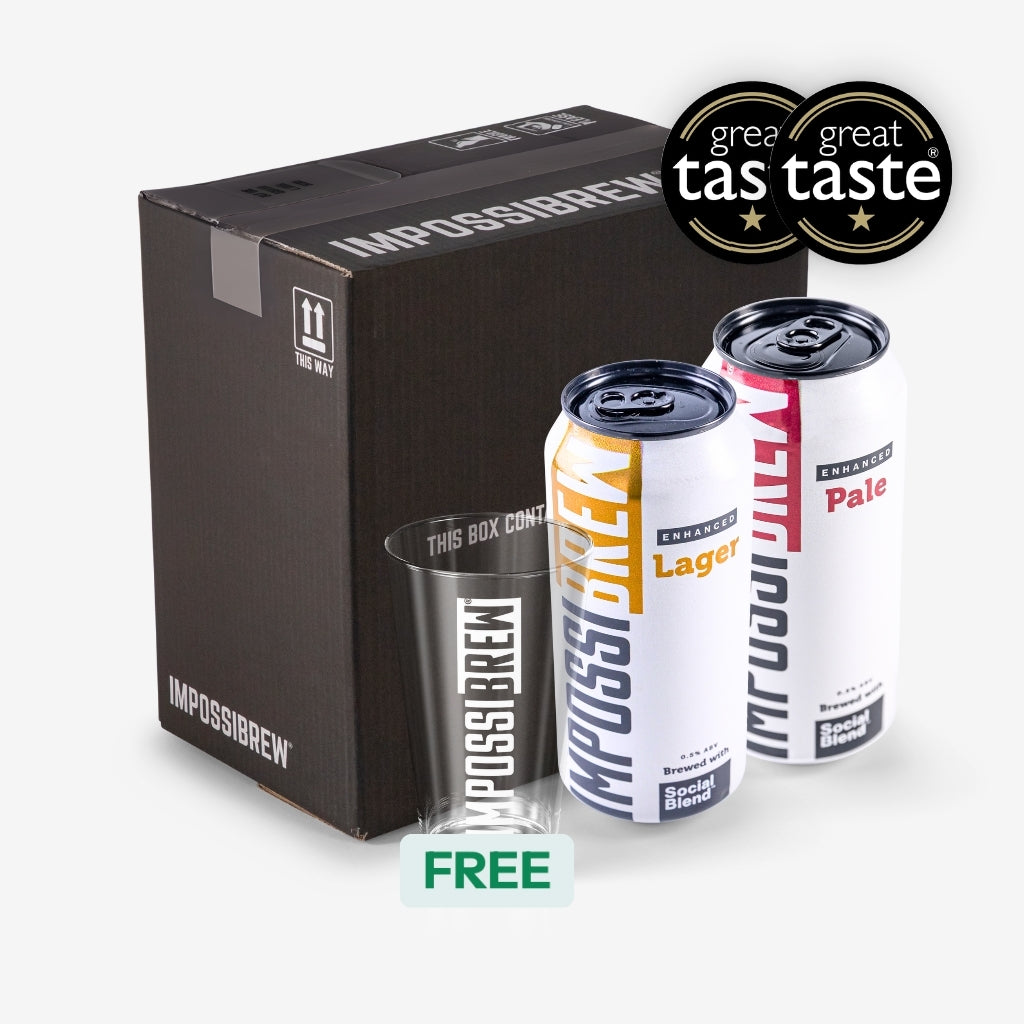
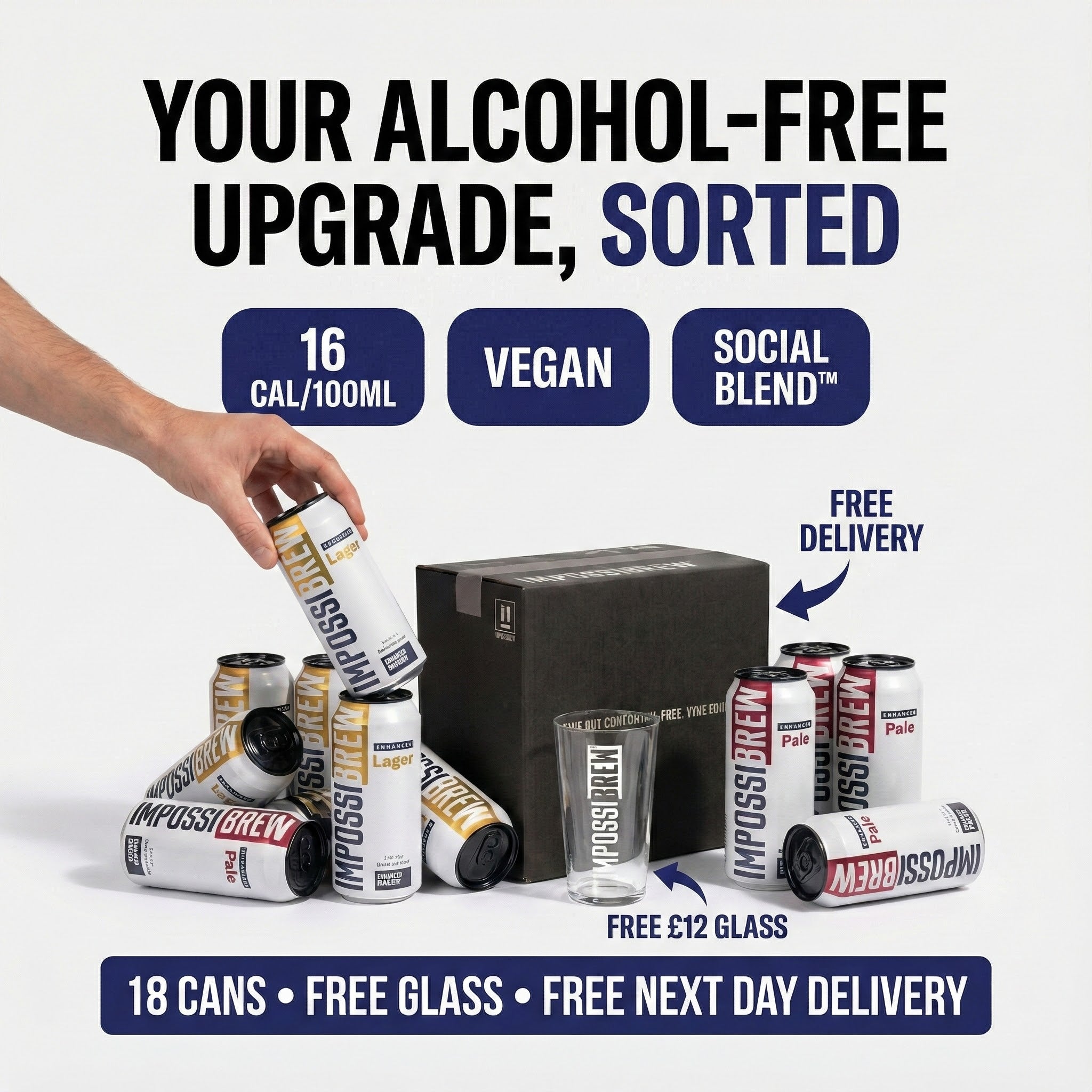
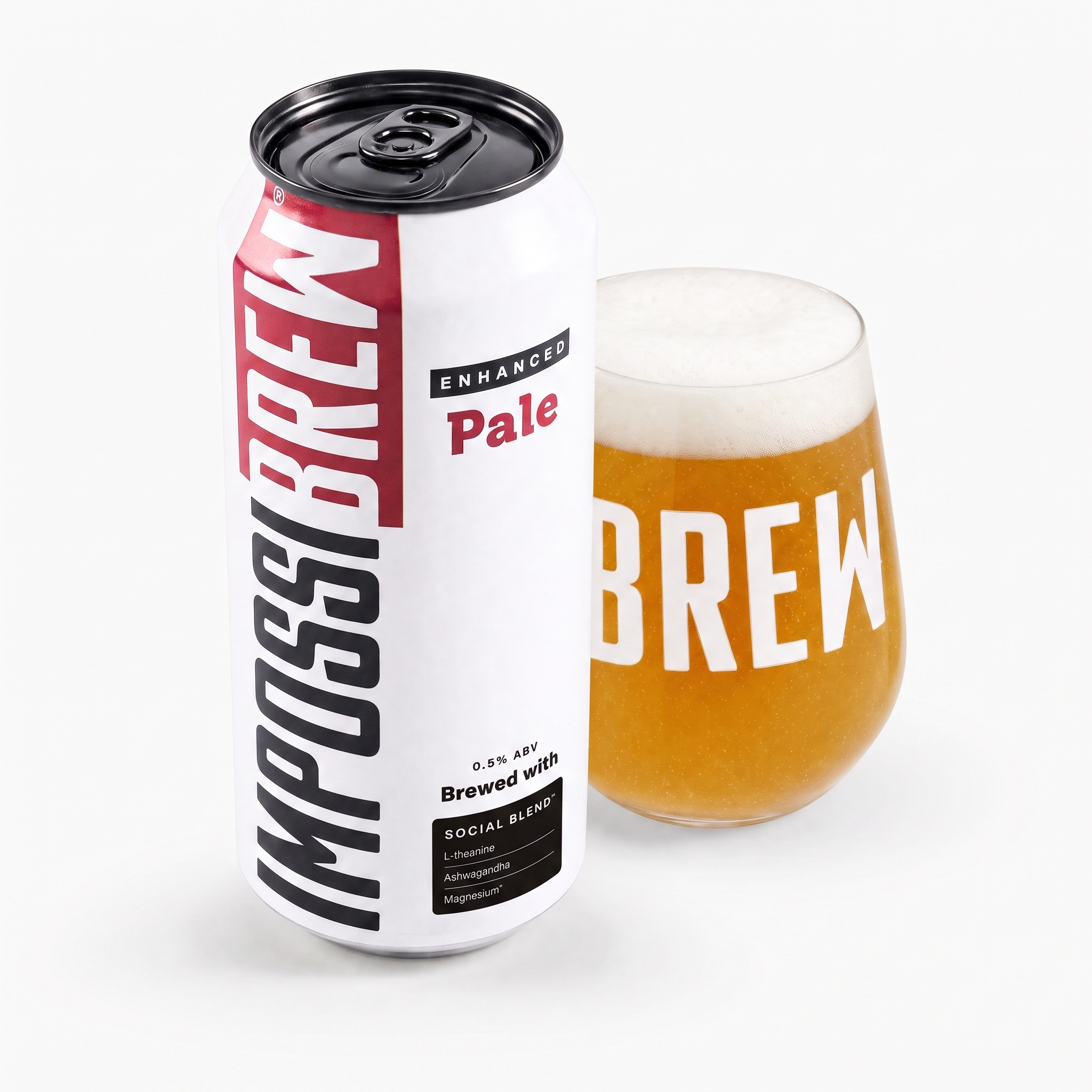
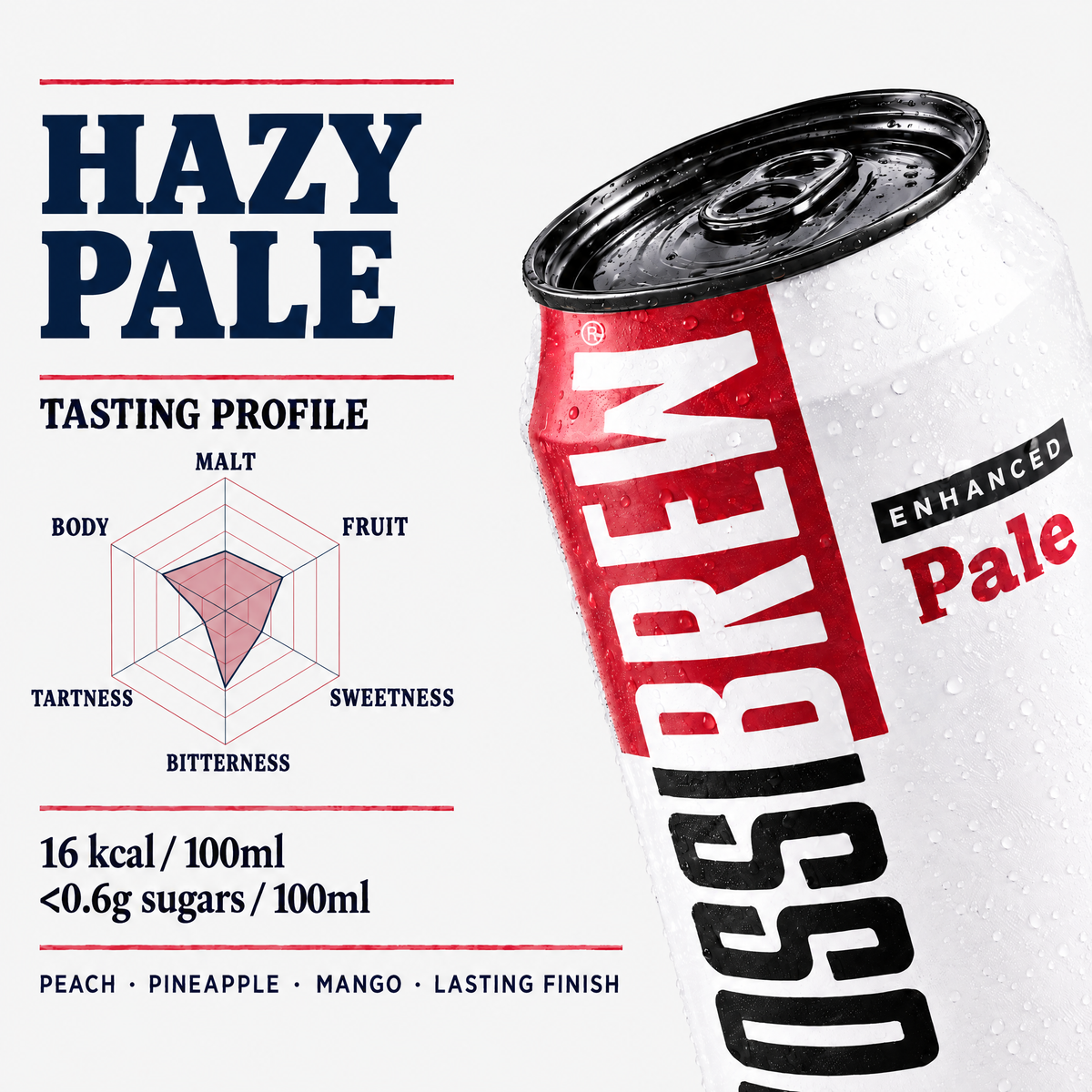
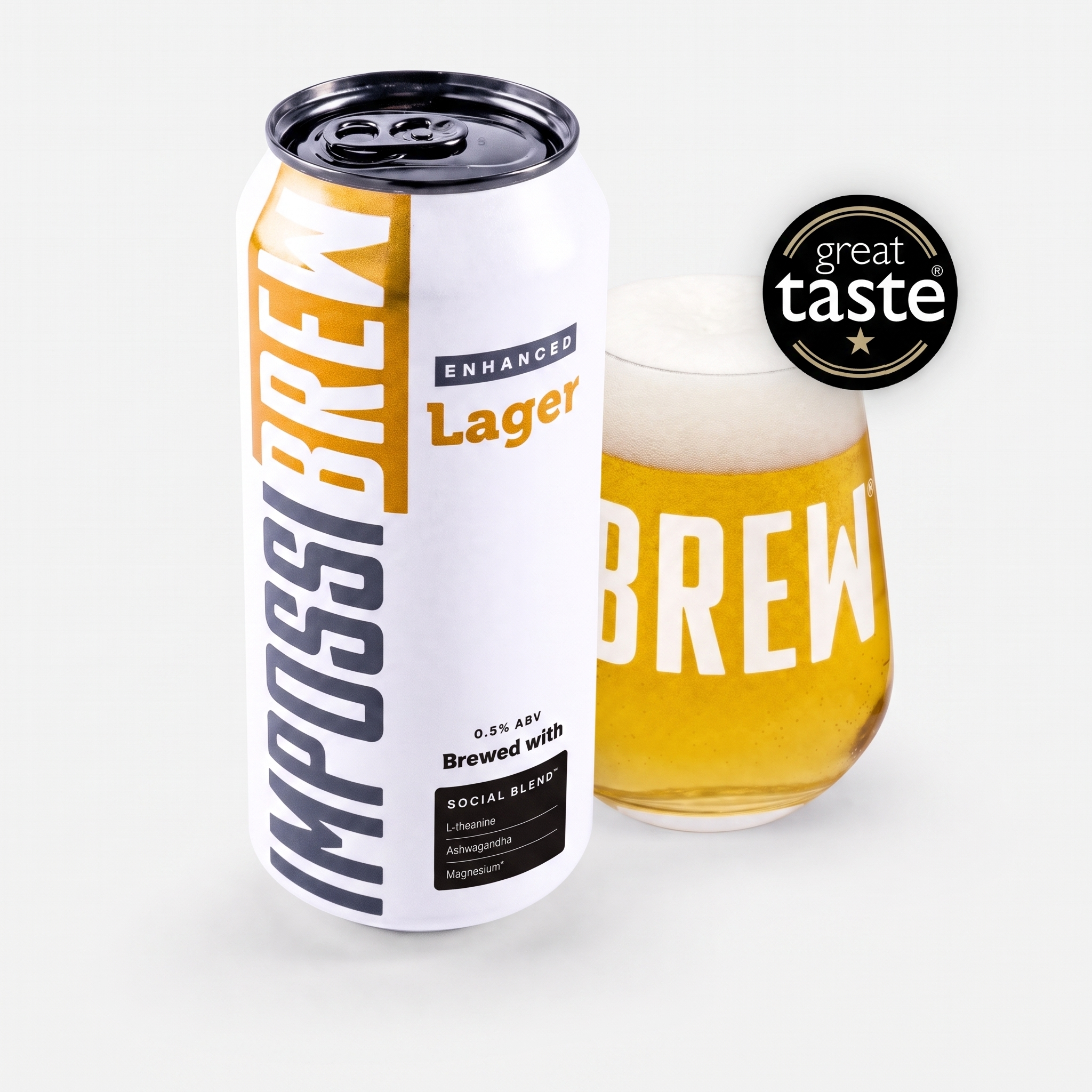
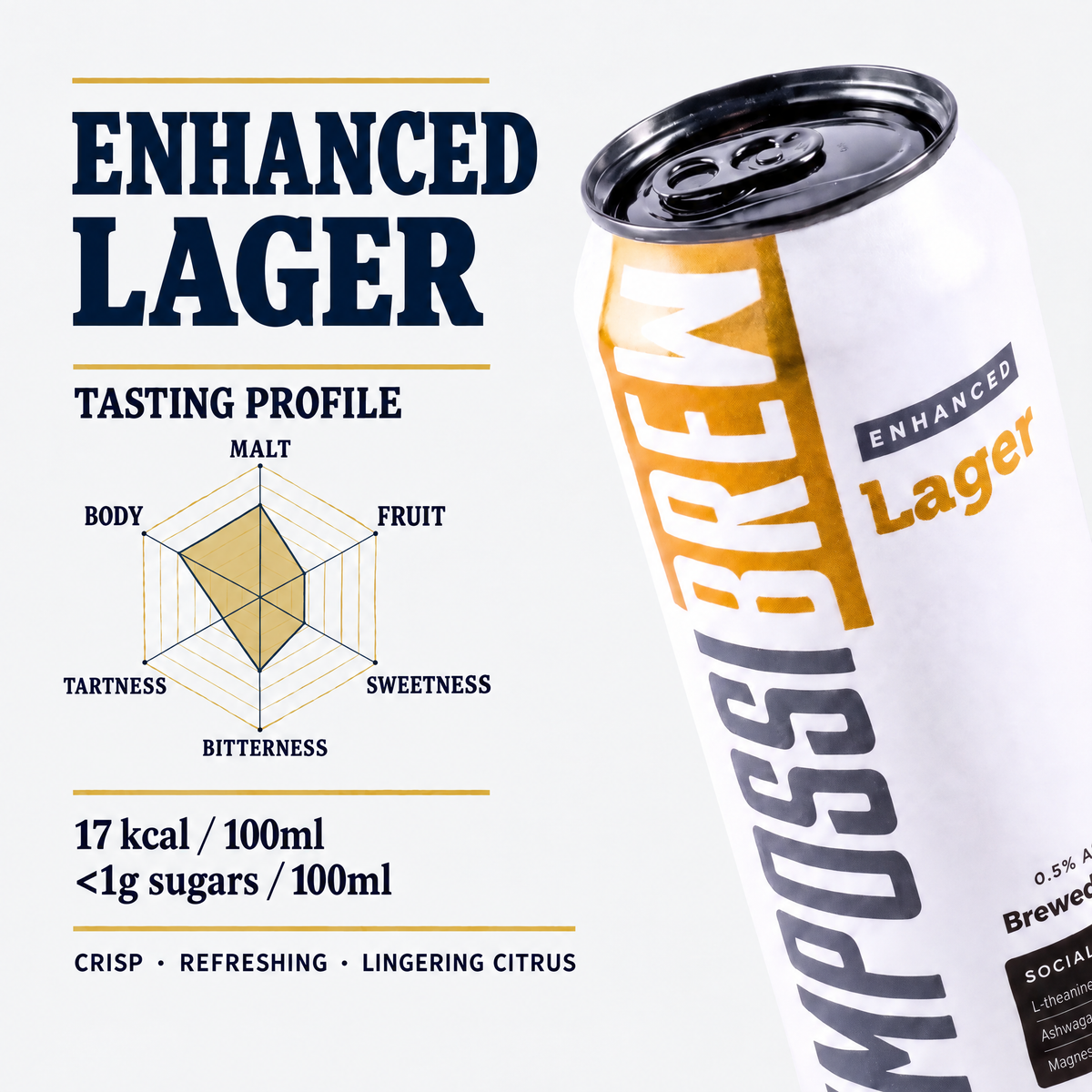
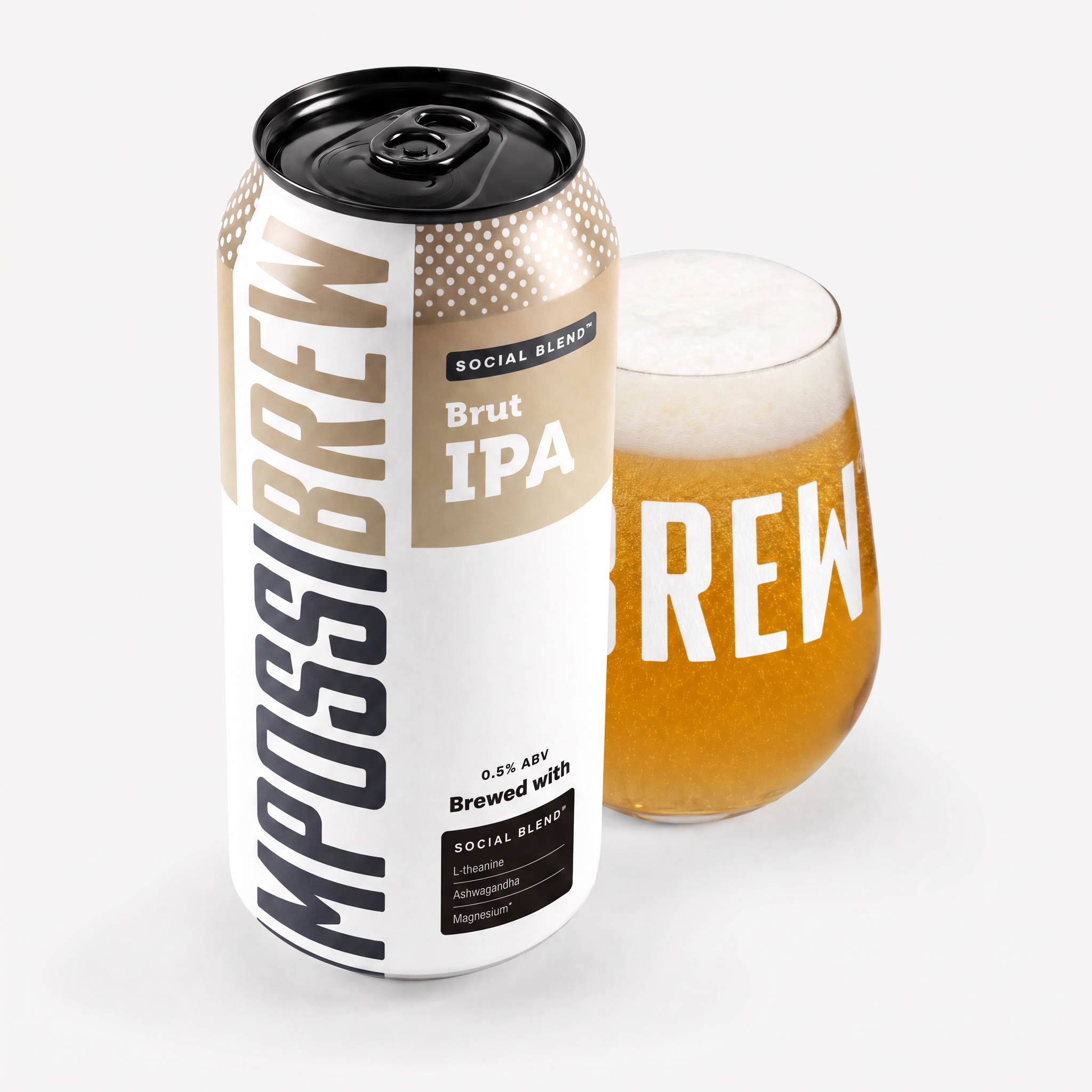
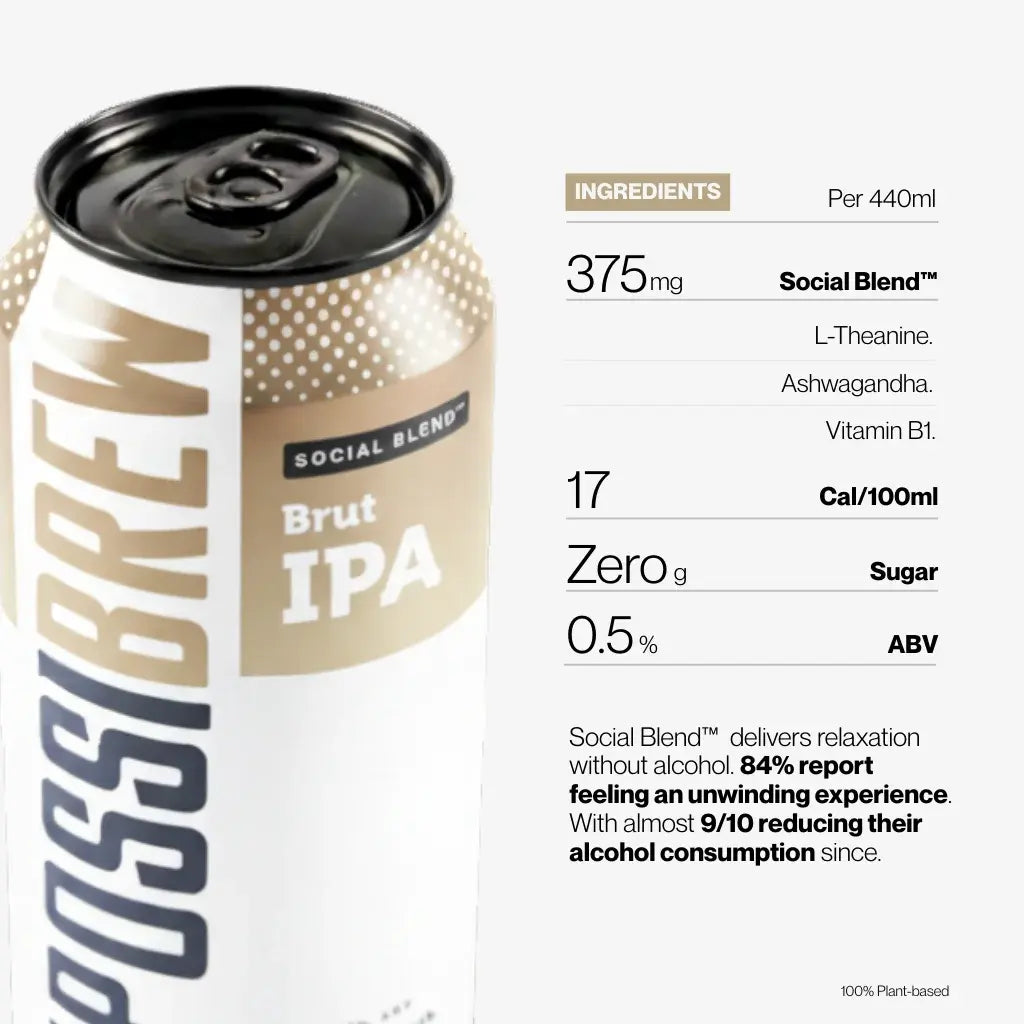
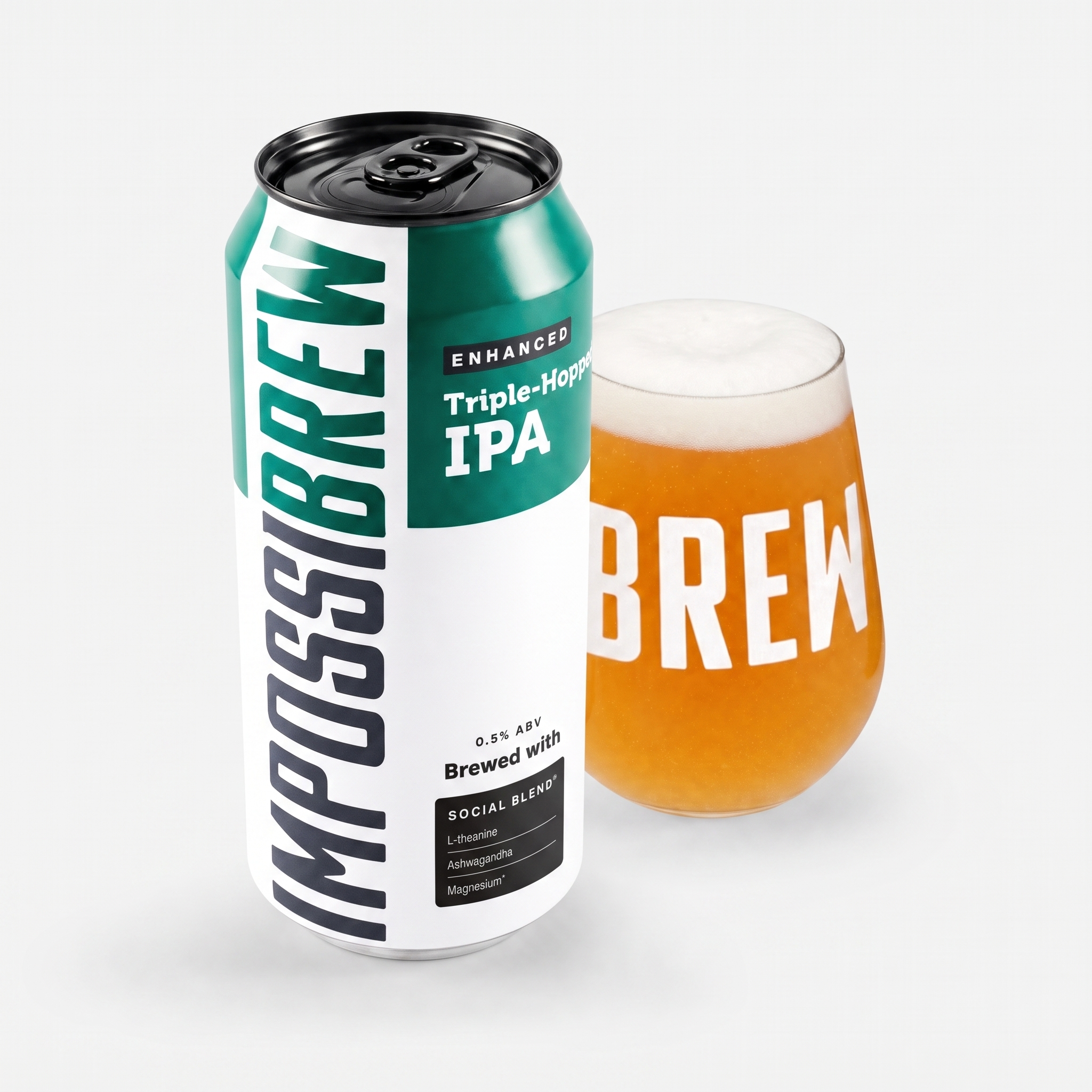
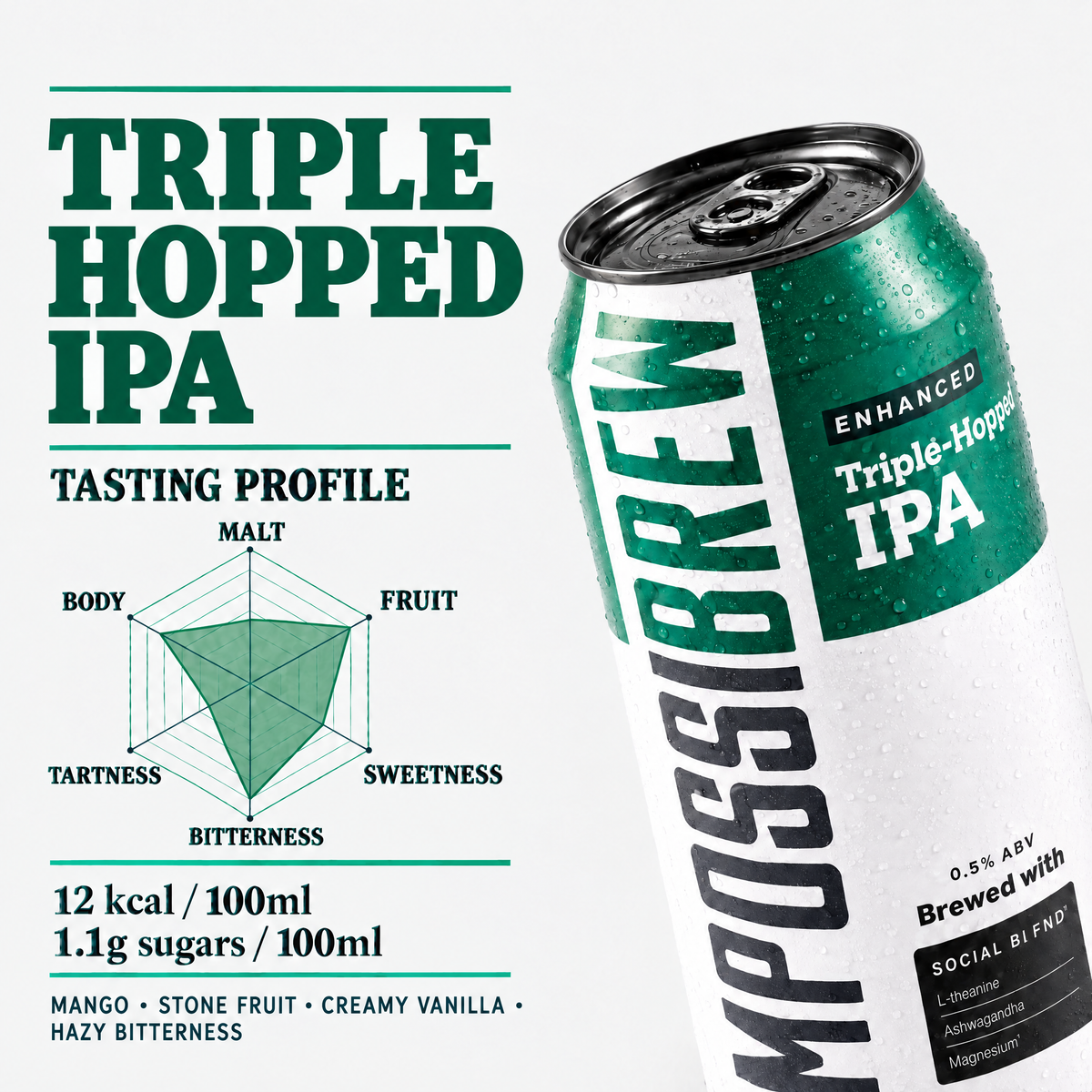
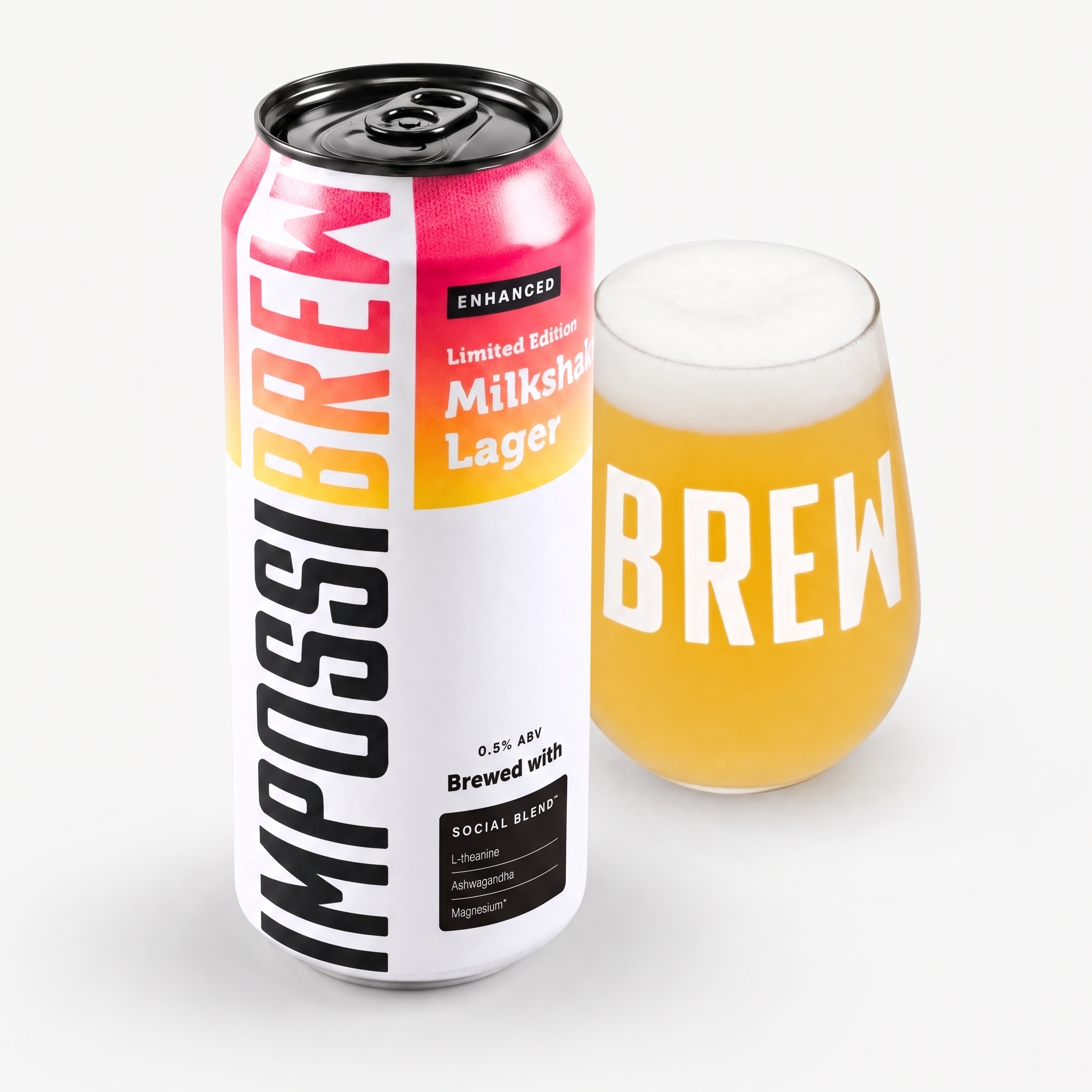
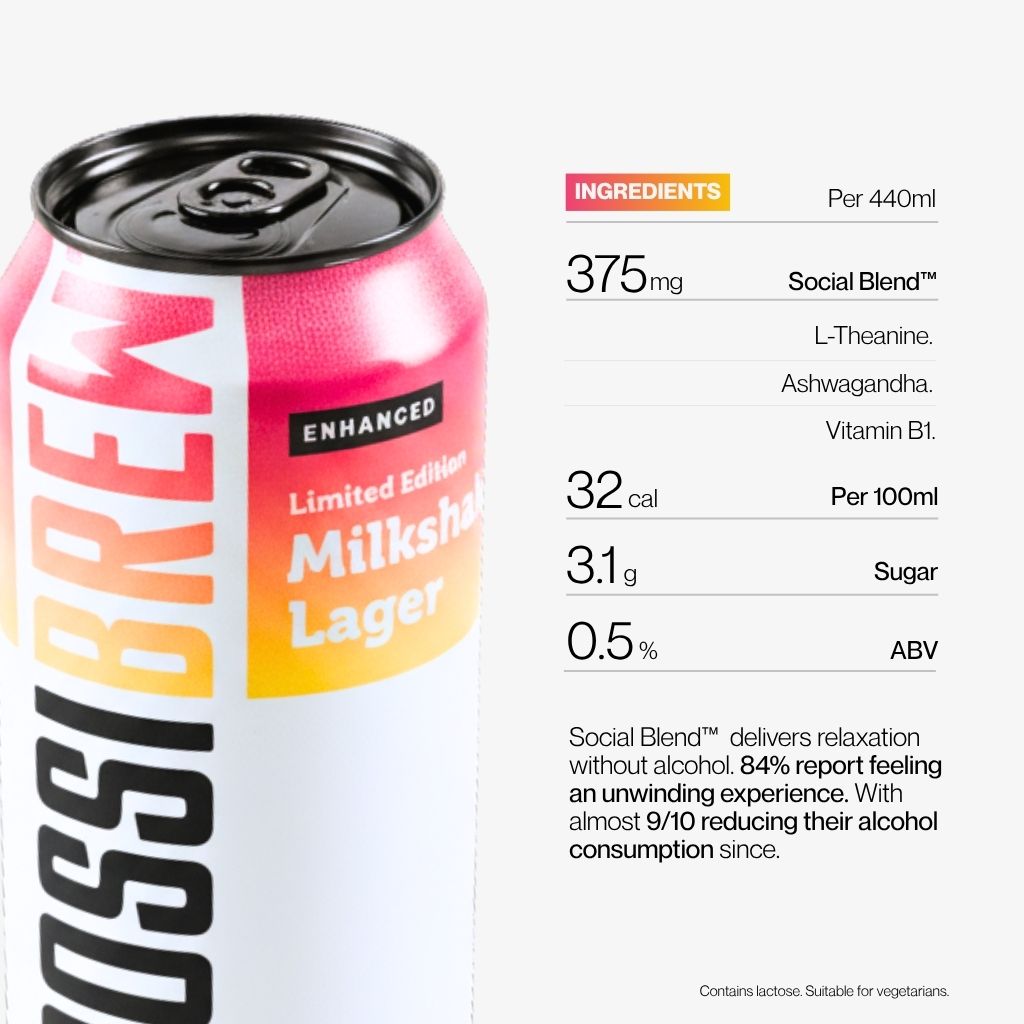
To make gatherings easier, bring your own alternatives. Products like IMPOSSIBREW® Enhanced Lager, made with ingredients like L-Theanine and Ashwagandha, can help you feel calm and focused without alcohol. In fact, 84% of people reported feeling more relaxed after trying IMPOSSIBREW® Social Blend™, and 88% said it helped them cut back on drinking [17].
If you’re not going completely alcohol-free, zebra-striping - alternating alcoholic drinks with non-alcoholic ones - can help you reduce your overall intake and avoid next-day anxiety. As Professor David Nutt, a neuropsychopharmacologist, advises:
"If you cut out the drinks that don't really mean anything, that's a really good way to start." [4]
Quick Relaxation Techniques
Dry January is the perfect time to explore relaxation techniques that can ease anxiety. One simple method is box breathing, where you inhale for four seconds, hold for four seconds, exhale for four seconds, and hold again for four seconds. This practice can quickly calm your nervous system during stressful moments [18].
Another helpful tool is journalling. By writing down your feelings, noting triggers, and tracking the benefits of sobriety, you can gain valuable insights into what works best for you. Over time, these reflections can guide your approach to managing anxiety [18][1].
Setting aside 15 minutes each day as "worry time" can also help. This allows you to confine your concerns to a specific window, so they don’t take over your day [18].
Additionally, limiting stimulants like caffeine and nicotine can reduce physical symptoms of anxiety [16]. Engaging in creative activities or spending time in nature can also provide healthy outlets for stress, offering a positive alternative to the tension alcohol once helped mask [1].
When to Get Professional Help
Dry January can sometimes highlight deeper issues with your relationship with alcohol. While many people complete the month with only minor challenges, others may find themselves needing professional support. Recognising when to seek help can make all the difference.
Signs Your Anxiety Needs Professional Attention
If anxiety lingers for more than two weeks or starts to interfere with your daily life, it’s time to consult your GP. Symptoms like a persistent sense of dread, feeling disconnected from your body (depersonalisation), or worrying excessively about losing touch with reality are key indicators.
Physical signs, such as shortness of breath, heart palpitations, or chest pain, should also be checked by a doctor to rule out other health concerns. As Professor Paul Salkovskis, Consultant Clinical Psychologist, explains:
"If you're feeling anxious, there's a good chance you're thinking things are more dangerous than they really are" [18].
Spotting these signs early can help you get the support you need before things escalate.
Serious Withdrawal Symptoms That Need Medical Care
For some, Dry January may expose severe withdrawal symptoms that require immediate medical attention. Call 999 if you experience seizures, hallucinations, severe confusion, or fever [15][20]. Withdrawal seizures affect roughly 1 in 10 people, and if untreated, up to 1 in 3 could develop delirium tremens - a serious condition with a mortality rate of 5% to 10% [15][19]. As Drinkaware warns:
"Severe withdrawal effects can be life threatening" [19].
If you’re a heavy daily drinker, avoid quitting alcohol suddenly without medical supervision. Warning signs like a rapid heart rate (over 100 bpm), high blood pressure, severe tremors, or repeated vomiting should not be ignored. Alcohol withdrawal symptoms affect about 50% of people with alcohol use disorder who reduce or stop drinking [15].
Finding Mental Health and Addiction Support
If Dry January has brought underlying issues with alcohol or anxiety to light, there are resources available to help. In England, you can access free NHS talking therapies, such as Cognitive Behavioural Therapy (CBT), without needing a GP referral [7].
For concerns about dependency or if you’re unsure how alcohol is impacting your health, reach out to Drinkline at 0300 123 1110, the Alcoholics Anonymous national helpline at 0800 917 7650, or use the AUDIT (Alcohol Use Disorders Identification Test) tool [19]. If you’re feeling overwhelmed or experiencing thoughts of self-harm, contact NHS 111 or your GP for immediate support [18].
The Benefits of Dry January Beyond One Month
When you take part in Dry January, the positive effects often stretch well beyond the 31 days, especially when it comes to easing anxiety and improving overall well-being.
Completing a month without alcohol gives your brain a chance to reset. Alcohol disrupts natural mood regulators like serotonin, which can lead to a vicious cycle: while it may seem to calm you initially, it eventually fuels anxiety. By abstaining, you restore balance to these mood-regulating systems, freeing yourself from that loop [5][8].
What’s even more encouraging is that the benefits don’t vanish once February begins. Studies reveal that six to eight months after Dry January, harmful drinking levels drop by nearly 50% [3]. On top of that, 81% of participants report feeling more in control of their drinking, and 70% experience better sleep - both of which can help with managing anxiety [2]. Dr Gautam Mehta, Senior Lecturer at the UCL Institute for Liver and Digestive Health, notes:
"It may be that participating in Dry January allows individuals to 'reset' their relationship with alcohol" [3].
One of the most empowering changes is learning to say no to drinks you don’t want. This boost in "Drink Refusal Self-Efficacy" often starts during Dry January and continues to support healthier choices throughout the year [2]. Plus, the month gives you the opportunity to explore better ways to handle stress - whether that’s through exercise, creative outlets, or spending time outdoors. These alternatives, or "stress taps", often prove far more effective than alcohol [1].
If you’ve noticed improvements in your anxiety or overall mood, think about keeping some of these new habits going. You could try strategies like "zebra-striping" (alternating between alcoholic and non-alcoholic drinks), designating alcohol-free days each week, or using an app to track your intake [4]. The aim isn’t to be perfect - it’s to maintain the clarity and balance you’ve worked so hard to achieve. These small but meaningful changes can pave the way for lasting mental clarity and resilience long after January ends.
FAQs
How can I ease anxiety during the first week of Dry January?
The first week of Dry January can feel tough as your body and mind adjust to life without alcohol. Feeling a bit anxious? That’s completely normal. But don’t worry - there are easy ways to keep calm and stay on track.
Instead of reaching for a drink to unwind, try swapping it for healthier choices. A short walk, a bit of mindfulness, or diving into a creative hobby can work wonders. Sticking to a regular sleep schedule can also help. Aim to go to bed at the same time each night, and steer clear of screens or heavy meals before you settle in. Adding gentle exercise, like a 20-minute walk, and eating balanced meals packed with nutrients can do wonders for your energy and mood.
When anxiety hits, simple relaxation techniques like deep breathing or progressive muscle relaxation can make a big difference. By focusing on these small, manageable changes, you’ll ease through the first week and set yourself up for a successful Dry January.
What are the lasting benefits of taking part in Dry January?
Taking part in Dry January can have a lasting impact on your health. Some of the physical benefits include improved liver function, lower blood pressure, reduced blood sugar levels, and a decreased risk of heart disease and certain types of cancer. On top of that, many people notice better sleep, a brighter mood, clearer thinking, and less anxiety.
By stepping away from alcohol for a month, you give your body the chance to recover and reset. It also provides an opportunity to reassess your drinking habits and understand how alcohol influences both your physical and mental health. What’s even better? These positive changes often stick around long after January, paving the way for healthier habits all year long.
When should I get help for anxiety during Dry January?
If your anxiety feels like it's taking over - whether that's through constant worry, panic attacks, sleepless nights, or difficulty concentrating - it's crucial to reach out for professional help. This becomes even more important if you're finding it hard to stick to your Dry January goals and feel tempted to turn to alcohol for relief, or if you're experiencing thoughts of self-harm.
Your GP is a good starting point. They can assess your situation and connect you with mental health services if needed. There are also helplines where you can talk to trained professionals. For example, you can contact Drinkline on 0300 123 1110 (open weekdays 9 am–8 pm, weekends 11 am–4 pm) or the Samaritans on 116 123, available 24/7. Taking that first step to seek help can make a real difference and support you in staying committed to your alcohol-free journey.