
Alcohol can seriously affect your brain, leading to "brain fog" - a state of mental sluggishness and unclear thinking. Here's what you need to know:
- What is brain fog? It’s not a medical condition but refers to cognitive difficulties like trouble concentrating, memory issues, and slower thinking.
-
How alcohol causes brain fog:
- Alters brain chemicals (e.g., GABA and glutamate), disrupting memory and focus.
- Dehydrates the brain, shrinking brain tissue and reducing mental clarity.
- Blocks nutrient absorption (like Vitamin B1), harming brain health.
- Disrupts sleep, preventing proper mental recovery.
- Short-term effects: Even one night of drinking can cause dehydration, blood sugar crashes, and poor sleep, leaving you foggy the next day.
- Long-term risks: Regular heavy drinking can shrink brain regions, cause memory loss, and even lead to alcohol-related dementia.
The good news? Recovery is possible. With abstinence, proper nutrition, and time, your brain can heal. For prevention, stay hydrated, eat balanced meals, and consider non-alcoholic alternatives.
Ask the Expert: How alcohol contributes to brain fog
How Alcohol Affects Brain Function
Alcohol has a profound impact on how our brains function, disrupting clarity and memory and leaving a lingering mental fog.
Alcohol's Effect on Brain Chemistry
Alcohol alters brain chemistry by increasing GABA (a neurotransmitter that slows brain activity) and reducing glutamate, which plays a role in learning and memory. It also blocks NMDA receptors, which are essential for memory formation and synaptic plasticity - the brain’s ability to adapt and learn [9].
When someone drinks heavily over time, the brain tries to adapt by producing more glutamate receptors. If drinking suddenly stops, this overcompensation can lead to a surge in glutamate activity, a condition called excitotoxicity, which can harm neurons [9]. While alcohol temporarily boosts dopamine levels - creating a fleeting sense of pleasure - it later disrupts dopamine signalling, leading to issues with focus and motivation [9].
These chemical changes don’t just stay under the radar - they physically alter the brain. Studies show heavy drinkers have an 11.3% higher rate of frontal lobe shrinkage. This affects the prefrontal cortex, responsible for decision-making and self-control, and the hippocampus, which is critical for forming new memories [9].
The outcome? Memory issues and disrupted sleep become part of the picture.
Memory and Sleep Problems
The brain’s chemistry shifts under the influence of alcohol, and memory and sleep take a hit.
When intoxicated, alcohol interferes with the hippocampus, making it nearly impossible for the brain to move information from short-term to long-term memory. This is the reason behind memory blackouts many people experience after drinking heavily [2]. Beyond memory, alcohol also disturbs sleep by preventing the brain from entering deep REM sleep. REM sleep is essential for mental recovery and memory consolidation, so even after a full night’s rest, you may wake up feeling mentally drained [9].
A study published in March 2022 examined imaging data from 36,678 middle-aged and older adults in the UK Biobank and found that even moderate drinking - just one to two units of alcohol daily - was linked to reduced grey and white matter volumes in the brain. The findings were stark: drinking one to two units of alcohol daily could age the brain by about two years, while increasing to two to three units daily could accelerate brain ageing by approximately 3.5 years [11].
Nutrient Depletion and Brain Damage
Alcohol’s impact goes beyond brain chemistry, as it also interferes with nutrient absorption, further harming brain health.
For instance, alcohol blocks the absorption of thiamine (Vitamin B1), a nutrient essential for brain metabolism. Prolonged heavy drinking can lead to severe deficiencies, potentially causing Wernicke-Korsakoff Syndrome, a condition characterised by significant memory loss and confabulation [10].
Additionally, alcohol damages the blood–brain barrier, a protective shield for the brain. By promoting oxidative stress and producing acetaldehyde (a toxic byproduct), alcohol weakens this barrier, allowing harmful inflammatory substances to penetrate brain tissue. This triggers neuroinflammation, which further impairs cognitive function. It also disrupts glucose transporters (GLUT1 and GLUT3), cutting off the brain’s main energy supply and leaving neurons fatigued [8]. Alarmingly, alcohol is the second leading cause of dementia, responsible for about 10% of adult dementia cases in the United States [8].
The National Institute on Alcohol Abuse and Alcoholism encapsulates the wide-ranging effects of alcohol on the brain:
"Alcohol interferes with the brain's communication pathways and can affect the way the brain looks and works. Alcohol makes it harder for the brain areas controlling balance, memory, speech, and judgement to do their jobs" [5].
Short-Term Effects: Brain Fog After Drinking
A night of drinking can leave your brain feeling sluggish and unfocused, a phenomenon often referred to as brain fog. This cognitive haze stems from a mix of dehydration, blood sugar swings, and disrupted sleep patterns - all of which take a toll on mental clarity.
Dehydration and Electrolyte Loss
Alcohol is a diuretic, meaning it increases urine production and drains your body of essential fluids. This fluid loss hits the brain particularly hard. Dehydration reduces blood volume, which in turn limits the oxygen and nutrients reaching your brain cells. Even a small drop in body water - just 1.5% to 2% - can impair mental functions like attention, focus, and short-term memory [13].
Research shows that dehydration can cause brain tissue to shrink, leading to reduced brain volume and grey matter [13]. On top of that, it disrupts the balance of critical electrolytes like sodium, potassium, and magnesium, which are crucial for nerve signalling. As research writer Lauren Ciccarelli explains:
"Dehydration causes electrolyte imbalances, which disrupt your nervous system and brain function. Electrolytes are tied to energy levels, neuron communication, nerve signalling, cognitive function, moods, mental health, and more" [13].
This combination of physical and chemical disruptions contributes to the sluggish, foggy feeling that follows a night of drinking.
Blood Sugar Fluctuations
When alcohol enters the picture, your liver shifts its focus to breaking it down, sidelining its role in regulating blood sugar. This can cause an initial spike in blood glucose, quickly followed by a sharp drop into hypoglycaemia [14]. Since the brain runs almost entirely on glucose, these fluctuations can leave you feeling mentally drained, fatigued, and irritable.
Nutritional therapist Rosemary Ferguson highlights this cascade of effects:
"The body is confused because blood glucose tends to drop low and you're tired. Dehydration, exhaustion, headache, nausea, brain fog and anxiety are signs of inflammation" [14].
Adding to the problem, the toxic alcohol byproduct acetaldehyde sparks inflammation, contributing to headaches and that heavy, cloudy sensation [14]. These metabolic changes only deepen the cognitive fog.
Poor Sleep Quality
Alcohol also disrupts your sleep, particularly the REM phase, which is vital for cognitive recovery [4]. Without enough REM sleep, the brain struggles to process and organise information, leaving you mentally drained the next day.
A meta-analysis on alcohol’s next-day effects found it significantly impacts psychomotor speed, short-term memory, long-term memory, and sustained attention [12]. For those with alcohol use disorders, between 33% and 50% show measurable cognitive or motor impairments [1]. Sleep deprivation compounds these issues, making it harder to stay focused on extended tasks - a phenomenon researchers call "reward-cost trade-offs" [12]. Together, these sleep interruptions solidify the brain fog that follows a night of drinking.
Long-Term Effects of Regular Alcohol Use
While a single night of drinking might leave you feeling foggy the next day, regular and prolonged alcohol consumption can lead to much more serious and lasting issues. Over time, persistent brain fog can evolve into significant cognitive decline, affecting daily life in profound ways.
Wernicke-Korsakoff Syndrome and Thiamine Deficiency
Chronic heavy drinking disrupts the body's ability to absorb and use thiamine (Vitamin B1), which is vital for healthy brain function. This deficiency can result in Wernicke-Korsakoff Syndrome, a severe form of alcohol-related brain damage [15][7].
The condition typically begins with Wernicke encephalopathy, which can appear suddenly. Symptoms include confusion, vision disturbances, and loss of coordination. If caught early, high-dose thiamine treatment can often reverse this stage [17]. However, if left untreated, it can progress to Korsakoff syndrome, a chronic condition marked by severe memory loss, particularly the inability to form new memories [15][17].
The Alzheimer's Society reports that around one in three people with alcohol dependence may experience some degree of alcohol-related brain damage [15]. Unlike typical dementia, this condition often appears earlier, between the ages of 40 and 60. Alcohol's toxic effects, including neuroinflammation and acetaldehyde production, further exacerbate nerve cell damage [6].
Progressive Brain Damage
Long-term heavy drinking doesn’t just target one part of the brain - it causes widespread damage. Both grey matter, which handles reasoning and decision-making, and white matter, which facilitates communication between brain regions, are affected [11][6].
Studies show that higher daily alcohol intake accelerates brain ageing. For instance, consuming one to two units of alcohol daily can age the brain by up to two years, while two to three units can age it by 3.5 years [11]. The frontal lobe, responsible for decision-making and impulse control, suffers particularly severe shrinkage - heavy drinkers show an 11.3% reduction in this area compared to non-drinkers [9].
Other vulnerable areas include the hippocampus, cerebellum, and corpus callosum, all of which are critical for memory, coordination, and communication between brain hemispheres [11][6][7]. Additionally, the deterioration of white matter disrupts the brain's ability to transmit messages efficiently, leading to imbalances in neurotransmitter systems that regulate memory, mood, and learning [9].
Between 33% and 50% of people with alcohol use disorders experience noticeable cognitive or motor impairments. These include problems with judgement, impulsivity, spatial awareness, and balance [1]. Furthermore, those who drink 18 or more alcoholic beverages per week tend to have life expectancies 4 to 5 years shorter than those who consume fewer than five [7].
Despite the extensive damage, recovery is possible with the right care and sustained abstinence.
Can the Brain Recover?
Alcohol-related brain damage differs from progressive conditions like Alzheimer's disease. The Alzheimer's Society explains:
"Severe ARBD is not strictly a type of dementia even though its symptoms can be similar. This is because it doesn't continue to get worse if a person stops drinking and receives treatment." [15]
Unlike degenerative dementias, alcohol-related brain damage can stabilise and even improve through neuroplasticity. With total abstinence and proper support, the brain begins to heal. Sleep quality and brain chemistry show improvement within three weeks, noticeable cognitive recovery occurs by three months, and significant restoration of brain volume and neurotransmitter balance can take place within six to twelve months [9][15][16].
However, recovery requires full abstinence and medical guidance. For individuals with severe alcohol dependence, quitting abruptly without professional help can be dangerous, potentially causing seizures or hallucinations during withdrawal [15][9]. Nutritional support, particularly thiamine supplementation, is critical to prevent or manage conditions like Wernicke-Korsakoff Syndrome [15][9]. With the right approach, many people can regain a significant amount of their cognitive abilities within a year [15][16]. Addressing these challenges with determination and the right resources is essential for protecting long-term brain health.
sbb-itb-a752bf8
How to Prevent and Recover from Alcohol-Related Brain Fog
Taking steps to prepare your body before drinking can go a long way in preventing that dreaded brain fog.
Prevention Tips for Social Drinking
Nutritional Therapist Rosemary Ferguson highlights the importance of preparation:
"Your body prioritises eliminating toxins – it's heading for the biological equivalent of a hard day at the office and needs smart hydration, essential minerals and blood glucose stabilised" [14].
The key is to eat strategically before and during drinking. A balanced meal with protein, like grilled chicken, helps stabilise blood sugar and slows alcohol absorption [14]. This is crucial because your liver focuses on processing alcohol, which can cause blood sugar to spike and crash - leaving you feeling foggy.
Another tip? Alternate alcoholic drinks with water throughout the evening. Before going to bed, drink 500ml of coconut water to replenish lost electrolytes, such as sodium, potassium, and magnesium [14]. You might also consider taking a Vitamin B complex and magnesium supplement, as alcohol depletes these nutrients. Some people find that taking four 250mg charcoal capsules before sleep can help by binding toxins in the gut [14].
But what if brain fog still hits? Recovery is possible with the right approach.
Recovery Methods for Brain Fog
If brain fog sets in, targeted recovery steps can help clear the haze. Clinical Pharmacist Kiran Jones explains:
"We can eat to help each of the key symptoms of a hangover, such as a headache, dehydration and fatigue" [14].
Start with electrolyte-rich fluids, like coconut water or chicken soup, instead of plain water [13][14]. Check your hydration by aiming for very pale yellow urine [13]. For a quick boost of B vitamins, try Marmite on toast [14]. Fermented foods like miso can also support gut recovery from alcohol's inflammatory effects.
If you're feeling sluggish, natural caffeine from coffee can improve alertness without causing extra dehydration [13]. You might also try adaptogens like Lion's Mane mushroom, which supports brain health and reduces stress [13]. Anti-inflammatory ingredients, such as turmeric, ginger, and garlic, can help counteract the effects of acetaldehyde, a toxic by-product of alcohol [14].
Finally, give your brain the time it needs to heal. Aim for 7–9 hours of sleep to aid repair and include 30 minutes of daily physical activity to promote neuroplasticity [18]. Taking short, 30-minute breaks during the day can also help prevent mental overload while your brain is in recovery mode [18].
However, if symptoms persist, you may need professional help.
When to Seek Medical Help
Brain fog usually clears up within 24 to 48 hours, but if it lingers or significantly affects your daily life, it's time to consult a healthcare provider. For instance, if you frequently forget appointments or struggle to follow conversations, professional evaluation is necessary [18]. Studies show that between 33% and 50% of people with alcohol use disorders experience cognitive or motor impairments [1], and even 50% to 85% of abstinent individuals without Korsakoff's syndrome may show signs of cognitive decline [3].
Seek urgent medical attention if you experience anterograde amnesia, where you can't form new memories for more than a few seconds [3]. This could indicate Wernicke-Korsakoff Syndrome, which requires immediate thiamine treatment. Other warning signs include persistent issues with balance or walking, or significant difficulty completing everyday tasks [18]. Treatment options may include thiamine supplementation, nutritional therapy, Cognitive Behavioural Therapy (CBT), or medications tailored to your symptoms [18].
Maintaining Mental Clarity Without Alcohol
Taking steps to maintain mental clarity doesn’t mean giving up on social enjoyment or relaxation. By making proactive choices, you can protect your brain from alcohol’s effects and avoid the dreaded brain fog altogether. The trick lies in exploring alternatives that support your cognitive health rather than impair it.
The Benefits of Non-Alcoholic Functional Beverages
Functional beverages stand out as a smarter choice when it comes to brain health. Unlike alcohol, which can disrupt memory, problem-solving, and executive function even in moderate amounts, these drinks are designed to enhance natural brain performance.
Here’s the big difference: alcohol can lead to a "hypodopaminergic state", a condition linked to dopamine depletion and feelings of dysphoria [1]. On the other hand, functional beverages use ingredients like adaptogens and nootropics to help maintain neurotransmitter balance. They offer the same sense of relaxation and social connection as alcohol but without the mental fog that follows.
This opens the door to understanding how specific functional ingredients actively contribute to better brain function.
How Functional Ingredients Support Brain Function
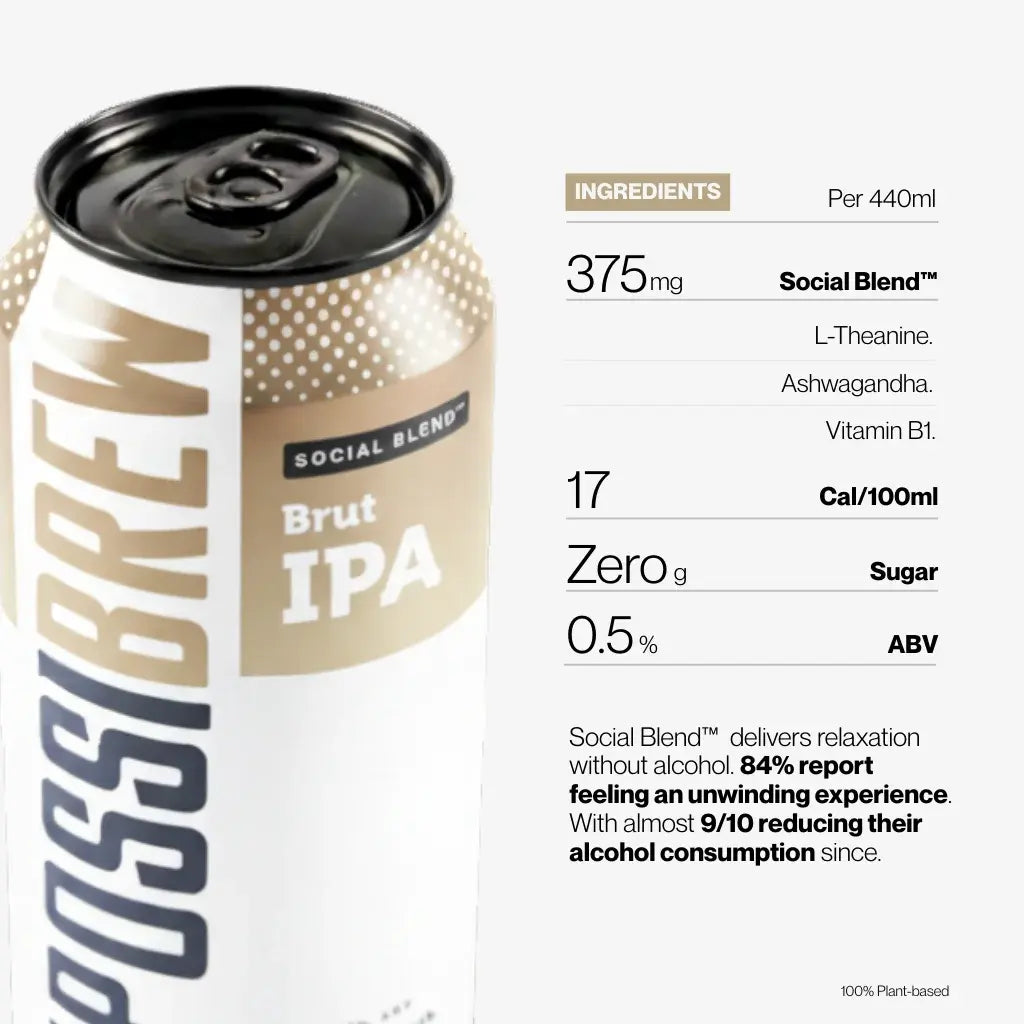
Functional ingredients work in various ways to promote mental clarity. For example, adaptogens like Ashwagandha and Rhodiola Rosea help the body manage stress and return to balance. Research shows that Rhodiola Rosea can improve stress resilience and reduce burnout symptoms [19][20].
Nootropics take a slightly different route. L-theanine, an amino acid found in green tea, enhances reaction time and memory while encouraging relaxation [19]. Meanwhile, Lion’s Mane supports neuroplasticity and stimulates Nerve Growth Factor (NGF), which is essential for brain health [19]. Unlike alcohol, these ingredients provide relaxation without causing drowsiness or affecting motor skills.
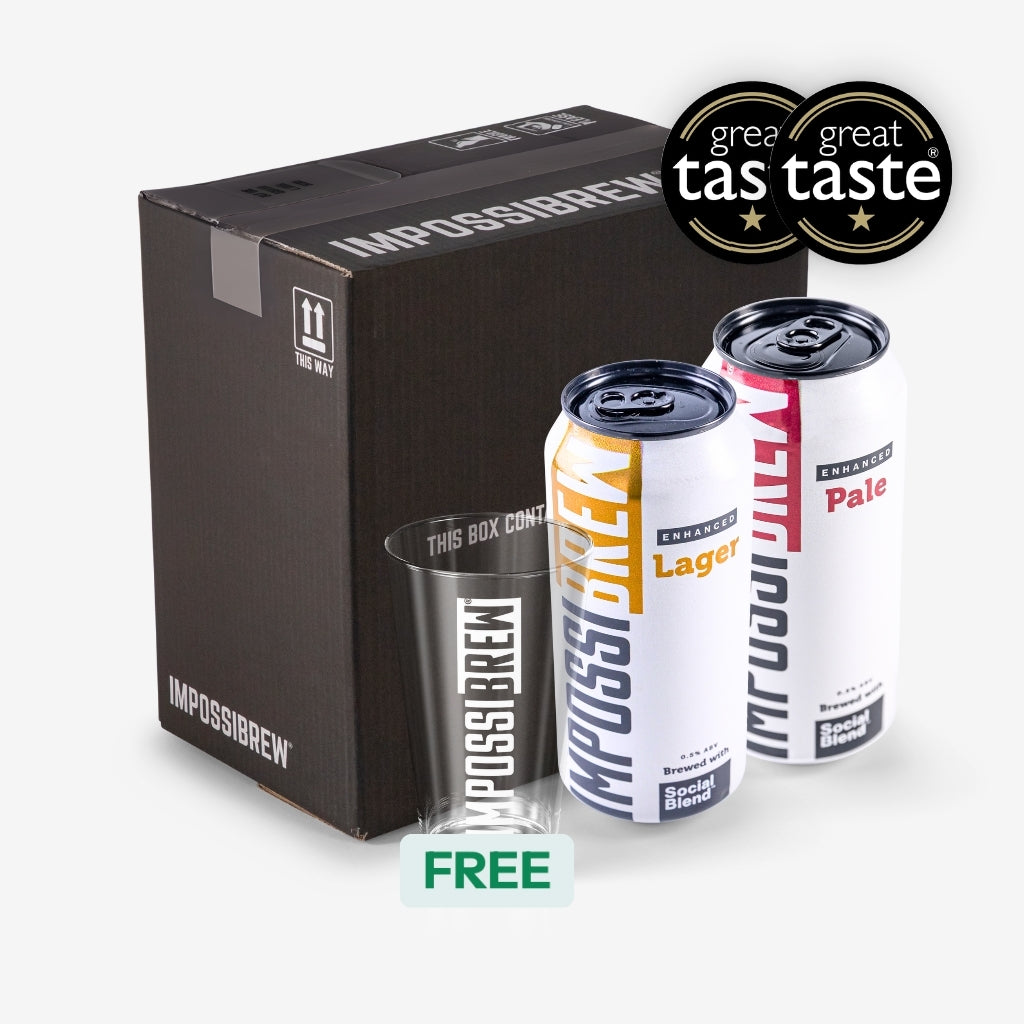
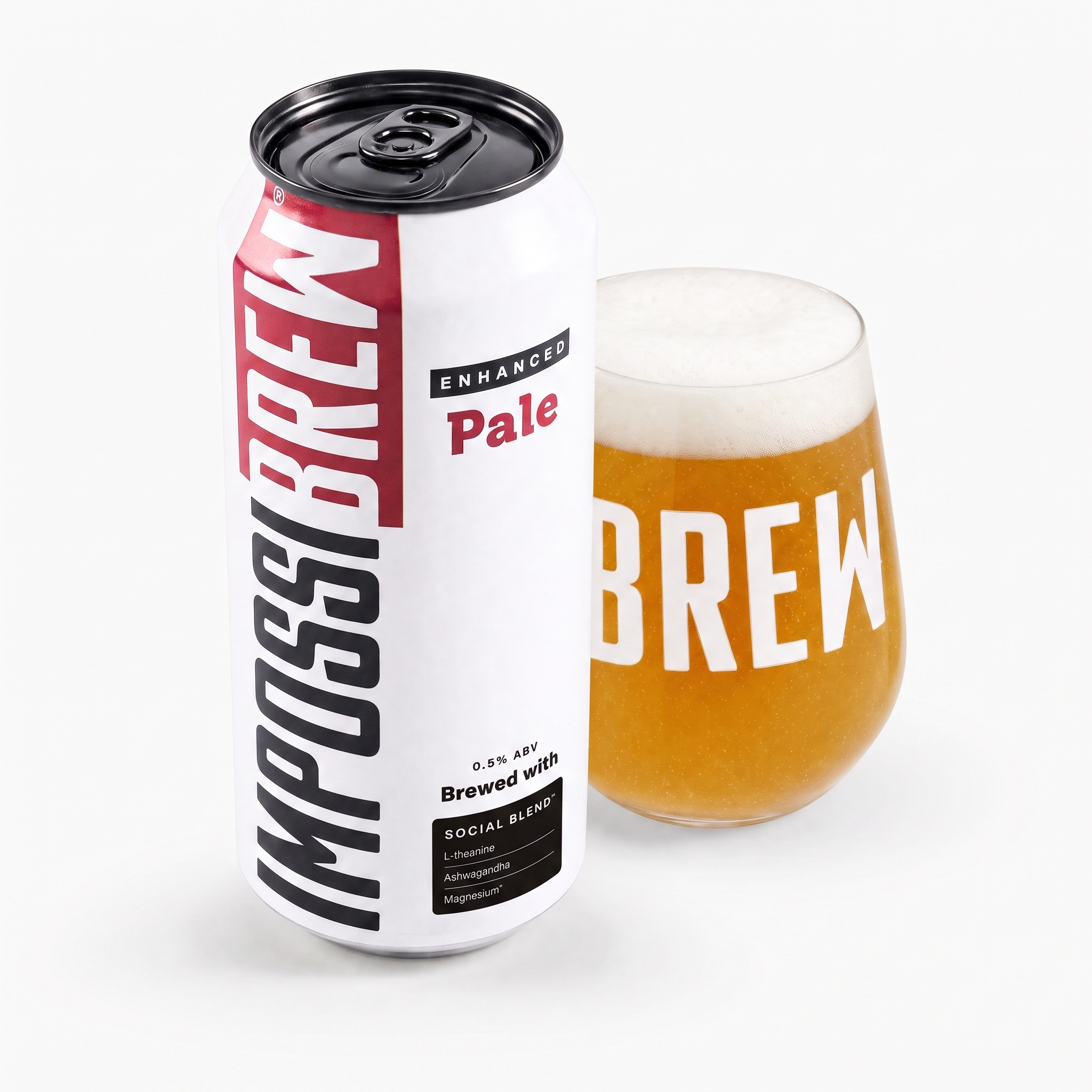
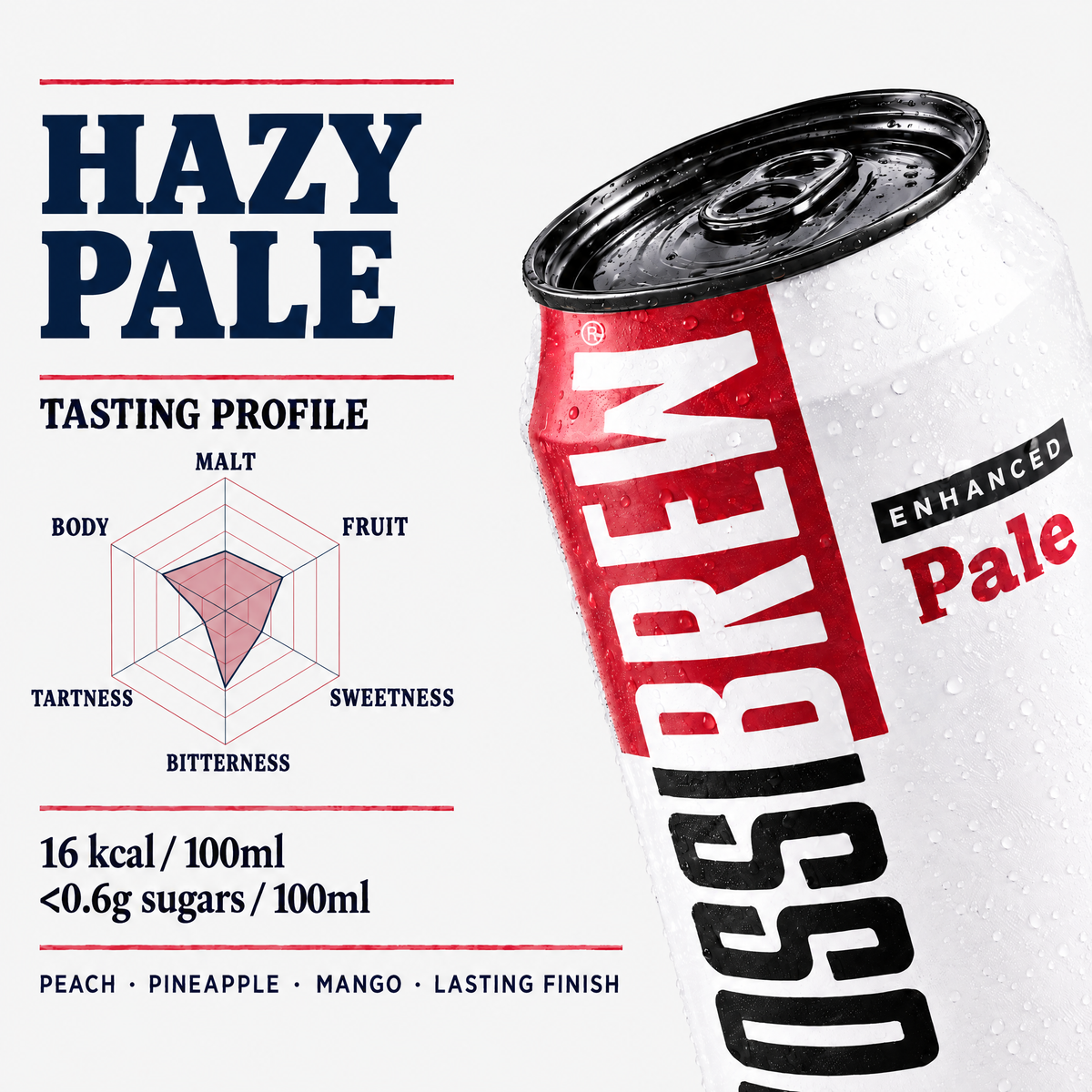
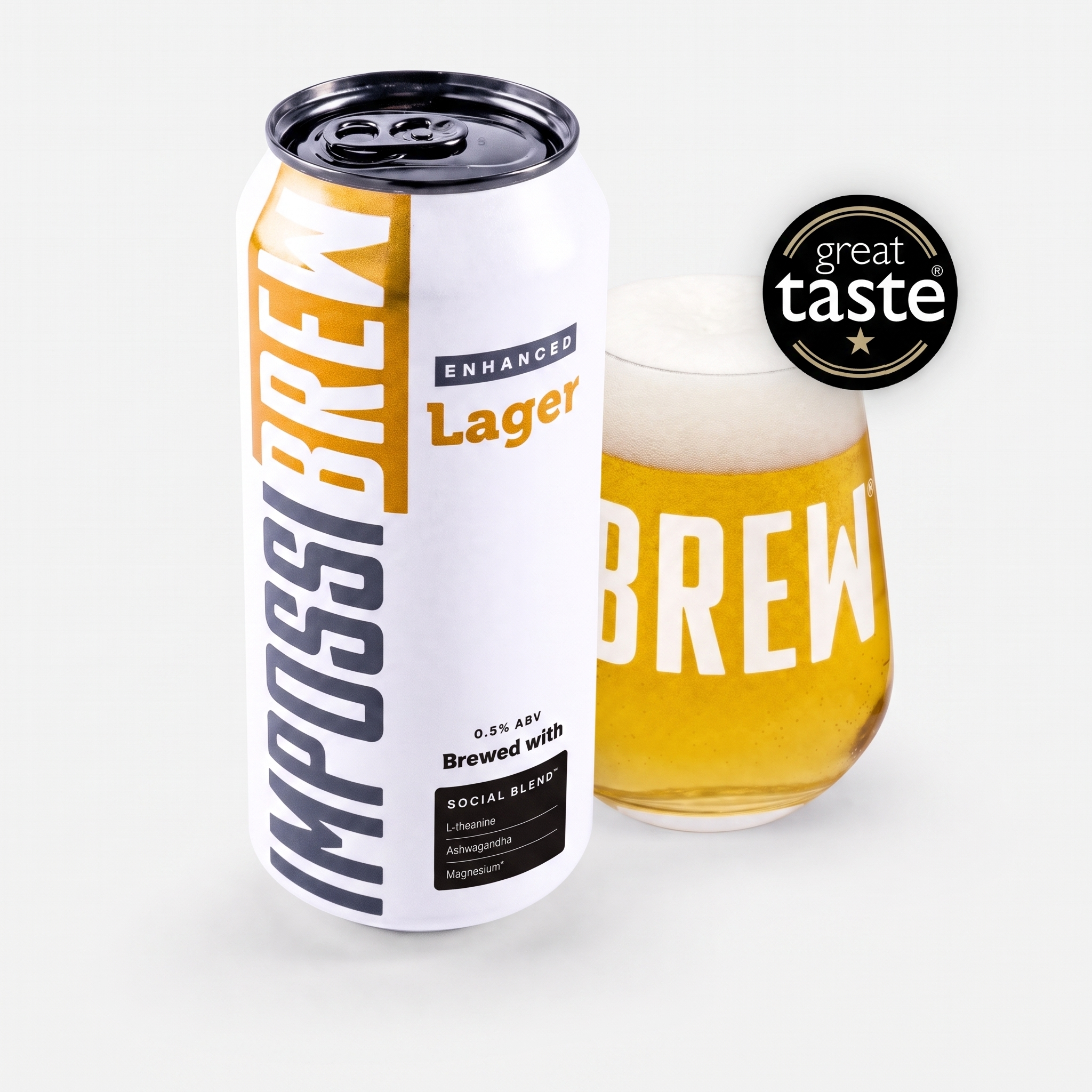
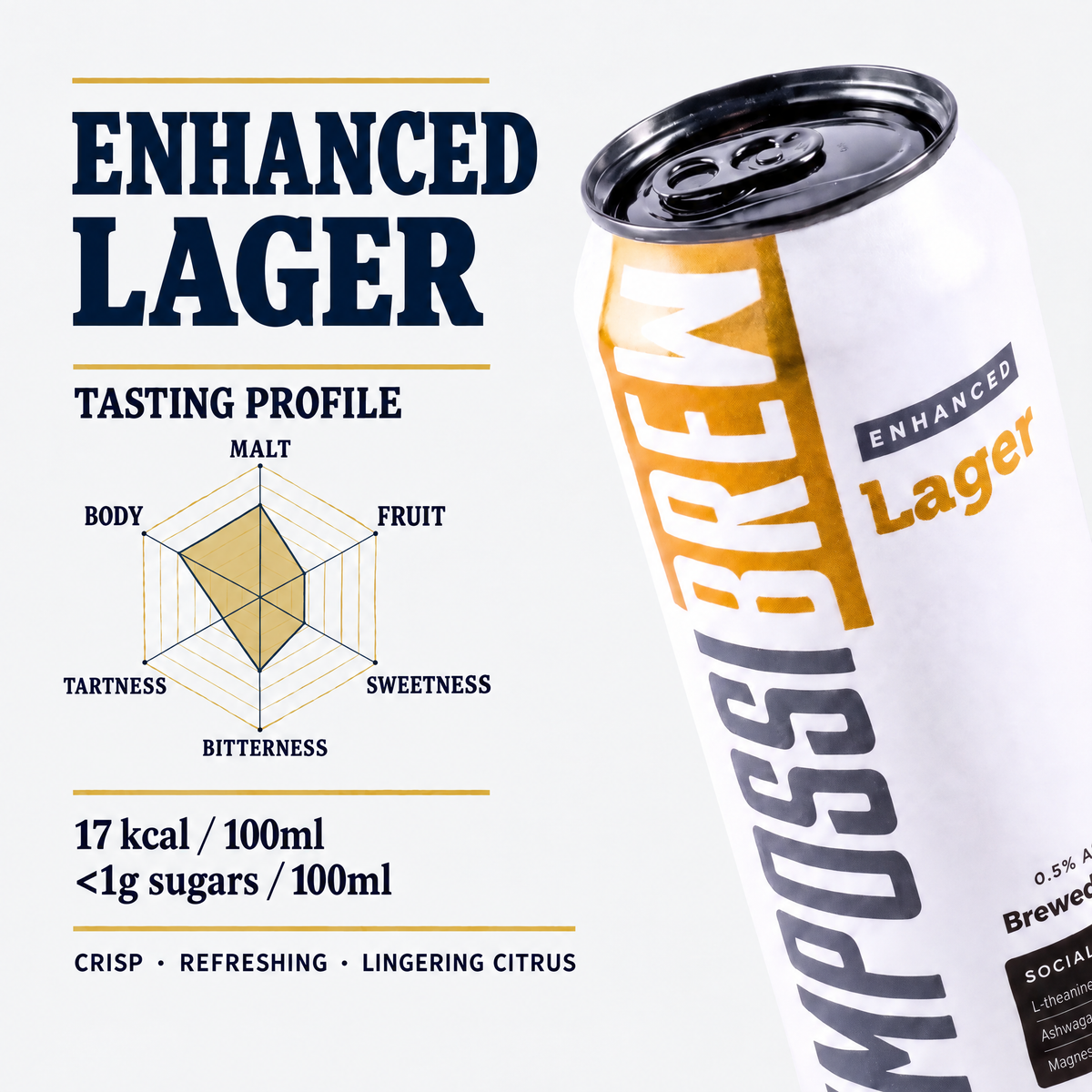
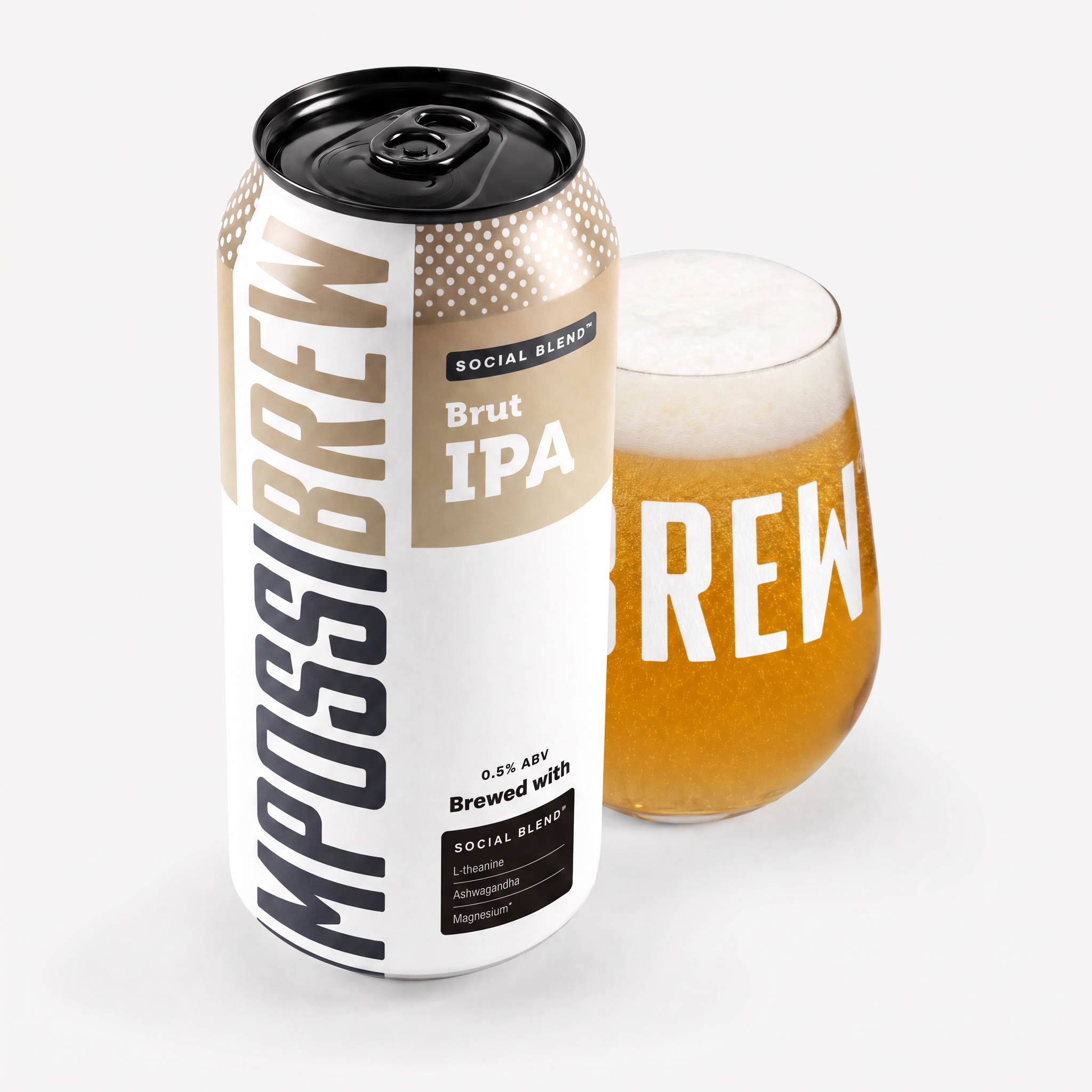
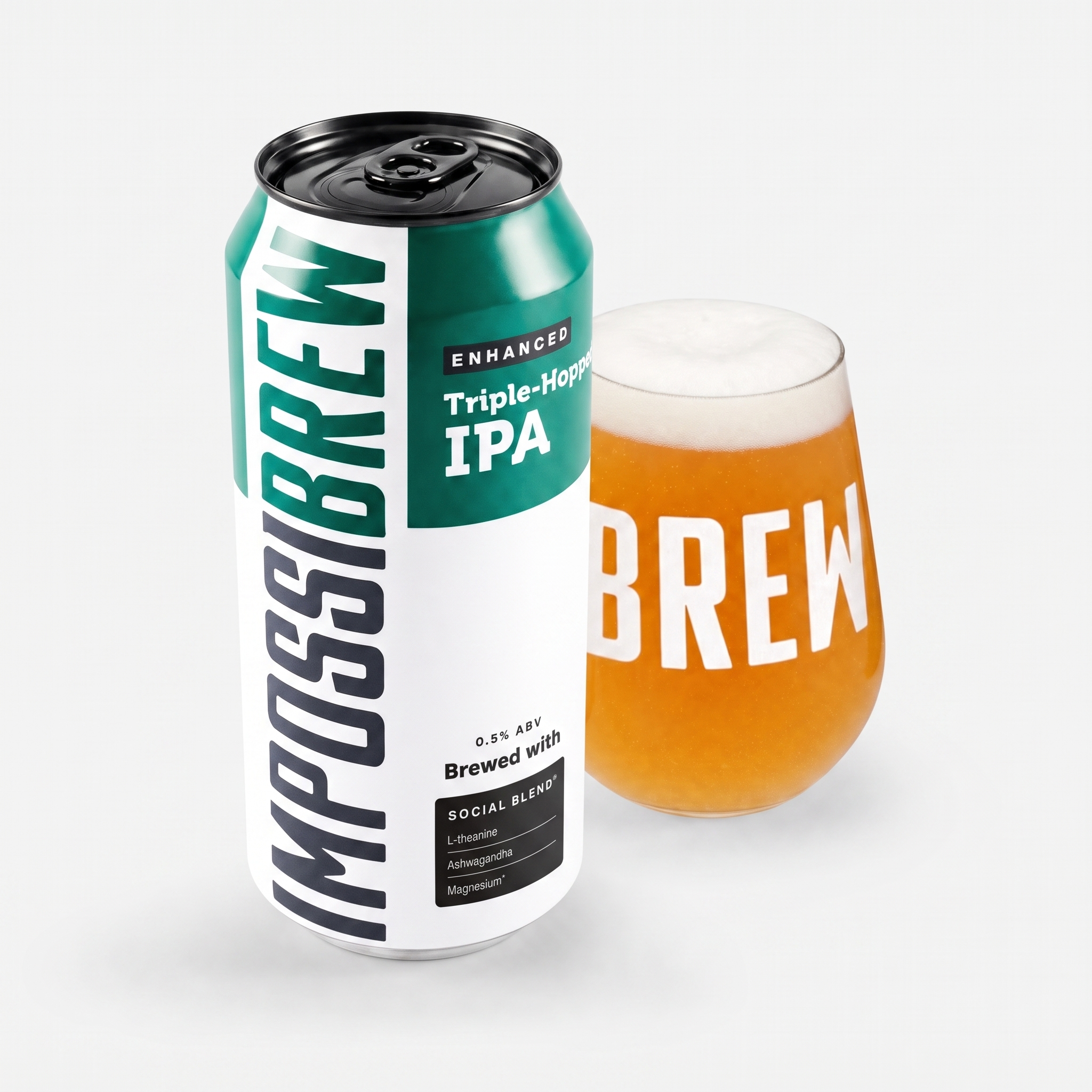
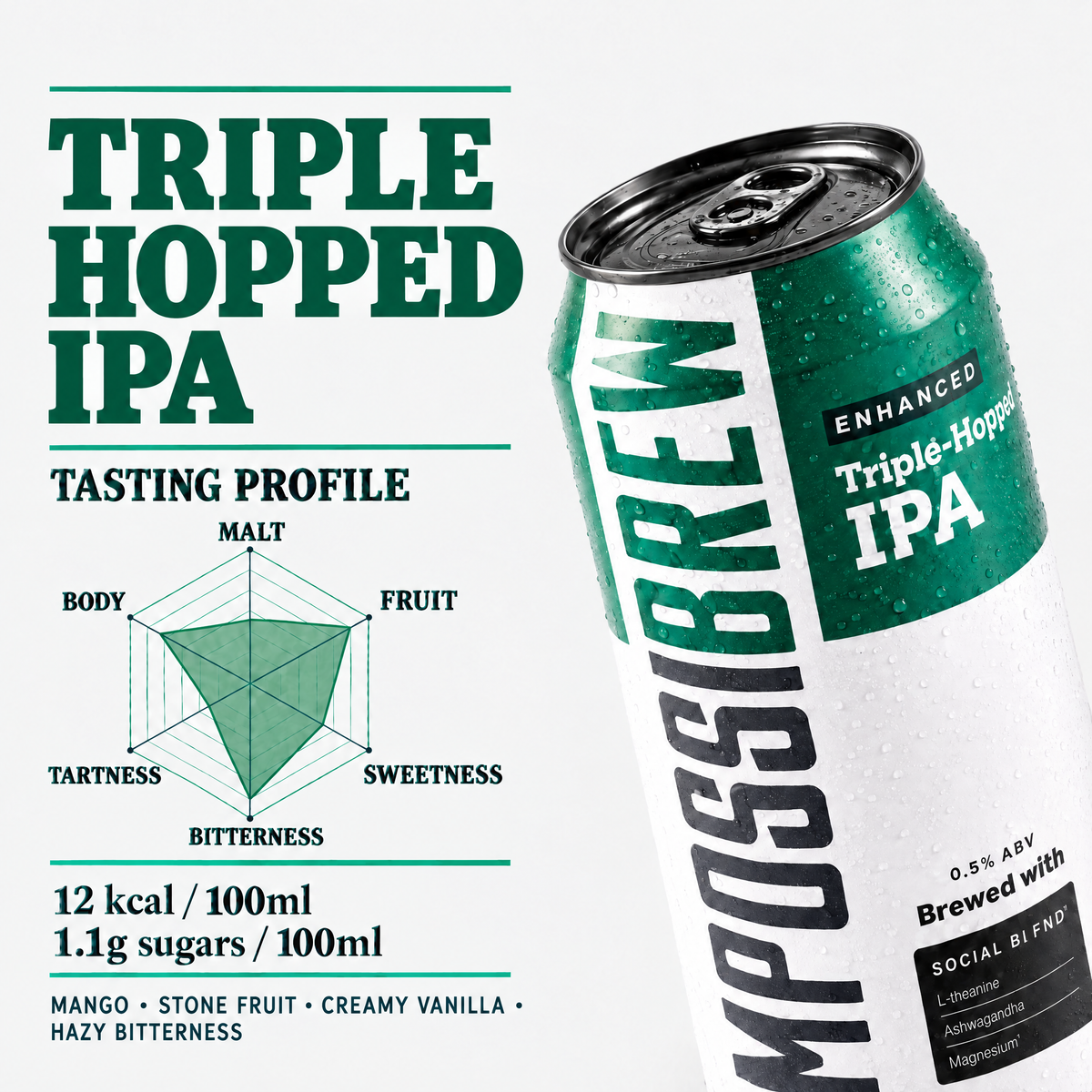
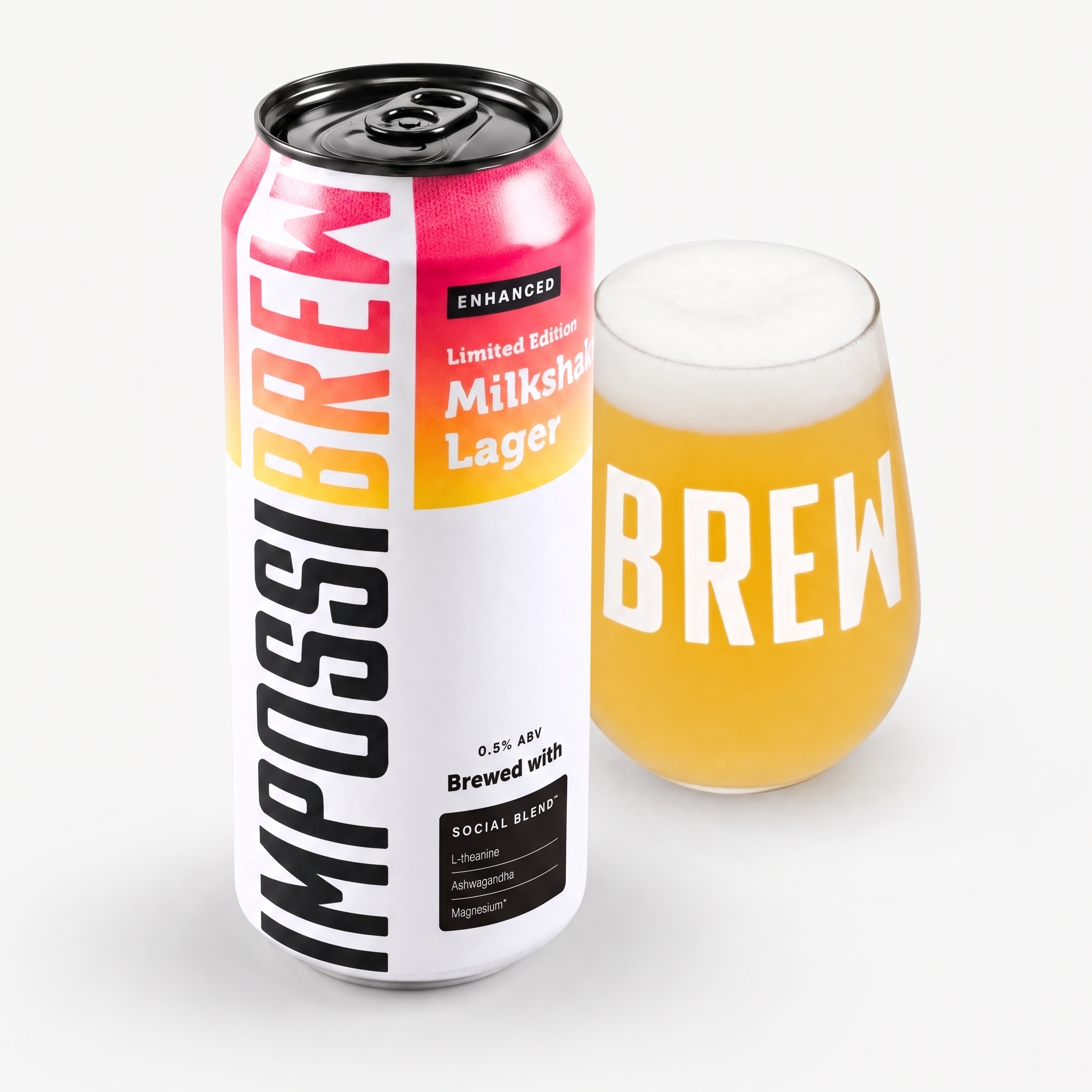
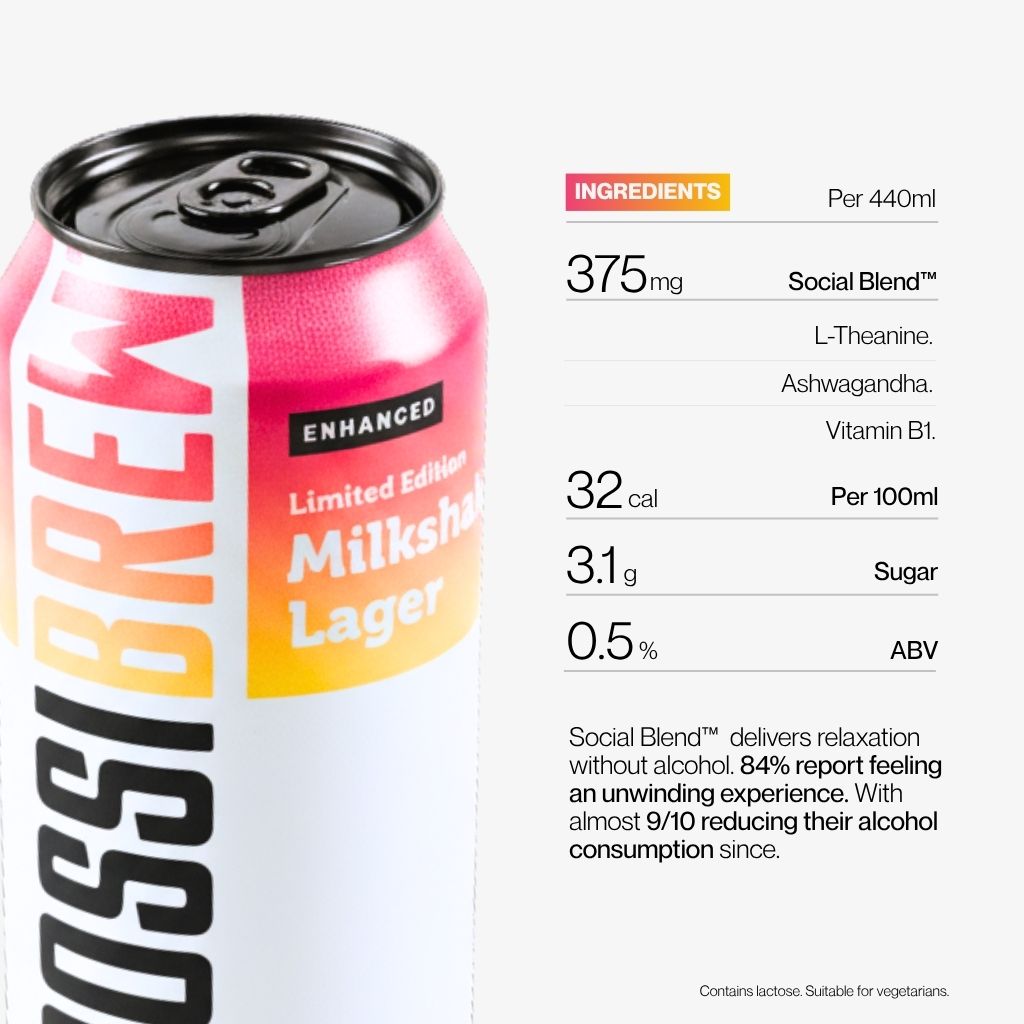
For an easy way to incorporate these functional ingredients, products like IMPOSSIBREW® Enhanced Lager and Enhanced Hazy Pale offer a convenient solution. Their proprietary Social Blend™ includes these brain-friendly components, delivering the familiar experience of a beer while supporting mental clarity - all for as little as £1.97 per can.
How to Make the Switch
Switching to non-alcoholic options can be simple and rewarding. Replace your usual drink with a functional beverage in familiar settings, whether you’re unwinding after work or catching up with friends. The beer-like format of these drinks can help satisfy the psychological habit of "winding down" [21].
When choosing a beverage, consider your goals. For relaxation, look for ingredients like L-theanine or Ashwagandha. If you’re aiming for focus, opt for Lion’s Mane or Bacopa Monnieri [21]. While some ingredients, like L-theanine, work quickly, others - such as Lion’s Mane - may take a week or two of consistent use to show noticeable cognitive benefits [21].
Incorporating functional ingredients into your daily routine can help sustain mental clarity over time. As noted by the Cleveland Clinic:
"Adaptogens bring your body back to a steady balance by managing both physical and mental stressors" [20].
Regular use of these ingredients can help you build mental resilience, supporting your journey from recovery to long-term cognitive health.
Conclusion: Protecting Your Cognitive Health
Studies reveal that even moderate alcohol consumption can lead to measurable brain ageing and cognitive decline [1][11]. Once consumed, alcohol reaches your brain in just five minutes [6], and up to half of those with alcohol use disorders experience noticeable cognitive and motor impairments [1].
To keep your brain in top shape, focus on the essentials: 7 to 9 hours of quality sleep each night, a diet packed with omega-3 fatty acids and antioxidants, and at least 150 minutes of moderate exercise every week [22]. According to Jacqueline Becker, Ph.D., Neuropsychologist at Icahn School of Medicine at Mount Sinai, getting enough sleep is critical, as it helps refresh and restore cognitive function [22].
The encouraging news? Your brain is capable of healing. Research shows that damaged areas of the brain can begin to recover after several months of complete abstinence from alcohol. However, the degree of recovery depends on factors like age and how long alcohol use persisted [1][11]. By making healthier lifestyle choices, you can build on this natural recovery process and further support your cognitive health. Behavioural adjustments, paired with alternatives such as non-alcoholic functional beverages, can make a real difference.
Functional beverages offer a convenient and enjoyable way to maintain your social life while looking after your mental clarity. Options like IMPOSSIBREW® Enhanced Lager and Enhanced Hazy Pale, starting at just £1.97 per can, combine flavour with brain-friendly benefits. Supporting your cognitive health doesn’t mean giving up - it’s about finding smarter, healthier choices.
FAQs
How does drinking alcohol cause brain fog?
Alcohol can cause brain fog by disrupting the brain's natural processes and balance. When consumed, alcohol boosts the activity of GABA - a neurotransmitter that promotes relaxation - while simultaneously suppressing glutamate, which is responsible for stimulating brain activity. This combination slows down mental processes, leading to reduced alertness and clarity. On top of that, alcohol interferes with the brain’s ability to utilise glucose, its main energy source, which is crucial for sharp thinking and memory retention.
If drinking becomes frequent or excessive, the damage can extend beyond short-term effects. Over time, heavy alcohol use has been associated with brain shrinkage, particularly in regions that control memory and decision-making. It can also lead to inflammation and oxidative stress, both of which harm brain cells and contribute to the sluggish, foggy sensation many feel after drinking. These combined effects are what create the mental cloudiness often described as brain fog.
Can alcohol-related brain fog be reversed, and what helps recovery?
Yes, alcohol-related brain fog can often be reversed, especially when drinking is stopped, allowing the brain time to recover. Thanks to the brain's natural ability to heal, many issues like trouble concentrating, memory problems, and sluggish thinking tend to improve within weeks or months. The speed of recovery depends on how much and how long alcohol was consumed. While some damage might take longer to repair, quitting alcohol and taking proper care can stop further harm and encourage healing.
Here are some steps to help recovery:
- Cut back or stop drinking entirely: UK guidelines suggest limiting alcohol to no more than 14 units per week.
- Focus on good nutrition: Include foods rich in thiamine, like whole grains, legumes, and pork, or consider a vitamin B-complex supplement.
- Stay active and prioritise rest: Aim for 30 minutes of brisk walking most days and 7–9 hours of sleep each night.
- Stay hydrated: Dehydration can make brain fog worse, so drinking enough water is essential.
- Try non-alcoholic functional drinks: These may include ingredients like adaptogens or electrolytes to help with mental clarity.
By making these changes - and seeking professional support if needed - most people experience clearer thinking and better cognitive function within weeks, with continued progress over time.
How can I reduce the risk of brain fog caused by alcohol?
To keep alcohol-related brain fog at bay, one of the most effective steps is to limit your drinking. Studies show that even moderate alcohol consumption - between 14 and 21 units per week - can increase the chances of cognitive problems. Drinking over 30 units weekly pushes the risk even higher. In the UK, one unit is equal to 10 ml of pure alcohol. Aiming for less than 7 units per week (around 70 ml of pure alcohol) is a safer choice to help maintain mental sharpness.
Beyond cutting back on alcohol, adopting healthier lifestyle habits can provide extra protection for your brain. These include:
- Staying hydrated: Drink 2–3 litres of water each day to support overall brain function.
- Prioritising quality sleep: Aim for 7–9 hours of restful sleep every night.
- Staying active: Regular physical activity, like brisk walking or cycling for 30 minutes most days, can boost cognitive health.
- Eating a balanced diet: Focus on foods rich in omega-3 fatty acids and B-vitamins, which are known to support brain health.
- Opting for non-alcoholic drinks: Choose functional, alcohol-free beverages during social events to reduce alcohol intake without missing out on the experience.
By combining reduced alcohol consumption with these simple yet effective lifestyle changes, you can help ward off brain fog, sharpen your memory, and improve your overall mental clarity.