Non-alcoholic beer is growing fast, but keeping its flavor stable is tough. Here's why:
- Market Growth: Expected to reach $43.9B by 2034, with a 7.9% CAGR from 2024-2034.
- Flavor Issues: Lacks alcohol's natural preservative, leading to chemical changes, storage challenges, and taste inconsistencies.
-
Key Problems:
- Chemical Changes: Compounds like aldehydes cause "cardboard" flavors.
- Storage Effects: High temperatures and oxygen exposure speed up staling.
- Taste Challenges: Risks of spoilage and inconsistent profiles due to residual sugars and microbial growth.
-
Solutions:
- Use advanced brewing methods (e.g., cold contact fermentation, special yeast strains).
- Select high-quality raw materials like low-lipoxygenase barley.
- Optimize production with better packaging, enzyme applications, and microbial stabilization.
Brewers must adopt modern techniques and strict quality control to meet rising demand for flavorful non-alcoholic beers. Keep reading for detailed strategies and success stories.
Improve your beer quality control
Main Flavor Stability Issues
Non-alcoholic beer faces unique challenges in maintaining flavor stability, primarily because it lacks alcohol's natural preservative qualities. Let's break down the key issues: chemical changes, storage effects, and taste profile inconsistencies.
Chemical Changes
Beer flavor is influenced by a complex mix of 600–700 compounds . Among these, certain chemical changes can significantly impact taste:
| Compound Type | Impact on Flavor | Detection Threshold |
|---|---|---|
| Aldehydes | Cardboard-like taste (E-2-nonenal) | As low as 0.1 ppb |
| Ketones | Sweet, fruity notes | Varies by compound |
| Heterocyclic compounds | Caramel, burnt sugar notes | Depends on the compound |
Experts Charles W. Bamforth and Aldo Lentini highlight the difficulty of maintaining flavor stability:
"Perhaps the biggest remaining quality challenge for brewers is the achievement of flavor stability. Achieving flavor stability is a major challenge, especially as what happens to the beer in between packaging and consumption is often out of the control of the brewer."
These chemical shifts often worsen during storage, compounding the problem.
Storage Effects
Temperature and oxygen exposure play a major role in how non-alcoholic beer ages. For example, a 10°C increase in storage temperature can speed up staling by two to three times . A study showed that beer stored at 37±1°C faced rapid flavor degradation:
- Furanic compounds: Developed 140 times faster
- Aldehydes: Formed 90 times faster
- Esters: Produced 20 times faster
Additionally, oxygen exposure - always present in air at 21% - is a major issue for non-alcoholic beers, which lack alcohol's protective qualities .
Storage conditions, especially temperature and oxygen levels, are critical to preserving the beer's intended taste.
Taste Profile Challenges
Maintaining a consistent flavor in non-alcoholic beer is no easy task. These beers face several sensory issues:
- Higher microbial risks due to the absence of alcohol's antimicrobial properties
- Residual sugars from incomplete fermentation increase the chances of spoilage
- Variability in aging behaviors makes it harder to ensure flavor consistency
To address these issues, brewers must adopt strict quality control practices, including reducing oxygen exposure and ensuring reliable cold storage .
sbb-itb-a752bf8
Solutions for Better Flavor Stability
Maintaining flavor stability in non-alcoholic beer requires a combination of modern brewing techniques, careful raw material selection, and advanced production methods.
Modern Brewing Methods
Cold contact fermentation (CCF) has become a popular method for improving flavor stability. By controlling yeast activity at lower temperatures, CCF produces favorable higher alcohols and esters while minimizing unwanted worty flavors .
Here are some specialized brewing techniques and their key points:
| Method | Benefits | Challenges |
|---|---|---|
| Membrane Dealcoholization | Precisely separates alcohol while retaining flavor | High upfront costs and requires expertise |
| Arrested Fermentation | Easier for craft breweries and uses natural processes | Demands strict temperature control |
| Limited Fermentation | Boosts flavor development and is cost-efficient | Needs specific yeast strains |
Brewers are also exploring alternative yeast strains like Pichia kluyveri and Hanseniaspora uvarum, which produce minimal ethanol but generate desirable flavor compounds .
Escarpment Labs has introduced a specialized yeast for non-alcoholic beer:
"NAY is our maltose-negative yeast that makes brewing non-alcoholic beers easier." - Escarpment Labs
These brewing approaches are paving the way for further advancements in materials and production.
Raw Material Selection
The quality of raw materials plays a big role in flavor stability. For instance, Carlsberg Research Laboratory has developed low-lipoxygenase barley cultivars that reduce E-2-nonenal levels, a compound linked to flavor deterioration .
Key practices for better flavor stability include:
- Choosing barley varieties rich in natural antioxidants.
- Using specialty malts made under controlled kilning conditions.
- Timing hop additions before the end of wort boiling.
- Incorporating hop oils to prevent "hop creep" .
For non-alcoholic beer, achieving an original gravity of 4.0–7.5 wt.% with 25–30% fermentability helps create a stable and consistent flavor profile .
New Production Methods
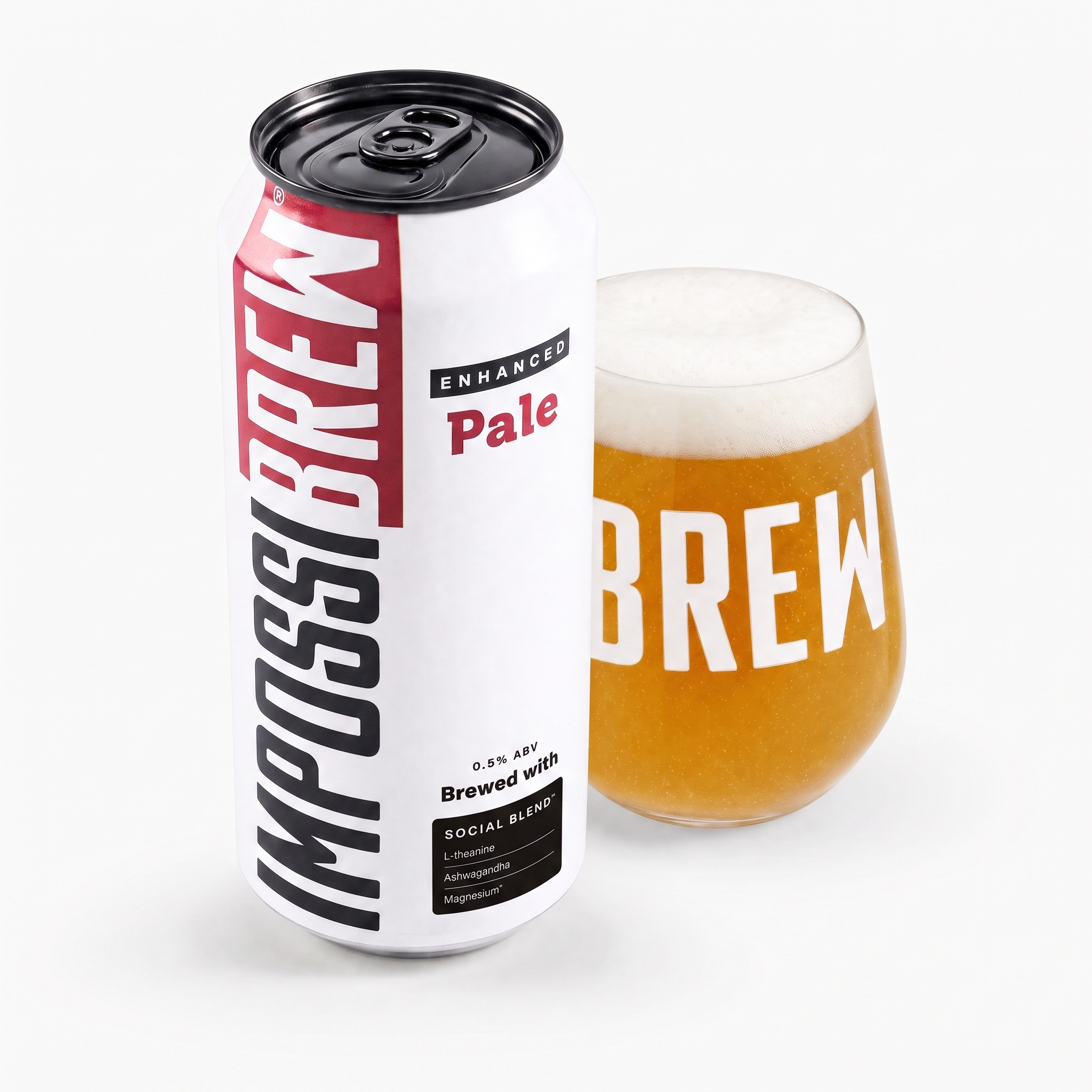
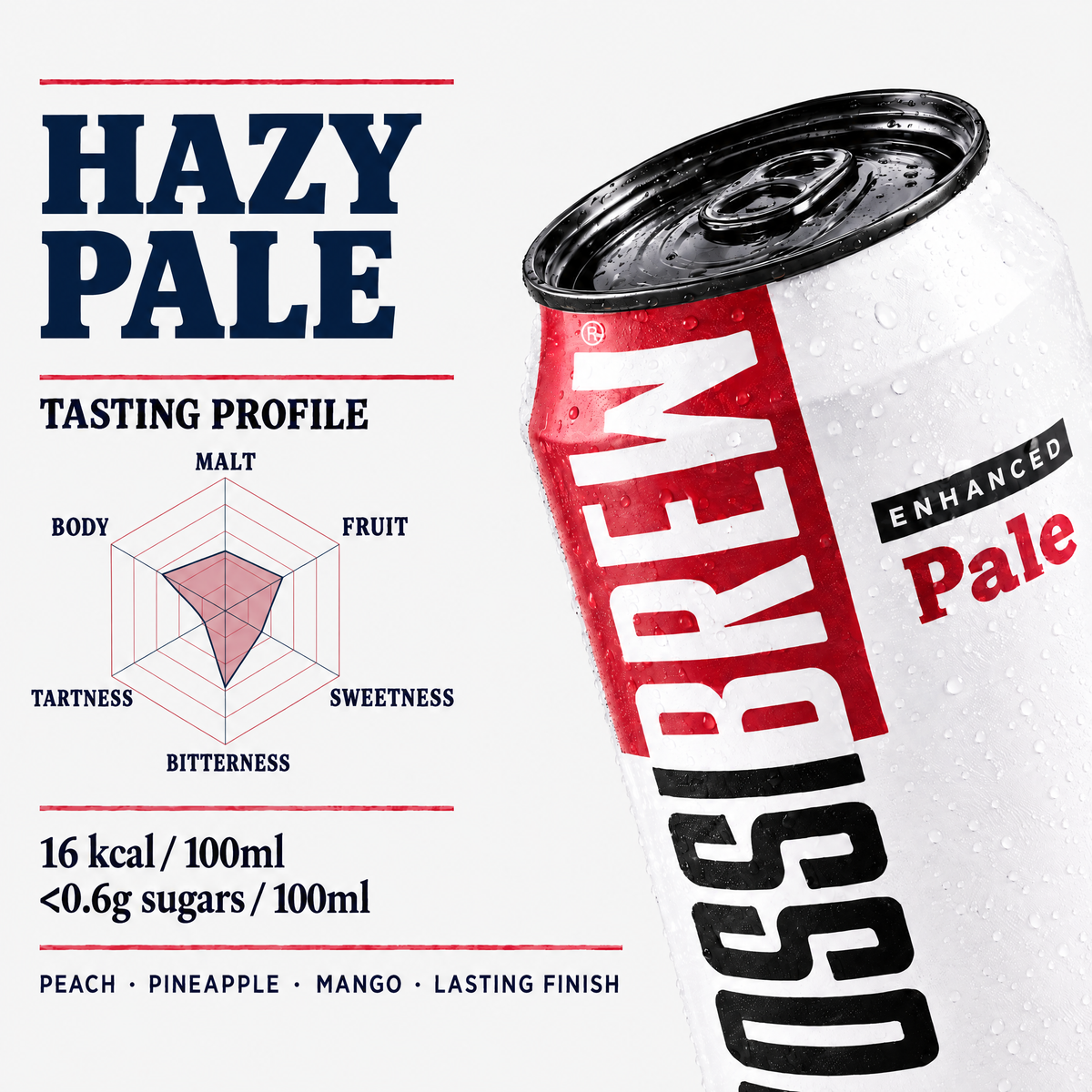
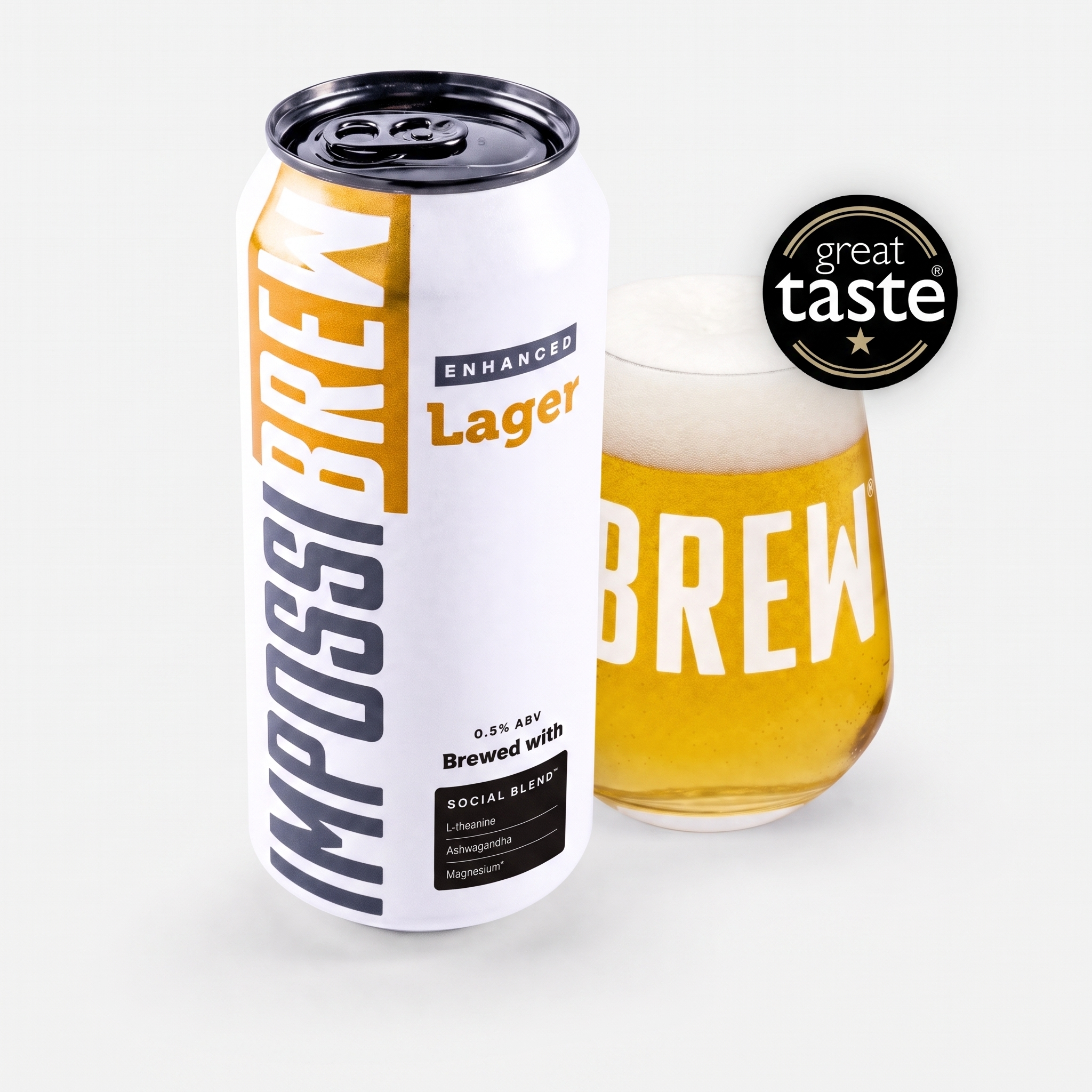
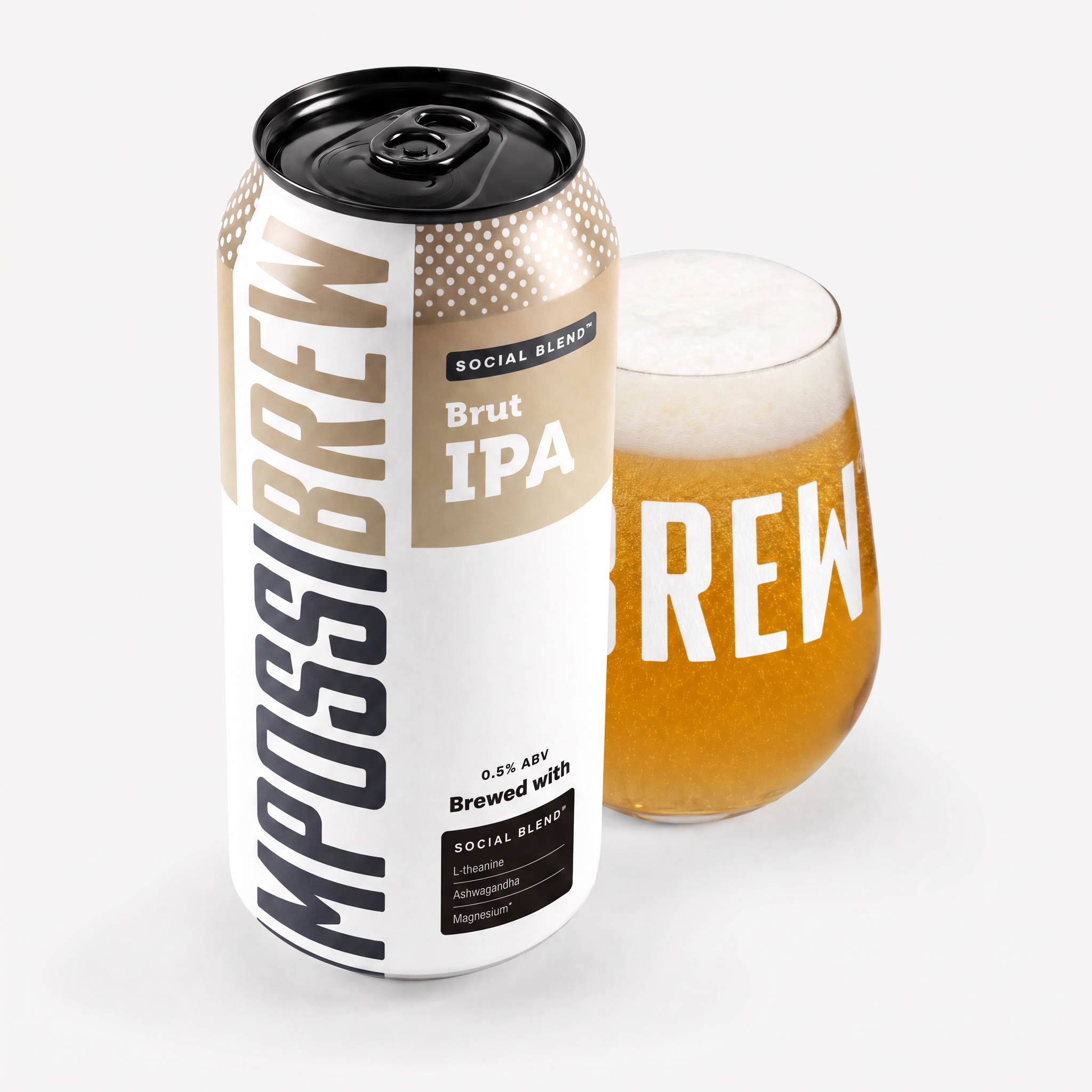
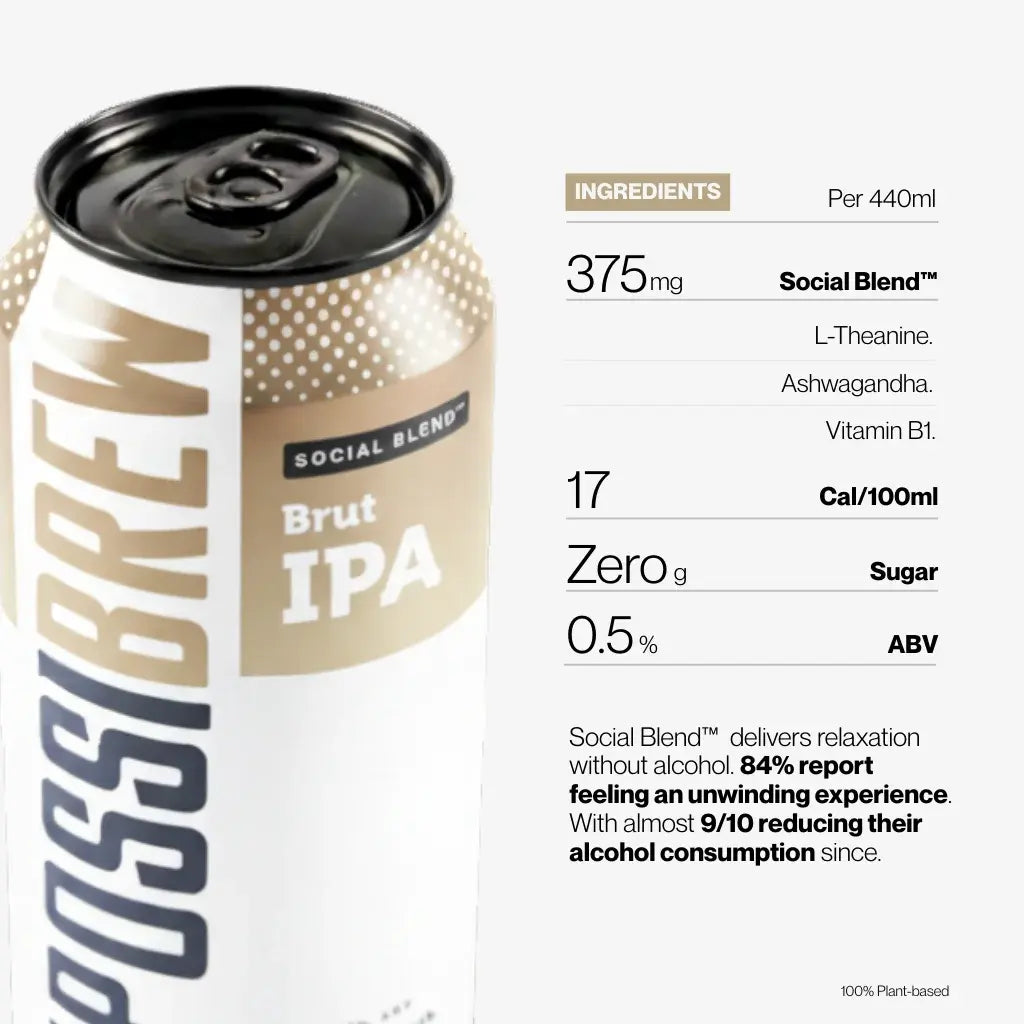
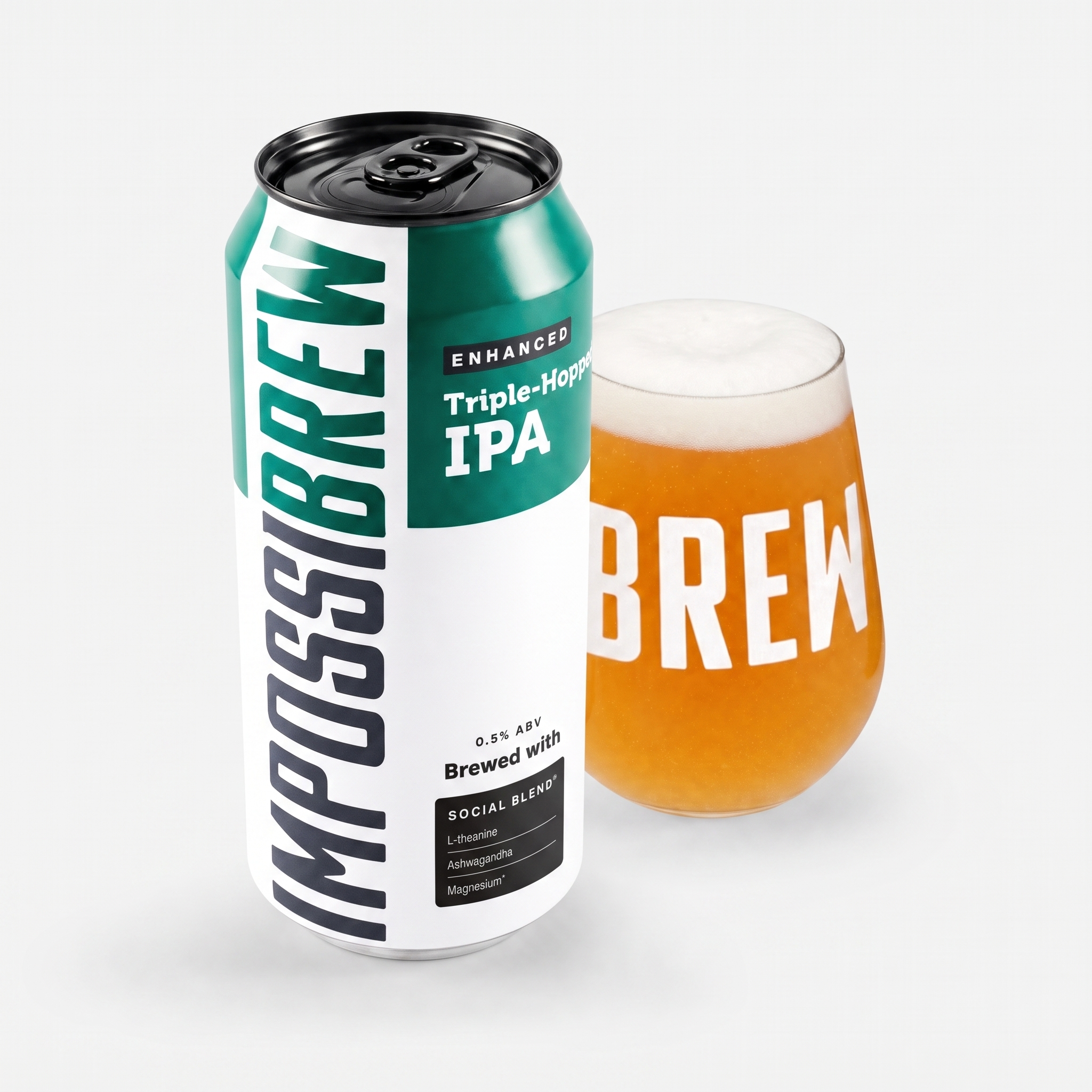
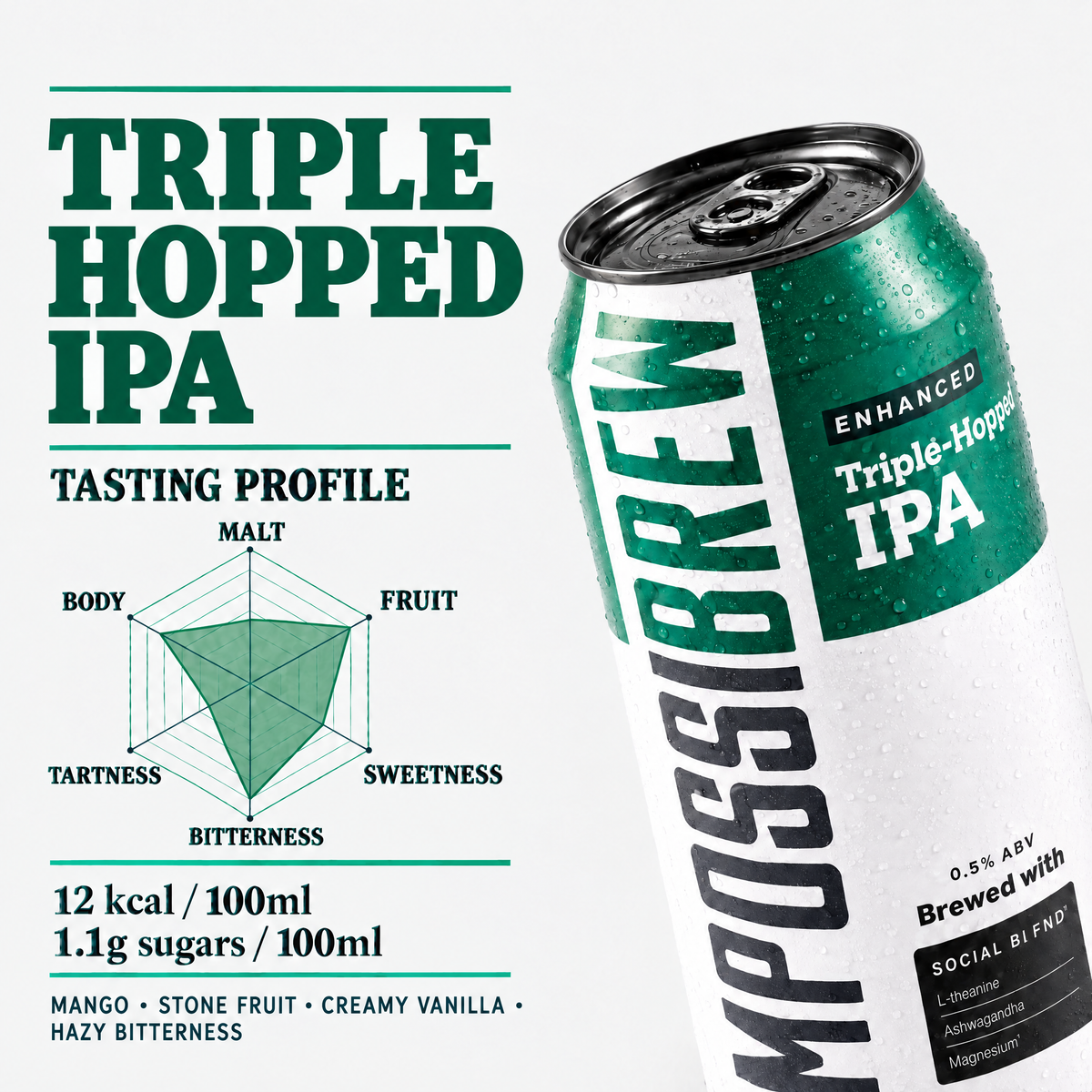
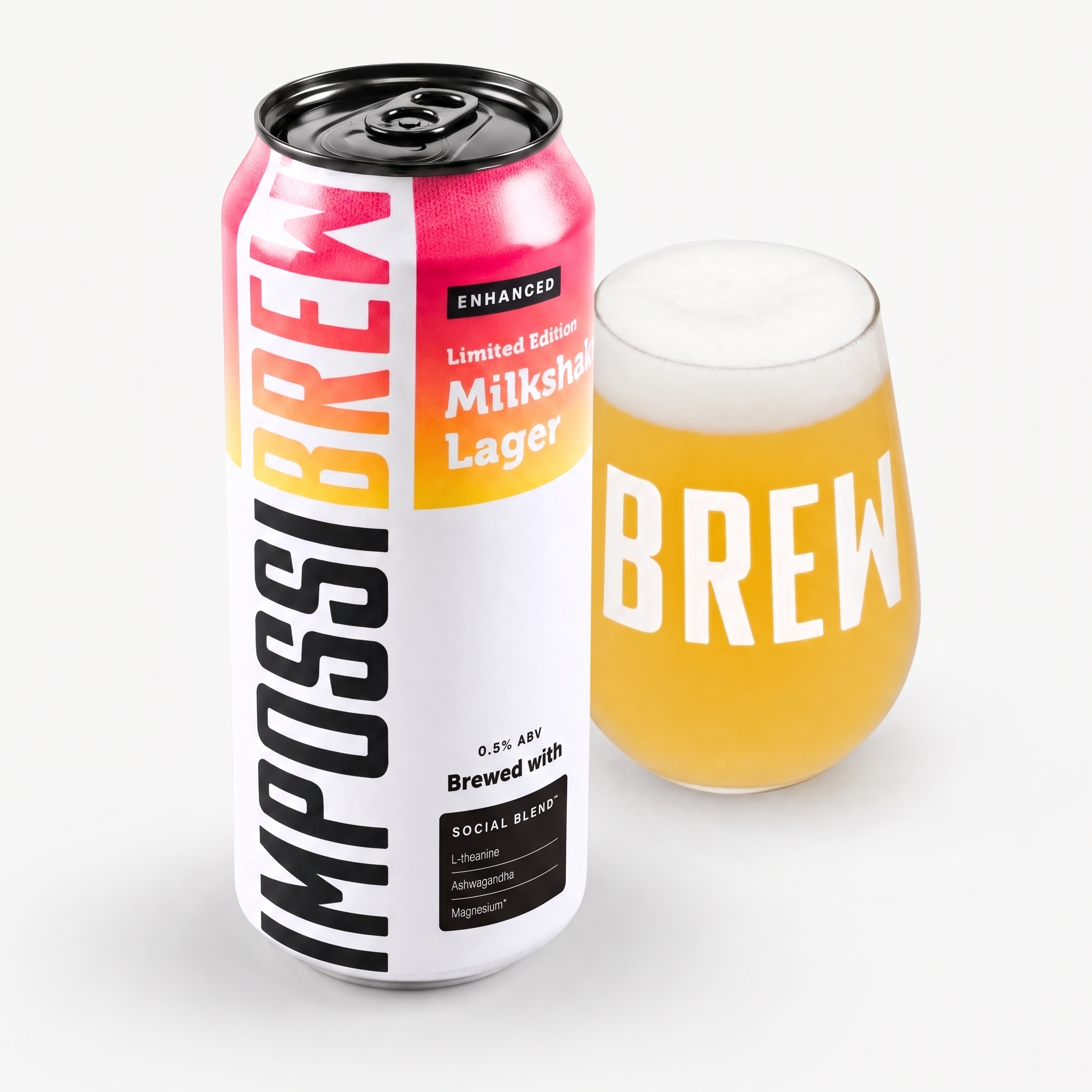
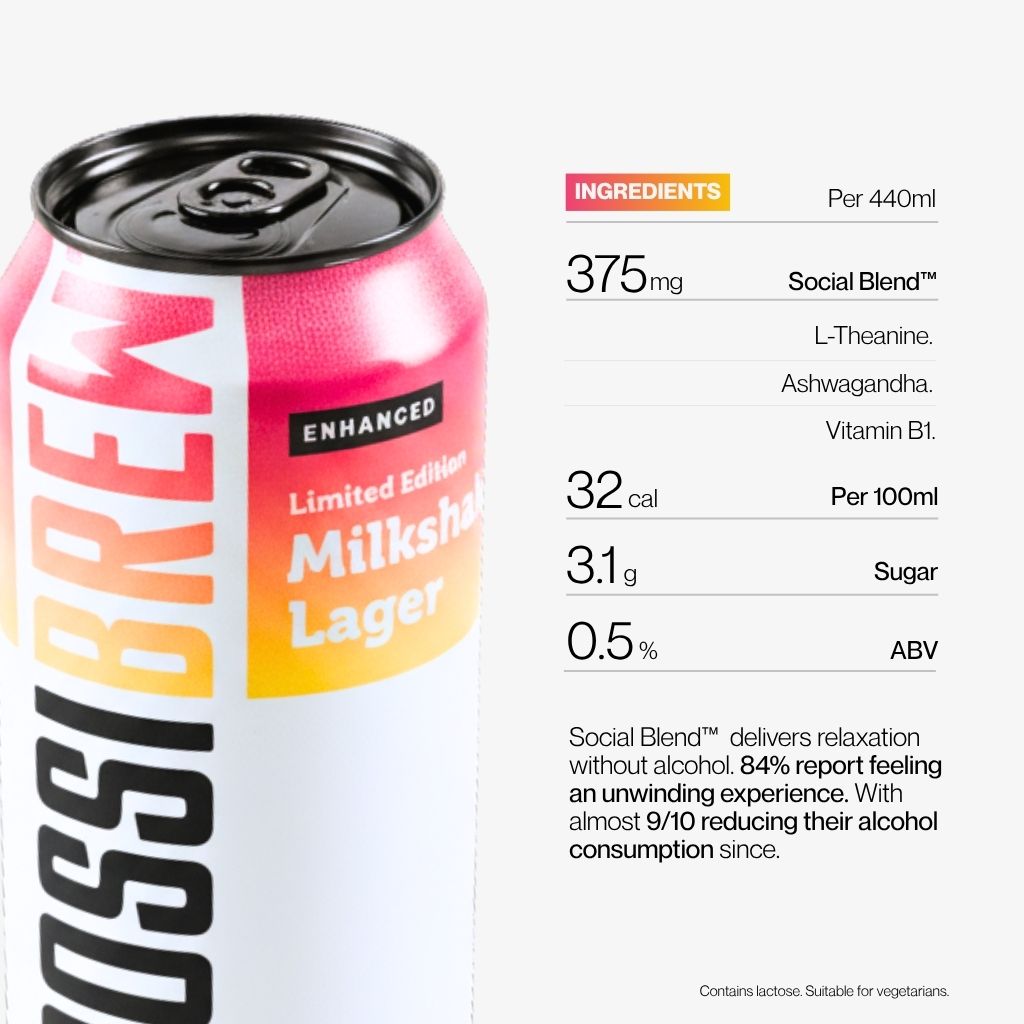
In addition to raw materials, modern production techniques ensure consistent flavor profiles. IMPOSSIBREW® demonstrates this with its proprietary Social Blend™ technology, designed to maintain traditional beer flavors without alcohol.
Key considerations for production include:
-
Microbial Stabilization
Pasteurization or filtration helps prevent unwanted fermentation and keeps flavors consistent . -
Enzyme Applications
Proteases and lipases can fine-tune and stabilize flavor compounds, offering better control over the beer's taste . -
Storage Optimization
Advanced packaging, like crown cork liners with low oxygen permeability, helps preserve flavor during storage .
Additionally, modified mashing techniques now allow brewers to limit starch conversion into fermentable sugars, offering more control over the final product's flavor . The industry continues to explore new ways to enhance flavor stability while meeting consumer expectations.
Success Stories
Modern production techniques have made it possible to maintain flavor stability in non-alcoholic beers, offering a better experience for consumers.
IMPOSSIBREW® Production Methods
IMPOSSIBREW® has refined its brewing process by combining advanced methods and careful raw material selection. Using their proprietary Social Blend™ technology, they ensure consistent and appealing flavor profiles:
| Production Focus | Stability Approach | Outcome |
|---|---|---|
| Traditional Brewing | Controlled fermentation | Consistent base flavors |
| Social Blend™ Integration | Proprietary technology | Improved mouthfeel and stability |
| Quality Control | Strict ingredient selection | Reliable flavor reproduction |
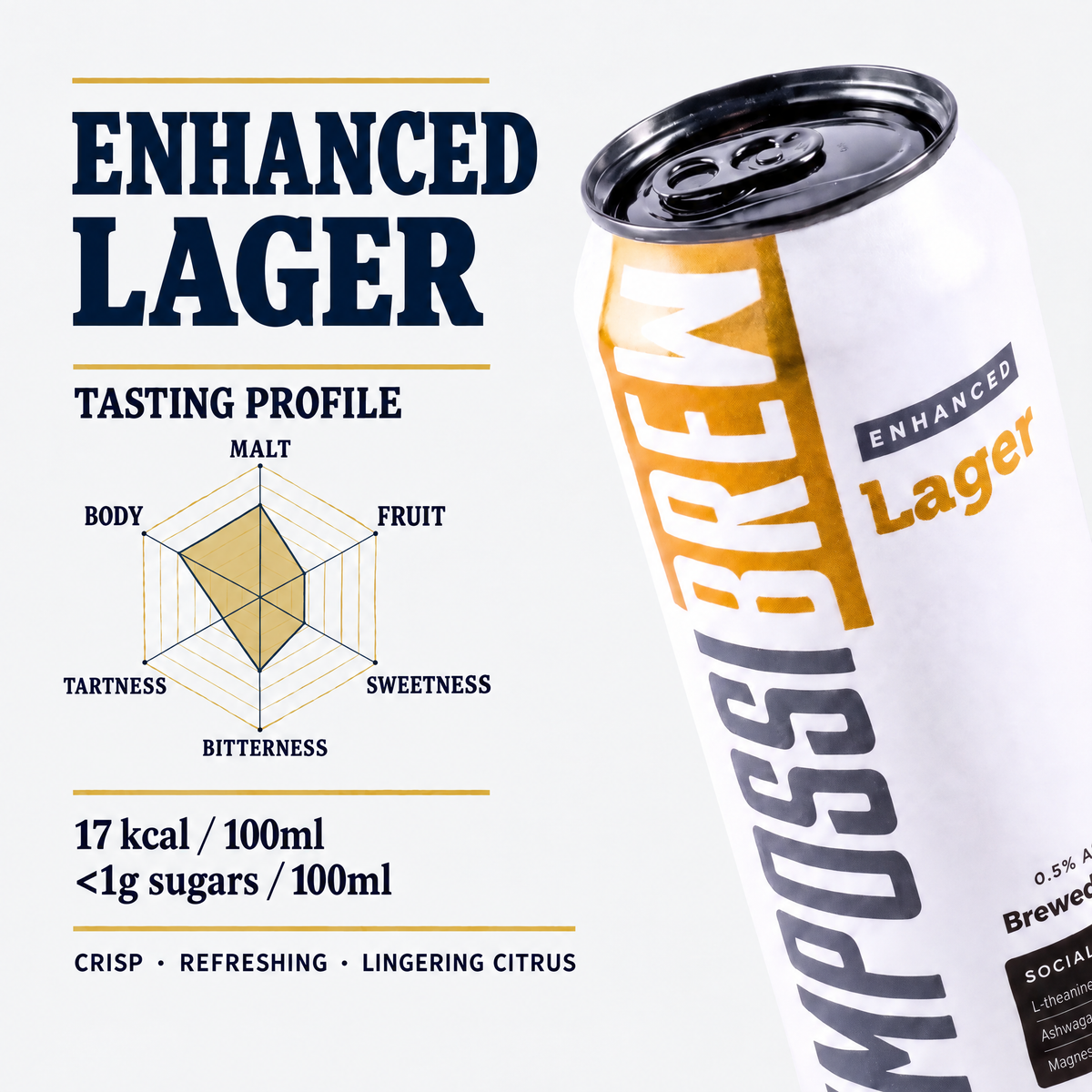
Their Enhanced Lager and Enhanced Pale Ale showcase how fine-tuned production can result in stable, flavorful non-alcoholic beers. Other companies are also employing advanced methods to maintain flavor consistency.
Industry Examples
Beyond IMPOSSIBREW®, other companies are leading the way in flavor preservation with cutting-edge techniques.
Solos (by Prodalim) uses patented aroma capture technology to restore key flavors after dealcoholization. Christian Nett, CEO of WEINGUT BERGDOLT-REIF & NETT, praised their collaboration:
"Our collaboration with Solos allowed us not only to expand our product portfolio but also to present to the market the best products in terms of taste and feel. We are happy and satisfied with the work with Solos that allows us to be market leaders in this segment."
B&D Nutritional Ingredients' Flava-malt™ technology is another standout, adopted by breweries like Mother Earth Brewing and Naked Brewing to ensure consistent flavor profiles .
Additionally, Centec GMBH and Solos have partnered to innovate dealcoholization processes using FlavoLogic, maintaining flavor integrity throughout production .
These advancements fall into three main strategies:
- Advanced Aroma Recovery: Capturing and reintroducing volatile compounds to retain key aromas.
- Ingredient Innovations: Using specialized malts and natural modifiers to enhance texture and flavor.
- Collaborative Development: Partnerships between equipment makers and flavor experts to refine production techniques.
These approaches highlight how the industry is evolving to deliver better-tasting non-alcoholic beverages.
Conclusion
Key Points Summary
Non-alcoholic beer faces tough obstacles, primarily due to chemical changes like T2N formation - where just one gram can ruin over 26 million gallons of beer - and the lack of ethanol, which affects aroma and removes the characteristic 'burn' . Research from the University of Copenhagen by Sotirios Kampranis and Simon Dusséaux highlights a breakthrough: using baker's yeast cells to produce monoterpenoids. This method dramatically reduces water use by 10,000 times and cuts CO₂ emissions by 100 times compared to traditional hop farming . These hurdles require science-driven solutions.
Industry Next Steps
Addressing these chemical and sensory issues is crucial. The market's growth - from $15.09 billion in 2020 to $16.65 billion in 2021 - shows the rising demand for non-alcoholic beer. To meet this demand, brewers must focus on precise processes, high-quality raw materials, and rigorous quality checks:
| Focus Area | Implementation Strategy | Expected Impact |
|---|---|---|
| Process Control | Cold sterile filtration, pH management (<4.2) | Better freshness and stability |
| Raw Materials | LOX‐less barley, specialized malt | 50× reduction in T2N compounds |
| Quality Assurance | Regular testing, strict contamination controls | Consistent flavor profiles |
Professor Sotirios Kampranis explains: "After years of research, we have found a way to produce a group of small molecules called monoterpenoids, which provide the hoppy‐flavor, and then add them to the beer at the end of the brewing process to give it back its lost flavor. No one has been able to do this before, so it's a game changer for non‐alcoholic beer" .
For brewers, success in this growing market will depend on adopting advanced technologies, maintaining strict production standards, and ensuring top-notch quality. Those who tackle these challenges effectively will be well-positioned to lead in the expanding non-alcoholic beer segment.