Functional beers are gaining popularity, but not all their health benefits are absorbed by your body. Bioavailability - how well your body absorbs nutrients - is the key. This article breaks down what impacts bioavailability and how brewing techniques, ingredient choices, and even your body chemistry play a role.
Key Takeaways:
- Brewing Process: Timing and temperature during brewing affect nutrient extraction. For example, wort boiling boosts phenolic content by 37.09%.
- Ingredients Matter: Compounds like xanthohumol and isoxanthohumol are naturally found in hops but require advanced brewing methods to improve absorption.
- Your Body Chemistry: Factors like weight, gender, and gut bacteria determine how much your body absorbs. For instance, certain bacteria can convert hop compounds into highly absorbable forms.
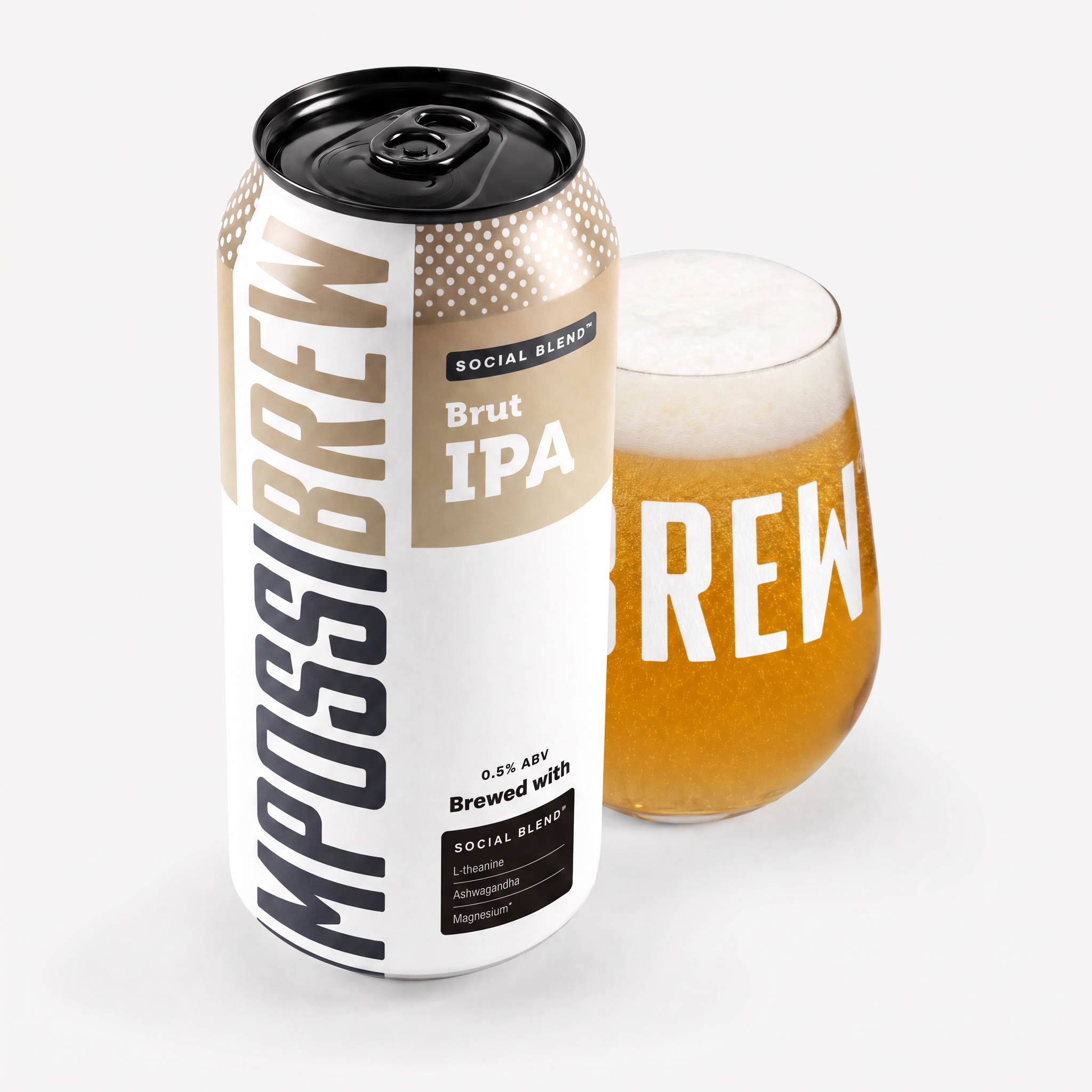
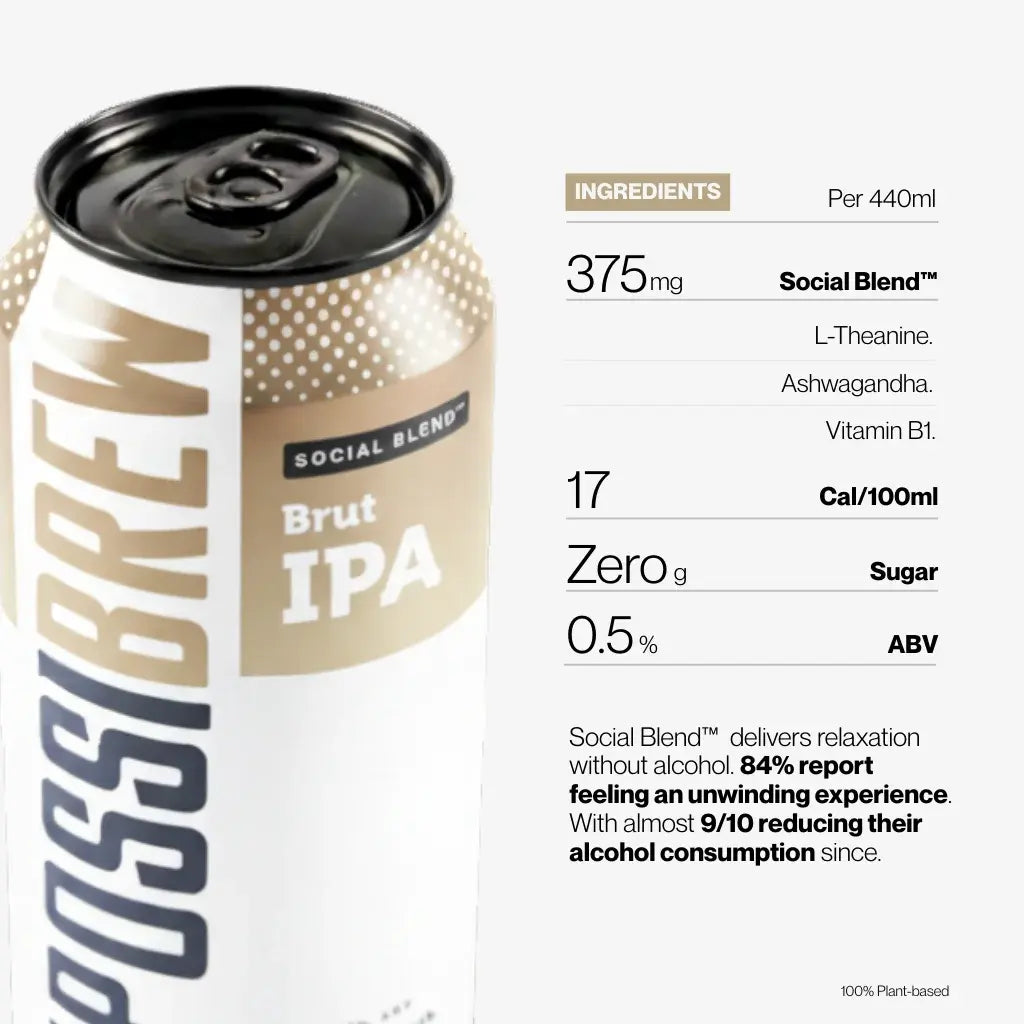
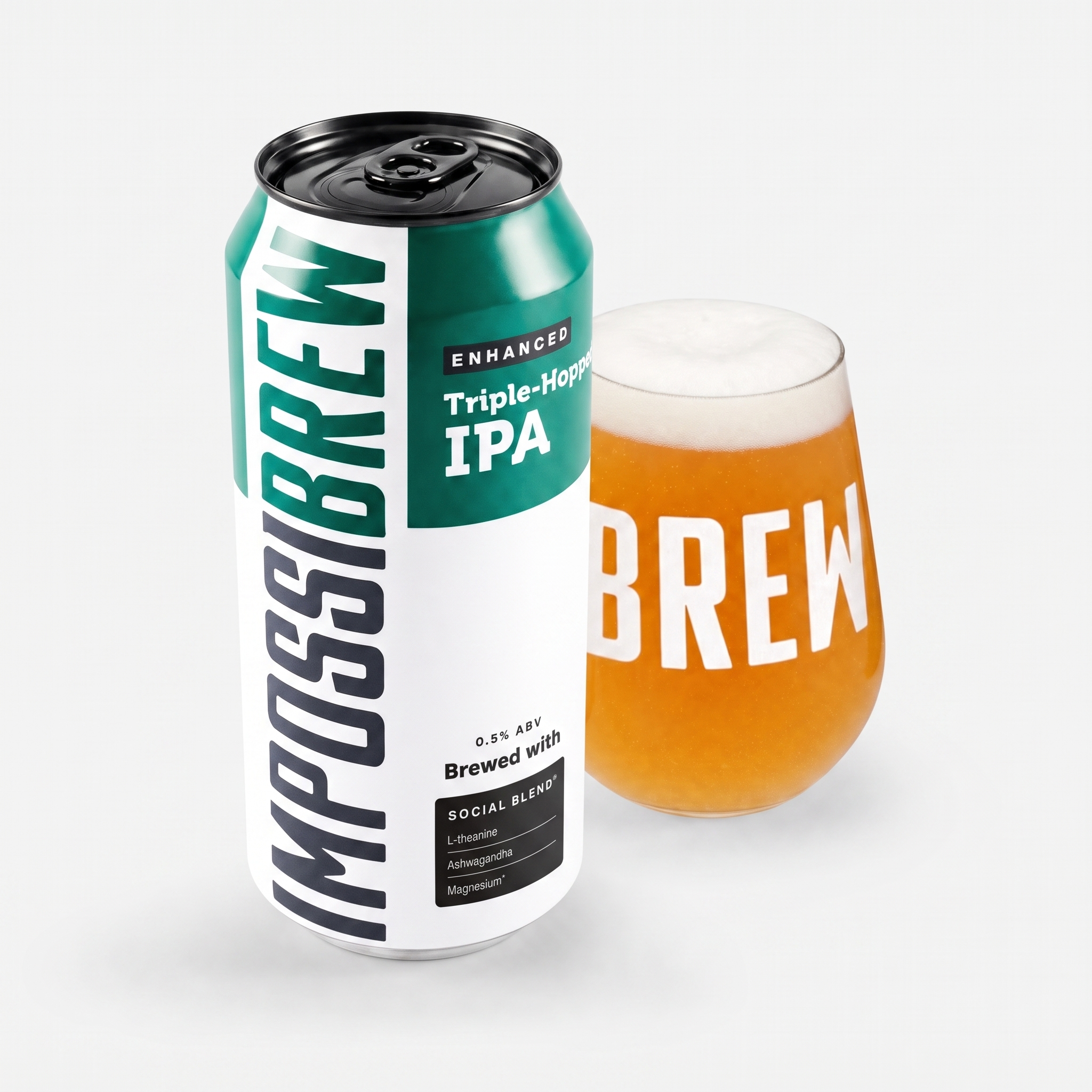
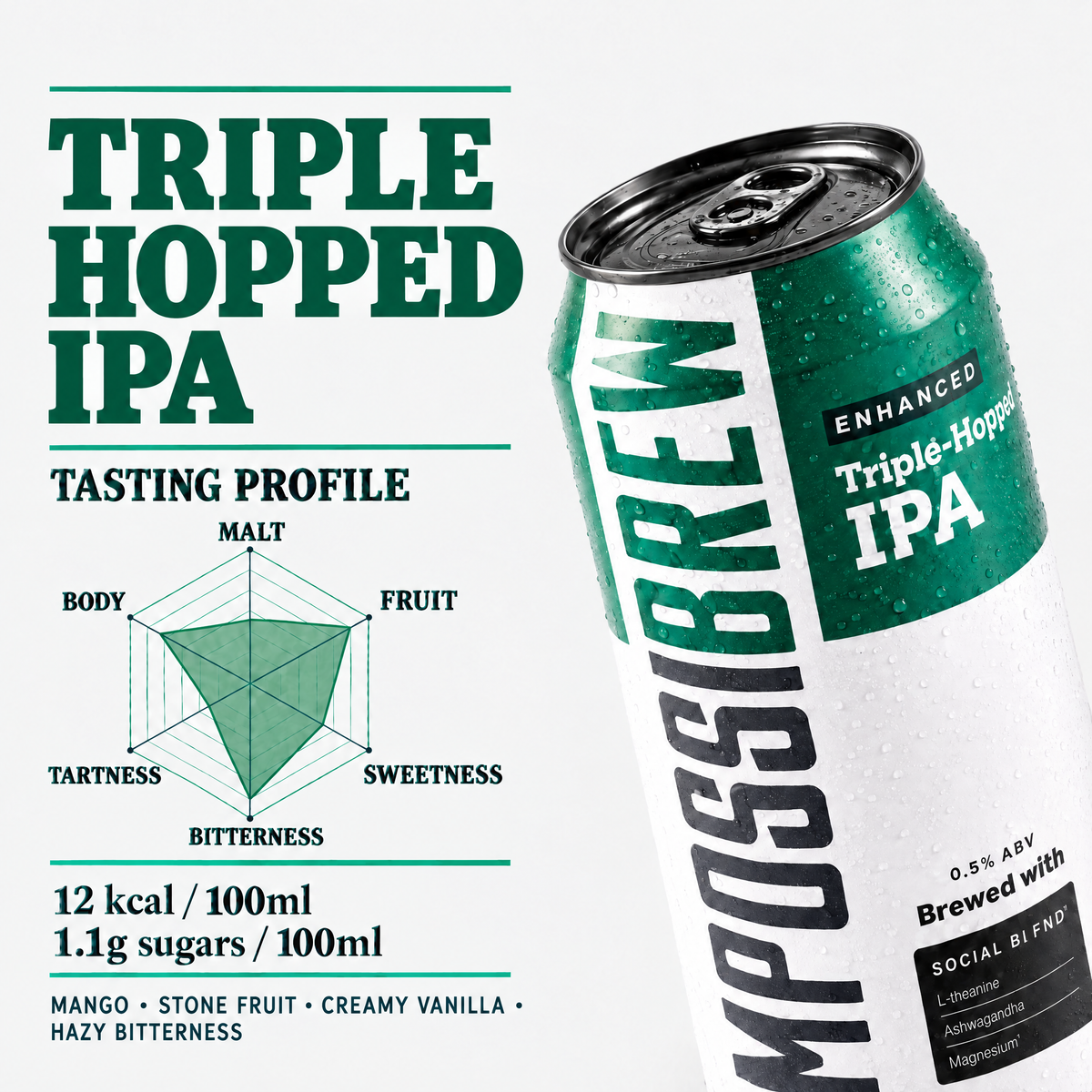
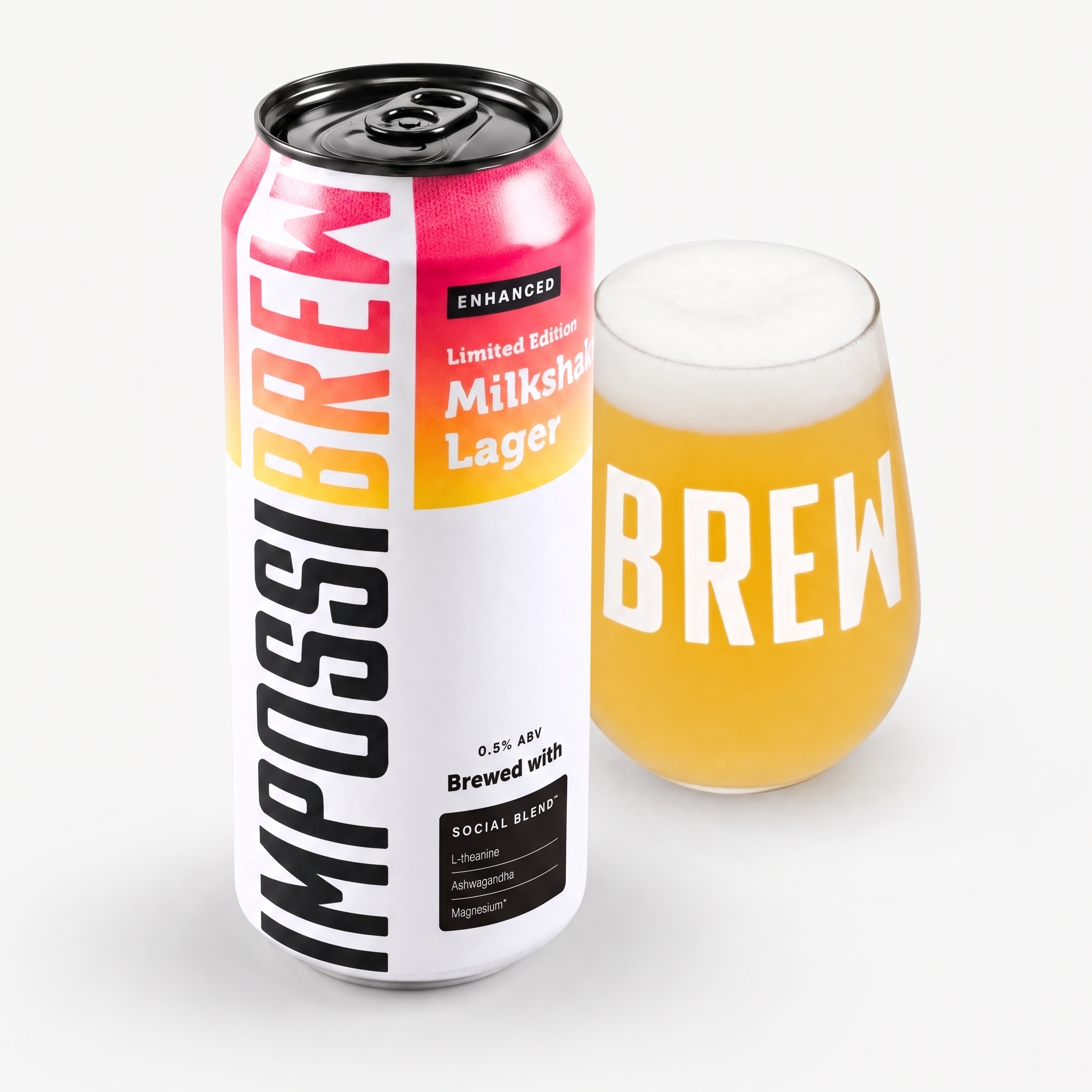
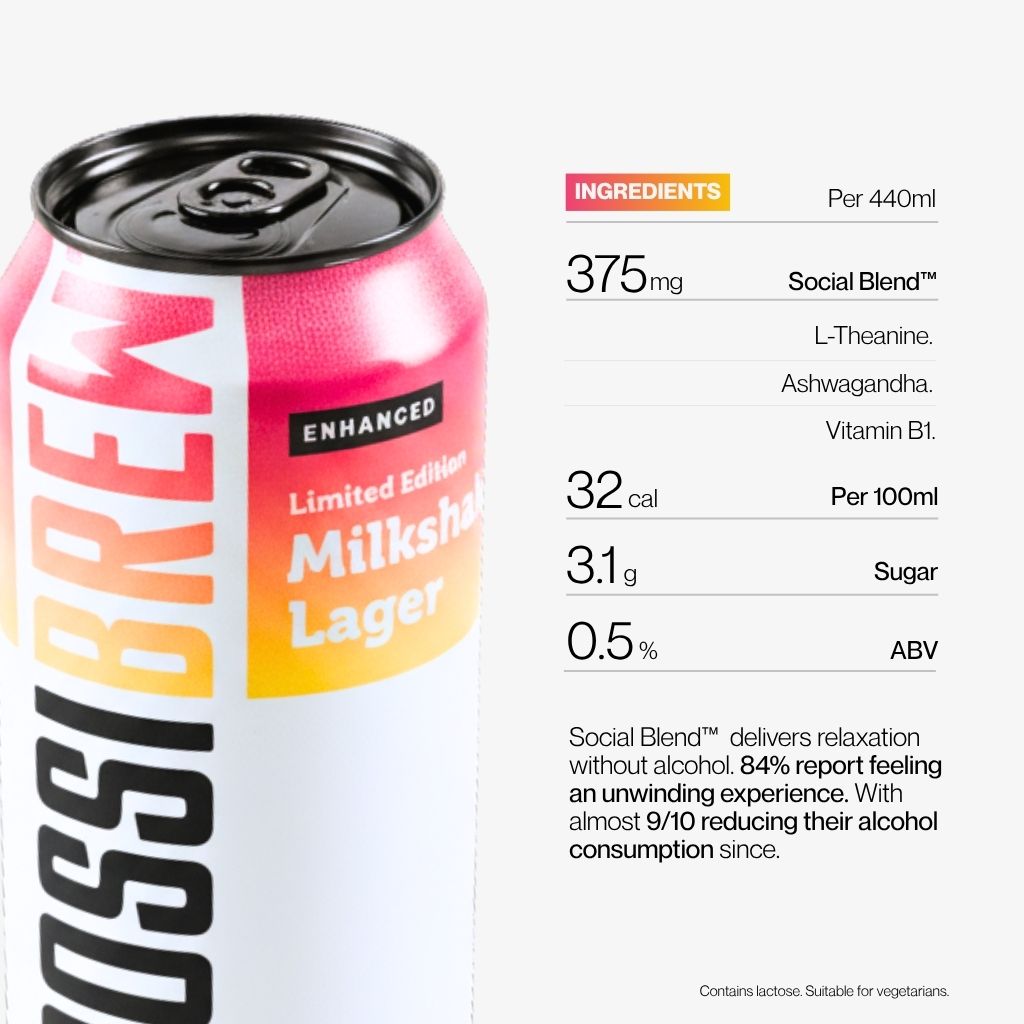
- Tech Innovations: Brands like IMPOSSIBREW® use proprietary tech (e.g., Social Blend™) to optimize ingredient absorption and improve effects like relaxation.
Quick Tips for Choosing Functional Beers:
- Look for beers with clear ingredient labels and brewing details.
- Opt for products that use advanced brewing techniques for better absorption.
- Consider your own body’s response - absorption varies for everyone.
Functional beers are more than just a trend. With the right brewing methods and ingredients, they can deliver real health benefits. Dive deeper to learn how it all works.
Factors Affecting Bioavailability
Brewing Process Effects
The brewing process plays a key role in how ingredients are absorbed. Factors like wort boiling, temperature, and timing significantly influence this. Phenolic compounds, mainly extracted from barley malt (70%) and hops (30%), are central to this process . During brewing, nine phenolic acids are produced, with ferulic acid being the most common . Fine-tuning these brewing parameters ensures better ingredient formulation.
Ingredient Choice and Design
Beer and hops naturally contain prenylated flavonoids like isoxanthohumol and xanthohumol, typically found in concentrations between 0.04 and 3.2 μg/L . Modern brewing methods have improved the absorption of these compounds. For instance, IMPOSSIBREW®'s Social Blend™ technology is designed to enhance bioavailability and deliver measurable benefits for consumers .
"Nutritional therapy, for example through beer, is the best solution to human chronic diseases." - Yawen Zeng
Body Chemistry and Absorption
Individual body chemistry also plays a major role in absorption. The intestinal microbiota is a good example - Eubacterium limosum bacteria can convert isoxanthohumol into 8-prenylnaringenin with an impressive 90% efficiency . However, this conversion rate varies between individuals. Typically, peak absorption happens 30-45 minutes after consumption .
Here are some key factors that affect absorption:
| Factor | Impact on Bioavailability |
|---|---|
| Body Weight | Influences metabolism rate and how compounds are distributed |
| Gender | Affects enzymatic activity and absorption patterns |
| Age | Alters digestive efficiency and metabolism |
| Health Status | Determines overall absorption capability |
| Food Presence | Can either help or hinder ingredient absorption |
Improving Ingredient Absorption
Absorption Methods
Optimizing ingredient absorption is key to maximizing health benefits. Modern brewing techniques have refined how ingredients are integrated. Using natural adjuncts - like fruits, vegetables, and herbs - during brewing boosts the extraction of beneficial compounds. For example, adding adjuncts during the wort boiling stage enhances the extraction of phenolic compounds, while plant additions during fermentation promote the production of bioactive compounds. Specific strategies, such as incorporating dried magnolia berries during wort boiling, significantly increase lignans like schisandrin, gomisin A, and gomisin B .
Here’s a quick breakdown of absorption methods and their effects:
| Method | Benefit | Example Result |
|---|---|---|
| Wort Boiling Addition | Better extraction of phenolic compounds | 37.09% increase in phenolic content with T. herba |
| Fermentation Stage | Boosted bioactive production by yeast | Improved pH and titratable acidity with persimmon fruit |
| Maturation Phase | Higher retention of bioactive compounds | Increased antioxidant levels with Parastrephia lucida |
Testing and Measurement
To evaluate absorption, researchers often use the Caco-2 cell model, which shows that beer polyphenols have an intestinal permeability of 15–25% . Studies focus on two key factors: bioaccessibility (how well compounds are released from the beer matrix) and bioavailability (how much is absorbed, as measured by metabolites in blood or urine). These testing methods highlight practical strategies for improving ingredient absorption.
Case Study: IMPOSSIBREW® and Absorption
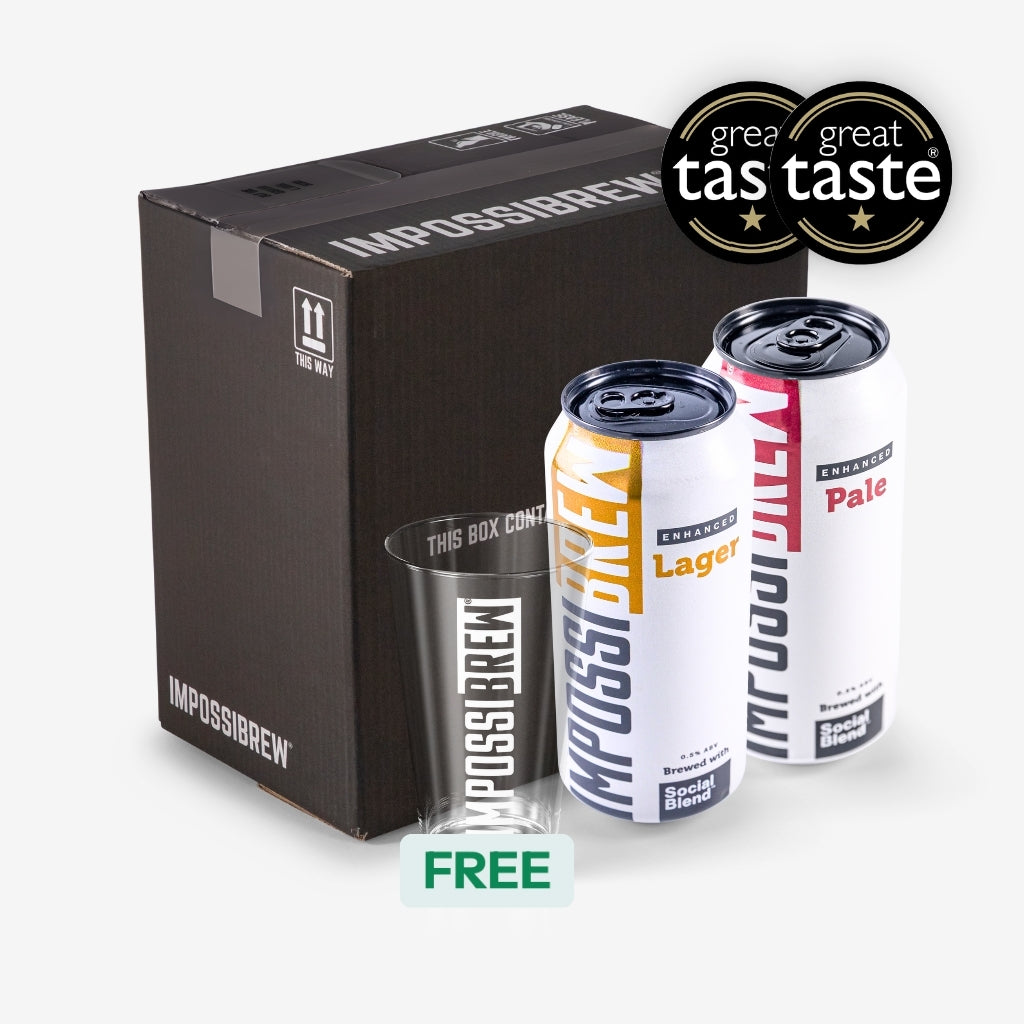
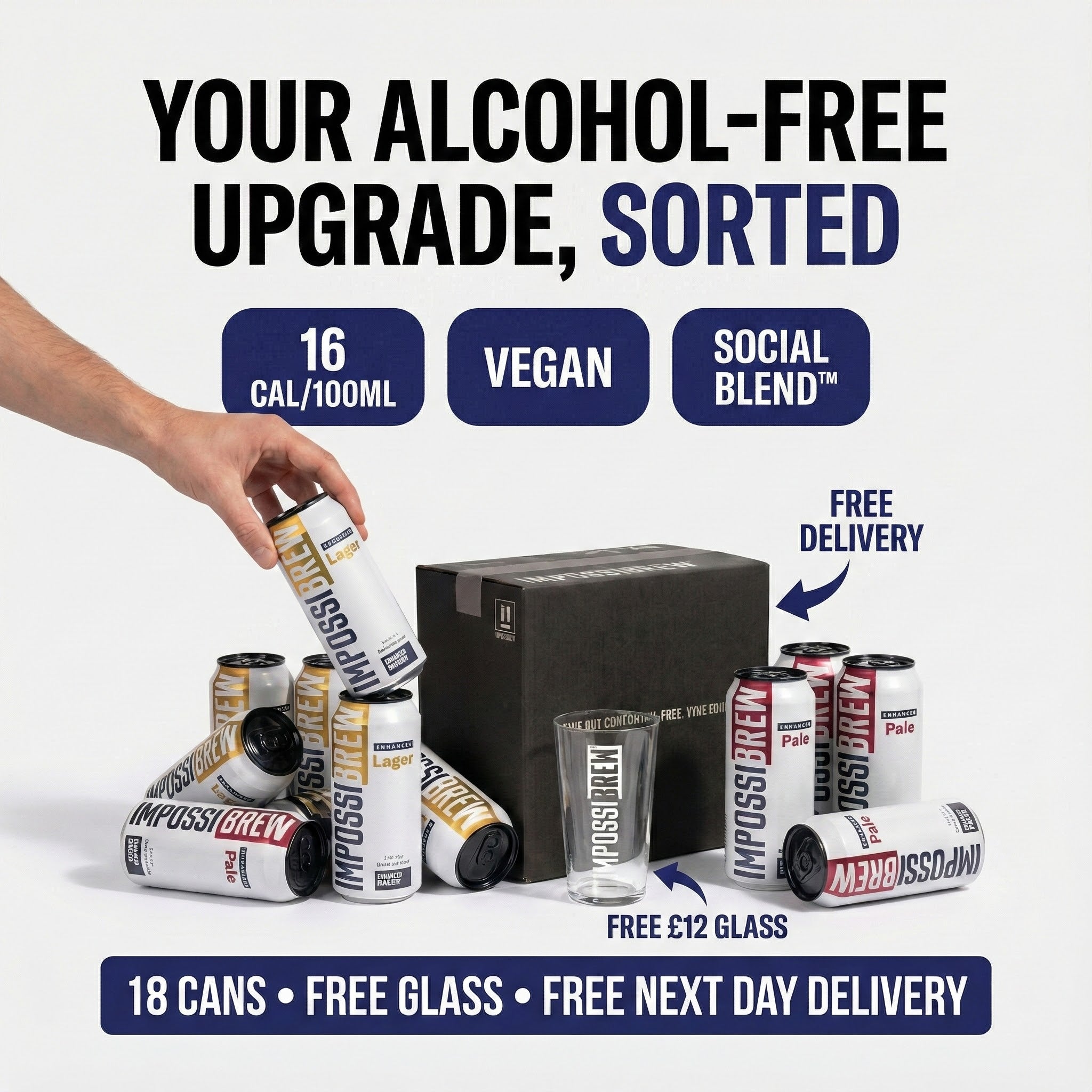
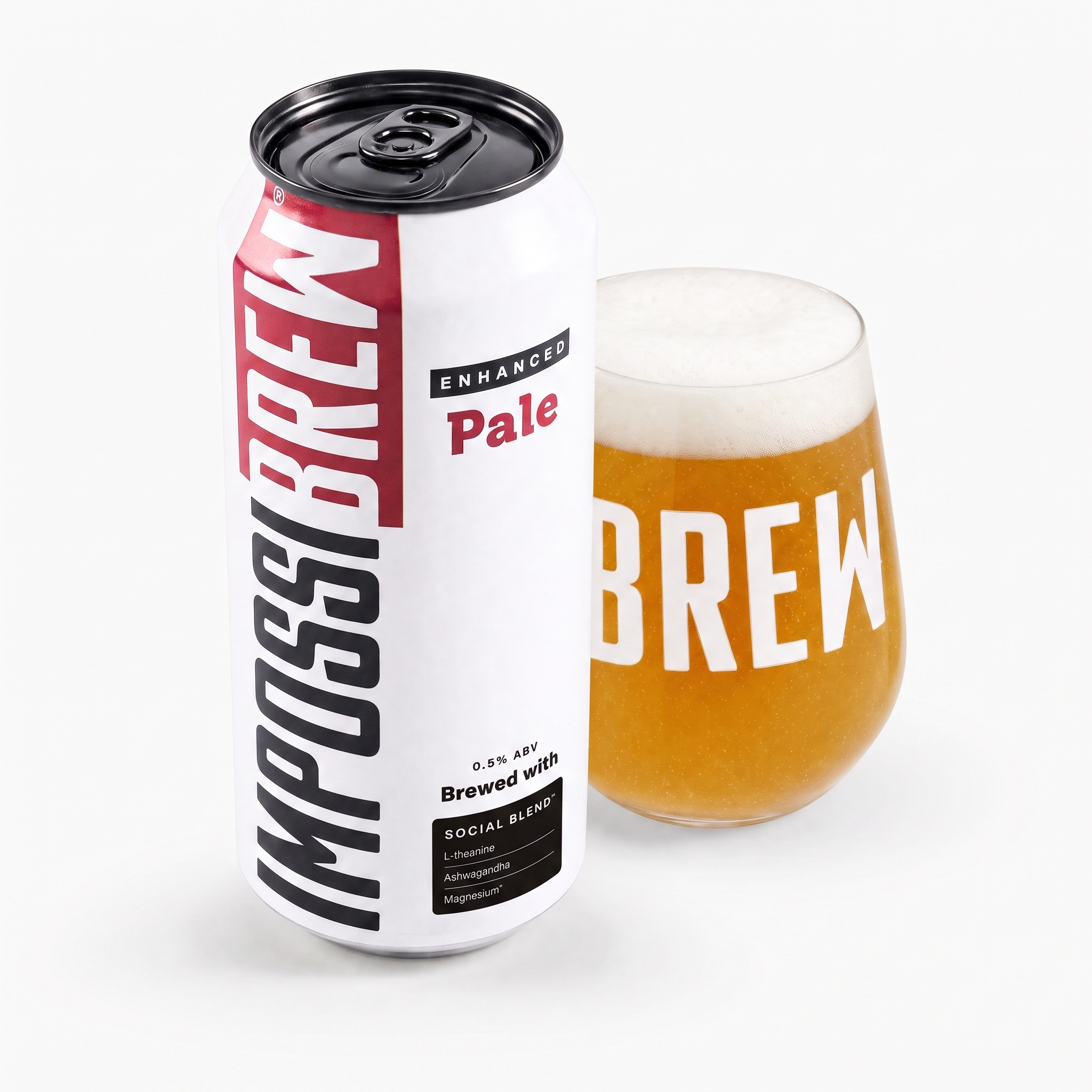
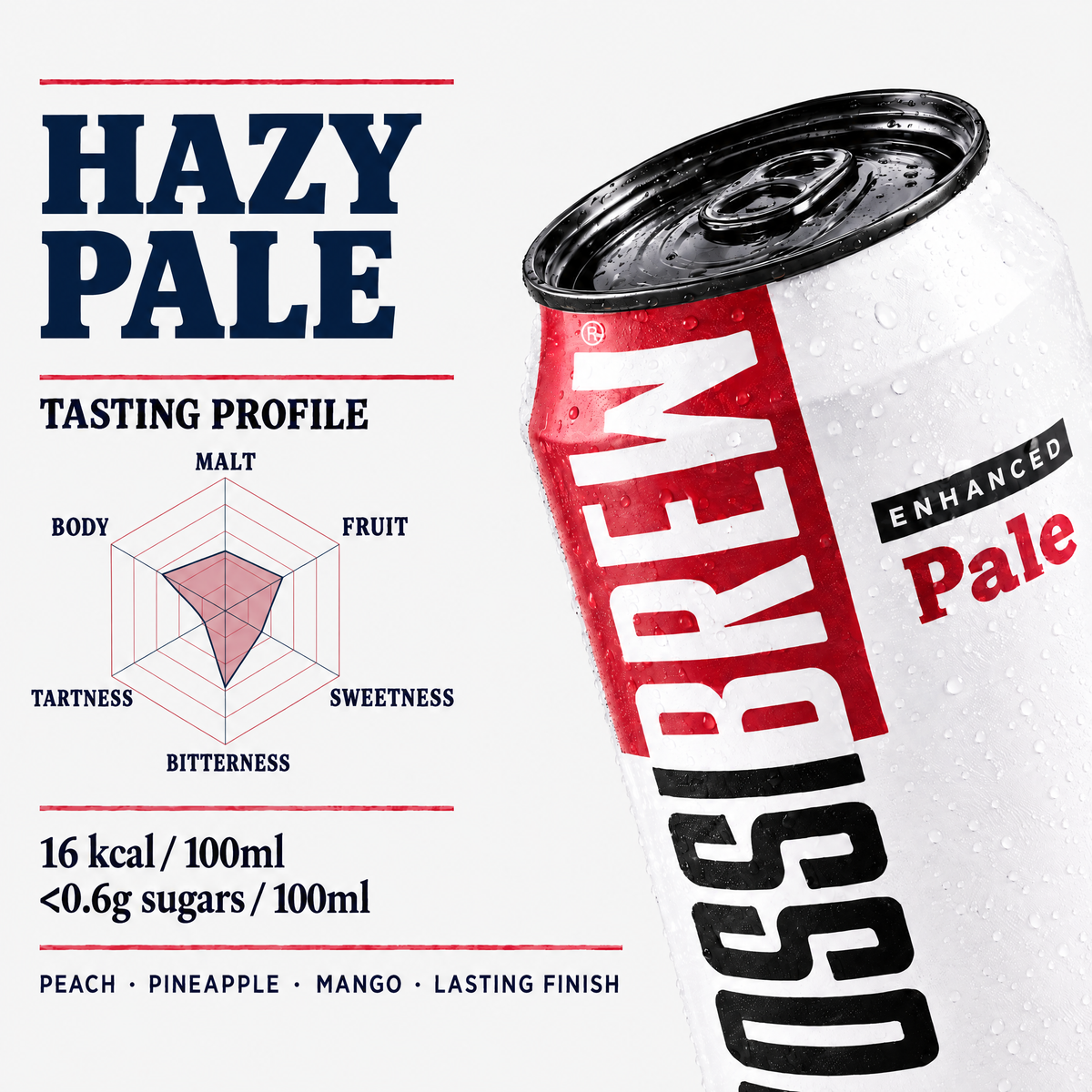
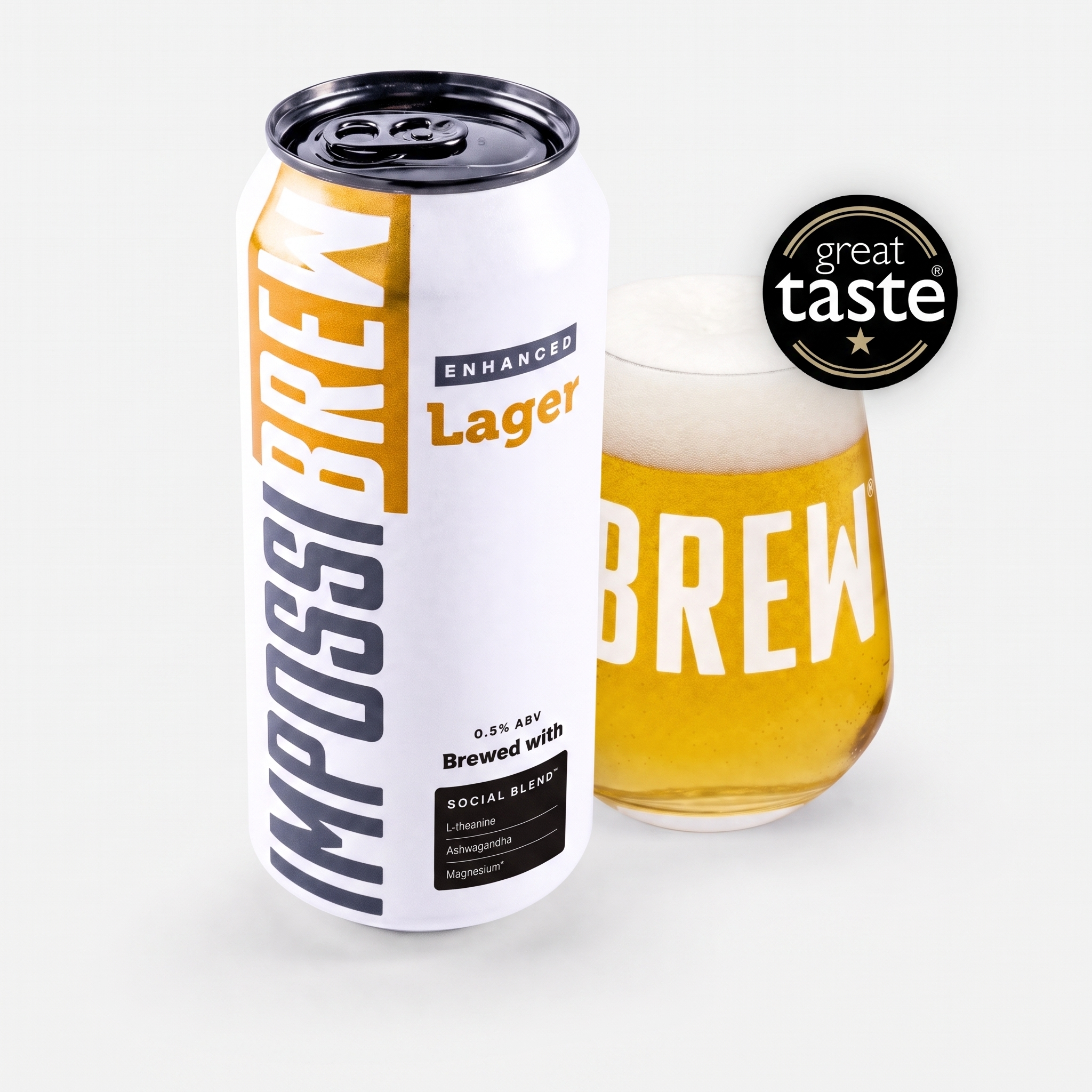
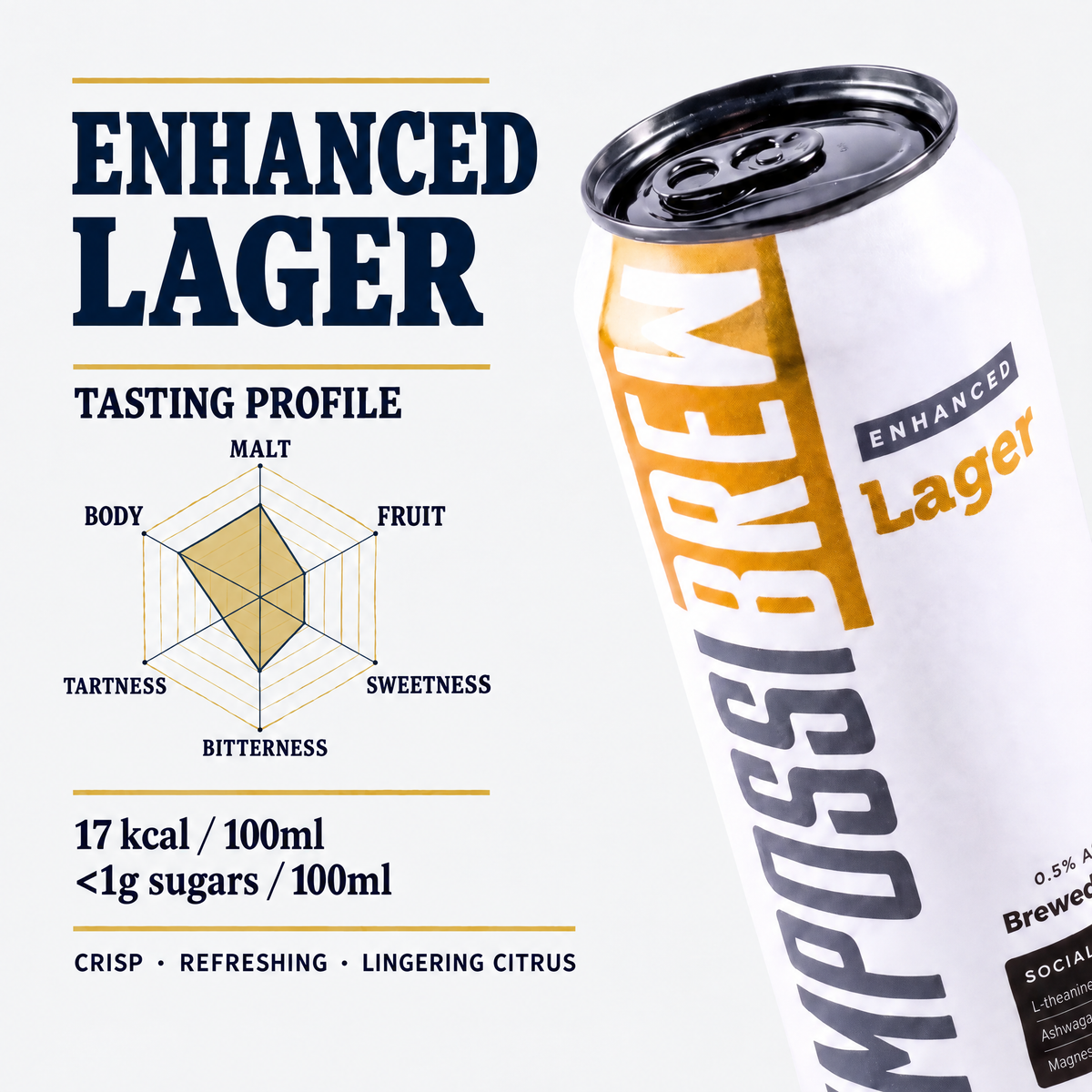
IMPOSSIBREW® has applied advanced brewing techniques to refine ingredient absorption. Their proprietary Social Blend™ technology is designed to optimize the uptake of functional ingredients while preserving the beer’s flavor. Their Enhanced Lager and Enhanced Hazy Pale products use specific brewing methods to improve the absorption of nootropic and adaptogenic compounds.
This approach aligns with research showing that the timing of natural adjunct additions during brewing can significantly increase polyphenol content and antioxidant activity compared to standard brewing methods . Additionally, IMPOSSIBREW® tailors its grain selection to improve the absorption of bioactive compounds, ensuring that even their gluten-free beers deliver enhanced nutritional benefits.
sbb-itb-a752bf8
Future Developments
The functional beer industry is on the brink of exciting advancements, with new technologies and evolving regulations set to shape its future.
New Absorption Technology
Nanotechnology is revolutionizing how functional ingredients are delivered in beer. Techniques like nanoencapsulation protect sensitive bioactive compounds, ensuring they remain effective and improving their delivery to the body . For example, researchers at Brno University of Technology have created magneto/catalytic ALG@yeast-Fe3O4 BioBots. These BioBots combine yeast, alginate polymer, and magnetic Fe3O4 nanoparticles. The result? Better fermentation efficiency and easier yeast separation .
| Technology Feature | Benefit | Performance Metric |
|---|---|---|
| Nanoencapsulation | Preserves bioactive ingredients and keeps them stable | Improved ingredient stability |
| BioBots System | Increases fermentation efficiency with biocatalytic propulsion | Supports up to 4 fermentation cycles |
| Magnetic Separation | Simplifies yeast removal for clearer beer without extra steps | Streamlined process, no filtration needed |
As these technologies evolve, the regulatory landscape is also adapting to support these advancements.
Health Claim Regulations
The Alcohol and Tobacco Tax and Trade Bureau (TTB) is introducing new rules requiring more detailed ingredient labeling. This change aligns with consumer demand for transparency: surveys show 91% of people want ingredient lists, 94% support alcohol content disclosure, and 89% want calorie information .
Custom Formula Development
In 2023 alone, the functional beer market saw 258 new product launches aimed at delivering specific health benefits . Brands are experimenting with cutting-edge ingredients like probiotics, adaptogens, and nootropics to cater to wellness-focused consumers. Emerging technologies, such as Social Blend™, are enabling manufacturers to refine formulas based on personalized data.
This push for personalized nutrition is particularly appealing to Gen Z and Millennials, reflecting a broader trend toward tailored health solutions in functional beer. Enhanced ingredient bioavailability remains a key focus as these innovations gain momentum.
Conclusion
Main Points
The bioavailability of functional beers depends on brewing techniques, the choice of ingredients, and individual physiology. The timing of when ingredients are added plays a major role. For example, adding ingredients during the wort boiling stage results in higher bioavailability of phenolic compounds .
The industry has also introduced new methods to improve ingredient absorption. One example is IMPOSSIBREW®'s Social Blend™ technology. This science-based approach, protected by a patent application (GB2415685.3), has shown promising results, with 71% of users reporting improved relaxation effects .
Consumer Options
With these insights, consumers can make smarter choices to maximize ingredient absorption. When choosing functional beers, keep these factors in mind:
| Factor | Impact | What to Look For |
|---|---|---|
| Ingredient Timing | Phenolic content increases with wort boiling | Clear details about the brewing process |
| Compound Source | 70% derived from malt, 30% from hops | Transparent ingredient labels |
| Individual Response | Varies based on body chemistry | Products with third-party testing certifications |
Non-alcoholic options like IMPOSSIBREW® provide benefits without the downsides of alcohol. In fact, 88% of their customers reported cutting back on alcohol consumption after trying their products .
To get the most out of functional beers, it’s essential to consider how your body processes ingredients and opt for products with clear ingredient details and proven absorption techniques.