Non-alcoholic beers in the UK are gaining traction, but different age groups approach them in distinct ways. Here's a quick breakdown:
- Gen Z and Millennials (born 1981–2012): Prioritise health, wellness, and flexibility. They enjoy non-alcoholic beers for their social and mental benefits, but cost, taste, and social stigma can hold them back.
- Generation X (born 1965–1980): Drawn to health benefits and maintaining balance between work, family, and leisure. They prefer these drinks at home or in professional settings but remain cautious about taste and cost.
- Baby Boomers (born before 1965): Value the connection to classic pub culture but are slowly warming to non-alcoholic options that blend health benefits with familiar experiences.
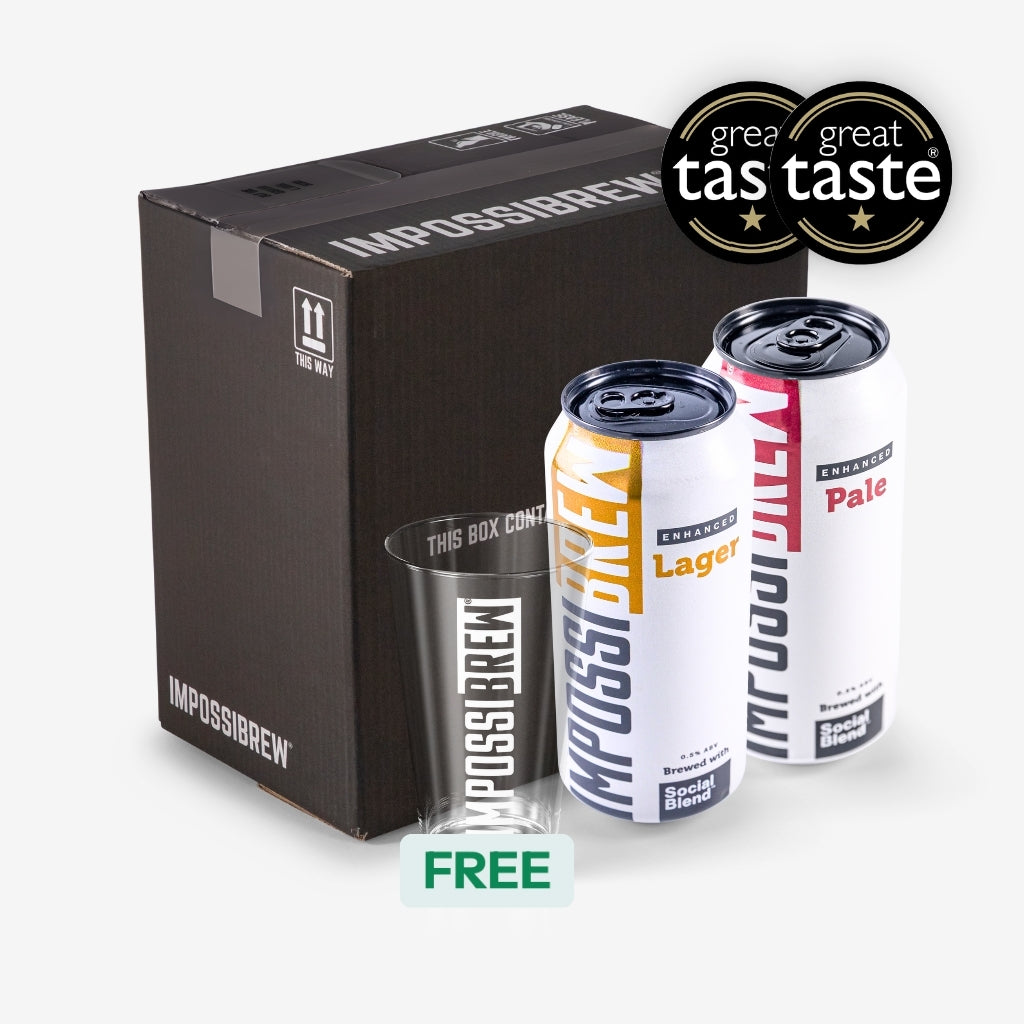
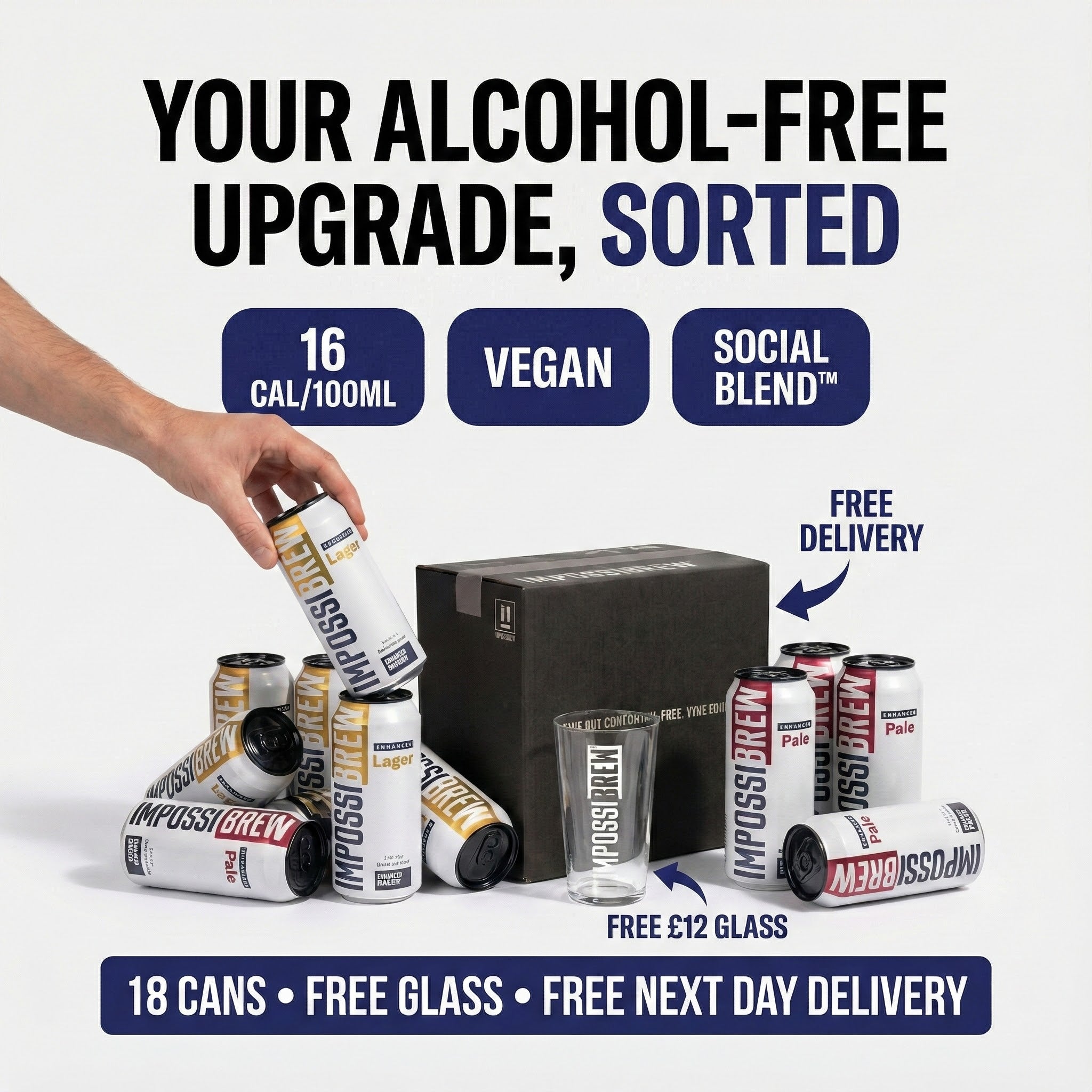
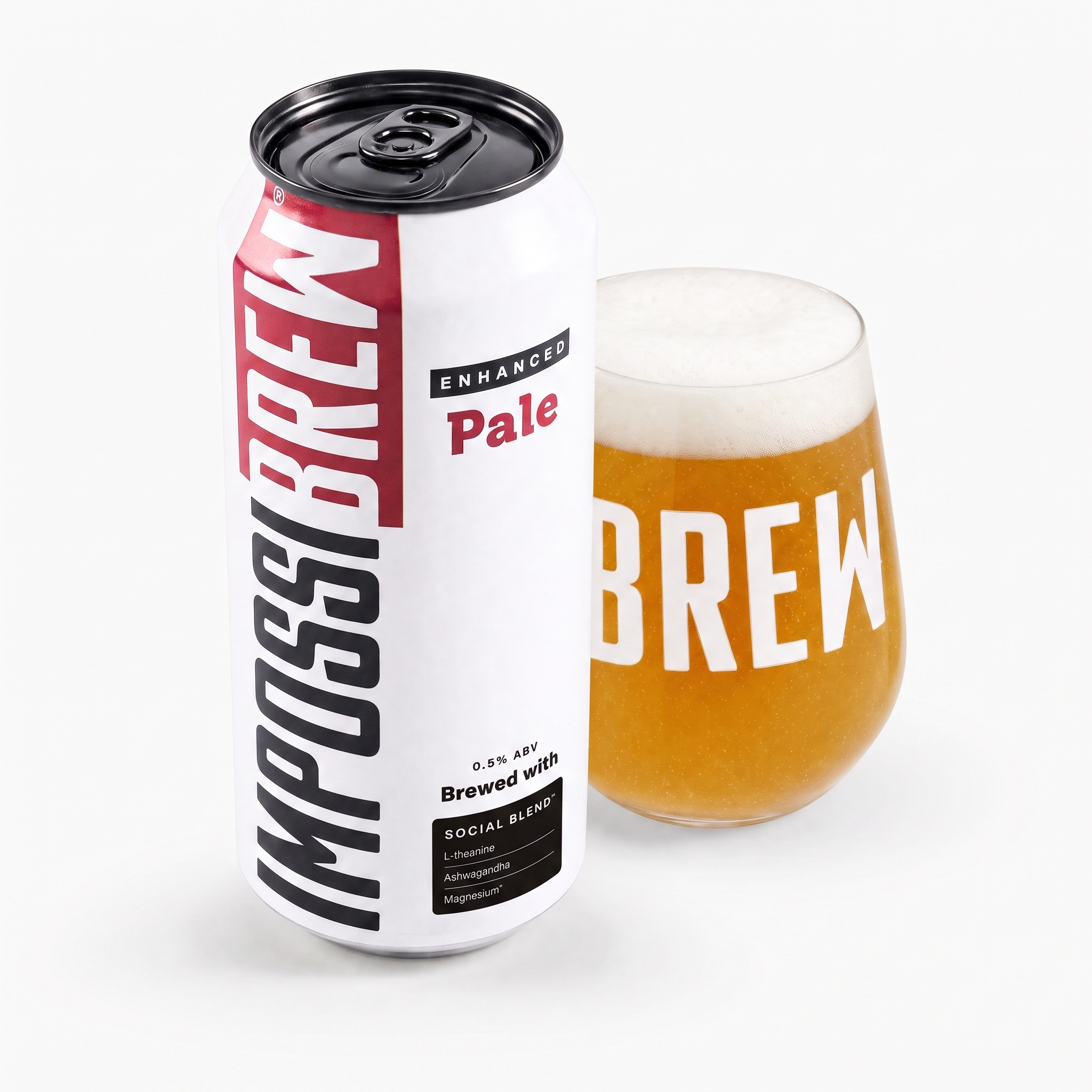
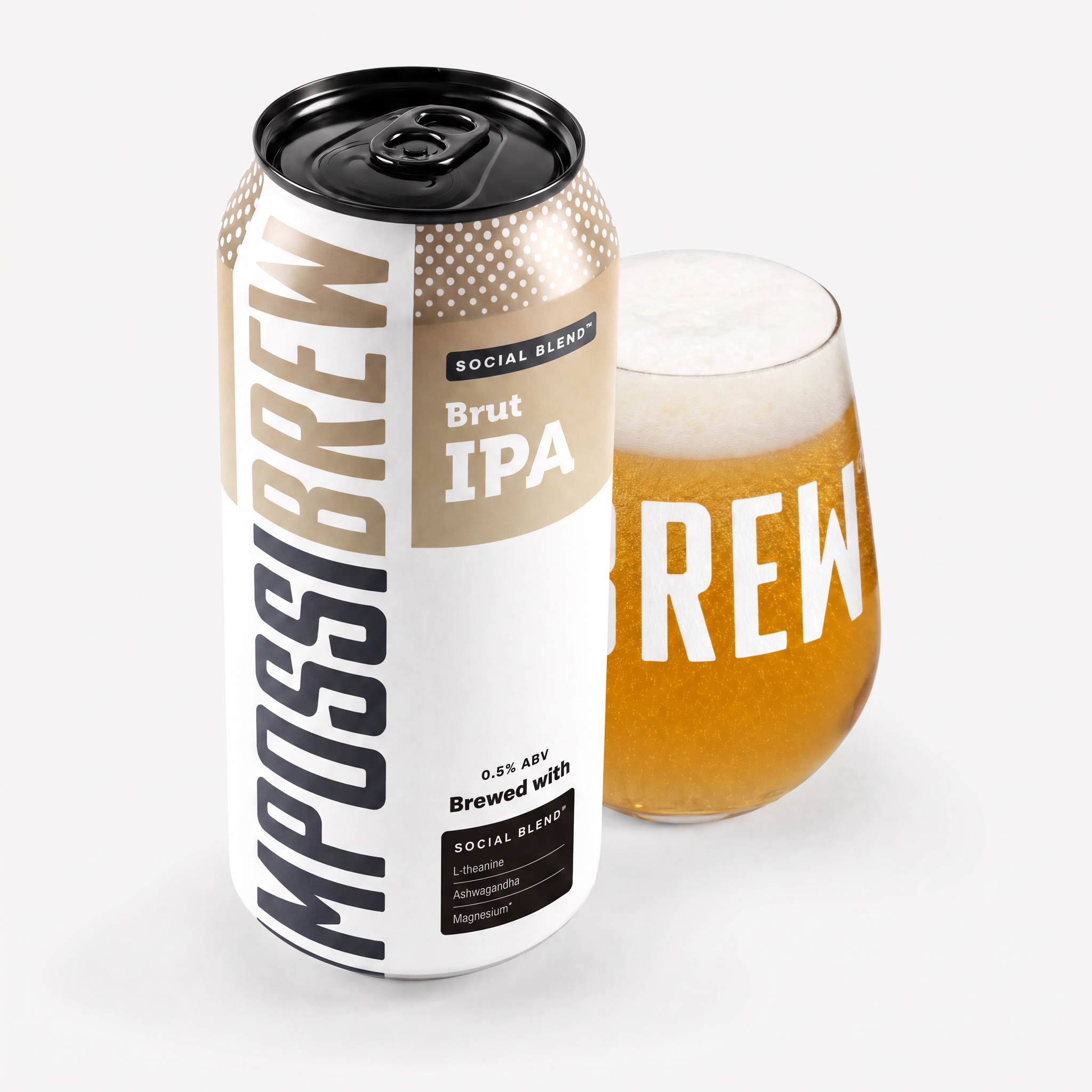
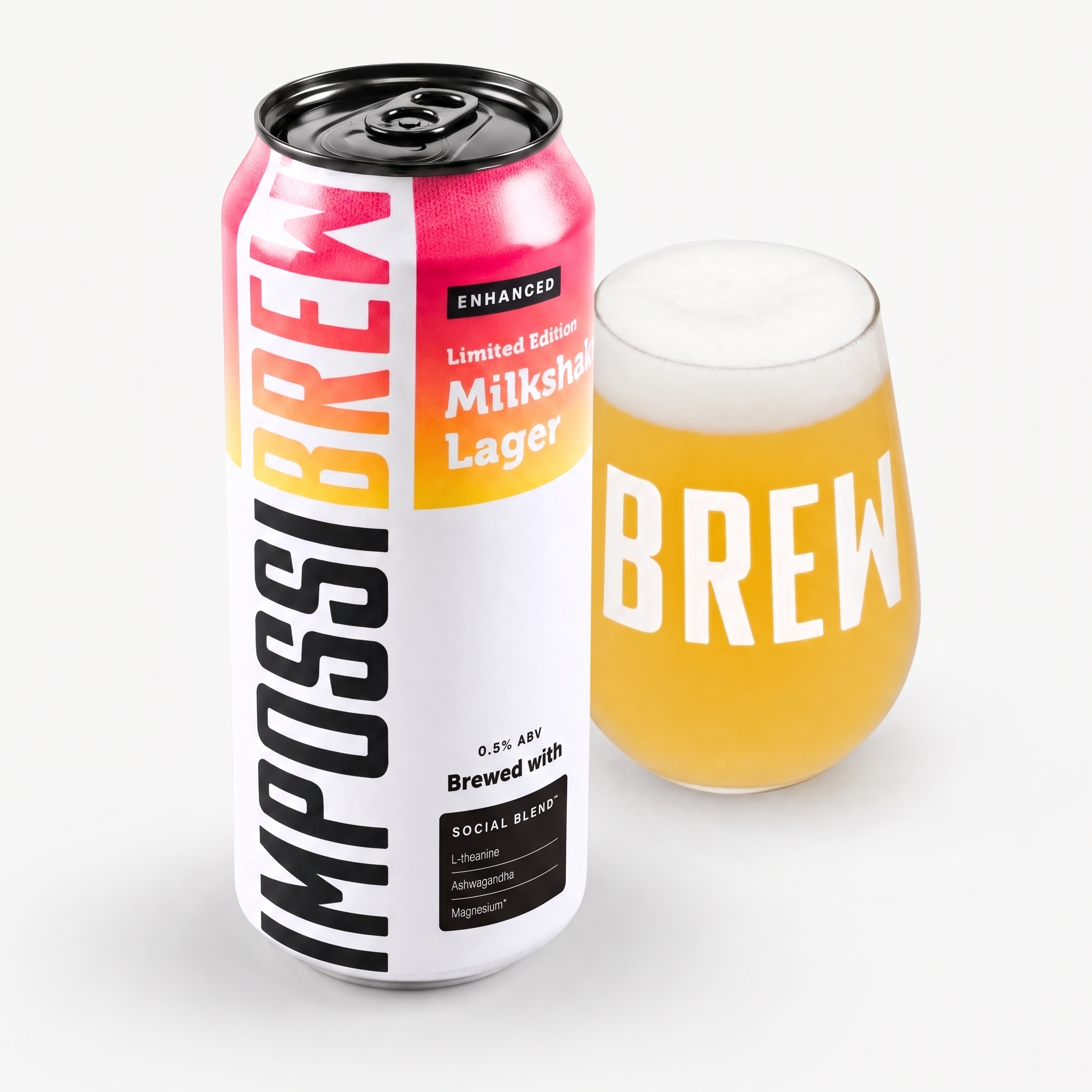
Brands like IMPOSSIBREW® are addressing these preferences by offering drinks that replicate the beer experience while focusing on wellbeing. However, the shift is ongoing, with younger generations facing more social pressure in adopting these beverages.
Key takeaway: Non-alcoholic beers are bridging generational preferences, but acceptance varies by age group, with health and social norms playing a major role.
Alcohol-free bars offer alternatives for the "sober curious"
1. Gen Z and Millennials
Gen Z (born 1997–2012) and Millennials (born 1981–1996) are leading the way in embracing non-alcoholic functional beers in the UK. Having grown up during a time of heightened health awareness, these generations are more inclined to explore alternative beverages that align with their values and lifestyles.
Motivations for Adoption
For these younger generations, health and wellness play a central role in their choices. They’re drawn to drinks that enhance both physical and mental wellbeing, without sacrificing flavour or the social aspects of drinking. Functional ingredients in these beverages align perfectly with their goals of self-care and balance.
Social media is another powerful influence. Eye-catching packaging and the ability to share mindful drinking moments online make these options appealing. For many, opting for non-alcoholic drinks isn’t about abstinence - it’s a statement of self-care and authenticity.
These beverages also fit seamlessly into their varied lifestyles. Whether at a party, winding down at home, or attending a work event, they allow young consumers to enjoy the taste and ritual of beer without the limitations of alcohol. This flexibility is particularly valued during weekday gatherings, professional settings, or when driving.
Barriers to Adoption
Despite their enthusiasm, some obstacles remain.
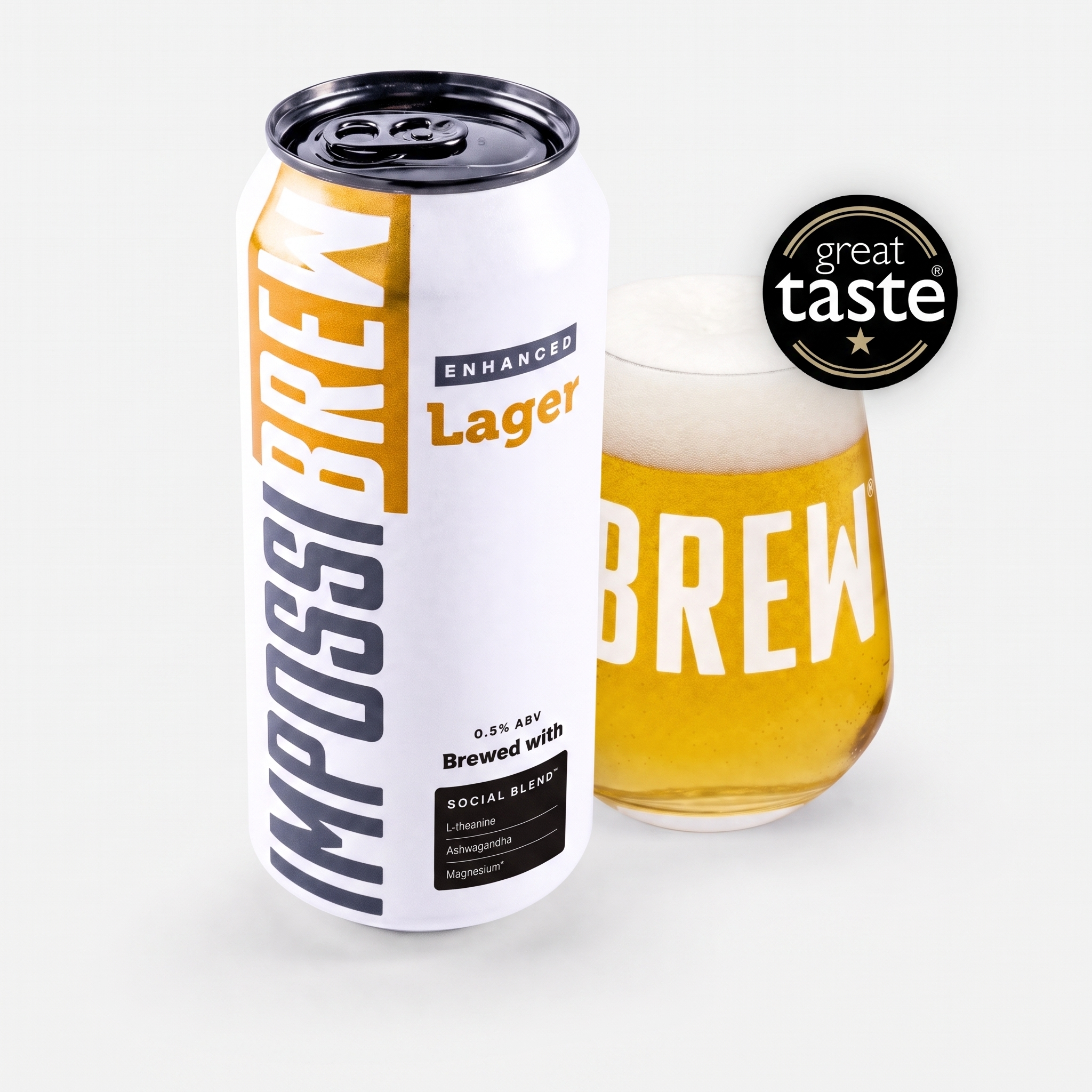
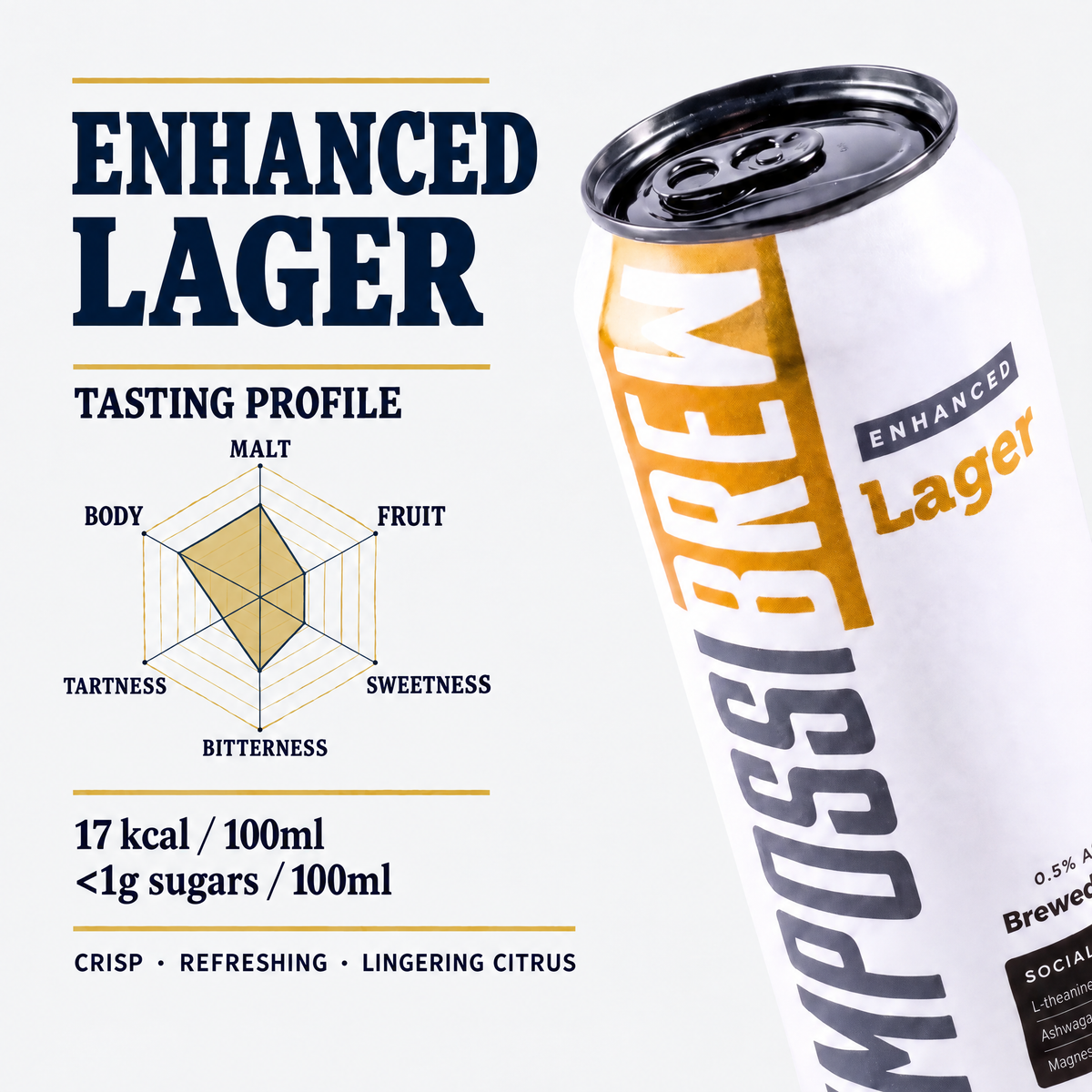
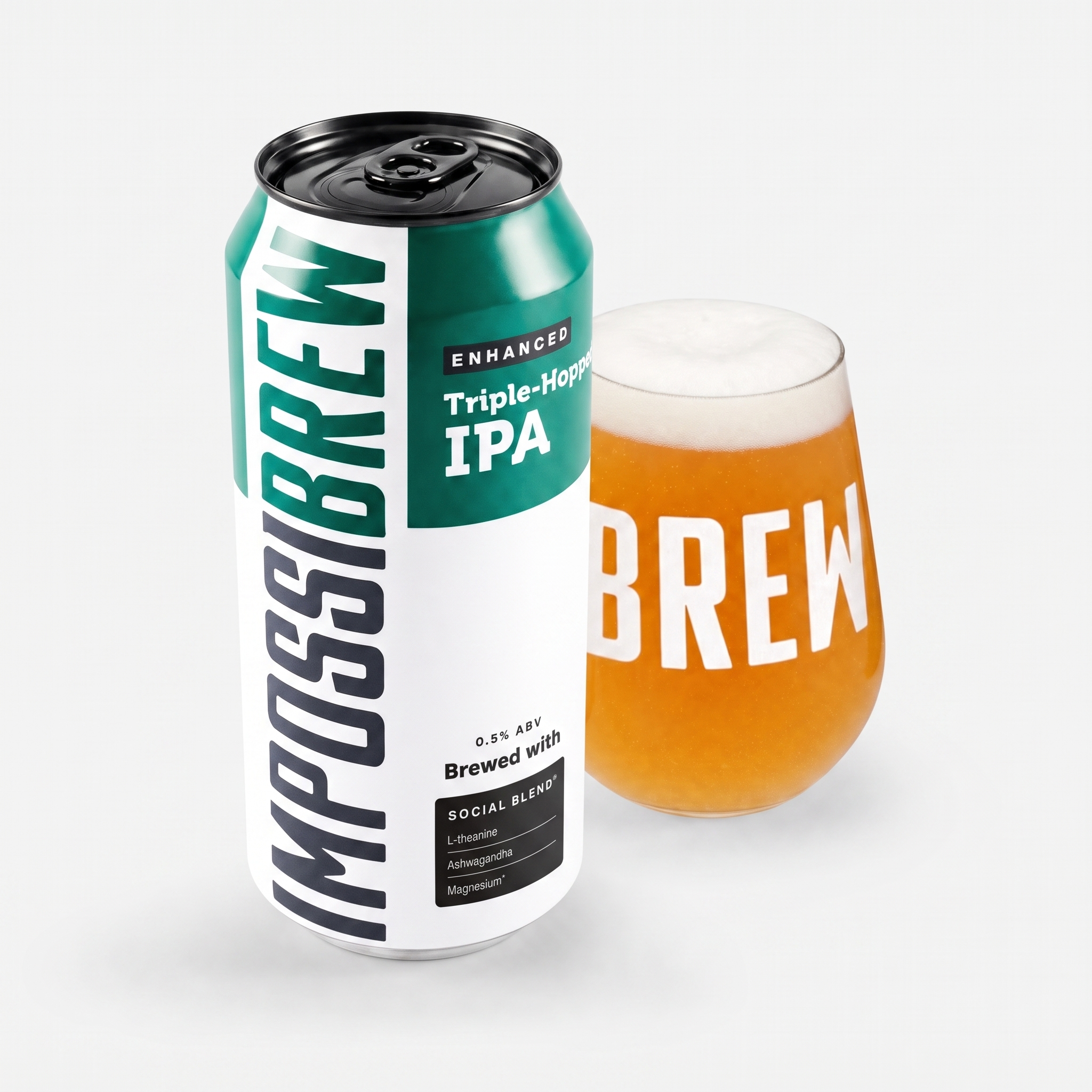
Price sensitivity is a major concern, especially for students and those early in their careers. For instance, with options like IMPOSSIBREW®'s Enhanced Lager priced at £1.97 per can, costs can add up quickly for those on tight budgets.
Taste expectations also play a big role. Having grown up in the era of craft beer, these generations have developed a palate for complex flavours. Many are still sceptical about whether non-alcoholic beers can deliver the same sensory satisfaction as their alcoholic counterparts.
Social perception remains a hurdle in certain settings. While attitudes are shifting, some worry about being judged or having to explain their choice, particularly in traditional pub environments, which remain a cornerstone of UK social life.
Preferred Formats and Occasions
Non-alcoholic beers are most popular during casual social gatherings. Whether it’s after-work drinks, weekends with friends, or festivals, these occasions provide the perfect backdrop for mindful drinking.
Home consumption has also gained traction, especially since the pandemic. Stocking the fridge with non-alcoholic options allows for spontaneous relaxation without the commitment of alcohol. For those juggling busy schedules, the ability to enjoy a beer while staying productive or preparing for an early start is a big advantage.
Professional networking events are another key setting. Young professionals appreciate the ability to participate in drinks culture while staying sharp and focused, helping them build genuine connections without compromising their performance.
Social Acceptance
Acceptance of non-alcoholic options has grown significantly among Gen Z and Millennials. The rise of mindful drinking and a focus on wellness have reframed these choices as sophisticated and forward-thinking rather than restrictive.
In dating and relationships, choosing non-alcoholic drinks is often seen as a positive trait. Many view it as a sign of self-awareness and health consciousness, marking a shift from the drinking habits of previous generations.
In the workplace, attitudes have also evolved. Many companies now include non-alcoholic options at office events, reflecting the preferences of their younger employees and fostering inclusivity.
However, challenges remain in traditional pub settings. While acceptance is improving, some still feel the need to justify their choices in these more conventional environments. This highlights the ongoing cultural shift, with younger generations driving a broader embrace of mindful drinking.
These trends among Gen Z and Millennials set a clear standard for how attitudes toward non-alcoholic beverages are changing across age groups. This youthful enthusiasm provides a valuable point of comparison for the habits of Generation X, which will be explored in the next section.
2. Generation X
Generation X, often defined as those born between 1965 and 1980, brings a distinct perspective to non-alcoholic functional beers. Having grown up during a time when traditional drinking culture was deeply rooted in the UK, this generation approaches these beverages with both curiosity and a touch of scepticism.
Motivations for Adoption
Health is a major factor driving interest among Generation X. As they navigate midlife, concerns about sleep, weight, and energy levels take centre stage, making functional beers with added benefits an attractive option.
Family responsibilities also influence their choices. Many Gen Xers juggle careers, caregiving, and family life, so the idea of enjoying a beer without compromising their ability to stay present and engaged resonates strongly.
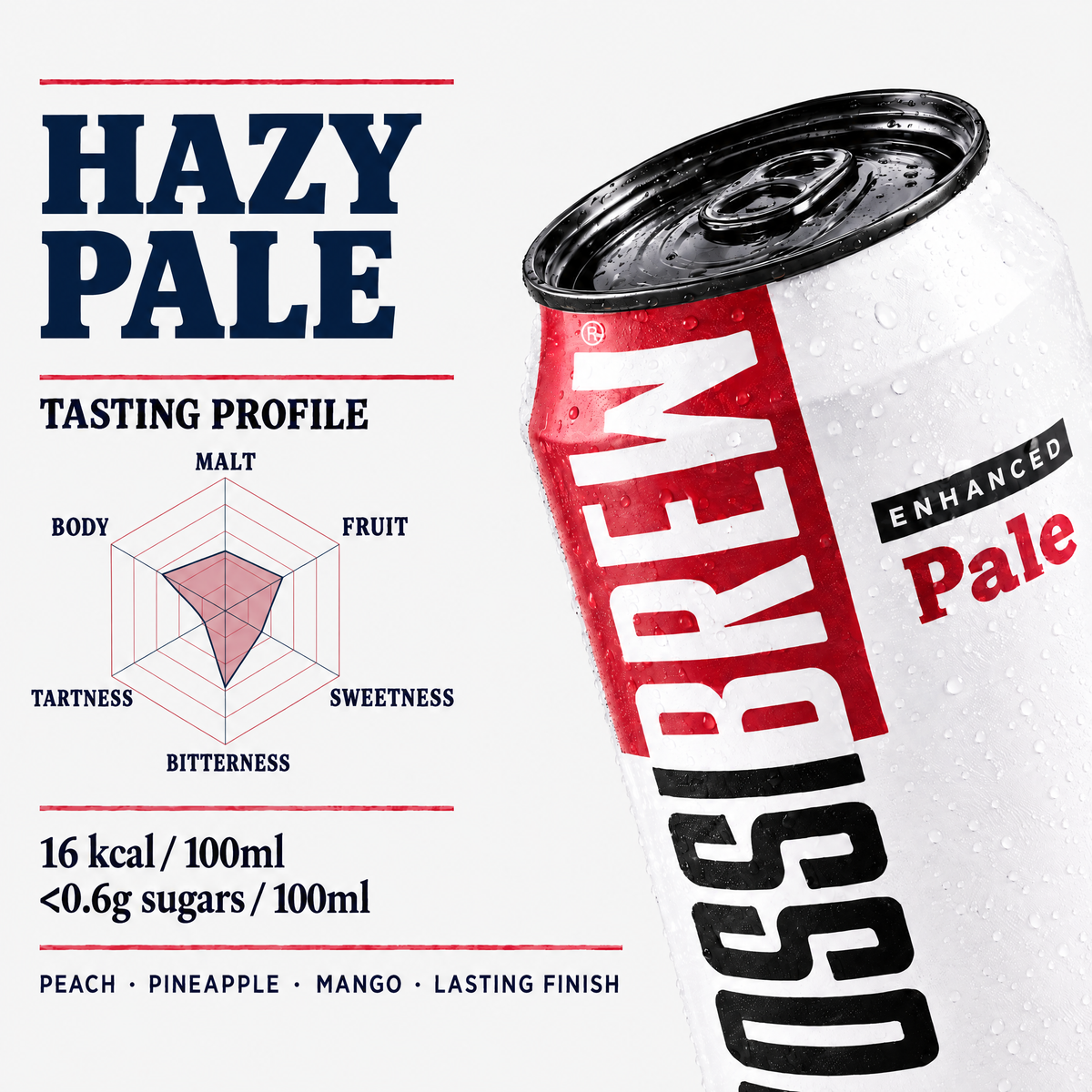
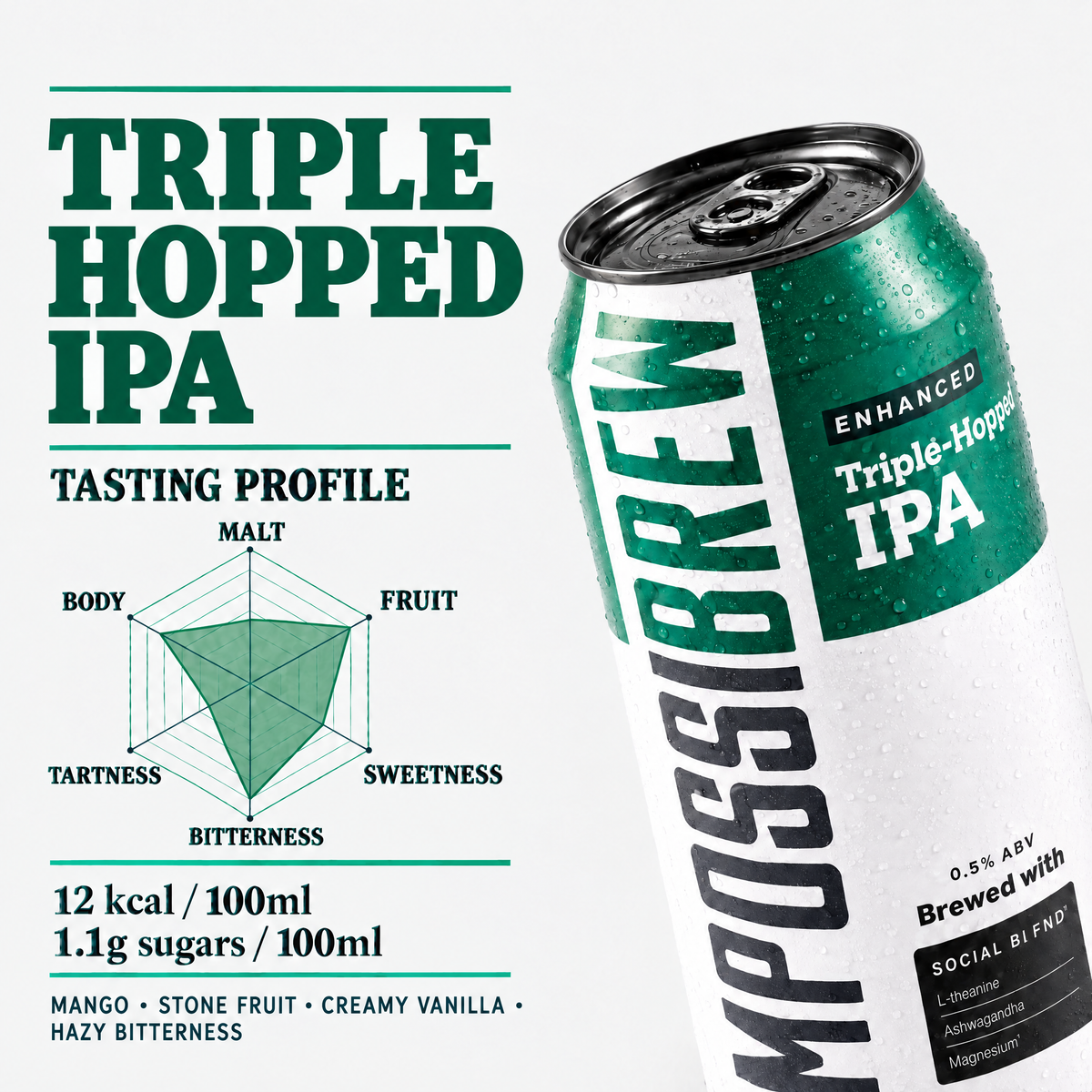
Workplace dynamics play a role as well. Business lunches, client meetings, and networking events often require them to stay sharp and professional. These settings encourage some to rethink traditional drinking habits, leading to interest in alternatives like IMPOSSIBREW®'s Enhanced Pale Ale, which offers familiar flavours without the effects of alcohol.
Barriers to Adoption
Despite their interest, some barriers hold Generation X back. Many remain cautious about the claims surrounding functional ingredients and need solid proof of their benefits before fully embracing these beverages.
Long-standing drinking habits and high taste expectations also make the transition challenging. Whether it’s a pint at the pub, wine with dinner, or a beer during a football game, these routines can make non-alcoholic options feel like a departure from the norm.
Price is another consideration. While Gen X often has more disposable income than younger generations, financial commitments like raising children and saving for retirement mean they’re mindful of cost when deciding on regular purchases.
Preferred Formats and Occasions
Given their motivations, Generation X tends to enjoy non-alcoholic functional beers in settings that balance relaxation with responsibility. Home is a popular choice, where an evening drink can help them unwind without affecting the next day’s productivity.
Social gatherings with close friends - like barbecues, dinner parties, or small get-togethers - also provide a comfortable space for trying these beverages, especially among health-conscious groups.
Weekend activities such as watching their children’s sports matches or attending community events further highlight the appeal of a drink that doesn’t compromise alertness. Increasingly, business functions are offering sophisticated non-alcoholic options, allowing Gen X professionals to engage in social rituals while maintaining a clear head.
Social Acceptance
Social acceptance of non-alcoholic functional beers varies. Among health-conscious peers, these options are warmly welcomed, while more traditional groups adapt at a slower pace. Positioning these beverages as an addition to, rather than a replacement for, traditional drinks seems to work best.
Family dynamics often support these choices. Partners value the practicality of staying clear-headed - whether that’s for taking turns driving or simply being present for family moments - reinforcing a positive view of these alternatives.
In professional settings, choosing non-alcoholic options is increasingly seen as a sign of reliability and thoughtfulness. While traditional pub culture can still create pressure to conform, the growing availability of high-quality non-alcoholic beers is gradually easing this challenge.
Generation X’s practical approach to non-alcoholic functional beers, with its focus on health, responsibility, and professional performance, sets them apart from younger generations. Their unique perspective lays the groundwork for an interesting comparison with Baby Boomers in the next section.
3. Baby Boomers and Older Adults
Younger generations may be reshaping drinking habits, but Baby Boomers hold fast to Britain's rich brewing traditions. Those born before 1965 often have a strong connection to the classic pub culture and the enjoyment of a "proper pint." This deep-rooted tradition makes the idea of switching to non-alcoholic beers a tough sell. For many, it’s not just about the drink itself - it’s about the social rituals and familiar experiences tied to it. There's also a degree of scepticism about changing something so closely tied to their identity and way of life.
However, brands like IMPOSSIBREW® are rising to the occasion. They’re crafting non-alcoholic beers that don’t just mimic the taste of traditional brews but also honour the social and cultural elements of drinking, all while addressing modern health priorities. By bridging the gap between tradition and innovation, they’re making these alternatives more appealing to older generations.
sbb-itb-a752bf8
Pros and Cons
Generational attitudes towards non-alcoholic beer highlight the evolving social dynamics and health priorities that influence these choices. Interestingly, research indicates that younger consumers - particularly Gen Z - often face considerable social pressure when opting for non-alcoholic beverages [1].
Here’s a closer look at how different age groups view and experience non-alcoholic beer:
| Generation | Key Observations | Social Acceptance Challenges |
|---|---|---|
| Gen Z & Millennials | A strong focus on healthier lifestyles and meaningful social interactions | Feel significant social pressure and may even hide their non-alcoholic choices [1] |
| Generation X | Tend to take a balanced approach to their beverage preferences | Experience less social pressure compared to younger generations |
| Baby Boomers & Older Adults | Appreciate the health benefits and the ability to maintain traditional social rituals | Are generally more open to non-alcoholic options |
Generational preferences clearly vary, and this comparison underscores the unique challenges and motivations influencing each age group. For younger generations, the appeal of non-alcoholic beer often lies in its alignment with healthier living and authentic social engagement. However, the stigma surrounding these choices can make their decision feel less celebratory.
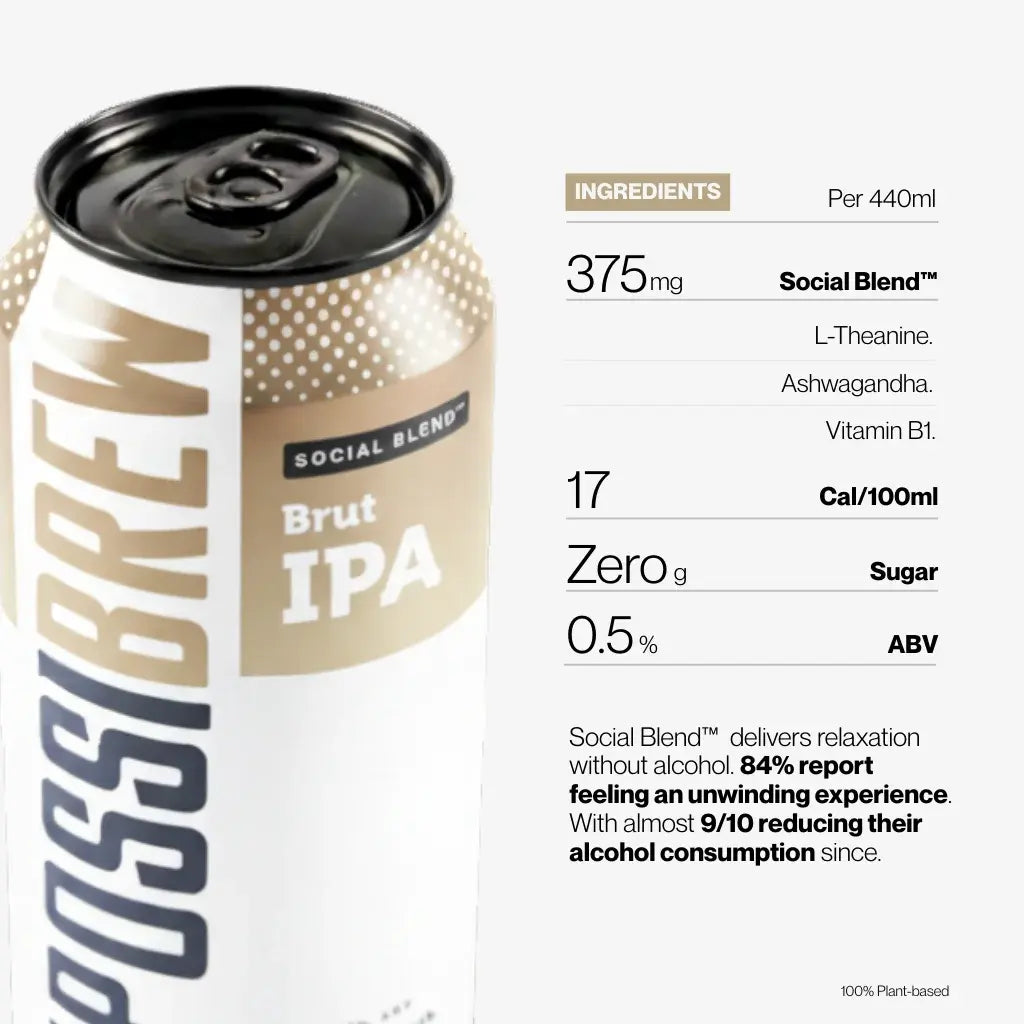
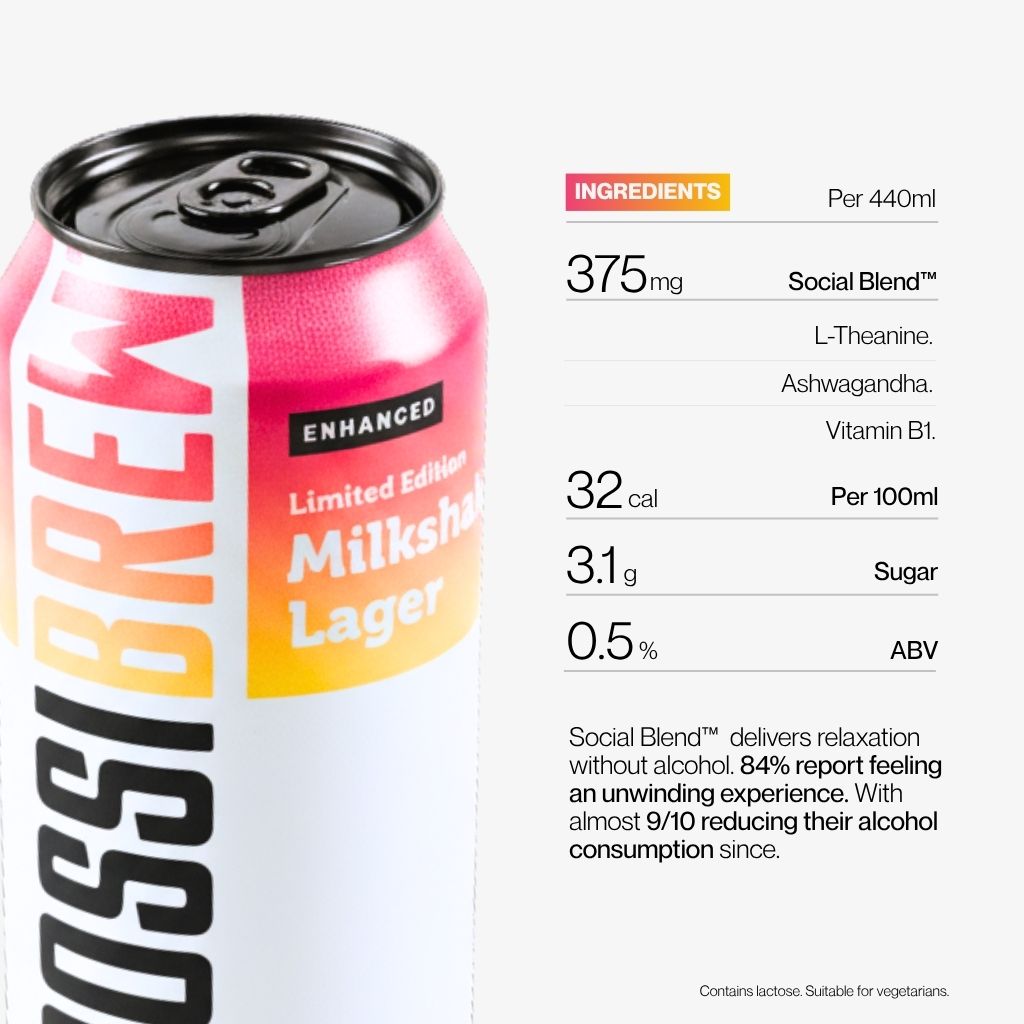
Gen Z and Millennials, in particular, face a tough balancing act. While they are drawn to the health benefits and social inclusivity of non-alcoholic beers, the high levels of social pressure they encounter can be a significant hurdle [1]. This is where brands like IMPOSSIBREW® step in, offering non-alcoholic beers that not only replicate the taste of traditional beers but also enhance the social experience through their science-backed Social Blend™.
On the other hand, Generation X and older adults tend to face fewer social barriers and are generally more accepting of non-alcoholic options. For these groups, non-alcoholic beers often represent a way to enjoy the health perks without compromising on the familiar social rituals they value.
While functional non-alcoholic beers are making strides in bridging the gap between health and tradition, the lingering social pressures - especially for younger consumers - indicate that this cultural shift is still a work in progress.
Conclusion
This analysis has explored how generational attitudes towards non-alcoholic beers reflect broader shifts in British drinking culture. Each generation brings its own motivations to the table - whether it’s the forward-thinking wellness focus of Gen Z and Millennials, the practical balance of Generation X, or the more traditional yet open-minded approach of Baby Boomers.
For Gen Z and Millennials, non-alcoholic beers align with their commitment to health and wellness, even as they navigate lingering social stigmas. Generation X, on the other hand, embraces these beverages as a middle ground between indulgence and responsibility. Meanwhile, Baby Boomers and older adults see non-alcoholic options as a seamless way to maintain social traditions while looking after their health.
This generational shift is opening doors for fresh ideas in the industry. Brands like IMPOSSIBREW® are leading the way with products like the Social Blend™, which combine flavour with the social experiences that younger consumers value.
The key to long-term success lies in bridging these generational preferences. The challenge is to craft products that appeal to health-conscious younger drinkers while still resonating with the traditional sensibilities of older audiences. As social norms continue to evolve and functional ingredients advance, non-alcoholic beers are poised to move from niche to mainstream, offering something for everyone.
Ultimately, the rise of non-alcoholic beers is about more than just flavour or health - it’s about fostering cultural acceptance and supporting meaningful social connections.
FAQs
How do social pressures affect the acceptance of non-alcoholic beers among Gen Z and Millennials in the UK?
Social Pressures and Non-Alcoholic Beers Among UK Youth
For many Gen Z and Millennials in the UK, the decision to choose non-alcoholic beers often comes with a side of social anxiety. There’s a persistent notion that opting for a no-alcohol drink somehow makes you less “fun” or goes against the grain of what’s socially acceptable. This perception can leave young adults feeling judged or out of place in social settings.
In fact, some go as far as hiding their preference for low- or no-alcohol options, worried about facing criticism or being labelled as boring. These experiences underline the importance of shifting attitudes to make non-alcoholic beverages a normal, accepted part of social life - especially for those prioritising healthier or more mindful choices.
How can brands connect with Baby Boomers who value traditional pub culture?
To connect with Baby Boomers who hold a deep appreciation for traditional pub culture, brands should emphasise quality, familiarity, and nostalgia. Showcasing the craftsmanship behind products and capturing the cosy, social vibe of a classic pub can create a meaningful connection with this generation.
Combining traditional advertising methods like print and TV with storytelling that highlights values such as community and tradition can make the message even more impactful. For non-alcoholic options like IMPOSSIBREW®, presenting them as contemporary yet respectful of pub traditions - offering a relaxing and sociable alternative - can strike the right chord with this audience.
Why might Generation X be less open to trying non-alcoholic beers compared to younger age groups?
Generation X often approaches non-alcoholic beers with a bit more hesitation, largely because their drinking habits are already well-established. For many in this generation, social events - like a trip to the pub - are strongly tied to traditional alcoholic drinks. This cultural connection can make them less inclined to try alternatives.
Their formative years were shaped by a time when alcohol was a central part of social norms, which may explain some resistance to change. Add to this a preference for the familiar taste and overall experience of alcoholic beverages, and it’s clear why non-alcoholic options might not hold the same appeal for this group.