
Going alcohol-free can transform your life in ways you might not expect. While benefits like better sleep, clearer skin, and cost savings are well-known, there are some challenges and surprises along the way. Here's what you need to know:
- Social life changes: You'll need new strategies for handling social events, like keeping a non-alcoholic drink in hand or planning your exit in advance.
- Emotional shifts: Quitting alcohol can amplify emotions as your brain adjusts, but this leads to improved focus and mood over time.
- New habits: Replace drinking routines with intentional rituals, such as crafting alcohol-free drinks.
- Better sleep: Sleep improves, but it may take weeks to fully adjust.
- Cost savings: Cutting alcohol can save you hundreds - or even thousands - each year.
- Physical changes: Gradual improvements in hydration and skin health are noticeable within weeks.
- More time: Without hangovers, you'll reclaim hours for hobbies, exercise, or meaningful activities.
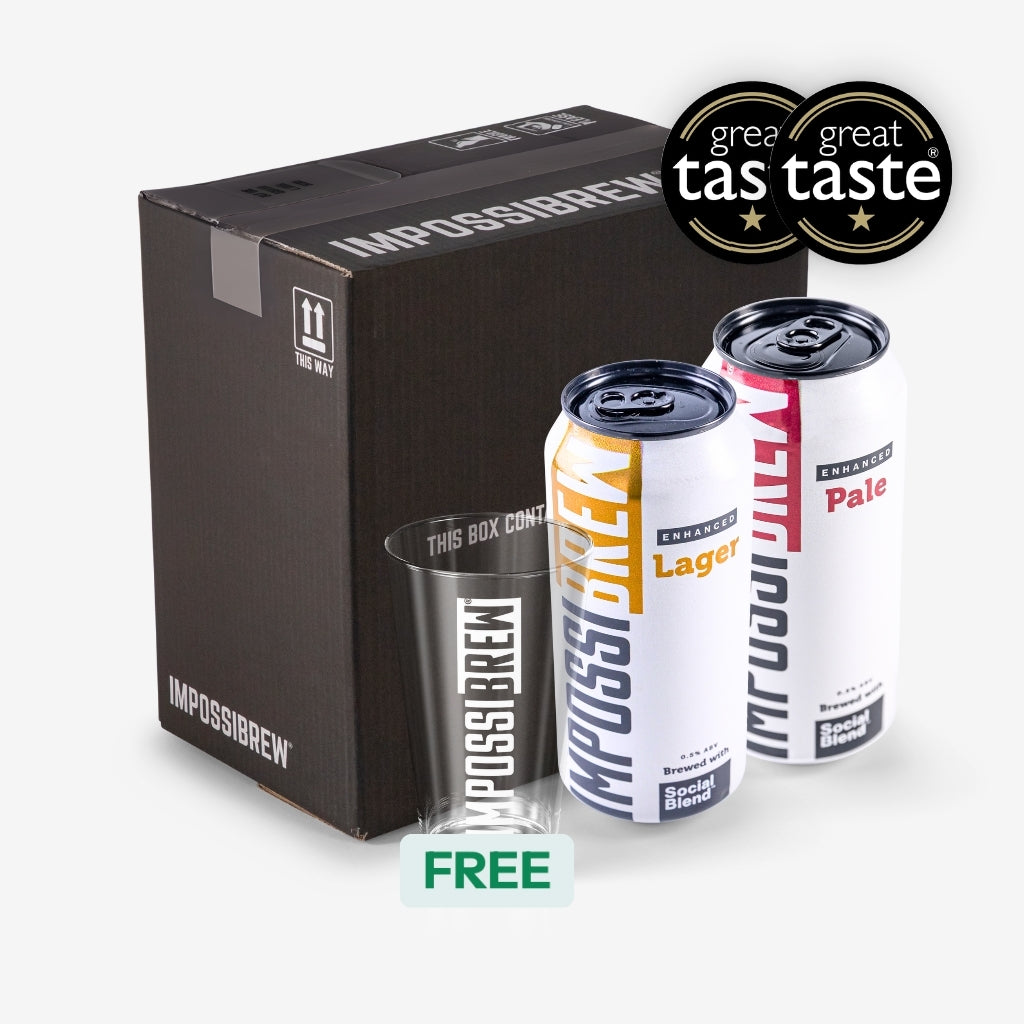
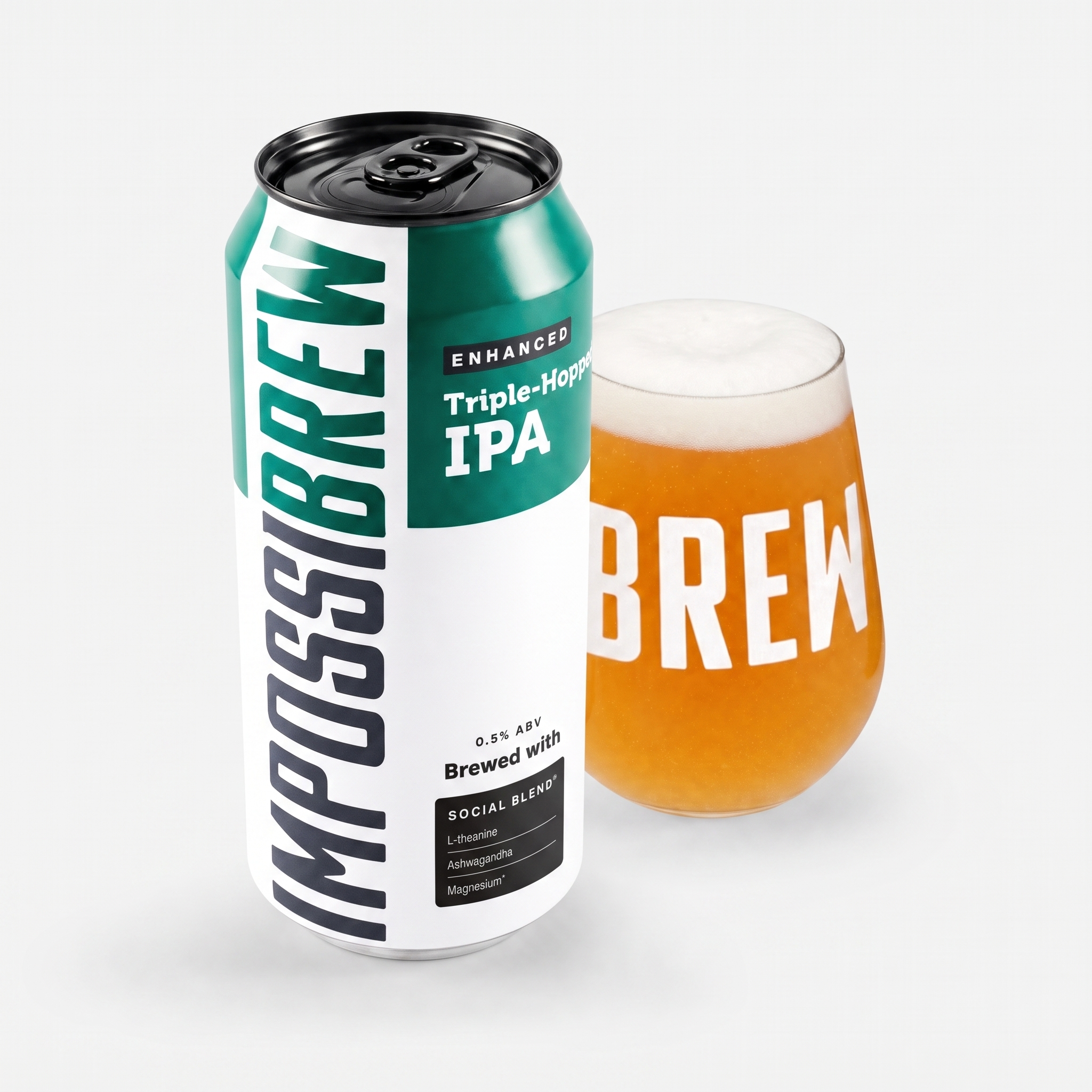
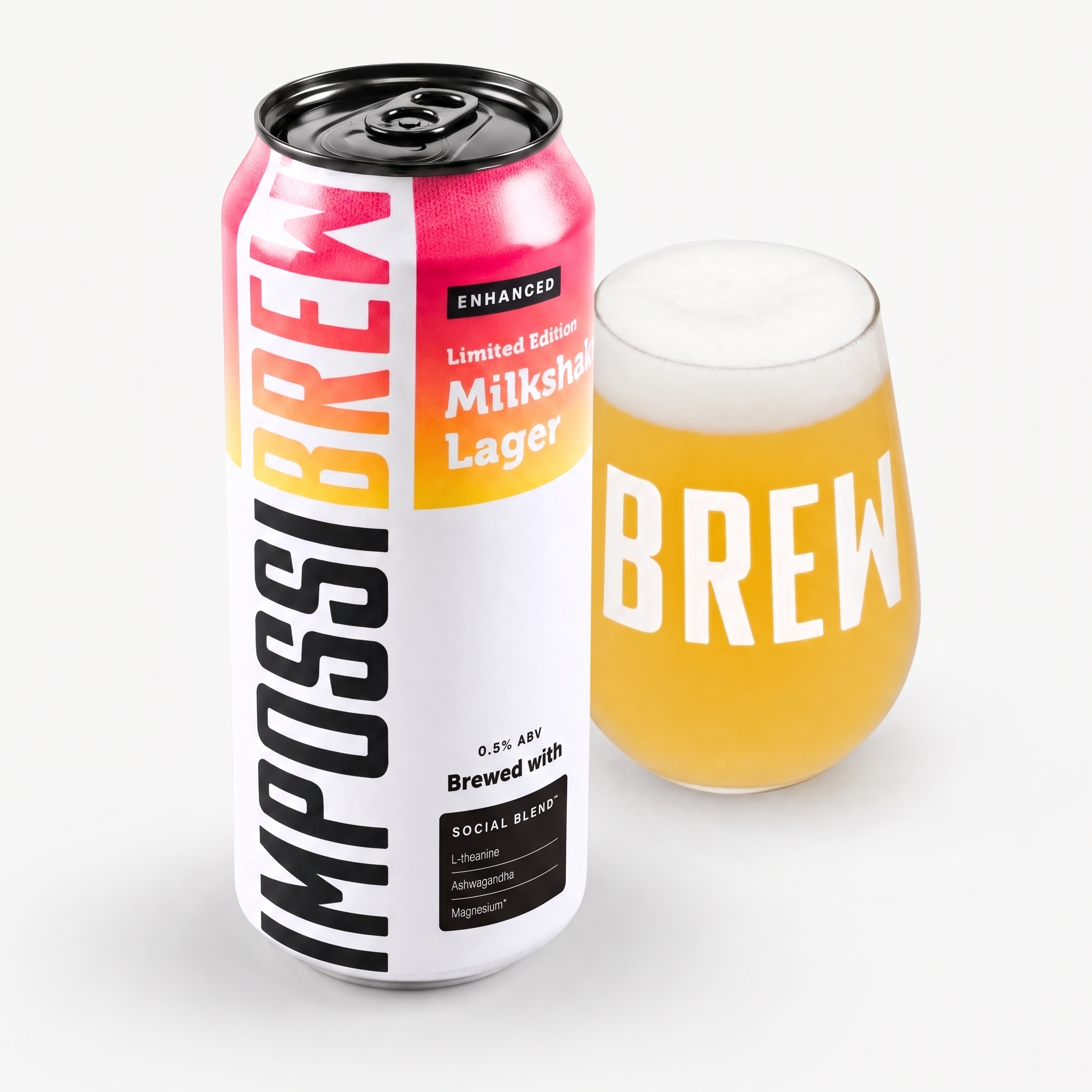
- Non-alcoholic options: Products like IMPOSSIBREW® offer alternatives that mimic the social drinking experience.
Going alcohol-free isn't just about giving something up - it's about gaining clarity, energy, and control over your time and finances. Start small, plan ahead, and focus on what matters most to you.
My TOP 10 BENEFITS of not drinking alcohol | 874 days sober
sbb-itb-a752bf8
1. Social Situations Need New Approaches
Adjusting your social habits is essential when going alcohol-free. It doesn’t mean giving up your social life - it’s about navigating interactions differently. The real shift isn’t in what’s in your glass but in how you handle being the sober one in the room.
Here are a few practical tips to help you stay committed while enjoying social events.
Keep a drink in hand. Holding a non-alcoholic option - like tonic water, ginger ale, or an alcohol-free beer - can stop people from repeatedly offering you a pint. Mark Howlett, CEO of Soul Padel, explains:
When you've got a beer in your hand and that beer has no alcohol in it, placebo kicks in. You also feel like Superman the next day plus you remember everything that went on the night before. [7]
This simple trick not only helps you blend in but also gives you a confidence boost for the next day - no hangovers, no regrets.
Plan your exit in advance. Arrange your transport ahead of time so you can leave whenever you feel ready. Sobriety Empowerment Coach Emily Syphas reminds us:
You don't owe anyone an apology, you don't need to feel guilty, and you certainly don't need to go into details. If you're not feeling it... you can leave. [5]
Having an exit plan ensures you’re in control of your evening, without the pressure to stay longer than you want.
Take charge of the plans. Suggest activities that don’t revolve around drinking, like bowling, darts, or a casual brunch. When picking venues, check ahead for their alcohol-free options. When networking without alcohol, expert Tracy Heatley points out:
The person asking the questions is the one in control of the conversation, not the one who drinks the most, is the loudest and talks the most. [7]
Starting with smaller, low-key gatherings can help ease you into sober socialising. For bigger events like weddings or late-night parties, arriving early gives you a chance to connect with the host and settle in before the atmosphere becomes overwhelming. [6]
2. Emotional Changes Can Feel Overwhelming
Quitting alcohol can feel like stepping into a world where emotions are suddenly amplified. Beth Button, a communications professional, describes sobriety as living life in "High Definition (HD)" – with raw emotions exposed, no longer dulled by alcohol's numbing effects.
Alcohol interferes with your brain's reward system by artificially boosting dopamine levels. When you stop drinking, your brain has to relearn how to produce dopamine naturally. This adjustment period can bring mood swings and irritability. As Annie Grace, author of This Naked Mind, explains:
Quitting drinking is like hitting the reset button on your brain chemistry. It takes time for everything to settle back down.
These changes, much like the social adjustments of sobriety, require new tools to navigate.
In the first week, it's common to feel irritable, teary, or anxious as your brain's dopamine and GABA systems recalibrate. By the second or third week, many people notice clearer thinking, improved memory, and reduced "hangxiety." Dr Suzanne Wylie, a GP and medical expert, highlights this shift:
Alcohol can cloud thinking and lower mood, so after a few weeks off, people often describe a sense of improved focus, better memory, and less anxiety.
This emotional reset is a crucial part of the journey, as important as redefining your social habits.
When feelings like anger or irritability surface, take a moment to dig deeper. Are these masking emotions like fear or sadness? Simple techniques such as breathwork, a quick cold shower, or prioritising quality sleep can help restore emotional balance. Sleep, in particular, plays a key role by allowing your brain to engage in restorative REM cycles that aid emotional healing.
Over time, the intensity of these emotions fades, making room for authentic self-confidence. As your nervous system finds its equilibrium, the emotional "volume" gradually lowers, leaving you feeling more in control.
3. You'll Need New Rituals to Replace Drinking Habits
Once you've adjusted emotionally, the next step is rethinking your daily routines.
Drinking often becomes an automatic part of life, not a conscious decision. Maybe it’s pouring a glass of wine as the clock strikes 6pm or grabbing a pint after work to signal the end of the day. When you remove alcohol from the equation, it can leave a noticeable gap in your routine.
The key isn’t just avoiding alcohol; it’s about creating intentional rituals that give you the same sense of relaxation. Preparing something special – like muddling fresh mint and lime, pouring a chilled drink into your favourite glass, or adding a sprig of rosemary – can send a calming signal to your body. As Purely Planted puts it:
"The act of muddling herbs, shaking a drink, or sipping something special from a beautiful glass sends a powerful message to your nervous system: it's time to unwind now." – Purely Planted [11]
This isn’t about making drinks look fancy for the sake of it. It’s about recreating the psychological cues that alcohol once provided. Holding a well-made alcohol-free drink can create a similar placebo effect, helping your brain recognise it’s time to relax.
Whether you’re mixing a refreshing mocktail with citrus and ginger or simply reaching for a quality alcohol-free alternative during your usual "beer while cooking dinner" moment, these rituals make the transition smoother. They also solve practical concerns, like what to do with your hands at social events, and reclaim the time you might have lost to hangovers or nights at the pub.
4. Non-Alcoholic Options Like IMPOSSIBREW® Enhanced Beers Change Everything
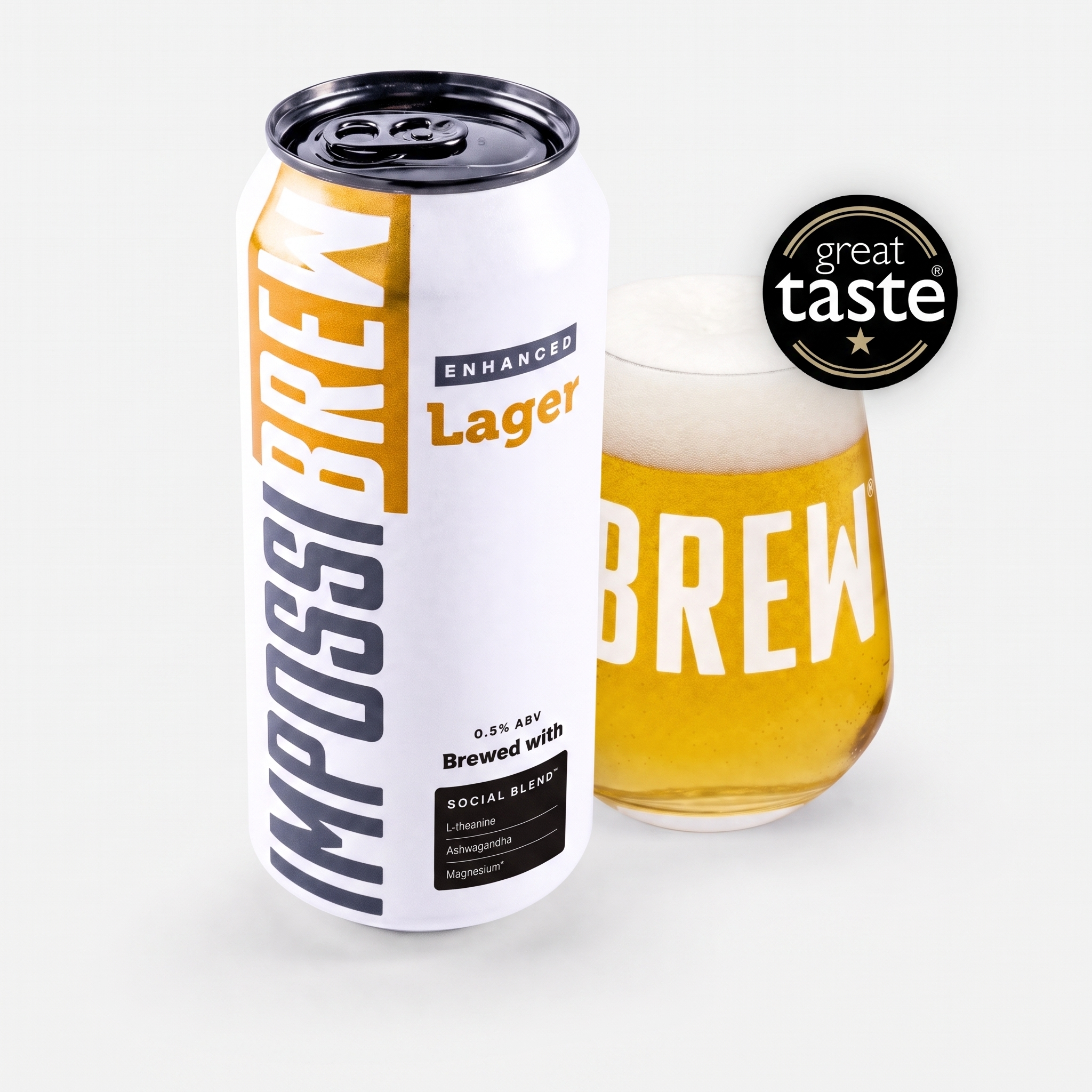
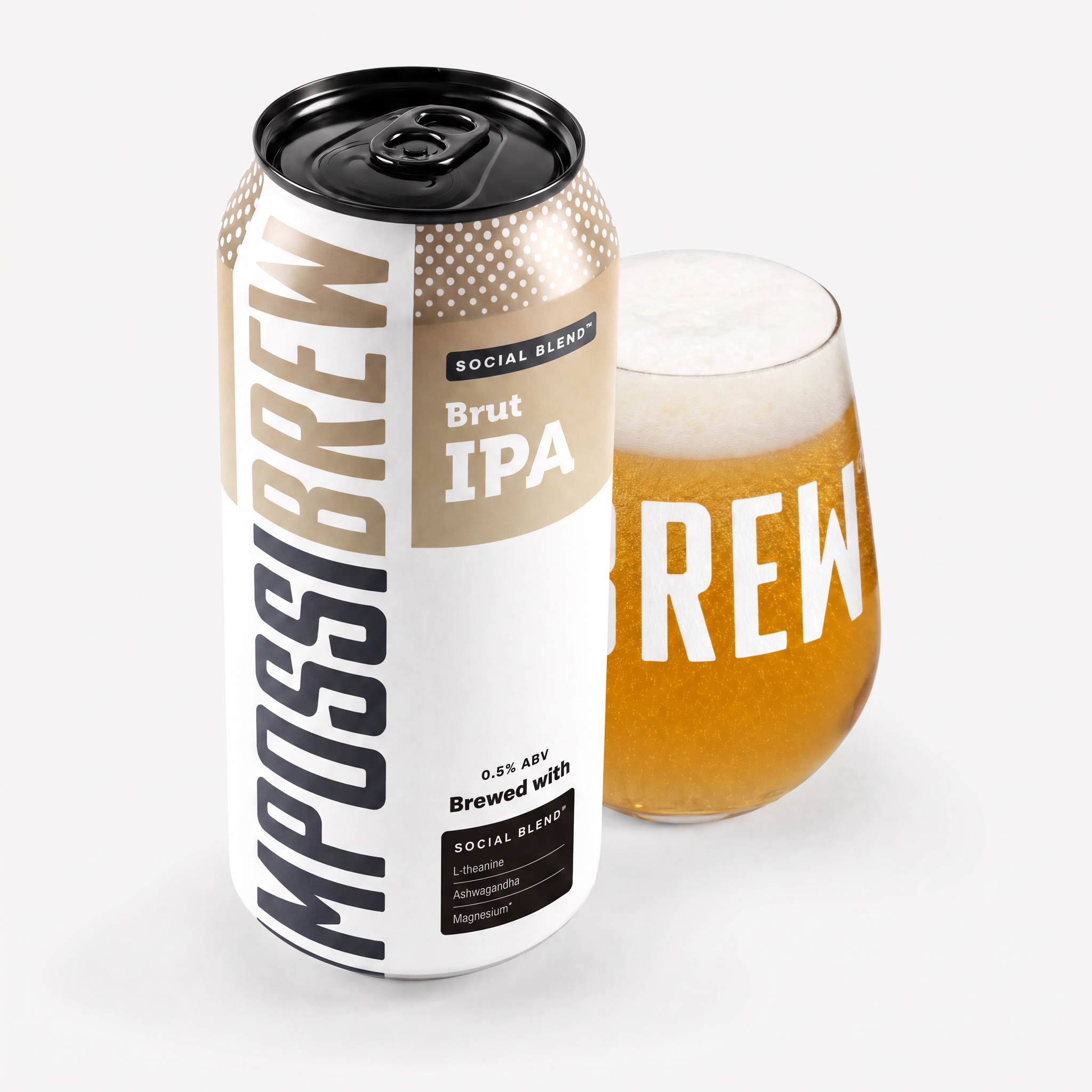
Non-alcoholic options, such as IMPOSSIBREW®, are transforming the way people approach alcohol-free lifestyles. These beverages go beyond simply mimicking the taste of traditional beer - they aim to recreate the full experience of social drinking, including that relaxing, feel-good buzz many associate with a pint or two.
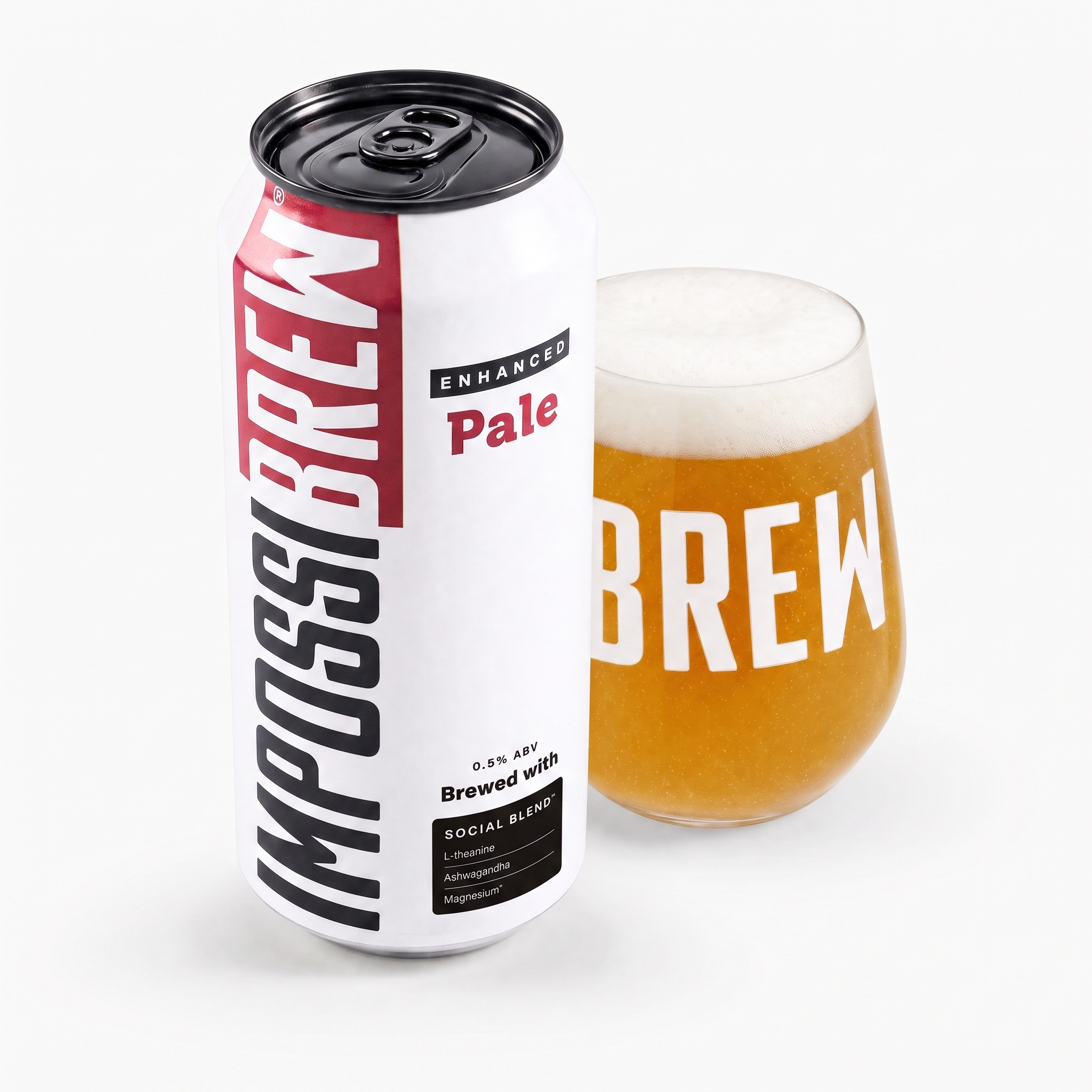
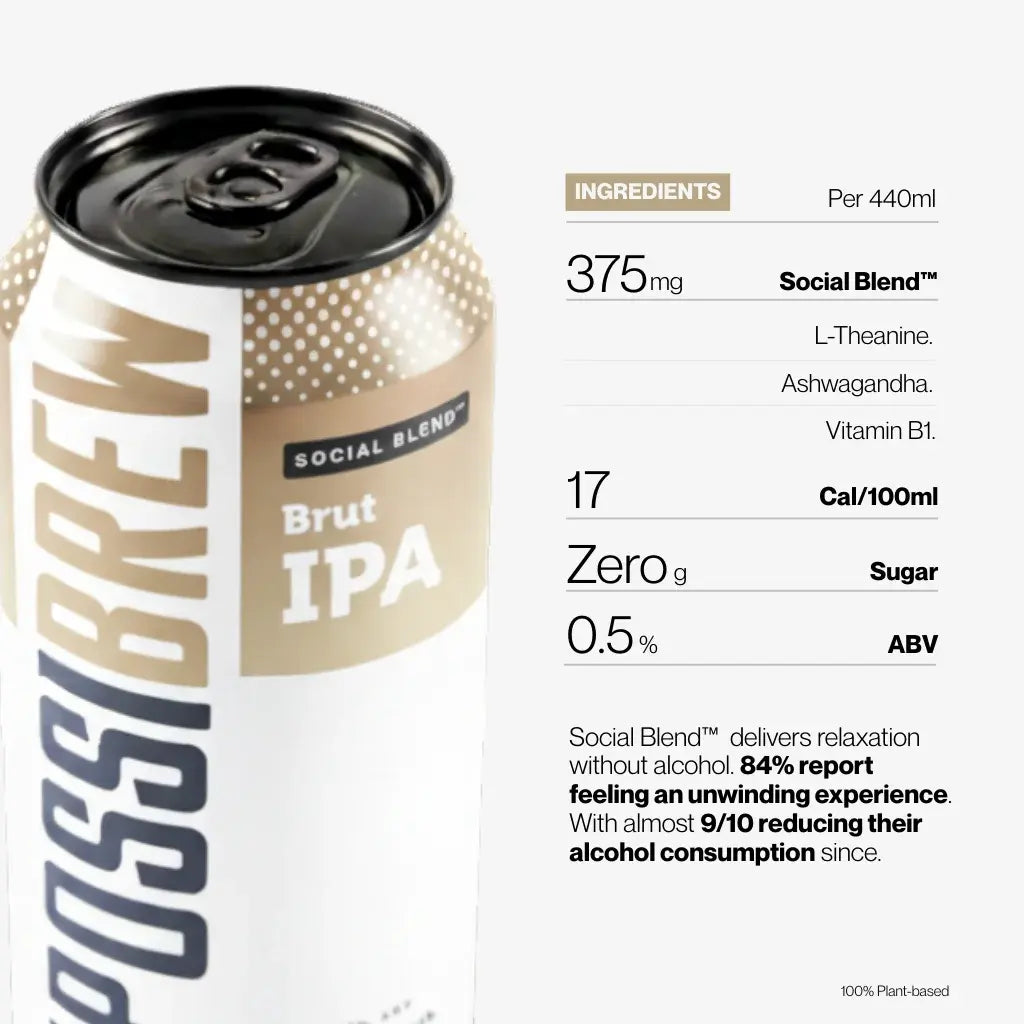
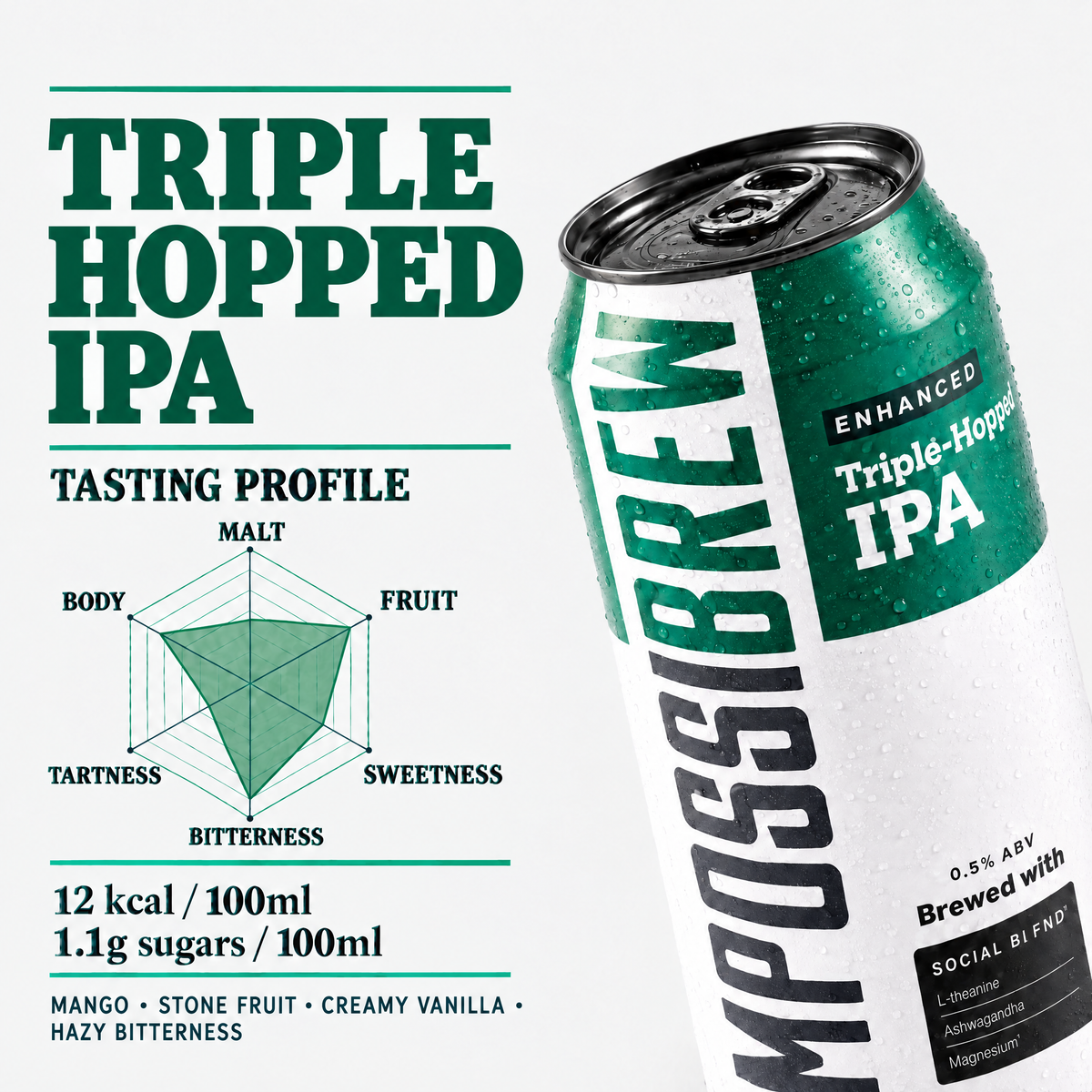
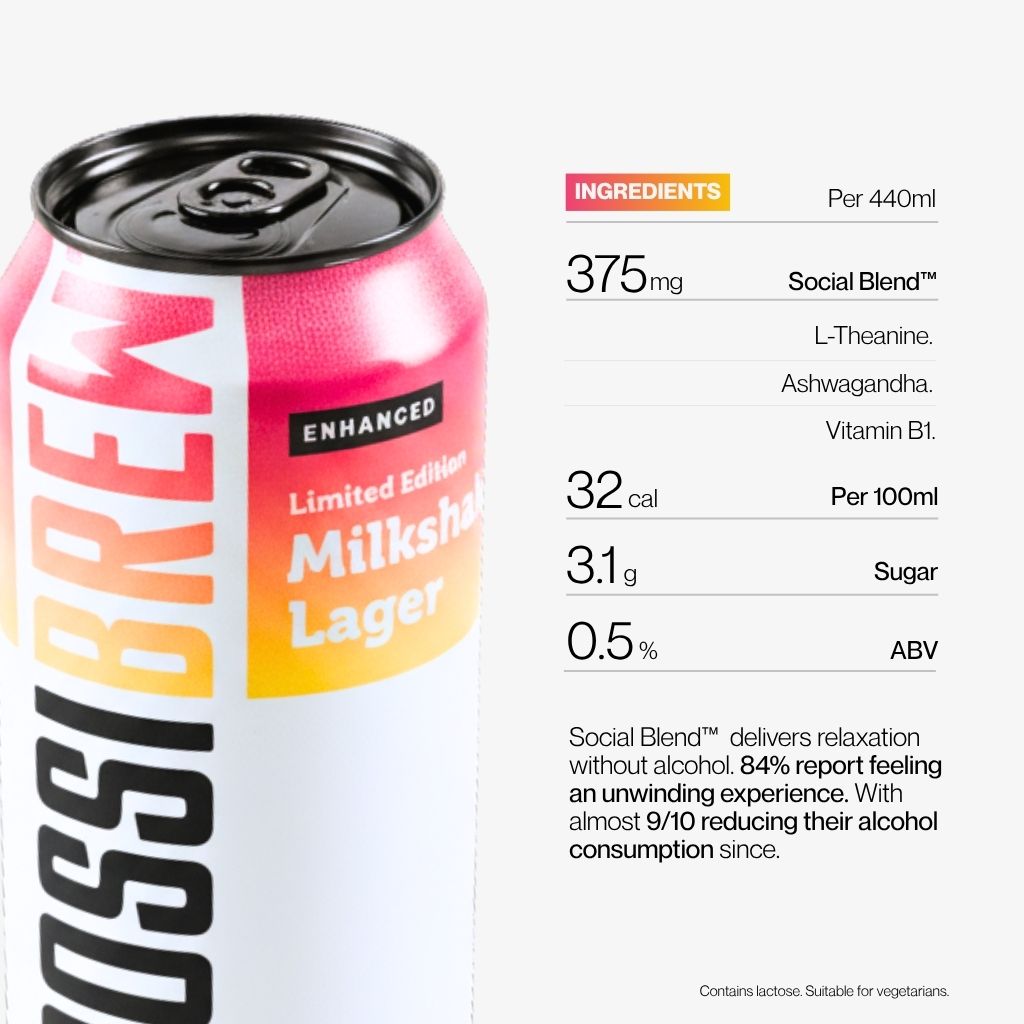
IMPOSSIBREW® Enhanced Beers take this concept to the next level with their Social Blend™ technology. This unique formula combines nootropics like L-Theanine and adaptogens such as Ashwagandha to deliver a calming effect without the downsides of alcohol. In a study involving over 1,000 participants, 70% reported feeling relaxed after drinking these beers, and 88% said they reduced their alcohol consumption as a result [9].
"Our Social Blend™ technology isn't an accident. It's the result of questioning everything we thought we knew about social drinking... This isn't about removing alcohol. This is about something better." – Mark Wong, Founder, IMPOSSIBREW® [9]
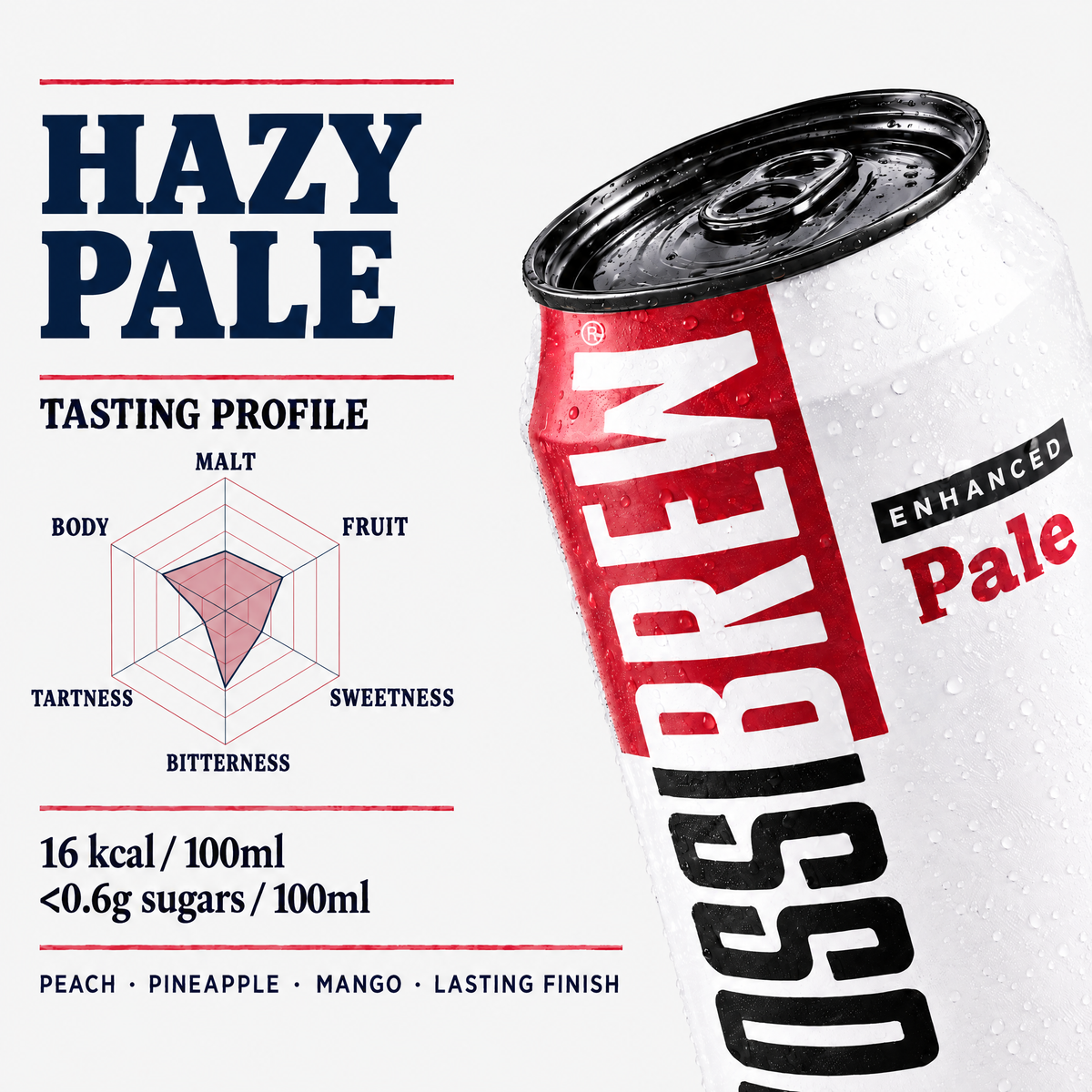
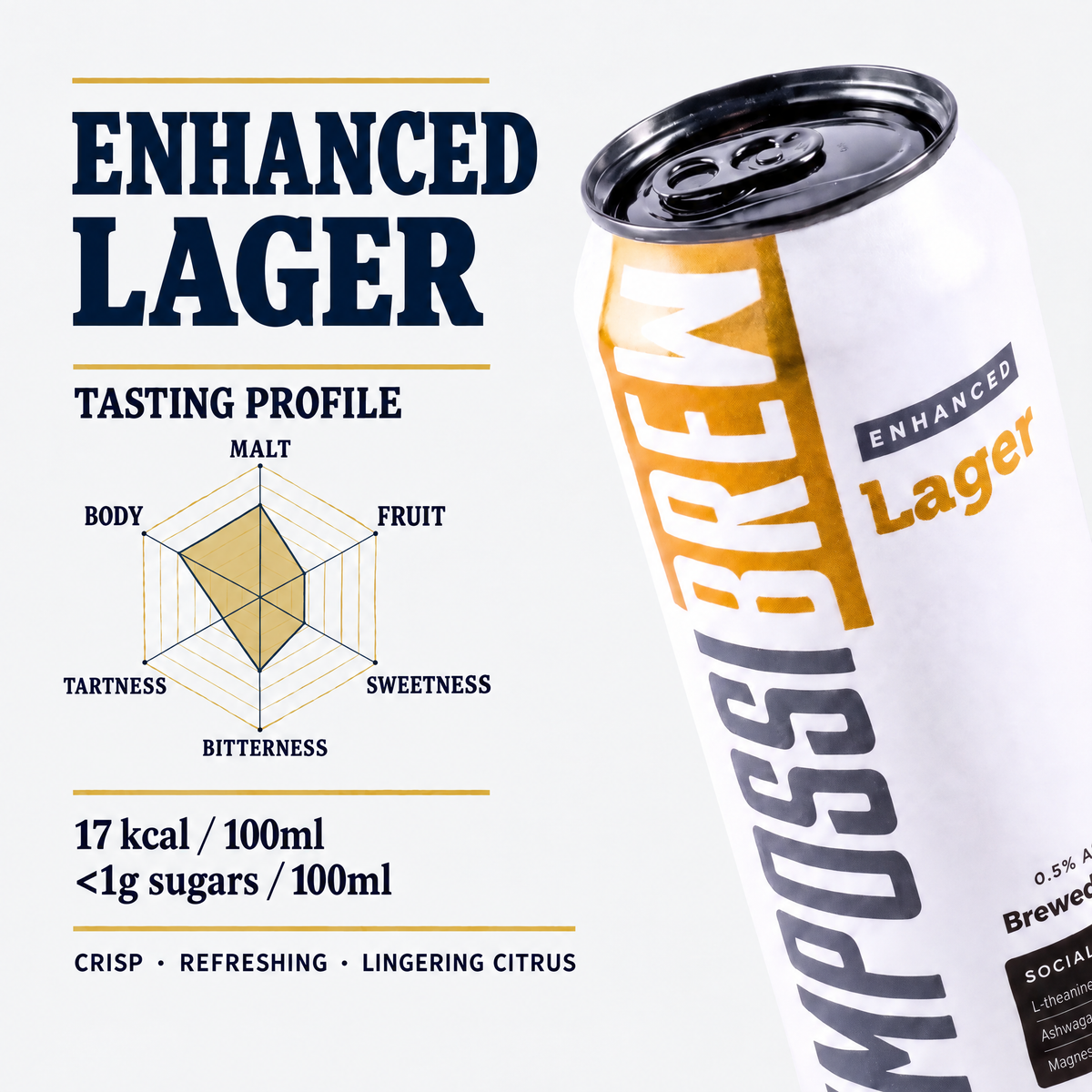
What truly sets IMPOSSIBREW® apart is its brewing process. Using cryogenic fermentation, they minimise alcohol production while preserving the rich taste and texture of traditional beer. At just 16 kcal per 100 ml, you can enjoy the familiar ritual of pouring a proper pint without worrying about the extra calories [9].
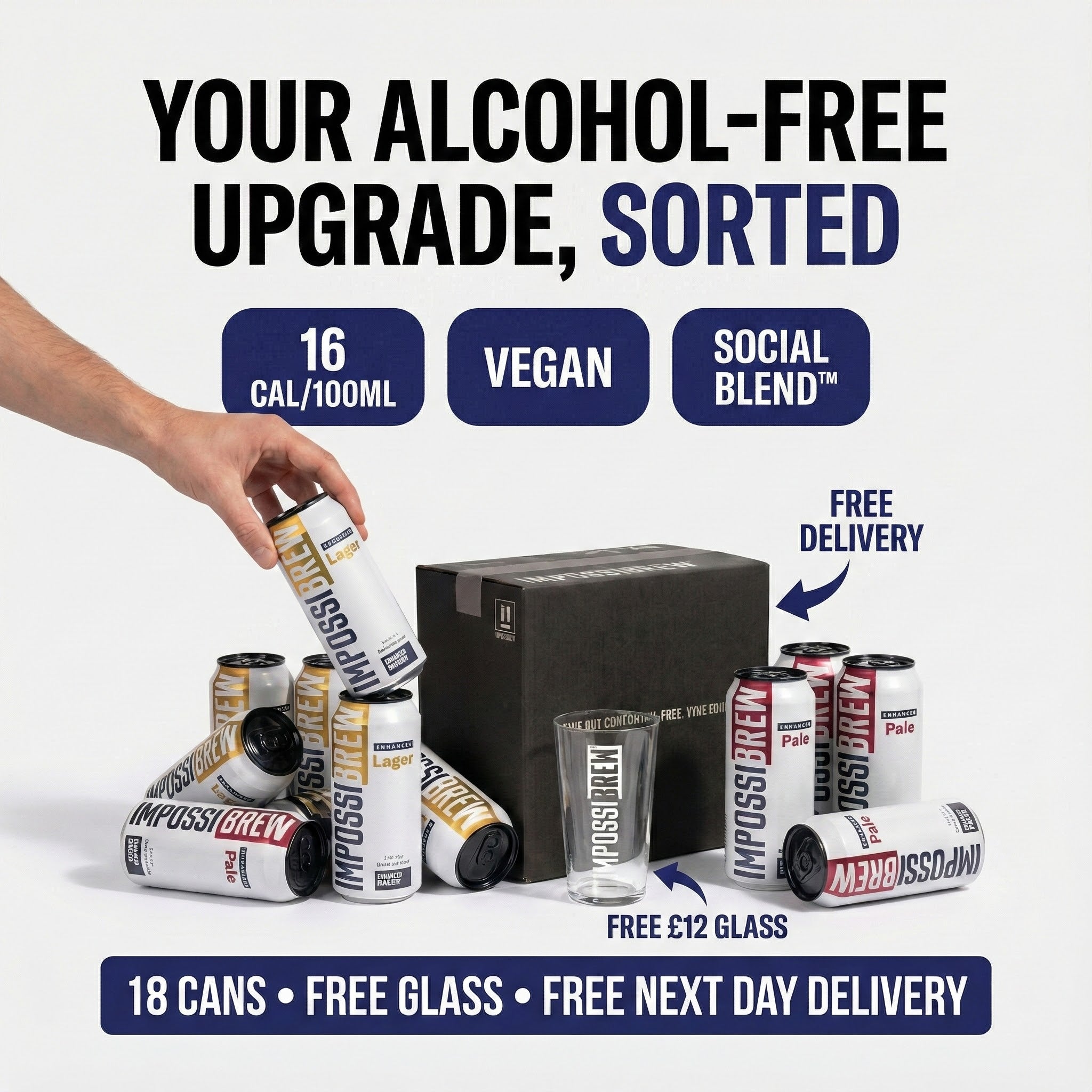
The functional ingredients in these beers are designed to boost serotonin levels and promote alpha brain waves, helping you unwind in social settings. In fact, 75% of users have described IMPOSSIBREW® as the most complete alternative to alcohol. Priced at £49.99 for the Bestseller Bundle (down from £66.00), it’s a straightforward way to maintain your evening ritual while keeping your mornings clear-headed [9].
5. Sleep Gets Better But Takes Time to Adjust
Sleep is one of the many aspects of life that changes when you stop drinking alcohol. While giving up alcohol can improve sleep in the long run, the initial adjustment phase can be rough. Alcohol might help you relax at first, but it also interferes with your brain’s natural ability to wind down. Once you quit, you may find yourself dealing with sleepless nights, racing thoughts, night sweats, and vivid dreams that leave you feeling drained.
The first week can be particularly tough. Your GABA receptors, which help regulate relaxation, may struggle to adjust, and your body might experience "REM rebound" as it tries to recover the restorative sleep it’s been missing for so long [13][14]. Studies reveal that even small amounts of alcohol can impact sleep quality - low intake reduces it by 9.3%, moderate drinking by 24%, and heavy consumption by about 39.2% [15].
"Alcohol acts as a sedative at first, but then disrupts your body's natural sleep cycle as it wears off, often causing lighter sleep or early wake-ups." – Dr. Chelsea Perry, Owner of Sleep Solutions [15]
The good news is that these disruptions don’t last forever. Over time, your body begins to adjust, and your sleep quality improves. Many people notice better sleep by weeks 4 to 6 [13], while fully restoring your natural sleep-wake cycle can take anywhere from one to three months [12]. To help your body during this transition, try sticking to a consistent bedtime (even on weekends), keep your bedroom cool (18–20°C), and avoid caffeine after 2 PM. If you can’t fall asleep within 20 minutes, get out of bed and do something dull until you feel sleepy again. This prevents your brain from associating your bed with stress or frustration [13].
Lauren Jeffries, Sleep Features Editor at Tom's Guide, shared her experience during Sober October 2025. She noticed her need for 9 hours of sleep naturally reduced to 7.5–8 hours, leaving her feeling more refreshed. She also got rid of "social jet lag", the 4-hour weekend shift in her sleep schedule that used to leave her exhausted on Mondays [15].
6. You'll Save More Money Than You Expect
Choosing to live alcohol-free doesn’t just improve your health - it also has a noticeable impact on your wallet. The savings go well beyond the cost of the drinks themselves. Think about the hidden expenses: late-night taxis, post-pub snacks, takeaway meals, and even cigarettes. These costs can quickly add up [16][17].
The numbers speak for themselves. Between January 2022 and January 2024, Olivia Foster, a London-based freelancer, managed to save £11,000 by cutting out her £100-per-week alcohol habit. A large portion of her savings came from reduced transport expenses. Similarly, journalist Adam Luck saved around £180 during "Sober October" in 2024. His savings included £40 from skipping rounds of drinks at a pub wake and £50 from choosing fresh juice and soda instead of alcohol during a week-long holiday in Crete [18]. These examples show how even small changes can lead to significant financial benefits, especially when you start tracking all alcohol-related costs.
"Adam's results demonstrate just how powerful it can be to cut an expensive habit from your life, especially one you're not benefiting from... freeing up a bit more time for your finances could also pay dividends." – Sarah Coles, Head of Personal Finance, Hargreaves Lansdown [18]
To gain control over your spending, try tracking every expense connected to alcohol - drinks, taxis, late-night snacks, and even hangover meals. Apps like "Try Dry" or "MyDrinkaware" can make this process easier [16][17]. Once you know how much you’re saving, consider redirecting that money into a savings account or ISA. For instance, if a 37-year-old earning £30,000 annually invests £180 a month (the average savings from cutting alcohol) into a pension, they could potentially grow their pot by £109,000 by age 67, assuming 5% growth and tax relief [18].
Even small choices can make a difference. Swapping a £4.98 pint for a £1.50 lime and soda saves £3.48 per round [18]. On average, UK households spend about £8.20 a week on alcohol - around £430 annually [16]. But if you’re a regular pub-goer drinking six pints of lager each week, your yearly spending could reach £1,508, not including extras like snacks or transport [16]. By tracking just one month of alcohol-related spending, you’ll uncover your true baseline and see how quickly savings can accumulate once you cut out alcohol. The money saved not only boosts your finances but also strengthens your commitment to a healthier, more balanced life.
7. Physical Changes Like Clearer Skin Happen Gradually
Quitting alcohol doesn’t just bring emotional and financial benefits - it can also lead to noticeable physical changes, particularly in your skin. But don’t expect an overnight transformation; these changes take time.
The first improvement you’ll likely notice is better hydration. Alcohol depletes the body’s anti-diuretic hormone, causing it to lose water and sodium faster. When you stop drinking, your body starts retaining moisture properly again, giving your skin a plumper, more hydrated appearance within just a few days [56, 58].
How quickly your skin improves depends on your drinking history. Dr Alexander Golberg explains:
If you've been drinking nightly for 15 years, you're not going to see totally rejuvenated skin in two days [19].
That said, some early changes can be seen in the first week. Puffiness around the eyes and jawline often decreases as your lymphatic system stabilises [57, 59]. By the second week, redness starts to fade as inflammation subsides [57, 59].
The more dramatic changes usually appear after three to four weeks. This is when the so-called "sober glow" becomes evident. Improved liver function allows your body to better absorb vitamins like A, C, and B, which directly enhance your complexion [56, 57]. Gina Baker, a skincare specialist at Germaine de Capuccini, notes:
By the end of the first week, the skin begins to look fresher. The finer dehydration lines start to fill out as the skin becomes plumper and more hydrated [23].
For deeper changes, like improved elasticity and reduced visible capillaries, patience is key. These can take months or even up to a year to fully develop. Dr Melanie Palm, a board-certified dermatologist, explains:
The body is equipped to experience a toxin and deal with it. It's the chronic exposure over time that overwhelms the skin's ability to repair itself [19].
By six months or more of sobriety, many people report looking noticeably younger - sometimes by five to ten years - thanks to consistent hydration and reduced oxidative stress [21].
To enhance your skin’s recovery, consider using products like hyaluronic acid serums and a nightly retinoid [22]. Dr Maryam Zamani, an aesthetic doctor, emphasises:
Ideally your lifestyle and skincare should work in synergy with one another for maximum benefit [20].
These gradual yet rewarding physical changes show that perseverance in your alcohol-free journey is well worth it.
8. You'll Have More Time for What Matters
Choosing to go alcohol-free doesn't just free up the hours spent drinking - it also eliminates the time spent planning nights out, travelling to the pub, and recovering from hangovers.
Ian Callaghan, a Mindset and Sobriety Coach, sums it up perfectly:
My time is MINE. No more wasted mornings spent in a haze of nausea and regret. No more lost weekends where entire days vanished into a blur. [10]
Without alcohol, you wake up feeling clear-headed and energised, ready to tackle the day - whether it’s work, exercise, or simply enjoying a peaceful morning. Jennifer Savin, Features Editor at Cosmopolitan, shares her perspective:
I also now relish not having a hangover and love to make wholesome weekend plans with all my newly found free time that isn't spent puking or crying in bed. [3]
Better sleep quality often means you’ll need less time in bed to feel refreshed, and sharper focus can help you get more done without procrastinating. One person even managed to read 74 books in their first alcohol-free year, using the time they’d previously spent drinking or recovering [24]. Others have channelled this newfound time into learning a language, picking up embroidery, training for marathons, or even starting a business. This clarity of mind adds to the emotional and physical improvements that come with quitting alcohol.
To make the most of your extra time, consider scheduling activities like hiking, tennis, or picking up a new skill. Keep track of your routines to see how your time is being used, and if a social event isn’t enjoyable, don’t hesitate to leave early and focus on something you truly value [3].
Comparison Table
Here's a straightforward breakdown of IMPOSSIBREW®'s two enhanced beers, designed to help you pick the best option for any occasion. Both beers feature the science-backed Social Blend™, a mix of L-Theanine, Ashwagandha, and Vitamin B1, aimed at promoting relaxation and focus [9].
Whether you're looking for something gluten-free for inclusive gatherings or a flavour-packed choice for special events, IMPOSSIBREW® has you covered. The Enhanced Lager is certified gluten-free (less than 10 PPM of gluten) and ideal for social settings where dietary needs matter. Meanwhile, the Enhanced Hazy Pale offers a tropical, fruity profile, perfect for craft beer lovers or flavour-focused dinner parties [9][8].
| Feature | Enhanced Lager | Enhanced Hazy Pale |
|---|---|---|
| ABV | 0.5% | 0.5% |
| Calories | From 16 kcal/100ml | From 16 kcal/100ml |
| Social Blend™ | Included (L-Theanine, Ashwagandha, Vitamin B1) | Included (L-Theanine, Ashwagandha, Vitamin B1) |
| Gluten-Free | Yes (Tested <10 PPM) | No (Contains wheat/barley) |
| Primary Social Benefit | Relaxation & Inclusivity | Relaxation & Craft Ritual |
| Best Occasion | Pub nights, casual socialising | Craft beer tastings, dinner parties |
| Price | From £1.97 per can | From £1.97 per can |
Both beers boast an impressive 4.7/5 star rating and have received top UK awards [9]. They provide all the social enjoyment of beer without the next-day regret.
Conclusion
Choosing to go alcohol-free isn’t just about giving up drinks - it’s an opportunity to reconnect with yourself. While the physical changes take time, the mental benefits can be transformative. Imagine life without "hangxiety", with steadier emotions and a clearer mind [1][4]. On top of that, there’s the financial upside: no more spending on rounds at the pub, late-night takeaways, or remedies for the morning after. Plus, you'll gain back hours once wasted on hangovers and discover new ways to feel comfortable in social settings [10][2].
Beth Button, a communications professional who decided to stop drinking, sums it up beautifully:
Choosing to stop drinking is a radical, rebellious act. Discovering you do not need alcohol to feel those things is the ultimate liberation [4].
Think of this as a journey of rediscovery rather than restriction. Approaching it with curiosity and patience can make all the difference.
To make the transition easier, focus on creating new routines. It’s not just about removing alcohol - it’s about replacing it with something meaningful. Whether it’s enjoying sparkling tea, kombucha, or functional alternatives like IMPOSSIBREW®, which offers a relaxing buzz without alcohol, these small changes can help maintain familiar rituals [8]. In fact, over 70% of IMPOSSIBREW® users report feeling relaxed, and 88% have cut back on traditional alcohol since trying functional options [8].
If you slip up, don’t be too hard on yourself. Learn from it and move forward [26]. The human body is incredibly resilient. As Dr. Rafaat Girgis reminds us:
The decision to stop drinking is yours, and though it's a daily commitment, it is possible - and wonderful [25].
Start with small steps, plan ahead, and give yourself room to explore what works best for you. The rewards - better health, sharper focus, financial savings, and improved relationships - are waiting for you. Take it one day at a time, and let each success reinforce your decision to live alcohol-free.
FAQs
How do I tell friends I’m not drinking?
Being upfront about your decision and sharing your reasons can go a long way in fostering understanding and support from others. Instead of centring plans around drinking, suggest enjoyable alternatives like grabbing a coffee, taking a walk, or trying something active. These activities naturally shift the focus away from alcohol. By setting clear boundaries and being honest about your choice, you can manage expectations while keeping your friendships strong.
Is 0.5% ABV still alcohol-free?
Yes, beverages containing up to 0.5% ABV are typically regarded as non-alcoholic or alcohol-free. This aligns with the majority of regulations and labelling standards for these types of drinks.
When will I feel ‘normal’ again?
When you stop drinking alcohol, the timeline for feeling "normal" again can differ from person to person. However, many people start to notice positive changes within just a few weeks. These can include better sleep, a brighter mood, clearer skin, and even less bloating.
For most, withdrawal symptoms ease off within about a week. But the benefits don’t stop there - over the following months, you might experience sharper mental clarity and improved organ function, which can continue to develop for up to a year.
That said, recovery is influenced by several factors, such as your overall health and how much alcohol you used to consume. Everyone’s journey is unique, but the improvements can be life-changing.