
Ever noticed how a night of drinking feels much harder to recover from as you get older? It’s not your imagination - your body processes alcohol differently after 40. Here’s why hangovers hit harder:
- Slower Metabolism: Your liver produces fewer enzymes, leaving toxins like acetaldehyde in your system longer.
- Reduced Liver Efficiency: Ageing shrinks the liver and slows blood flow, making alcohol linger.
- Body Composition Changes: Less muscle and more fat mean alcohol is less diluted, increasing its impact.
- Lower Water Retention: Dehydration happens faster due to reduced body water content.
- Hormonal Shifts: Declining oestrogen and progesterone levels heighten alcohol sensitivity.
- Medication Interactions: Common prescriptions compete with alcohol for liver processing, worsening symptoms.
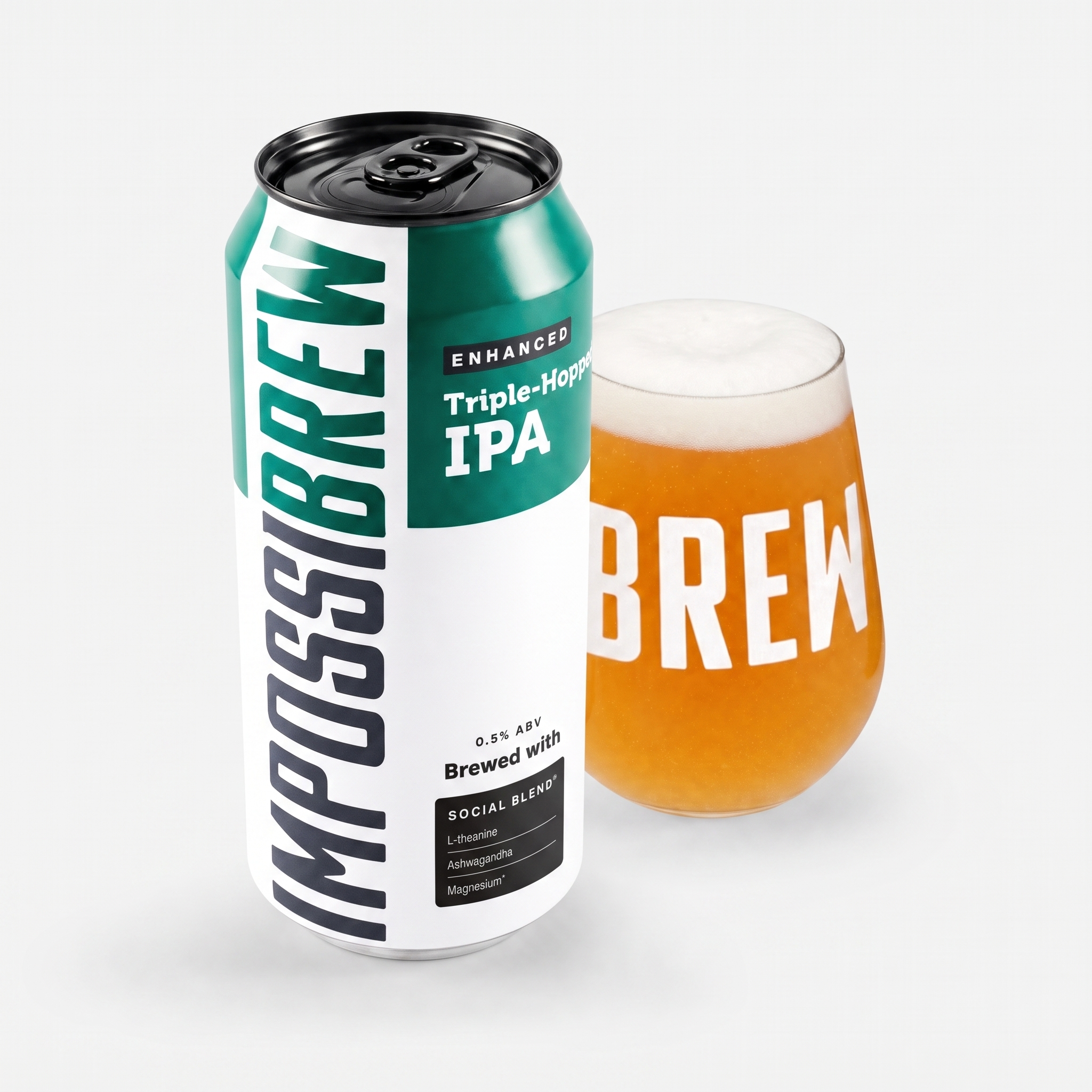
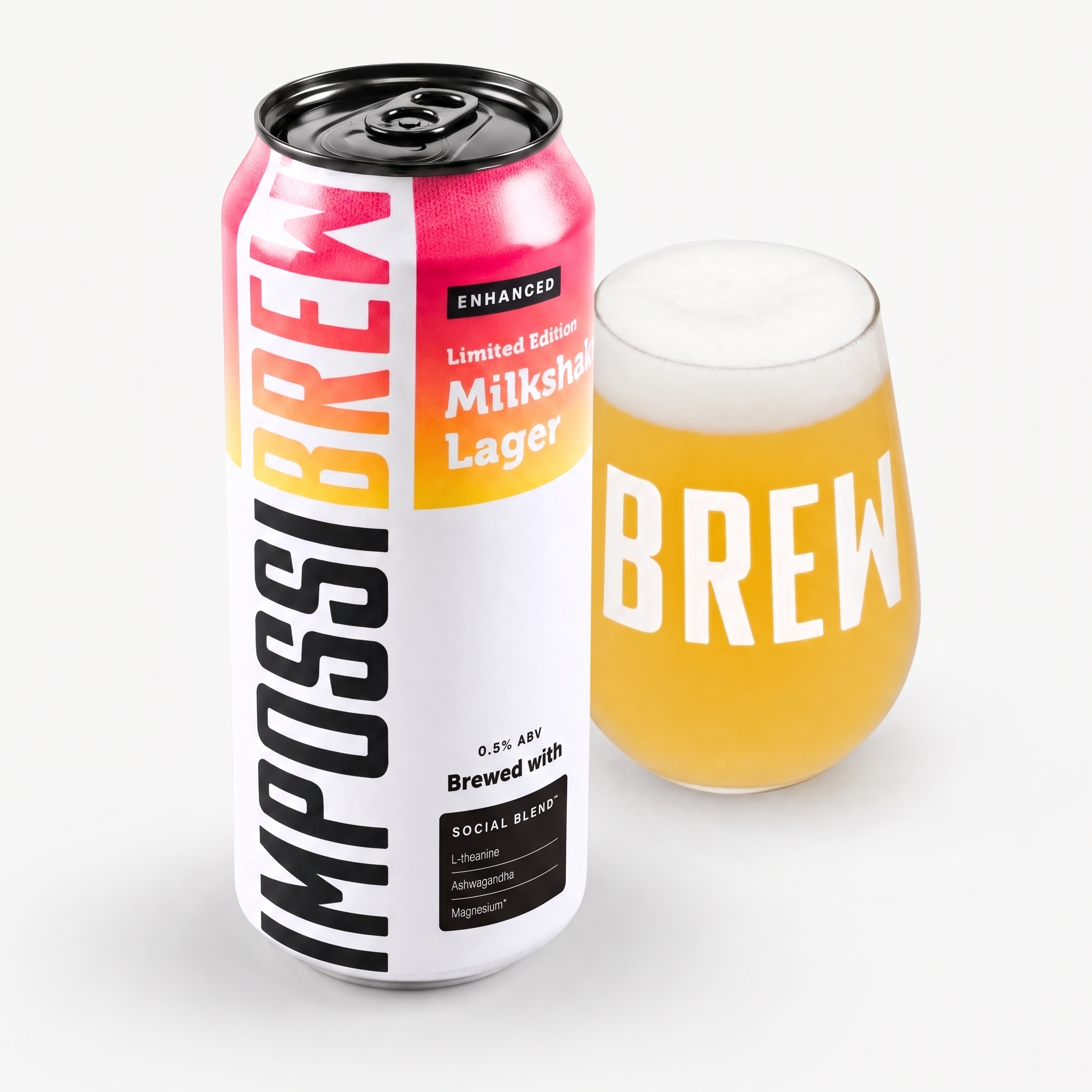
To feel better, drink water between alcoholic beverages, eat protein beforehand, and consider whether non-alcoholic beers are healthy and try options like IMPOSSIBREW®. Small changes can make a big difference in how you feel the next day.
Why do hangovers get worse with age? #Hangover #Science #Aging #Health #SillySeason
sbb-itb-a752bf8
Reason 1: Your Body Processes Alcohol More Slowly
Your liver handles alcohol breakdown through a two-step process involving enzymes. First, alcohol dehydrogenase (ADH) converts ethanol into acetaldehyde, a toxic substance. Then, acetaldehyde dehydrogenase (ALDH) transforms that acetaldehyde into harmless acetate [3][12]. However, after 40, your body produces fewer enzymes, slowing this detoxification process. This delay allows acetaldehyde to linger longer in your system, leading to the unpleasant hangover symptoms you feel.
Dr Tyler S. Oesterle, a psychiatrist at Mayo Clinic, explains:
"You just don't produce as many enzymes or produce them as efficiently as you once did" [9].
The extended presence of acetaldehyde triggers inflammation in your body, resulting in classic hangover symptoms like headaches, nausea, sweating, anxiety, and fatigue [3][5].
For women, the situation is even more challenging. They naturally have fewer alcohol-metabolising enzymes than men, a gap that widens after 40 due to hormonal changes during perimenopause and menopause [8][11]. Dr Cathleen Morrow, Chair and Associate Professor of Community and Family Medicine at Dartmouth Hitchcock Medical Centre, notes:
"Women are already more at risk due to their smaller size and lower levels of enzymes that metabolise alcohol compared to men. Unfortunately, the already low levels of these enzymes continue to decrease as women age" [11].
This combination of gender-specific factors and age-related changes explains why women often experience more severe hangovers as they get older.
Years of filtering toxins also reduce liver efficiency by middle age [9]. On top of that, medications and hormonal shifts can further strain your enzyme supply [8][10]. Recognising how these changes affect your body is crucial for identifying effective ways to manage hangovers, which we’ll explore later in the article.
Reason 2: Your Liver Becomes Less Efficient
As you age, your liver undergoes physical changes that reduce its ability to process alcohol effectively. One of the most noticeable changes is that the liver actually shrinks in size, limiting its capacity to handle toxins [15]. Dr Tony Rao, Consultant Old Age Psychiatrist at South London and Maudsley NHS Foundation Trust, explains:
"The organs that metabolise alcohol, such as the liver and stomach, shrink as you get older, so alcohol stays in your system longer" [15].
Another factor is the slowing of blood flow through the liver, which further hampers its efficiency. Dr Kenneth Koncilja, a geriatrician at Cleveland Clinic, highlights the consequences:
"As you age, your circulation slows. With less blood flowing through your liver, the whole metabolising process slows down - and toxic metabolites from alcohol start to build up" [13].
This reduced circulation means alcohol lingers in your system for longer. The delay in filtering alcohol increases exposure to acetaldehyde, a toxic by-product, which can worsen inflammation and hangover symptoms [3][4]. Over time, these inefficiencies contribute to cumulative liver damage.
For many, years of drinking start to take a toll by age 40. Fatty deposits and inflammation often develop from decades of regular alcohol consumption [15]. Dr Debbie Shawcross, Consultant Hepatologist at King's College Hospital, cautions:
"The liver may start out a little fatty and then if you continue heavily drinking between, say, 40 and 55, the fat and inflammation creates scar tissue and the liver shrinks" [15].
The statistics paint a worrying picture. Liver disease has risen by 400% since the 1970s, disproportionately affecting middle-aged professionals who drink slightly more than they should on a regular basis. Alarmingly, 1 in 6 people who drink heavily between ages 40 and 55 will develop cirrhosis or serious liver disease [15]. To help protect your liver, experts suggest taking at least three consecutive alcohol-free days each week to allow it time to recover [15].
Reason 3: Changes in Body Fat and Muscle Mass
As you hit 40, your body undergoes noticeable changes in its composition, which directly influence how alcohol is processed. A natural decrease in muscle mass and an increase in body fat play a significant role here. Clare Thornton‐Wood, a dietitian and spokesperson for the British Dietetic Association, sheds light on this:
"Body composition changes as we age. We lose muscle and gain fat – muscle is about 75% water but fat can be as low as 10% water. Less water in the body means alcohol is absorbed more quickly and increases the risk of dehydration." [16]
Starting around age 30, muscle mass diminishes by roughly 8% per decade [5], while the body's total water content drops from about 60% in younger years to as low as 50% later in life [3]. With less water available to dilute alcohol, even the same amount you consumed in your youth now results in a higher blood alcohol concentration. George Koob, Director of the National Institute on Alcohol Abuse and Alcoholism, explains:
"You might drink the same amount of alcohol that you used to drink, but now that one drink is more like having one and a half or two drinks, because the alcohol is hanging out in the bloodstream." [17]
This means that two glasses of wine, which might have barely fazed you at 25, can now leave you feeling significantly more intoxicated - and with a much worse hangover - by your mid-40s. These shifts in body composition are a major factor behind the harsher hangovers that come with age.
Reason 4: Your Body Retains Less Water
As you get older, your body naturally holds on to less water. In your twenties, water makes up about 60% of your body weight, but by your forties and beyond, this can drop to around 50% [3]. For men aged 61, the average body water percentage is about 57%, while for women, it’s closer to 50% [14]. This reduction in water content makes alcohol’s diuretic effects even harder on your system.
This isn’t just about drinking less water - it’s tied to how your body changes with age. Muscle tissue, which is about 75% water, tends to decline over time, while body fat, containing only about 10% water, often increases [5].
Dr Zoe Watson, GP and Founder of Wellgood Wellbeing, sheds light on this:
"As we age, the total volume of water inside the body decreases... This means that our blood alcohol level increases a lot quicker when we consume alcoholic drinks, which is why you get drunk more quickly as you age." [2]
Since alcohol encourages water loss, having a lower baseline hydration level means dehydration hits faster. This is a major cause of hangover symptoms like throbbing headaches, overwhelming fatigue, dizziness, and dry mouth [3]. Dr Krista LaBruzzo, an addiction medicine specialist, adds:
"This combination of natural water loss and alcohol's dehydrating effects can lead to hangovers, headaches and even confusion." [1]
When combined with slower metabolism and reduced liver efficiency, this lower water retention makes hangovers after 40 even more intense.
Reason 5: Hormonal Changes Increase Alcohol Sensitivity
Hormonal fluctuations add another layer to the challenges of handling alcohol after 40, compounding the effects of metabolic and bodily changes.
As oestrogen levels decline, the body takes longer to process alcohol. This delay allows ethanol to linger, producing acetaldehyde - a toxin responsible for headaches and nausea. Dr Louise Newson, GP and Menopause Specialist, explains:
"People find their tolerance changes because the way the liver mops up and clears toxins is negatively affected when oestrogen is low." [18]
Studies suggest that perimenopausal hormonal changes can even lead to a 40% reduction in liver size, further slowing alcohol metabolism [19].
Another hormone, progesterone, also plays a role. Falling levels of progesterone remove its natural calming effect on the central nervous system. Initially, alcohol may feel calming as it boosts GABA activity in the brain. However, when this effect fades, it can leave you feeling more anxious and irritable the next day.
These hormonal shifts don’t just affect alcohol metabolism - they disrupt other vital functions too. Sleep, for example, often suffers. Menopause itself can cause sleep issues like night sweats and insomnia, and alcohol only makes things worse by reducing REM sleep by 20% [6]. Menopause Specialist Jessica Barac highlights the knock-on effects:
"Alcohol is a major trigger for night sweats, palpitations and hot flushes, which then disrupt sleep - and poor sleep worsens everything: mood, brain fog, resilience and coping." [20]
In short, hormonal changes amplify the body's sensitivity to alcohol, affecting not just how it’s processed but also how it impacts overall well-being.
Reason 6: Medications and Health Conditions Interfere
By the time you hit your 40s, managing at least one chronic health condition often becomes part of life, and regular medication use is common. This adds another layer of complexity when it comes to alcohol. Your liver, already working harder due to reduced enzyme production and efficiency, now has to process both alcohol and prescription drugs simultaneously.
Dr Kenneth Koncilja, a geriatrician at Cleveland Clinic, explains how this creates competition within your body:
"As you get older, other factors begin to compete for the same enzymes - like health issues that affect your liver function and medications you take that also need to be broken down by your liver." [13]
This enzyme competition can lead to a range of issues. For instance, blood pressure medications might not work as well, blood thinners can become overly potent, sedatives may hit harder, and diabetes medications could disrupt glucose regulation. All of these factors contribute to more intense and lingering hangover symptoms [13].
Chronic conditions common after 40, like diabetes or high cholesterol, further weaken liver function. This prolongs exposure to acetaldehyde, a toxic byproduct of alcohol that's 10 to 30 times more harmful than alcohol itself. Dr Niall Campbell, a consultant psychiatrist, highlights how this toxic buildup can stay "elevated for hours" [7], explaining why you might still smell like alcohol the next morning or feel nauseous well into the day.
Additionally, there’s the concept of "inflammaging" - a gradual increase in low-grade inflammation as we age. If you have conditions like arthritis, this inflammation is already heightened. Alcohol then triggers an extra inflammatory response, creating what researchers call a "double whammy" effect. This can turn hangover headaches into something resembling severe migraines and make the fatigue and discomfort last much longer [3][4].
Here’s a closer look at how medications interact with alcohol and the potential consequences:
| Medication Type | Interaction with Alcohol | Resulting Impact |
|---|---|---|
| Blood Pressure Meds | Reduced medication effectiveness | Increased blood pressure, higher stroke risk |
| Diabetes Meds | Interference with glucose regulation | Blood sugar spikes/crashes, increased liver stress |
| Blood Thinners | Amplified drug effect | Higher risk of internal bleeding |
| Sedatives | Increased potency | Extreme drowsiness, impaired coordination, respiratory risk |
| Cholesterol Meds | Increased liver workload | Slower alcohol clearance, potential liver damage |
These interactions, combined with the natural changes in your body after 40, make it clear why hangovers can feel harsher and last longer as you age.
How to Reduce Hangovers After 40
Now that we’ve covered why hangovers tend to hit harder after 40, let’s dive into what you can do to soften the blow. These tips focus on addressing age-related factors like slower metabolism, reduced water retention, and less efficient liver function. Here’s how to ease those post-drinking regrets.
Drink More Water and Electrolytes
As we age, our bodies retain less water, which means alcohol becomes more concentrated in the bloodstream. This amplifies dehydration-related symptoms like headaches and dizziness. To tackle this, start with an electrolyte drink about 30 minutes before your first sip of alcohol. Then, alternate each alcoholic beverage with a glass of water. Slowing down your drinking pace - aiming for one drink every 90 minutes - can also help your body process alcohol more effectively [3].
Dr Tony Rao, Consultant Old Age Psychiatrist at South London and Maudsley NHS Foundation Trust, explains:
"The total fluid in the body is a lot less - we get more dehydrated as we get older - so because alcohol is distributed in blood which will be more concentrated, it won't be broken down as quickly as it would in the bloodstream of a 20-year-old." [21]
Eat Protein Before Drinking
What you eat before drinking can make a big difference. A meal rich in protein slows down alcohol absorption by keeping it in your stomach longer, delaying its journey to the small intestine where most alcohol is absorbed [12]. This becomes even more important as muscle mass decreases and body fat increases with age, reducing your body’s overall water content [5].
Dr Terry Mulhern, Biochemist at the University of Melbourne, notes:
"It's simply that food keeps ethanol in your stomach longer and slows its progress to the small intestine." [12]
By eating a protein-packed meal, you’re not only slowing alcohol absorption but also helping to protect your stomach lining. Considering it takes your liver around an hour to metabolise a single standard drink [22], giving it a head start with a good meal is a smart move.
Try IMPOSSIBREW® Non-Alcoholic Beers
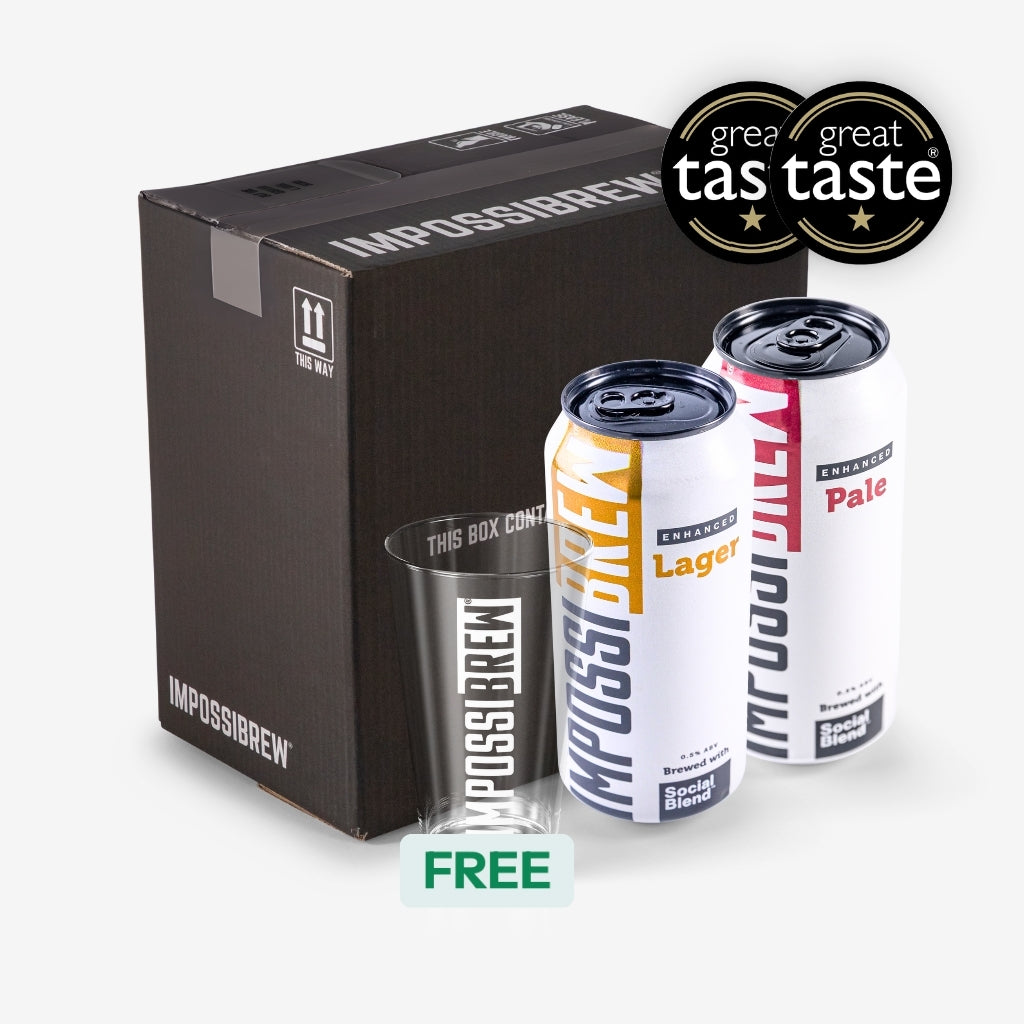
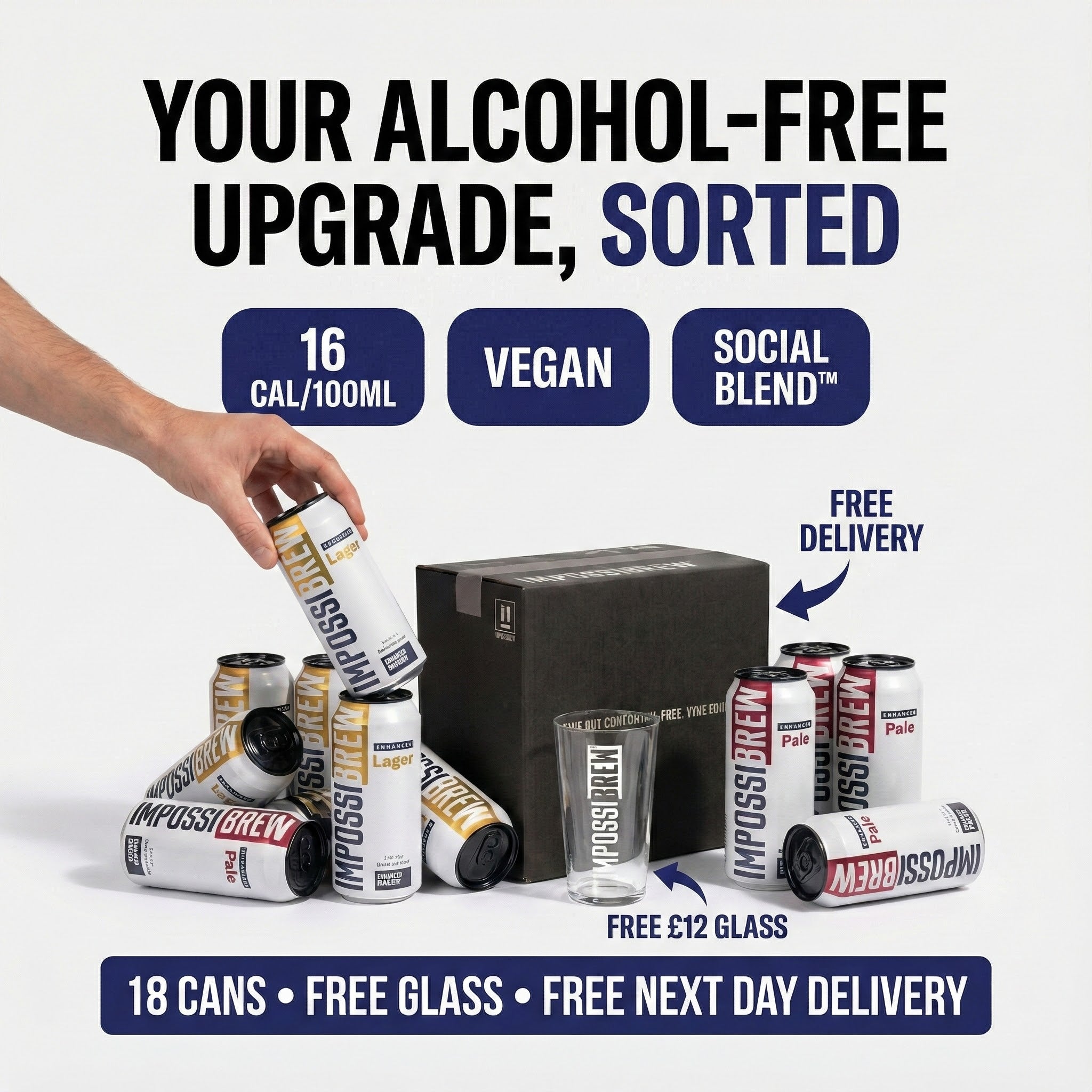
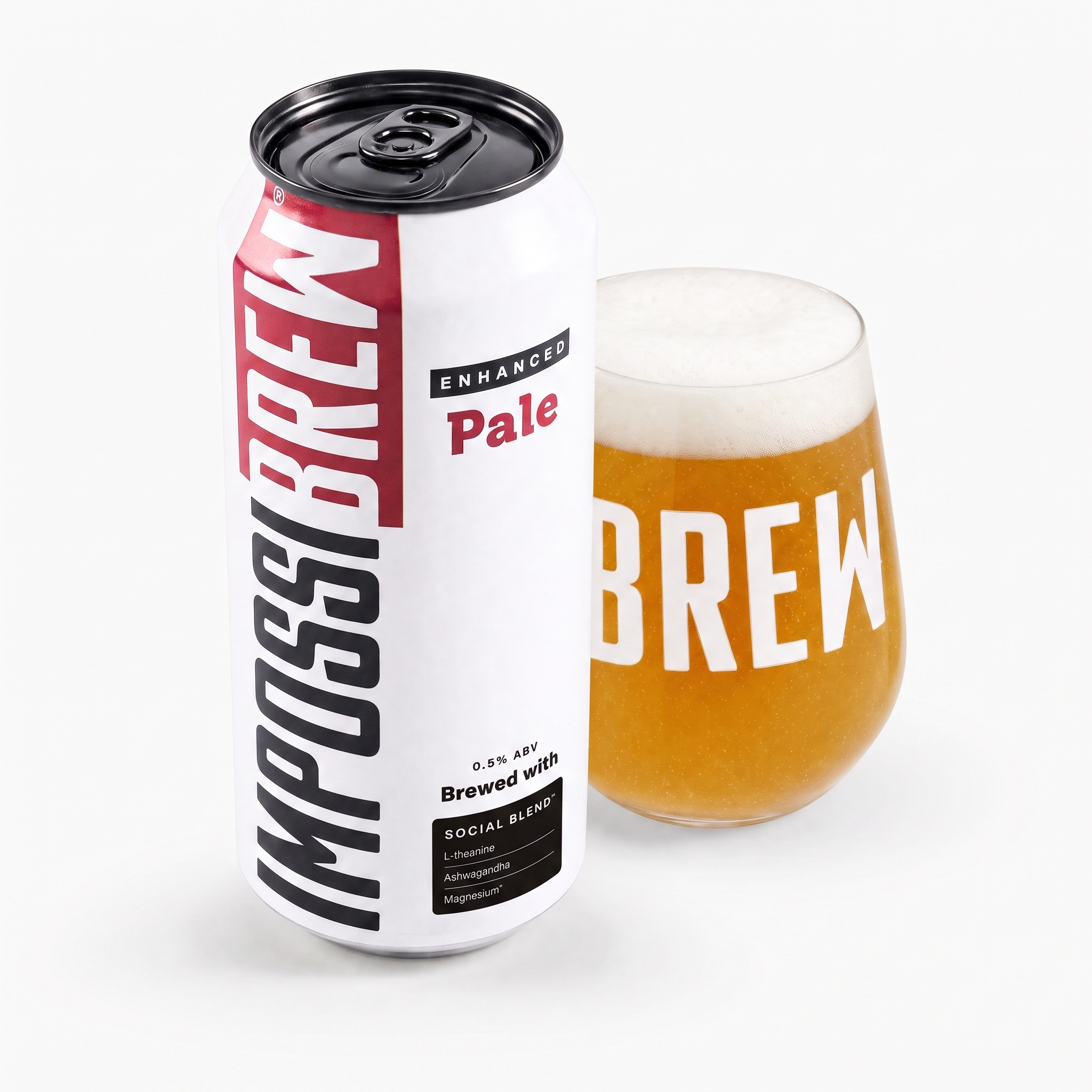
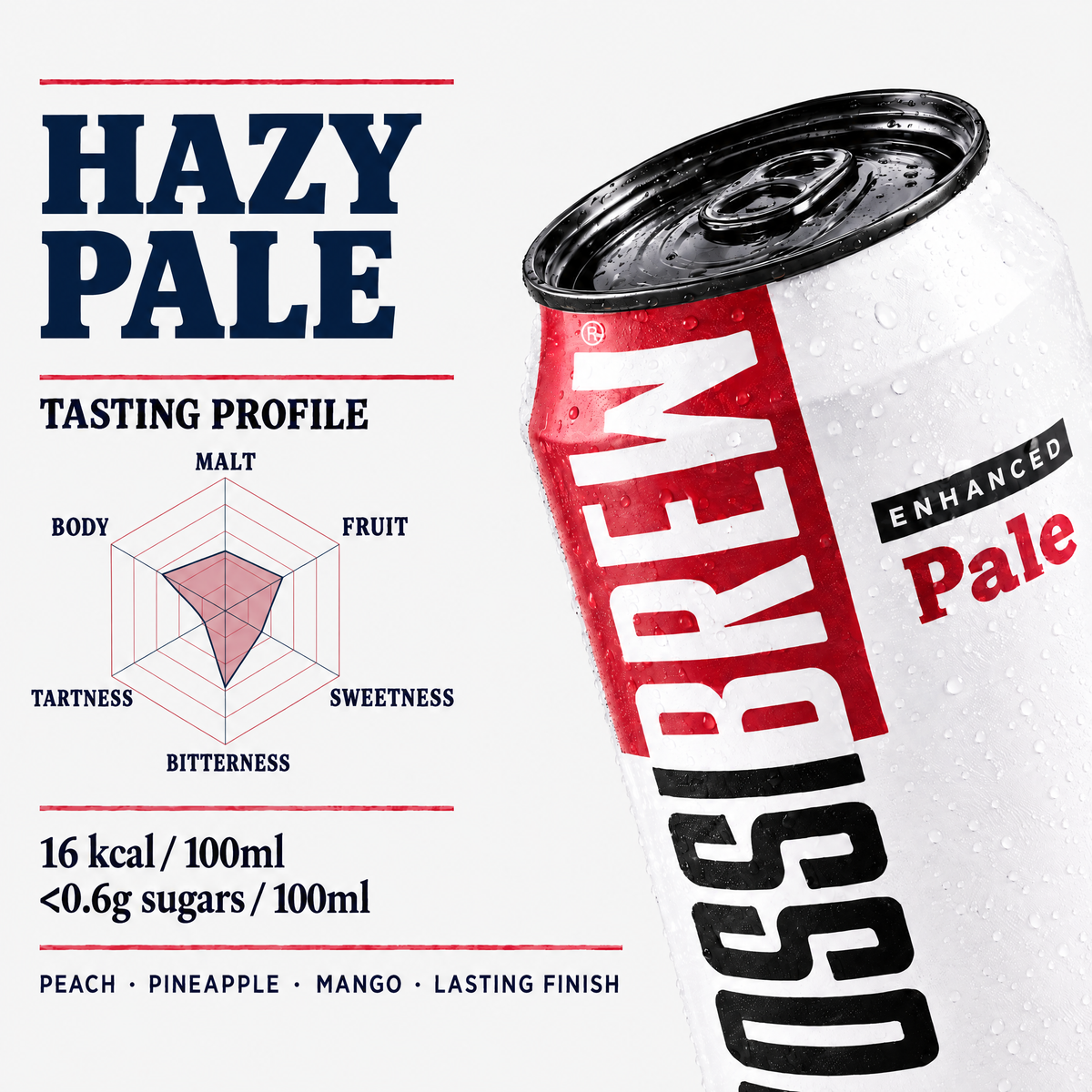
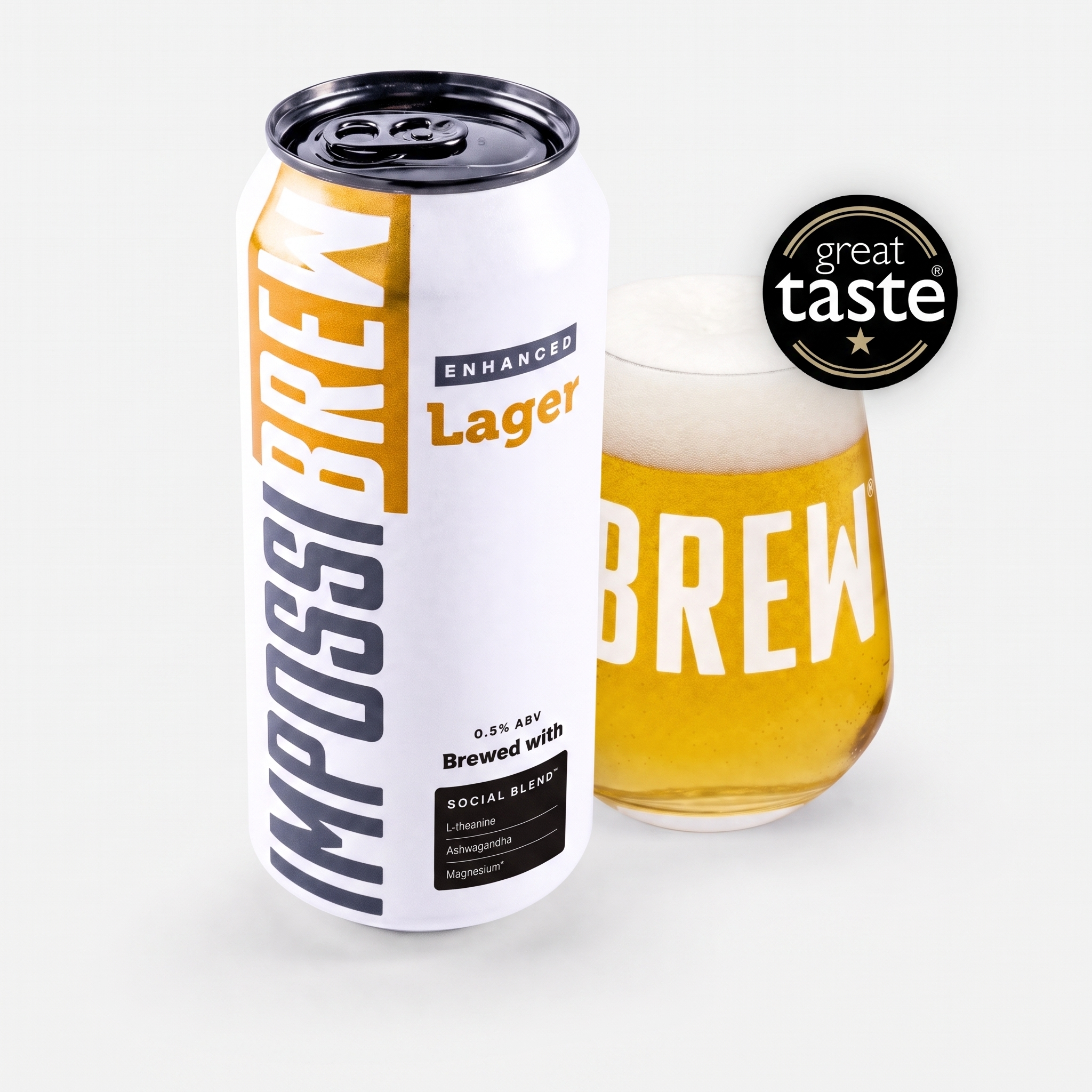
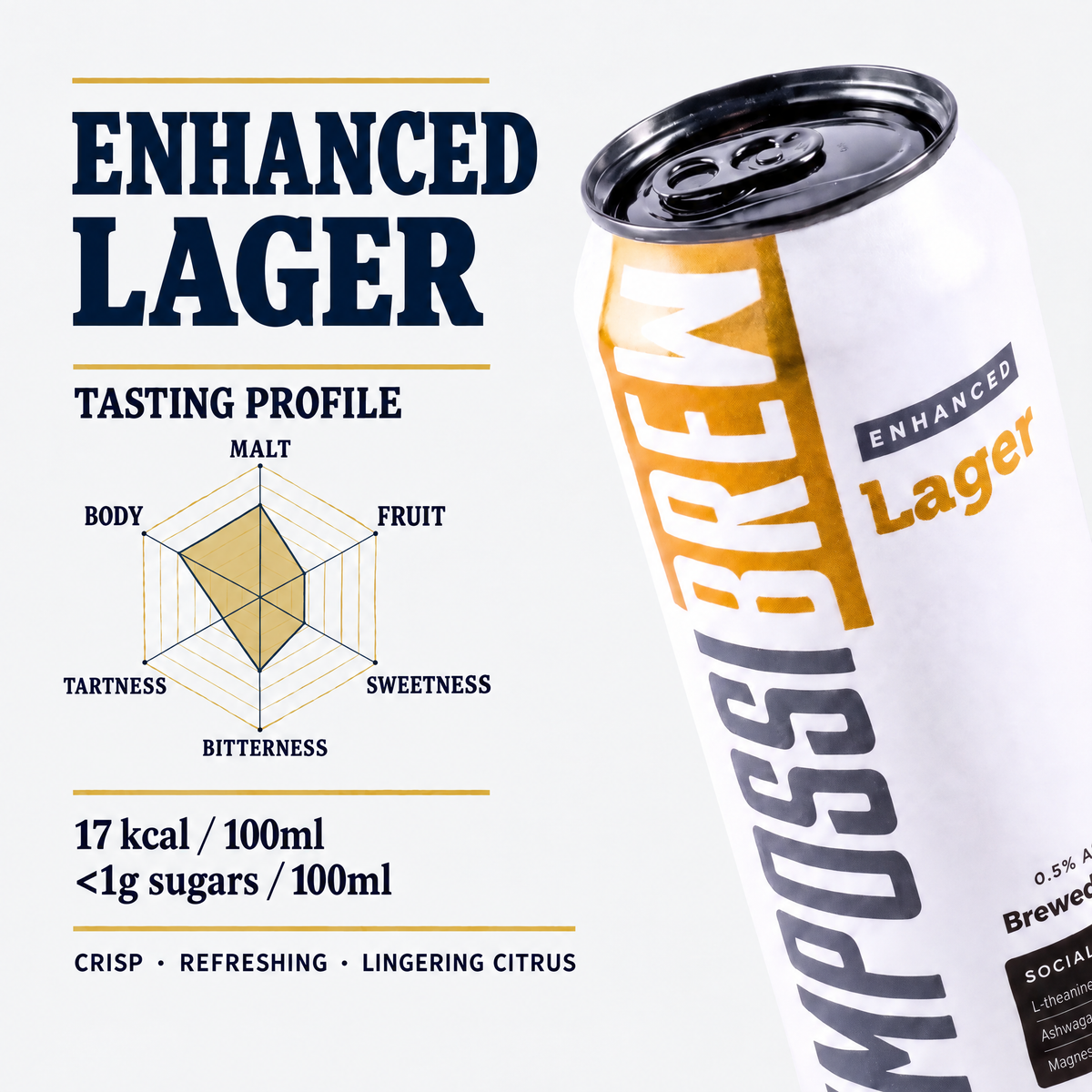
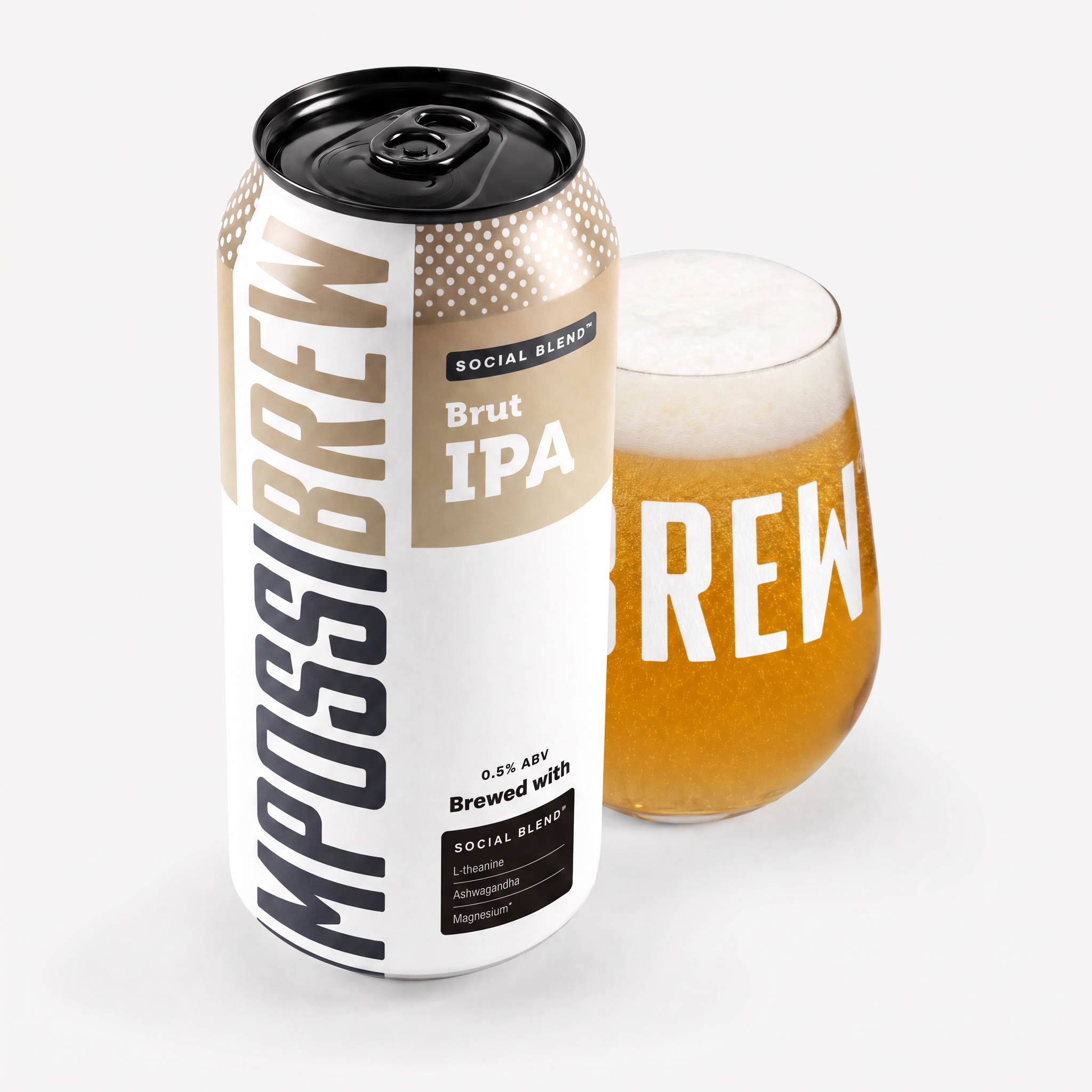
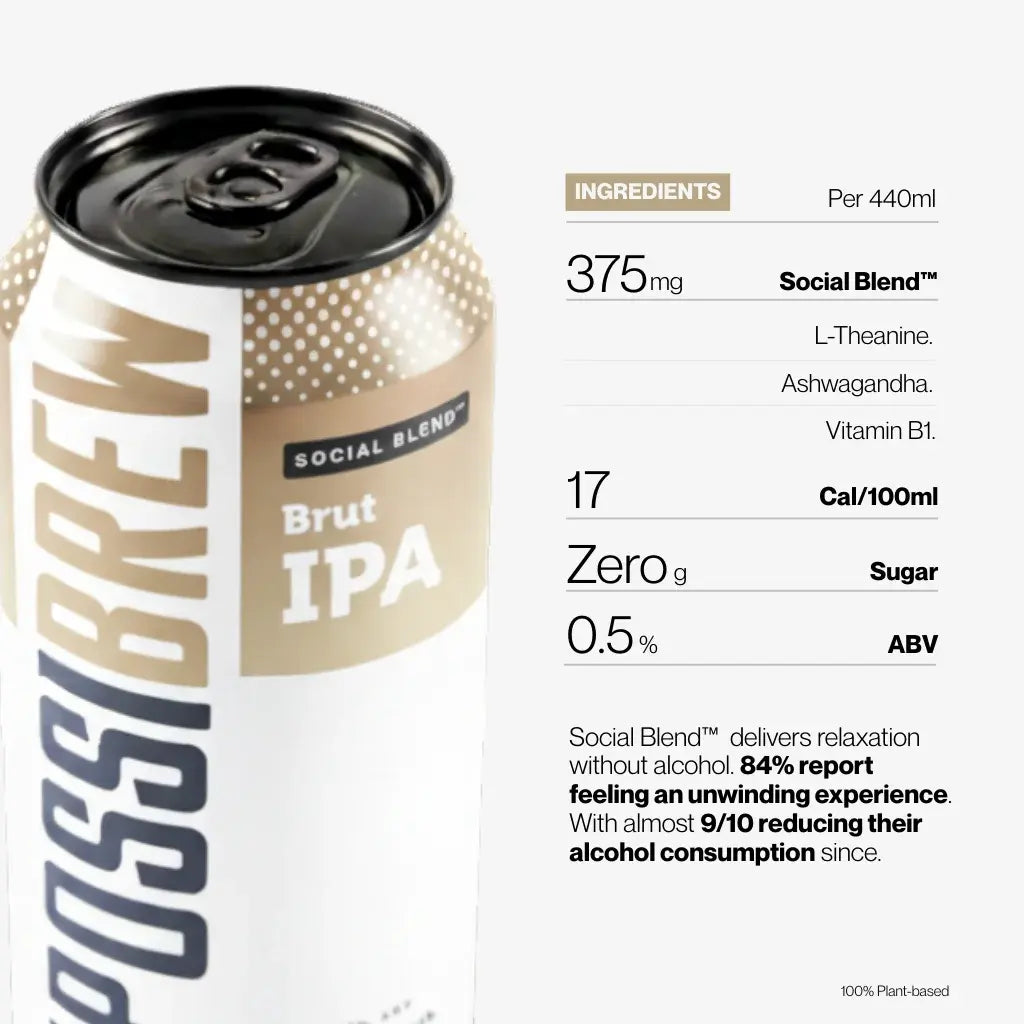
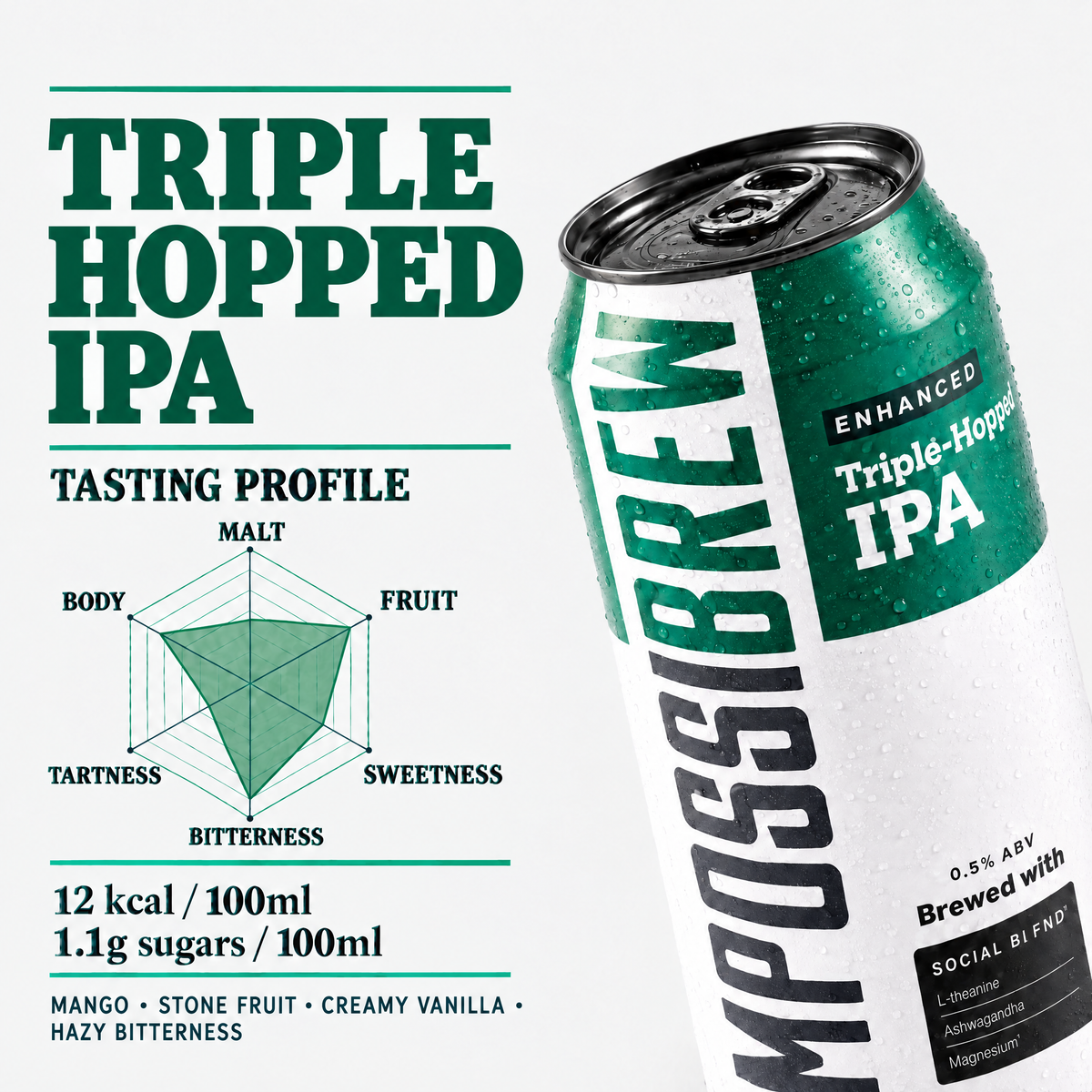
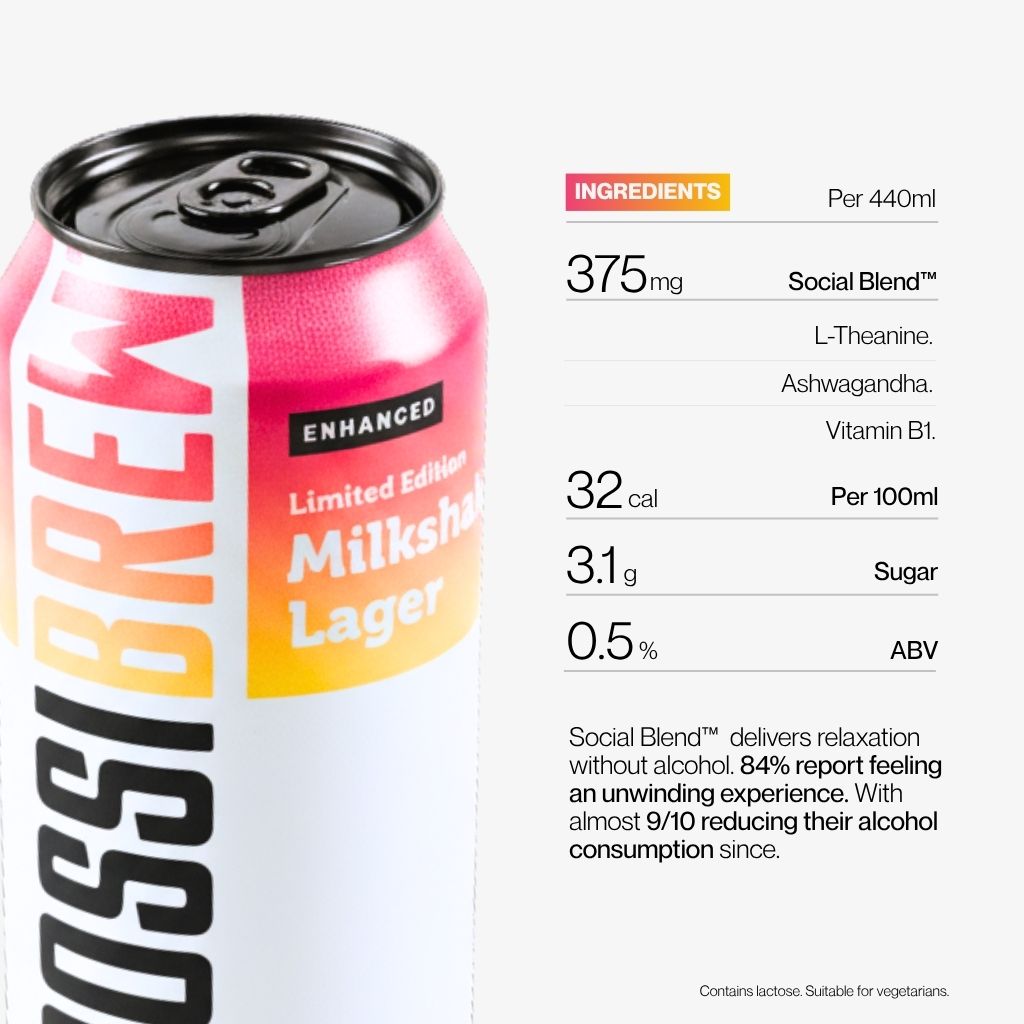
If adjusting your drinking habits and diet doesn’t do the trick, you might want to consider skipping ethanol altogether. The most effective way to avoid a hangover is to avoid ethanol and its toxic byproduct, acetaldehyde. IMPOSSIBREW® offers non-alcoholic beers like Enhanced Lager and Hazy Pale, which deliver the social vibe of beer without the negative effects. With less than 0.5% ABV, low calories, and their proprietary Social Blend™ for relaxation, these beers are an appealing option.
At just £1.97 per can, IMPOSSIBREW® makes even more sense for those over 40. With age, the body produces less aldehyde dehydrogenase, meaning acetaldehyde - a toxin 10 to 30 times more harmful than alcohol - can linger longer in your system [7]. Plus, alcohol can cut REM sleep by up to 20% [6], so switching to or alternating with a non-alcoholic option helps preserve your rest. For women, this can be especially helpful, as liver volume may decrease by up to 40% with age [6]. Giving your liver a break has never been easier - or tastier.
Conclusion
As we’ve explored, your body’s response to alcohol changes significantly after the age of 40. With total body water decreasing from roughly 60% to 50% and liver enzymes becoming less effective at breaking down acetaldehyde, alcohol’s impact becomes more pronounced [3]. Add to that the natural muscle mass decline - about 8% per decade starting at 30 - and even the same amount of alcohol can feel much stronger [5].
The silver lining? There are ways to adapt. Staying hydrated, eating a protein-rich meal before drinking, and pacing yourself can help mitigate these age-related shifts. These small changes align with your body’s evolving needs, making the experience less taxing.
For many in their 40s and beyond, the simplest and often most effective choice is to skip alcohol altogether. At just £1.97 per can, IMPOSSIBREW® offers a great alternative, letting you enjoy the social aspects of drinking without the toll on your liver, sleep, and hydration. With slower enzyme activity allowing acetaldehyde to linger longer, cutting out alcohol entirely becomes a smart, practical option that supports the lifestyle tweaks mentioned earlier.
Dr. Kenneth Koncilja, a Geriatrician at Cleveland Clinic, sums it up well:
"Your liver just isn't as resilient as you get older. So, it might not process alcohol as efficiently as it did when you were younger." [1]
Understanding why hangovers feel worse is only half the battle. Adjusting your habits - whether through better hydration, thoughtful food choices, or opting for non-alcoholic drinks - can make a world of difference in how you feel the next day.
FAQs
How can I tell if my liver is struggling with alcohol?
If your liver is having trouble coping with alcohol, you might notice symptoms like constant fatigue, jaundice (a yellowish tint to your skin or eyes), abdominal pain, swelling, or dark-coloured urine. These signs could point to liver strain or even damage.
As we age, the body becomes less efficient at processing alcohol, which can put additional pressure on the liver. To get a clear picture of your liver’s health, it’s important to seek advice from a healthcare professional. They may recommend blood tests, including ALT, AST, or bilirubin levels, to check how well your liver is functioning.
What’s the safest way to drink if I’m on prescription medication?
It's always wise to discuss your situation with a healthcare provider to get advice tailored to your needs. Alcohol can interfere with various medications, either by amplifying side effects or diminishing their effectiveness. For your safety, consult a professional before consuming alcohol while taking any medication.
Which supplements actually help with hangovers after 40?
Supplements such as glutathione might be useful in managing hangovers, especially for those over 40. Glutathione plays a key role in supporting liver detoxification, which can help ease hangover symptoms. Including it in your post-drinking recovery plan could make a noticeable difference.