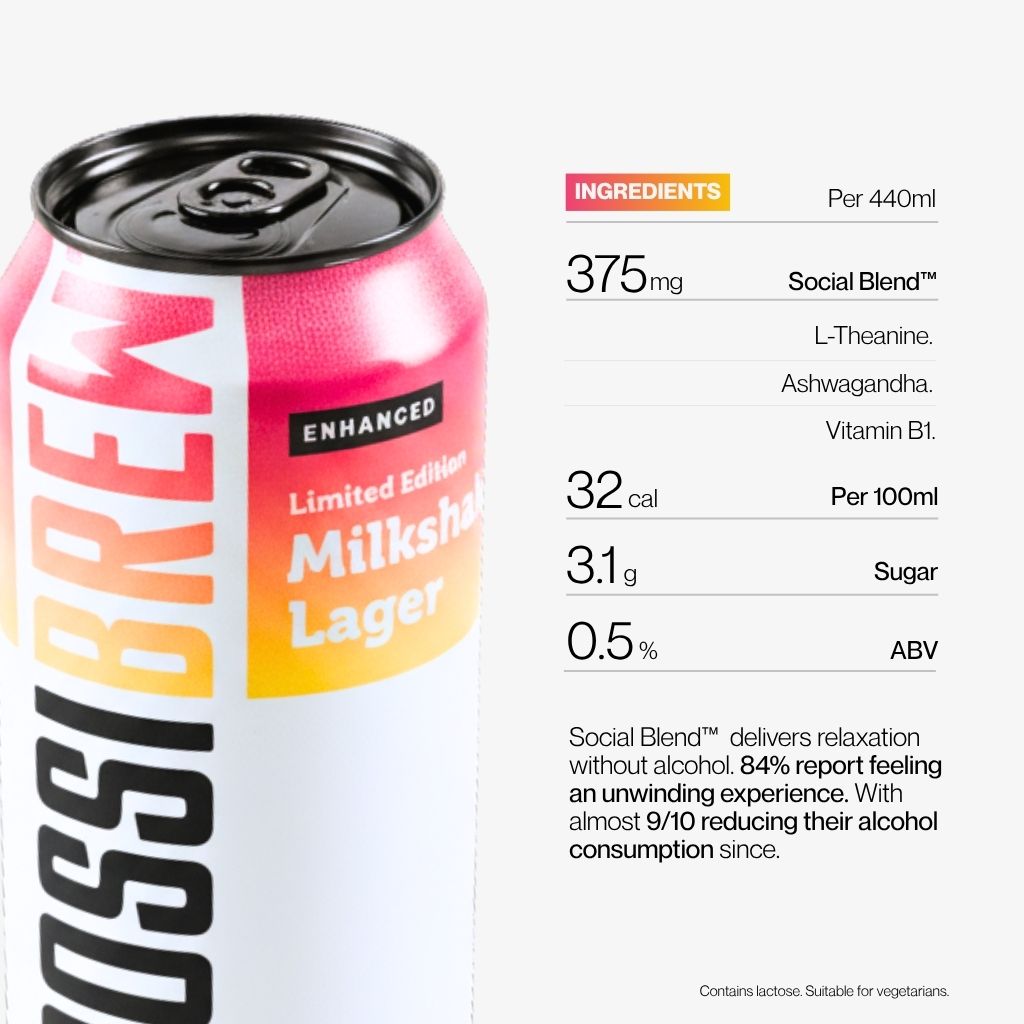

Alcohol-free beer is changing the way we socialise. It offers the experience of enjoying a drink without the downsides of alcohol - no hangovers, better sleep, and fewer calories. Whether you're at a work event, family gathering, or late-night party, it allows you to stay sharp, healthy, and included. Here’s how it fits into 10 common social situations:
- Networking Events: Stay focused and professional while blending in socially.
- Family Gatherings: Accommodates all ages and preferences, ensuring everyone feels included.
- Post-Work Drinks: Enjoy the moment without sacrificing productivity the next day.
- Designated Drivers: Join the fun without compromising safety.
- Sports Events: Stay hydrated and energised, even during active outings.
- Religious or Cultural Events: A respectful alternative for those avoiding alcohol.
- Pregnancy and Breastfeeding: Participate in social rituals without health concerns.
- Mental Health-Conscious Settings: Avoid alcohol’s impact on anxiety or medications.
- Recovery-Focused Groups: Engage socially while maintaining sobriety goals.
- Late-Night Events: Enjoy the night without ruining the next morning.
Alcohol-free beer isn’t just a substitute; it’s a smart and enjoyable choice for modern socialising. From health-conscious millennials to those in recovery, it’s helping people connect without compromise.
1. Networking Events and Professional Gatherings
Navigating professional networking events requires striking the right balance. You want to be approachable and sociable while staying sharp for meaningful conversations. Alcohol-free beer offers a way to hold a drink that fits the social setting without compromising your focus.
Work-related socials often come with high stakes. A single misstep after a few drinks could undo months of effort in building relationships. Maintaining mental clarity is crucial when discussing potential collaborations or delving into complex industry topics. Laura Nelson, author and advocate, shared her perspective on this challenge during business travel:
"I didn't feel like I was an alcoholic, but I also felt like it was a huge part of my life, especially when I was travelling and speaking the next morning" [2].
Alcohol-free beer helps sidestep such risks. Jenn Riek from DoorDash's content marketing team emphasises the value of staying clear-headed:
"When it comes to constructive networking and meaningful bonding, clearer heads always prevail" [1].
Being fully present allows you to remember names, follow intricate discussions, and leave a strong impression - all without the haze of alcohol.
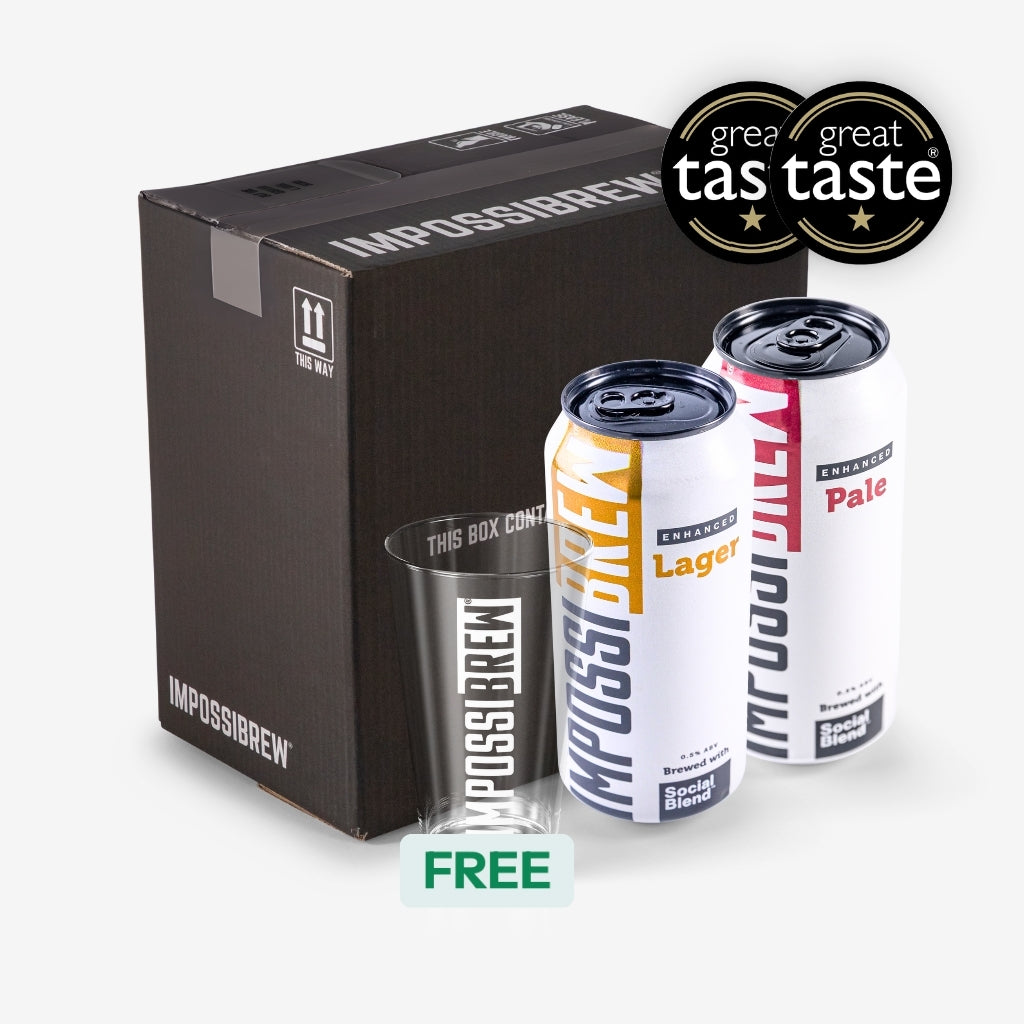
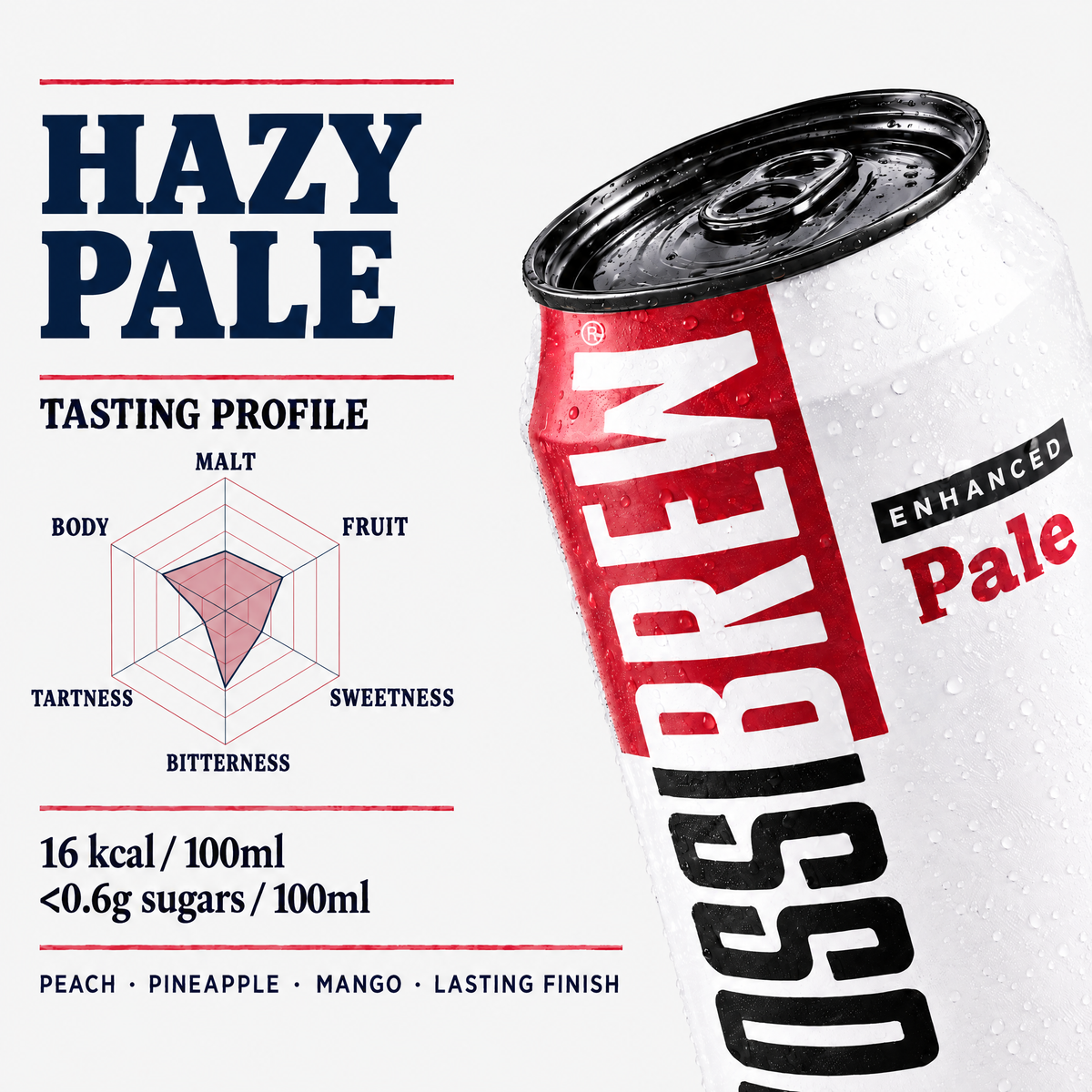
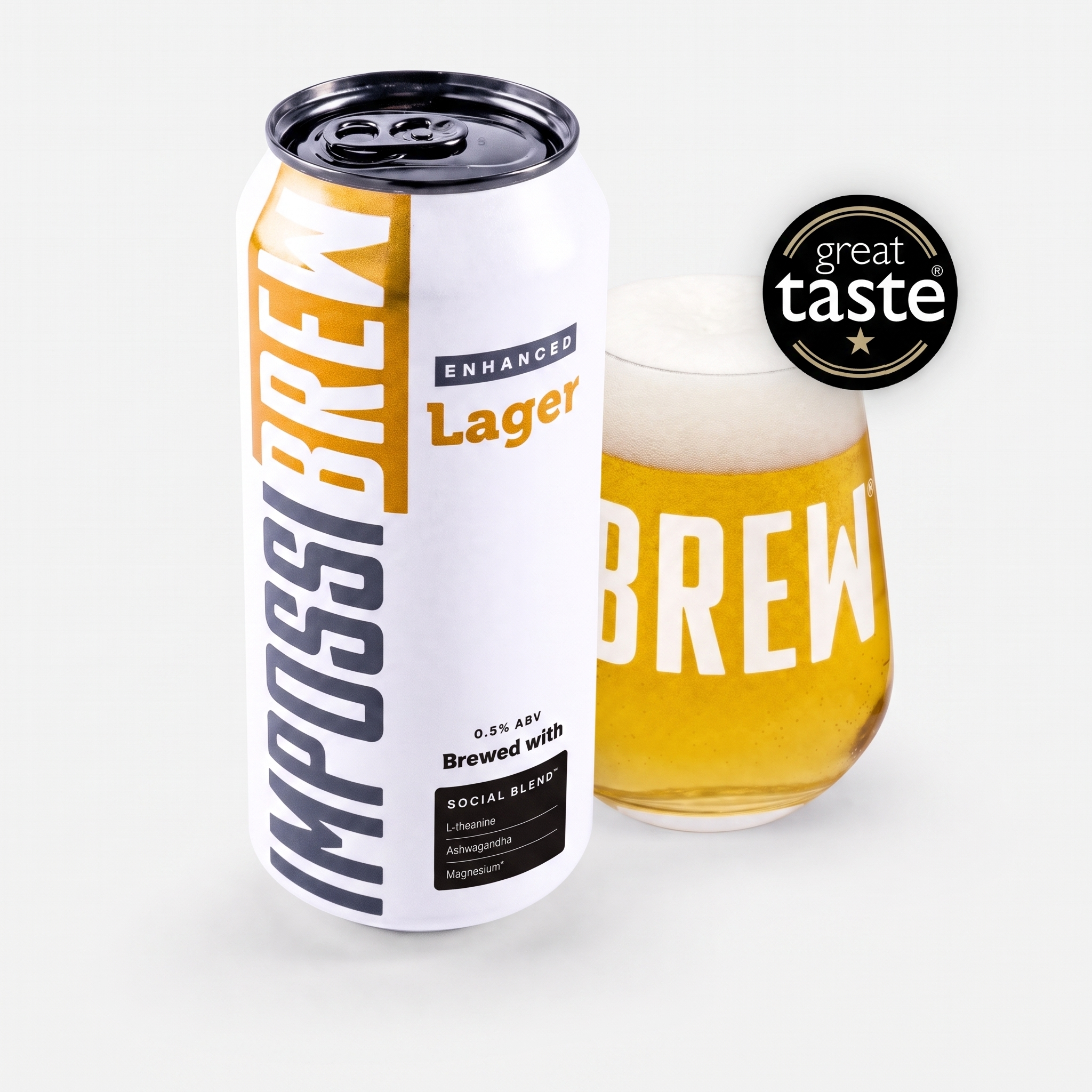
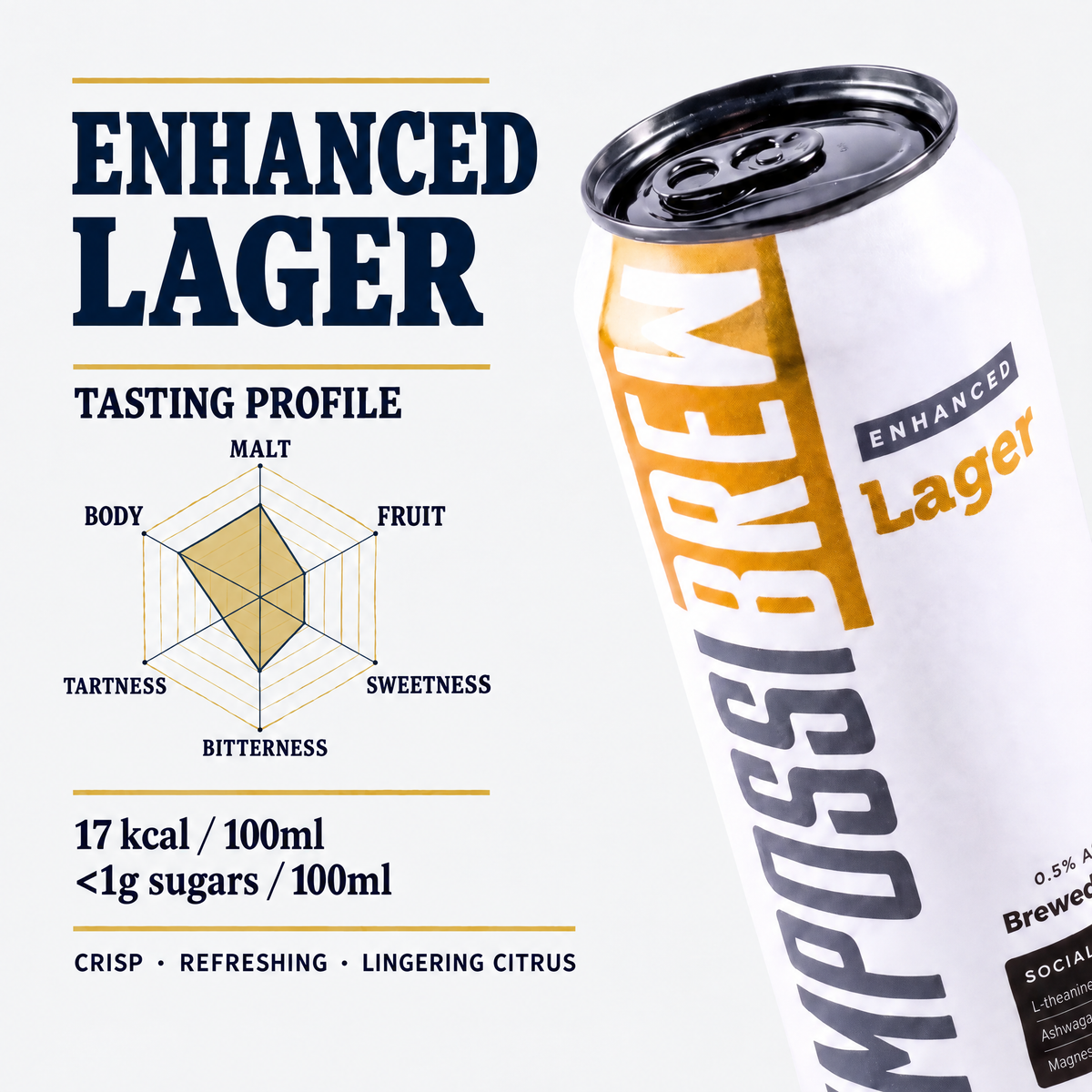
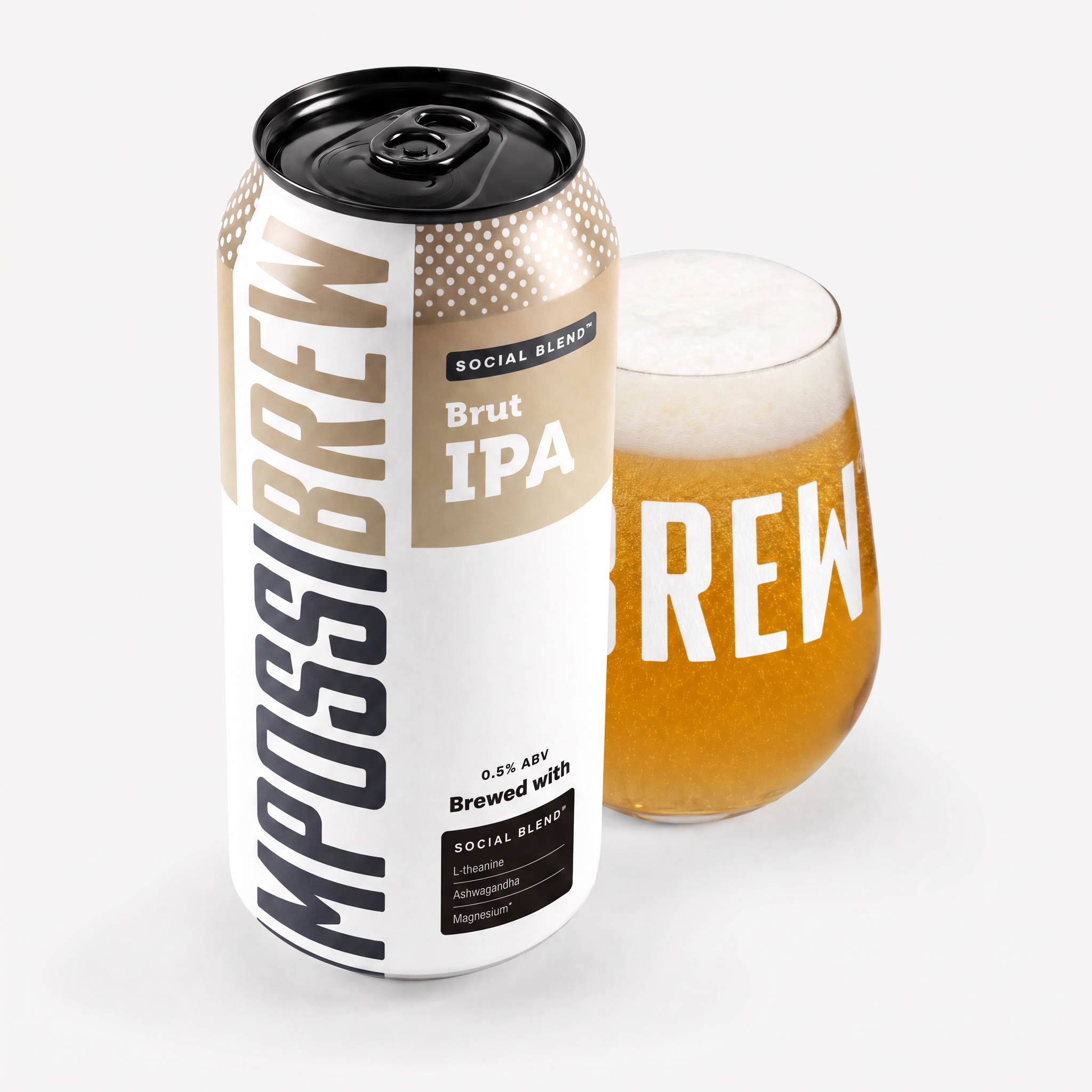
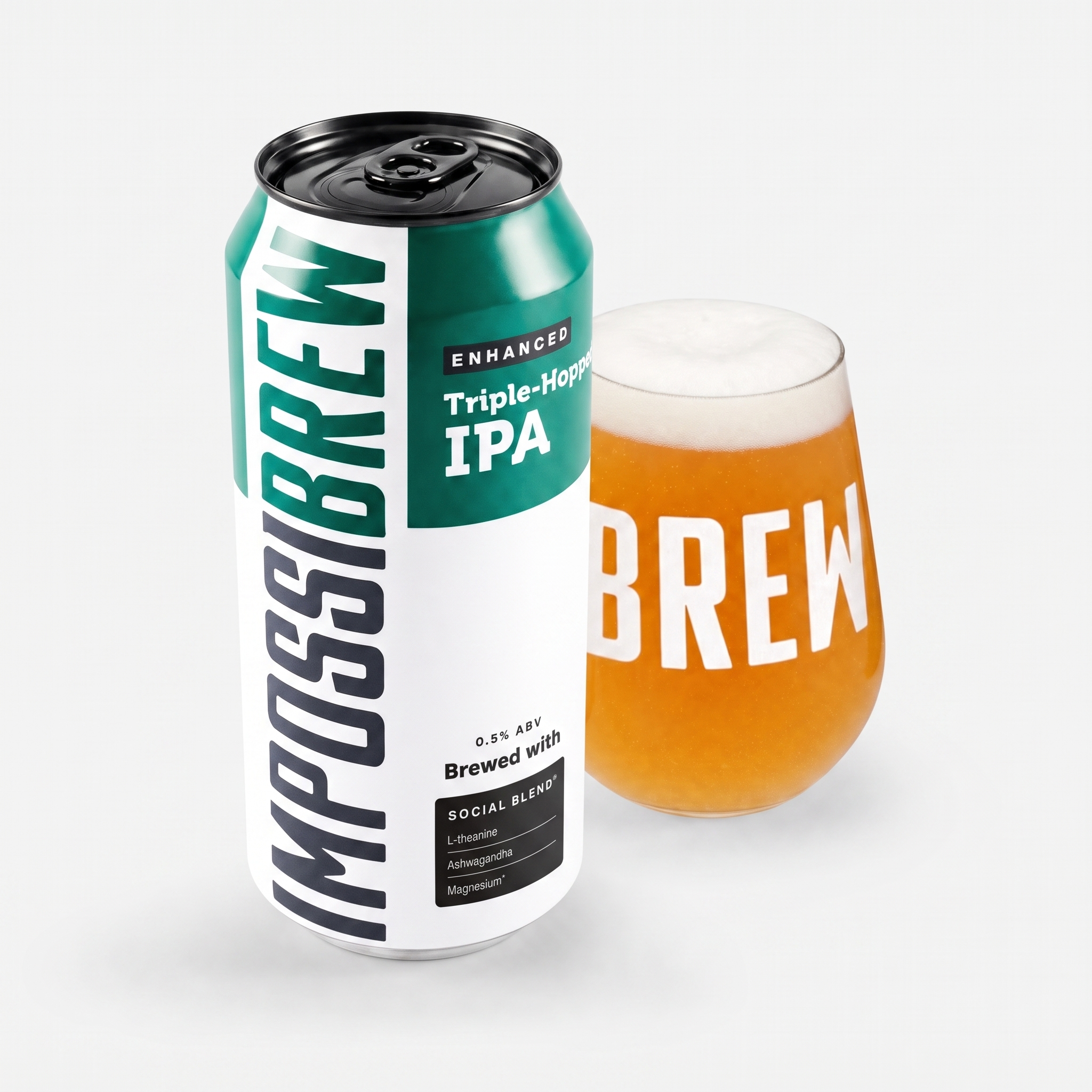
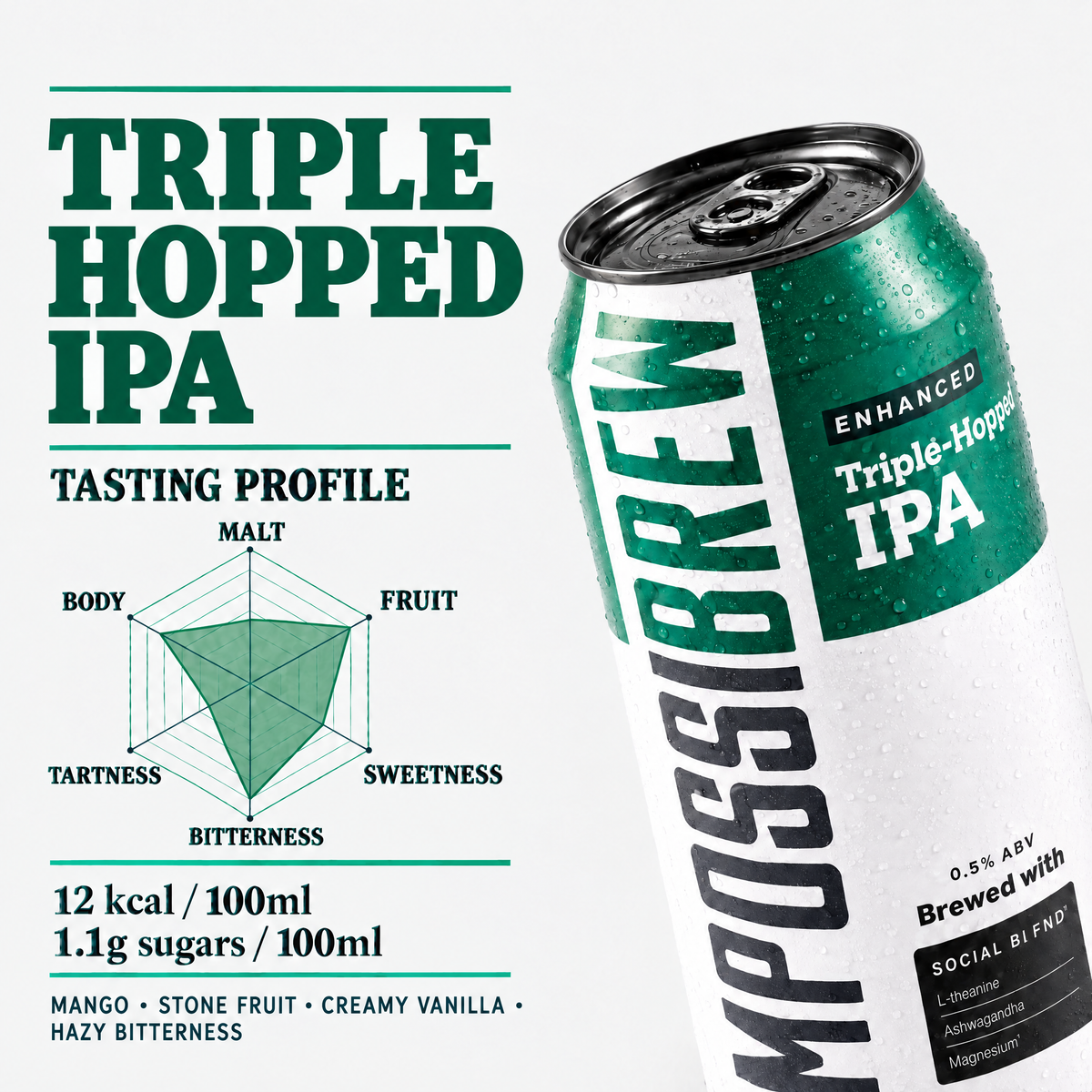
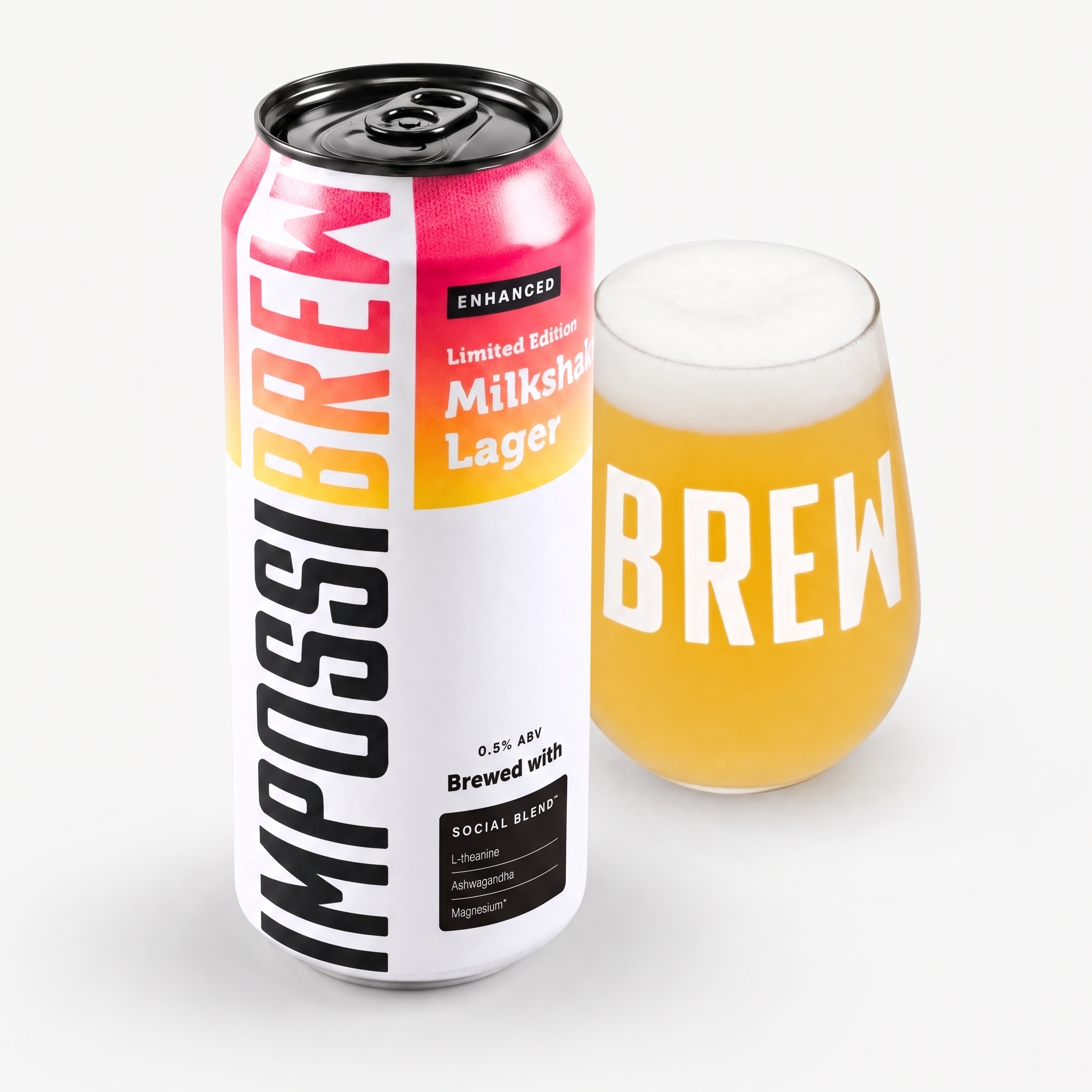
There’s also a practical side to it. Holding an alcohol-free beer lets you blend in effortlessly, avoiding questions like, "Why aren’t you drinking?" Modern options, such as IMPOSSIBREW®, are crafted to look just like traditional beers, so you can enjoy your drink while staying sharp.
Steve Jones, Deputy CEO at Steps Together, highlights a broader shift in attitudes:
"Encouraging a shift away from alcohol-led networking is not about removing enjoyment... it's about broadening inclusivity, improving engagement and aligning culture with modern workplace expectations" [3].
With nearly half of UK adults planning to cut back on alcohol by 2025 [3], choosing alcohol-free beer at professional gatherings is not only practical but increasingly commonplace. It’s a choice that prioritises clarity and professionalism while seamlessly fitting into any social setting.
sbb-itb-a752bf8
2. Family Celebrations and Multi-Generational Gatherings
Family gatherings often bring together a wide range of people - grandparents managing health conditions, pregnant relatives, designated drivers, and younger family members who choose not to drink. Alcohol-free beer offers a way for everyone to share in the same social rituals without anyone feeling left out. It bridges the gap, creating a sense of belonging for all, much like its role in other social settings.
The trend towards moderation is growing, especially among younger generations. Nearly 40% of 18-25-year-olds now identify as non-drinkers, compared to 24% of those over 55. This generational difference can sometimes lead to awkward moments at events where only traditional alcoholic options are available [6]. By including high-quality alcohol-free alternatives, you eliminate this divide, allowing both drinkers and non-drinkers to enjoy the occasion together. Just as in professional environments, alcohol-free beer helps foster inclusivity and ensures no one feels excluded.
Interestingly, research shows that non-drinkers aged 35 and older are less likely to attend informal gatherings dominated by alcohol [4]. Ellie Hill, Senior Brand PR Manager at HEINEKEN Ireland, highlights this shift:
"As consumer behaviours evolve, HEINEKEN is shaping greater choice across drinking occasions. By responding to the growing demand for moderation, we offer options that fit real life – whether social moments are big or small – so everyone can participate in ways that suit them" [7].
When planning your next family celebration, consider the "30% rule": aim for at least 30% of your drink menu to include non-alcoholic options [6]. With alcohol-free beer now making up around 6% of the European beer market [5], offering these choices reflects an understanding of changing social preferences.
The benefits? More meaningful conversations, safer trips home, and no one feeling the need to justify their drink choice. It’s a simple way to ensure everyone enjoys the celebration without compromise, aligning with a broader movement towards mindful and inclusive socialising.
3. Post-Work Social Hangouts with Colleagues
Friday pub trips with colleagues often turn work acquaintances into genuine friends. While the tradition of post-work drinks has its charm, the downside of a sluggish morning after can’t be ignored. That’s where alcohol-free beer comes in - it lets you enjoy the moment without sacrificing the next day.
Opting for an alcohol-free beer means you still get the full experience - from the satisfying pop of the cap to the familiar fizz and aroma - without the haze that alcohol can bring to conversations. It allows you to unwind, connect, and laugh with colleagues while staying sharp and fully present. As Better Rhodes aptly puts it:
"You can stay sharp, funny, and present. You don't have to babysit your energy or anyone else's. You're part of the fun, not part of the clean-up crew" [8].
This means the bonds you strengthen over a drink carry seamlessly into the next day, without the burden of a foggy head.
The benefits extend beyond the social moment. Unlike traditional beer, alcohol-free options won’t disrupt your sleep, leaving you refreshed and ready for that early meeting, gym session, or whatever the next morning demands. It’s the perfect mix of enjoying the present while staying mindful of tomorrow - a balance that aligns with the growing trend of health-conscious socialising.
This shift in drinking culture is gaining momentum. At the Great British Beer Festival in Birmingham in August 2025, organisers introduced the Glan Yr Afon Bar, offering 35 drinks with an ABV of 0.5% or lower. This initiative catered to "zebra stripers" - individuals who alternate between alcoholic and alcohol-free options to pace themselves during extended social gatherings [11]. It’s a clear sign that even traditional beer lovers are embracing a more mindful approach to social drinking.
4. Designated Driver and Transport Responsibilities
Being the designated driver doesn't have to feel like you're missing out while everyone else enjoys a drink. Alcohol-free beer offers a way for drivers to stay part of the social scene without compromising safety. It lets you join in the ritual of sharing a drink, keeping the fun alive without the risks.
Modern alcohol-free beers are crafted to make this possible. With an alcohol content of 0.5% ABV or less - essentially just a trace - the body processes it in about 17 minutes. Compare that to the three hours it takes to metabolise a standard pint with 5% ABV, and the benefits become clear[12][13].
There’s also a psychological edge to holding an alcohol-free beer. It signals to others that you’re participating, which can reduce the number of times you’re offered alcoholic drinks. As Wise Bartender puts it:
"Non-alcoholic beer can make you feel more included and that you are enjoying the real deal like everyone else"[13].
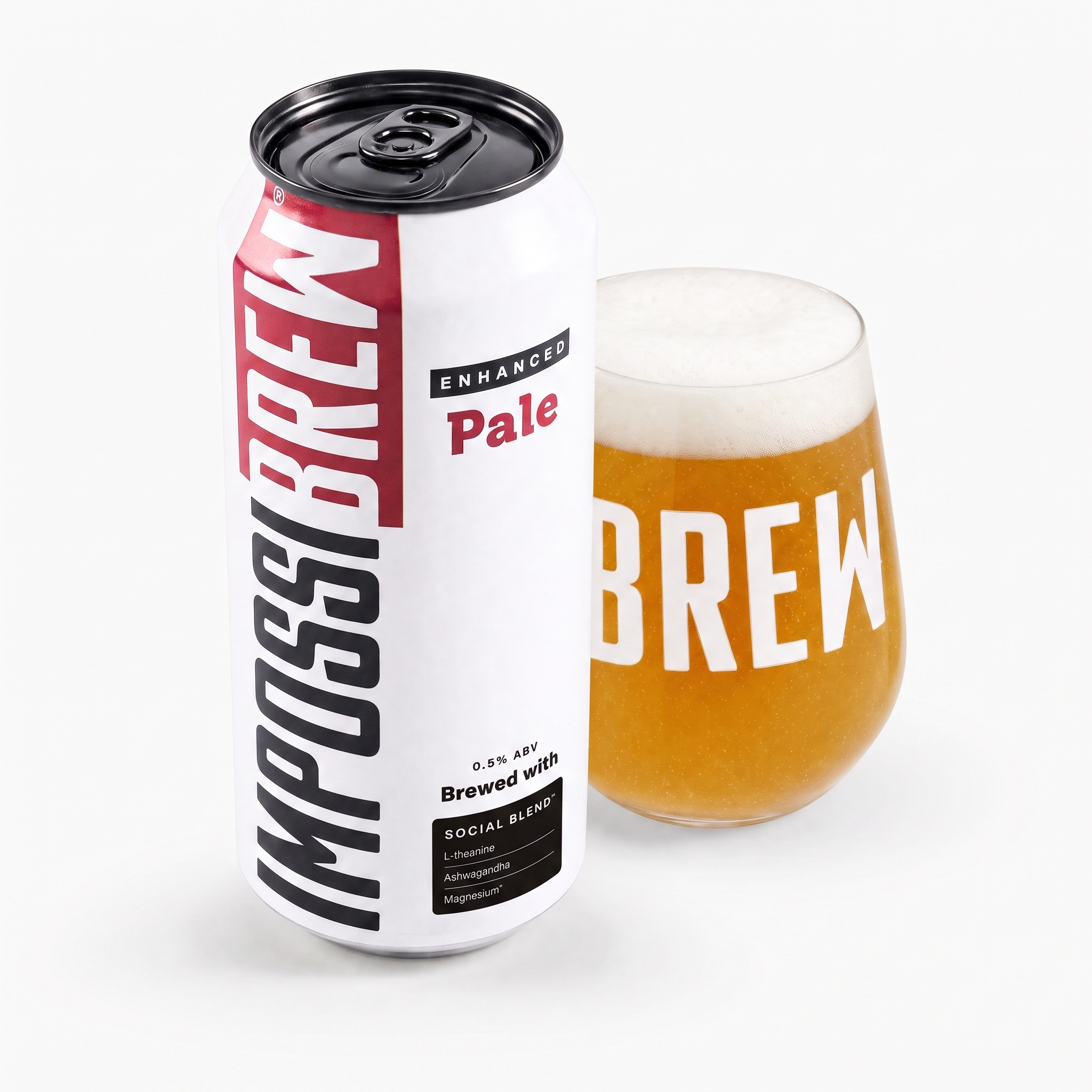
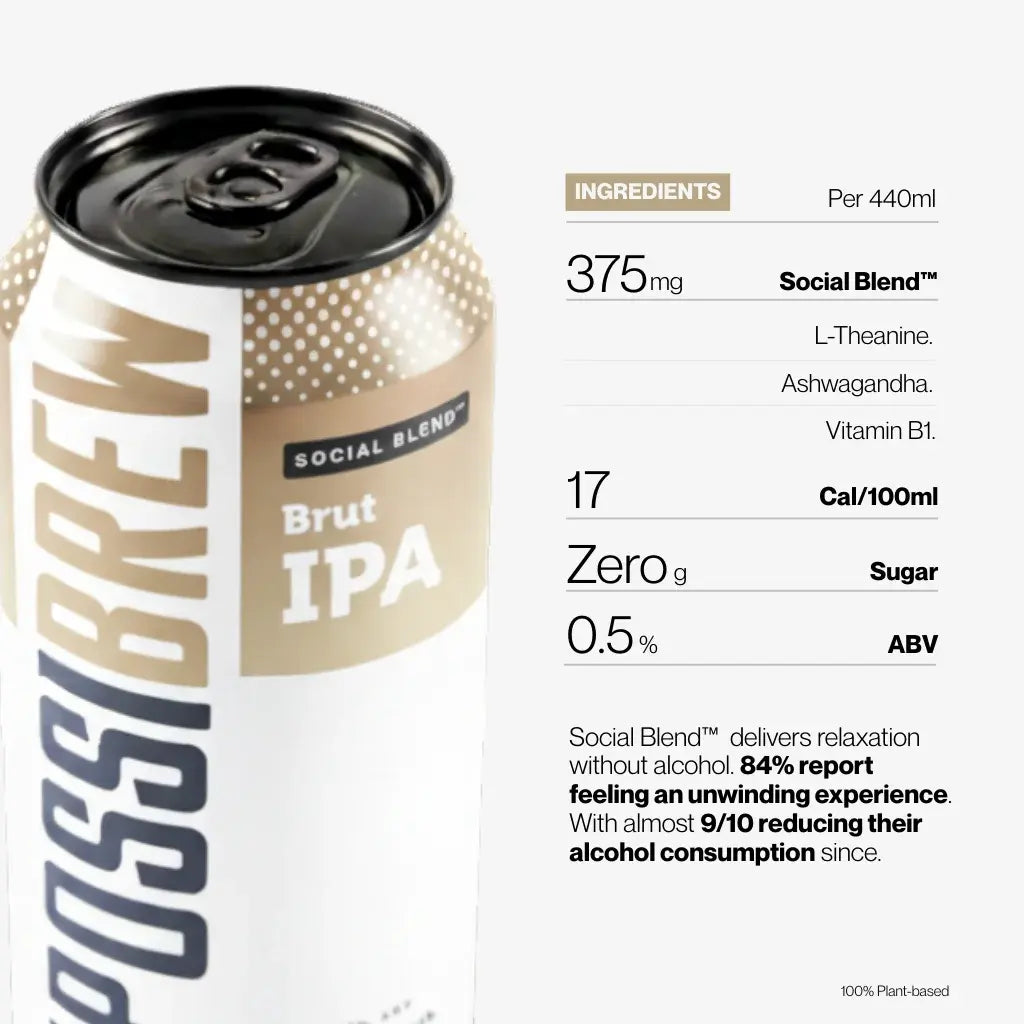
Some alcohol-free beers take things a step further by including botanicals like L-Theanine and Ashwagandha. These ingredients provide a relaxed, social vibe without any risk of impairment[12]. Research involving over 1,000 people found that more than 70% felt genuinely at ease after drinking these enhanced beers[12]. This means you can fully enjoy the moment while ensuring your drive home is both safe and stress-free.
5. Sports Events and Active Social Outings
Whether you're catching a match at the pub or joining a group cycle, alcohol-free beer offers a refreshing way to stay hydrated and focused without the drawbacks of regular beer. Unlike its alcoholic counterpart, which can dehydrate you due to its diuretic effects, alcohol-free beer helps maintain hydration - an essential factor when you're active or spending long hours outdoors[15][10]. This makes it a great companion for sports events and outdoor activities, perfectly aligning with an active lifestyle.
A 330ml can of alcohol-free beer typically contains only 30–50 calories, a significant drop compared to the 120–250 calories found in regular beer. That’s up to 145 fewer calories per drink, just from cutting out the alcohol[10][15]. Plus, you avoid the impairment that comes with drinking alcohol, keeping your coordination and judgement sharp - especially important if you’re cycling home or staying active after the event.
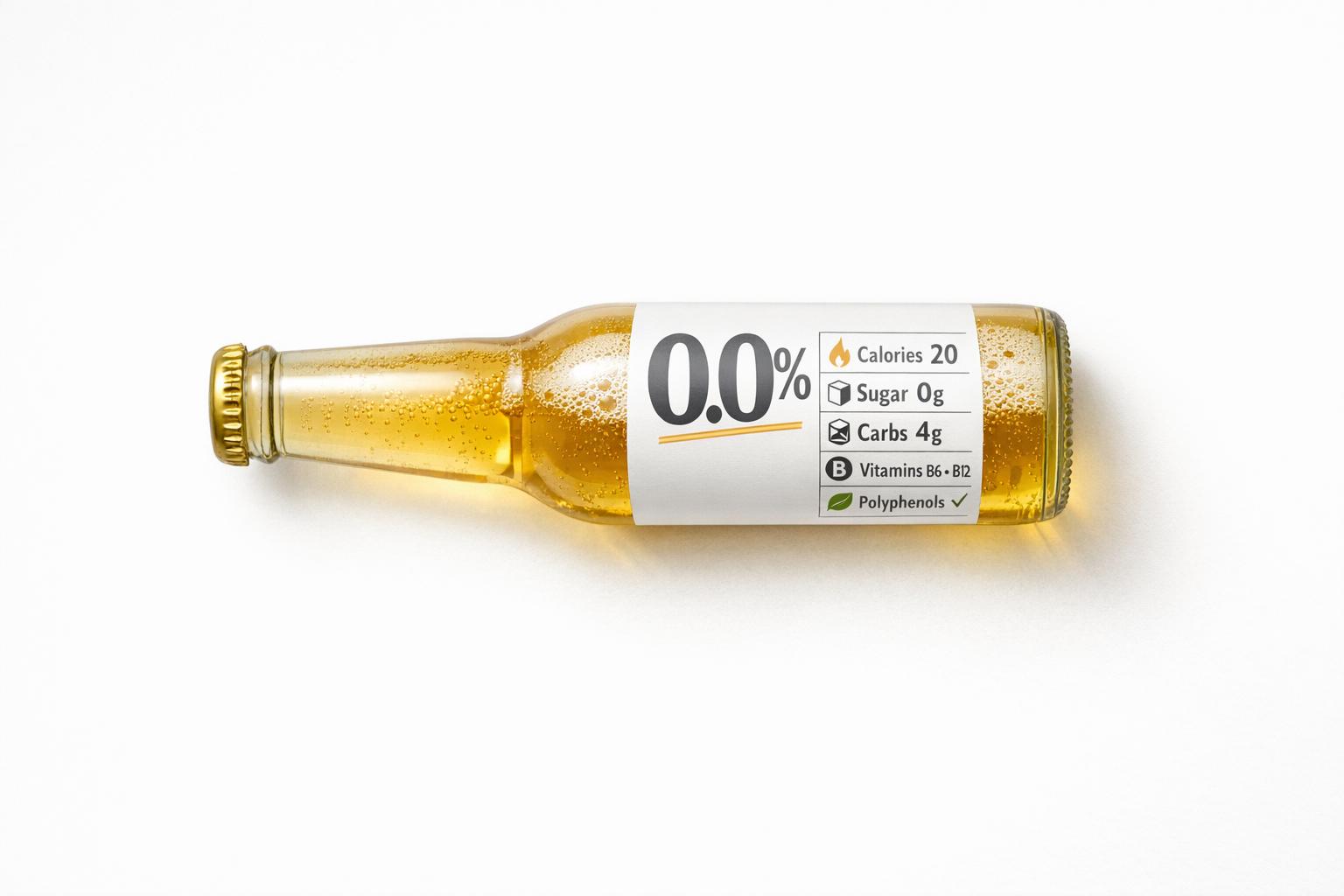
Some alcohol-free wheat beers even double as isotonic drinks, packed with B vitamins (like B9 and B12), potassium, and polyphenols, which aid in recovery after physical activity[16]. The phenols in alcohol-free beer also support blood circulation, contributing to better cardiovascular health during your active outings[15]. This means you can still enjoy the camaraderie of a post-match drink without compromising your recovery or performance.
6. Religious or Cultural Observances
For many, religious or cultural beliefs strictly forbid alcohol consumption. Faiths such as Islam, certain branches of Buddhism and Hinduism, Sikhism, and the Church of Jesus Christ of Latter-day Saints impose restrictions on drinking. Yet, social events - be it a wedding toast, a business dinner, or a family celebration - often revolve around alcohol like beer or wine. This can leave non-drinkers feeling excluded when their only options are water or soft drinks, while others enjoy alcoholic beverages.
Alcohol-free beer offers a way to bridge this divide. For Muslim individuals, the difference between 0.5% and 0.0% ABV is particularly important. Beers with 0.0% ABV are generally seen as permissible (Halal) since they contain no intoxicating qualities. This makes it possible for Muslims to join social occasions where beer is a central part of the experience. Similarly, for Buddhists observing the Fifth Precept, which involves abstaining from intoxicants, 0.0% ABV beer aligns with their spiritual values while allowing them to take part in shared moments.
In addition to respecting religious practices, alcohol-free beer mirrors the look and feel of traditional beer, enabling participants to engage in toasts and celebrations without compromising their beliefs. This helps reduce the stigma or intrusive questions that non-drinkers often encounter in social settings.
At gatherings that bring together people from diverse backgrounds, offering alcohol-free beer fosters a sense of inclusivity. It ensures that everyone - regardless of their faith or personal choices - can join in shared rituals, whether it’s raising a glass or enjoying a meal together. This creates a more welcoming environment where individual beliefs and social bonds can harmoniously coexist.
7. Pregnancy and Breastfeeding Social Participation
Pregnancy and breastfeeding come with big lifestyle changes, including the need to completely avoid alcohol. But life doesn’t hit pause - there are still birthday parties, work events, family get-togethers, and evenings out with friends. For expectant and new mothers, not having a drink in hand can sometimes feel isolating and may even invite unwanted questions.
Alcohol-free beer offers a way to stay connected without compromising health. It keeps the familiar elements of drinking - like the weight of the glass, the fizz, and the act of toasting - so mothers can join in celebrations without feeling left out or under pressure [12].
While alcohol-free beer contains trace amounts of alcohol (up to 0.5% ABV), these levels are comparable to what’s found in everyday foods. For example, a ripe banana or a grain-fermented bread roll can have similar trace amounts [18]. However, the NHS advises complete abstinence from alcohol during pregnancy as the safest choice, and it’s essential to consult a doctor or midwife about consuming these beverages since every pregnancy is different [18].
For breastfeeding mothers, timing matters. Drinking alcohol-free beer right after nursing allows any trace alcohol to metabolise before the next feeding [19]. This aligns with the growing demand for safer, inclusive social drinking options. Interestingly, 61% of breastfeeding mothers believe alcohol could reduce milk supply, according to La Leche League International [19]. This makes alcohol-free alternatives an appealing way to maintain social ties while prioritising health and well-being.
A word of caution: some alcohol-free beers include added botanical ingredients, such as Ashwagandha, which are not recommended for pregnant or breastfeeding women [18]. Always check the label for any ingredients beyond the alcohol content.
This option reflects a broader shift towards inclusivity, offering mothers a way to participate fully in social settings without compromising their well-being.
8. Mental Health and Anxiety-Conscious Social Settings
Alcohol-free beer isn’t just a social alternative - it can also be a thoughtful choice for mental well-being. For people managing anxiety, social situations often bring added stress. While alcohol might seem like a quick fix to unwind, it can actually make things worse by disrupting sleep or interfering with medications.
With alcohol-free beer, you can comfortably join social events without worrying about dangerous interactions with medications like SSRIs or benzodiazepines. Combining alcohol with these medications can lead to issues like increased sedation, impaired judgement, or reduced effectiveness of the drugs [20] [17].
What’s more, hops in alcohol-free beer contain natural sedative compounds like xanthohumol and myrcenol, which can promote better sleep [20]. This is a big deal for anxiety management since alcohol-induced disruptions to REM sleep are known to heighten anxiety the next day. Plus, by avoiding dehydration and hangovers, alcohol-free beer helps maintain a steady approach to mental health in social settings [20].
Interestingly, NHS Health Survey data suggests a trend among young adults: drinking less alcohol overall, with more awareness of the mental health benefits of cutting back [21]. This growing awareness makes it easier to choose alcohol-free options without feeling out of place or needing to justify your choice.
This shift reflects a broader change in social norms. As alcohol-free drinks become more common, the pressure to drink in order to socialise or network is easing [21]. For anyone focused on mental health, this creates space to enjoy socialising without compromising their well-being strategies.
9. Recovery and Sobriety-Focused Social Circles
For those in recovery, social gatherings can feel like walking through a minefield. Alcohol-free beer offers a way to join in the shared experience of drinking without jeopardising sobriety goals [22]. It mimics the familiar act of holding a bottle or glass - what some call the "ritual of the hand" - which can provide a sense of comfort and grounding in social environments.
Data shows that 66.6% of individuals attempting abstinence found these beverages helpful, while 88% reported drinking less overall when using functional alcohol-free beers enriched with ingredients like L-Theanine and Ashwagandha [22][23]. These modern options do more than just imitate the taste of traditional beer; they aim to recreate the social and psychological satisfaction of enjoying a pint or two, minus the ethanol. Still, this doesn’t work for everyone.
For some, the taste, smell, or texture of alcohol-free beer can evoke strong associations with past drinking habits - a potential "slippery slope" [22]. It’s a good idea to consult a healthcare professional or addiction specialist before incorporating these drinks into your recovery plan, as what helps one person could act as a trigger for someone else [22].
Even with these challenges, the growing acceptance of sobriety-focused choices is undeniable. Today, 80% of consumers say alcohol-free drinks are more socially acceptable than they were five years ago [9]. This shift helps reduce the pressure to explain your choices, making it easier to stay present and maintain important social connections.
10. Late-Night Social Gatherings with Sleep Considerations
Late-night pub quizzes, Friday drinks, or weekend house parties can be a blast, but they often come at the cost of the next day's energy levels. That’s where alcohol-free beer steps in, letting you enjoy the night without the dreaded morning-after slump. Unlike regular beer, which can mess with REM sleep through dehydration and fragmented rest, alcohol-free options often include hop compounds like xanthohumol and myrcenol, which may actually support better sleep [20].
This aligns with a noticeable lifestyle shift in the UK. Around 78% of Generation Z are cutting back on alcohol, often opting for non-alcoholic beers to prioritise sleep and keep their energy up for work or fitness plans the next day [14][21]. Without alcohol clouding your judgement, it’s easier to sense when the night’s winding down, helping you make the call to head home at a reasonable hour.
"The best part of the night out? The morning after." – IMPOSSIBREW® [24]
Whether it’s a Thursday networking event or a weekend celebration, alcohol-free beer lets you join in the fun without dreading the next morning. You’ll remember the conversations, wake up refreshed, and still have time for that Sunday brunch or early run.
Comparison Table: Traditional Beer vs Alcohol-Free Beer
When deciding between traditional and alcohol-free beer, it helps to weigh the differences. Below is a summary of how alcohol-free beer stacks up against traditional beer in key areas:
| Factor | Traditional Beer | Alcohol-Free Beer |
|---|---|---|
| Alcohol Content | Typically 4% ABV or more | Maximum 0.5% ABV [25] |
| Caloric Content | Higher (about 7 calories per gram of alcohol) [25] | Lower overall, though sugar content can vary [25] |
| Liver Health | Risk of damage with excessive use [25] | No alcohol-related liver impact [25] |
| Mental Clarity | Often impaired by intoxication | Clear-headed; no hangovers or "fuzzy mornings" [25] |
| Nutritional Value | Limited | Can include B vitamins and polyphenols [25] |
This comparison highlights the benefits of alcohol-free beer, supported by expert opinions.
For instance, alcohol-free beer is a better choice for calorie-conscious drinkers. Bridget Benelam, a Nutrition Scientist at the British Nutrition Foundation, notes:
"Alcohol contains calories, so you'll have less calories in a non-alcoholic beer versus an alcoholic one" [25].
This difference becomes especially important if you're planning to enjoy a few drinks over an evening.
Another key advantage is liver health. Dr Caomhán Logue, Senior Lecturer in Dietetics at Ulster University, explains:
"If you remove alcohol from the equation, you're not having that impact [on the liver]" [25].
These benefits resonate with consumers. Between 15% and 20% of people now opt for alcohol-free drinks specifically to improve their health [25]. The trend is growing, with 38% of UK drinkers consuming low or no-alcohol options semi-regularly by 2024/2025, compared to 29% in 2022 [25].
Such shifts in preferences reflect why alcohol-free beer is becoming a popular choice for social occasions.
Conclusion
Alcohol-free beer has transitioned from being a niche product to becoming a popular choice for modern social occasions. Whether you're catching up with colleagues, celebrating with loved ones, or simply relaxing at home, it lets you enjoy the experience of having a drink without the drawbacks of alcohol.
The trend is clear. According to the NHS Health Survey, fewer young adults are drinking alcohol, influenced by a growing focus on mental well-being and healthier lifestyles[21]. This shift is also making socialising more inclusive and affordable[21], highlighting a move towards more mindful ways of connecting.
The perks of alcohol-free beer extend beyond just avoiding intoxication. It offers mental sharpness, fewer calories, and still preserves the comforting ritual of holding a drink. Many modern alcohol-free beers even incorporate ingredients like L-Theanine and Ashwagandha, which promote relaxation without the need for alcohol[12]. In fact, over 70% of consumers reported feeling relaxed after trying these enhanced options, and 88% noted a reduction in their traditional alcohol consumption[12].
Why not give it a go? Next time you’re out, swap your regular pint for an alcohol-free alternative. Keep a few bottles at home for unexpected guests, or organise a tasting evening to explore the variety of flavours on offer. This is a great way to host an alcohol-free BBQ or garden party. You might find you don’t miss the alcohol at all - and you’ll likely appreciate the clearer head the following day.
Enjoy your social moments without compromise. Choose a smarter, healthier way to drink.
FAQs
Is alcohol-free beer safe if I’m pregnant or breastfeeding?
Alcohol-free beer is widely regarded as safe for those who are pregnant or breastfeeding. That said, some varieties may contain small traces of alcohol. To ensure peace of mind and safety, it’s a good idea to check with a healthcare professional for personalised guidance.
Will alcohol-free beer affect driving or a breath test?
Alcohol-free beer with 0.0% ABV won't impact your ability to drive or show up on a breathalyser test. Since it contains no detectable alcohol, it won't increase your blood alcohol level. Just be sure to double-check the label to confirm it's genuinely 0.0% ABV.
Can alcohol-free beer trigger cravings in recovery?
Alcohol-free beer can be a double-edged sword for individuals in recovery. For some, it might spark cravings, especially if they're sensitive to social pressures tied to drinking. On the other hand, it offers a non-alcoholic choice that enables people to feel included in social settings without consuming alcohol. Whether it's a good fit often comes down to personal circumstances and individual preferences.