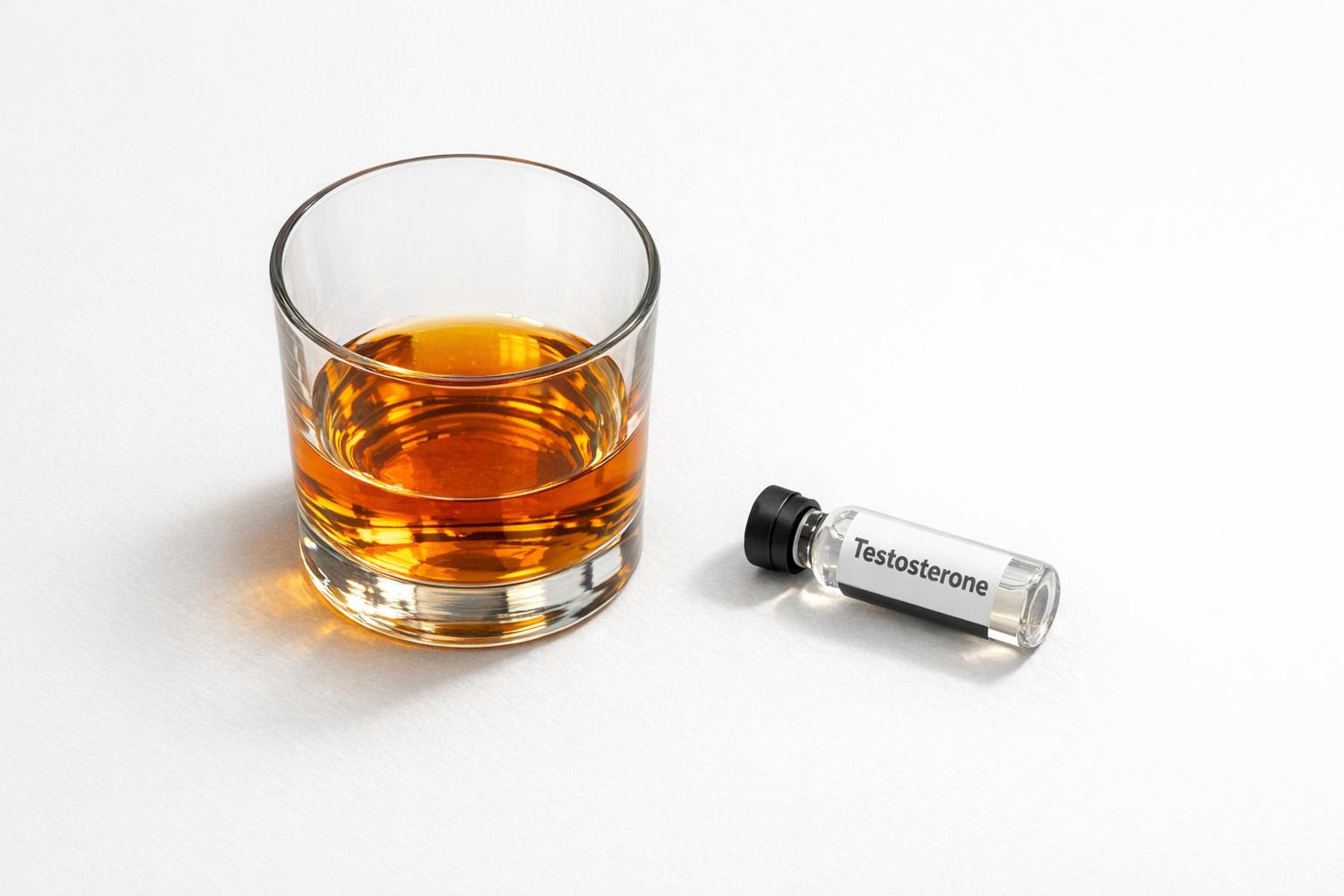
Drinking alcohol can lower testosterone levels almost immediately, with long-term consumption leading to severe hormonal imbalances and health risks. Testosterone is vital for muscle growth, mood, energy, and overall well-being. However, alcohol disrupts its production through multiple biological pathways, including damage to the testes and increased cortisol levels.
Key points to know:
- Testosterone levels can drop within 30 minutes of drinking.
- Heavy drinking (15+ drinks per week) causes chronic hormonal disruptions.
- Long-term effects include reduced muscle mass, low libido, and mood issues.
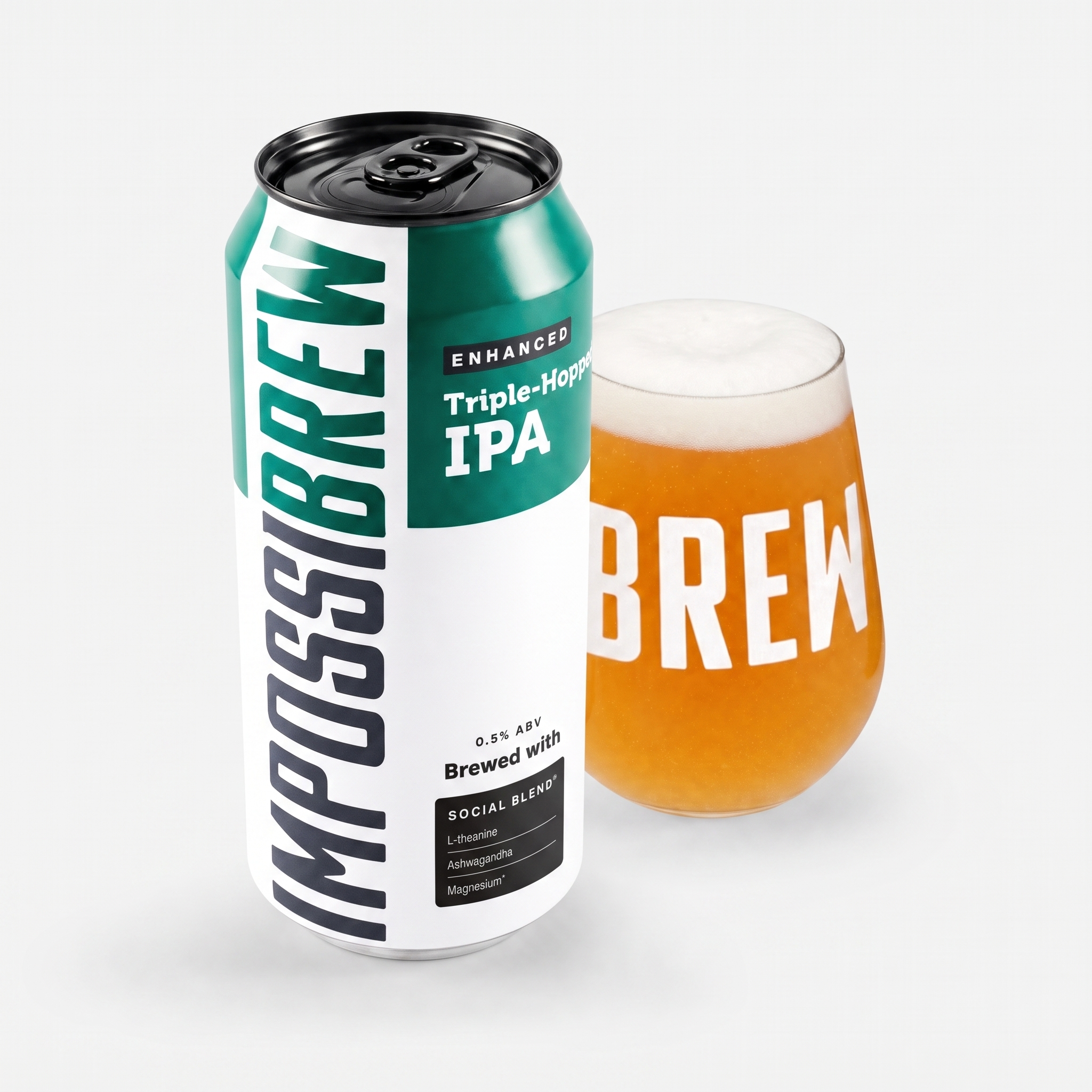
- Non-alcoholic alternatives, like IMPOSSIBREW®, help maintain hormonal balance.
To protect your health, consider cutting back on alcohol, improving sleep, and choosing non-alcoholic options during social events.
How Alcohol Affects Testosterone Levels
Immediate Effects of Alcohol
Alcohol has a swift and noticeable impact on testosterone levels. Studies reveal that testosterone can begin to drop within just 30 minutes of heavy drinking [2]. In some animal studies, this dip was observed as quickly as 15 minutes after alcohol intake [6].
Interestingly, the amount of alcohol consumed plays a big role. Drinking in low to moderate amounts might temporarily boost testosterone levels due to increased activity of liver detoxification enzymes [1]. However, this effect doesn’t last long. Once alcohol consumption crosses into higher levels, testosterone levels start falling rapidly.
This immediate drop happens because alcohol disrupts the hypothalamic-pituitary-gonadal (HPG) axis, which is responsible for regulating testosterone production [2]. At the same time, alcohol increases cortisol levels, which further suppresses testosterone production [4]. Jonathan Valdez, RDN from Genki Nutrition, explains:
"Drinking alcohol has a swift response on testosterone production. You don't have to be drinking for a very long time to see negative impacts" [4].
Alcohol metabolism also reduces NAD⁺ availability and raises β-endorphin levels, both of which interfere with testosterone synthesis [4][5]. For example, in mice, testosterone levels dropped within 30–90 minutes of alcohol administration, returning to normal only after about two hours in single-dose experiments [7].
While these short-term effects are concerning, the real issue arises with repeated alcohol use, which can lead to long-term hormonal disruption.
Long-Term Effects of Regular Drinking
The acute effects of alcohol on testosterone are only part of the story. Regular and heavy drinking can lead to more permanent hormonal imbalances. For men, consuming over 15 drinks per week can cause chronic interference with hormone production in the hypothalamus, pituitary gland, and testes [2].
One serious long-term effect is damage to Leydig cells, which are responsible for testosterone production [2]. A study involving healthy men who drank a pint of whiskey daily showed a significant drop in testosterone levels by the third day, with levels comparable to chronic alcoholics by the end of 30 days [2]. Furthermore, about 90% of men with advanced liver disease experience low testosterone, and 75% with advanced alcoholic cirrhosis suffer from testicular atrophy [2].
Another issue is alcohol’s ability to stimulate the enzyme aromatase, which converts testosterone into oestrogens. This process occurs primarily in the liver and fat tissues, leading to hormonal imbalances. For instance, around 42% of men with alcoholic cirrhosis develop gynaecomastia (enlarged breast tissue) due to elevated oestrogen levels [5]. Additionally, heavy drinking can disrupt sperm production, with 50% of heavy drinkers experiencing spermatogenic arrest compared to just 20% of non-drinkers [2]. As Urologist Joshua Calvert, M.D., puts it:
"Alcohol suppresses all the hormones your body needs for good testicular health. Your testicles only have 3 jobs: to make testosterone, make sperm, and look good in a Speedo. Alcohol impairs your ability to do all 3" [4].
The Biology Behind Testosterone Suppression
The reasons behind alcohol’s impact on testosterone are complex and involve several biological pathways. To start, alcohol reduces the release of Gonadotropin-Releasing Hormone (GnRH) from the hypothalamus, as well as Luteinizing Hormone (LH) and Follicle-Stimulating Hormone (FSH) from the pituitary gland. These hormones are essential for stimulating testosterone production [2]. Chronic drinking also alters the structure of LH, reducing its effectiveness [5].
Moreover, acetaldehyde - alcohol’s primary metabolite - directly inhibits key enzymes like 17α-hydroxyprogesterone aldolase, which are critical for testosterone synthesis in the testes [7]. Catherine Rivier, Ph.D., from The Salk Institute, highlights this effect:
"Alcohol induces a rapid and profound decrease in plasma T levels that is secondary to decreased testicular responsiveness to hCG" [10].
Excessive alcohol consumption also activates the hypothalamic-pituitary-adrenal (HPA) axis, leading to increased cortisol levels and a state that mimics pseudo-Cushing's syndrome [8]. This heightened cortisol further suppresses the HPG axis. At the same time, alcohol metabolism creates oxidative stress and inflammation, which disrupt the cellular processes needed for testosterone production [9]. Stephen James Smith from Murdoch University explains:
"The primary mechanisms of action involved in the reduction of testosterone are increased hypothalamus-pituitary-adrenal axis activity, inflammation, and oxidative stress" [9].
There’s also evidence of a neural brain-gonadal pathway, where alcohol triggers a rapid testosterone drop through an adrenergic-dependent connection that reduces the testes’ response to gonadotropins [10].
All these mechanisms together highlight how alcohol, whether consumed occasionally or regularly, can significantly disrupt testosterone levels and overall hormonal health.
Health Risks of Alcohol-Related Low Testosterone
Physical and Mental Health Effects
When alcohol lowers testosterone, it doesn't just impact one area of health - it creates a ripple effect. Physically, it can lead to reduced muscle mass, weaker bones, and impaired red blood cell production, all of which are crucial for maintaining strength and stamina. It also disrupts sexual and reproductive health, and fat tends to accumulate around the abdomen, which worsens hormonal imbalances by increasing aromatase activity - an enzyme that converts testosterone into oestrogen [11][2][4].
The hormonal changes can be striking. Men with alcoholic cirrhosis often experience feminising effects, such as gynaecomastia (enlarged breast tissue) and reduced body hair. These changes are directly tied to alcohol's ability to boost aromatase activity, further tipping the testosterone-oestrogen balance [11].
Mentally, the effects are just as concerning. Low testosterone has been linked to mood swings, lethargy, and a noticeable drop in energy levels. While the connection to major depressive disorder remains debated, studies have found links to dysthymia and treatment-resistant depression [13]. Cognitive issues like poor concentration, "brain fog", and memory lapses are also common [2][4][13]. As Lisa B. Nachtigall M.D. and Theodore A. Stern M.D. explain:
"Low testosterone level has been linked with... fatigue, loss of vigour, irritability or depressed mood, poor concentration, and disturbances of sleep" [13].
Together, these physical and mental health challenges create a perfect storm, affecting not just the body but also the mind and daily functioning.
Effects on Quality of Life
The broader impact of these hormonal shifts is a noticeable decline in quality of life. Chronic fatigue and reduced strength can make even simple tasks feel overwhelming, limiting productivity at work and enjoyment during leisure time [2][1]. Sexual health often takes a hit too, with erectile dysfunction and a drop in libido straining intimate relationships [2][4].
The metabolic toll is another key issue. Weight gain not only affects self-esteem but also further suppresses testosterone levels, creating a vicious cycle [4]. Over time, persistently low testosterone has been tied to serious health risks, including multiple chronic conditions and a higher likelihood of early death [1]. Memory problems and symptoms resembling dementia may emerge, while the immune system weakens, leaving the body more susceptible to illness [12].
These combined effects highlight how alcohol-induced low testosterone doesn't just compromise health - it reshapes daily life and long-term wellbeing in profound ways.
How Does ALCOHOL Impact Fat Loss, Muscle & Testosterone? (What The Science Says)
sbb-itb-a752bf8
Non-Alcoholic Options for Hormonal Health
Why Choose Non-Alcoholic Beverages
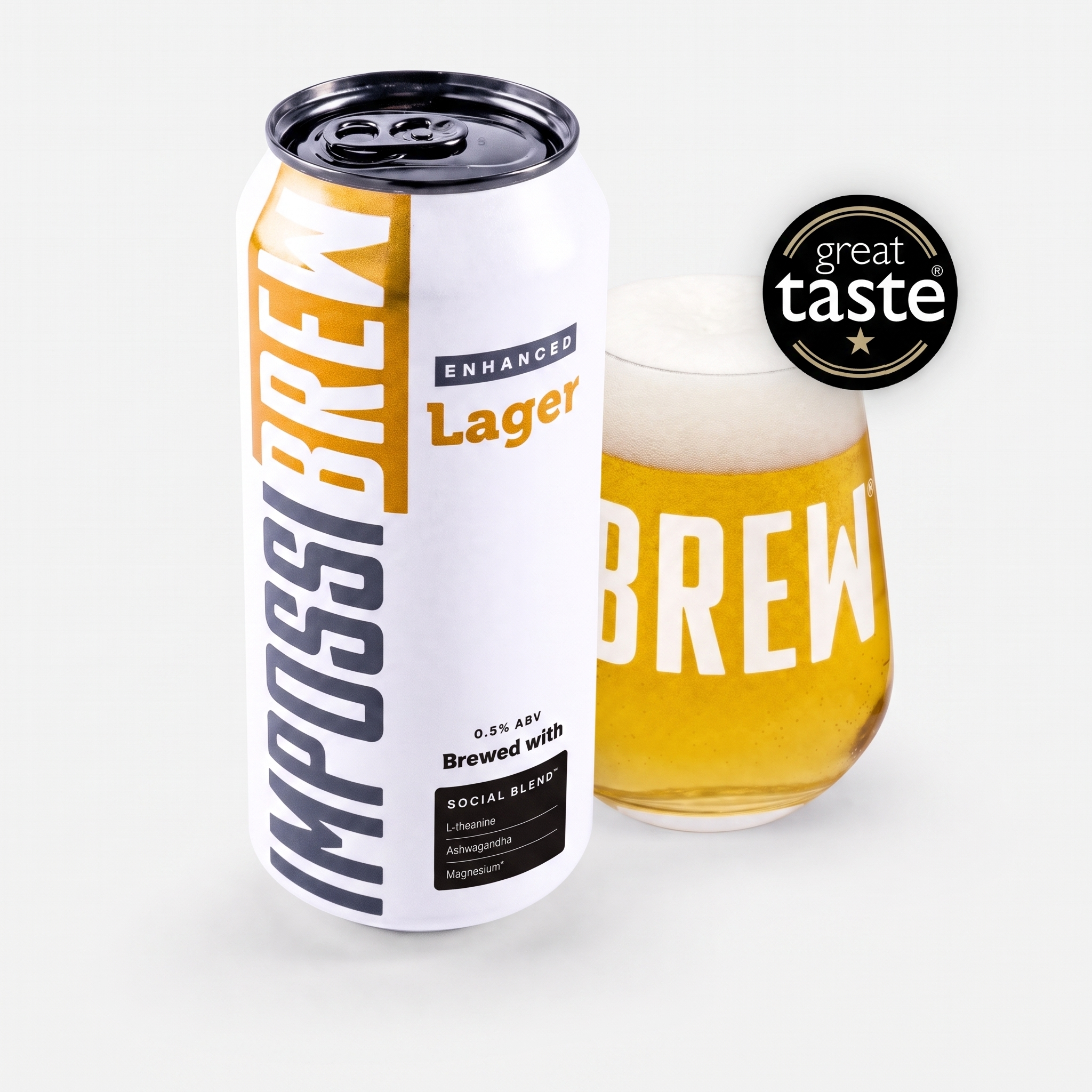
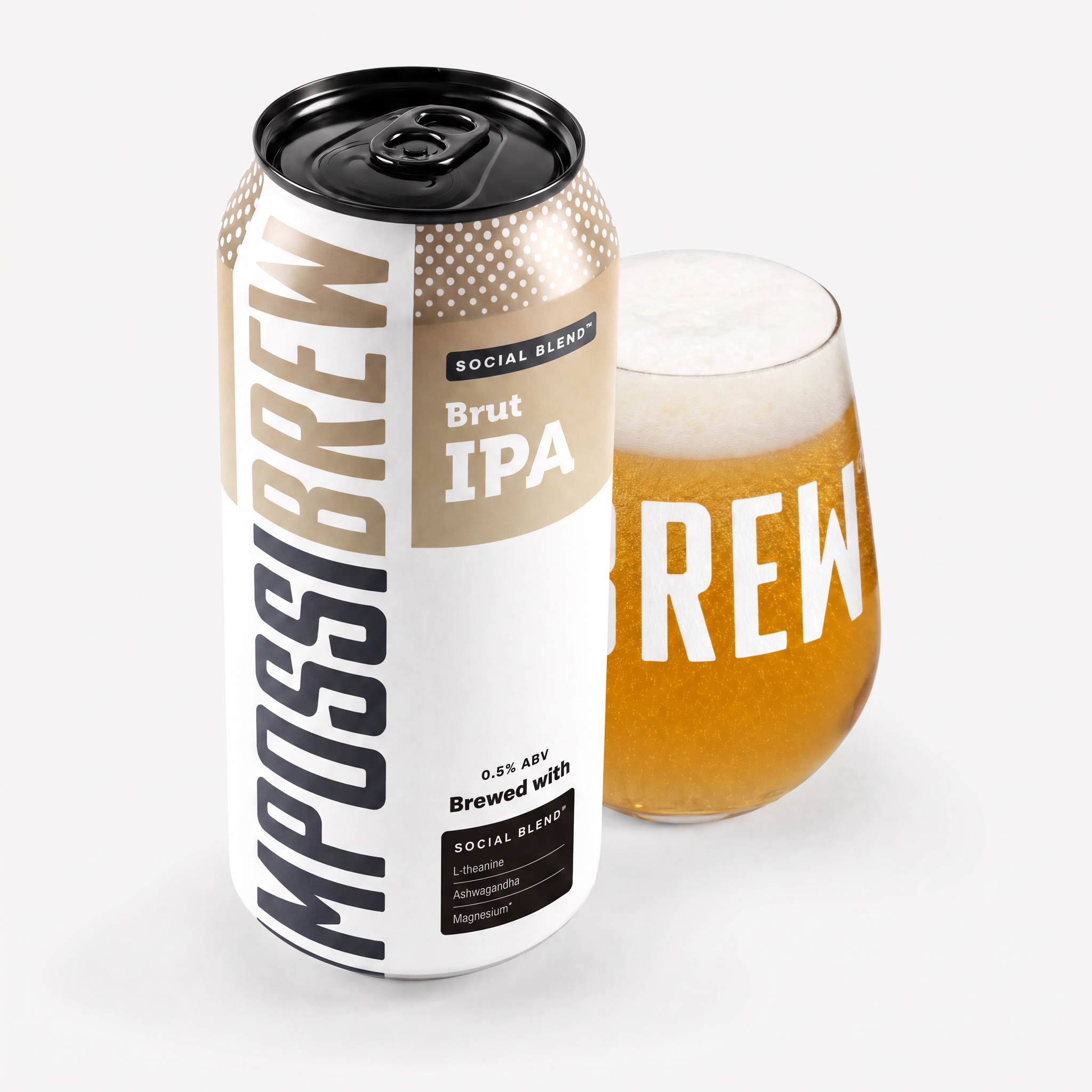
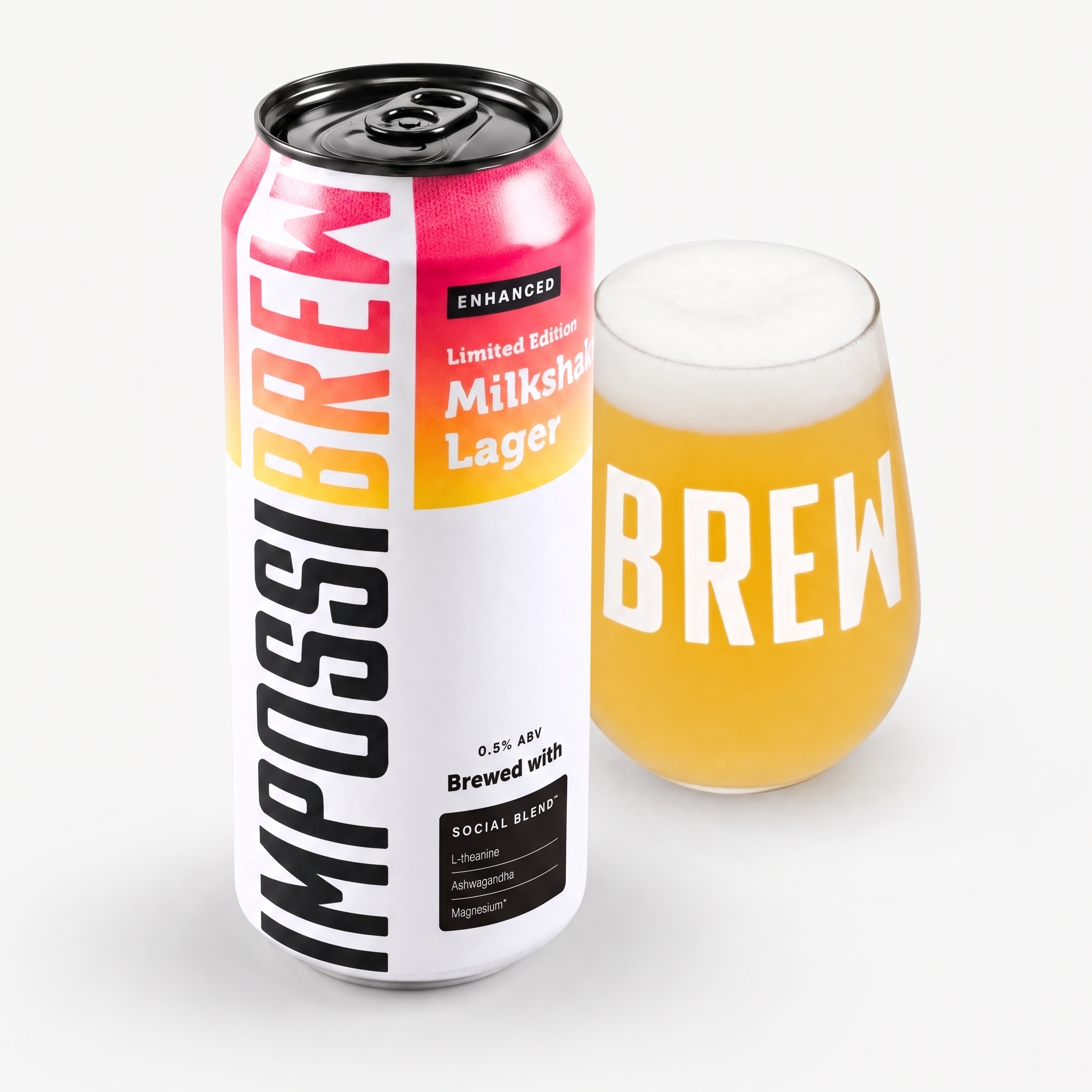
Alcohol is known to interfere with testosterone production, making non-alcoholic alternatives a smart choice for those looking to maintain hormonal balance. Ethanol disrupts the hypothalamus, anterior pituitary gland, and testes - key players in testosterone regulation. Opting for non-alcoholic drinks, such as IMPOSSIBREW®’s enhanced beers, allows you to enjoy social occasions without compromising your health.
Unlike alcohol, these alternatives don’t cause the sharp hormonal drops often seen after drinking[4]. They also avoid spiking cortisol levels and help preserve NAD⁺, a coenzyme crucial for testosterone synthesis. Dr Joshua Calvert, M.D., Urologist, underscores this:
"Alcohol suppresses all the hormones your body needs for good testicular health"[4].
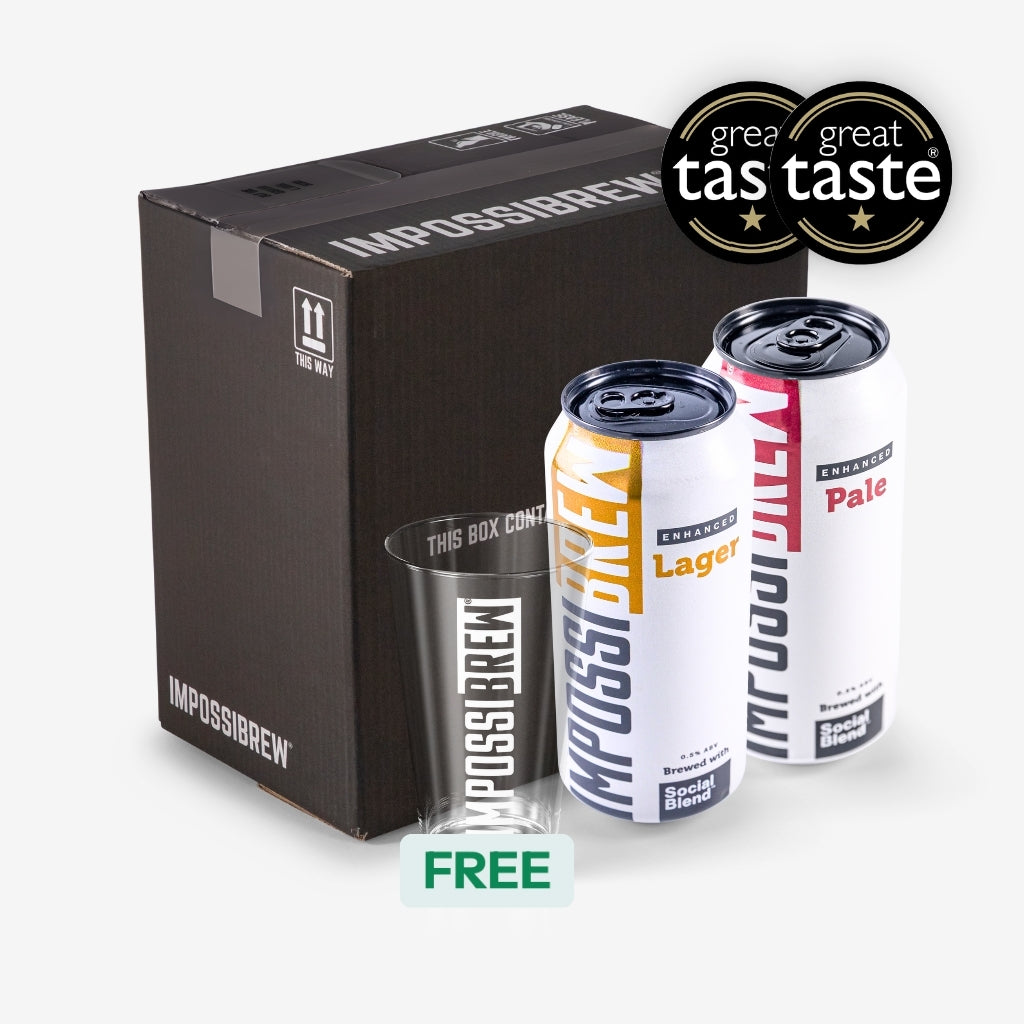
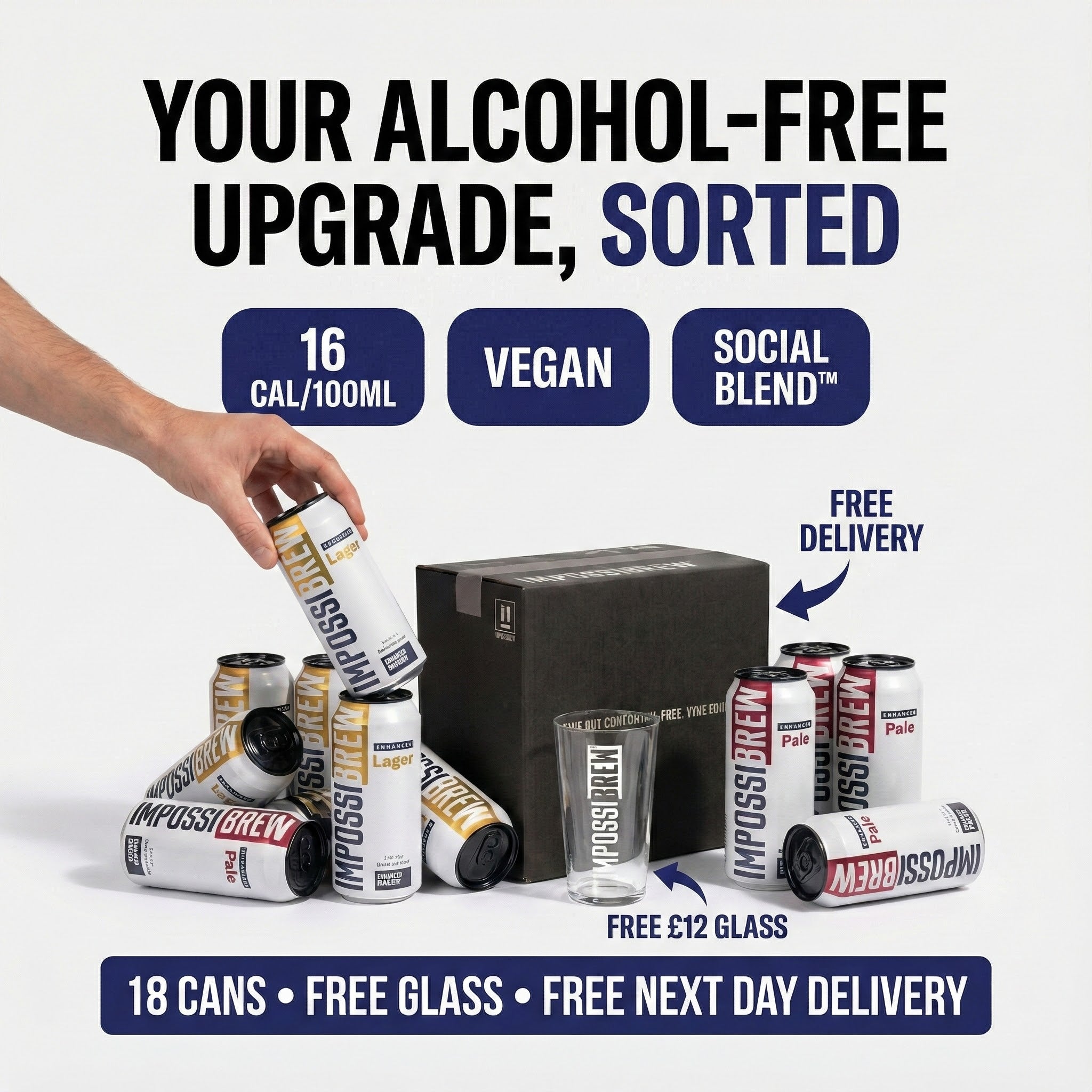
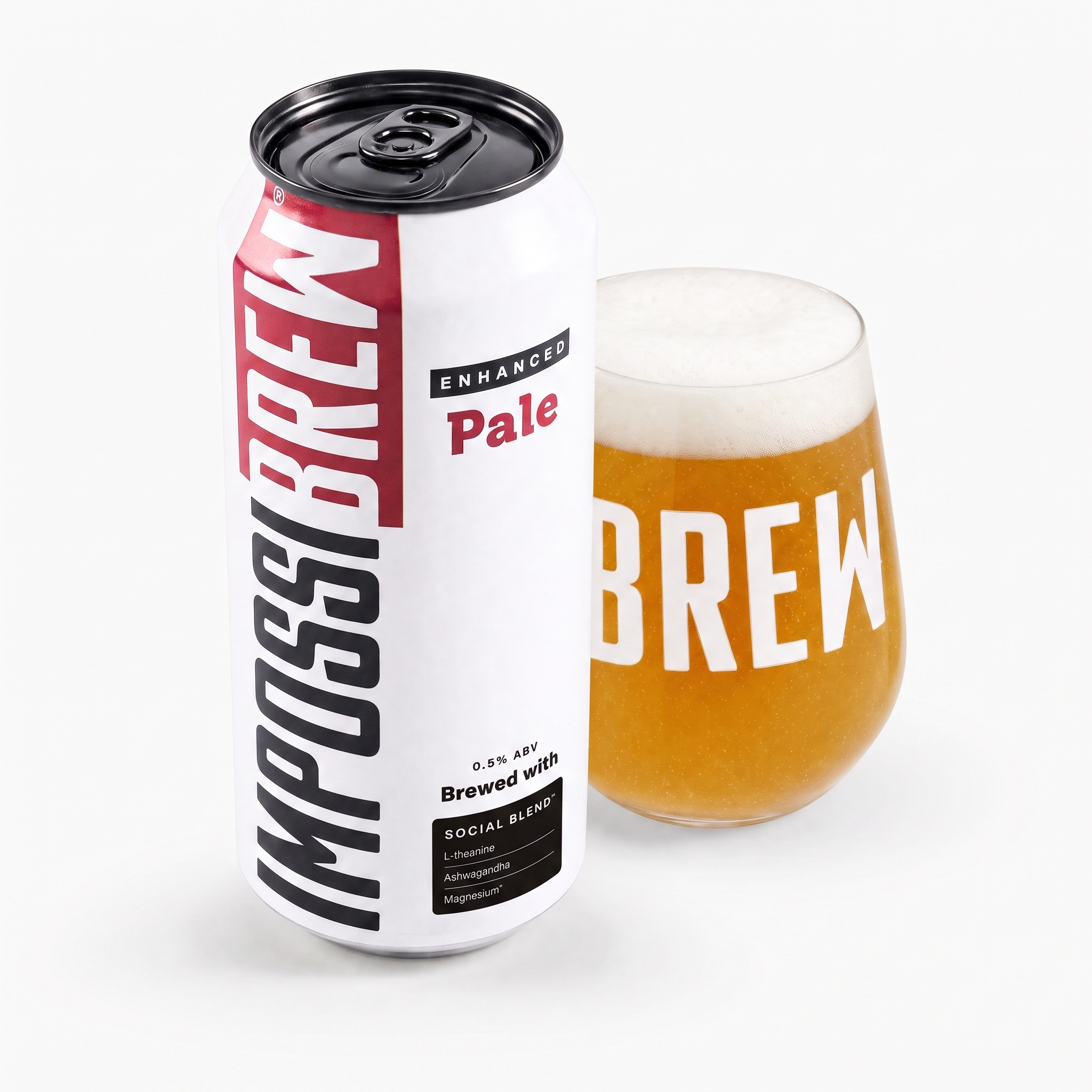
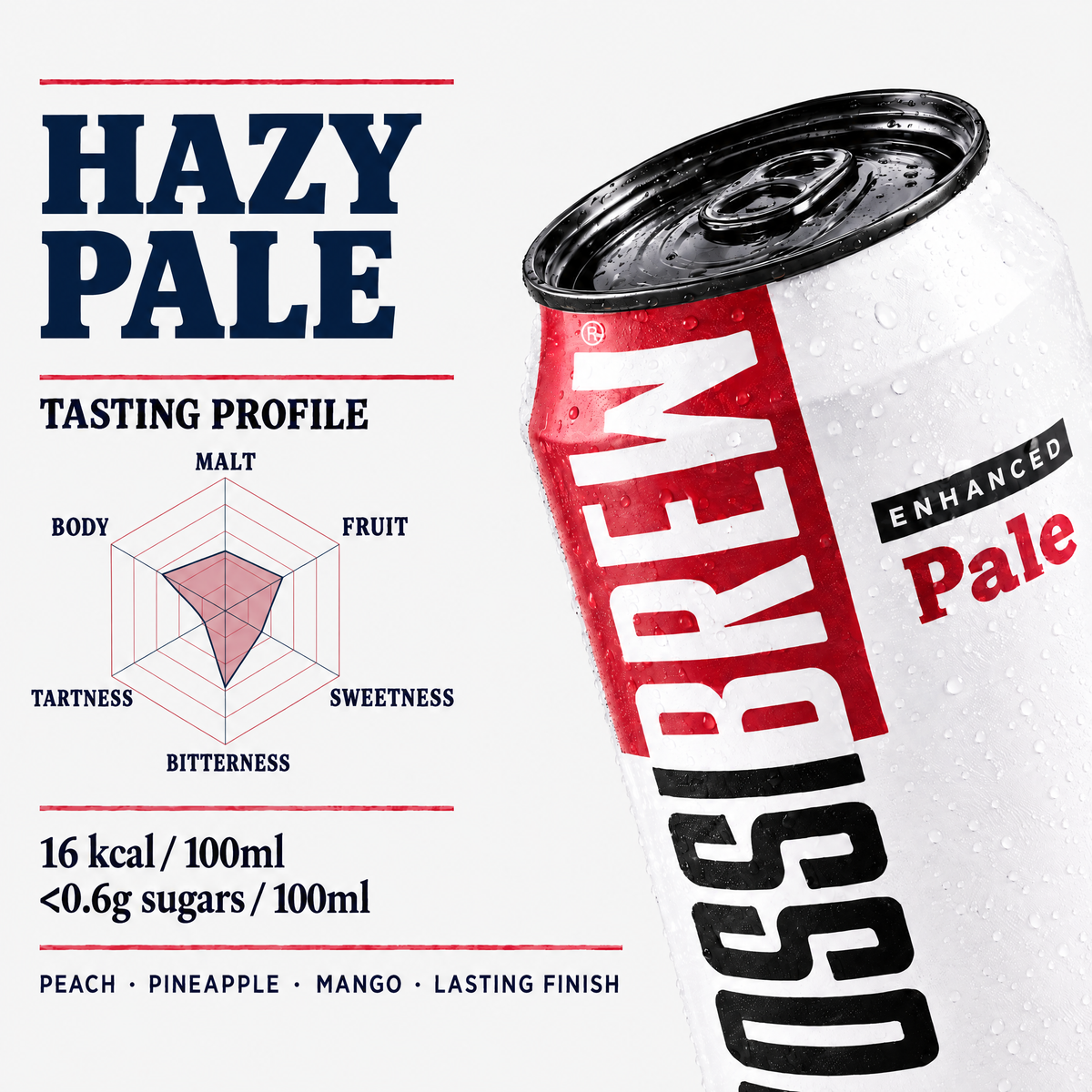
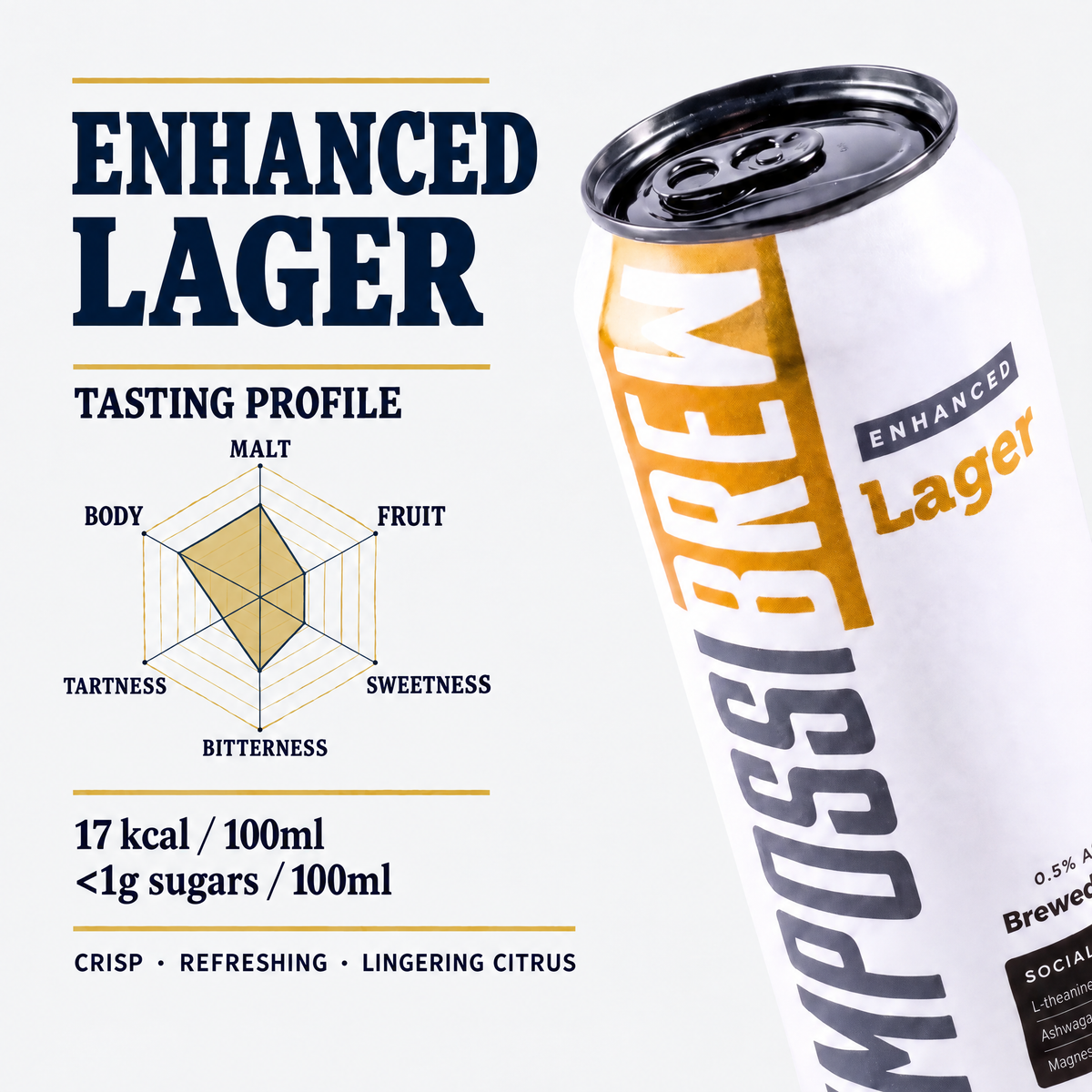
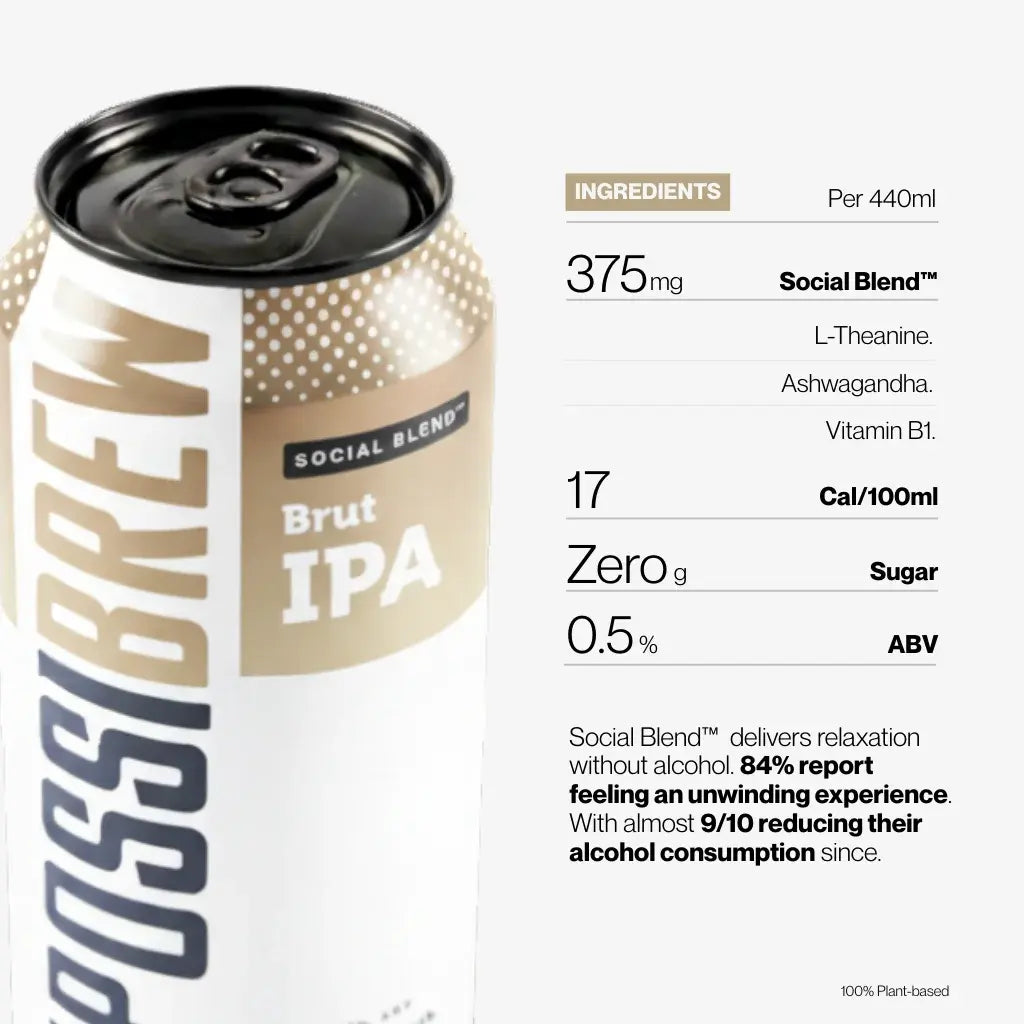
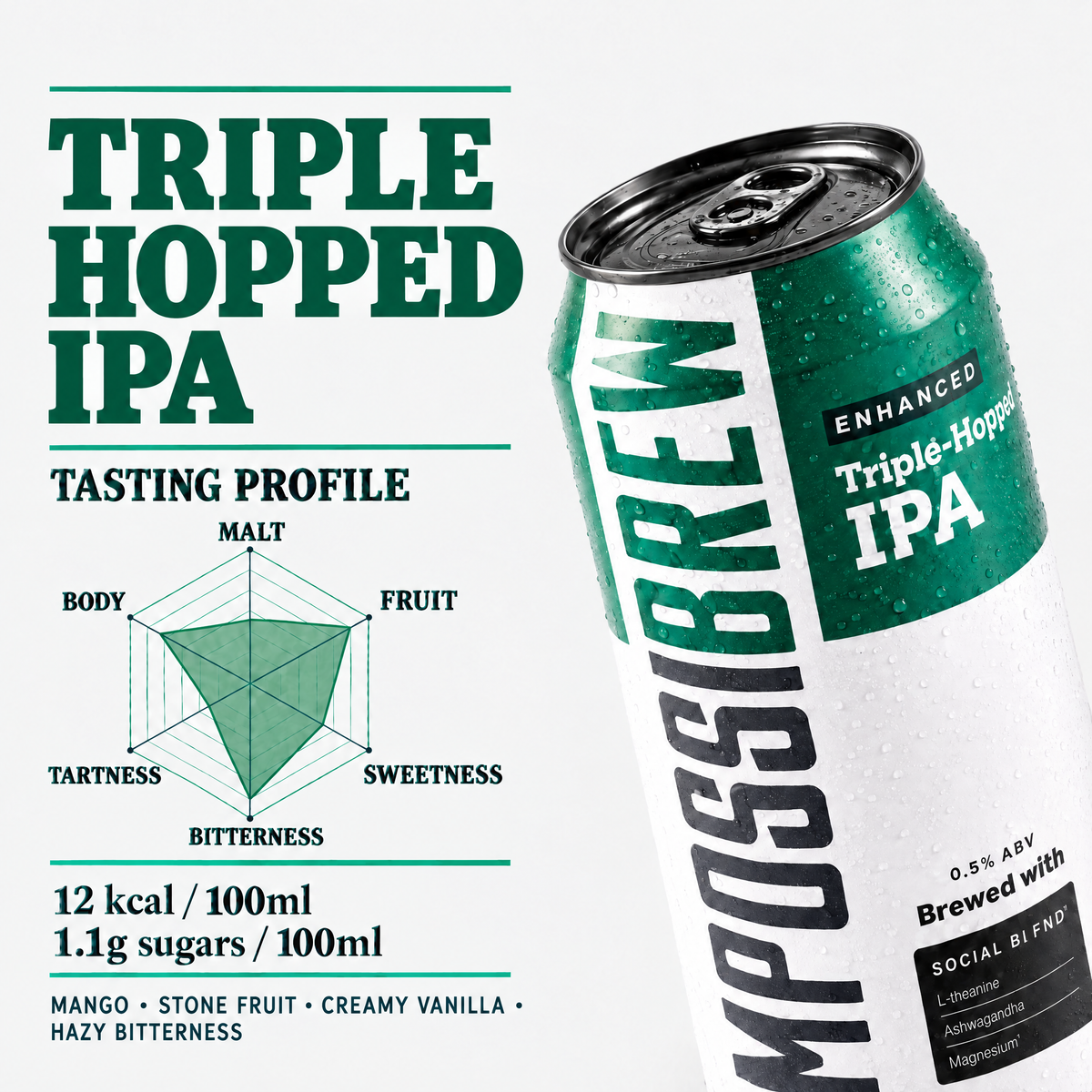
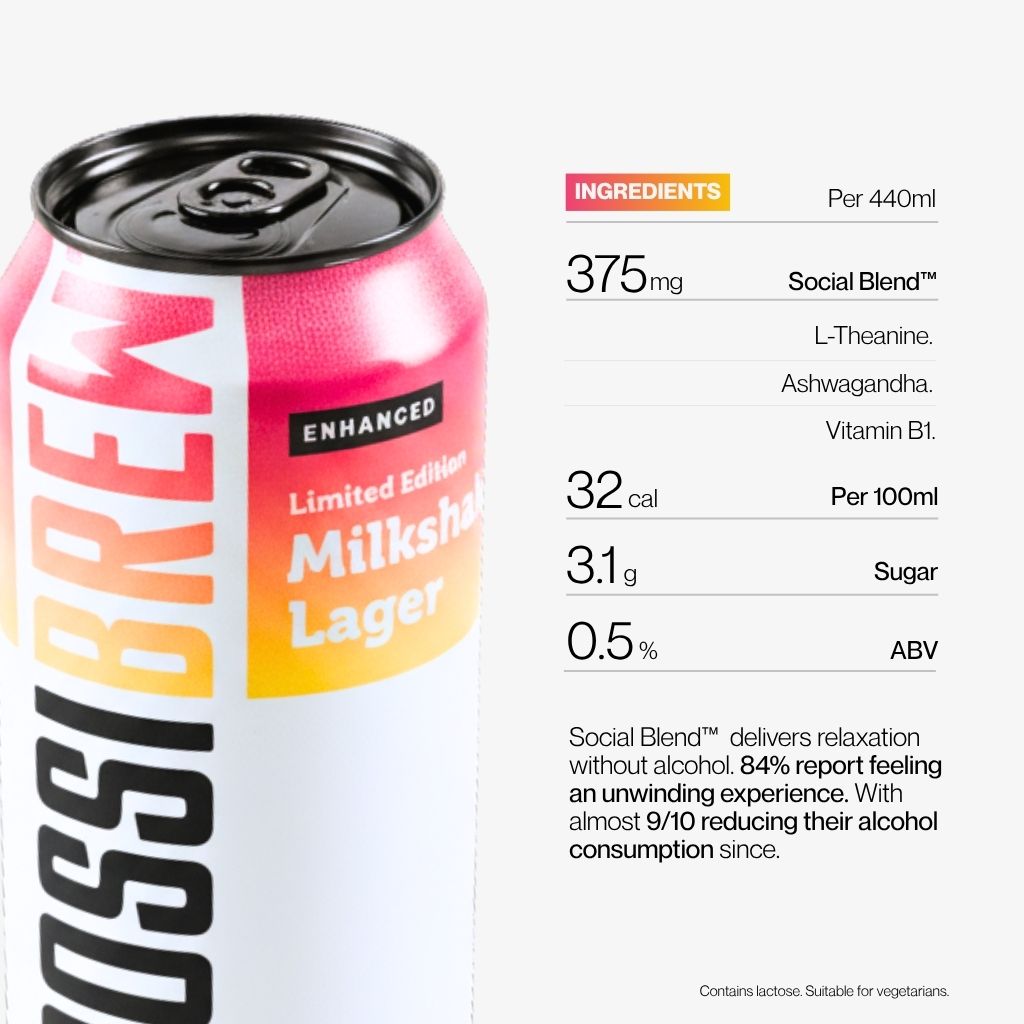
IMPOSSIBREW®’s Social Blend™ uses nootropic and adaptogenic ingredients, offering relaxation without the metabolic downsides. Their Enhanced Lager and Enhanced Hazy Pale, both containing less than 0.5% ABV and fewer calories, support natural sleep cycles - an essential factor during peak testosterone production. Unlike traditional alcoholic beverages, these drinks avoid harming Leydig cells or activating the aromatase enzyme, which converts testosterone into oestrogen.
Alcohol vs Non-Alcoholic: A Comparison
| Feature | Alcoholic Beverages | IMPOSSIBREW® Enhanced Beers |
|---|---|---|
| Testosterone Impact | Levels can begin to drop within 30 minutes[4] | Maintains natural production |
| Cortisol Levels | Increases, which can inhibit testosterone | Remains stable |
| Sleep Quality | Disrupts REM sleep and recovery[3] | Supports natural sleep cycles |
| ABV | Typically 4–7%+ | Less than 0.5% |
| Calories | High (approximately 7.1 kcal/g)[4] | Low calorie with functional benefits |
| Sperm Health | Linked to higher risk of spermatogenic arrest[2] | No known negative impact |
This table makes it clear: non-alcoholic options like IMPOSSIBREW® are a practical choice for supporting hormonal health.
Practical Steps to Support Testosterone
If maintaining testosterone levels is a priority, there are actionable steps you can take. Start by swapping alcoholic beverages for functional non-alcoholic options when socialising. For those consuming over 15 drinks a week, cutting back to 1–2 drinks per day can significantly reduce hormonal disruption[4]. These small adjustments can help reverse or prevent the negative health effects associated with alcohol.
Consider a 10-week alcohol-free period to give your testes time to repair[12]. Studies suggest testosterone levels can recover within six months of quitting alcohol, provided there’s no lasting liver or testicular damage[4]. During this time, focus on getting enough sleep, exercising regularly, and eating a balanced diet.
When drinking at social events, aim to stop at least two hours before bedtime to protect REM sleep, the phase where testosterone production is at its peak[3]. Additionally, steer clear of high-hop beers like IPAs, as hops contain phytoestrogens that could further disrupt the testosterone–oestrogen balance[3].
Nutritionist Jonathan Valdez highlights the urgency of these changes:
"Drinking alcohol has a swift response on testosterone production. You don't have to be drinking for a very long time to see negative impacts"[4].
Conclusion
Main Points
Research highlights that alcohol significantly disrupts testosterone production through several mechanisms. It hampers the hypothalamic-pituitary-gonadal axis, damages Leydig cells in the testes, and accelerates the conversion of testosterone into oestrogen. Testosterone levels can start to decline within just 30 minutes of drinking [2]. Prolonged alcohol consumption leads to persistent hormonal imbalances, reduced sperm quality, and a host of health issues.
Heavy drinking - defined as consuming more than 15 drinks per week for men - poses the greatest threat [2]. For instance, a study showed that healthy men drinking a pint of whiskey daily experienced testosterone drops comparable to those seen in chronic alcoholics within just 30 days [2]. Advanced liver disease is also strongly associated with low testosterone levels [2].
On a positive note, much of this damage can be reversed. Testosterone levels often return to normal within 10 weeks to 6 months of abstaining from alcohol, provided no permanent harm has occurred [2]. This opens the door to non-alcoholic options that can support natural hormone balance.
What to Do Next
The evidence emphasises the importance of making thoughtful choices to protect hormonal health. One way to safeguard testosterone levels is by opting for IMPOSSIBREW®'s enhanced beers. With less than 0.5% ABV, these functional drinks offer a way to enjoy social occasions without the hormonal disruption caused by alcohol. Their Social Blend™ formula combines nootropic and adaptogenic ingredients, promoting relaxation and sociability while keeping your natural testosterone production intact.
Start by swapping your usual alcoholic beverages for IMPOSSIBREW® at gatherings. Pair this with good sleep, consistent exercise, and a nutritious diet to support your hormonal recovery. Your body will thank you.
FAQs
How quickly does alcohol affect testosterone levels?
When you drink alcohol, testosterone levels can start to drop as quickly as 30 minutes after consumption. Having a heavy drinking session - defined as five or more drinks in one go - can keep testosterone levels suppressed for up to 24 hours.
If alcohol use becomes frequent or excessive, it can interfere with hormonal balance over time, which may lead to more lasting effects on testosterone and overall health. Cutting back on alcohol or choosing non-alcoholic options can make a positive difference in maintaining healthier hormone levels.
How does heavy drinking affect testosterone levels in the long term?
Consuming large quantities of alcohol regularly can have a serious impact on testosterone levels, causing them to drop significantly over time. This is due to alcohol interfering with the body's natural hormone production, which can lead to a condition called hypogonadism. In this state, testosterone levels stay unusually low.
The long-term consequences of low testosterone can include lower energy levels, loss of muscle mass, increased fat accumulation, and even potential challenges with fertility. Cutting back on alcohol - or avoiding it altogether - can be a practical step towards promoting hormonal balance and maintaining healthier testosterone levels.
What are the best non-alcoholic ways to support hormonal balance?
When it comes to keeping your hormones in check, there are plenty of ways to do it without turning to alcohol. For starters, regular exercise is a game-changer. Strength training or high-intensity interval workouts, done 2–3 times a week, can naturally boost testosterone levels. Pair this with a balanced diet that includes lean proteins, healthy fats (like olive oil, nuts, and avocado), and foods packed with zinc and vitamin D to encourage healthy hormone production. Managing your weight, especially by reducing abdominal fat, is also key. This helps prevent testosterone from being converted into oestrogen. And don’t underestimate the power of a good night’s sleep - aim for 7–9 hours, as this is when the body releases most of its testosterone.
For social events, swapping alcohol for non-alcoholic alternatives can make a big difference. Sparkling water with a splash of citrus, herbal teas, or low-sugar mocktails are great substitutes that won’t disrupt your hormones. While the occasional drink in moderation might not have a major impact, consistently choosing alcohol-free options eliminates the risk of testosterone suppression caused by binge or chronic drinking.
By blending regular workouts, nutritious eating, weight management, quality sleep, and alcohol-free beverages into your lifestyle, you can keep your hormones balanced and support your overall well-being.