Taking a break from alcohol in January can improve your heart rate variability (HRV), resting heart rate (RHR), and recovery scores. HRV measures how well your body handles stress and recovery, and alcohol disrupts this balance. Even one drink can decrease HRV by 2.4 milliseconds and raise your resting heart rate by 1.3 beats per minute.
Here’s what happens when you participate in Dry January:
- HRV improves by 7% on average.
- Resting heart rate drops by 9.6%.
- Recovery scores increase by 4%.
Wearable devices like WHOOP and Oura rings show these changes clearly, making the benefits of abstinence measurable. Alcohol-free alternatives, such as non-alcoholic functional beers, can help maintain social habits without harming recovery. Even short-term abstinence helps your nervous system regain balance, improving sleep and stress management.
Key takeaway: Skipping alcohol for a month supports better cardiovascular health and recovery, with results you can track and feel.
Research on Alcohol Abstinence and HRV
Study Results: HRV Changes During Abstinence
Taking a break from alcohol helps restore balance in the autonomic nervous system by enhancing parasympathetic (vagal) heart modulation [7][6]. This recovery is particularly noticeable in specific parasympathetic HRV indicators, such as RMSSD (Root Mean Square of Successive Differences), pNN50, and High Frequency (HF) HRV [6].
In June 2023, a study led by David Eddie at Massachusetts General Hospital focused on 42 adults in their first year of recovery from Alcohol Use Disorder (AUD). Using eMotion Faros 180 ambulatory ECG monitors, the researchers found that HRV markers like RMSSD, pNN50, and HF HRV showed significant improvement as the time since their last drink increased. This demonstrated a steady recovery of the parasympathetic system [6].
However, recovery can be slower for those with severe alcohol dependence. A June 2015 study by Massimiliano de Zambotti and colleagues followed 15 individuals with alcohol dependence over four months of abstinence. By the end of the study, participants experienced a drop in heart rate of around 8 beats per minute and an increase in High Frequency power, suggesting vagal recovery. As de Zambotti noted:
Alcoholics showed substantial recovery in HR and vagal modulation of HRV with 4 months of abstinence, with evidence that the extent of recovery in HRV may be partially determined by the extent of alcohol dependence-related insult [7].
Even short-term alcohol abstinence makes a difference. Research indicates that a single drink can reduce HRV by 2.4–7 milliseconds, while a single night of drinking can disrupt recovery for up to five days [2][8][9]. These findings highlight how even brief periods without alcohol can help restore autonomic balance.
Controlled studies provide valuable insights into these physiological changes, but real-world data from wearable devices also shows how even short abstinence periods can positively impact HRV.
Wearable Device Data: HRV Trends During Dry January
Wearable technology now offers a closer look at how cutting back on alcohol can benefit the body. In January 2023, WHOOP teamed up with Athletic Brewing for the "Give Dry a Try" challenge. During this campaign, participants reduced their alcohol intake by an average of 25%, with 16% abstaining entirely for the month. Those who took part in the challenge saw HRV improvements five times greater than the average WHOOP user, with noticeable gains in specific regions [2].
The WHOOP 'Try Dry' plan further supported these findings. Over 30 days, participants reported a 7% increase in HRV, a 9.6% reduction in resting heart rate, and a 4% improvement in recovery scores [3]. On the other hand, alcohol consumption has measurable drawbacks: for every drink, HRV drops by an average of 2.4 milliseconds, and recovery scores decrease by about 4.2% [2].
Emily Capodilupo, Vice President of Data Science and Research at WHOOP, explained:
Sleep is an incredibly active process, our bodies are working really, really hard when we sleep, and if you have alcohol in your system, none of those very active processes can happen [8].
Interestingly, wearable data also revealed some demographic differences during Dry January. Male participants generally showed larger improvements in HRV and resting heart rate, while female participants often experienced more pronounced gains in overall recovery scores [2].
Before and After: HRV Metric Comparisons
The table below highlights the immediate effects of consuming one drink compared to the benefits observed after 30 days of abstinence:
| Metric | Impact of 1 Drink | Impact of 1 Month Abstinence |
|---|---|---|
| Heart Rate Variability (HRV) | −7 ms [8] | +7% [3] |
| Resting Heart Rate (RHR) | +3 bpm [8] | −9.6% [3] |
| Recovery Score | −4.2% [2] | +4% [3] |
The Massachusetts General Hospital study found that parasympathetic HRV measures showed the most significant changes as abstinence continued, while metrics like SDNN and LF HRV exhibited more moderate improvements [6]. This suggests that the "rest and digest" system tends to recover faster than other aspects of autonomic function.
While noticeable improvements can occur within 30 days, individuals with a history of heavy alcohol use may need at least four months of sustained abstinence to see meaningful normalisation in resting HRV and heart rate [7][4]. The severity of alcohol's initial impact on the cardiac autonomic nervous system also plays a role in how much recovery is possible [7].
One particularly striking observation is alcohol's lingering effects. A study of collegiate athletes found that 29% still experienced suppressed recovery metrics two days after drinking, with some effects lasting up to four or five days after a single night of alcohol consumption [8][9].
How to Apply These Findings
Using Wearables to Monitor Your HRV
Turning research into daily habits is where the real magic happens, and wearables like WHOOP and Oura can make monitoring your heart rate variability (HRV) a breeze. These devices are particularly useful for tracking HRV during your deepest sleep, giving you a stable baseline unaffected by daytime fluctuations [1]. Start by establishing this baseline - ideally before 1st January - and log each alcohol-free day to see how your recovery improves over time [1][2][3].
The key is to focus on long-term HRV trends. HRV varies greatly from person to person and reacts to factors like stress, sleep quality, and exercise intensity [1]. Keep an eye on your combined recovery score, which blends HRV and resting heart rate (RHR). This metric can help you gauge how much physical or mental effort your body can handle each day [1][10].
For example, in October 2020, sports nutritionist Scott Tindal used an Oura ring to monitor his HRV during a month of alcohol abstinence. His resting heart rate dropped from a baseline of 42–43 bpm to an average of 39 bpm, with some days as low as 36 bpm. When he resumed light drinking in November, his RHR quickly returned to 42 bpm, showing just how sensitive these metrics are to alcohol [5].
Non-Alcoholic Functional Beers for Dry January
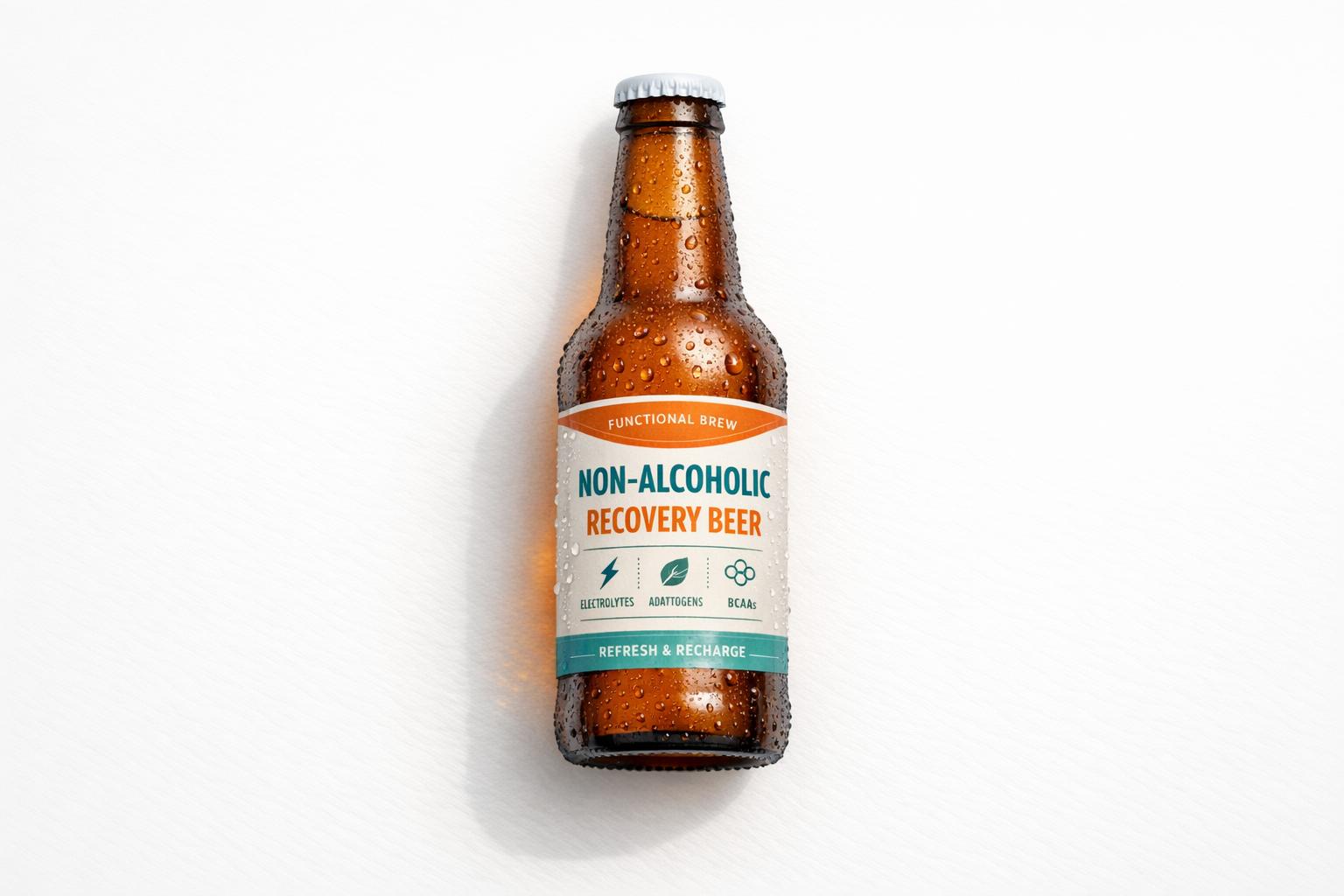
Swapping alcohol for non-alcoholic drinks isn't just about avoiding the negatives - it’s also a way to maintain the social rituals that many people enjoy. In fact, 52% of those cutting back on alcohol choose non-alcoholic alternatives as their go-to replacement [2]. This change not only helps you sidestep alcohol's immediate effects on HRV - each drink reduces HRV by an average of 2.4 ms [2] - but also keeps you engaged in social settings.
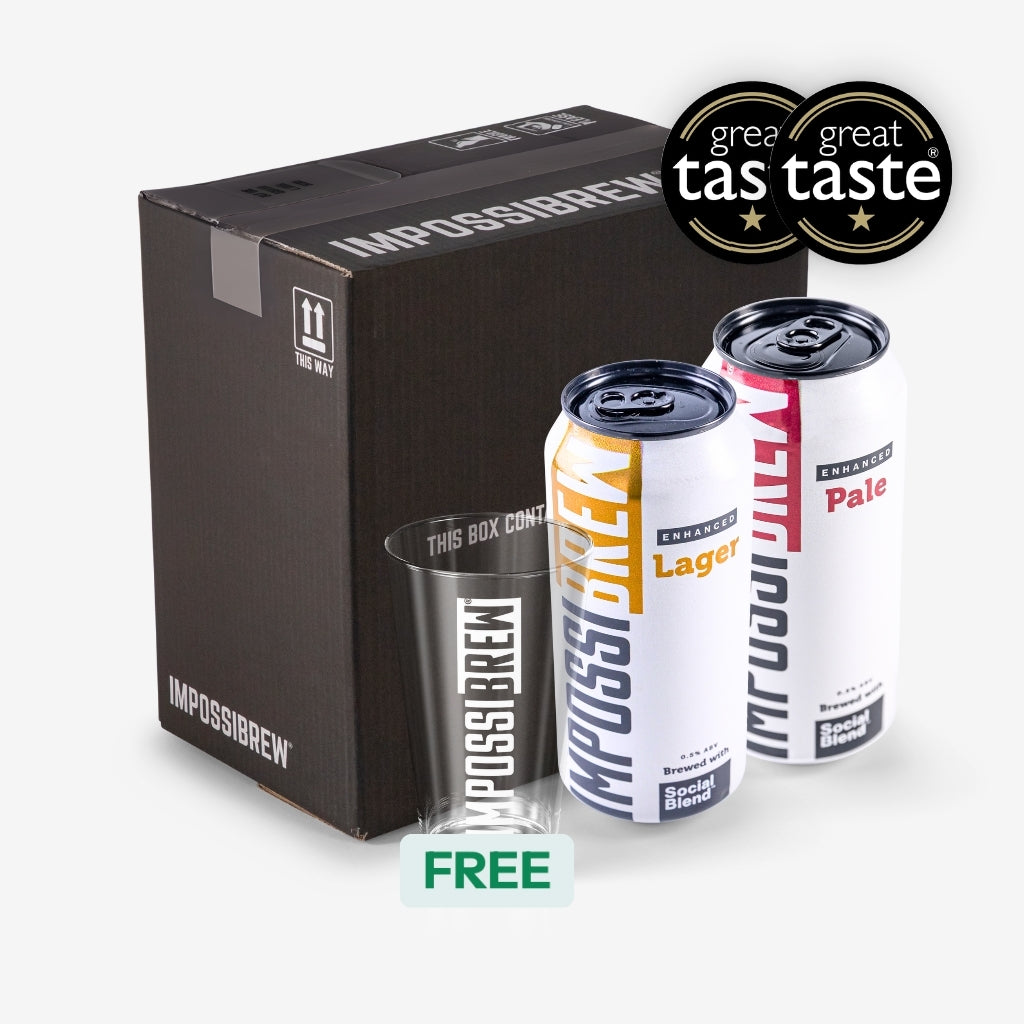
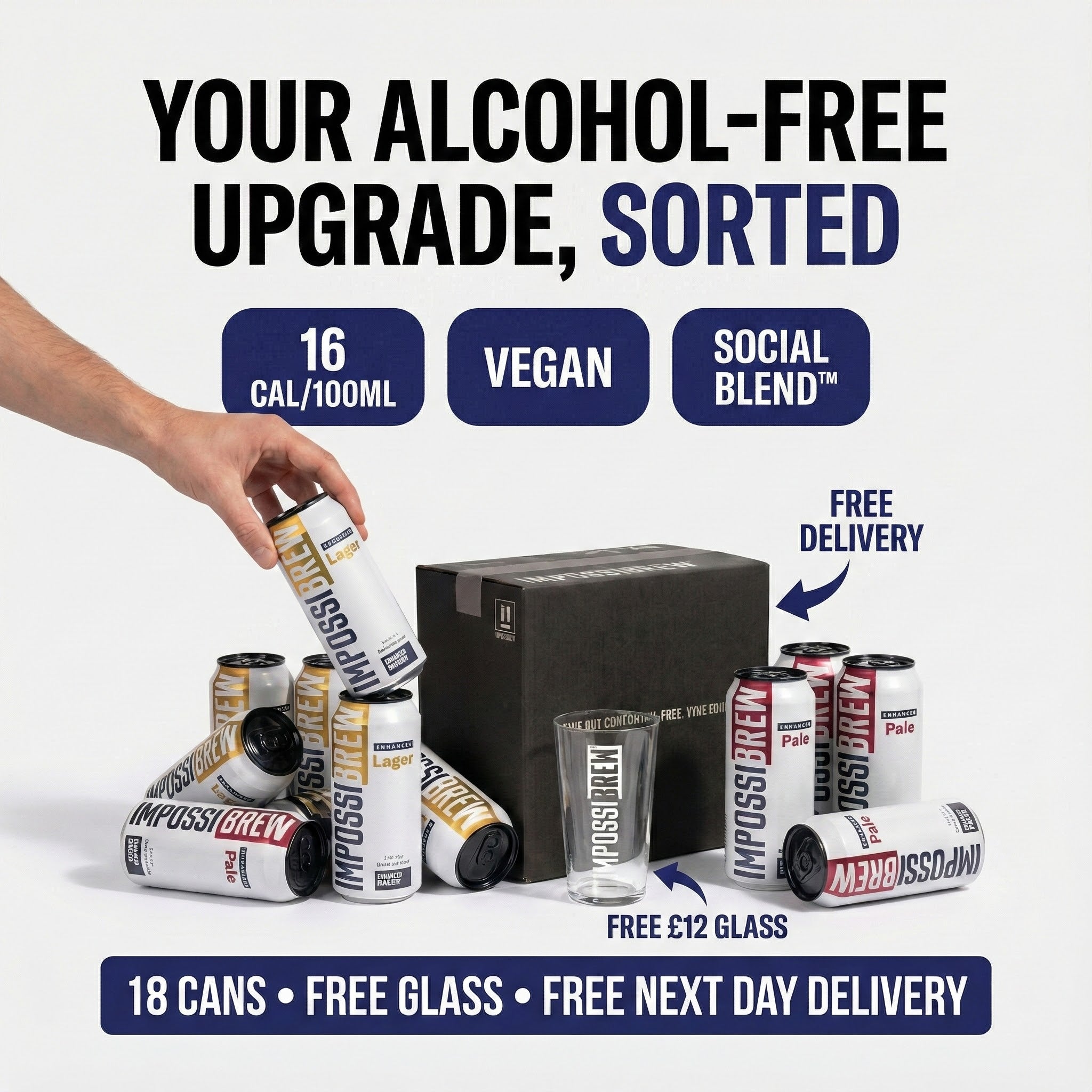
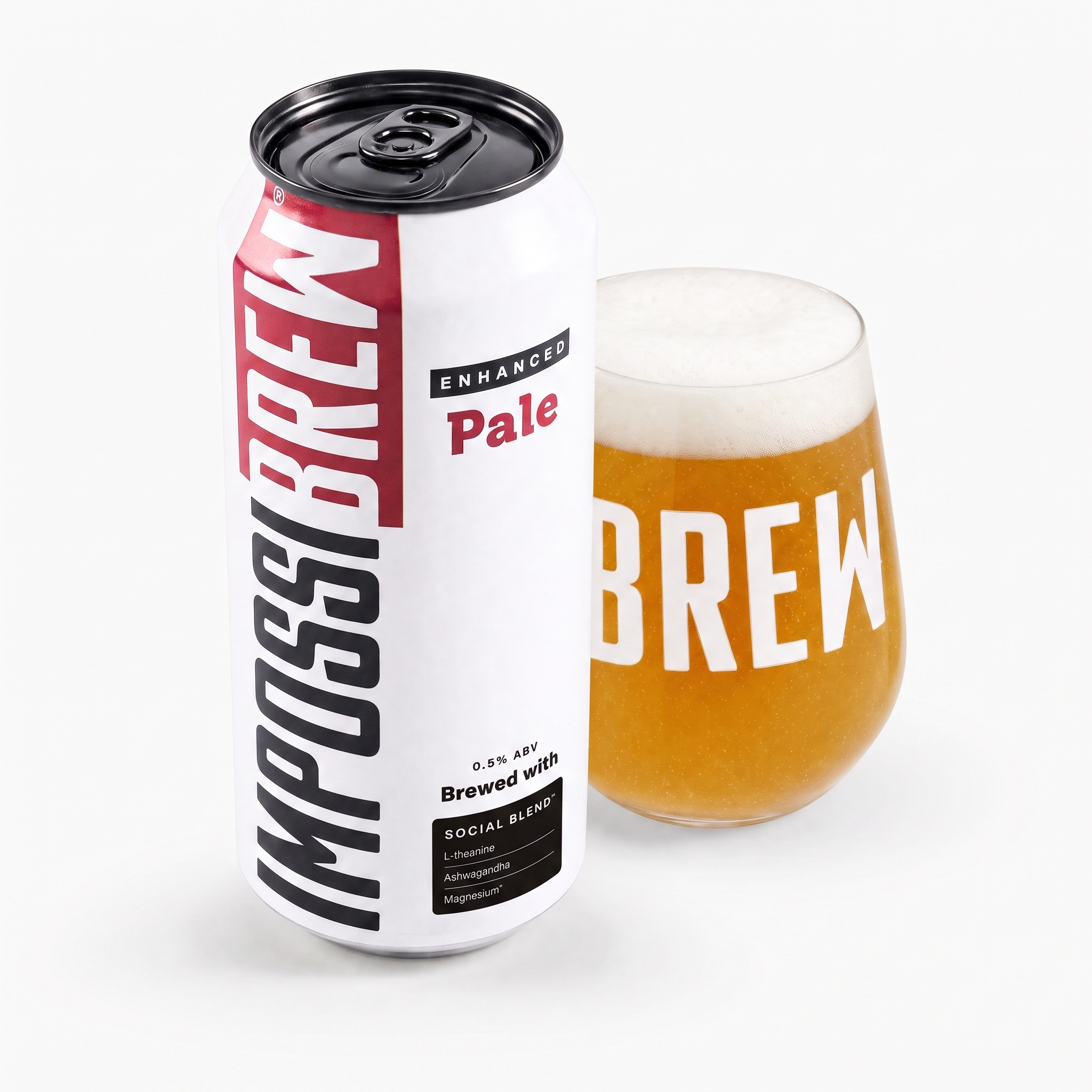
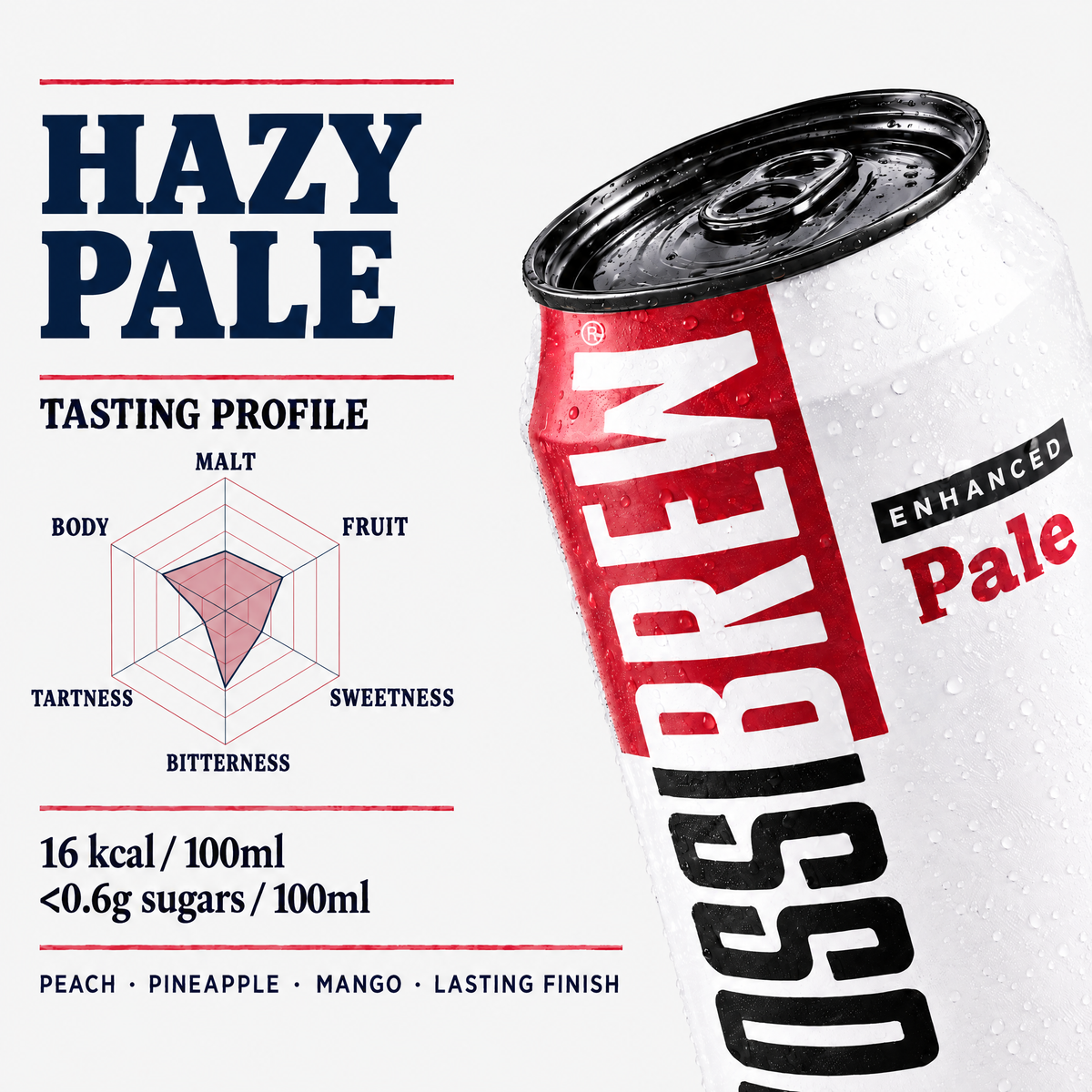
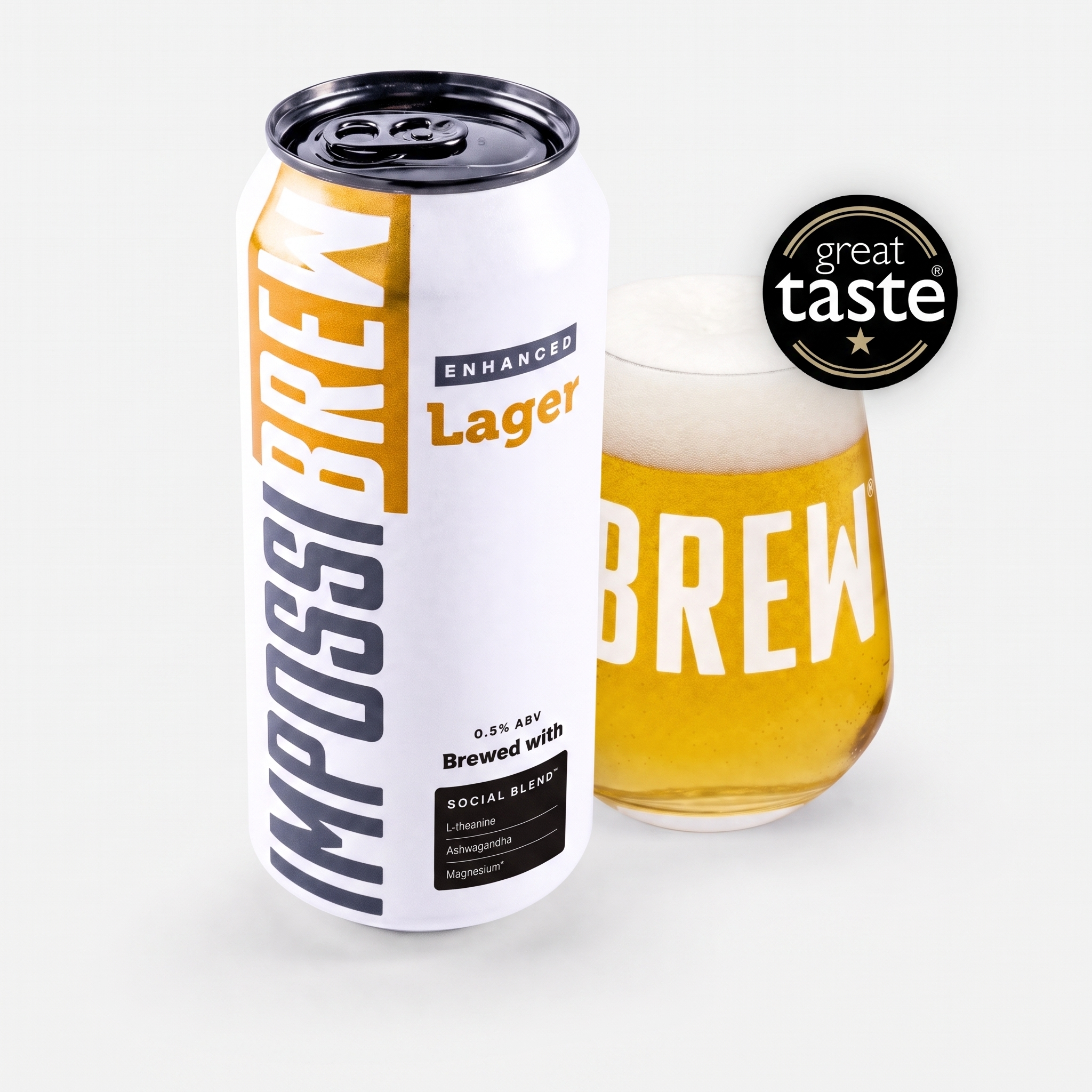
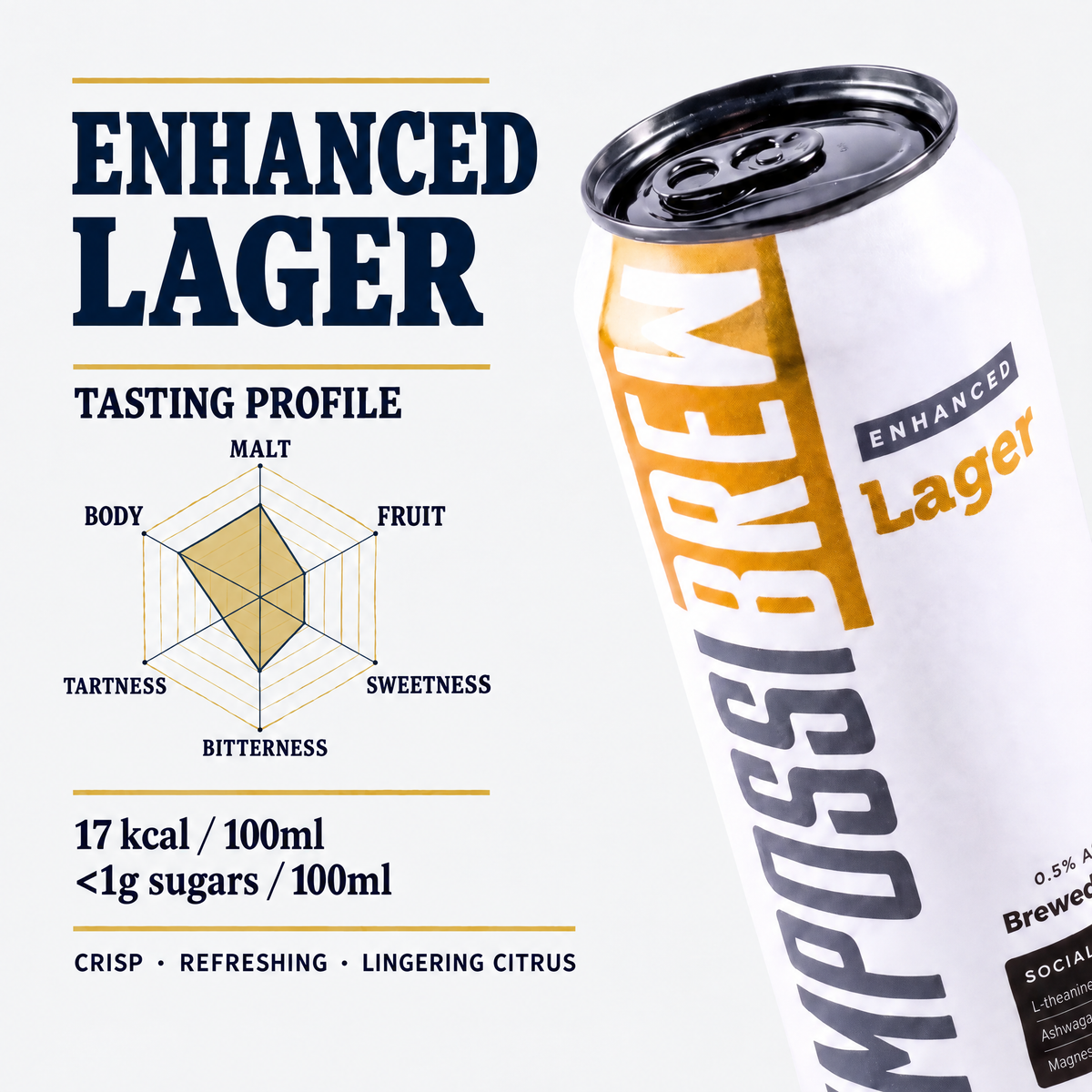
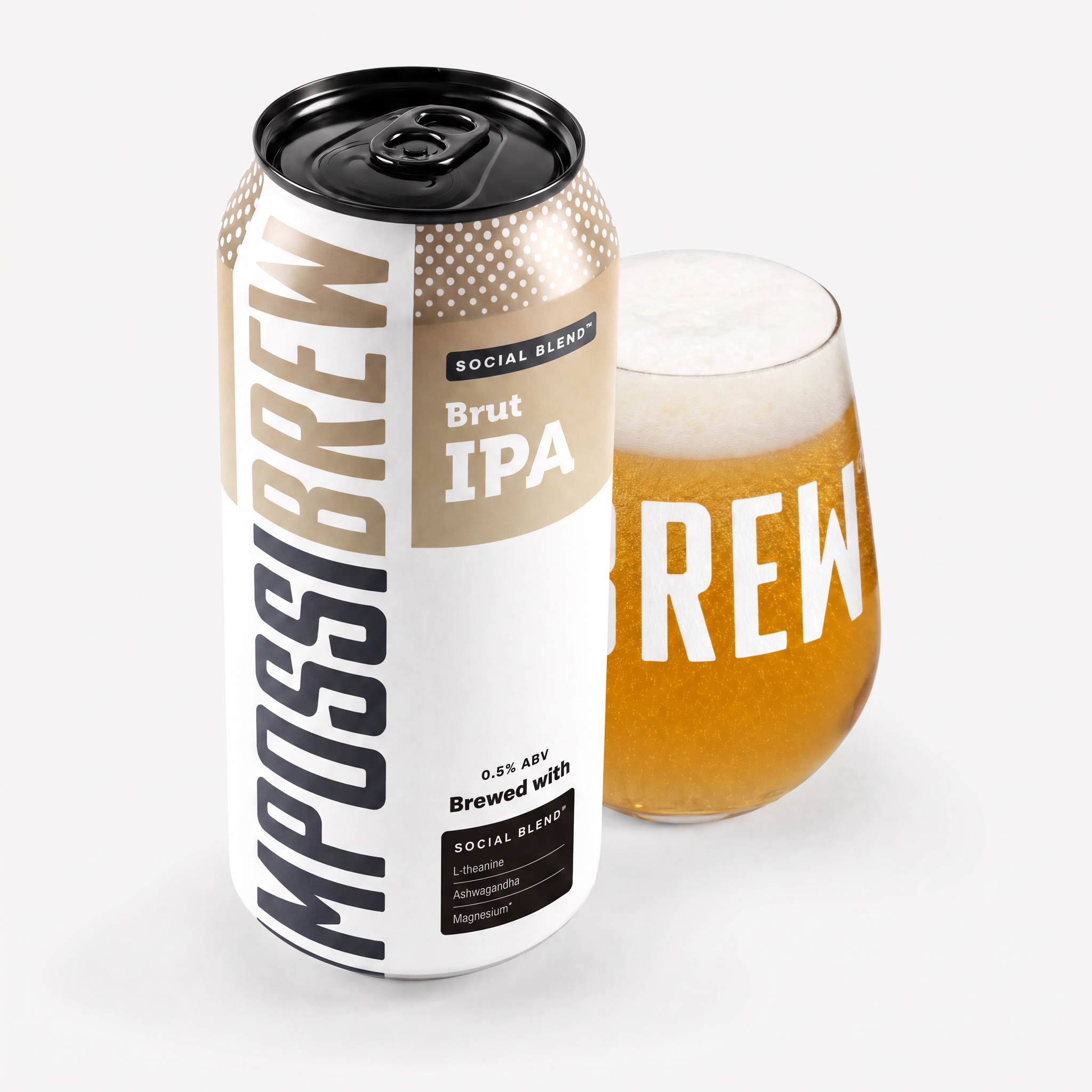
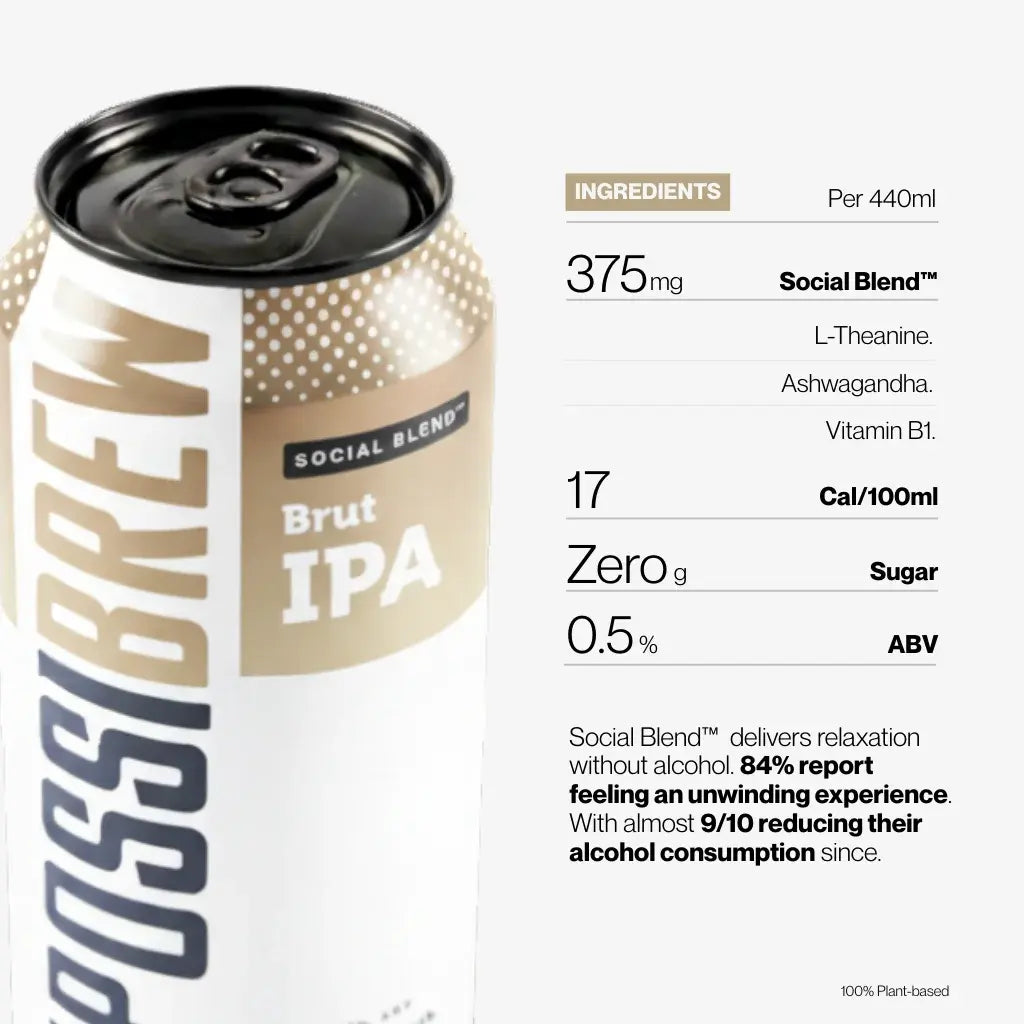
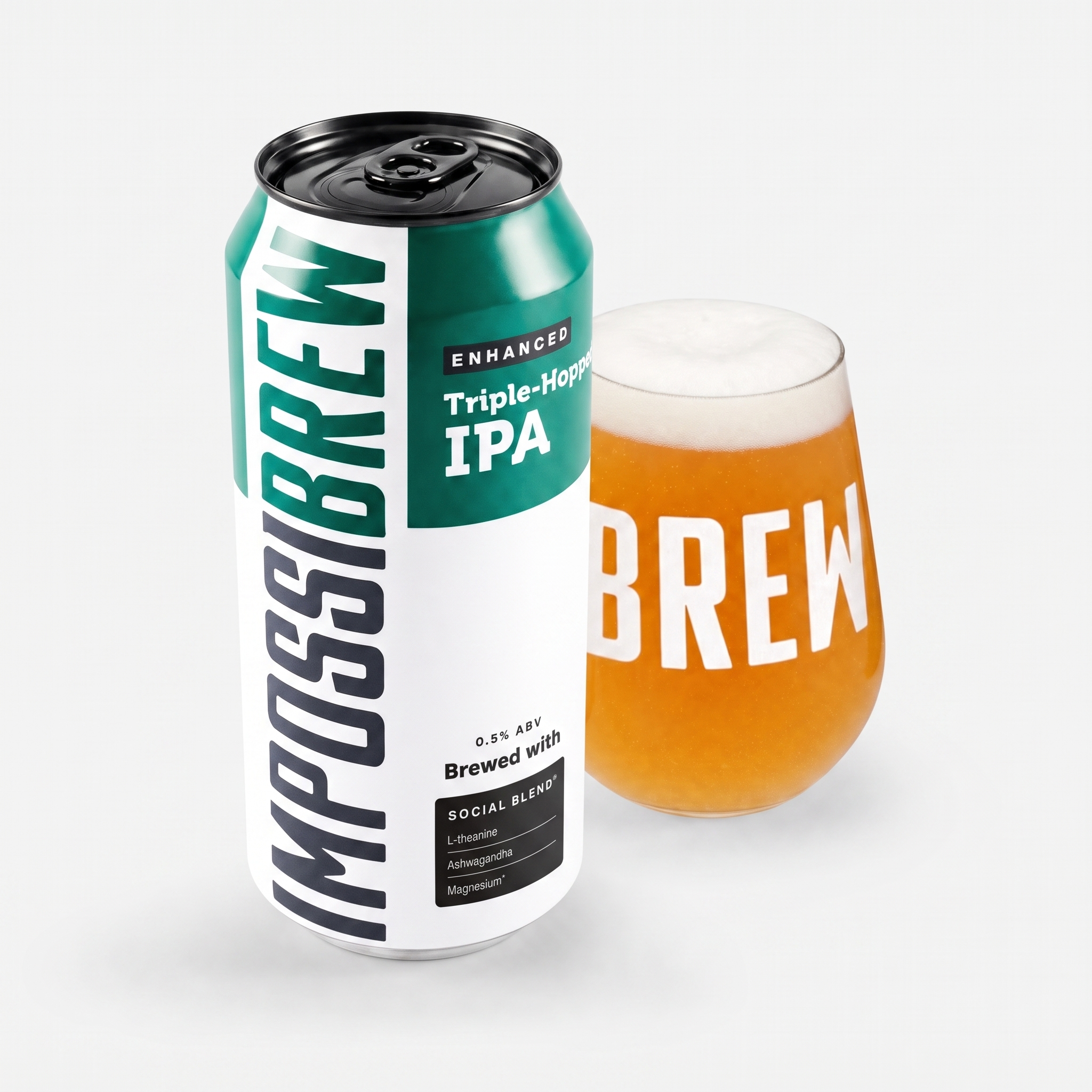
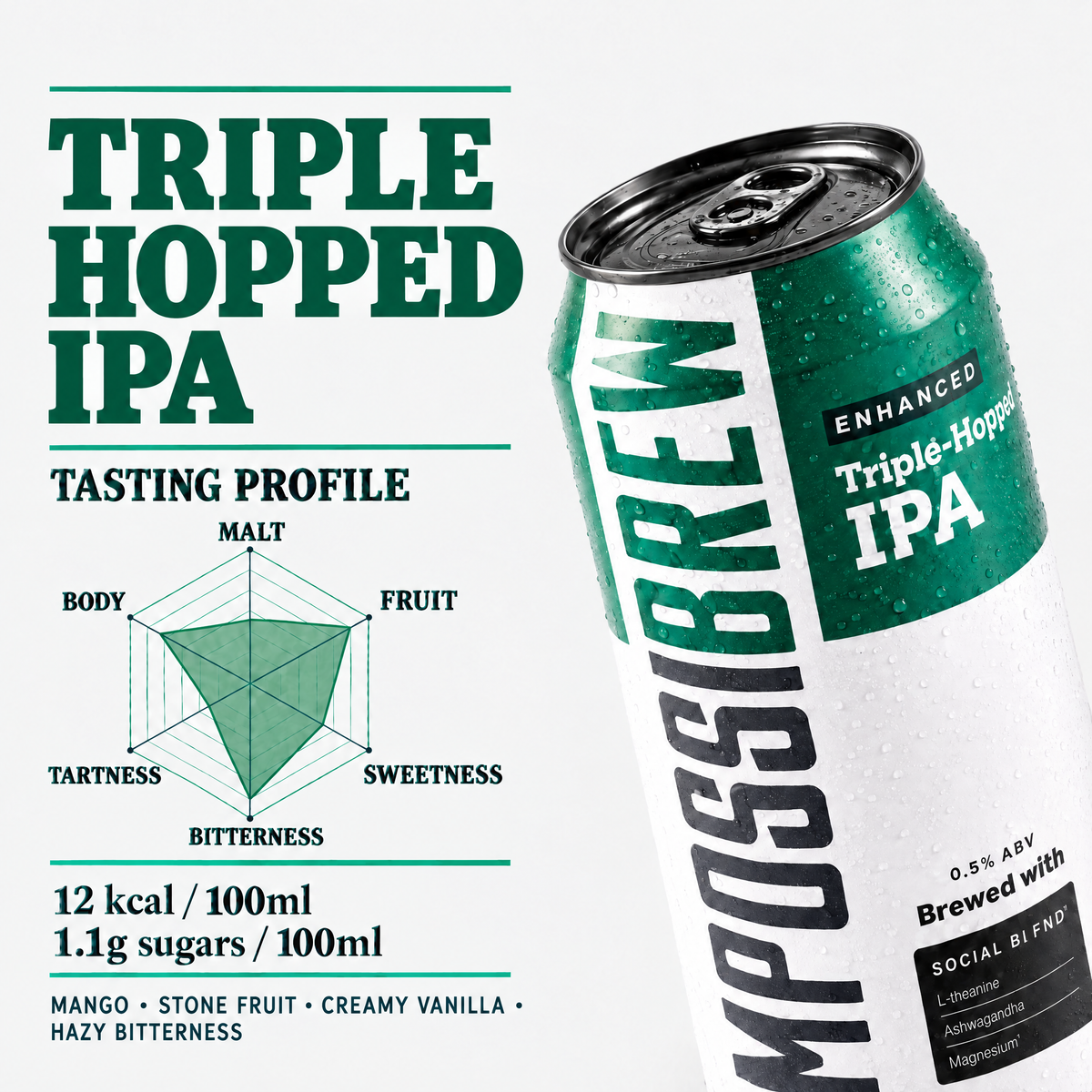
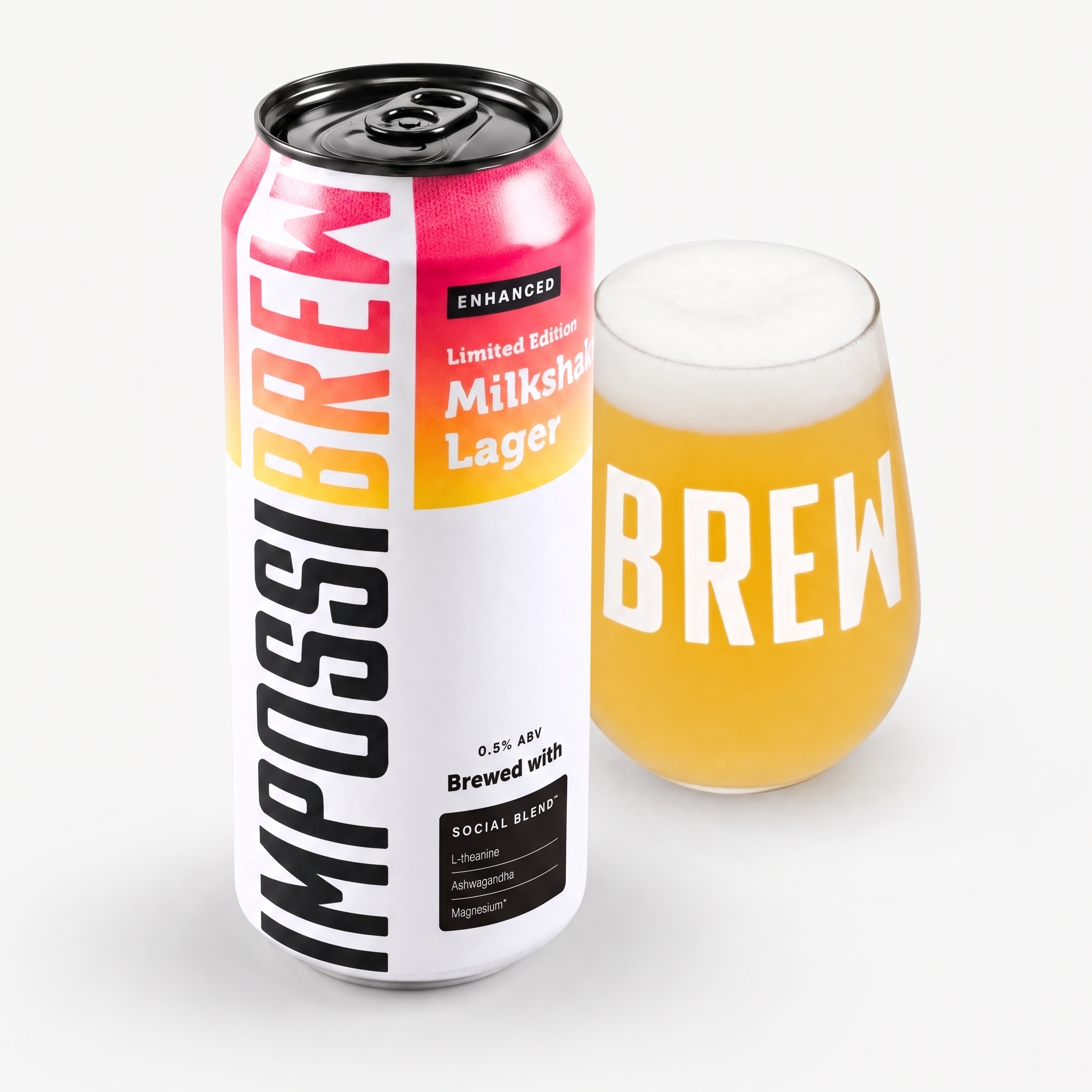
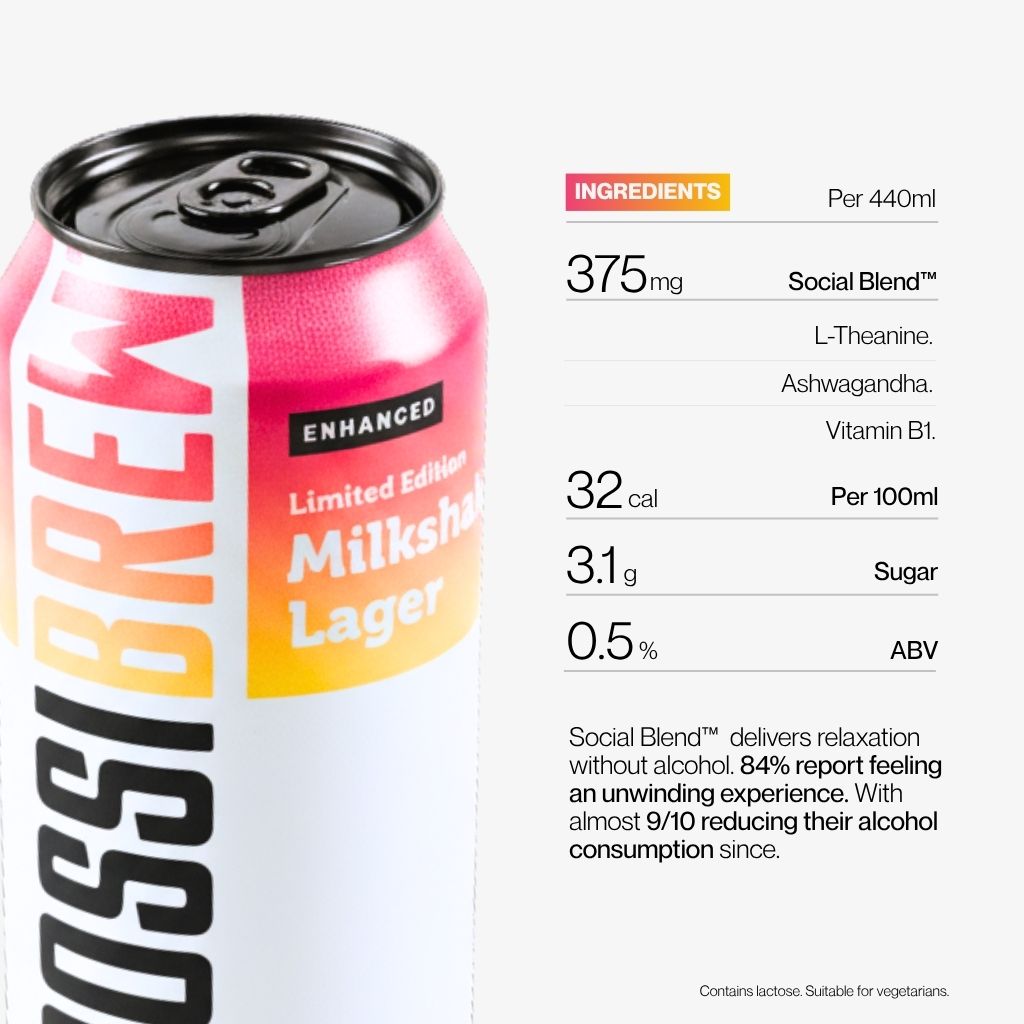
For Dry January, consider trying IMPOSSIBREW® Enhanced Lager or Enhanced Hazy Pale. These drinks, with under 0.5% ABV, are infused with the proprietary Social Blend™ of nootropic and adaptogenic ingredients. They mimic the relaxing experience of traditional beer without interfering with your sleep or recovery. Plus, they’re low in calories (under 33 per can), vegan-friendly, and the Lager is gluten-free.
Unlike alcohol, which disrupts REM sleep and causes more nighttime wake-ups, non-alcoholic functional beers can help maintain your natural sleep cycles [3]. Use your wearable to track recovery scores on nights you choose IMPOSSIBREW® versus nights involving alcohol [2][3]. You might notice that you’re avoiding the average 4.2% drop in recovery scores that comes with each alcoholic drink [2].
As Joji Suzuki, Associate Professor of Psychiatry at Harvard Medical School, explains:
The sober-curious movement has been reinforced by the development of appealing non-alcoholic alternatives, such as mocktails and a new generation of nonalcoholic beer and wine, that reduce stigma and make bars, parties, and nightclubs more welcoming [11].
Pairing these choices with healthy routines can amplify the benefits for your HRV.
5 Ways to Improve HRV During Dry January
Abstaining from alcohol is a fantastic start, but there are other ways to boost your HRV during Dry January. Here are five strategies to consider:
- Stick to a Regular Sleep Schedule: Try to go to bed and wake up at the same time every day. This consistency helps synchronise your circadian rhythm and supports the deep and REM sleep stages that alcohol can disrupt [10][1].
- Incorporate Slow-Paced Breathing: Spend six minutes a day practising diaphragmatic breathing - inhale for four seconds, hold for two, and exhale for four. This simple exercise can lead to an almost immediate improvement in HRV [12].
- Stay Hydrated: Aim for about 2.8 litres of water daily for women and 3.7 litres for men. Even mild dehydration can lower HRV by affecting blood circulation and oxygen delivery [12][1].
- Balance Exercise and Recovery: While aerobic and strength training can enhance HRV, overtraining can have the opposite effect. Make sure to include adequate recovery time in your routine to avoid a drop in HRV [12][1].
- Eat Nutrient-Rich Foods: Add leafy greens like spinach, kale, and mustard greens to your diet. These are linked to better HRV, and including around 1.5 to 2 cups per week can make a difference [12].
sbb-itb-a752bf8
#193 - [AMA #31 Sneak Peek] Heart rate variability (HRV), alcohol, sleep, and more
Conclusion: What the Data Shows
Taking a break from alcohol, even for a single month, has a profound impact on heart rate variability (HRV), resting heart rate, and overall recovery scores [2]. When you abstain, your autonomic nervous system regains balance, giving your body the chance to restore its regulatory functions. For example, participants in Dry January challenges reported a 7% boost in HRV and a 9.6% reduction in resting heart rate after just one month [3].
Wearable technology offers a clear window into these benefits. Devices like WHOOP and Oura make the effects of abstinence visible and measurable. In January 2023, WHOOP’s "Give Dry a Try" initiative tracked thousands of users, with 94.5% reducing their alcohol consumption. These participants saw HRV improvements five times higher than the baseline population [2]. This data-driven feedback not only validates the health benefits but also motivates continued abstinence through concrete evidence.
Non-alcoholic functional beverages add another layer to these benefits. With over half (52%) of those cutting back on alcohol turning to non-alcoholic options [2], these alternatives allow you to enjoy social occasions without the negative effects of alcohol. For instance, skipping alcohol means avoiding the 2.4 ms HRV drop per drink [2]. Products like the Social Blend™ formula promote relaxation without interfering with sleep or recovery, helping you dodge the typical 4.2% drop in recovery linked to alcohol consumption [2][3].
All of this data paints a compelling picture: Dry January isn’t just a personal challenge - it’s an opportunity to reset your cardiovascular health. Whether you track your progress with a wearable device or choose non-alcoholic alternatives, the benefits are both immediate and measurable.
FAQs
What impact does giving up alcohol have on heart rate variability (HRV)?
Abstaining from alcohol can have a noticeable impact on your heart rate variability (HRV) - a crucial measure of how well your body handles stress and recovers. Studies reveal that skipping just one drink can boost resting HRV by around 2.4 milliseconds, and the benefits grow the longer you stay alcohol-free.
This improvement is especially evident in functions managed by the parasympathetic nervous system, which governs relaxation and recovery processes. Stepping away from alcohol not only bolsters your physical health but can also contribute to a greater sense of balance and well-being.
Can wearable devices track changes in your HRV during Dry January?
Yes, wearable devices are capable of accurately tracking shifts in heart rate variability (HRV) during Dry January. When people give up alcohol, they often see noticeable benefits, including higher HRV, a reduced resting heart rate, and better recovery metrics.
These devices are built to monitor changes in your body, offering insights into how cutting out alcohol can positively influence stress levels, recovery, and overall well-being. This information can serve as a helpful resource for supporting long-term health goals.
What are the long-term health benefits of taking part in Dry January?
Taking part in Dry January can bring a range of long-term health benefits. For starters, it can positively impact your heart by helping to lower blood pressure, reduce your resting heart rate, and improve heart rate variability. Beyond that, you might notice better sleep patterns, a brighter mood, and even a reduced risk of certain cancers.
Giving up alcohol can also help regulate blood sugar levels more effectively. Plus, it can strengthen your ability to confidently say ‘no’ to drinks, which supports both your physical and mental health. These changes can set the foundation for a healthier way of living that lasts well beyond January.