
Hops, commonly linked to beer, are now recognised for their antioxidant properties and potential health benefits. These antioxidants, especially xanthohumol, help combat oxidative stress, protect cell membranes, and may support brain and heart health. When combined with other nutrients like polyphenols and vitamins, their effects are amplified, improving absorption and delivering broader benefits.
Key Insights:
- Hop antioxidants like xanthohumol neutralise free radicals, reducing risks of diseases such as Alzheimer's, diabetes, and cardiovascular issues.
- Synergy with nutrients (e.g., malt polyphenols, vitamins) enhances their protective effects.
- Non-alcoholic functional beers leverage these properties, offering a nutrient-rich, health-conscious alternative to traditional beers.
- Research suggests potential uses for managing inflammation, improving cognition, and supporting cardiovascular health, though bioavailability remains a challenge.
Hop antioxidants, especially in functional beverages, represent a promising area for health-focused innovations, but further research is needed to optimise their effectiveness and expand their applications.
Beyond the Brew: Hops Hold a Healthful Hootenanny of Antioxidants & More!
How Hop Antioxidants Work in the Body
Hop antioxidants play a crucial role in protecting the body by targeting multiple cellular processes that help reduce damage and prevent disease.
Neutralising Free Radicals and Reducing Stress
Free radicals are unstable molecules that can harm cells by triggering oxidative stress, which is linked to conditions like cancer, Alzheimer's, Parkinson's, cardiovascular diseases, and diabetes [3][4]. These molecules cause damage by stealing electrons from cells, setting off a chain reaction.
Hop antioxidants counteract this process by donating electrons to stabilise free radicals. They also inhibit enzymes that produce free radicals and enhance the body's own antioxidant enzymes [3]. This dual action bolsters the body's natural defences, reducing the risk of cellular damage and related diseases.
Protecting Cellular Membranes from Lipid Oxidation
Another key function of hop antioxidants is preventing lipid oxidation, which can compromise the integrity of cellular membranes. Damaged membranes disrupt essential functions such as substance exchange, communication, and inflammation resistance.
Xanthohumol, a powerful antioxidant found in hops, plays a central role here. It transforms into compounds with even greater antioxidant effects, amplifying its protective capabilities [1]. Additionally, hop essential oils, rich in terpenes, act as "chain-breaking" and "termination-enhancing" antioxidants, halting lipid oxidation at various stages [5].
Lab studies demonstrate the effectiveness of hop antioxidants. For instance, treating high oleic peanut oil with just 0.02% hop essential oil significantly reduced oxidation levels (peroxide value: 14.6 ± 0.2 meq O₂ kg⁻¹ after 8 hours at 150°C) [5]. By maintaining intact cellular membranes, cells can function optimally, resist inflammation, and maintain proper communication.
Insights from Scientific Studies
Research highlights the impressive antioxidant properties of hops. Hop cone polyphenols, which make up 4–14% of the dried weight of hops, contribute significantly to their antioxidant effects. Xanthohumol, despite accounting for only 0.1–1% of the dry weight, delivers disproportionately strong protective benefits [1].
Mitochondria, responsible for consuming up to 90% of cellular oxygen, naturally produce reactive oxygen species like superoxide, with around 0.1–0.5% of inhaled oxygen converted into these free radicals [6]. Hop antioxidants help neutralise these harmful by-products.
Studies also show that hop compounds work synergistically, combining antioxidant, anti-inflammatory, and antiproliferative properties [1]. This means they not only reduce oxidative stress but also help manage inflammation and inhibit abnormal cell growth. Such effects are especially valuable as the body's natural antioxidant systems weaken with age [7].
Moreover, hop antioxidants can interrupt free radical propagation and prevent their formation, offering a multi-layered defence mechanism. This makes them more effective than antioxidants that rely on a single mode of action [8].
How Hop Antioxidants Work with Other Nutrients
Hop antioxidants don’t just work on their own; they team up with other nutrients to strengthen cellular defence systems. This section dives into how these interactions improve absorption and extend the protective benefits.
Combining with Polyphenols, Amino Acids, and Vitamins
Hop antioxidants pair well with polyphenols from malt, amino acids, and vitamins. In beer production, about 30% of polyphenols come from hops, while malt contributes the remaining 70–80% [9]. Interestingly, studies have found that the polyphenols in beer fractions are more easily absorbed by cells than isolated compounds. This suggests that the natural mix of compounds in beer enhances how well they’re taken up by the body.
For example, Mashkour et al. found that adding hop extract to cherry juice not only boosted its antioxidant capacity but also improved its taste [1]. Each type of antioxidant plays a unique role: hop compounds like xanthohumol target specific free radicals, while malt polyphenols and amino acids offer complementary protection. Meanwhile, vitamins C and E help regenerate antioxidant activity, providing ongoing cellular defence.
This improved absorption lays the groundwork for understanding how individual effects compare to combined benefits.
Comparing Individual vs Combined Effects
Research highlights the differences between using isolated hop antioxidants and combining them with other nutrients. A study in Oxidative Medicine and Cellular Longevity tested beer fractions on dental stem cells and intestinal cells (Caco-2), showing that polyphenols in natural beer fractions had significantly higher bioavailability compared to isolated standards [9]. Additionally, posthopping beer solutions saw remarkable increases in key flavonoids - Rutin increased by eight times, Naringenin by three times, and Quercetin by two times [9].
| Comparison Factor | Individual Hop Compounds | Combined with Other Nutrients |
|---|---|---|
| Cellular Permeability | Lower bioavailability | Better absorption and utilisation |
| Antioxidant Activity | Targets specific pathways | Activates multiple protective mechanisms |
| Duration of Effect | Short-lived protection | Sustained antioxidant activity |
While isolated hop antioxidants are effective in specific ways, combining them with other nutrients unlocks a broader range of benefits. This synergy not only enhances antioxidant effects but also introduces anti-inflammatory and antiproliferative actions [1], promoting overall cellular health.
Comparisons between hop polyphenols and antioxidants from sources like green tea have shown that hop polyphenols can match or even surpass their counterparts in activity [10]. When blended with other nutrients, their already powerful effects are amplified, helping to optimise the body’s natural defence systems.
sbb-itb-a752bf8
Health Benefits of Combined Hop Antioxidants
When hop antioxidants team up with complementary nutrients, they create a powerful defence system at the cellular level while also supporting critical organs like the brain and heart.
Protection Against Cell Damage and Inflammation
Xanthohumol stands out for its remarkable ability to neutralise harmful radicals, being nine times more effective than Trolox against peroxyl radicals and three times more effective against hydroxyl radicals [2]. Isoxanthohumol offers even stronger protection against peroxyl radicals while matching Trolox's performance against hydroxyl radicals [2].
Hop extracts (at concentrations of 1–10 μg/mL) have been shown to reduce pro-inflammatory cytokines such as TNF-α and TSLP in epithelial cells [2]. In another study, a daily intake of 0.5 mL of beer helped lower lipid peroxidation and TNF-α overexpression caused by aluminium exposure. This was linked to the restoration of antioxidant enzymes like catalase and superoxide dismutase [2]. Similarly, iso-α-acids demonstrated protective effects against liver damage in diet-induced steatohepatitis by reducing fibrosis, inflammation, and oxidative stress. They also enhanced the phagocytic activity of microglial cells, shifting them to an anti-inflammatory state [2].
These cellular-level benefits translate into broader improvements in the health of major organs, particularly the brain and heart.
Brain and Heart Health Benefits
Hop antioxidants play a key role in cardiovascular health. Moderate consumption of hop-containing beverages has been associated with benefits similar to those of moderate wine consumption, including improved lipid profiles and better vascular endothelial function [2]. In studies on atherosclerotic rats, hop intake prevented plaque build-up and reduced the expression of endothelial adhesion molecules (ICAMs and VCAMs) and nuclear factor κB (NF-κB), demonstrating strong anti-inflammatory properties [2].
The brain also benefits significantly. In 5xFAD mice, a model used to study Alzheimer's disease, oral doses of hop iso-α-acids (ranging from 0.4 to 20 mg/kg) shifted microglia to the beneficial M2 phenotype, boosted their phagocytic activity, and reduced levels of soluble amyloid-β. This was accompanied by lower production of inflammatory markers like IL-1β, IL-12, and MIP-1α, along with noticeable improvements in cognitive function [2]. Aged mice fed with hop iso-α-acids (at 0.5% w/w in their diet) showed similar outcomes, including reduced TNF-α and IL-1β levels, lower amyloid-β and glutamate levels, increased dopamine, and enhanced cognitive performance. These effects are largely attributed to hop compounds' ability to modulate the redox environment, increase antioxidant enzyme activity, and elevate glutathione levels [2].
Research Gaps and Future Studies
While the evidence is promising, several challenges remain. One major issue is bioavailability - over 80% of orally consumed xanthohumol is excreted in faeces, with significant plasma concentration increases only occurring at doses above 60 mg [1]. Improved delivery methods are needed to address this limitation [1].
Future studies should also investigate whether hop compounds influence epigenetic modifications, particularly PPARα gene expression, an area that remains unexplored [1]. Consistent study designs are essential to establish clear recommendations, and researchers should examine whether xanthohumol-based products can enhance traditional treatments [1][11].
Regulatory hurdles add another layer of complexity. Currently, no health claims for hop components are recognised under European legislation, which limits their use in functional foods [1]. To maximise their potential, manufacturers should prioritise hops with the highest antioxidant levels. Further research is needed to better understand the effects of xanthohumol, its derivatives, and hop-derived bitter acids, paving the way for their broader application in promoting health [1].
Use in Non-Alcoholic Functional Beverages
The addition of new functional ingredients has opened up exciting possibilities for incorporating hop antioxidants into non-alcoholic beverages. These innovations aim to balance nutritional benefits with an enjoyable sensory experience. By combining hop compounds with complementary nutrients, manufacturers can create beverages that not only taste great but also offer enhanced health benefits. This approach takes the concept of nutritional synergy and applies it directly to product development.
Creating Nutrient-Rich Combinations
Hop cones are a rich source of essential oils, bitter acids, and flavonoids, all of which have strong antioxidant and immune-supporting properties [2]. When paired with malt, which also contains beneficial phenolic compounds, the potential health benefits are amplified. The key lies in choosing the right hop varieties and refining extraction techniques to maximise these compounds. For example, polyphenols make up 4–14% of the dried weight of hop cones, with xanthohumol accounting for 0.1–1% of that weight [1]. Additionally, essential oils, which contribute to both aroma and antioxidant properties, represent 0.5–3.0% of the hop's dry weight [2].
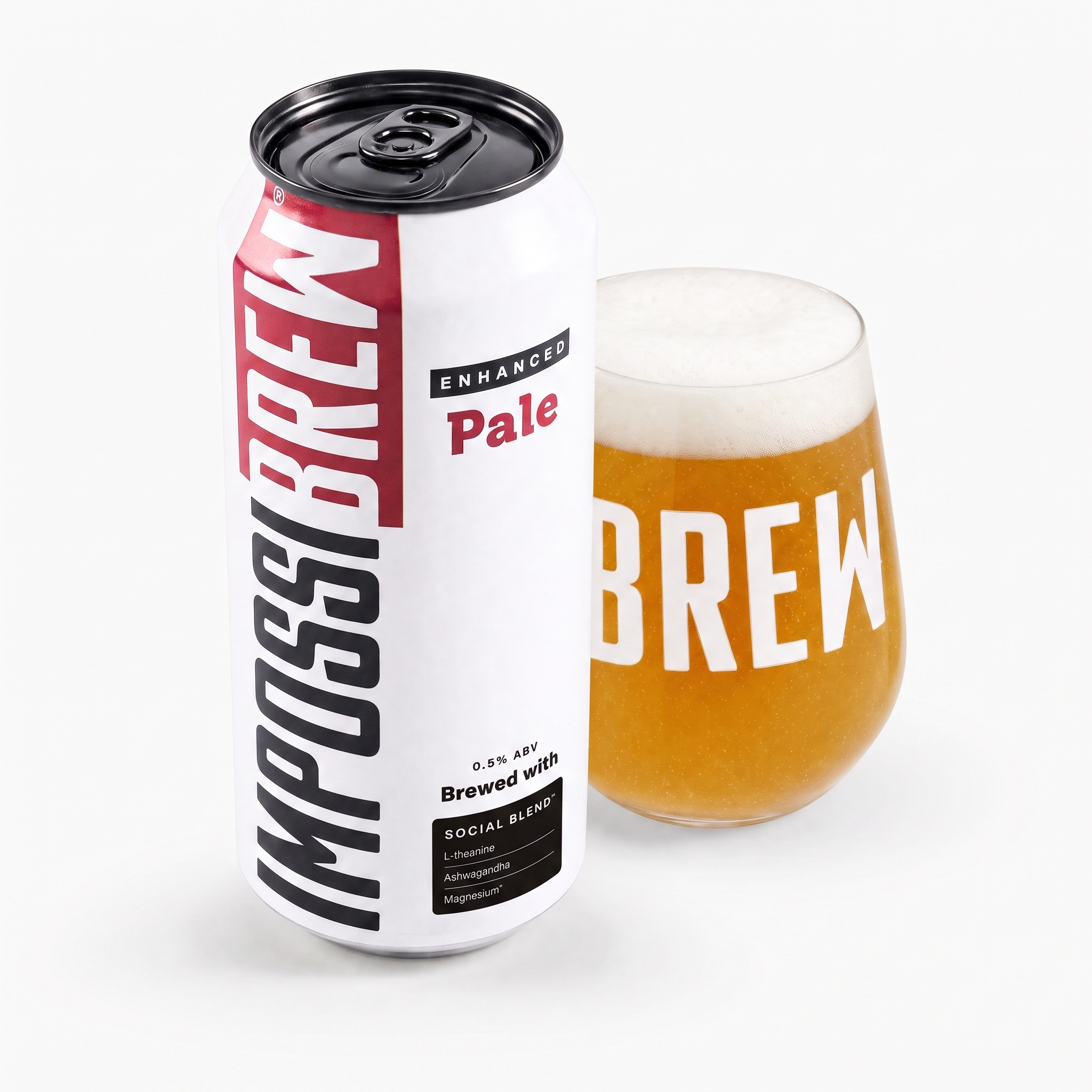
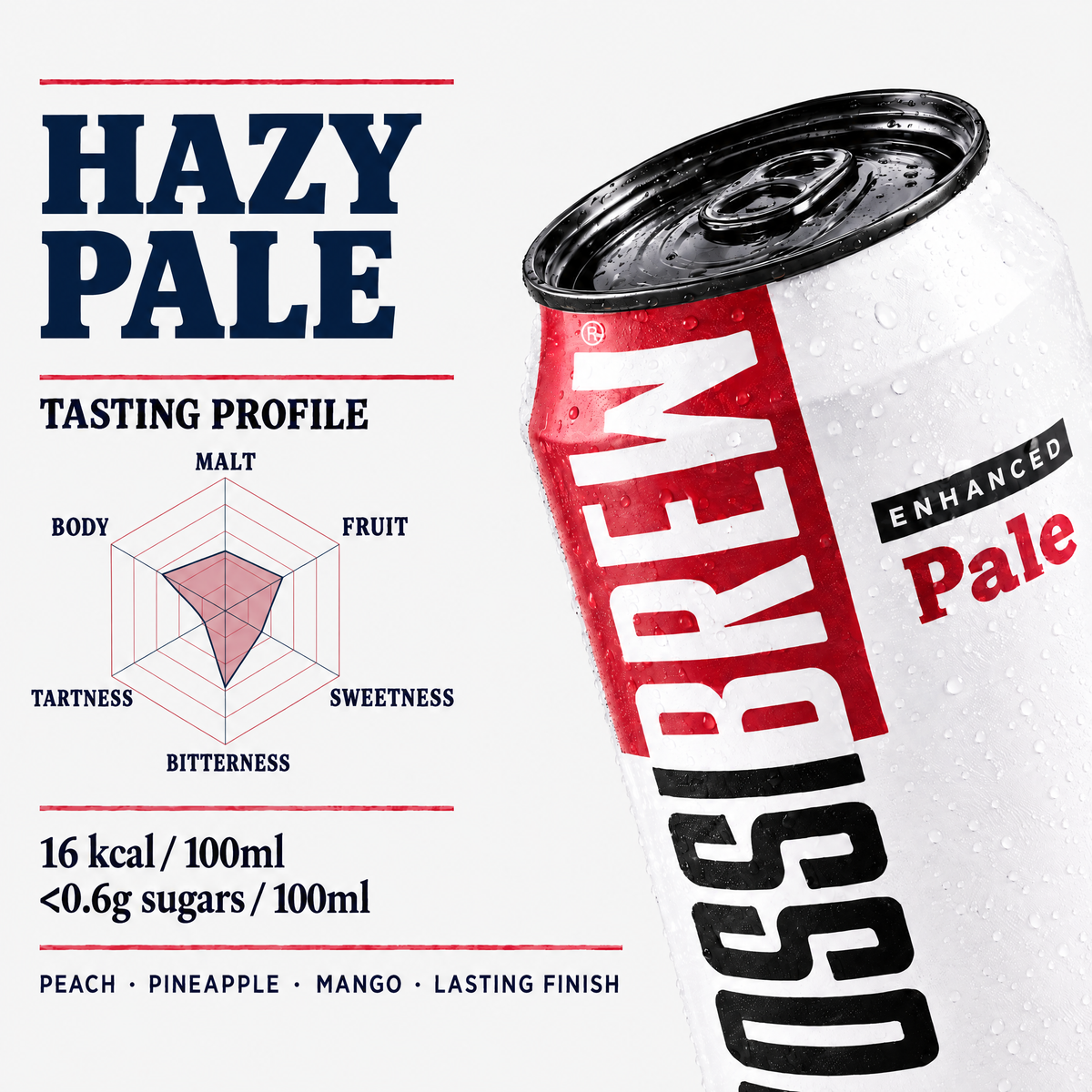
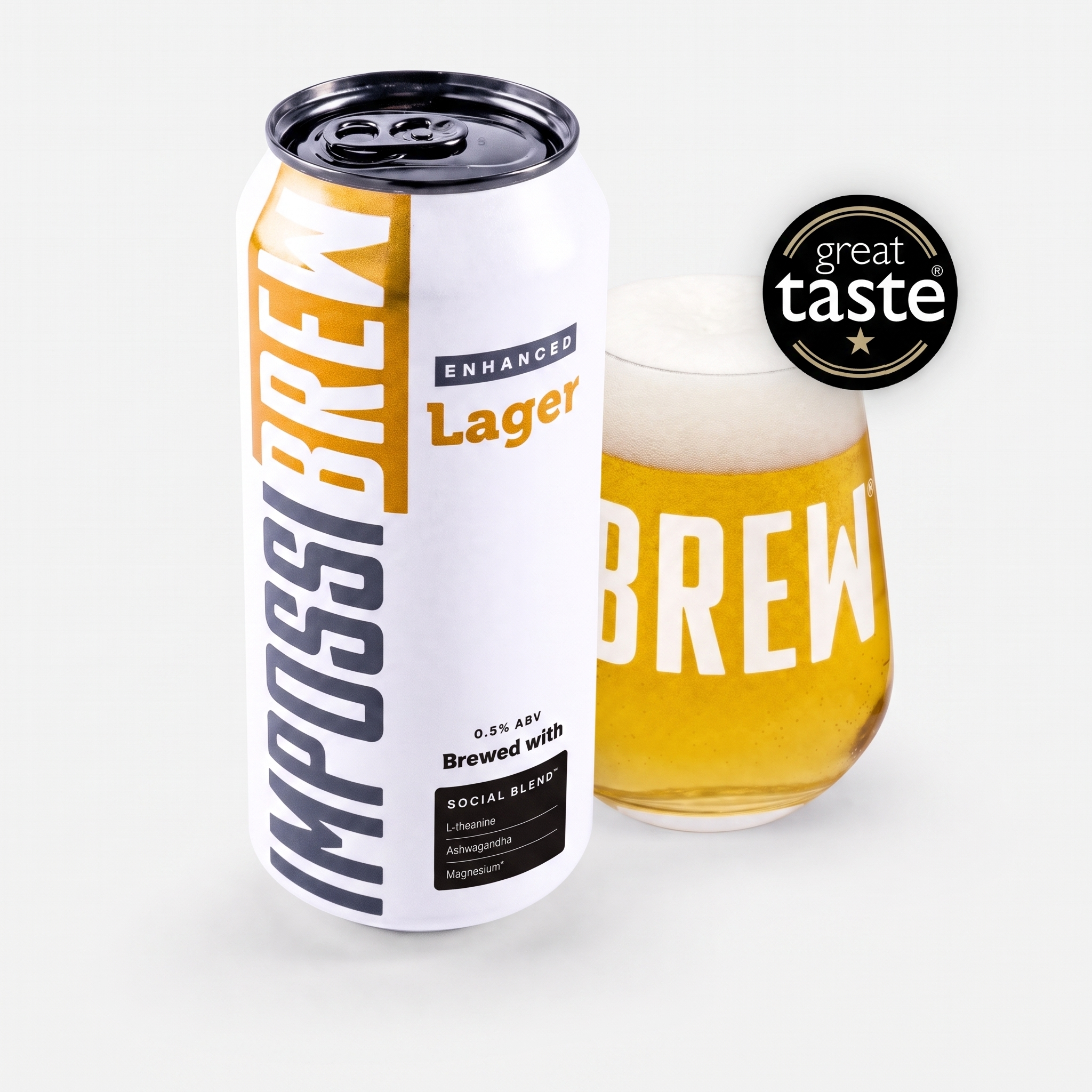
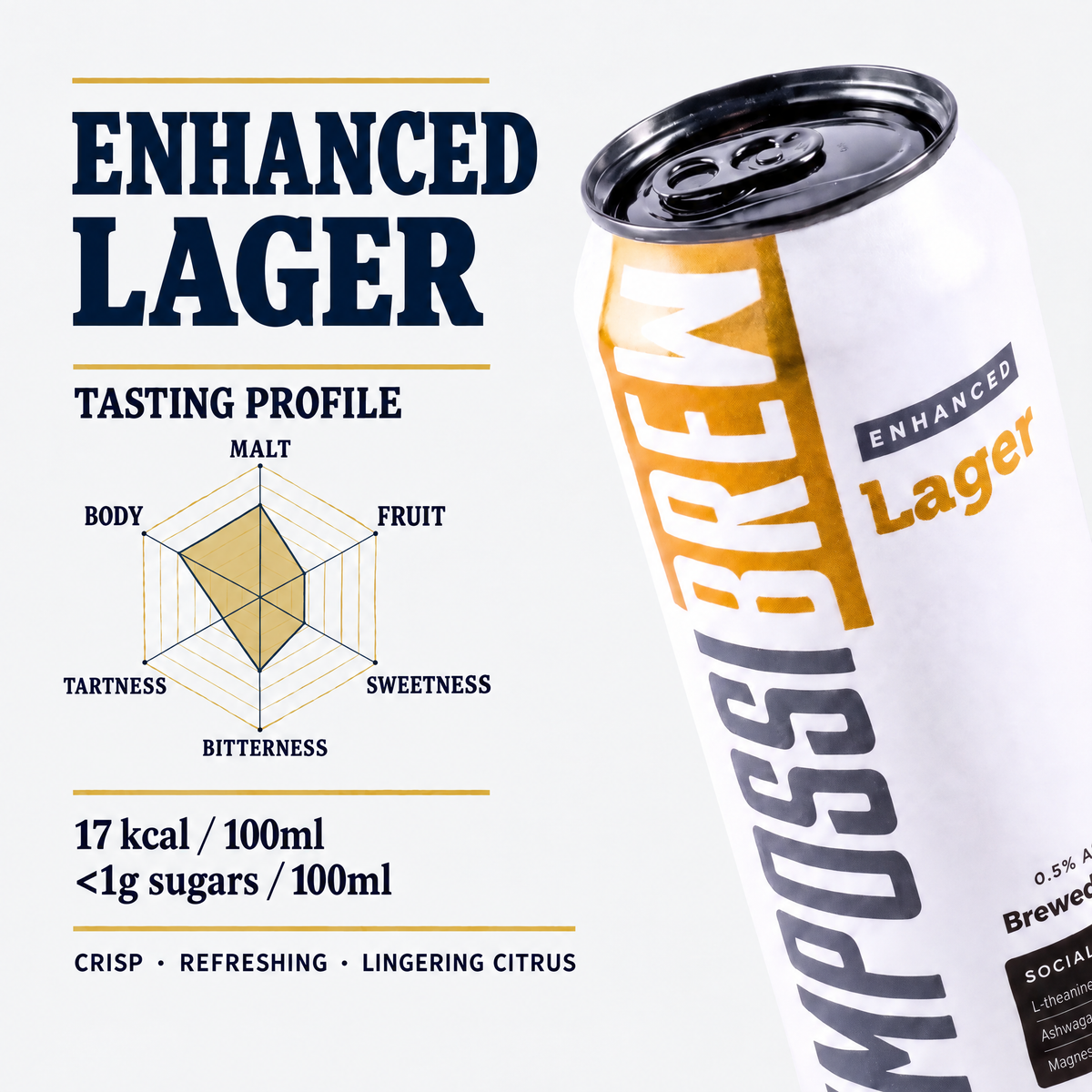
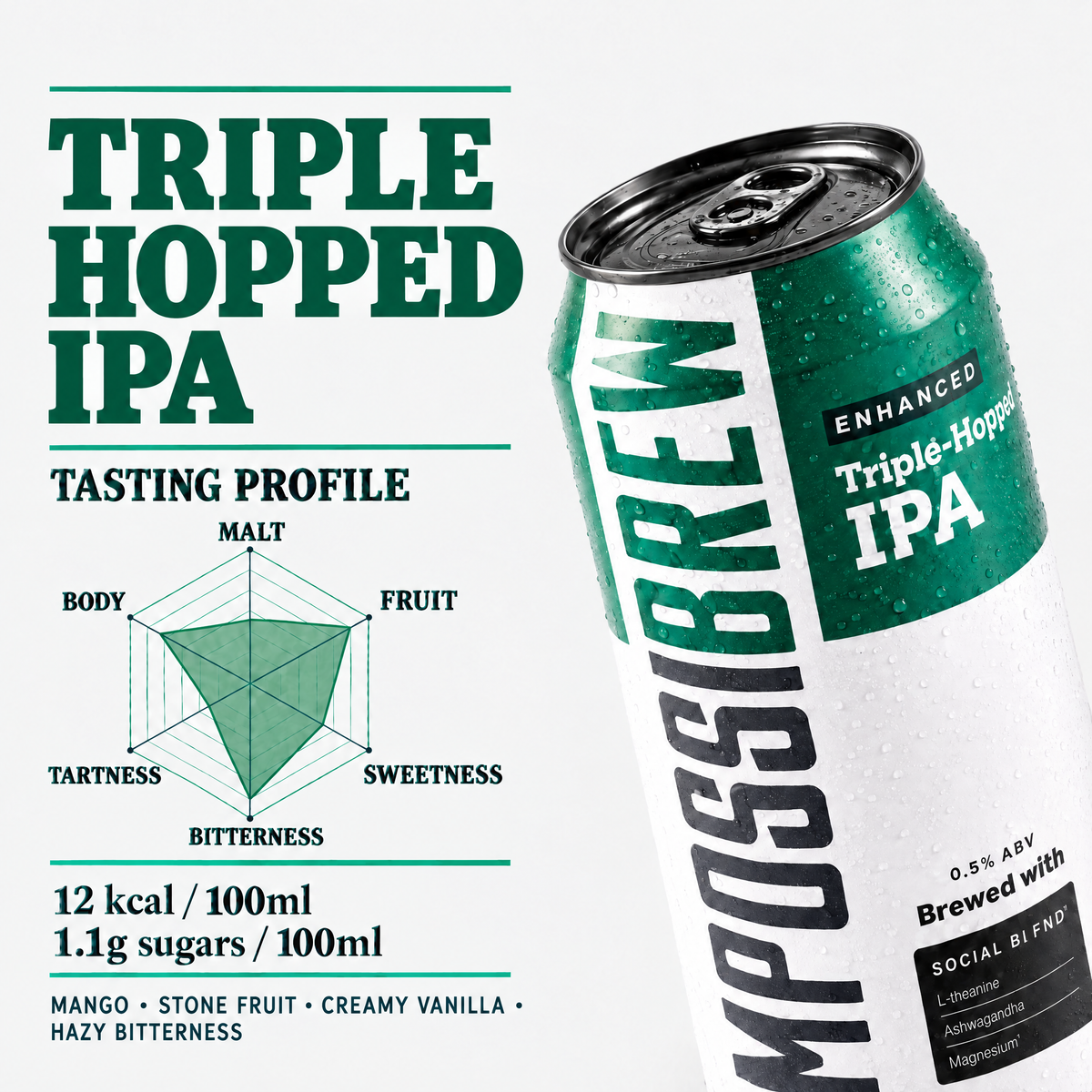
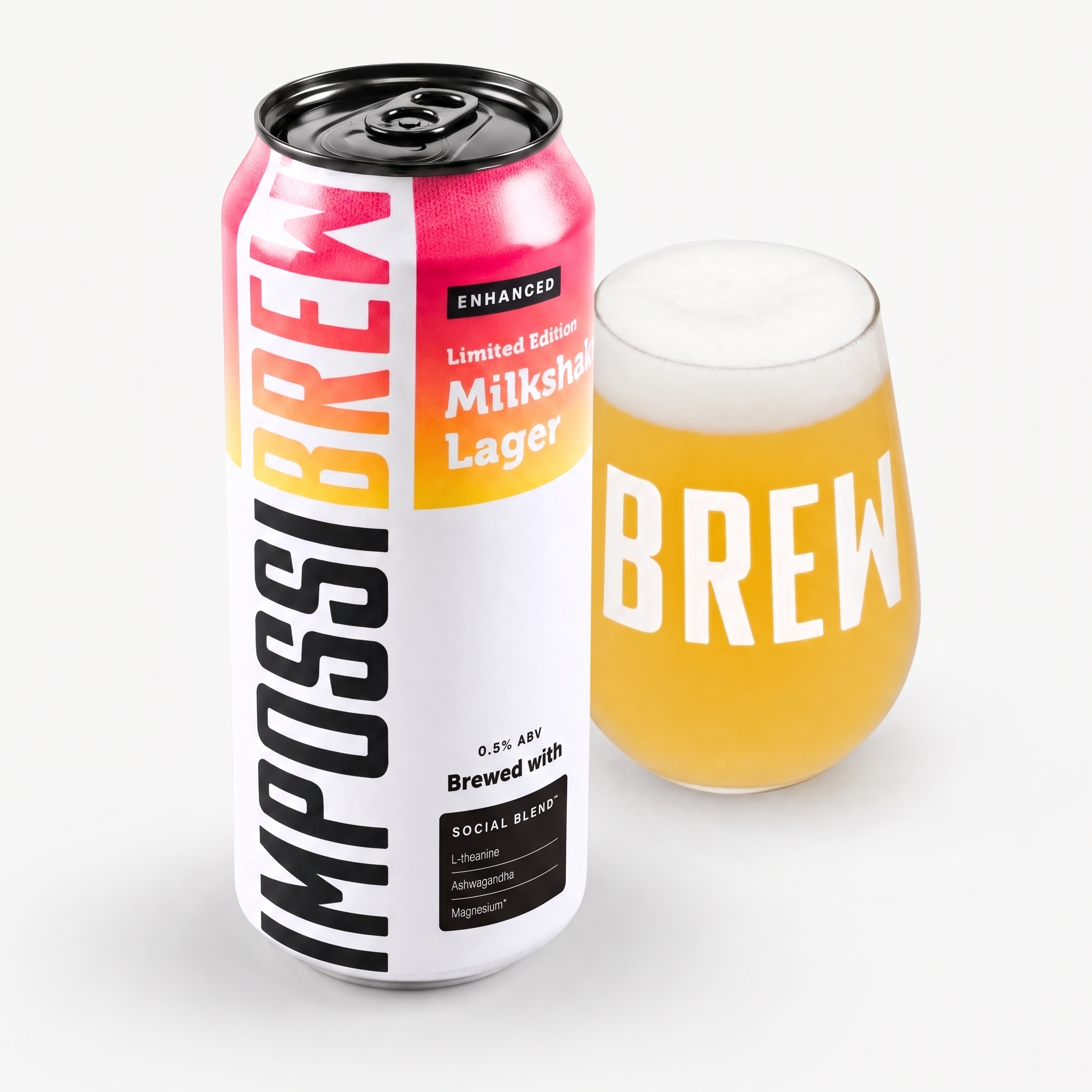
Products like IMPOSSIBREW®'s Enhanced Lager and Enhanced Pale Ale showcase the impact of carefully selected hops. By using varieties with high antioxidant levels and harvesting them at the optimal time, these beverages achieve a higher concentration of beneficial compounds like xanthohumol and prenylflavonoids. The Enhanced Hazy Pale Ale, known for its tropical and fruity notes, demonstrates how specific hops can deliver both a pleasing flavour profile and a boost in antioxidant activity.
Health Benefits in Non-Alcoholic Beers
Non-alcoholic functional beers are designed to offer a range of health benefits while maintaining a focus on flavour. Research suggests that non-alcoholic beers outperform their alcoholic counterparts in reducing oxidative stress and supporting endothelial function [15]. The polyphenol content varies widely across beer types, with alcohol-free beers containing around 366 gallic acid equivalents (GAEs) mg/L and bock beers reaching up to 875 GAE mg/L [2].
IMPOSSIBREW® takes this a step further by crafting products that are low in calories, vegan-friendly, and, in some cases, gluten-free, like their Enhanced Lager. Despite these health-conscious features, they still deliver the complex flavours that beer lovers expect. Non-alcoholic beers are also a source of phenolic compounds such as ferulic acid and xanthohumol, known for their antioxidant and anti-inflammatory properties [13]. A typical 330 ml can provides 20–25 µg of folate, covering about 10–15% of the daily recommended intake for men and 5–7% for women [16]. Additionally, these beers can supply essential minerals like silicon, which supports bone health when brewed with high levels of malted barley and hops [12]. These nutritional perks have even led some oncologists to recommend non-alcoholic beer to chemotherapy patients due to its rich content of bioactive compounds, including prenylflavonoids [14].
Advancing with Science-Driven Ingredients
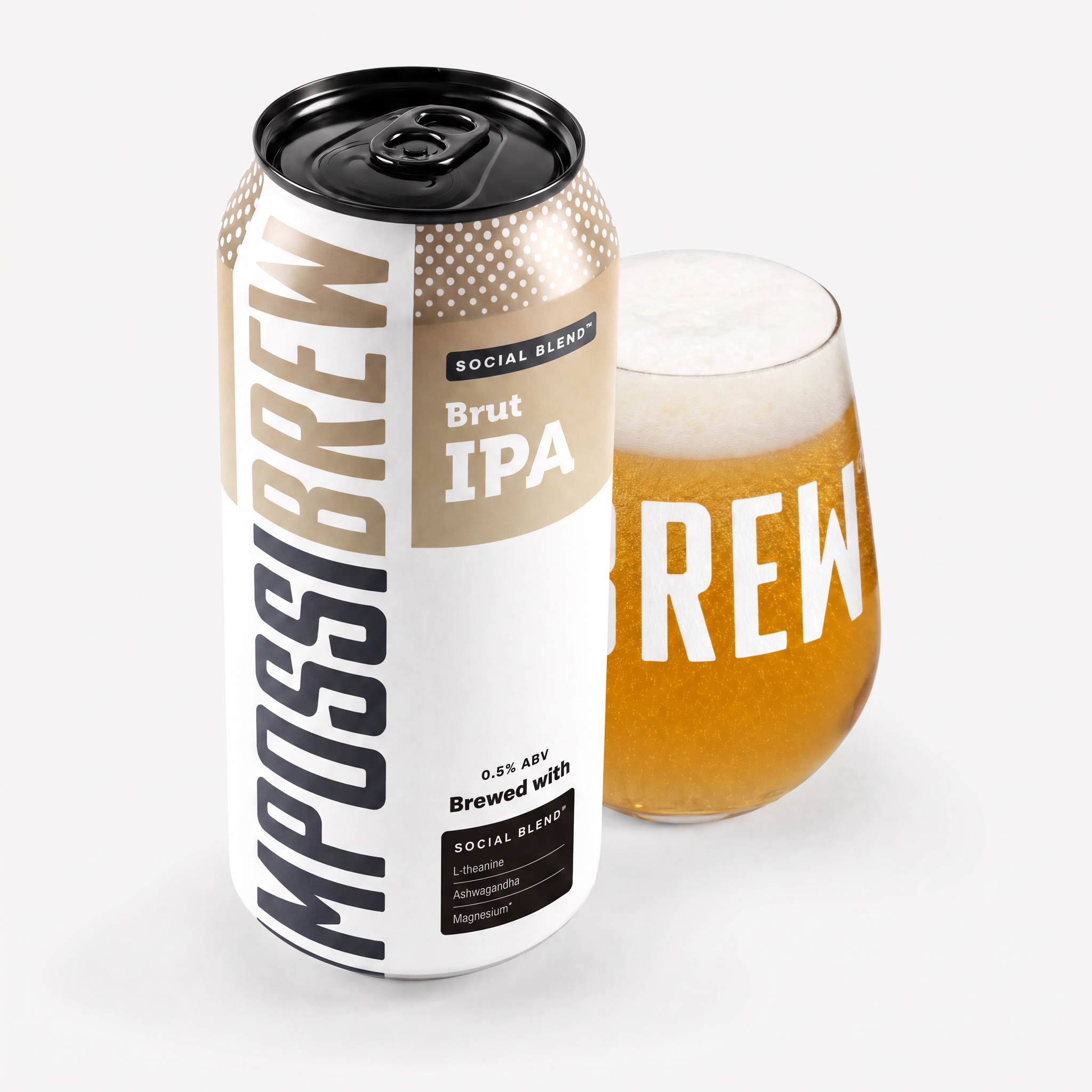
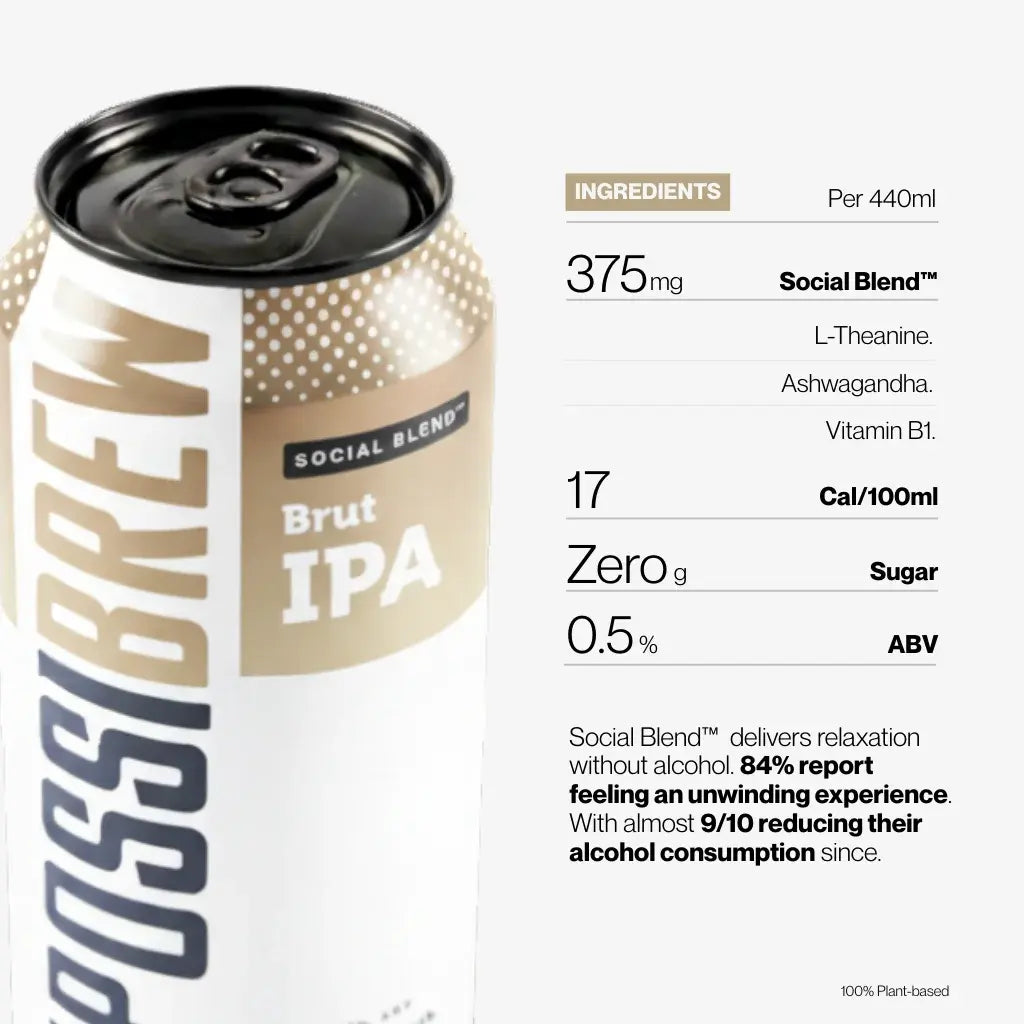
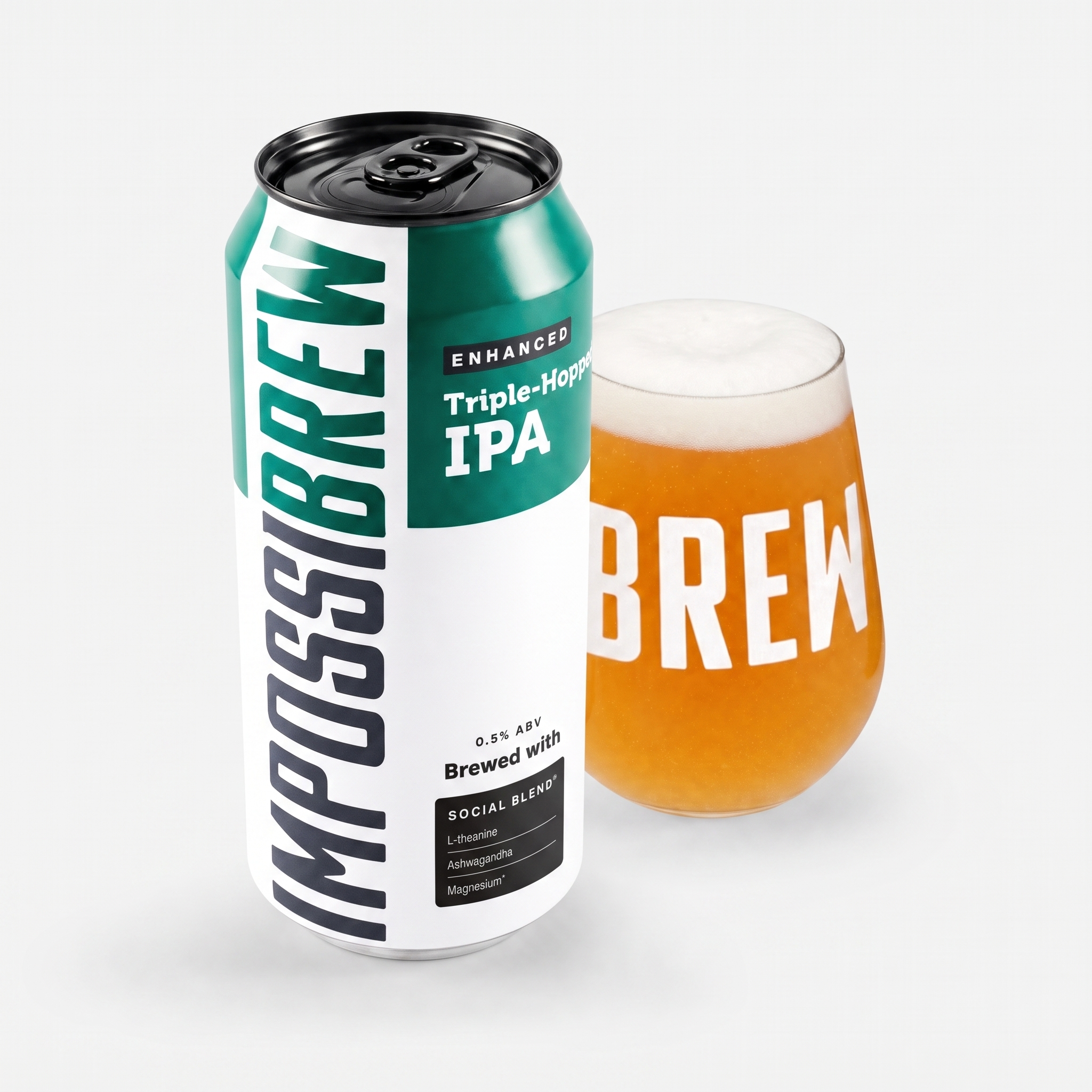
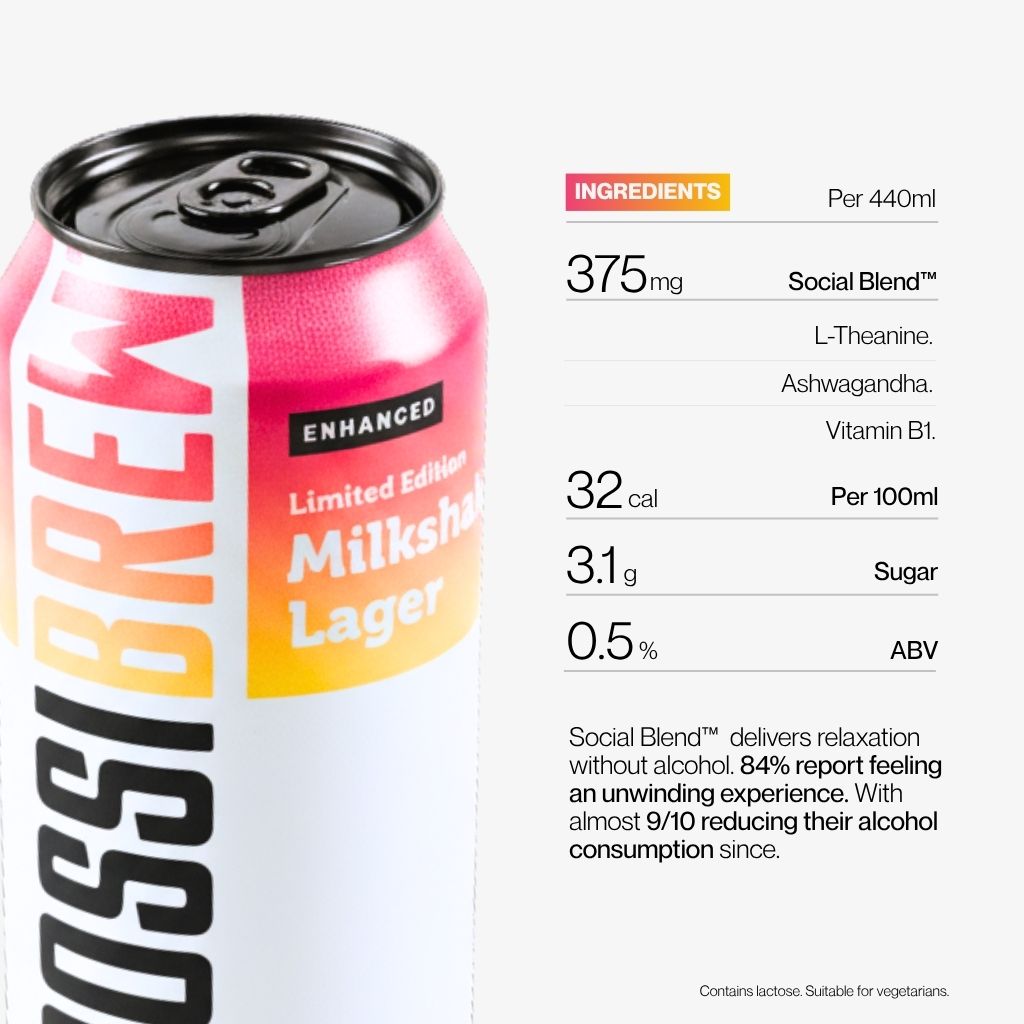
The next frontier in functional beverages lies in the development of specialised ingredient blends. For instance, IMPOSSIBREW®'s Social Blend™ combines scientific research with a focus on creating a relaxed social experience.
Hops contain unique polyphenols called prenylflavonoids, such as 8-prenylnaringenin, which is one of the most potent phytoestrogens [14]. When paired with nootropic and adaptogenic ingredients, these compounds work together to deliver benefits that go beyond simple antioxidant effects.
One challenge in utilising hops is their low bioavailability - over 80% of orally consumed xanthohumol is excreted [1]. However, innovative nutrient combinations and advanced delivery systems are helping to address this issue. By enhancing the absorption of these compounds, manufacturers can create beverages that offer a range of benefits, including antioxidant, anti-inflammatory, antimicrobial, and antifungal properties, all while ensuring the drink remains enjoyable and flavourful.
Summary and Key Points
The science of hop antioxidants reveals a fascinating interplay of nutrients that goes far beyond their traditional use in brewing. Studies suggest that compounds found in hops, such as xanthohumol, can deliver amplified benefits when paired with other nutrients. As Jeremy R. Townsend and colleagues describe:
"Nutrient synergy refers to the concept that the combination of two or more nutrients working in conjunction exert greater physiological impact on the body than each nutrient consumed in isolation - in other words, the whole is greater than the sum of the parts." [19]
One area where hop antioxidants shine is in mental health support. For example, a 2017 study involving 36 young adults with mild depression found that those who took 400 mg of Melcalin hops daily for four weeks experienced notable reductions in anxiety, stress, and depression compared to those given a placebo [17]. This highlights how hop antioxidants, when used thoughtfully, can contribute to functional formulations aimed at improving well-being.
This research has inspired practical innovations like non-alcoholic functional beers, which combine the natural properties of hops with a health-focused approach. Beer itself contains phenolic compounds, with approximately 30% coming from hops and 70–80% from malt, yielding a total polyphenol content of 74 to 256 mg/L in various lager styles [18]. Brands like IMPOSSIBREW® have embraced this science, creating products such as Enhanced Lager and Enhanced Pale Ale. These beverages not only feature optimised hop profiles for flavour but also deliver functional benefits in a low-calorie, vegan, and gluten-free package.
For those looking to make more health-conscious choices, these non-alcoholic options provide an appealing alternative to traditional beers. The integration of hop antioxidants into these beverages signals the potential of nutrient synergy in driving innovation within the functional beverage market.
However, as nutritionist Brittany Lubeck, MS, RDN, points out:
"Hops are being researched for potential health purposes, including managing sleep disorders, hot flashes, cardiovascular disease, and depression. However, health claims about hops are not well-supported by scientific evidence." [17]
This reminder underscores the need for continued research and a commitment to evidence-based development in the ever-evolving world of functional beverages.
FAQs
How do antioxidants in hops compare to those in green tea?
Scientific studies reveal that the antioxidants found in hops can match - or even exceed - the effectiveness of those in green tea. While green tea is well-known for its catechins, such as EGCG, hops bring something different to the table with their unique polymerised antioxidants, which are particularly effective at neutralising free radicals.
This positions hop-based antioxidants as a strong contender for supporting health and wellness. Whether used alongside green tea or as an alternative, they offer a natural option for those looking to enhance their overall well-being. Research into their benefits continues to uncover new possibilities.
What makes hop antioxidants difficult to absorb, and how can these challenges be overcome?
Hop antioxidants can be tricky for the body to absorb because of issues like low solubility and how quickly they're metabolised. These challenges can limit their overall impact. To address this, researchers are working on new ways to improve the stability and absorption of hop extracts. For instance, methods like biotransformation are being explored to boost the bioactivity of certain compounds, making them more effective for the body.
By fine-tuning these techniques, hop antioxidants could reach their full potential, offering even greater health benefits. These advancements also open the door to better combining hop-derived antioxidants with other nutrients, maximising their overall nutritional impact.
Do non-alcoholic beers with hop antioxidants provide similar health benefits to supplements?
Non-alcoholic beers infused with hop antioxidants bring along some intriguing health perks, all thanks to natural compounds like polyphenols. These antioxidants are known to help reduce oxidative stress, bolster the immune system, and may even offer anti-inflammatory benefits. Research into the bioactive properties of hops continues to underline their potential as a beneficial component of a well-rounded diet.
Although they’re not a substitute for specialised supplements aimed at specific health goals, non-alcoholic beers with hop antioxidants provide a simple and enjoyable way to support your overall wellness. Their ability to work harmoniously with other nutrients makes them an appealing option for anyone focused on living a healthier lifestyle.