Non-alcoholic beers might help with bloating, but the effects depend on several factors. They lack alcohol, which can disrupt digestion, and contain water, B vitamins, and polyphenols that may support gut health. However, carbonation can lead to gas build-up, and ingredients like gluten or added sugars may trigger discomfort for sensitive individuals. Functional non-alcoholic beers with gut-friendly ingredients, such as gluten-free options or those with low sugar, can be gentler on digestion.
Key Points:
- Potential Benefits: Hydration, gut microbiota diversity, and reduced inflammation due to polyphenols.
- Possible Drawbacks: Carbonation, gluten, added sugars, and potential allergens.
- Functional Beers: Some brands include ingredients to aid digestion and reduce stress.
If you’re prone to bloating, choose low-carbonation, gluten-free, or functional non-alcoholic beers and consume them slowly. Always check the label for ingredients that suit your dietary needs.
SHOCKING - Are Non Alcoholic Beers A Health RISK?
How Non-Alcoholic Beers Affect Digestion
Non-alcoholic beers have an interesting relationship with our digestive system, offering potential benefits while also raising questions about their carbonation. Let’s explore how they interact with digestion, focusing on gut bacteria, inflammation, and the effects of carbonation.
Gut Bacteria and Non-Alcoholic Beers
Studies suggest that non-alcoholic beer can boost gut microbiota diversity, which is essential for overall health [4]. This is largely due to polyphenols - naturally occurring compounds that remain intact during the brewing process. Unlike alcoholic content, polyphenols take centre stage in supporting digestive health.
For example, research published in the Journal of Agricultural and Food Chemistry found that both alcoholic and non-alcoholic beers increased microbial diversity in participants’ guts [5]. Another 2022 randomised, double-blind, controlled trial revealed that drinking 330 mL of non-alcoholic beer daily for four weeks led to a measurable rise in gut bacterial diversity in healthy men [7]. Interestingly, non-filtered beers, which may contain higher levels of polyphenols and yeast, could provide even greater benefits for gut health [1].
Beyond promoting a diverse microbiota, non-alcoholic beer also contributes to digestive health by supporting intestinal integrity and reducing inflammation.
Inflammation and Intestinal Health
Non-alcoholic beers are rich in polyphenols like ferulic acid and xanthohumol, compounds known for their antioxidant and anti-inflammatory properties. These can help reduce intestinal inflammation and improve gut health [2]. Research has shown that non-alcoholic beer consumption can increase fecal alkaline phosphatase (ALP) activity, a marker of better intestinal barrier function [1]. This improved barrier function may alleviate bloating and other digestive discomforts.
Beer is also a leading dietary source of isoxanthohumol, which, along with xanthohumol, can lower inflammation by reducing the expression of pro-inflammatory genes [6]. Additionally, melanoidins found in beer further support gut health [6]. A study by Hernández-Quiroz demonstrated that drinking 355 mL of non-alcoholic beer daily for 30 days shifted gut microbiota composition, favouring beneficial Bacteroides species over Firmicutes [6]. This change may help address intestinal dysbiosis. For optimal anti-inflammatory effects, choosing non-alcoholic beers with low sugar content is recommended [7].
However, while these benefits are promising, the carbonation in non-alcoholic beer can present challenges for those prone to bloating.
The Role of Carbonation in Bloating
Carbonation introduces carbon dioxide into the digestive system, which can lead to gas build-up, bloating, and discomfort for some individuals [8]. The American Journal of Gastroenterology highlights that carbonation can exacerbate these symptoms, particularly in sensitive individuals [8].
That said, carbonation isn’t always a bad thing. Some research suggests it may even aid digestion when consumed carefully [9]. For example, pouring beer into a glass and sipping it slowly can help release excess carbonation, reducing the risk of bloating [3][10]. For those with sensitive stomachs, pairing non-alcoholic beer with gentler foods - avoiding items like dairy, wheat, and legumes - may also minimise discomfort [3].
These combined effects - both supportive and potentially problematic - highlight the nuanced role non-alcoholic beers can play in digestion, especially for those seeking relief from bloating.
Benefits and Drawbacks of Non-Alcoholic Beers for Bloating
Non-alcoholic beers are often chosen for their low alcohol content, which might be gentler on the body compared to traditional beers. However, their role in actively reducing bloating is not well-supported by evidence. Let’s explore the potential upsides and downsides.
Benefits
Non-alcoholic beers deliver a taste similar to their alcoholic counterparts without the dehydrating effects of alcohol. While this can make them a preferable option for some, their direct impact on bloating remains unclear.
Drawbacks
On the flip side, several components in non-alcoholic beers might contribute to bloating or digestive discomfort, particularly for sensitive individuals:
- Carbonation: The fizz that makes these drinks enjoyable can also lead to a quick build-up of gas, causing abdominal discomfort.
- Gluten Content: Many of these beers are made with barley or wheat, which contain gluten. This can be problematic for those with gluten sensitivities or coeliac disease, leading to bloating and other symptoms [3].
- Artificial Additives and Sugars: Some brands use artificial ingredients or added sugars, which may upset digestion or, when consumed excessively, strain liver function [12].
- Inaccurate Labelling: Research has shown that nearly 29% of no- or low-alcohol beers tested had higher alcohol levels than stated on their labels. Some "zero-alcohol" beers even exceeded 1% alcohol, which could unexpectedly affect digestion in sensitive individuals [11].
- Allergic Reactions: Ingredients such as hops, barley, wheat, or other additives can sometimes trigger allergic reactions. These reactions might manifest as headaches or migraines, indirectly affecting digestive comfort [12].
Pros and Cons Comparison Table
| Aspect | Potential Benefits | Potential Drawbacks |
|---|---|---|
| Carbonation | May be less bothersome if consumed slowly | Can cause bloating if consumed too quickly |
| Gluten Content | - | May lead to bloating for those with gluten sensitivities [3] |
| Additives & Sugars | - | Can trigger digestive issues and strain liver function if overconsumed [12] |
| Alcohol Content | Low alcohol levels make it a safer alternative | Labelling errors could result in unexpected alcohol intake [11] |
| Allergies | - | Certain ingredients may cause allergic reactions or headaches [12] |
To make the most of non-alcoholic beers while avoiding discomfort, it’s important to read labels carefully and choose products that suit your digestive health. A little mindfulness can go a long way in ensuring a pleasant experience.
sbb-itb-a752bf8
Functional Non-Alcoholic Beers and Digestion
What Are Functional Non-Alcoholic Beers?
Functional non-alcoholic beers go beyond simply removing alcohol - they’re crafted with specific ingredients aimed at promoting digestion and relaxation. These beverages are designed to offer digestive comfort while preserving the familiar taste and social enjoyment of beer.
What sets them apart from regular non-alcoholic beers is the inclusion of hops, which studies suggest have calming and stress-relieving properties. Hops are thought to aid sleep, reduce stress, and lift mood [2]. Since stress is a known trigger for digestive problems like bloating, this stress-relief aspect can indirectly support better digestion.
Additionally, many functional non-alcoholic beers retain nutrients like B vitamins and folic acid from the brewing process, which may contribute to digestive health [2]. These added benefits align with research linking gut health to reduced inflammation, making this category of beverages particularly appealing.
IMPOSSIBREW®: A Functional Beer Example
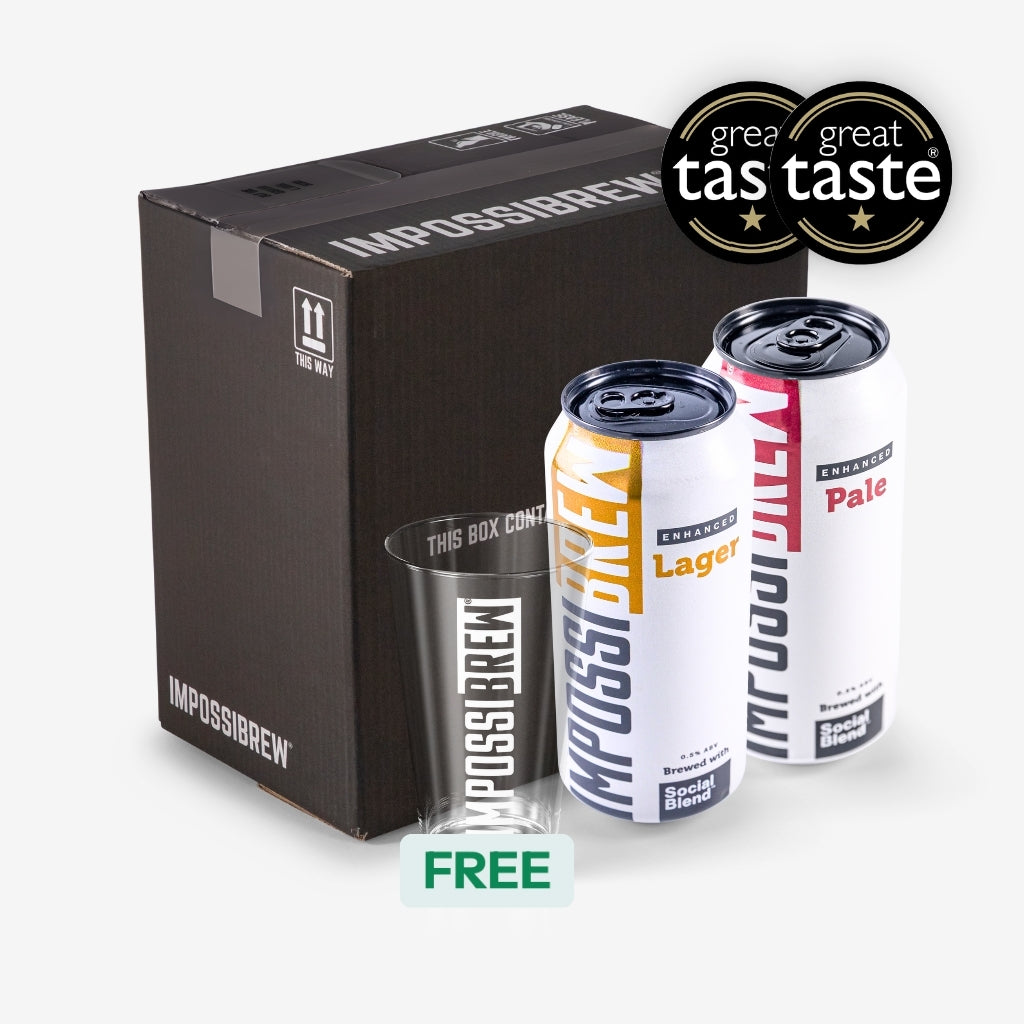
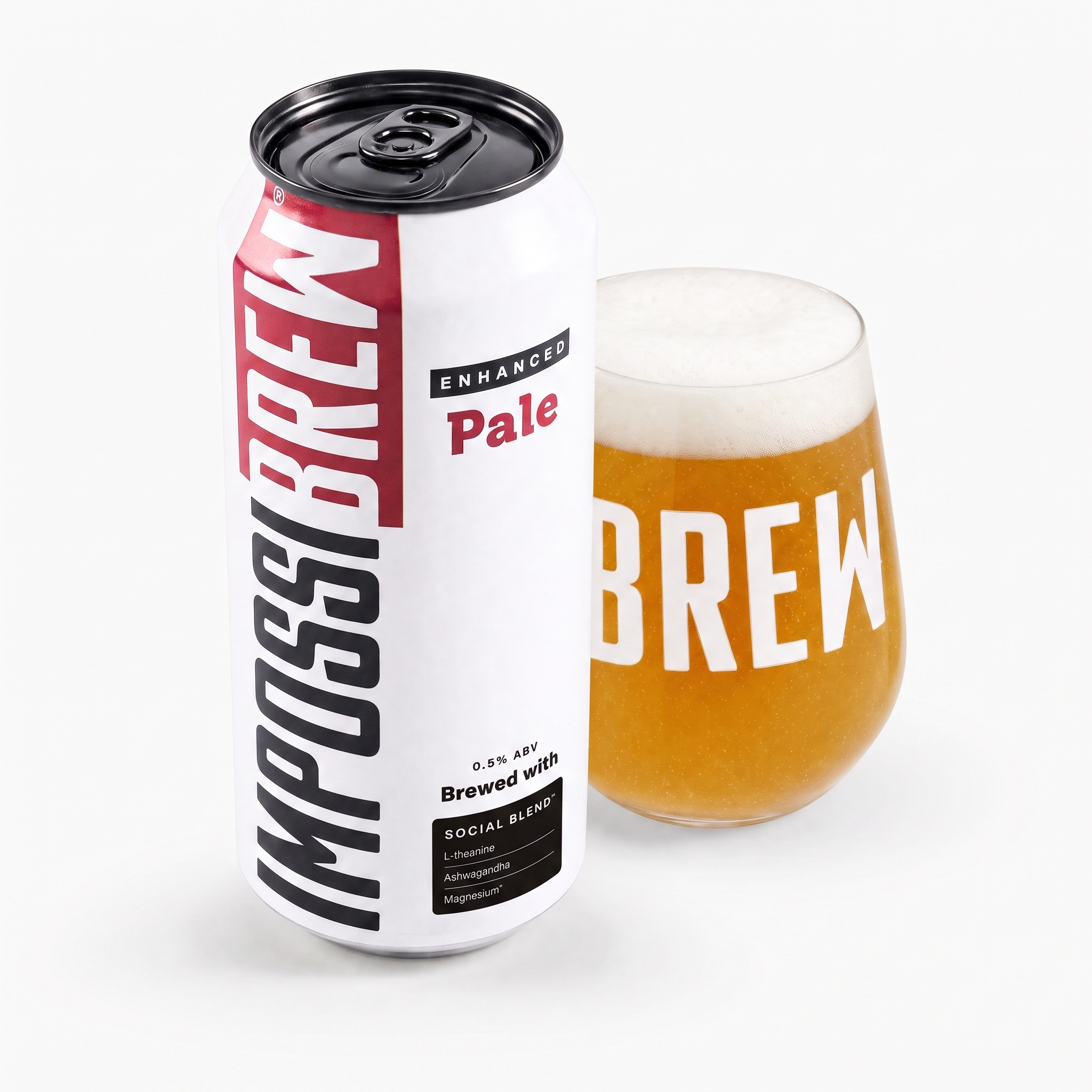
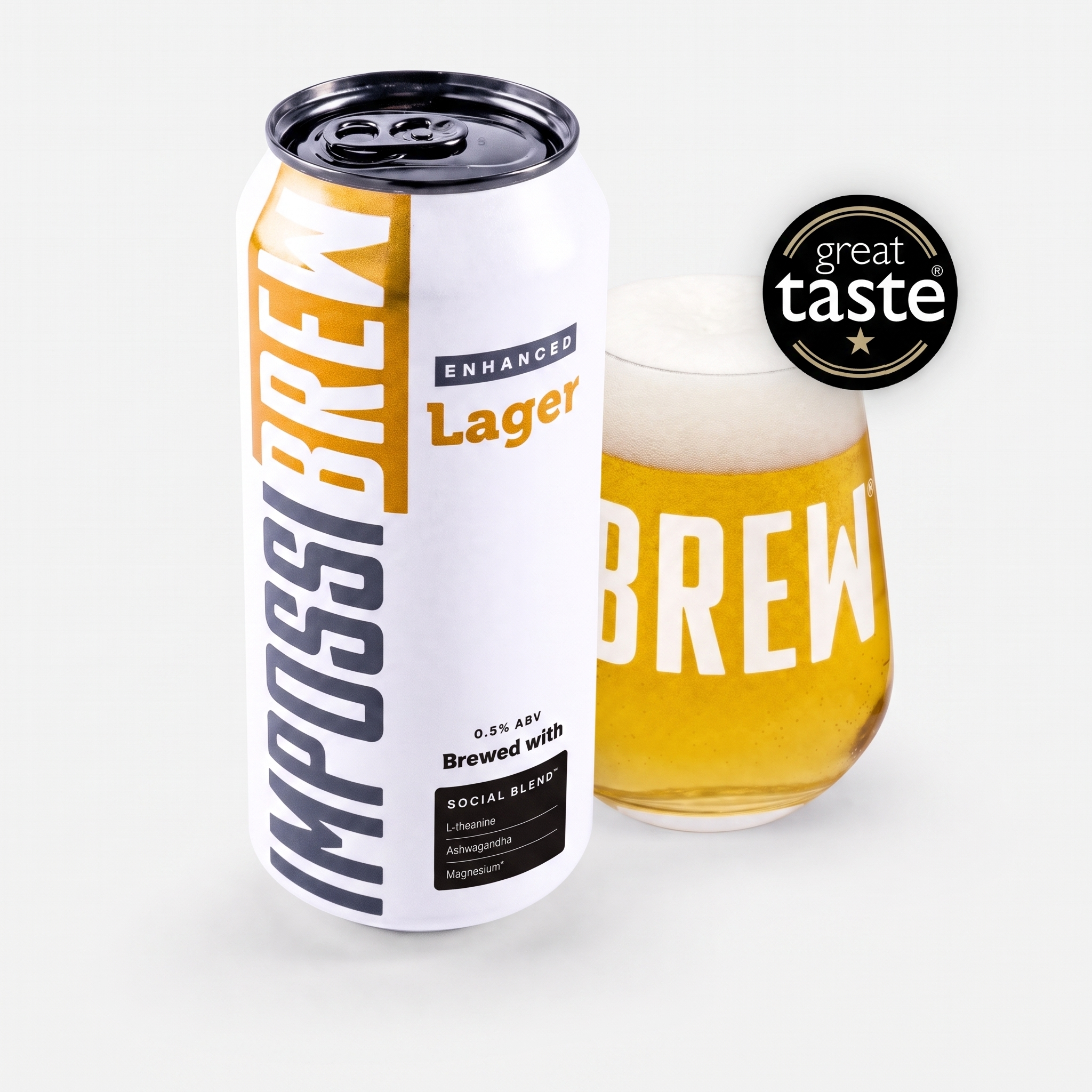
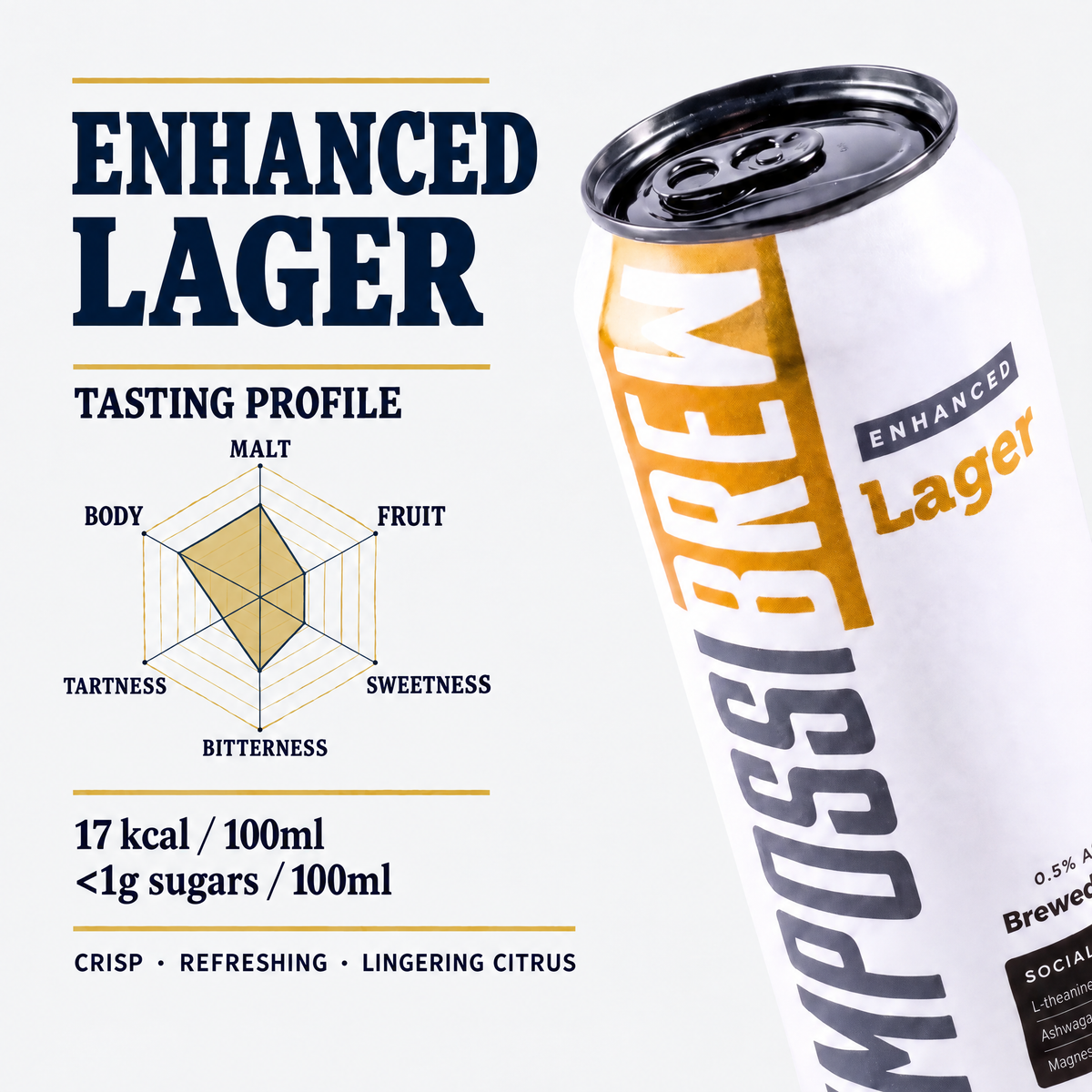
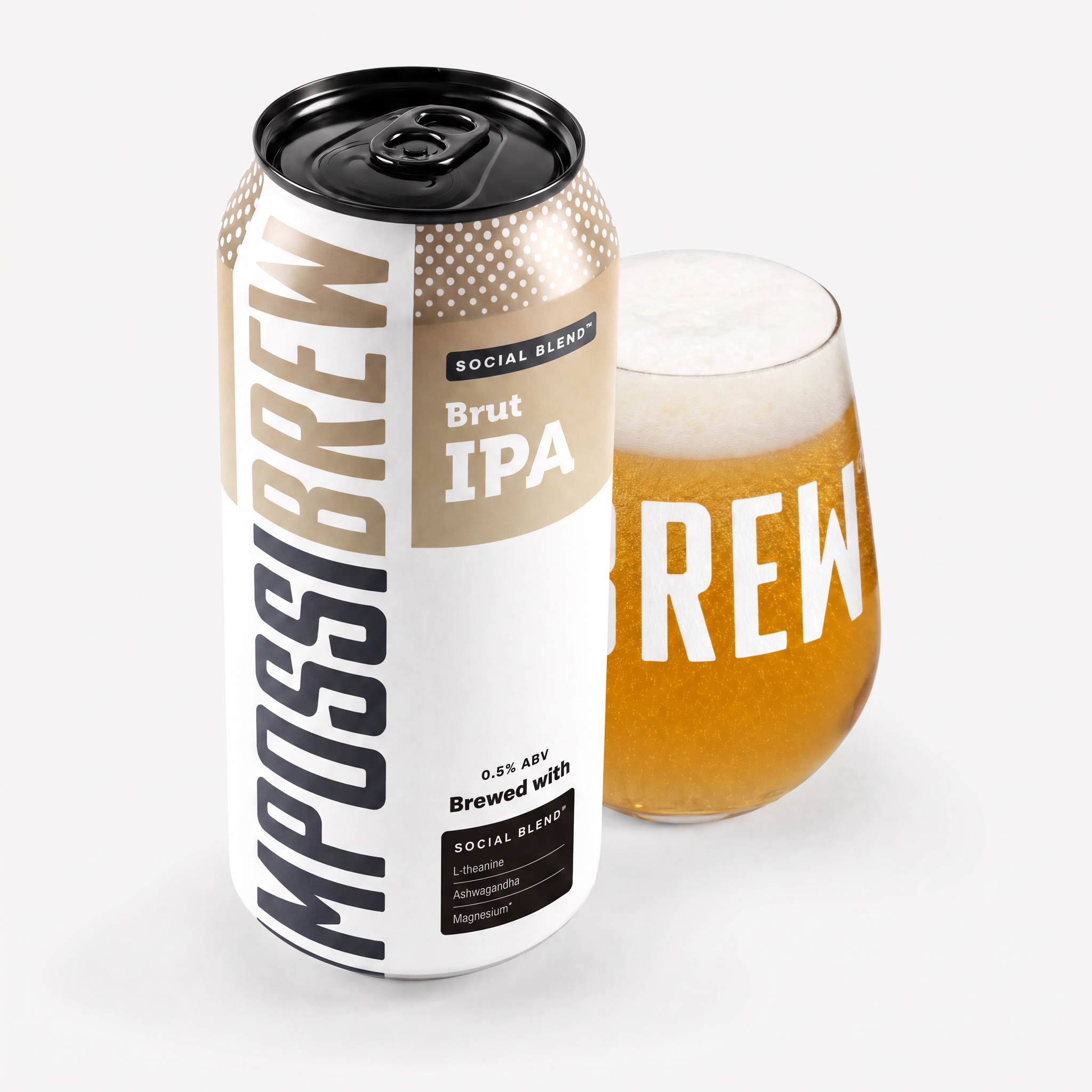
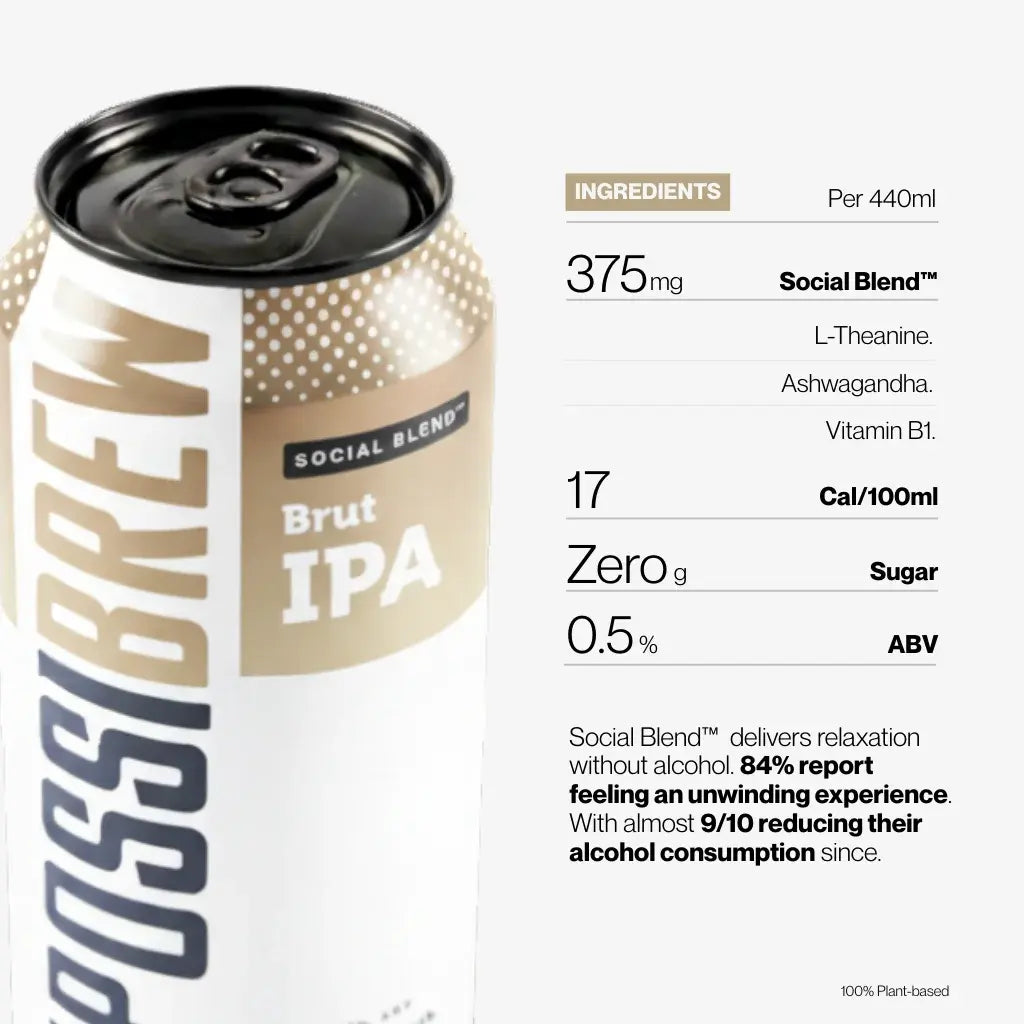
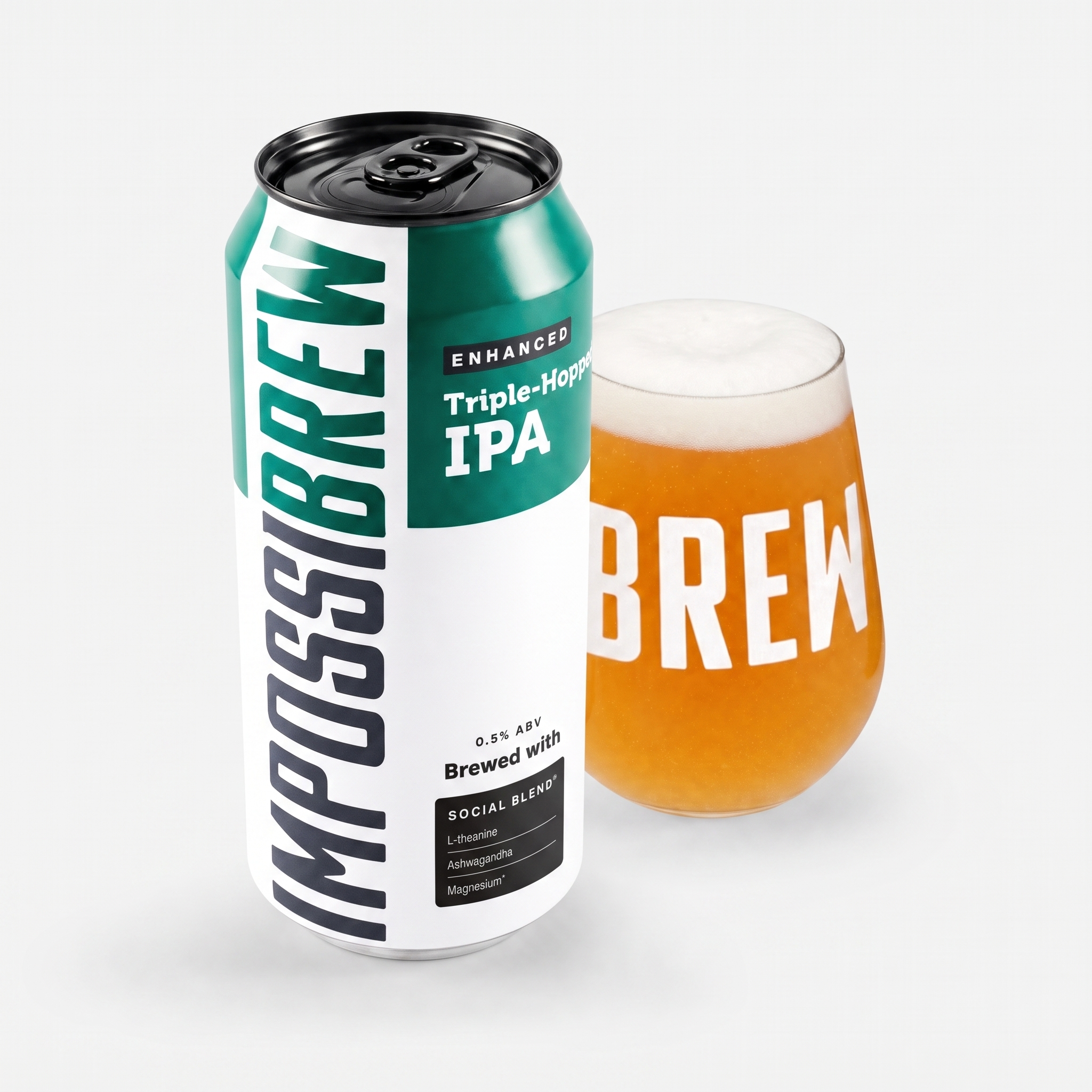
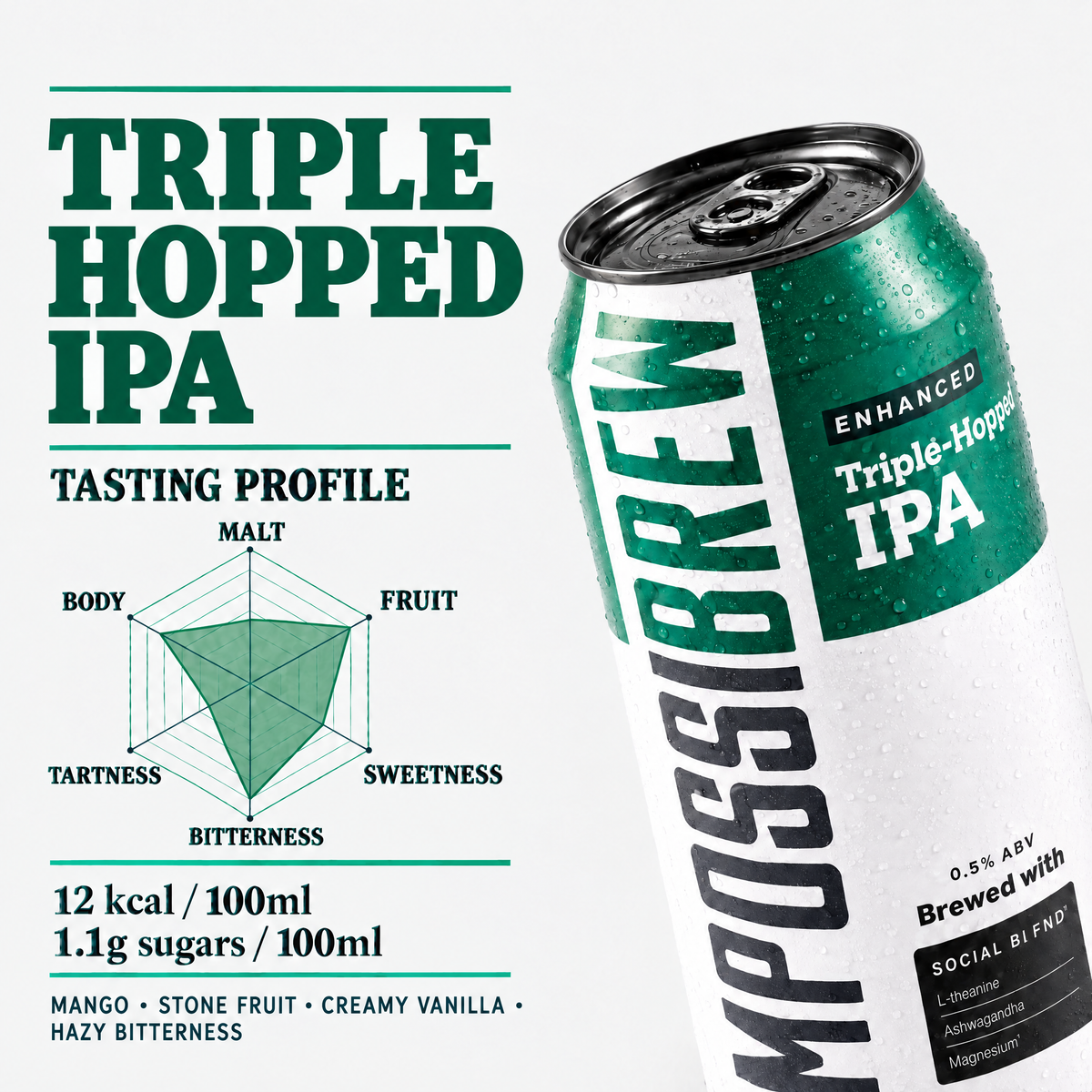
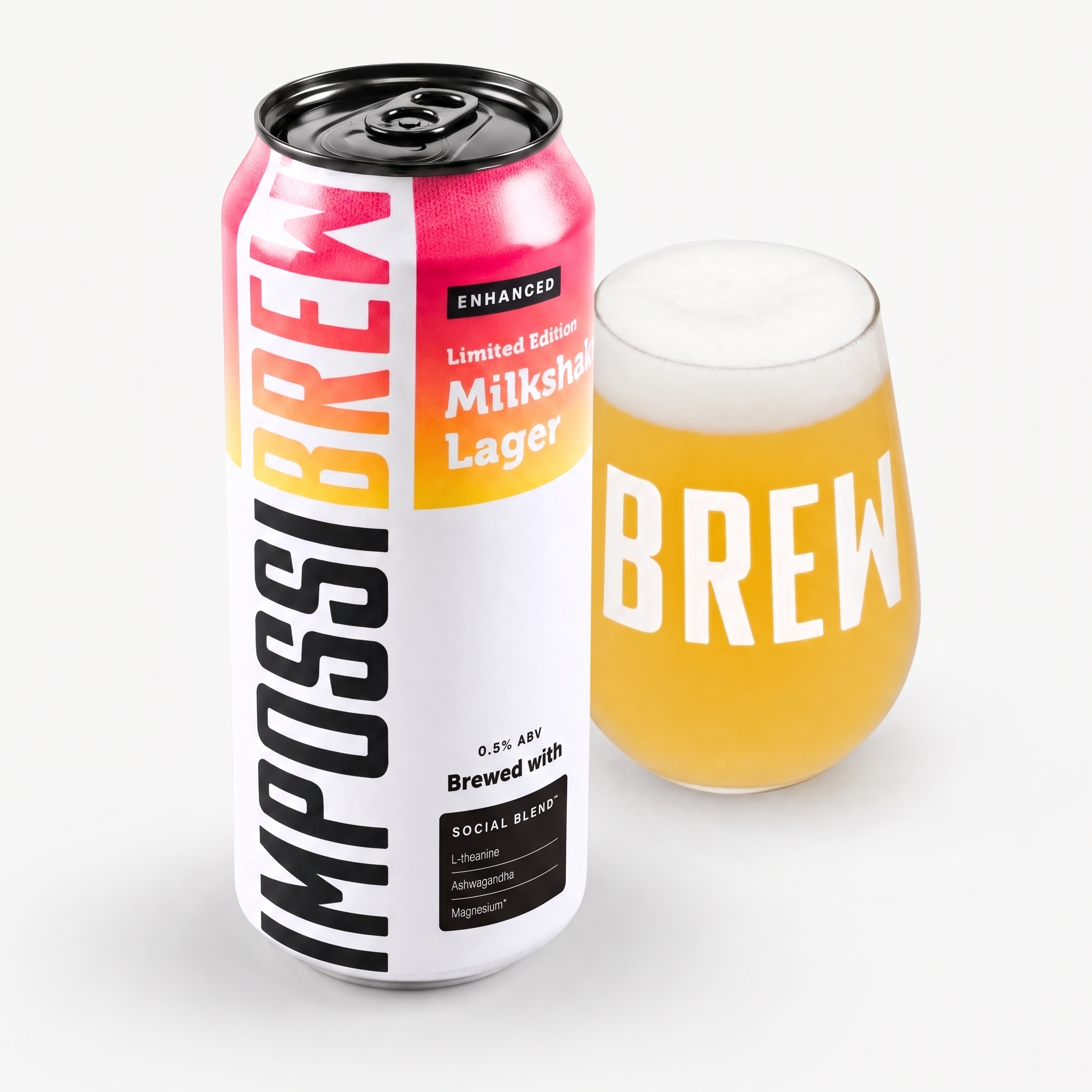
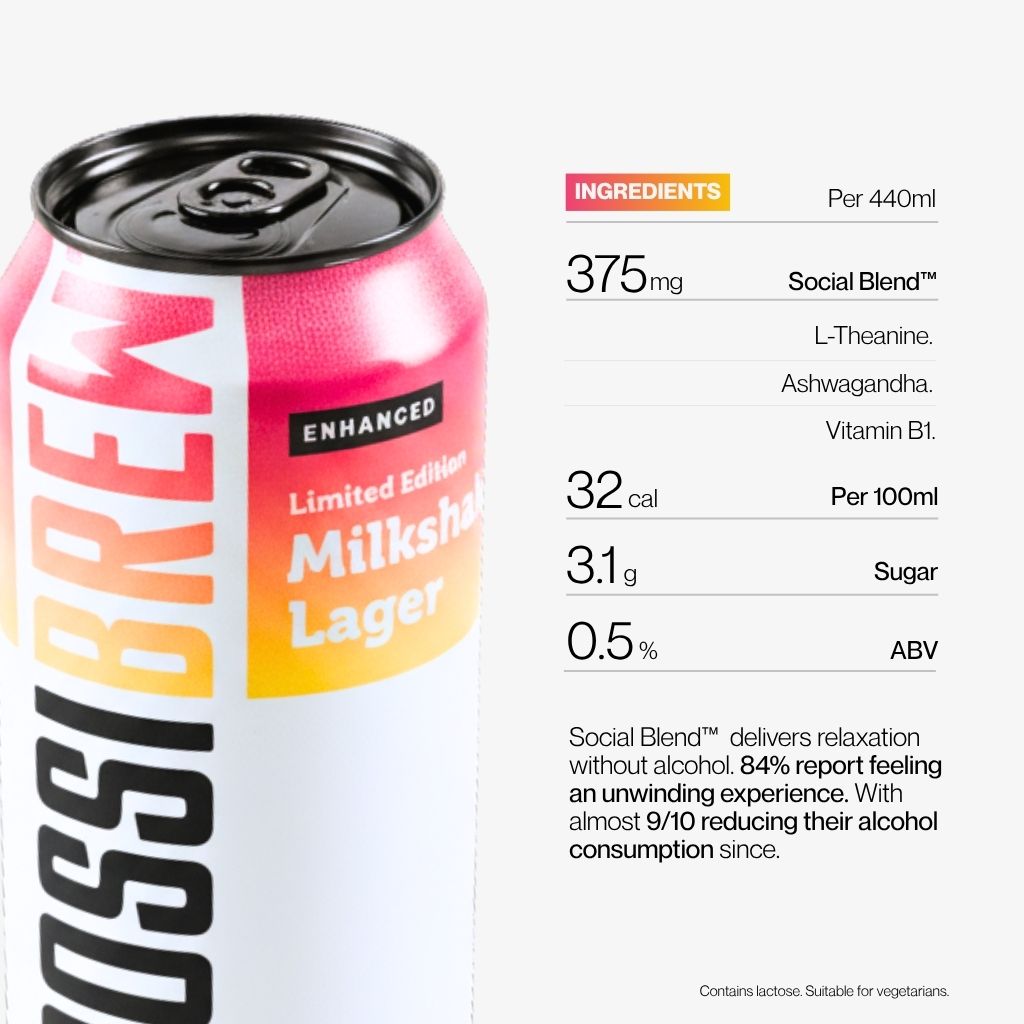
A standout example in this space is IMPOSSIBREW®, which uses its Social Blend™ technology to combine nootropic and adaptogenic ingredients, creating a drink that supports both social relaxation and digestion.
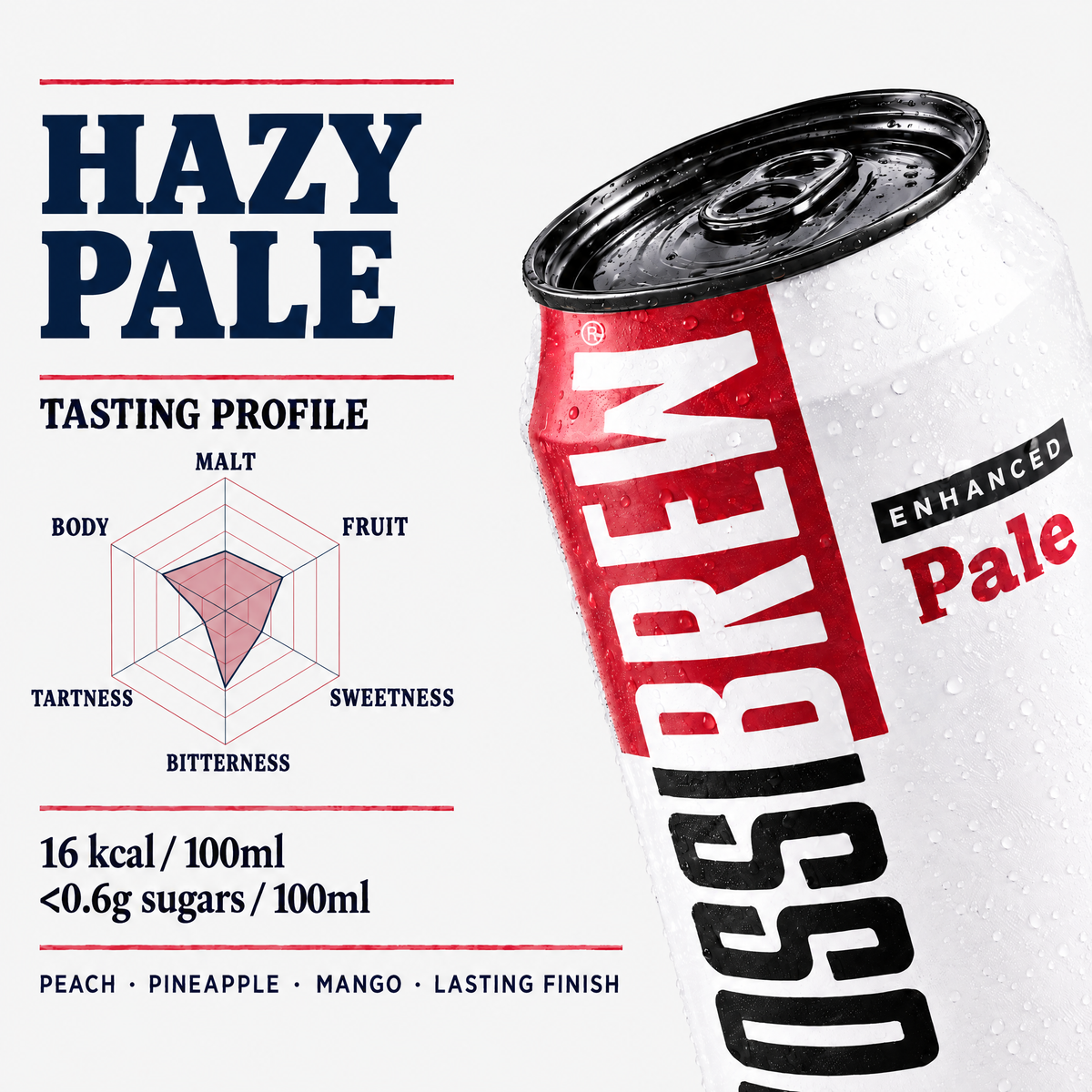
Their lineup includes the Enhanced Lager and Enhanced Hazy Pale, both boasting less than 0.5% ABV. The Enhanced Lager is gluten-free, addressing one of the main bloating concerns associated with traditional beers. Both options are low in calories, vegan-friendly, and start at just £1.97 per can.
IMPOSSIBREW® takes a science-forward approach, using ingredients that work together to promote relaxation and digestive comfort without compromising on taste or the beer experience.
How Improved Formulations May Reduce Bloating
Modern formulations in functional non-alcoholic beers are specifically designed to tackle bloating. These drinks often feature low-calorie recipes that reduce sugar content, minimising gut fermentation and gas production. Many are also gluten-free or low in carbohydrates, making them suitable for those with sensitivities that commonly lead to bloating.
Research has also highlighted the potential of natural additives like ginger, which can enhance both the flavour and digestive properties of fermented drinks. Other ingredients being explored include phenolic acids and dietary fibre, known for their anti-inflammatory and antioxidant effects that support gut health.
"Nutritional therapy, for example through beer, is the best solution to human chronic diseases." - Yawen Zeng, Biotechnology and Germplasm Resources Institute, Yunnan Academy of Agricultural Sciences [1]
Adaptogenic ingredients, frequently found in functional beers, may further help reduce bloating by improving the body’s ability to manage stress - another common factor in digestive discomfort. By promoting relaxation, these ingredients could ease bloating and other digestion-related issues.
Functional brewing techniques also make it possible to incorporate fruits, vegetables, herbs, and other natural ingredients that support digestive health, all while maintaining the authentic beer taste. This represents a shift from simply removing alcohol to actively enhancing the drink’s health benefits.
Conclusion: Key Points and Recommendations
Non-Alcoholic Beers and Bloating: A Quick Recap
Non-alcoholic beers, especially those crafted with gut-friendly ingredients, can help minimise bloating. However, traditional versions might still cause discomfort due to factors like carbonation or gluten. To address this, modern formulations now include gluten-free options and polyphenols, which may help with digestion. Some even incorporate stress-relieving ingredients. With nearly half of UK adults regularly choosing alcohol-free beverages, there's a clear trend towards drinks that prioritise digestive health and comfort [13][14]. These options work best alongside a balanced diet and stress management practices.
Tips for Choosing the Right Non-Alcoholic Beer
When selecting a non-alcoholic beer, keep these pointers in mind:
- Check the ingredients: Look for sugars, carbohydrates, and potential allergens [16].
- Go for low-carbonation options: Too much fizz can lead to bloating.
- Account for sensitivities: If you're sensitive to gluten or carbs, opt for gluten-free varieties.
- Look for added benefits: Some beers are formulated without extra sugars and may include nutrients that support digestion [13][15].
- Explore functional beers: Brands like IMPOSSIBREW® offer options designed for digestive comfort, with just 27 calories per 440ml can and ingredients aimed at relaxation and digestion [16]. Non-alcoholic pilsners may also have a gentler impact on glucose levels compared to wheat or mixed beers [14].
These tips can help you find a drink that aligns with both your digestive health needs and personal preferences.
Final Thoughts
Functional non-alcoholic beers can play a role in supporting digestion, but moderation is essential due to their carbohydrate and calorie content [14][15]. Everyone reacts differently, so it's worth observing how your body responds to various types. If you have specific digestive issues or health concerns, consult a healthcare professional before making these beers a regular part of your diet. Ultimately, these beverages are most effective when paired with a broader approach to gut health, including a balanced diet, hydration, and stress management.
The future of non-alcoholic beer lies in formulations that not only taste good but also contribute to wellbeing - offering a way to enjoy social occasions while supporting digestive comfort.
FAQs
How can I pick a non-alcoholic beer that won’t make me feel bloated?
If you're looking to avoid bloating, opt for non-alcoholic beers with low carbonation - too much fizz often leads to discomfort. Beers that are low in carbs or calories can also be a better choice, as they’re less likely to cause gas or slow down digestion.
For a gentler option, explore non-alcoholic beers crafted to support digestion and reduce bloating. Also, keep an eye out for beers made with natural, high-quality ingredients and free from additives that might irritate your stomach.
Can non-alcoholic beers help with bloating and digestion?
Non-alcoholic beers can play a role in supporting digestion and reducing bloating, thanks to their ingredients. Many are packed with polyphenols, prebiotic fibres, and B vitamins, which are known to nourish beneficial gut bacteria. These elements can help improve digestion and contribute to better gut health overall.
Brands like IMPOSSIBREW® take things a step further by offering enhanced non-alcoholic beers. Their options are low in calories, vegan-friendly, and gluten-free, making them a healthier alternative for those who want to enjoy great flavour and the social experience without any compromise.
Can non-alcoholic beers help reduce bloating caused by carbonation?
Non-alcoholic beers can have their carbonation levels adjusted to reduce bloating. By controlling the pressure during brewing, brewers can fine-tune the amount of carbon dioxide in the beer. This results in a smoother, more enjoyable drink that’s easier on the stomach.
This method allows you to enjoy non-alcoholic beers without the discomfort that often comes with excessive fizz, offering a refreshing option that’s kinder to digestion.