
Natural nootropics are plant-based compounds that help improve relaxation, focus, and stress management. Popular options like L-theanine, Rhodiola rosea, and Ginkgo biloba work by balancing brain chemicals, reducing cortisol levels, and improving blood flow. These ingredients are widely used in supplements and functional beverages, offering a non-alcoholic way to unwind and stay sharp.
Key points:
- L-theanine: Found in tea, promotes calm focus by boosting serotonin and alpha brain waves.
- Rhodiola rosea: Reduces stress and fatigue while protecting brain cells.
- Ginkgo biloba: Improves blood flow and supports relaxation.
- Panax ginseng: Lowers stress hormones but may lose effectiveness with prolonged use.
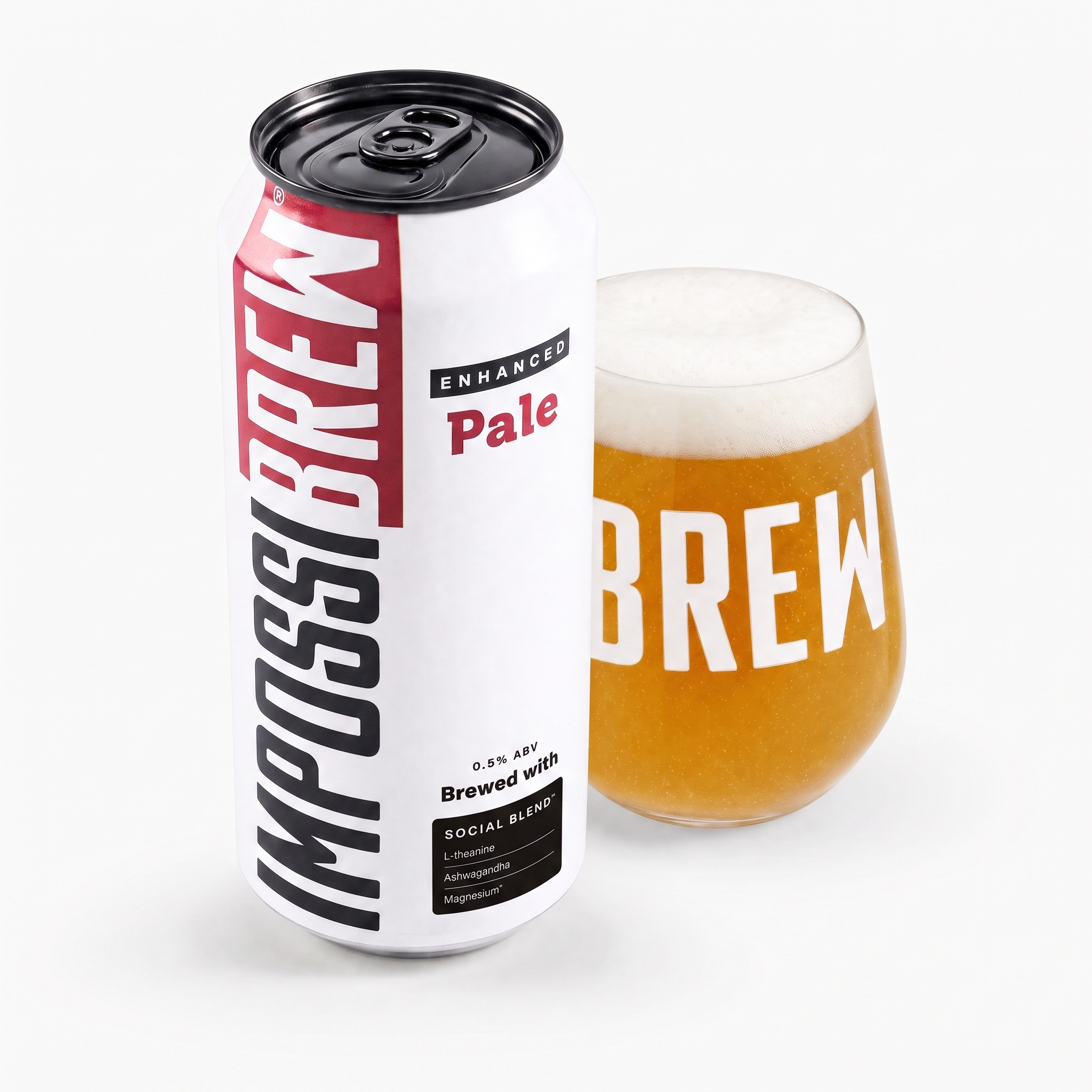
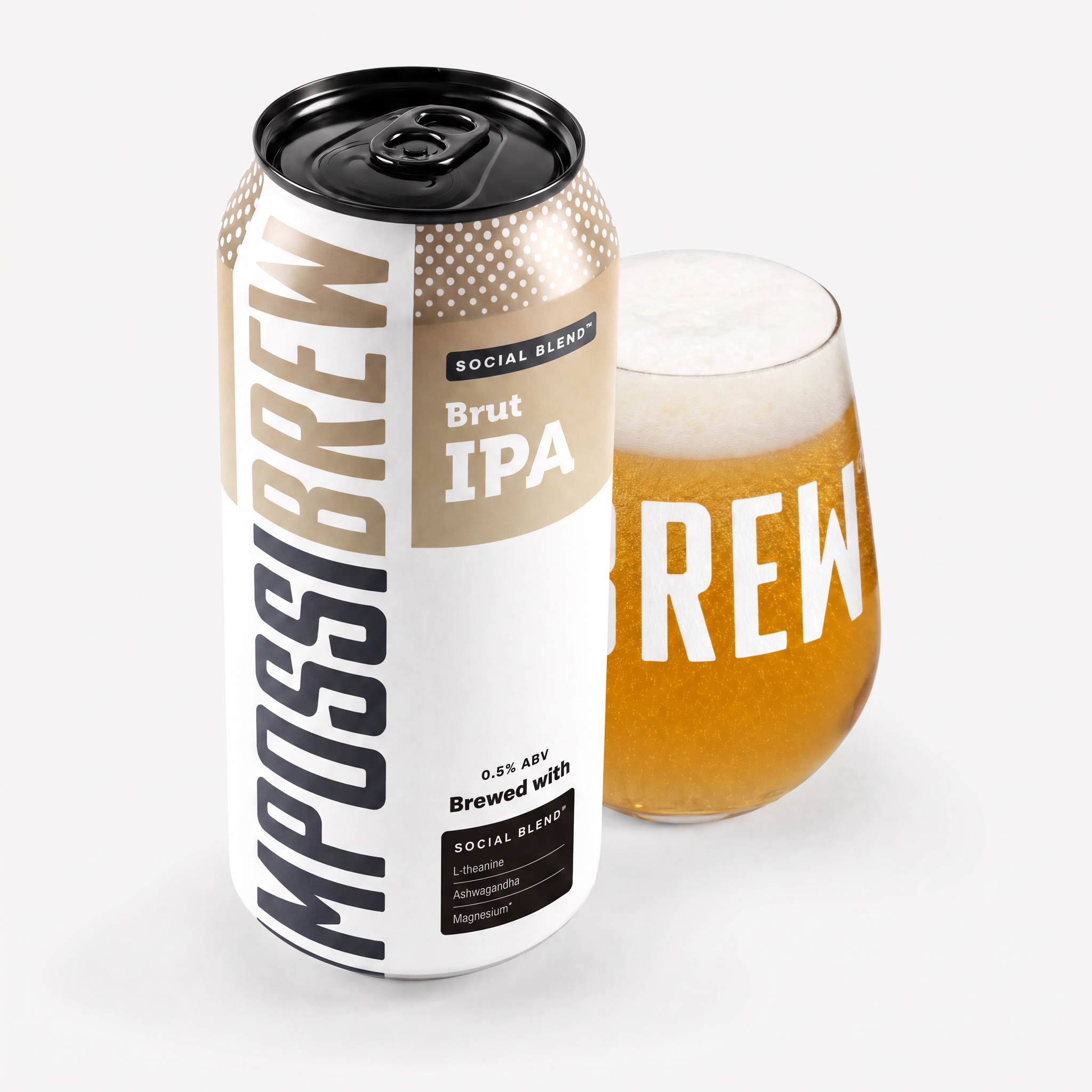
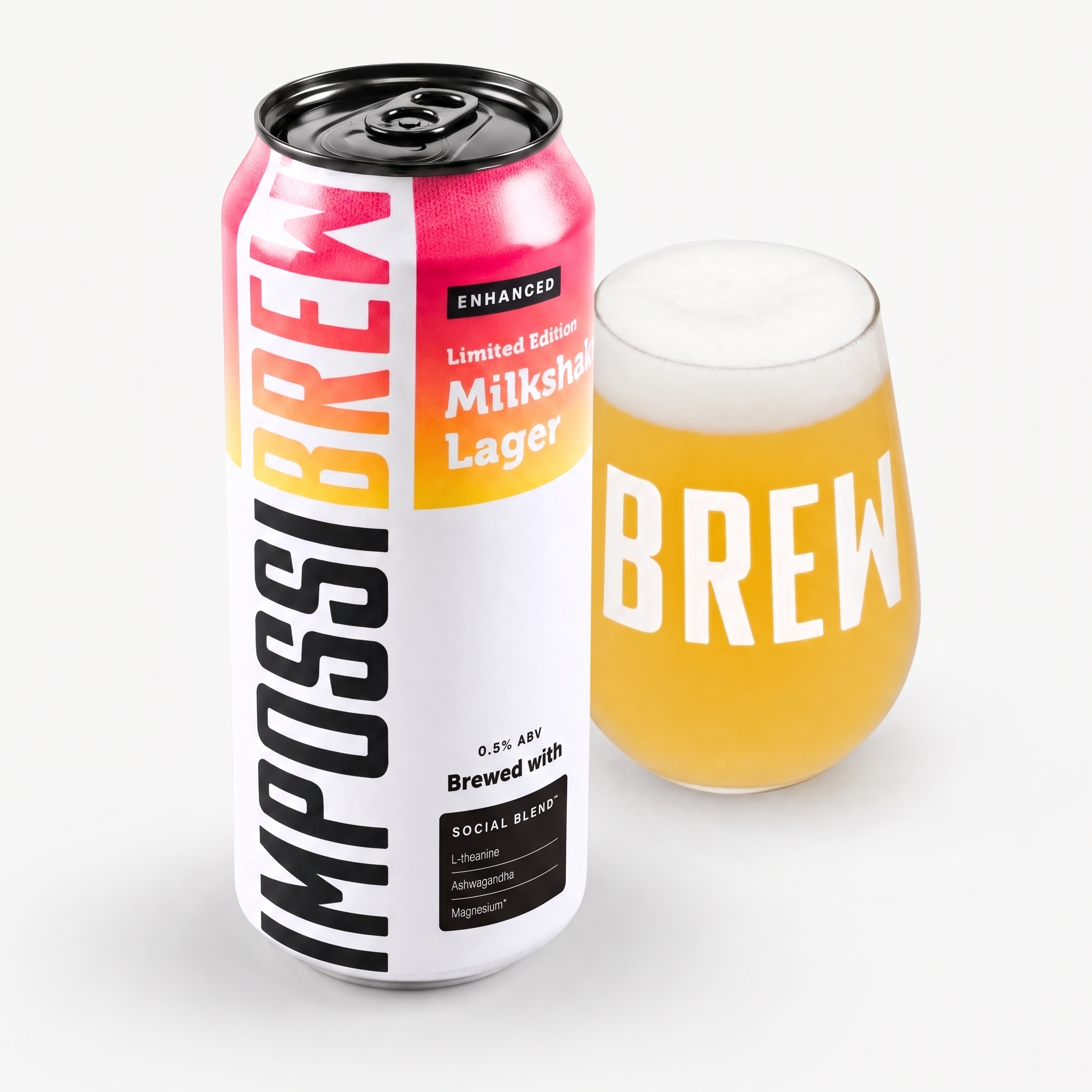
Products like IMPOSSIBREW®’s Social Blend™ combine these nootropics for relaxation without alcohol. They’re easy to integrate into daily routines and are safe for most people when used responsibly.
How Natural Nootropics Work in the Brain
Effects on Brain Chemicals
Natural nootropics influence key neurotransmitters that play a major role in mood regulation, stress management, and relaxation. These neurotransmitters act as messengers between neurons, helping the brain respond more effectively to stress.
Take L-theanine, for example. Found in tea, this compound interacts with GABA, serotonin, and dopamine - neurotransmitters linked to relaxation and happiness. It also promotes alpha brain wave activity, a state often associated with calm focus, similar to the feeling achieved through meditation.
IMPOSSIBREW®'s Social Blend™ takes advantage of these properties, combining L-theanine with other carefully chosen ingredients to elevate serotonin levels and encourage relaxation. As the company explains:
"These ingredients are chosen for their potential to boost serotonin, promote relaxation, and create a calming effect similar to the 'one or two pint feeling' without hangovers." [4]
Higher serotonin levels not only lift your mood but also improve sleep quality, regulate appetite, and enhance social interactions. Beyond influencing brain chemicals, these nootropics also prepare the brain to better handle stress.
Stress Reduction and Brain Protection
Natural nootropics also tackle stress on a deeper level by targeting cortisol, the primary stress hormone. When cortisol levels remain high for too long, they can harm brain cells, particularly in areas responsible for memory and emotional balance. Adaptogens like Rhodiola rosea and Ashwagandha help regulate the hypothalamic–pituitary–adrenal (HPA) axis, which in turn lowers cortisol levels and reduces oxidative stress and inflammation [1][3].
In addition to hormonal balance, many nootropics contain antioxidants that protect brain cells from damage. These antioxidants, found in ingredients like Ginkgo biloba and Panax ginseng, also act as vasodilators, improving blood flow to deliver oxygen and nutrients more efficiently [2][3].
IMPOSSIBREW®'s Social Blend™ includes Ashwagandha, a well-documented adaptogen known for its ability to lower cortisol and support brain health during stressful times.
How They Help the Body Handle Stress
Natural nootropics don’t just protect the brain - they also enhance the body’s stress resilience. Adaptogens such as Rhodiola rosea and Panax ginseng lower stress hormones while improving the body’s ability to maintain balance under pressure. This helps you stay steady and perform well, even in challenging situations.
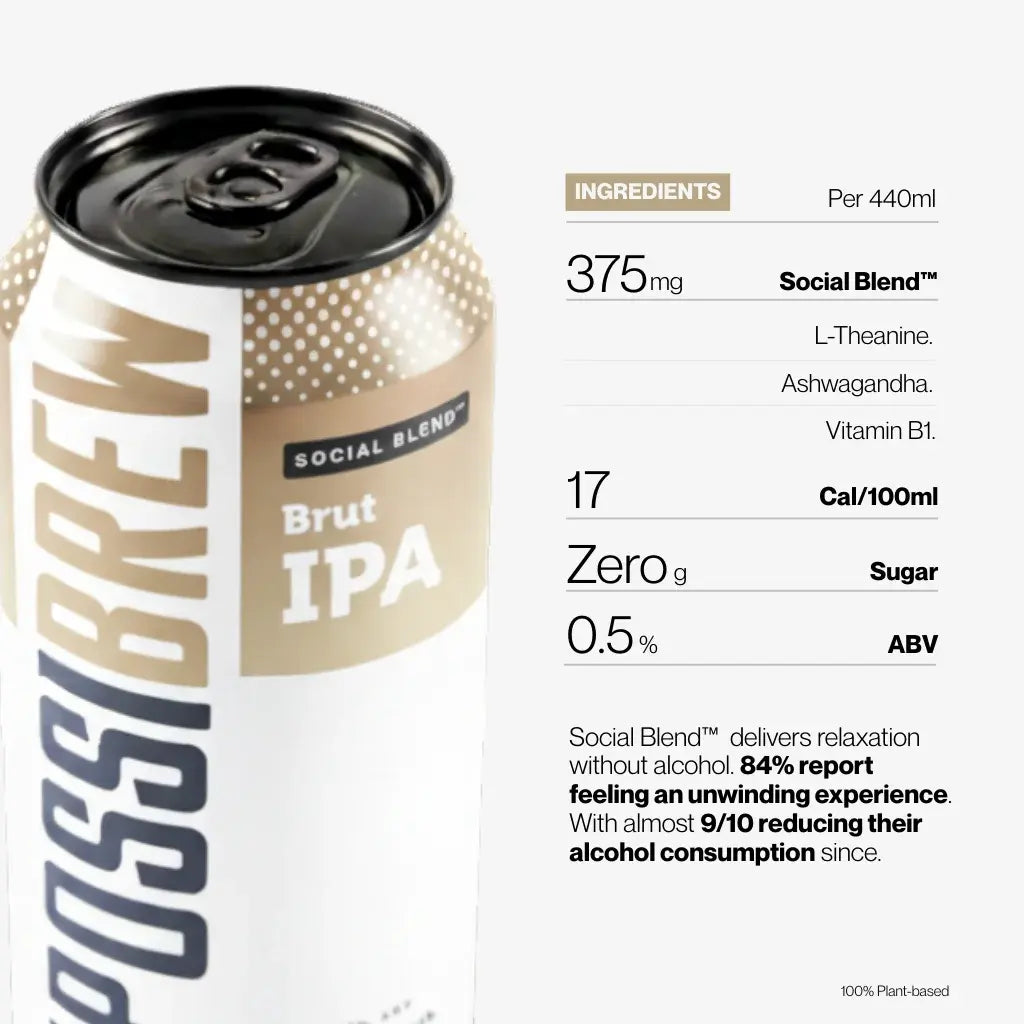
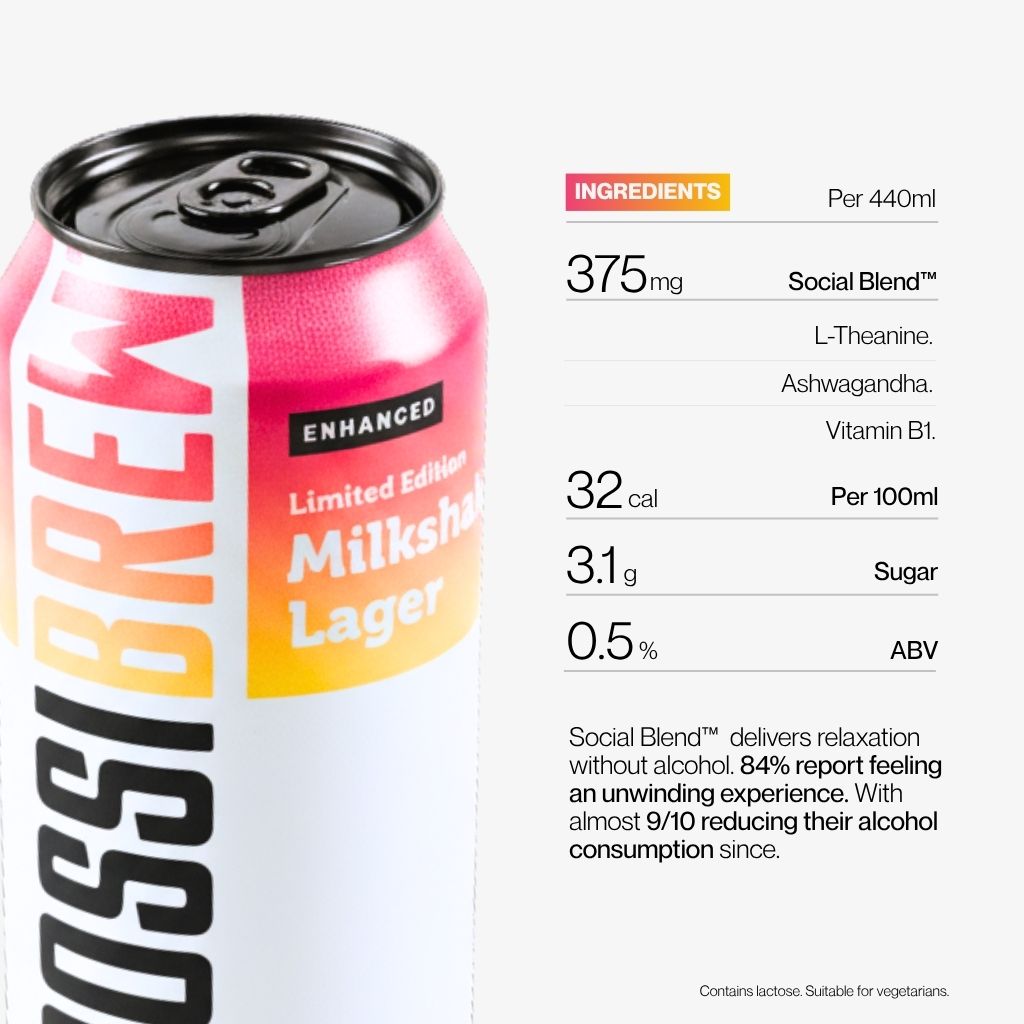
Rhodiola rosea is particularly effective at reducing fatigue and sharpening mental focus, making it easier to maintain cognitive performance during prolonged stress [1][3]. IMPOSSIBREW® builds on these benefits by combining L-theanine, Ashwagandha, and Vitamin B1 in a carefully balanced formula.
"By boosting alpha brain waves and serotonin levels, it helps maintain a calm and focused mental state." [4]
Vitamin B1 (thiamine) plays a crucial role in keeping the nervous system functioning properly. It also helps convert nutrients into energy that brain cells can use, ensuring they stay energised and efficient. By combining ingredients that work through different pathways, IMPOSSIBREW®’s formulation offers a more comprehensive approach to tackling stress and anxiety than single-ingredient solutions.
Interestingly, research indicates that while a single dose of adaptogens like Panax ginseng can be effective, long-term use may lead to the body adapting to their effects [1].
Altogether, the blend of nootropic and adaptogenic properties in these formulations provides both immediate relief from stress and long-term support for brain health.
Do Adaptogens and Nootropics Actually Work? (What the Science Says)
Key Natural Nootropics for Relaxation
Natural nootropics not only sharpen mental clarity but also play a central role in the carefully crafted formulations of products like IMPOSSIBREW®'s Social Blend™.
L-Theanine: The Relaxation Booster from Tea
L-theanine is one of the most extensively researched natural nootropics for relaxation. Found naturally in tea leaves, this amino acid has long been recognised for its calming effects.
On a neurological level, L-theanine promotes a state of calm by encouraging brain activity associated with relaxation. Its effectiveness is supported by extensive research, including 52 randomised, double-blind, peer-reviewed studies backing its inclusion in IMPOSSIBREW®'s Social Blend™. This blend was developed in collaboration with Dr. Paul Chazot, a Bioscience Professor and Chair of Pharmacology at Durham University.
In 2025, a flagship study by IMPOSSIBREW® involving over 2,000 participants revealed that 84% of customers reported feeling more relaxed after consuming their Social Blend™ containing L-theanine [4]. What sets L-theanine apart is its ability to promote relaxation without causing drowsiness, making it ideal for daytime use when you need to stay calm yet alert.
Next, let's look at Rhodiola rosea, a powerful plant known for its stress-relieving properties.
Rhodiola Rosea: Nature's Stress Shield
Rhodiola rosea is a well-known adaptogen that helps the body build resilience against both physical and mental stress. This hardy plant, which thrives in extreme conditions, owes its stress-fighting abilities to active compounds like rosavins and salidroside.
Rhodiola works by preserving key neurotransmitters in the brain while offering neuroprotective benefits to shield brain cells from stress-related damage. Its antioxidant properties also neutralise harmful free radicals that build up during prolonged stress. This dual action makes it particularly helpful for easing immediate stress and improving long-term mental resilience.
Now, let’s explore how Ginkgo biloba and Panax ginseng can further enhance relaxation.
Ginkgo Biloba and Panax Ginseng: A Dynamic Duo
Ginkgo biloba supports relaxation by improving cerebral blood flow. By dilating blood vessels, it ensures that brain cells receive more oxygen and nutrients. Additionally, its antioxidant and neuroprotective properties, along with its calming effects, make it a valuable tool for managing stress [2][3].
Panax ginseng, on the other hand, complements Ginkgo biloba with its anti-inflammatory, neuroprotective, and adaptogenic benefits. It helps the body regulate its stress response, reducing fatigue and promoting mental calm [1][3]. Some research even suggests that combining Ginkgo biloba and Panax ginseng may enhance memory and cardiovascular health [1]. However, it’s worth noting that Panax ginseng’s effects can diminish with long-term use, and high doses may lead to side effects like insomnia or elevated blood pressure [1].
| Nootropic | Main Benefits | Mechanism of Action | Notable Side Effects |
|---|---|---|---|
| L-Theanine | Relaxation, focus, reduced anxiety | Boosts alpha waves and serotonin levels | Rare, generally well-tolerated |
| Rhodiola rosea | Stress resilience, reduced fatigue | Adaptogen, antioxidant, neurotransmitter support | Mild: dizziness, dry mouth (rare) |
| Ginkgo biloba | Reduced anxiety, improved blood flow | Vasodilation, neuroprotection | Headache, GI upset, bleeding risk |
| Panax ginseng | Reduced stress, anti-inflammatory | Adaptogen, neuroprotection, antioxidant | Insomnia, high blood pressure, headaches |
Both Ginkgo biloba and Panax ginseng are among the most researched natural nootropics for cognitive and relaxation benefits [2][3]. Together with L-theanine and Rhodiola rosea, they provide a natural, evidence-based approach to managing stress, offering both immediate calm and long-term mental resilience.
sbb-itb-a752bf8
Natural vs Synthetic Nootropics: Key Differences
Understanding the distinction between natural and synthetic nootropics can help you make an informed choice, particularly when seeking relaxation. These two types differ in their origins, how they work, and their overall effects on brain function.
Natural nootropics come from plants and herbs that have been used for centuries in traditional medicine. Examples include L-theanine from tea leaves, Rhodiola rosea from mountain plants, and Ginkgo biloba from ancient trees. These substances often work through multiple pathways to support overall brain health and function [2].
Synthetic nootropics, on the other hand, are lab-created compounds like Piracetam and Modafinil. These are designed to target specific brain pathways. Instead of directly releasing neurotransmitters, they enhance oxygen and nutrient delivery to the brain through receptor modulation [3]. While this targeted action can boost certain cognitive abilities, synthetic nootropics may lack the broader, protective benefits often linked to natural options.
Safety and Effectiveness Comparison
Natural nootropics are generally a gentler choice for relaxation, with fewer side effects. They act on multiple pathways, such as the dopaminergic and cholinergic systems, by adjusting neurotransmitter levels and encouraging dopamine release [2]. This multi-faceted approach not only promotes relaxation but also supports brain health by counteracting ageing and environmental stressors.
Synthetic nootropics, although potentially effective, may come with stronger side effects and have less data on long-term safety due to their relatively recent introduction. For everyday stress relief and relaxation, natural nootropics are a more established and accessible option with well-documented safety profiles.
Natural vs Synthetic Nootropics Comparison
| Attribute | Natural Nootropics | Synthetic Nootropics |
|---|---|---|
| Source | Plant and herb extracts (e.g., Ginkgo biloba, Panax ginseng) | Lab-created compounds (e.g., Piracetam) |
| Regulatory Status (UK) | Typically regulated as food supplements or herbal remedies | Often prescription-only or restricted |
| Mechanism | Improve blood flow, reduce inflammation, stimulate neurotransmitter release, and enhance neuroplasticity | Boost oxygen and nutrient supply via receptor modulation |
| Brain Health | Support overall brain function and protect against ageing and toxins | Focused on cognitive enhancement |
| Historical Use | Centuries of traditional use in various cultures | Developed in recent decades |
| Side Effects | Generally mild due to long-established safety profiles | May cause stronger side effects |
| Accessibility | Widely available as supplements | Often require a prescription or face legal restrictions |
In the UK, natural nootropics are commonly sold as food supplements or herbal remedies, making them easy to access. Synthetic nootropics, however, often require a prescription or are restricted under laws like the Psychoactive Substances Act.
Natural nootropics are particularly well-suited for daily stress relief and relaxation, offering a balanced approach that supports both immediate calm and long-term brain health. For example, IMPOSSIBREW®'s Social Blend™ demonstrates how natural ingredients can achieve relaxation without the potential drawbacks of synthetic alternatives.
That said, some natural nootropics, such as Panax ginseng, may not be ideal for long-term use because their effects can diminish over time. Additionally, high doses could lead to side effects [1]. When correctly formulated and used in moderation, natural nootropics can be a valuable tool for maintaining a relaxed and healthy mind. These comparisons set the stage for practical application guidelines, helping you incorporate nootropics into your routine effectively.
How to Use Natural Nootropics Daily
Incorporating natural nootropics into your daily routine can be simple and rewarding. The key lies in choosing reliable products, following safe usage practices, and finding ways to enhance your social relaxation.
Choosing Reliable Products
When picking natural nootropic products, it’s essential to focus on substance over style. Avoid being swayed by flashy marketing and instead prioritise products that clearly list their ingredients, specify dosages, and are backed by scientific research. A great example is IMPOSSIBREW®'s Social Blend™, which uses a science-driven approach to create effective alcohol alternatives.
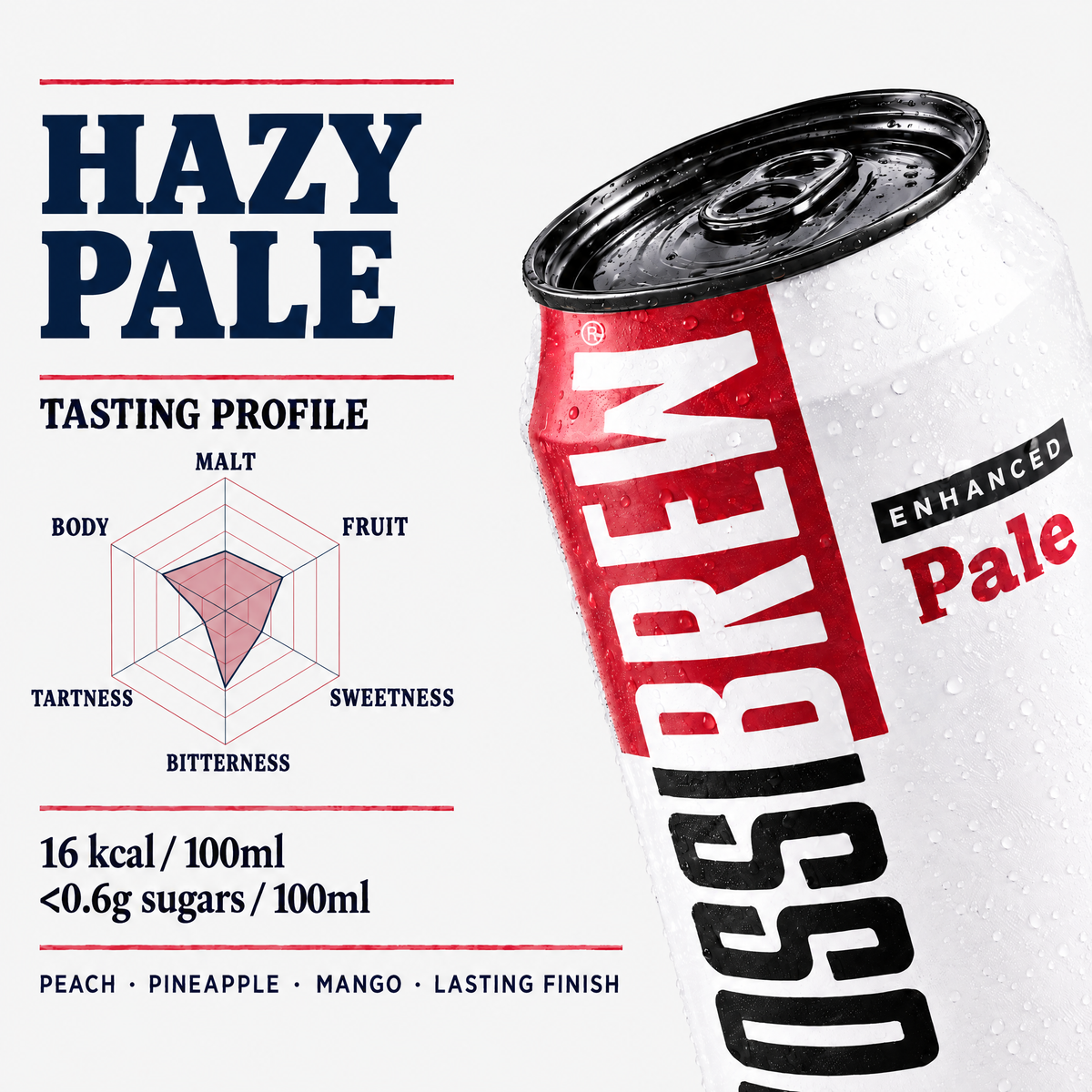
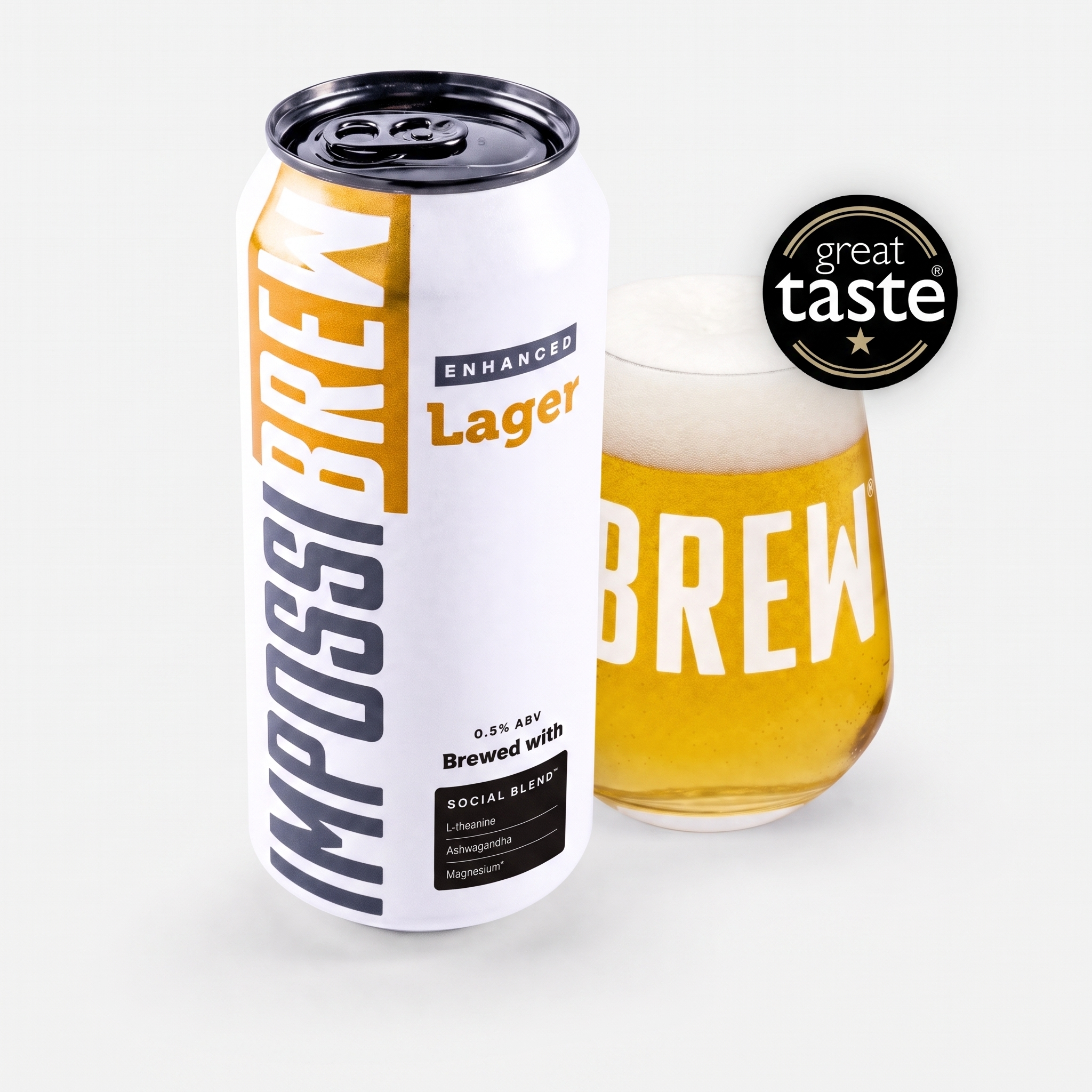
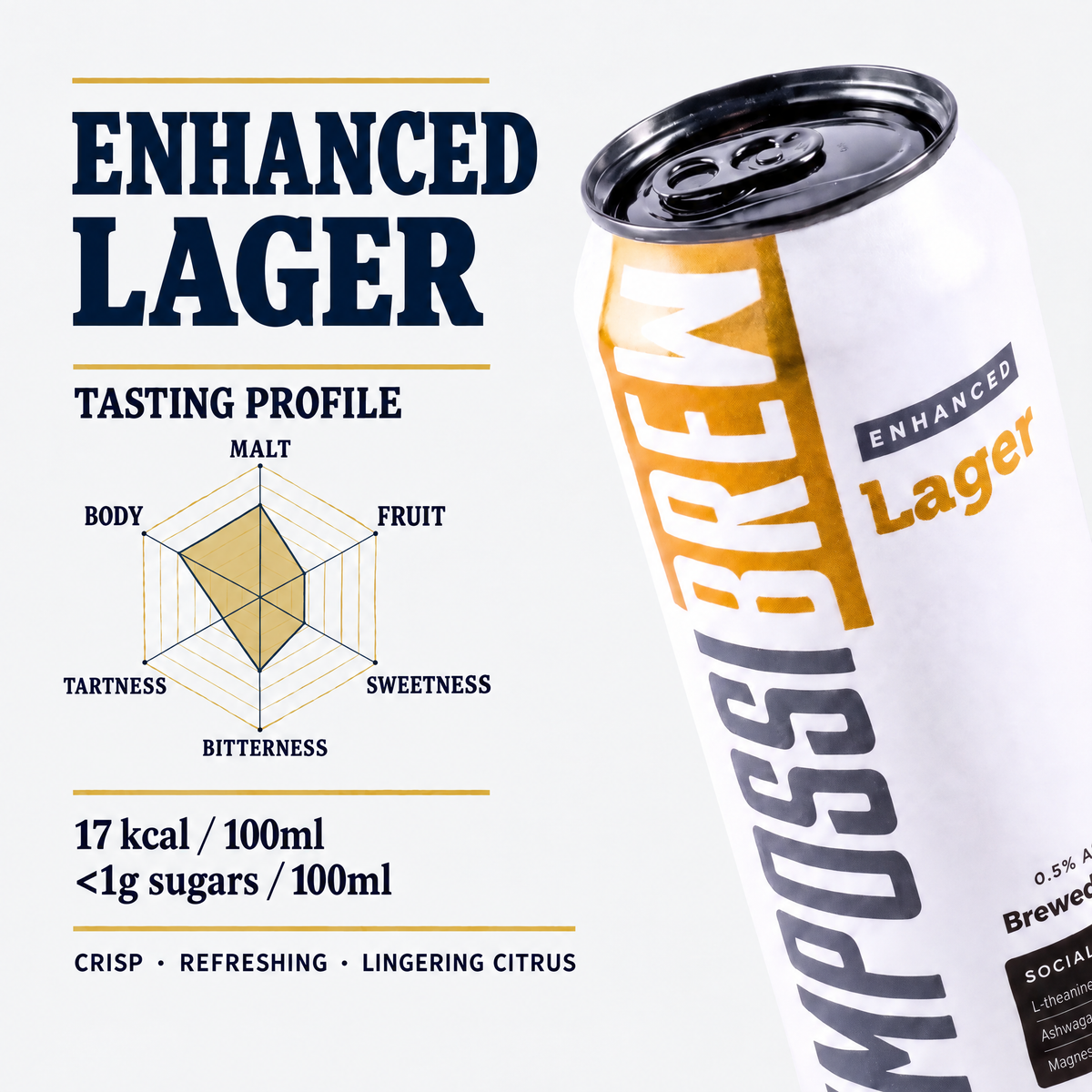
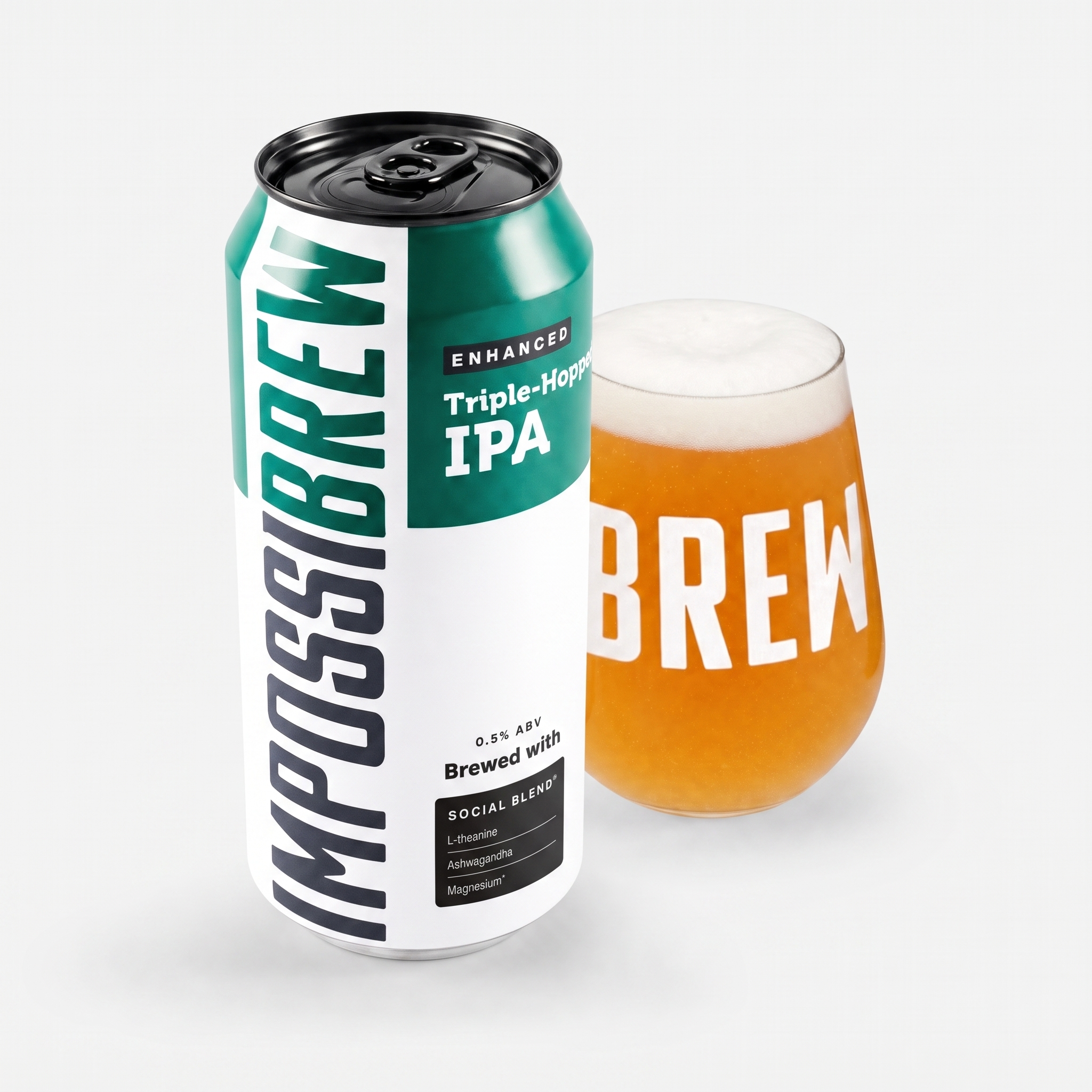
For the best results, look for products that combine multiple complementary ingredients. Natural nootropics often work synergistically, targeting various pathways in the brain. For instance, IMPOSSIBREW®'s Enhanced Lager and Enhanced Hazy Pale were recognised as the UK's best non-alcoholic beers by the World Beer Awards in 2023 [4]. A transparent ingredient list and precise dosages are signs of a quality product, so keep an eye out for these details when choosing.
Guidelines for Safe Use
To enjoy the benefits of natural nootropics, it’s crucial to use them responsibly. Start with the lowest effective dose and monitor your body’s response - watch for mild side effects like digestive discomfort or dizziness. If you’re on medication or have pre-existing health conditions, consult a doctor before use. Always refer to ingredient-specific precautions mentioned earlier.
For those with dietary restrictions, there are options to suit your needs. For example, IMPOSSIBREW® offers vegan-friendly beverages, and their Enhanced Lager contains less than 10 parts per million (PPM) of gluten, making it suitable for those with gluten sensitivities.
It’s worth noting that while the brain accounts for just 3% of your body weight, it uses around 15% of your blood supply and oxygen [2]. This highlights the importance of supporting brain health safely. By following these guidelines, you can integrate nootropics into your routine without worry.
Elevating Social Relaxation
Beyond their health benefits, nootropics can also enhance your social experiences. Functional beverages, in particular, offer a convenient and socially acceptable way to enjoy nootropics, without the hassle of capsules or powders. Non-alcoholic options like IMPOSSIBREW® provide relaxation and elevate social moments.
Designed as a healthier alternative to alcohol, IMPOSSIBREW® allows you to unwind and enjoy the ritual of drinking without the downsides like hangovers or health risks. As the brand puts it, their drinks are "designed to replicate the sensory and social relaxing experience of drinking, minus the headaches (and bad decisions)" [4].
To make the most of these beverages, consider incorporating them into your typical relaxation times - whether that’s unwinding after work, during a social gathering, or as part of an evening routine. With regular use, they can seamlessly become a sustainable part of your daily life.
The Benefits of Natural Nootropics for Relaxation
Natural nootropics combine age-old remedies with modern scientific insights to help improve mental clarity and reduce stress. Their dual function - supporting cognitive performance while easing stress - makes them a practical choice for navigating today’s fast-paced world.
Key Highlights
Natural nootropics work through various mechanisms to encourage relaxation. Some influence brain chemicals, while others help protect against the effects of stress. Their long-standing use in traditional medicine adds to their reputation for safety and effectiveness.
Take adaptogens like Rhodiola rosea and Panax ginseng, for example. Studies suggest that Rhodiola rosea can help reduce anxiety, depression, and stress, leading to improved mood overall [1]. Meanwhile, Ginkgo biloba is recognised for its positive effects on perceptual and motor skills [5].
However, it’s worth noting that certain compounds, such as Panax ginseng, may become less effective over time as the body adjusts to them [1]. This highlights the importance of choosing high-quality products and, in some cases, cycling their use to maintain effectiveness.
By understanding these benefits, you can begin to incorporate natural nootropics into your lifestyle in a way that suits your needs.
Getting Started
If you’re looking for a convenient and enjoyable way to try natural nootropics, IMPOSSIBREW® offers a unique solution. Their Social Blend™ is a functional beverage designed with carefully selected, science-backed ingredients to provide relaxation without the downsides of alcohol. This makes it a great option for those seeking a stress-free social experience.
Functional drinks like IMPOSSIBREW®’s Enhanced Lager are not only practical but also socially appealing. Plus, they’re gluten-free, vegan-friendly, and affordable - priced at just £1.97 per can.
To get started, begin with small doses and always opt for trusted brands like IMPOSSIBREW® that prioritise quality and safety. If you have any health concerns, it’s a good idea to consult a healthcare professional before use.
Whether you explore functional beverages like IMPOSSIBREW® or other reputable products, natural nootropics can be a helpful addition to your daily routine, offering a thoughtful way to manage stress and improve your overall well-being.
FAQs
How do natural nootropics like L-theanine and Rhodiola rosea help promote relaxation without making you feel drowsy?
Natural nootropics like L-theanine and Rhodiola rosea offer a way to relax while staying mentally sharp by interacting with specific brain pathways.
L-theanine, a compound found in green tea, works by increasing levels of calming neurotransmitters such as GABA and serotonin. This helps ease stress and creates a sense of calm, all without making you feel drowsy.
Meanwhile, Rhodiola rosea, known as an adaptogen, helps the body handle stress by balancing cortisol levels. It not only supports relaxation but also boosts focus and resilience, making it a great option for unwinding without feeling lethargic. These natural options strike a balance between calmness and alertness, making them a popular choice for staying relaxed yet productive.
Are there any risks or precautions to consider when using natural nootropics for relaxation, especially over a long period?
While natural nootropics are often regarded as safe, it's wise to stay alert to possible side effects or interactions, particularly with long-term use. These effects can differ based on the specific ingredients and your personal health circumstances. It's always a smart move to consult a healthcare professional before adding any new supplement to your routine.
If you're looking for a way to relax without the potential drawbacks of traditional nootropics, IMPOSSIBREW® has an intriguing solution. They craft non-alcoholic beers infused with science-backed ingredients aimed at promoting relaxation and social comfort. These drinks are designed to mimic the soothing effects of alcohol, offering a natural way to unwind - minus the negative side effects.
What makes natural nootropics effective and safe for relaxation compared to synthetic ones?
Natural nootropics are plant-derived compounds that work harmoniously with your brain's natural chemistry to encourage relaxation and manage stress. Unlike synthetic options, these naturally occurring substances are often gentler on the body and, when used as directed, are less likely to lead to unwanted side effects.
These ingredients, including adaptogens and herbal extracts, play a role in balancing stress hormones like cortisol while supporting the production of calming neurotransmitters such as GABA. This makes them a popular choice for individuals looking for a more natural and balanced way to achieve relaxation.
Take IMPOSSIBREW®, for example. Their Social Blend™ features scientifically supported natural nootropics, offering a refreshing alternative with non-alcoholic beers that replicate the soothing effects of alcohol - without the drawbacks.