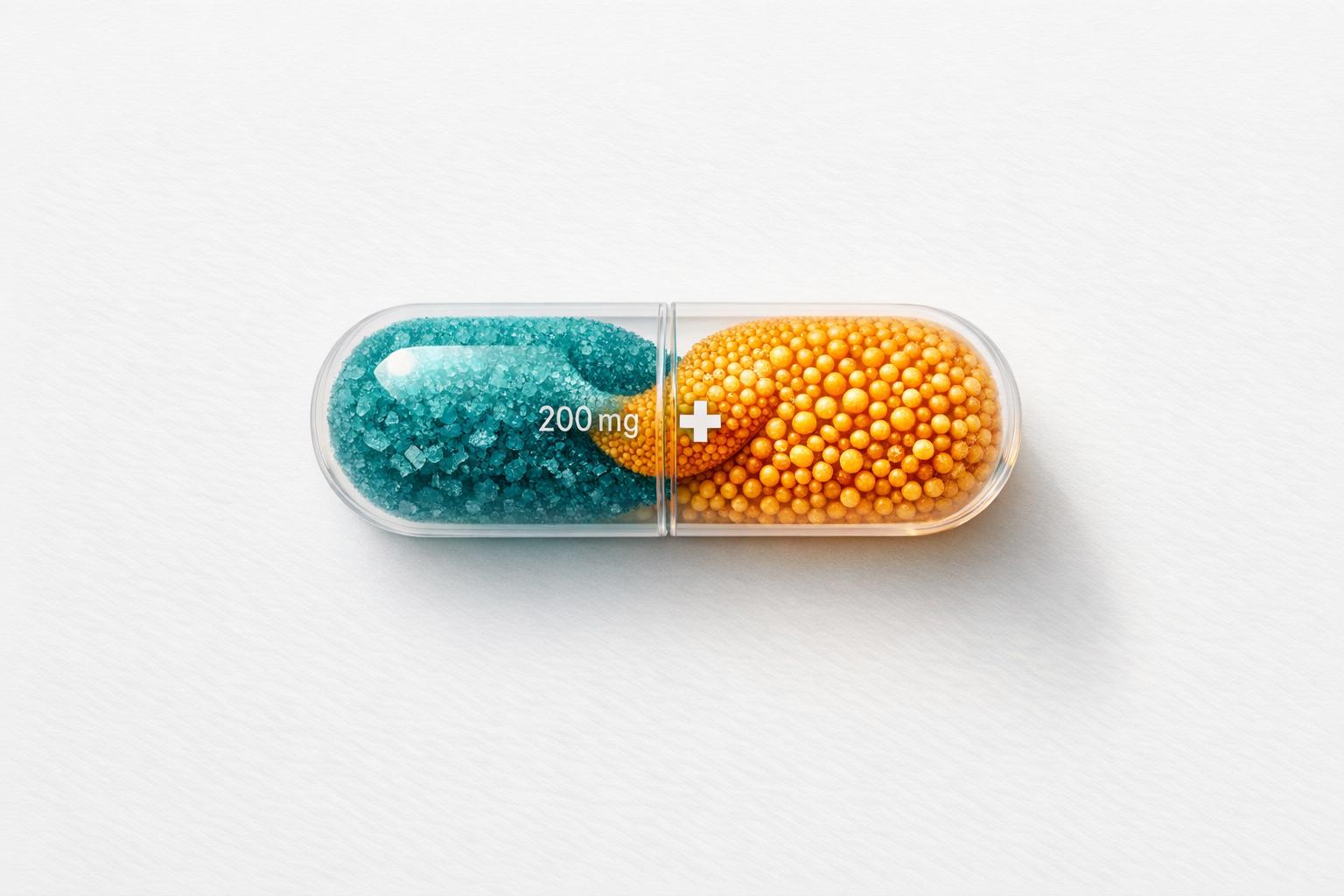

Nootropic beverages are drinks designed to improve brain performance and protect long-term cognitive health. Unlike sugary energy drinks, they use natural ingredients like Bacopa Monnieri, Lion’s Mane, and L-theanine to enhance focus, memory, and mental clarity without crashes or jitters. These drinks also support brain health by reducing oxidative stress, improving blood flow, and encouraging neuron growth.
Key points:
- What they do: Improve focus, memory, and long-term brain health.
- How they work: Target neurotransmitters, reduce stress, and protect neurons.
- Ingredients: Bacopa Monnieri for memory, Lion’s Mane for neuron growth, and L-theanine for calm focus.
- Market growth: Valued at £3 billion in 2022, expected to exceed £8.8 billion by 2030. Beyond cognitive benefits, some non-alcoholic beers offer fitness advantages as well.
Nootropic beverages offer a practical way to support brain health daily, whether for sharper focus, reducing stress, or protecting against age-related decline.
What Nootropics Are and How They Support Brain Health
Defining Nootropics
The word "nootropics" comes from the Greek terms noos (mind) and tropes (direction), a concept first introduced by Belgian scientists K. Giurgea and V. Scondia [2]. These substances are specifically aimed at improving memory, enhancing cognitive abilities, and boosting the brain's resilience to challenging conditions [2]. The World Health Organisation defines nootropics as:
"Drugs that can have a direct activating effect on learning processes, improve memory and mental activity, and also increase the brain's resistance to aggressive influences." [2]
What makes nootropics stand out from typical psychotropic medications is their safety and tolerability. They are generally low in toxicity, do not provoke motor agitation or anxiety, are non-addictive, and don't strain the body's functional reserves [2]. For example, Piracetam, the very first nootropic, was found to enhance memory without causing sedative effects [2].
Modern nootropics work through a variety of mechanisms: they influence neurotransmitter systems (such as cholinergic, glutamatergic, and GABAergic), enhance ATP production and glucose metabolism, improve blood flow in the brain, and act as antioxidants to combat oxidative stress [2]. This comprehensive approach not only sharpens mental performance but also contributes to the long-term health of the brain.
Brain Health and Longevity
Cognitive health is about more than just staying mentally sharp in the present - it's also about safeguarding your brain for the future. Studies show that brain volume decreases by roughly 5% every decade after age 40, with the rate of decline increasing significantly after 70 [3]. Interestingly, subtle declines in the ability to perform complex cognitive tasks can begin as early as 24 years old [3].
Currently, over 50 million people worldwide are living with dementia, and this number grows by 10 million new cases every year. Projections suggest that by 2050, this figure could climb to 115.4 million globally [3]. There is a critical period between typical ageing and more serious cognitive decline - conditions like Mild Cognitive Impairment fall within this "grey zone", where early action can make a meaningful difference [3].
Nootropics offer a way to address the underlying processes of brain ageing. They help balance oxidative systems, support energy production within brain cells, and promote mitochondriogenesis - the creation of new mitochondria - all of which are vital for maintaining cellular health. By targeting mitochondrial dysfunction, which plays a major role in cellular ageing, nootropics help preserve cognitive function over time [2]. Using these compounds early could slow the progression from normal age-related memory changes to more severe cognitive impairments, offering a proactive approach to long-term brain health [3].
sbb-itb-a752bf8
Common Nootropic Ingredients in Beverages
Bacopa Monnieri for Memory and Learning
Bacopa Monnieri, also known as Brahmi, has been used for thousands of years in Ayurvedic medicine to support brain health and longevity [4]. It boosts acetylcholine levels by encouraging its production and slowing its breakdown, which contributes to improved cognitive functions [4]. Clinical research indicates that taking 300–600 mg daily for 12 weeks can enhance memory, learning, and visual processing [4]. Additionally, Bacopa reduces neuroinflammation by blocking certain mediators like tumour necrosis factor‐α and Interleukin‐6, while also offering antioxidant benefits [4].
Lion's Mane for Neuroprotection and Focus
Lion's Mane (Hericium erinaceus) is a medicinal mushroom known for its ability to stimulate Nerve Growth Factor (NGF) and Brain‐Derived Neurotrophic Factor (BDNF), both crucial for neuron health and plasticity [4]. Compounds like hericenones and erinacines in Lion's Mane are responsible for promoting NGF production, which supports neuron survival [4]. Studies have also shown that a single 1.8 g dose of Lion's Mane can improve performance on tasks requiring attention, such as the Stroop test, while offering long-term neuroprotective benefits [4].
Natural Caffeine for Sustained Energy
Natural caffeine, commonly derived from sources like green tea, coffee, and guarana, works by blocking adenosine receptors, helping to maintain alertness [4]. It also elevates dopamine levels, which can improve mood and enhance the brain's ability to process and retain information. When paired with L-theanine - present in green tea and matcha - it promotes a state of calm focus by increasing alpha brain wave activity. This combination helps reduce the anxiety or jitters often linked to caffeine. Regular caffeine consumption has also been associated with a slower rate of cognitive decline and reduced risks of cardiovascular disease and type 2 diabetes [4].
Combining Ingredients for Better Results
Using a combination of nootropic ingredients can amplify their cognitive benefits. Blending natural compounds often creates synergistic effects that outperform the use of individual ingredients [5][6]. For instance, pairing substances that boost acetylcholine with those that improve blood flow and oxygen delivery can enhance multiple aspects of brain function [4][5]. A common combination is Rhodiola Rosea, which supports stress resistance, with Bacopa Monnieri for its anti-fatigue and cognitive benefits. Similarly, adaptogens like Ashwagandha reduce cortisol and oxidative stress, aiding executive function, processing speed, and focus [4]. Clinical studies also highlight the effectiveness of L-theanine in doses of 200–400 mg for immediate stress relief, making it an excellent addition to caffeine-based drinks. Natural extracts are generally considered safer than synthetic alternatives, making them a preferred choice for nootropic beverages aimed at supporting long-term brain health [5][6].
Nootropics that 'naturally boost brain power as we age' w/ neuroscientist Dr Elena Seranova
Nootropic Beverages vs Traditional Energy Drinks
Traditional energy drinks and nootropic beverages work in fundamentally different ways. Energy drinks typically rely on large amounts of caffeine and around 30g of sugar to deliver a quick energy boost [9]. This combination blocks adenosine receptors in the brain, which temporarily masks feelings of fatigue rather than addressing the root causes of mental fog [8].
On the other hand, nootropic beverages take a more nuanced approach, targeting multiple brain systems at once. Instead of overstimulating dopamine and endorphin pathways, which can lead to dependency, these drinks focus on the GABA system to promote relaxation and social comfort [7]. Professor David J Nutt, a researcher at GABA Labs, explains:
"GABA is the main inhibitory neurotransmitter in the brain... enhancing GABA function... calms the brain through decreasing neuronal activity globally" [7].
This mechanism highlights why the natural ingredients in nootropic drinks provide more than just a temporary boost. They work together to support brain flexibility (neuroplasticity) and protect against oxidative stress, offering lasting cognitive benefits rather than a fleeting surge of energy [1]. These distinctions set the stage for a closer look at their key differences.
Key Differences Comparison
The table below outlines how traditional energy drinks and nootropic beverages differ across several features:
| Feature | Traditional Energy Drinks | Nootropic Beverages |
|---|---|---|
| Primary Ingredients | High caffeine, sugar (avg. 30g), synthetic stimulants [9] | Natural caffeine, L-theanine, adaptogens, GABAergic botanicals [7][8] |
| Brain Mechanism | Blocks adenosine receptors; activates dopamine pathways [7][8] | Modulates GABA receptors; enhances neurotransmitter signalling [7][8] |
| Energy Effect | Sudden spike followed by crash and potential jitters [9] | Sustained "calm focus" without drowsiness [8] |
| Long-term Impact | Risk of dependence, metabolic issues, reduced cerebral blood flow [9][10] | Neuroprotection, supports brain cell growth, promotes cognitive longevity [8] |
| Safety Profile | No built-in safety limit; risk of overstimulation | Often formulated with safety mechanisms, such as partial agonists [7] |
Modern functional beverages go even further by including ingredients that traditional energy drinks simply lack. For example, compounds like borneol help active ingredients cross the blood-brain barrier more effectively. The pairing of caffeine with L-theanine is another standout feature, as it boosts alpha brain wave activity, encouraging creativity and focus without the anxiety that often comes with high-stimulant drinks [7][8]. This marks a shift towards drinks that prioritise brain health over merely masking tiredness.
Adding Nootropic Beverages to Your Daily Routine
Consistency and timing play a big role in getting the most out of nootropic drinks. Unlike traditional energy drinks that provide a quick burst of energy, many nootropic compounds work best when their use is consistent over time. Knowing how and when to incorporate these beverages into your day can help you make the most of their cognitive benefits.
When to Drink Nootropic Beverages
Morning Consumption
Kicking off your day with a nootropic beverage can help sharpen your focus and maintain steady energy levels. For instance, pairing 50–100 mg of caffeine with L-theanine is known to deliver a calm and focused energy boost without the jitters. This combination is also linked to increased alpha brain waves, which promote a state of being calm yet alert[11].
Afternoon Timing
If you’re facing a busy afternoon or a stressful meeting, having a nootropic drink 40 to 60 minutes beforehand can help you stay composed. L-theanine is particularly effective in supporting a steady heart rate and balanced cortisol levels, giving you the calm focus you need when under pressure[11].
Evening Use
Looking to wind down and prepare for restful sleep? Taking L-theanine 30 to 60 minutes before bed can help your body relax. It promotes alpha brainwave activity, which calms the nervous system and encourages quality sleep - without leaving you groggy the next day[11].
Building a regular nootropic routine not only provides short-term benefits but also supports your cognitive health over the long run.
Regular Use and Long-Term Benefits
Incorporating nootropics into your daily life can be a smart step towards maintaining long-term brain health. While caffeine offers an immediate boost, ingredients like Lion’s Mane mushroom may take several weeks of consistent use to show noticeable improvements in memory and mood[11]. The key is regularity - just like any healthy habit, consistent use amplifies the benefits over time.
For example, studies suggest that drinking 2–3 cups of caffeinated coffee or 1–2 cups of tea daily (around 300 mg of caffeine) is associated with an 18% and 14% lower risk of dementia, respectively[12]. Pairing daily nootropic intake with good sleep, regular exercise, and a balanced diet creates an ideal foundation for brain health[11].
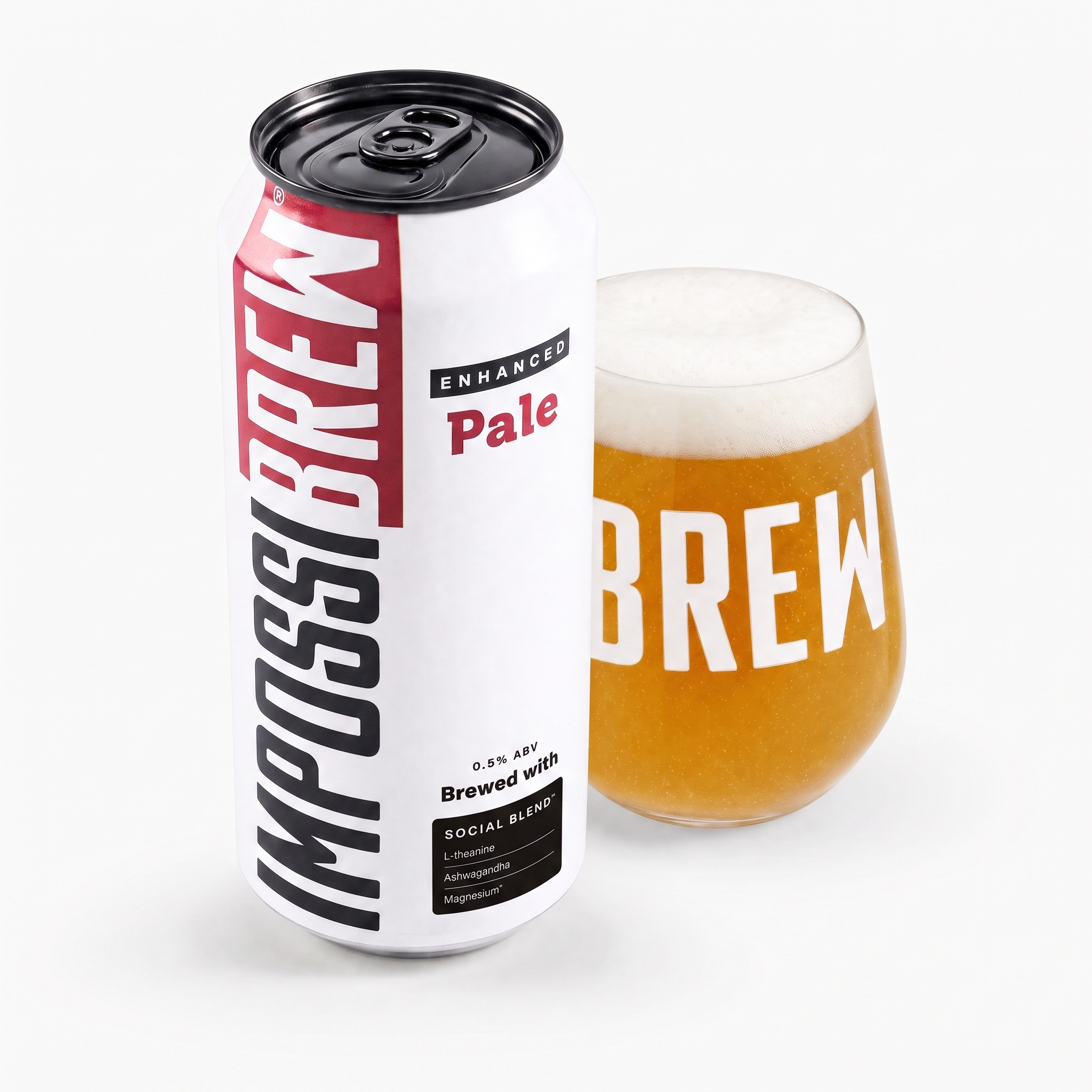
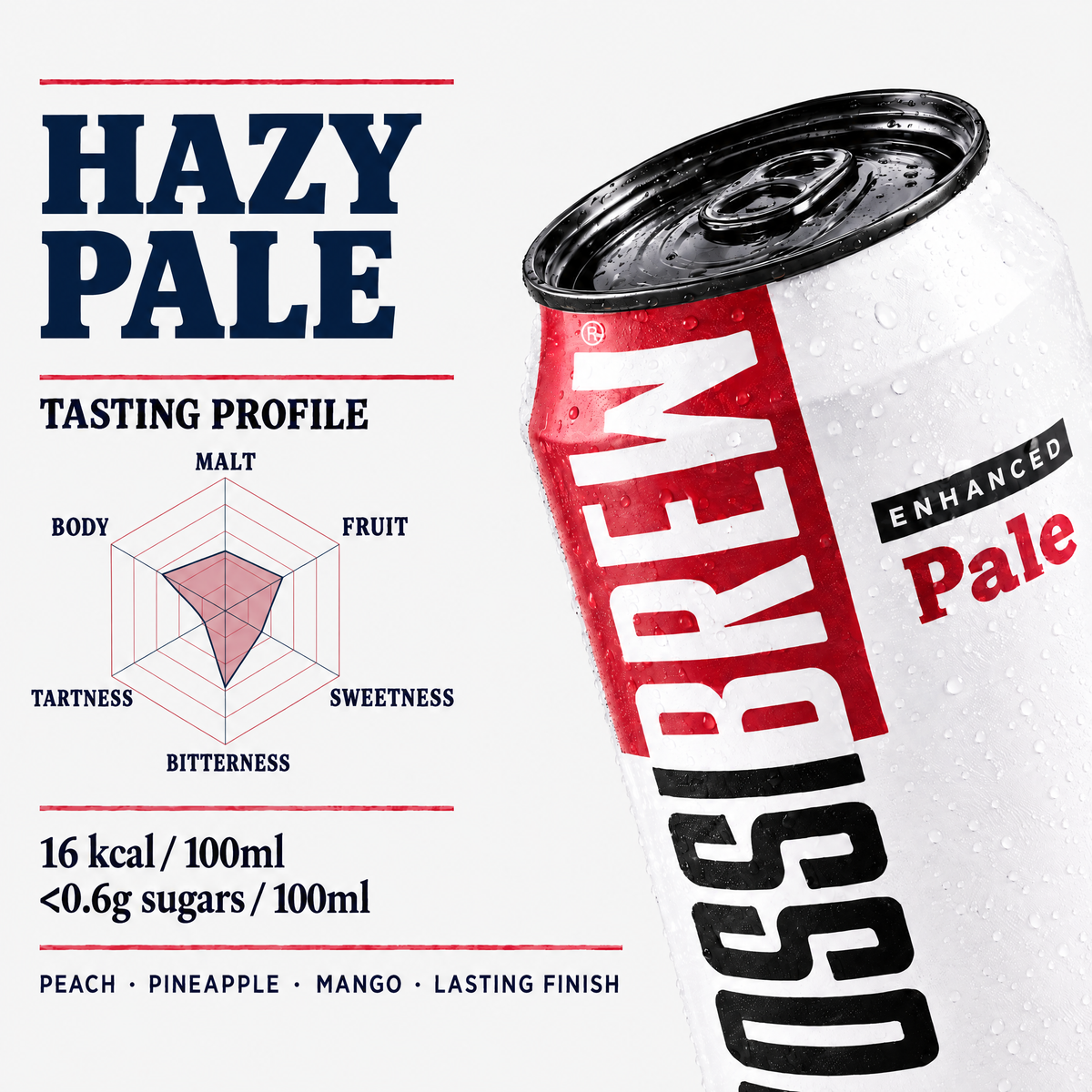
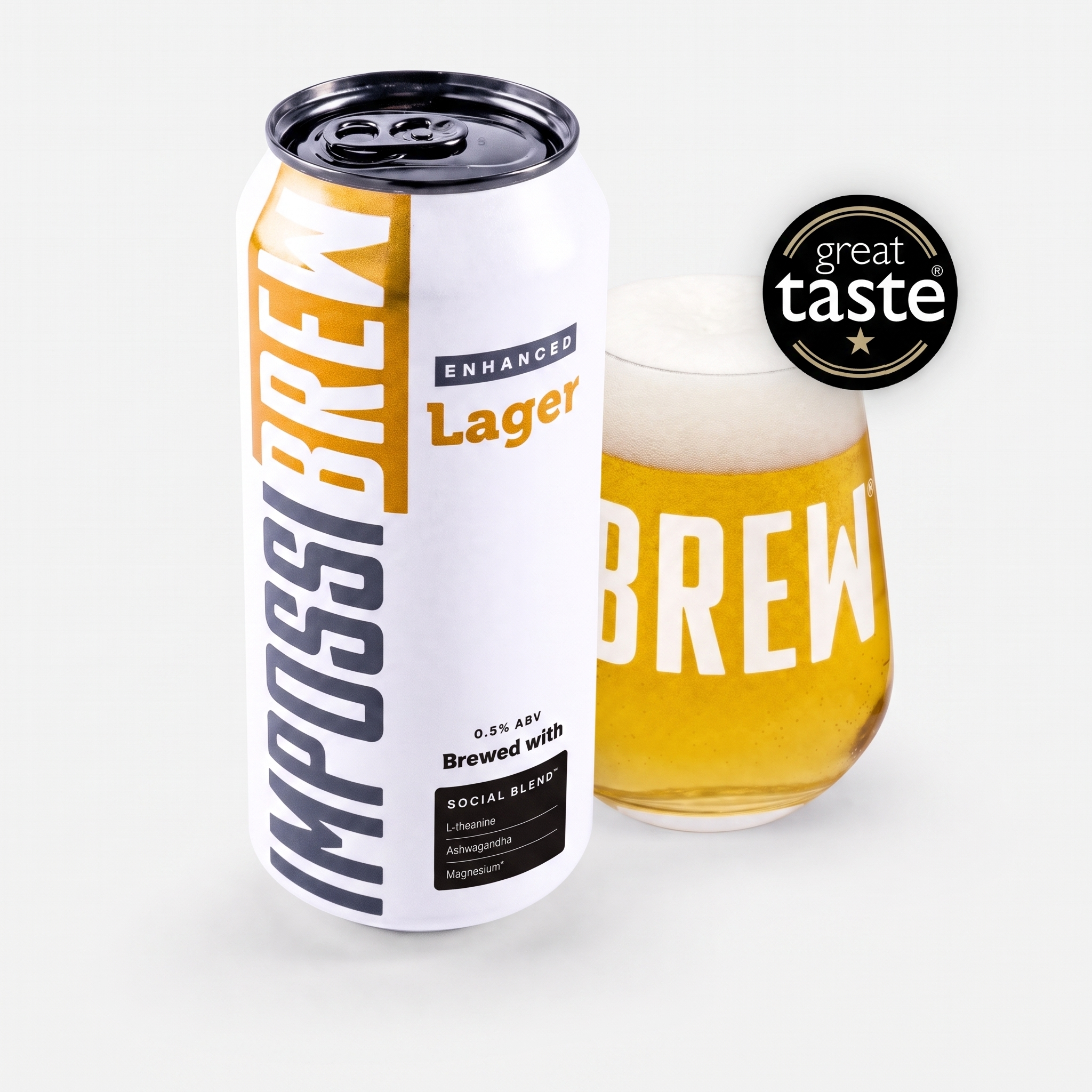
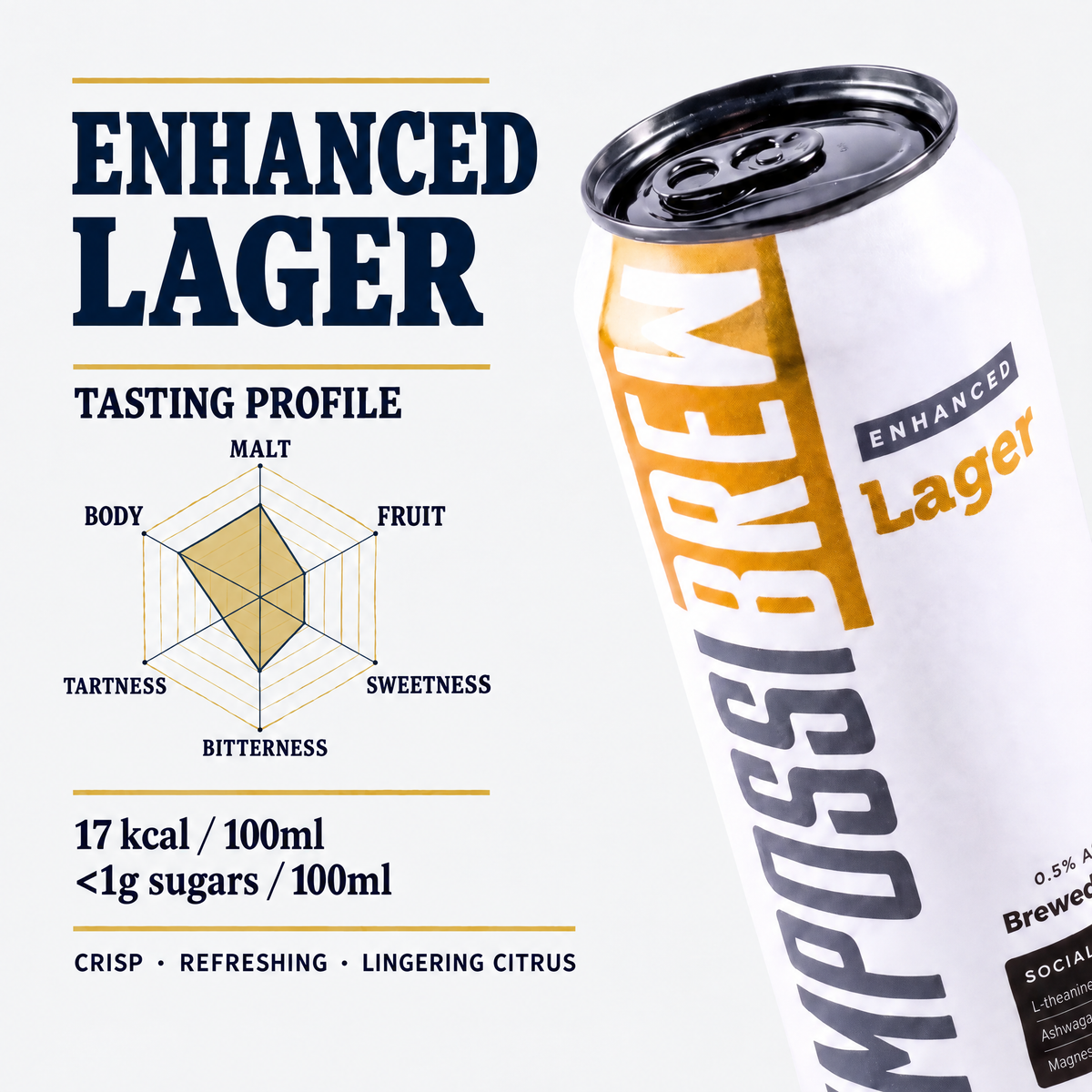
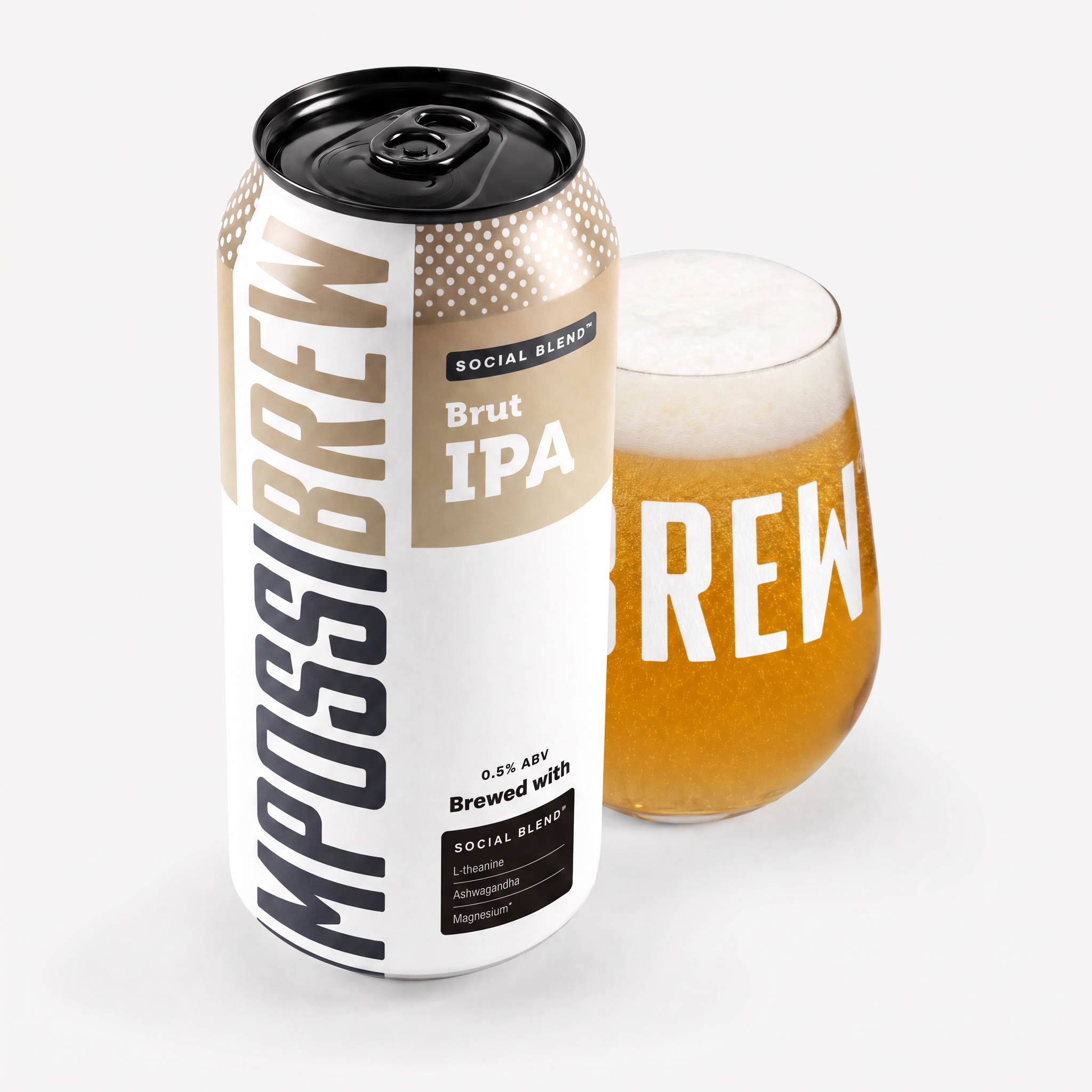
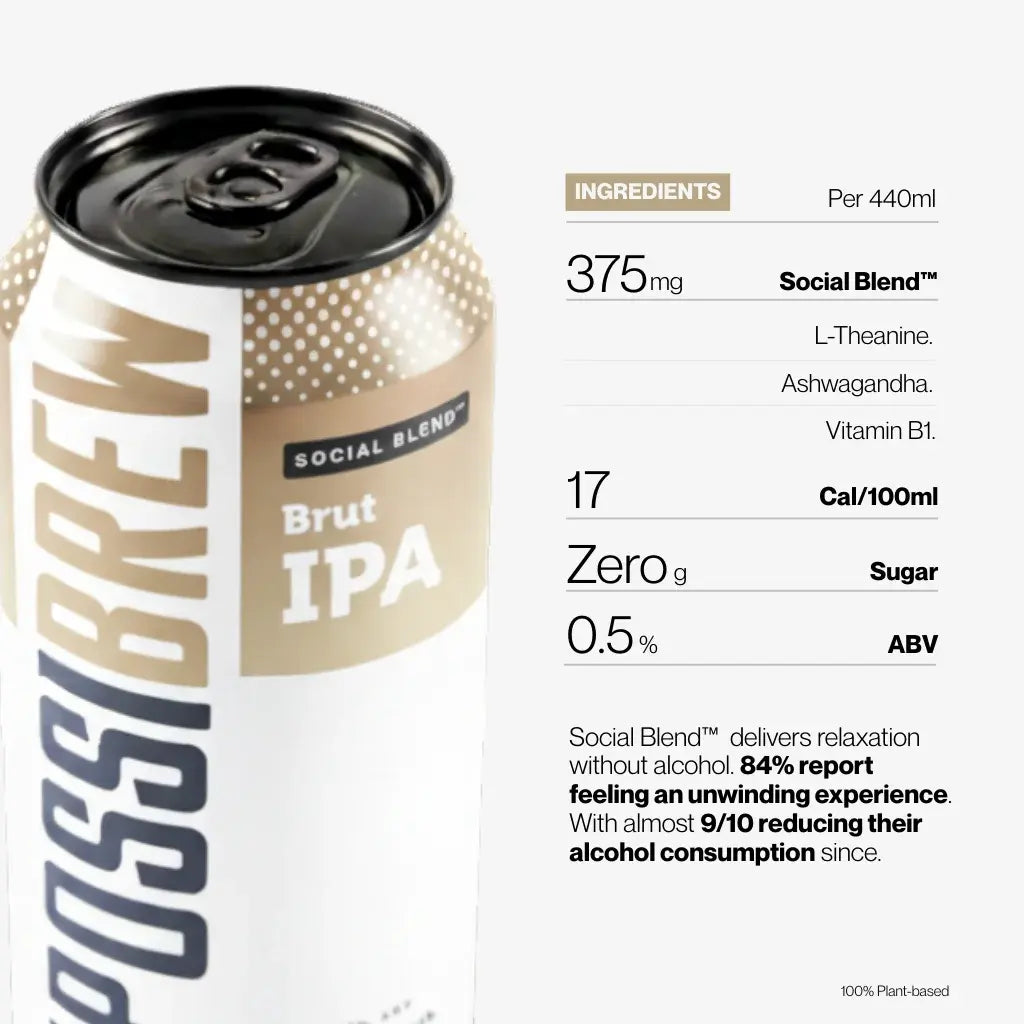
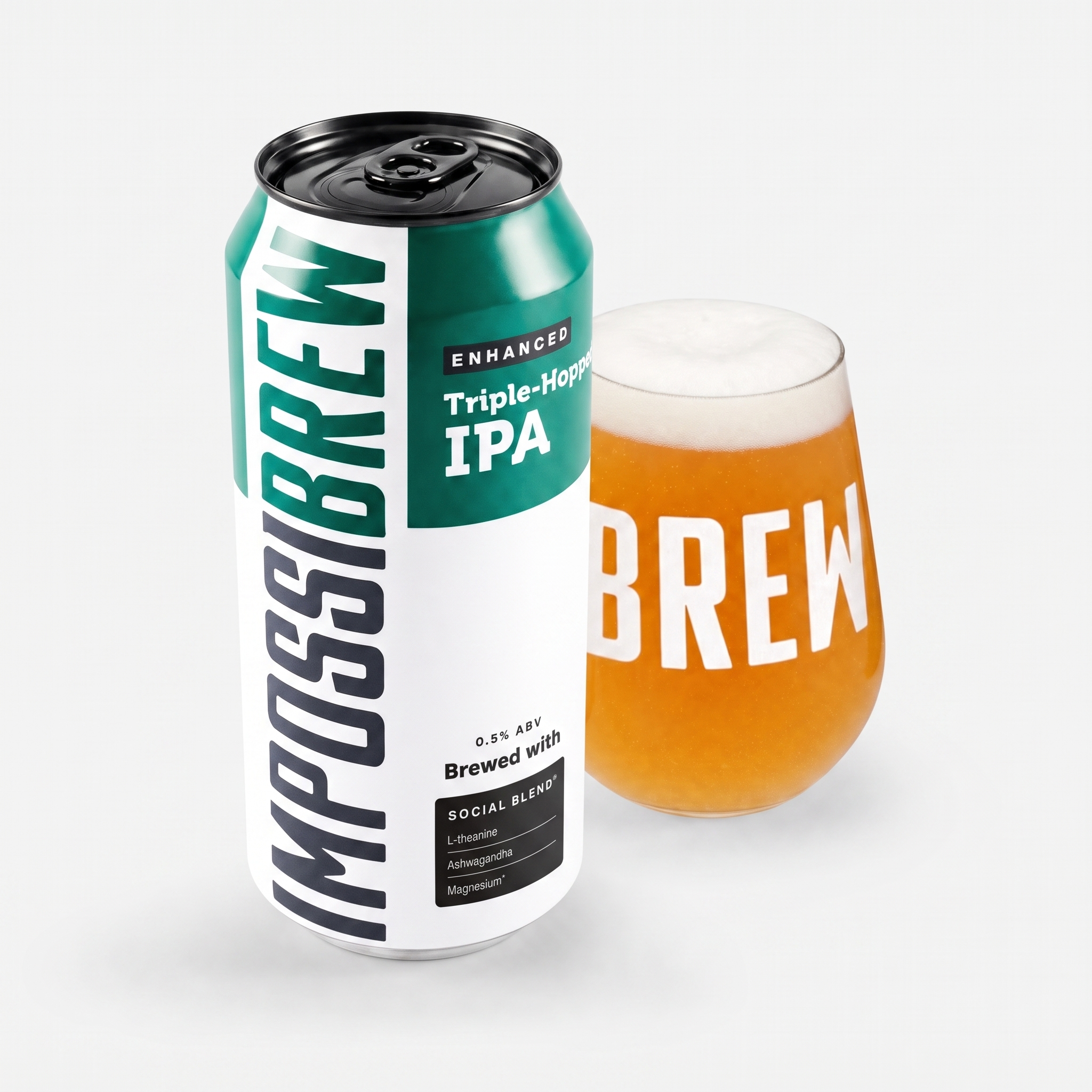
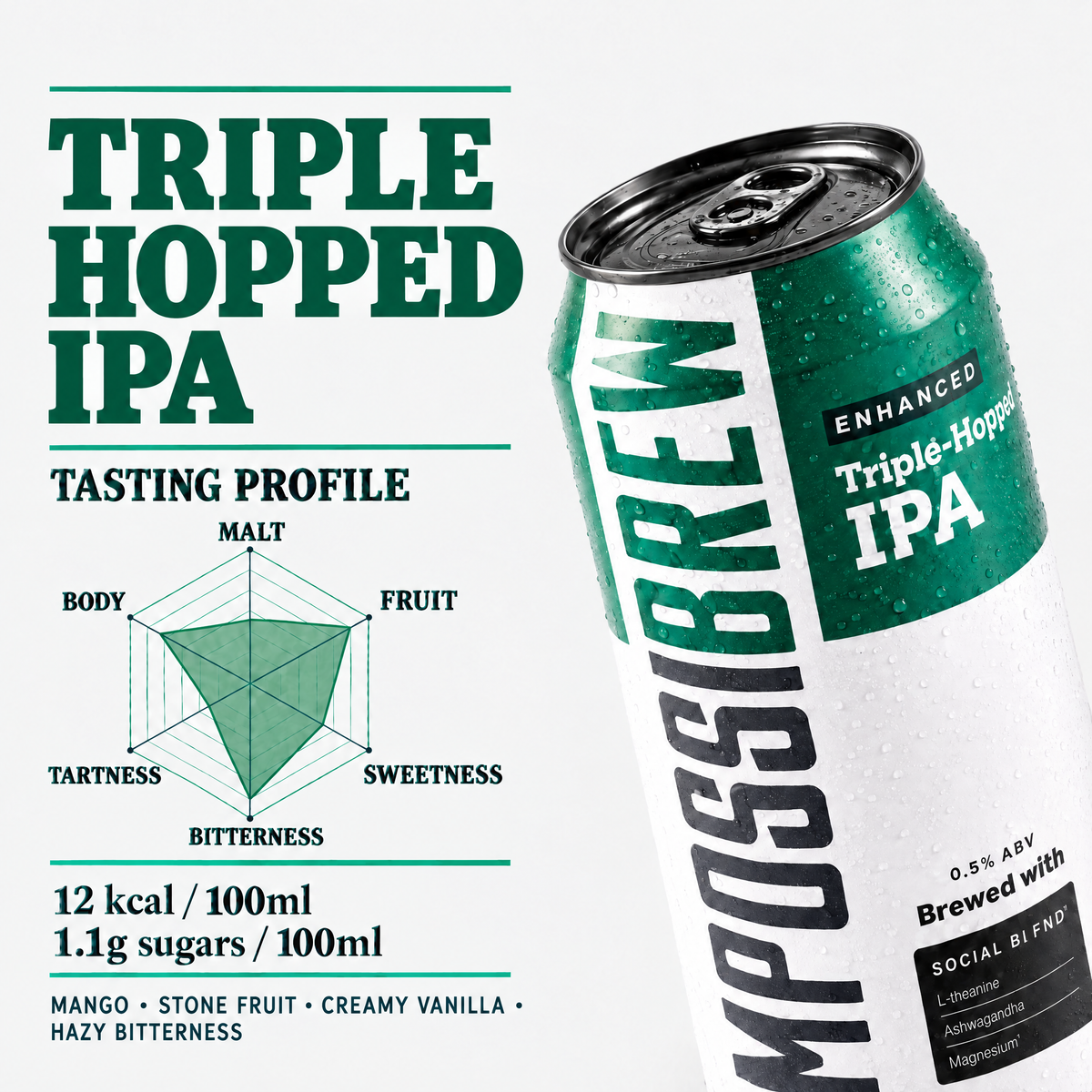
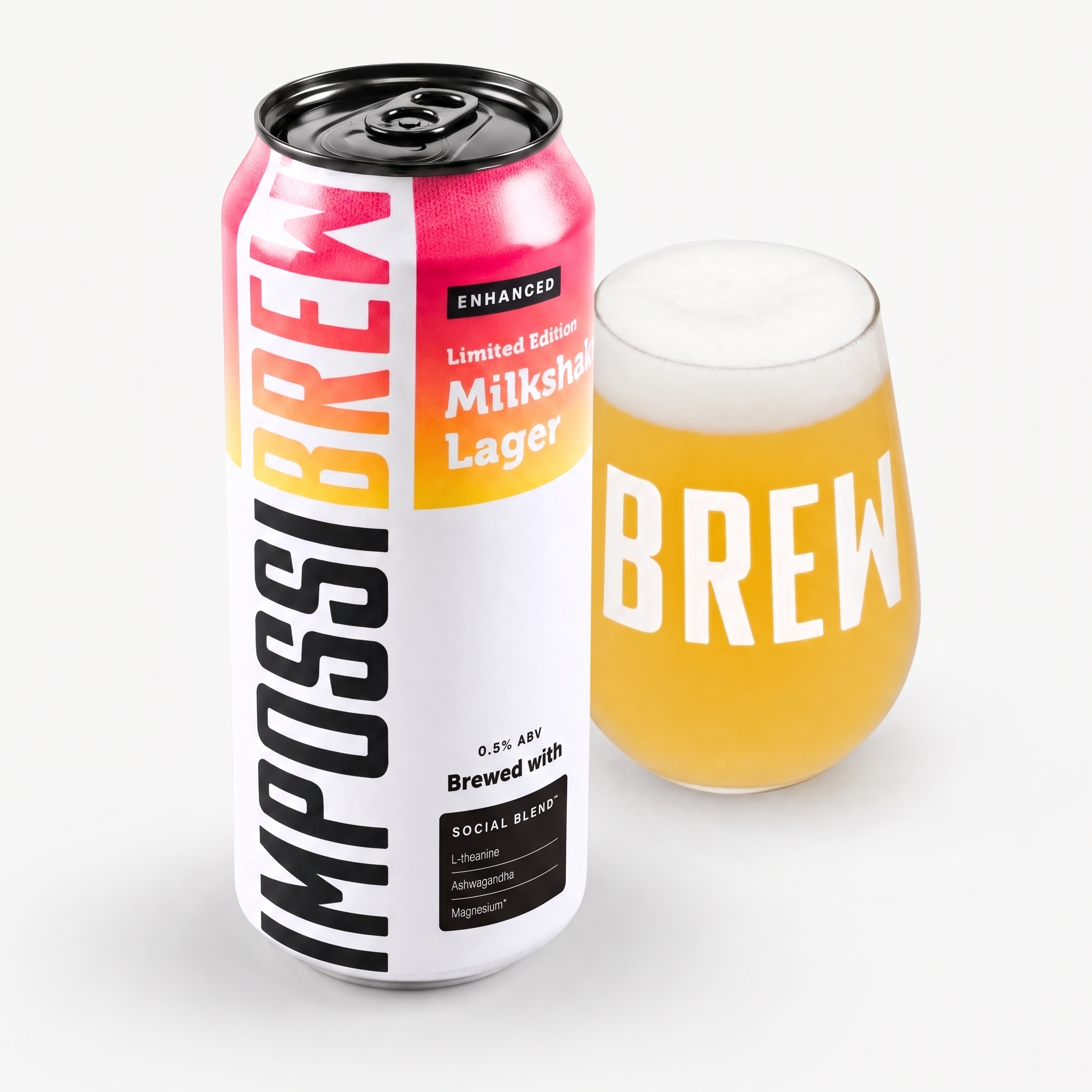
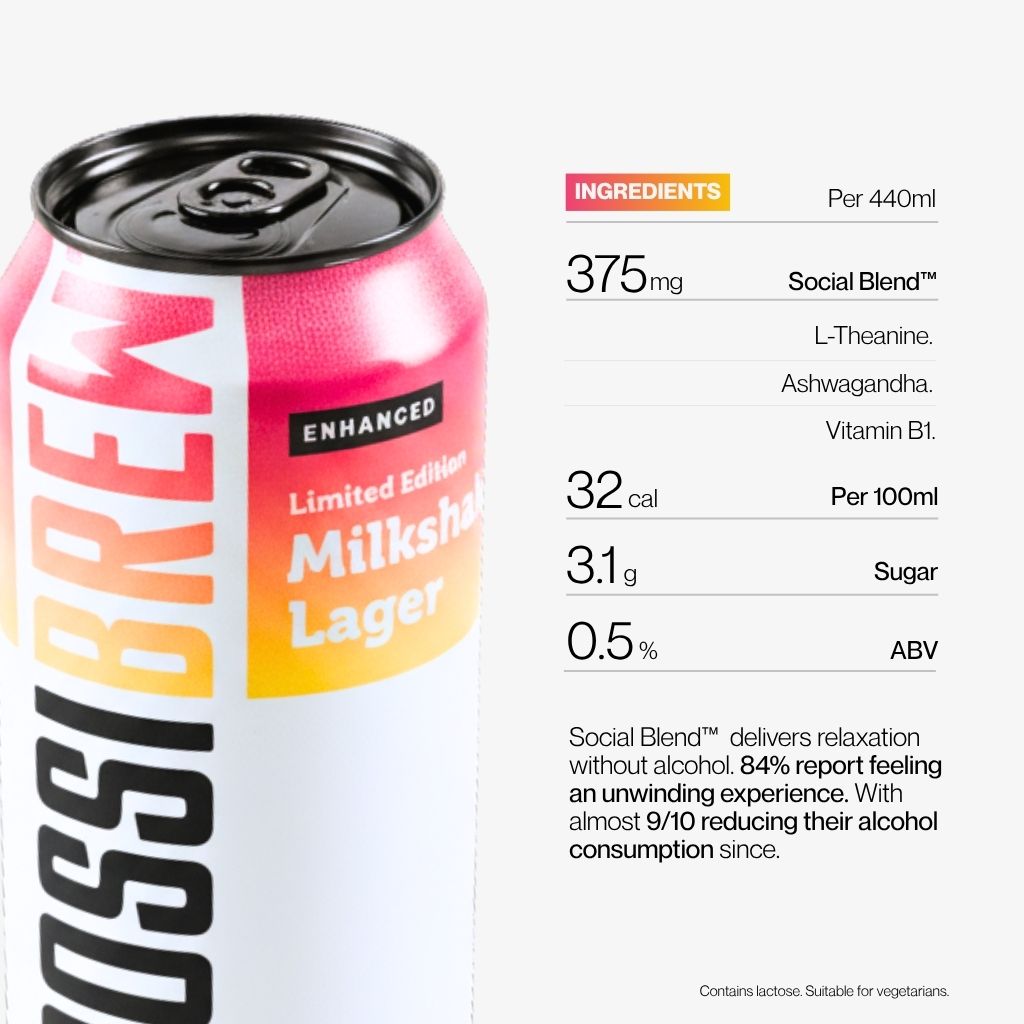
For a convenient and enjoyable way to integrate nootropics into your routine, consider IMPOSSIBREW®’s enhanced non-alcoholic beers. Their Social Blend™ combines science-backed nootropics designed to support long-term cognitive health.
How Nootropic Beverages Support Long-Term Brain Health
Nootropic beverages aim to protect and sustain brain health over time. They work through interconnected processes, addressing oxidative stress, inflammation, and early neuron loss to support cognitive resilience.
Slowing Cognitive Decline Through Regular Use
Starting at around age 40, the brain begins to lose volume at a rate of about 5% per decade, making early intervention critical[3]. Research also suggests that cognitive decline can start as early as 24 years old[3]. Unfortunately, many people wait until noticeable symptoms appear before taking action.
"Age-related cognitive decline has been suggested to result from an increase in the brain neuron loss, which is attributable to continued derangement of the brain's oxidant/antioxidant balance." – Adejoke Yetunde Onaolapo, Behavioural Neuroscience/Neurobiology Unit[3]
Nootropic ingredients work to slow this decline through targeted mechanisms. For instance, Ashwagandha enhances levels of superoxide dismutase and glutathione, which help neutralise oxidative stress[4]. Similarly, Bacopa monnieri reduces neuroinflammation by inhibiting inflammatory agents such as tumour necrosis factor-α (TNF-α) and Interleukin-6 (IL-6)[4]. Together, these effects support long-term neuroprotection when used consistently.
Additionally, Lion's Mane and Bacopa monnieri stimulate the production of NGF (nerve growth factor) and BDNF (brain-derived neurotrophic factor), both of which are crucial for neuron survival and connectivity[4]. This is particularly important as dementia rates are expected to rise significantly, with global cases projected to reach 65.7 million by 2030 and over 115.4 million by 2050[3]. Regular use of nootropic beverages can help mitigate the early onset of cognitive decline by supporting these vital pathways.
By incorporating these ingredients into a routine, you’re not just addressing current brain health but also building a stronger defence against future challenges.
Taking a Preventative Approach to Brain Health
Waiting for cognitive issues to become apparent is akin to repairing a roof only after it starts leaking. Prevention is the smarter strategy, and nootropic beverages provide an accessible way to integrate this into daily life. Unlike synthetic nootropics that often focus on masking symptoms, the natural, food-based ingredients in these beverages target the underlying processes driving cognitive decline[3].
Consistency is essential. Ingredients like Ashwagandha and Bacopa monnieri typically show noticeable effects on memory and focus after 8 to 12 weeks of regular consumption[4]. This isn’t about quick fixes - it’s about gradually strengthening your brain’s defence systems. By supporting neurotransmitter synthesis, particularly acetylcholine (key for memory consolidation), these beverages help maintain the synaptic connections that define healthy ageing[4].
IMPOSSIBREW®'s range of enhanced non-alcoholic beers reflects this preventative approach. Their Social Blend™ combines scientifically supported nootropics to promote long-term cognitive health while offering an enjoyable social experience. This means you can prioritise both relaxation and brain health - without the oxidative stress that alcohol might introduce to your system.
Conclusion
Nootropic beverages offer a practical, research-supported way to support brain health over the long term. By influencing neurotransmitters, improving cerebral blood flow, and combating oxidative stress, these drinks contribute to maintaining cognitive function and overall brain health[1].
Clinical studies back these claims. For instance, daily supplementation with 300 mg of Bacopa extract for 90 days has been shown to enhance memory and mood[17]. Multi-ingredient nootropic blends have demonstrated measurable improvements in areas like psychomotor attention (11.5% to 13.4%), executive function (12.3% to 16.3%), and mood (20%) within just three hours of consumption[13][14]. These results highlight how consistent use can lead to meaningful cognitive benefits over time.
Certain ingredient combinations, like L-theanine paired with caffeine, stand out for their ability to deliver focus without the jittery side effects. This pairing has been shown to reduce tension by 35.4% to 52.3% after five hours, while simultaneously promoting relaxation and sustained mental clarity[14][15]. Such formulations make these beverages suitable for everything from tackling a busy workday to unwinding in the evening, offering steady mental energy without the crashes often associated with traditional energy drinks.
The rising popularity of nootropic drinks mirrors a growing awareness of the importance of preventative brain health, especially as cognitive performance begins to decline around the age of 30[16]. Incorporating these beverages into your daily routine - whether as a morning pick-me-up or a way to relax in the evening - can serve as a proactive step towards maintaining mental sharpness throughout life.
Products like IMPOSSIBREW®'s Social Blend™ encapsulate this approach, combining carefully selected nootropics in a format that supports both mental well-being and social relaxation. These beverages make caring for your brain an easy and enjoyable part of your day, turning cognitive health into a habit that’s both beneficial and rewarding.
FAQs
How long do nootropic drinks take to work?
Most nootropic drinks begin to take effect relatively quickly, often within minutes to a few hours. You might notice changes like enhanced focus or a sense of relaxation within about 30 minutes to an hour, though this can vary based on the drink's ingredients and formula.
Are nootropic beverages safe to drink every day?
Current research suggests that nootropic beverages can be consumed daily without issues when included as part of a balanced lifestyle. However, their long-term safety may vary depending on your health and the specific ingredients they contain - areas still under investigation. If you have any concerns or existing medical conditions, it’s wise to seek advice from a healthcare professional.
Can I mix nootropic drinks with coffee or other caffeine?
Yes, you can combine nootropic drinks with coffee or other caffeinated beverages. Just be cautious about your personal tolerance levels and how the combined stimulants might affect you. Some nootropics can amplify alertness, much like caffeine does, which could lead to overstimulation if you're not careful. Pay attention to how your body reacts and adjust your intake as needed.