Combining nootropics and functional ingredients creates stronger effects by targeting multiple pathways in the body. This approach, called nutrient synergy, means the combined impact of these compounds is greater than when used separately. For example, pairing L-Theanine with caffeine improves focus while reducing jitteriness, and blends like magnesium with Vitamin B6 help manage stress more effectively.
Key points:
- Nootropics: Improve mental performance, focus, and stress management.
- Functional Ingredients: Vitamins, minerals, and botanicals support overall health.
- Synergy: Combinations amplify benefits, such as relaxation, alertness, and cognitive support.
- Safety: Consult a healthcare provider, especially if on medication, as certain blends may cause interactions.
1. Nootropics
Nootropics are substances known for enhancing mental performance by interacting with specific neurological pathways. Unlike basic stimulants, many nootropics also help with relaxation, focus, and managing stress. Let’s take a closer look at how these effects are achieved through their unique mechanisms.
Mechanisms of Action
Nootropics work by influencing the brain’s electrical activity and neurotransmitters. Take L-Theanine, for instance - an amino acid found in tea. It’s been shown to increase alpha brain waves and serotonin levels, promoting a calm yet alert state without causing drowsiness [1]. Similarly, a combination of B vitamins (B6, B12, and folate) can lower homocysteine levels by 4 μmol/L, which may help protect nerves and support cognitive function [3].
Adaptogens like Ashwagandha and Rhodiola help regulate the nervous system by moderating the body’s response to stress [1]. Additionally, blends containing Rhodiola, green tea, magnesium, and B vitamins have been linked to increased theta brain activity - a sign of a relaxed but focused mental state [3]. These individual effects create a foundation for even greater benefits when combined with complementary ingredients.
Synergistic Effects
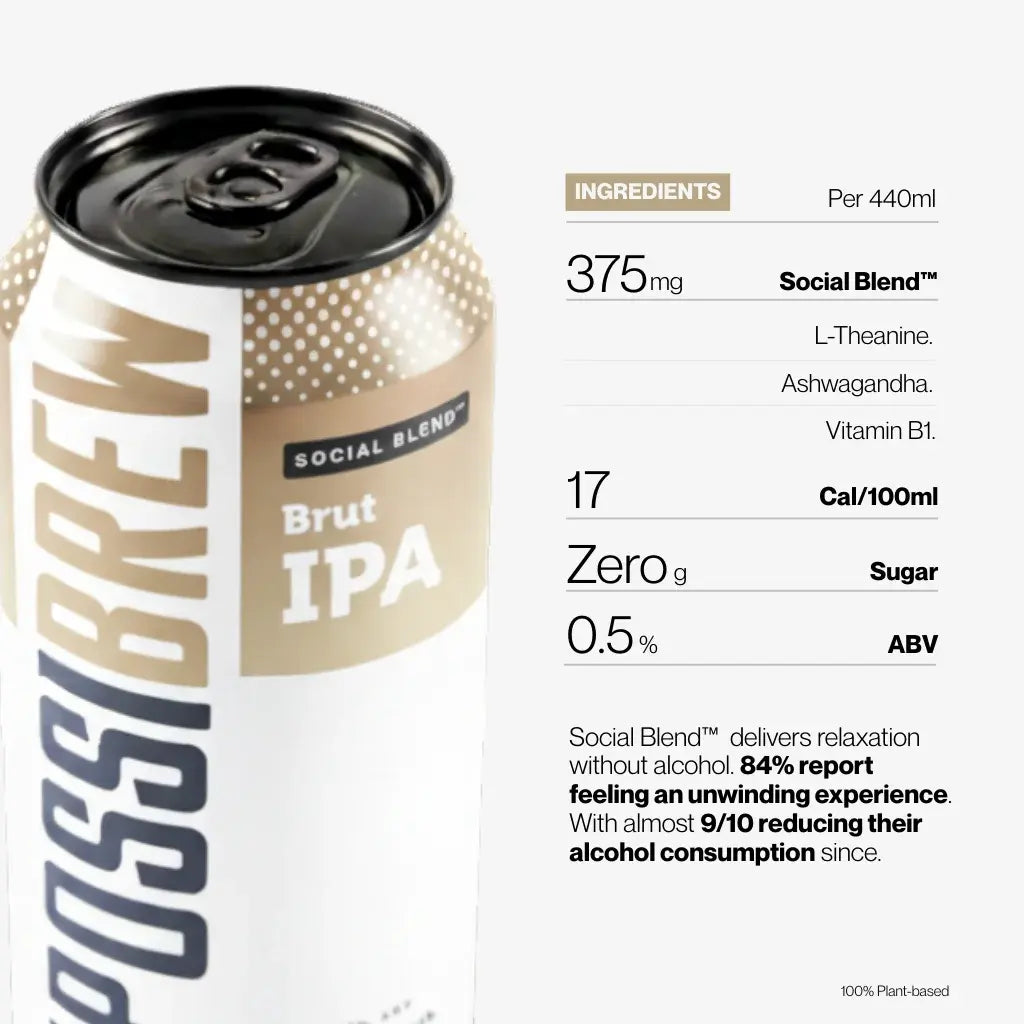
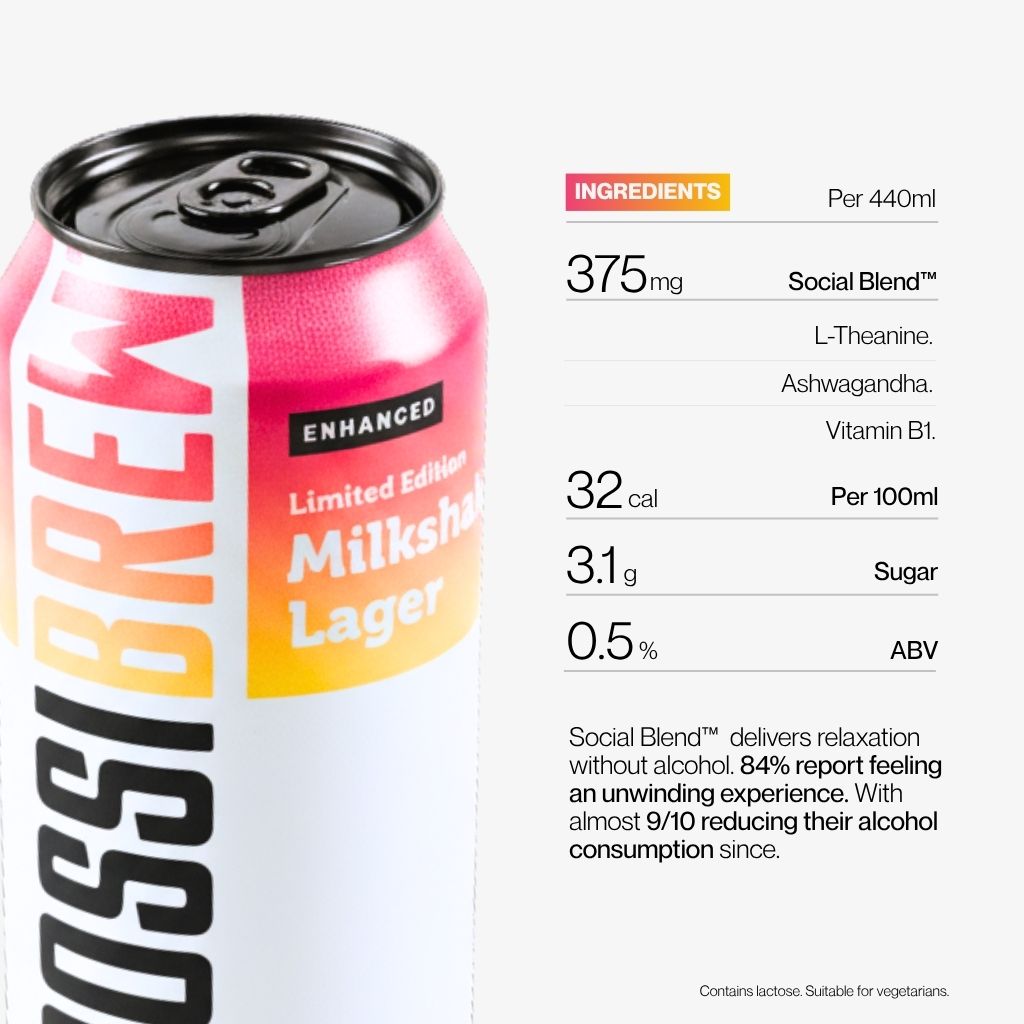
Combining nootropics with other functional ingredients often leads to enhanced benefits that exceed what each component can achieve alone. For example, a 2025 study involving over 2,000 participants found that 84% reported feeling more relaxed after using a blend of L-Theanine, Ashwagandha, and Vitamin B1 [1].
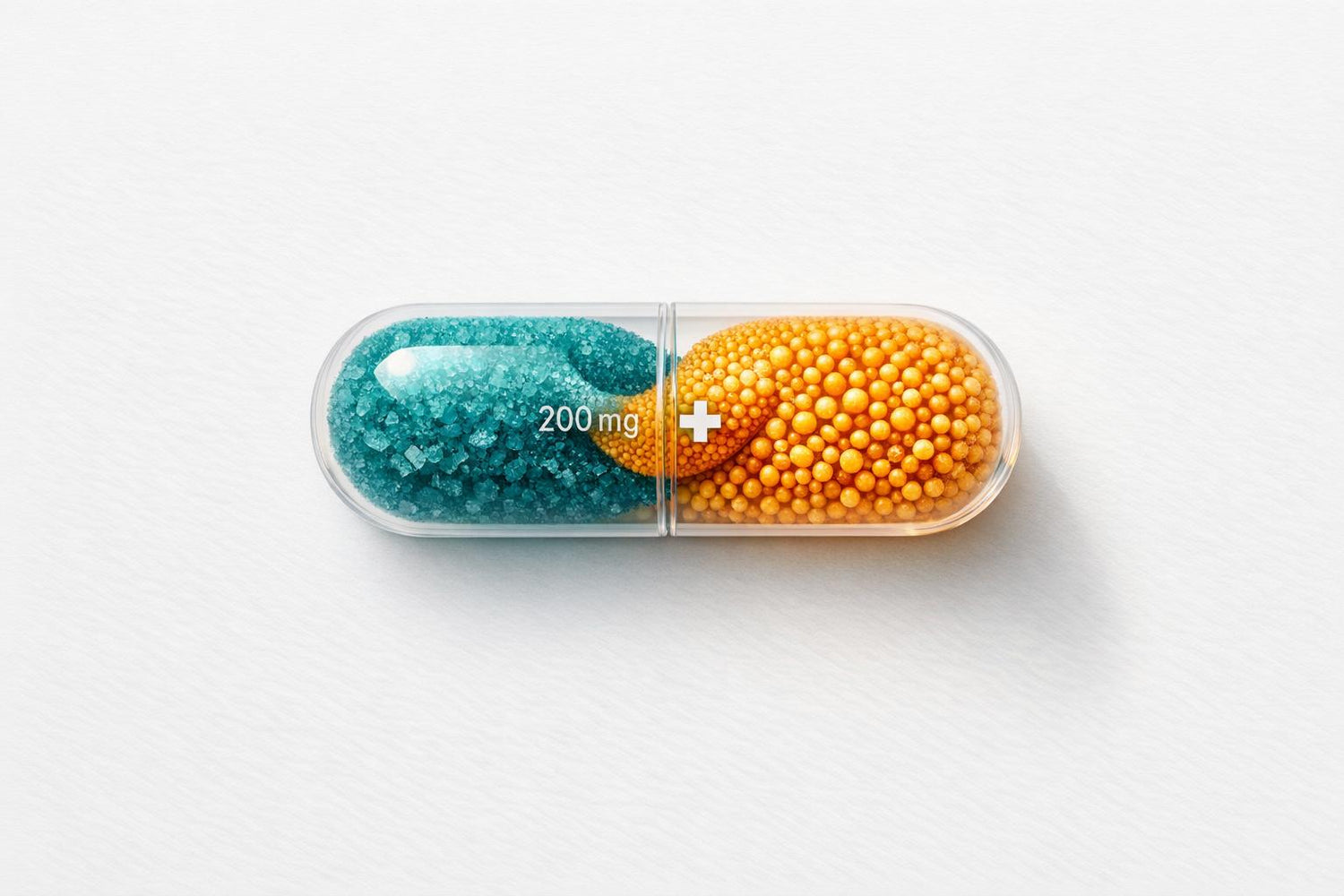
Another example is the pairing of magnesium with Vitamin B6. Research shows that this combination is more effective at managing anxiety-related symptoms than either nutrient alone. Specifically, a dose of 200 mg of magnesium alongside 50 mg of Vitamin B6 has been shown to deliver improved results [3]. These findings highlight how thoughtful combinations can amplify the effects of nootropics when used together with functional ingredients.
Safety Considerations
While most nootropics are generally well-tolerated, certain combinations warrant caution. For instance, people taking thyroid medication should approach Ashwagandha carefully, as it could lead to overstimulation and restlessness [1]. Additionally, nootropic blends are usually not recommended for pregnant or breastfeeding women, individuals with gastrointestinal disorders or hypertension, or those taking antidepressants or blood thinners.
It’s always wise to consult a healthcare professional before introducing new supplements, especially if you’re on medication. While the synergy between nootropics and functional ingredients offers potential benefits, using them responsibly is key to ensuring safety.
sbb-itb-a752bf8
2. Functional Ingredients
Functional ingredients, often referred to as nutraceuticals, are natural compounds like vitamins, minerals, and plant extracts that go beyond basic nutrition. They support cognitive health, help manage stress, and contribute to overall well-being. In non-alcoholic functional beverages, these ingredients recreate the sensory and ritualistic experience of traditional drinks - without the downsides of alcohol [1][3].
Mechanisms of Action
Functional ingredients operate through various biological pathways to promote both mental and physical health. For example, Vitamin C regenerates oxidised Vitamin E, ensuring sustained cellular protection [3]. Zinc and Selenium, on the other hand, act as essential cofactors for thyroid enzymes, aiding in the metabolism of thyroid hormones (T3 and T4) [3].
The concept of the "food matrix" also plays a role here. Research shows that whole foods, like milk and eggs, are more effective for muscle protein synthesis compared to their skimmed or isolated forms, highlighting the importance of nutrients working within their natural context [3]. This principle applies to functional beverages as well, where ingredients are carefully chosen to complement one another, maximising their collective benefits.
Synergistic Effects
When functional ingredients are thoughtfully combined, their effects can multiply. For instance, a study involving 100 moderately stressed adults found that a blend of Rhodiola, green tea, magnesium, and B vitamins significantly increased EEG theta activity - a marker of relaxed alertness - more effectively than smaller, isolated doses of each ingredient [3].
"Nutrient synergy refers to the concept that the combination of two or more nutrients working in conjunction exert greater physiological impact on the body than each nutrient consumed in isolation." - Jeremy R. Townsend et al., Frontiers in Nutrition [3]
This synergy allows functional ingredients to enhance the effects of nootropics, addressing multiple wellness dimensions at once.
Practical Applications
For best results, look for products that clearly list ingredient quantities to ensure effective dosages instead of token amounts. Combining functional ingredients with nootropics creates formulations that address various wellness needs. For example, pairing energy-boosting compounds with nutrients that combat fatigue can deliver steady mental performance without the energy crash often linked to stimulants [3].
This approach is particularly appealing for those exploring alcohol alternatives. According to a survey, 88% of respondents reduced their alcohol consumption after trying functional non-alcoholic options [1]. These beverages not only provide a satisfying sensory experience but also support overall wellness.
Safety Considerations
While functional ingredients are generally safe, certain combinations require caution. People taking antidepressants, blood thinners, or thyroid medications should consult a healthcare provider before using products with adaptogens or active botanicals [1]. Similarly, pregnant or breastfeeding women and those with hypertension or gastrointestinal issues should seek medical advice.
To ensure quality, check for GMP (Good Manufacturing Practices) certification on product labels, indicating the ingredients were produced in a regulated facility [5]. Starting with the minimum recommended dose is a good way to see how your body reacts. With over 10,000 identified phytonutrients [3], individual responses can vary, so it's essential to proceed thoughtfully.
Pros and Cons
Combining nootropics with functional ingredients can be highly effective, but it’s not without its challenges. Understanding both the benefits and potential drawbacks is key to making informed decisions about these formulations.
Research highlights some compelling advantages. For instance, citicoline supplementation has been shown to increase brain ATP levels by 14% and phosphocreatine levels by 7%, creating a metabolic foundation that enhances the efficiency of other nootropics [8]. For stress management, a daily 500 mg dose of branded black seed oil (ThymoQuin) reduced cortisol levels by 44% and improved mood by 11% over four weeks [7]. Pairing L-theanine with caffeine is another well-documented combination that promotes focus while reducing the jittery side effects often associated with caffeine [8][9].
On the flip side, there are risks to consider. Excessive stimulants can lead to overstimulation, causing anxiety, heart palpitations, or elevated blood pressure [6]. More severe complications, such as Serotonin Syndrome, may arise when multiple serotonergic agents are combined. Additionally, mixing Ginkgo with blood thinners can increase the risk of internal bleeding [6]. Quality control is another concern, as between 2007 and 2023, 64.2% of products in the FDA's Health Fraud Product Database were found to contain undeclared active pharmaceutical ingredients [10].
| Category | Advantages (Pros) | Disadvantages (Cons) |
|---|---|---|
| Cognitive Impact | Amplifies focus, memory, and mental clarity through synergistic effects [8] | Overuse of stimulants can cause anxiety, overstimulation, or "brain burnout" [6] |
| Physical Health | Supports neuroprotection and improves cerebral blood flow [4][9] | Risks include heart palpitations, increased blood pressure, or bleeding (e.g., Ginkgo + blood thinners) [6] |
| Mood & Stress | Lowers cortisol and enhances emotional resilience [7][8] | Combining serotonergic agents may lead to Serotonin Syndrome [6] |
| Formulation | Ingredients like L-theanine can counterbalance caffeine’s side effects [8] | Competing absorption between ingredients may reduce efficacy [8] |
| Usage | Can be tailored to individual needs (e.g., energy in the morning, recovery at night) [6] | Limited long-term safety data for healthy individuals [4] |
This breakdown highlights the careful balance required when using these formulations. While the benefits are promising, the risks emphasise the need for a cautious, personalised approach.
To get the most out of these supplements while keeping risks low, it’s best to start with small doses and introduce new compounds one at a time, leaving several days in between to monitor for adverse effects [6][9]. If you’re already taking prescription medications - like SSRIs, ADHD stimulants, or blood thinners - it’s crucial to consult a healthcare provider to avoid harmful interactions [6][9]. Keeping a record of dosages and reactions can also help identify any potential issues [6][9].
Conclusion
The evidence is clear: combining nootropics with functional ingredients can amplify their effects. This synergy happens because such combinations target multiple physiological pathways, improve absorption, and balance each other's impact. A classic example is caffeine paired with L-theanine - caffeine boosts energy, while L-theanine reduces jitters, creating a state of focused calm[2].
That said, responsible use is essential. If you're pregnant, breastfeeding, managing pre-existing conditions, or taking prescription medications, it's crucial to consult a healthcare provider first - earlier sections cover specific interactions in more detail[1][6]. Start with small doses, introduce one compound at a time, and keep a log to track any effects or potential issues[6].
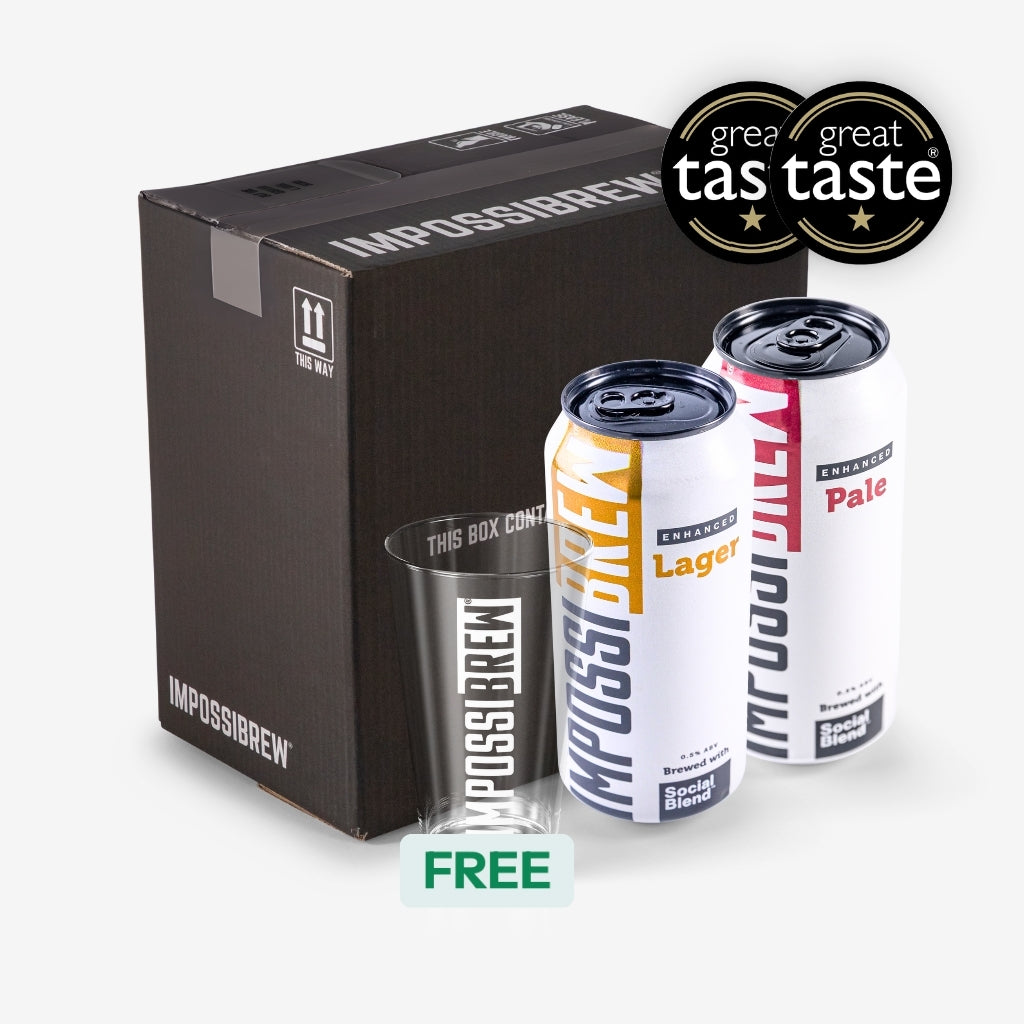
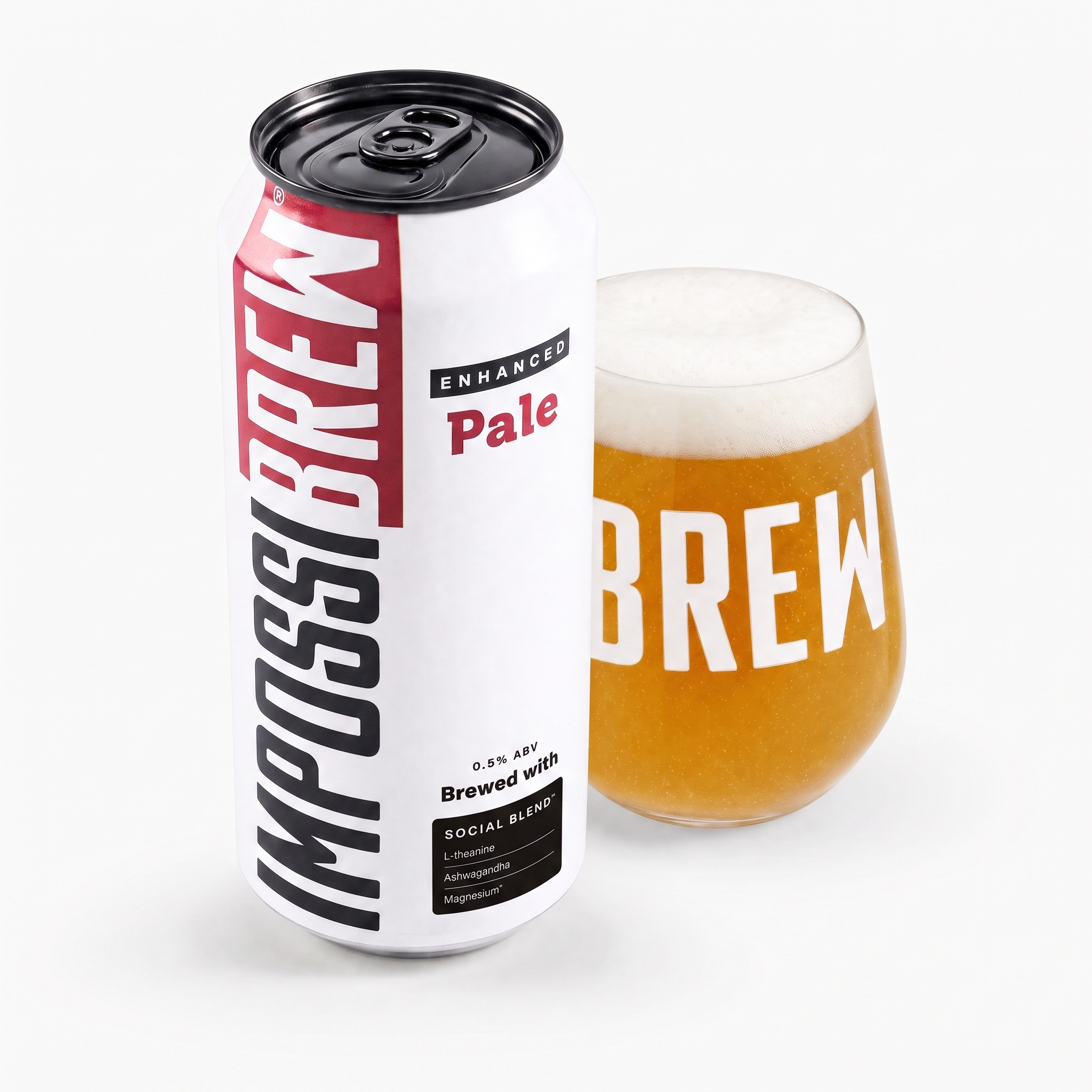
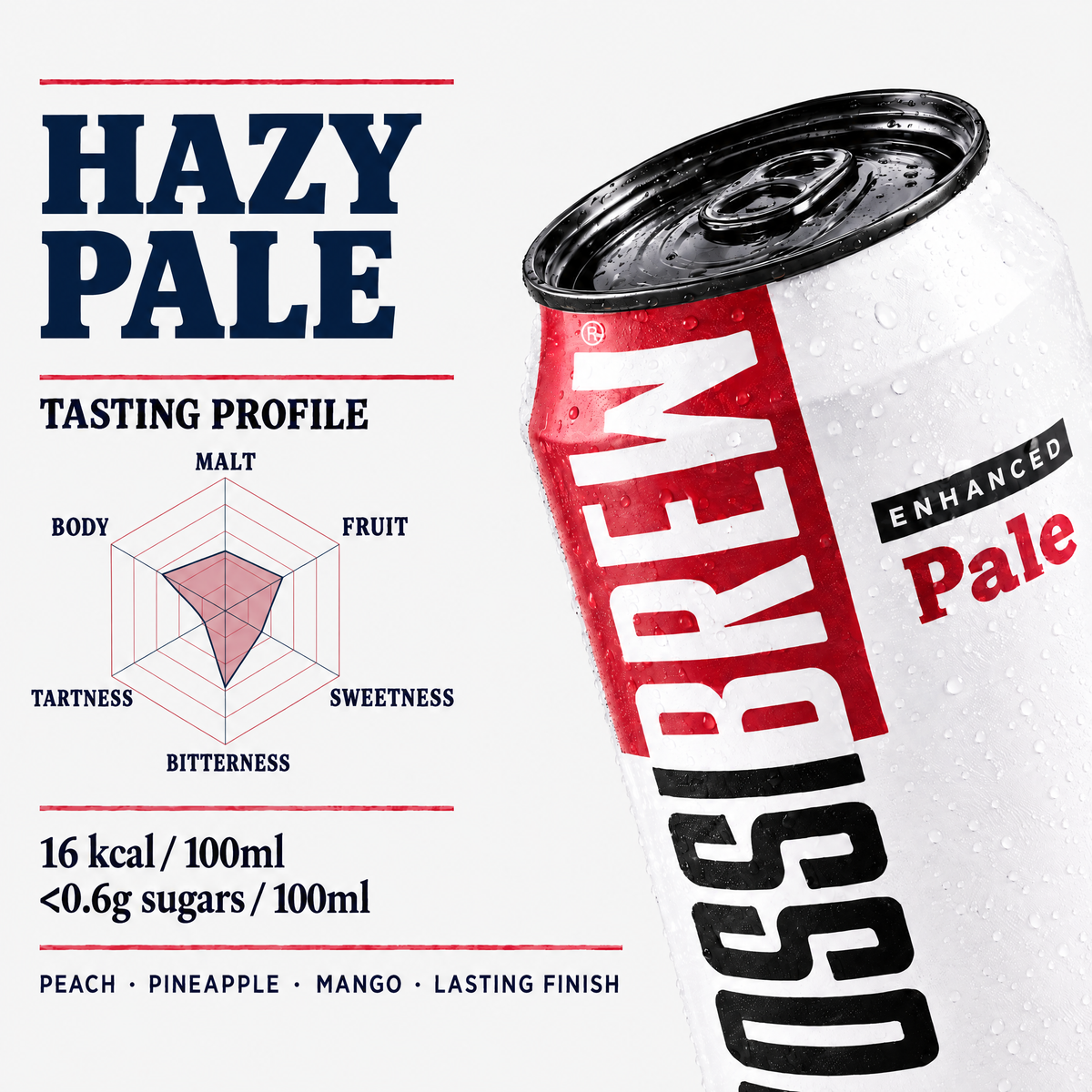
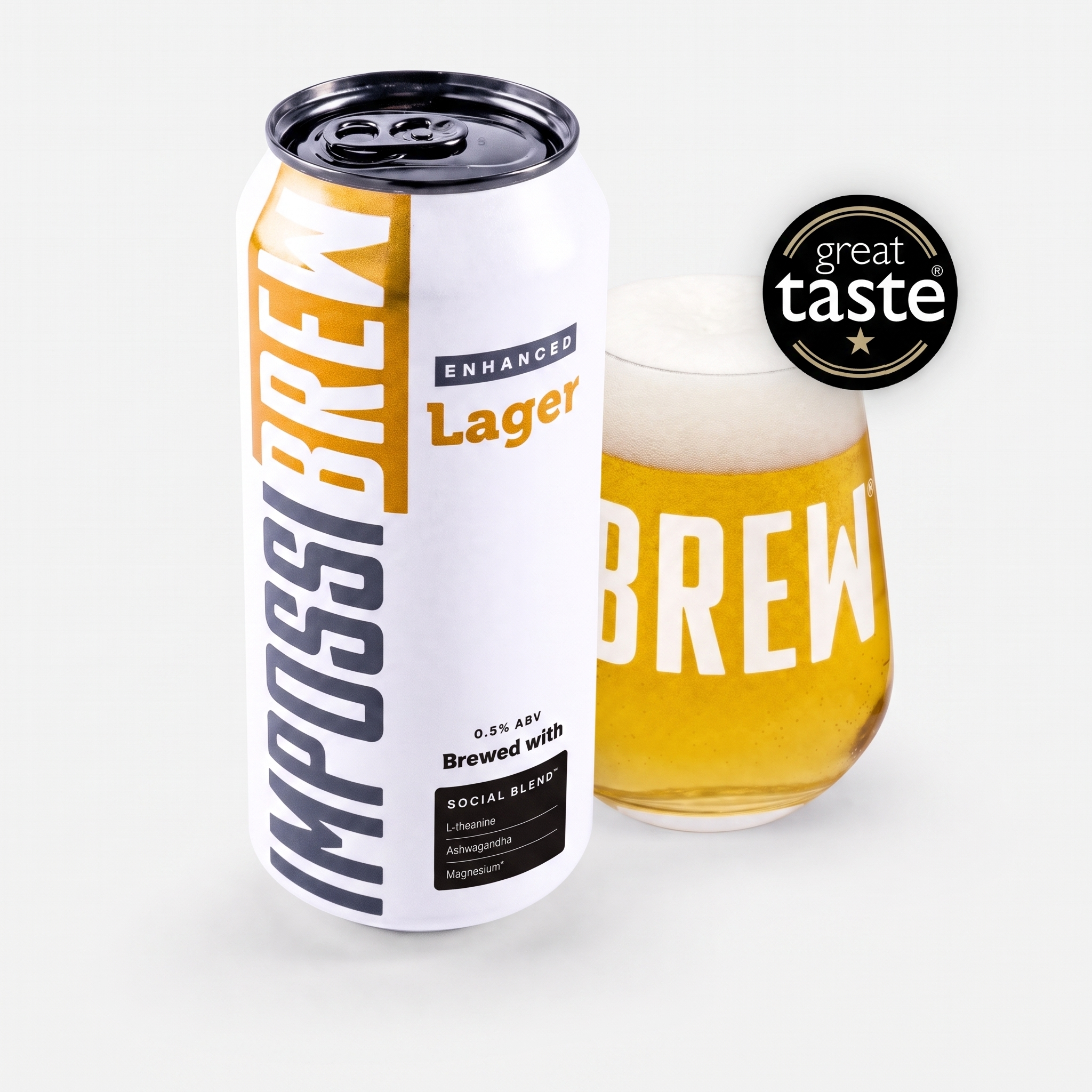
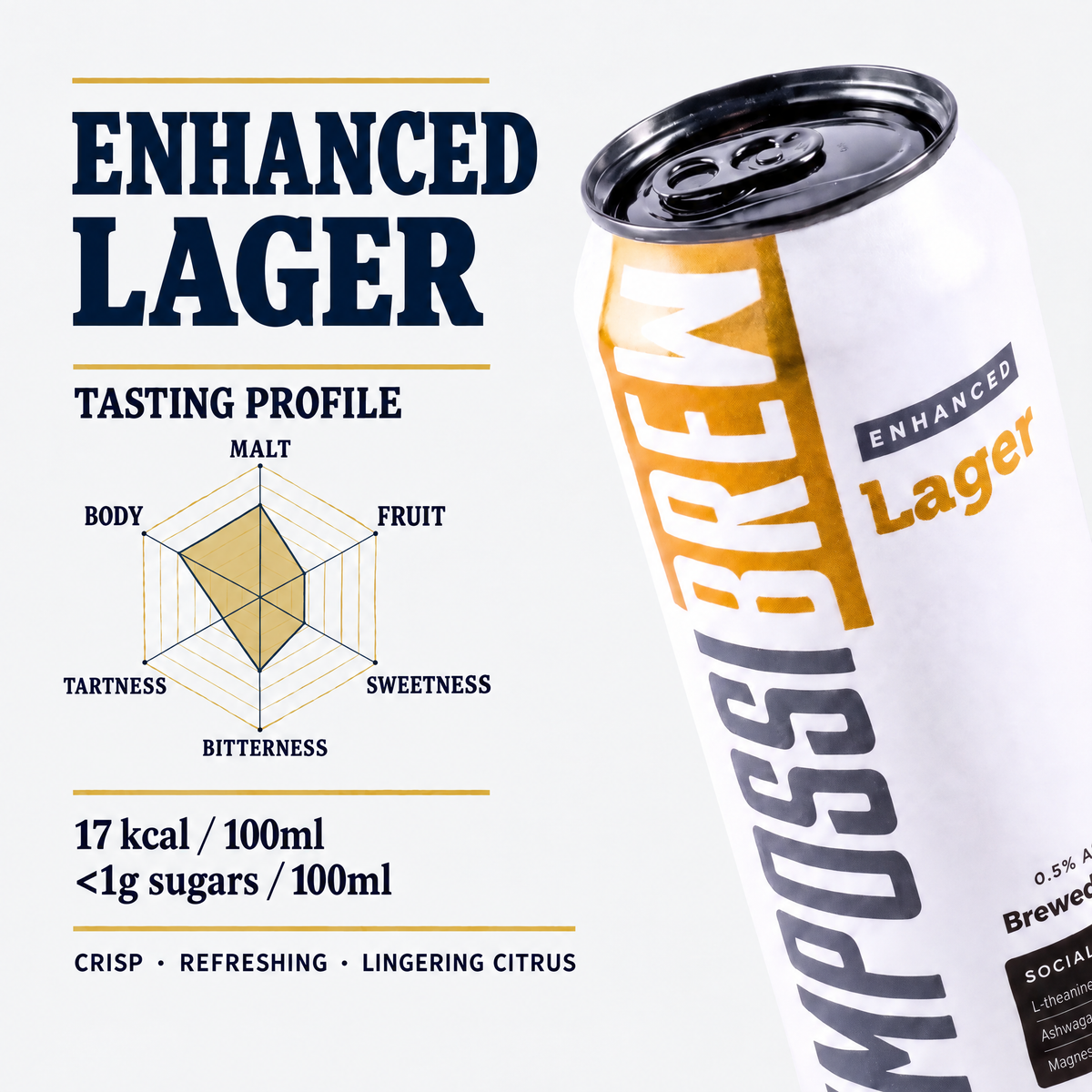
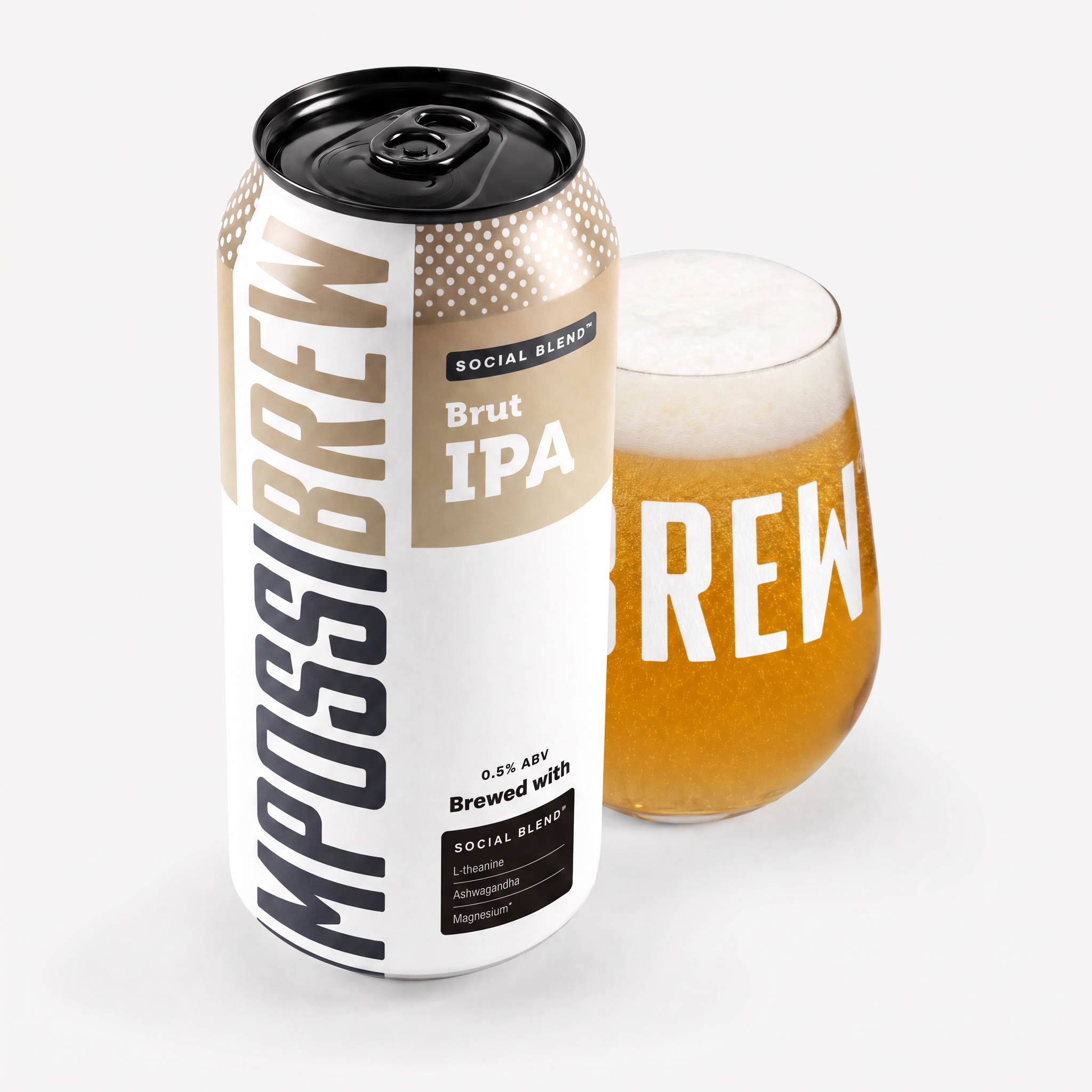
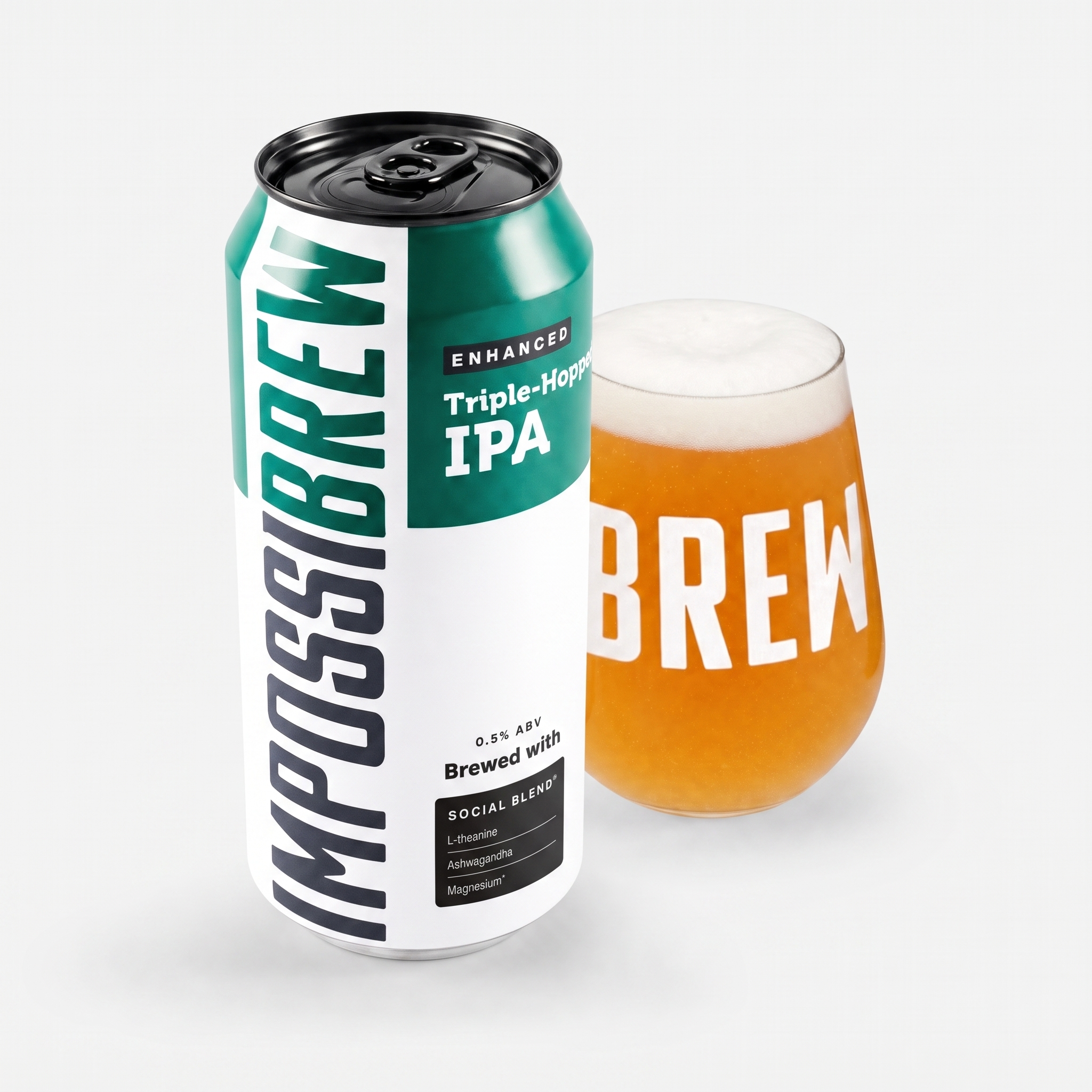
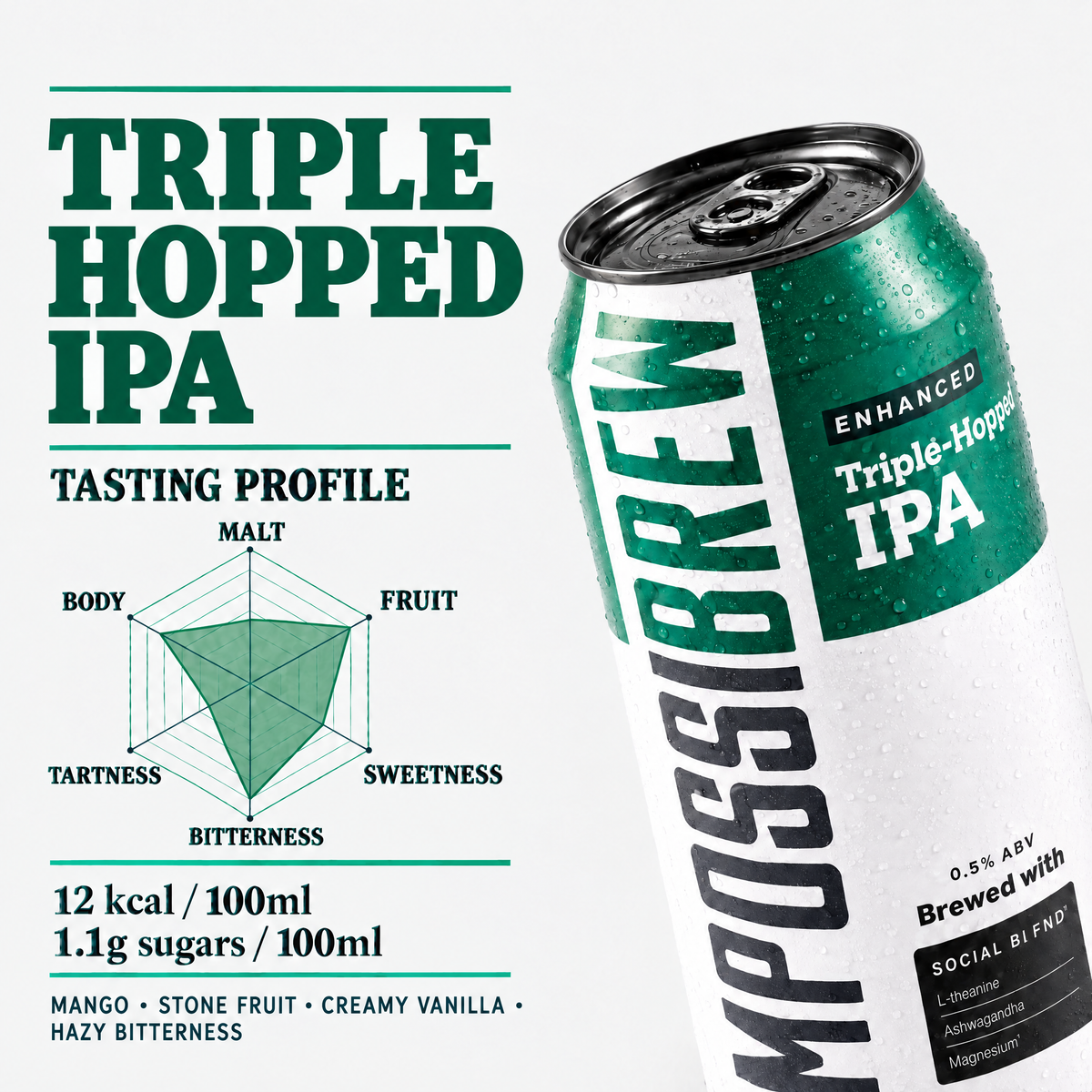
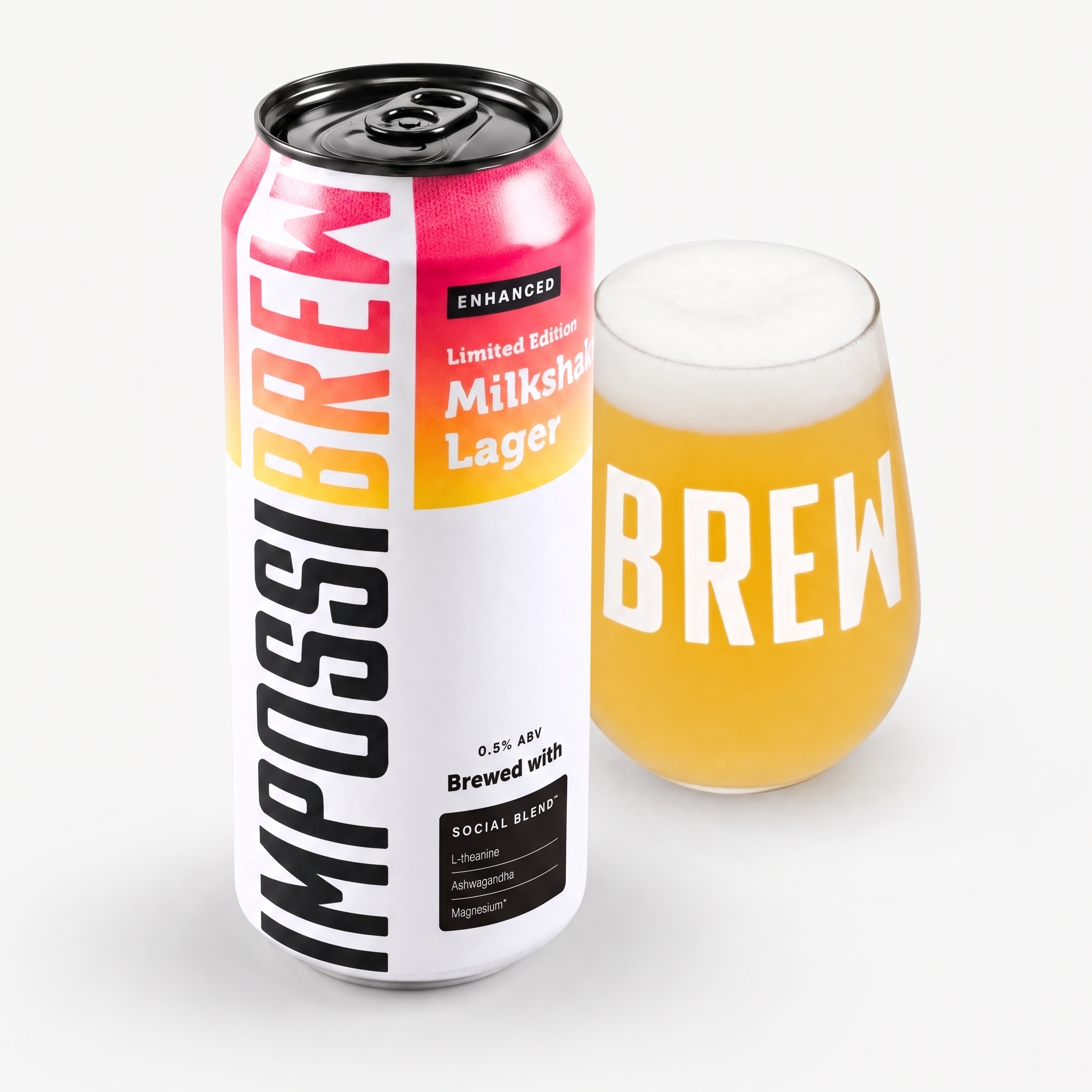
The quality of what you consume matters just as much. Seek products with well-researched ingredients like SAMe, ThymoQuin black seed oil, or Quatrefolic active folate[7]. For example, IMPOSSIBREW® uses a science-based Social Blend™ that embodies the nutrient synergy discussed here. A 2025 study with over 2,000 participants found that 84% felt more relaxed after trying this blend[1].
"Nutrient synergy refers to the concept that the combination of two or more nutrients working in conjunction exert greater physiological impact on the body than each nutrient consumed in isolation." - Frontiers in Nutrition[3]
The bottom line? Balance is everything. While combining nootropics and functional ingredients offers real benefits for cognition and mood, it demands informed choices and careful monitoring. Opt for whole food sources where possible, select formulations backed by evidence with clear dosing, and respect the potency of these compounds. When used thoughtfully, this approach can provide meaningful support for mental performance and overall well-being.
FAQs
How do I know which ingredient combinations actually work together?
To find ingredient combinations that work well together, look to scientific studies and expert recommendations on how nootropics and adaptogens interact. Understanding their mechanisms - like how they’re absorbed or their biological pathways - can help ensure they enhance, rather than interfere with, each other. Use trusted resources and clinical research to identify pairings that deliver the best possible outcomes.
What’s the safest way to start a nootropic blend if I’m on medication?
Consulting a healthcare professional before starting a nootropic blend is always the wisest move. They can evaluate how the blend might interact with any medications you're taking and confirm whether it's safe for your specific situation. When it comes to combining supplements with prescribed treatments, professional advice should always come first.
How can I spot an effective dose versus a “token” amount on a label?
When determining if a dose is effective, look for amounts that align with those used in well-regarded scientific studies or recommended by experts for cognitive improvement. Effective doses are typically specified clearly on the label and match research-supported levels. In contrast, token amounts are much smaller and unlikely to deliver any noticeable benefits. Always compare the dosage listed on the product label with reliable scientific sources to confirm its effectiveness.