
Nootropics can help reduce age-related memory loss by improving brain function, protecting brain cells, and supporting cognitive health.
As we age, memory decline happens due to factors like reduced blood flow, lower neurotransmitter levels, and oxidative stress. Nootropics - natural or synthetic brain-supporting compounds - work to counter these effects. Key benefits include:
- Improved blood flow: Enhances oxygen and nutrient delivery to the brain.
- Neurotransmitter support: Balances brain chemicals for memory and focus.
- Brain cell protection: Shields cells from oxidative stress and inflammation.
- Boosted neuroplasticity: Helps maintain and form new neural connections.
Top Nootropics for Memory:
- Lion's Mane: Supports nerve growth and repair.
- Phosphatidylserine: Maintains healthy brain cell membranes.
- Omega-3 Fatty Acids: Reduces brain inflammation and strengthens cells.
Pair these supplements with brain-healthy habits like exercise, good sleep, and a nutrient-rich diet for the best results. Always consult a healthcare provider before starting nootropics, especially if you take medications or have health conditions.
Best Nootropics for the Aging Brain
Nootropics: Brain-Supporting Compounds
This section explores how nootropics can help address age-related memory decline. These compounds are known to improve brain function, aiding memory and focus as we age.
Natural vs Synthetic Nootropics
Nootropics come in two main forms: natural and synthetic. Natural options are derived from plants, mushrooms, and herbs. Here are some popular examples:
| Natural Nootropic | Source | Benefits |
|---|---|---|
| Lion's Mane | Mushroom | Supports nerve growth and repair |
| Bacopa Monnieri | Herb | Helps with memory formation |
| Ginkgo Biloba | Tree leaves | Improves blood circulation |
| L-Theanine | Green tea | Promotes calm focus |
Synthetic nootropics, on the other hand, are lab-created compounds designed to target specific brain functions. While they can be more potent, they often require careful dosing and monitoring. Examples include prescription drugs like Modafinil and supplements such as Alpha-GPC. Understanding these two categories helps clarify how they contribute to memory support.
How Nootropics Help Memory
Nootropics work in several ways to support memory:
-
Improved Blood Flow
Certain nootropics, like Ginkgo Biloba, enhance blood circulation in the brain, ensuring a steady supply of oxygen and nutrients. -
Neurotransmitter Support
They help maintain optimal levels of brain chemicals. For example, they can increase acetylcholine for memory, balance dopamine for motivation, and regulate serotonin for mood and cognitive function. -
Protection for Brain Cells
Many nootropics contain antioxidants that shield brain cells from oxidative stress and inflammation, which become more prominent as we age. -
Boosting Neuroplasticity
By aiding the brain's ability to form and maintain neural connections, nootropics help with learning and memory retention, even as neuroplasticity naturally declines.
Lion's Mane mushroom is a great example, as it not only protects existing neurons but also encourages the formation of new neural connections. Through these mechanisms, nootropics directly address the challenges of age-related memory decline.
3 Key Nootropics for Memory Protection
When it comes to memory, certain nootropics stand out for their targeted benefits in protecting brain health. These compounds work in different ways to support and maintain cognitive function.
Lion's Mane for Brain Cell Health
Lion's Mane (Hericium erinaceus) is known for its ability to stimulate nerve growth factor (NGF) production. This helps with neural regeneration and protects the myelin sheaths around nerve cells. Whether taken as a capsule, powder, or brewed into tea, Lion's Mane can play a role in supporting brain health, especially as you age.
Phosphatidylserine for Cellular Support
Phosphatidylserine is a phospholipid that plays an essential role in keeping cell membranes healthy and aiding neurotransmitter release. Regular use of this compound can help maintain these vital brain functions and support cognitive performance over time.
Omega-3 Fatty Acids for Brain Protection
Omega-3 fatty acids, particularly DHA and EPA, are crucial for reducing inflammation in the brain and strengthening cell membranes. Whether sourced from oily fish or high-quality supplements, incorporating Omega-3s into your daily routine can help safeguard memory and overall cognitive health.
sbb-itb-a752bf8
Daily Use of Nootropics
To get the most out of nootropics, it's important to use them wisely as part of your daily routine.
Dosage and Safety Tips
Start with the lowest effective dose and adjust gradually. If you have conditions like gastrointestinal issues or hypertension, or you're taking medications such as antidepressants, blood thinners, or thyroid treatments, consult your healthcare provider. Certain combinations, like Ashwagandha with thyroid medication, might lead to unwanted effects.
If you're pregnant or breastfeeding, it's best to steer clear of nootropic supplements altogether.
Brain-Healthy Daily Habits
Pair nootropics with habits that support overall brain health. Regular exercise - around 30 minutes, five days a week - can improve blood flow to the brain. Keep a consistent sleep schedule and challenge your mind with activities like crosswords, Sudoku, or learning a new language.
Nootropic Drinks Guide
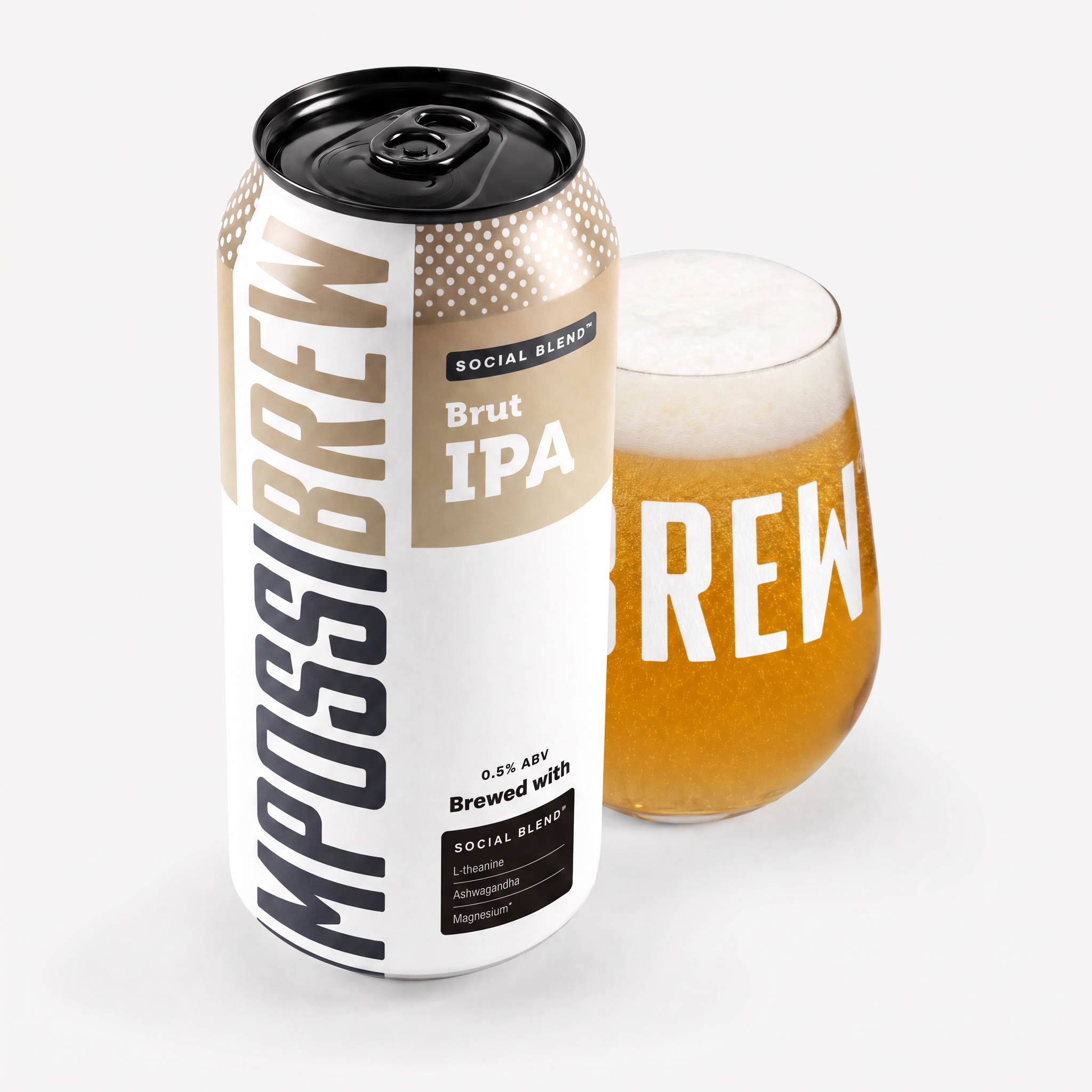
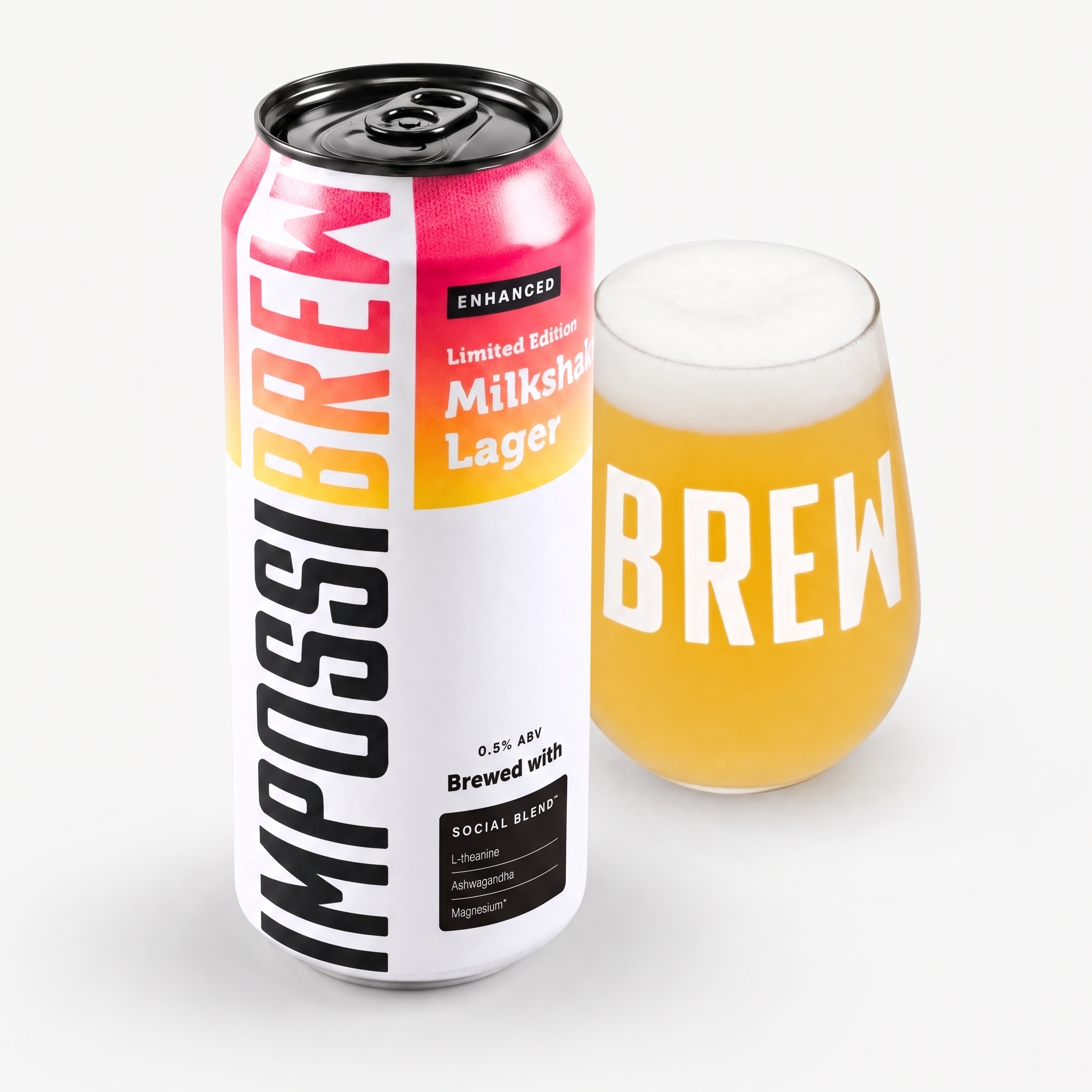
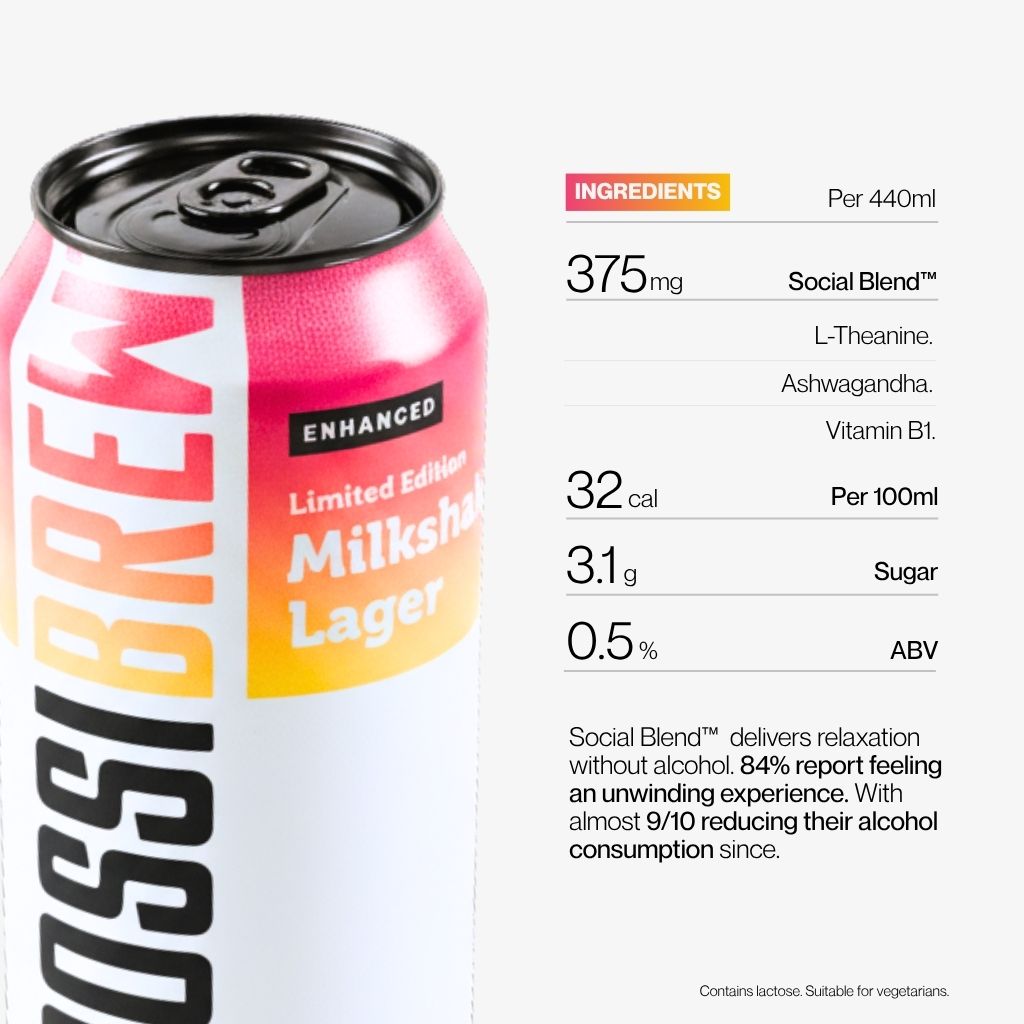
For those looking for a drink option, IMPOSSIBREW®'s Social Blend™ offers ingredients like L-Theanine and Ashwagandha to promote relaxation and mental clarity without alcohol. According to consumer feedback, 71% of users report feeling more relaxed after trying Social Blend™ [1].
"Our Social Blend™ technology isn't an accident. It's the result of questioning everything we thought we knew about social drinking." - IMPOSSIBREW® [1]
"Gives you that nice buzz and relaxed feeling even after just 1 can" - Thomas M. [1]
When selecting nootropic drinks, here's how they compare to traditional alcohol:
| Consideration | Traditional Alcohol | IMPOSSIBREW® |
|---|---|---|
| Brain Health Impact | May impair memory | Supports mental focus |
| Morning After | Possible hangover | No negative effects |
| Safety Profile | Caution with medications | Limited concerns |
| Price Range | Varies widely | From £3.49 per can |
Monitoring Brain Health Progress
Medical Help Guidelines
It's important to keep track of your cognitive health over time. Schedule regular check-ups with your doctor to evaluate your brain health and make any necessary changes to your nootropic routine. If you notice shifts in memory or cognitive abilities, bring them up during these visits. Maintaining detailed notes about any changes or concerns can make these discussions more productive.
Long-Term Brain Care Plan
Create a structured plan for monitoring your cognitive health. This might include periodic cognitive tests and adjusting supplements based on your needs. For instance, taking Ashwagandha alongside thyroid medication could lead to overstimulation, such as feelings of restlessness [1]. Regular consultations with your doctor can help fine-tune your approach, ensuring that your nootropic use supports both your current memory and your long-term cognitive health.
Summary
Combat age-related memory decline by combining nootropic supplements with brain-boosting habits. When used regularly, natural nootropics can help maintain cognitive function and protect brain cells as they age.
Key supplements like Bacopa Monnieri, Lion's Mane, and Ginkgo Biloba are known for improving memory and promoting better blood flow to the brain. Paired with Omega-3s and Phosphatidylserine, they offer essential support for keeping your brain sharp over time.
To get the best results, pair these supplements with regular exercise, plenty of sleep, and a diet full of nutrients. For a convenient option, nootropic drinks such as IMPOSSIBREW's Social Blend™ deliver ingredients like L-Theanine and Ashwagandha to support your brain health every day.