Oxygen barriers are crucial for maintaining beer quality during storage and transport. By preventing oxygen from entering packaging, they help avoid oxidation, which can ruin flavours, alter colour, and shorten shelf life. This is especially important for non-alcoholic beers, which are more prone to damage due to their delicate ingredients and lack of natural preservatives like ethanol.
Key takeaways:
- Oxidation harms beer: Leads to off-flavours like cardboard, impacts aroma, and degrades hops.
- Packaging matters: Glass bottles, cans, and PET bottles all have varying levels of oxygen protection. Advanced solutions like oxygen-scavenging caps, barrier coatings, and multi-layer PET bottles offer better defence.
- Non-alcoholic beers: Require stronger barriers to protect sensitive components such as botanical extracts and proteins.
- Best practices: Use nitrogen purging, counter-pressure filling, and maintain strict temperature control during storage and shipping.
The right oxygen barrier solution depends on the beer type, shelf-life goals, and distribution method. Brewers must carefully balance quality preservation with cost and recyclability.
How Oxygen Damages Beer Quality
How Oxygen Enters Beer Packaging
Oxygen can sneak into beer packaging in several ways, even when precautions are taken. In glass bottles, while the glass itself is airtight, oxygen can still seep in through the crown cap if the seal or liner isn't perfect. Cans, made from aluminium, offer excellent protection, but the seam where the lid attaches to the can body can create weak spots, allowing oxygen to slip through. PET bottles are even more vulnerable because plastic naturally allows a higher level of oxygen permeability, especially when exposed to changes in temperature and humidity. Additionally, any air trapped in the headspace during the filling process introduces oxygen directly to the beer. Without careful control during packaging, these entry points can lead to chemical reactions that harm the beer's flavour and shelf life.
Oxygen’s Effect on Beer Flavour and Stability
Once oxygen interacts with beer, it can spark lipid oxidation, which produces unpleasant flavours often described as 'cardboard' or 'papery'. It doesn’t stop there - oxygen also alters the beer's colour and aromatic profile, taking away the vibrant qualities that make it enjoyable.
Hops, which provide much of the beer's bitterness and aroma, are particularly sensitive to oxidation. When they degrade, the beer can lose its fresh, lively taste, leaving behind a dull and flat flavour. The problem gets worse at higher temperatures, making cold storage and proper temperature management during distribution absolutely critical.
Non-Alcoholic Beer Challenges
Non-alcoholic beers face even greater hurdles when it comes to oxygen exposure. Their production processes and ingredient compositions make them more susceptible to oxidation. For example, dealcoholisation strips away natural protective compounds, leaving these beers more exposed to oxidative damage.
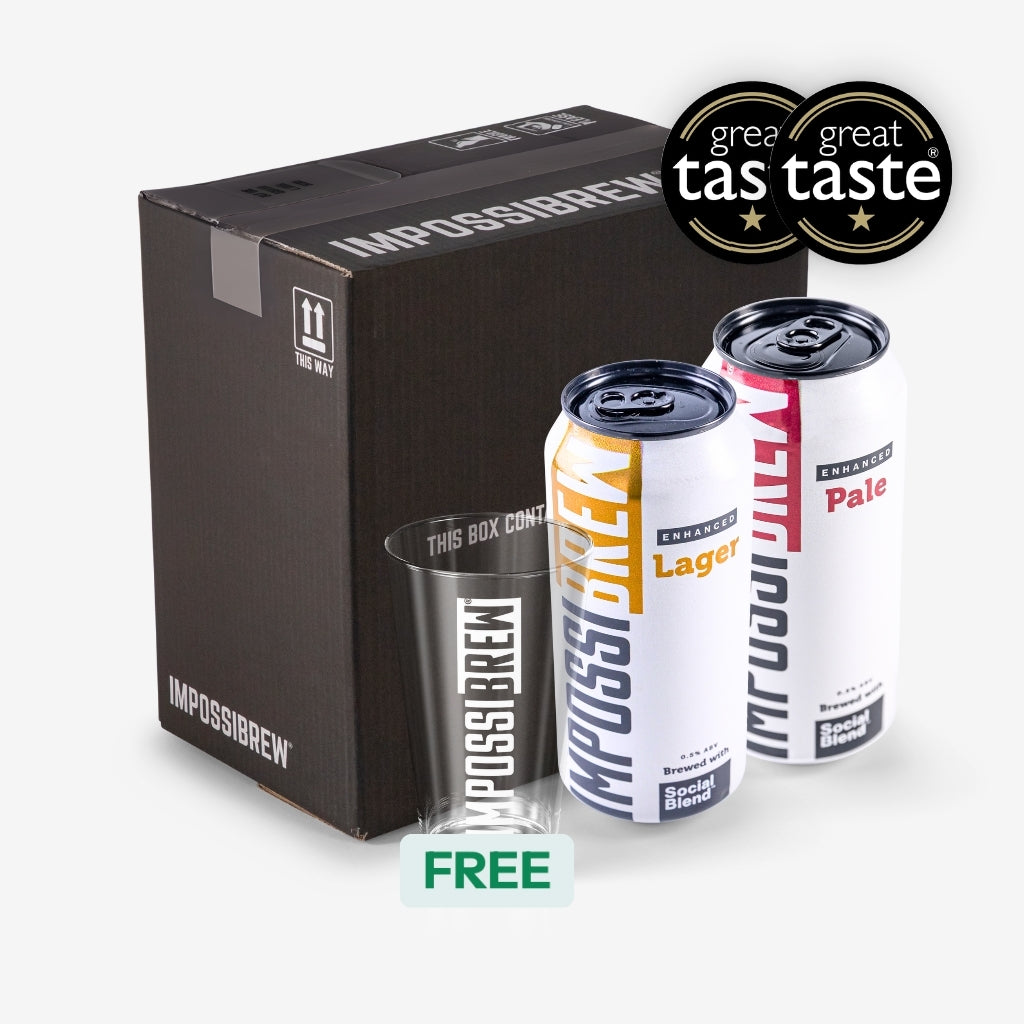
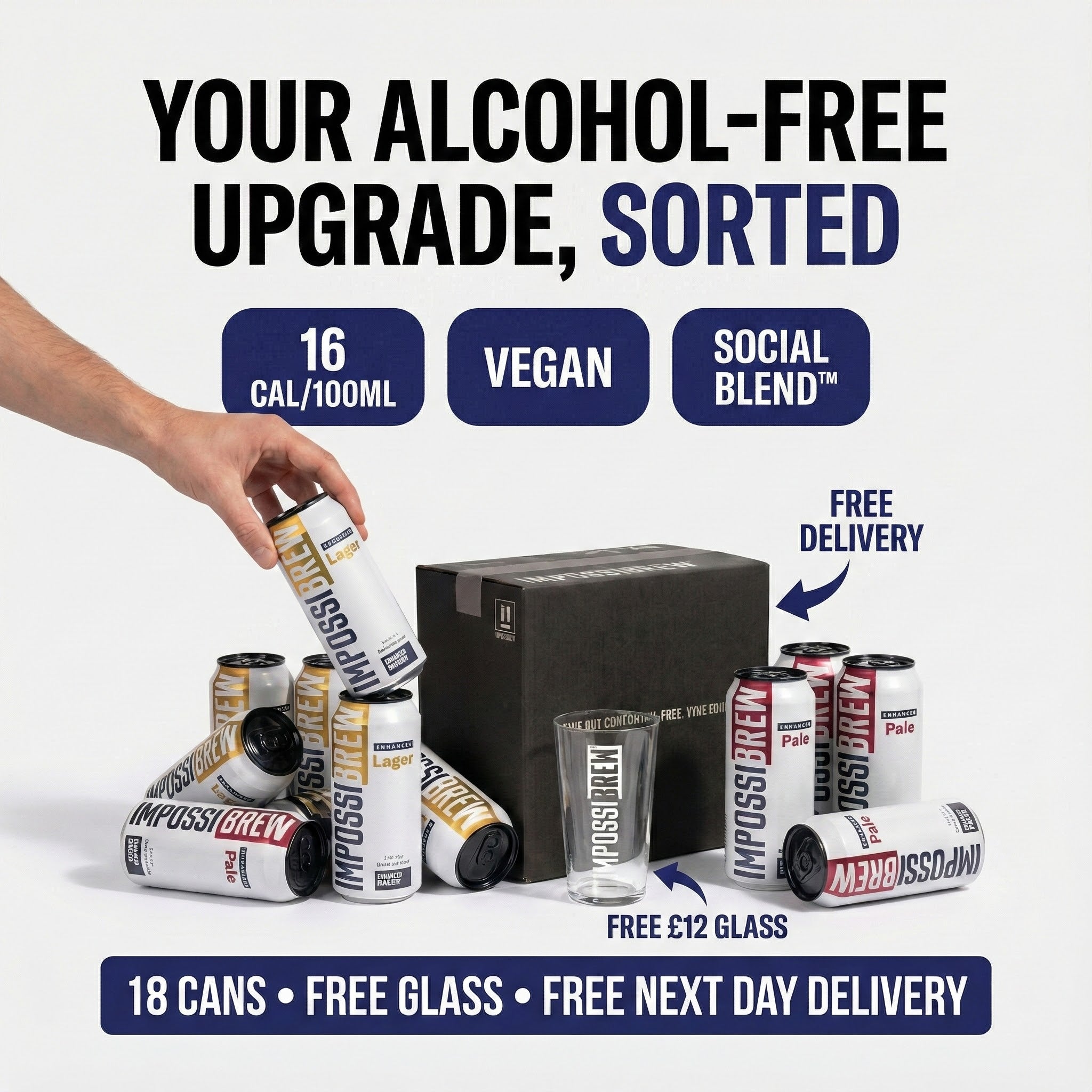
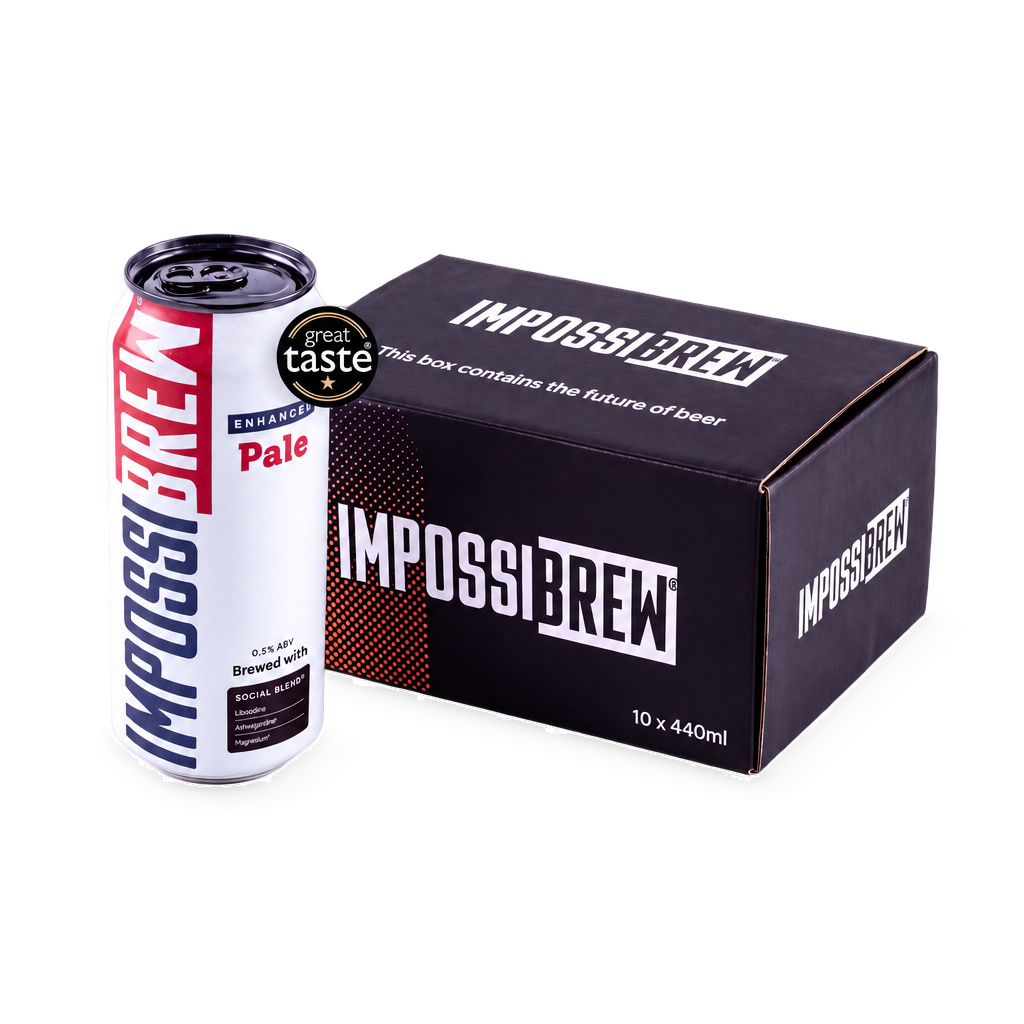
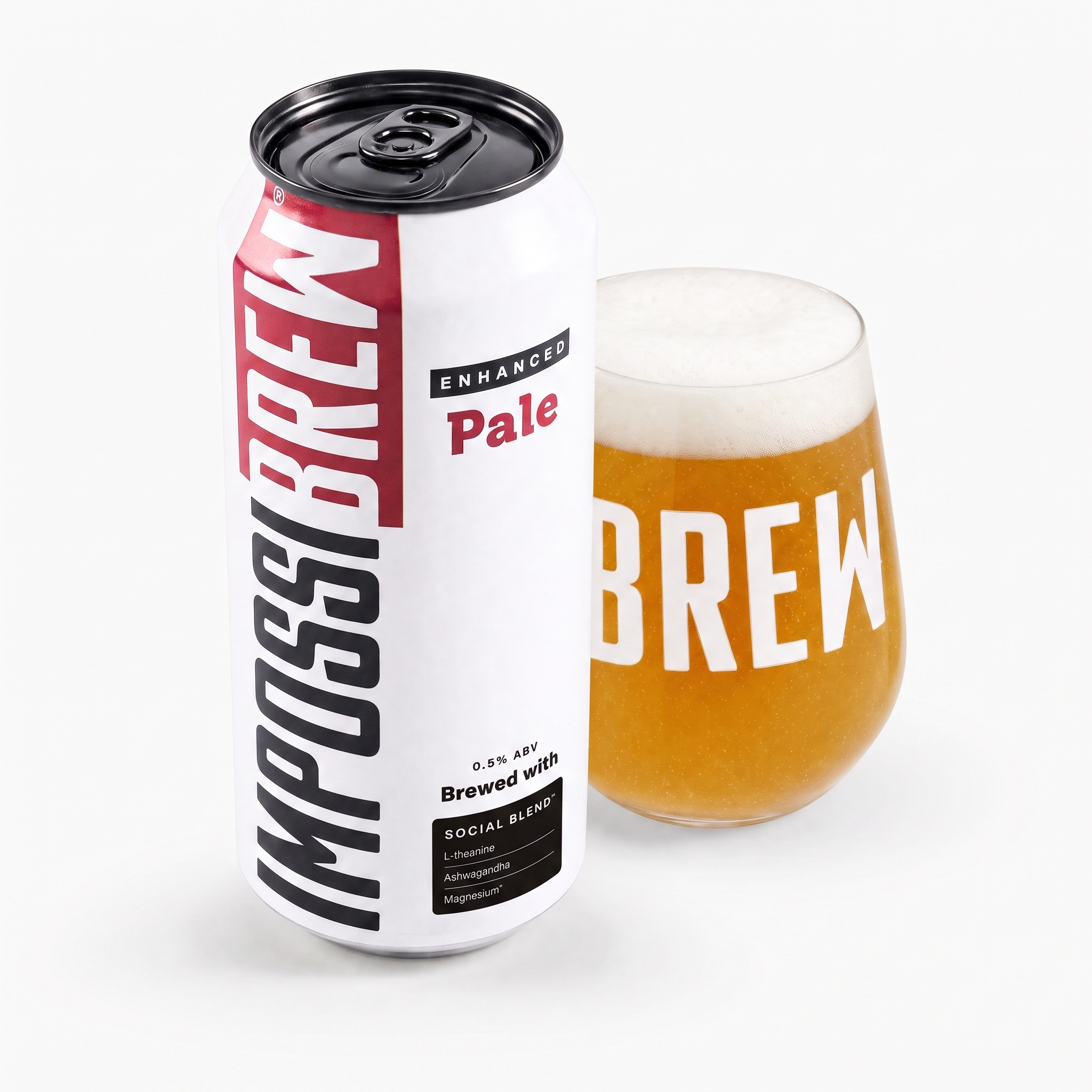
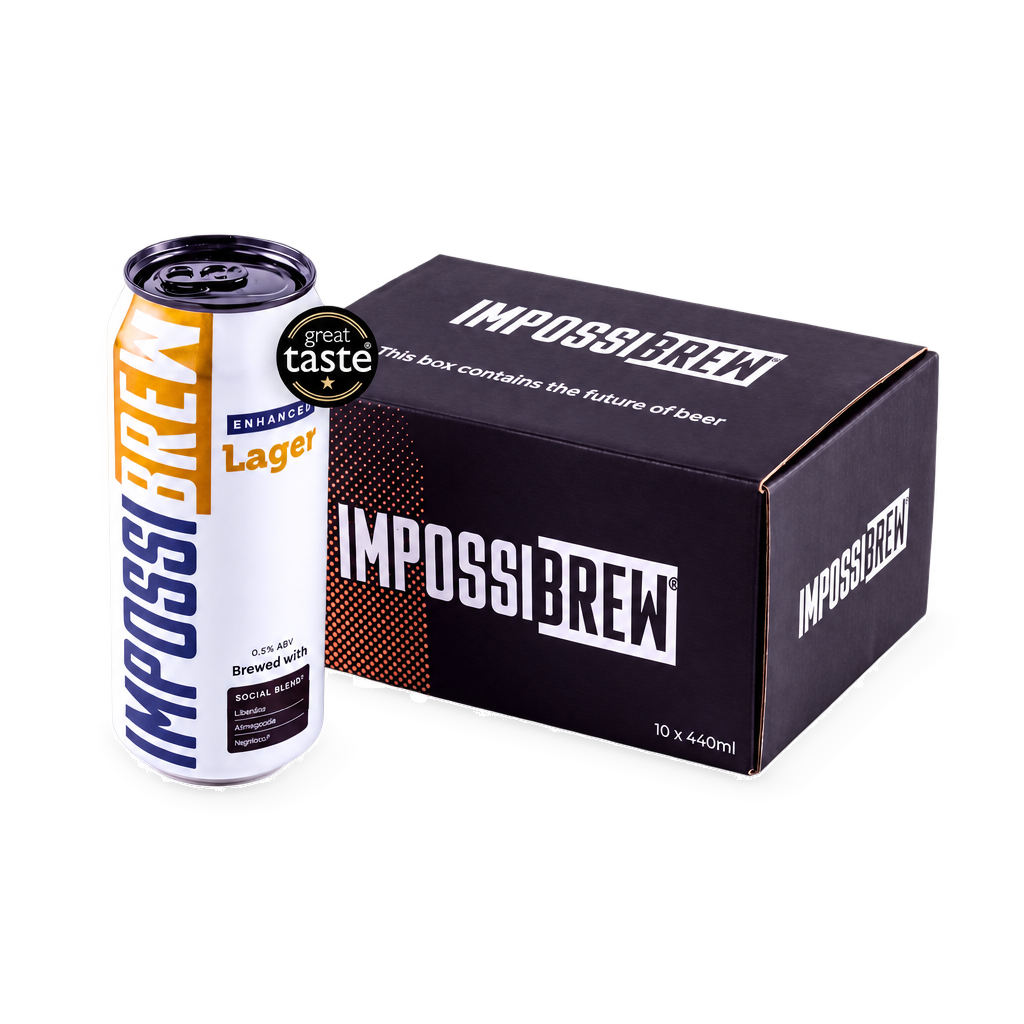
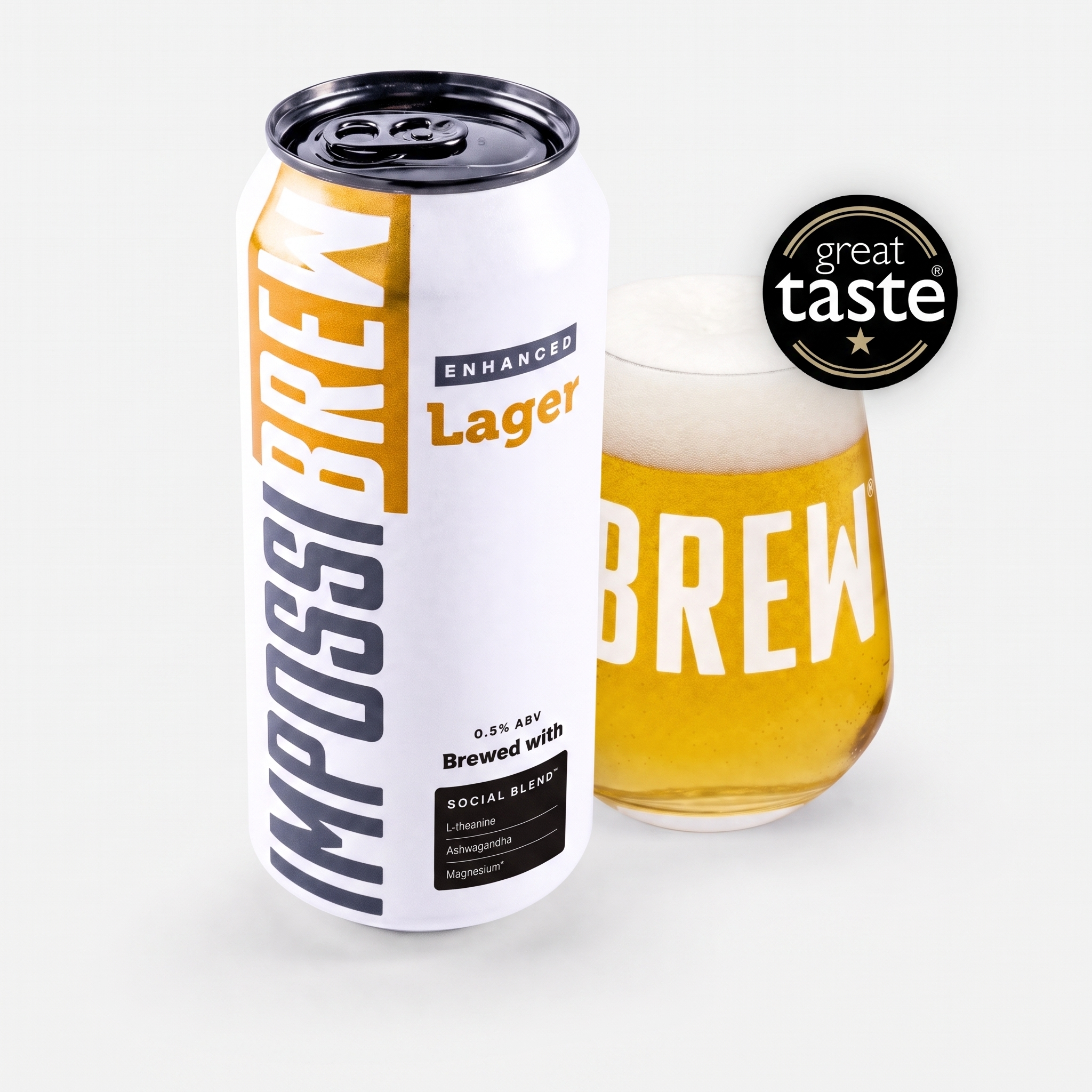
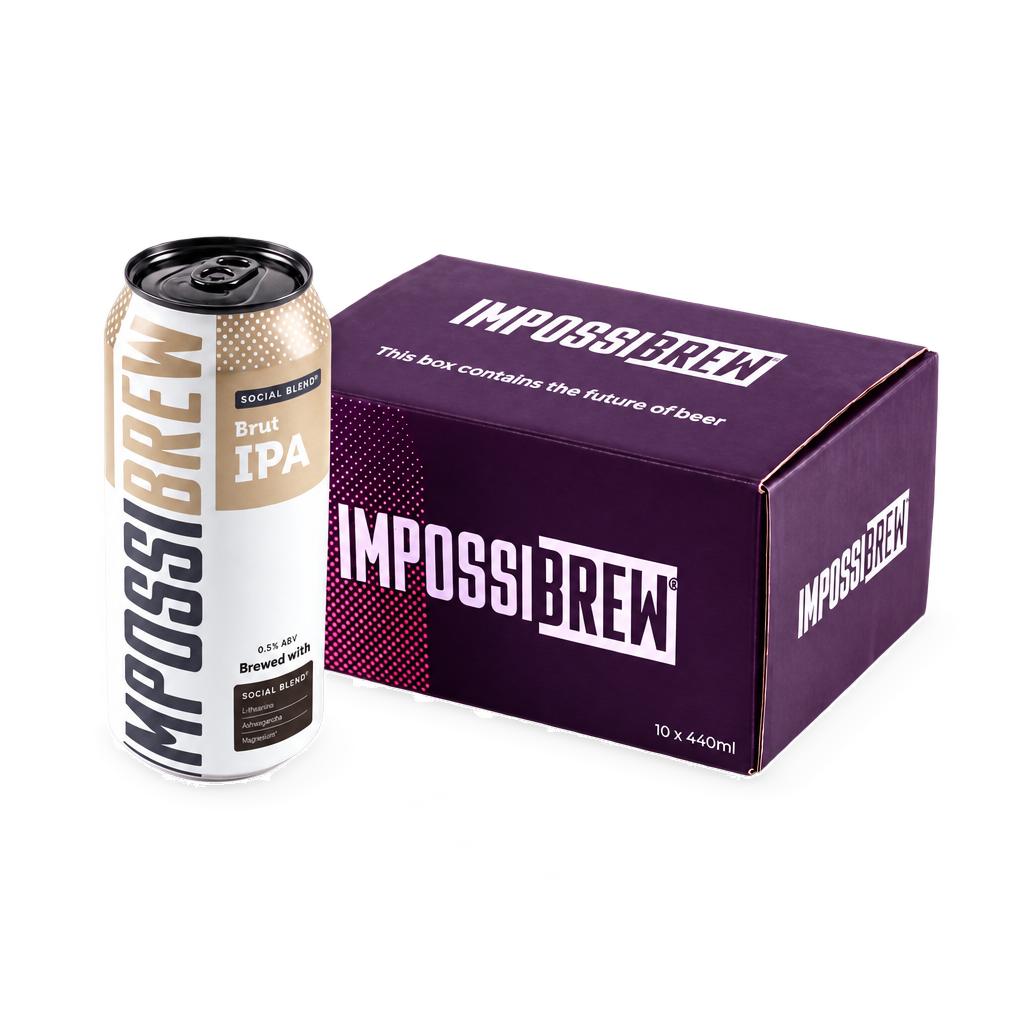
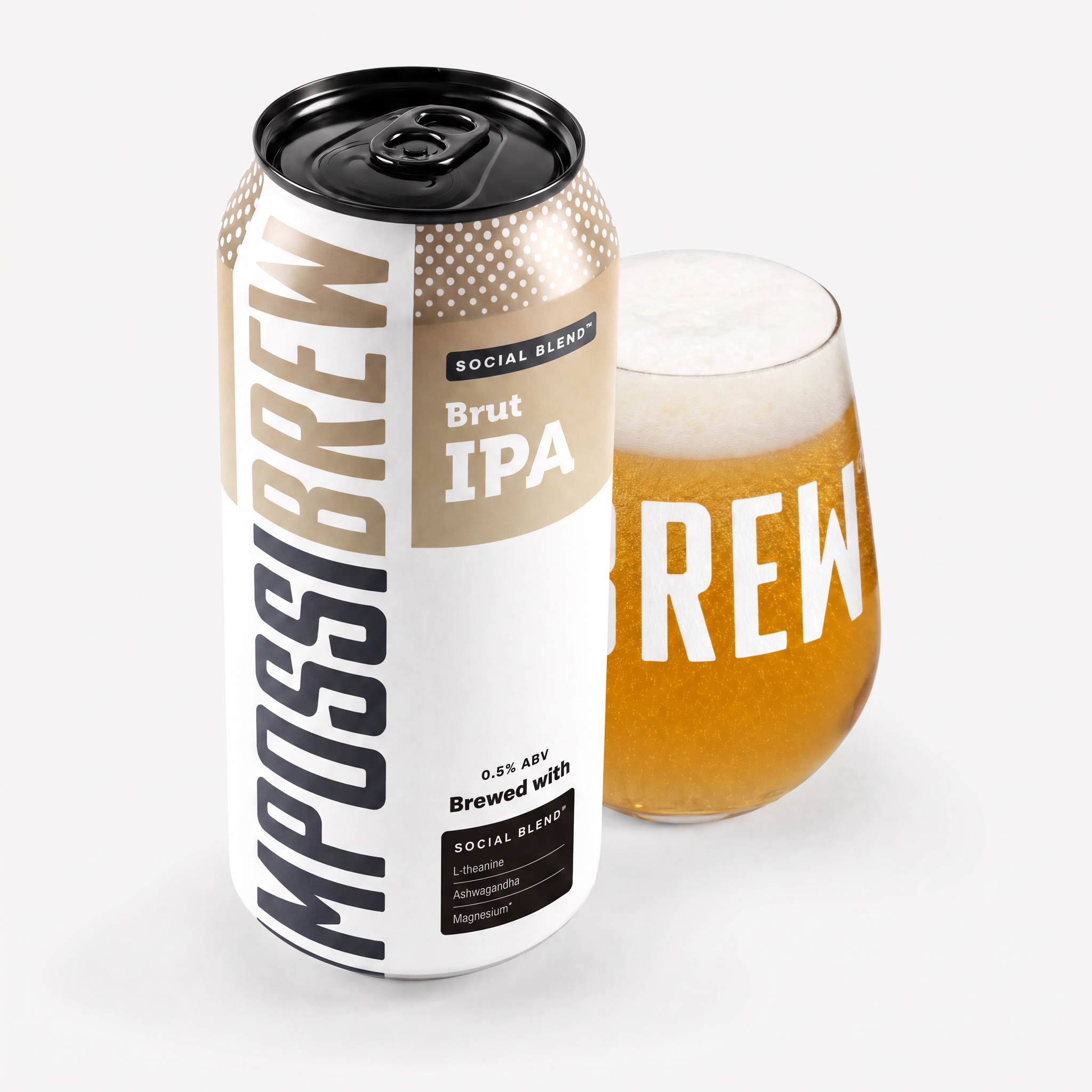
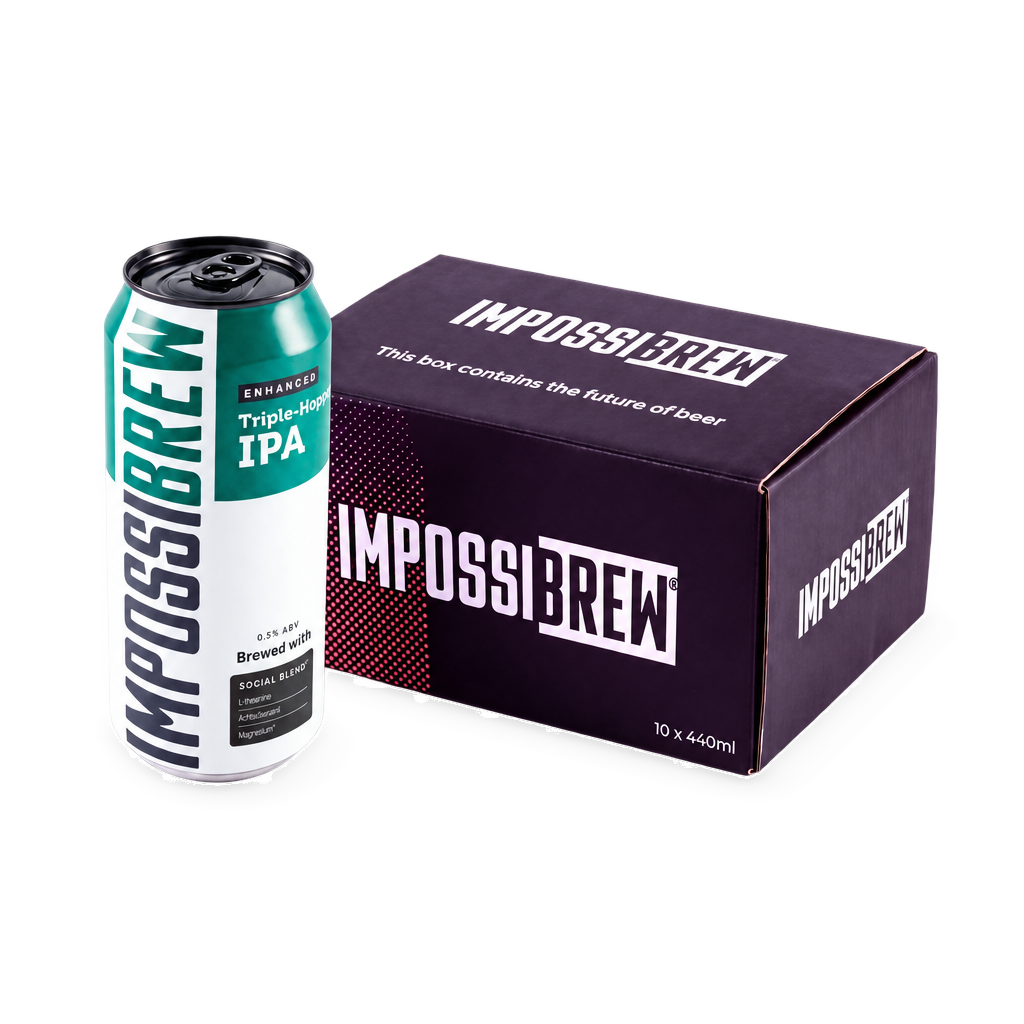
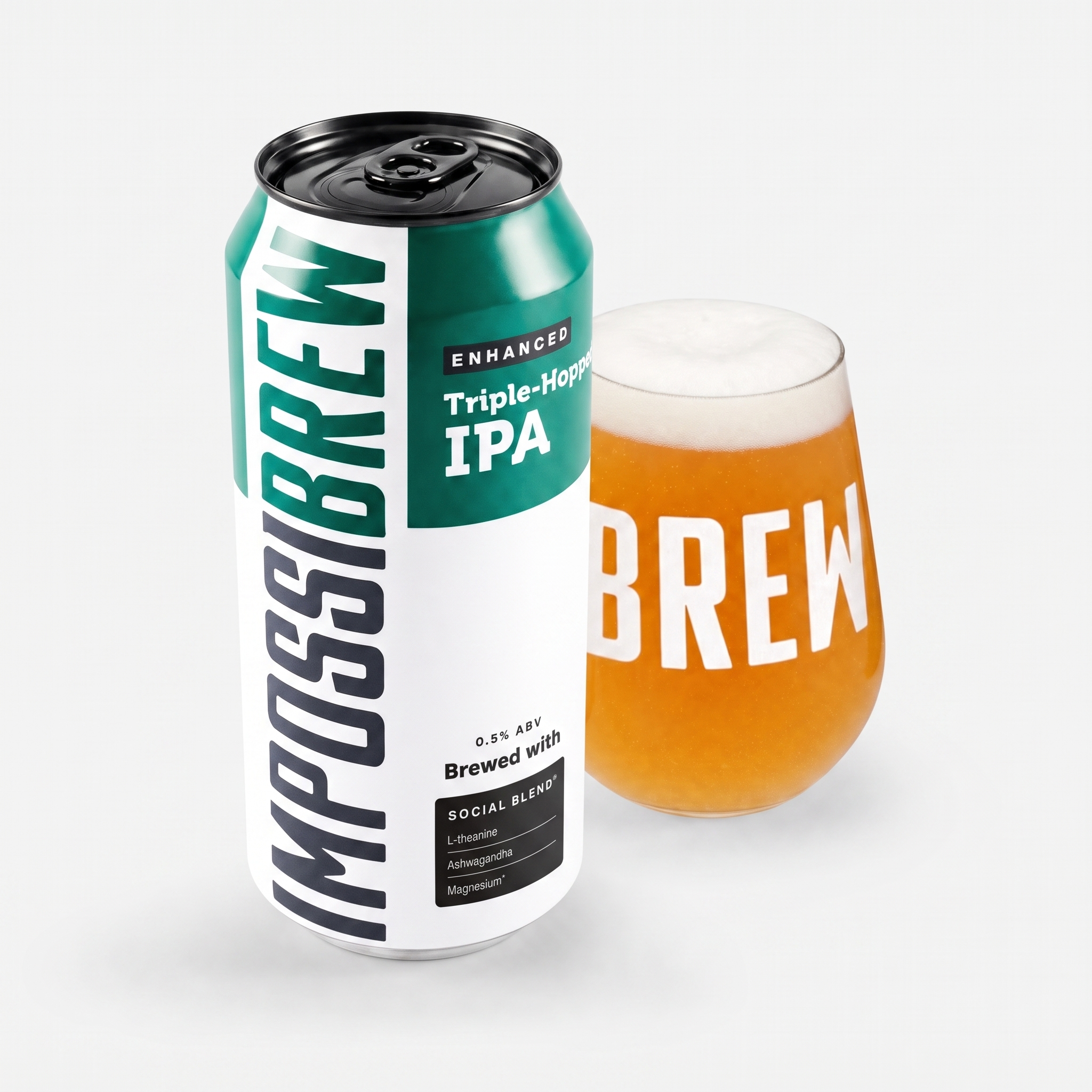
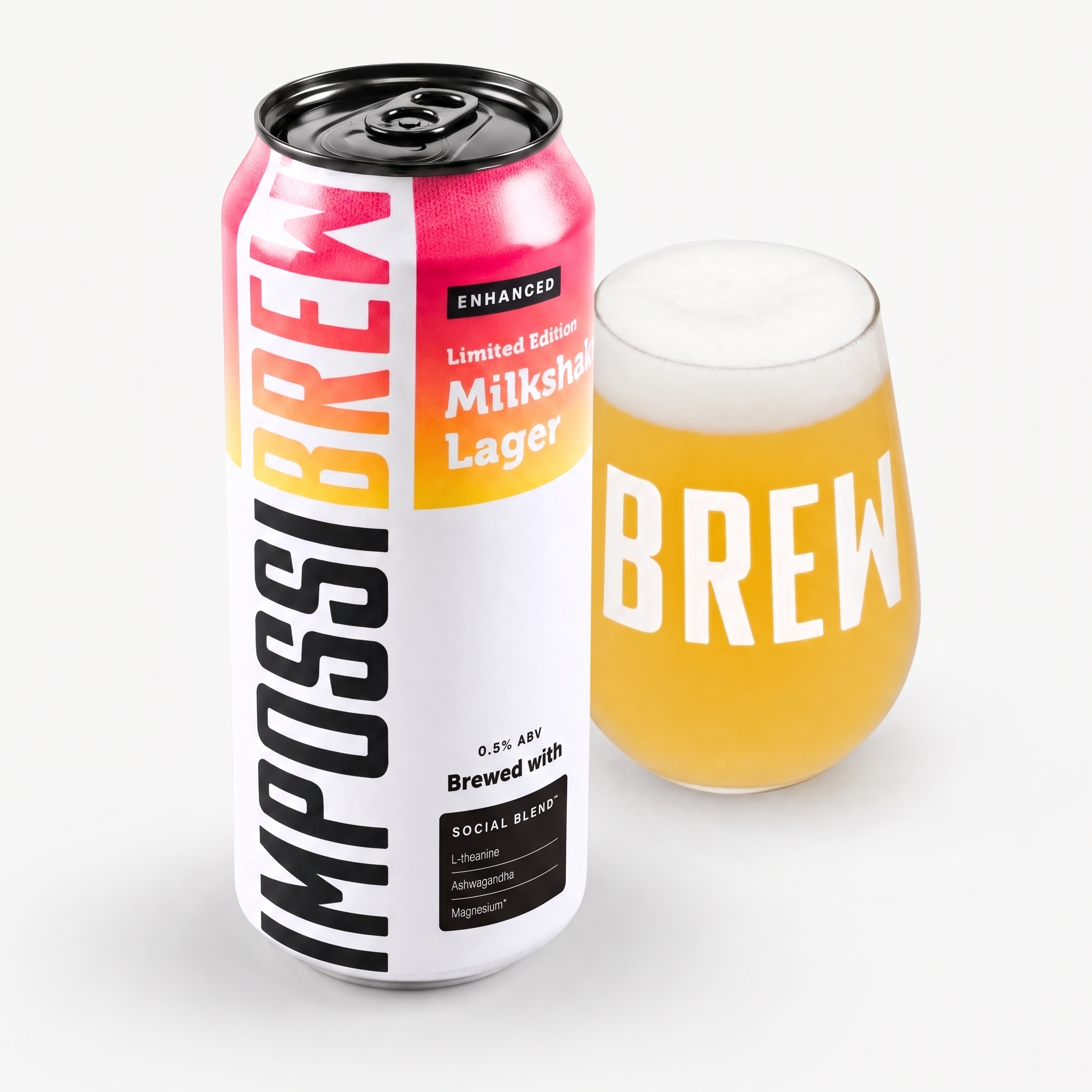
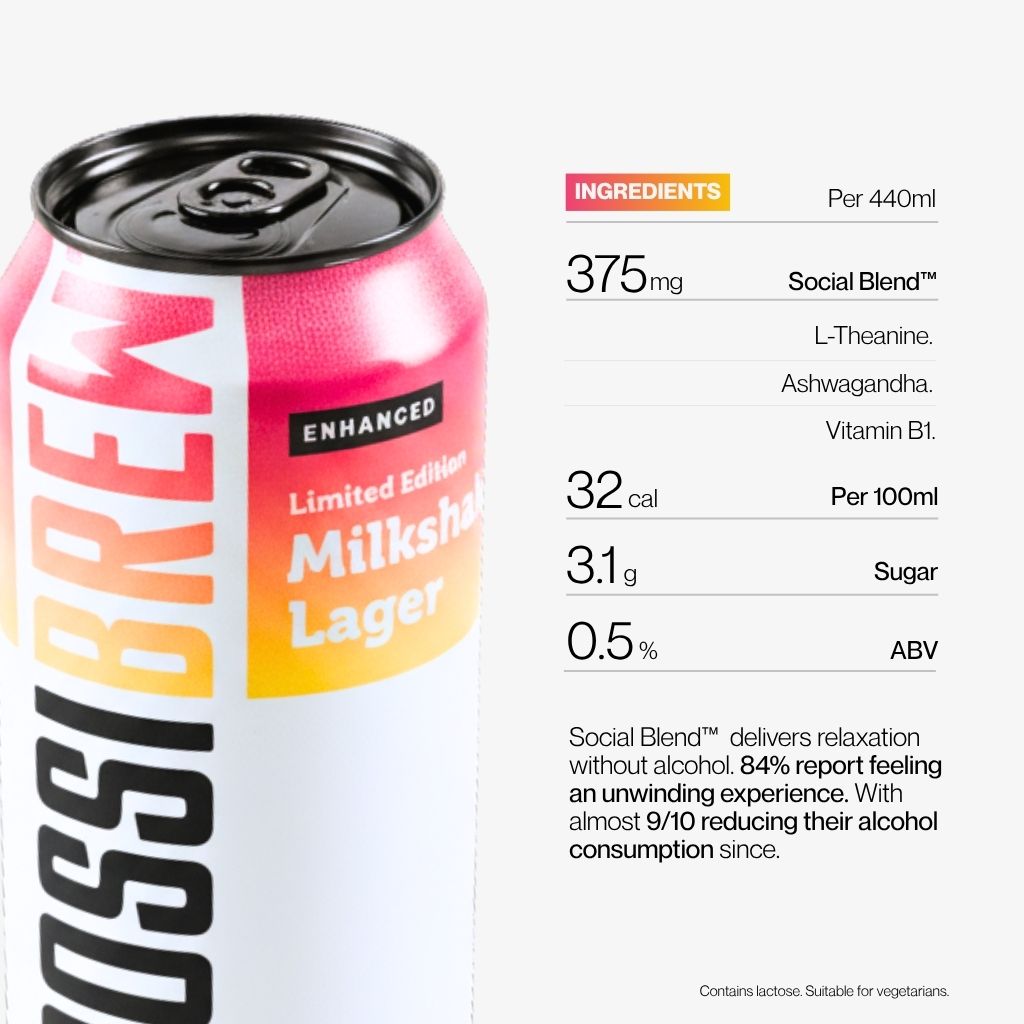
Take enhanced non-alcoholic beers like those from IMPOSSIBREW®, which include functional ingredients such as botanical extracts, polyphenols, and terpenes. These components are especially prone to oxidation, which can reduce their effectiveness and introduce bitter or astringent off-flavours. Traditional beers benefit from ethanol, which acts as a natural preservative and antioxidant. Without it, non-alcoholic beers need stronger packaging to maintain their quality over time.
Another issue lies in the proteins. The production processes for non-alcoholic beers can leave proteins in a more fragile state, potentially affecting clarity and mouthfeel. On top of that, temperature changes during storage and transport can worsen these problems. As a result, strict temperature control is essential to ensure the beer retains its intended flavour and stability.
SYNEK Beer Cartridge Pouch - 2016 Gold Award
Types of Oxygen Barrier Solutions
In the brewing world, keeping oxygen out of packaging is a top priority. Oxygen exposure can seriously impact beer quality, so the industry has come up with several ways to tackle this issue. Below, we’ll explore some of the main solutions used to keep beer fresh.
Oxygen Barrier PET
Standard PET bottles have a downside - they allow oxygen to seep through, which can harm the beer inside. To counter this, oxygen barrier PET bottles are made with special oxygen-binding additives. These additives work by chemically capturing oxygen molecules as they try to pass through the bottle walls, reducing how much oxygen gets in. Multi-layer PET bottles take this further by adding extra oxygen-blocking layers. This method is particularly handy for non-alcoholic beers since they lack ethanol, which naturally helps preserve freshness.
Barrier Coatings and Scavenger Additives
Another approach involves barrier coatings and scavenger additives. Plasma coating technology creates an ultra-thin, invisible layer (often made of silicon oxide or carbon) on the inside of packaging to block oxygen transmission. Similarly, oxygen-scavenging crown caps are designed with active compounds in the liner that actively reduce oxygen in the headspace over time. Some advanced caps even offer better oxygen absorption than traditional ones, making them ideal for beers that need to stay fresh longer. Additionally, active packaging films can incorporate oxygen scavengers into areas like labels or neck bands, while inert gas flushing systems replace oxygen in the headspace with nitrogen or carbon dioxide during packaging to minimise oxygen exposure.
Comparing Different Solutions
Here’s how these solutions compare:
| Solution Type | Oxygen Reduction Performance | Best Applications | Key Advantages | Limitations |
|---|---|---|---|---|
| Barrier PET | Strong reduction in oxygen ingress | Direct-to-consumer shipping, premium non-alcoholic beers | Lightweight and transparent; ideal for shipping | Can be costly and may pose recycling challenges |
| Plasma Coatings | Noticeable decrease in oxygen flow | Premium packaging like glass bottles | Works with existing packaging; doesn’t alter appearance | Requires specialised equipment and strict quality control |
| Scavenger Caps | Reduces headspace oxygen effectively | All bottle types, especially craft beers | Simple to use; offers continuous protection | Limited absorption capacity; sensitive to temperature changes |
| Multi-layer Bottles | Excellent oxygen-blocking ability | Long transport and export markets | Excellent for ambient storage conditions | Complex production process; recycling concerns |
Choosing the right oxygen barrier solution depends on the product and how it’s distributed. For example, lightweight barrier PET works well for direct-to-consumer shipping, while multi-layer bottles might be better for long-distance transport. Non-alcoholic beers, which are especially sensitive to oxygen, benefit greatly from advanced packaging technologies. Brewers must weigh their options carefully to ensure their beer stays fresh and their brand maintains its reputation.
sbb-itb-a752bf8
Best Practices for Keeping Beer Fresh
Ensuring beer stays fresh from packaging to doorstep delivery requires careful attention to oxygen barrier performance.
Choosing the Right Oxygen Barrier
The first step in maintaining freshness is selecting an oxygen barrier that suits your product's needs and distribution model. For instance, non-alcoholic beers are particularly sensitive to oxygen and require stronger protection. This is crucial for preserving the quality and taste that UK consumers expect.
Think about your product's shelf-life goals and whether it will face long transit times. For direct-to-consumer sales, lightweight PET bottles with oxygen-scavenging additives can provide solid protection. On the other hand, if your product is destined for export or needs a longer shelf life, multi-layer packaging might be a better option, even if it involves a higher upfront cost.
Your choice of distribution channel also matters. Direct-to-consumer shipping can benefit from lightweight barriers that balance shipping costs with product quality. Weigh the expense of these solutions against the added benefit of keeping your beer fresher for longer.
Reducing Oxygen During Packaging
Material choice is just one piece of the puzzle - how you package the beer is equally important. Start by pre-purging bottles with nitrogen or carbon dioxide to eliminate oxygen, a step that’s especially critical for non-alcoholic beers.
Counter-pressure filling is another effective method. It stabilises CO₂ levels and minimises oxygen in the headspace. Keeping temperatures controlled during filling and sealing can further slow oxidation reactions, preserving the beer's freshness.
Sealing is just as vital. Regularly check the seals for issues using torque testing and visual inspections. Properly calibrated sealing equipment can significantly reduce the risk of oxygen sneaking in during packaging.
Storage and Shipping Requirements
Even the best packaging won’t work if post-packaging conditions aren’t managed correctly. Store your finished beer in controlled environments where temperature and humidity are monitored. Partner with logistics providers experienced in handling temperature-sensitive shipments.
For storage, keeping bottles upright can minimise oxygen exposure. If you must store bottles horizontally, regular rotation can help mitigate potential issues.
Finally, adapt your packaging approach to account for seasonal changes. Conduct regular quality checks - right after packaging and again after shipping. These checks provide valuable insights, helping you refine your methods and justify investments in better packaging solutions. Monitoring and adjusting as needed ensures your beer reaches consumers in peak condition.
New Packaging Methods for Functional Beers
The functional beer market is pushing boundaries with packaging innovations, aiming to keep these products fresh and flavourful for as long as possible. Since functional beers are particularly sensitive to oxygen exposure, advanced materials and techniques are crucial to maintaining their quality throughout their shelf life.
Advanced Sealing Systems
Modern sealing methods have taken a leap beyond the traditional crown caps. Oxygen-scavenging cap liners, for instance, actively eliminate any leftover oxygen after sealing, ensuring the beer stays fresh. Tamper-evident closures with built-in barrier properties not only protect the product but also make direct-to-consumer shipping more secure. Induction sealing, which uses electromagnetic energy to bond a foil liner to the bottle rim, creates an airtight seal that locks in freshness. Some caps even feature oxygen indicators that alert manufacturers to elevated oxygen levels. These innovations not only enhance product quality but also align with the growing shift towards eco-friendly packaging.
Lightweight and Recyclable Packaging
Sustainability is playing a big role in shaping packaging for functional beers. Bio-based PET bottles are gaining traction as they offer strong oxygen barrier properties while being less harmful to the environment. Mono-material packaging, designed with molecular tweaks and specialised treatments, simplifies recycling processes. Aluminium bottles, which provide excellent protection against oxygen, are endlessly recyclable, making them a popular choice for brands aiming to reduce their environmental footprint. Additionally, paper-based packaging with barrier coatings is emerging as a renewable alternative that still provides effective oxygen protection. Manufacturers are also finding ways to reduce the thickness of bottle walls, cutting down on material use without sacrificing durability.
How IMPOSSIBREW® Prioritises Product Quality
IMPOSSIBREW® takes its product quality seriously, combining advanced sealing techniques and sustainable packaging to ensure its beers meet the highest standards. While the brand keeps the specifics under wraps, its tightly controlled production and distribution processes showcase a strong commitment to preserving the integrity of its signature Social Blend™. This meticulous approach ensures that every pint consistently meets the expectations of UK consumers.
Conclusion
Oxygen barriers play a key role in beer packaging by preventing oxidation, which can alter the flavour, aroma, and overall quality of the beer from the brewery to the consumer's glass. Even the smallest amount of oxygen exposure can kickstart oxidative reactions, undermining the experience beer enthusiasts expect.
Non-alcoholic functional beers, with their more delicate ingredients, demand even greater protection. This is where advanced barrier technologies become indispensable [1][2]. For brands like IMPOSSIBREW®, which depend on precision, achieving this balance is essential.
Today's packaging solutions aim to not only block oxygen but also actively remove it. Innovations such as active scavenging systems and high-silica zeolite layers tackle oxygen exposure while also adsorbing flavour-damaging volatiles during storage [1][2][3]. These advancements ensure the beer's quality is preserved without compromising on manufacturability, recyclability, or cost.
The dedication of modern brewers, like IMPOSSIBREW®, is evident in their efforts to protect the integrity of products like their Social Blend™. By maintaining strict control over production and distribution, they exemplify how seriously the industry takes the challenge of oxygen protection.
FAQs
Why are non-alcoholic beers more prone to oxidation than alcoholic ones?
Non-alcoholic beers are particularly prone to oxidation because they don’t contain ethanol, which acts as a natural preservative and antioxidant in regular beers. Without this protective element, they’re more susceptible to chemical changes and microbial spoilage, which can lead to staling over time.
To keep these beers fresh and flavourful, packaging with effective oxygen barrier technology is essential. These barriers reduce oxygen exposure, helping to retain the beer’s taste and extend its shelf life.
What are the pros and cons of different oxygen barrier methods in beer packaging?
Oxygen barrier technologies are essential for preserving beer's freshness by shielding it from oxygen, which can harm both flavour and carbonation over time. Popular options include materials like EVOH, aluminium foil, and metallised films, all of which are highly effective at resisting oxygen and extending the product's shelf life. Another widely used solution is stainless steel kegs, known for their strong oxygen protection and reusability.
That said, each method comes with its own set of challenges. Multilayer films, while efficient, often present recycling difficulties, raising concerns about their environmental impact. On the other hand, stainless steel kegs, despite being durable and reusable, are bulky, less adaptable, and more expensive to transport and handle. Selecting the best option requires carefully weighing freshness, cost-effectiveness, and environmental considerations.
What steps can brewers take to maintain beer quality during storage and transport beyond using oxygen barriers?
To keep beer tasting its best during storage and transport, brewers need to pay close attention to a few critical factors: temperature, light, and packaging.
Maintaining a stable, cool temperature - ideally between 7°C and 13°C - is essential to prevent spoilage and preserve the beer's flavour. Exposure to light, particularly UV rays, is another big concern, as it can lead to unpleasant off-flavours. This is why many brewers opt for darker bottles or opaque packaging to shield their product.
Packaging also plays a vital role. Techniques like vacuum sealing or flushing with inert gases (such as CO₂) help minimise oxygen exposure, which can otherwise degrade the beer. On top of that, keeping humidity levels between 50–70% is key to avoiding damage to packaging materials and ensuring the beer stays fresh.
By focusing on these details, brewers can deliver beer that retains its intended flavour and quality for longer, even after it leaves the brewery.