Understanding HS Code 220291 is essential if you're importing or exporting non-alcoholic beer. It determines tariffs, duties, and compliance requirements, directly impacting costs and trade processes. Here's what you need to know:
-
What is HS Code 220291?
It is the global classification code for non-alcoholic beer under the Harmonised System, used for customs and tariff purposes. -
Why it matters:
Proper classification ensures correct tariffs, avoids shipment delays, and prevents compliance issues. Misclassification can lead to financial penalties. -
Key details about non-alcoholic beer under this code:
- Alcohol content: ≤ 0.5% ABV.
- Includes dealcoholised and low-alcohol beers.
- Exempt from excise duties in the UK but subject to 20% VAT.
-
Customs requirements:
- Use the correct extended HS Code format (e.g., 22029100 in the EU, 2202910000 in the US).
- Provide accurate documentation, including ABV certificates, commercial invoices, and packing lists.
- Check eligibility for preferential tariffs under free trade agreements.
-
Avoid common mistakes:
- Misusing generic codes.
- Ignoring ABV thresholds for non-alcoholic classification.
- Failing to meet country-specific code extensions.
Accurate classification and thorough documentation streamline customs clearance and reduce costs. Whether you're importing or exporting, understanding HS Code 220291 is key to managing non-alcoholic beer trade effectively.
How to find HS Code for your product
Breaking Down HS Code 220291: Non-Alcoholic Beer Classification
HS Code 220291 is used to classify non-alcoholic beer in international trade. It falls under Section IV of the Harmonised System, specifically within Chapter 22, which covers "Beverages, Spirits and Vinegar." Within this chapter, it is listed under Heading 2202, with subheading 220291 dedicated exclusively to non-alcoholic beer. Let’s explore what this code encompasses and its implications.
What Products HS Code 220291 Covers
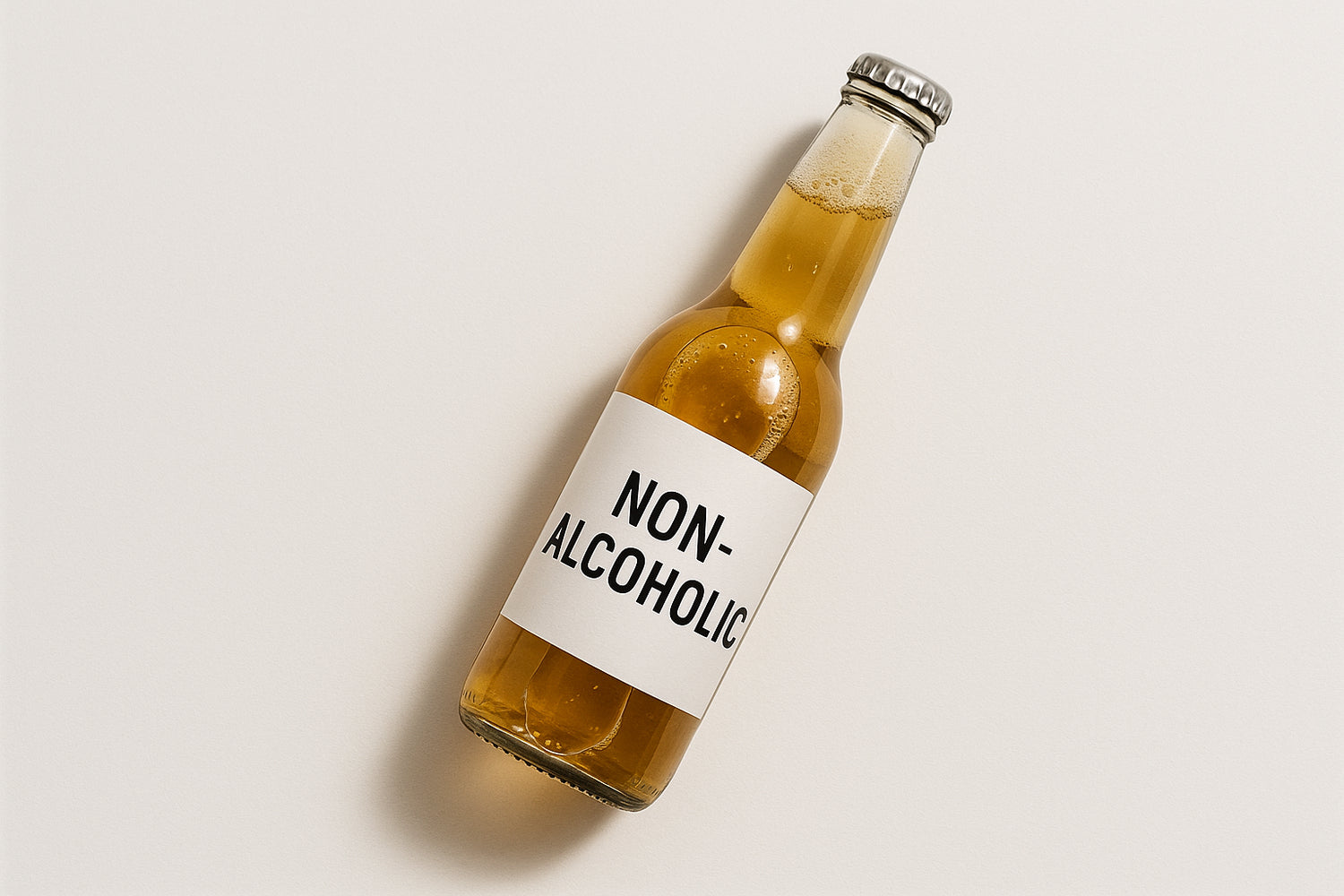
This code applies to non-alcoholic beer with an alcohol content of 0.5% ABV (alcohol by volume) or less [1].
It includes:
- Low-alcohol beers brewed using traditional methods.
- Dealcoholised beers, where alcohol is removed after brewing.
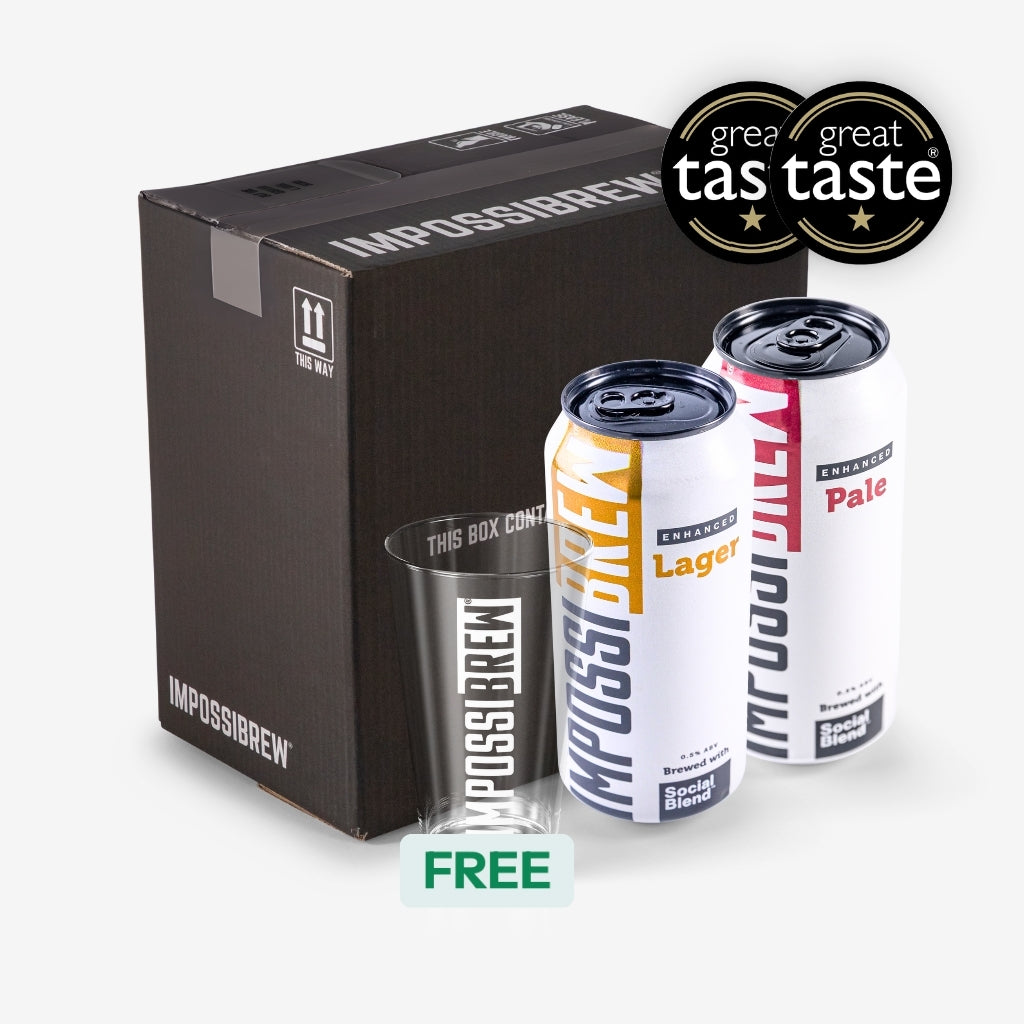
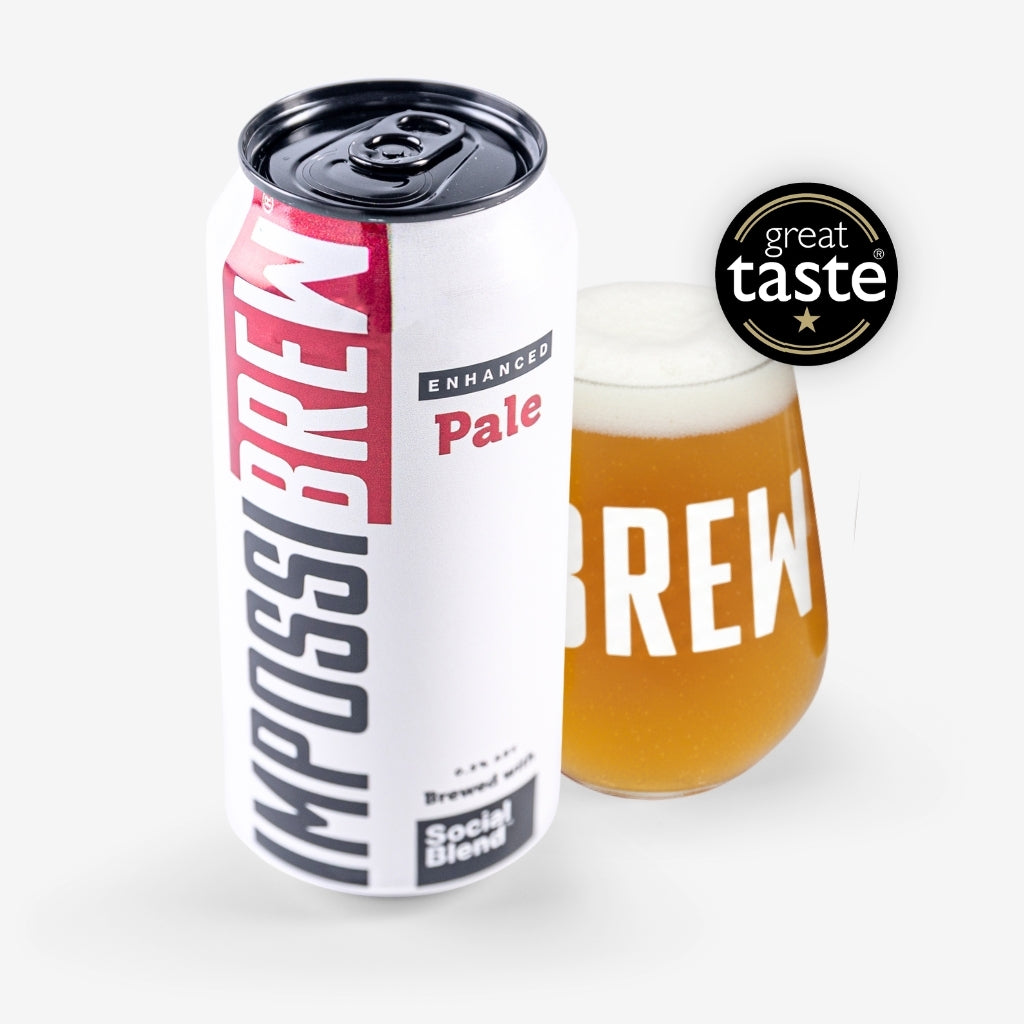
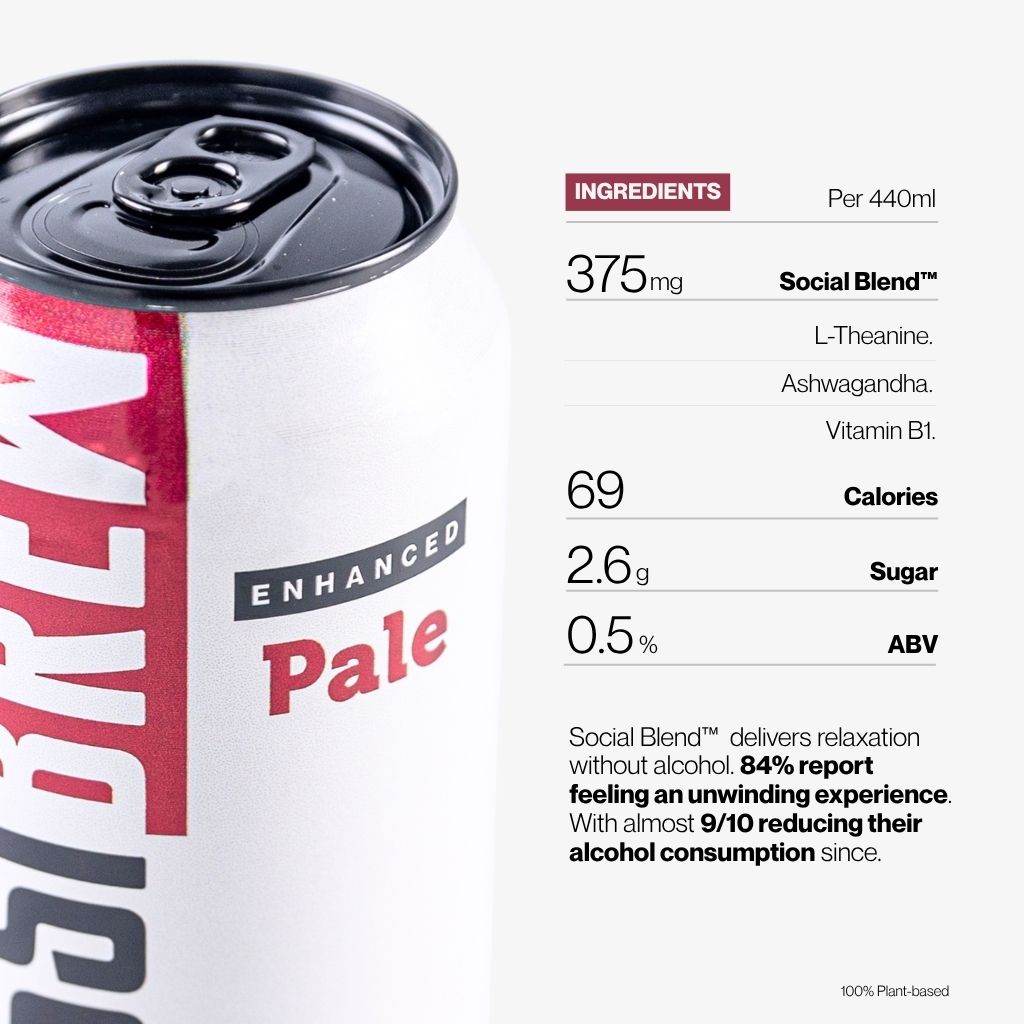
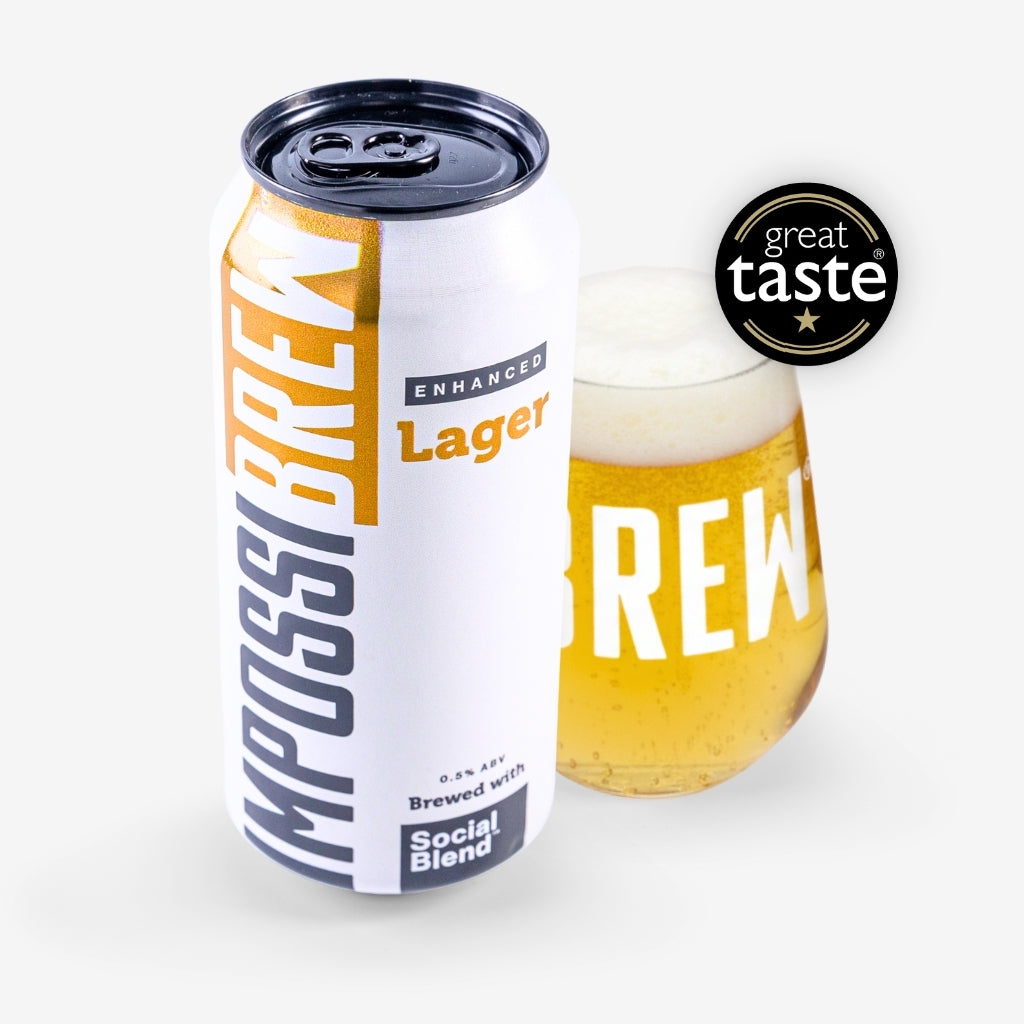
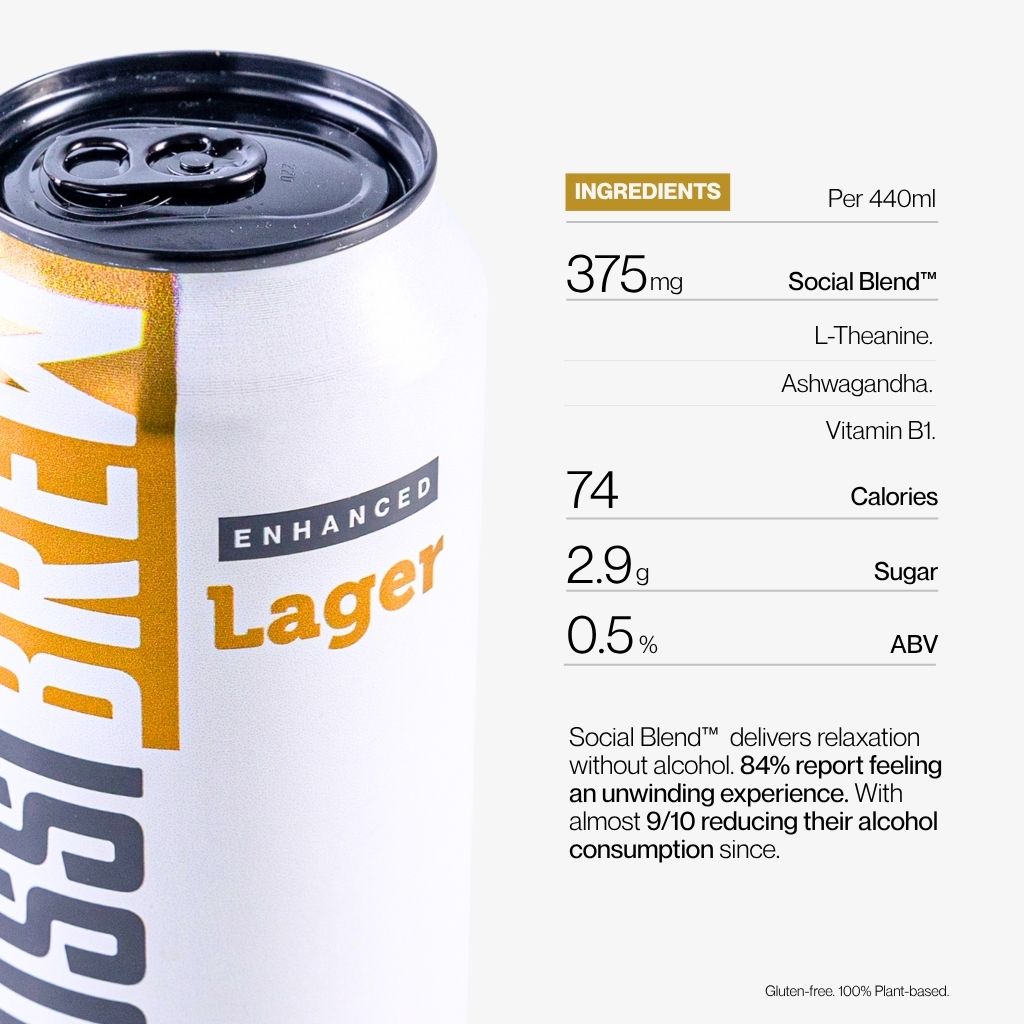
- Specially developed beverages, like those from IMPOSSIBREW®, designed to mimic the taste and attributes of beer while adhering to the low alcohol threshold.
How Non-Alcoholic Beer Differs from Other Beverages
Non-alcoholic beer under HS Code 220291 is distinct from other non-alcoholic drinks classified under different subheadings of Heading 2202 [1]. The main differences lie in the brewing process and the unique characteristics of the final product. Unlike other beverages, non-alcoholic beer retains a connection to traditional brewing, even if the alcohol content is minimal.
Meanwhile, alcoholic beers and spirits are classified under different HS codes, either within Chapter 22 or other chapters entirely. This clear distinction ensures that different types of beverages receive appropriate regulatory treatment.
Getting the classification right is crucial for businesses. Misclassification can result in incorrect duty charges, shipment delays, and compliance issues, all of which can have financial consequences [7].
How to Format HS Code 220291 in Customs Declarations
When declaring goods, the format of HS Code 220291 can vary depending on the country’s customs system. While the first six digits (220291) are standardised globally, many countries expand this code for their own tariff and statistical purposes [6].
- In the EU, the code is extended to 22029100 [3].
- In the US, a 10-digit format is used, such as 2202910000 [5].
Ensuring the correct format is essential to avoid delays or reclassification by customs authorities. Using an incorrect format, even by one digit, can lead to processing issues. Since tariffs and duties are directly tied to these codes, accurate formatting can also provide strategic advantages in managing supply chains [7]. Always double-check the specific requirements of your destination country to ensure smooth processing.
How HS Code 220291 Determines Tariffs and Duties
HS Code 220291 plays a key role in calculating import tariffs, VAT, and, in some cases, excise duties for non-alcoholic beer. Once the product is classified under this code, customs authorities apply these charges. Knowing how these calculations work is essential for controlling costs when importing or exporting non-alcoholic beer.
How HS Code 220291 Sets Tariff Rates
Tariff rates under HS Code 220291 differ from one country to another, depending on local trade policies. These duties are usually calculated in one of two ways: as a percentage of the product's value (ad valorem) or as a fixed amount per unit (specific rates). For instance, in the United Kingdom, duty rates depend on factors like the product's origin and any trade agreements in place. However, the exact method and rate can vary significantly across jurisdictions.
In the UK, non-alcoholic beer is subject to a 20% VAT, which is applied to the combined value of the goods, shipping, insurance, and duties. Unlike alcoholic beverages, it typically avoids excise duties, which can result in lower overall costs.
Additionally, trade preference programmes, such as the Generalised System of Preferences (GSP), may reduce or even eliminate duty rates. This highlights the importance of accurate classification, as it lays the groundwork for understanding how free trade agreements can further influence tariffs.
How Free Trade Agreements Affect Tariffs
Free trade agreements (FTAs) can significantly alter tariffs for non-alcoholic beer by offering preferential rates - or even removing duties entirely - provided that specific rules of origin are met. These rules require that a certain percentage of the product's value comes from the partner country or that particular manufacturing steps occur within the agreement's region.
For brands like IMPOSSIBREW®, meeting these origin criteria depends on where the main ingredients are sourced and where the brewing and packaging take place. Under agreements such as the UK-EU Trade and Cooperation Agreement, qualifying non-alcoholic beer may enjoy duty-free access. However, this benefit hinges on maintaining strict documentation, including certificates of origin and supplier declarations. Without proper records, the product could lose its preferential treatment.
Calculating Total Import Costs
Total import costs go beyond just duty rates. The calculation begins with the transaction value of the goods and adds shipping, insurance, and handling expenses. Importers then apply the relevant duty rate for HS Code 220291 and calculate VAT on the combined total.
Other costs, such as customs handling fees, may also come into play. To mitigate risks, importers often turn to strategies like forward contracts or currency hedging, especially for regular shipments.
Another effective cost-management approach is the use of bonded warehouses. By storing goods under customs control, importers can delay paying duty and VAT until the products are released for domestic consumption. This can be particularly helpful for managing seasonal demand or improving cash flow.
Understanding these costs is crucial for setting pricing strategies, sourcing decisions, and market plans. The relatively favourable treatment of non-alcoholic beer under HS Code 220291 can provide a competitive edge in global markets.
sbb-itb-a752bf8
UK Tariff Rules and Border Requirements for Non-Alcoholic Beer
Since Brexit, the UK Global Tariff governs the import and export of non-alcoholic beer under HS Code 220291, replacing the EU's Common External Tariff. This change has introduced new compliance requirements for businesses like IMPOSSIBREW®, which must ensure all customs procedures are followed correctly, including the precise use of HS Code 220291 in declarations to facilitate smooth border crossings.
Using HS Code 220291 in UK Customs Declarations
When filing customs declarations through the Customs Declaration Service (CDS), importers need to use an extended commodity code based on HS Code 220291. This code is essential for determining the correct duty rates and understanding any regulatory requirements. HM Revenue and Customs (HMRC) uses automated systems to cross-reference these codes with the tariff schedule. Any mismatch between the declared code and the product description could trigger further inspections or requests for additional paperwork.
It’s also important to accurately declare the product's country of origin. This can affect whether the shipment qualifies for preferential tariffs under specific trade agreements.
Required Documents for Border Compliance
To comply with UK customs rules, importers must provide documentation confirming that their product is correctly classified under HS Code 220291. Key documents include:
- Laboratory analysis certificate: Verifies the alcohol by volume (ABV) to confirm the product meets non-alcoholic standards.
- Commercial invoice: Contains a detailed product description clearly identifying the shipment as non-alcoholic beer.
- Packing list: Itemises the shipment contents, which is especially useful for brands like IMPOSSIBREW® offering multiple product variants.
Depending on the shipment, additional documents - such as ingredient certificates, organic certifications, or health certificates - may be needed. It’s also essential that the details on bills of lading or airway bills match the commercial invoice to avoid delays at UK ports. These measures help clarify tariff distinctions between non-alcoholic and alcoholic beer.
How Non-Alcoholic Beer Is Treated vs Alcoholic Beer
The UK tax system applies different rules to non-alcoholic and alcoholic beer. Non-alcoholic beer, defined as having less than 1.2% ABV, is exempt from excise duty. In contrast, alcoholic beer is subject to excise duties that vary based on its alcohol content. Additionally, alcoholic beer imports often require documentation under the excise movement and control system (EMCS) and must generally be stored in registered excise warehouses. Non-alcoholic beer, by comparison, enjoys fewer administrative hurdles and more flexible distribution requirements.
While both types of beer are subject to VAT, only alcoholic beer incurs excise duty and stricter labelling and documentation rules. Customs authorities may test products to verify alcohol content, but as long as non-alcoholic beer meets the required standards and is supported by proper certifications, it avoids the additional burdens faced by alcoholic beverages. The framework also accounts for trace amounts of alcohol produced during natural fermentation. As long as these levels remain within acceptable limits and are documented with laboratory analysis, the product retains its non-alcoholic classification.
Practical Guide for Importers and Exporters
As mentioned earlier, accurate classification under HS Code 220291 is essential. This guide offers a practical approach for importers and exporters, whether you're a craft brewery expanding globally or a distributor importing non-alcoholic beers from brands like IMPOSSIBREW®. Proper classification and thorough documentation are key to avoiding customs delays.
Step-by-Step Guide to Classify Non-Alcoholic Beer
To ensure smooth customs clearance, follow these steps for precise classification and documentation:
Start by identifying your product accurately.
Record the product's alcohol by volume (ABV), as non-alcoholic beer must not exceed 0.5% ABV. Secure laboratory certificates to confirm the ABV complies with non-alcoholic standards.
Provide detailed product descriptions.
Include information about brewing methods, ingredients, packaging, and ABV in your customs paperwork. List each product variant with its specific ABV and ingredient details.
Determine the extended HS code for your destination.
Many countries require codes beyond the standard 6-digit HS code, using 8-digit or 10-digit extensions to calculate duties [4].
Check for eligibility under trade agreements.
If your shipment qualifies for preferential tariffs, ensure you have the necessary documentation, such as a Certificate of Origin, to claim reduced duty rates [8].
Common Classification Mistakes to Avoid
Using generic codes instead of specific ones.
Some businesses mistakenly apply general beverage codes instead of the precise HS Code 220291 for non-alcoholic beer. This can lead to incorrect duty calculations and potential penalties during customs inspections [2][9].
Ignoring differences in alcohol content definitions.
Countries often define "non-alcoholic" differently. Failing to ensure your product meets the ABV threshold in your target market can cause legal issues and customs delays [2][9].
Insufficient documentation.
Without proper evidence - like laboratory certificates, ingredient lists, or production records - customs authorities may dispute your classification [9].
Overlooking country-specific code subdivisions.
Some nations add extra layers to the standard 6-digit HS code. Using an outdated or incorrect extended code can result in compliance problems and additional scrutiny from customs [4].
Import and Export Checklist
After addressing potential pitfalls, use this checklist to finalise your preparations:
- Verify your documentation: Ensure laboratory certificates confirm the ABV is below the non-alcoholic threshold for your destination. Include detailed product descriptions on commercial invoices, clearly identifying the items as non-alcoholic beer. Packing lists should itemise all variants with their specific details.
- Prepare customs declarations: Use the full tariff code based on HS Code 220291 for your destination, not just the basic 6-digit code [3]. Double-check the accuracy of your country of origin declaration, as it impacts preferential tariff eligibility.
- Compile compliance documents: Collect any required ingredient certificates, organic or health certifications, or other compliance paperwork. If you're claiming preferential tariff rates, make sure you have the relevant Certificate of Origin or equivalent documentation [8].
- Cross-check for consistency: Ensure all documents - bills of lading, commercial invoices, and packing lists - have consistent product descriptions and correct tariff codes. Include any special handling or storage instructions in your shipping paperwork to avoid issues during transit.
Summary: Key Points About HS Code 220291
For anyone dealing with the non-alcoholic beer trade, understanding HS Code 220291 is essential. It plays a key role in determining customs duties and managing import–export processes effectively. This section highlights its importance in trade operations.
HS Code 220291 is assigned specifically to non-alcoholic beer [2] [11]. Proper classification under this code ensures the application of correct tariffs, compliance with regulations, accurate trade statistics, and smoother customs clearance [2].
While the universal HS Code uses a 6-digit format, many countries expand it to 8 or 10 digits. These extended codes often include details like MFN duties, general duties, preferential rates under free trade agreements, and other national tariff measures [4] [2] [10].
FAQs
What happens if non-alcoholic beer is classified under the wrong HS Code?
Misclassifying non-alcoholic beer under the wrong HS Code can lead to a host of problems. These might include legal fines, delays at customs, incorrect duty payments, or even disputes with trade authorities. None of these are headaches you want to deal with.
To steer clear of such complications, it’s crucial to use the right HS Code. For non-alcoholic beer, that’s 220291. This ensures you stay compliant with import/export rules and that tariffs are applied correctly.
How do free trade agreements affect tariffs on non-alcoholic beer classified under HS Code 220291?
Free trade agreements (FTAs) offer a valuable opportunity to cut down or even eliminate tariffs on non-alcoholic beer classified under HS Code 220291, as long as the product meets the rules of origin specified in the agreement. This can make importing or exporting non-alcoholic beer between member countries much more cost-efficient.
For UK businesses, FTAs have become even more important in the post-Brexit era. By reducing or removing tariffs, these agreements allow non-alcoholic beer to be priced more competitively and become easier to access in international markets. That said, companies must ensure they meet all trade conditions and provide the required documentation to take advantage of these preferential tariff rates.
What documents are needed to import non-alcoholic beer into the UK?
To bring non-alcoholic beer into the UK, you'll need to have a few key things in order:
- Correct product labelling: This must include details like allergen information and the alcohol content, even if it's non-alcoholic.
- Proof of import duty and VAT payments: Ensure you've settled any required taxes.
- Compliance with UK regulations: Your product must meet all relevant food and beverage safety and quality standards.
Depending on the classification and alcohol content of the product, you might need additional permits. Double-check that all your paperwork is accurate and complete to avoid hold-ups at customs.