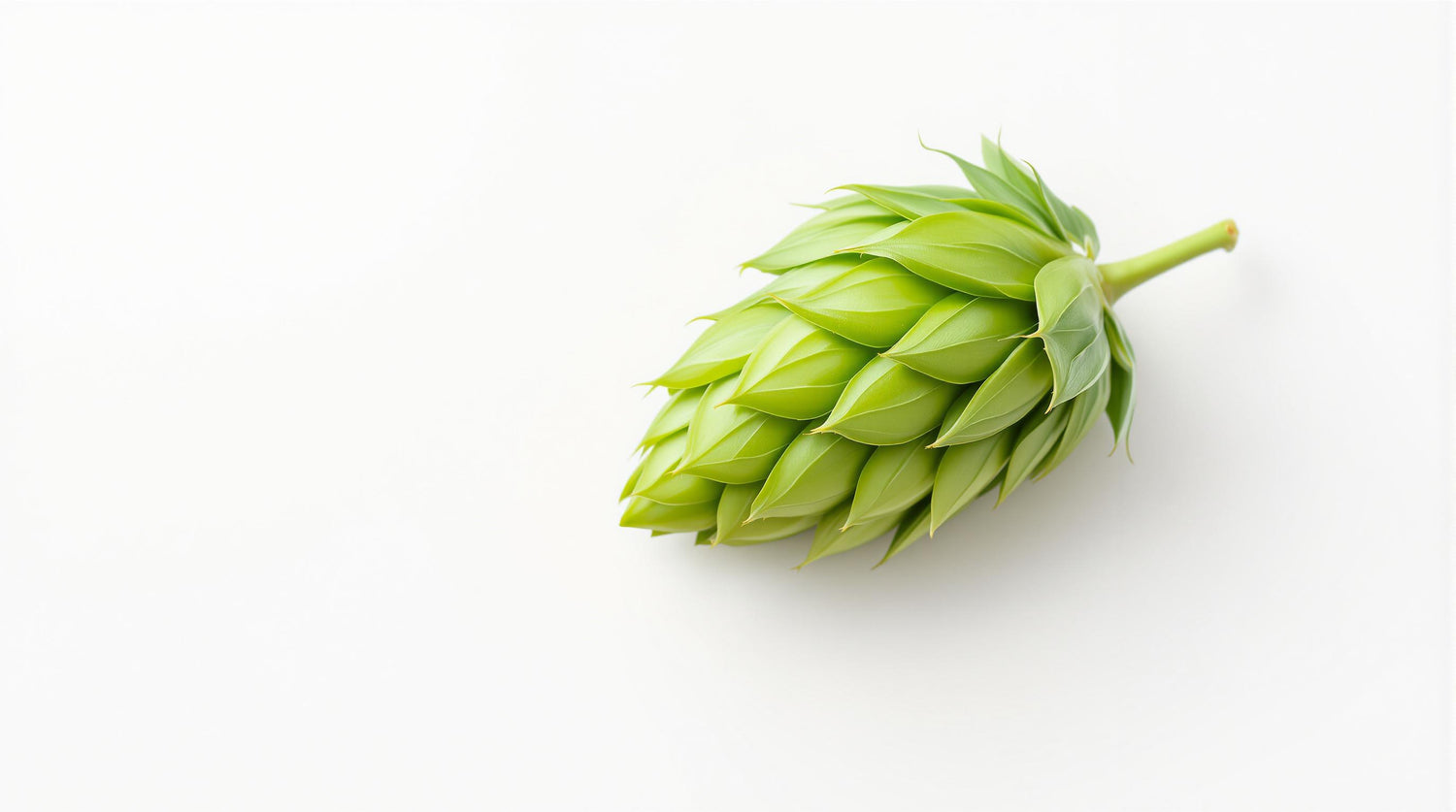
Iso-α-acids, found in hops and responsible for beer's bitterness, may support memory and brain health. Early research shows they can improve short-term memory, spatial awareness, and pattern recognition, while also potentially offering neuroprotective benefits. Non-alcoholic beers like IMPOSSIBREW® now include these compounds, making them accessible without alcohol's downsides. Key points:
- What are Iso-α-Acids? Compounds from hops formed during brewing, known for their bitterness and antimicrobial properties.
- Memory Benefits: Linked to better short-term memory, processing speed, and brain health.
- Non-Alcoholic Options: Products like IMPOSSIBREW® offer iso-α-acids in alcohol-free drinks.
- Safety: Generally safe but consult a doctor if pregnant, breastfeeding, or on medication.
Research is ongoing, focusing on dosage, long-term effects, and age-specific benefits, with promising applications in cognitive health and functional beverages.
Hops and Alpha Acids Explained
Research on Memory Effects
Researchers have been diving deeper into how neural functions relate to memory, focusing on specific outcomes.
Key Findings
Studies suggest that iso-α-acids can improve several areas of memory. Regular intake has been linked to better short-term memory, spatial awareness, and pattern recognition. Some research also points to potential improvements in working memory and processing speed, though more evidence is needed to confirm these results.
Methods and Current Limitations
These findings come from controlled trials using standardised tests conducted over several months. However, there are still gaps in the research. Many studies have looked at iso-α-acids in isolation, without considering how they interact with other compounds found in beer. Questions also remain about the best dosage and delivery methods for these benefits.
Future studies should focus on long-term memory effects, explore how age impacts results - particularly in younger adults - and identify the most effective ways to consume these compounds. Researchers are also investigating non-alcoholic delivery options, aiming to provide cognitive benefits without the downsides of alcohol.
How Iso-α-Acids Affect Memory
Brain Chemistry Effects
Studies suggest that iso-α-acids influence memory by adjusting neurotransmitter activity and lowering inflammation in key areas of the brain. These actions play a role in supporting both memory formation and retention by directly affecting essential brain functions.
Working with Other Memory-Boosting Compounds
Iso-α-acids might also complement other substances known to aid cognitive function. For instance, flavonoids are linked to improving short-term memory, omega-3 fatty acids help maintain neuronal health, and B vitamins are crucial for neurotransmitter production. Iso-α-acids could provide a longer-lasting form of memory support. Researchers are exploring how these compounds might work together, highlighting the potential benefits of a balanced diet for overall brain health.
sbb-itb-a752bf8
Uses and Safety Guidelines
Sources of Iso-α-Acids
Iso-α-acids are formed when hop α-acids are isomerised during brewing. Traditional beers, especially those with a higher hop content, are rich in these compounds. Non-alcoholic beers also retain similar levels of iso-α-acids while significantly reducing alcohol content.
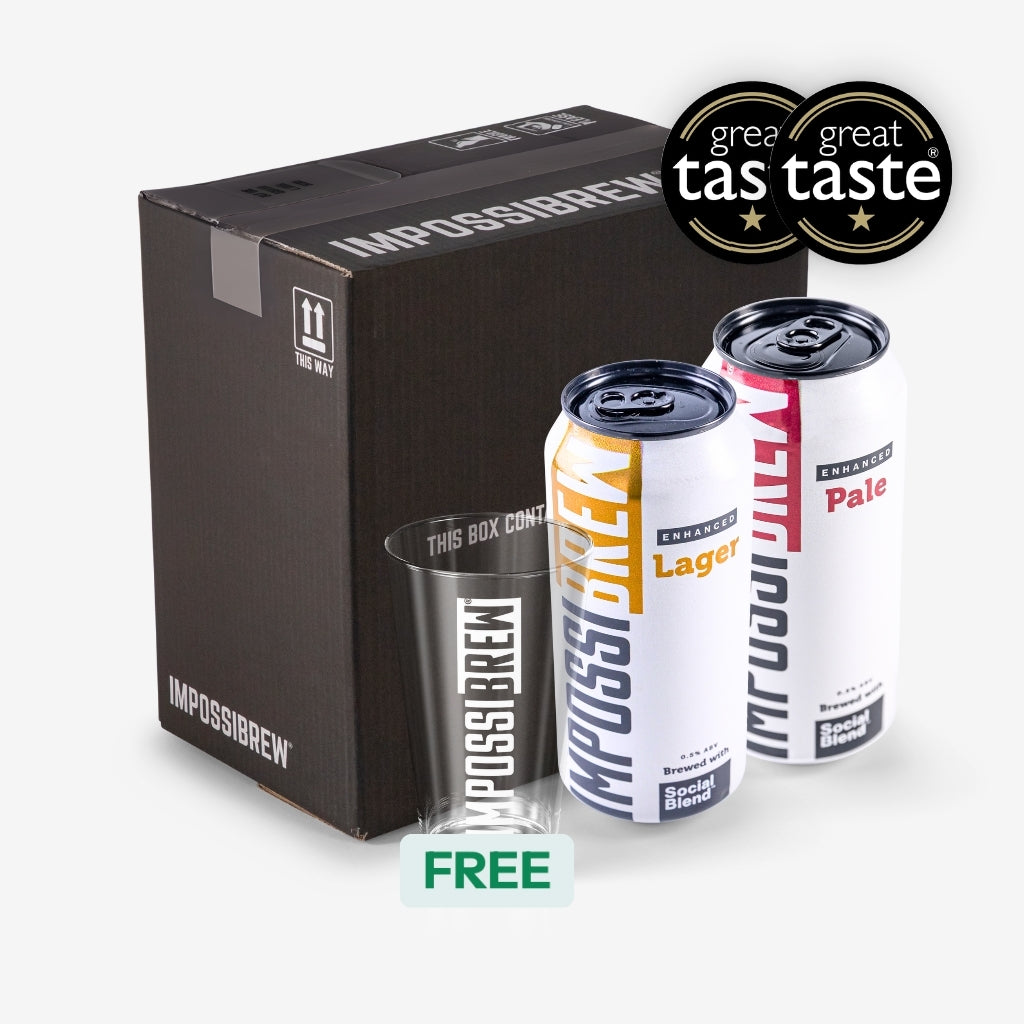
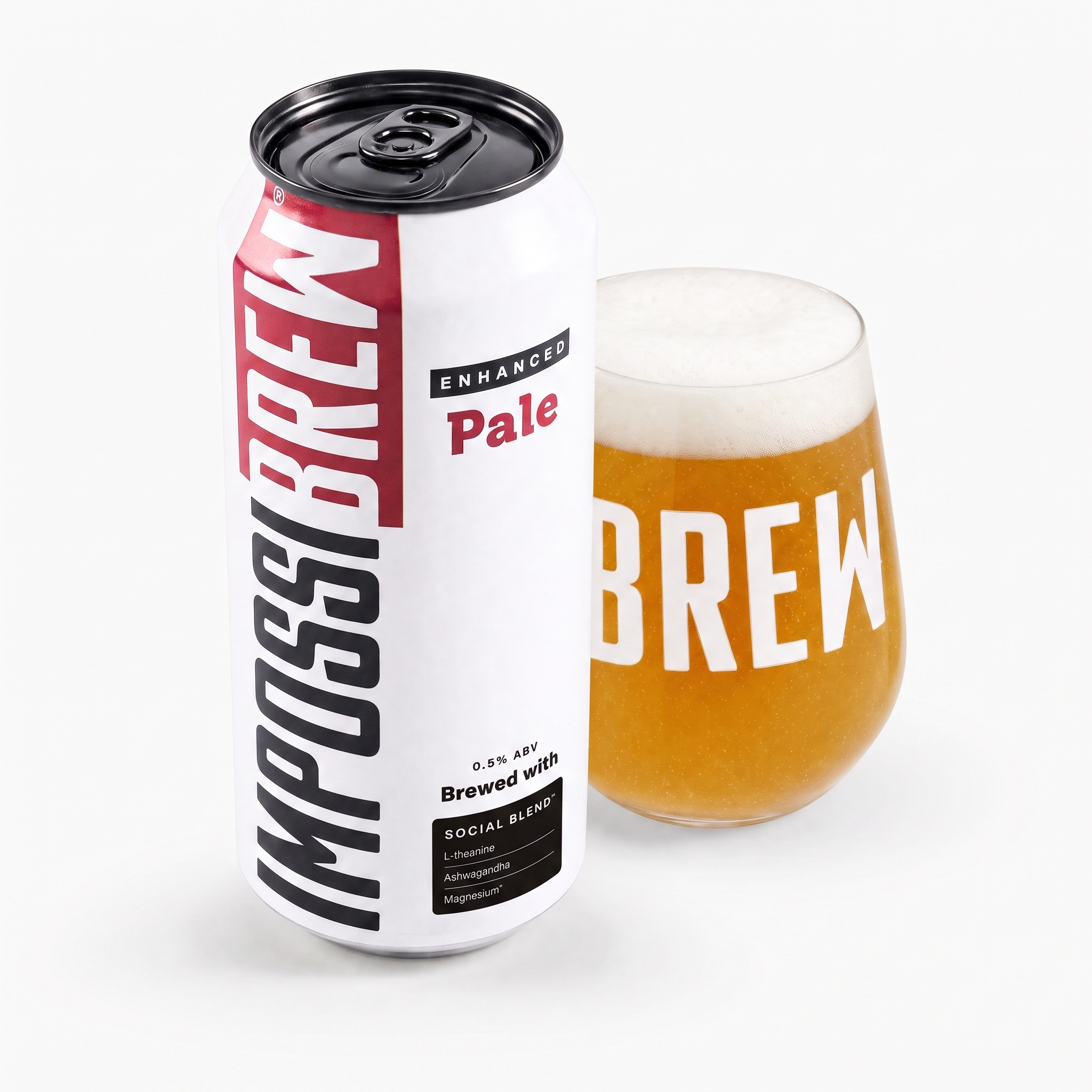
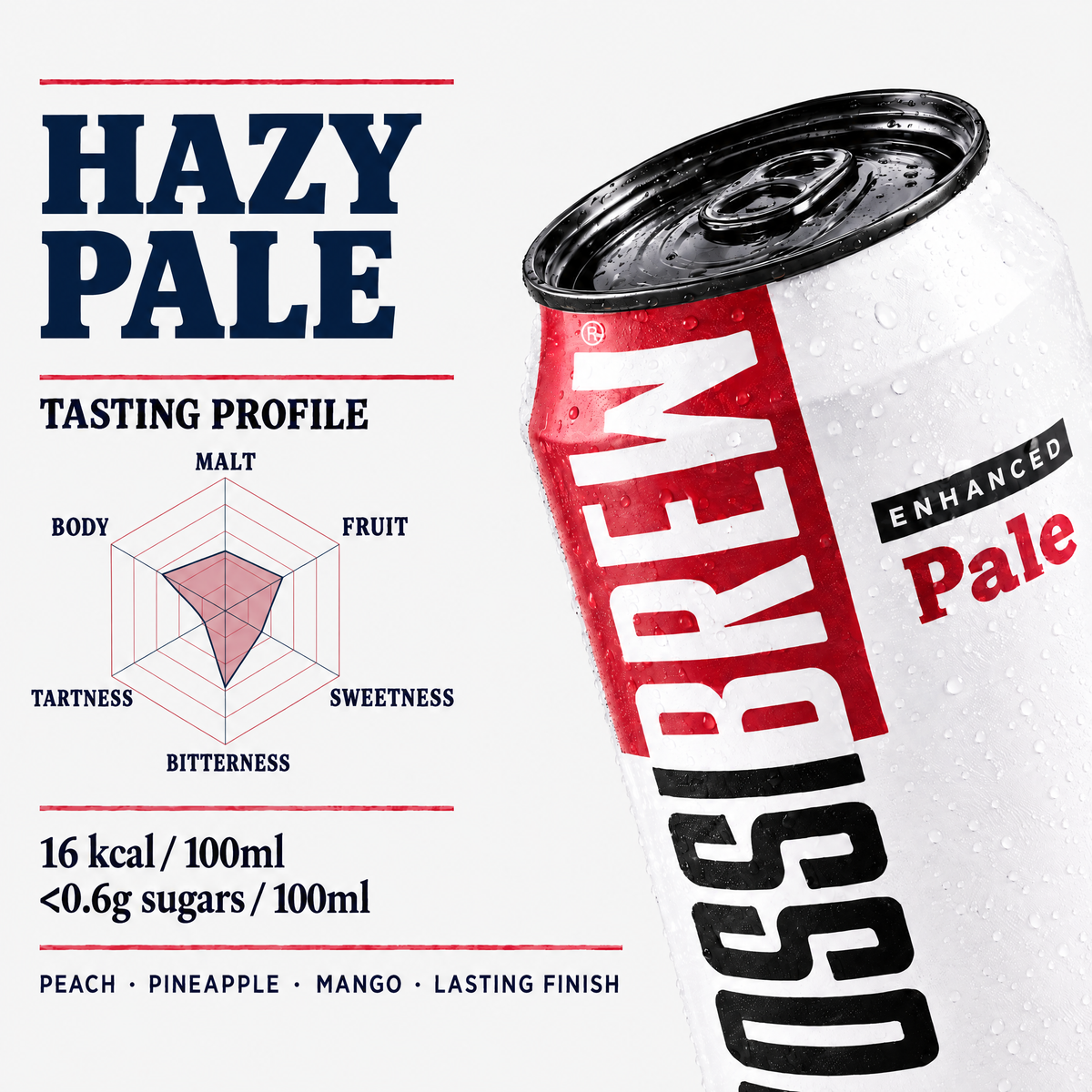
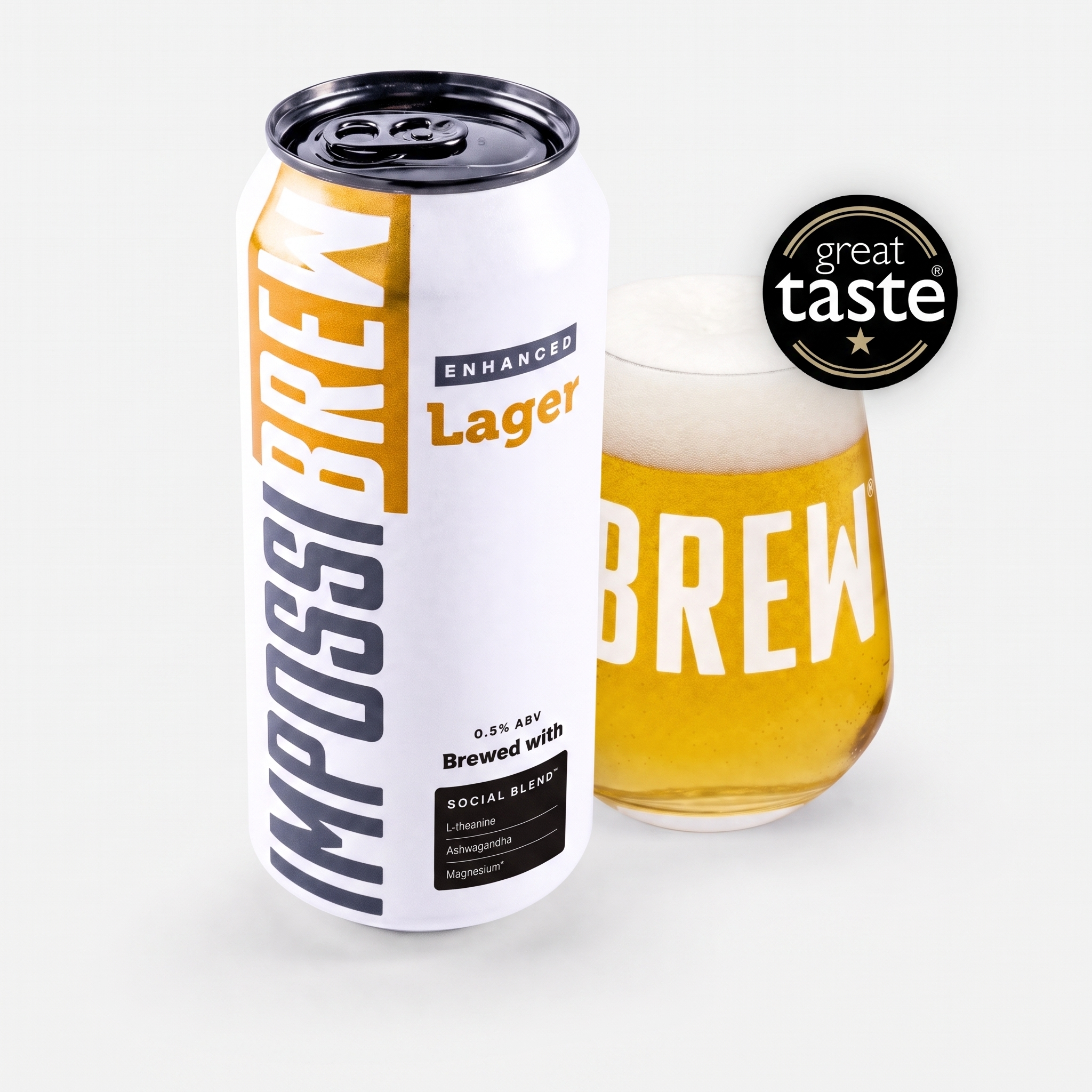
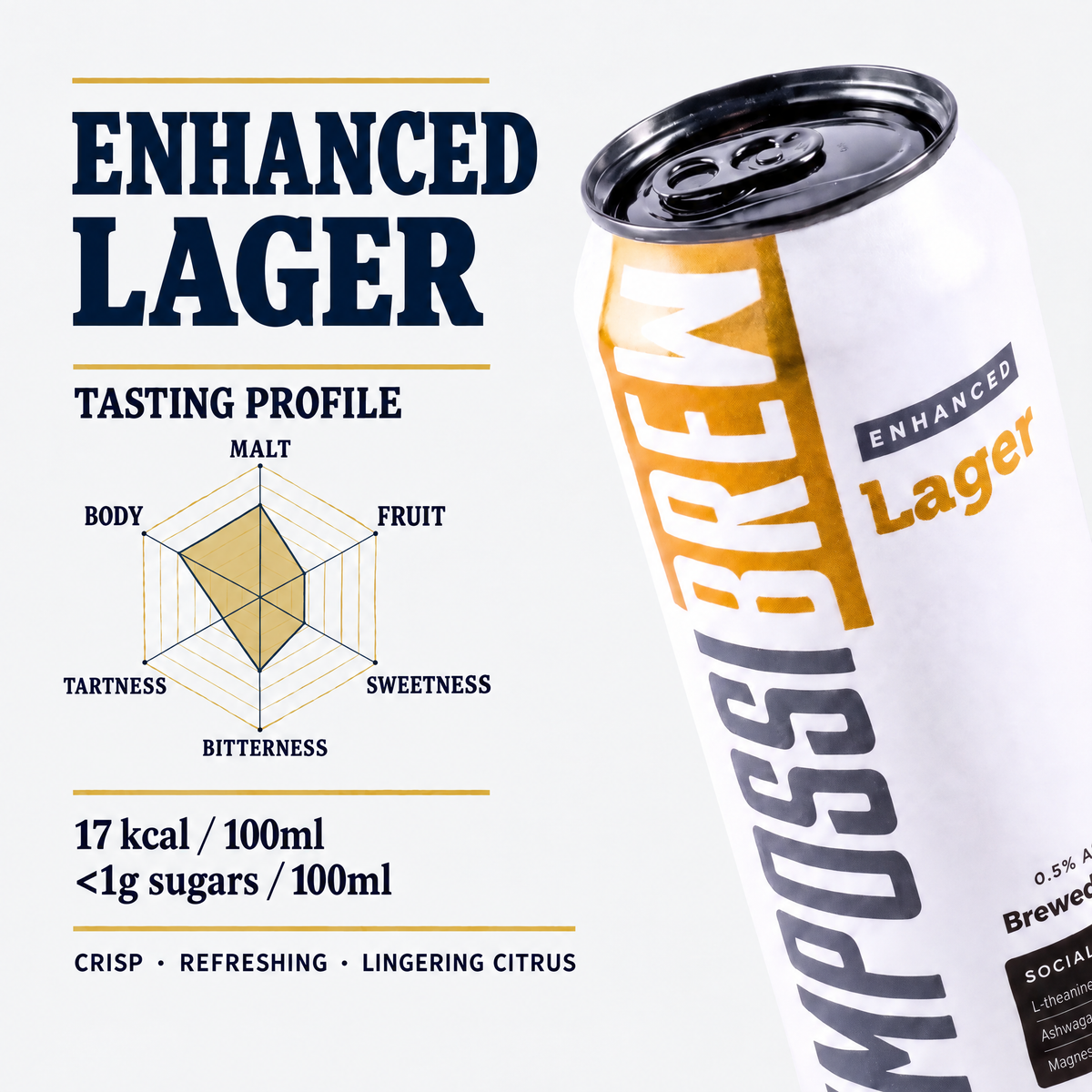
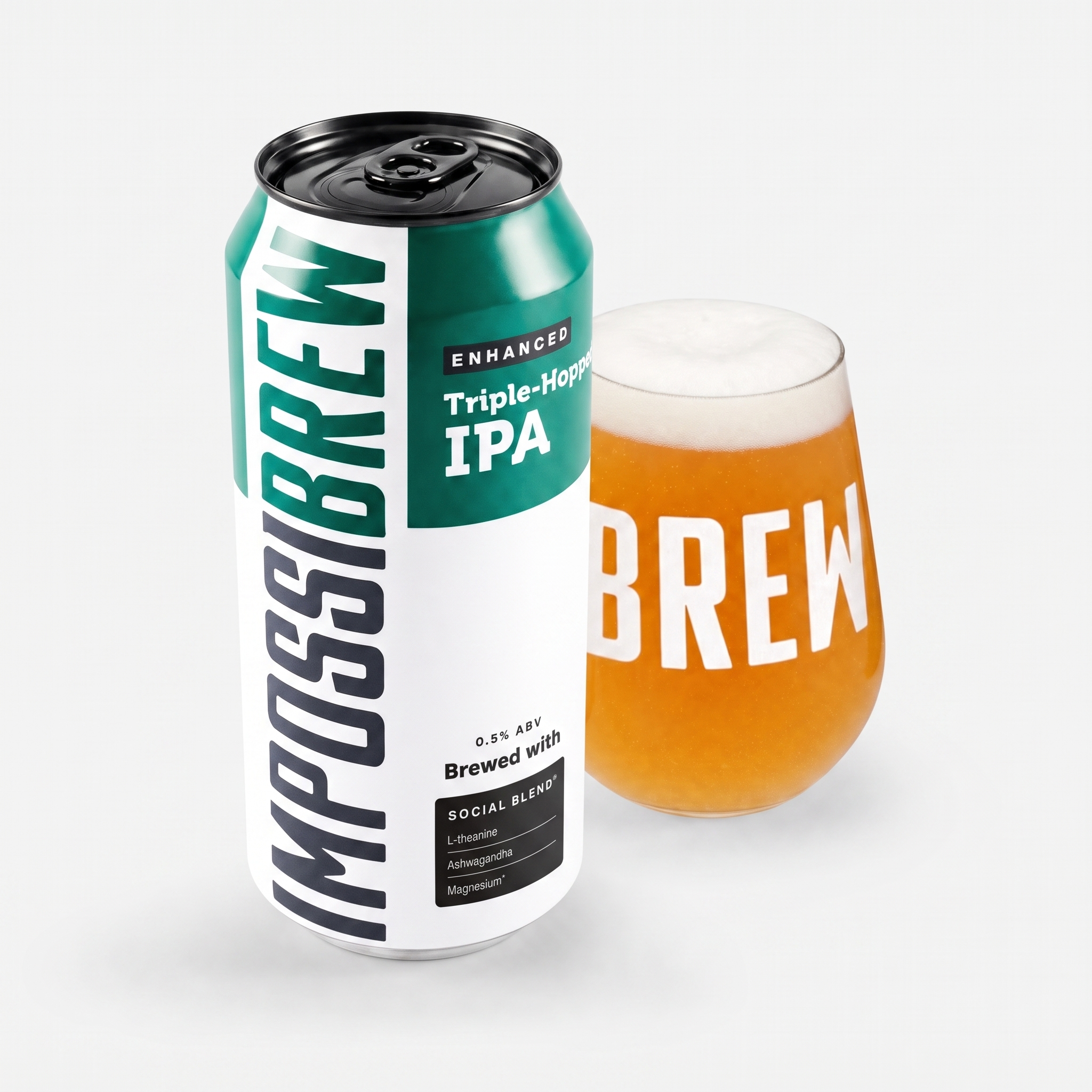
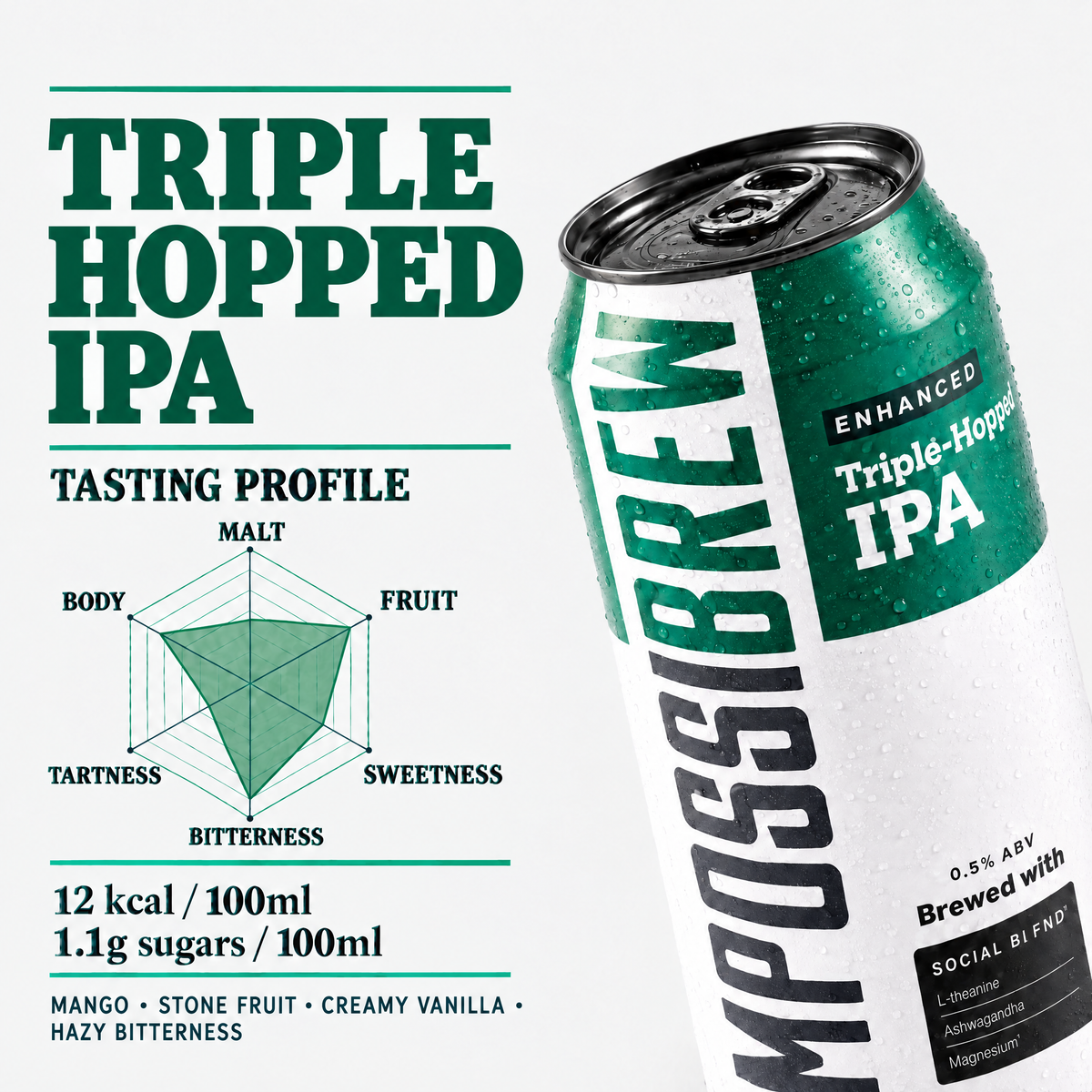
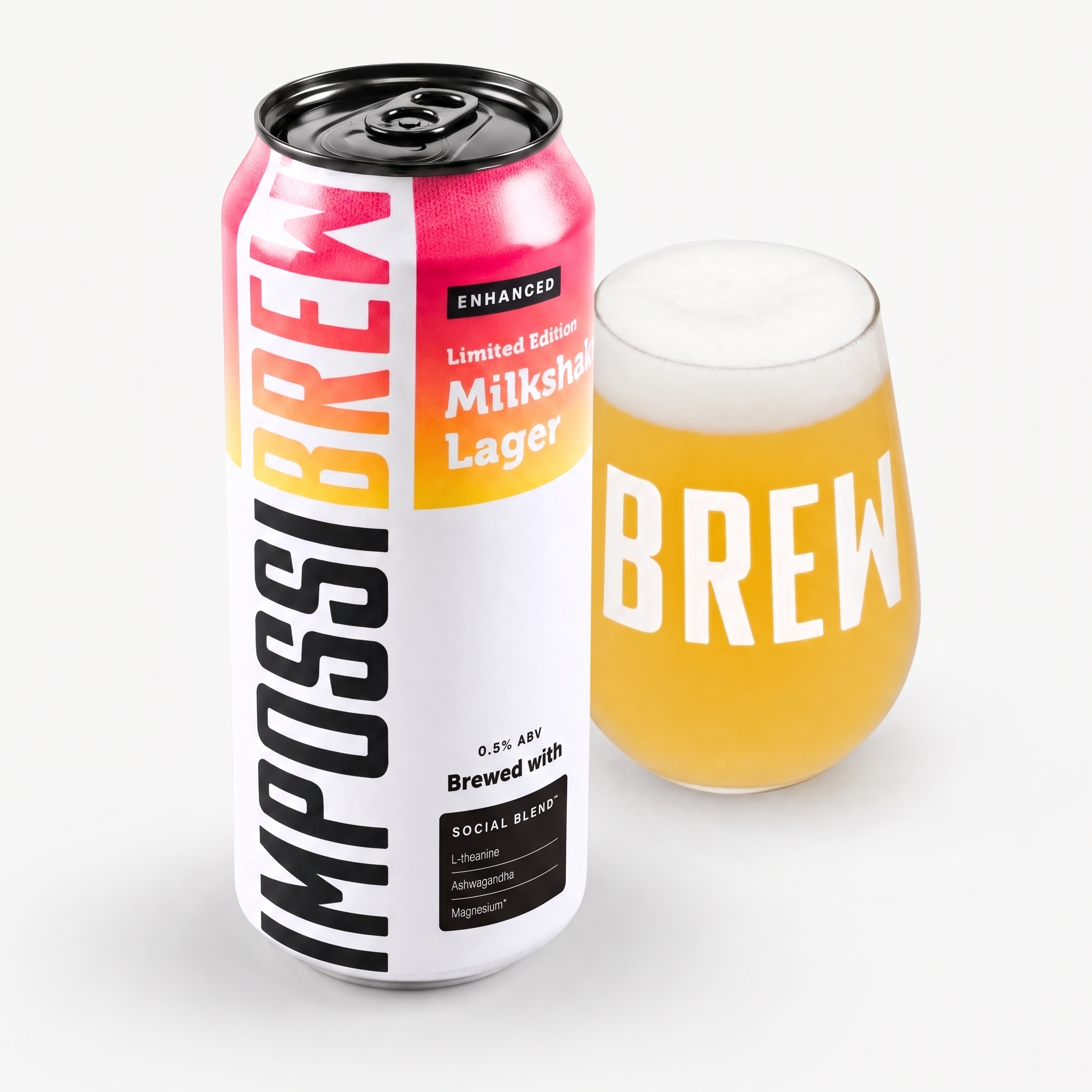
IMPOSSIBREW®, awarded as the UK's best non-alcoholic beer at the 2023 World Beer Awards, incorporates iso-α-acids using a unique brewing process. Their product line, including Enhanced Lager and Enhanced Pale Ale, contains less than 0.5% ABV, ensuring these compounds remain intact.
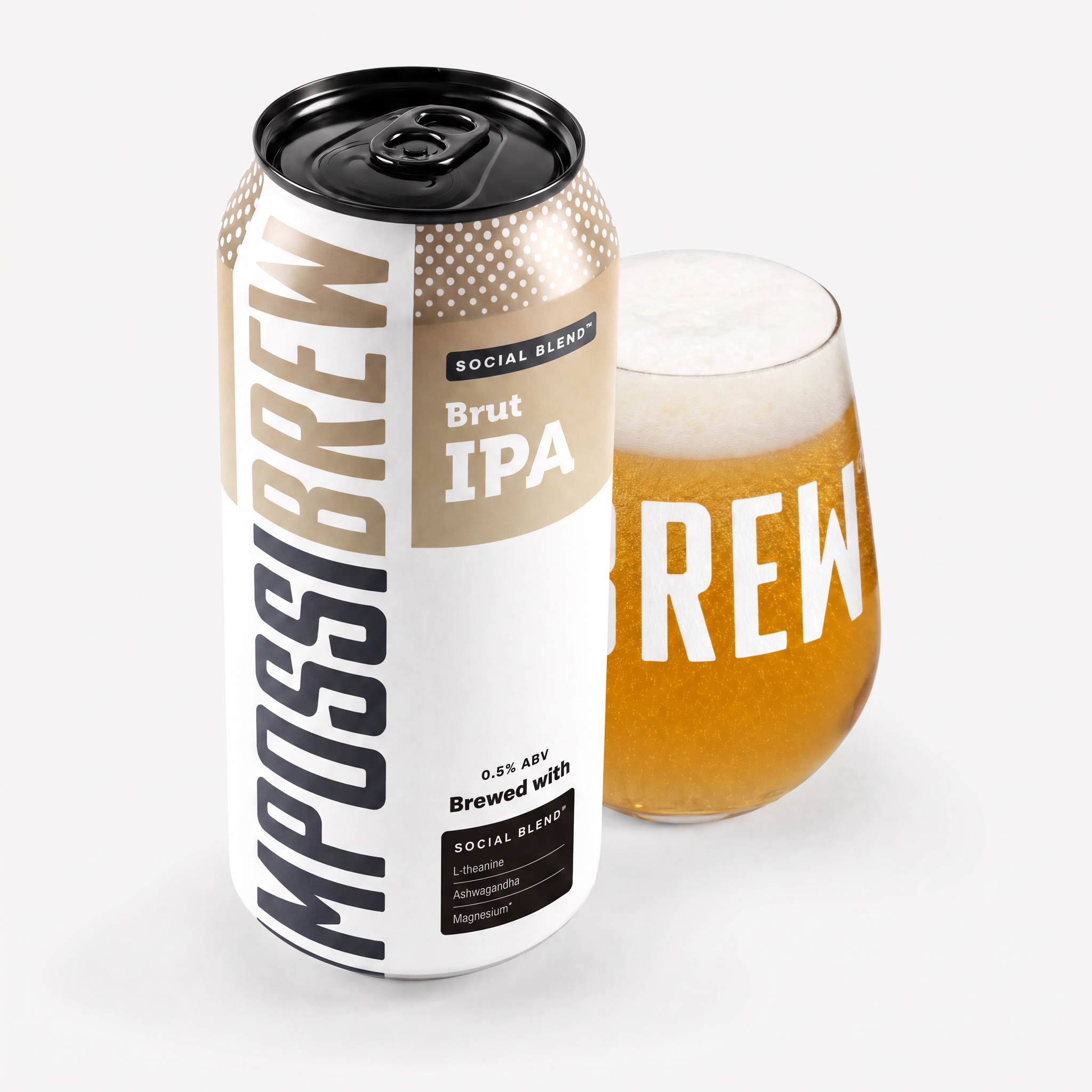
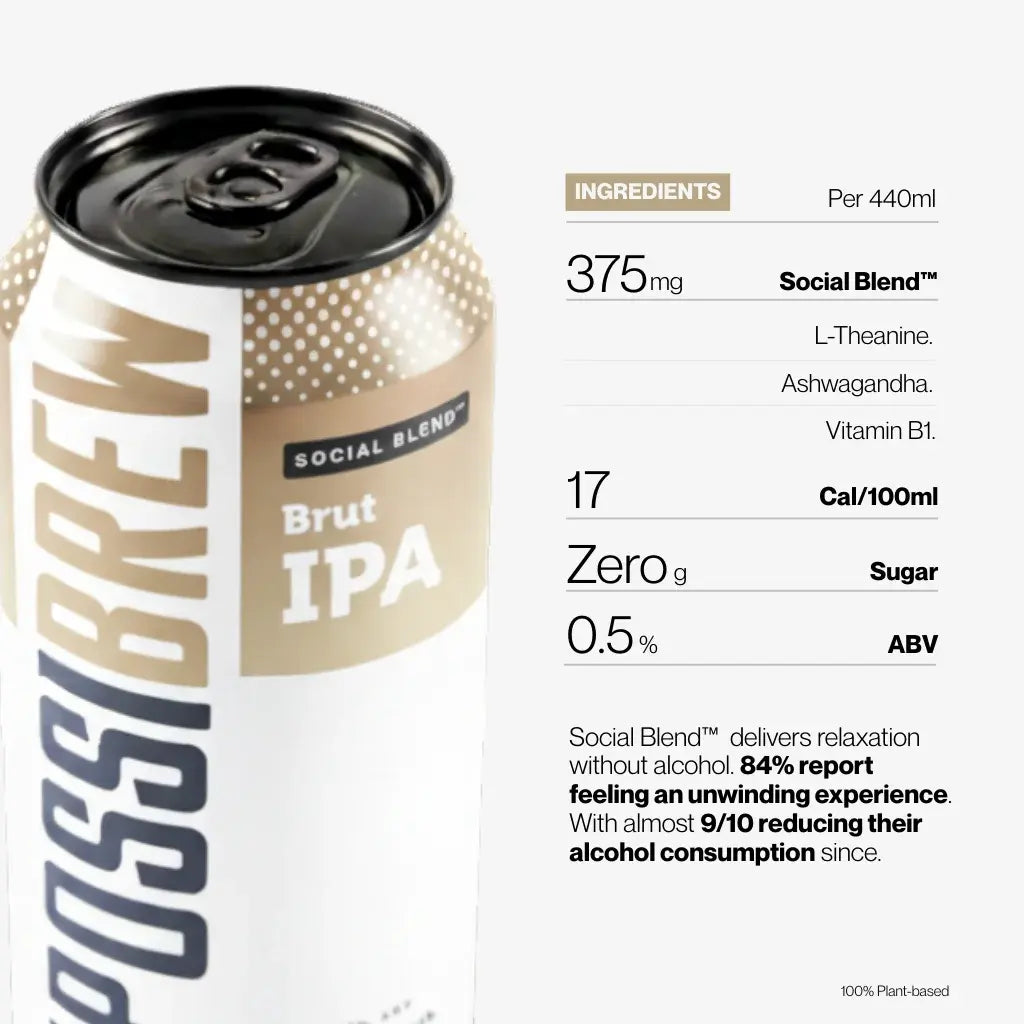
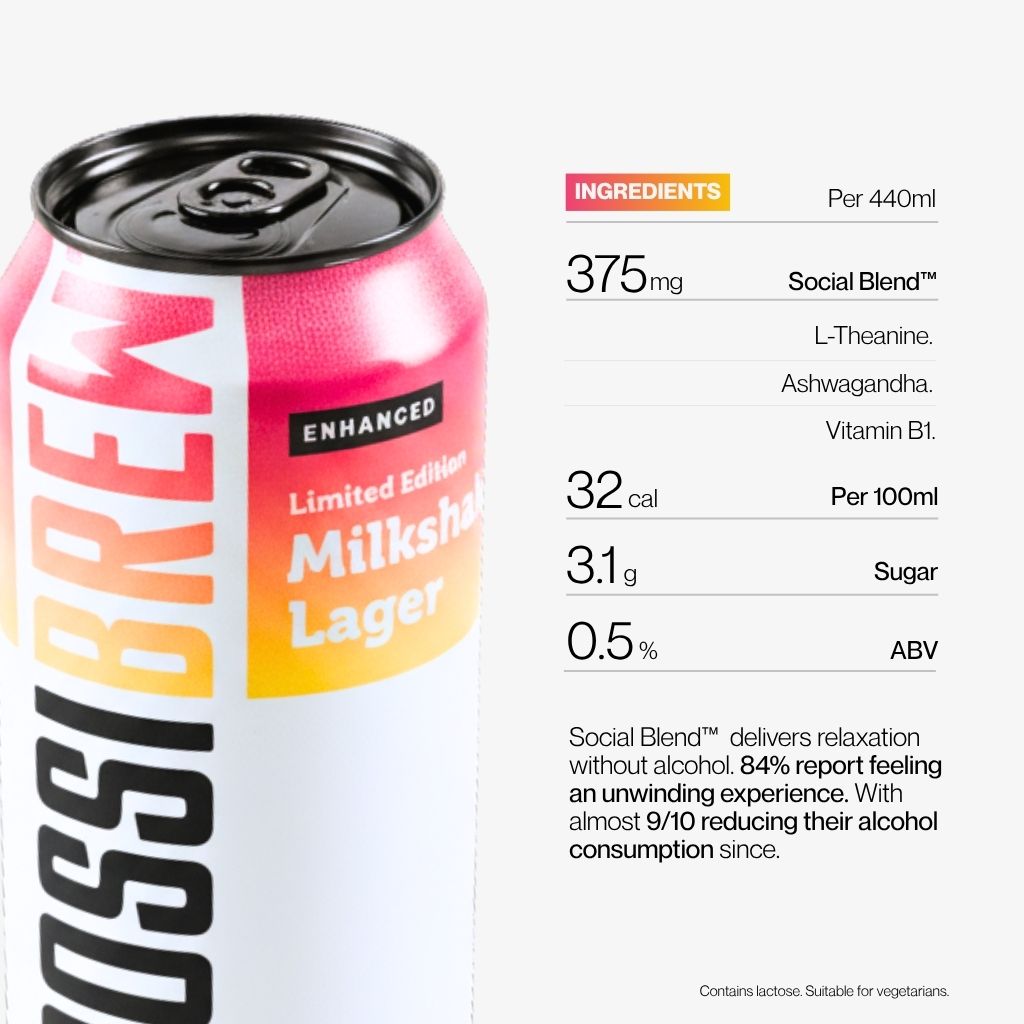
"IMPOSSIBREW® is brewed with Social Blend™, our proprietary alcohol-alternative that uses our patent-pending technology, designed to unwind." [1]
Effects Across Age Groups
Iso-α-acids may have varying effects depending on age. Research indicates that older adults could experience more noticeable cognitive and memory-related benefits. Ongoing studies are exploring these effects across different demographics, with a focus on age-related cognitive health.
Safety Information
When consuming products containing iso-α-acids, it’s important to consider specific safety guidelines:
| Population Group | Safety Recommendations |
|---|---|
| Older Adults | Speak with a healthcare provider before regular use, particularly if you have existing health conditions. |
| Pregnant/Breastfeeding Women | Avoid use unless advised by a healthcare professional. |
| Individuals on Medication | Consult a doctor if taking antidepressants or blood thinners. |
| Those with Medical Conditions | Use cautiously if you have gastrointestinal issues or high blood pressure. |
Non-alcoholic options like IMPOSSIBREW® have been well-received, with over 1,000 reviews giving an average 4.8/5 rating. Still, individual reactions can differ, so moderation is key no matter the product.
Research Outlook
Current Research Focus
Scientists are delving into how iso-α-acids interact with brain chemistry to influence memory. Recent findings suggest these compounds may play a role in supporting cognitive functions.
Researchers are studying iso-α-acids across various age groups, testing different dosages to better understand their effects. At the forefront, Dr Paul Chazot and his team at Durham University are investigating how these compounds might improve memory and support cognitive resilience. Their work highlights the potential of iso-α-acids in promoting brain health.
Here’s a snapshot of the key research areas:
| Research Focus | Description | Current Status |
|---|---|---|
| Biochemical Pathways | Exploring how iso-α-acids interact with neurotransmitters | Early findings show positive interactions |
| Long-term Effects | Assessing the impact of prolonged use | Longitudinal studies began in 2023 |
| Age-related Benefits | Measuring effectiveness across different age groups | Multiple trials are underway |
These studies are shaping the future of product development in this space.
New Product Development
The beverage industry is already applying these research insights to create functional drinks infused with iso-α-acids. These products aim to deliver the cognitive benefits highlighted by recent studies.
A great example is IMPOSSIBREW®, which launched its Enhanced Lager and Pale Ale range in March 2023. Using their proprietary Social Blend™ technology, the company has seen success, with 70% of customers reporting increased relaxation. At £3.49 per can, these beverages represent a new type of non-alcoholic functional drink.
Scientists and beverage companies are now working together to drive innovation. With growing consumer interest in cognitive health and alcohol-free options, the market for functional drinks featuring iso-α-acids is expanding quickly.
Summary
Iso-α-acids, derived from hops, are showing potential for supporting memory by influencing brain chemistry.
Research led by Dr Paul Chazot at Durham University highlights that iso-α-acids can increase brain-derived neurotrophic factor (BDNF). BDNF plays a key role in neuroplasticity and memory formation, sparking interest in their use within functional beverages.
The beverage industry has already begun applying these findings. In 2023, IMPOSSIBREW® introduced its Enhanced Lager and Pale Ale, which combine iso-α-acids with nootropics. Feedback from 70% of users suggests improved relaxation effects [1]. These developments build on earlier research into the cognitive benefits of iso-α-acids.
"Iso-α-acids have shown potential in enhancing cognitive function and memory retention, making them a promising area of research in neuroprotective strategies", says Dr Paul Chazot, Bioscience Professor and Chair of Pharmacology at Durham University.
Current studies are exploring how iso-α-acids influence neurotransmission, improve synaptic plasticity, and minimise oxidative stress. These findings suggest they could play a role in therapeutic approaches for brain health.
As research progresses, there is hope for new advancements in memory support and cognitive health, paving the way for non-alcoholic beverages that offer brain-boosting benefits without the drawbacks of alcohol.