When you stop drinking alcohol for 30 days, your liver begins an impressive recovery process. Here's a quick breakdown of what happens:
- Week 1: Your liver starts detoxing. Enzyme levels (like ALT and AST) begin to normalise, and fat clearance kicks in. Inflammation reduces, and you may feel less bloated, sleep better, and have more energy.
- Weeks 2-3: Fatty liver (common in heavy drinkers) can reverse completely. Liver cells regenerate, enzyme levels improve further, and fat accumulation drops significantly.
- Day 30: For most people, liver function is nearly back to normal. Markers like ALT and GGT decrease by up to 28.6%. Insulin resistance, blood pressure, and cholesterol levels improve, reducing risks of long-term health issues.
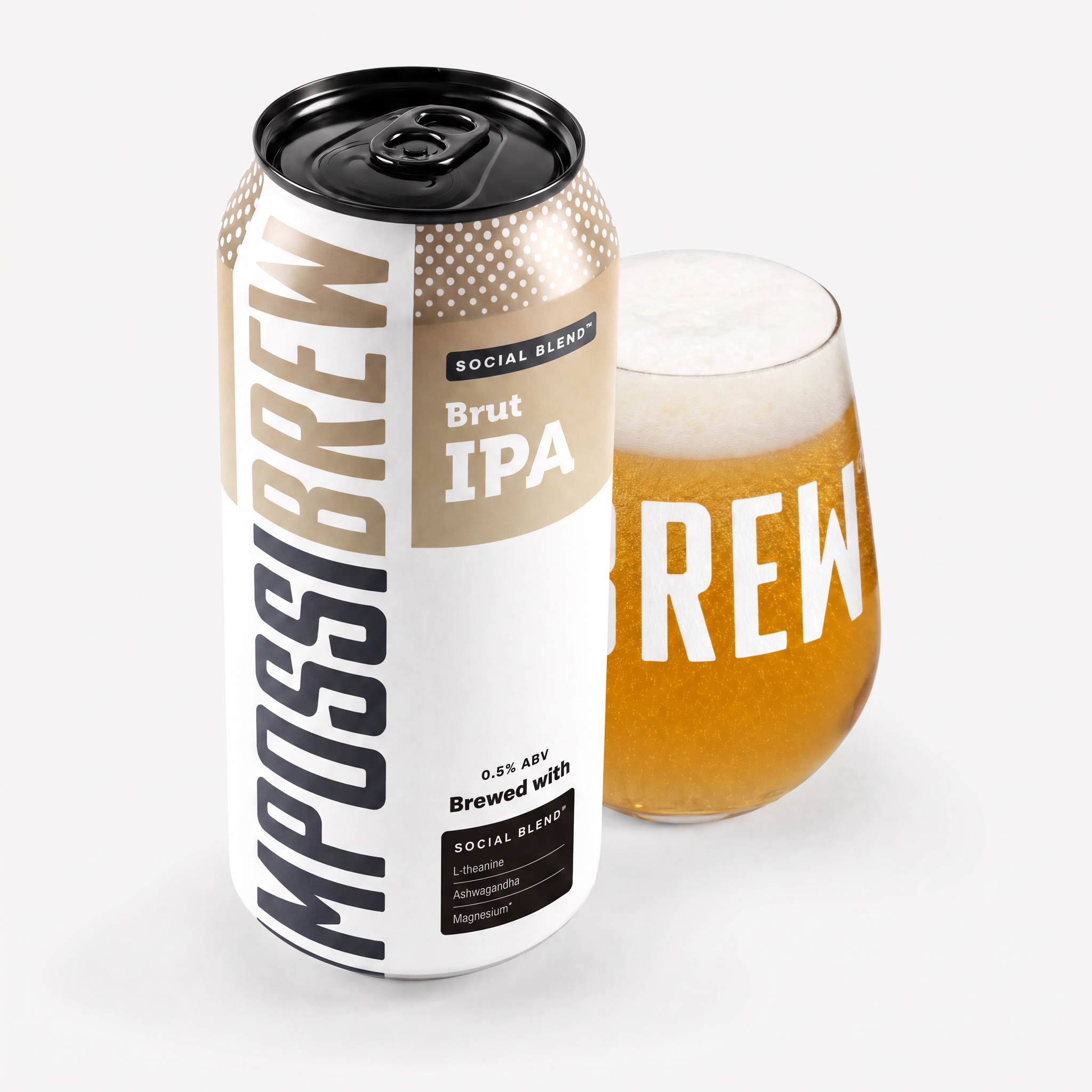
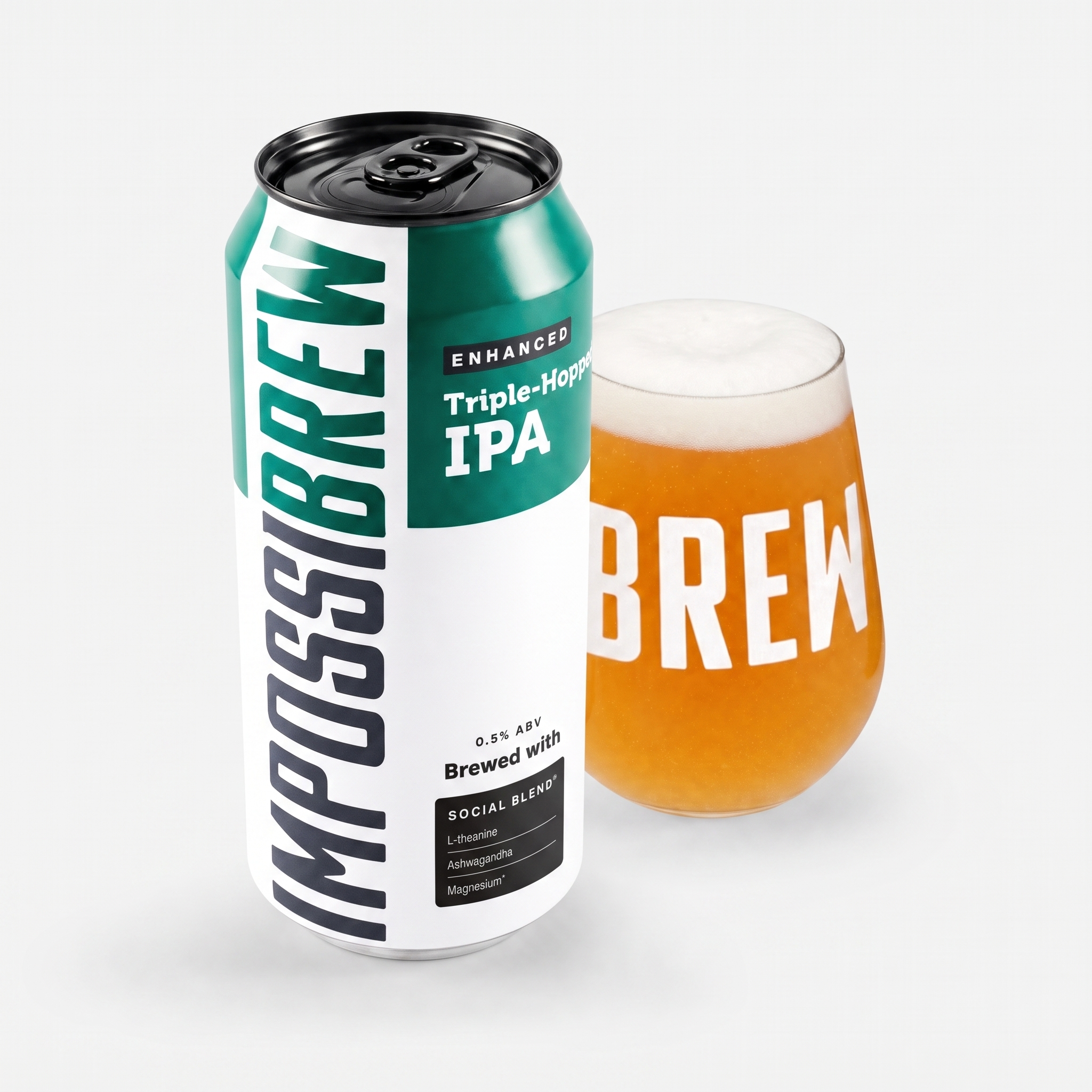
Your liver is resilient, but ongoing care is vital. After 30 days, maintaining a healthier lifestyle - like limiting alcohol intake and following NHS guidelines - can prevent future damage. For social situations, non-alcoholic options like IMPOSSIBREW® provide a great alternative to help you stick to your goals.
Signs Your Liver Is Healing From Alcohol- The Recovery Village Ridgefield
How Alcohol Damages Your Liver
Your liver is the main organ responsible for processing alcohol, which means it bears the brunt of its effects. Every time you drink, your liver is exposed to high concentrations of alcohol, putting it under significant stress. Over time, this can lead to cellular damage and, in severe cases, life-threatening conditions.
How Your Liver Processes Alcohol
When alcohol enters your body, your liver works hard to break it down, primarily using two enzymes: Alcohol Dehydrogenase (ADH) and Cytochrome P450 2E1 (CYP2E1). ADH converts alcohol into a toxic by-product called acetaldehyde, while CYP2E1 becomes more active with chronic drinking. The problem? Acetaldehyde is far more harmful than alcohol itself. It binds to key molecules like proteins, lipids, and even DNA, disrupting vital cellular processes. As Paul G. Thomes and colleagues from the University of Nebraska Medical Center explain:
"Acetaldehyde is more toxic than ethanol because it is highly reactive and binds to biomolecules (e.g., proteins, lipids, nucleic acids) and disrupts their function."
But that’s not all. CYP2E1 also generates reactive oxygen species - unstable molecules that damage liver cells further. This oxidative stress impairs crucial liver functions, including breaking down fats, transporting proteins, and regulating minerals. These issues often show up in medical tests as elevated liver enzymes, such as Alanine Transaminase (ALT), Aspartate Transaminase (AST), and Gamma-Glutamyl Transferase (GGT). An AST:ALT ratio greater than 1.5:1 is a common marker of alcohol-related liver damage [3].
This biochemical strain sets the stage for the progressive liver damage often seen in heavy drinkers.
Alcohol-Related Liver Conditions
The toxic by-products and oxidative stress caused by alcohol can lead to a series of liver conditions, each more severe than the last.
For most heavy drinkers, the first stage is fatty liver disease, also known as steatosis. This happens because alcohol metabolism increases the liver’s uptake of fatty acids while also preventing the breakdown of fat. Over 90% of heavy drinkers develop fatty liver, but the good news is that it’s reversible - if you stop drinking, your liver can recover in just a few weeks.
For 20-40% of heavy drinkers, the damage progresses to alcoholic steatohepatitis (ASH). This condition combines fat accumulation with inflammation, leading to swollen liver cells, cell death, and infiltration by immune cells called neutrophils. Severe cases of ASH can be fatal, with a mortality rate of around 20%.
The most advanced stage is cirrhosis, which affects about 10% of chronic heavy drinkers. At this point, healthy liver tissue is replaced by scar tissue, which disrupts blood flow and essential liver functions. Unfortunately, cirrhosis is generally irreversible, though abstaining from alcohol can prevent further damage. Around 3% to 10% of people with cirrhosis face a lifetime risk of developing hepatocellular carcinoma (liver cancer). Alarmingly, most people with cirrhosis remain symptom-free until significant damage has occurred [3][5][9].
Here’s a summary of these stages:
| Stage | Prevalence | Primary Characteristics | Reversibility |
|---|---|---|---|
| Fatty Liver (Steatosis) | 90%+ of heavy drinkers | Fat accumulation in >5% of liver cells; usually asymptomatic | Fully reversible within 2-3 weeks of abstinence |
| Alcoholic Hepatitis (ASH) | 20%,40% of heavy drinkers | Inflammation, liver cell swelling, elevated enzymes | Reversible if mild; severe cases can be fatal |
| Cirrhosis | 10% of chronic heavy drinkers | Extensive scarring, disrupted liver function | Generally irreversible; abstinence prevents further damage |
Week 1: Early Liver Recovery
Detoxification and Fat Clearance
When you stop drinking alcohol, your liver shifts gears from managing damage to starting repairs. Within the first 48 hours, your body works to eliminate alcohol from your bloodstream, halting the production of acetaldehyde - a toxic byproduct of alcohol metabolism. This change reduces ongoing cell damage and allows the liver to focus on clearing out accumulated fat and repairing its cells.
By days 2-3, the liver's protein trafficking pathways begin to recover, and by the end of the week, these processes are fully functional again [3]. During this time, the liver also reactivates autophagy, a natural cleaning process that helps clear out excess fat. As Ashwin Dhanda, Associate Professor of Hepatology at the University of Plymouth, explains:
"In people with liver inflammation or mild scarring, even within seven days of giving up alcohol, there are noticeable reductions in liver fat, inflammation and scarring." [1]
Additionally, the liver benefits from a drop in fatty acids, which are no longer being sent from fat stores as a result of alcohol metabolism. Enzyme levels like ALT, AST, and GGT - markers of liver damage - begin to normalise [3]. These internal changes set the stage for physical improvements that you can see and feel.
First Noticeable Improvements
As your liver starts to heal, you’ll likely notice some external signs of recovery. For many, bloating decreases as digestion begins to function more effectively [12]. Your skin might also look healthier and better hydrated, as the diuretic effects of alcohol are no longer draining your body of moisture. Withdrawal symptoms, although often peaking early, tend to ease by day 7 [2], and you’ll likely find your energy levels improving shortly after that.
Another big change is in your sleep. While the first few nights might feel unsettled, most people experience deeper, more restful sleep by the end of the week [12]. Waking up refreshed becomes easier as your body reduces inflammation and your nervous system starts to rebalance [11].
Important note: If you’ve been drinking heavily for a long time, it’s essential not to quit abruptly without medical advice. Severe withdrawal can lead to serious complications like hallucinations, seizures, or even death. Always consult your GP to create a safe detox plan [1][10].
Weeks 2-3: Continued Liver Repair
Fatty Liver Disease Reversal
During weeks 2-3, your liver begins to make noticeable progress in its recovery journey. For those who have been heavy drinkers and developed fatty liver disease, this period can be transformative. Gautam Mehta, a Liver Specialist and Senior Lecturer at University College London, highlights the liver's impressive ability to heal:
"In people with fatty liver, after only two to three weeks of giving up alcohol, the liver can heal and looks and functions as good as new." [1]
Scientific studies back this up, showing that hepatic steatosis - when fat accumulates in more than 5% of liver cells - can completely resolve within this short timeframe of abstinence. In fact, liver biopsies taken after this recovery period often appear normal when examined under electron microscopy [3].
Additionally, liver enzymes show significant improvement. ALT levels, a marker of liver inflammation, drop by 14.5%, while GGT levels decrease by 28.6% within a month [13]. Alongside these changes, autophagy - a process where the liver clears out fat and damaged cellular components - kicks back into gear [3]. These improvements not only restore liver function but also pave the way for broader health benefits.
Additional Health Improvements
As your liver recovers, other parts of your body start to benefit too. Insulin resistance can decrease by about 25.9% [13], which helps lower the risk of type 2 diabetes and promotes more stable blood sugar levels.
Your heart health also gets a boost. Systolic blood pressure typically drops by 6.6%, while diastolic pressure decreases by 6.3% [13]. On top of that, total cholesterol levels fall by 13.4%, and LDL cholesterol - the type linked to heart disease - reduces by 9.4% [13]. These changes point to better overall lipid metabolism.
Another noteworthy improvement is the reduction in VEGF levels by 41.8% and EGF levels by 73.9% [13]. These markers, often linked to tumour growth, decline significantly, offering protective benefits that go beyond just liver health.
sbb-itb-a752bf8
Day 30: Liver Regeneration Results
Restored Liver Function
By the 30th day, your liver shows remarkable signs of recovery. For individuals with early-stage liver damage, studies indicate that liver function often returns close to normal levels. For example, research highlights a 14.5% reduction in ALT levels and a 28.6% decrease in GGT levels, both of which are markers of improved enzyme activity [13].
With alcohol no longer in the system, the liver shifts its focus back to its primary roles - filtering toxins, storing essential nutrients like iron, and producing bile to aid in fat digestion [6]. For those affected by fatty liver disease, which impacts 90% to 95% of heavy drinkers [4], there’s typically a 25% reduction in hepatic steatosis within a month. At this stage, a liver function test would likely reflect these positive changes [13].
While the initial weeks focus on detoxification and rapid repair, the progress achieved by day 30 showcases the liver’s ability to regenerate and regain its functionality. These improvements not only restore balance but also lay the groundwork for maintaining a healthier liver in the long term.
Long-Term Liver Health Benefits
The recovery seen at the 30-day mark is just the beginning - it serves as a strong foundation for ongoing liver health. As researchers at the University of Nebraska Medical Center emphasise:
"Abstinence from alcohol is considered the most effective therapeutic strategy to recover from ALD, and there is clear evidence that abstinence can improve outcomes at nearly all stages of this disease." [3]
Sustained abstinence plays a critical role in preventing the progression of liver damage. For example, avoiding alcohol can halt the transition from mild scarring (fibrosis) to irreversible cirrhosis [1][2]. In fact, studies show that 61% of patients with cirrhosis who remain alcohol-free for over five years see their condition become inactive [14]. Even in cases where fibrosis has already developed, long-term abstinence can gradually reverse the damage [14].
The benefits extend beyond the liver. Long-term abstinence reduces the risk of liver, pancreatic, and colon cancers and supports better heart health [3]. To maintain these gains, it’s essential to either commit to complete abstinence or, once the liver has fully recovered, follow NHS guidelines: no more than 14 units of alcohol per week, with at least two to three alcohol-free days [1][2].
Maintaining Liver Health with IMPOSSIBREW®
How IMPOSSIBREW® Protects Your Liver
Reaching the 30-day recovery milestone is a significant achievement, but keeping those benefits intact during social events can be tricky. That’s where IMPOSSIBREW® steps in, offering a way to enjoy social rituals without compromising your liver health.
Unlike regular alcoholic drinks, which force your liver to break down ethanol and its harmful by-product, acetaldehyde, IMPOSSIBREW®'s non-alcoholic beers eliminate this burden. This allows your liver to focus on its critical functions, like filtering toxins, producing bile to aid in fat digestion, and managing glucose levels efficiently [15][16].
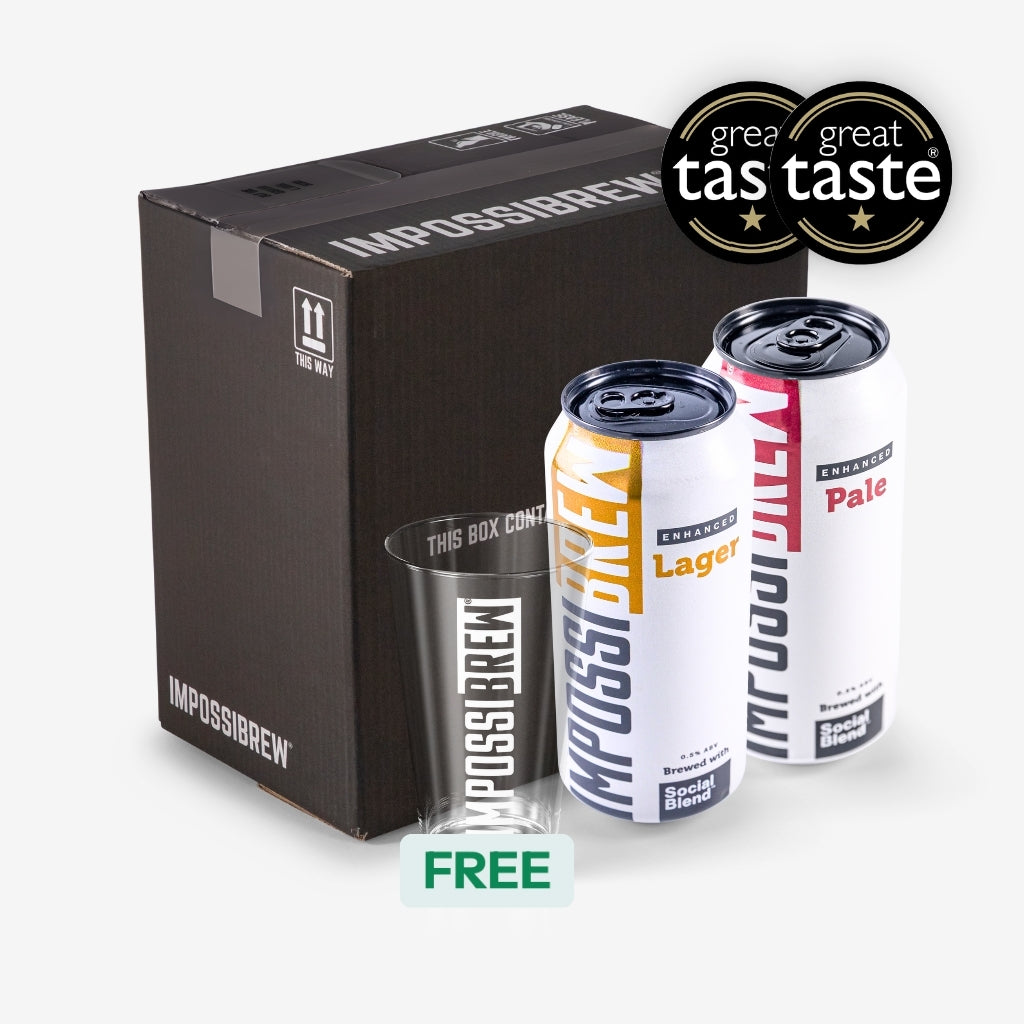
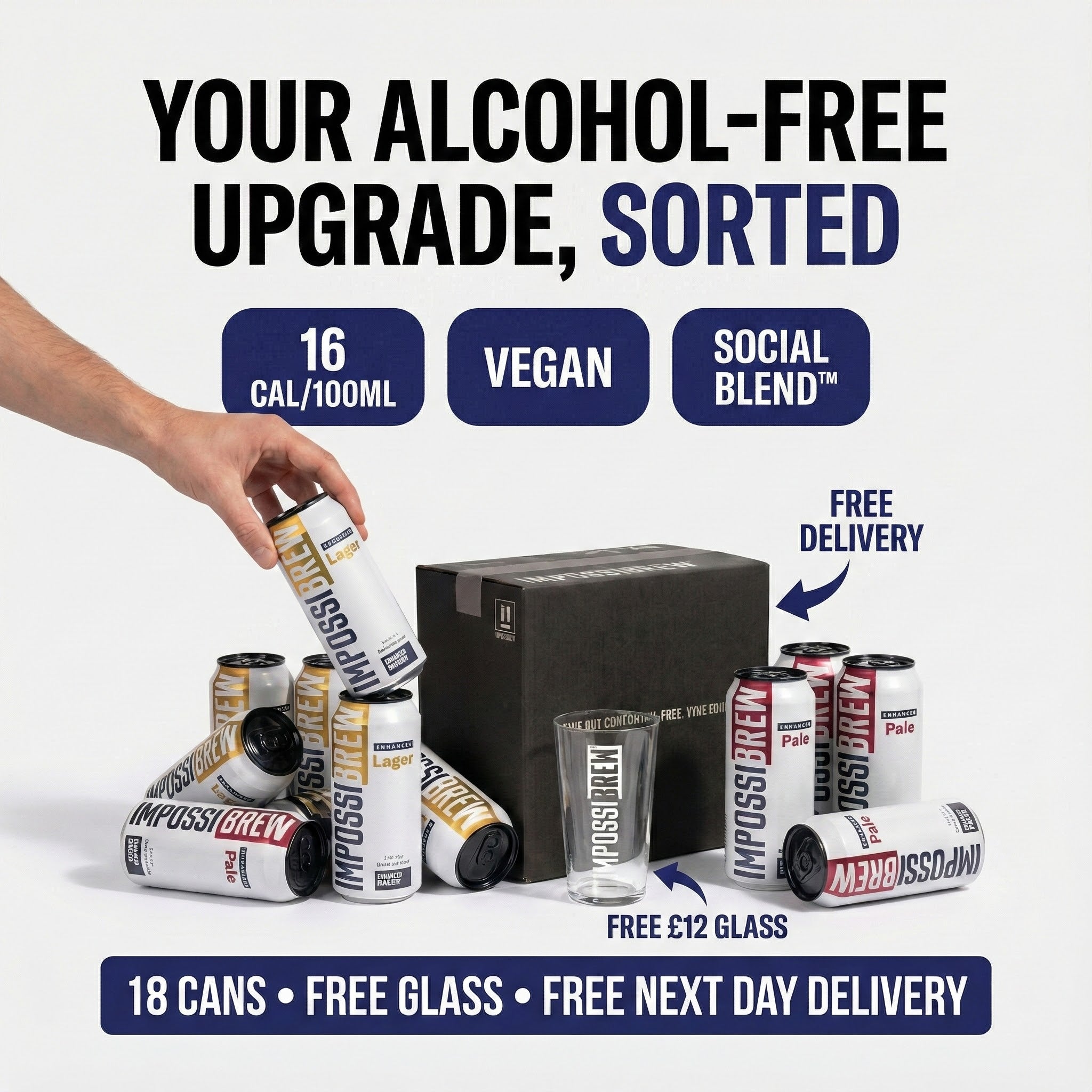
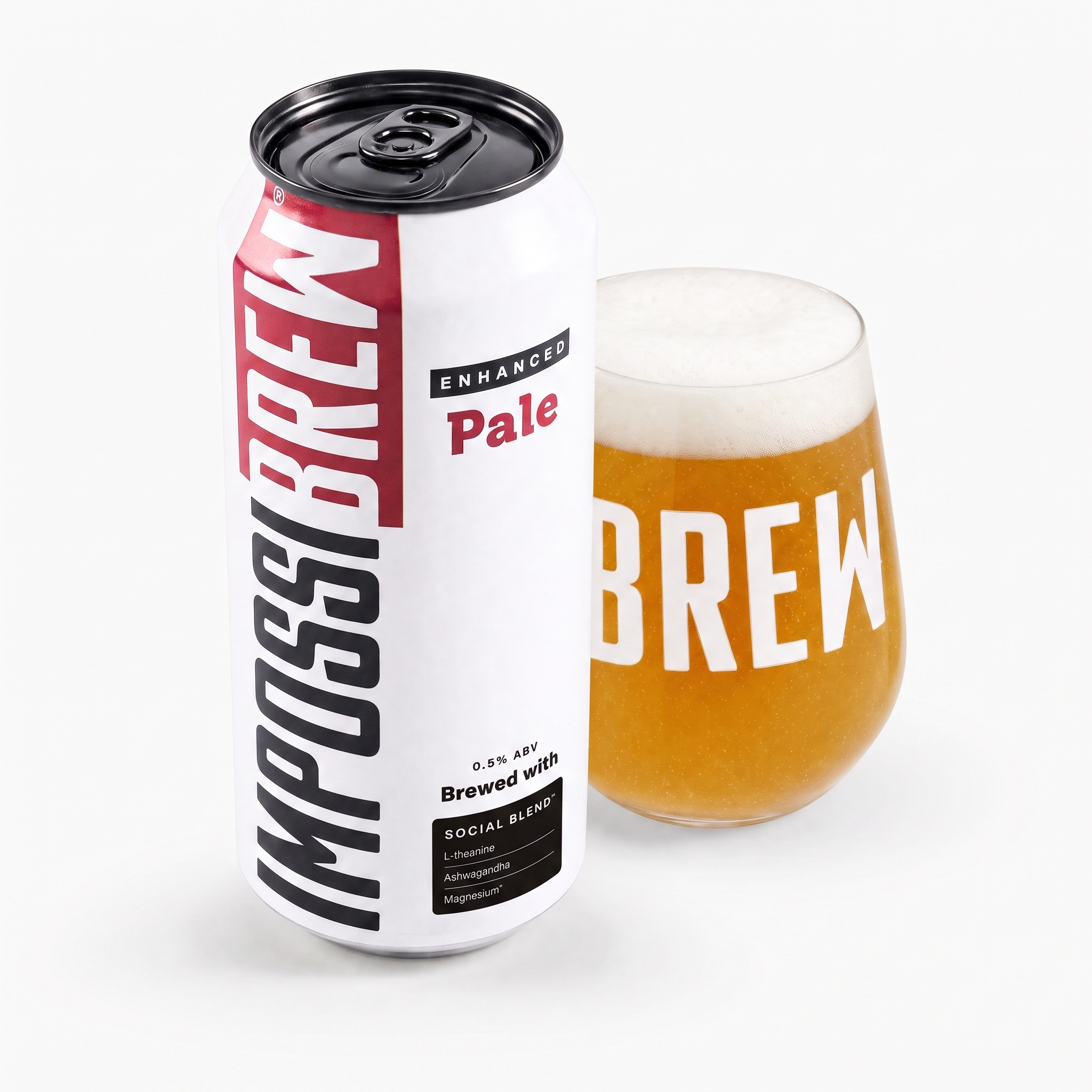
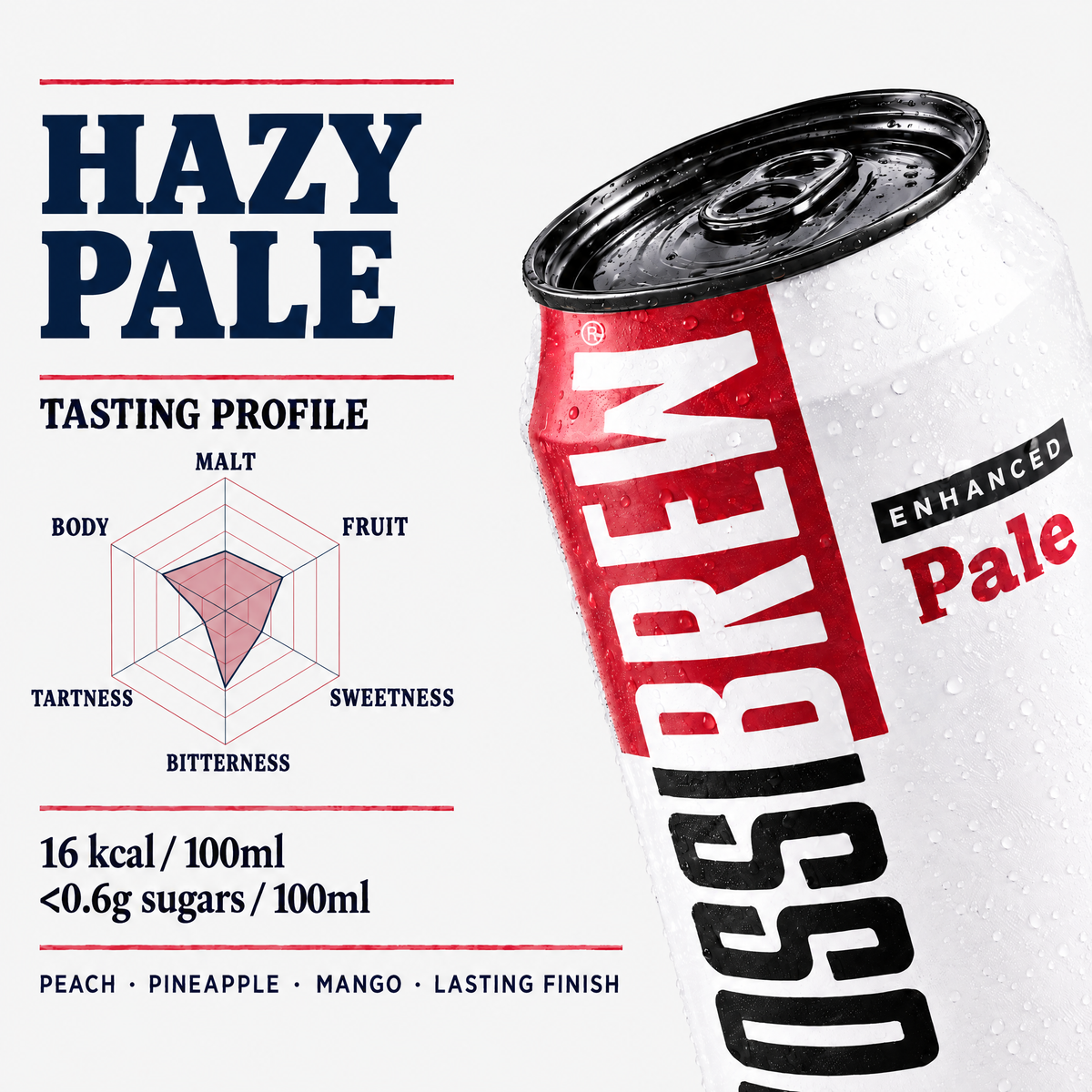
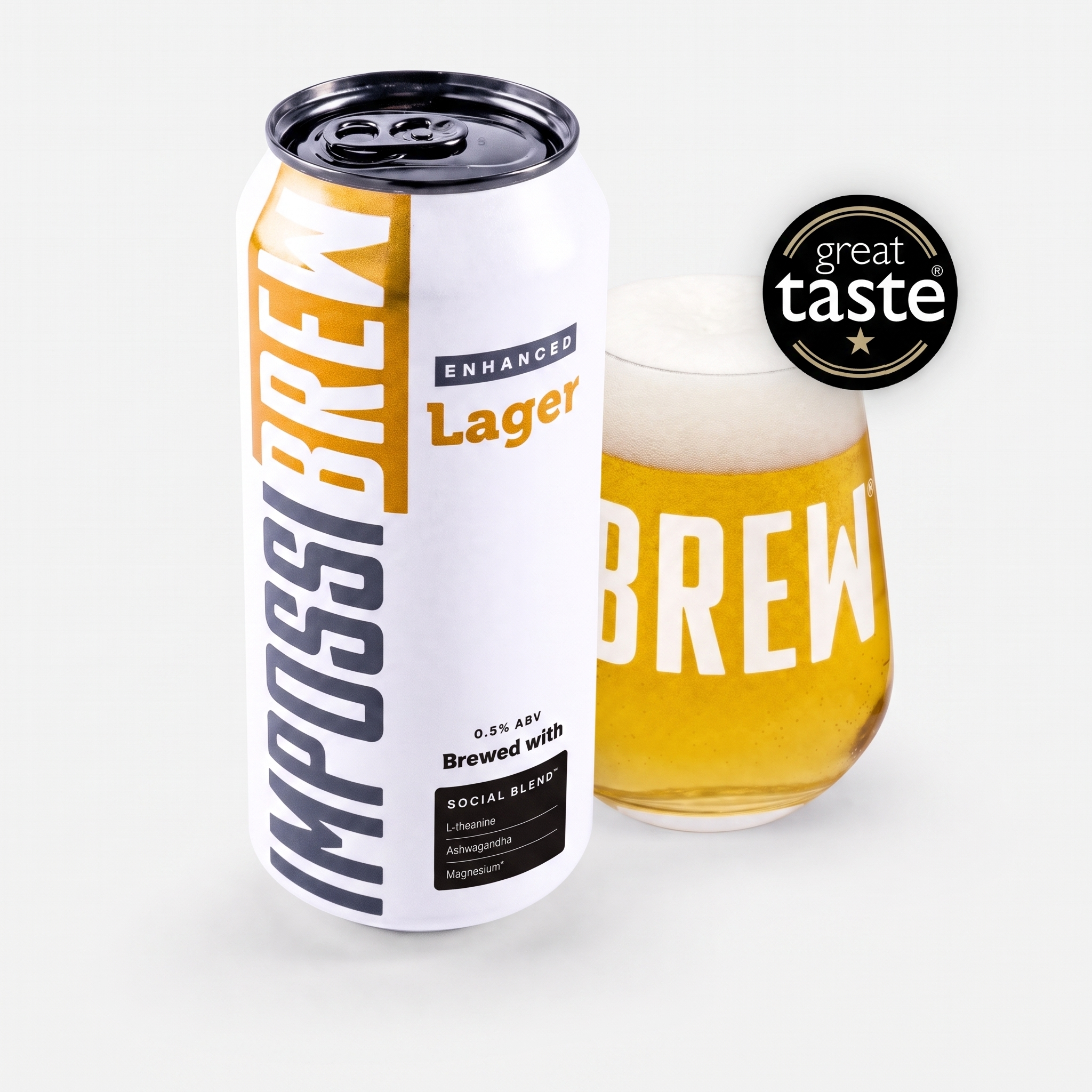
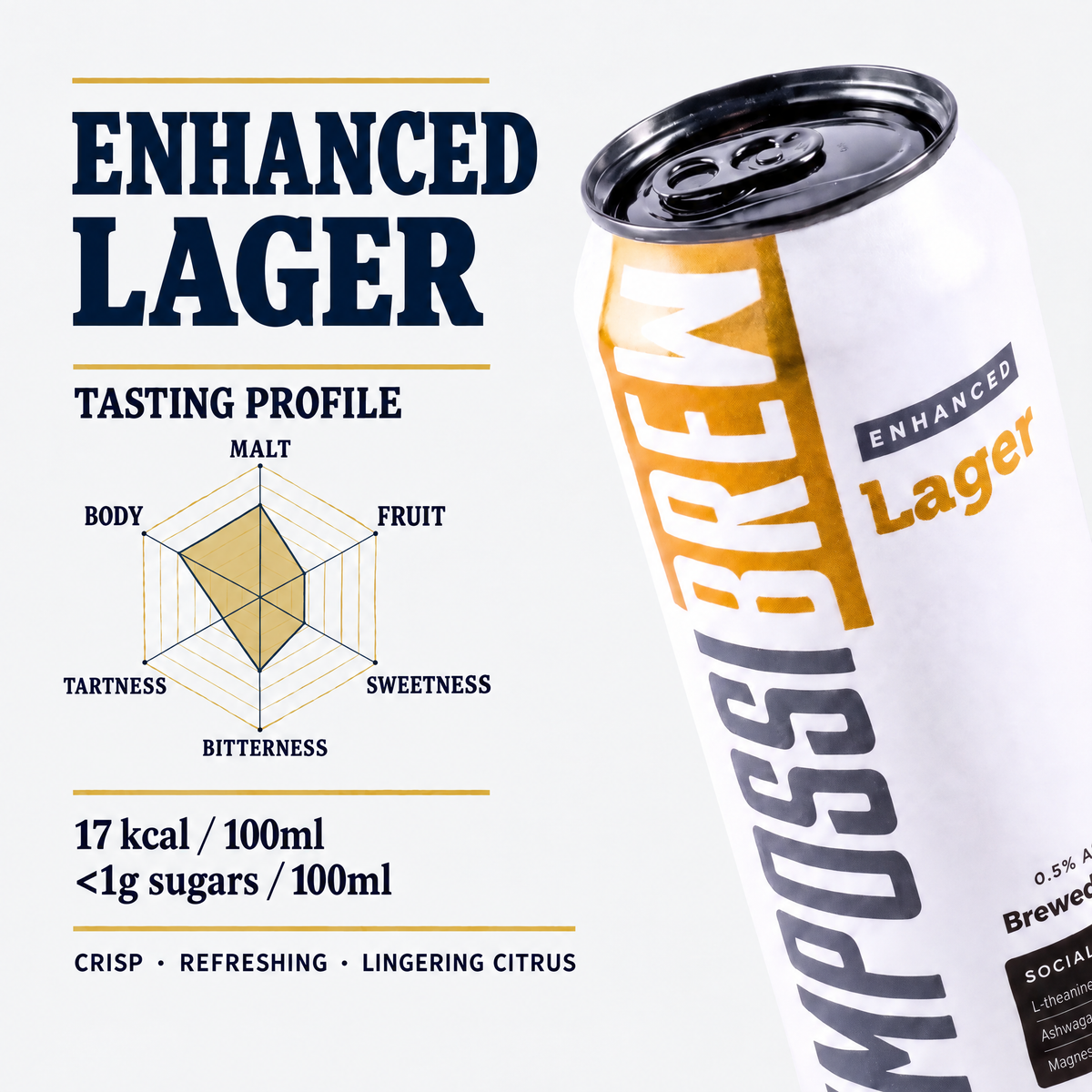
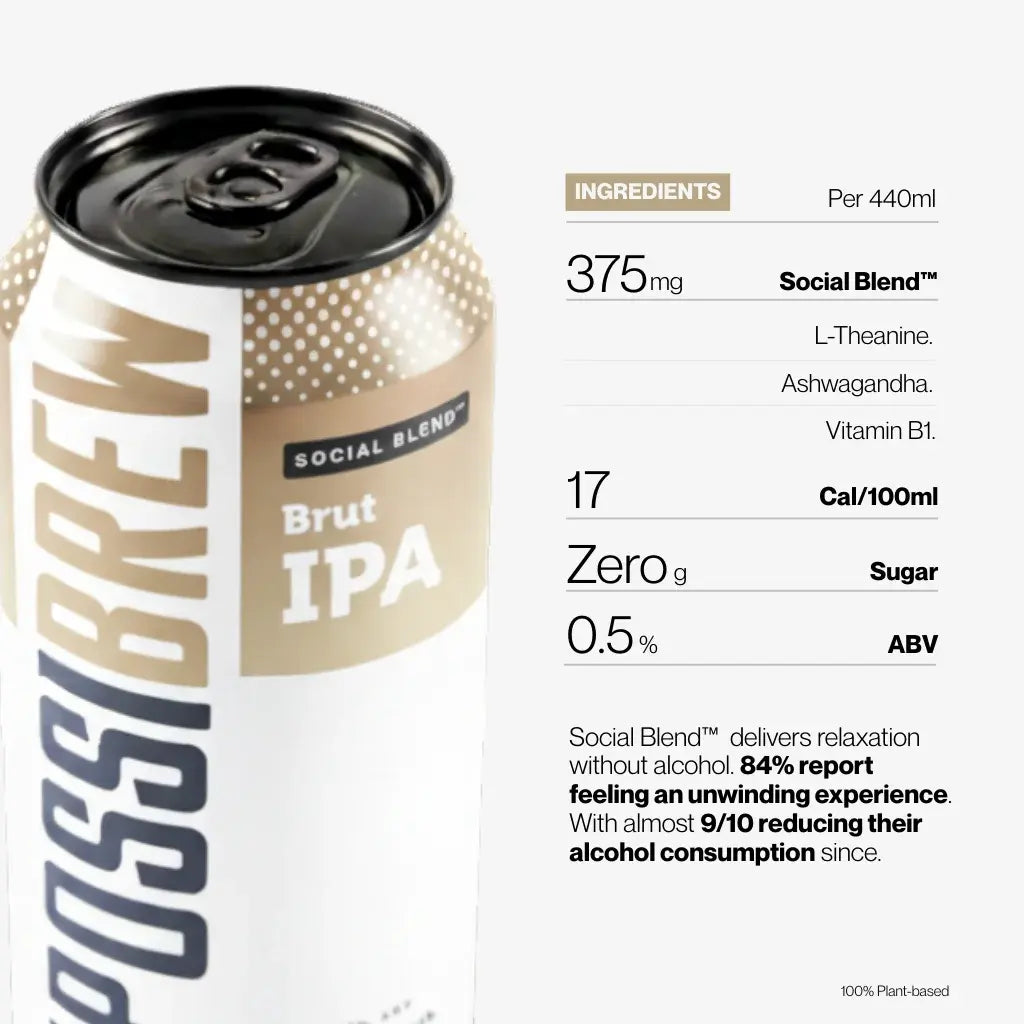
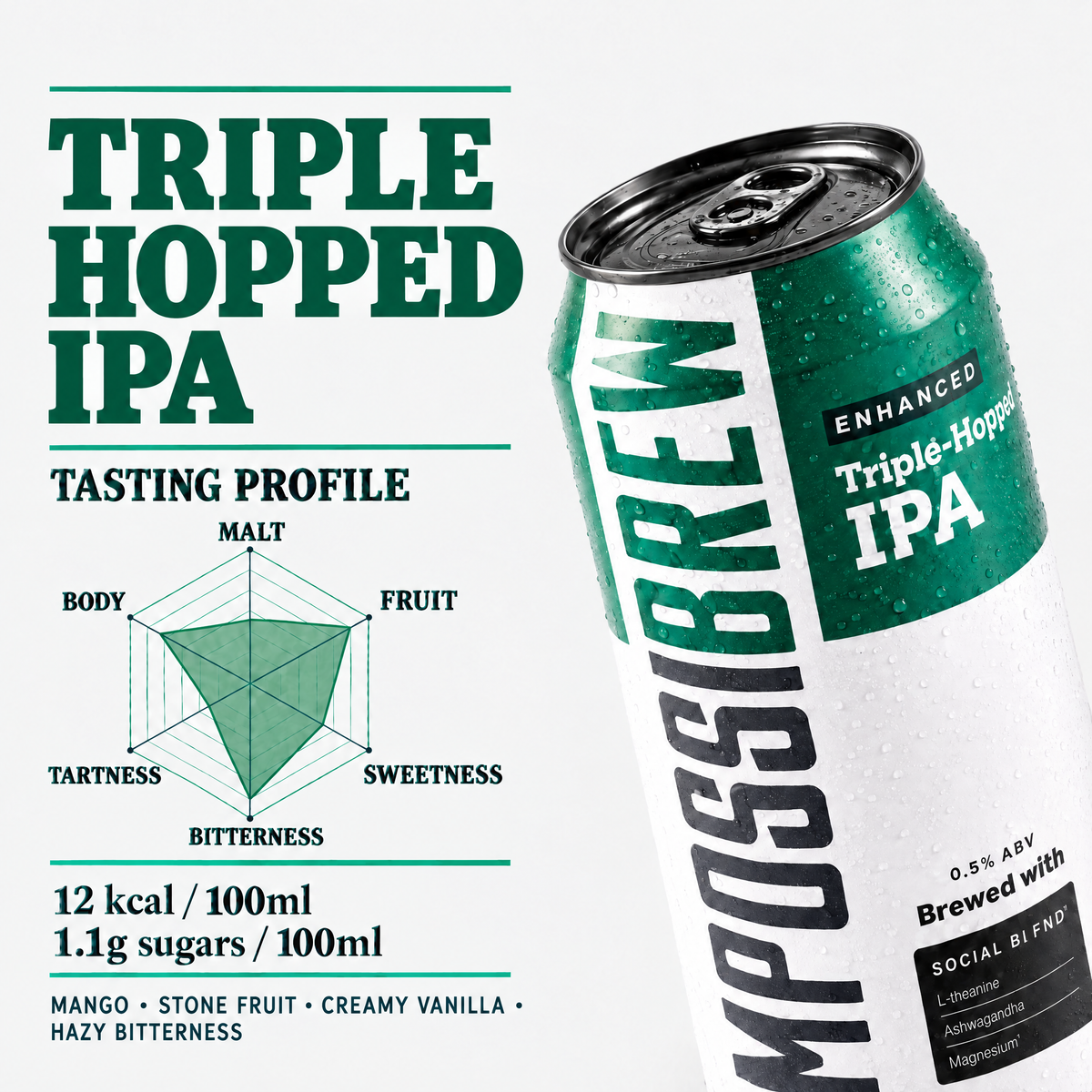
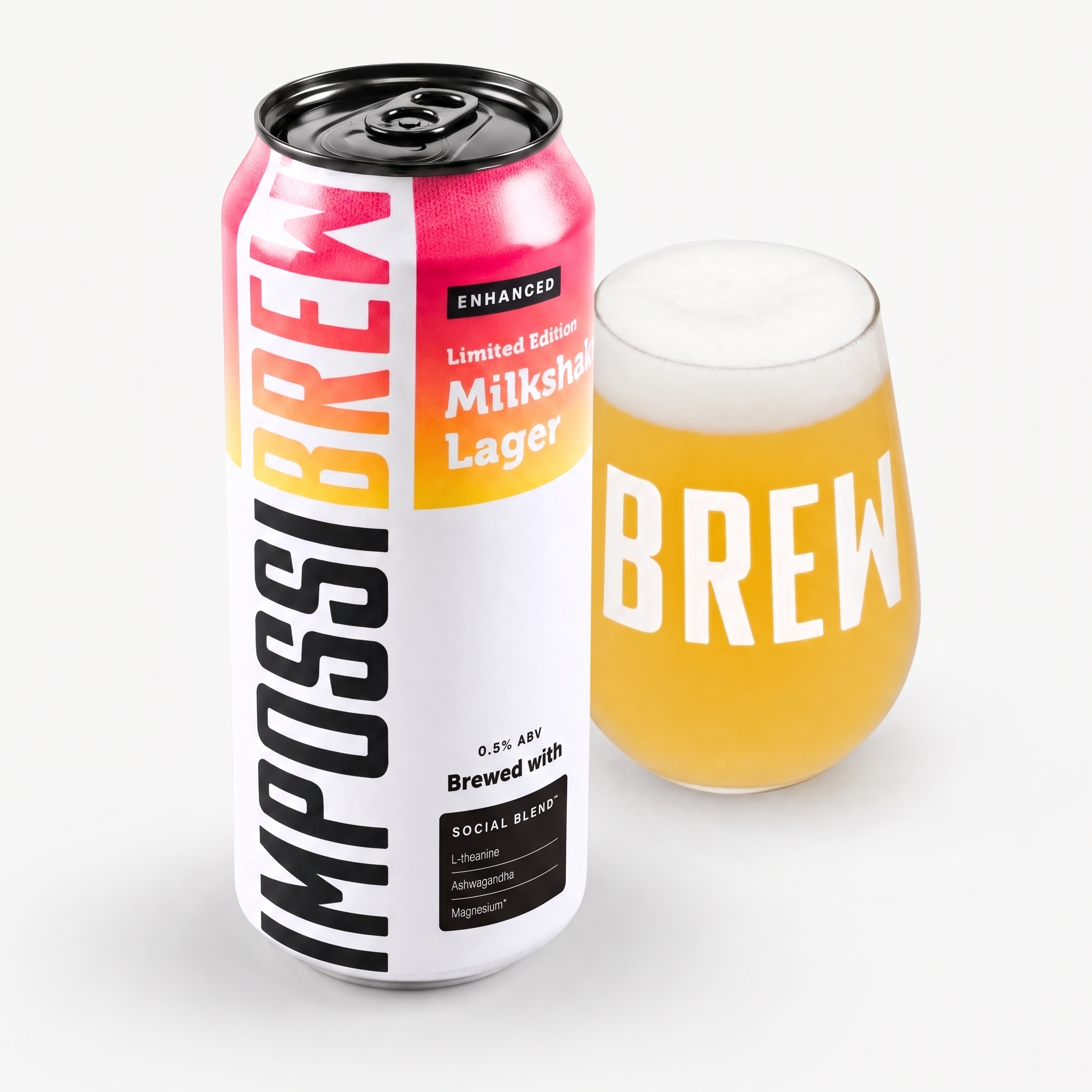
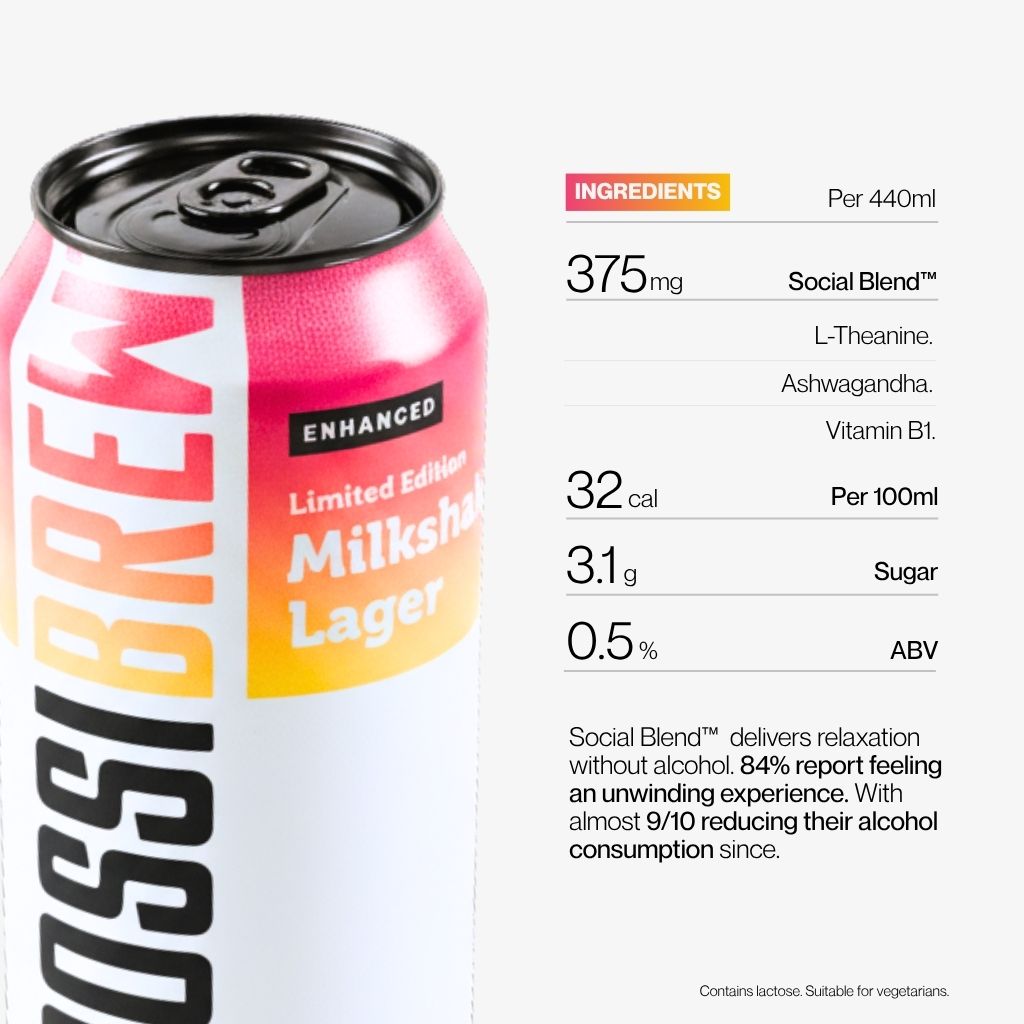
What makes IMPOSSIBREW® stand out is its unique Social Blend™, designed to promote relaxation without adding metabolic strain. With a low-calorie profile (starting at just £1.97 per can), these drinks help you manage your weight and reduce the risk of liver fat build-up [7][17]. The Enhanced Lager and Enhanced Hazy Pale are crafted using natural, vegan-friendly ingredients, with gluten-free options available. Plus, they retain beneficial compounds like polyphenols, which provide antioxidant and anti-inflammatory benefits, and beta-glucans, soluble fibres that support gut health and boost your immune system [20].
"Abstinence is the most critical intervention and treatment" - Dr. Christina Lindenmeyer, Cleveland Clinic [17]
With IMPOSSIBREW®, you can enjoy liver-friendly socialising without having to give up the moments that matter.
Tracking Your Liver Health Progress
Once your liver is on the mend, keeping track of your recovery is essential. The most effective way to do this is by monitoring ALT (alanine aminotransferase) and AST (aspartate aminotransferase) levels through your GP. Elevated levels of these enzymes in your bloodstream can indicate liver stress or damage [15].
"We typically see liver enzyme levels begin to normalise within 7-14 days of alcohol cessation in patients with mild to moderate liver damage" - Dr. Meghan Wood, Chief Clinical Officer at Refine Recovery [7]
To track your progress, ask your GP for a liver function test before starting your break, then repeat it after 30 days and again at three months. Many health apps now allow you to log these biomarkers alongside other indicators like energy levels, sleep quality, and mental clarity - all signs that your liver is healing [15][7]. Physical changes may include better digestion, clearer skin, and a reduction in jaundice (yellowing of the skin or eyes) [15].
Staying consistent with monitoring can help reinforce your progress. For added support, consider IMPOSSIBREW®'s Bestseller Bundle at £49.99, which includes 9 Enhanced Lagers, 9 Enhanced Hazy Pales, a free glass, free delivery, and a tasting guide - giving you a month’s supply of liver-friendly alternatives. Whether you’re at a Friday night gathering, a book club, or watching football with friends, this bundle helps you navigate social triggers with ease [19]. Pair it with a Mediterranean-style diet rich in antioxidants, leafy greens, lean proteins, and plenty of water to help your liver flush out toxins effectively [7][18].
Conclusion
Your liver has an impressive ability to recover. Within just seven days of cutting out alcohol, liver fat and inflammation significantly decrease [10][4]. After two to three weeks, fatty liver can completely reverse, allowing the liver to function almost as if nothing had happened [1][10]. By the 30-day mark, you’ll notice a 25% drop in insulin resistance, better blood pressure, and normalised liver enzyme levels [3][8]. These remarkable changes highlight just how resilient your liver can be when given the chance to heal.
"The liver is the only organ that can self-heal itself. It can replace up to 50 per cent of its damaged cells within a few days." - Anna Ruokis, RN, Pine Rest [6]
Once you've reached this milestone of recovery, the focus shifts to protecting your liver for the long haul. After 30 days, continued abstinence can help prevent serious conditions like cirrhosis or liver failure [2][4]. Experts suggest incorporating at least two to three alcohol-free days into your week to maintain these benefits [1][10].
To support this healthier lifestyle, products like IMPOSSIBREW® offer a thoughtful alternative for social settings. The Social Blend™ formula provides a calming experience without adding stress to your liver. Whether it’s a Friday night out or a weekend get-together, IMPOSSIBREW® helps you stick to your goals while still enjoying the moment.
Your liver has worked hard to recover - now it’s up to you to protect that progress while still enjoying life.
Frequently Asked Questions
Informational only. If you have existing liver concerns or drink heavily, speak to your GP or liver specialist before making changes.
How does the liver respond to 30 days without alcohol?
Liver enzyme markers such as ALT, AST and GGT typically drop within two to four weeks of stopping alcohol, and fatty liver (steatosis) can improve on ultrasound over the same window in people with early-stage disease. A 2018 study in BMJ Open by Mehta and colleagues reported reductions in liver stiffness of around 12.5% over one month of abstinence in healthy moderate-to-heavy drinkers. Deeper fibrotic and cirrhotic changes reverse much more slowly or not at all.
What does research say about Dry January and liver markers?
Short-term studies on Dry January and similar one-month abstinence periods consistently show improvements in liver function tests, insulin resistance and weight for moderate drinkers. The 2018 BMJ Open paper by Mehta et al. is the most-cited example, alongside work from University College London on metabolic markers. The improvements are meaningful but partially reverse if usual drinking resumes at the end of the month.
Can alcohol-related liver damage be fully reversed?
Early-stage fatty liver often improves substantially, and sometimes fully, with sustained abstinence plus weight management and a balanced diet. Alcoholic hepatitis can improve with abstinence and medical care. Established cirrhosis involves scar tissue that does not fully reverse, though progression can be slowed or stabilised with abstinence and clinical management. A clinician is the right person to tell you which stage applies to you.
Does switching to alcohol-free beer help during a 30-day break?
It helps in the behavioural sense: it preserves the ritual of opening a cold drink without the alcohol load. A 0.5% ABV beer contains roughly 0.22 UK units per 440ml, within the natural-occurrence range of ripe fruit and fresh orange juice. It is not zero, so people in alcohol recovery programmes or with a strict abstinence goal often prefer 0.0% options and should follow the guidance of their specialist.
Should I ask a clinician before a 30-day alcohol break?
Speak to your GP if you drink daily or heavily, if you have had alcohol-related hospital treatment, or if you take medication that interacts with alcohol. Abrupt cessation after very heavy drinking can cause withdrawal symptoms that benefit from medical support. For occasional or moderate drinkers, a 30-day break is low-risk, but a quick conversation is worthwhile if you are unsure.
How much alcohol does IMPOSSIBREW contain if I am avoiding alcohol entirely?
Both Enhanced Lager and Enhanced Pale are 0.5% ABV, or 0.22 UK units per 440ml can. For most drinkers that is a fraction of a unit and behaves like a non-alcoholic drink. If you are in recovery, on interacting medication, or following a 0.0% goal for clinical reasons, 0.5% ABV is not 0.0% and a zero-ABV drink is the correct choice.