Alcohol can significantly slow down your body’s recovery process, whether from exercise, injury, or stress. It disrupts muscle repair, worsens inflammation, reduces sleep quality, and impairs mental recovery. Here’s what you need to know:
- Muscle Repair: Alcohol can reduce muscle protein synthesis by up to 37%, delaying tissue recovery.
- Sleep: It lowers REM sleep by 24–40%, leading to poor rest and slower healing.
- Hormones: Alcohol increases cortisol (stress hormone) and reduces testosterone and growth hormone, hindering recovery.
- Mental Impact: Alcohol affects memory, focus, and emotional stability, prolonging mental fatigue.
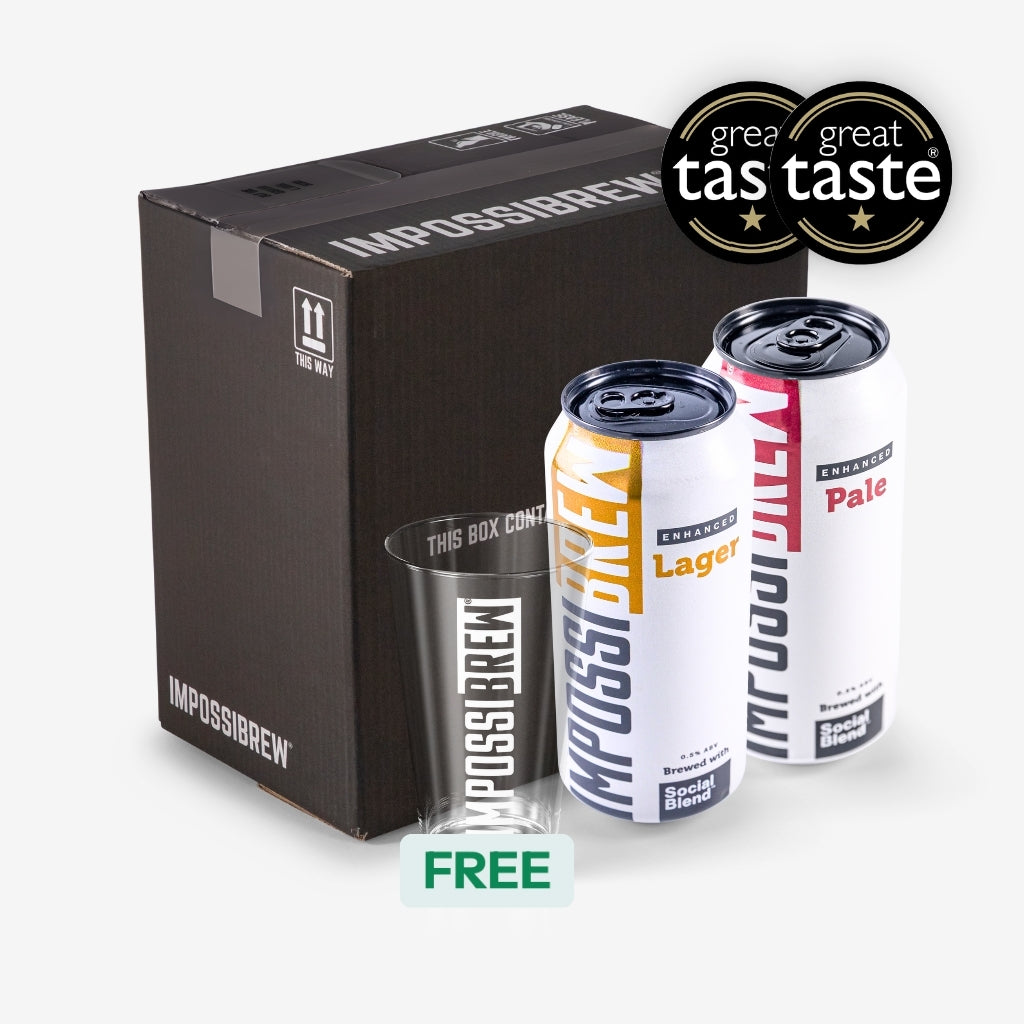
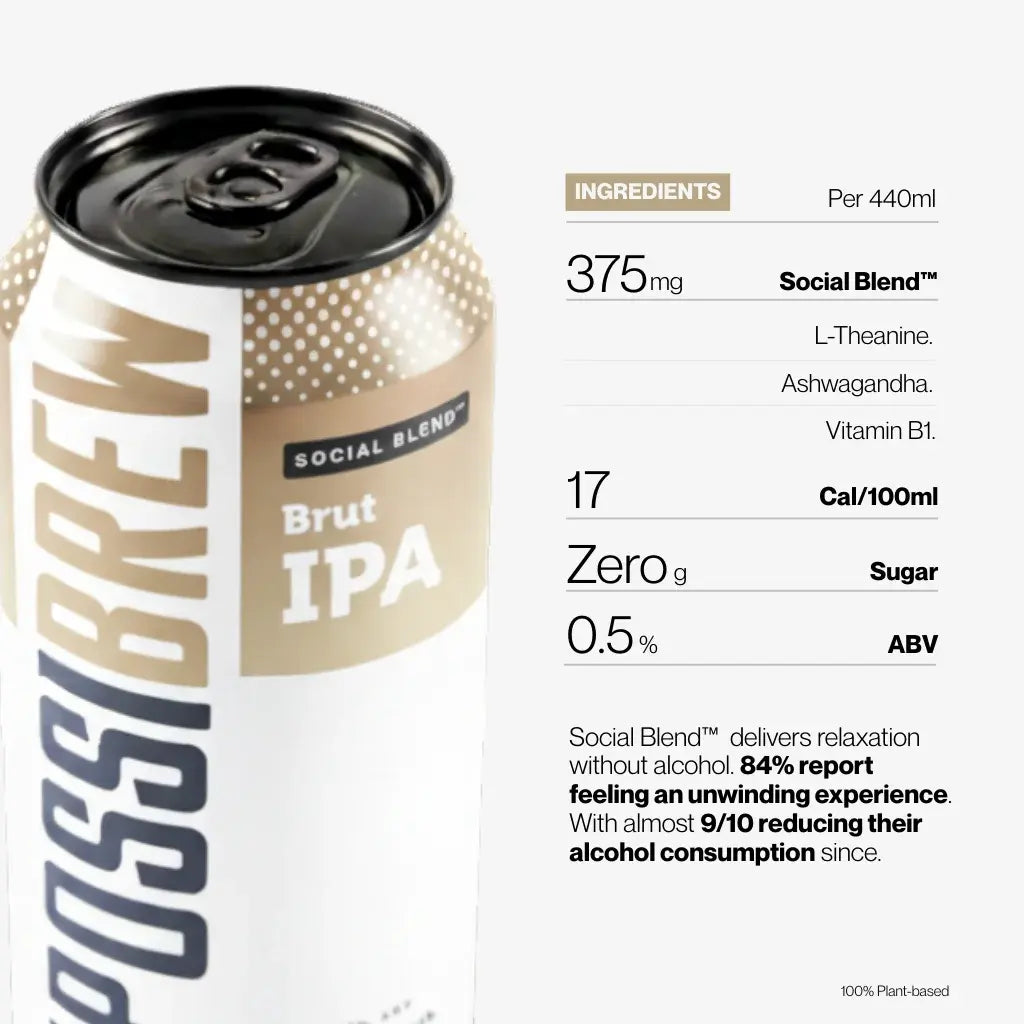
Switching to alcohol-free options like IMPOSSIBREW® Enhanced Beers can help. These drinks include ingredients like L-theanine and ashwagandha, which support recovery without the downsides of alcohol. They also offer great taste, fewer calories, and no sugar. Whether you’re training or managing stress, cutting back on alcohol can make a big difference in how your body and mind recover.
What Alcohol Does to Your Body, Brain & Health
How Alcohol Affects Physical Recovery
Drinking alcohol after exercise or while recovering from an injury can seriously interfere with your body’s natural healing processes. It’s not just about waking up feeling sluggish - alcohol disrupts the biological systems responsible for repairing and rebuilding tissues.
Alcohol Disrupts Muscle Repair and Increases Inflammation
One of the most harmful effects of alcohol happens at the cellular level. It interrupts muscle protein synthesis (MPS) - the process your body relies on to repair and strengthen muscle fibres after exercise. A 2014 study involving eight active men found that consuming 1.5 g/kg of alcohol after exercise reduced MPS by 24% when combined with protein, and by 37% when paired with carbohydrates[9][2].
"We provide novel data demonstrating that alcohol consumption reduces rates of MPS following a bout of concurrent exercise, even when co-ingested with protein." – Parr et al.[9]
This disruption occurs because alcohol suppresses the mTOR pathway, a key regulator of muscle growth[1][2]. It also lowers testosterone and growth hormone levels while increasing cortisol, further impairing the body’s ability to recover[8]. The effects are noticeable: heavy drinking can delay bone fracture healing by 1 to 2 weeks and extend recovery from sprains and strains by 2 to 3 weeks[8].
"Alcohol disrupts immune cells' ability to reach and repair injured tissues - slowing the regeneration of healthy muscle, tendons and ligaments." – The Conversation[8]
Alcohol Reduces Sleep Quality and Delays Recovery
Sleep is crucial for recovery, as it’s when the body performs its most intensive repair work. But alcohol severely compromises this vital recovery period. While it might help you fall asleep faster, alcohol drastically reduces the time spent in REM (Rapid Eye Movement) sleep - the phase essential for healing, tissue repair, and memory retention[10][11]. Even moderate drinking can reduce sleep quality by about 24%, with heavier consumption cutting it by nearly 40%[10].
"Drinking alcohol reduces the amount of time in the restorative rapid eye movement (REM) sleep, which is crucial for healing, retaining memory and feeling rested." – Georges Ghacibeh, M.D., Neurologist and Sleep Medicine Expert[10]
The problems don’t stop there. As blood alcohol levels drop during the second half of the night, sleep becomes fragmented with frequent awakenings[10][11]. Alcohol also acts as a diuretic, causing more trips to the bathroom, and relaxes throat muscles, which can worsen sleep apnoea symptoms by 25%[10]. This poor sleep quality compounds the direct effects on muscle repair, creating a double obstacle to recovery that can linger for 24 to 48 hours after drinking[8].
Next, we’ll explore how alcohol affects mental recovery.
How Alcohol Affects Mental Recovery
While alcohol's impact on physical recovery is troubling, its effects on mental recovery are just as damaging. Alcohol interferes with the brain's ability to recover from stress, mental fatigue, or even a challenging day. This interference doesn't just vanish after the drinking stops - its effects linger, making it harder for your mind to bounce back.
Let’s dig into how alcohol disrupts cognitive and emotional recovery.
Alcohol Slows Cognitive Recovery
Alcohol takes a toll on your brain's ability to process and recover, especially when it comes to memory and focus. It specifically disrupts the hippocampus, the area of the brain responsible for forming new memories, while leaving existing memories intact[12].
"If recreational drugs were tools, alcohol would be a sledgehammer. Few cognitive functions or behaviours escape the impact of alcohol." – Aaron M. White, Ph.D., Assistant Research Professor, Duke University Medical Centre[12]
The hangover phase - when blood alcohol levels drop back to zero - is particularly harsh on cognitive functions. A meta-analysis found noticeable impairments in areas like psychomotor speed, short-term memory, long-term memory, and sustained attention, with effect sizes of 0.66, 0.64, 0.59, and 0.47, respectively[13]. These disruptions slow down the brain's recovery from mental exertion. Even more alarming, 51% of university students who drink alcohol report experiencing blackouts, which are episodes where the brain fails to form any memories during drinking[12].
For those recovering from long-term alcohol use, the timeline for cognitive recovery is sobering. Basic mental functions like processing speed and working memory may show improvement within a month of abstinence, but more complex tasks involving executive functions can take anywhere from six months to a year to return to normal[15].
And the damage doesn’t stop there - alcohol also affects your emotional stability.
Alcohol Impairs Emotional and Psychological Recovery
Beyond memory and focus, alcohol wreaks havoc on emotional resilience and stress regulation. During a hangover, people often experience heightened anxiety, irritability, and difficulty concentrating. This state of psychological discomfort extends the recovery period from any prior mental strain[16]. It’s not just about feeling off - it’s a measurable decline in executive function, which includes planning, emotional control, and filtering distractions.
"The alcohol hangover is a condition characterised by mental symptoms, such as hyper-excitability, anxiety, poor concentration, and cognitive deficits." – Thomas Heffernan, Department of Psychology, Northumbria University[16]
The physiological effects of alcohol make things worse. Drinking raises cortisol levels, the body's main stress hormone, which prolongs both the physical and emotional recovery from stress[1]. Research even shows that the severity of a hangover is closely linked to poorer performance on tasks requiring executive function and working memory (r = 0.245)[14]. In other words, the worse you feel, the harder it becomes to recover mentally. This creates a vicious cycle where alcohol not only delays recovery but also makes it harder to cope with the recovery process itself.
How Reducing Alcohol Speeds Up Recovery
Here’s the encouraging part: when you cut back on alcohol - or stop drinking altogether - your body starts healing almost immediately. Recovery doesn’t take months to show results; noticeable improvements can begin in just a matter of days.
Physical Recovery Without Alcohol
When you stop drinking, your body’s ability to repair itself gets a major boost. For instance, muscle protein synthesis, which can drop by 24% to 37% after consuming alcohol, returns to normal within 24–48 hours [8].
Alcohol disrupts your hormones by lowering testosterone and growth hormone levels while ramping up cortisol, the stress hormone that breaks down muscle. Cutting alcohol out reverses these effects, creating better conditions for your body to rebuild and repair tissues. Heavy drinking can slow tissue healing by 3 to 5 days, but without alcohol, your immune system can work more efficiently to fix injuries [8].
Beyond that, injuries like bone fractures and muscle strains heal faster when alcohol isn’t in the picture. Fractures can mend up to 1–2 weeks sooner, and sprains or strains recover 2–3 weeks quicker. Plus, improvements in balance, coordination, and reaction times help lower the likelihood of getting hurt again [8].
"If a rapid and complete recovery is your goal, then less is better, and none is best." – The Conversation [8]
But it’s not just your body that benefits - your mind does too.
Mental Recovery Without Alcohol
As your body heals, your brain also gets back on track. Basic mental functions, like processing speed and working memory, can start improving just 18 days after your last drink [15]. More complex abilities, like decision-making and multitasking, may take longer - up to six months of abstinence - to fully recover [15].
Sleep, which alcohol tends to disrupt, improves almost immediately. Without alcohol interfering with REM cycles, you’ll wake up feeling more alert, with better focus and emotional stability [17]. Lower cortisol levels also help your brain shift out of a constant “fight or flight” mode, leading to steadier moods and sharper thinking.
The mental recovery timeline is promising. Within a month of quitting alcohol, insulin resistance can drop by 25% [18]. By four to six months, your immune system regains much of its strength, and liver cells begin to regenerate [18]. After a year, your risk of heart disease, stroke, and alcohol-related cancers is significantly reduced [18].
"Quitting alcohol can lead to measurable cognitive improvements in as little as 18 days, even in people with severe alcohol dependence." – Dr. Sheridan Walter [18]
sbb-itb-a752bf8
IMPOSSIBREW® Social Blend™: A Recovery-Friendly Alternative
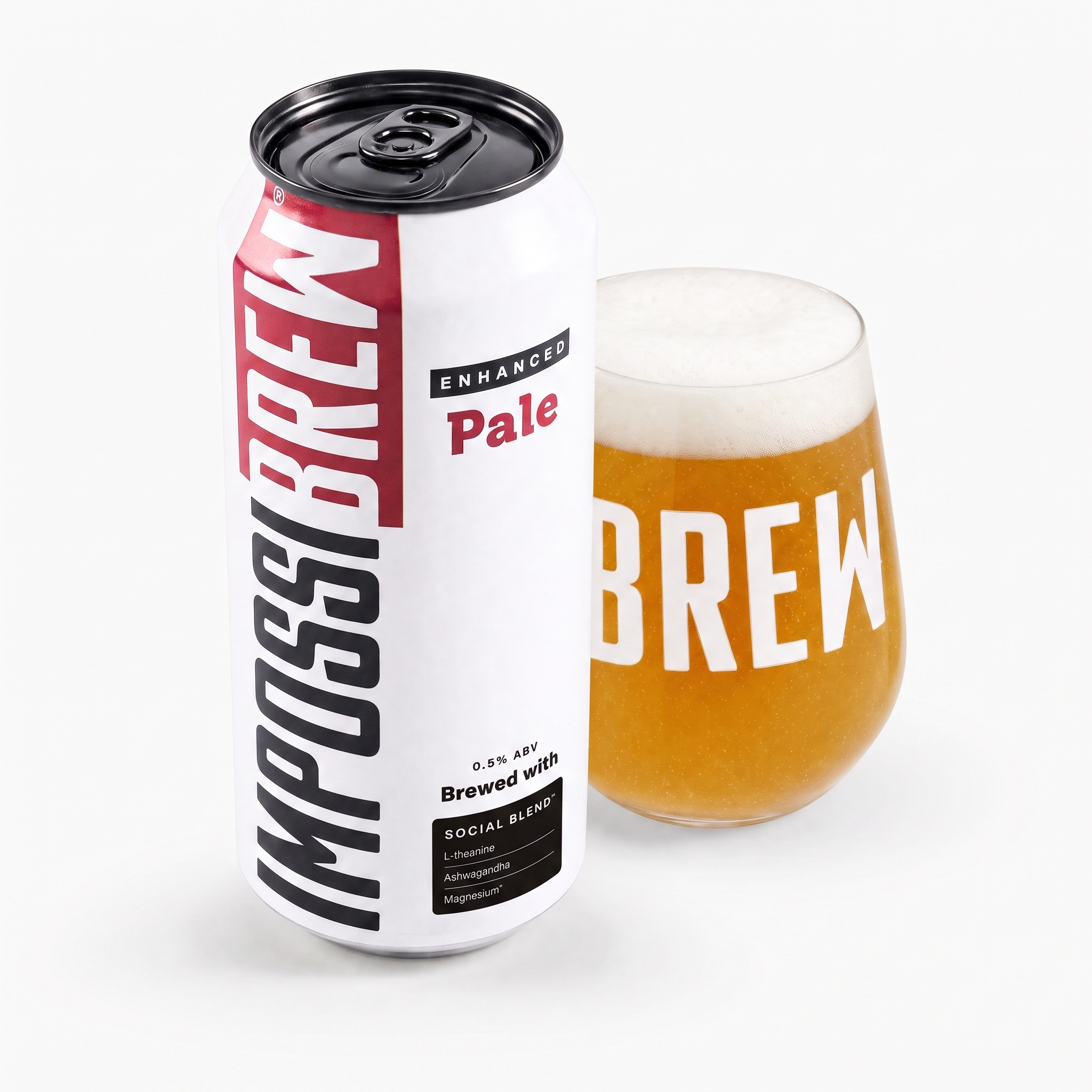
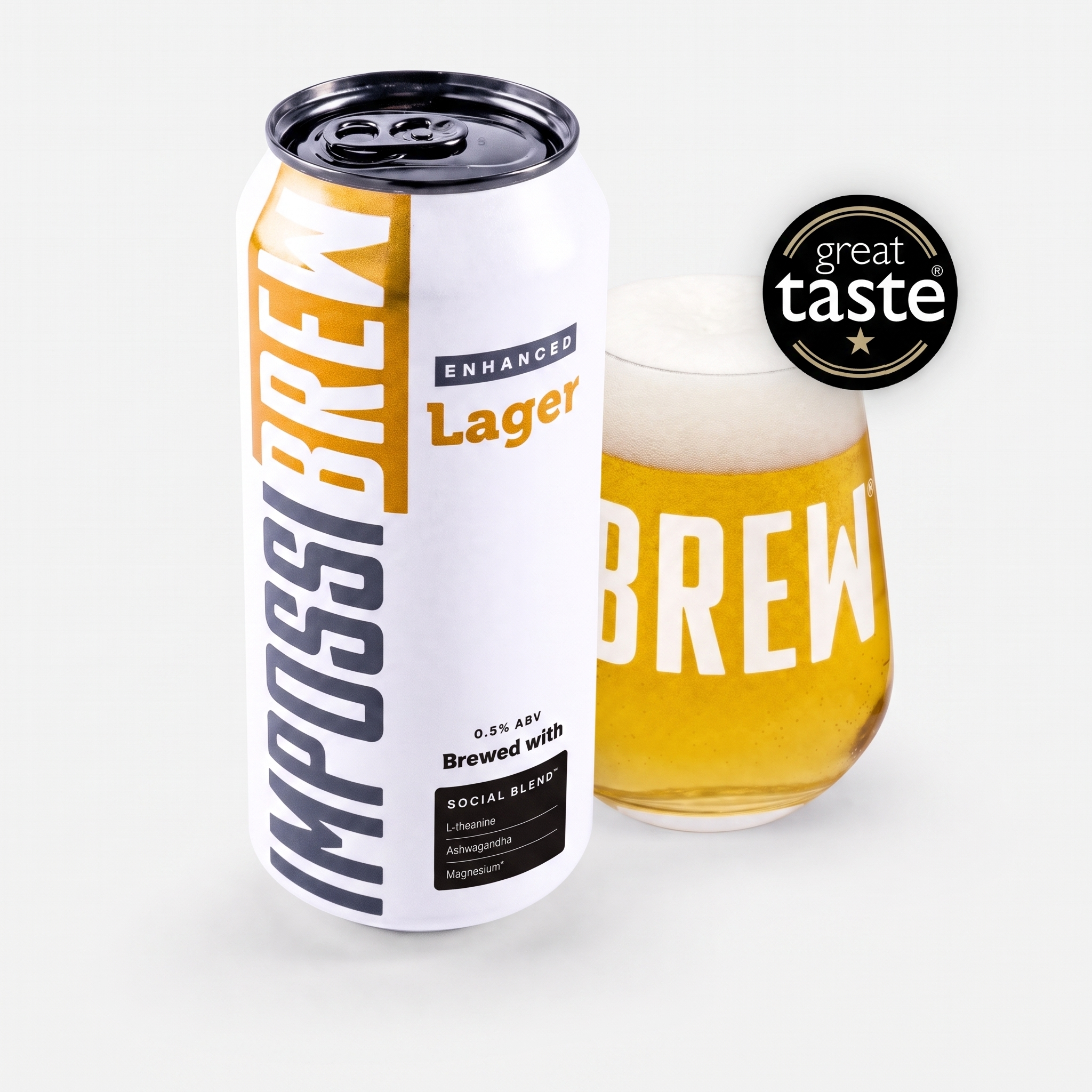
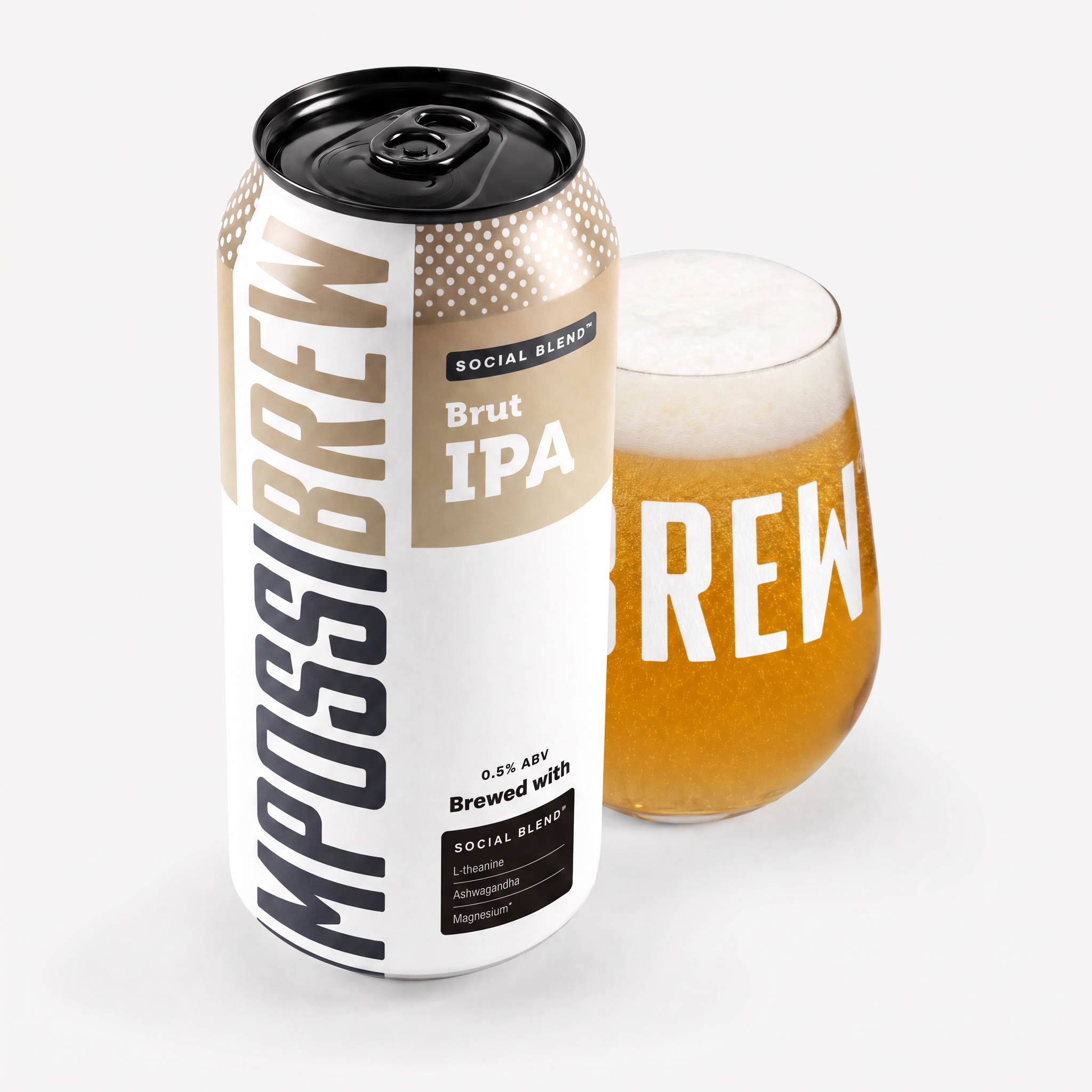
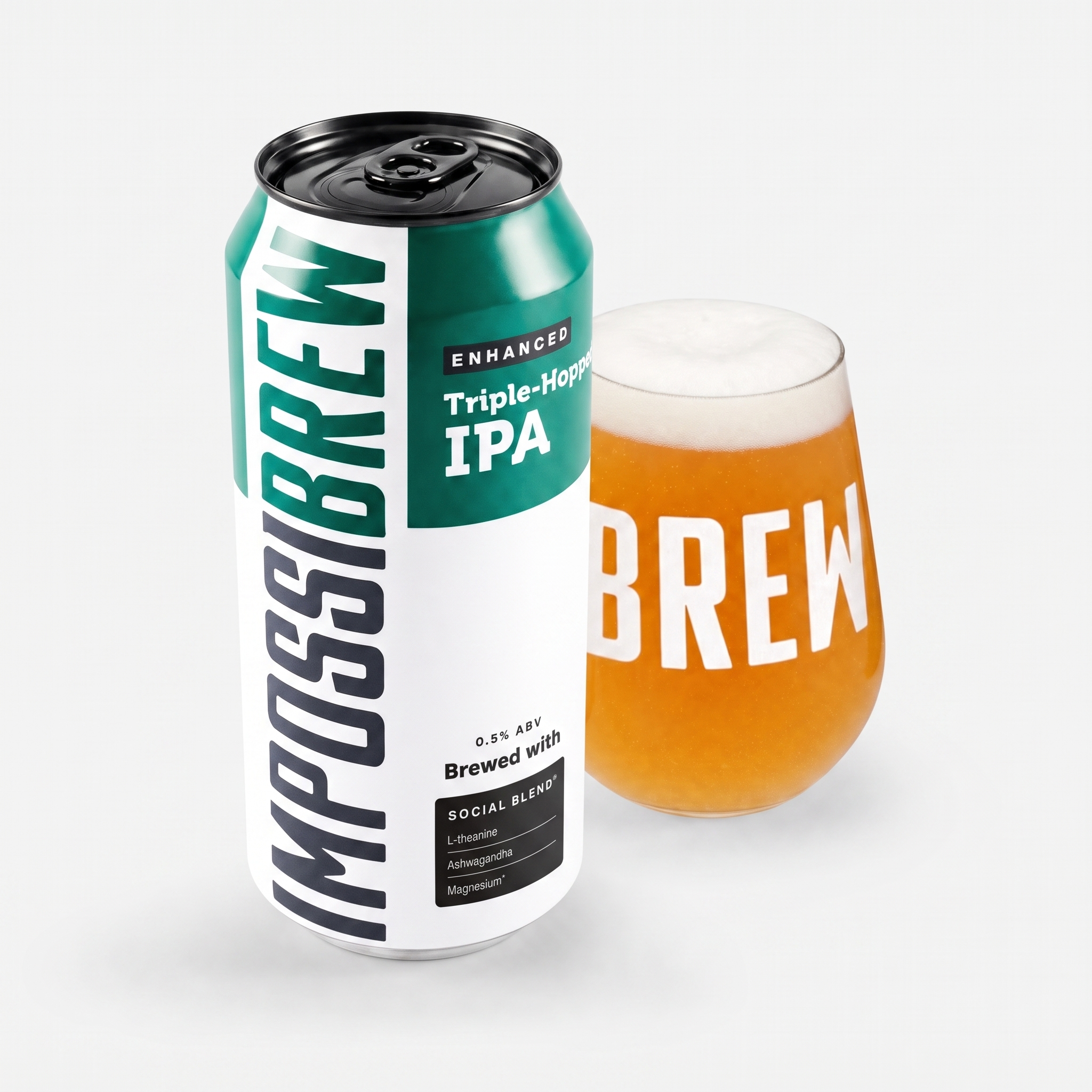
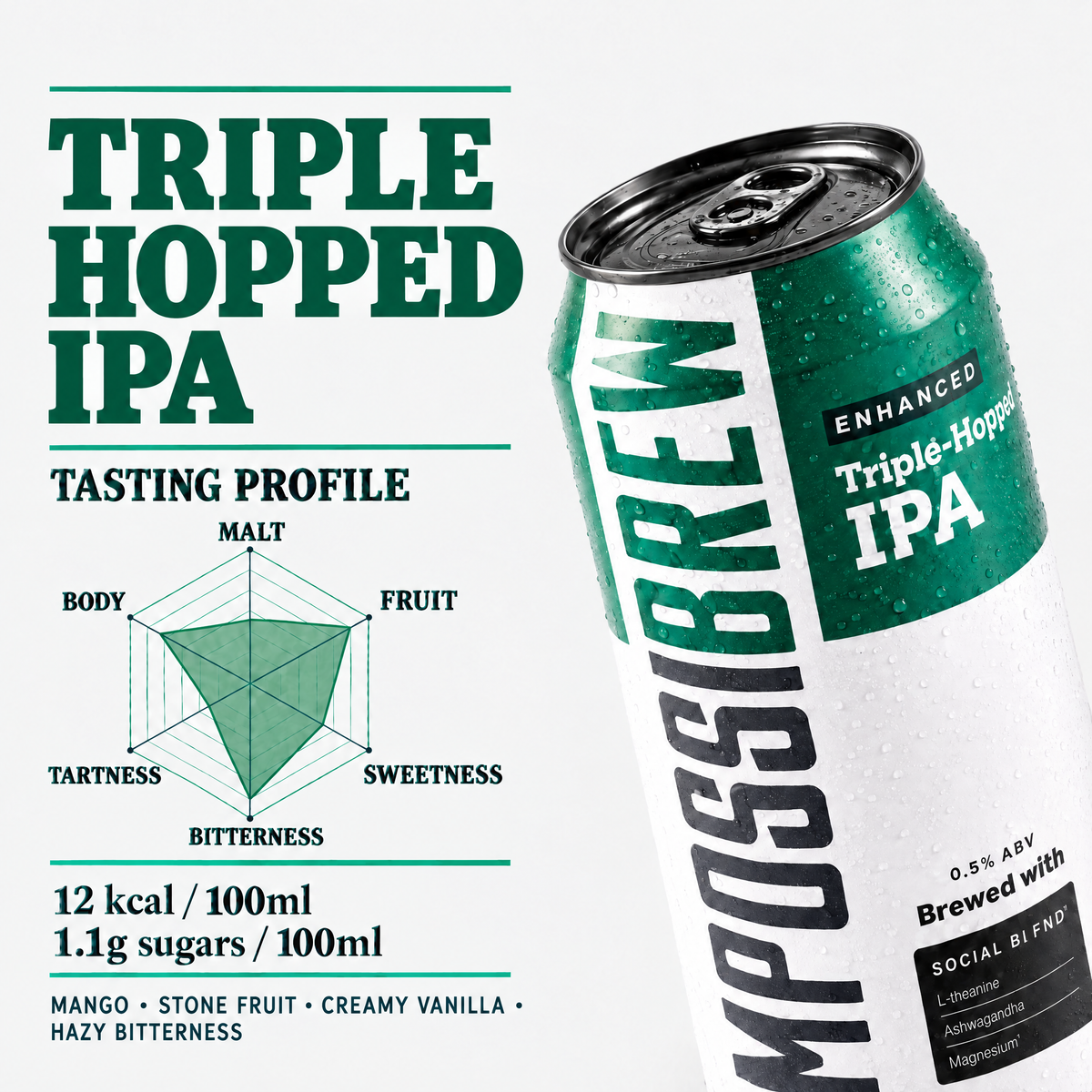
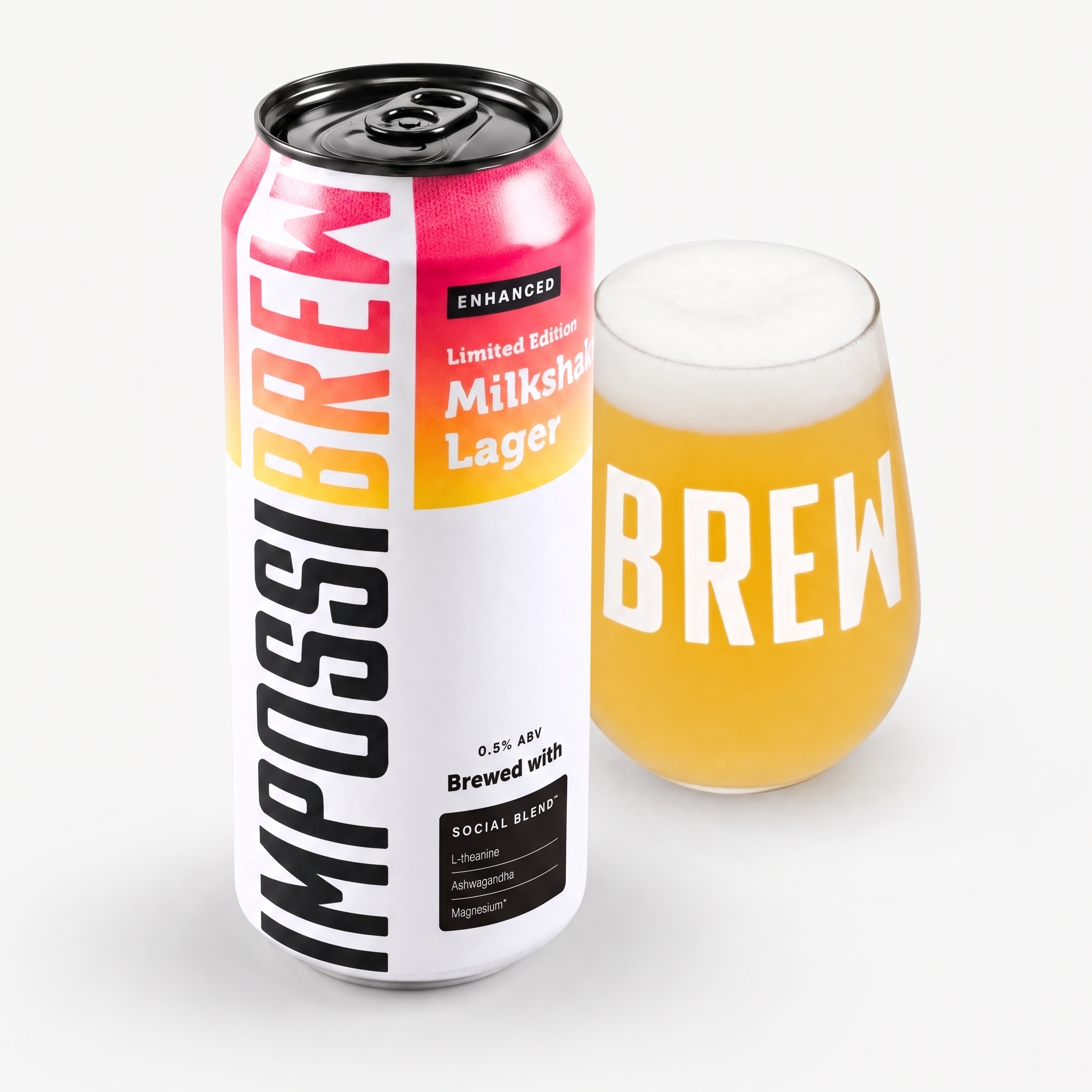
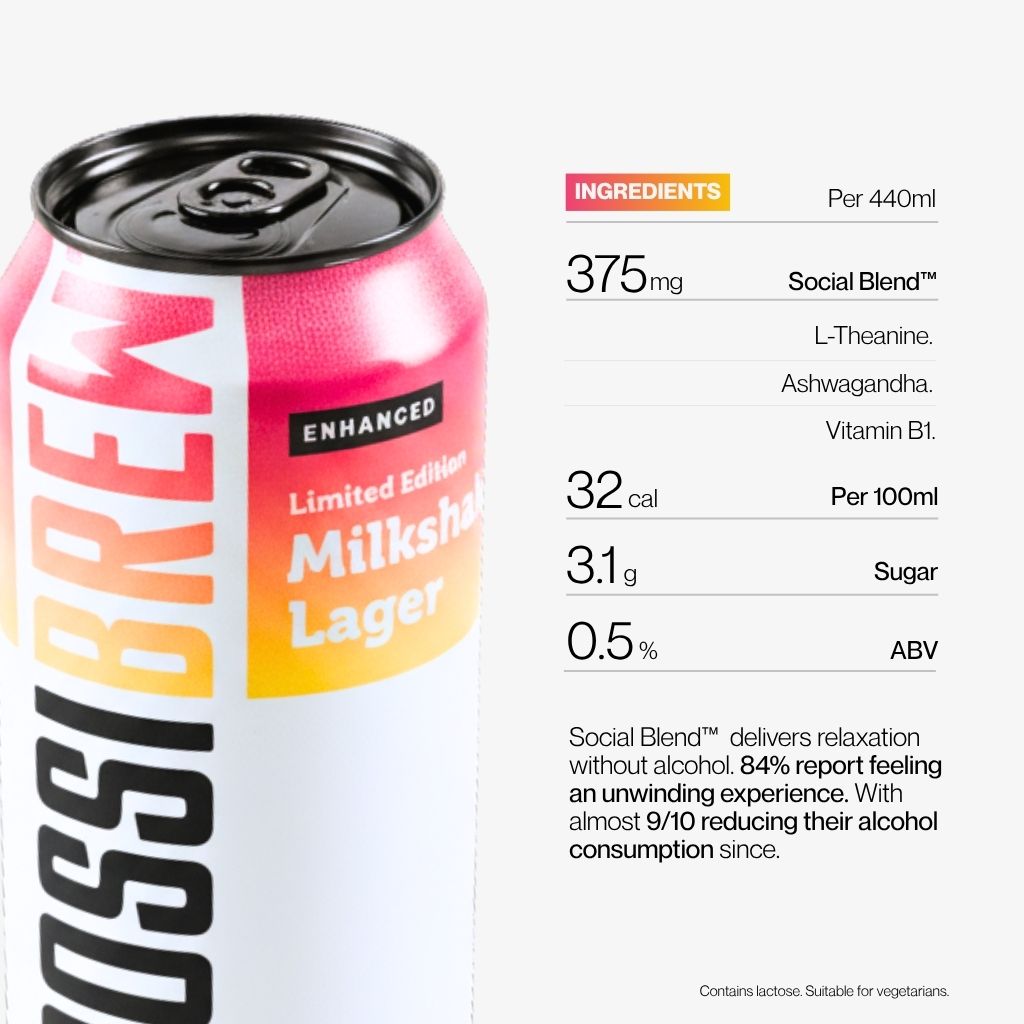
If you’re looking for a way to enjoy social moments without compromising your recovery, IMPOSSIBREW® Enhanced Beers might be just what you need. These beers feature a proprietary Social Blend™ - a carefully crafted mix of nootropics like L-theanine and adaptogens such as ashwagandha. This unique combination helps you relax without the downsides of alcohol, such as impaired muscle repair, disrupted sleep, or reduced cognitive performance. It’s a smarter choice for those who prioritise both recovery and social connection.
Relaxation Backed by Science - Without the Recovery Setbacks
Unlike alcohol, the Social Blend™ works with your body rather than against it. It stimulates your brain's natural alpha waves, creating a state of 'alert relaxation' - a perfect balance of calmness and mental clarity. L-theanine promotes focus and a sense of tranquillity, while ashwagandha helps reduce cortisol, a stress hormone that alcohol tends to elevate.
In a 2025 study of over 2,000 participants, 84% reported feeling more relaxed after consuming the Social Blend™[5]. The formula is supported by 52 peer-reviewed, randomised controlled trials on its individual ingredients. Unlike alcohol, which can significantly hinder muscle protein synthesis, these functional ingredients work to support your body’s natural repair and recovery processes.
IMPOSSIBREW® Enhanced Lager and Hazy Pale
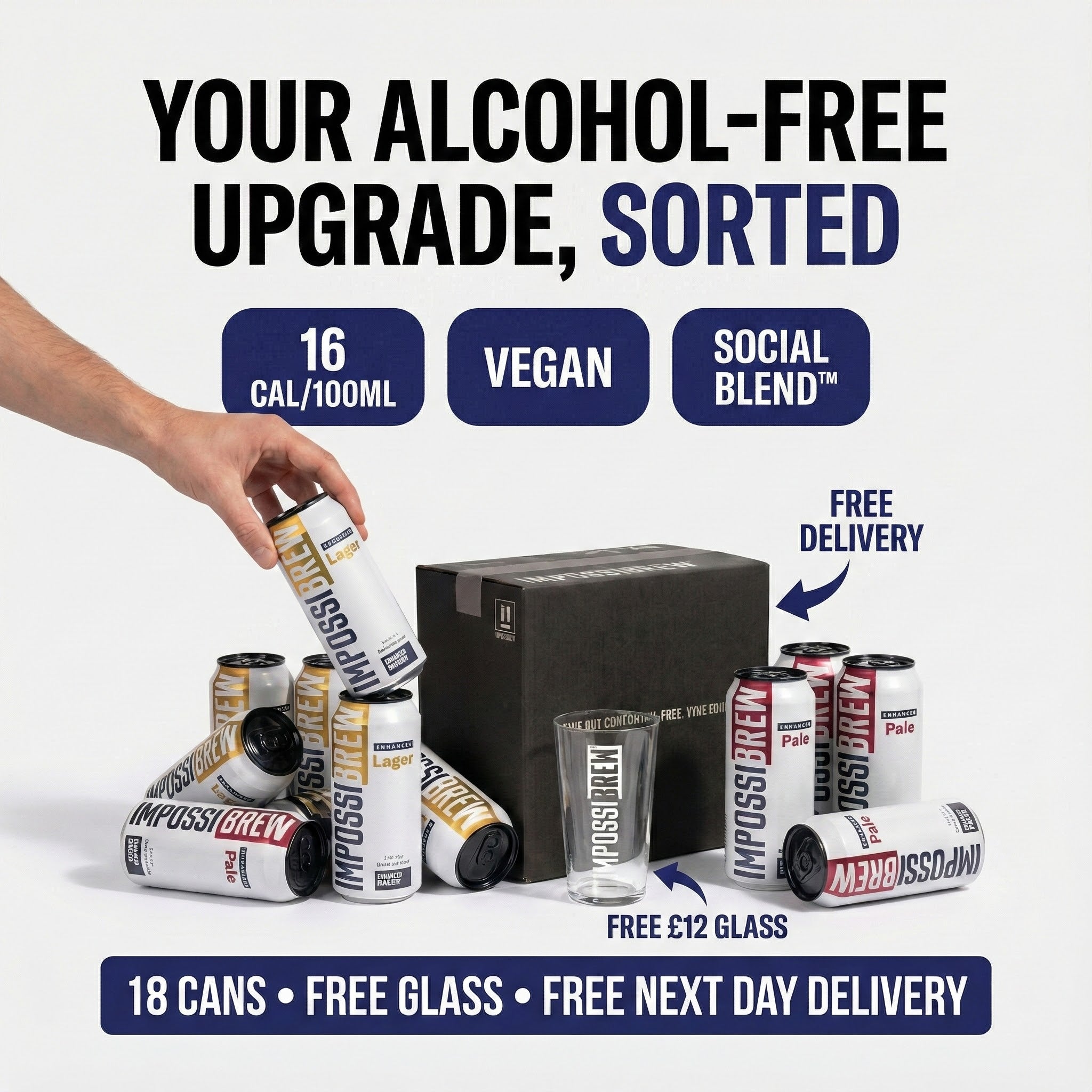
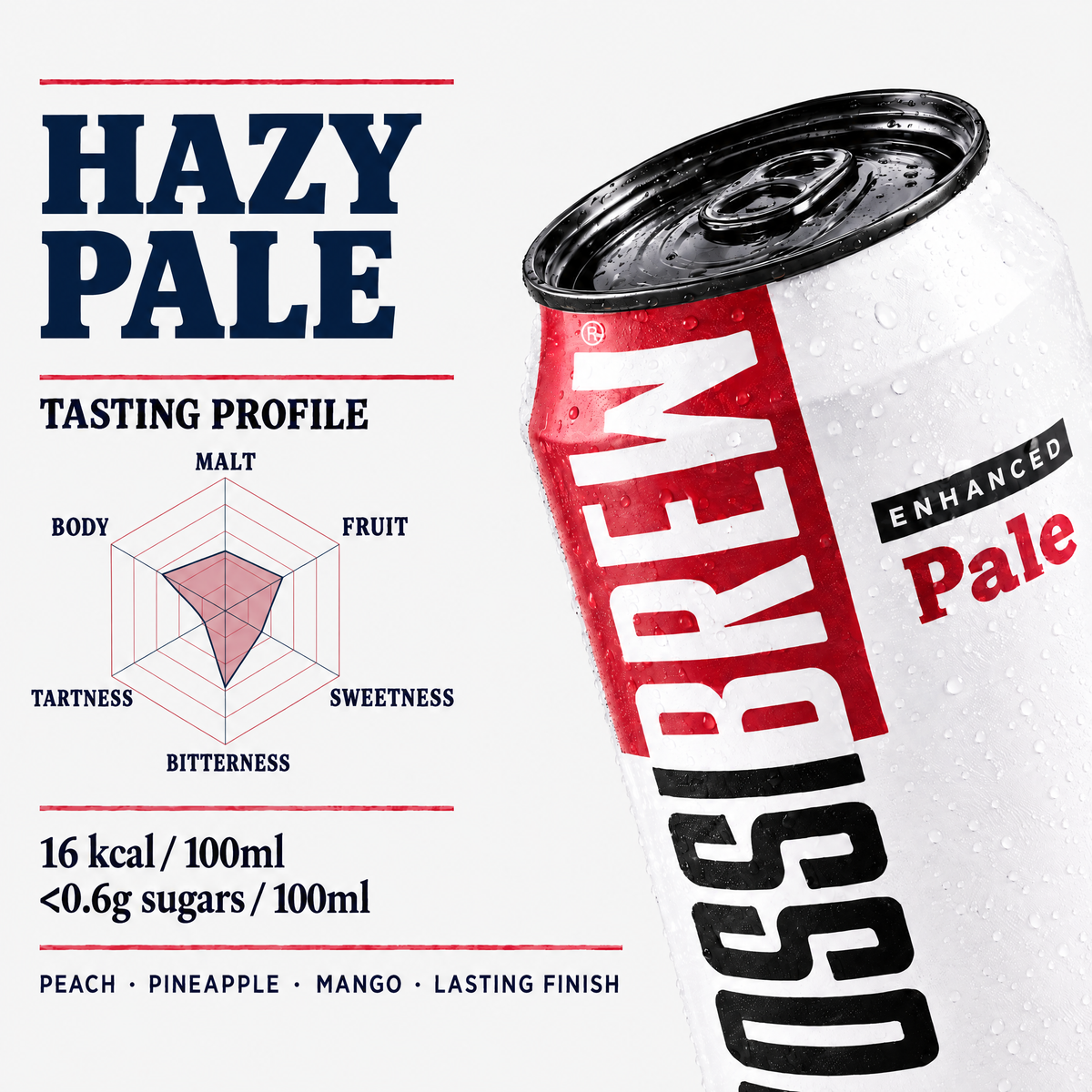
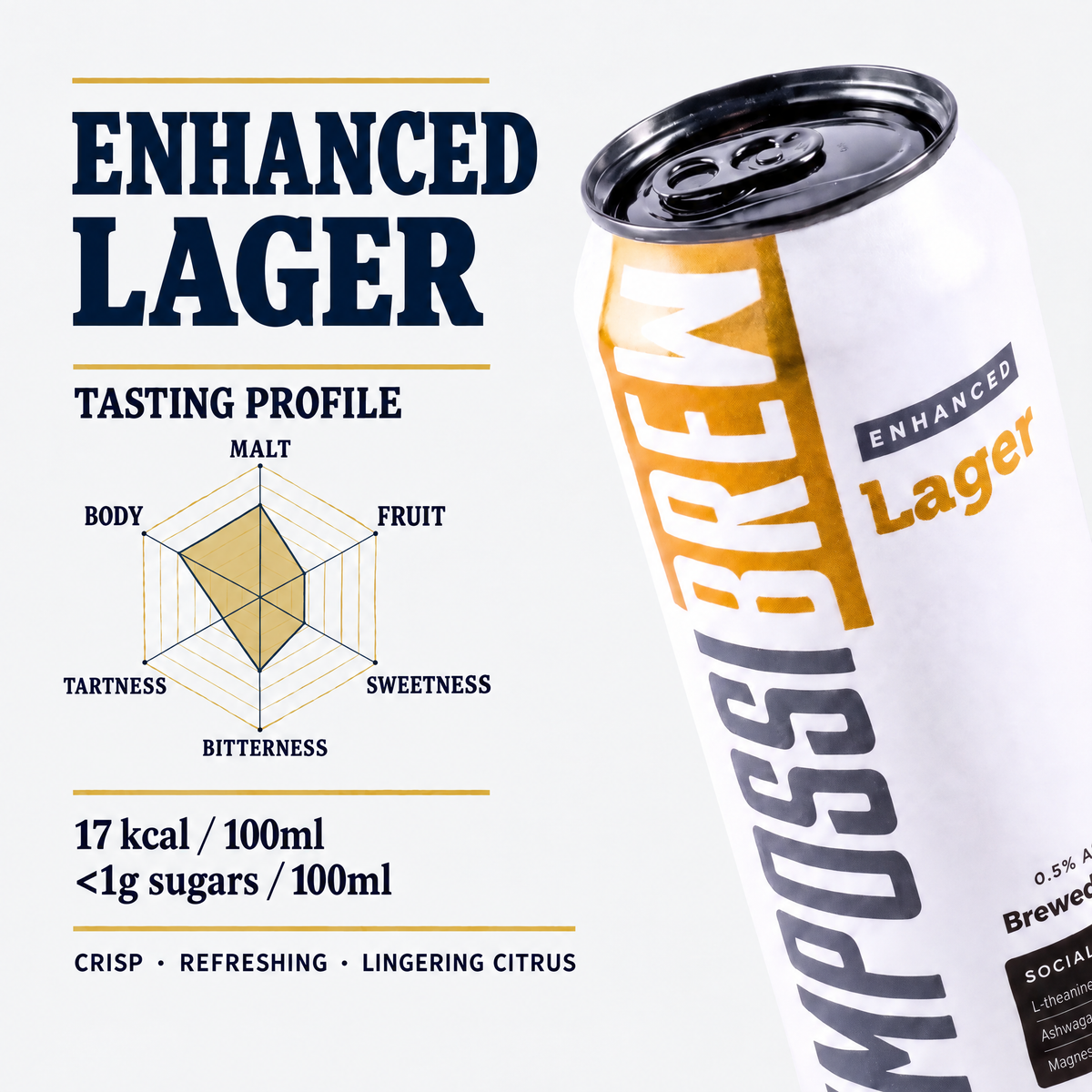
Beyond the benefits of the Social Blend™, IMPOSSIBREW® beers also deliver on taste and nutrition. Their two flagship options - Enhanced Lager and Enhanced Hazy Pale - offer all the flavours you’d expect from a premium beer, thanks to an advanced cryogenic fermentation process. The Lager boasts a crisp, clean taste with zesty citrus notes, while the Hazy Pale offers a fruity blend of peach, pineapple, and mango. Each 330 ml can contains less than 50 kcal, is completely alcohol-free, and has under 1 g of sugar.
Both beers are vegan-friendly, and the Lager is also certified gluten-free (tested to under 10 PPM). They’ve even been recognised as the 'UK's Best Non-Alcoholic Beer' at major competitions. Priced at just £1.97 per can, they’re available from leading UK retailers like Tesco, Sainsbury’s, and Amazon UK.
Recovery Outcomes: Alcohol vs IMPOSSIBREW® Non-Alcoholic Functional Beers
The drink you choose can make a big difference when it comes to recovery. Alcohol is known to interfere with your body’s ability to repair itself, while IMPOSSIBREW® is designed to actively support recovery. Here’s a breakdown of how alcoholic drinks compare to IMPOSSIBREW® Enhanced Beers when it comes to key recovery factors.
Comparison of Recovery Impacts
| Recovery Factor | Alcohol Consumption | IMPOSSIBREW® Enhanced Beers |
|---|---|---|
| Muscle Repair | Reduces protein synthesis by 24–37% [8] | Contains Social Blend™ (Ashwagandha, L-Theanine) to promote recovery [4] |
| Inflammation | Increases inflammation and disrupts immunoendocrine function [3] | Polyphenols help reduce inflammation, including interleukin-6 levels [6] |
| Cognitive Performance | Impairs balance, reaction times, and focus for up to two days [8] | Enhances alpha brain waves, promoting calmness and better accuracy [7] |
| Hydration | Acts as a diuretic, making rehydration harder [3] | Supports rehydration effectively, performing as well as water [4] |
| Sleep Quality | Disrupts sleep cycles and reduces overall quality | Improves sleep latency and enhances sleep quality [6] |
| Hormonal Balance | Raises cortisol levels while lowering testosterone and growth hormones [8] | Ashwagandha aids in balancing stress and supports natural recovery processes [4] |
| Caloric Impact | High in calories with little nutritional value | Low in calories (16–27 kcal per can) and contains no sugar [4][6] |
These differences highlight why IMPOSSIBREW® is a better choice for both physical and mental recovery. For instance, a study found that marathon runners who drank non-alcoholic beer daily experienced a 3.25-fold lower risk of upper respiratory tract illnesses compared to those given a placebo [6].
"Acute alcohol consumption... may negatively alter normal immunoendocrine function, blood flow and protein synthesis so that recovery from skeletal muscle injury may be impaired." - PubMed Abstract [3]
When recovery matters, choosing IMPOSSIBREW® lets you enjoy the social and sensory aspects of a drink without sacrificing your body’s ability to bounce back.
Conclusion
Alcohol can seriously interfere with both physical and mental recovery. It reduces muscle protein synthesis by as much as 37% [8], disrupts the quality of your sleep, and increases cortisol levels, all of which slow down healing and hinder performance. As The Conversation aptly puts it, "Rehabilitation doesn't happen in the pub. Whether you're a professional athlete, a recreational runner or an enthusiastic 'weekend warrior', every drink counts" [8].
But here's the good news - you don’t have to give up the pleasure of enjoying a beer to support your recovery. IMPOSSIBREW® Enhanced Beers provide a smarter alternative that aligns with your body’s natural healing process. Thanks to its unique Social Blend™, which includes L-Theanine and Ashwagandha, you can relax and enjoy the social aspect of drinking without the negative effects of alcohol, such as inflammation, hormonal imbalances, or reduced muscle repair.
While alcohol promotes inflammation and slows tissue recovery, IMPOSSIBREW’s polyphenol-rich formula actively works to support healing [4]. In fact, recent research shows that 84% of users reported feeling more relaxed, and 88% said they reduced their overall alcohol intake [5].
Whether you’re recovering from an injury, training hard, or simply managing daily stress, the drink you choose can make a difference. At just £1.97 per can, opting for a recovery-friendly alternative is not only easy but also affordable. Your body works tirelessly to heal - why not give it the support it deserves?
FAQs
What effect does alcohol have on muscle recovery?
Alcohol can interfere with muscle recovery by hindering muscle-protein synthesis, a crucial process for repairing and building muscle tissue. It can also slow the body's natural healing mechanisms, particularly after intense workouts or physical exertion.
That said, some research indicates that moderate alcohol consumption might not have a major impact on functional recovery after resistance exercises. The effects often depend on factors like how much alcohol is consumed, when it’s consumed, and individual differences. For the best recovery results, focus on staying hydrated, eating a balanced diet, getting enough rest, and keeping alcohol intake to a minimum.
What are the advantages of choosing alcohol-free options like IMPOSSIBREW® for recovery?
Switching to an alcohol-free option like IMPOSSIBREW® can do wonders for both your physical and mental recovery. Unlike traditional alcoholic drinks, it helps your body stay hydrated more effectively. That’s because it’s water-based and packed with essential electrolytes like sodium, potassium, magnesium, and calcium. These nutrients not only help maintain fluid balance but also work to restore glycogen levels and aid muscle repair - all without the dehydrating effects of alcohol.
Choosing to skip alcohol means you’re also avoiding its negative impacts, such as disrupted sleep and inflammation. This leads to better rest and quicker recovery. What’s more, IMPOSSIBREW® is enriched with natural compounds like hop-derived polyphenols and GABA-boosting ingredients. These promote relaxation, ease stress, and support overall health. Over time, regular consumption may even improve bone strength and cardiovascular health, making it a refreshing and smart choice for recovery.
What impact does alcohol have on mental recovery and cognitive performance?
Alcohol can take a serious toll on mental recovery by interfering with key cognitive functions like attention, memory, and decision-making. Studies reveal that even a mild hangover can slow reaction times and make it harder to focus, especially when tackling tasks that require prolonged concentration. These challenges often stem from alcohol's impact on sleep quality, dehydration, and the inflammation triggered during its metabolism.
To help your mind bounce back, it’s wise to cut back on alcohol, particularly when you’ve got mentally demanding tasks ahead. Staying hydrated, prioritising good sleep, and giving yourself at least 24 hours to recover after heavy drinking can help sharpen your focus and support your overall recovery.