
Adaptogens - natural compounds from plants and mushrooms - help manage stress, anxiety, and fatigue by restoring balance in the body. They regulate cortisol, support brain health, and improve energy systems without masking symptoms. Key highlights include:
- Stress Regulation: Adaptogens balance cortisol levels, preventing the negative effects of chronic stress.
- Brain Support: They protect brain cells, enhance focus, and improve memory by normalising stress hormones and boosting neurotransmitters like serotonin and dopamine.
- Energy Restoration: Adaptogens protect mitochondria and promote better energy production, shifting the body out of "fight or flight" mode.
- Popular Types: Rhodiola rosea improves focus; Schisandra chinensis enhances clarity; Ashwagandha reduces anxiety.
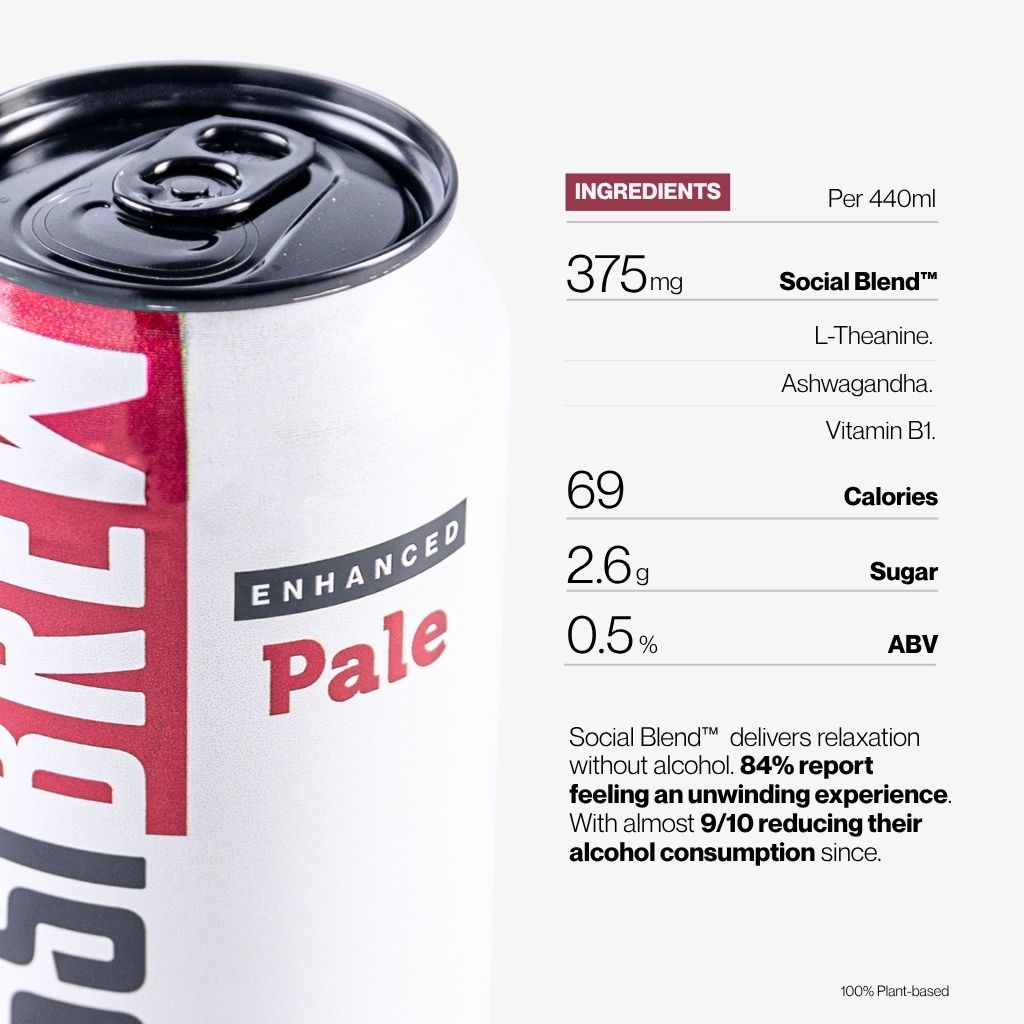
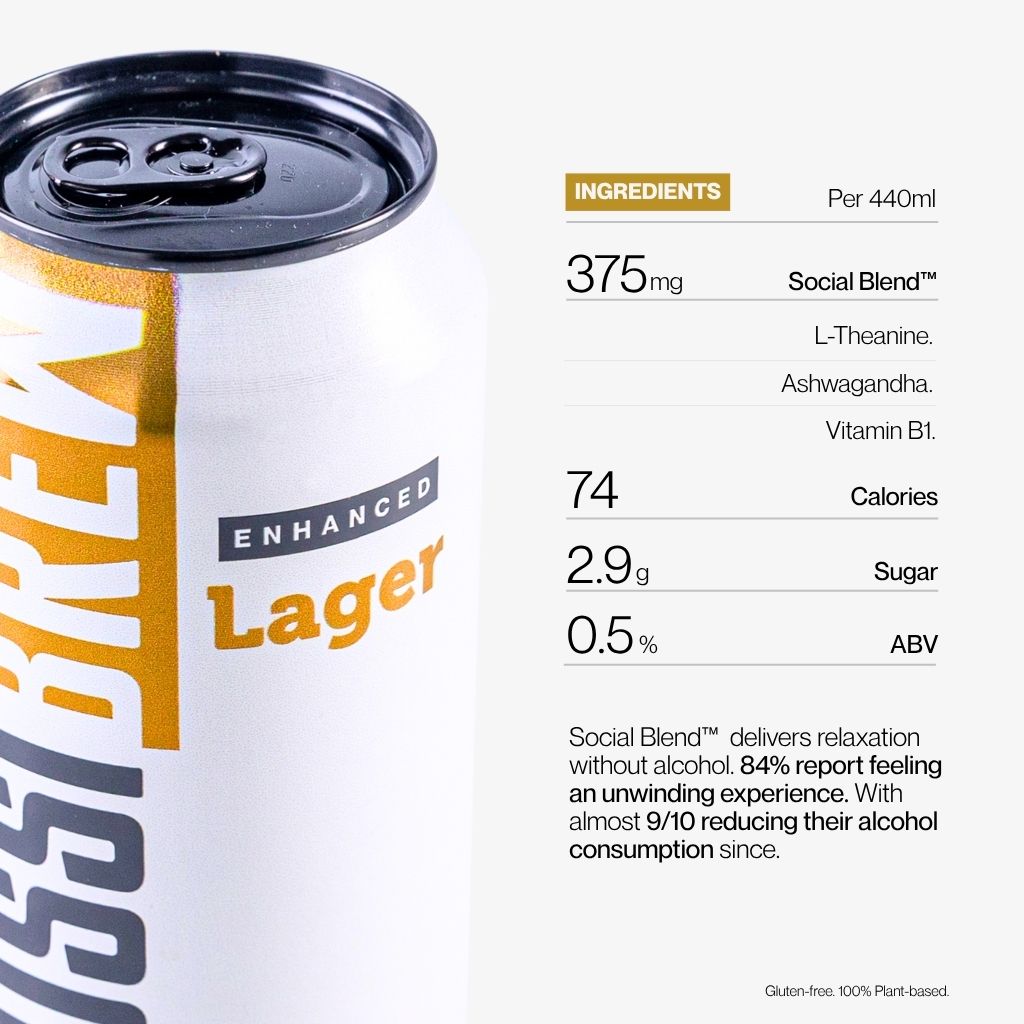
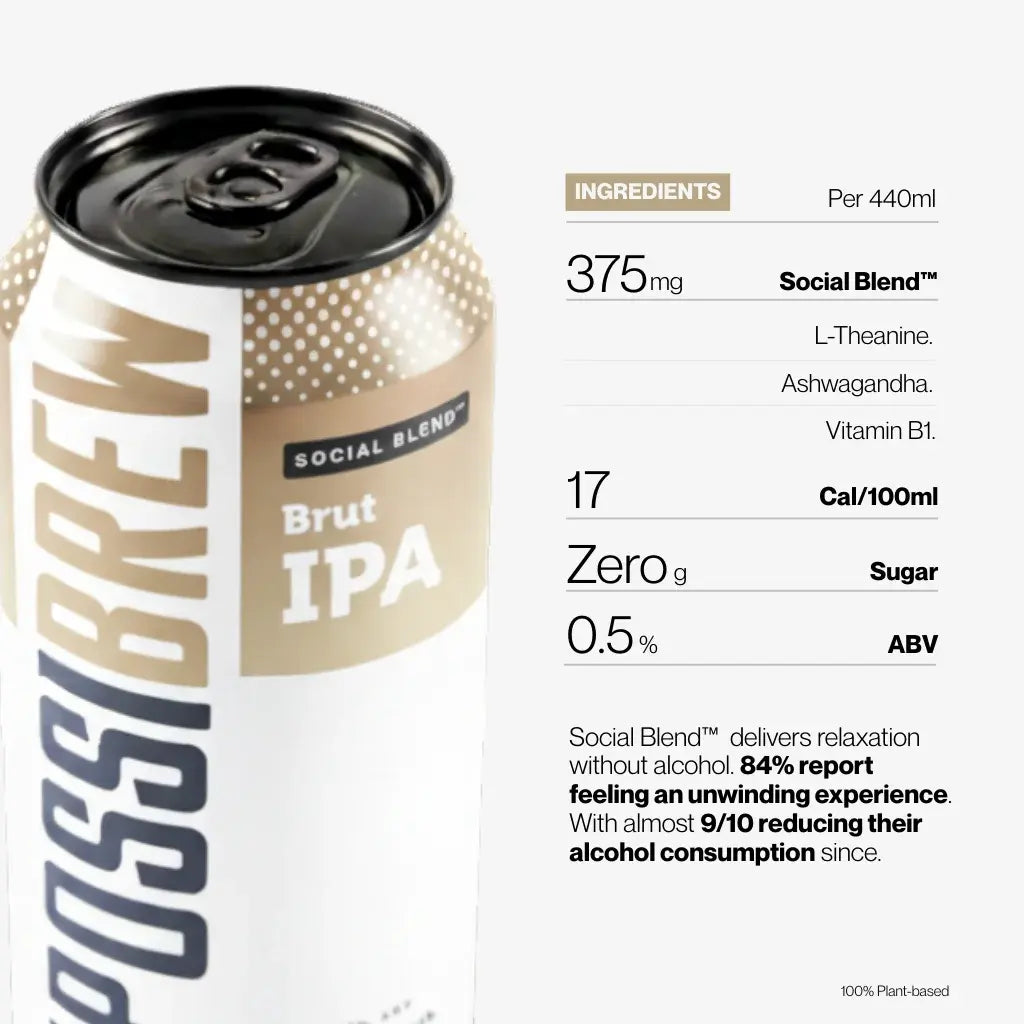
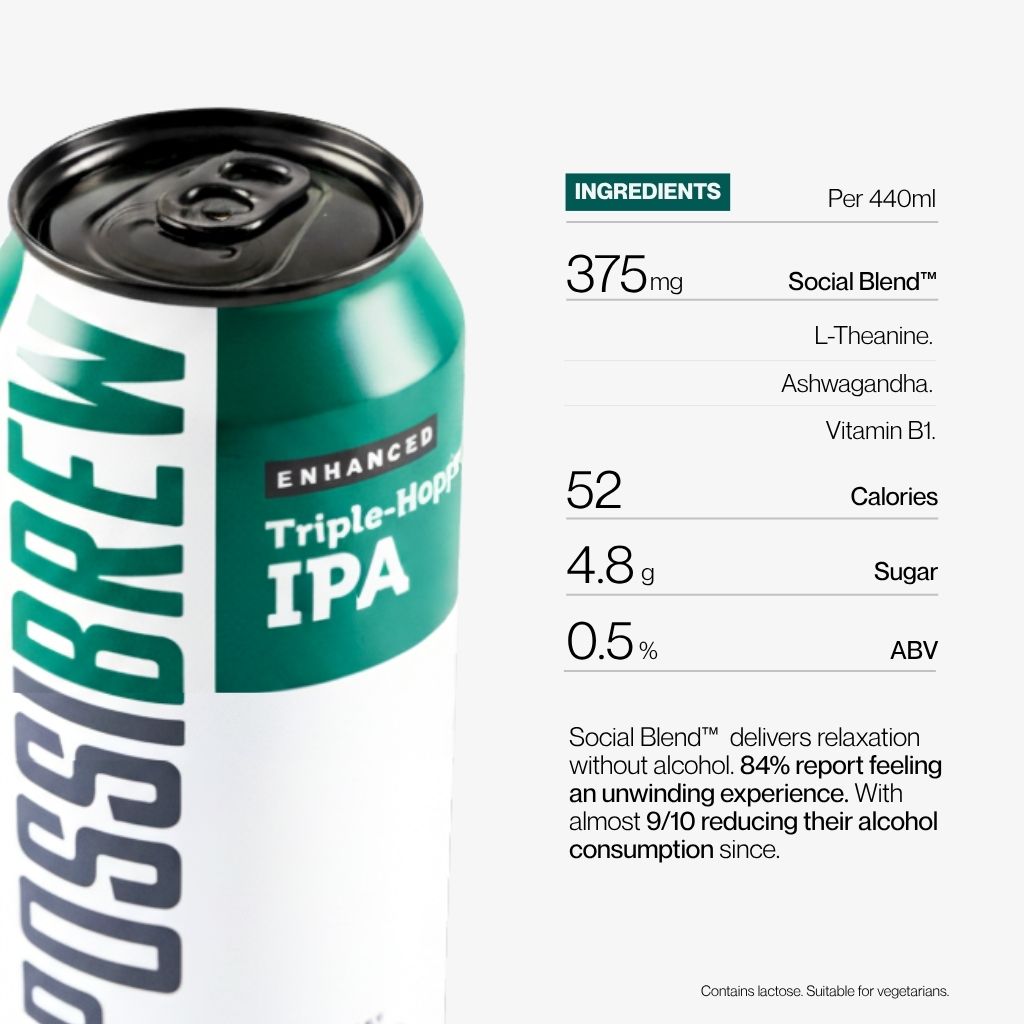
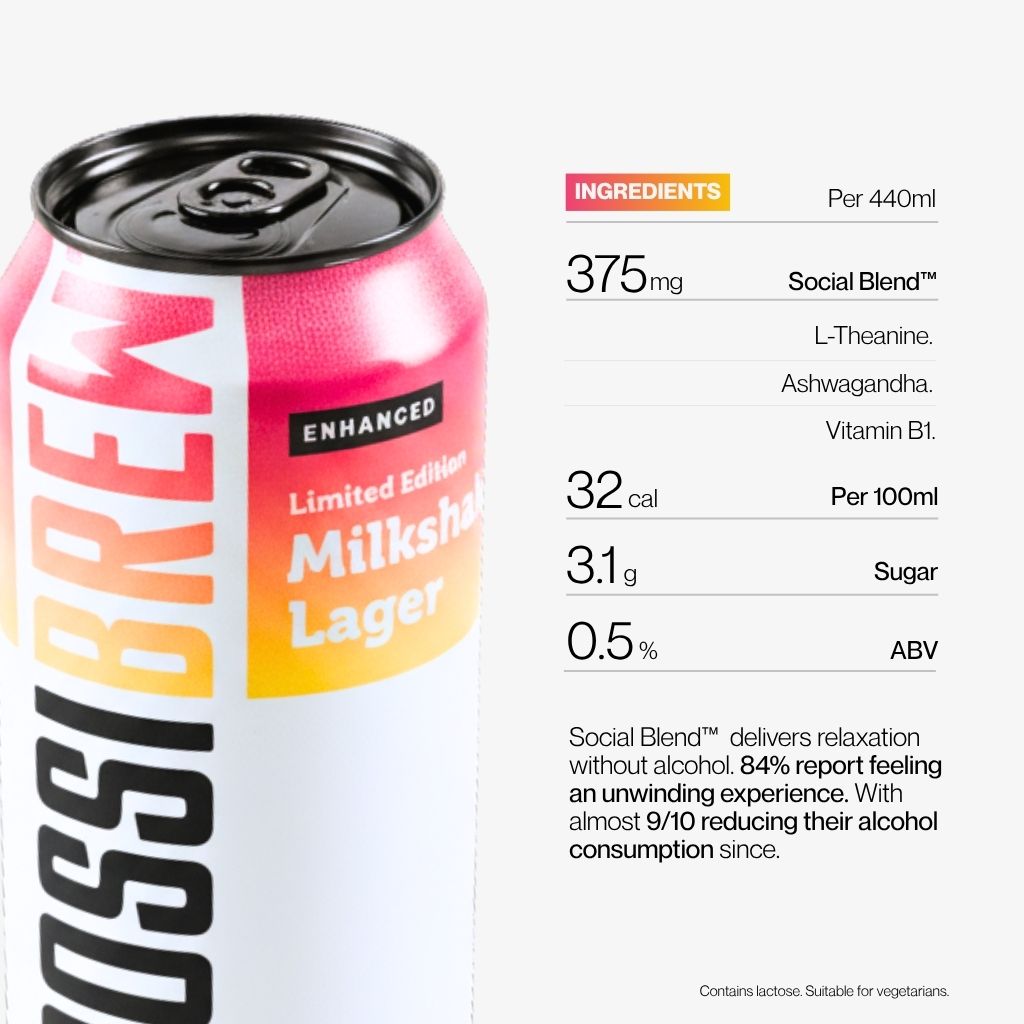
Adaptogens also feature in non-alcoholic functional drinks, offering stress relief and mental clarity in everyday life. Products like IMPOSSIBREW® combine these compounds with brewing techniques to create beverages that support well-being without the downsides of alcohol. These drinks are low-calorie, vegan-friendly, and gluten-free, aligning with modern wellness goals.
Unveiling the Power of ADAPTOGENS for STRESS RELIEF
How Adaptogens Work in the Body to Manage Stress
Adaptogens support the body's stress response by working through various biological pathways, addressing the root causes rather than just masking the symptoms.
HPA Axis and Stress Response
The hypothalamic-pituitary-adrenal (HPA) axis is the body's main stress management system, responsible for releasing cortisol during stressful situations. While this is crucial for handling short-term stress, chronic activation of the HPA axis can lead to consistently high cortisol levels, which are often linked to anxiety, fatigue, and other health issues.
Adaptogens help regulate the HPA axis instead of shutting it down completely. Research suggests they can reduce the overproduction of cortisol caused by prolonged stress while still allowing the body to respond appropriately to real challenges. This balanced approach can help minimise the negative effects of long-term stress, such as weakened immunity or cognitive struggles.
One of the standout features of adaptogens is their ability to adjust cortisol levels in both directions - lowering them when they're too high and increasing them when they're too low. This balancing act is a key part of how they work.
But adaptogens don't stop at hormonal regulation. They also operate on a cellular level to further improve the body's ability to handle stress.
Molecular Targets of Adaptogens
Beyond influencing the HPA axis, adaptogens interact with specific molecular systems that play a role in stress resilience. For example, they can boost the production of heat shock proteins (HSPs), which act like cellular caretakers, ensuring proteins maintain their structure and function during stressful conditions.
Adaptogens may also impact beta-endorphins, which are involved in mood regulation and pain relief, potentially leading to better emotional balance and stress tolerance. Additionally, they could influence the neuropeptide Y system, which is associated with appetite, anxiety, and resilience to stress, offering further emotional support.
Another way adaptogens help is by optimising nitric oxide levels, which can improve blood flow and cellular performance during times of stress.
Restoring Balance and Energy Levels
Stress often disrupts the body's energy systems, leaving some overworked and others depleted. Adaptogens assist by rebalancing these systems, ensuring the body functions more efficiently.
They protect mitochondria - the powerhouse of cells - from stress-related damage, helping maintain energy production. They also help shift the autonomic nervous system out of a constant "fight or flight" state, bringing it back to a more balanced mode. On top of that, adaptogens can support healthier levels of key neurotransmitters like serotonin, dopamine, and GABA, which are essential for mood stability and mental clarity.
How Adaptogens Improve Focus and Mental Performance
Stress can wreak havoc on your ability to think clearly. It clouds focus, weakens memory, and slows brain function. Adaptogens step in by addressing stress at its core, helping to sharpen mental clarity and improve overall cognitive performance.
When stress hormones like cortisol stay elevated for too long, they disrupt the brain's ability to form new memories and sustain concentration. Adaptogens work to normalise cortisol levels, which not only helps protect brain health but also keeps your mind energised. They support the mitochondria - tiny powerhouses in brain cells - ensuring a steady supply of energy for thinking and problem-solving. Plus, they promote healthy blood flow, delivering the oxygen and nutrients your brain needs to operate at its best.
Key Adaptogens for Brain Function
By calming stress pathways, adaptogens create the perfect foundation for better brain function. Some stand out for their specific mental benefits:
- Rhodiola rosea: Known for fighting mental fatigue, this adaptogen helps improve focus and motivation by influencing neurotransmitters like dopamine, norepinephrine, and serotonin. It also shields brain cells from oxidative stress, which can build up during high-pressure situations or prolonged mental strain.
- Schisandra chinensis: This adaptogen is prized for enhancing mental clarity and processing speed. Both traditional use and modern studies show it helps the brain process information more efficiently while reducing the mental fog that often comes with stress. It also supports liver detoxification, indirectly benefiting cognitive performance by minimising toxins that could impair brain function.
- Eleutherococcus senticosus (Siberian ginseng): Often studied for its ability to boost mental endurance and resilience, this adaptogen helps the brain maintain steady performance under stress. It also supports healthy sleep patterns, which are crucial for memory consolidation and mental recovery.
These adaptogens work by protecting brain cells from the wear and tear of chronic stress while promoting proteins that support neural health and connectivity.
The Link Between Lower Stress and Better Focus
The benefits of adaptogens go beyond stress relief - they actively enhance cognitive performance.
By keeping cortisol levels in check, adaptogens help preserve the prefrontal cortex, the area of the brain responsible for focus and decision-making. They also shift the nervous system from a "fight-or-flight" mode to a state of calm alertness, which is ideal for creative thinking and productive work.
Adaptogens also increase levels of brain-derived neurotrophic factor (BDNF), a protein that supports the growth and maintenance of neurons. Higher BDNF levels improve learning, memory, and mental adaptability. By reducing stress, adaptogens create the conditions needed for your brain to produce more of this vital protein.
Better sleep is another key benefit. Stress often disrupts sleep, and poor sleep undermines memory and concentration. Adaptogens help promote restorative sleep, allowing your brain to consolidate memories and clear out waste products that can interfere with clear thinking.
Finally, chronic stress is linked to brain inflammation, which disrupts neurotransmitter function and neural communication. Adaptogens' anti-inflammatory properties help maintain a healthy brain environment, ensuring clearer thought processes and sustained focus.
sbb-itb-a752bf8
Key Adaptogens and How They Work: Summary Table
Adaptogens are known for their ability to help the body manage stress in unique ways. Here's a quick look at some popular adaptogens and how they function:
| Adaptogen | Primary Mechanisms | Key Benefits | Notable Research Findings |
|---|---|---|---|
| Ashwagandha | Lowers cortisol levels and supports adrenal function | Reduces stress, eases anxiety, improves sleep, balances hormones | Studies suggest cortisol levels may drop by up to 30% [1]. A 2023 study linked it to higher serotonin levels, easing depression and anxiety [2]. |
| Rhodiola rosea | Balances neurotransmitters (dopamine, norepinephrine, serotonin), protects cells from oxidative stress, boosts mitochondrial function | Enhances focus, reduces fatigue, improves motivation, builds stress resilience | Proven to reduce mental fatigue and boost cognitive performance under stress. |
| Panax ginseng | Regulates stress hormones, supports adrenal health, and increases cellular energy metabolism | Improves stamina, enhances stress tolerance, sharpens cognition | Offers consistent energy without the crashes tied to stimulants. |
These adaptogens are particularly effective due to their ability to restore balance in stress hormone levels. Functional medicine expert Will Cole explains:
"Adaptogens can relieve stress by restoring balance back to the areas of the body that are out of balance - for example, when [the stress hormone] cortisol is too high or too low, you'll feel stressed and fatigued. Certain adaptogens can calm stress levels by regulating the brain-adrenal connection [a.k.a., the hypothalamic-pituitary-adrenal, or HPA, axis], which governs the cortisol rhythm." [2]
Unlike pharmaceuticals, adaptogens work gradually, targeting molecular pathways such as heat shock proteins (HSPs) and stress-related mechanisms. They strengthen your body's resilience without the risks of addiction or tolerance, and they don't impair cognitive function over time [3].
The adaptogen market reflects their growing popularity, with the sector valued at £8.1 billion in 2021 and expected to reach £16 billion by 2031 [2]. This trend highlights increasing consumer interest and scientific support for natural stress management solutions.
These properties have inspired the development of adaptogenic beverages, offering a natural way to support stress relief and focus. Brands like IMPOSSIBREW® are leveraging these principles to create functional, non-alcoholic drinks designed for modern lifestyles.
Adaptogens in Non-Alcoholic Functional Drinks
A deeper understanding of how adaptogens work has paved the way for exciting developments in the beverage industry, particularly within non-alcoholic functional drinks designed for stress relief. These drinks combine time-honoured brewing traditions with scientifically supported ingredients to promote mental well-being - without the downsides often associated with alcohol. The proven effects of adaptogens are now shaping the future of functional beverages.
Modern functional drinks often include adaptogens alongside other bioactive ingredients. This scientific foundation allows beverage makers to select specific adaptogens for targeted benefits. Popular adaptogens used in these beverages include ashwagandha (known for reducing anxiety and stress), rhodiola (praised for improving focus and fighting fatigue), and reishi mushrooms (valued for their calming and anti-inflammatory properties). Together, these ingredients help the body achieve balance naturally, without artificially boosting or depleting energy levels [4].
What makes adaptogenic beverages so appealing is their ability to complement the body’s natural stress response, helping users feel more balanced and resilient in a genuine way.
IMPOSSIBREW® and Adaptogenic Beverages
IMPOSSIBREW® has taken a leading role in functional beverage innovation with its proprietary Social Blend™ formula. This unique blend of nootropic and adaptogenic ingredients is designed to mimic the relaxing effects of traditional alcoholic beverages - without the health risks or impairment that alcohol can bring.
Their Enhanced Lager and Enhanced Hazy Pale Ale showcase how adaptogens can be seamlessly integrated into familiar beer formats. Both drinks contain less than 0.5% ABV but still deliver the sensory experience and social ease that many consumers look for. By targeting stress pathways in a manner similar to adaptogens, the Social Blend™ supports the body’s ability to manage stress and maintain focus.
What sets IMPOSSIBREW® apart is its patent-pending technology, which combines traditional brewing techniques with functional ingredients. This approach ensures that adaptogenic compounds remain effective while maintaining the authentic taste and texture of high-quality beer. The result? A drink that supports stress management through mechanisms like regulating the HPA axis, balancing cortisol levels, and optimising neurotransmitters - all while meeting the growing health and social expectations of today’s consumers.
Health and Lifestyle Benefits
In the UK, health-conscious consumers have embraced adaptogenic beverages for how well they align with modern wellness goals. IMPOSSIBREW®'s products are crafted with several lifestyle-friendly features: they are low in calories for those mindful of weight, vegan-friendly, and gluten-free - ideal for individuals with coeliac disease or sensitivities.
These qualities reflect a broader trend toward functional foods that deliver added health benefits. With prices starting at £1.97 per can, IMPOSSIBREW® offers an affordable way to enjoy premium non-alcoholic drinks that help manage stress. And thanks to their award-winning flavour, achieved through traditional brewing methods, consumers don’t have to sacrifice taste for functionality.
Conclusion
Adaptogens work through a variety of biological pathways - regulating the HPA axis, balancing cortisol levels, and influencing neurotransmitters - to help the body stay steady during tough times.
These natural compounds bring two key benefits: reducing stress and sharpening mental focus. By keeping cortisol levels in check and supporting neurotransmitter health, adaptogens like ashwagandha, rhodiola, and reishi mushrooms help the body achieve a state of balance. Unlike artificial stimulants, they work with your body to restore its natural rhythm.
This science forms the foundation of products like IMPOSSIBREW®'s Social Blend™, which combines traditional brewing methods with adaptogens backed by research. These beverages are designed to provide real stress-relief benefits, reflecting how adaptogens naturally regulate stress responses.
For UK consumers looking for natural ways to manage stress, adaptogenic drinks offer a scientific option that fits into busy, modern lives. Whether it’s dealing with work stress, unwinding in the evening, or staying mentally sharp, adaptogens support the body’s ability to handle stress while boosting focus. These drinks seamlessly blend stress management with daily routines.
As research continues to expand, the takeaway remains clear: adaptogens are powerful allies in supporting the body’s natural resilience. They offer a practical way to maintain balance and clarity in a world that constantly demands more from us.
FAQs
What makes adaptogens different from traditional stress-relief medications?
Adaptogens are plant-based substances that support the body in managing stress by promoting its natural balance. Unlike conventional stress-relief medications, which often work by directly altering hormones or neurotransmitters to alleviate symptoms, adaptogens take a more gradual approach. They strengthen the body’s ability to cope with stress over time.
These natural remedies work by stabilising bodily functions and improving resilience, rather than simply suppressing stress hormones like cortisol. This approach makes them generally regarded as safer, with a lower chance of dependency or major side effects, as they align with the body's existing stress response mechanisms instead of overriding them.
Can adaptogenic drinks, like those from IMPOSSIBREW®, really help you relax socially without alcohol?
Scientific studies suggest that adaptogens like Ashwagandha and Holy Basil may help lower cortisol levels, ease stress, and enhance focus. These natural substances support the body's ability to manage stress, encouraging a sense of calm and equilibrium.
Adaptogenic drinks, such as those offered by IMPOSSIBREW®, are designed to deliver a relaxing and social experience akin to alcohol, but without its downsides. By using carefully chosen, research-backed ingredients, these beverages aim to recreate the sensory and social pleasure of traditional drinks in an alcohol-free format. This makes them a fantastic option for people in the UK looking for a healthier way to relax and enjoy social occasions.
What are the long-term benefits of using adaptogens for managing stress and improving focus?
Incorporating adaptogens into your daily routine can help strengthen your body's response to stress, lower cortisol levels, and improve cognitive performance. These plant-based compounds interact with the body’s stress mechanisms, promoting a calmer mood, sharper focus, and clearer thinking over time.
By helping the body manage stress more effectively, adaptogens can support mental well-being and boost productivity. They’re a helpful addition to a lifestyle aimed at maintaining balance and promoting overall health.