In a world full of distractions and stress, keeping your mind sharp is key. Science has identified seven ingredients that support brain health, improve focus, and help manage stress. These include:
- Omega-3 Fatty Acids: Boosts memory, supports brain cell structure, and helps manage mood.
- Bacopa Monnieri: A herb that enhances memory, information processing, and reduces anxiety.
- Lion’s Mane Mushroom: Promotes nerve regeneration and helps with mood and focus.
- L-Theanine: Found in green tea, it calms the mind without causing drowsiness.
- Ginkgo Biloba: Improves blood flow to the brain, aiding memory and mental clarity.
- B Vitamins Complex: Supports energy, neurotransmitters, and stress resilience.
- Ashwagandha: Helps lower stress hormones and may improve memory and attention.
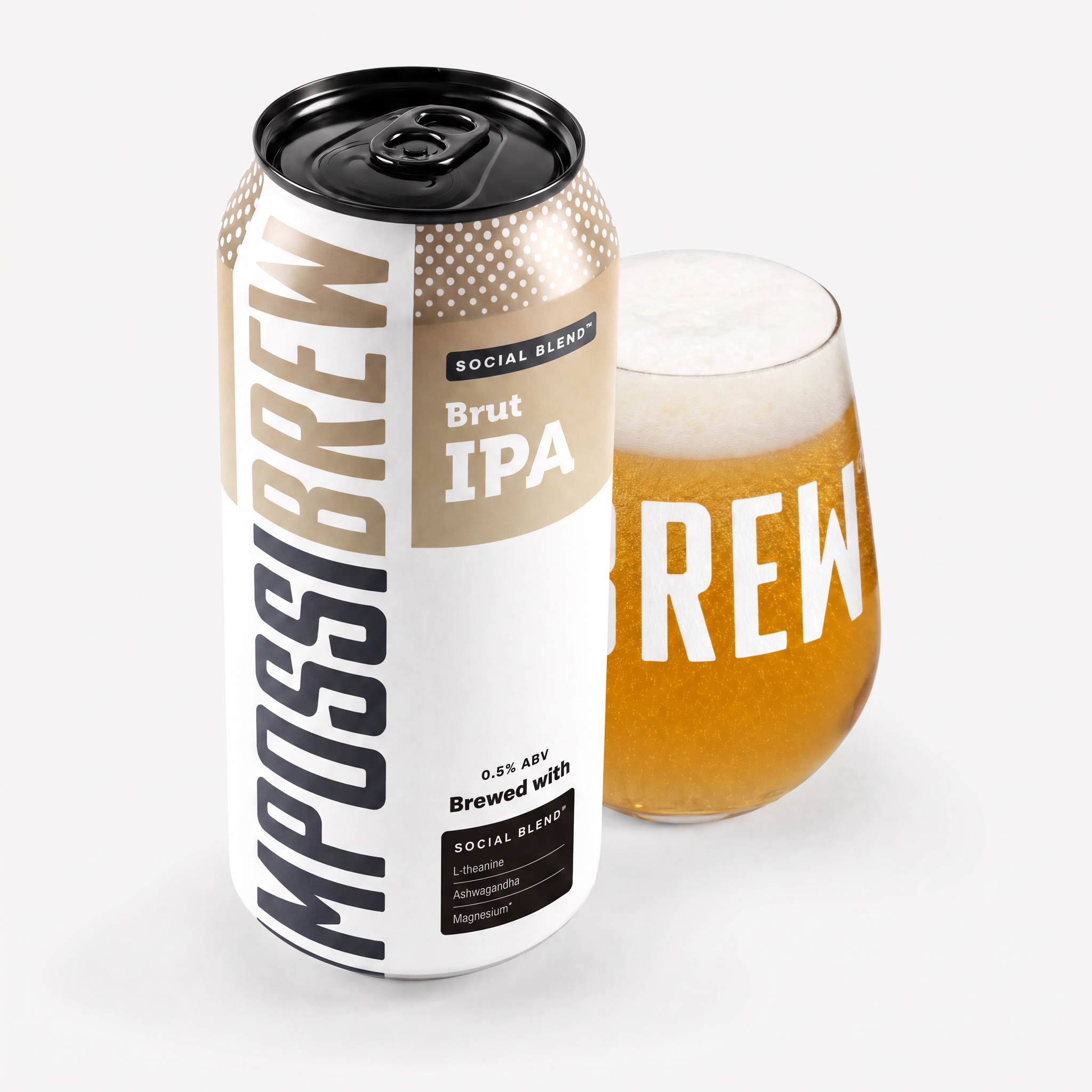
Each of these ingredients has been backed by research and offers specific benefits for different age groups and needs. Whether you’re juggling work, studies, or just want to stay sharp as you age, these options can help. For a practical approach, some products, like IMPOSSIBREW®, combine these ingredients into beverages for easy daily use. Always consult a healthcare professional before starting supplements.
Ingredients For A Healthy Brain
1. Omega-3 Fatty Acids
Omega-3 fatty acids are among the most studied nutrients when it comes to brain health. Two key types, DHA and EPA, play crucial roles in maintaining brain cell structure and supporting smooth neural communication.
Cognitive Benefits Backed by Research
Studies consistently show that omega-3s can boost neuroplasticity, which is the brain's ability to adapt and form new connections. This translates into improved learning, memory, and even better decision-making and problem-solving skills. Some research also suggests that taking omega-3 supplements may specifically enhance executive functions like planning and reasoning.
Helping Manage Stress and Mood
Omega-3 fatty acids are known for their anti-inflammatory effects, which can positively influence how the body handles stress. By interacting with the HPA axis (the system responsible for stress hormone regulation), omega-3s may help stabilise mood and promote a sense of calm.
Benefits Across All Life Stages
The advantages of omega-3s aren’t limited to one age group. They support brain development in children, help adults maintain focus and memory, and contribute to preserving cognitive health as we age.
Safety and Things to Keep in Mind
Omega-3s are generally safe for most people, though taking large doses on an empty stomach might cause mild digestive issues. If you’re on blood-thinning medications, it’s important to consult your doctor before starting omega-3 supplements. To ensure you’re getting a safe and effective product, look for supplements that are third-party tested for purity and screened for contaminants.
Next, let’s explore Bacopa Monnieri, another ingredient with notable benefits for brain health.
2. Bacopa Monnieri
Bacopa monnieri, a herb with over 5,000 years of use in Ayurvedic medicine, is often referred to as "medhya rasayana", a term associated with enhancing mental clarity, memory, and intellect [1][2][3]. Ancient practices recognised its value, and today, modern research supports its role as one of the most studied natural nootropics.
Backed by Science: Cognitive Benefits
Clinical studies have shown that taking 300 mg of Bacopa monnieri extract daily (providing 90 mg of bacosides) can lead to measurable improvements in memory and cognitive performance. These benefits include better verbal, spatial, working, and episodic memory, with some effects noticeable as early as 28 days. Additionally, increased alertness, focus, and mental flexibility have been reported within just three hours of use [4].
Bacopa achieves these effects by influencing key neurotransmitters, including acetylcholine [1][4]. It also boosts levels of Brain-Derived Neurotrophic Factor (BDNF), a protein that promotes the growth of new brain cells and supports their survival and adaptability [3][4].
Helping to Manage Stress
Beyond cognitive benefits, Bacopa is known to reduce stress and anxiety. It works by improving mood and lowering cortisol levels, a hormone linked to stress [4][5]. In a recent study, participants who took 500 mg of Bacopa twice daily for four weeks reported lower levels of depression, anxiety, and stress [5].
The herb’s calming effects are tied to its ability to enhance GABA production by supporting GABA A receptor activity and increasing the enzyme glutamate decarboxylase [1]. Moreover, the active compounds in Bacopa, known as bacosides, help regulate the hypothalamic-pituitary-adrenal (HPA) axis, which plays a key role in managing stress and improving sleep quality [1][4]. One 2024 study found significant reductions in anxiety and improved sleep quality by day 28, with cortisol levels noticeably lower by day 56 [4].
Benefits Across All Ages
Bacopa monnieri offers advantages for people at different life stages, supported by age-specific research:
- Children (6–12 years): A daily dose of 225 mg over six months has been shown to reduce ADHD symptoms in 85% of participants [1][5].
- Healthy adults (18–55 years): Doses ranging from 300 to 600 mg daily have demonstrated improvements in memory, learning speed, and the ability to process visual information over 12 weeks [5].
- Older adults: Regular intake of 300–600 mg daily for 12 weeks has been associated with enhanced memory, attention, and information processing [5].
Safety and Tolerability
Bacopa monnieri is considered safe and well-tolerated, with no reports of toxicity in humans [1][2]. However, some people may experience mild gastrointestinal side effects, such as nausea, abdominal cramps, or increased stool frequency [1][5]. These effects are thought to stem from increased acetylcholine activity or irritation caused by saponins in the herb [1].
Interestingly, a 2024 study on healthy adults found no gastrointestinal issues, suggesting that preparation methods and quality of the extract may play a role in tolerability [4]. If you’re taking anticholinergic medications, consult your healthcare provider before using Bacopa, as it may interact by increasing acetylcholine levels.
Next, we’ll explore how Lion’s Mane mushroom contributes to brain health with its unique properties.
3. Lion's Mane Mushroom
Lion's Mane mushroom (Hericium erinaceus) has been a staple in traditional Chinese medicine for centuries, largely due to its distinctive lion-like appearance and its potential benefits for brain health. Today, it's gaining attention for its possible role in supporting cognitive function.
Scientific Evidence for Cognitive and Mood Benefits
Lion's Mane appears to support brain health through several fascinating mechanisms. It encourages the production of nerve growth factor (NGF), a protein essential for maintaining and regenerating neurons. Additionally, it influences key neurotransmitters like dopamine, serotonin, and norepinephrine, which are vital for mood regulation and focus. Its anti-inflammatory properties further contribute to protecting and maintaining healthy neural function.
Stress Reduction Properties
Research suggests that Lion's Mane may help reduce stress. A 2023 study involving 41 adults found that stress levels significantly decreased after just 28 days. Similarly, a 2019 study noted a 29.4% reduction in depression symptoms and a 33.2% drop in anxiety levels after eight weeks of use[6][7]. These benefits are believed to stem from its ability to support NGF production and balance neurotransmitter activity, helping the brain maintain strong neural connections even during stressful times.
Safety and Potential Side Effects
Lion's Mane mushroom is generally regarded as safe and has been consumed as part of traditional diets for generations. However, as with any supplement, it's wise to consult a healthcare professional before incorporating it into your routine, especially if you have pre-existing health conditions.
Next, let’s explore L-Theanine, an amino acid known for promoting a calm and focused state without causing drowsiness.
4. L-Theanine
L-Theanine is a naturally occurring amino acid found mainly in tea leaves, especially in green tea (Camellia sinensis). It's well-known for promoting relaxation without causing drowsiness, making it a popular choice for those seeking calmness while staying mentally sharp. This compound can cross the blood–brain barrier, directly influencing brain activity.
Its effects have been linked to noticeable improvements in mental clarity and focus.
Scientific Evidence for Cognitive Benefits
Studies indicate that L-Theanine enhances cognitive performance through several mechanisms. It boosts alpha brain wave activity, which is tied to a relaxed but alert state of mind. Additionally, it helps regulate key neurotransmitters like GABA, dopamine, and serotonin - all of which play a role in mood and focus. When paired with caffeine, L-Theanine can improve attention and counteract the jittery side effects often associated with caffeine. There’s also evidence suggesting that it supports working memory, making it particularly useful for tasks that require sustained mental effort.
Stress Reduction Properties
L-Theanine is known for its ability to reduce stress by modulating cortisol levels and increasing calming neurotransmitters. Its impact on alpha brain waves mirrors the neurological state often achieved during meditation, fostering a sense of focused relaxation without making you feel sluggish.
Safety and Potential Side Effects
L-Theanine is considered very safe and is generally well-tolerated across different age groups. In rare cases, high doses might lead to mild headaches or an upset stomach. Since it naturally occurs in tea, many people already consume small amounts in their daily routines. However, those taking blood pressure medications should consult a healthcare professional before adding L-Theanine supplements to their regimen. As with any supplement, starting with a lower dose is advisable to gauge individual tolerance.
Next, we explore Ginkgo Biloba.
sbb-itb-a752bf8
5. Ginkgo Biloba
Ginkgo Biloba comes from one of the oldest tree species on Earth, with a history stretching back 200 million years. The leaves of this ancient plant are packed with flavonoids and terpenoids, compounds known to support cognitive health by boosting circulation and offering antioxidant protection.
Long a staple in Chinese medicine, Ginkgo Biloba has recently gained attention in modern research for its potential to improve memory, focus, and overall brain performance. Some studies suggest it may enhance working memory and processing speed, particularly in older adults experiencing mild cognitive challenges. Additionally, it is believed to influence neurotransmitter activity, which could play a role in maintaining mental clarity and focus - an aspect that ties into the broader goal of reducing stress and enhancing mental sharpness.
The benefits of Ginkgo Biloba seem most noticeable in adults over 50, though younger individuals may experience more subtle effects. For those aged 40–60, it can act as a proactive way to preserve cognitive function as they age. However, pregnant or breastfeeding women are advised to avoid it entirely.
When it comes to safety, Ginkgo Biloba is generally well-tolerated. That said, some people may experience mild side effects like headaches, dizziness, or an upset stomach - especially when starting out or taking higher doses. Given its blood-thinning properties, it's important to exercise caution if you're on anticoagulant medications (like warfarin) or preparing for surgery. Similarly, anyone taking blood pressure medication should check with their GP before starting Ginkgo Biloba supplementation.
Next, we’ll explore the benefits of a B Vitamins Complex for supporting cognitive health.
6. B Vitamins Complex
B vitamins are a group of eight water-soluble nutrients that play a key role in supporting brain function and mental clarity. This group includes thiamine (B1), riboflavin (B2), niacin (B3), pantothenic acid (B5), pyridoxine (B6), biotin (B7), folate (B9), and cobalamin (B12). Together, they help maintain cognitive health and keep the brain functioning at its best.
Since the brain requires a lot of energy, B vitamins are essential for converting the food we eat into fuel. They also assist in producing neurotransmitters like serotonin, dopamine, and GABA, which are crucial for mood regulation and concentration.
Scientific Evidence for Cognitive Benefits
Studies underline the importance of B vitamins in maintaining brain health. A lack of B12 can lead to memory problems and difficulty concentrating. Similarly, low levels of folate (B9) have been linked to memory challenges and cognitive decline. B6, on the other hand, is vital for producing neurotransmitters that influence mood and working memory.
Stress Management and B Vitamins
Stress can quickly deplete the body’s B vitamin reserves. Pantothenic acid (B5) supports adrenal glands and helps regulate cortisol, the body’s stress hormone. Meanwhile, thiamine (B1) and niacin (B3) contribute to nerve function and hormonal balance. When taken as a complex, these vitamins work more effectively than when taken individually.
Who Benefits Most from B Vitamins?
Different groups may need extra B vitamins. Busy adults often burn through these nutrients quickly, making supplementation helpful. People over 50 may struggle with B12 absorption, while pregnant and breastfeeding women need higher levels of folate. Vegetarians and vegans should pay special attention to their B12 intake, as it’s primarily found in animal products.
Safety and Side Effects
B vitamins are generally safe because any excess is naturally excreted by the body. However, high doses of niacin (above 50 mg) can cause temporary flushing, and taking more than 100 mg of B6 daily might lead to nerve issues. To avoid mild stomach upset, it’s best to take them with food. If you’re on medications like metformin or anticonvulsants, it’s wise to check with your GP before starting supplements.
Next, we’ll explore how Ashwagandha can further support cognitive function by helping the body manage stress.
7. Ashwagandha
Ashwagandha (Withania somnifera), often referred to as Indian winter cherry or Indian ginseng, has been a staple in Ayurvedic medicine for centuries. Its Sanskrit name, meaning "smell of horse", not only hints at its distinct aroma but also reflects the belief that it can enhance strength and vitality.
Modern studies are beginning to validate some of its traditional uses, particularly in managing stress and supporting cognitive function. The herb's active compounds, known as withanolides, are thought to influence the nervous system, although further research is needed to fully understand their effects on memory, attention, and overall brain health.
Cognitive Benefits Backed by Research
Preliminary research suggests ashwagandha may aid in areas like memory, attention, and information processing. While promising, these findings require more robust studies for confirmation.
Stress Relief and Mental Calmness
Ashwagandha is widely recognised for its potential to reduce chronic stress and anxiety. Studies indicate it can lower cortisol levels, likely by influencing the hypothalamic-pituitary-adrenal (HPA) axis, which plays a central role in the body’s stress response. This reduction in stress hormones can contribute to a calmer, more focused mental state. Additionally, improved sleep quality - often reported with ashwagandha use - further supports mental clarity and cognitive health.
Who Can Benefit?
Ashwagandha can be beneficial across different age groups. For working adults, it may help manage workplace stress, while students might find it useful during high-pressure exam periods. Older adults interested in trying ashwagandha should consult their GP, especially if they’re on other medications.
Safety and Side Effects
When taken in standard doses (300–600 mg daily), ashwagandha is generally well-tolerated. However, mild side effects such as drowsiness, stomach upset, or diarrhoea can occur, particularly when starting supplementation.
There are some precautions to keep in mind. Pregnant or breastfeeding women should avoid ashwagandha. Those with autoimmune conditions like rheumatoid arthritis or lupus should use it cautiously, as it may stimulate immune activity. Additionally, the herb could interact with certain medications, including immunosuppressants, sedatives, and drugs that affect blood sugar levels. Always consult a healthcare professional before adding ashwagandha to your routine.
For those who tolerate it well, consistent use may offer cumulative benefits, making it a valuable addition to long-term strategies for managing stress and supporting cognitive health.
Ingredient Comparison Table
Here's a handy table comparing seven key ingredients known for supporting brain health. Use this as a quick guide to find the one that aligns with your cognitive and stress management needs.
| Ingredient | Primary Cognitive Benefits | Stress Reduction Effects | Ideal For | Key Safety Considerations |
|---|---|---|---|---|
| Omega-3 Fatty Acids | Boosts memory, sharpens focus, and aids brain development | Mildly stabilises mood; may ease inflammation-related stress | Suitable for all ages, especially children, pregnant women, and older adults | Generally safe; occasionally causes a fishy aftertaste |
| Bacopa Monnieri | Improves memory, information processing, and attention span | Reduces anxiety and promotes calm | Ideal for students, professionals, and older adults focusing on memory support | Avoid during pregnancy; may cause drowsiness or mild stomach upset |
| Lion's Mane Mushroom | Supports nerve growth and offers potential neuroprotective benefits | Provides mild stress relief by supporting the nervous system | Adults seeking long-term brain health or those in mentally demanding roles | Generally safe; rare allergic reactions possible in sensitive individuals |
| L-Theanine | Enhances focused attention and promotes relaxed alertness | Known for easing stress and anxiety | Great for students and professionals dealing with daily stress | Very safe; may cause slight drowsiness in some |
| Ginkgo Biloba | Improves blood flow to the brain, aiding memory and mental clarity | May relieve stress through better circulation | Older adults or anyone needing sharper mental clarity, especially professionals | Avoid if on blood-thinning medication; occasional headaches or dizziness reported |
| B Vitamins Complex | Supports energy metabolism, neurotransmitter production, and cognitive function | Builds stress resilience through nervous system support | Perfect for those with busy lifestyles, including vegetarians and vegans | Safe in general, but very high doses could cause nausea or flushing |
| Ashwagandha | Enhances memory, attention, and information processing | Reduces cortisol levels and helps manage anxiety | Suitable for working adults, students under pressure, or those with chronic stress | Avoid during pregnancy; may interact with sedatives or immunosuppressants |
When choosing an ingredient, think about your specific needs - whether it's stress relief, long-term brain support, or enhanced daily focus. To ensure a good fit, try introducing one ingredient at a time to observe how your body responds.
Conclusion
Taking care of your brain doesn’t have to be complicated. Seven key ingredients - ranging from omega-3 fatty acids to ashwagandha - can help improve focus, boost mental performance, and ease stress.
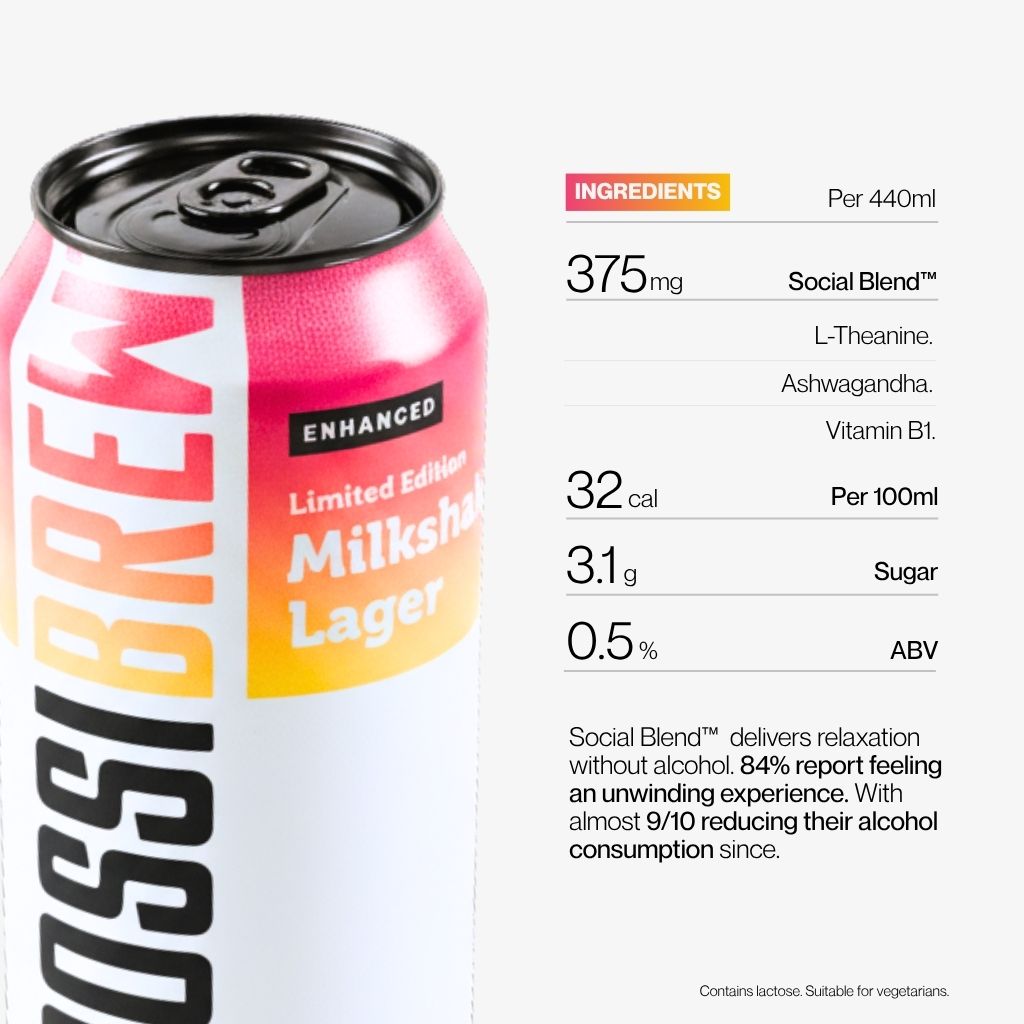
Incorporating these into your daily life is simpler than you might think. You can choose individual supplements tailored to your needs or opt for a blend that combines multiple benefits. For instance, IMPOSSIBREW® offers its proprietary Social Blend™ in their Enhanced Lager and Enhanced Hazy Pale Ale. These drinks merge nootropic and adaptogenic ingredients to support brain health while providing a relaxing, alcohol-free social experience.
This kind of approach is not only effective but also convenient. Instead of juggling several supplements throughout the day, you can enjoy functional ingredients as part of an enjoyable evening ritual. It’s a practical way to reap the benefits of brain-supporting compounds without the downsides of alcohol.
If you’re just starting, focus on one or two ingredients that align with your needs. For example, L-theanine can help with stress, while B vitamins are great for energy. Gradually adjust based on how your body responds, and find what works best for you.
Investing in your brain health pays off in more ways than one. Whether it’s making better decisions at work or handling stress more effectively at home, these ingredients provide real support for today’s mental challenges. The research backs it up, the choices are flexible, and the benefits go well beyond just improving your focus.
FAQs
What role do Omega-3 fatty acids play in supporting brain health throughout life?
Omega-3 fatty acids, especially DHA, are crucial for brain health throughout life. During pregnancy, they help the baby's brain and nervous system develop properly. For children and teenagers, Omega-3s aid in improving learning, memory, and cognitive abilities.
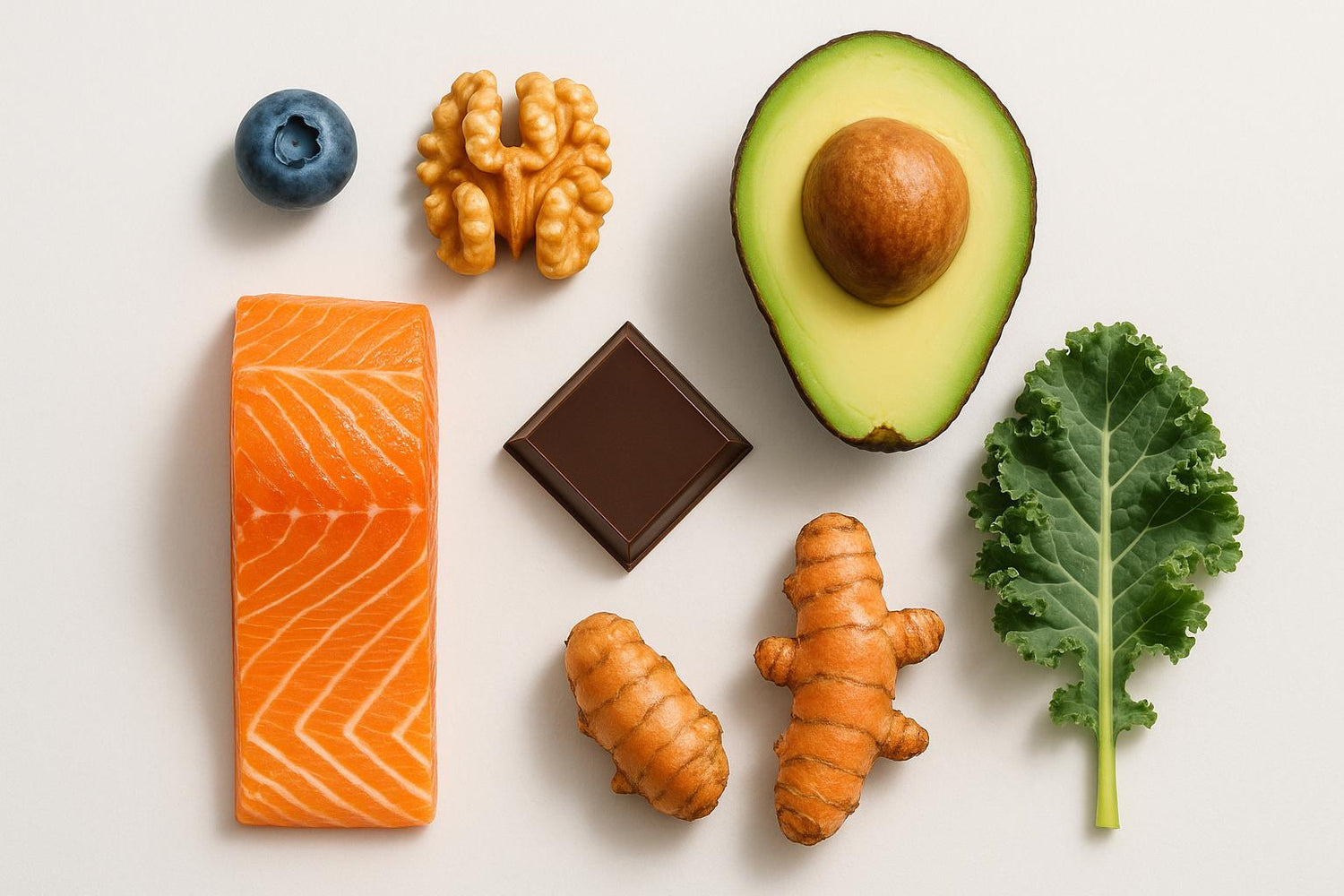
In adults, these fatty acids support concentration, mental clarity, and healthy blood circulation to the brain. Later in life, higher Omega-3 levels have been linked to slower cognitive decline and a lower risk of conditions like dementia. Adding Omega-3-rich foods - like oily fish, walnuts, or flaxseeds - to your meals is a simple way to enjoy these benefits.
What should I know about the potential side effects or interactions of supplements like Bacopa Monnieri and Ashwagandha?
Both Bacopa Monnieri and Ashwagandha are known for their potential to support cognitive function and reduce stress. However, they aren't without risks, particularly when combined with certain medications.
Bacopa Monnieri may raise thyroid hormone levels, which could complicate conditions like hyperthyroidism. It may also interact with medications such as blood thinners or calcium channel blockers, so extra care is needed if you're on these treatments.
Meanwhile, Ashwagandha might cause drowsiness, lower blood pressure, or impact blood sugar levels. These effects can be risky for individuals managing diabetes or hypertension with medication.
To stay on the safe side, it's always wise to consult a healthcare professional before incorporating these supplements into your routine - especially if you have existing health concerns or take prescribed medications.
Can combining different brain-boosting ingredients improve their overall benefits?
Combining different brain-supporting ingredients can often lead to synergistic effects - where the combination enhances their individual benefits. This approach can result in improved focus, better memory support, and reduced stress levels.
Take products from IMPOSSIBREW®, for example. They incorporate scientifically backed ingredients in carefully balanced blends. This thoughtful combination is designed to maximise cognitive support and stress relief, offering a more pronounced effect than relying on single ingredients in isolation.