Non-alcoholic beer is booming, driven by millennials who make up 61% of consumers in this category. The market is expected to grow from $20.5 billion in 2024 to $43.9 billion by 2034, at an annual rate of 7.9%. Millennials are prioritizing health, discovering options via social media, and embracing alcohol-free choices in social settings.
Key Points:
- Health Focus: 40% of millennials seek healthier lifestyles, with 75% actively reducing alcohol consumption.
- Social Media Influence: 35% of millennials find non-alcoholic drinks on Instagram and TikTok.
- Market Growth: Leading brands like Heineken and AB InBev are expanding alcohol-free options.
- Challenges: Price, availability, and inconsistent taste remain barriers.
The shift to wellness and mindful drinking is reshaping the beverage industry, with millennials leading the way.
Why Are Non-Alcoholic Beverages Trending?
1. How Millennials Buy and Drink
Millennials make up 61% of non-alcoholic drinkers, giving them a major role in shaping how these beverages are discovered, purchased, and enjoyed [2]. Their habits and choices are driving noticeable changes in the industry.
This generation, focused on health and deeply engaged with digital platforms, is leading the trend of mindful drinking. Platforms like Instagram and TikTok are key to this shift, as millennials are far more likely than older generations to find new beverages online [1]. This online-first behavior has pushed brands to rethink their marketing strategies.
Millennials are open to both alcoholic and non-alcoholic options, with 22% practicing dual consumption - almost double the national average [2]. Alan Miles, CEO of NCSolutions, highlights this shift:
"Younger consumers are strongly motivated to drink less alcohol than previous generations." [1]
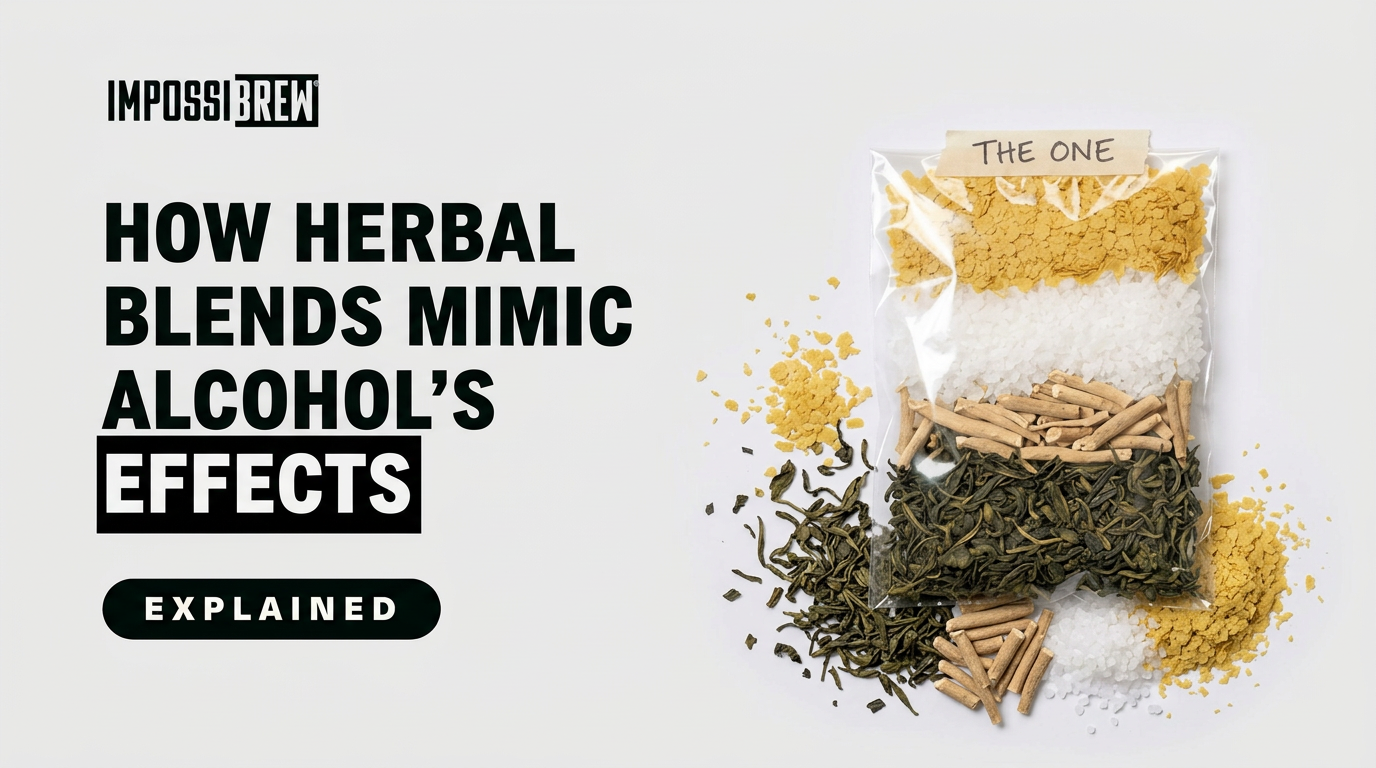
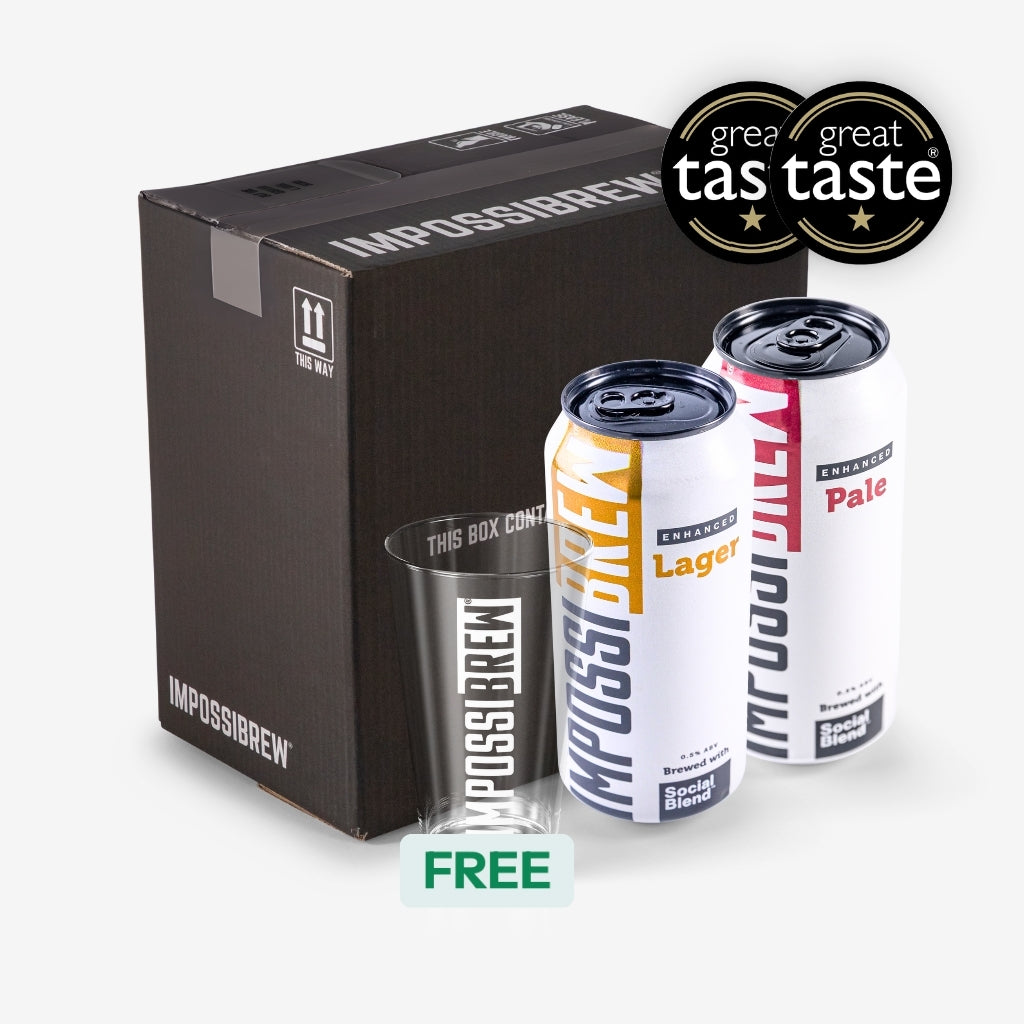
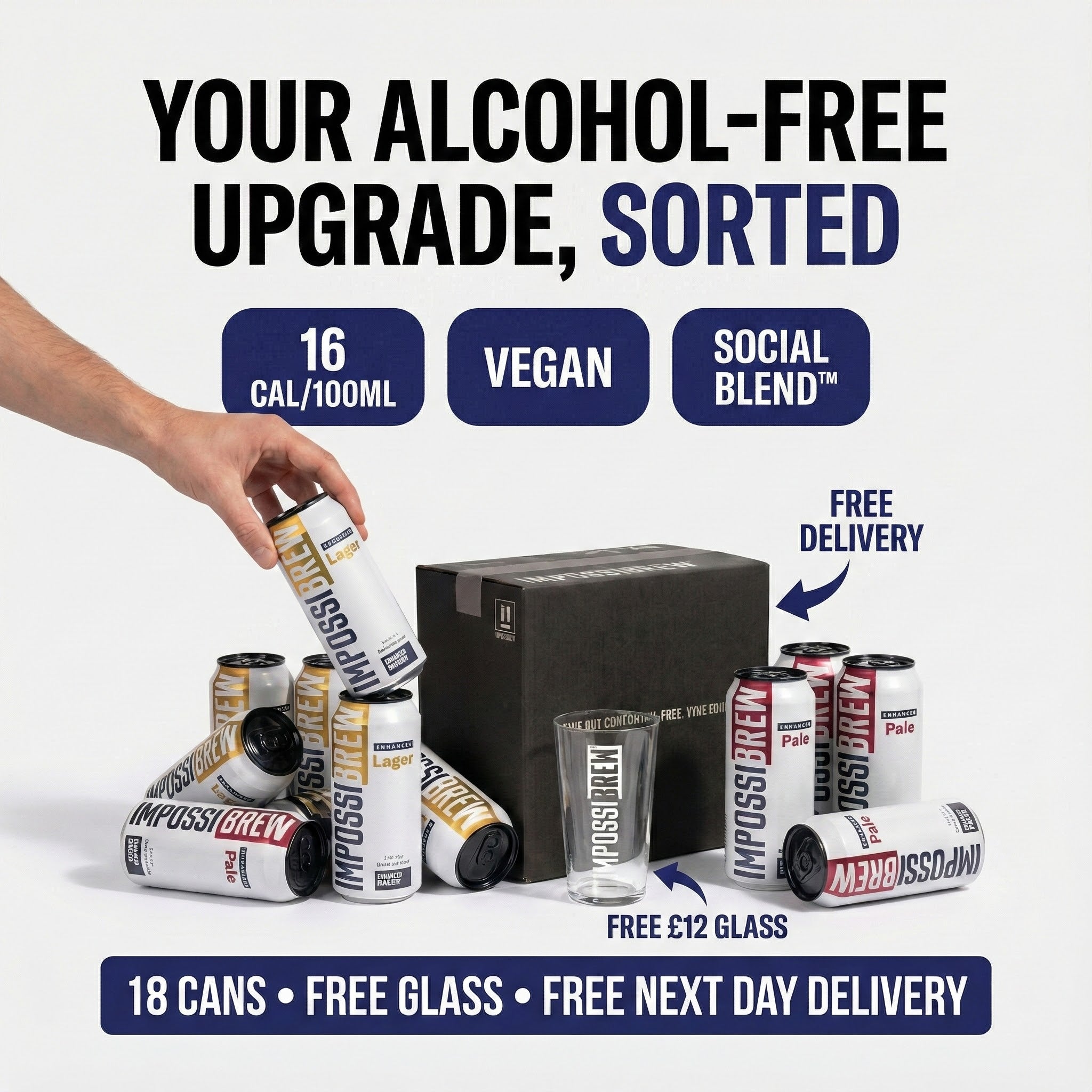
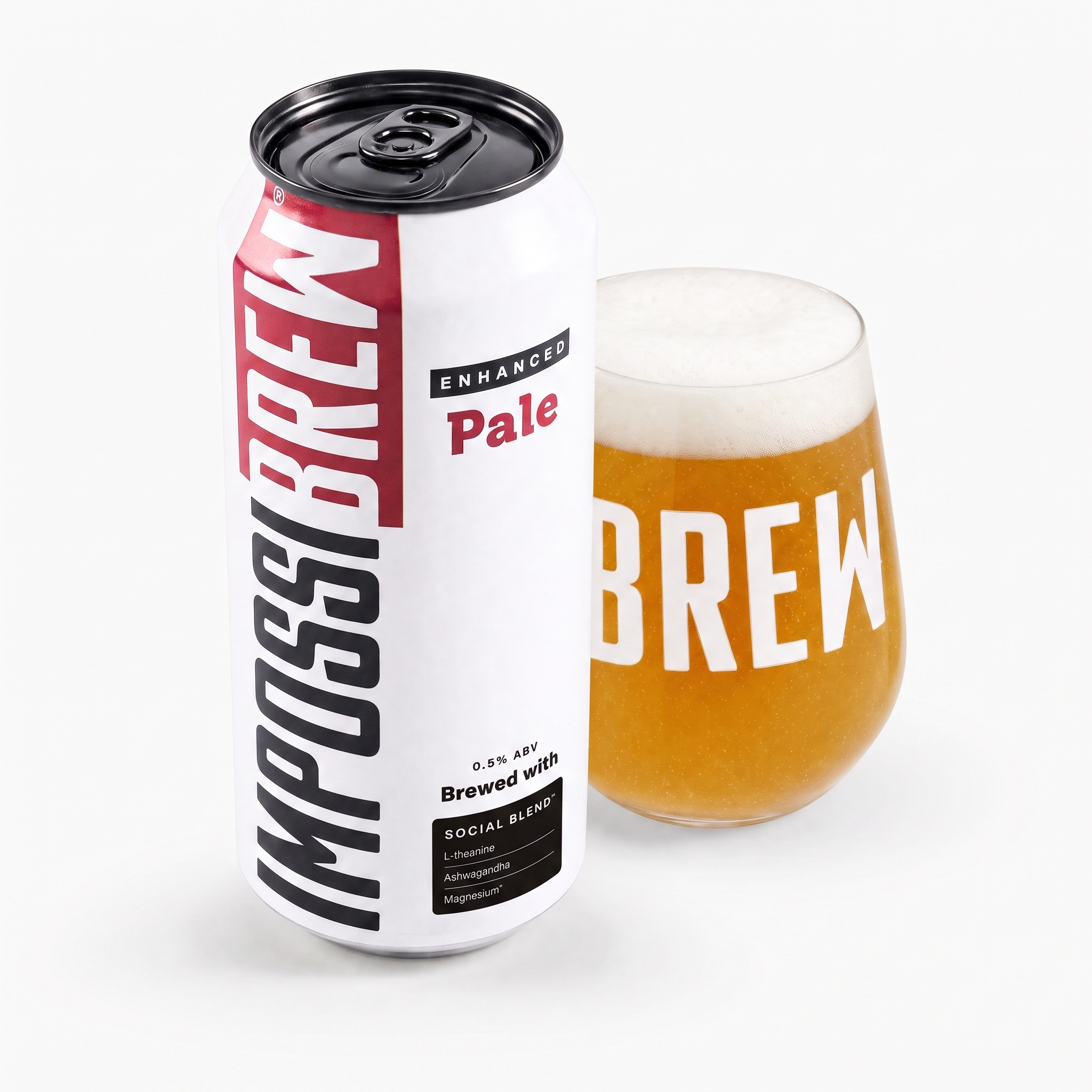
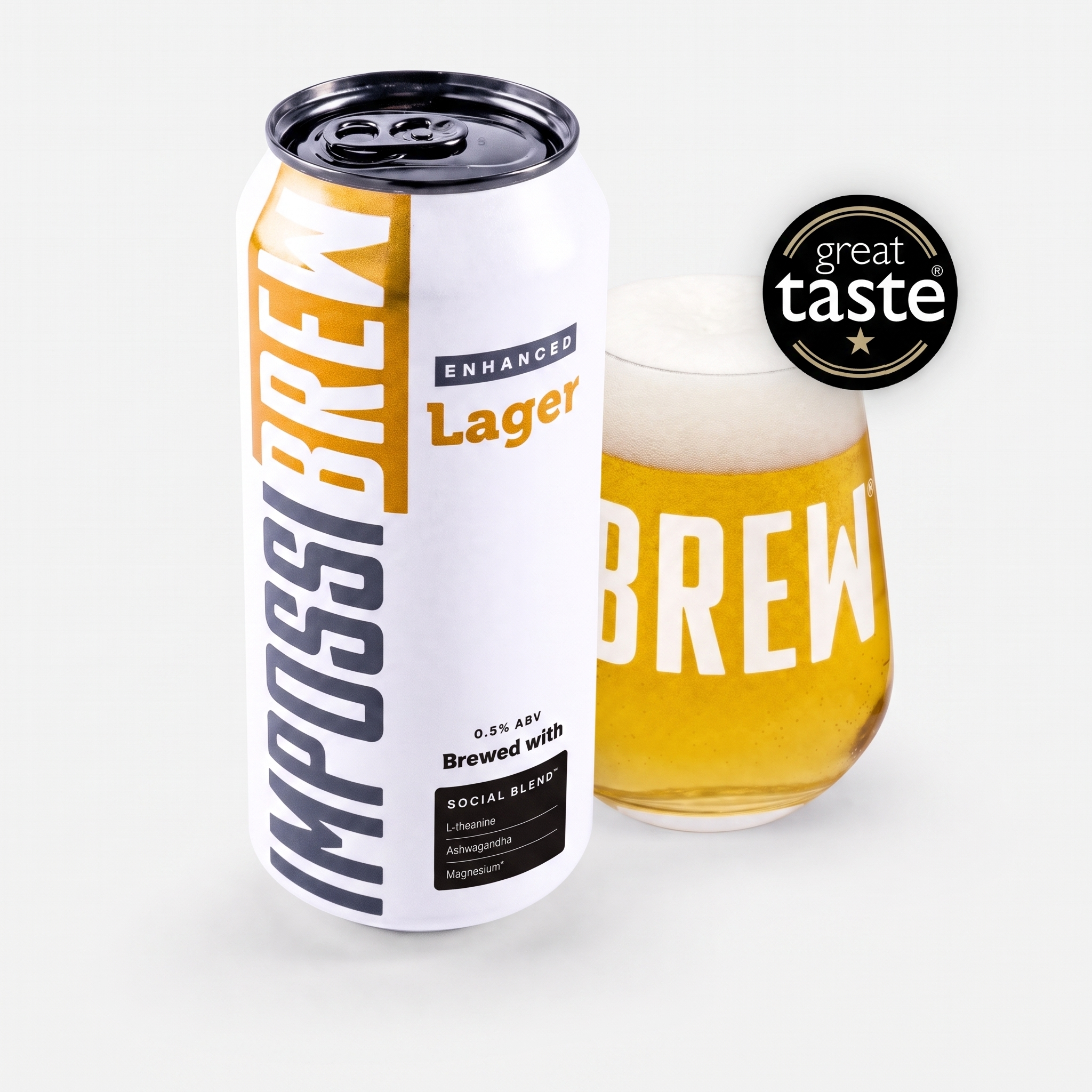
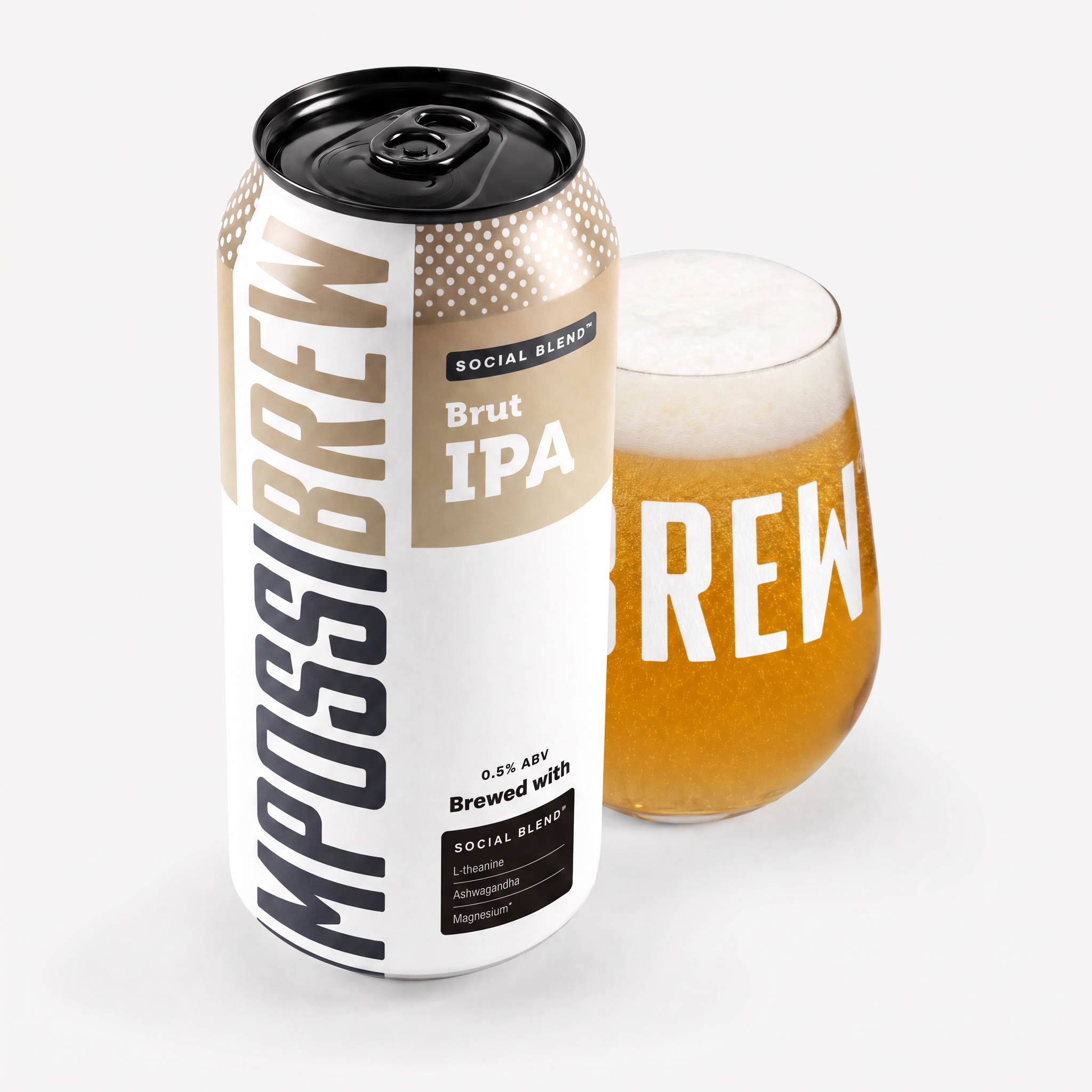
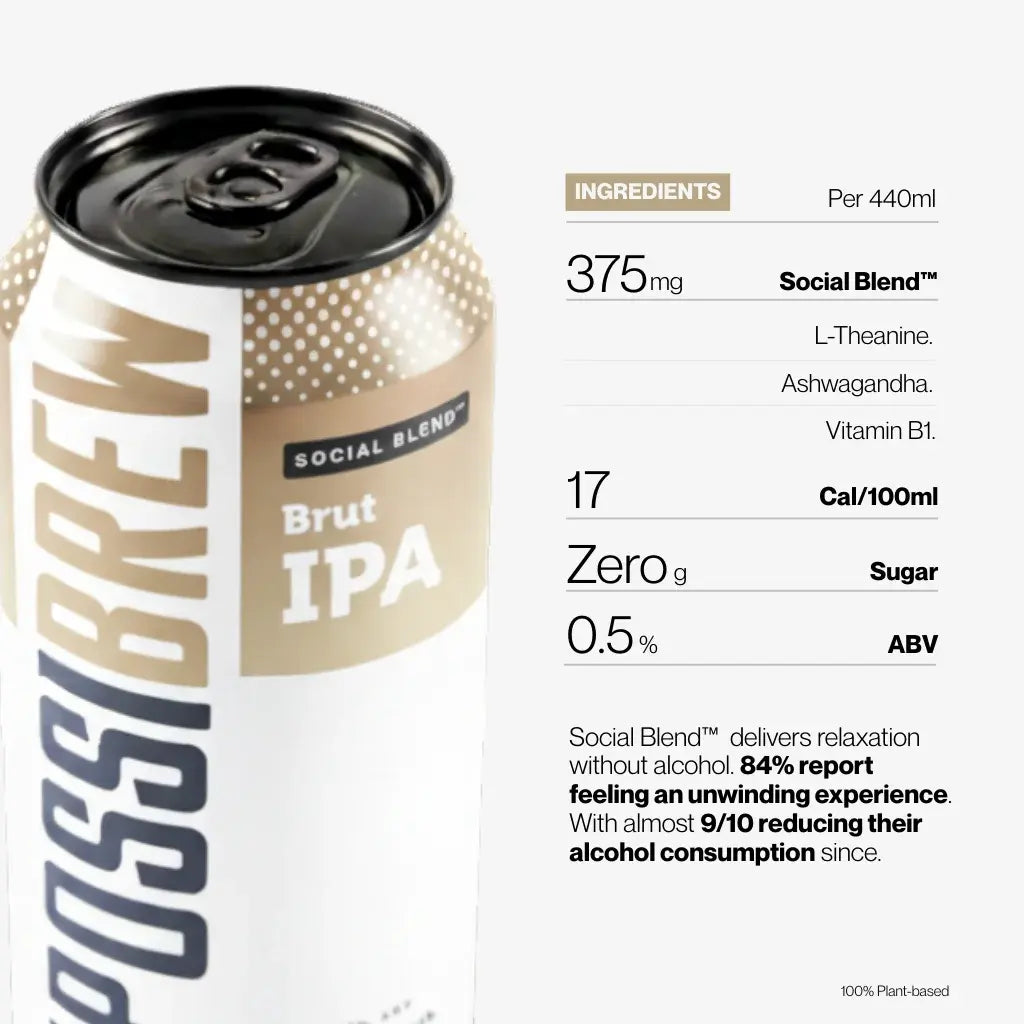
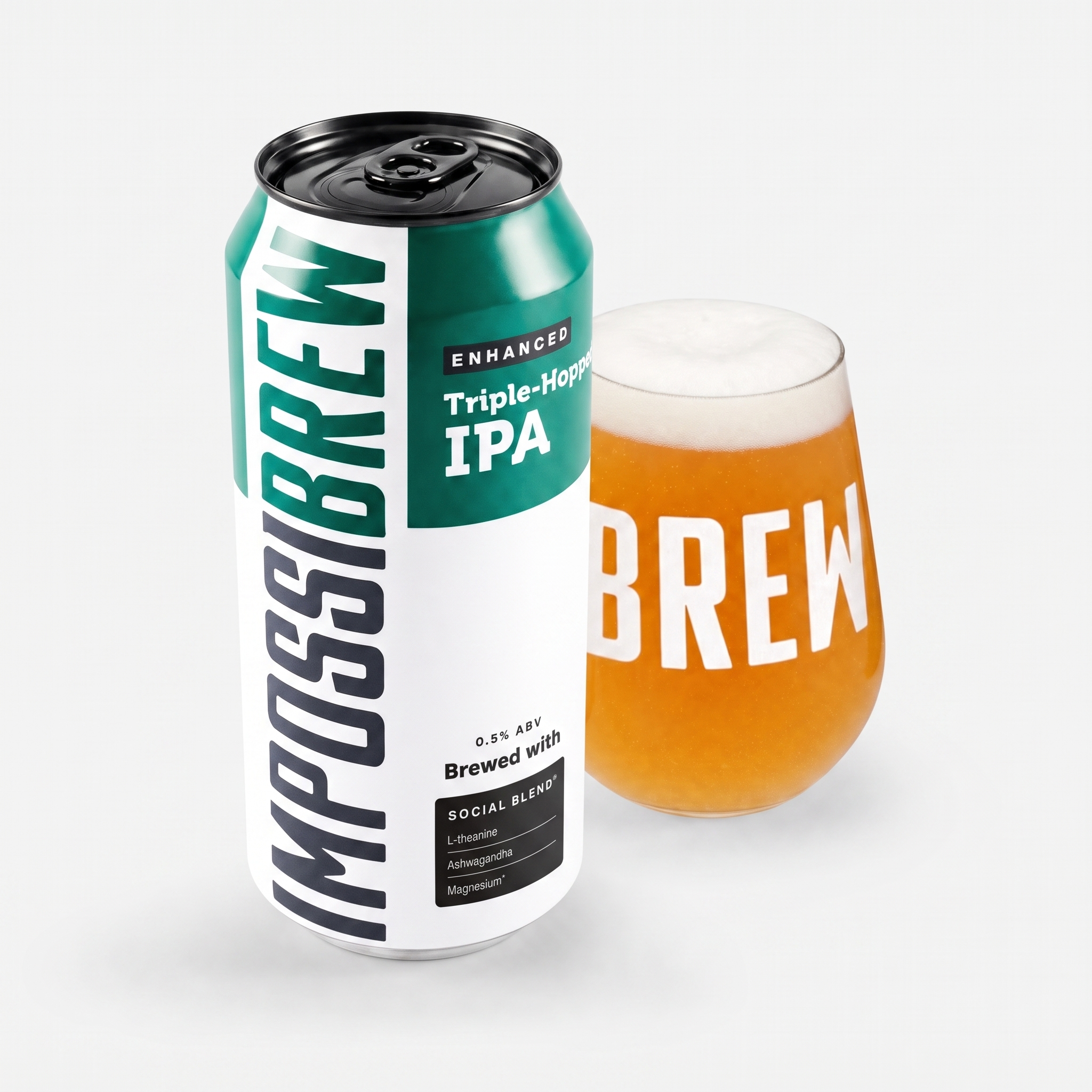
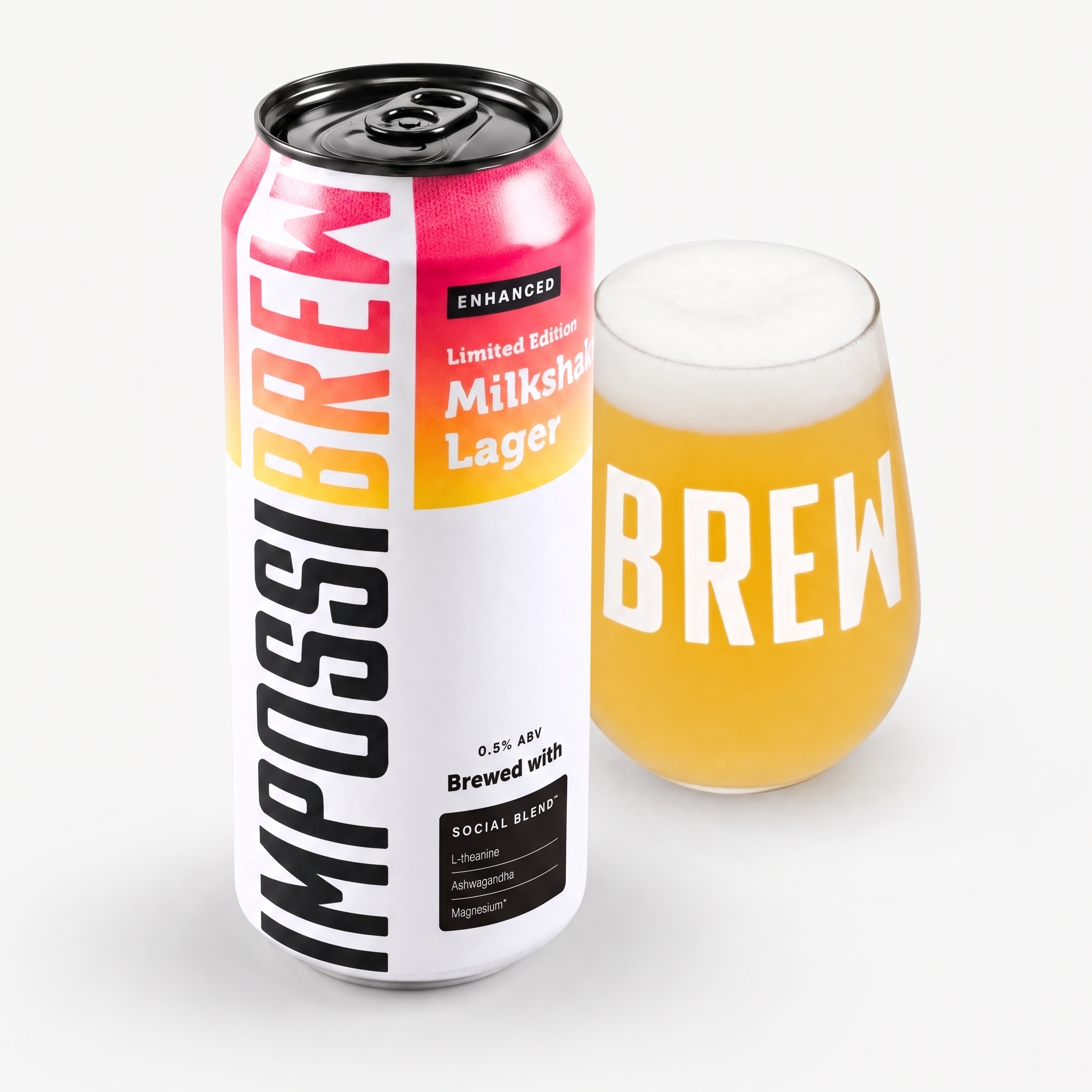
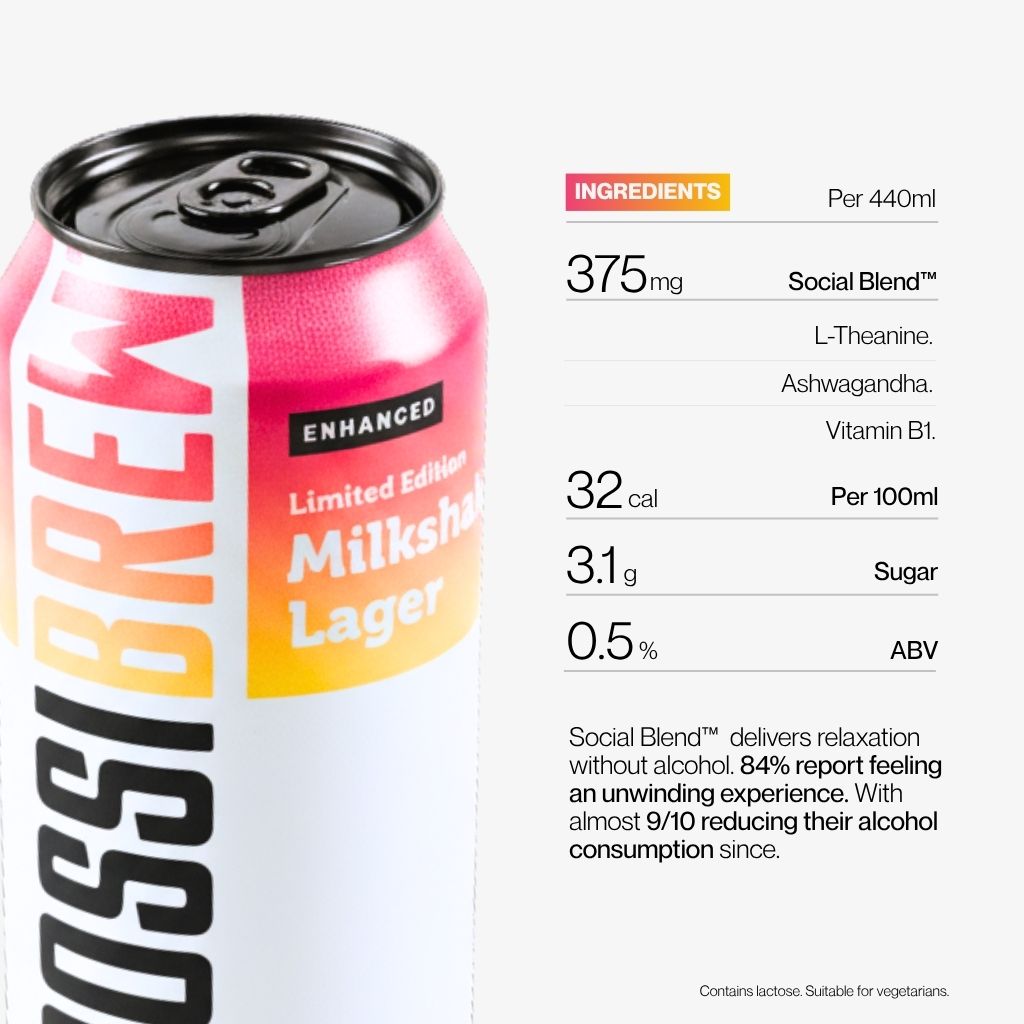
Social settings are also adapting to this trend. Bars and events are increasingly featuring non-alcoholic choices, and brands like IMPOSSIBREW® are stepping up with options that combine traditional brewing techniques with wellness-focused ingredients.
A closer look at consumption habits shows generational differences:
| Age Group | Social Media Discovery | Dual Consumption |
|---|---|---|
| Millennials | 35% | 22% |
| Gen Xers | 22% | 15% |
| Boomers | 18% | 10% |
These changing preferences are pushing brands to rethink their approach, leading to new strategies and product innovations in the non-alcoholic beer market.
sbb-itb-a752bf8
2. Non-Alcoholic Beer Market Response
The non-alcoholic beer market is expected to grow at a 7.9% annual rate from 2024 to 2034, showcasing how the industry is shifting to meet millennial-driven demand [4]. Big players are making bold moves: AB InBev plans for 20% of its beer volume to be no- or low-alcohol by 2025 [1], and Asahi is aiming for half of its beverage sales to come from these categories within 15 years [2].
Here’s how the market is responding:
Product Innovation
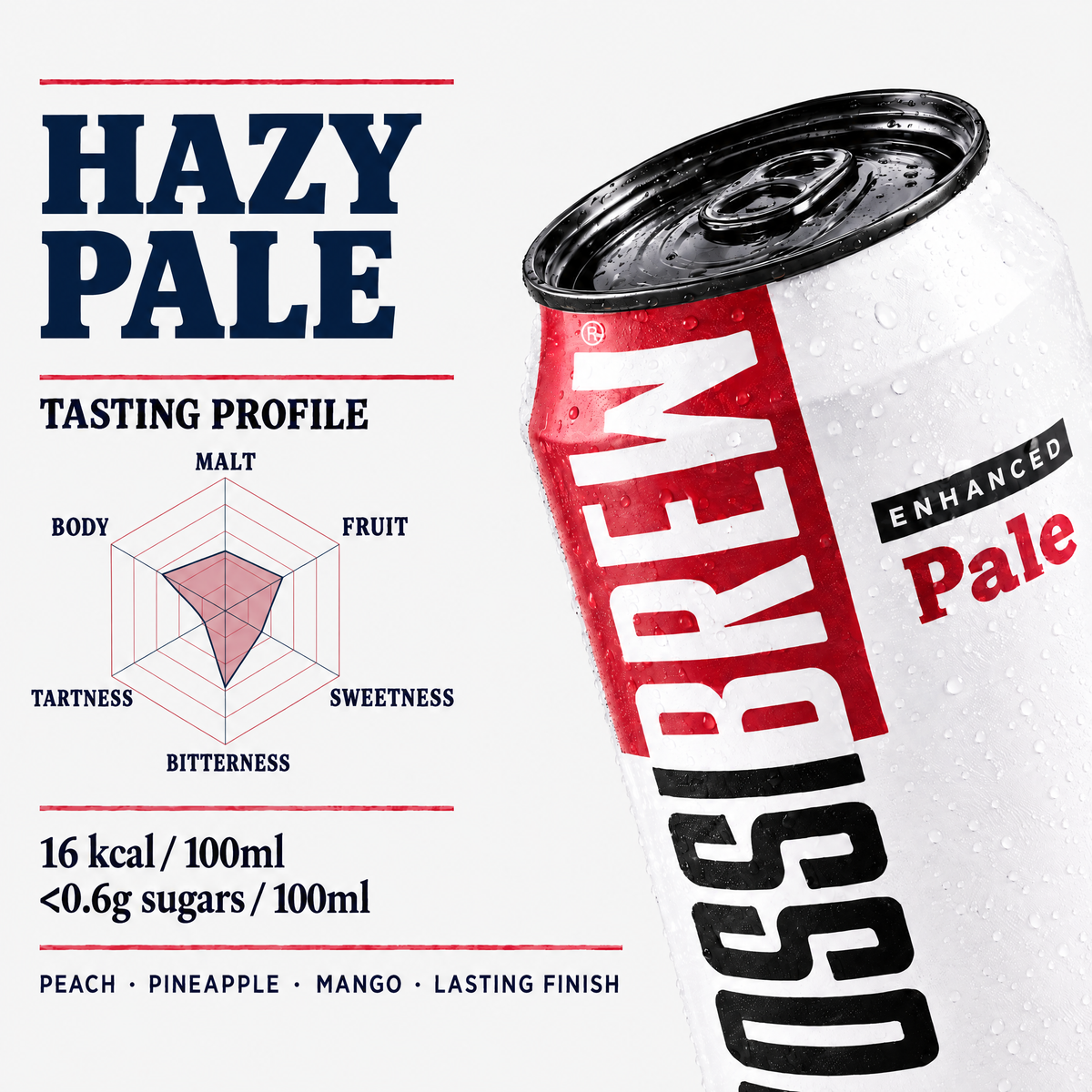
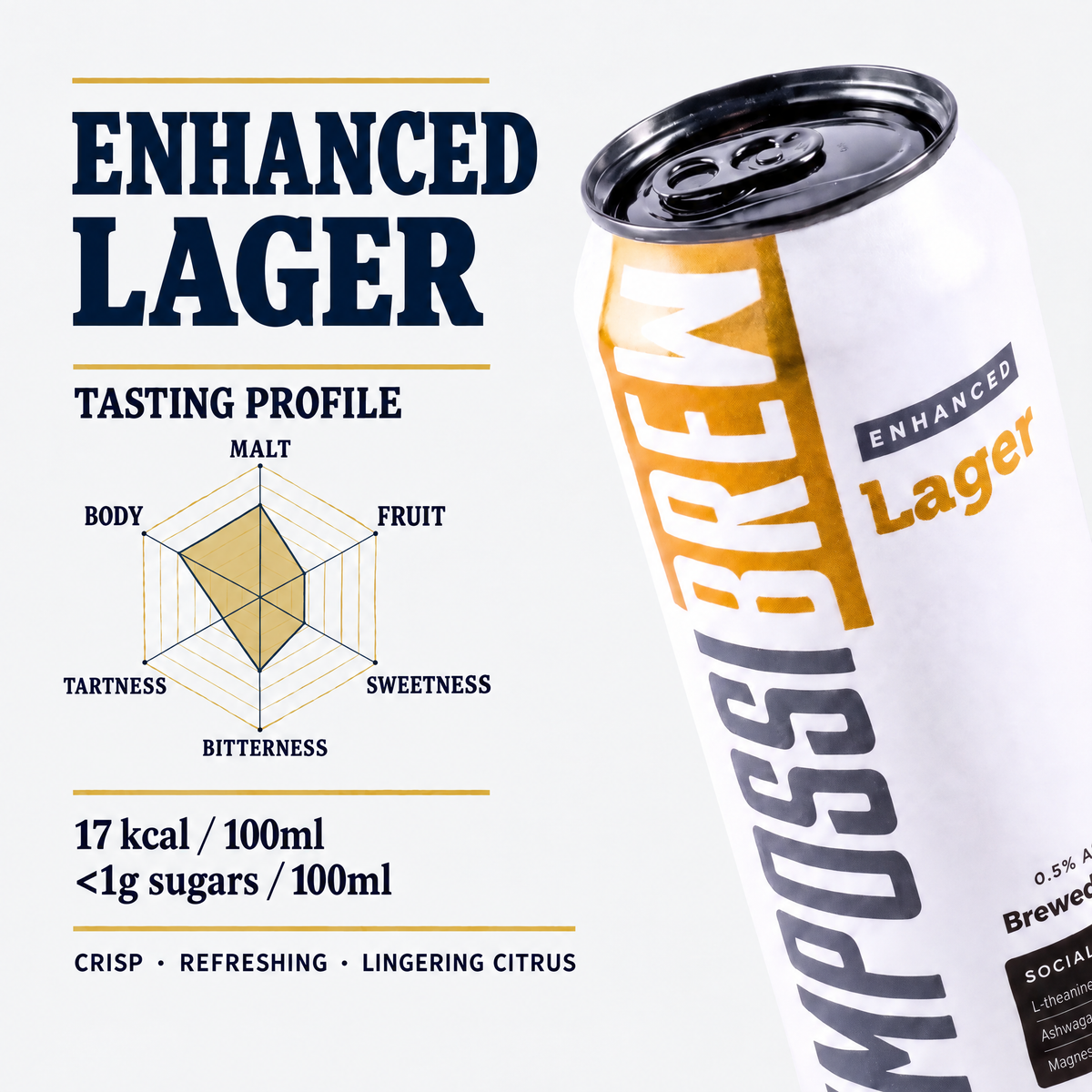
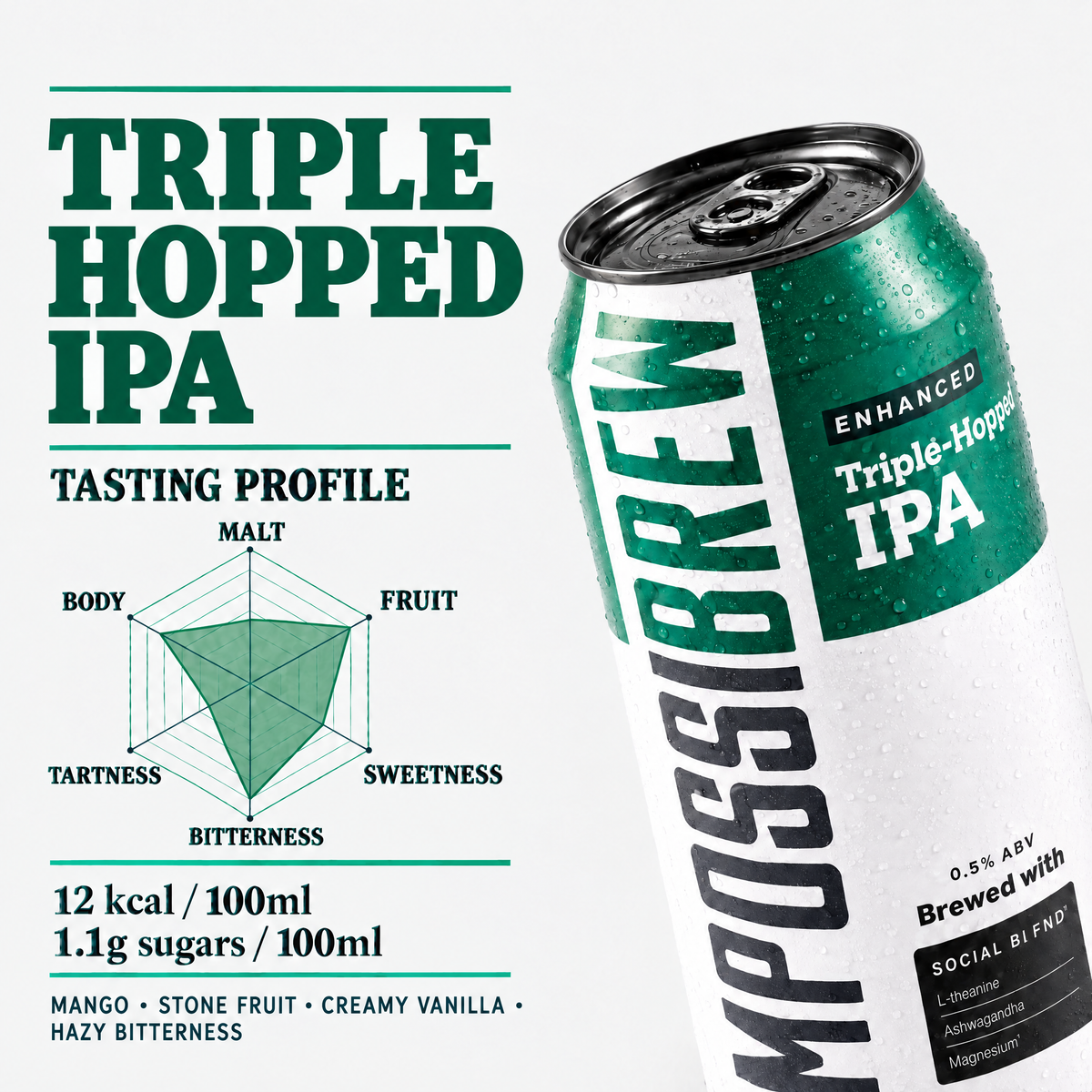
Brands are crafting options that mimic the traditional beer experience while appealing to health-conscious consumers. For instance, IMPOSSIBREW® is creating beverages with low calories and gluten-free options, all while preserving the taste beer lovers expect [4].
Health-Focused Marketing
Health and wellness have become a major focus. Forty percent of millennials are drawn to health-conscious lifestyles, and 75% are actively seeking alternatives to alcohol. Additionally, 17% cite specific health-related reasons for choosing non-alcoholic beer [1]. This health-driven narrative is now central to both branding and product development.
Digital-First Engagement
Social media is playing a huge role in how brands connect with consumers. About 28% of millennials say they’ve tried drinks recommended by influencers [1]. This strategy reflects how discovery and consumption habits are evolving in the digital age.
Seasonal trends also highlight the market’s growth. For example, demand for no- and low-alcohol drinks in the UK jumped 15% during Christmas 2023 [3]. This shift suggests these beverages are no longer seen as substitutes but as mainstream choices.
While the market is showing strong progress, addressing both the advantages and challenges of non-alcoholic beer will be key to maintaining this growth.
Benefits and Limitations
The non-alcoholic beer market offers clear advantages while grappling with a few challenges in catering to millennial consumers. Here's a closer look at how the current landscape measures up:
| Aspect | Benefits | Limitations |
|---|---|---|
| Health & Wellness | - Broad availability of low-calorie options - Fits into sober-curious lifestyles - Allows socializing without alcohol |
- Lack of ingredient transparency - Inconsistent nutritional details - Taste quality varies across brands |
| Social Experience | - More options in bars and restaurants - Greater social acceptance - Improved formulations (e.g., IMPOSSIBREW's Social Blend™) |
- Limited visibility in on-premise locations - Higher price compared to regular beer - Fewer serving formats available |
| Product Innovation | - Expanding range of flavors - Gluten-free options now offered - Backed by scientific research |
- Few seasonal or limited-edition varieties - Lack of craft-style selections - Availability can be inconsistent |
The growing market is meeting millennial preferences in several ways. Health-conscious choices, like low-calorie drinks and sober-friendly options, are becoming the norm. Enhanced products, such as IMPOSSIBREW's Social Blend™, also reflect the industry's efforts to create appealing alternatives.
Strengths in the Market
Non-alcoholic beer brands have tapped into millennials' focus on health and wellness. By offering products that match their lifestyle choices, the industry has built a solid foundation of trust and interest. These efforts have helped the market gain traction, especially as consumers prioritize quality and well-being.
Challenges Holding Back Growth
Despite progress, the industry faces hurdles like limited distribution and inconsistent product quality. Scaling up production while maintaining high standards is a balancing act. Price disparities and availability gaps also pose obstacles, especially as the market is expected to grow to USD 43,926.9 million by 2034 [4].
Missing the Digital Mark
Many brands struggle to create engaging digital campaigns that resonate with millennials. This is a missed opportunity, as millennials heavily rely on online platforms to discover new products. Without a stronger digital presence, brands risk losing ground in a market that's increasingly shaped by online habits.
To keep up with millennial demands, the industry needs to tackle these challenges head-on while continuing to refine its offerings.
Conclusion
Sales of non-alcoholic beer are expected to climb from USD 20,536.0 million in 2024 to USD 43,926.9 million by 2034, with an annual growth rate of 7.9% [4].
This growth is largely driven by millennials, as 57% plan to cut back on alcohol consumption in 2025 [5]. Reflecting this trend, non-alcoholic beer purchases rose by 22% between December 2023 and November 2024 [1]. This shift highlights the increasing focus on wellness and how the industry is responding with new offerings.
Companies are already taking advantage of this momentum. For example, IMPOSSIBREW® has introduced non-alcoholic beers featuring Social Blend™ technology, providing functional alternatives to traditional drinks.
Several factors are shaping the future of this market:
| Market Driver | Current Impact | Future Outlook |
|---|---|---|
| Health Consciousness | 61% of non-alcoholic drinkers are millennials in 2024 | Wellness trends likely to sustain demand |
| Product Innovation | Growth of enhanced formulations and craft options | Expansion into new categories and experiences |
| Social Integration | Increasing acceptance in bars and events | Expected to become mainstream by 2030 |
These drivers point to a strong potential for continued growth, particularly as millennial preferences align with industry advancements.
"Younger consumers tend to participate in a wider repertoire of no/low categories, and to be more brand-loyal" [5].
Millennials and their evolving preferences are reshaping drinking habits, with new and enhanced products set to become a regular part of the market.