What’s the difference between natural and artificial flavours in non-alcoholic beer? Natural flavours use plant-based ingredients and brewing techniques to achieve complex, beer-like tastes. Artificial flavours are lab-created for consistency but may lack the depth of natural ingredients. Both methods ensure safety, but natural flavours are often preferred for health-conscious consumers.
Key Points:
- Taste: Natural flavours offer subtle variations and a craft beer feel; artificial flavours provide consistency but may feel less authentic.
- Health: Both undergo strict safety checks, but natural flavours often appeal more to those prioritising transparency and minimal additives.
- Cost: Natural methods, like cryogenic fermentation, are costlier due to small-batch production, while artificial flavours are cheaper and scalable.
Quick Comparison:
| Aspect | Natural Flavours | Artificial Flavours |
|---|---|---|
| Taste | Rich and varied | Consistent but less nuanced |
| Ingredients | Plant-based, botanical extracts | Synthetic compounds |
| Health Appeal | Preferred by health-conscious buyers | Transparent labelling required |
| Production Cost | Higher (small-batch brewing) | Lower (mass production) |
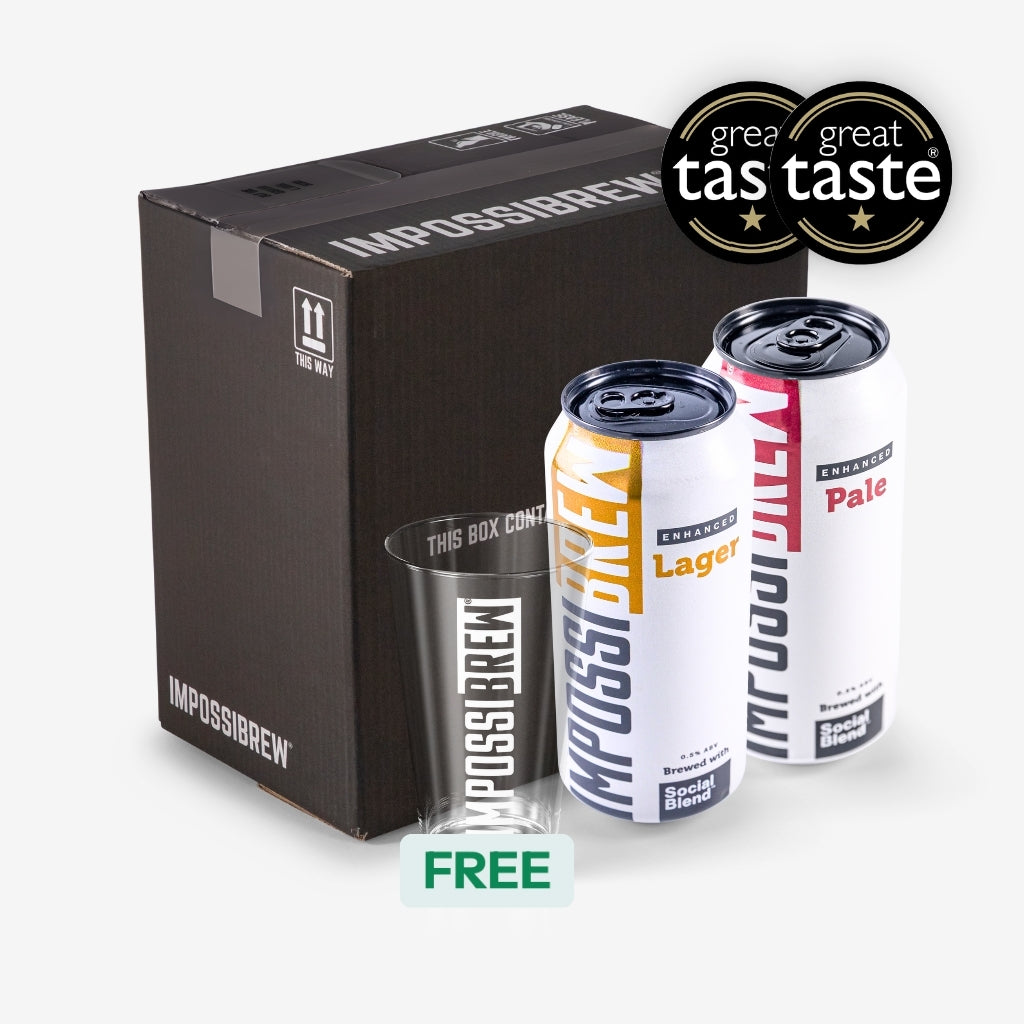
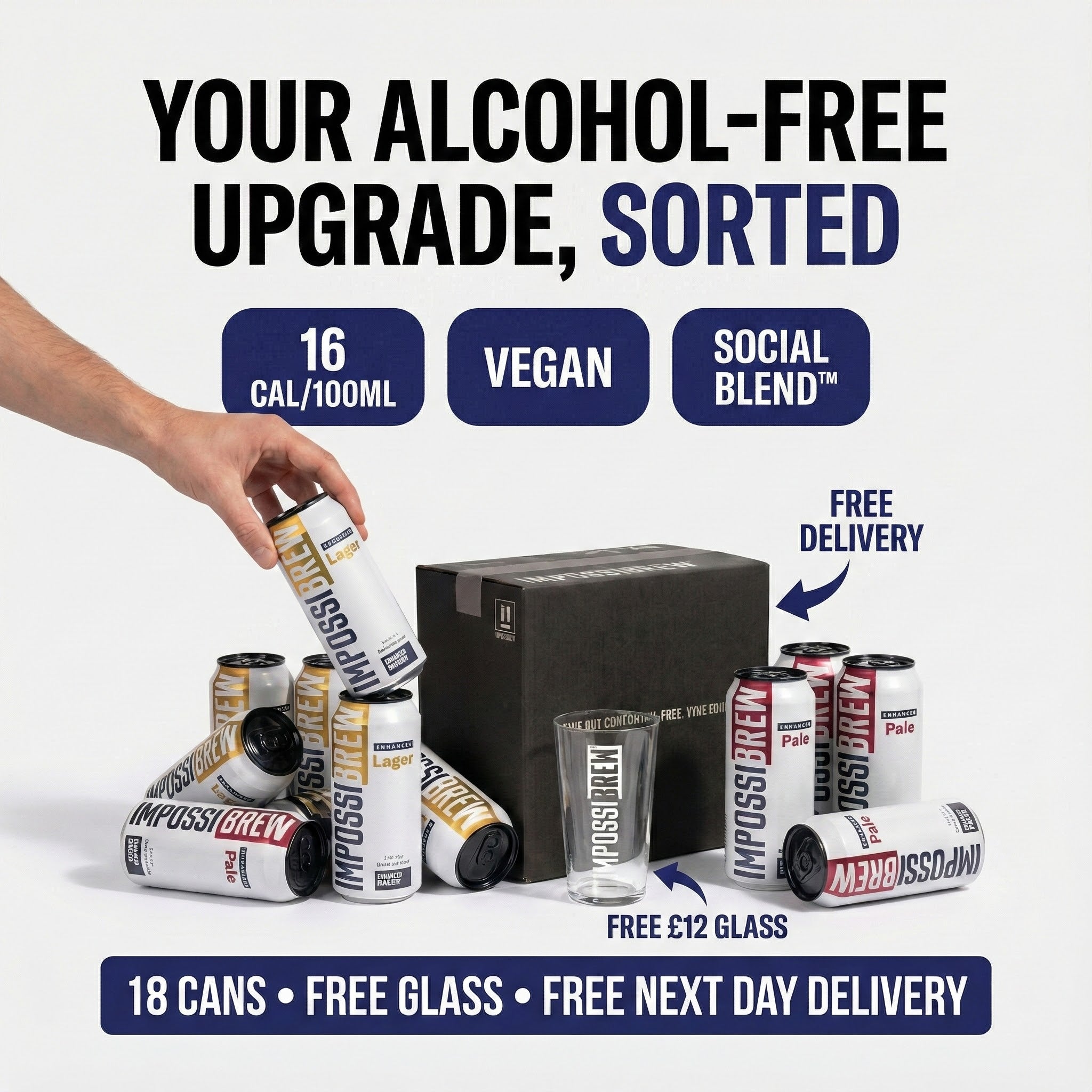
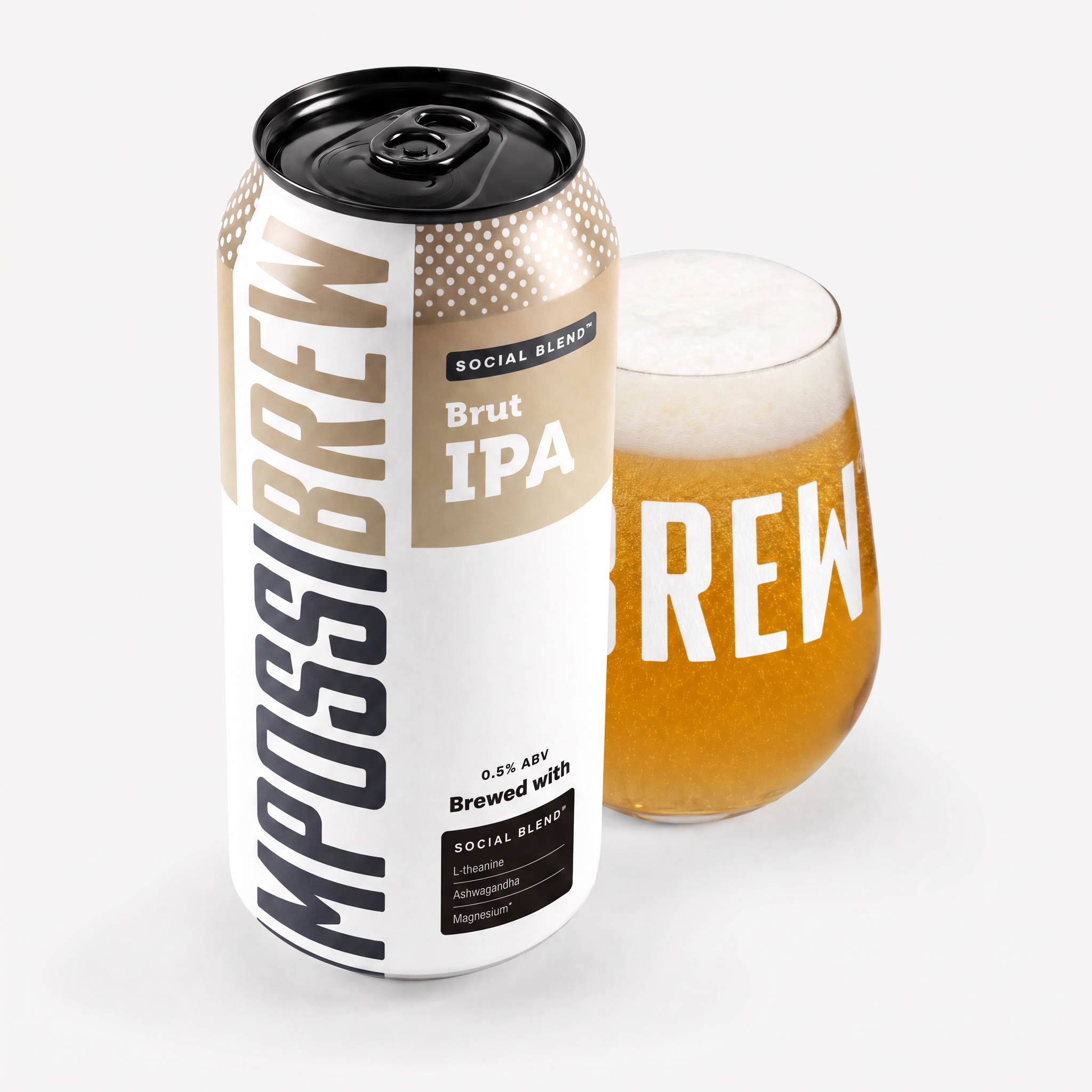
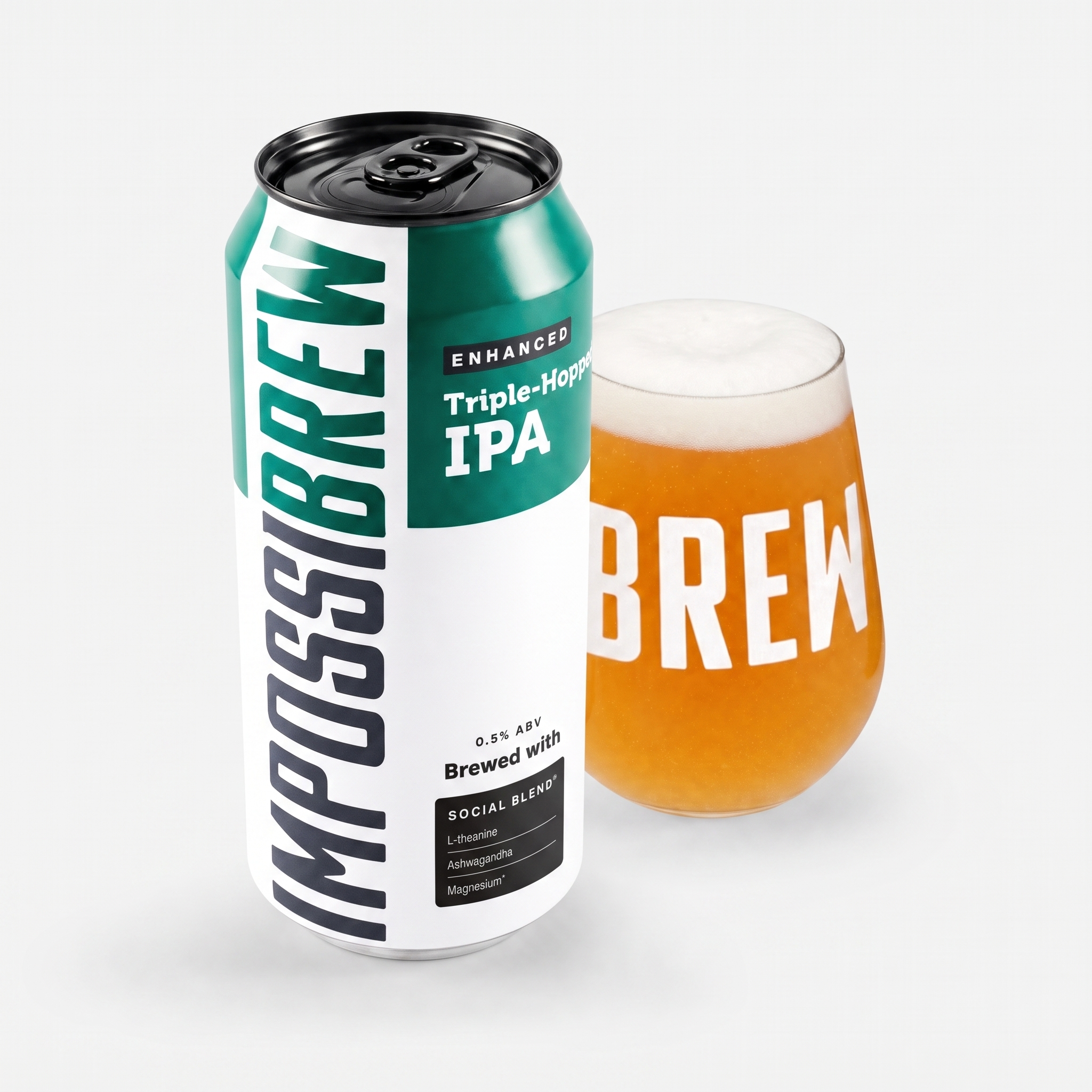
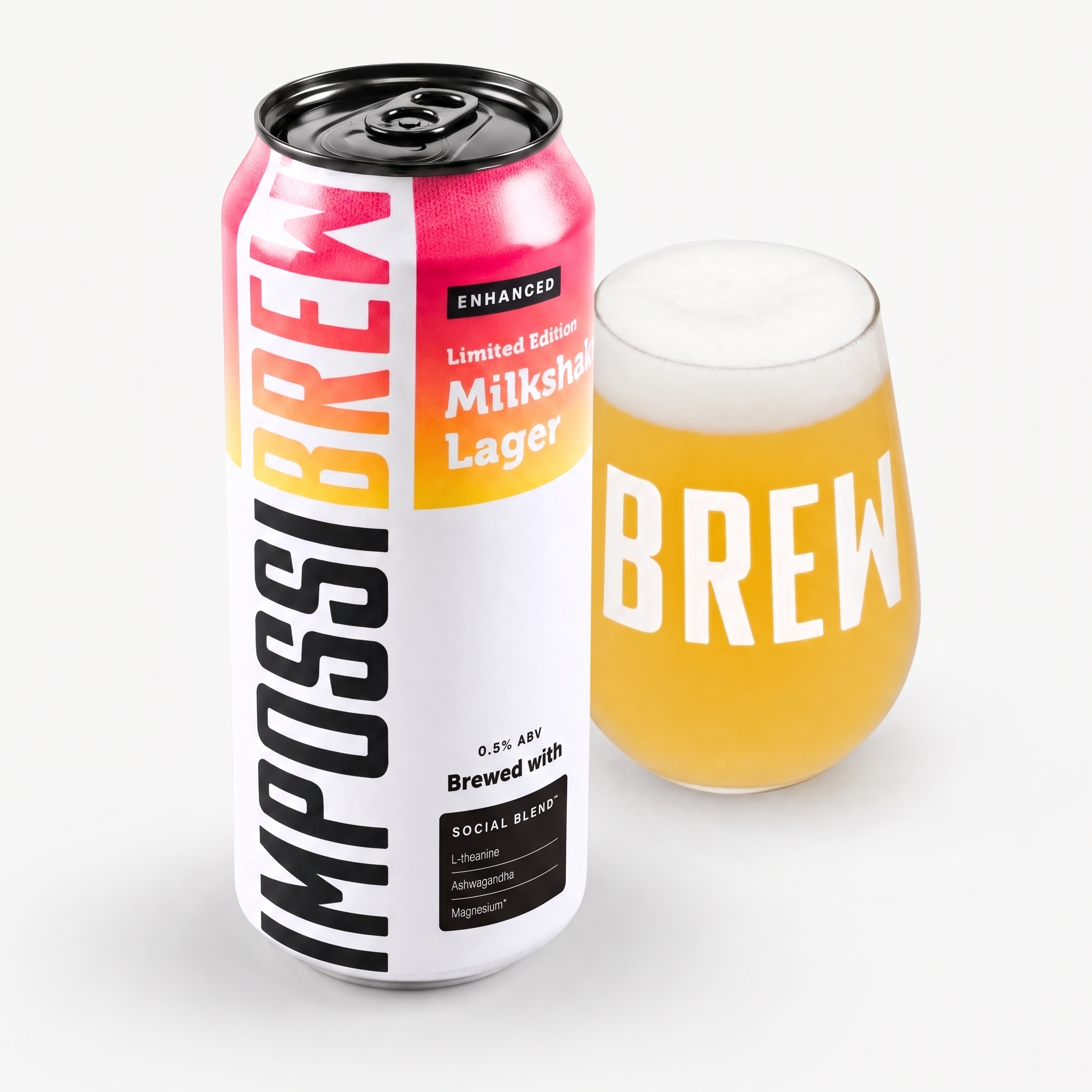
Natural flavours are gaining popularity, with brands like IMPOSSIBREW® leading the way by combining traditional brewing with innovative processes. Their Social Blend™ and cryogenic fermentation offer a unique, flavourful alternative that 88% of customers say helps them reduce alcohol consumption.
Natural vs Artificial Flavourings - Why do we use them?
Taste Differences
The flavour of non-alcoholic beer hinges on the choice between natural and artificial flavouring, with advancements in brewing methods now able to mimic traditional beer profiles. Let’s explore how each approach impacts taste and overall sensory experience.
Natural Flavours: Source and Taste
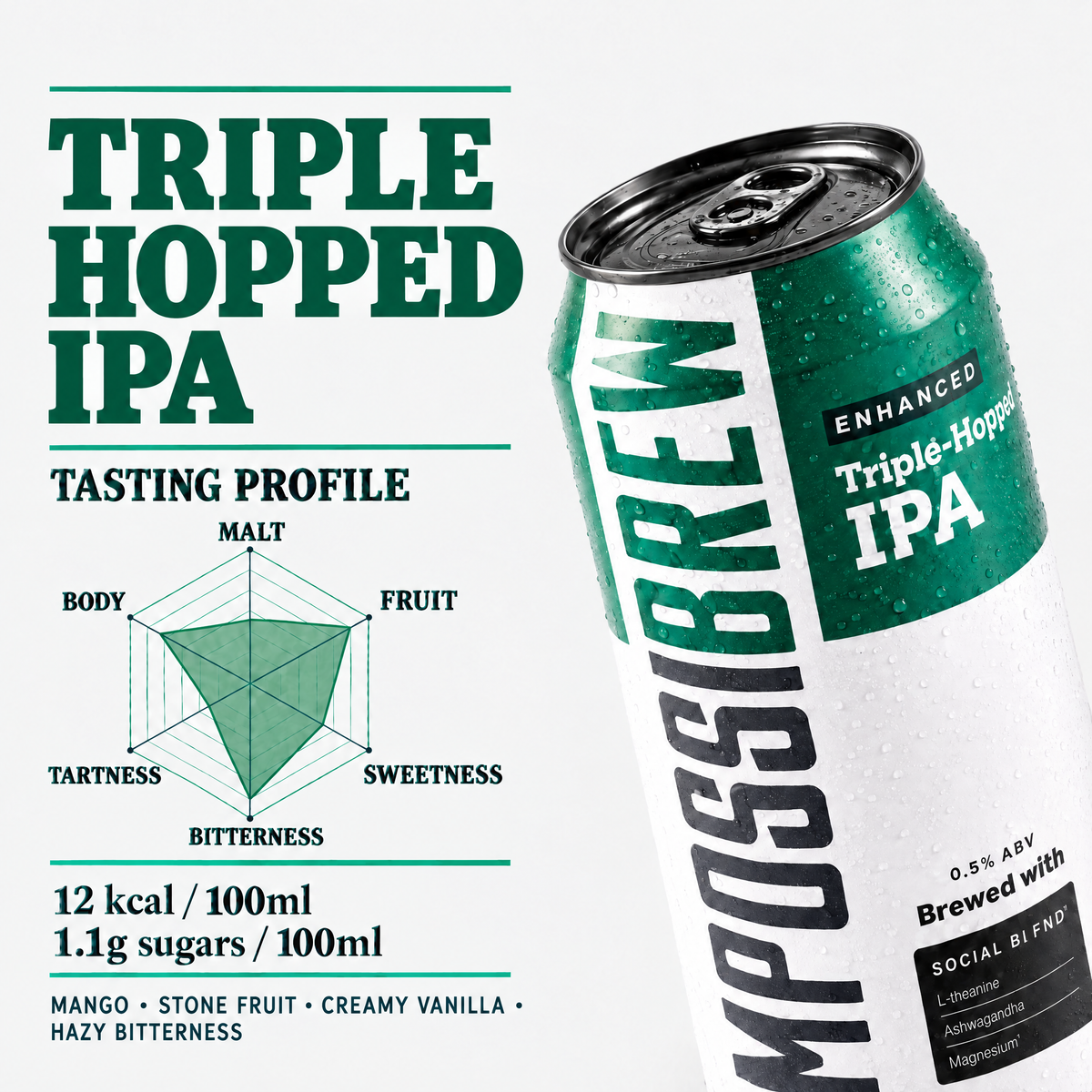
Natural flavours in non-alcoholic beer come from botanical ingredients and traditional brewing components. These elements create complex taste profiles, shaped by precise fermentation and extraction techniques. The result? Subtle batch-to-batch variations that deliver an authentic craft beer character.
IMPOSSIBREW® uses a cryogenic fermentation process that retains natural flavours throughout. This method ensures no alcohol is ever removed, preserving the beer's taste from start to finish [1]. The effectiveness of this technique is backed by industry recognition in 2023 [1].
"It tastes lovely, it really tastes good", says Deborah Meaden [1].
Artificial Flavours: Lab Creation
Artificial flavours, crafted in laboratories, allow brewers to achieve consistent taste profiles. However, they often fall short in replicating the full sensory experience of natural ingredients. This includes nuances in taste, mouthfeel, and aroma.
Consumer feedback highlights the distinction. IMPOSSIBREW®’s dedication to natural flavouring has earned it a 4.8/5 rating from over 1,000 reviews [1].
For premium non-alcoholic beers, the aim isn’t just to replicate flavour but to capture the entire sensory experience of traditional beer. This includes the interplay of flavour layers, the signature aroma, and the satisfying mouthfeel that beer lovers expect. These factors also tie into perceptions of health and production practices, which we’ll explore next.
Health Effects and Safety
When looking at how flavouring methods in non-alcoholic beer affect health, allergen safety is a key factor. Both natural and artificial flavours undergo strict testing to ensure they meet safety standards. Here's a closer look at each approach.
Natural Flavours: What to Know
Natural flavours come from botanical extracts and aim to replicate the taste of traditional beer. For instance, IMPOSSIBREW® uses plant-based ingredients that are thoroughly tested for allergens [1]. This detailed testing and clear ingredient labelling make it easier for consumers, especially those with sensitivities, to identify any potential allergens.
Artificial Flavours: Safety Measures
Artificial flavours are made using controlled chemical processes. While their production involves more complex chemistry, they are still subject to strict safety protocols. These flavours often require detailed labelling to provide transparency, ensuring consumer safety.
Both natural and artificial flavouring methods in non-alcoholic beer prioritise consumer health. Rigorous testing and clear labelling help people make informed choices, especially when it comes to allergen concerns.
sbb-itb-a752bf8
Production Methods and Costs
The way non-alcoholic beer is flavoured varies greatly depending on whether natural or artificial methods are used. Each approach comes with its own set of resource needs and cost factors.
Natural Flavours: How They're Made
Creating natural flavours for non-alcoholic beer involves traditional brewing techniques. This process requires specific equipment and careful handling to retain the original taste.
IMPOSSIBREW® combines these traditional methods with its unique Social Blend™ and patent-pending technology to deliver craft beer quality. They focus on small-batch production to ensure quality control, though this approach typically increases production costs. Currently, the cost per can for IMPOSSIBREW® stands at £2.47, reflecting the premium ingredients and precise methods involved [1].
On the other hand, artificial flavouring uses a more standardised approach, as outlined below.
Artificial Flavours: How They're Made
Artificial flavouring relies on a laboratory-based process. This method is designed for consistency and scalability, often reducing production costs compared to natural flavouring.
Here’s a side-by-side look at the key differences between the two methods:
| Production Aspect | Natural Flavouring | Artificial Flavouring |
|---|---|---|
| Scale | Small-batch production | Large-scale manufacturing |
| Process | Traditional brewing methods | Laboratory synthesis |
| Resource Requirements | Natural ingredients, specialised equipment | Synthetic compounds, industrial equipment |
| Production Time | Longer brewing cycle | Shorter production cycle |
| Quality Control | Managing batch variations | Consistent standardisation |
To put this into perspective, large commercial brewers often produce at scales over 10,000 times larger than smaller brewers focused on natural methods [1].
Market Response and Preferences
The non-alcoholic beer market is undergoing noticeable changes in how consumers make their choices, especially when it comes to flavour and production methods. Recent data sheds light on what shapes these preferences, showing a shift in priorities as consumers look for better alternatives to traditional alcoholic beverages.
Natural Flavours: A Key Attraction
Natural flavours have become a major factor influencing consumer choices in this sector. Their appeal lies in their genuine taste and the transparency of their ingredients. With more people focusing on health and wanting to know exactly what they're consuming, natural flavours are gaining ground.
It's not just about taste, though. Many consumers are looking for drinks that fit into their lifestyle while still delivering the classic beer experience. Trust is a big deal here. For example, 95% of IMPOSSIBREW® customers recommend the brand through word of mouth - a clear sign of how trust can drive success [1].
| Consumer Preference Factor | Impact on Purchase Decision |
|---|---|
| Natural Ingredients | Highly valued by health-conscious buyers |
| Taste Authenticity | Crucial for encouraging repeat purchases |
| Health Benefits | Strongly influences brand loyalty |
| Production Transparency | Builds and maintains trust |
Artificial Flavours: Still in the Game
While natural flavours are gaining traction, artificial flavours still play a role, particularly when consistency and affordability are priorities. However, the trend is leaning towards natural options, reflecting the growing demand for healthier and more transparent products.
The shift is evident in industry recognition. For example, IMPOSSIBREW®'s dedication to natural flavouring earned them the title of the UK's best non-alcoholic beers at the 2023 World Beer Awards [1]. This highlights how much consumers value a genuine taste experience.
Brands that combine natural flavouring with health-focused features, like low-calorie content or vegan-friendly formulations, are seeing stronger engagement and gaining ground in the market. These innovations are meeting the demand for beverages that are not only enjoyable but also align with modern lifestyle choices.
Flavour Selection in Non-Alcoholic Beer
Choosing flavours for non-alcoholic beer involves finding the right balance between taste, health considerations, and efficient production methods. Cryogenic fermentation plays a key role here, as it preserves complex flavour profiles without producing alcohol.
Using botanical ingredients and nootropic compounds helps recreate the flavour and sensory experience of traditional beer while adding a social element. Specific plant extracts and nootropics contribute functional benefits while enhancing the overall sensory appeal.
Here’s how natural methods align with production and health goals:
| Flavour Selection Criteria | Natural Approach | Benefits |
|---|---|---|
| Taste Authenticity | Traditional brewing ingredients | Recreates familiar beer flavours |
| Health Impact | Botanical extracts | Adds functional qualities |
| Production Method | Cryogenic fermentation | Maintains consistent quality |
| Consumer Experience | Plant-based ingredients | Aligns with modern lifestyle preferences |
IMPOSSIBREW®'s Method
Using these principles, IMPOSSIBREW® has developed a unique approach to improving non-alcoholic beer flavours. Their proprietary Social Blend™ technology merges traditional brewing methods with a patented mix of scientifically selected ingredients, delivering a flavour profile that mirrors the sensory and social aspects of alcoholic drinks.
"Our Social Blend™ technology isn't an accident. It's the result of questioning everything we thought we knew about social drinking. About working with scientists to understand what we're really seeking in these moments of connection. About daring to imagine something that wasn't possible before." - IMPOSSIBREW® [1]
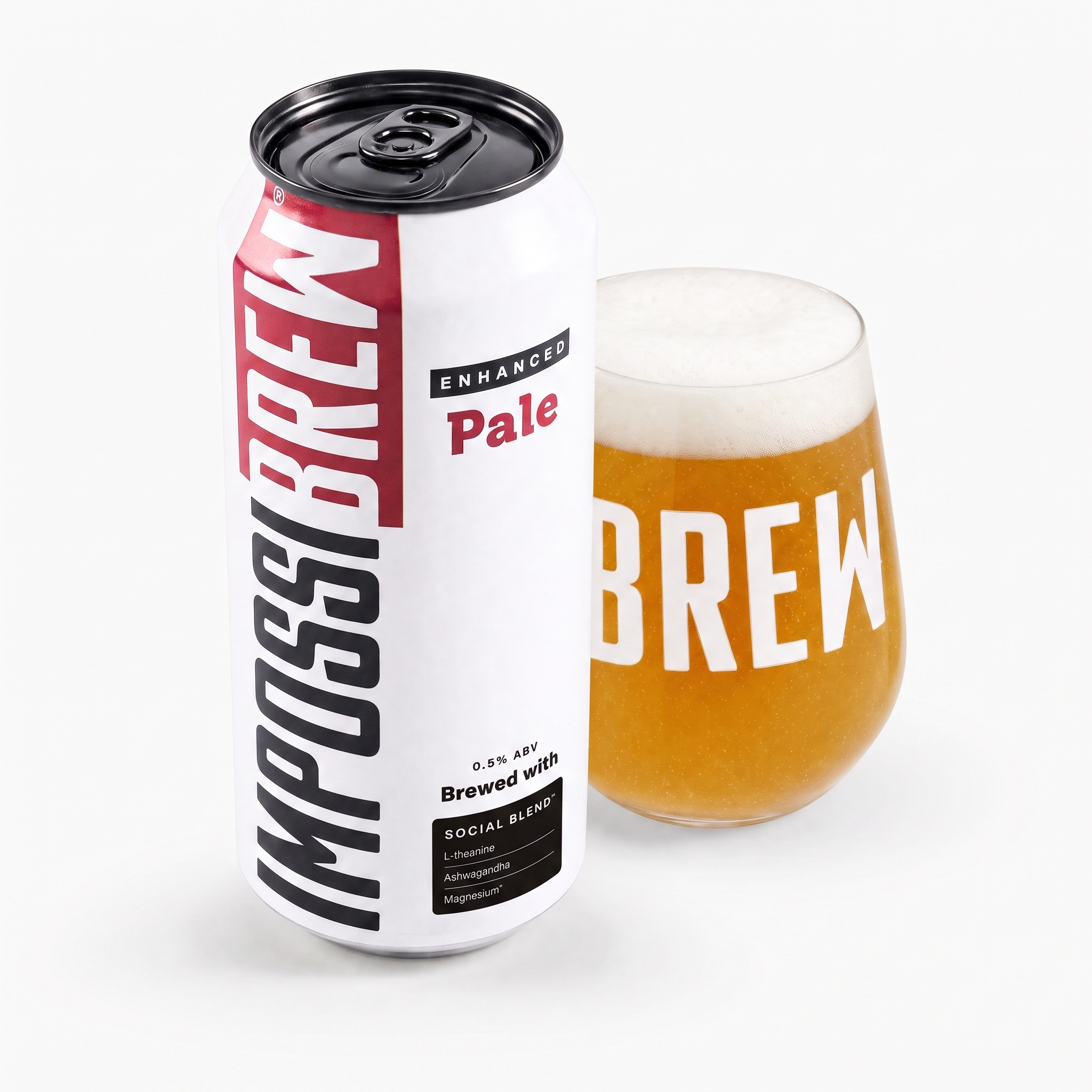
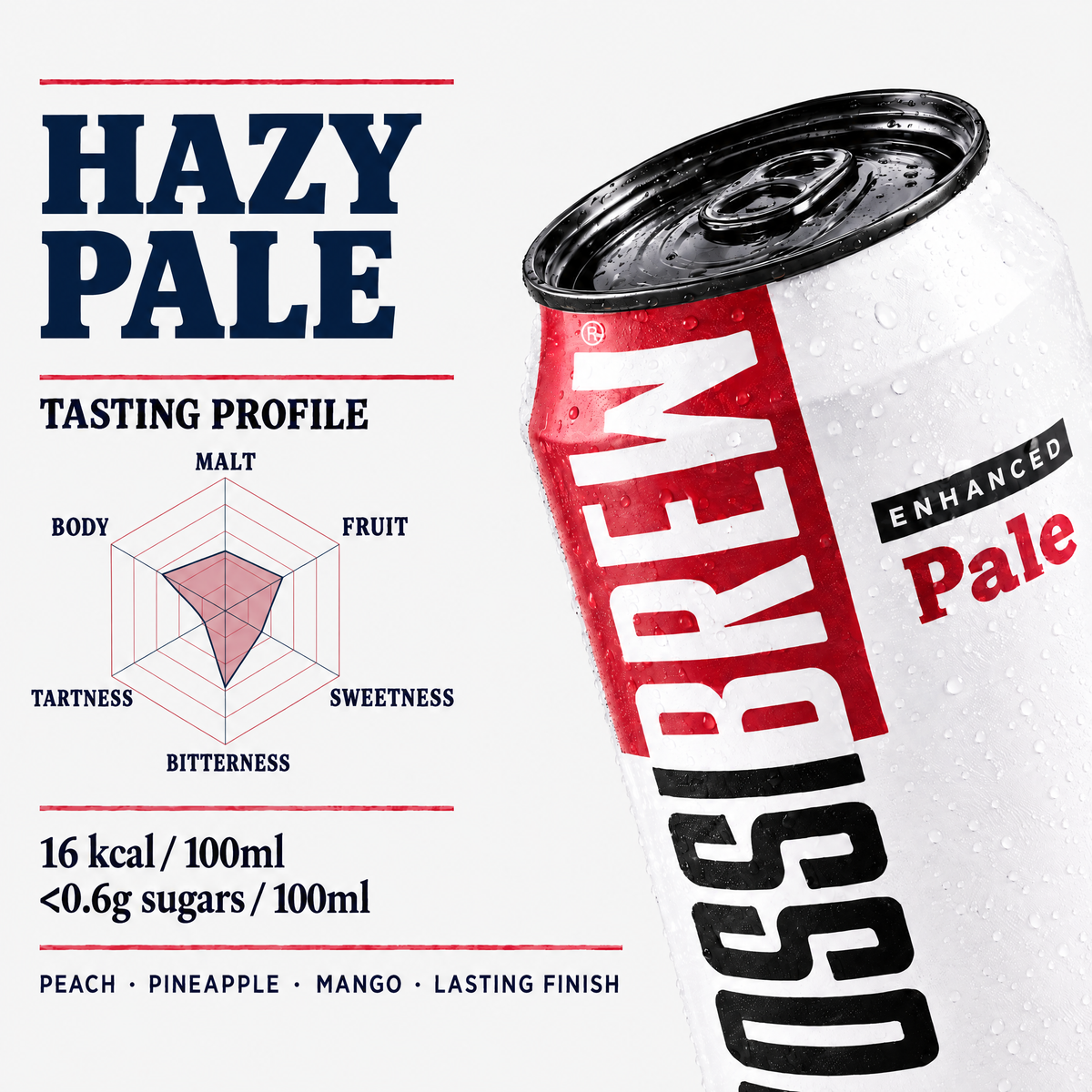
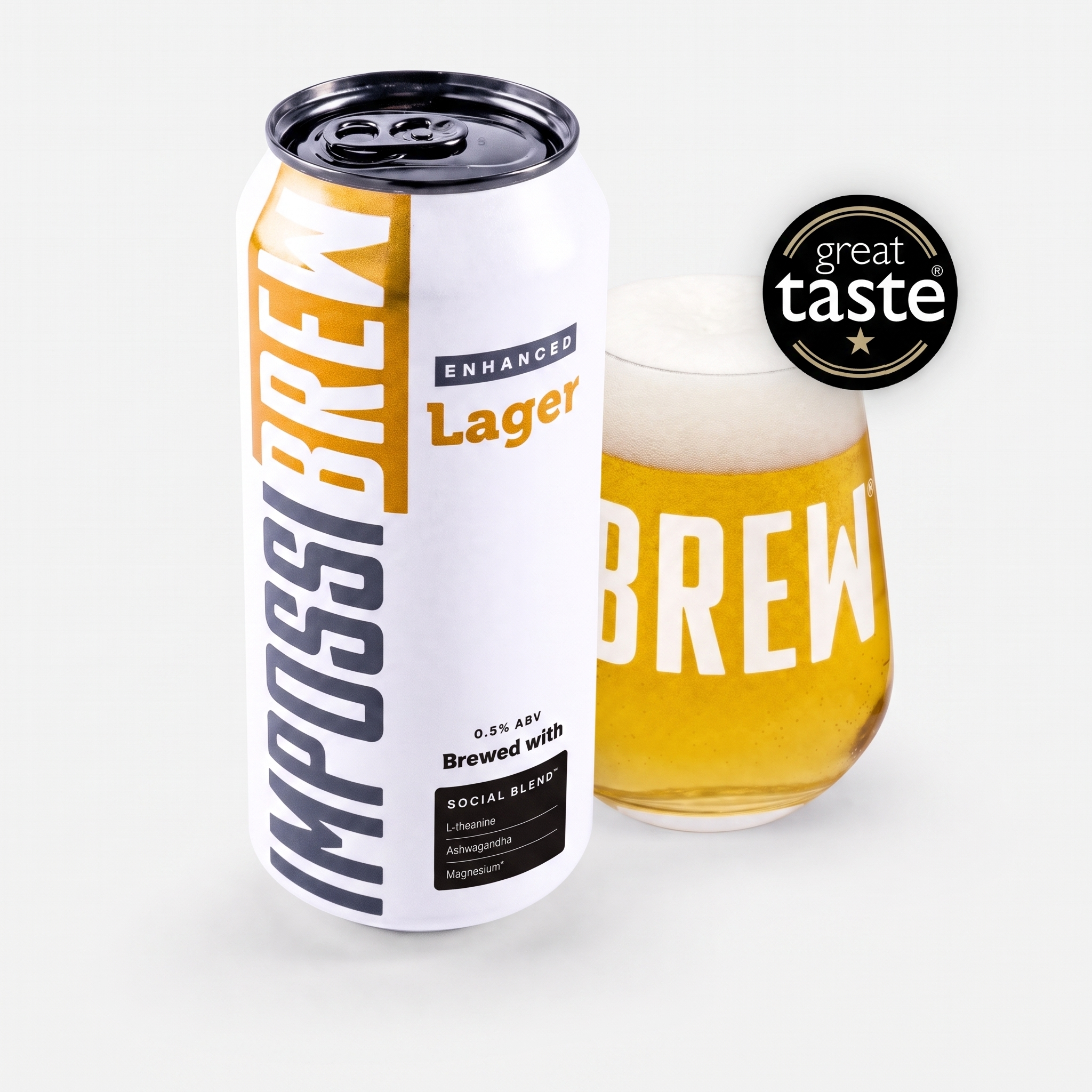
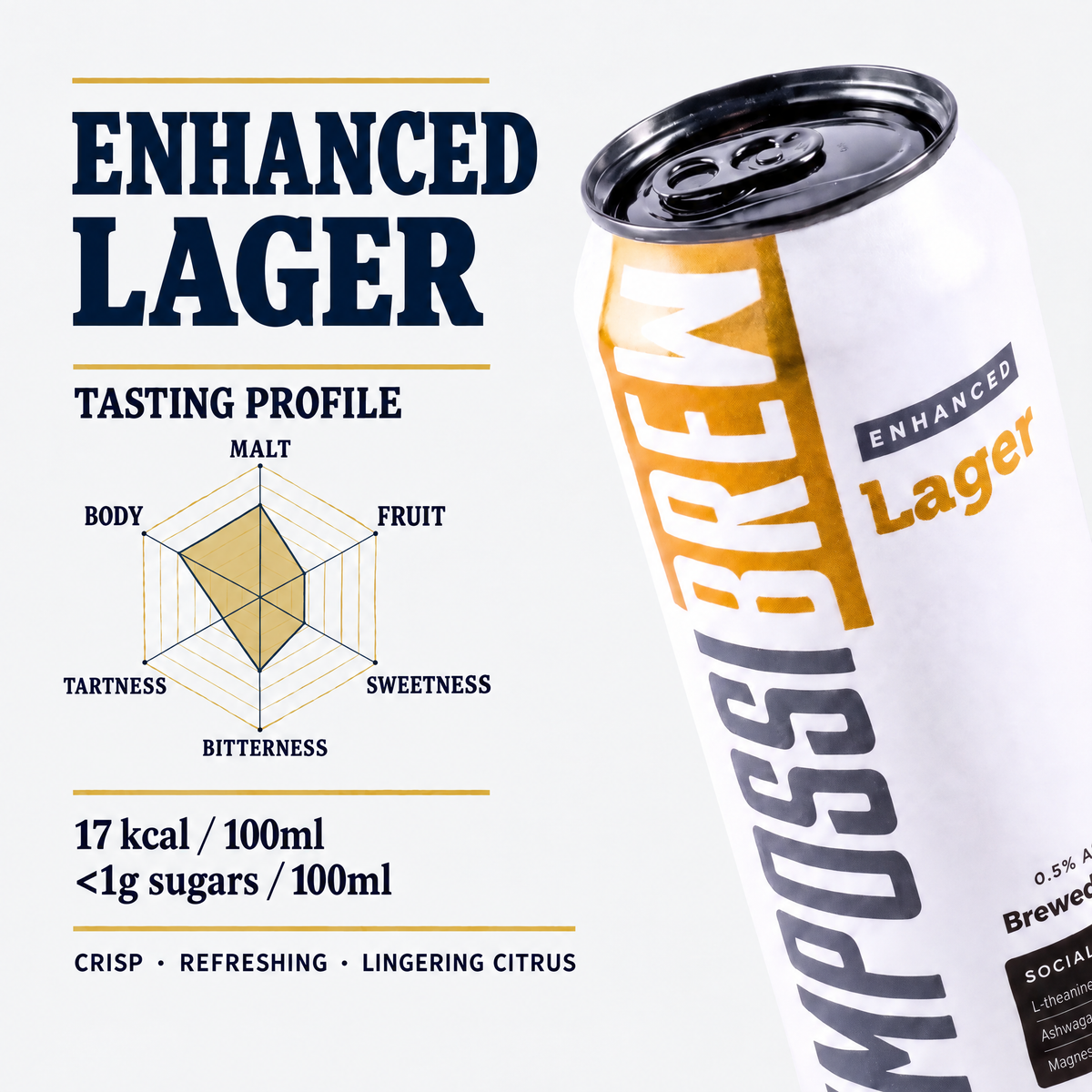
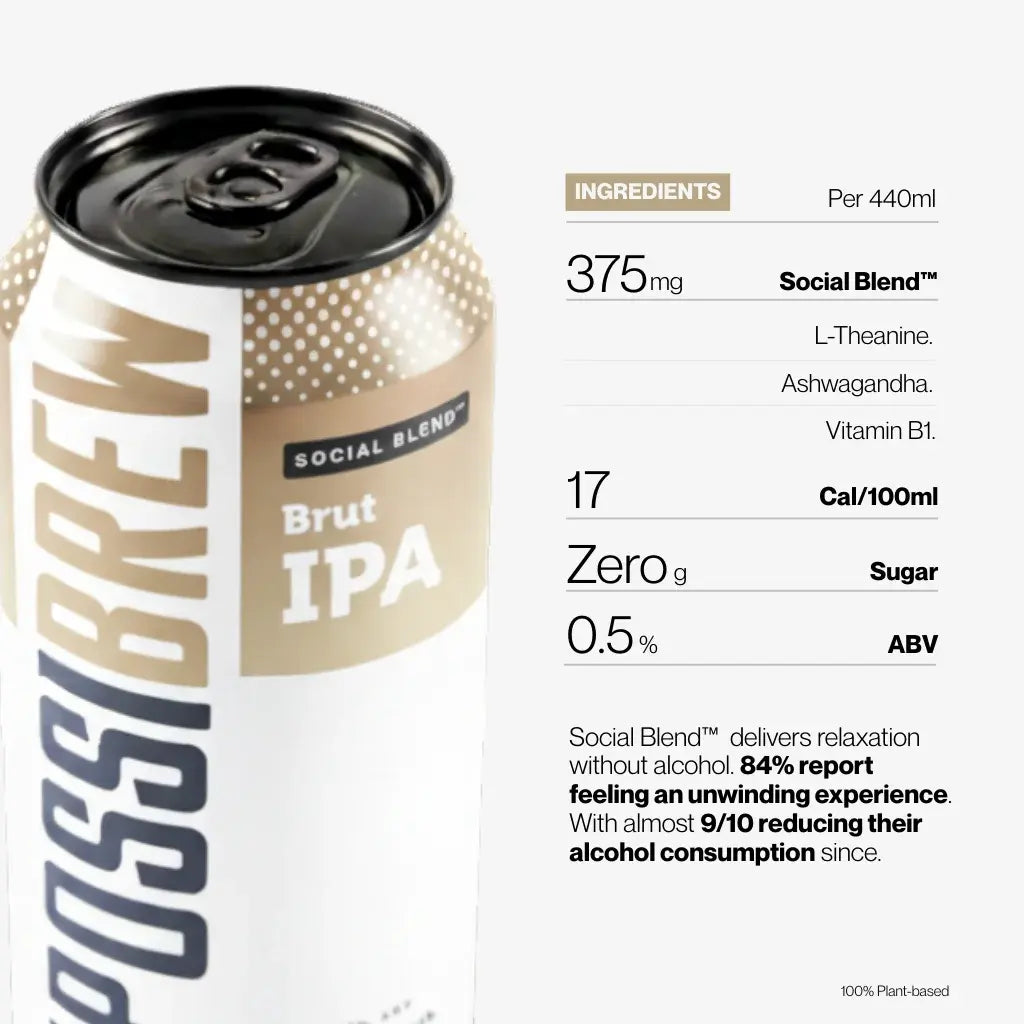
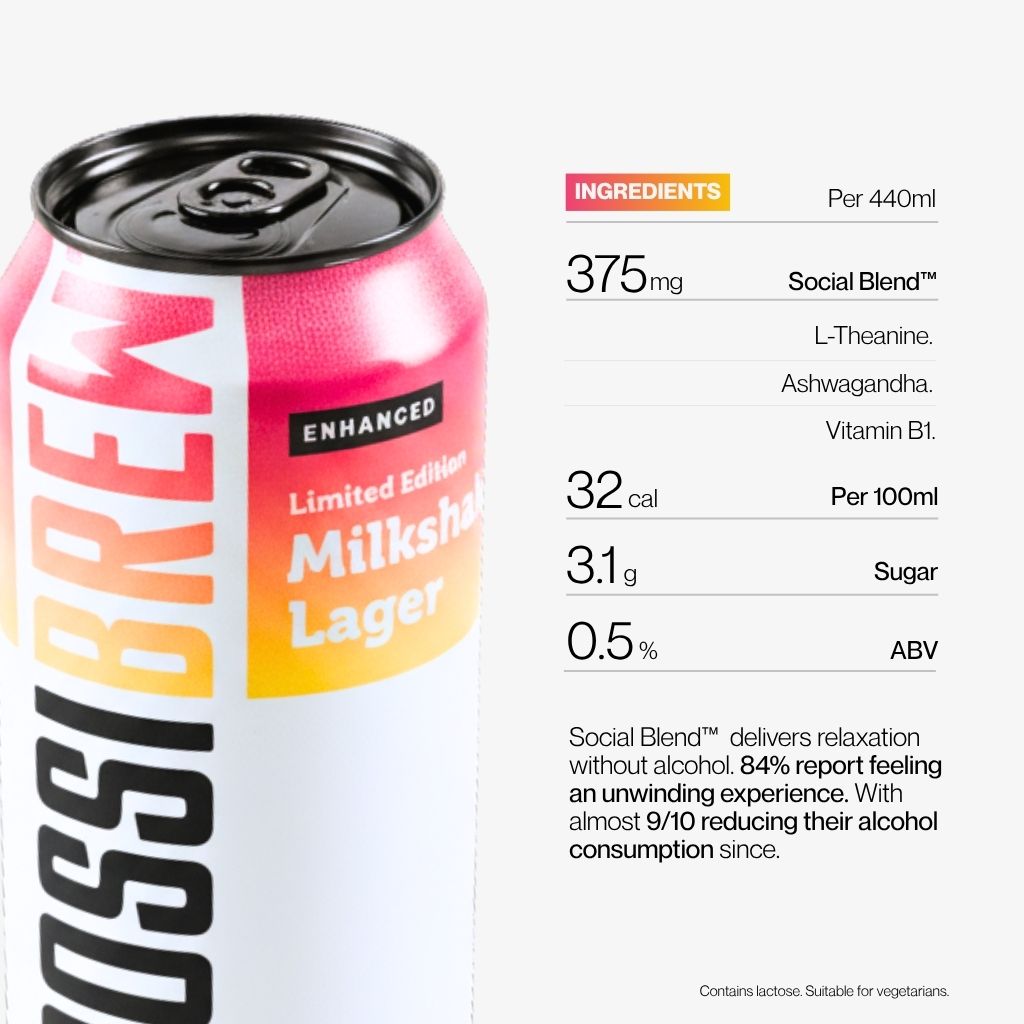
Consumer feedback supports this innovation, with 71% of users reporting a sense of relaxation after trying products featuring Social Blend™ [1]. Key ingredients like L-Theanine, Ashwagandha, and soluble plant fibres are carefully chosen to provide authentic flavours alongside the desired effects. IMPOSSIBREW®'s dedication to flavour has been recognised on a global stage, with their Enhanced Lager and Enhanced Pale Ale winning the UK's best non-alcoholic beer titles at the 2023 World Beer Awards [1].
Conclusion
The debate between natural and artificial flavouring highlights the importance of creating genuine-tasting non-alcoholic beer. Advances in flavouring techniques now blend classic brewing methods with scientific approaches to craft beers that closely mimic the taste of traditional options. IMPOSSIBREW® showcases this combination with its unique Social Blend™ and cryogenic fermentation process.
According to market feedback, 75% of consumers rate IMPOSSIBREW® as the most complete alcohol alternative. Additionally, 71% report feeling more relaxed, and 88% say they’ve reduced their alcohol consumption [1]. These results show how new brewing techniques can satisfy the growing demand for both flavour and wellness.
The future of non-alcoholic beer lies in merging traditional brewing expertise with modern advancements. IMPOSSIBREW®'s industry recognition demonstrates how combining trusted ingredients with innovative processes can deliver outstanding alcohol-free options [1].