Non-alcoholic beer needs to be stored between 0°C and 4°C to maintain its flavour, quality, and safety. Unlike traditional beer, it lacks alcohol's preservative properties, making it more sensitive to temperature changes. Poor storage can cause:
- Taste changes: Warm temperatures speed up oxidation, leading to off-flavours and reduced carbonation.
- Safety risks: Higher temperatures can encourage bacterial growth.
- Alcohol content fluctuations: Warm conditions may cause slight secondary fermentation.
To avoid these issues, store non-alcoholic beer in cool, shaded spaces, use proper containers, and maintain a steady cold chain during distribution.
The 3:30:300 Rule
Temperature Effects on Beer Quality
Temperature changes can significantly affect the taste and aroma of non-alcoholic beer. To maintain its freshness and overall quality, it’s crucial to store it consistently at cool temperatures.
Chemical Changes and Taste Impact
Temperature plays a big role in how non-alcoholic beer’s flavour develops over time. Warmer storage speeds up oxidation, which can lead to off-flavours, reduced hop aroma, and changes in sweetness or carbonation. Since non-alcoholic beers don’t have alcohol’s natural preservative properties, they’re especially vulnerable to these shifts. Studies have shown that cooler storage helps retain the beer’s sensory qualities better than storing it at room temperature. This sensitivity also applies to the functional ingredients found in enhanced beers.
Preserving Active Ingredients
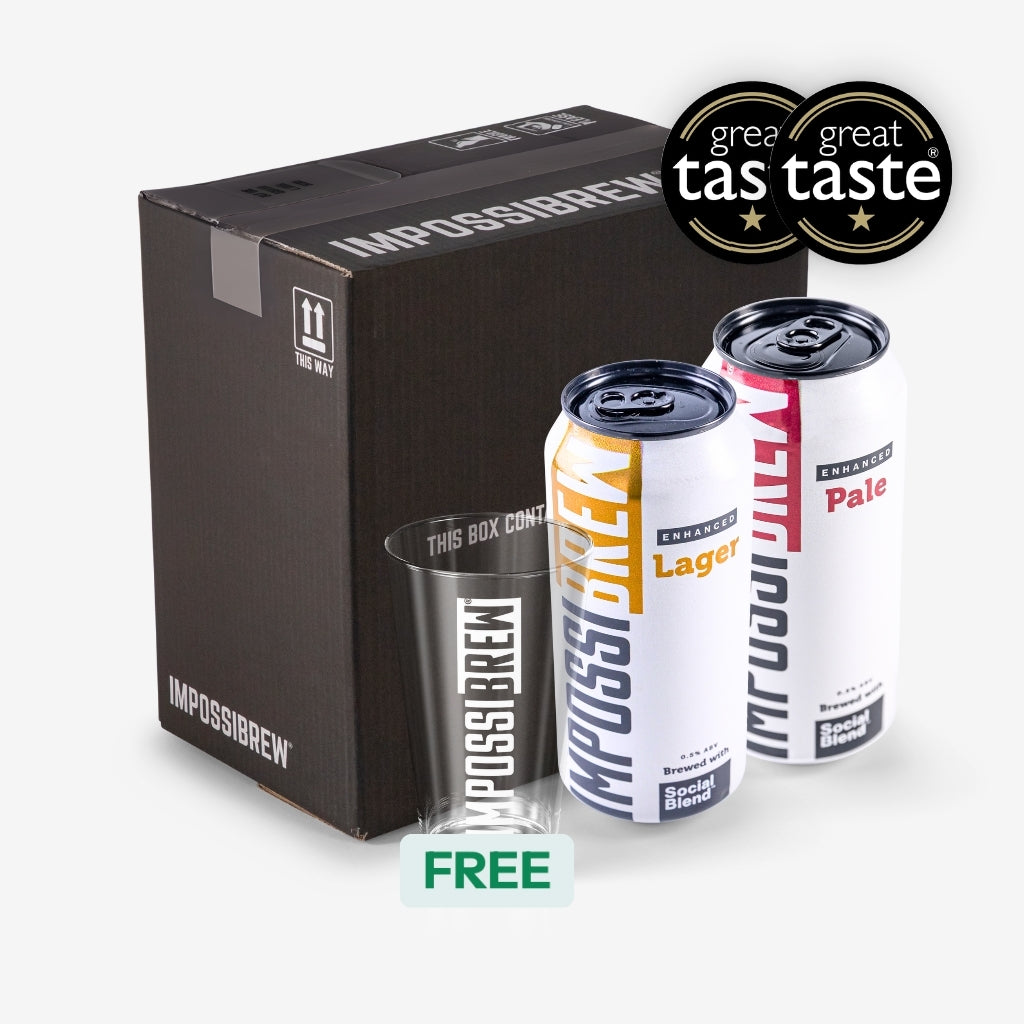
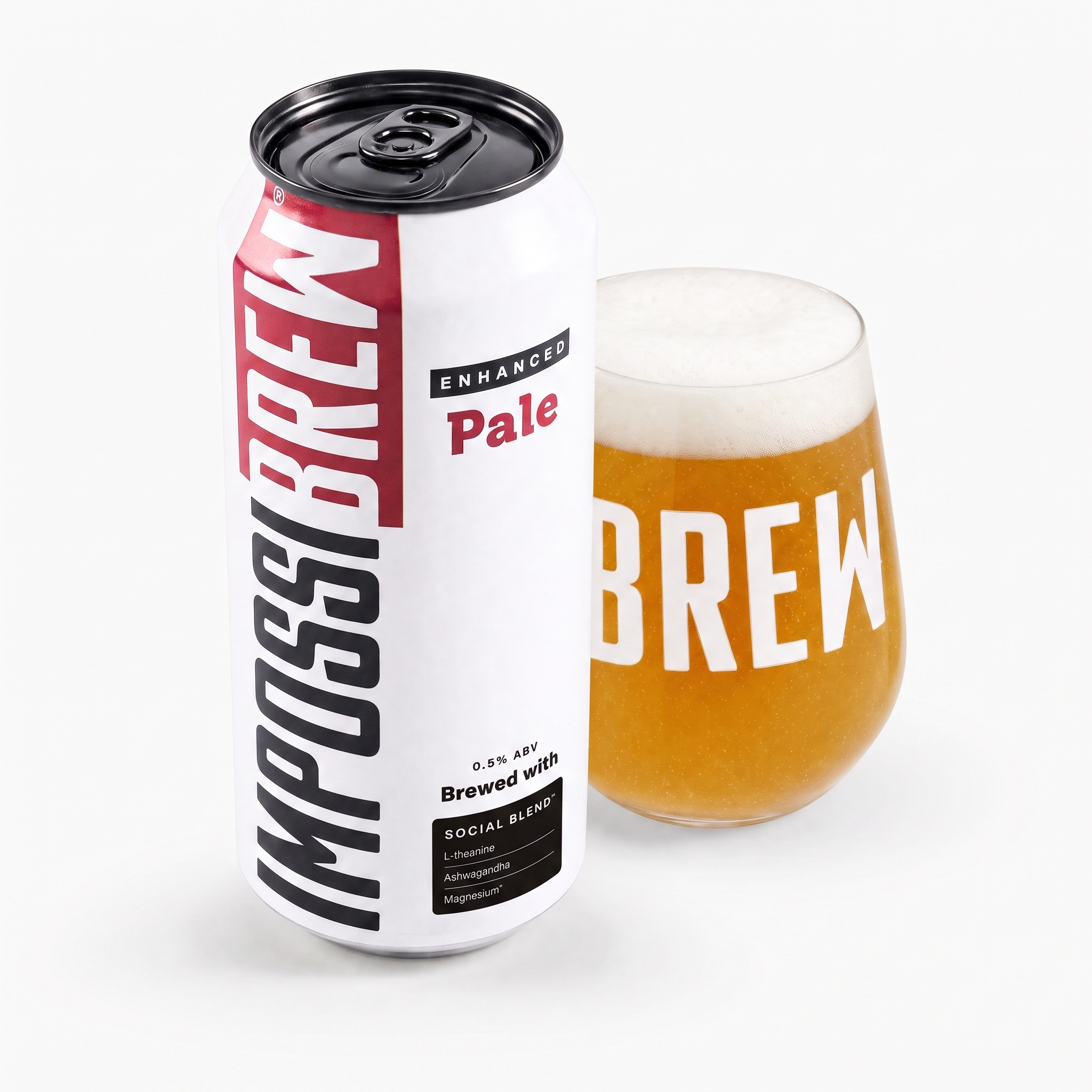
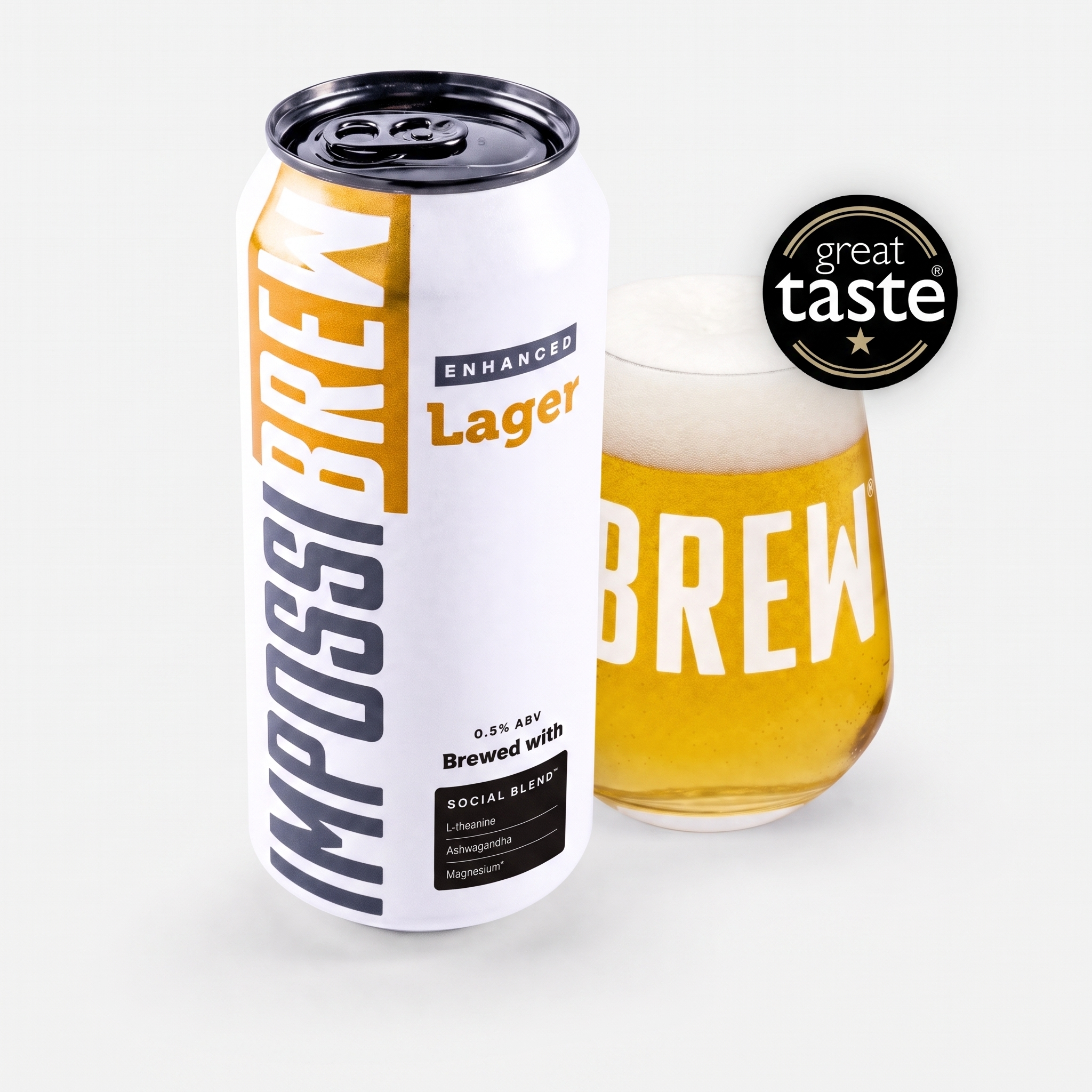
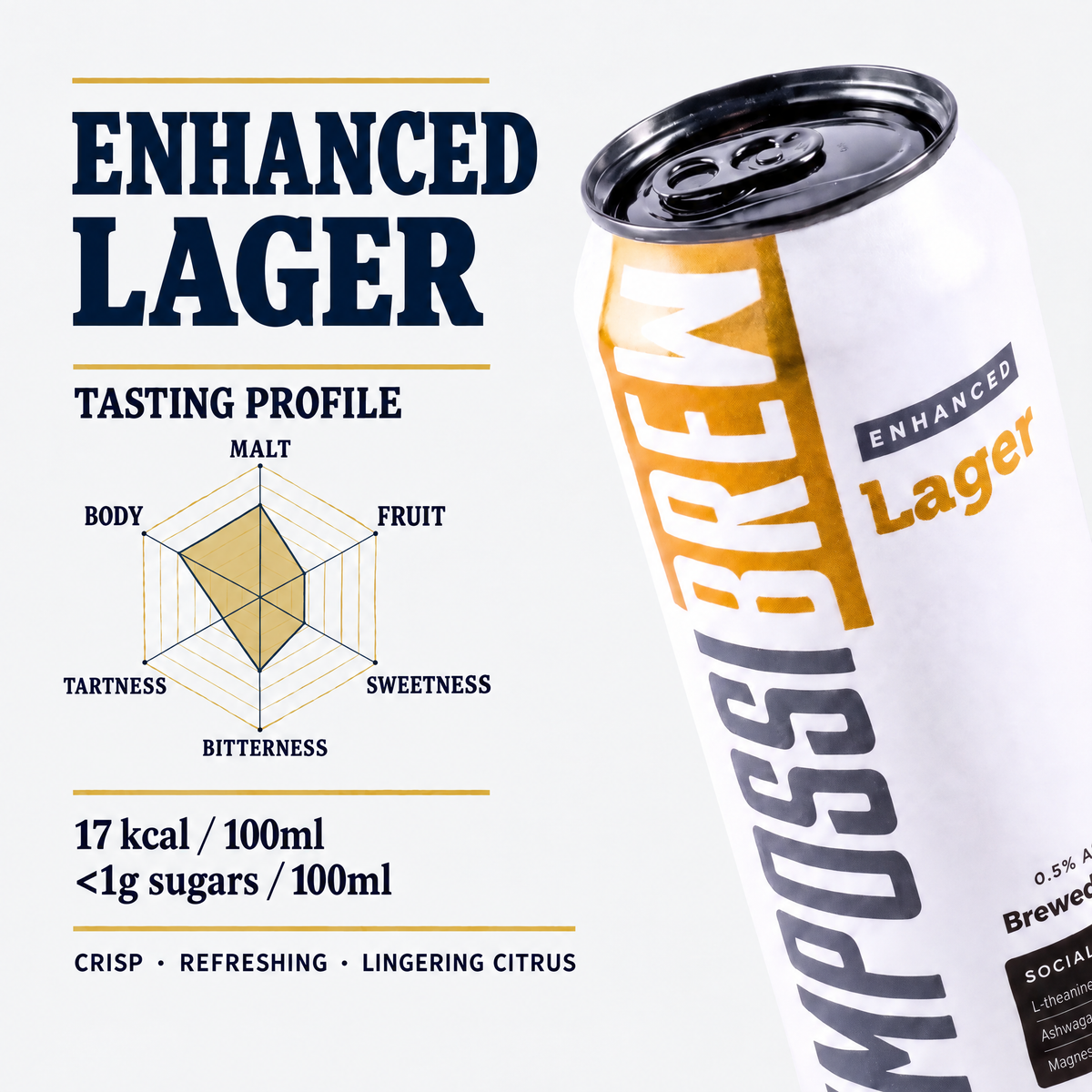
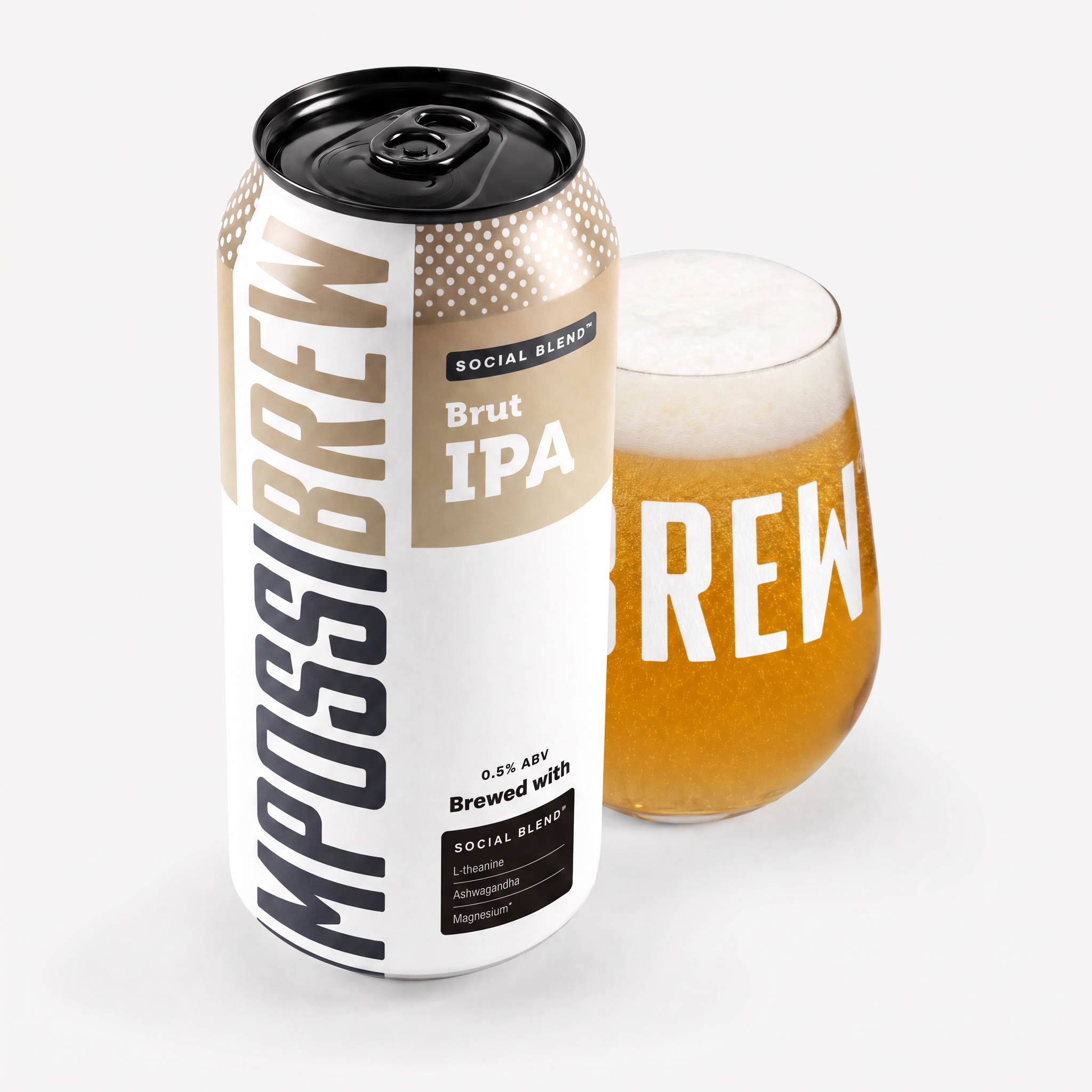
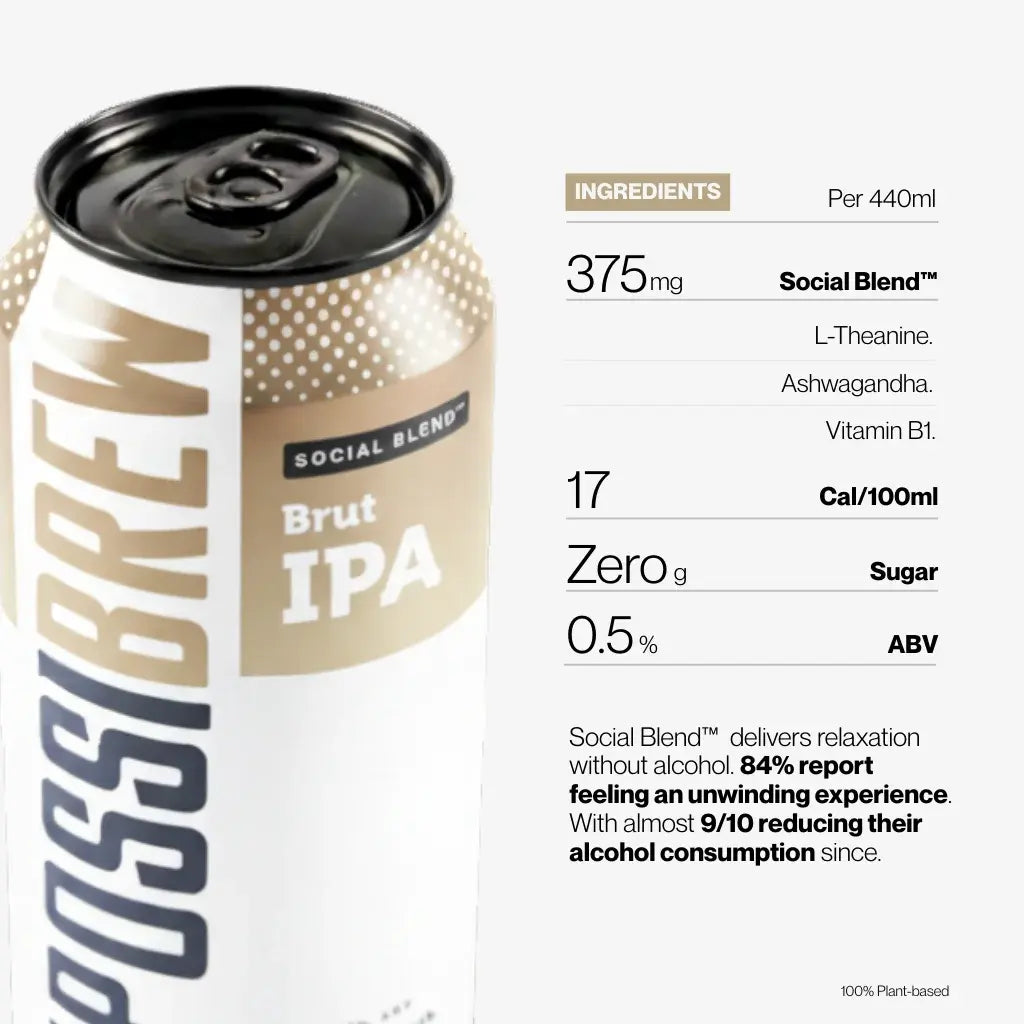
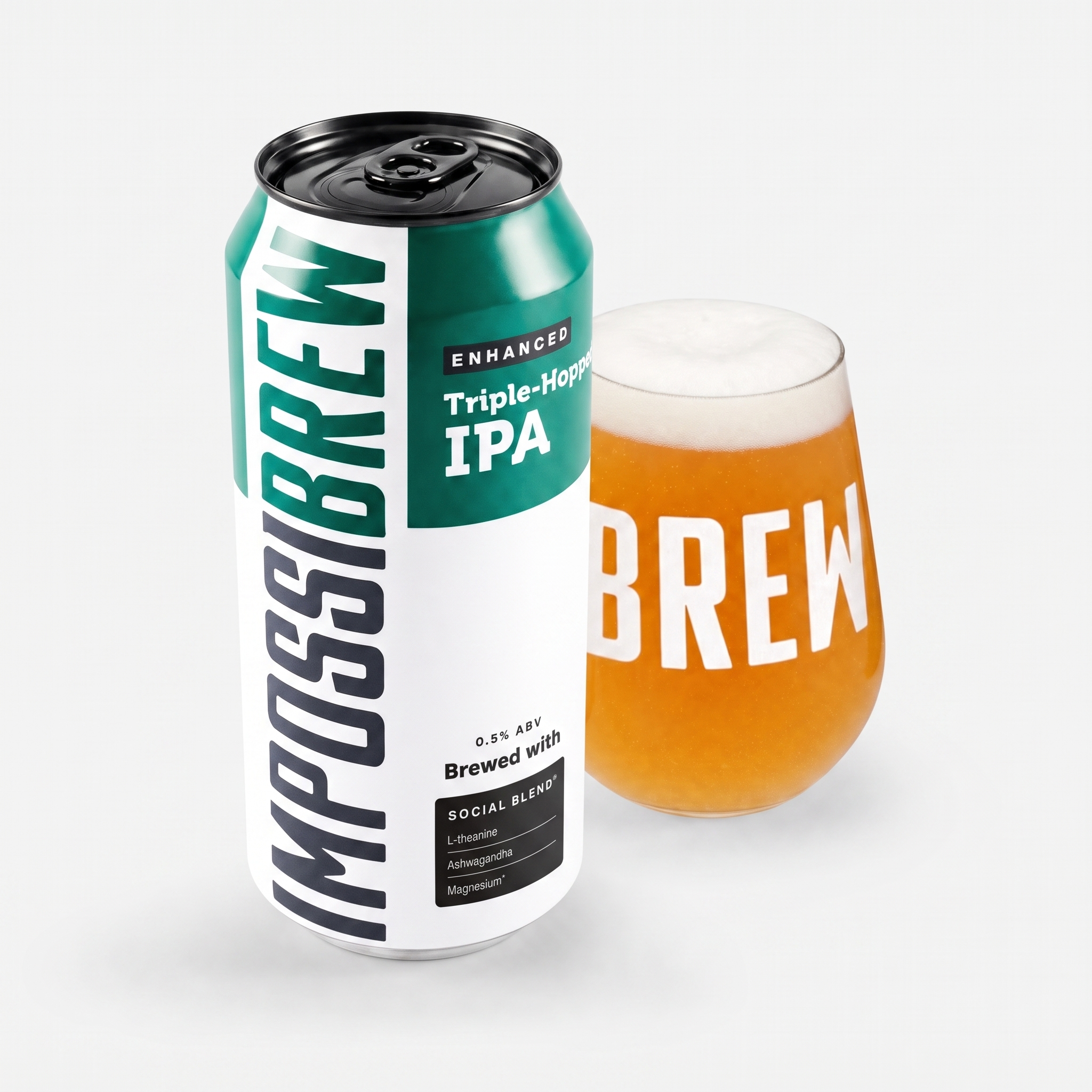
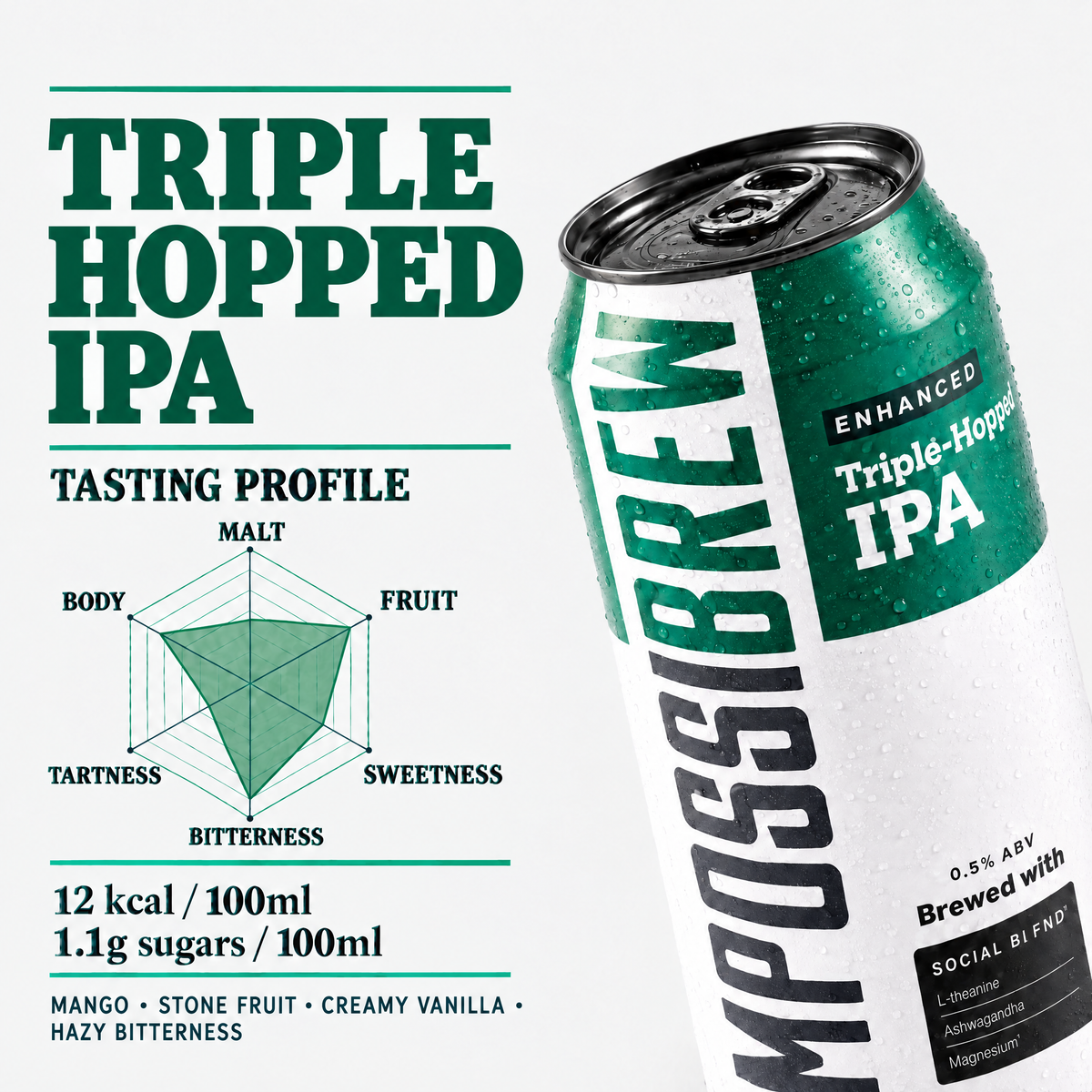
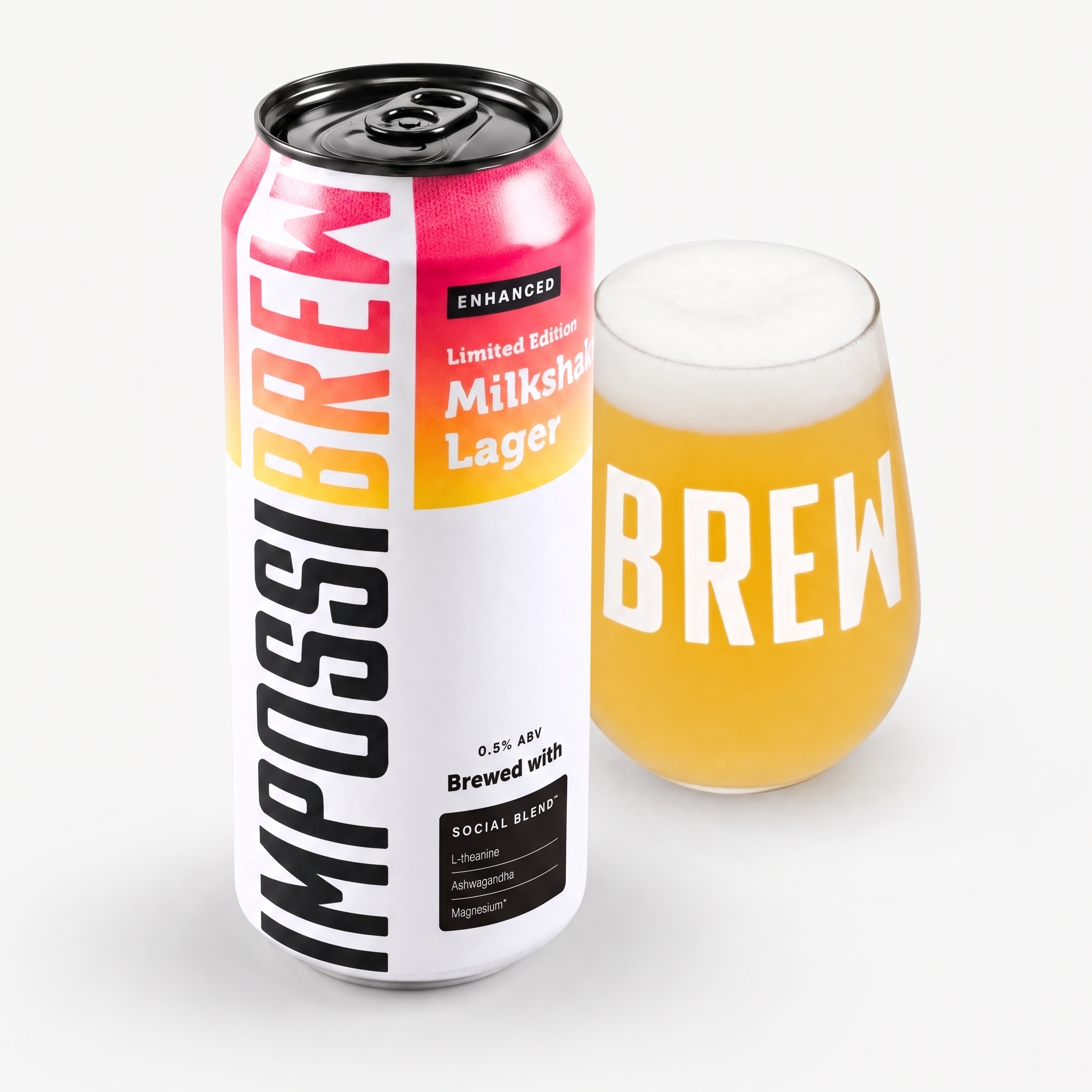
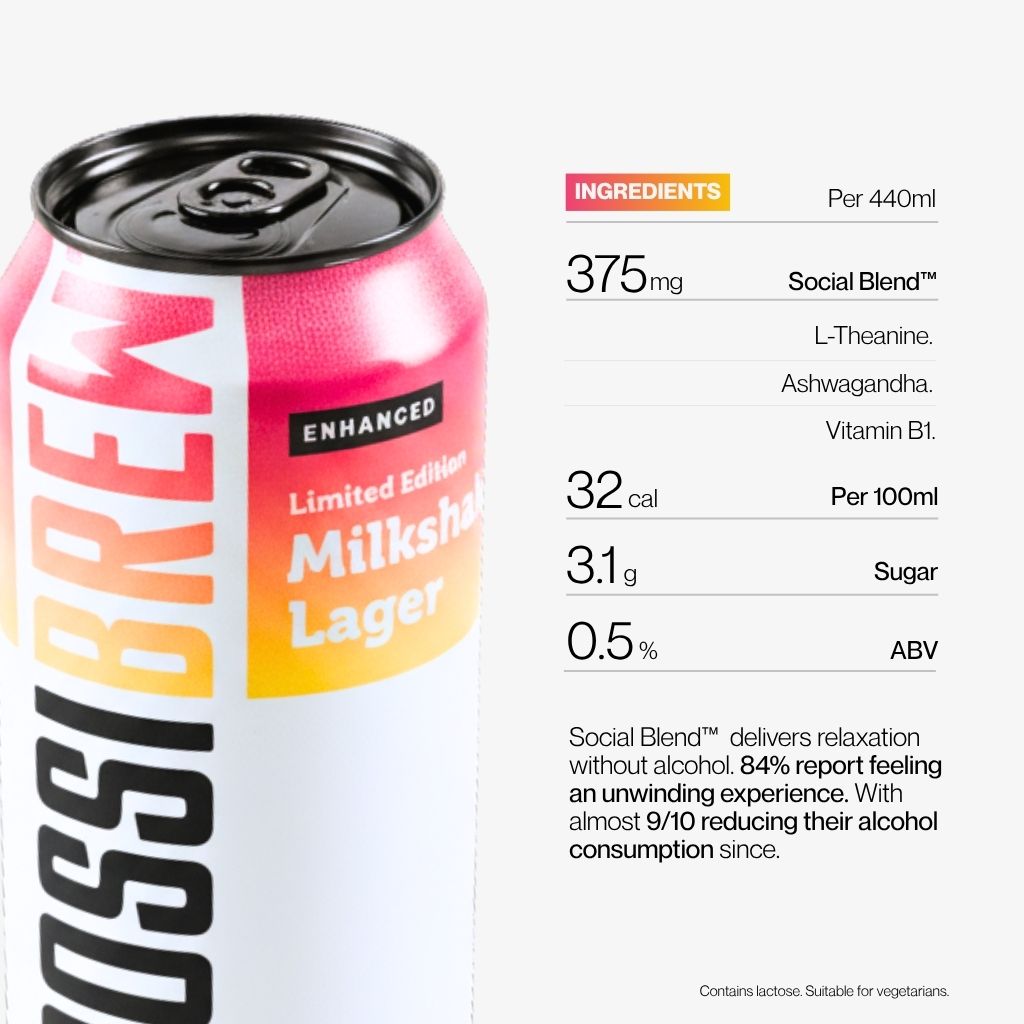
In functional non-alcoholic beers like IMPOSSIBREW®’s Social Blend™, keeping bioactive compounds stable requires cool storage. Monitoring temperature carefully during distribution helps ensure the beer’s flavour and functional benefits remain intact. The stability of these key components is essential for maintaining the beer’s unique qualities and intended effects.
Temperature-Related Safety Issues
Keeping non-alcoholic beer safe during storage heavily relies on proper temperature control. Unlike alcoholic beverages, which benefit from alcohol's preservative qualities, these drinks need extra attention to ensure their quality and safety.
Bacterial Growth at High Temperatures
Higher temperatures can encourage the growth of harmful bacteria in non-alcoholic beer. Take IMPOSSIBREW® as an example: their strict quality control measures and Social Blend™ formulation are designed to maintain the product's quality, even under varying temperature conditions. This highlights the importance of using effective production techniques to address such risks.
Safety Processing Methods
To limit microbial contamination, modern brewing methods use techniques such as:
- Flash pasteurisation: A quick heat treatment to kill microbes.
- Sterile filtration: Special filters that remove contaminants.
- Aseptic packaging: Filling the product in sterile environments to keep it safe.
Careful temperature monitoring is essential during these steps to ensure they work as intended. IMPOSSIBREW® enforces strict temperature controls throughout production and distribution, guaranteeing their beers arrive in the best possible condition.
sbb-itb-a752bf8
Alcohol Content Changes During Storage
Storage temperature doesn’t just affect the quality and safety of non-alcoholic beer - it can also lead to slight changes in its alcohol content. Even trace amounts of alcohol can fluctuate depending on how it’s stored.
Secondary Fermentation
When stored in warm conditions, trace amounts of residual sugars may react with leftover yeast, causing minor secondary fermentation. This is why IMPOSSIBREW® relies on cryogenic fermentation to keep alcohol levels well within legal limits.
Here are a few factors that can influence fermentation:
- Higher residual sugar levels and extended storage times
- Presence of residual yeast
- Temperature changes during storage
- Overall storage duration
By managing these factors, storage protocols help preserve the quality and integrity of the beverage.
Container Types and Alcohol Stability
IMPOSSIBREW® uses specially designed containers that ensure thermal stability. These containers, combined with proper storage in cool, shaded environments with steady temperatures, help protect the active ingredients responsible for IMPOSSIBREW®'s distinct flavour and effects.
For best results, store the product in a cool, shaded place and inspect the packaging regularly. Monitoring temperature consistently during storage helps maintain both product quality and compliance with non-alcoholic beverage standards.
Storage Guidelines
Storing non-alcoholic beer the right way is essential to maintain its quality and flavour.
Recommended Temperature Range
Non-alcoholic beer stays at its best between 0°C and 4°C. This temperature range helps prevent unwanted chemical changes and keeps the beer tasting as it should. IMPOSSIBREW® products, in particular, thrive with consistent cold storage.
| Temperature Range | Impact on Non-Alcoholic Beer |
|---|---|
| Below 0°C | Beer may freeze, causing container damage |
| 0°C to 4°C | Best for preserving flavour and ingredients |
| 5°C to 10°C | Shortened shelf life and noticeable flavour loss |
| Above 10°C | Rapid spoilage and potential secondary fermentation |
These temperature ranges align with the stability measures mentioned earlier.
Container Selection
IMPOSSIBREW® uses specially designed containers to protect the beer. These containers block UV light, stabilise temperature, and prevent oxidation. With multiple protective layers, they shield the beer from temperature swings and light exposure, ensuring it maintains its quality from production to when it’s enjoyed.
Temperature Control in Distribution
Maintaining the right storage conditions isn’t enough - distribution plays a big role too. Refrigerated vehicles, quick transfers, digital temperature monitors, and climate-controlled warehouses with backup systems are all crucial. For retailers and distributors, keeping the cold chain intact ensures that products like IMPOSSIBREW® reach customers in perfect condition.
Conclusion
Keeping non-alcoholic beer at the right temperature is crucial for preserving its flavour, shelf life, and overall quality. Storing these beverages between 0°C and 4°C is essential to maintain their original taste and characteristics.
Temperature control isn't just about storage - it plays a role throughout the production and packaging process. For example, brands like IMPOSSIBREW® use advanced brewing techniques and packaging designs to protect both the flavour and the functional ingredients in their drinks.
Research shows that cold, stable storage prevents unwanted chemical changes, keeps flavours consistent, and ensures the beer tastes as intended. The key takeaway? Keep the temperature steady and cool throughout the supply chain to safeguard the beer's crisp taste and unique qualities.