Peptides are tiny molecules made of amino acids that help the body manage stress by regulating hormones, brain chemicals, and protecting brain cells. They reduce harmful stress hormones like cortisol, stabilise mood-related neurotransmitters (like serotonin and dopamine), and protect against brain damage caused by prolonged stress.
Key points:
- Stress regulation: Peptides like prepro-TRH178-199 lower cortisol levels and reduce anxiety.
- Brain support: Neuropeptide Y (NPY) helps with emotional balance and protects brain cells.
- Gut-brain link: Peptides such as GLP-1 connect gut health with mental well-being.
- Practical use: Balanced diets, sleep, exercise, and functional drinks (like IMPOSSIBREW®) can support peptide function naturally.
While peptides show promise for stress management, most are still experimental. Stick to evidence-backed lifestyle habits and consult a healthcare provider before trying peptide-based products.
DSIP Peptide: Revolutionizing Sleep, Stress, and Pain Management in Clinical Practice
The Biology of Stress
Stress is a complex process involving multiple systems in the body, and it plays a key role in how we adapt to challenges. But when stress becomes chronic, it can significantly impact both physical and mental health.
The HPA Axis and Cortisol
The hypothalamic–pituitary–adrenal (HPA) axis is at the core of the body's response to stress. When you encounter a stressor, it sets off a chain reaction in your brain.
It begins in the hypothalamus, a small but vital region at the base of your brain. The hypothalamus releases corticotropin-releasing factor (CRF), which travels to the anterior pituitary gland. In response, the pituitary produces adrenocorticotropic hormone (ACTH), which signals your adrenal glands - positioned just above your kidneys - to release cortisol, the primary stress hormone.
In short bursts, cortisol is incredibly useful. It provides energy, sharpens focus, and temporarily suppresses non-essential functions like digestion to help you deal with immediate challenges. Once the stressor is gone, cortisol levels typically drop, and your body returns to normal.
But when stress becomes constant - whether due to work, personal relationships, or financial struggles - the HPA axis can go into overdrive. This leads to consistently high cortisol levels, a condition called hypercortisolemia. Research links this to conditions such as depression, anxiety, and anorexia nervosa [1].
Prolonged cortisol elevation doesn’t just affect mood - it impacts your brain and body in several ways. High cortisol levels can impair the prefrontal cortex, the part of the brain responsible for decision-making, focus, and problem-solving. This explains why chronic stress often leads to poor concentration and judgement. It also disrupts your sleep patterns, making it harder to rest, and can trigger irritability, low mood, and heightened anxiety. Over time, this dysregulation increases the risk of illnesses like cardiovascular disease, depression, and metabolic disorders [1].
Cortisol's relationship with other hormones adds another layer of complexity. For example, stress often disrupts thyroid hormone levels. A peptide called prepro-TRH178-199, which is part of the same molecule that produces thyrotropin-releasing hormone (TRH), helps explain this connection. This shared precursor molecule influences both the HPA and thyroid systems, which may be why stress-related illnesses often involve disruptions in both [1].
While cortisol is the main player in the stress response, other molecules, like neuropeptides, also play a critical role in how the brain adapts to stress.
Neuropeptides in Stress Regulation
Neuropeptides are small protein-like messengers in the brain that add another layer of regulation to the stress response. Unlike neurotransmitters, which act quickly, neuropeptides work over longer periods, adjusting how brain circuits handle stress.
Key brain areas influenced by neuropeptides include the prefrontal cortex (PFC) and the limbic system (which includes the amygdala and hippocampus). These regions are crucial for emotional regulation, fear responses, and cognitive control - all of which can be disrupted by chronic stress.
One important neuropeptide is Neuropeptide Y (NPY), which plays a significant role in managing the stress response and is linked to conditions like anxiety, depression, and post-traumatic stress disorder (PTSD) [3][5]. In the prefrontal cortex, NPY reduces the activity of certain neurons, which may help calm the overactivity associated with anxiety. It also interacts with other systems, such as increasing dopamine release, which can influence mood and motivation.
Interestingly, NPY’s effects are not straightforward. For example, in studies with rats, infusing NPY into a specific part of the prefrontal cortex impaired the ability to extinguish fear memories, highlighting its nuanced role in stress-related behaviours [4]. Neuropeptides don’t just suppress stress - they fine-tune how we respond to it.
Chronic stress can disrupt neuropeptide systems, creating a vicious cycle. It alters how neuropeptides are expressed and released in key brain regions like the prefrontal cortex and limbic system. This disruption can lead to exaggerated fear responses, difficulty processing traumatic memories, and reduced flexibility in thinking - hallmarks of stress-related psychiatric conditions [3][5].
The prefrontal cortex is particularly sensitive to these changes. Neuropeptides in this region often become dysregulated in disorders like major depression, PTSD, and anxiety [4]. NPY also works closely with neurotransmitters, influencing local brain circuits involved in emotional regulation. By boosting dopamine levels, for instance, NPY may help counter the low mood and lack of pleasure common in depression. These interactions suggest that neuropeptides not only help manage stress but also build resilience [3][5].
This interconnected system of the HPA axis and neuropeptides highlights how the body strives to maintain balance under stress and adapt to challenges. It’s a delicate process, and when it falters, the effects can ripple across both mind and body.
How Peptides Affect Stress
Peptides play a crucial role in managing stress by interacting with the body’s natural systems. Instead of simply masking symptoms, they aim to restore balance and strengthen the body's ability to handle stress.
Controlling the HPA Axis
One of the key ways peptides help reduce stress is by regulating the hypothalamic–pituitary–adrenal (HPA) axis. For example, research highlights how prepro-TRH178-199 can lower ACTH secretion by nearly 50%, which in turn reduces cortisol and prolactin levels [1]. This dual action not only interrupts the hormonal chain reaction that leads to elevated cortisol but also eases fear and anxiety-related behaviours. As part of a larger precursor molecule that also produces thyrotropin-releasing hormone (TRH), prepro-TRH178-199 sheds light on the connection between fluctuating cortisol and thyroid hormone levels seen in various illnesses. This mechanism is particularly valuable in addressing serious depression, where chronic high cortisol levels are a common feature [1].
Supporting Neurotransmitter Balance
Peptides such as Selank, Semax, and DHHB influence key neurotransmitters like serotonin, dopamine, and GABA. By doing so, they improve mood, enhance cognitive function, and promote better sleep [5]. These combined effects contribute to emotional stability and an overall sense of well-being [7].
Improving Brain Adaptability and Resilience
Chronic stress can lead to significant changes in brain structure and function, but peptides may help counteract these effects. Neuropeptide Y (NPY), for instance, supports neuroprotection and neurogenesis in critical brain regions. Its dysregulation has been linked to stress-related conditions like major depressive disorder and post-traumatic stress disorder [4][3]. Meanwhile, peptides like Pinealon protect neurones and enhance mitochondrial function, leading to improved focus and sleep - key benefits in addressing age-related cognitive decline [5].
Reducing Inflammation and Oxidative Damage
Long-term stress often triggers inflammation and oxidative damage in the brain, which can harm cognitive performance. Certain peptides offer neuroprotective benefits to tackle these issues directly. For example, DEETGE-CAL-Tat releases Nrf2, a protein that activates antioxidant and protective genes. In animal studies of cerebral ischaemia, this peptide reduced oxidative stress, boosted the activation of protective genes, and preserved cognitive function - even up to two days after the stress event [2]. Similarly, DHHB combats free radicals, providing antioxidant protection that slows brain ageing [5]. By shielding neurones from stress-induced oxidative damage, these peptides help maintain synaptic strength and cognitive abilities during prolonged stress [6].
The diverse effects of peptides on stress management highlight their potential for practical applications in improving mental and emotional health.
sbb-itb-a752bf8
Using Peptides for Stress Management
Incorporating peptides into your daily life can be achieved through thoughtful routines, a balanced diet, and even functional beverages.
Lifestyle Habits That Support Peptide Function
Your daily habits have a direct impact on how peptides function in your body. Key areas to focus on include sleep, exercise, and relaxation.
Prioritising quality sleep is essential. Aim for seven to nine hours of consistent rest each night to help regulate the HPA axis and maintain healthy cortisol rhythms. This balance supports stress-related neuropeptides like CRF and NPY in critical brain regions such as the prefrontal cortex and hypothalamus [4][3]. To optimise your sleep environment, keep your bedroom dark and cool, and avoid bright screens or heavy meals before bed. These practices can enhance melatonin production and allow peptide-driven recovery processes to function effectively.
Regular exercise is another powerful tool for modulating stress peptides. Moderate-intensity activities like brisk walking, cycling, or swimming can improve neuropeptide signalling, supporting resilience and mood regulation [4][6]. Studies show that exercise boosts neurotrophic factors and positively affects peptides like NPY, which may help reduce anxiety. Adding resistance training a couple of times a week can further promote hormonal balance and brain health.
Relaxation techniques also play a vital role. Practices such as mindfulness, slow breathing exercises, or yoga can lower sympathetic nervous system activity and reduce excessive CRF activation [4]. Even short sessions of five to ten minutes can yield meaningful benefits, helping to regulate peptides and maintain autonomic balance.
A weekly routine to support peptide function might look like this:
- Morning: Get natural sunlight, eat a protein-rich breakfast, and take a brisk walk to stabilise cortisol and peptide levels [4][6].
- Workday: Take hourly movement breaks and incorporate short mindfulness sessions.
- Evening: Stick to a consistent bedtime, avoid screens and heavy meals, and unwind with light stretching or reading.
- Weekends: Spend time outdoors and engage in creative or social activities to encourage adaptive peptide responses [4][6].
Diet and Peptide Production
Your diet plays a critical role in your body's ability to produce stress-regulating peptides. Since peptides are made of amino acids, maintaining an adequate protein intake is essential to provide the building blocks for neuropeptide synthesis. Stress can deplete neuropeptide levels in the brain, so a steady supply of amino acids supports their renewal and adaptability [4][3].
Distributing protein intake evenly across meals ensures a stable supply of amino acids for both peptide and neurotransmitter production [4][3]. Include a variety of protein sources like fish, poultry, legumes, and dairy. Pair these with whole grains and vegetables to stabilise blood sugar, and opt for foods rich in omega-3 fatty acids and antioxidants to reduce inflammation and oxidative stress, which can disrupt peptide signalling [2][3][6].
Here’s an example of a balanced UK-style day to support peptide production:
- Breakfast: Porridge made with milk (or fortified plant milk), topped with a handful of nuts.
- Lunch: Lentil or chicken soup served with wholegrain bread.
- Dinner: Grilled salmon or tofu with new potatoes and mixed vegetables.
- Snacks: Greek yoghurt, hummus with vegetable sticks, or a handful of seeds to provide additional amino acids and nutrients [3][6].
Gut health also influences peptide function. Gut peptides like peptide YY, GLP-1, and ghrelin are key players in the microbiota–gut–brain axis, affecting appetite, mood, and stress responses [3]. A diet rich in fibre, fermented foods, and a variety of plants supports a healthy gut microbiome and proper peptide signalling. On the other hand, processed foods high in sugar and saturated fats can lead to inflammation and disrupt gut–brain communication [3].
Functional Beverages for Relaxation
Functional beverages can be a great way to transition from work to relaxation in the evening. While alcohol might seem relaxing initially, it can disrupt sleep patterns, interfere with HPA axis function, and negatively impact stress-related peptides [4][3]. Functional drinks, however, offer a healthier alternative.
These beverages are crafted with bioactive ingredients like nootropics, adaptogens, or specific nutrients to provide benefits beyond hydration. They can serve as a cue to unwind while delivering compounds that target neurotransmitter and peptide pathways, such as those affecting GABA or serotonin systems [5][6].
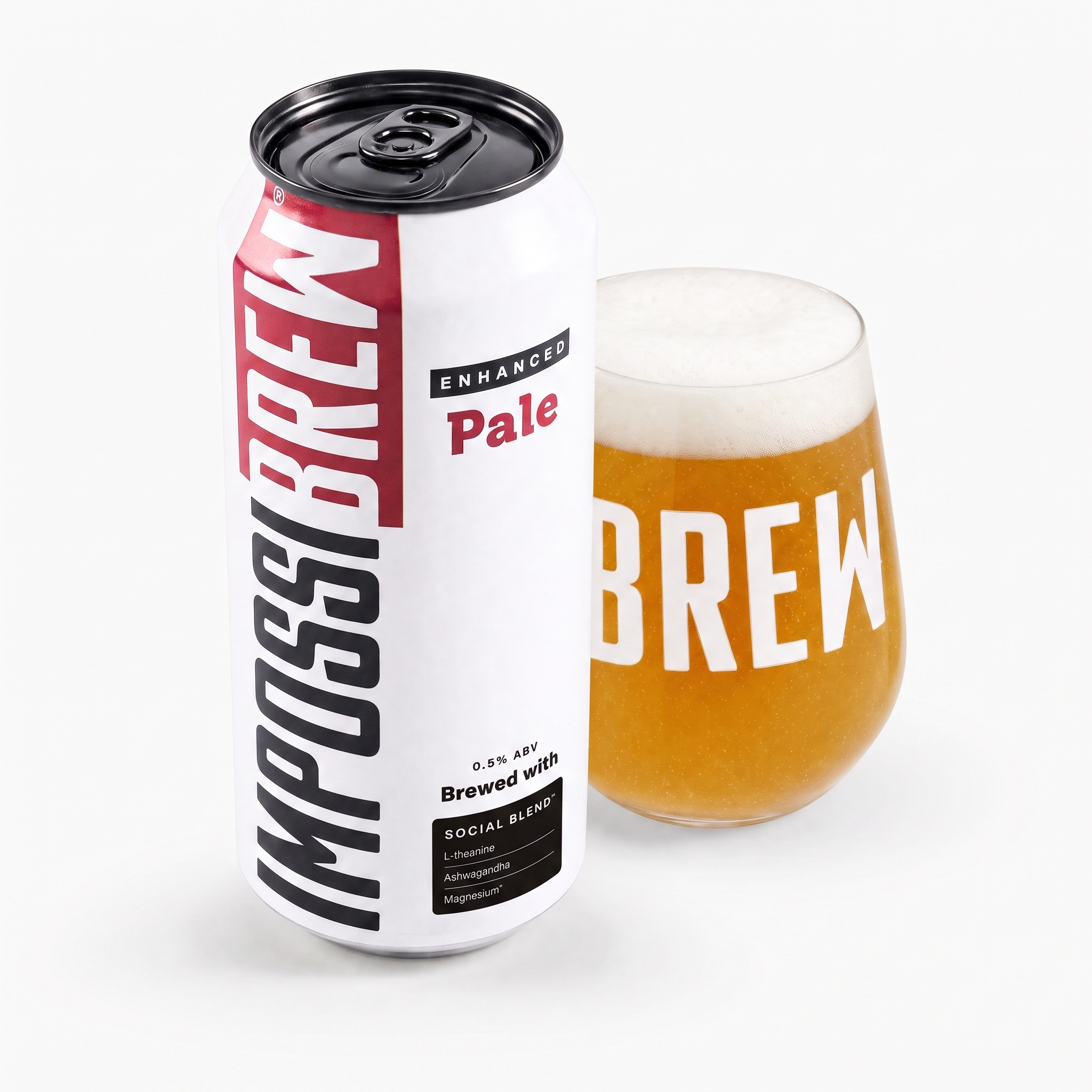
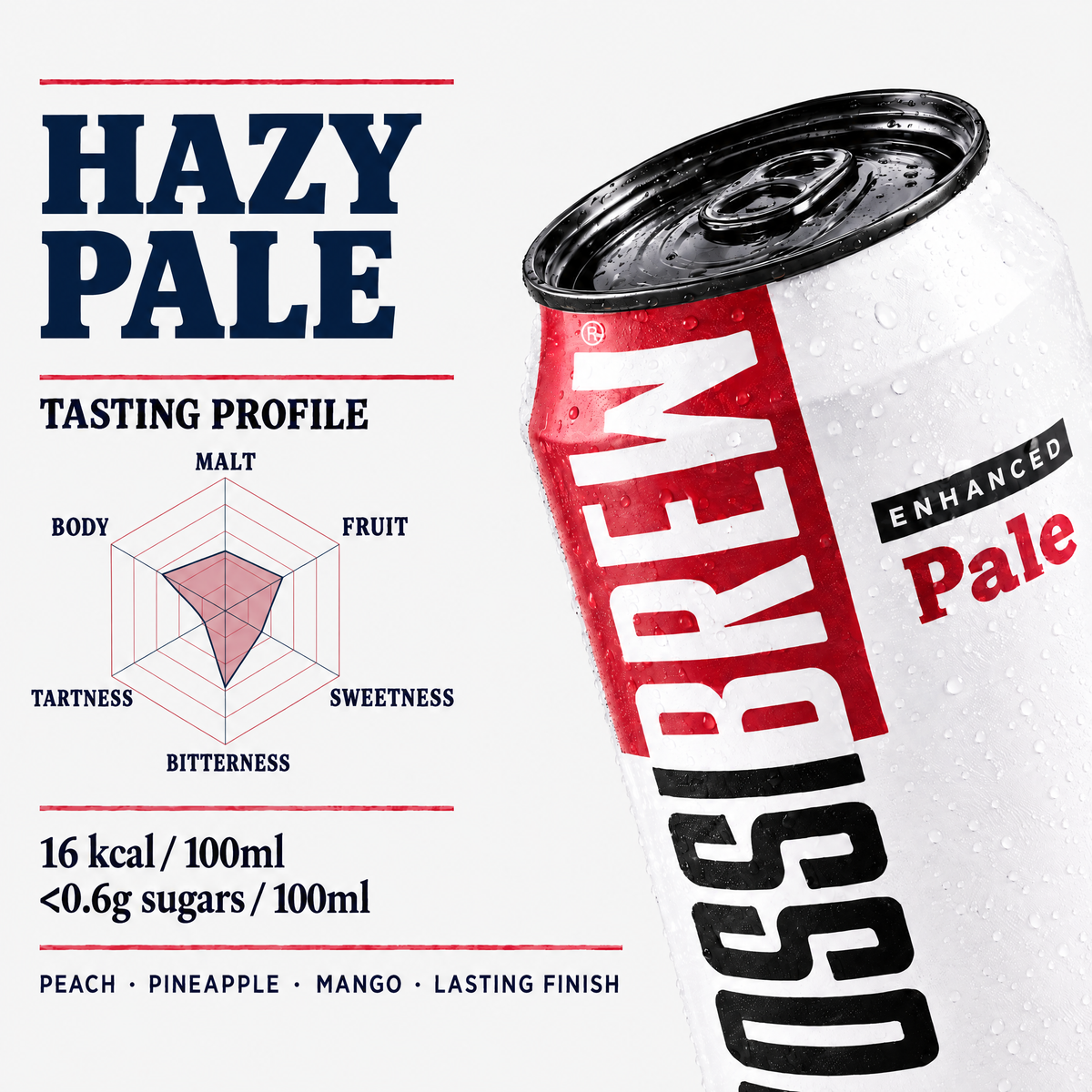
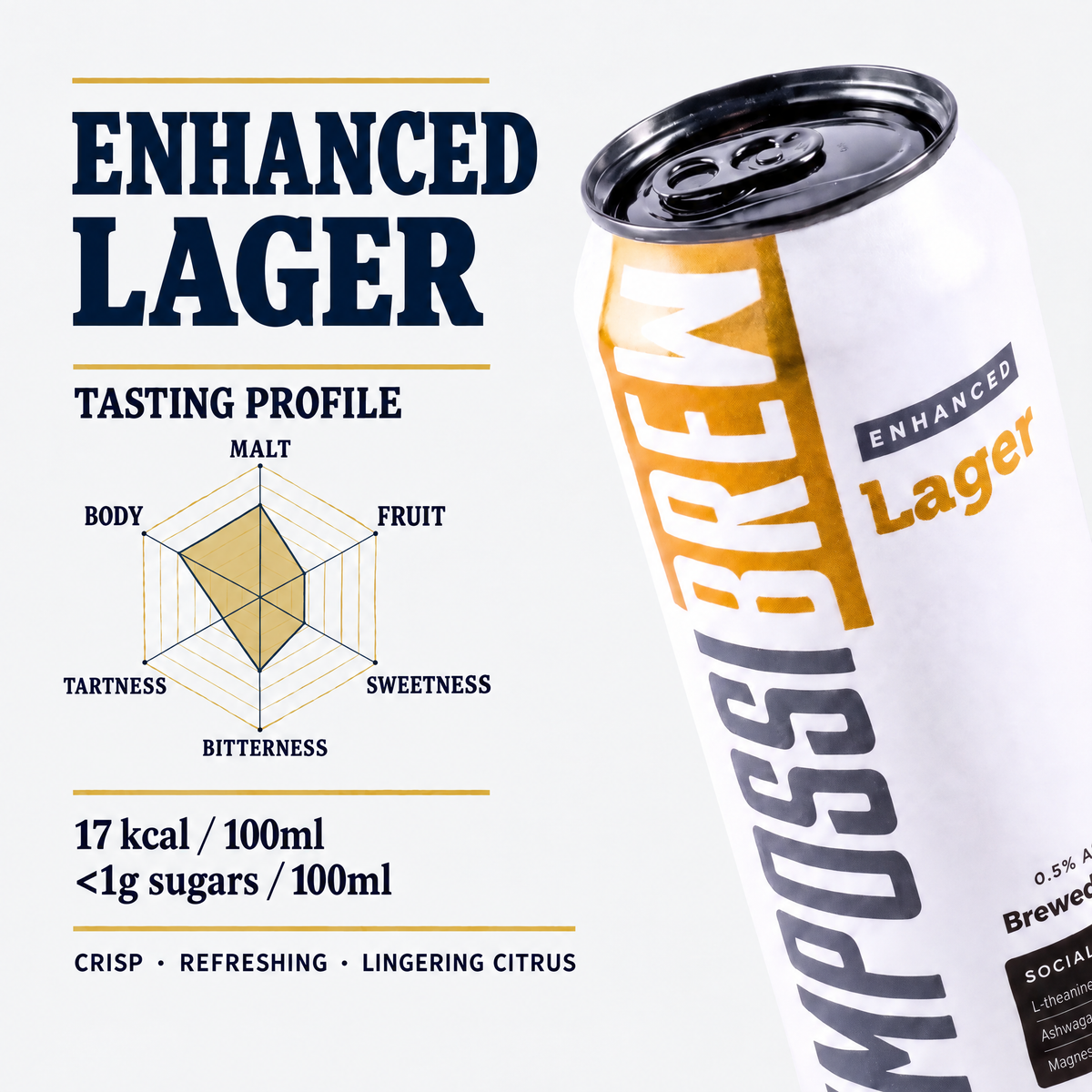
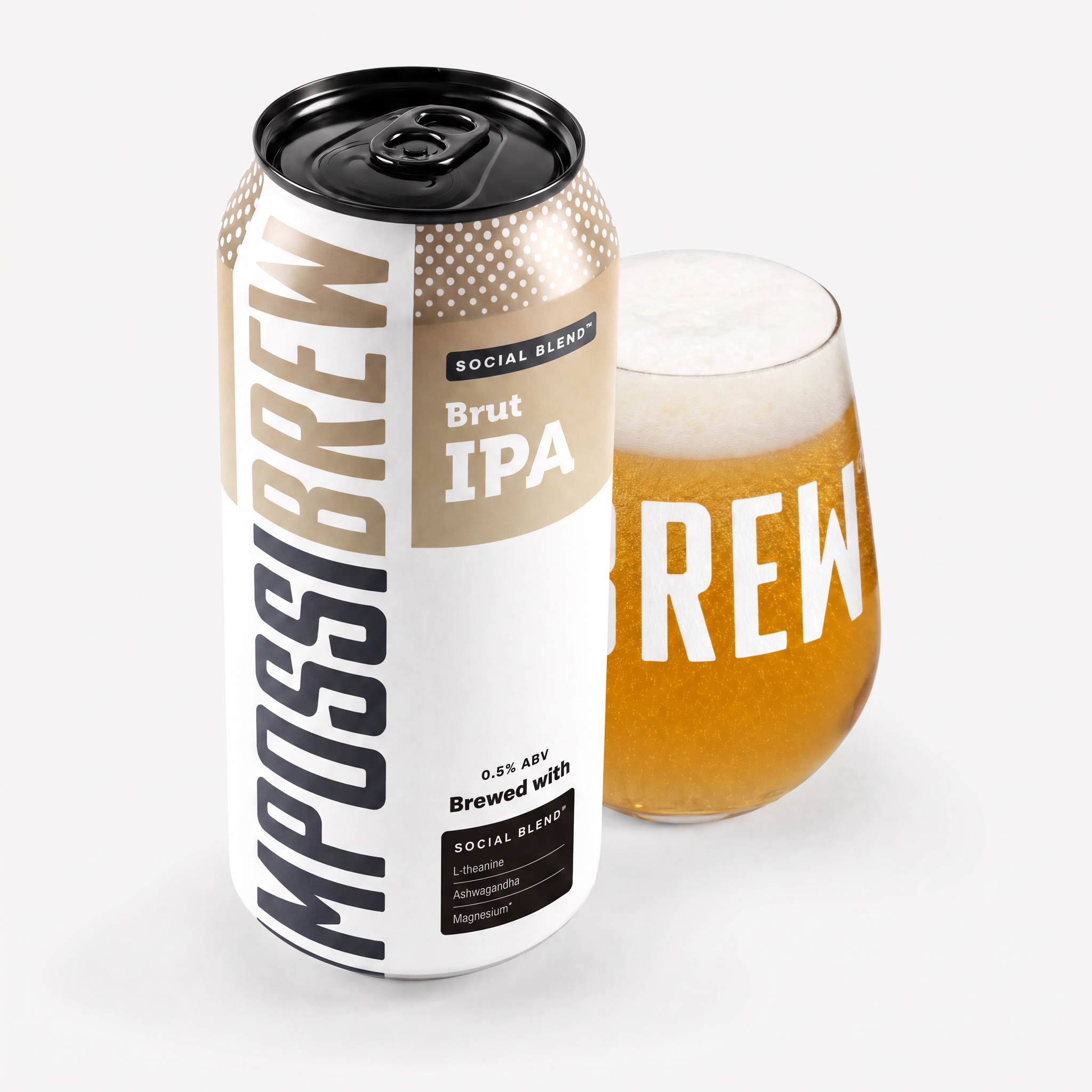
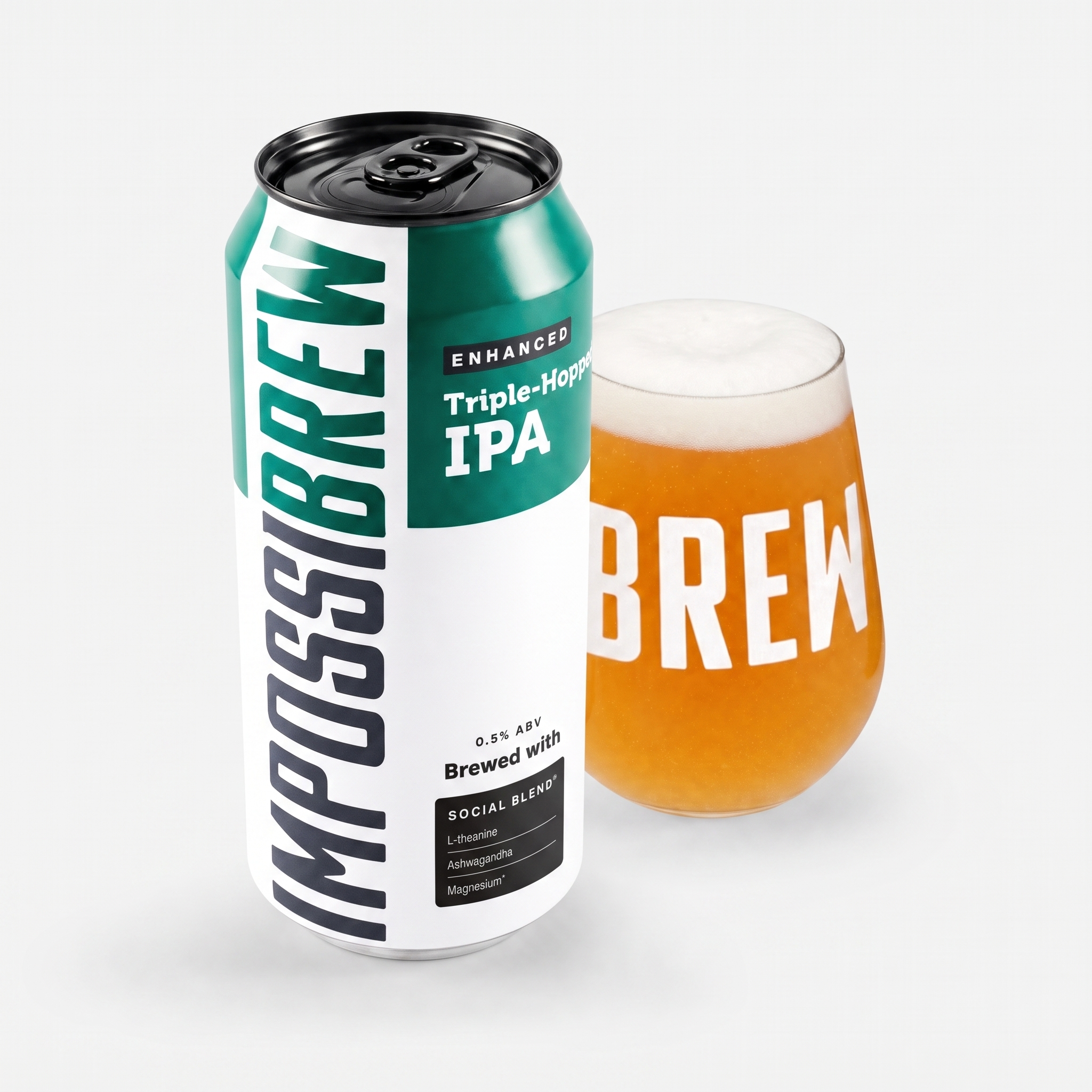
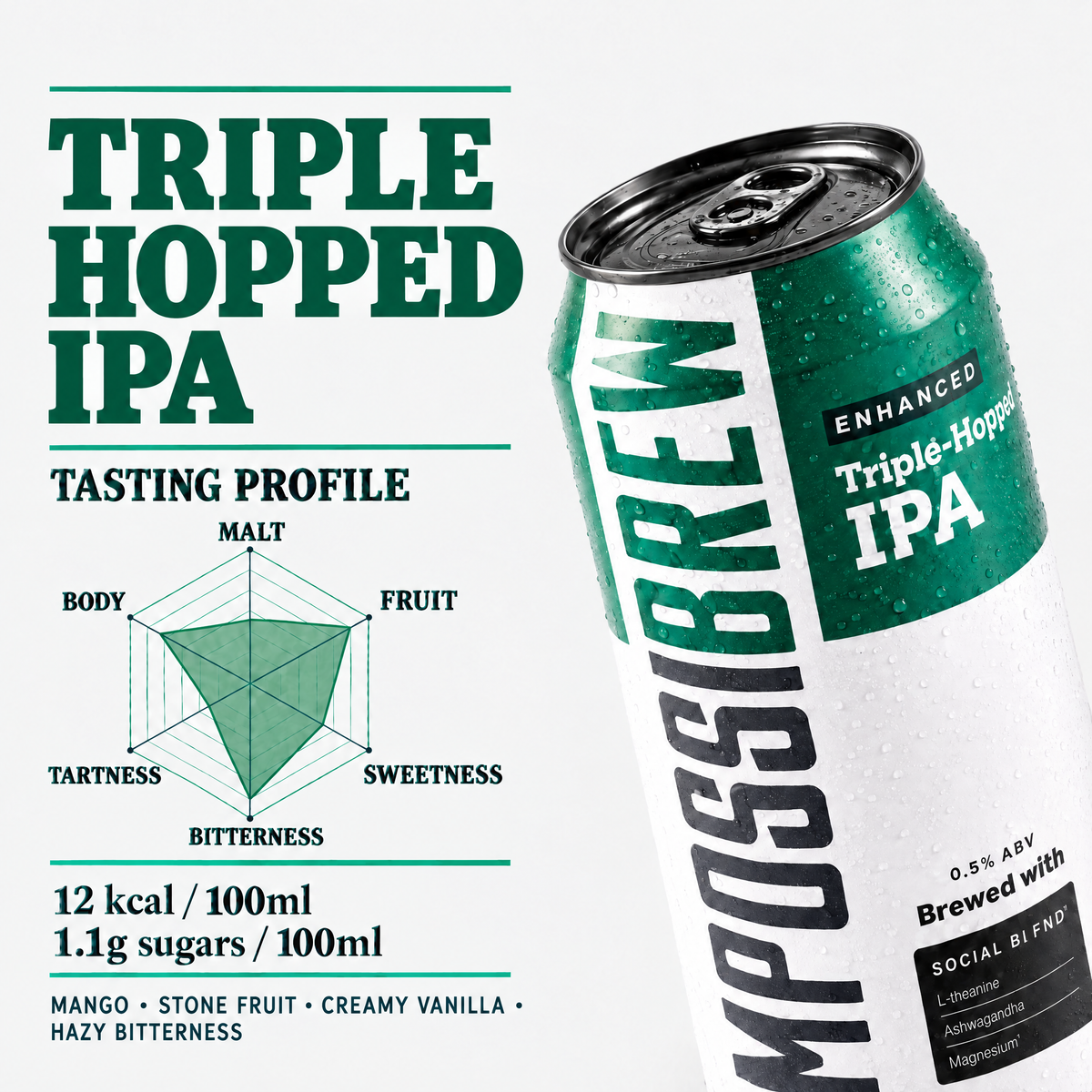
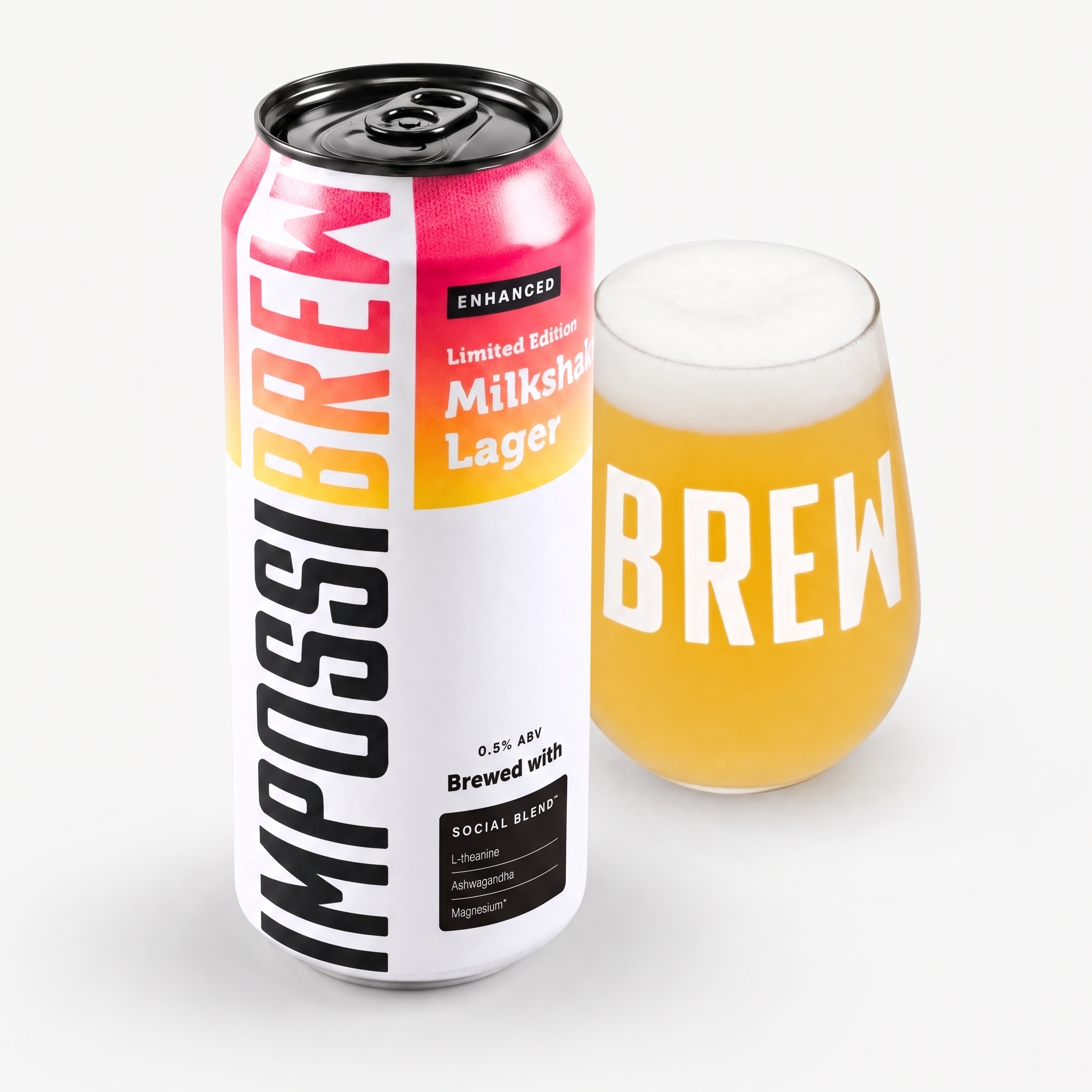
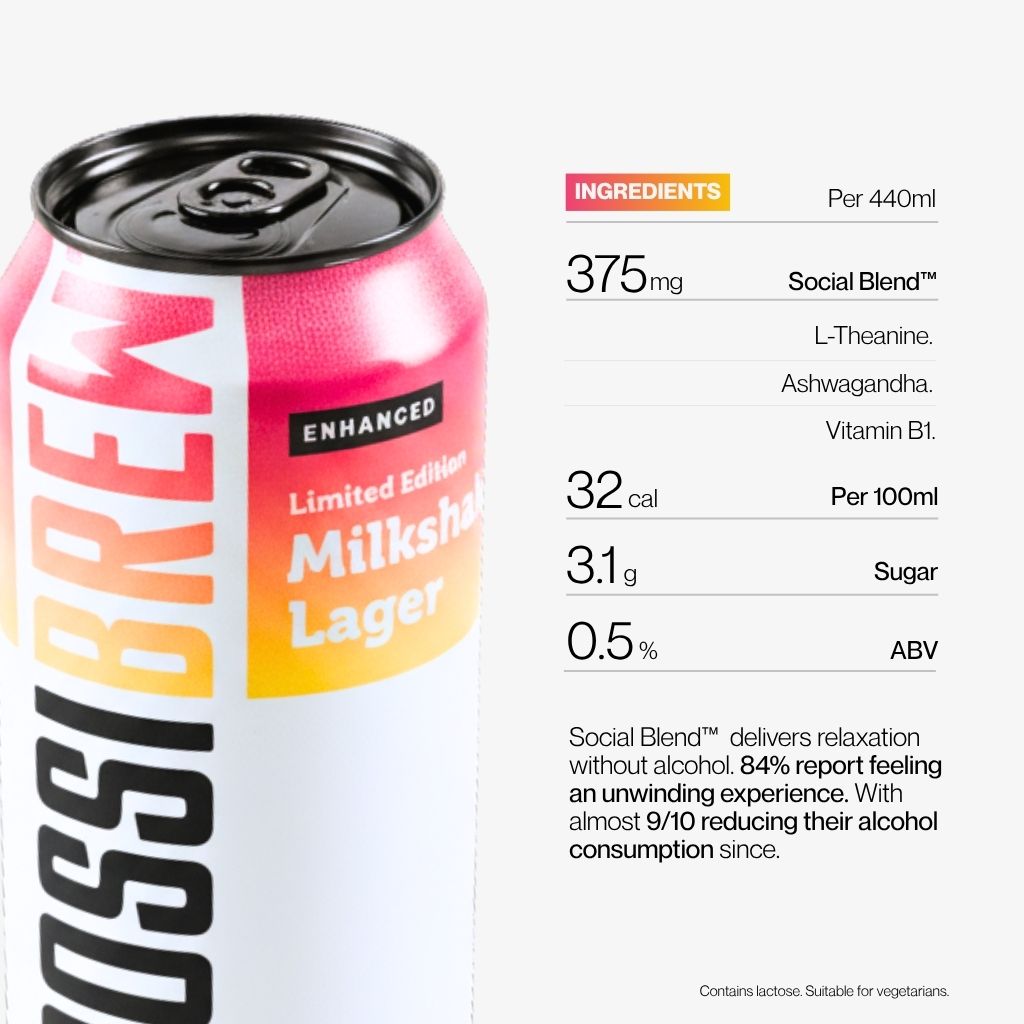
Take IMPOSSIBREW®, for example. This UK-based range of non-alcoholic beers is designed to replicate the relaxing experience of traditional beer - without the alcohol. Their Enhanced Lager and Enhanced Hazy Pale Ale feature a proprietary Social Blend™ with nootropic and adaptogenic ingredients aimed at promoting calm focus and social ease. These drinks may influence systems like GABA, serotonin, or dopamine [5][6].
IMPOSSIBREW® offers a low-calorie, vegan-friendly, and gluten-free option for evening relaxation. Enjoying one of these beverages during dinner or a social gathering can help establish a calming routine without the sleep disruptions or stress on peptide systems caused by alcohol. During the week, one drink as part of a consistent bedtime ritual can promote relaxation without grogginess the next day. On weekends, swapping some alcoholic drinks for non-alcoholic options can reduce the overall impact of alcohol on stress biology [4][6].
When choosing functional products, always check the label for evidence-based ingredients, proper dosing, and the absence of undeclared substances. Be mindful of potential interactions with medications or mental health conditions, and consult your GP or pharmacist if needed. While these products can complement healthy habits, they should not replace essentials like quality sleep, regular exercise, therapy, and medical care [3][4][5][6].
Safety and Research on Peptides for Stress
Current Research and Limitations
Research into peptides that could help manage stress is advancing, but it’s still in its early days. Studies highlight the role of natural neuropeptides like neuropeptide Y (NPY) and corticotropin-releasing factor (CRF) in regulating stress, mood, and anxiety. However, most of the evidence for synthetic or modified peptides remains confined to animal studies or small-scale human trials [4][3].
Animal research has shown some intriguing results. For instance, the peptide DEETGE-CAL-Tat was found to reduce oxidative stress in the hippocampus and improve cognitive function in rats following brain injuries [2]. These findings hint at how peptides might protect the brain and manage stress responses, but they’re far from being ready for practical, everyday use.
Synthetic peptides like Selank and Semax are often marketed for stress relief and cognitive enhancement, but the science behind them is limited. Most of the data comes from small, regional studies with inconsistent protocols [5][6]. Large-scale, long-term trials are still lacking, making it difficult to apply these findings to the general UK population.
The complexity of peptide signalling also complicates matters. Peptides can behave differently depending on the dose, receptor subtype, brain region, and a person’s unique background [4][3]. For example, while NPY is generally associated with reducing stress, increasing its levels after chronic stress in rats led to heightened fear responses and impaired memory extinction. More peptide isn’t always better [4].
Key challenges in current research include small sample sizes, inconsistent outcome measurements (such as varying anxiety scales and cortisol markers), and a lack of data on long-term safety or interactions with other treatments [4][5]. Until larger, more rigorous human studies are conducted, peptides for stress should be considered experimental rather than established therapies.
Safety Considerations
While the potential of peptides is exciting, safety must remain a top priority. Many peptide products sold online or through wellness clinics aren’t licensed medicines in the UK and may fall outside the Medicines and Healthcare products Regulatory Agency (MHRA) oversight. Injectable peptides, in particular, pose risks since they’re often unlicensed, with no guarantees about their quality, purity, or accurate dosing [6]. Self-injecting without medical supervision can lead to infections, dosing errors, and hormonal imbalances.
Certain individuals should avoid stress-modulating peptides unless under strict medical supervision. This includes people who are pregnant or breastfeeding, or those with bipolar disorder, psychosis, severe depression, uncontrolled hypertension, endocrine disorders (like thyroid or adrenal issues), autoimmune diseases, or a history of strokes or heart problems [4][3]. Peptides can interact with hormonal and inflammatory pathways, potentially worsening symptoms or interfering with current treatments.
Peptides may also interact with medications like SSRIs, benzodiazepines, blood-pressure drugs, and other nootropics, increasing risks like over-sedation, agitation, or blood-pressure changes [7][5][6]. If you and your doctor decide to try a peptide-based treatment, it’s important to set a clear trial period - typically four to eight weeks - and monitor progress using validated tools like anxiety scales, sleep quality assessments, or biomarkers such as cortisol levels [4][3]. Be prepared to stop immediately if severe side effects occur, such as suicidal thoughts, mood swings, palpitations, or allergic reactions [7][5].
Before starting any peptide product, provide your GP or specialist with a complete list of your medications, supplements, mental-health history, substance use, and any hormonal or autoimmune conditions [7][5]. Bring detailed product information, including ingredients and dosage, and ask if there’s solid evidence supporting its use in humans. Your doctor can also advise whether safer, licensed alternatives - such as therapy, standard medications, or lifestyle changes - might be more appropriate [4][3].
Assessing Peptide Products
Given the complexity of how peptides influence stress, it’s crucial to scrutinise product formulations carefully. Many products marketed for stress relief or cognitive enhancement make bold claims without sufficient evidence to back them up.
A trustworthy product should clearly list the specific peptides, their doses, and references to human studies. Be wary of vague proprietary blends that don’t disclose quantities or rely on flashy marketing [5][6]. Look for independent quality checks, such as third-party testing for contaminants, and ensure the product complies with UK regulations for food or medicines [7][5].
In the UK, a product’s regulatory status is also important. Check whether it’s classified as a licensed medicine, medical device, or food supplement under MHRA or Food Standards Agency (FSA) guidelines. Be especially cautious with products making medical-sounding claims that aren’t supported by proper licensing. Many peptides sold online may not meet UK safety standards, so verifying compliance is essential [6].
For functional beverages marketed as relaxation aids, the considerations differ slightly. These products often combine herbal ingredients, nootropics, and amino acids rather than prescription-like peptides, and they’re regulated as foods. When evaluating these, check for a full list of active ingredients and an explanation of how they might promote relaxation - such as through GABA or serotonin pathways [7][5][6].
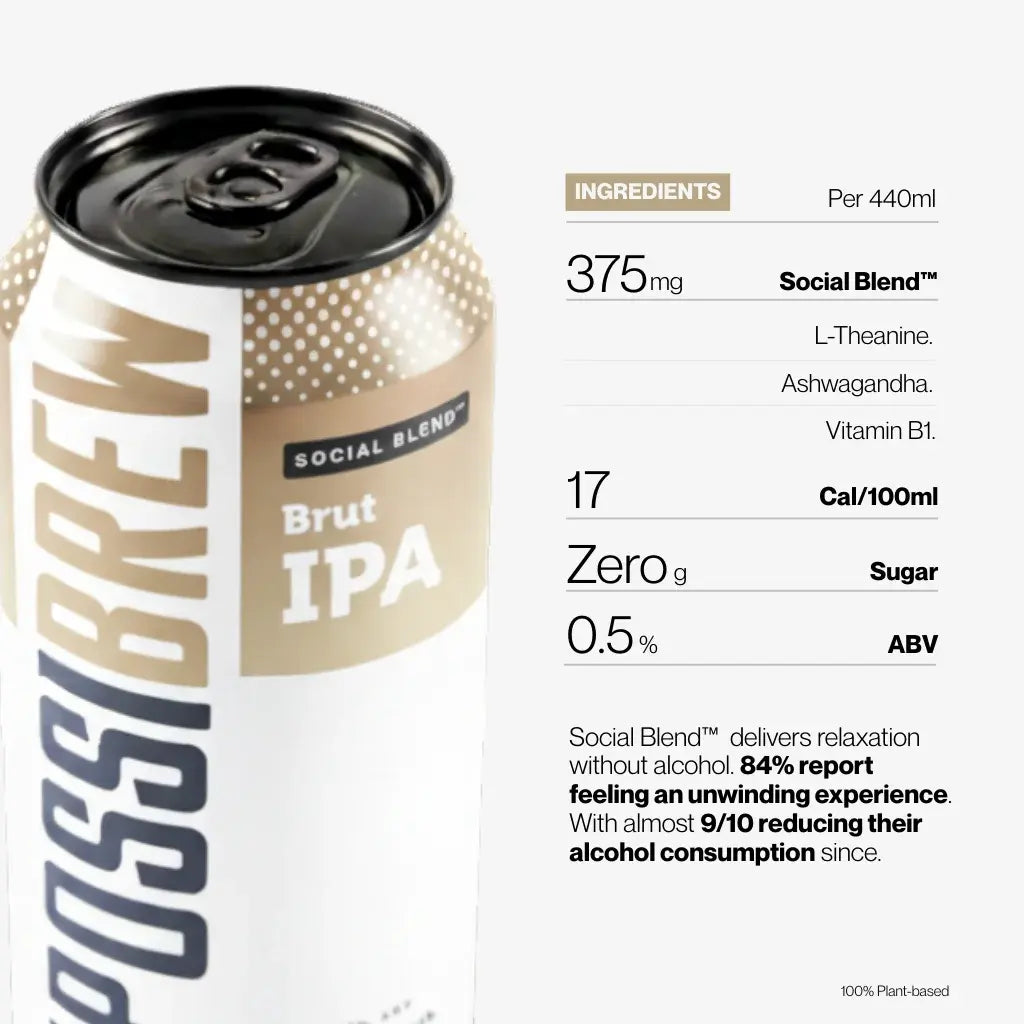
Take IMPOSSIBREW® as an example. This brand uses a proprietary Social Blend™ developed with Dr Paul Chazot, a bioscience professor at Durham University. The blend includes L-theanine, ashwagandha, plant fibres, vitamin B1, and other extracts - ingredients with a longer history of human use compared to experimental peptides. They also provide research involving over 1,000 participants and clearly outline contraindications, such as avoiding the product if you’re pregnant, breastfeeding, or taking certain medications. This level of transparency is a good sign of reliability.
For products marketed as relaxation aids rather than clinical treatments, it’s important to see them as part of a broader stress-management plan. They should complement - not replace - core strategies like quality sleep, regular exercise, and, when needed, psychological therapies or prescribed medications [7][5].
While research into peptides for stress shows potential, these treatments are far from being routine options in the UK. Stick to evidence-based approaches, and if exploring over-the-counter products, prioritise those with solid human data - like L-theanine, magnesium, or well-studied herbal extracts - over experimental peptides [5].
Conclusion
Peptides play a key role in regulating the HPA axis, which connects the brain, pituitary, and adrenal glands, to help manage stress. Some peptides calm excessive levels of stress hormones like cortisol, while others support a balanced production of neurotransmitters - such as serotonin, dopamine, and GABA - that influence mood and anxiety. Additionally, certain peptides protect brain health by reducing inflammation and oxidative damage, aiding the brain's ability to adapt and recover.
The connection between the gut and the brain, known as the microbiota–gut–brain axis, highlights how gut peptides link diet to emotional well-being. A fibre-rich diet helps maintain a healthy gut microbiome, which in turn supports peptide signalling. While diet alone isn't a solution for anxiety or depression, it’s one factor within your control that can enhance resilience and overall mental health.
Healthy lifestyle habits also contribute to maintaining peptide balance. Quality sleep, regular physical activity, and mindfulness practices all play a role in supporting stress-related peptides. Reducing inflammation through good rest, staying active, and limiting ultra-processed foods and smoking further strengthens your body’s natural defences.
For added relaxation, functional beverages can be a helpful part of your routine. Drinks with scientifically supported calming ingredients can complement other relaxation strategies. For instance, IMPOSSIBREW® offers non-alcoholic beers enhanced with a proprietary Social Blend™ that mimics some of alcohol’s relaxing effects without the negatives. Their options, like the Enhanced Lager and Enhanced Hazy Pale, are low in calories, vegan-friendly, and available from £1.97 per can (under 0.5% ABV). These beverages can fit into a balanced approach to relaxation, alongside social activities and enjoyable movement.
While early research on peptides is encouraging, most interventions are still in the experimental stage due to limited long-term human data. Avoid self-prescribing injectable or research-grade peptides, and be wary of unregulated online products. Always consult a qualified healthcare professional, particularly if you have pre-existing mental health conditions, are on medication, are pregnant, or have chronic illnesses. Peptide-based strategies should enhance - not replace - established treatments.
When exploring peptide-based or peptide-inspired products in the UK, focus on those with transparent ingredient lists, clear explanations of how they work, and references to peer-reviewed research. As UK regulations surrounding supplements and peptide products continue to evolve, taking an informed and cautious approach, with professional guidance, is essential.
Understanding how peptides influence stress can help you make better decisions about your sleep, diet, exercise, and relaxation habits. Build a well-rounded relaxation toolkit with mindfulness, social connections, physical activity, and, if you choose, functional beverages like IMPOSSIBREW®. Above all, consistent and healthy habits, combined with professional advice when needed, form the cornerstone of effective stress management.
If you experience persistent symptoms - such as chronic insomnia, panic attacks, difficulty with daily tasks, or thoughts of self-harm - reach out to a GP or mental health professional without delay.
FAQs
How do peptides help regulate stress through the HPA axis?
Peptides are crucial in managing stress as they directly affect the hypothalamic-pituitary-adrenal (HPA) axis, which serves as the body's main stress response system. Some peptides help regulate the release of cortisol - commonly known as the stress hormone - encouraging feelings of calm and stability.
These peptides work by interacting with specific receptors in the brain, aiding relaxation and enhancing the body's ability to cope with stress. This has made them an intriguing focus for research into natural ways to manage stress effectively.
Are there any risks or side effects associated with using peptides to manage stress?
The idea of using peptides to help manage stress is gaining attention, but it’s crucial to tread carefully. While these compounds might have some promising effects, they’re not without potential downsides. The impact can vary based on the specific peptide, how much is used, and how an individual’s body reacts. Some typical concerns include allergic reactions, stomach issues, or even interactions with other medications you might be taking.
If peptides are on your radar, make sure to speak with a qualified healthcare professional first. They can help determine whether these products are safe and appropriate for you. Stick to products from trusted sources and always follow the recommended usage guidelines to keep risks to a minimum.
How can diet and exercise naturally support stress-regulating peptides?
Diet and exercise are powerful allies when it comes to supporting the body's stress-regulating peptides, as they contribute to overall brain and body health. A well-rounded diet packed with omega-3 fatty acids, antioxidants, and essential vitamins can help keep your brain functioning at its best while boosting the production of peptides that manage stress. Think of foods like oily fish, nuts, seeds, and leafy greens as your go-to choices for this.
On the exercise front, regular physical activity - particularly aerobic workouts like walking, cycling, or swimming - can trigger the release of endorphins and other mood-enhancing peptides. These activities not only help lower stress levels but also improve sleep quality and reduce cortisol, the hormone often linked to stress. By pairing a nutrient-rich diet with consistent physical activity, you set the stage for a healthier, more resilient stress response system.