Non-alcoholic drinks are changing the way people socialise in the UK. With 38% of people now choosing low- or no-alcohol options at gatherings, venues are offering more premium alcohol-free beverages to cater to evolving preferences. Younger generations, especially those aged 18–34, are leading this shift, focusing on meaningful connections rather than heavy drinking. This trend is creating social spaces where everyone, including non-drinkers, can feel comfortable.
Key takeaways:
- Non-drinkers face challenges: Traditional venues often leave them with poor drink options, social pressure, or exclusion.
- Demand is growing: Sales of non-alcoholic drinks in venues rose 32% in 2023, driven by health-conscious and sober-curious individuals.
- Functional drinks lead the way: Brands like IMPOSSIBREW® offer alternatives that mimic the relaxing effects of alcohol without its drawbacks.
- Venues benefit: Offering diverse alcohol-free options increases sales, attracts new audiences, and improves social experiences.
Non-alcoholic drinks are not just an alternative - they’re reshaping how people connect, making social spaces more welcoming for all.
Bars Without Alcohol? Inside The Growing ‘Sober Curious’ Trend | TODAY
Problems with Alcohol-Only Social Spaces
Even with the growing trend of mindful drinking, many venues across the UK still prioritise alcohol, leaving those who avoid it feeling sidelined. This exclusion goes beyond simply missing out on events - it impacts social connections, career opportunities, and the sense of belonging that comes with being part of a community.
Pressure to Drink and Social Expectations
For a non-drinker, stepping into a typical British pub or bar can feel like walking into a room full of unspoken assumptions. The expectation that everyone drinks is so ingrained in UK culture that opting out often feels awkward and isolating.
Non-drinkers frequently find themselves having to explain or defend their choice, which can quickly sap the joy from socialising. Instead of enjoying the company of others, they’re often fielding intrusive questions about why they’re not drinking. This is especially challenging in a society where alcohol is deeply tied to bonding - whether it’s sharing a round, raising a glass for a toast, or unwinding with colleagues after work.
"Social judgement still surrounds non-alcoholic choices, even as more people moderate their drinking." - Heineken-commissioned anthropological study [7]
For those recovering from alcohol addiction, the pressure can be even more intense. They’re not just managing their recovery but also navigating social situations where they may feel judged or excluded. This constant need to justify their choices can lead to increased stress and a sense of isolation.
The discomfort of repeatedly explaining why they’re not drinking often leads people to avoid these venues altogether. By doing so, they miss out on community events, networking opportunities, and casual interactions that help build relationships. Researchers at the University of Manchester point out that UK social life is "overly reliant on alcohol-centred environments", leaving non-drinkers "left out to dry" [6].
This issue is further exacerbated by the lack of appealing options for those who choose not to drink.
Poor Options for People Avoiding Alcohol
When non-drinkers do venture into traditional venues, they’re often met with disappointing choices. The typical offerings - soft drinks, cordials, or overly sweet beverages - reinforce the idea that abstaining from alcohol means settling for less.
While others enjoy craft beers or elaborate cocktails, non-drinkers are left with a cola or orange juice, which only highlights their exclusion. This isn’t just a social issue; it’s a missed business opportunity. A Financial Times analysis revealed that venues with diverse alcohol-free menus saw sales increase by 15–20% year-on-year [3]. By sticking to basic soft drinks, many venues are not only alienating non-drinkers but also missing out on potential revenue.
Beyond the financial implications, the lack of sophisticated alternatives denies non-drinkers the shared experience of enjoying a thoughtfully crafted drink. This is particularly frustrating given the growing demand - 38% of people now choose low or no-alcohol versions of drinks at social gatherings [7].
The limited options don’t just diminish the experience; they also highlight the broader exclusion faced by certain groups.
Groups Left Out of Alcohol-Focused Venues
The reliance on alcohol-centred spaces disproportionately affects several groups, each with unique challenges:
- Pregnant and nursing women often find themselves with few appealing drink options, making social events uncomfortable or uninviting.
- People in recovery face significant hurdles, as alcohol-focused settings can trigger relapses and undermine their progress, yet they may still feel obligated to attend work or social events.
- Individuals on medication that interacts poorly with alcohol - such as antidepressants or blood thinners - must choose between risking their health or missing out entirely.
- Health-conscious individuals prioritising mental clarity or avoiding hangovers often feel out of place in venues centred around alcohol.
- Designated drivers play a crucial role in ensuring safe nights out but are frequently left with little more than water or sugary soft drinks.
- People whose religious or cultural practices discourage drinking must navigate spaces that assume alcohol is the norm.
The impact of this exclusion is far-reaching. Many of these individuals either avoid social venues altogether or feel pressured to compromise their health, recovery, or values just to fit in. This creates barriers not just in personal life but also in the workplace. Employees who don’t drink may skip team-building events or celebrations, which can lead to perceptions of disengagement. Missing out on these informal interactions can limit collaboration, promotions, and a sense of connection with colleagues.
Stronger social connections are linked to better mental and physical health, reduced loneliness, and greater civic engagement [6]. However, in the UK, much of this bonding happens in alcohol-focused settings, leaving non-drinkers with fewer opportunities to build these vital relationships. This creates a troubling divide: those who can’t or choose not to drink are often excluded from the very spaces where connections are formed.
The good news? It doesn’t have to be this way. With the rise of functional non-alcoholic beverages and venues that prioritise inclusivity, there’s a clear path forward - one where everyone, regardless of their drinking habits, can feel welcome and fully participate.
How Non-Alcoholic Drinks Change Social Venues
In response to the challenges posed by traditional alcohol-focused social spaces, many venues are reimagining their offerings by incorporating premium alcohol-free drinks. These forward-thinking establishments are reshaping the social experience, boosting their revenue, and making everyone feel included.
Making Non-Alcoholic Drinks the Norm
Breaking the stigma around choosing not to drink starts with treating alcohol-free beverages as equals. This means giving them the same thoughtful presentation as alcoholic drinks - think proper glassware, attractive garnishes, and prominent placement on menus. By doing so, venues send a clear message: opting out of alcohol is a respected choice.
This shift is already in motion. According to a 2023 Nielsen report, sales of non-alcoholic beverages in social venues have jumped by 32% year-on-year [3]. Venues embracing this trend report benefits beyond just catering to non-drinkers. Staff who actively recommend alcohol-free options help create an environment where everyone feels welcome.
Quality alcohol-free drinks also remove the need for awkward explanations. A YouGov survey revealed that 25% of people aged 18–34 prefer venues with high-quality non-alcoholic options [3]. Researchers at the University of Manchester have even suggested that creating more inclusive spaces for non-drinkers should play a role in the UK's alcohol harm-reduction strategy, advocating for alcohol-free events and venues [6].
Building Welcoming Spaces for Everyone
A diverse drink menu can completely transform the atmosphere of a venue, attracting a broader audience. By offering sophisticated alcohol-free options, venues appeal to groups often overlooked by traditional bars - health-conscious professionals, parents on a rare night out, those in recovery, designated drivers, and individuals whose cultural or religious beliefs discourage drinking.
The financial benefits are clear. Venues with expanded alcohol-free offerings report happier customers, more repeat visits, and a stronger connection to the growing market of people seeking low or no-alcohol alternatives. Beyond the numbers, these options create a sense of inclusivity that resonates with modern consumers.
Alcohol-free environments also tend to foster better social interactions. Without the distractions of heavy drinking, conversations improve, encouraging customers to return. This creates a positive cycle: better experiences lead to normalising alcohol-free choices. Operationally, venues benefit too - reduced security issues, lower stress for staff, and easier clean-up are just a few perks. Additionally, accessible non-alcoholic options enable employees to participate in team events, strengthening workplace connections.
This inclusive approach sets the stage for functional drinks to take centre stage.
What Functional Drinks Offer
Functional drinks are designed to mimic both the taste and the social relaxation of alcohol, minus the hangovers or health drawbacks.
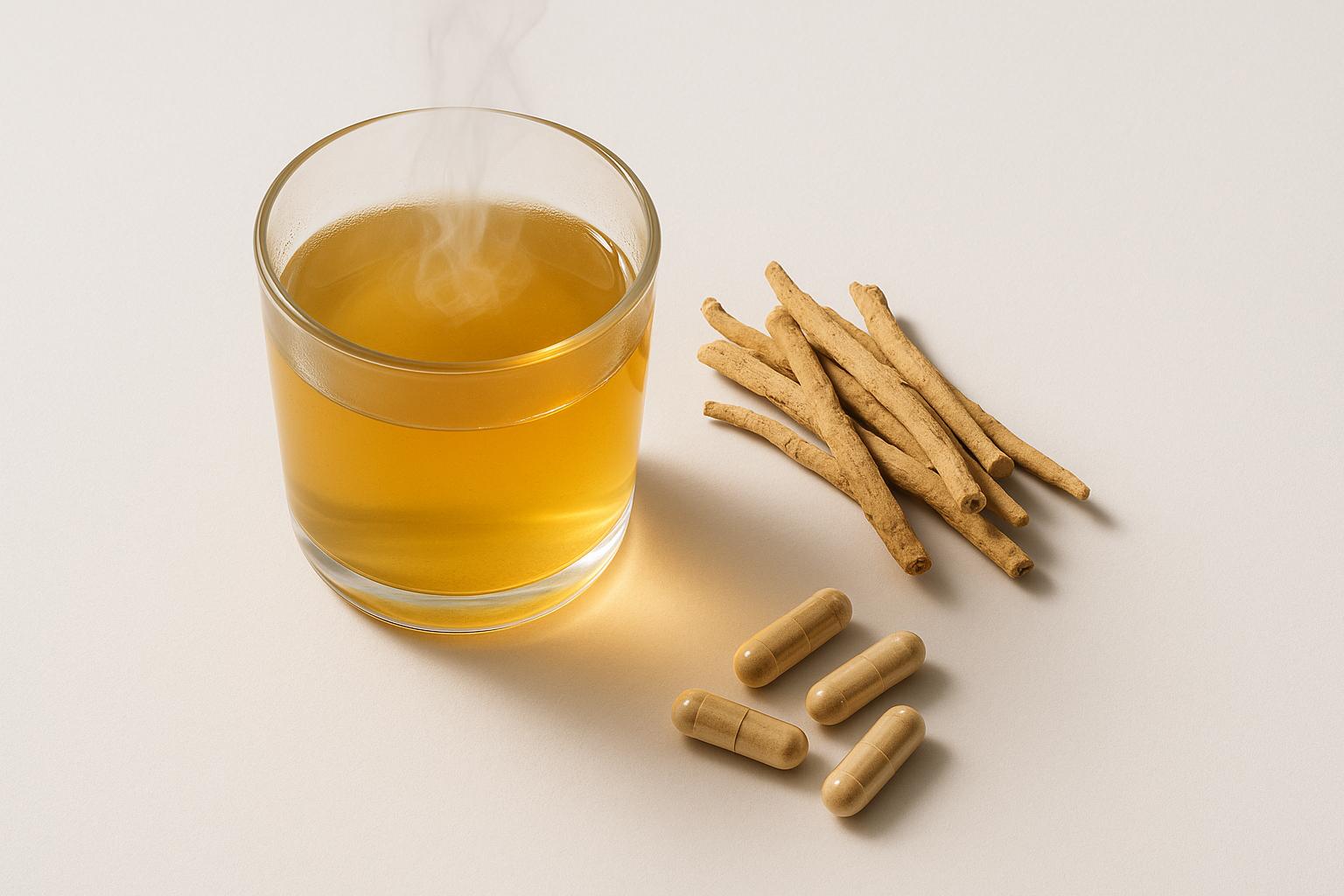
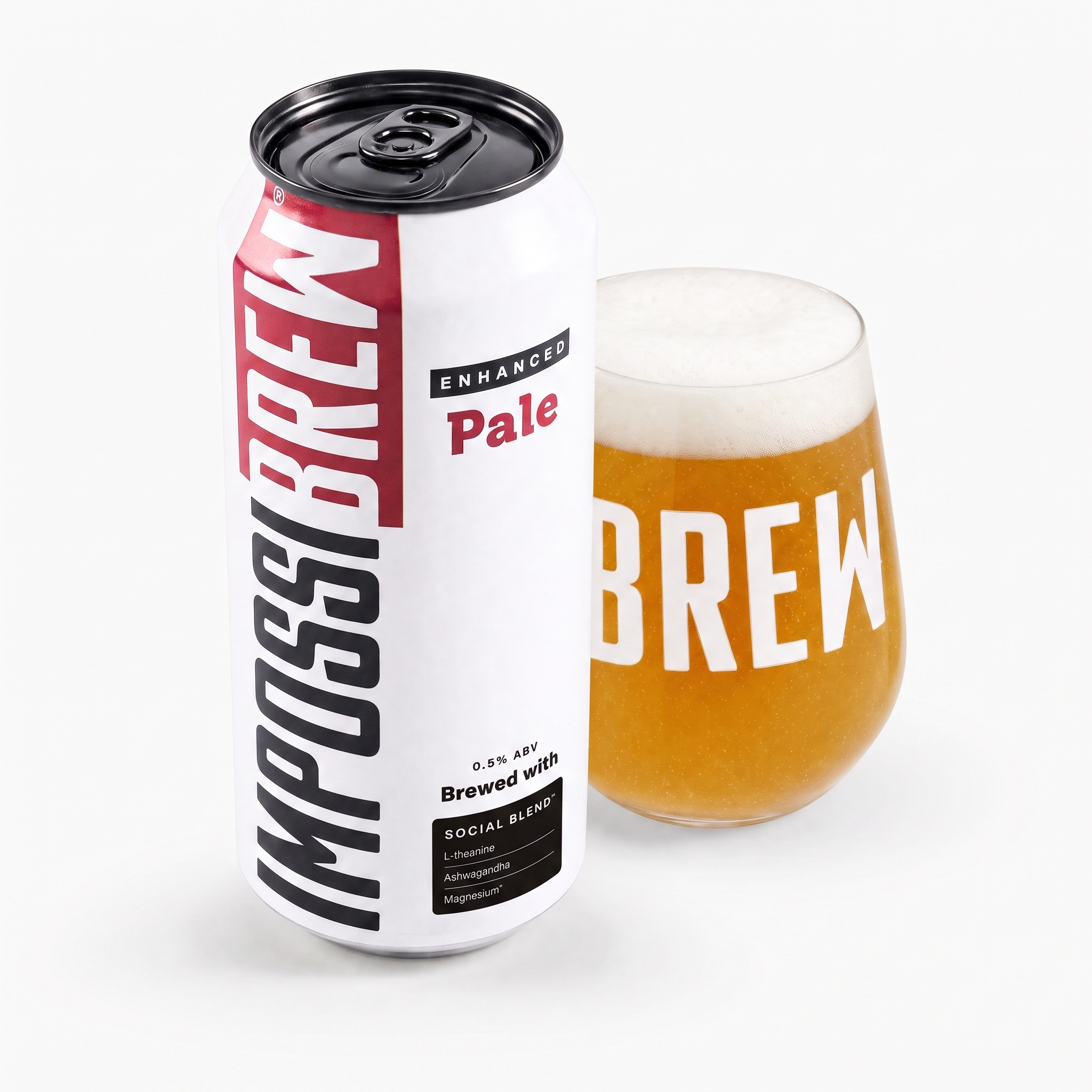
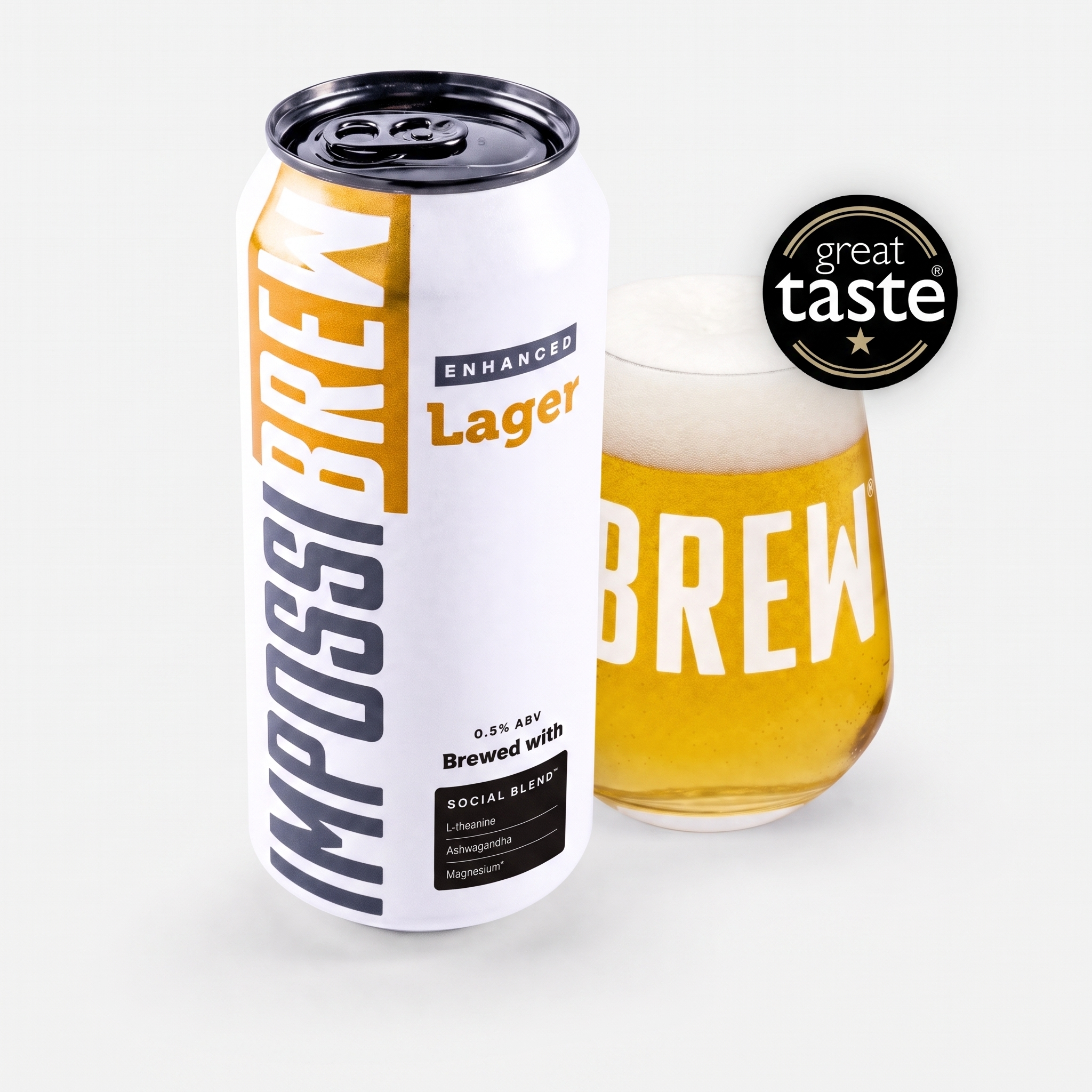
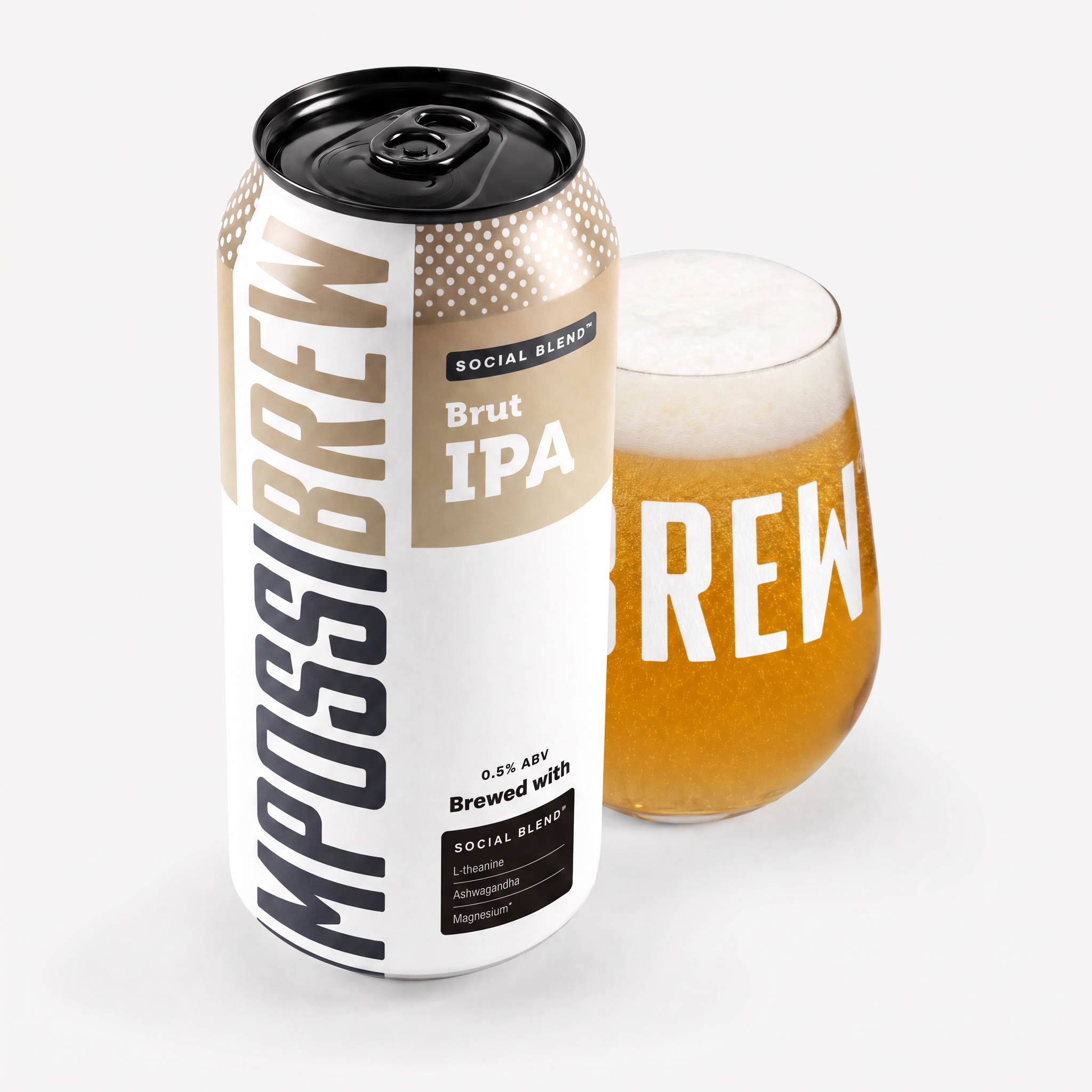
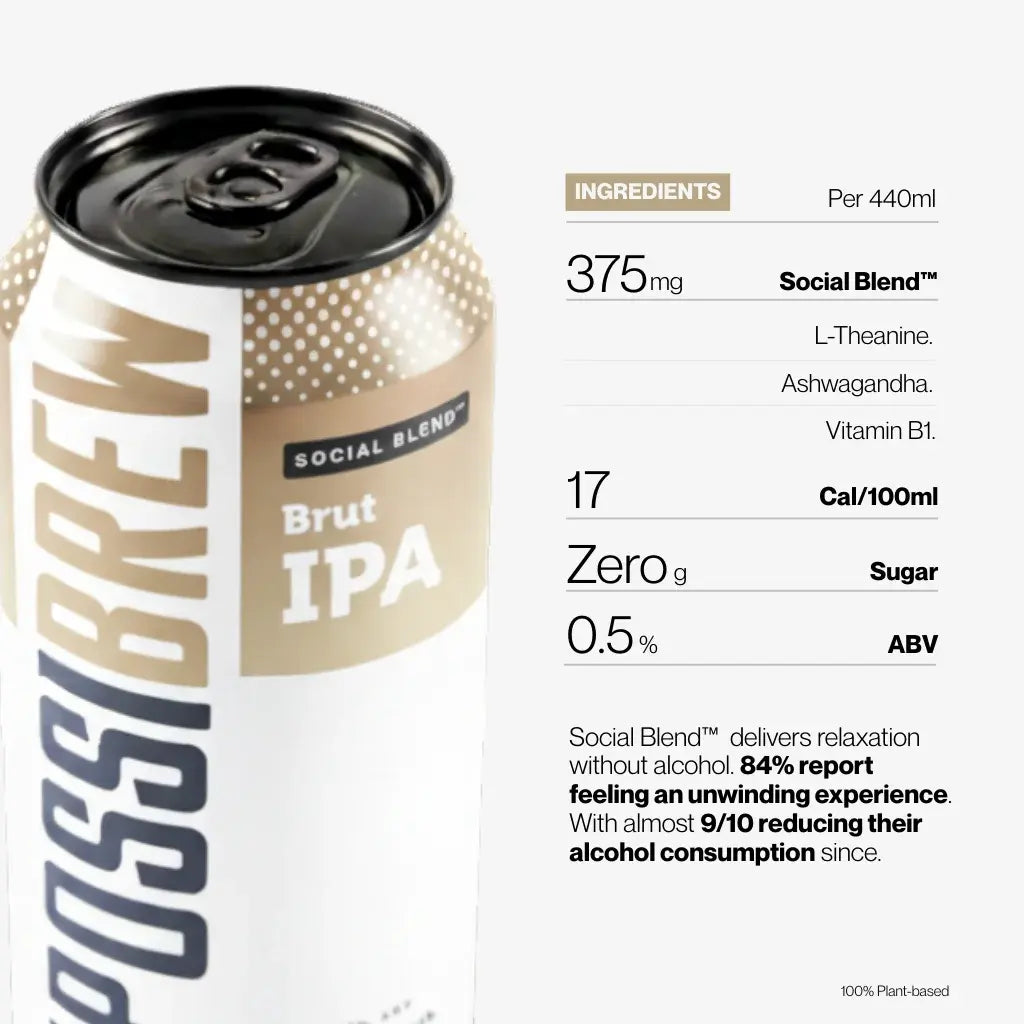
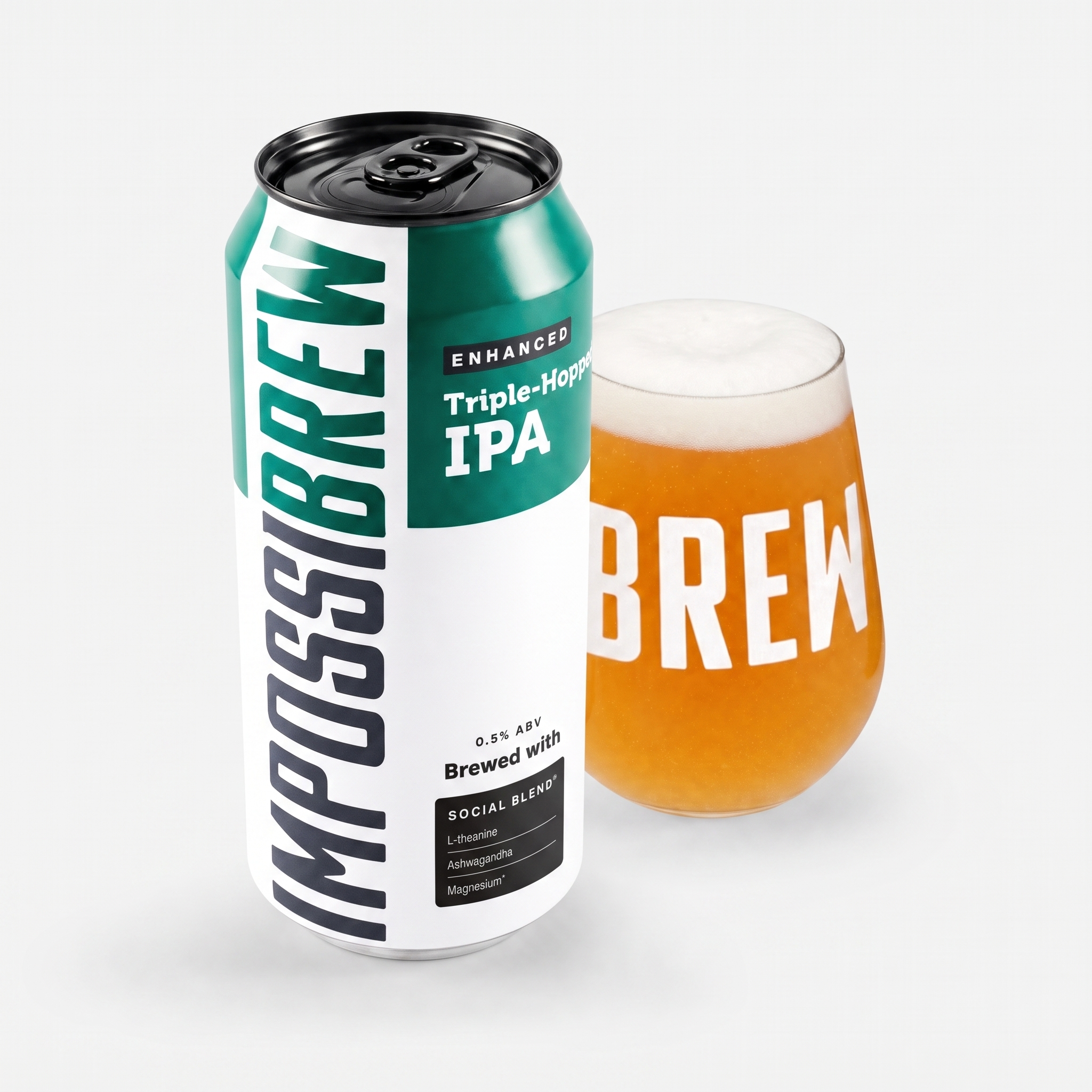
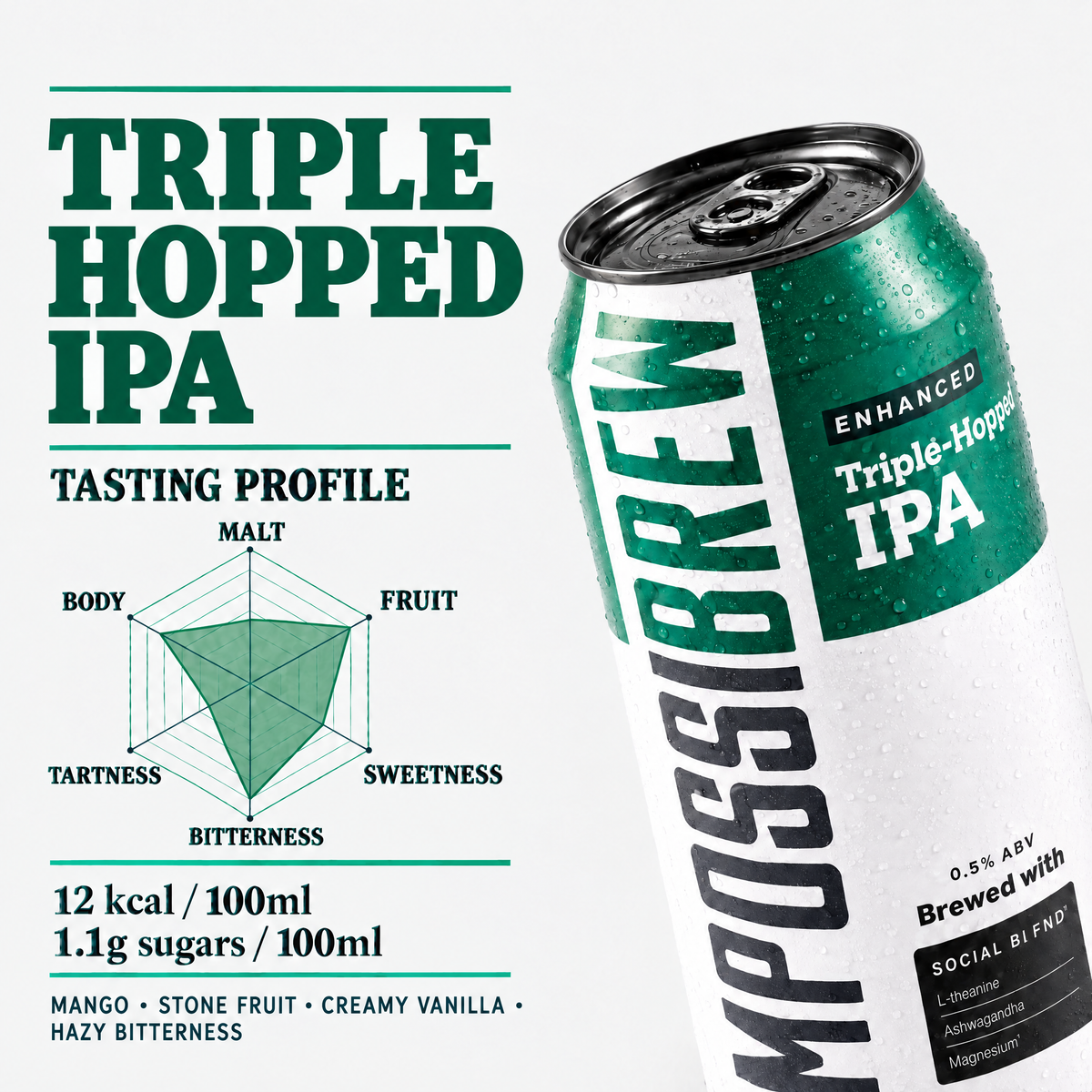
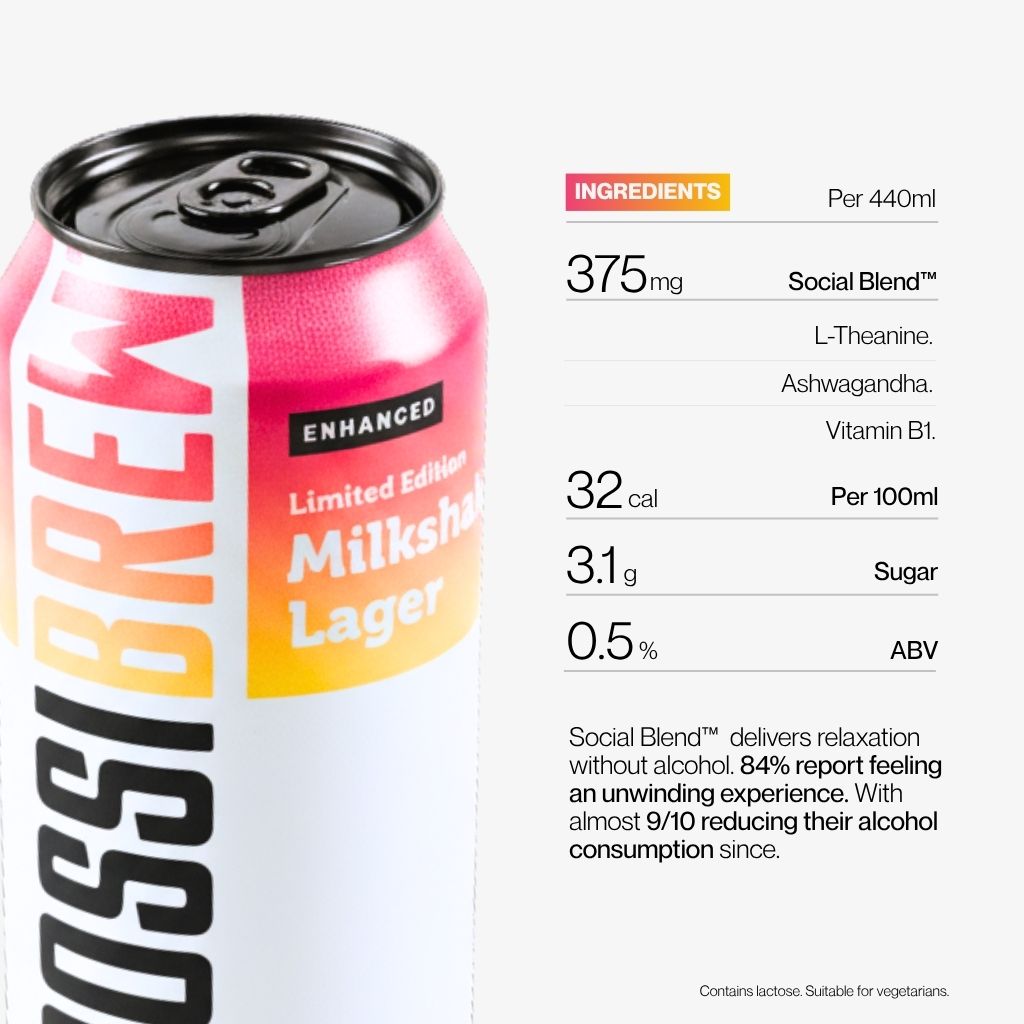
Take IMPOSSIBREW® as an example. Their enhanced beers, crafted with a proprietary Social Blend™, offer the sensory and social benefits of alcohol without the downsides. Developed with Dr. Paul Chazot, a Bioscience Professor at Durham University, these drinks combine nootropic and adaptogenic ingredients to promote relaxation, mental clarity, and an uplifted mood.
In a 2025 study involving over 2,000 participants, 84% reported feeling more relaxed after consuming Social Blend™, and 88% of IMPOSSIBREW® users reduced their alcohol intake after trying the product. Impressively, 75% of users described IMPOSSIBREW® as "the most complete alcohol alternative currently available on the market today" [1].
"We exist because we believe in a world where social connection doesn't demand compromise. Where being present with others doesn't mean being absent from yourself. Where letting go doesn't mean losing control." - IMPOSSIBREW® Philosophy
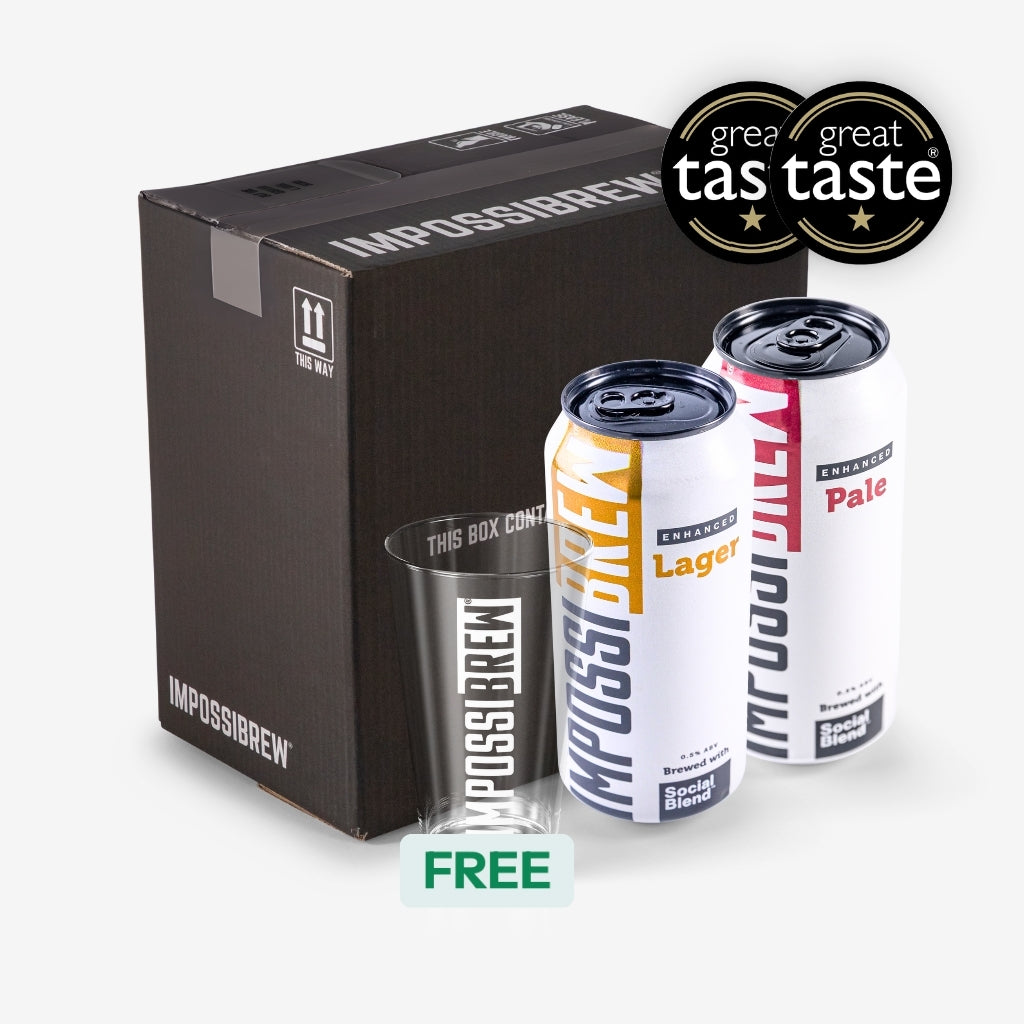
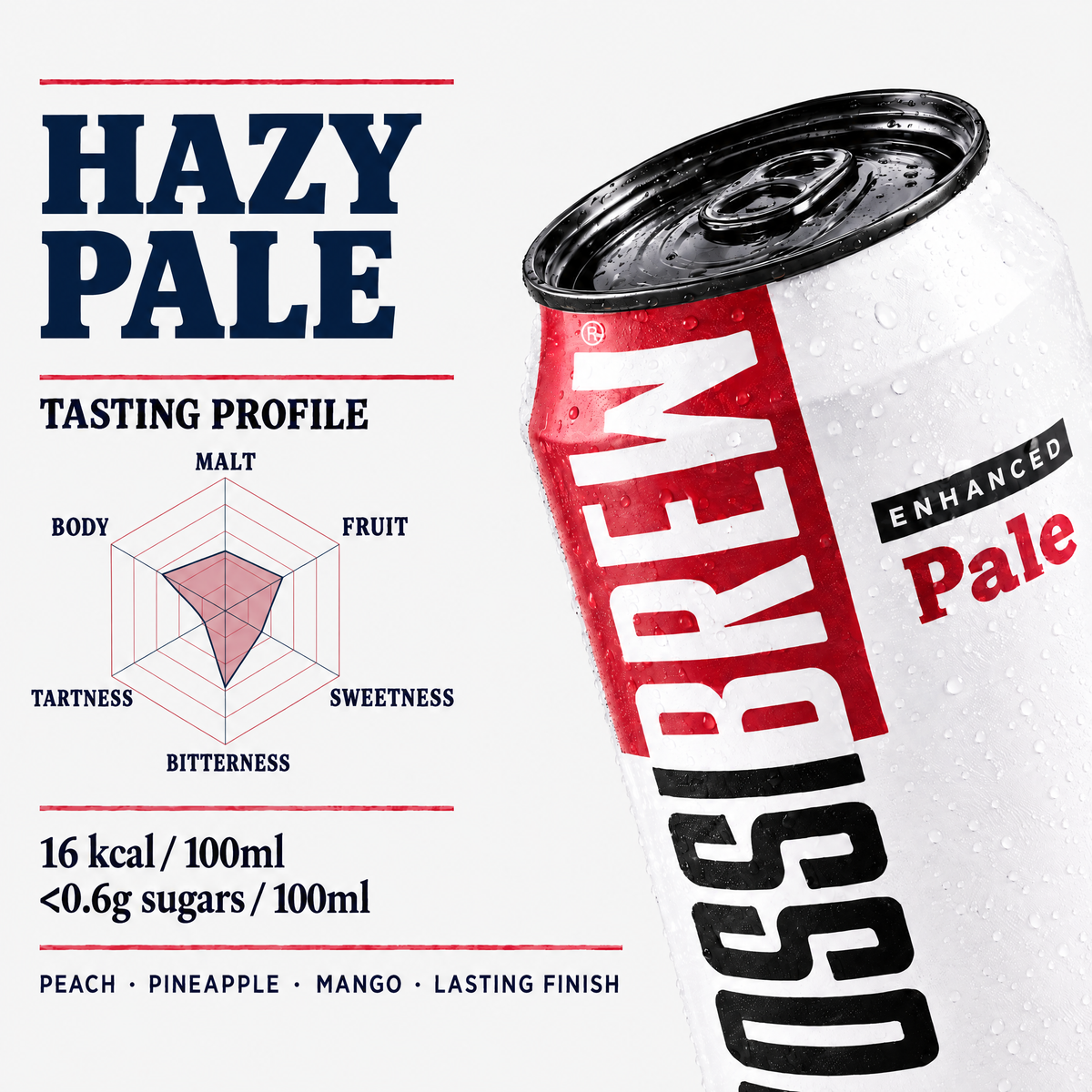
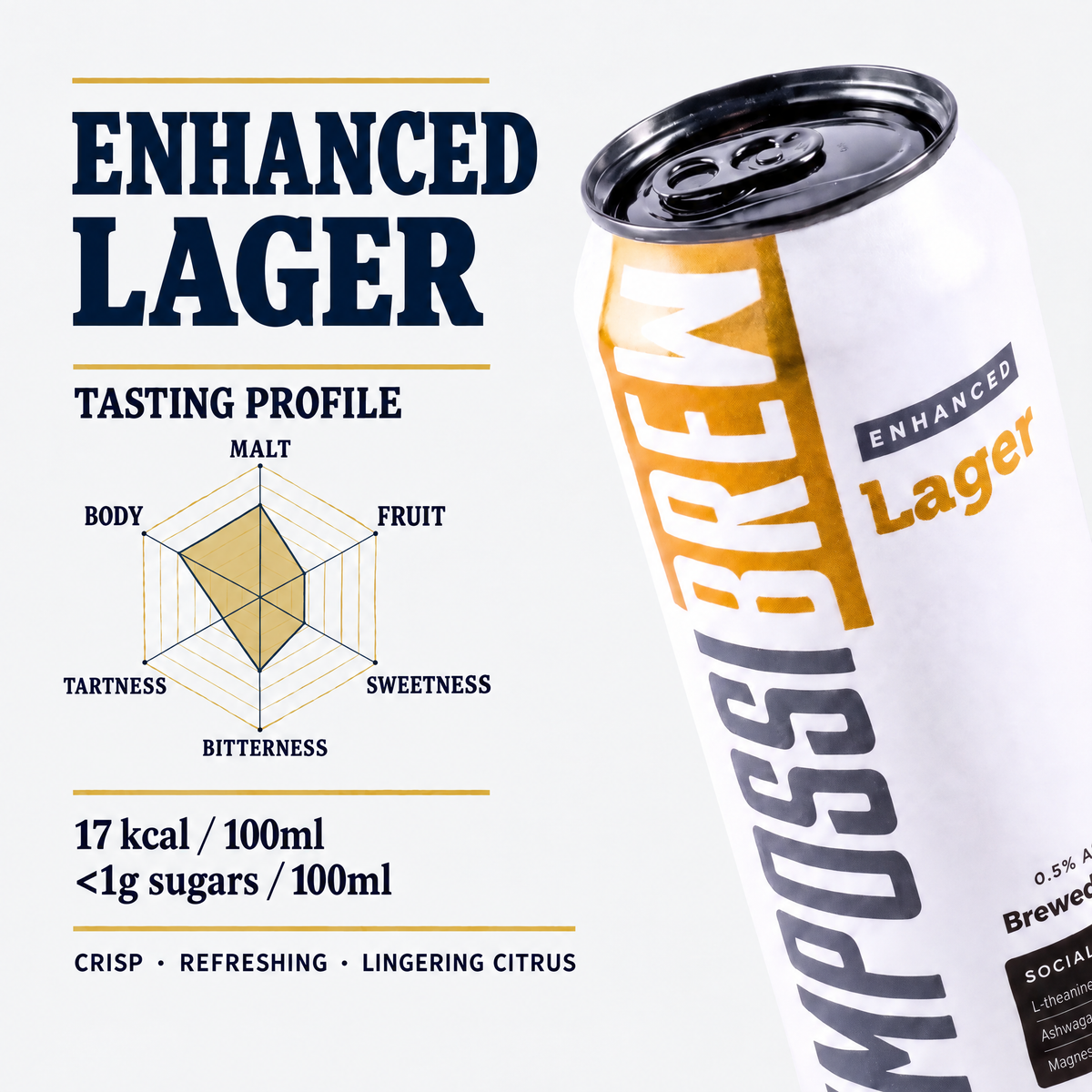
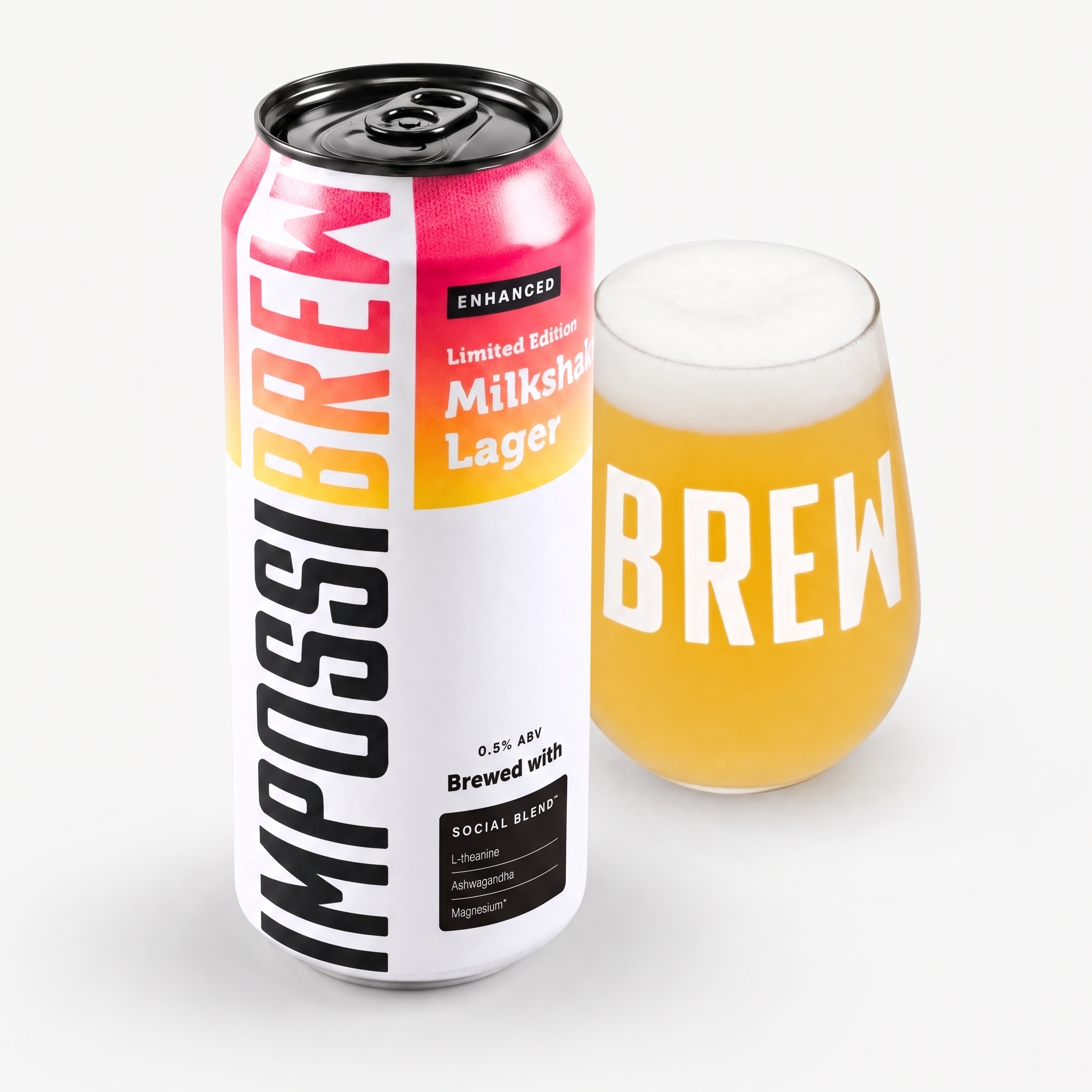
For venues, functional drinks offer non-drinkers an experience that stands shoulder-to-shoulder with traditional alcoholic options. Ordering an IMPOSSIBREW® Enhanced Lager or Hazy Pale means enjoying a drink that promotes relaxation and supports health goals, turning exclusion into participation.
The secret lies in their brewing process. Unlike watered-down or de-alcoholised alternatives, IMPOSSIBREW® uses a unique cryogenic fermentation method to achieve an authentic taste and mouthfeel comparable to full-strength craft beers. This dedication to quality has earned them accolades like "UK's Best Non-Alcoholic Beer" at the 2023 World Beer Awards for both their Lager and Pale Ale, along with the first-ever Gold Medal in the No/Low beer category from the London Beer Competition.
Introducing functional drinks allows venues to preserve cherished social rituals - raising a glass, enjoying complex flavours, and feeling at ease - without the usual compromises. Staff can confidently present these options as premium choices, shifting the conversation from "Why aren't you drinking?" to "What are you drinking?"
As moderation gains traction and the sober-curious movement grows, functional drinks like IMPOSSIBREW®’s enhanced beers offer a practical way for venues to stay ahead of social trends. These drinks go beyond accommodating non-drinkers - they create experiences that many customers actively seek, transforming social spaces into inclusive environments where everyone can connect.
sbb-itb-a752bf8
How Venues Can Offer Better Non-Alcoholic Options
Understanding the advantages of catering to non-drinkers is one thing, but putting it into practice is where many UK pubs, bars, and event spaces stumble. With just a few thoughtful changes, your venue can become a welcoming spot for everyone, growing your audience and boosting your revenue in the process.
Rethink Your Menu Design and Presentation
How and where you display non-alcoholic drinks on your menu can make or break their sales. If they're tucked away in a "soft drinks" section at the back, it sends a clear message: these options are an afterthought. This not only discourages sales but also perpetuates the stigma around choosing not to drink.
Instead, weave alcohol-free options into your main menu. Place 0.0% beers alongside craft lagers, alcohol-free cocktails next to their boozy counterparts, and drinks like IMPOSSIBREW® in the premium drinks section. Use consistent fonts, imagery, and design elements to show these choices are just as important as the rest.
Each drink should include its ABV and a brief flavour description, focusing on what makes it appealing rather than what it lacks. For instance, describing a drink as a "citrusy, bitter aperitif-style spritz" is far more enticing than simply labelling it a "mocktail". This way, customers can choose based on flavour and occasion, not just on what they’re avoiding.
Visibility matters too. Display non-alcoholic beers and spirits prominently on your back bar or in fridges. When eye-catching cans like IMPOSSIBREW® are placed alongside traditional beers, they naturally become part of the conversation. Studies consistently show that if customers can’t see an option, they’re unlikely to ask for it.
The Financial Times reports that bars with well-rounded alcohol-free menus have experienced a 15–20% increase in overall sales year-on-year [3]. With about half of UK adults now purchasing no- or low-alcohol drinks, it’s clear this is no longer a niche market [8].
A well-designed menu sets the tone, but the staff’s role is just as critical.
Equip Your Staff to Serve Non-Drinkers Confidently
Your team plays a huge role in making non-drinkers feel welcome, and this starts with proper training.
Focus on three key areas: product knowledge, service language, and real-world scenarios. Staff should know the flavour profiles, ingredients, and ABV of every non-alcoholic or functional drink, so they can recommend them with the same enthusiasm as they would a craft beer or fine wine [9][8]. For example, explaining that IMPOSSIBREW®'s Enhanced Lager includes a proprietary Social Blend™ with nootropic and adaptogenic ingredients can turn a simple suggestion into an exciting recommendation.
The language your team uses is equally important. Encourage them to offer non-alcoholic options proactively, such as asking, "Would you like to see our alcohol-free beers or cocktails too?" This normalises the choice and removes any awkwardness for the guest [4][7].
It’s also crucial to avoid phrases that might make someone feel singled out, like "Just water then?" Instead, train staff to respond with inclusive options like, "We have a great 0.0% pale ale, a botanical spritz, or classic soft drinks - what would you prefer?" This is particularly important for guests who might have personal, religious, or health reasons for not drinking.
Role-playing exercises can help staff practice handling sensitive situations, such as when a guest repeatedly declines alcohol or when one person in a group orders differently. The goal is to create a respectful, pressure-free environment where everyone feels equally valued.
With skilled staff in place, you can take inclusivity a step further by hosting events that celebrate all drinkers.
Host Events That Include Everyone
Once your menu is set and your team is trained, you can showcase your inclusive approach through creative events.
Mixed tasting nights are a great way to highlight both alcoholic and non-alcoholic drinks. Pair an IPA with a 0.0% enhanced pale ale or a gin and tonic with an alcohol-free botanical alternative [2][3][5]. This approach places alcohol-free drinks on the same level as their counterparts, rather than in a separate category.
Alcohol-light evenings, featuring only lower-ABV and 0.0% options, work well for live music nights, quiz events, or wellness-focused socials. Corporate and networking events are another strong opportunity; alcohol-free formats encourage productivity, inclusivity, and next-day focus [2][8][10]. According to the Royal Society of Chemistry, demand for alcohol-free drinks at events has surged, with some events seeing up to half of attendees choosing non-alcoholic options when quality choices are available [8].
Promote these events using inclusive language like "all drinkers welcome", and highlight your premium non-alcoholic options. This appeals to sober-curious individuals, designated drivers, and anyone looking for a different kind of social experience [2][3]. Family-friendly sessions during earlier hours can also attract a broader audience, offering 0.0% drinks for adults alongside soft drinks for children [2][3].
Measure your success by tracking sales of no- and low-alcohol drinks, gathering customer feedback through surveys or QR codes, and observing secondary benefits like fewer intoxication-related incidents or increased bookings from corporate groups [2][8]. These insights will help you refine your approach and demonstrate the value of investing in inclusive offerings.
The venues that truly thrive in today’s social scene won’t just add a token alcohol-free option. They’ll embrace non-alcoholic and functional drinks as an integral part of their offering, train their teams to serve all guests with enthusiasm, and create events where everyone feels at home. By doing so, they’ll set themselves apart as leaders in a changing market.
The Broader Effects of Non-Alcoholic Drinks on UK Culture
Non-alcoholic and functional drinks are reshaping how people socialise in the UK. What started as a niche interest has grown into a widespread movement, changing everything from pub culture to workplace events and family celebrations.
Changing UK Pub and Nightlife Culture
For decades, British pubs have been closely tied to alcohol, with socialising often revolving around drinking. Opting out of alcohol could feel awkward or invite questions. But times are changing. According to the Royal Society of Chemistry, about half of UK adults now buy no- or low-alcohol drinks [8]. A Heineken-backed study found that 38% of people choose low- or no-alcohol options at social events, showing that moderation is no longer a fringe idea - it's becoming mainstream [7].
Pubs and bars are embracing this shift, treating non-alcoholic drinks with the same respect as traditional options. Across the UK, alcohol-free bars and hybrid venues are gaining popularity, creating spaces where the focus is on connection, music, and atmosphere rather than drinking [2][9]. Among adults aged 18–34, 25% now prefer venues that serve high-quality non-alcoholic beverages [3]. Many people are also moderating their alcohol intake by alternating between alcoholic and non-alcoholic drinks or opting for 0.0% beers. Campaigns like Dry January and Sober October, along with the rise of "sober-curious" lifestyles, have helped normalise these choices.
Experts at the University of Manchester argue that alcohol-focused social norms can exclude non-drinkers and advocate for more alcohol-free events and spaces to create a fairer social environment [6]. Products like IMPOSSIBREW® highlight how this change is not only possible but also transformative. This evolution in nightlife is paving the way for a more inclusive and health-conscious social scene, with broader implications for public health and policy.
Health and Marketing Responsibilities
As these drinks become more popular, brands have a responsibility to market them transparently. Clear labelling is key - stating the alcohol content (e.g., 0.0% or <0.5%) and explaining functional ingredients in simple terms without making exaggerated health claims [7][2]. Menus and websites should also include allergen details and note whether products are vegan or gluten-free, helping consumers make informed choices [2].
Take IMPOSSIBREW® as an example. Its Social Blend™ is designed to mimic the sense of relaxation often associated with alcohol. In a 2025 study of over 2,000 participants, 84% reported feeling more relaxed after trying it [1]. However, responsible brands ensure their messaging is clear, noting that results can vary and avoiding any suggestion of intoxication or medical benefits.
Venues also play a vital role. Staff should be trained to answer questions about these drinks, avoid pressuring customers to try them, and ensure individuals in recovery are aware of potential triggers and the product's alcohol content before ordering [4][7]. The Royal Society of Chemistry recommends that event organisers prioritise non-alcoholic options, making them visible and varied rather than an afterthought [8]. This cultural change aligns with NHS goals to reduce alcohol-related harm, showing how inclusive social spaces can support public health initiatives [6].
What's Next for Social Drinking
The future of UK drinking culture is leaning towards more inclusive and health-conscious experiences. Alcohol-free and hybrid venues are growing, focusing on ambience, music, and activities while offering sophisticated non-alcoholic drinks [2][9]. Some venues are even trialling alcohol-light evenings, featuring only low-ABV and 0.0% options - ideal for events like live music nights, quizzes, or wellness-focused socials.
Workplaces are also rethinking how they organise social events. More UK employers are hosting alcohol-free or alcohol-optional networking events and celebrations to ensure inclusivity, reduce risks, and prioritise employee wellbeing [2]. These gatherings often include a wide range of non-alcoholic beers, wines, and functional drinks, making everyone feel welcome [2][4]. Similarly, families and community groups are shifting towards alcohol-free formats for celebrations, school events, and fundraisers, creating environments that work for parents, drivers, and those who avoid alcohol for personal or religious reasons [2][12]. As "mindful drinking" becomes the norm, people are setting personal limits that reduce alcohol-related incidents without losing the festive spirit [11][4].
For brands like IMPOSSIBREW® - named "UK's Best Non-Alcoholic Beer" by the World Beer Awards in 2023 and the most followed no/low alcohol brand on TikTok - the focus is on creating products that allow people to socialise without compromise [1]. Over 70% of its customers reported feeling relaxed after drinking it, and 95% recommended it to others. Three out of four customers even called it "the most complete alcohol alternative currently available on the market" [1].
Ultimately, the venues that succeed in this evolving landscape will be those that prioritise non-alcoholic and functional drinks as a central part of their offerings. By training staff to serve all guests with enthusiasm and hosting events that cater to everyone, these spaces are redefining what it means to socialise. The future of UK social drinking isn't about eliminating alcohol - it's about offering better choices for all.
Conclusion
Non-alcoholic drinks have stepped into the spotlight in the UK, becoming a key feature of how we gather, connect, and enjoy social moments. The growing focus on inclusion, choice, and wellbeing is transforming pubs, bars, workplaces, and community events. It’s proof that a welcoming atmosphere and thoughtfully crafted drinks are all it takes to create meaningful social experiences.
For UK venues, the takeaway is simple: non-alcoholic options should no longer be an afterthought. They deserve a prime spot on the menu, standing alongside traditional offerings. This shift isn’t just about keeping up with trends - it’s about staying relevant. Venues that embrace this change will naturally appeal to a more diverse audience.
Here’s how venue managers can take immediate steps to adapt:
- Review your menu: Ensure alcohol-free options are varied, visible, and priced fairly to reflect their value.
- Empower your staff: Train them to confidently recommend non-alcoholic choices, making these options feel as natural and appealing as any other.
- Host inclusive events: Try hosting a monthly alcohol-free or alcohol-light event, such as a tasting night, live music evening, or quiz, and use these opportunities to gather feedback and gauge interest.
For individuals, the flexibility has never been better. Whether you’re in the mood for a traditional drink or a high-quality non-alcoholic alternative, both choices now feel equally valid and socially accepted. Brands like IMPOSSIBREW® offer a way to enjoy the flavour and relaxation of beer without any of the drawbacks, keeping you engaged and present.
While some stigma and concerns over cost remain, the momentum is undeniable. A quarter of 18–34-year-olds now prefer venues offering premium non-alcoholic drinks [3]. The sober-curious and moderation movements are reshaping drinking habits, making mindful choices the new normal. Public-health experts and commentators argue that creating a more inclusive drinking culture will require not only better products but also thoughtfully planned alcohol-free or alcohol-light events.
This shift is already visible across the UK. Workplaces are introducing alcohol-optional networking events, families are opting for alcohol-free celebrations, and bars dedicated to non-alcoholic drinks are thriving. This isn’t a passing trend - it’s a meaningful change in how we approach socialising, health, and inclusion.
The venues and individuals that succeed in this evolving landscape will be those who see non-alcoholic drinks as more than just an option - they’re a way to redefine what it means to connect socially. The future of social drinking in the UK is about offering choices that let everyone feel included, without compromising on wellbeing or connection.
FAQs
How are non-alcoholic drinks reshaping social interactions in the UK?
Non-alcoholic beverages, like those crafted by IMPOSSIBREW®, are changing the way people connect in social settings. These drinks mimic the flavour and soothing effects of alcohol but skip the usual drawbacks, creating a more welcoming option for anyone choosing to avoid alcohol.
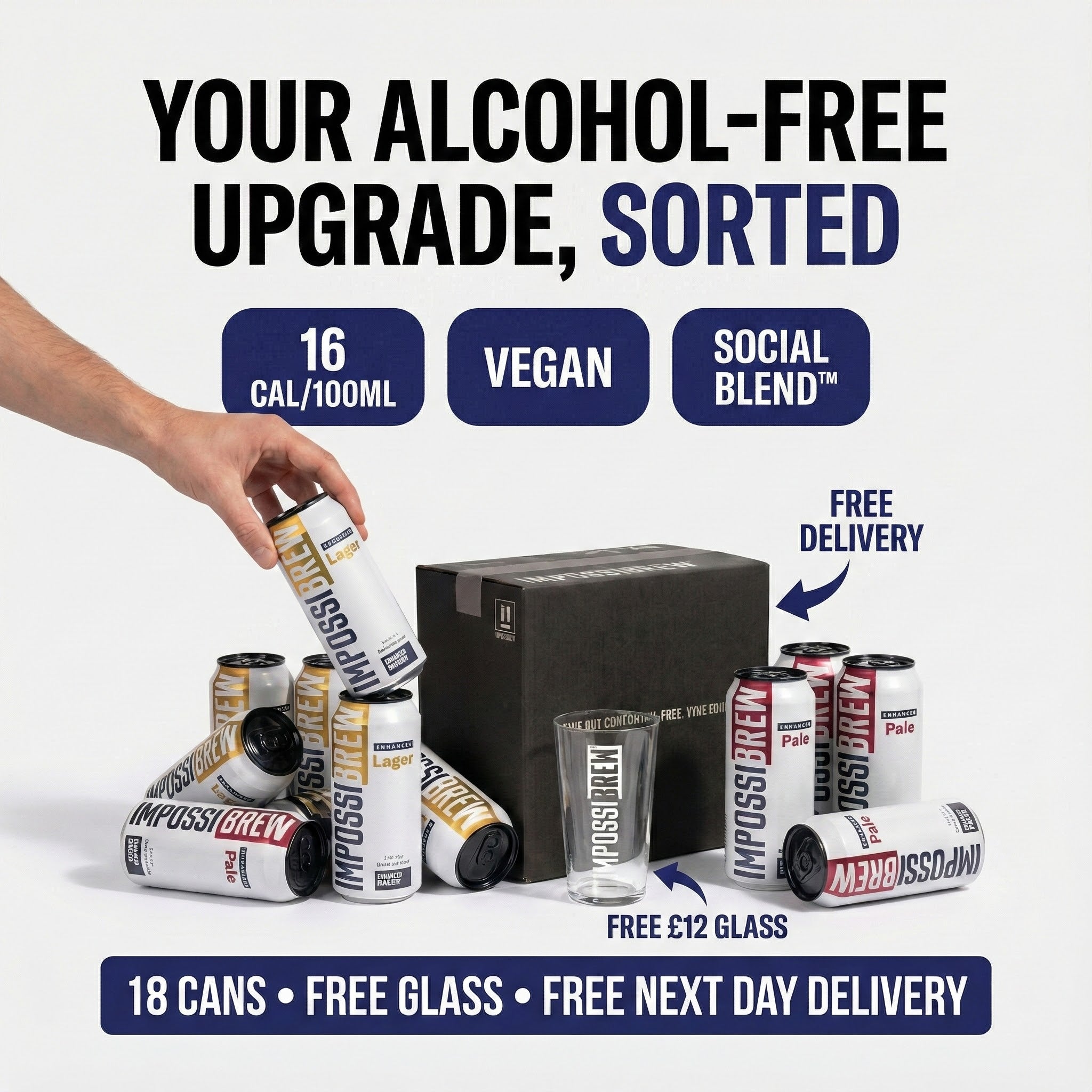
Thanks to their proprietary Social Blend™, IMPOSSIBREW® delivers a sensory experience that encourages genuine connections, making it easier for pubs, bars, and other venues to cater to a broader range of preferences. Plus, these drinks tick all the right boxes - they’re low in calories, vegan-friendly, and gluten-free, appealing to a wide variety of people across the UK.
What challenges do non-drinkers face in traditional social settings, and how are venues adapting to be more inclusive?
Non-drinkers often find themselves with few appealing choices in social settings that revolve around alcohol. This can make it challenging for them to fully enjoy the moment or feel like they truly belong, especially in environments where drinking is the standard.
In response, many venues are stepping up by introducing high-quality non-alcoholic drink options, such as enhanced beers or functional beverages. These choices help create a more inclusive atmosphere, giving non-drinkers the chance to enjoy a drink that feels just as special as an alcoholic one. For instance, IMPOSSIBREW® offers non-alcoholic beers featuring a unique Social Blend™ that mimics the relaxing effects of alcohol, providing a satisfying and enjoyable alternative for everyone.
How do functional non-alcoholic drinks create a more inclusive social experience compared to traditional alcoholic beverages?
Functional non-alcoholic drinks, like those crafted by IMPOSSIBREW®, are reshaping the way we socialise by offering a satisfying alternative to alcohol - minus the drawbacks. These beverages are specially created to mimic the flavours and calming effects of traditional alcoholic drinks, making them an ideal choice for anyone looking to enjoy social occasions without the alcohol.
At the heart of this experience is the Social Blend™, a unique feature in IMPOSSIBREW®'s enhanced beers. This blend combines ingredients backed by science to create a sensory and social vibe similar to that of drinking alcohol. With options such as Enhanced Lager and Enhanced Pale Ale, these drinks appeal to a wide range of preferences and lifestyles. Plus, they're low in calories, vegan-friendly, and gluten-free, making them a seamless fit for the demands of modern living.