- Market Growth: The global premium non-alcoholic beer market is projected to grow from $21.94 billion in 2024 to $35.35 billion by 2029, at a 10.2% CAGR.
- Driving Trends: Advances in brewing techniques (e.g., vacuum distillation) and changing consumer preferences, such as the "sober curious" movement, are fueling demand.
- U.S. Market: Expected to grow at 7.1% CAGR, reaching $5.5 billion by 2034. Premium options dominate, accounting for 75% of U.S. non-alcoholic beer volumes.
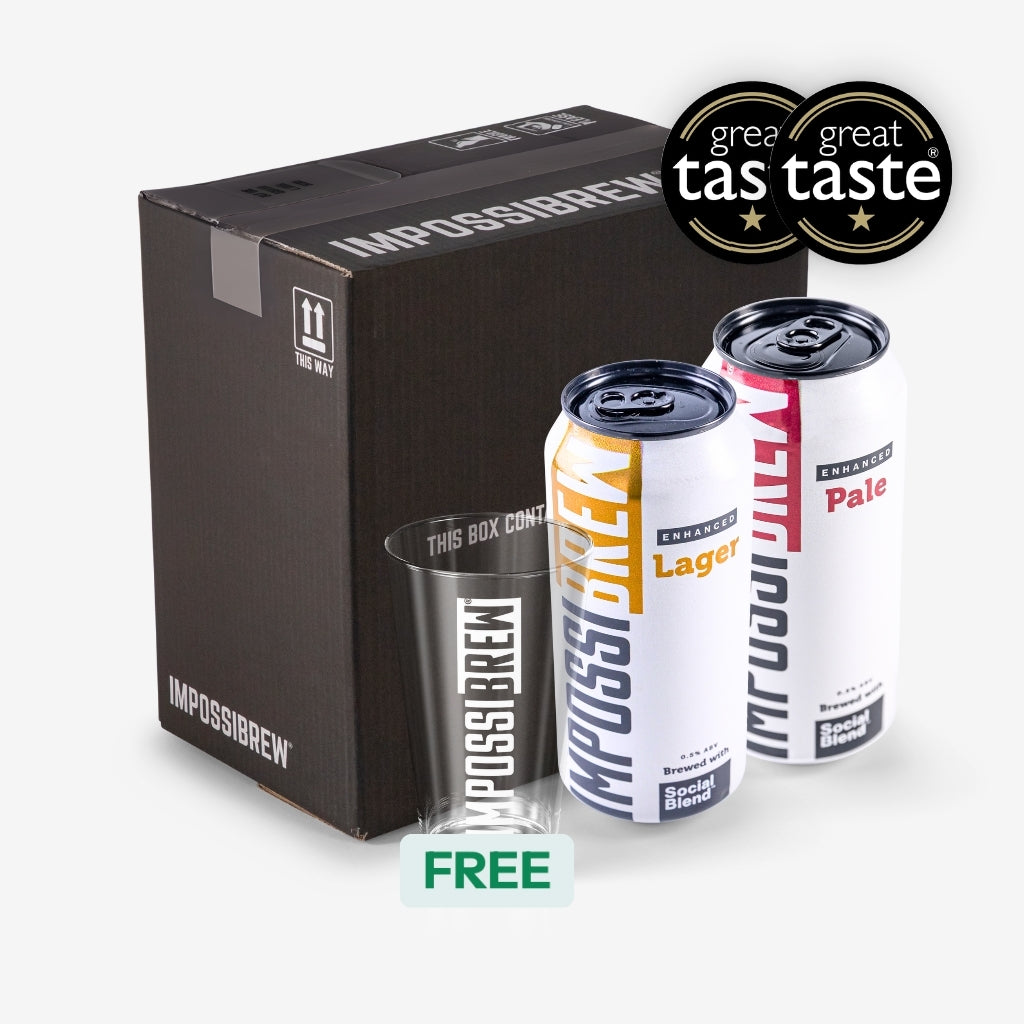
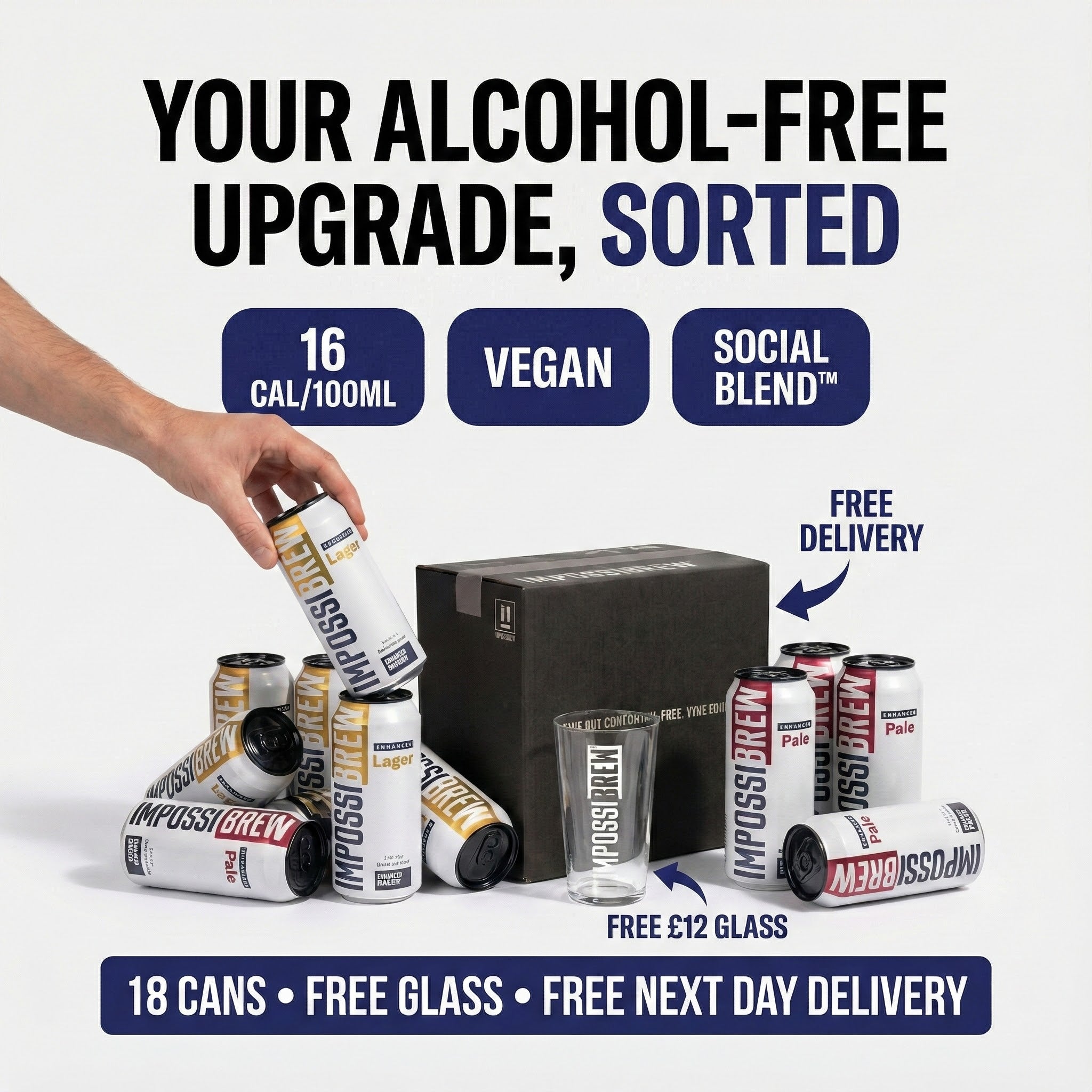
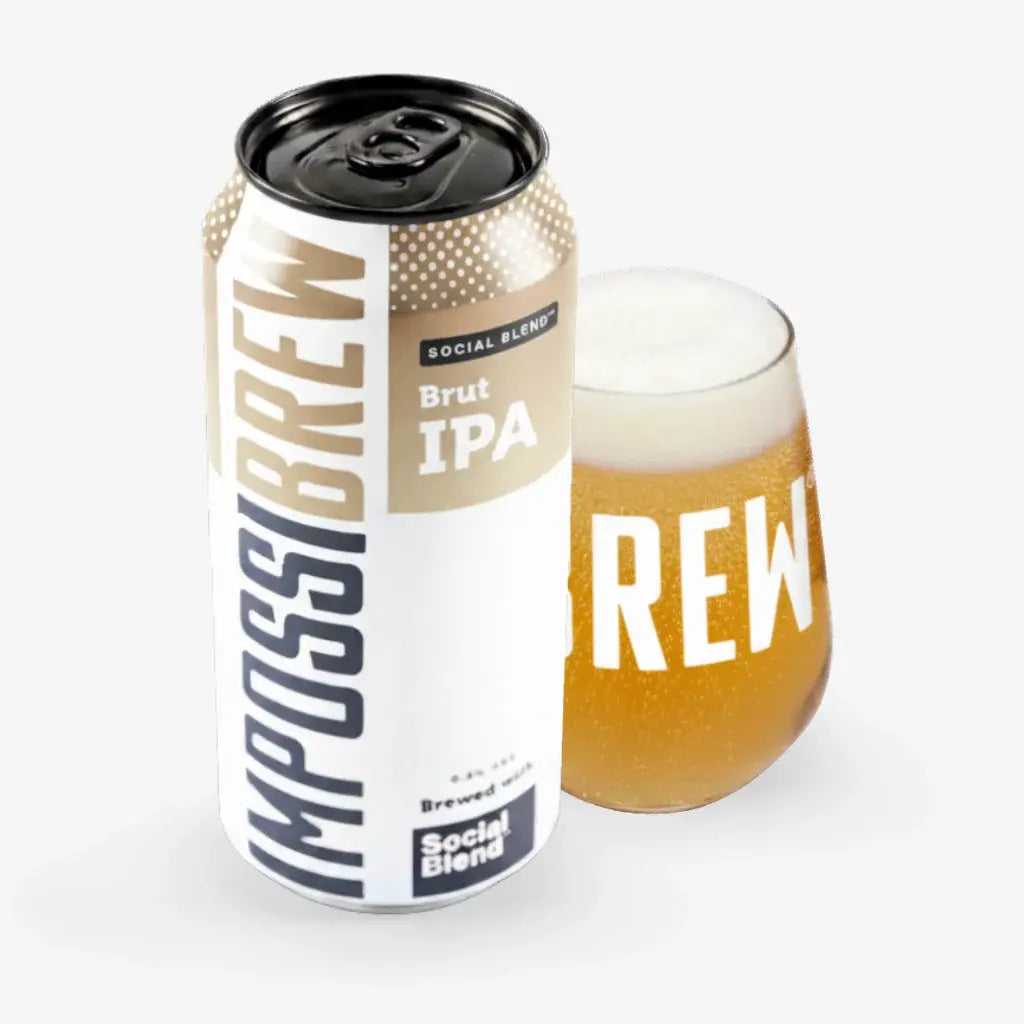
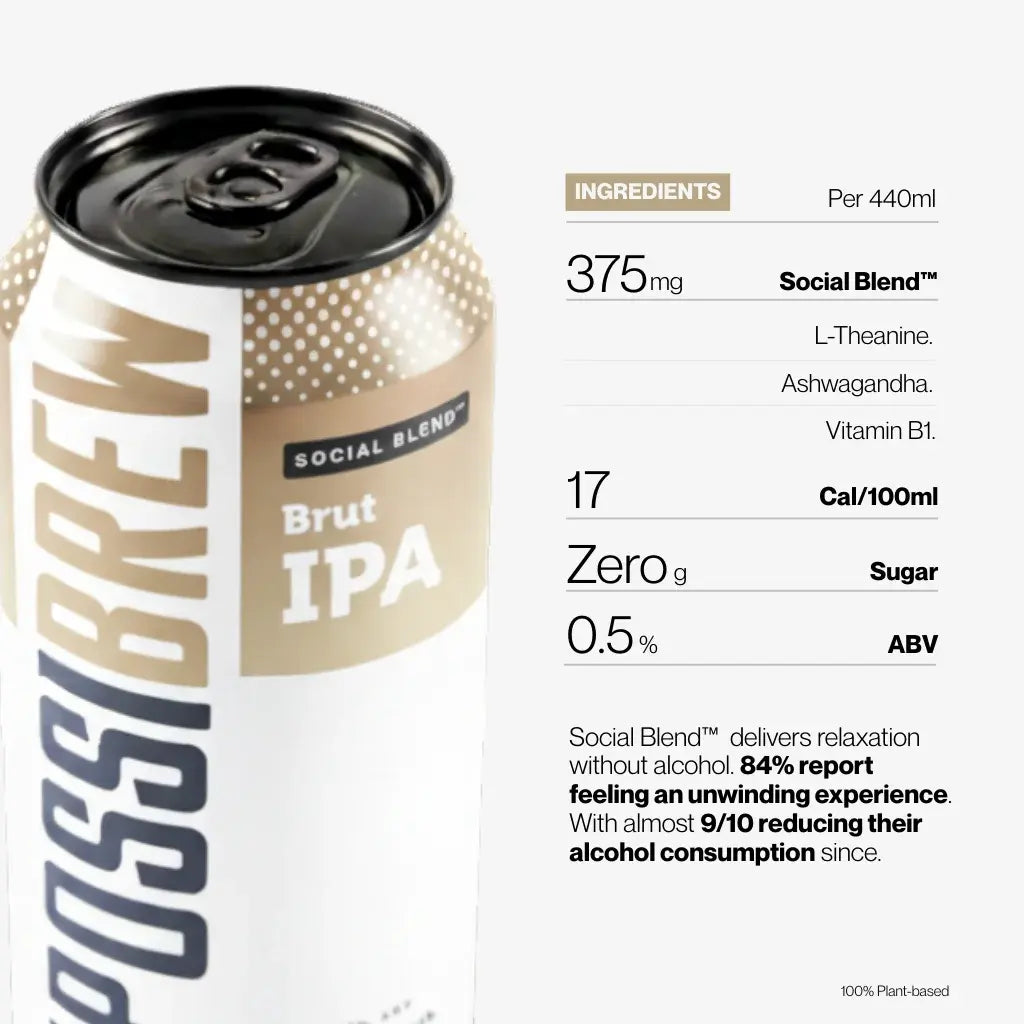
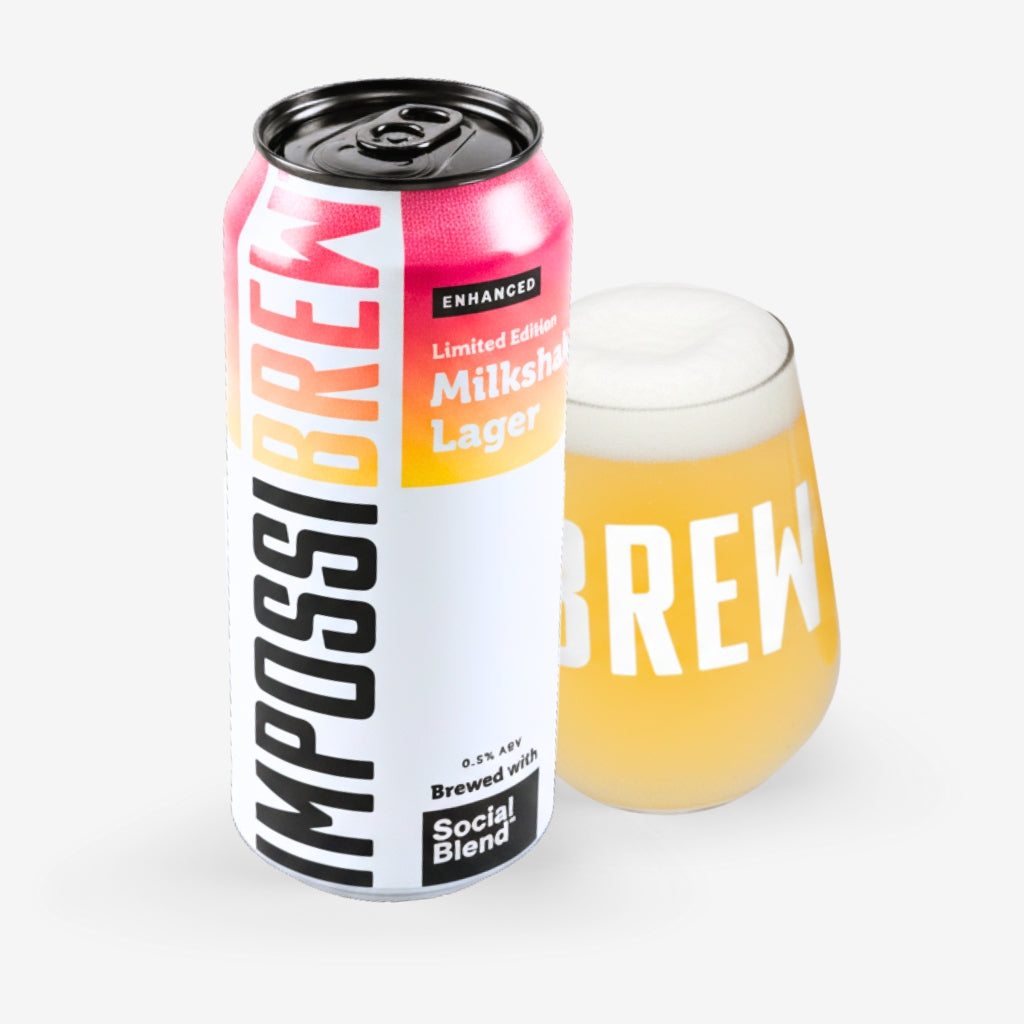
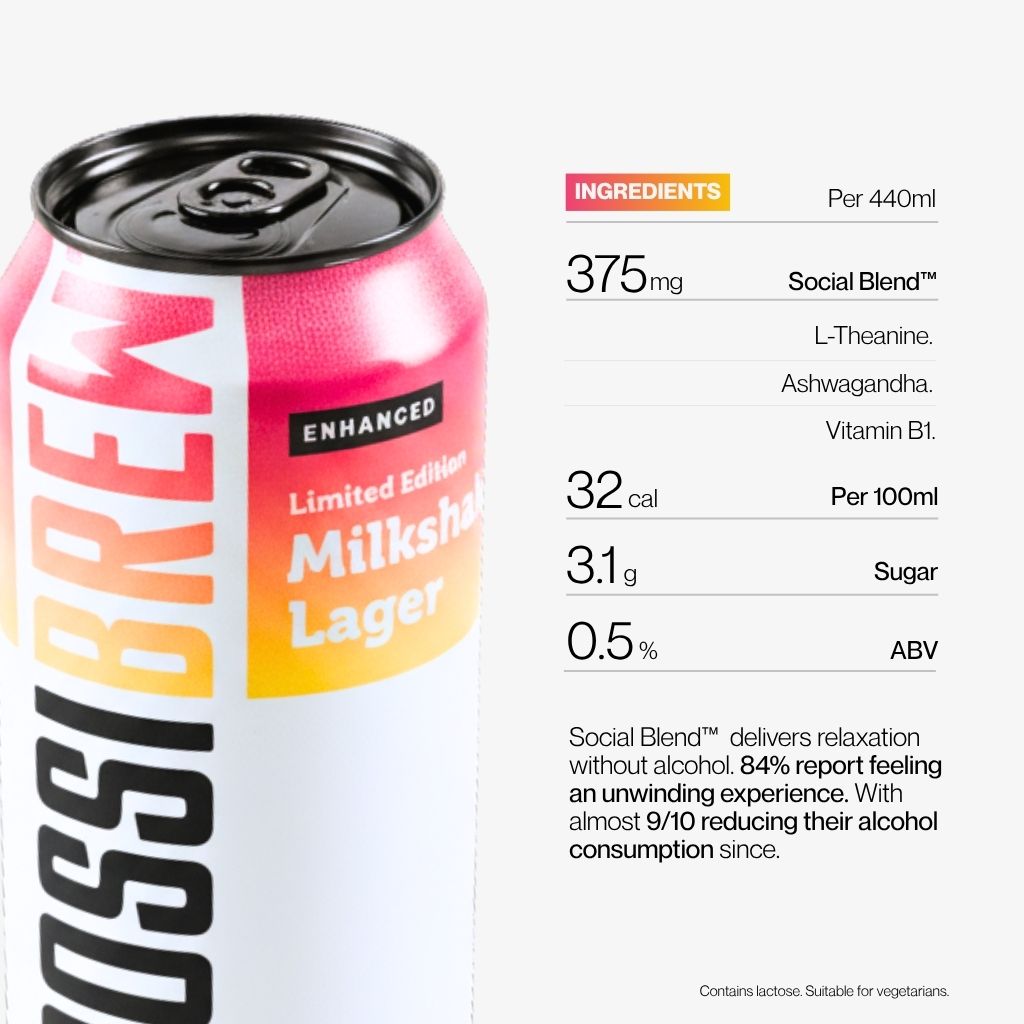
- Innovative Brands: Companies like IMPOSSIBREW® lead with unique features like Social Blend™ for relaxation and limited-edition releases.
Quick Comparison of Key Beverage Categories
| Category | Avg. Price (12 oz) | Calories | Key Benefit |
|---|---|---|---|
| Premium NA Beer | $2-$4 | 50-90 | Mimics beer flavor |
| Kombucha | $3-$5 | 30-50 | Gut health benefits |
| Premium Sparkling Water | $1-$2 | 0-5 | Hydration, minimal sugar |
Premium non-alcoholic beer is rapidly evolving into a high-quality, health-conscious choice. Read on for insights into market trends, standout brands, and growth opportunities.
Why Nonalcoholic Beer Is So Popular Now
1. IMPOSSIBREW® Product Analysis
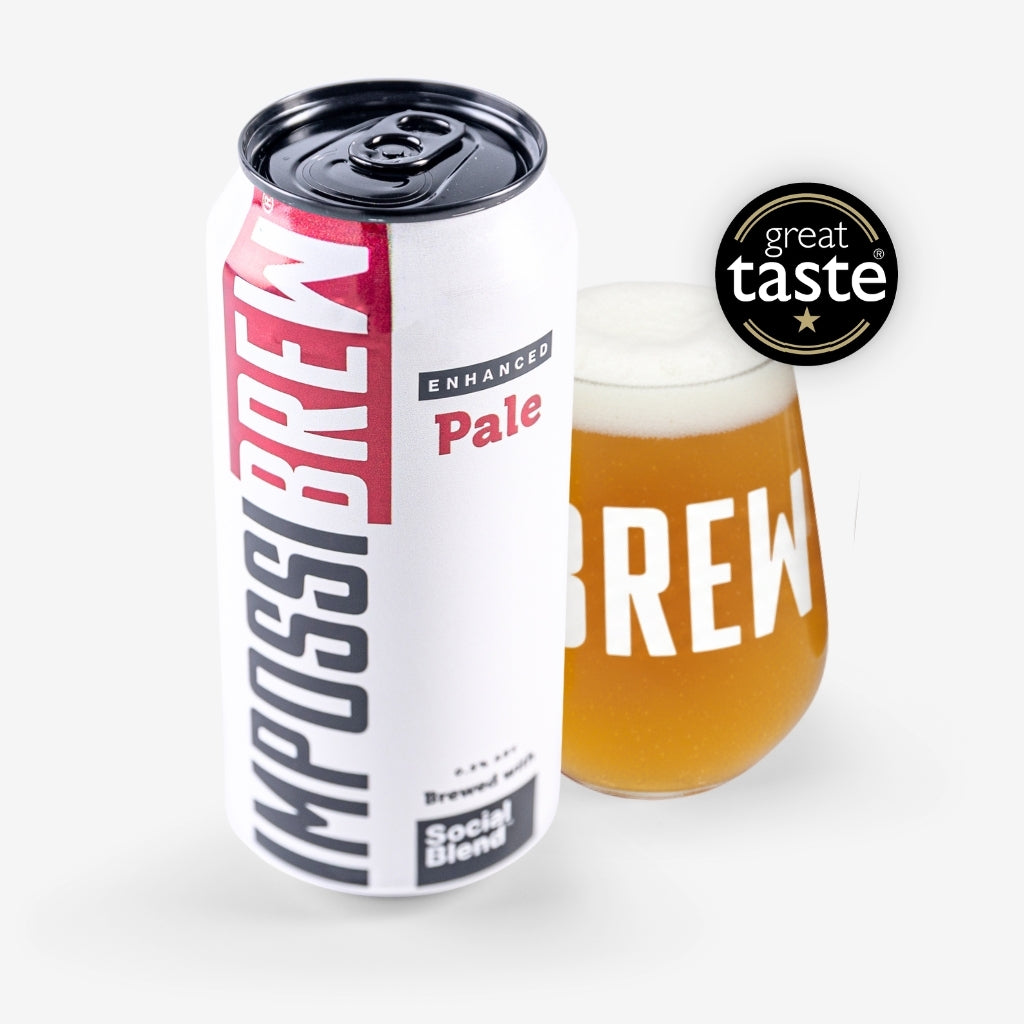
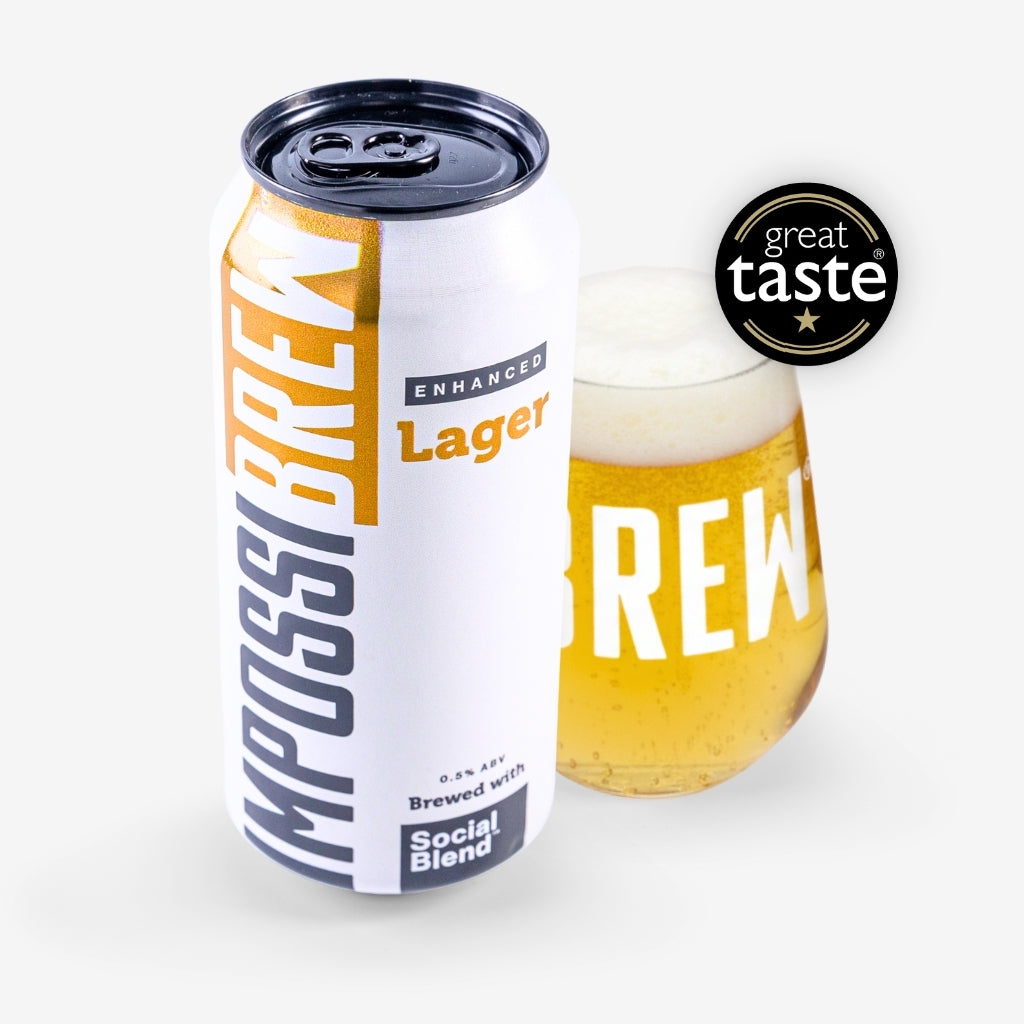
IMPOSSIBREW® has carved out a strong position in the non-alcoholic beer market with its advanced brewing techniques and standout product features. Their Enhanced Lager and Enhanced Pale Ale have both earned the title of 'UK's Best Non‐Alcoholic Beer' at the World Beer Awards [6][8], underscoring their focus on delivering top-tier quality.
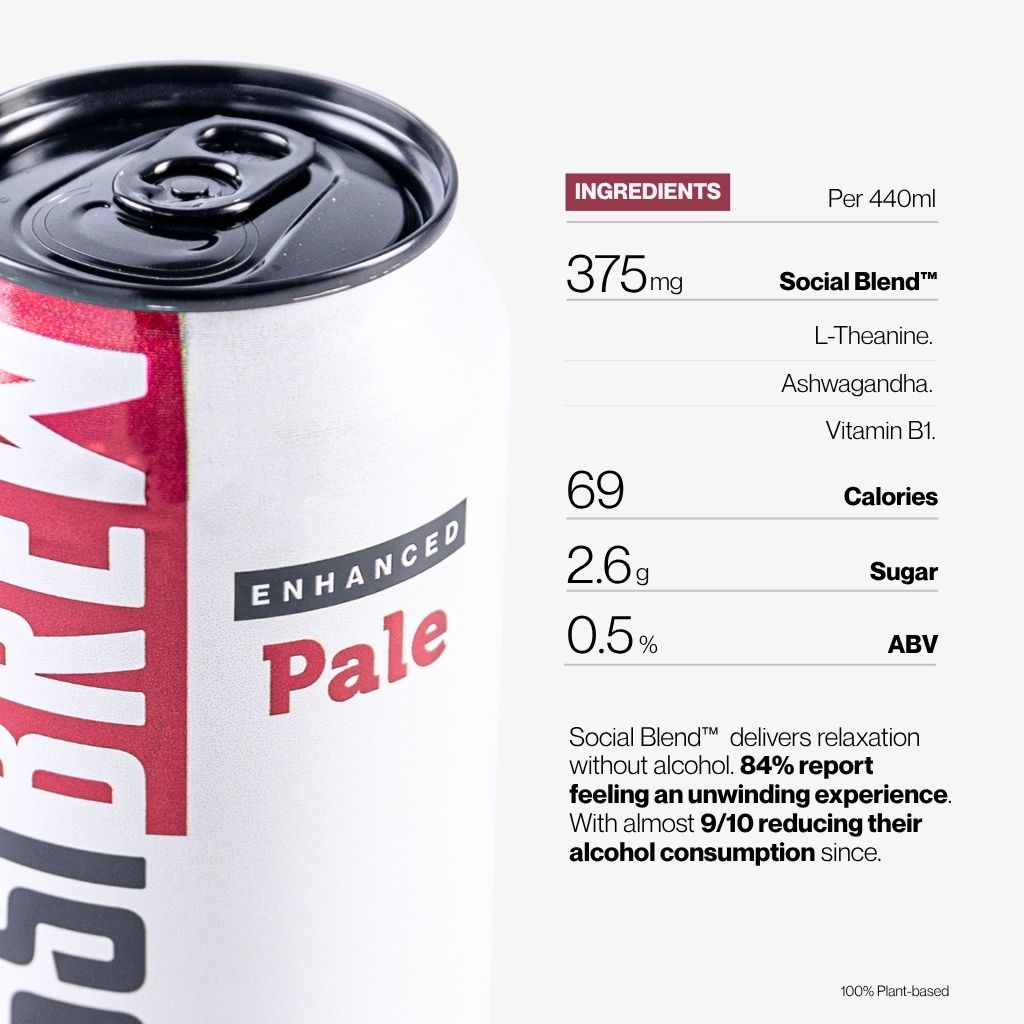
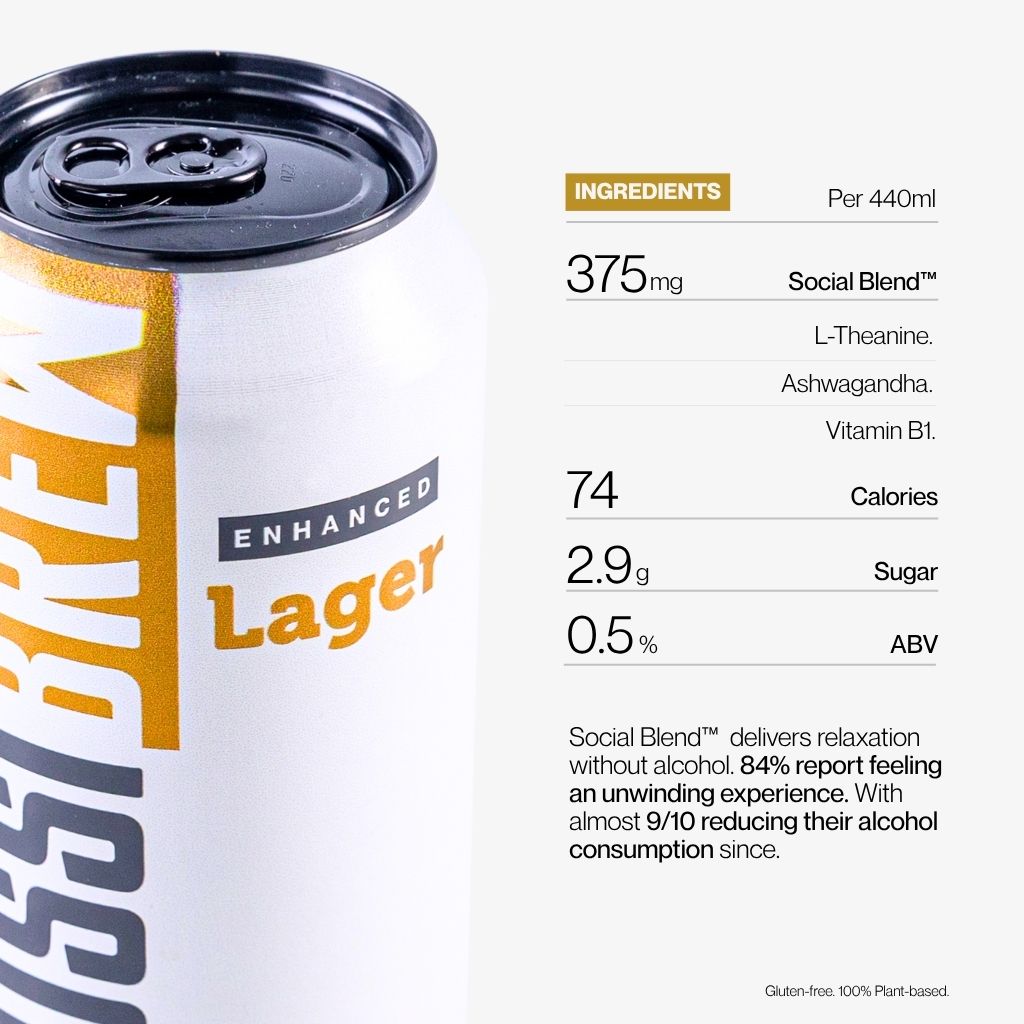
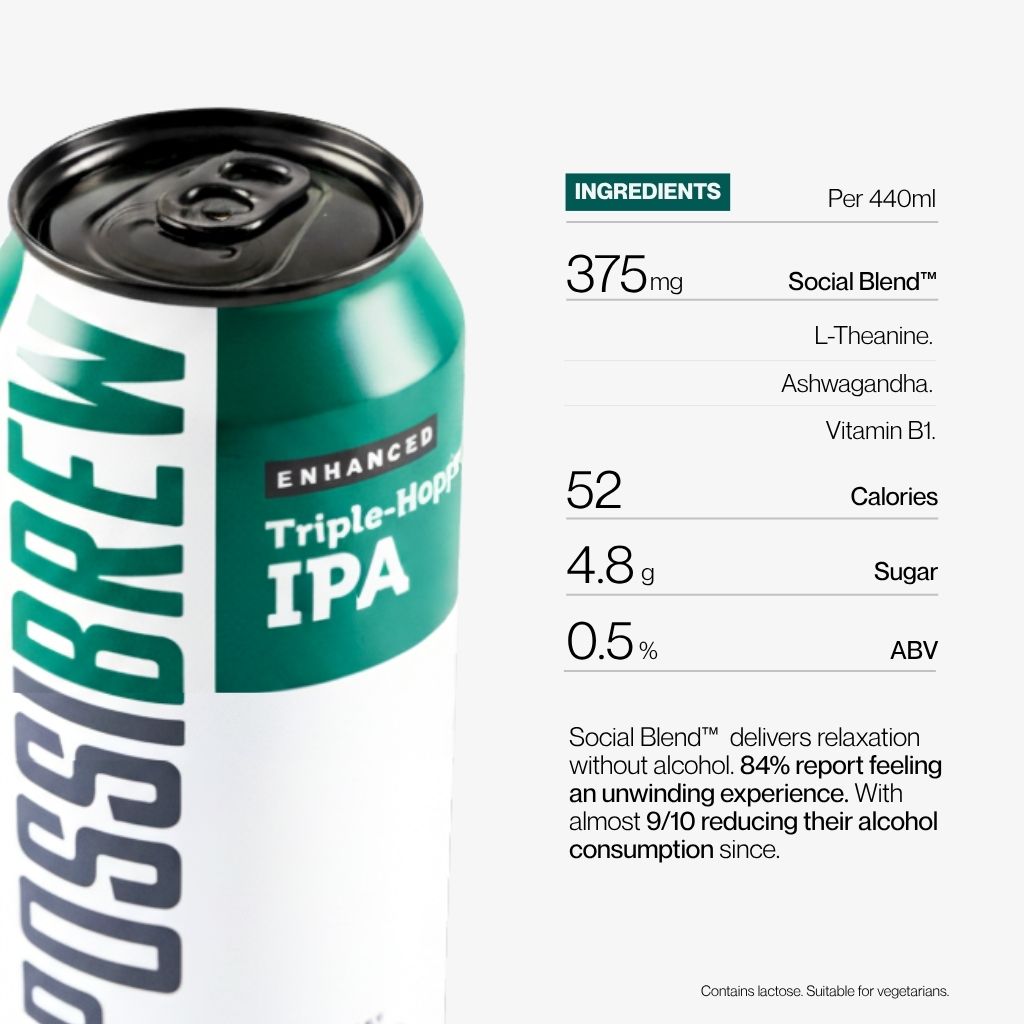
One of their standout features is the proprietary Social Blend™ technology, which offers relaxation effects similar to those of traditional alcoholic drinks. This unique approach has resonated with consumers - out of a study involving over 775 customers, 70.6% reported experiencing these relaxation benefits [6].
The company’s pricing reflects its premium image, with products starting at £2.49 per 440ml can [6]. This aligns with the growing trend of premiumization in the non-alcoholic beer category. Their cutting-edge Real Brew™ process, which uses cryogenic fermentation, ensures the preservation of both flavor and active ingredients [6]. This combination of taste and functionality strengthens their competitive edge.
| Product Feature | Enhanced Lager | Enhanced Pale Ale |
|---|---|---|
| ABV | <0.5% | <0.5% |
| Calories | Low (<17kcal/100ml) | Low (<17kcal/100ml) |
| Dietary | Vegan, Gluten‐free | Vegan |
| Technology | Social Blend™, Real Brew™ | Social Blend™, Real Brew™ |
| Price Point | From £2.49 | From £2.49 |
IMPOSSIBREW® has also demonstrated strong financial performance. During their January 2025 Crowdcube campaign, they surpassed their £500,000 fundraising target by 256%, securing £1,284,151 from 836 investors at a pre-money valuation of £12 million [9]. This highlights growing investor confidence in the brand.
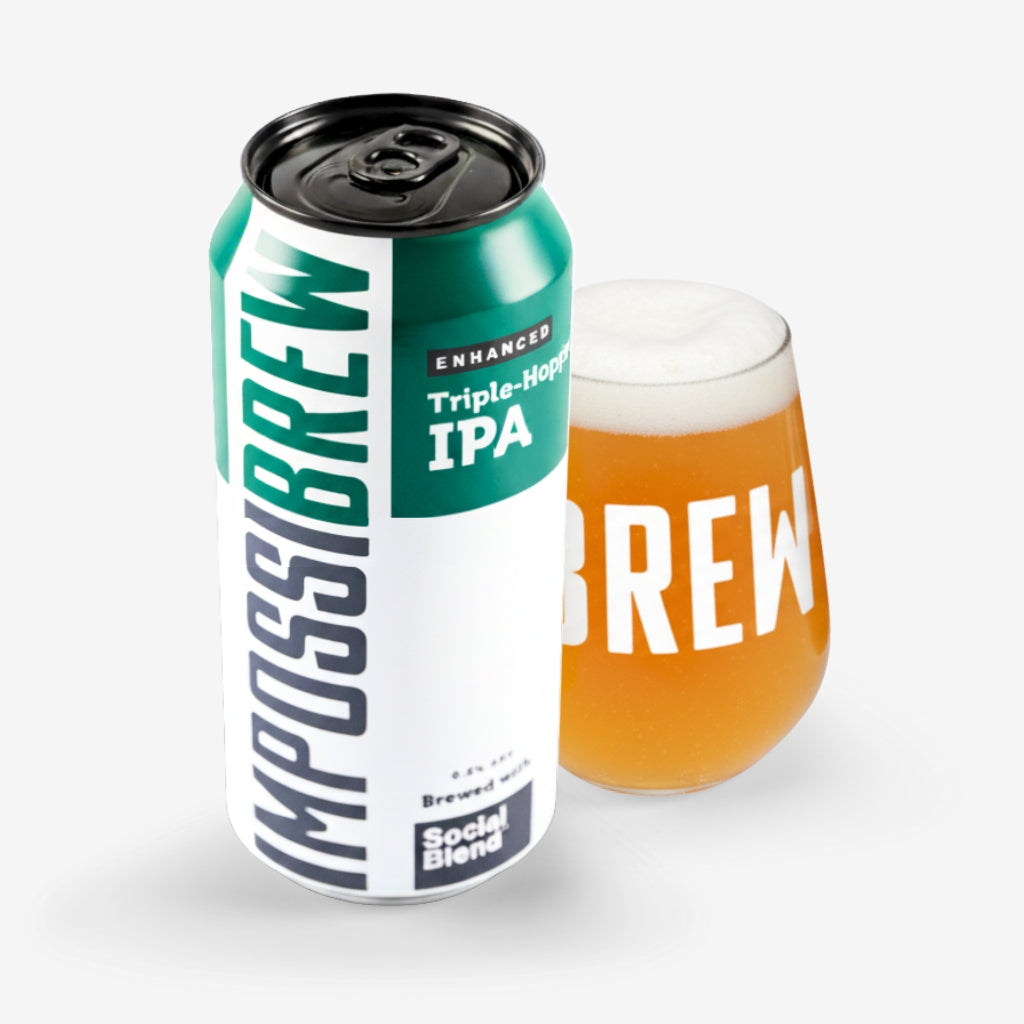
Additionally, their strategy of limited-edition product launches has bolstered their premium image. Releases like Triple-Hopped IPA and Midnight Cocoa Porter have been incredibly successful, with some editions selling out in just 24 hours [6]. These efforts position IMPOSSIBREW® as a leader in innovation within the premium beverage space, setting the stage for further comparisons with other high-end drink categories.
2. Kombucha Market Segment
The premium kombucha market has carved out a solid space in the non-alcoholic beverage industry. In 2024, the global kombucha market reached USD 2.64 billion, with an anticipated CAGR of 23.2% through 2030 [7]. This rapid growth is reflected in its pricing strategies.
Mass-market kombucha typically sells for $2.50–$3.50 per 16 oz bottle, while premium options range from $3.00 to $5.00. Ultra-premium, limited-edition varieties can go as high as $6.00 to $10.00 [6]. These pricing tiers align with trends seen in the premium non-alcoholic beer market.
Top premium kombucha brands have achieved success through unique strategies and offerings:
| Brand | Key Features | Market Performance |
|---|---|---|
| Health-Ade | Cold-pressed, small-batch production | 4.5/5 rating (9,876 reviews) |
| GT's Synergy | Organic ingredients, raw formulation | 4.7/5 rating (7,543 reviews) |
| Brew Dr. | Organic certification, sustainable production | 45% YOY growth in 2024 |
These brands have fueled growth through innovation. For instance, Brew Dr. Kombucha reported $78 million in revenue by mid-2024 and expanded its presence to 2,500 retail locations [6].
Premium kombucha offerings often include botanical infusions, adaptogens, and CBD additives [1][3]. These features not only justify the higher price tags but also appeal to health-focused consumers.
The way premium kombucha is sold has also evolved. It's now widely available in supermarkets, specialty stores, and even kombucha-specific taprooms. Online sales jumped by 25% in 2024 [10], showing that customers are increasingly willing to pay more for quality beverages.
North America leads the charge in this market, accounting for over 40% of global sales [7]. This reflects a broader consumer shift toward premium, functional beverage options, much like the trends seen in non-alcoholic beer.
sbb-itb-a752bf8
3. Premium Sparkling Waters
The premium sparkling water market, valued at $29.71 billion in 2021, is projected to grow at a 14.1% annual rate through 2030 [5]. This upward trend parallels growth seen in other high-end beverage categories.
Flavored sparkling waters dominate this segment, accounting for over 70% of global revenue in 2022 [5]. In the U.S., the market is expected to hit $10.3 billion by 2025, with a growth rate of 12.5% per year [6].
Top premium brands have carved out strong market positions with unique offerings:
| Brand | Key Features | Price Range (12-pack) | Market Performance |
|---|---|---|---|
| Spindrift | Real fruit juice, no artificial flavors | $17.99 - $19.99 | 50% year-over-year growth, $175M revenue (2024) |
| Topo Chico | Mineral-rich, strong carbonation | $9.99 - $11.99 | Leading in the mineral water category |
| San Pellegrino | Italian-sourced, botanical blends | $7.99 - $9.99 | Reduced water usage by 15% in production |
Pricing in this segment is tiered. While mass-market sparkling waters typically sell for $0.80 to $1.50 per liter, premium options range from $2.00 to $4.00 per liter [1], positioning them between standard sparkling waters and craft non-alcoholic beers.
Premium brands stand out by incorporating extras like adaptogens, probiotics, and botanical extracts. For instance, Vita Coco highlights its natural electrolytes, while Flow Alkaline Spring Water promotes its alkaline pH [3].
Sustainability is another key driver in this market. Evian, for example, has pledged to use 100% recycled plastic by 2025 [3]. This commitment to eco-friendly practices reflects broader trends in the beverage industry, where sustainable packaging and production methods are becoming increasingly important.
Direct-to-consumer sales are also gaining traction, helping brands improve profit margins and build stronger customer relationships [6]. This shift mirrors distribution strategies seen in the craft non-alcoholic beer market.
Product Comparison Results
The analysis reveals that production complexity significantly influences pricing and market positioning in the premium non-alcoholic beverage sector. Here's a closer look at how production methods, pricing, and key benefits vary across these popular categories.
Premium non-alcoholic beers, priced between $2-$4 per 12 oz, come with higher production costs due to their intricate processes designed to mimic traditional beer flavors and textures. These beverages rely on advanced techniques like dealcoholization or limited fermentation to deliver a similar experience to alcoholic beers [6].
| Category | Production Method | Avg. Price (12 oz) | Calories | Key Benefit |
|---|---|---|---|---|
| Premium NA Beer | Dealcoholization/Limited Fermentation | $2-$4 | 50-90 | Cardiovascular Health |
| Kombucha | SCOBY Fermentation | $3-$5 | 30-50 | Gut Health |
| Premium Sparkling Water | Carbonation + Natural Flavors | $1-$2 | 0-5 | Hydration |
These distinctions shape how each product is positioned in the market and align with shifting consumer preferences. For example, non-alcoholic beers focus on replicating traditional flavors while offering functional benefits, typically containing 50-90 calories [5]. Kombucha, on the other hand, highlights its probiotic properties and digestive health advantages, with prices ranging from $3-$5 per bottle [7]. Meanwhile, premium sparkling waters emphasize hydration with minimal calories and a price point of $1-$2 per 12 oz.
Market placement also reflects these differences. Non-alcoholic beers are often found alongside traditional alcoholic options, kombucha is marketed in health-focused stores, and sparkling waters are widely available in mainstream retail outlets [9].
The global market data underscores the growing demand for these beverages:
- Non-alcoholic beer market: Estimated to reach $43.9 billion by 2034 [2].
- Kombucha market: Expected to grow to $7.05 billion by 2027, with a CAGR of 19.7% [7].
- Premium water market: Forecasted to grow at a 7.4% CAGR through 2028 [8].
Flavor innovation also plays a critical role in differentiation. Non-alcoholic beers are experimenting with fruit-infused and craft-style variations, while kombucha brands combine bold flavors like fruit, herbs, and floral notes. Premium sparkling waters stick to subtle, natural flavor profiles [11].
Packaging further reinforces each category's identity. Non-alcoholic beers lean into craft-inspired designs, sparkling waters adopt minimalist aesthetics, and kombucha uses vibrant, health-focused packaging to appeal to its target audience [4].
Market Outlook
The premium non-alcoholic beer market is gaining traction as consumers increasingly seek healthier, high-quality options [5]. Regional insights highlight promising growth opportunities in this space.
In the U.S., the market is expected to reach $5,534.8 million by 2034, growing at a 7.1% CAGR. Similarly, the UK market is projected to expand at a 6.5% CAGR over the same period [2]. These figures reflect strong demand across key regions.
Innovation plays a key role in shaping this market. Companies like IMPOSSIBREW® are pushing boundaries with advanced brewing methods and wellness-focused features. Their ability to attract significant investor support reinforces the growth potential of premium non-alcoholic beer [9].
Here are three key factors influencing market growth:
- Health and Wellness Appeal: Premium brands are adding ingredients that promote well-being, offering more than just an alcohol-free alternative [6].
- Expanded Availability: These beers are now easier to find, with distribution extending across retail stores, bars, restaurants, and online platforms [2].
- Pricing Trends: Consumers are increasingly willing to pay premium prices for products that deliver excellent taste and added health benefits [1].
The market is set for sustained growth as consumers continue to prioritize quality and wellness. Brands that combine outstanding flavor with health-focused features are well-positioned to thrive in this expanding segment [2][3].