Quitting alcohol for just 30 days can lead to noticeable improvements in your mental clarity, focus, and overall well-being. Here’s what happens:
- Sharper Focus: 57% of people report better concentration after a month of sobriety.
- Improved Sleep: 71% notice better sleep quality, which directly boosts energy and mood.
- Brain Recovery: Your hippocampus (key for memory) and prefrontal cortex (decision-making) begin to heal, with cognitive improvements starting in as little as 2 weeks.
- Physical Benefits: Reduced liver fat (up to 20%) and improved insulin sensitivity support your brain and body.
In short, taking a break from alcohol allows your brain to repair itself, improving memory, emotional balance, and decision-making. Plus, it’s a great way to reset your relationship with drinking. For those looking to maintain social rituals without alcohol, non-alcoholic options like IMPOSSIBREW® provide a satisfying alternative without mental fog or hangovers.
How Alcohol Impairs Cognitive Function
What Alcohol Does to Your Brain
Alcohol disrupts how your brain works by altering its chemical balance. It increases GABA activity, which slows things down, and suppresses glutamate, making you feel sedated and sluggish[8]. At the same time, it gives a temporary boost to dopamine and endorphins, creating a fleeting sense of euphoria. However, this high often fades into low motivation and irritability soon after[10].
One of alcohol's most striking effects is its ability to block NMDA receptors, which are essential for learning and memory. This interference prevents the brain from turning short-term memories into long-term ones, leading to "blackouts"[7][8]. Even small amounts - around 0.4–0.8 g/kg - can disrupt planning, increase impulsive behaviour, and weaken self-control[7].
"Over time, the toxic effects of alcohol can cause damage to the protective coating surrounding nerve cells and ultimately to the nerves themselves. The ability to learn, remember, plan, and focus all becomes compromised." – Joseph Volpicelli, MD, PhD, Founder and Medical Director, Volpicelli Center[9]
When these disruptions happen repeatedly, they pave the way for the long-term cognitive issues often seen in chronic drinkers.
Long-Term Effects on Mental Sharpness
The chemical changes caused by alcohol don’t just go away - they build up over time, leading to more permanent damage. Studies show that between 33% and 50% of people with alcohol use disorders have noticeable cognitive or motor impairments[10]. Among chronic drinkers, at least half experience a clear decline in mental function[7]. This is largely due to damage in the prefrontal cortex, which affects skills like planning, decision-making, and prioritising tasks. This condition is sometimes referred to as "cognitive rigidity"[10].
Heavy drinking also causes physical changes in the brain. For example, it can shrink the hippocampus, the area responsible for spatial memory and learning[9]. Alarmingly, up to 3 in 10 people dependent on alcohol may develop Alcohol-Related Brain Damage (ARBD)[8]. Even after detoxification, memory and cognitive difficulties persist for 50% to 75% of individuals[12].
The silver lining? Many of these effects can be reversed. After one to three months of abstaining from alcohol, most people experience less hippocampal shrinkage. In fact, cognitive improvements often start to show within just 2 to 4 weeks of quitting alcohol[9].
What Happens To Your Brain and Body When You QUIT Alcohol? | Ruari Fairbairns
What to Expect When You Quit Alcohol for 30 Days
Week 1: Withdrawal Symptoms and Initial Adjustment
The first week without alcohol is all about your body adjusting to its new normal. As your liver works to eliminate alcohol - at about one unit per hour[3] - you might face a range of withdrawal symptoms. These can include headaches, sweating, tremors, nausea, and even heart palpitations[13]. For those with alcohol use disorder, roughly 50% experience these symptoms when cutting back significantly[13]. Emotionally, you may feel irritable, anxious, or low due to a temporary drop in dopamine levels[3]. Sleep can be disrupted too, and vivid dreams might kick in around days 4 to 7 as your REM sleep patterns begin to return to normal[15].
"If you're feeling sluggish and low, and find yourself snapping at everyone, just remember that this will only last a few days at most and the good stuff is just around the corner." - Alcohol Change UK[3]
By the end of the week, you’ll likely notice some positive changes. Many people report less bloating, better digestion, and clearer skin as the diuretic effects of alcohol - which cause your body to lose four times as much liquid as you drink - start to fade[15]. Your energy and concentration may also begin to stabilise. As these early withdrawal symptoms ease, you’ll likely feel a noticeable boost in focus and energy heading into week two.
Important: If you are clinically alcohol-dependent, do not stop drinking suddenly without medical supervision, as severe withdrawal can be life-threatening[3][14].
Week 2: Improved Focus and Concentration
By week two, the mental fog starts to lift. This happens as your brain rebalances neurotransmitter levels and your sleep improves, thanks to restored REM cycles[16][17]. Better sleep means you’ll wake up feeling more refreshed and alert during the day. At the same time, your gut microbiome begins to recover, which enhances nutrient absorption - key for supporting brain health. Stable blood sugar levels also help prevent energy crashes that contribute to brain fog[2].
Physical improvements, like better hydration, further support mental clarity and energy. In fact, cognitive benefits can appear as early as 18 days into sobriety. By the end of the month, you might see a 25% reduction in insulin resistance and up to a 20% decrease in liver fat[14][17].
Weeks 3–4: Better Memory and Emotional Balance
As you move into weeks three and four, the progress becomes even more noticeable. Your brain continues to recover, sharpening mental clarity and improving your ability to tackle complex tasks[2]. The hippocampus, a part of the brain responsible for memory and learning, begins to repair itself from alcohol-related damage[15][9]. This recovery enhances problem-solving, attention, and planning abilities[9].
Emotionally, you may feel a greater sense of balance. With your brain chemistry stabilising, your mood becomes steadier, and motivation often gets a natural boost[14][18]. Cravings tend to fade, leaving you feeling calmer, more resilient, and less anxious[2]. Improved REM sleep also helps regulate emotions, making it easier to manage your mood and behaviour[15].
"Alcohol can cloud thinking and lower mood, so after a few weeks off, people often describe a sense of improved focus, better memory, and less anxiety." - Dr. Suzanne Wylie, GP and Medical Expert, IQdoctor[2]
The benefits don’t stop there. Studies show that 30 days of abstinence can reduce levels of cancer-promoting proteins and significantly restore the gut microbiome in heavy drinkers. Anxiety and depression often decrease during this time too[5]. On top of that, blood pressure typically starts to drop, lowering your overall cardiovascular risk[2][15].
How Your Brain Recovers During Alcohol Abstinence
Neuroplasticity and Brain Repair
Your brain has an incredible ability to heal itself, thanks to neuroplasticity. When you stop drinking, this self-repair mechanism kicks in, forming new neural connections that help restore focus, memory, and mental clarity[19][20]. This process is the foundation of the cognitive improvements seen during abstinence.
Clinical studies highlight how abstinence quickly begins to reverse the damage caused by alcohol. During active drinking, the brain's balance is disrupted: regions responsible for cravings (bottom-up appetitive networks) become overactive, while those managing self-control (top-down executive control networks) are suppressed. When you stop drinking, this imbalance starts to shift. Within a month, key brain regions, like the subgenual anterior cingulate cortex and the dorsolateral prefrontal cortex, begin to synchronise more effectively. This improved communication helps regulate impulses and enhances decision-making skills[20].
A study conducted in January 2013 by Dr Julia van Eijk showed significant recovery in grey matter volume in areas such as the cingulate gyrus, middle frontal gyrus, and cerebellum after just 14 days of abstinence[21].
"Recovery of GM volume in alcohol-dependent patients starts within a few days after detoxification but varies between brain regions." – Dr Julia van Eijk[21]
| Brain Region | Recovery Timeline | Function |
|---|---|---|
| Cingulate Gyrus | 14 Days | Emotional processing and attention[21] |
| Prefrontal Cortex | 14–30 Days | Executive function and impulse control[20][21] |
| Insula | 14 Days | Decision-making and self-awareness[21] |
| Cerebellum | 14 Days | Motor coordination and cognitive tasks[21] |
Research on 30-Day Sobriety and Brain Function
Studies show that within just 30 days of sobriety, the brain begins to show measurable improvements. The ventromedial prefrontal cortex - responsible for emotional regulation and decision-making - starts to recover during this period[19]. This explains why many people feel calmer and more in control by the end of the first month.
While noticeable changes occur within the first 30 days, full recovery takes more time. Research suggests that at least six weeks of abstinence are needed for neuropsychological functioning to stabilise[11]. In a September 2006 study, Dr George Fein from Neurobehavioral Research Inc. examined 48 middle-aged participants with an average of 6.7 years of sobriety. Using the MicroCog assessment, the study found that long-term abstinent individuals performed on par with healthy controls across eight out of nine cognitive domains[22].
"Very long-term abstinence resolves most neurocognitive deficits associated with alcoholism, except for the suggestion of lingering deficits in spatial processing." – Dr George Fein[22]
Between 50% and 85% of people with alcohol use disorders experience cognitive decline. However, the good news is that most of these impairments improve significantly with sustained abstinence[1][22].
sbb-itb-a752bf8
Practical Ways to Support Mental Clarity Without Alcohol
Using IMPOSSIBREW® as an Alcohol Alternative
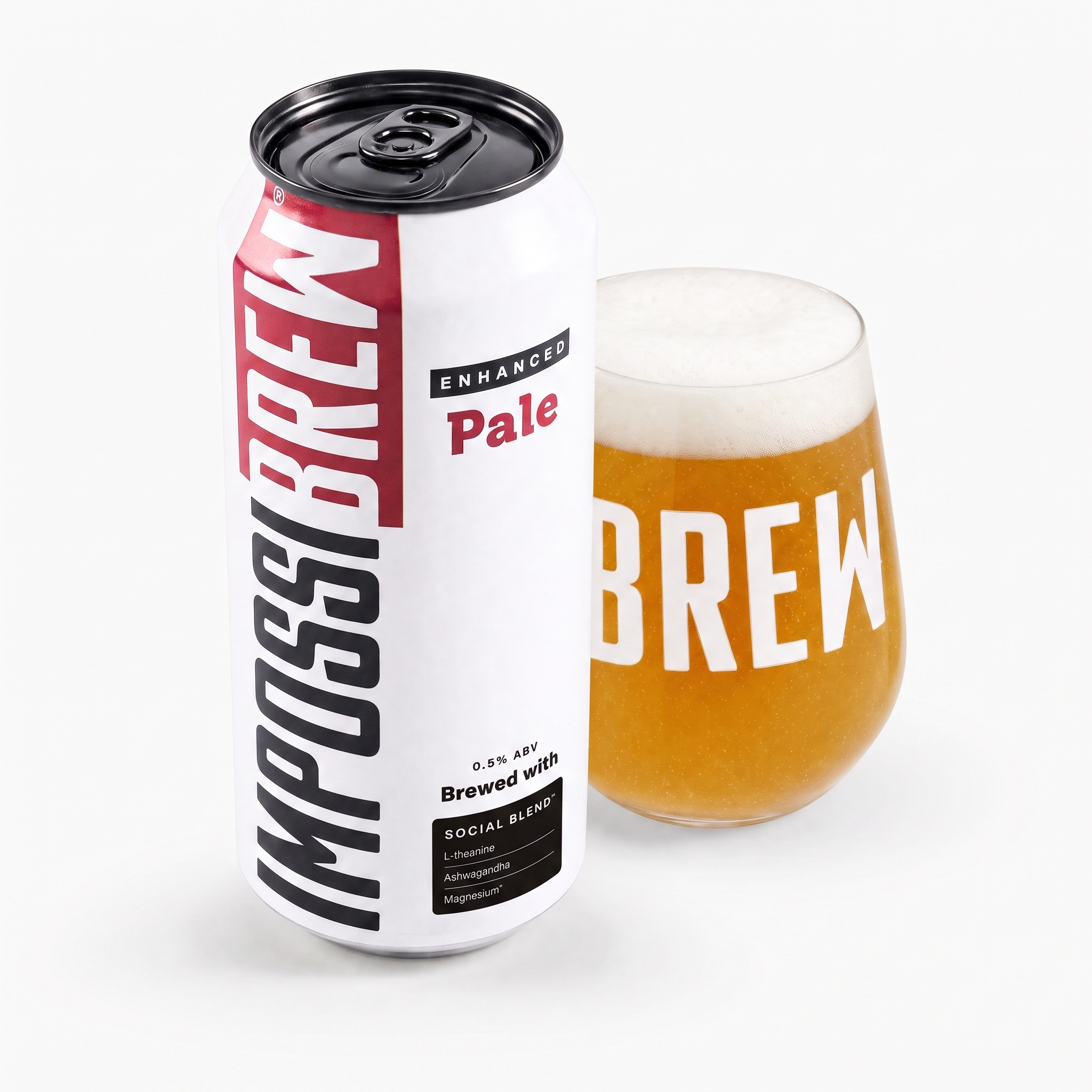
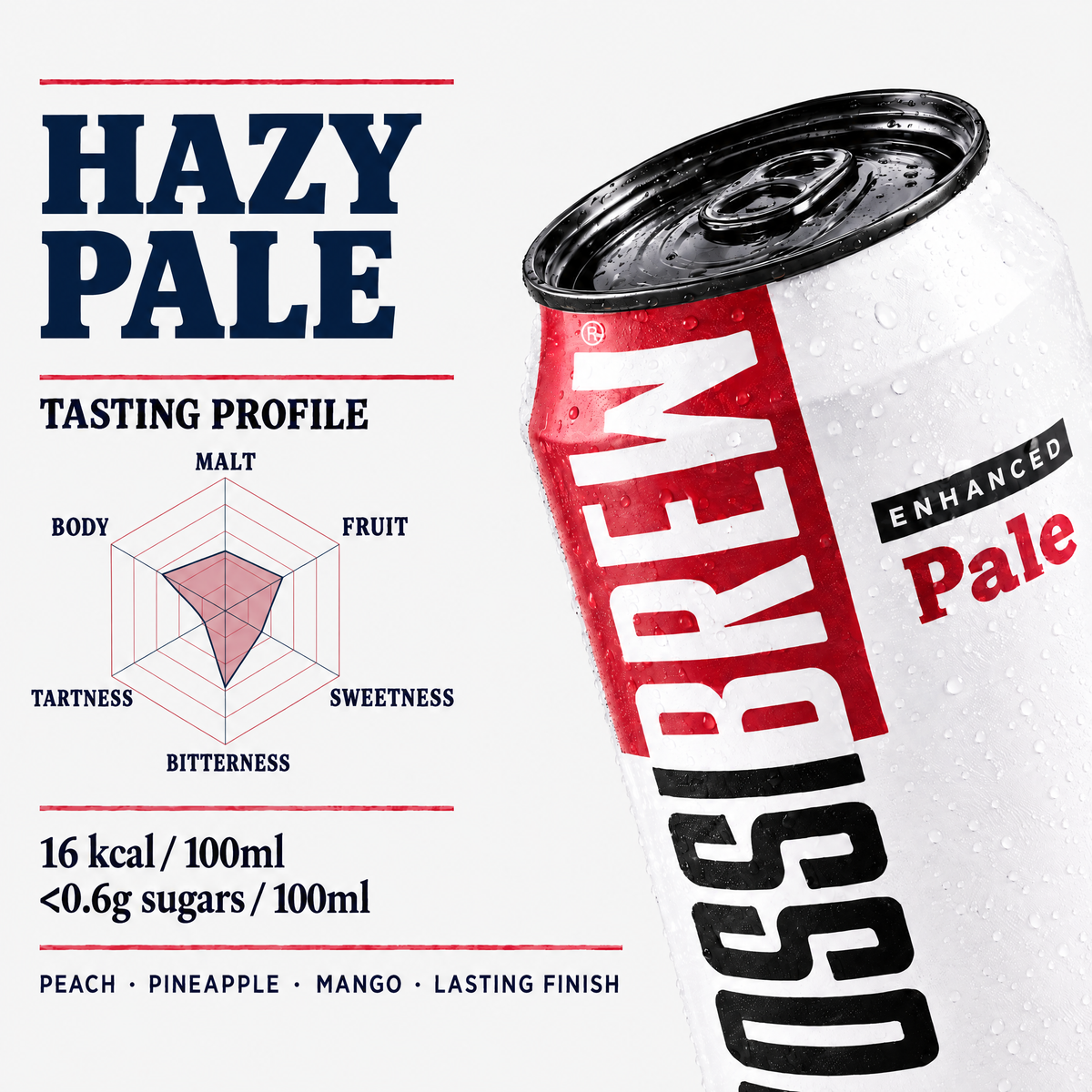
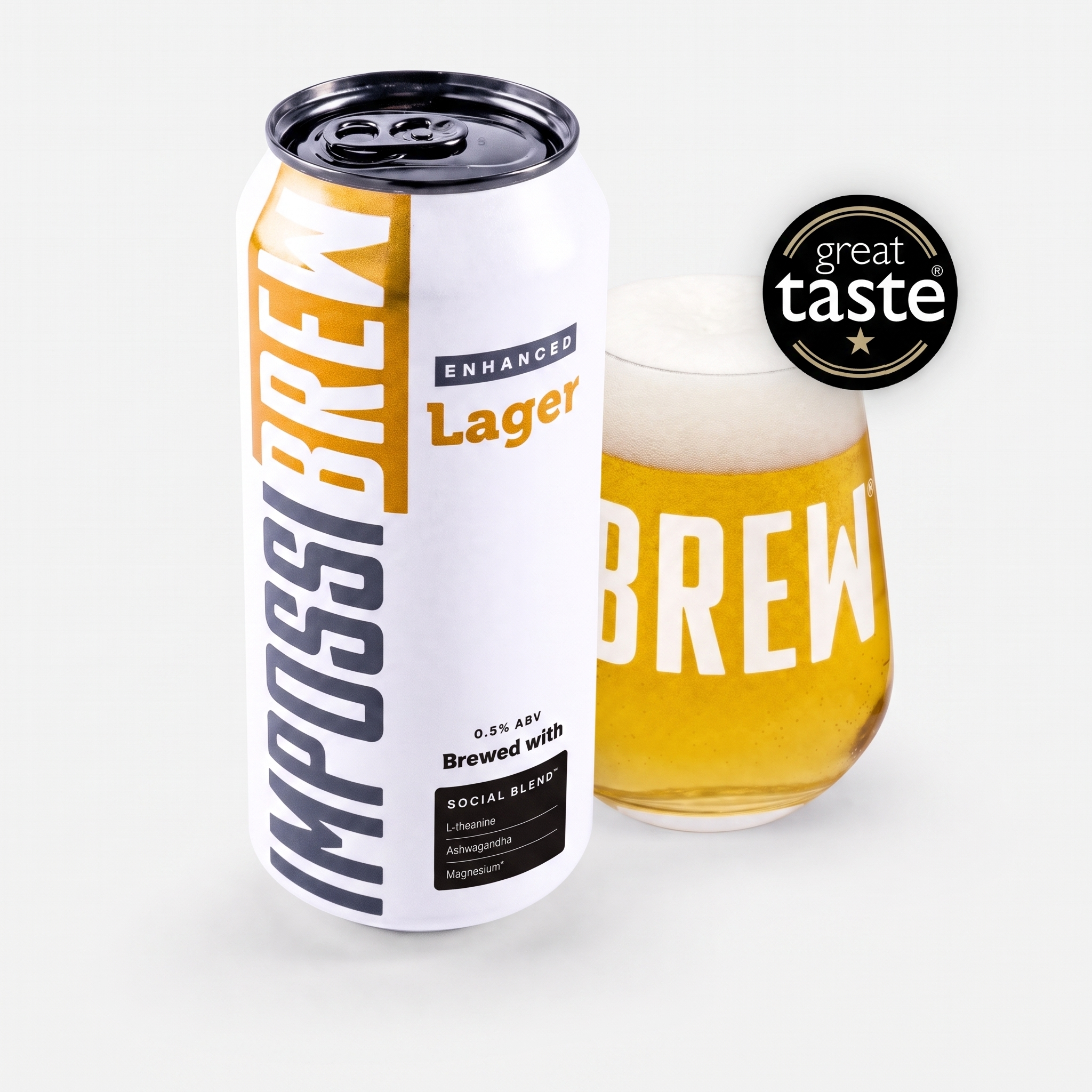
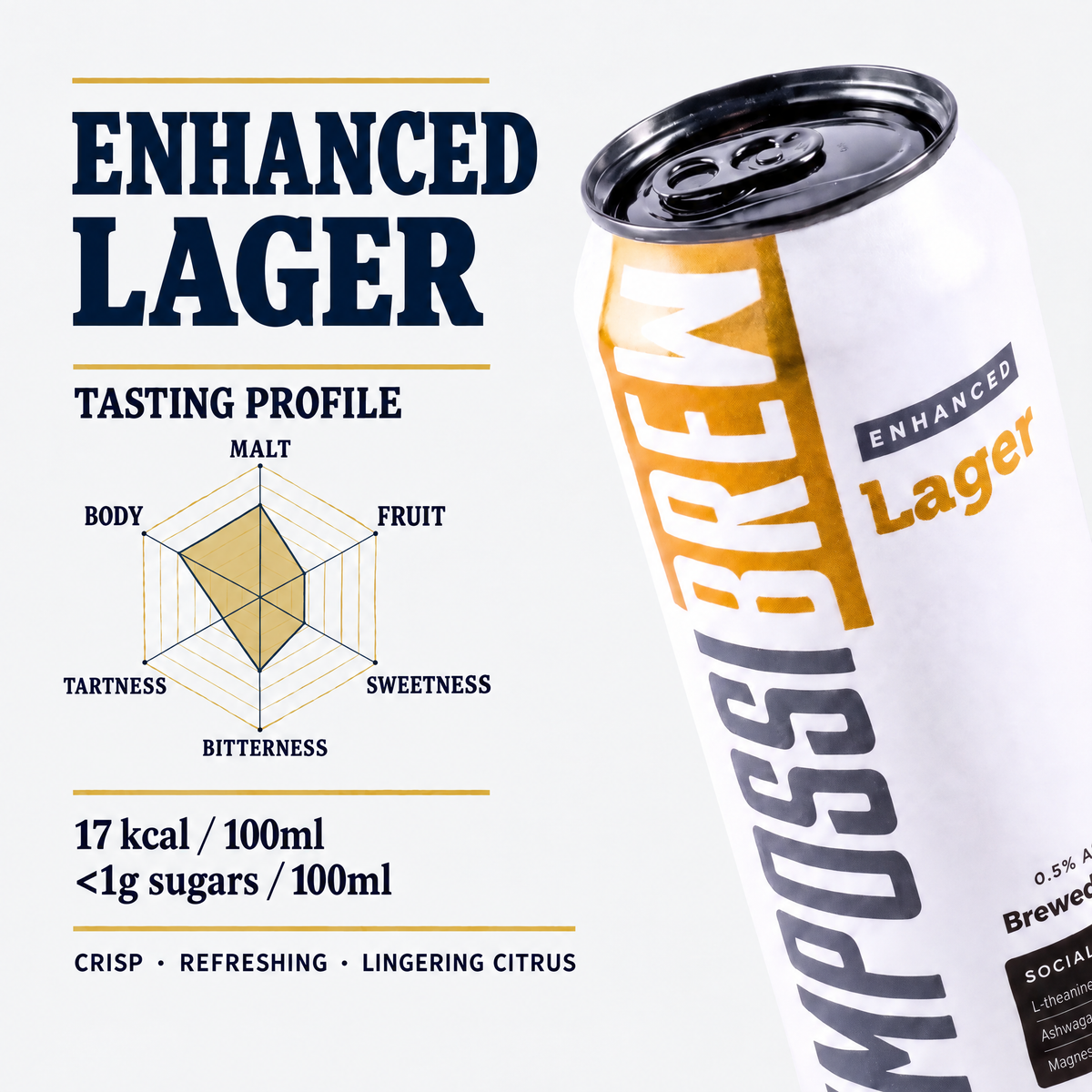
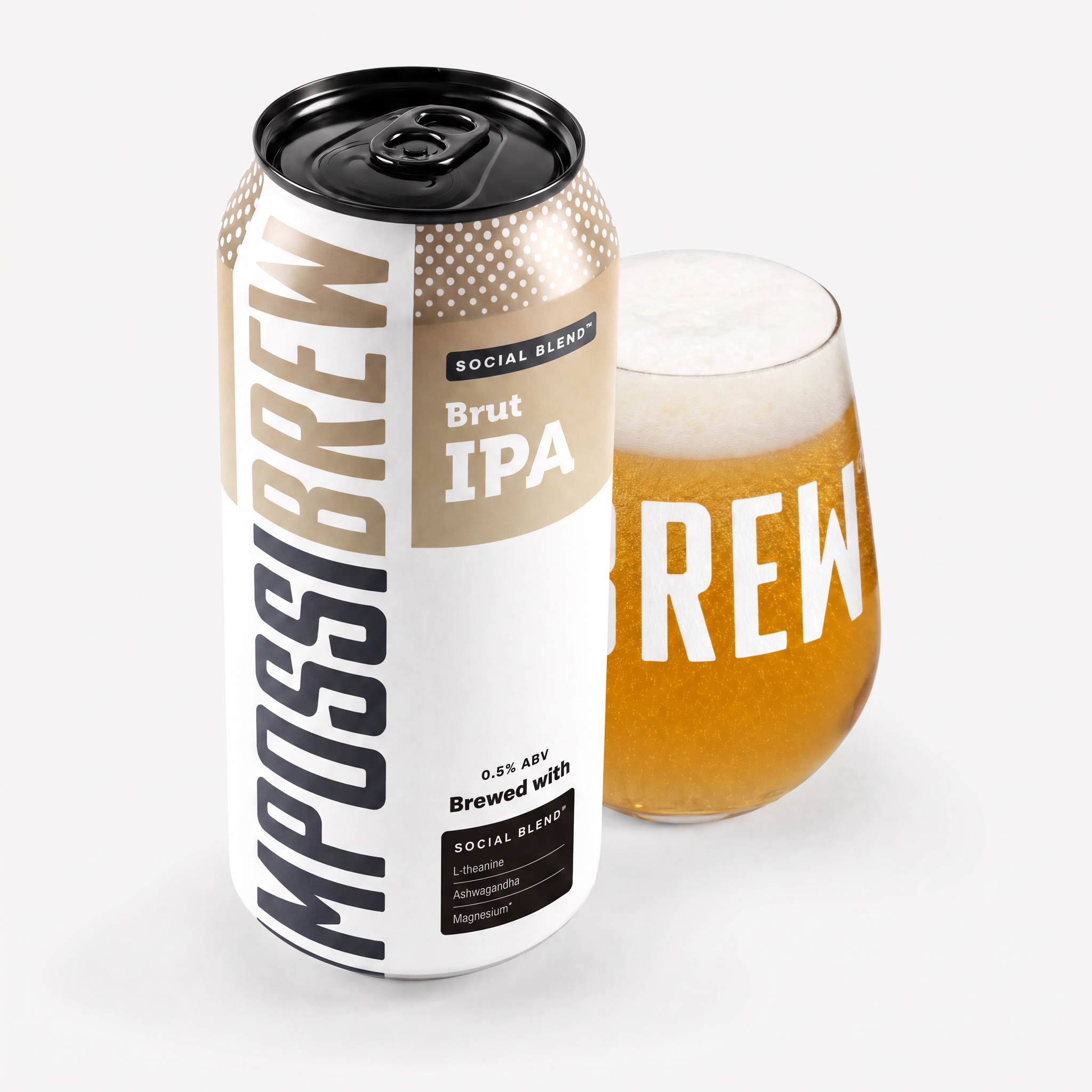
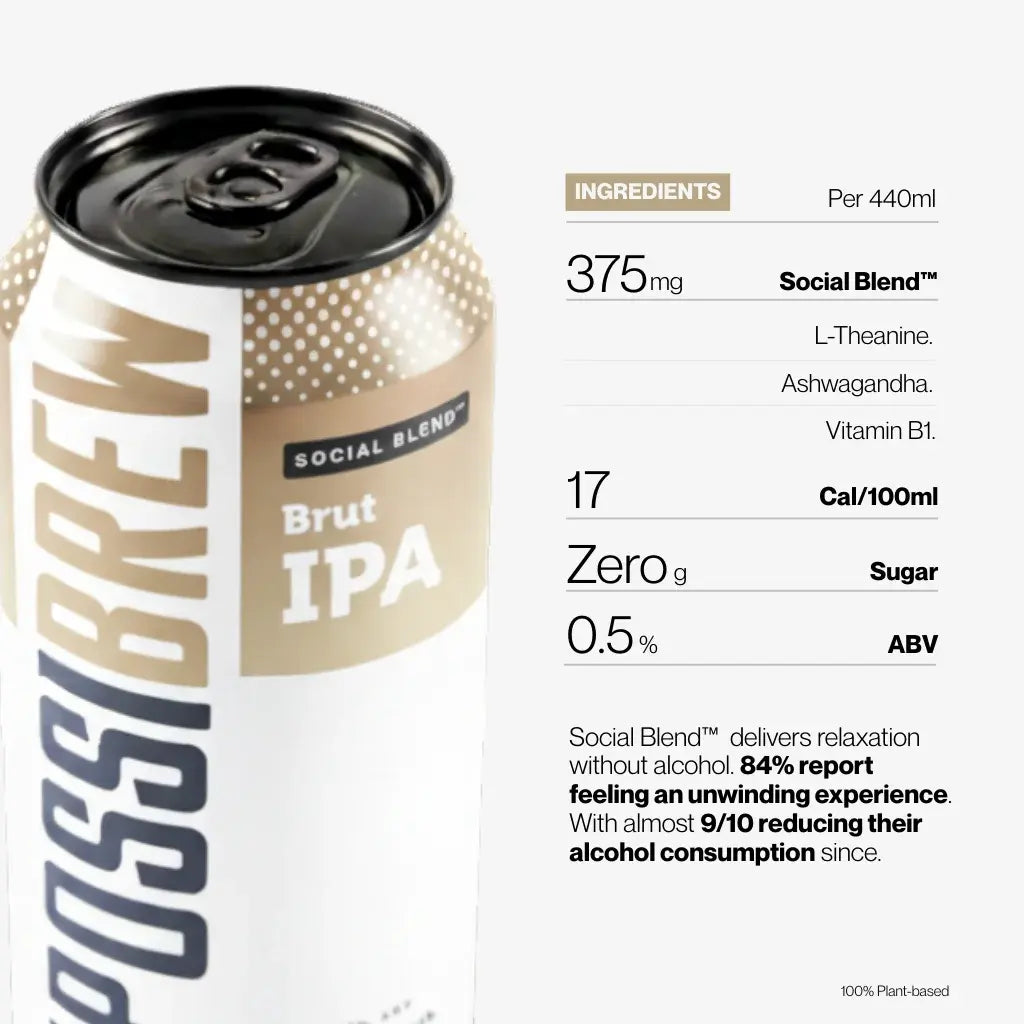
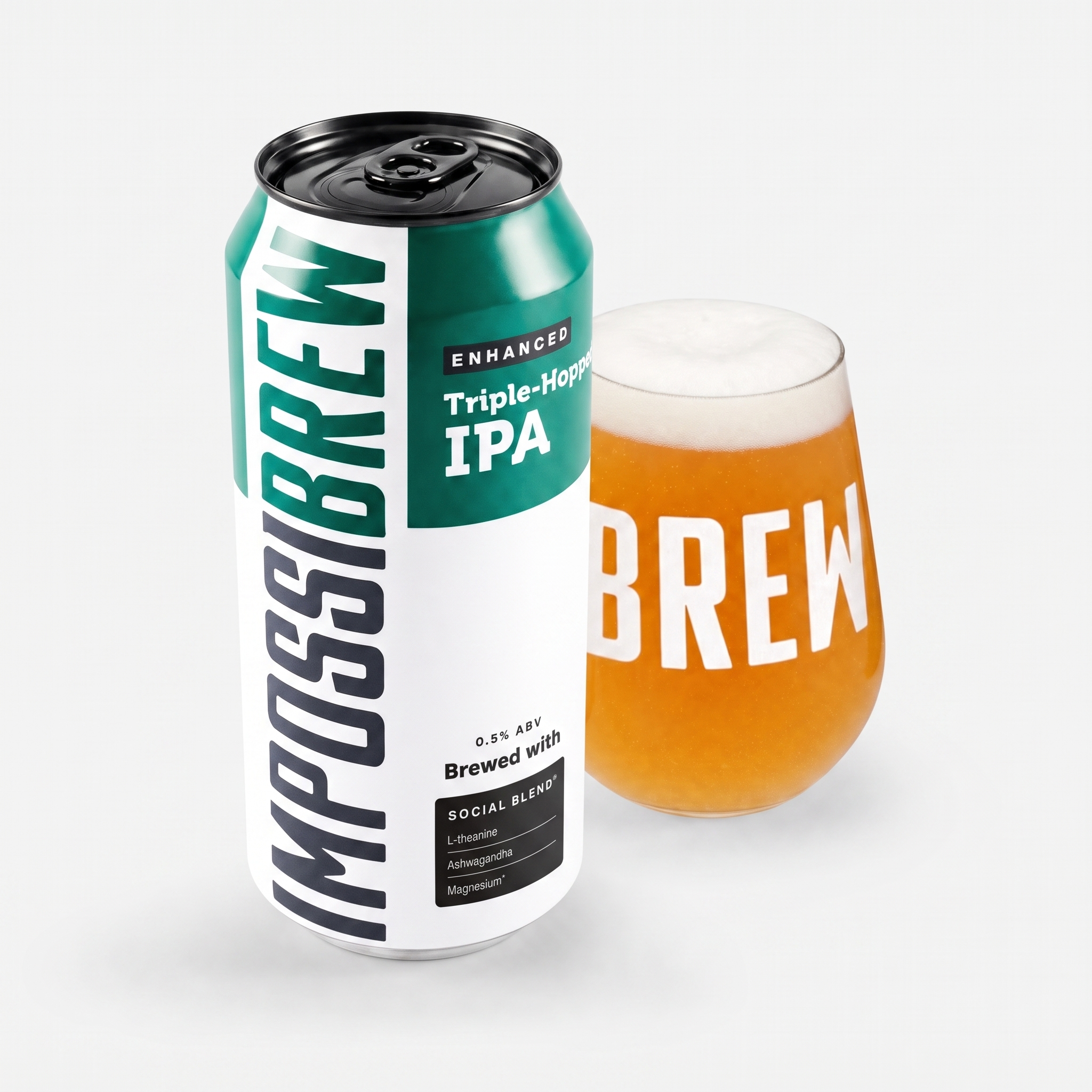
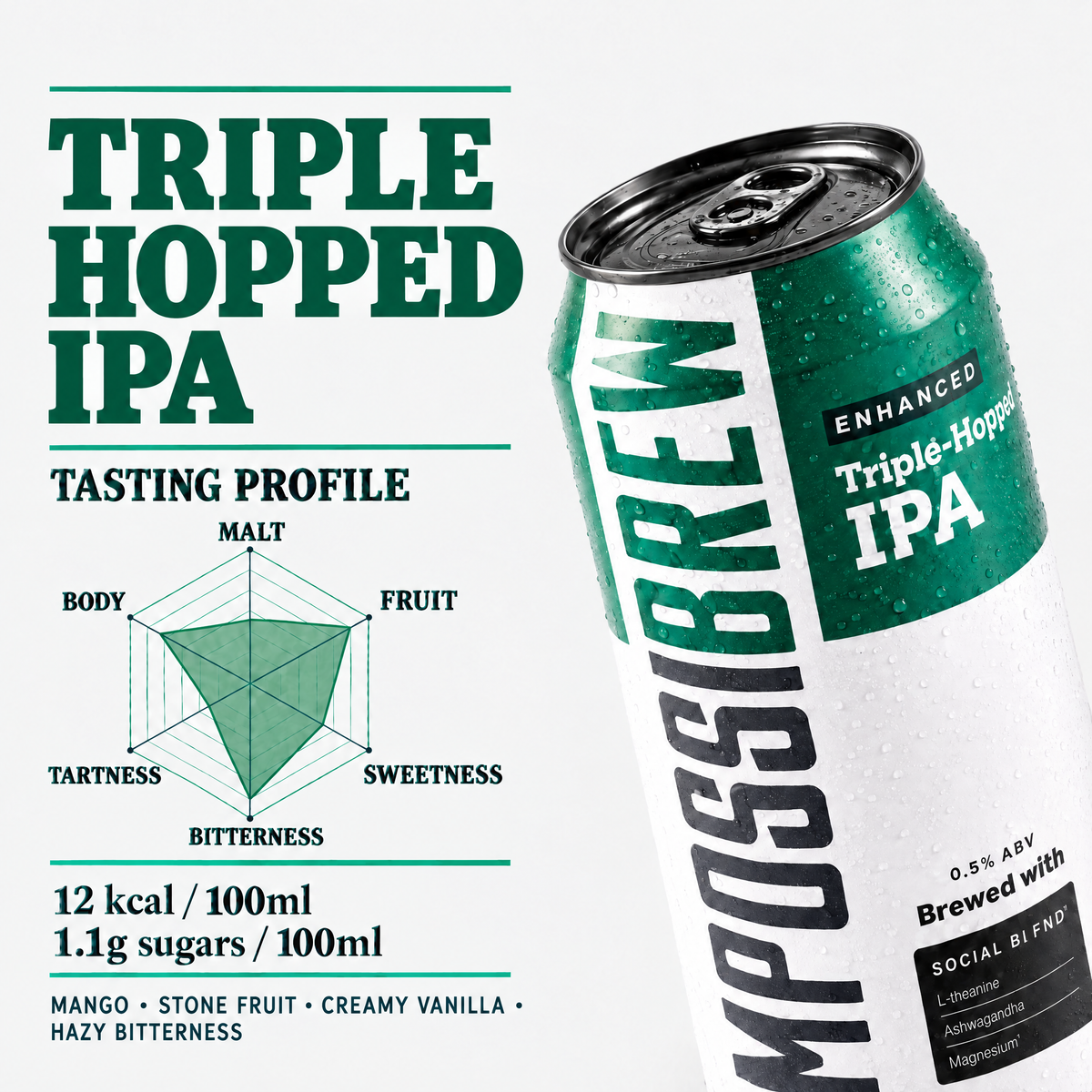
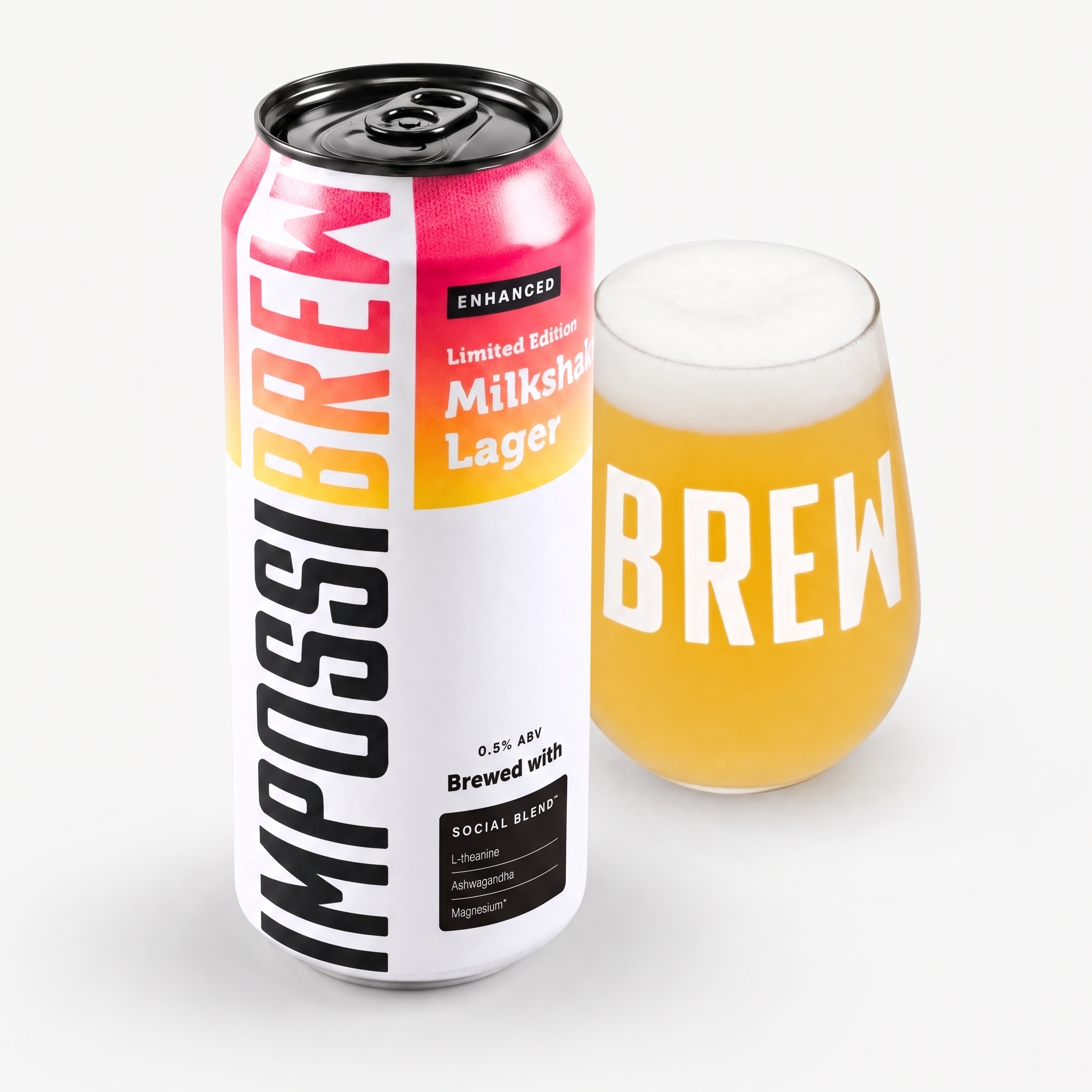
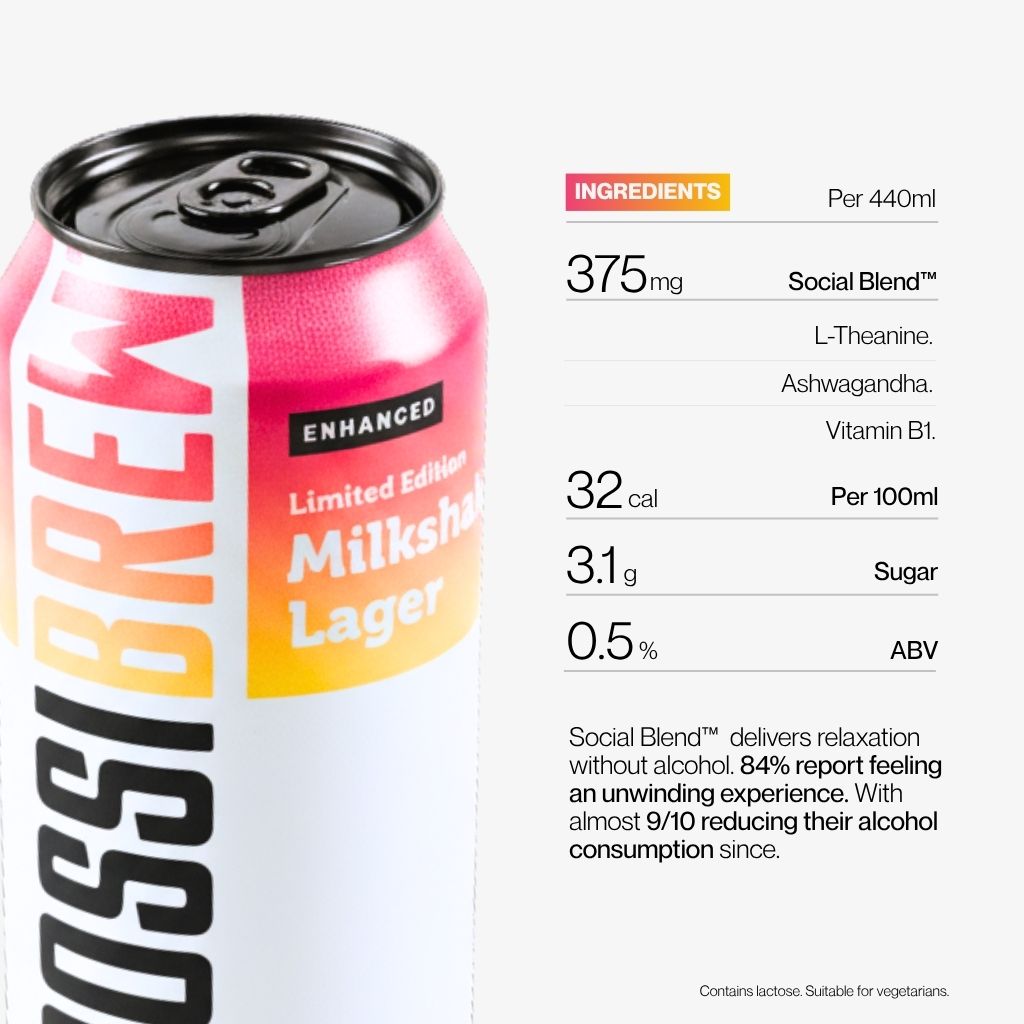
As your brain begins to recover, rethinking what you drink can play a key role in maintaining cognitive clarity. The good news? You don’t have to give up the social aspect of sharing a drink with friends. IMPOSSIBREW® Enhanced Lager and IMPOSSIBREW® Enhanced Hazy Pale offer a refreshing way to enjoy the taste and social feel of beer - without the mental fog that comes with alcohol. These beverages contain less than 0.5% ABV and include a Social Blend™ designed to support both mood and focus.
Here’s the difference: while alcohol disrupts the balance of GABA and glutamate in your brain [25], functional alternatives like IMPOSSIBREW® help keep things stable. So, you can still raise a glass and toast with friends - without the dreaded “hangxiety” or next-day sluggishness.
Tips for Completing an Alcohol-Free Month
As your brain heals, adopting a few simple habits can help boost your mental clarity even further.
- Stay hydrated. Alcohol dehydrates your brain and body, so drinking plenty of water is a simple way to support alertness and even improve skin health [23][24]. Keep water handy and sip throughout the day, not just when you’re thirsty.
- Prioritise good sleep. A regular sleep routine can amplify the cognitive benefits of cutting out alcohol. Go to bed at the same time each night, avoid screens for an hour before sleep, and replace that evening drink with a calming ritual like a warm bath or a milky beverage [3].
- Track your progress. Apps like Try Dry or MyDrinkaware let you monitor the impact of going alcohol-free, from calories avoided to money saved. For example, WHOOP users who abstained from alcohol for a month reported a 7% improvement in heart rate variability and a 9.6% drop in resting heart rate - clear signs of body and brain recovery [6].
-
Shift your perspective. Instead of thinking, “I can’t drink,” try saying, “I don’t drink.” This small change in mindset can empower you to stick with your decision. As Professor Suzanne M. Colby puts it:
"Taking a break from drinking can be reframed as a positive experience." [27]
- Set up your environment for success. Out of sight, out of mind - keep alcohol out of easy reach at home to minimise temptation. When you’re out, go for functional alternatives like IMPOSSIBREW® or a well-made mocktail to enjoy the moment without compromising your goals.
Alcohol vs. IMPOSSIBREW®: Effects on Mental Clarity
Here’s a side-by-side comparison of how alcohol and IMPOSSIBREW® affect your brain and overall mental state:
| Feature | Alcohol (Ethanol) | IMPOSSIBREW® |
|---|---|---|
| Neurotransmitter Impact | Disrupts GABA/glutamate balance [25] | Helps maintain balance [6] |
| Sleep Quality | Suppresses REM sleep, causing poor rest [23] | Supports natural REM cycles [6] |
| Cognitive Effect | Impairs memory, decision-making, and focus [25] | Keeps mental clarity intact [24] |
| Emotional State | Triggers "hangxiety", irritability, and low mood [26] | Promotes emotional balance and reduces stress [6] |
| Physical Recovery | Reduces recovery scores by about 4.2% per drink [6] | Improves readiness and recovery [6] |
The Mental Health Foundation highlights the stark contrast:
"Alcohol affects the part of your brain that controls inhibition... The chemical changes in your brain can soon lead to more negative feelings, such as anger, depression or anxiety, regardless of your mood." [23]
Maintaining Mental Clarity Beyond 30 Days
Long-Term Cognitive and Emotional Benefits
Abstaining from alcohol doesn’t just help your brain return to its baseline - it actively supports its recovery. Research highlights that after six months of sobriety, the hippocampus and prefrontal cortex - key areas for memory and decision-making - show partial recovery in volume, along with noticeable improvements in grey matter [9][28][29]. Brain imaging studies reveal these changes in regions tied to learning and memory, demonstrating the tangible benefits of sustained sobriety [28].
The impact extends beyond brain scans. In a 2018 study led by Dr Gautam Mehta at University College London, nearly 100 participants completed a 30-day "Dry January" challenge. Remarkably, six to eight months later, the number of individuals drinking at harmful levels had halved [5]. Even longer-term abstinence - averaging around 6.7 years - shows even greater benefits. Studies confirm that neurocognitive deficits, such as difficulties with memory, attention, and abstract thinking, are largely resolved, with recovered individuals performing on par with lifelong non-drinkers [22]. These improvements ripple into daily life, enhancing decision-making and emotional stability.
Another key aspect of long-term sobriety is the stabilisation of dopamine receptors. This process restores the brain's natural ability to feel pleasure from everyday activities. The result? Better emotional regulation, reduced sensitivity to stress, and fewer symptoms of anxiety or depression [28][9][29]. Dr Joseph Volpicelli, MD, PhD, founder of the Volpicelli Center, explains:
"The ability to learn, remember, plan, and focus all becomes compromised... most people are able to show less [brain] shrinkage in one to three months with alcohol abstinence" [9].
These cognitive and emotional improvements create a strong foundation for building lasting alcohol-free habits.
Building Alcohol-Free Habits for Daily Life
As your brain heals, adopting practical strategies can help you maintain mental clarity and make sobriety a sustainable lifestyle choice. A simple but effective starting point? Reframe your language. Instead of saying, "I can't drink", try saying, "I don't drink." This subtle shift reinforces a sense of control and makes it easier to navigate social situations. Dr Richard de Visser, Professor of Health Psychology at the University of Sussex, notes:
"One of the gains that may come from trying a whole dry month is the mindset change... it's not like a bubble that goes 'pop' after the month of abstinence ends" [5].
Planning ahead can also make a huge difference. Use "if-then" strategies to prepare for common scenarios. For instance, if someone offers you a drink, plan to order a non-alcoholic alternative instead. Keep your environment supportive by removing alcohol from your home. And when faced with triggers, replace the habit with something healthier. If stress tempts you to drink, channel that energy into a hobby or opt for a functional alternative that supports your mood and focus without undoing your progress.
These small, practical changes can help you cement the mental and emotional benefits of sobriety into your daily life.
Conclusion
Taking a 30-day break from alcohol can lead to noticeable improvements in mental clarity. Research highlights that 57% of participants report better focus, 71% enjoy improved sleep, and 67% feel more energised after just a month of abstinence [4]. These mental benefits create a foundation for broader physical and emotional recovery.
Studies also show that a month without alcohol reduces liver fat and lowers blood pressure. Professor Tony Rao points out that these physical changes directly enhance focus, memory, and overall energy levels [4]. While these are immediate benefits, maintaining sobriety over time strengthens mental and emotional resilience.
For those seeking an alternative, IMPOSSIBREW® offers a non-alcoholic option that captures the social and sensory experience of traditional beer, minus the downsides of alcohol. Its unique Social Blend™ helps you feel at ease in social settings while supporting mental sharpness.
Stepping away from alcohol isn’t about missing out - it’s about reclaiming mental sharpness and emotional stability. Whether you’re tackling your first 30-day challenge or working towards long-term alcohol-free living, giving your brain the chance to recover is a meaningful step towards lasting well-being. The benefits you experience in just 30 days can set the stage for a healthier, more balanced future.
FAQs
What mental clarity benefits can you expect from giving up alcohol for 30 days?
Taking a 30-day break from alcohol can do wonders for your mental clarity. Many people notice sharper focus, improved concentration, and a better short-term memory within just a few weeks. These changes are often tied to getting better sleep and experiencing less brain fog as your body adapts to life without alcohol.
Studies suggest that even a brief period of abstinence can help reverse some of the cognitive impacts of regular drinking. Skills like memory, attention, and problem-solving show noticeable improvements, and managing emotions becomes less challenging. Dedicating a month to being alcohol-free not only sharpens your mind in the short term but also sets the stage for lasting cognitive health.
What impact does alcohol have on the brain's neurotransmitters?
Alcohol interferes with how the brain's neurotransmitters function, disrupting their delicate balance. It boosts the activity of GABA, the brain's primary inhibitory neurotransmitter. This increase produces a calming, sedative effect. At the same time, alcohol suppresses glutamate, the main excitatory neurotransmitter, which slows brain activity. This combination often leads to feelings of drowsiness or mental fog.
Additionally, alcohol triggers a surge in dopamine, the neurotransmitter associated with pleasure and reward. While this can momentarily lift your mood, frequent or heavy drinking can cause the brain to cut back on its natural dopamine production. Over time, this may lead to reduced motivation, a diminished sense of pleasure, and a noticeable drop in mental clarity.
These effects disrupt the brain's normal communication processes, causing short-term cognitive issues. Over prolonged periods, they can also impact emotional health and mental well-being.
What mental clarity improvements can you expect after a month without alcohol?
After a month without alcohol, many experience a noticeable shift in their mental clarity. You might find your focus sharper, brain fog lifting, and your overall ability to think and process information improving. It’s like giving your brain a much-needed break.
This period of abstinence allows your brain to recover and regain stability, free from alcohol's disruptive effects. By the time the month is up, tasks that require concentration or decision-making may feel less taxing, and you could discover a newfound ease in staying mentally alert throughout your daily activities. Additionally, your emotional state might feel more balanced, leaving you calmer and more centred.