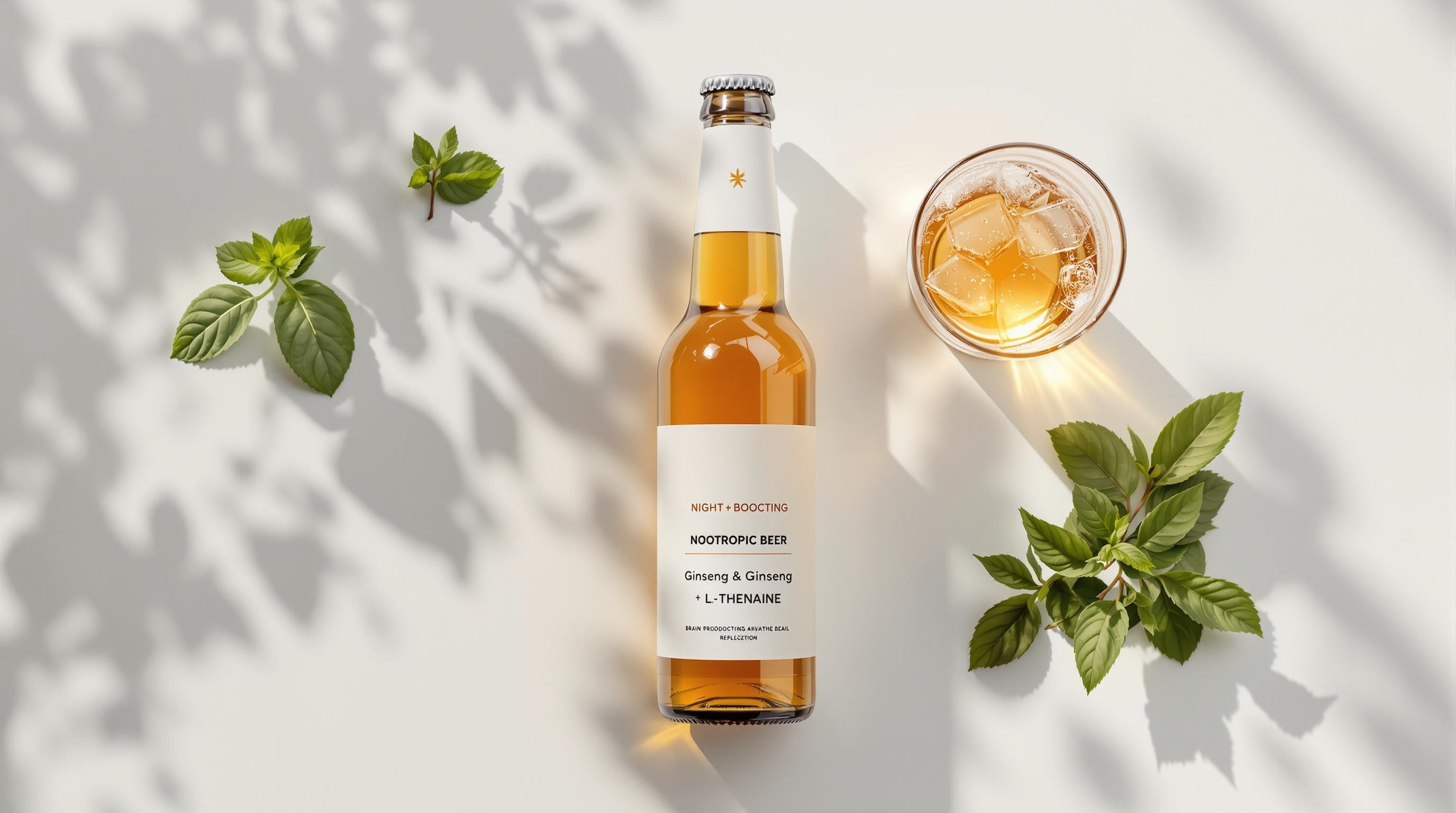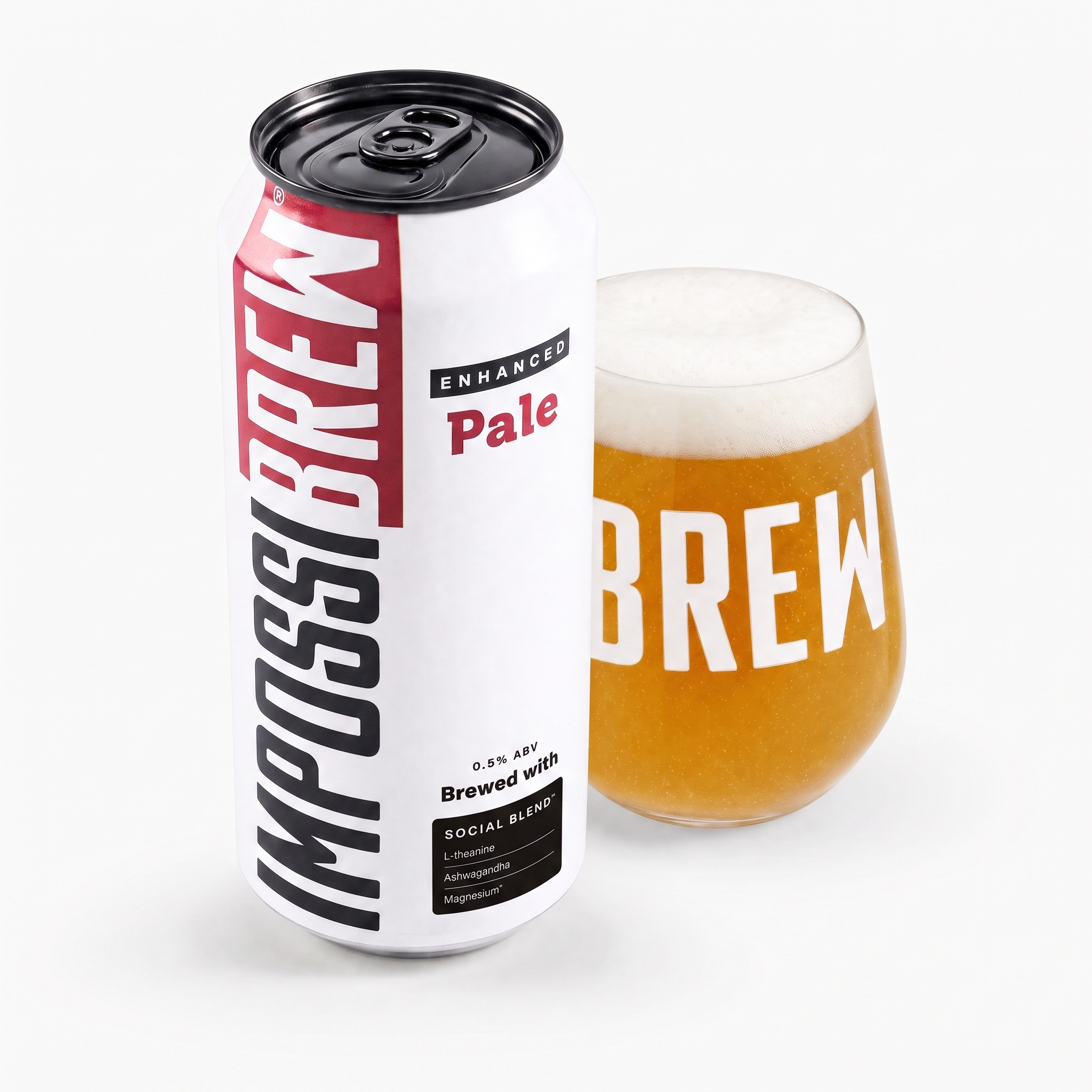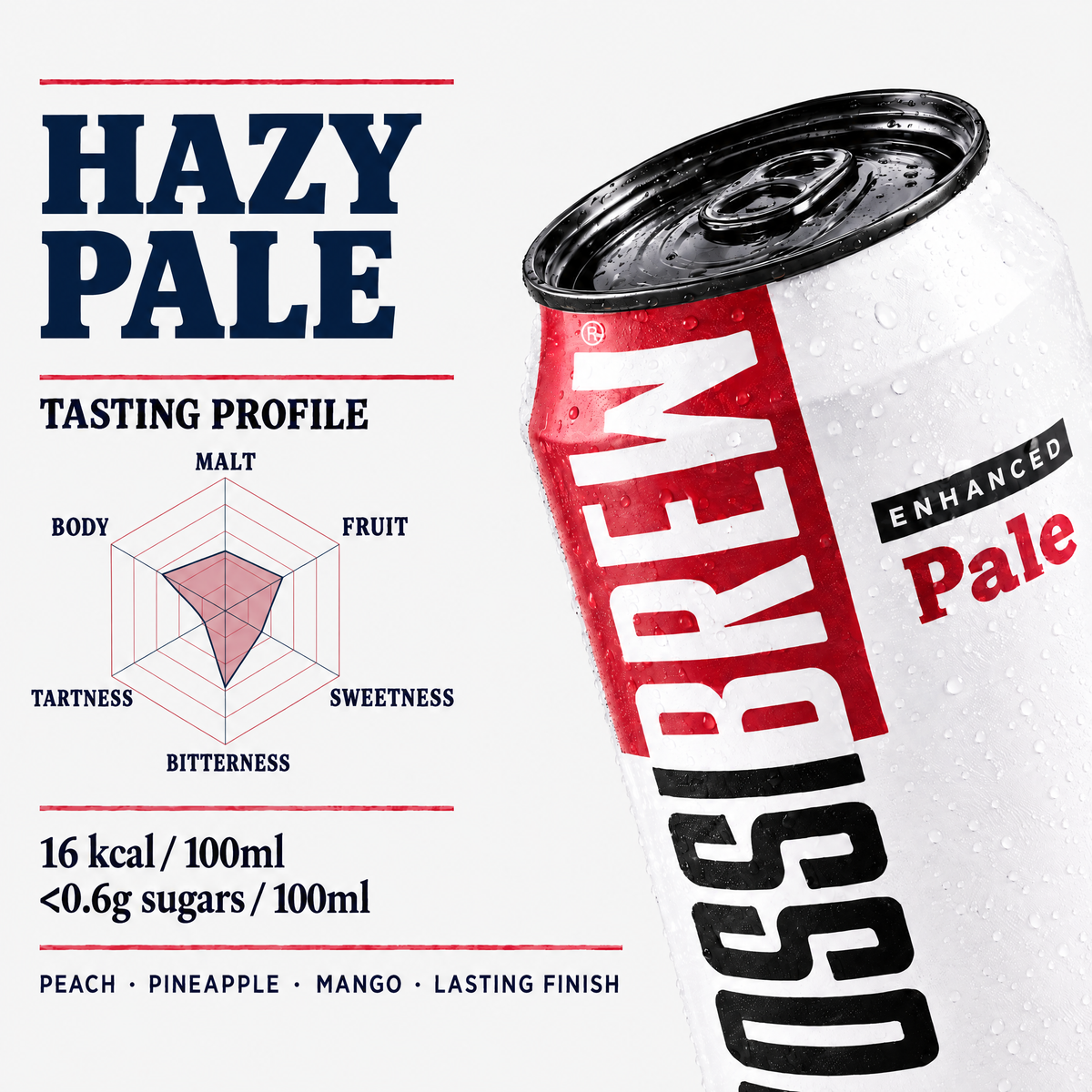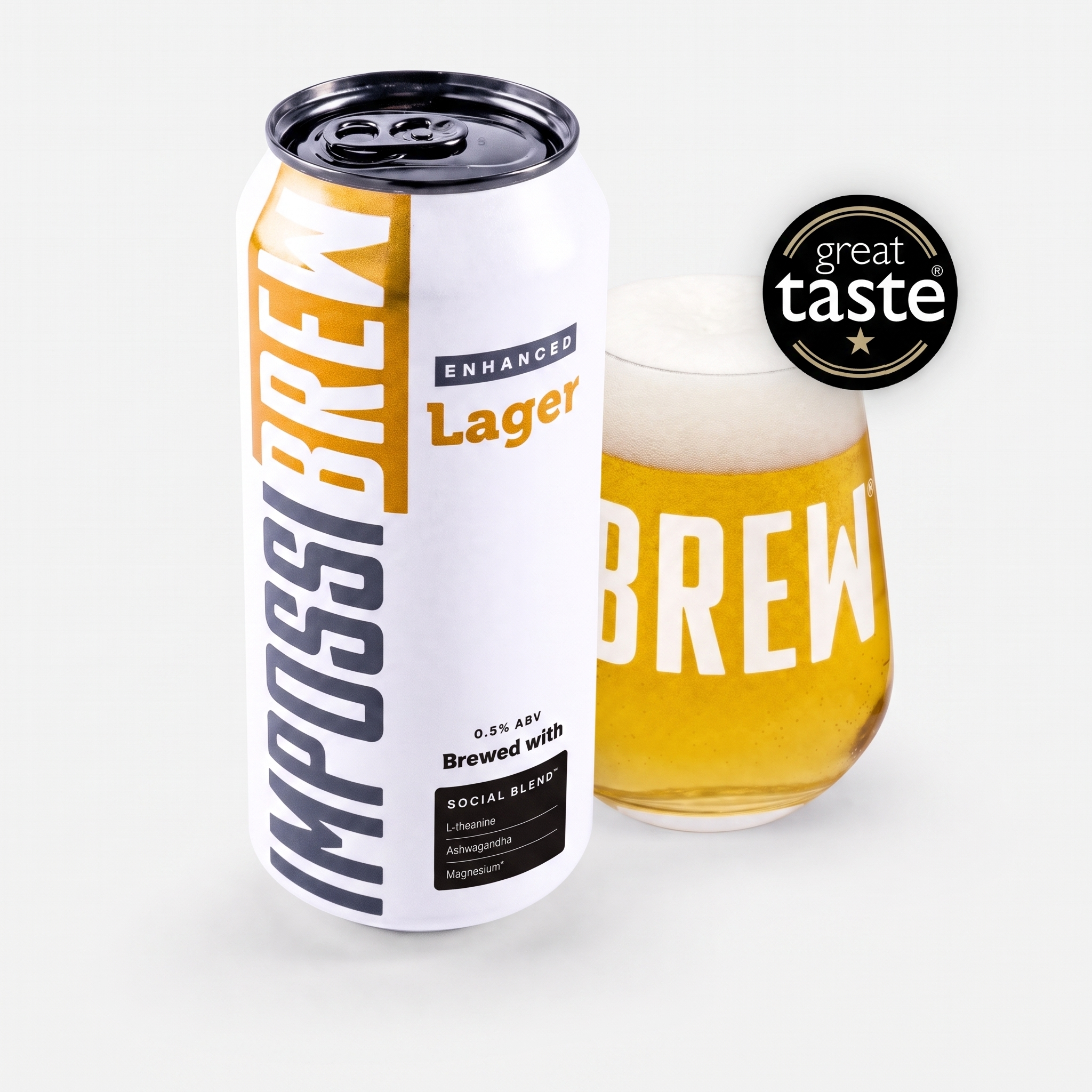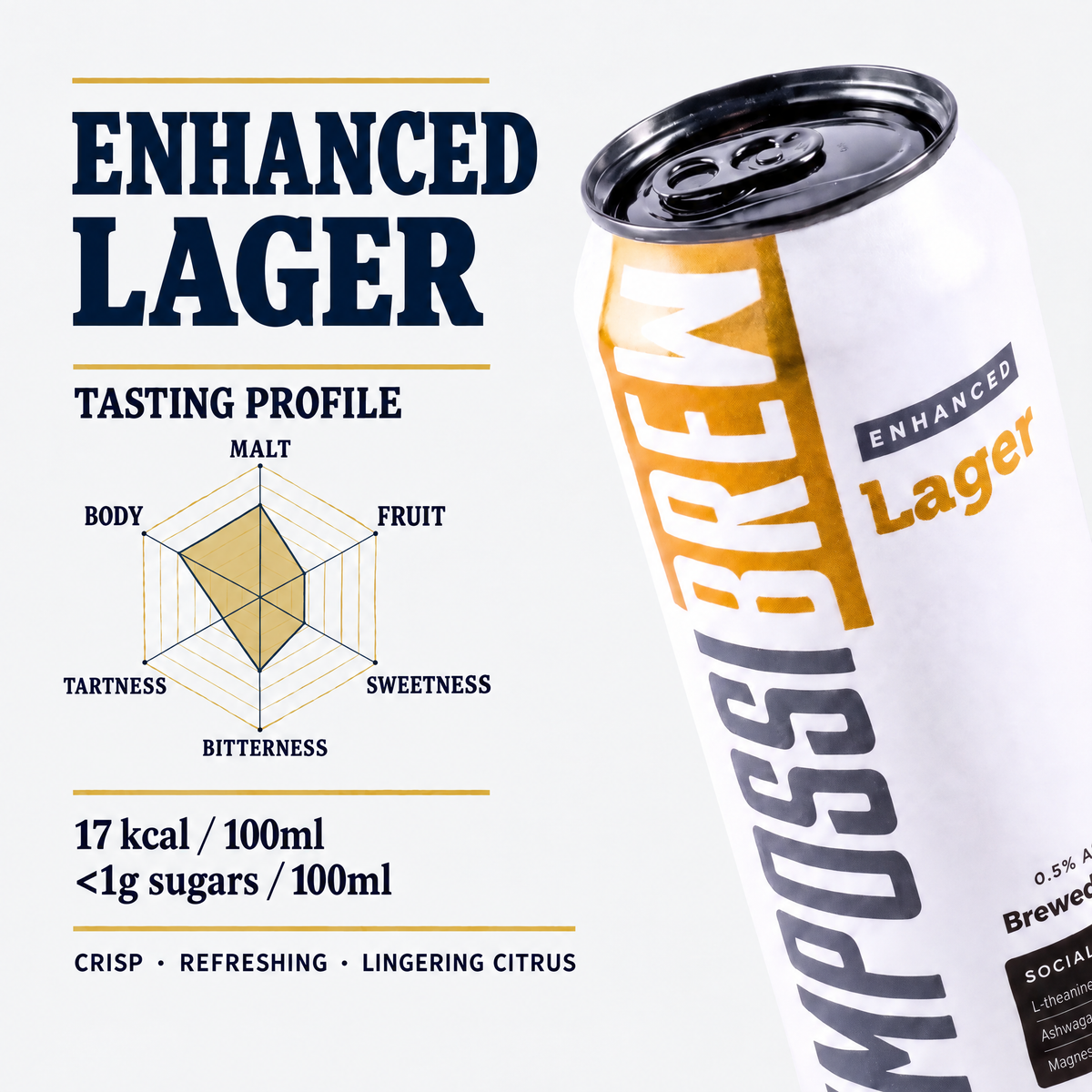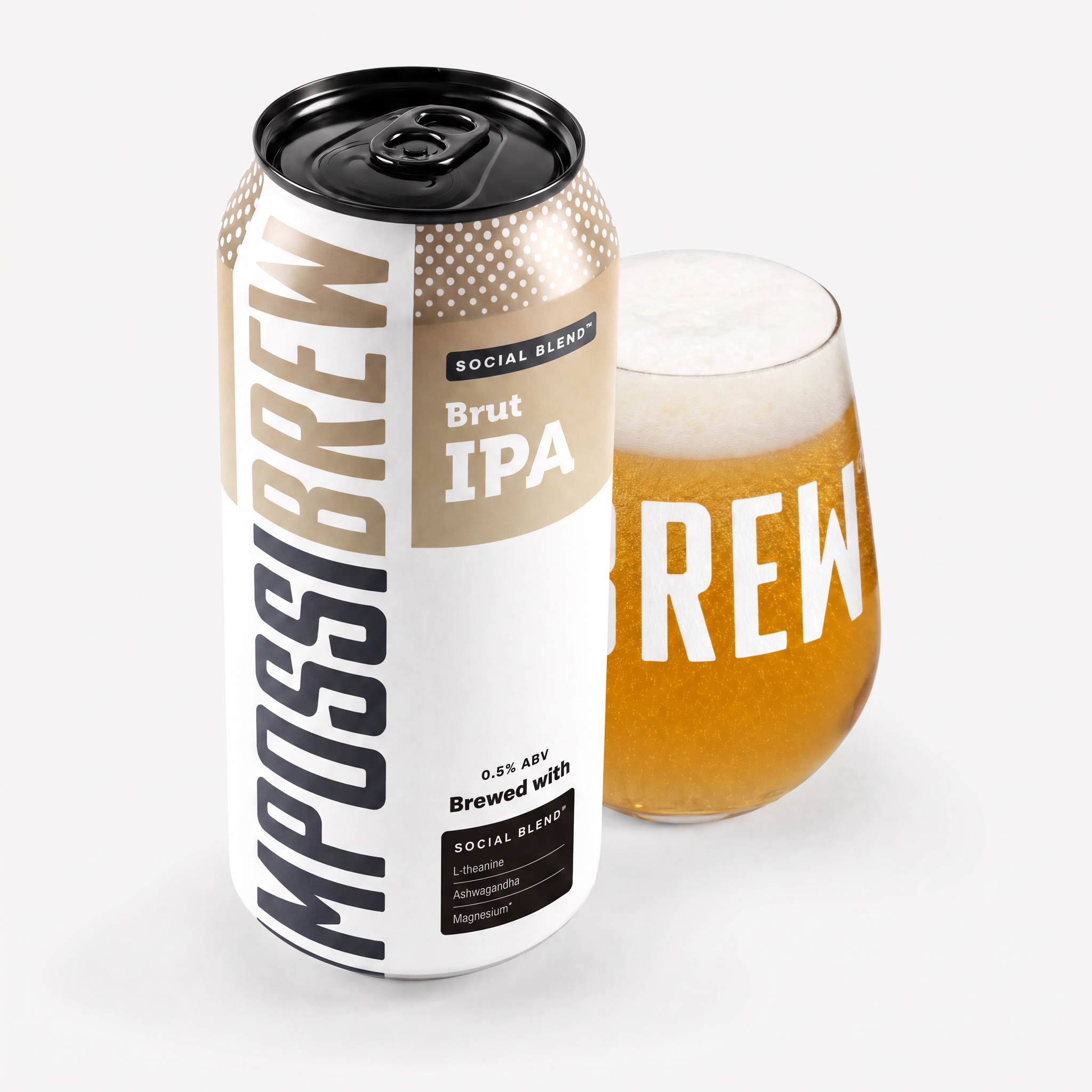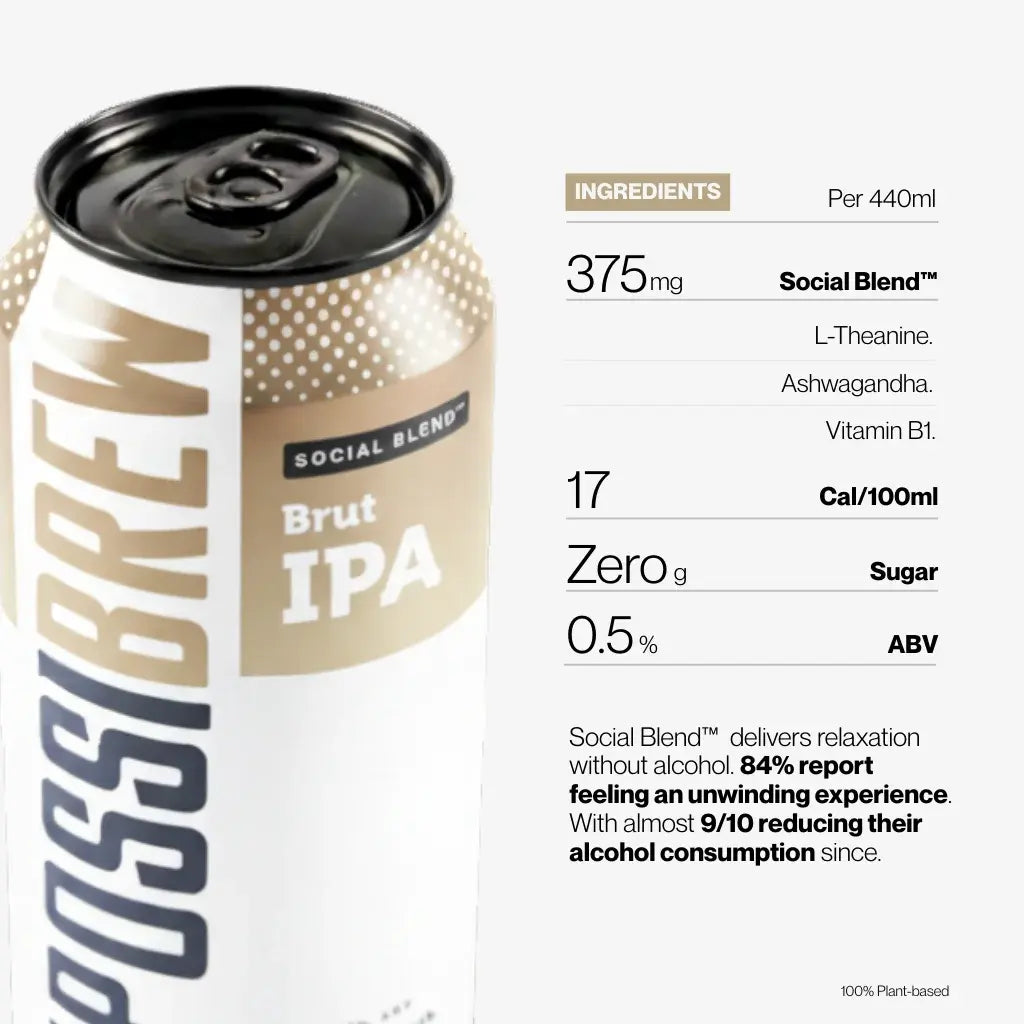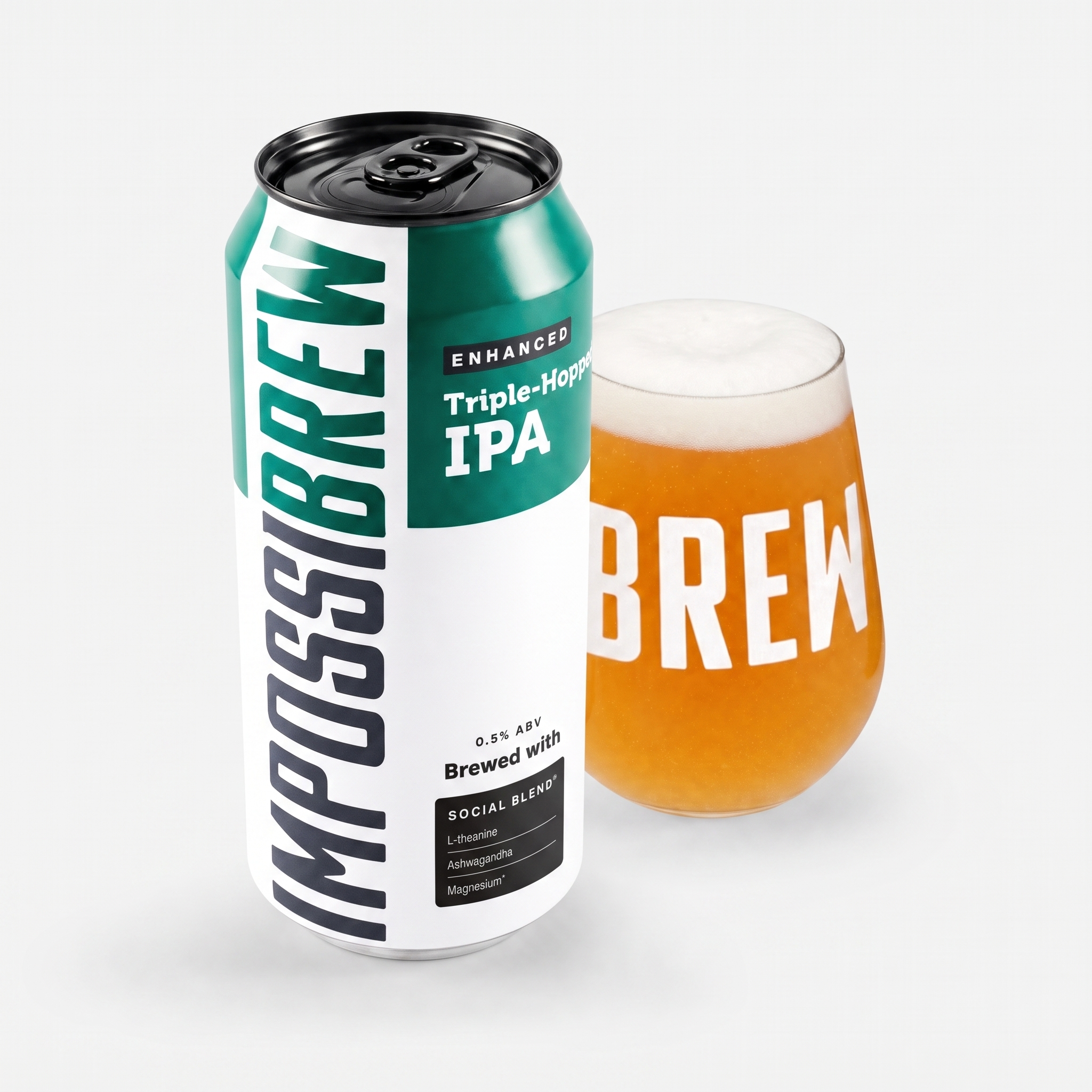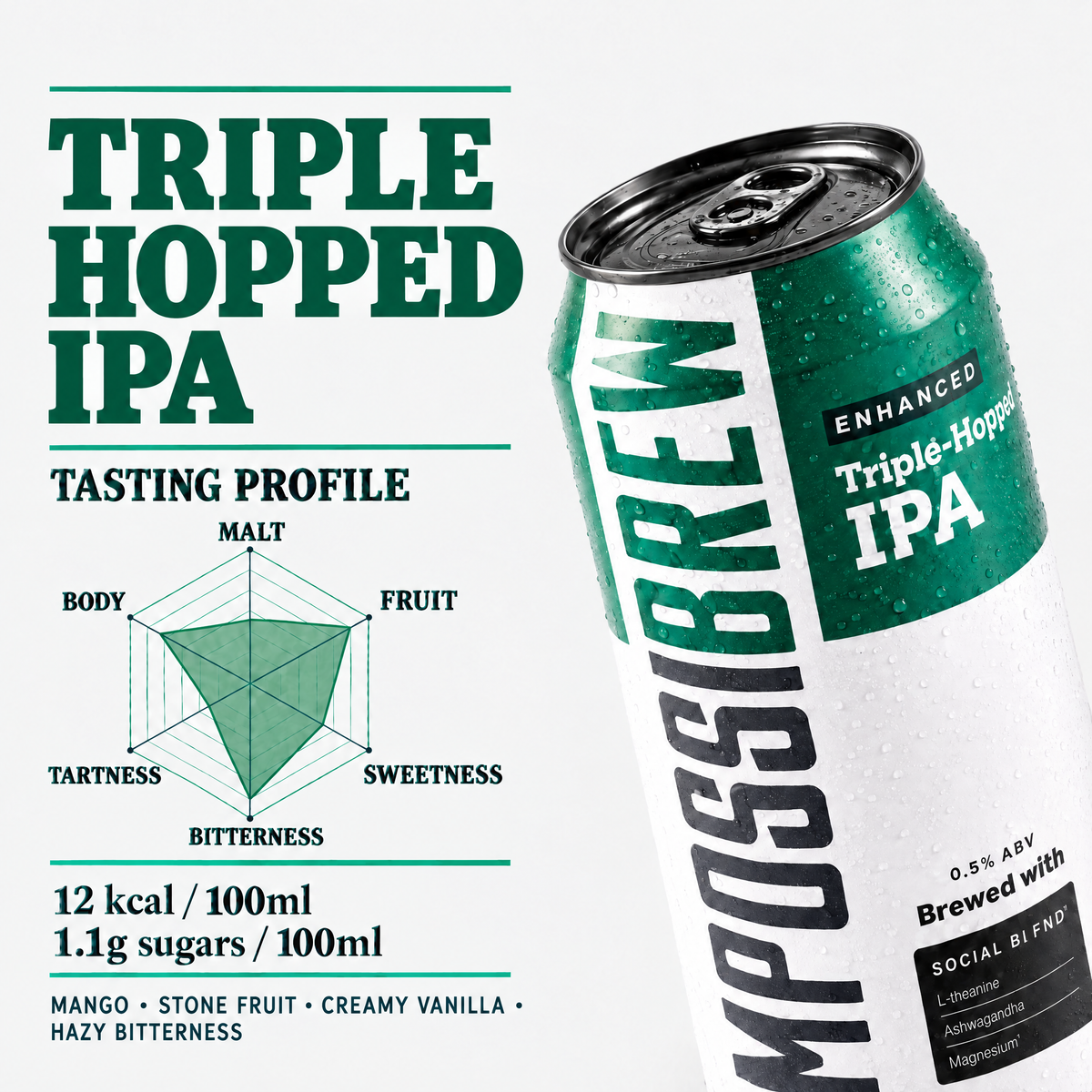
Functional beers are alcohol-free drinks designed to help you relax without the downsides of alcohol. These beverages combine traditional brewing with ingredients like L-theanine, Rhodiola rosea, and Ashwagandha, which influence brain chemicals like GABA, serotonin, and dopamine to promote calmness and reduce stress. Here's what you need to know:
- Relaxation Benefits: 70.6% of users report feeling relaxed after drinking functional beers.
- Key Ingredients: L-theanine boosts alpha brain waves for "calm alertness", while Rhodiola and Ashwagandha help manage stress.
- Advanced Brewing: Techniques like low-temperature brewing and ultrasonic extraction preserve active compounds for maximum effect.
- Healthier Alternative: These beers are alcohol-free, low-calorie, and offer a social drinking experience.
Functional beers are crafted to provide relaxation without grogginess, making them a great choice for unwinding while staying clear-headed.
Unlocking Calm and Focus: Ashwagandha and L-Theanine
Brain Chemistry and Relaxation
This section dives deeper into how specific brain chemicals interact to promote relaxation, building on earlier discussions about neurotransmitters.
Key Brain Chemicals
Certain ingredients in functional beers influence three major neurotransmitter systems. For example, compounds like L-theanine boost GABA activity - GABA being the brain's primary calming neurotransmitter. At the same time, these ingredients help balance serotonin and dopamine levels, which supports a sense of calm without sacrificing mental clarity during relaxation[5].
Active Ingredients Research
Research highlights the unique effects of various functional beer ingredients:
| Ingredient | Research Findings |
|---|---|
| L-theanine | Boosts alpha brain waves by 13-16% when compared to a placebo[10]. |
| Rhodiola rosea | Reduces mental fatigue and improves cognitive performance in high-pressure tasks[2]. |
| Ashwagandha | Helps manage stress through its adaptogenic properties[9]. |
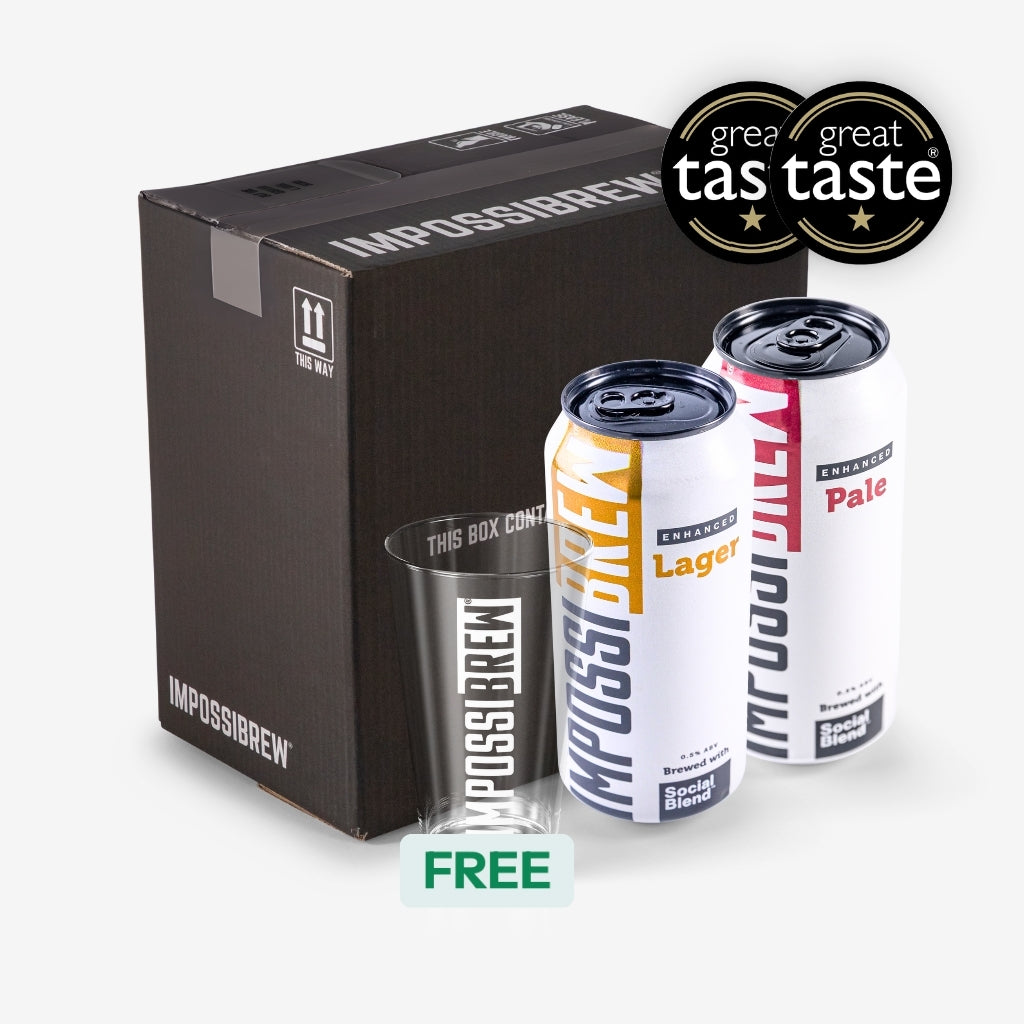
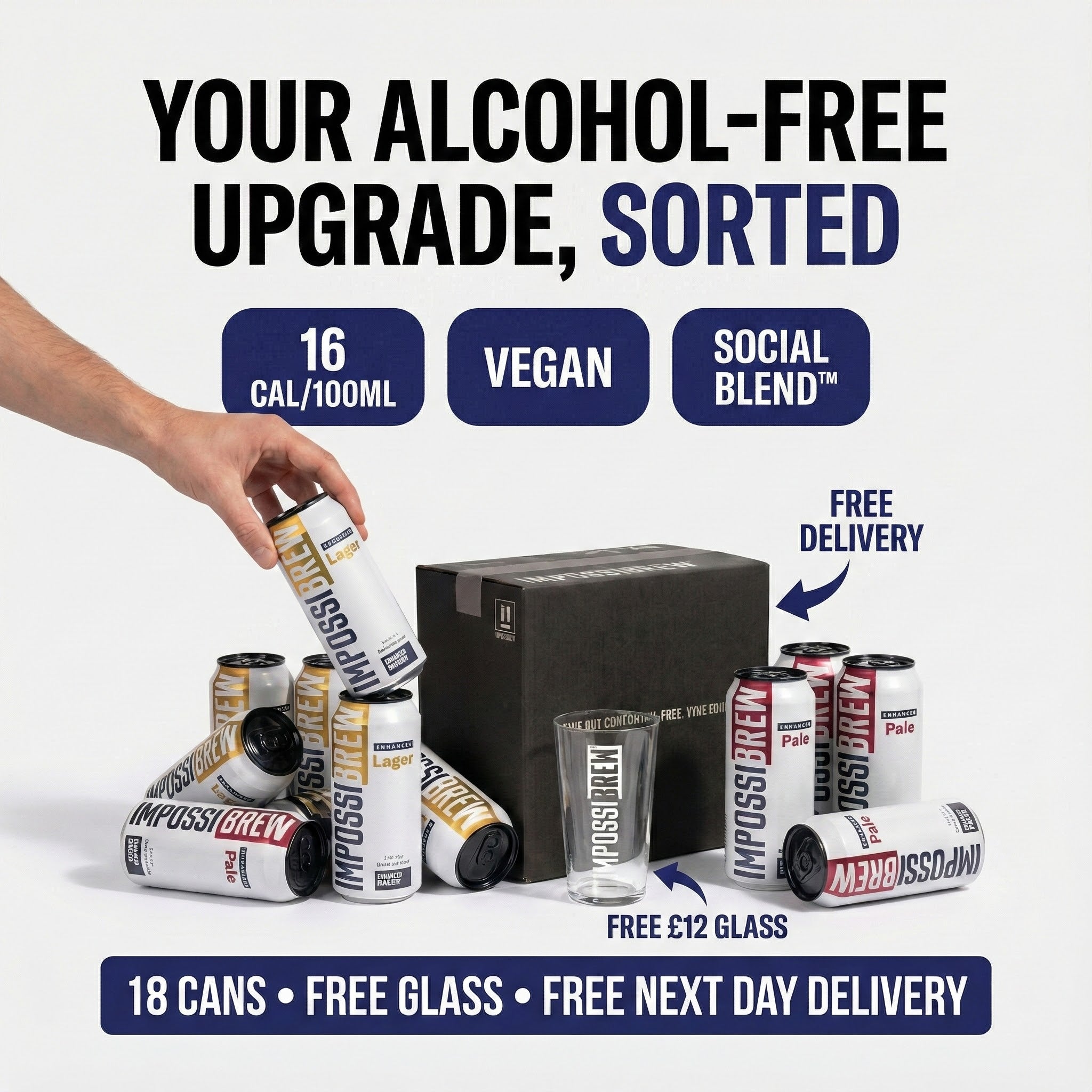
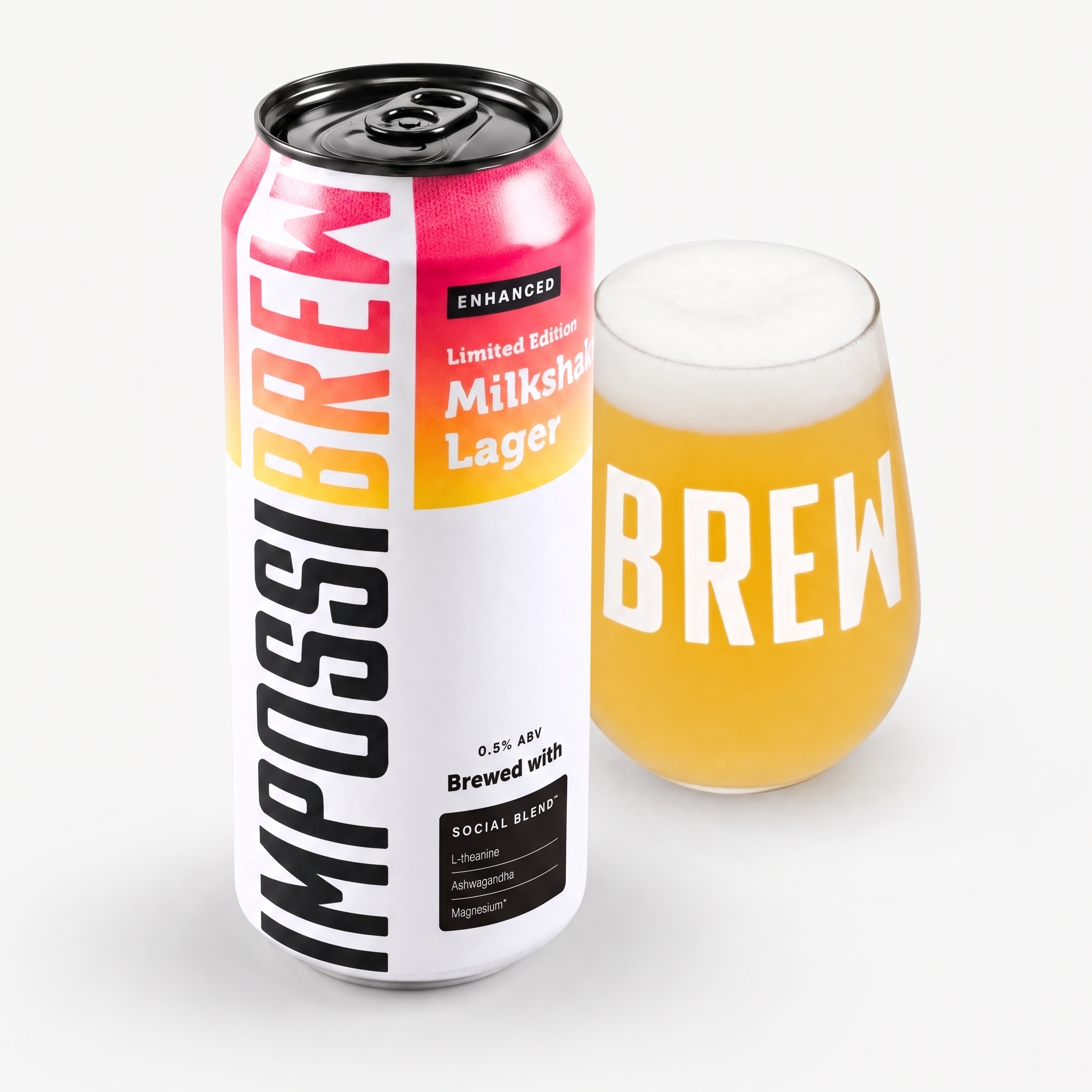
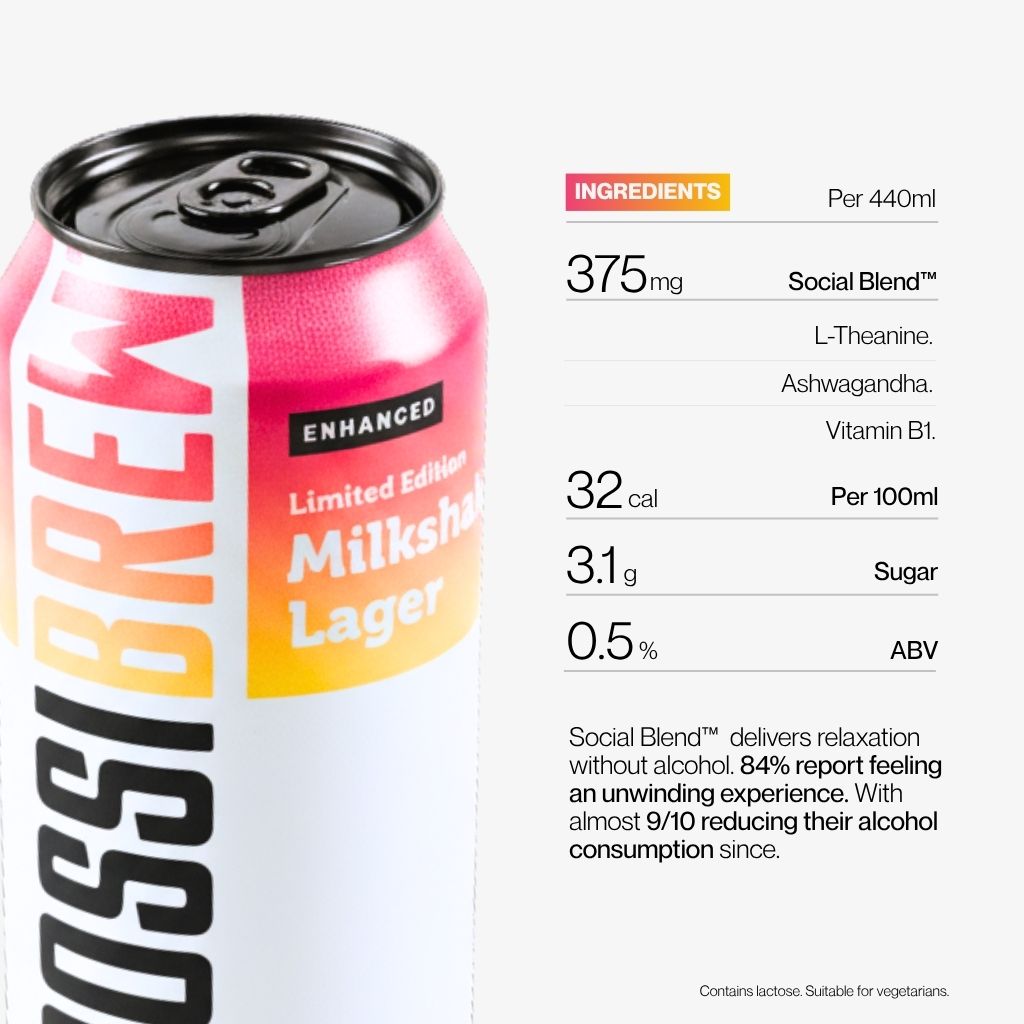
A study conducted by the University of Extremadura found that nurses who drank 330 mL of enhanced non-alcoholic beer experienced a reduction in the time it took to fall asleep - from 20.50±4.21 minutes to 12.01±1.19 minutes[1]. IMPOSSIBREW's Social Blend™ fine-tunes these ingredient ratios for optimal results.
L-theanine, in particular, promotes a state of relaxed alertness by increasing alpha brain wave activity, helping you stay clear-headed[2]. This is in stark contrast to alcohol, which often impairs cognitive functions[5].
Main Ingredients and Effects
Plant-based ingredients in functional beers work by targeting specific stress pathways through three main mechanisms.
Plant-Based Stress Relief
Rhodiola rosea and Bacopa monnieri are key ingredients in functional beers, known for their stress-reducing properties. Bacopa monnieri, in particular, supports stress management through its antioxidant activity[2]. These herbs help the body manage both physical and mental stress effectively.
Calming Compounds
Research in Brain Chemistry highlights L-theanine as a standout ingredient in functional beers. When consumed in amounts ranging from 25-200mg, L-theanine promotes "wakeful relaxation" by boosting alpha brain wave activity within 30-40 minutes. This effect is notably different from the drowsiness caused by alcohol[6].
Combining L-theanine with hop-derived bitter acids enhances relaxation without making you sleepy[1]. These blends are carefully designed to support the GABA-serotonin balance discussed earlier, addressing stress on both mental and physical levels.
Innovative formulations like Social Blend™ bring together traditional brewing techniques and modern nutritional science. These blends create alcohol-free beers that not only promote relaxation but also retain a satisfying taste, meeting the expectations of today's consumers[3][4].
sbb-itb-a752bf8
Brewing Methods and Ingredient Quality
Crafting functional beer that tastes great while retaining its active components requires specialized brewing techniques. Brewers today use advanced methods to ensure that both flavor and beneficial properties are preserved.
Modern Brewing Methods
To maintain the potency of bioactive compounds, brewers have moved beyond conventional techniques. For instance, low-temperature brewing (below 10°C) helps preserve flavor compounds and enhances the extraction of GABA-boosting botanicals, boosting efficiency by 15-20% [6].
Other advanced methods, such as ultrasonic extraction and supercritical CO2 processing, protect these compounds from heat damage [2][9]. These approaches are particularly effective for retaining stress-relieving ingredients like L-theanine and Rhodiola rosea.
- Ultrasonic extraction: Uses sound waves to break plant cell walls, improving the availability of active compounds [9].
- Supercritical CO2 extraction: Extracts compounds without exposing them to heat, ensuring their potency [2].
- Membrane filtration: Removes impurities while keeping active ingredients intact [2].
Taste and Function
Combining great taste with functional benefits is no easy task. Brewers rely on strict quality control throughout the process. Precision lab testing ensures that active ingredient levels meet the standards seen in clinical studies on relaxation and anxiety reduction [7][11].
| Method | Functional Improvement |
|---|---|
| Temperature Control | Standard fermentation (15-25°C) vs. Cryogenic fermentation (<0°C) |
| Extraction Method | Hot extraction vs. Cold extraction |
| Quality Testing | Basic sensory analysis vs. Bioactive compound monitoring |
Thanks to these advances, brewers can now create beers that not only help with relaxation but also deliver enjoyable flavor profiles.
Safety and Regulations
The functional beer industry is built on strict safety measures and regulatory standards to protect consumers. Beyond just focusing on ingredient benefits, these neuroactive blends must meet stringent protocols to ensure they are safe for consumption.
Research Results
Clinical studies involving 775 participants have confirmed that functional beers promote relaxation, aligning with known neurochemical mechanisms [2][3][9]. This supports earlier findings on ingredients like L-theanine, which is known to encourage alpha brain wave activity linked to relaxation [2][9].
Producers use rigorous quality control methods to maintain ingredient purity and ensure consistent performance and safety in their neuroactive beverages.
Legal Standards
Global regulations require functional beers to have an alcohol content below 0.5% ABV and to provide evidence-backed claims. In the U.S., the FDA oversees these products under food safety rules rather than alcohol regulations, requiring premarket safety reviews for active ingredients [8].
"The FDA requires functional food and beverage manufacturers to ensure the safety of new dietary ingredients through extensive testing, particularly for ingredients affecting neurotransmitter systems like GABA and serotonin" [8]
Post-market reviews have shown minimal adverse effects when consumed at recommended doses [2]. Ongoing research is shaping the future of the industry, focusing on long-term safety and the most effective ingredient combinations.
Looking Ahead: Functional Beer Development
The functional beer industry is growing fast, with the global market valued at USD 292.5 million in 2021 and expected to grow at a 10.9% CAGR through 2030 [1].
New brewing techniques are transforming how these beers provide relaxation benefits. These methods make it possible to create products that maintain the familiar taste and texture of traditional beer while offering added functional perks.
Researchers are also diving deeper into natural compounds like L-theanine and Ashwagandha. Early findings suggest these ingredients may help with relaxation and cognitive support without the negative effects of alcohol. This ties into the GABA-serotonin balance mechanisms mentioned earlier, allowing for more focused relaxation benefits.
Advances in biotechnology are making it easier to fine-tune the effectiveness of functional ingredients. Techniques like ultrasonic and supercritical CO2 extraction are being used to create stress-response-focused formulations based on specific biomarkers.
As the science progresses, the industry has plenty of room to develop better formulations that balance relaxation benefits with safety standards. With more precise brewing methods and creative ingredient combinations on the horizon, functional beers are set to become even more effective.